Engineered high-efficiency heat exchange solutions tailored for Lombardy's industrial applications and environmental compliance standards.
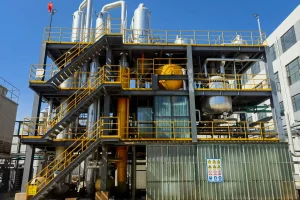
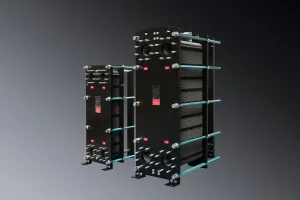
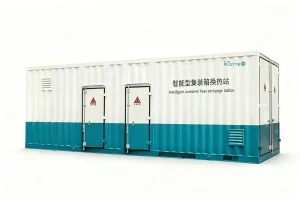
As Northern Italy’s economic powerhouse, Milan and the broader Lombardy region stand at the forefront of Europe’s ecological transition. Driven by strict EU decarbonization regulations, local industrial players are facing unprecedented pressure to optimize thermal processes, reduce carbon footprints, and minimize primary energy consumption. Industrial thermal processes account for a massive percentage of fuel consumption in the metropolitan areas of Milan, Pero, Sesto San Giovanni, and Monza. Implementing high-efficiency heat recovery configurations, such as custom-engineered plate coils (often referred to as pillow plates or dimple plates), has emerged as a cornerstone strategy for modernizing industrial HVAC, chemical processing plants, and food processing lines.
Our role as a primary international exporter of plate coils and advanced integrated heat exchange units serving Milan leverages three decades of thermal engineering intelligence. We deliver bespoke heat transfer equipment designed specifically to align with local environmental parameters, strict EU safety directives, and the performance goals of Italian plant engineers. Whether it is integration into the complex chemical parks of the Olona Valley, or modern district heating substations connected to Milan’s municipal grids, our high-precision plate coils ensure peak operational longevity and energy conservation.
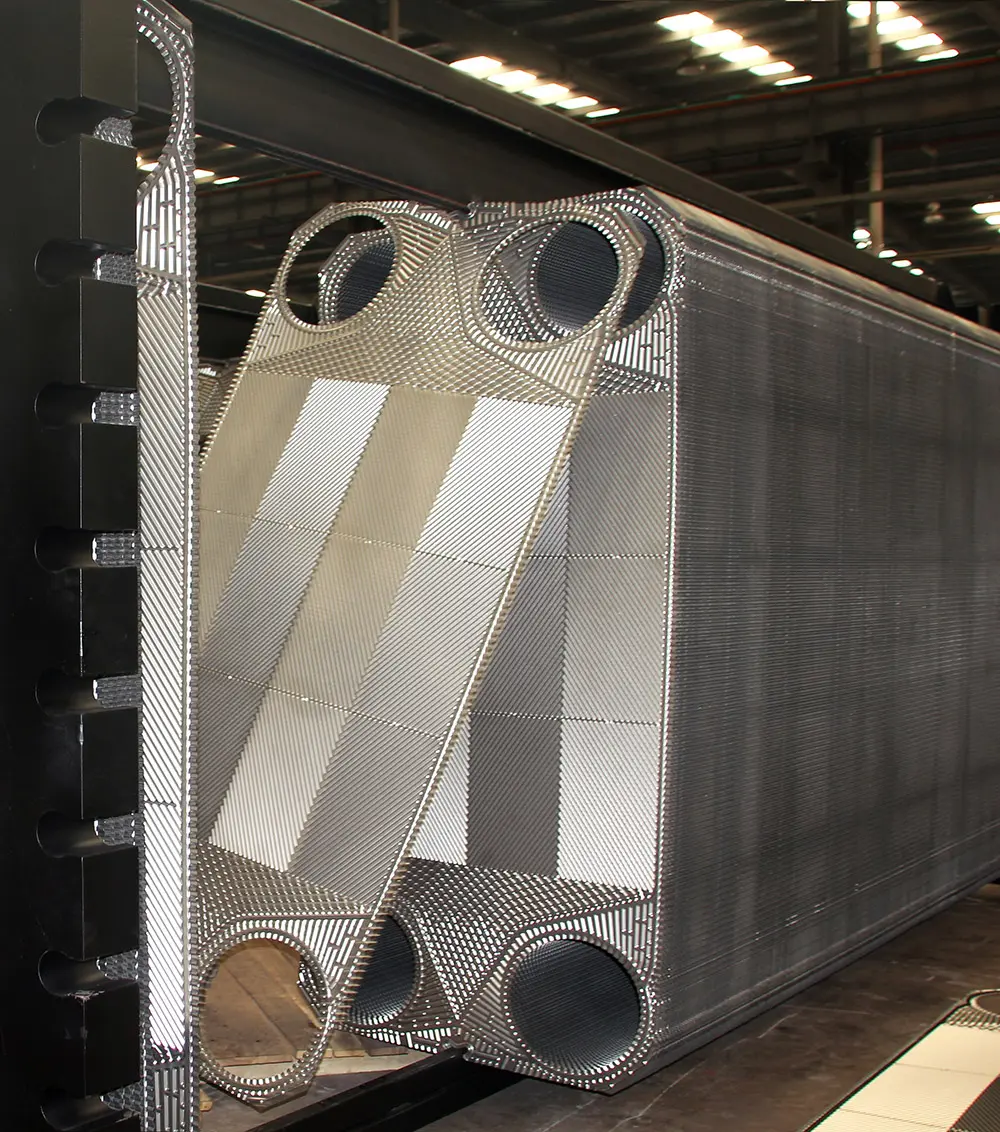
Plate coils utilize two metal sheets welded together (frequently using advanced fiber laser welding technology) and subsequently inflated to form a series of internal flow channels. This structure offers a massive surface-to-volume ratio compared to conventional shell-and-tube or pipe-coil heat exchangers. For industrial operations in Milan, this translates to smaller equipment footprints, reduced fluid hold-up volumes, and faster response times under dynamic load changes. The unique wavy geometry of the plate surfaces promotes high fluid turbulence even at low Reynolds numbers, significantly disrupting the thermal boundary layer and boosting the overall heat transfer coefficient (U-value) by up to 3 times compared to standard jacketed vessels.
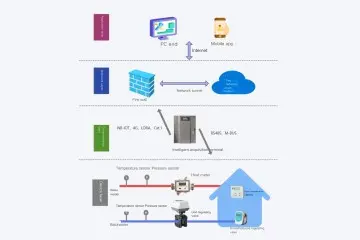
The global heat exchanger market is experiencing a paradigm shift driven by digital integration, smart diagnostics, and ultra-high-efficiency materials. The transition from bulky, maintenance-heavy configurations to modular, plug-and-play heat exchange units is the defining trend of the decade. By incorporating IoT monitoring, intelligent balance valves, and real-time hydraulic regulation, today's heat transfer systems operate not just as passive steel interfaces, but as active components of smart factory ecosystems.
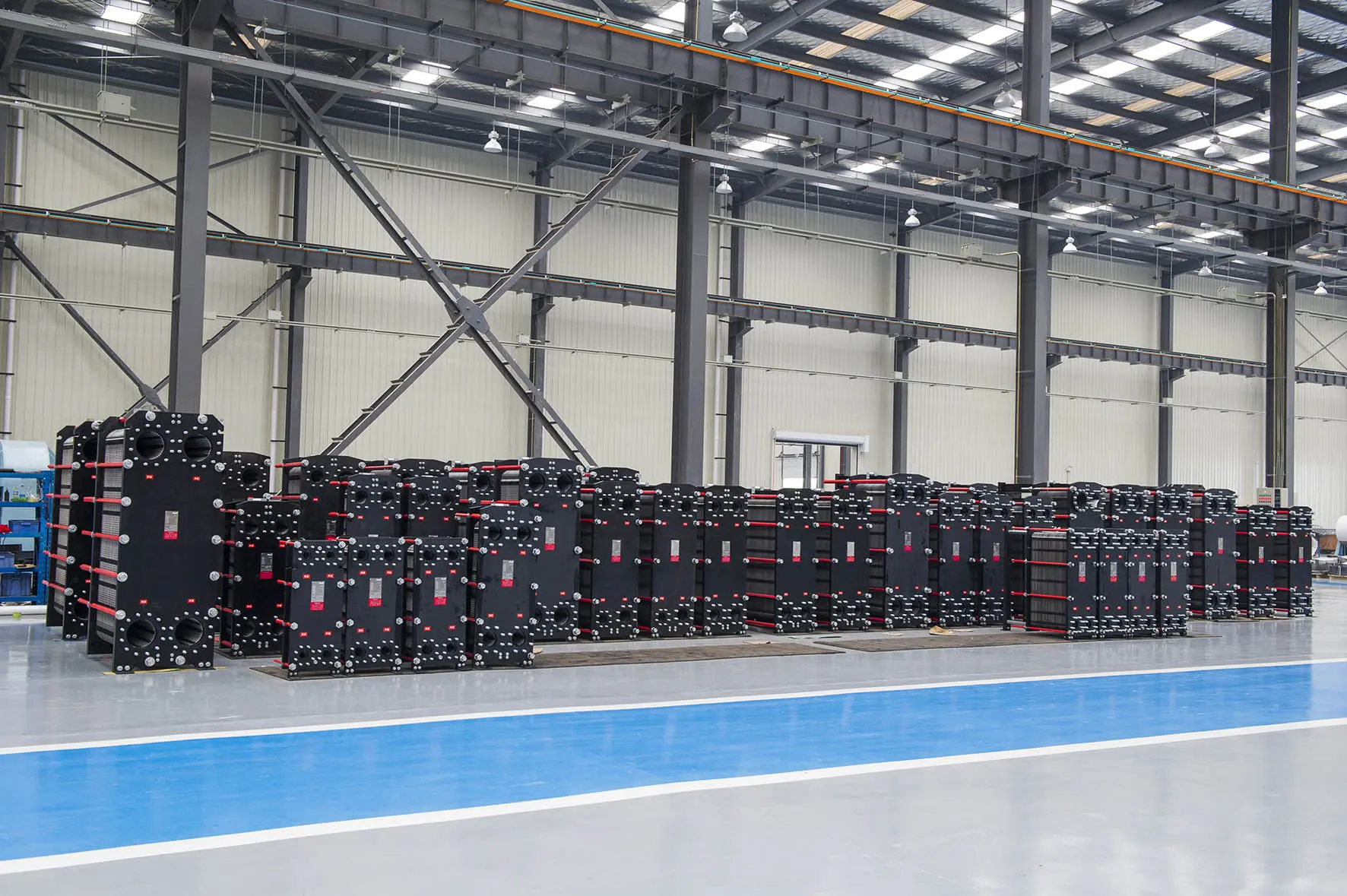
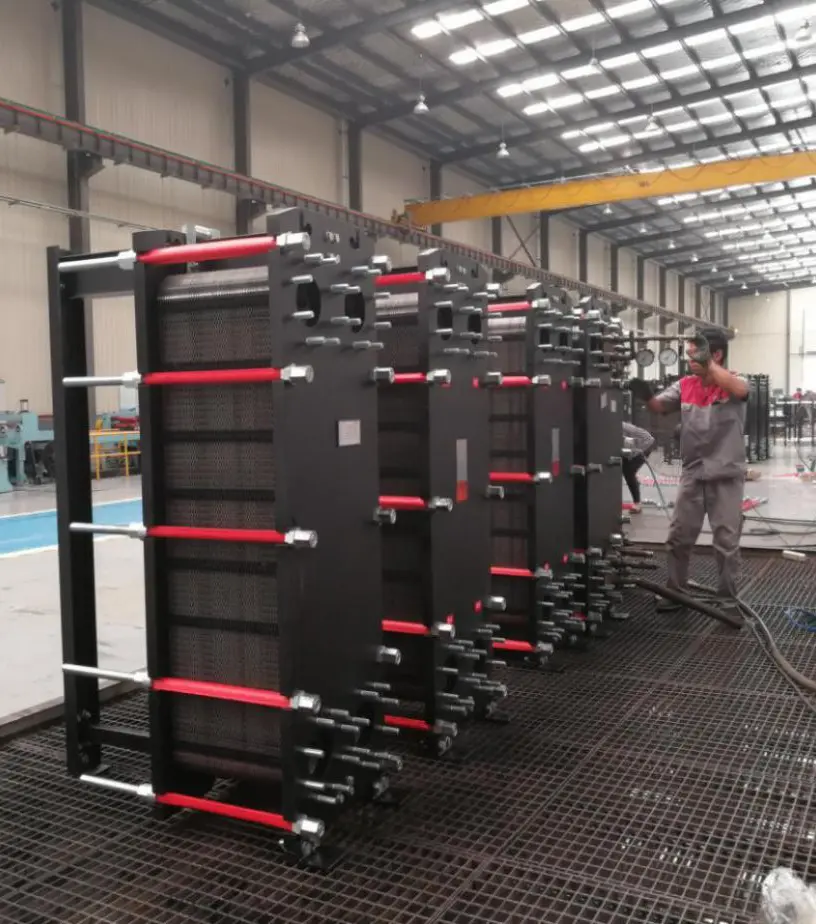
Originated from Flotte Thermal Engineering founded in 1995, Flotte Energy Saving Company was established in 2013 with a registered capital of 101 million yuan. Over thirty years of continuous technical iteration has cemented our position as a leading global manufacturer. Operating from a state-of-the-art facility spanning 70,000 m², our 260+ dedicated employees work to output over 4,500 integrated heat exchange units and water systems annually, achieving a production value that satisfies both highly customized boutique engineering requests and large-scale municipal infrastructure demands.
Through our rigorous adherence to international standards, we have obtained mandatory national safety registrations and internationally recognized quality marks including ISO9001:2015, ISO14001:2015, and ISO45001:2018 certifications. Our dedicated R&D lab ensures that all exported equipment satisfies the European Union's Pressure Equipment Directive (PED) 2014/68/EU, allowing seamless integration into Italian process networks.
Our engineered systems are actively deployed across several core sectors within the Milanese industrial zone:
Quality is not merely a department; it is the cornerstone of our manufacturing philosophy. From raw material procurement—utilizing top-tier grades of Stainless Steel (AISI 304, 316L), Titanium, and Hastelloy—to final non-destructive testing (NDT), every step is documented and traceable. All production technicians hold formal certifications, operating within a quality framework verified by national and international testing bureaus.
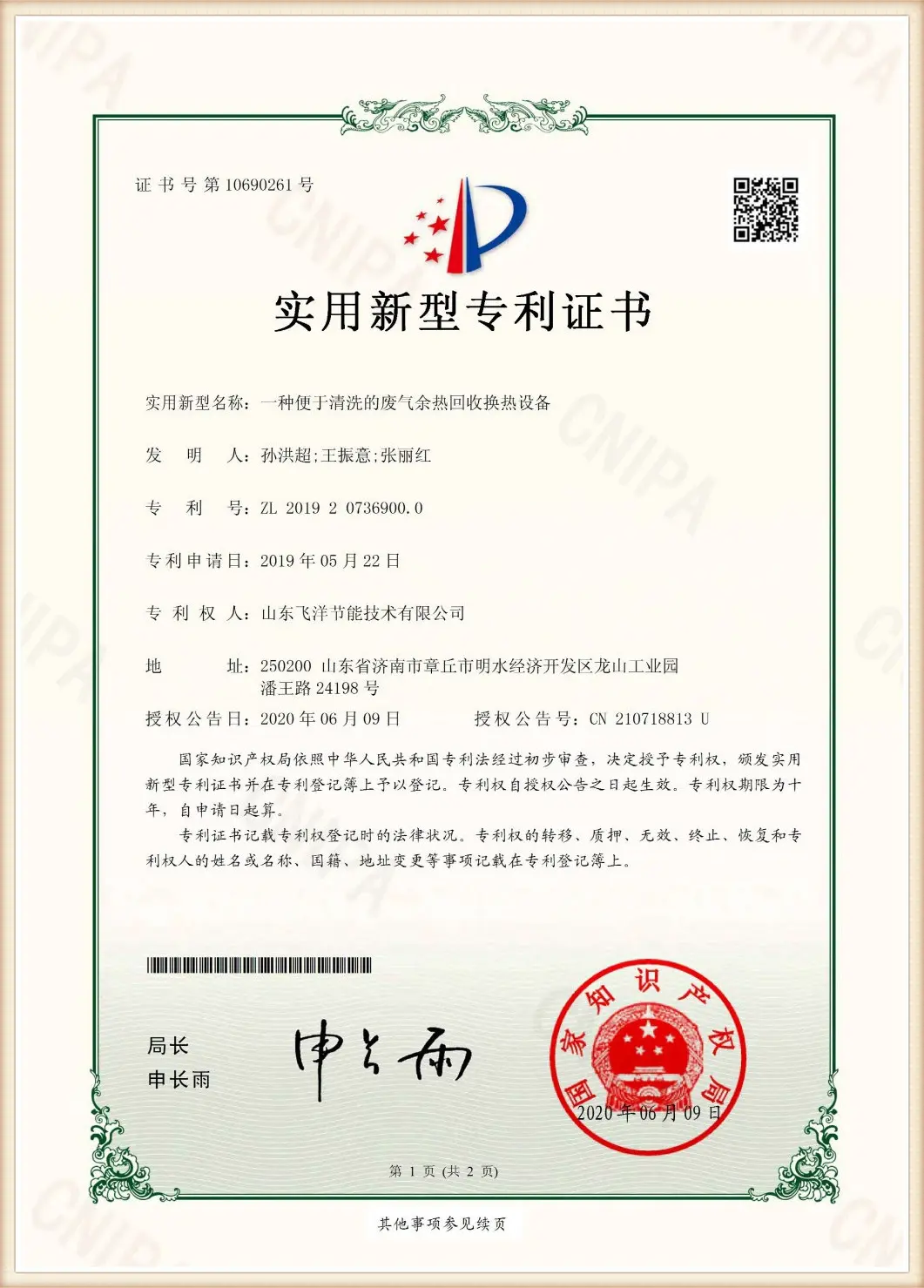
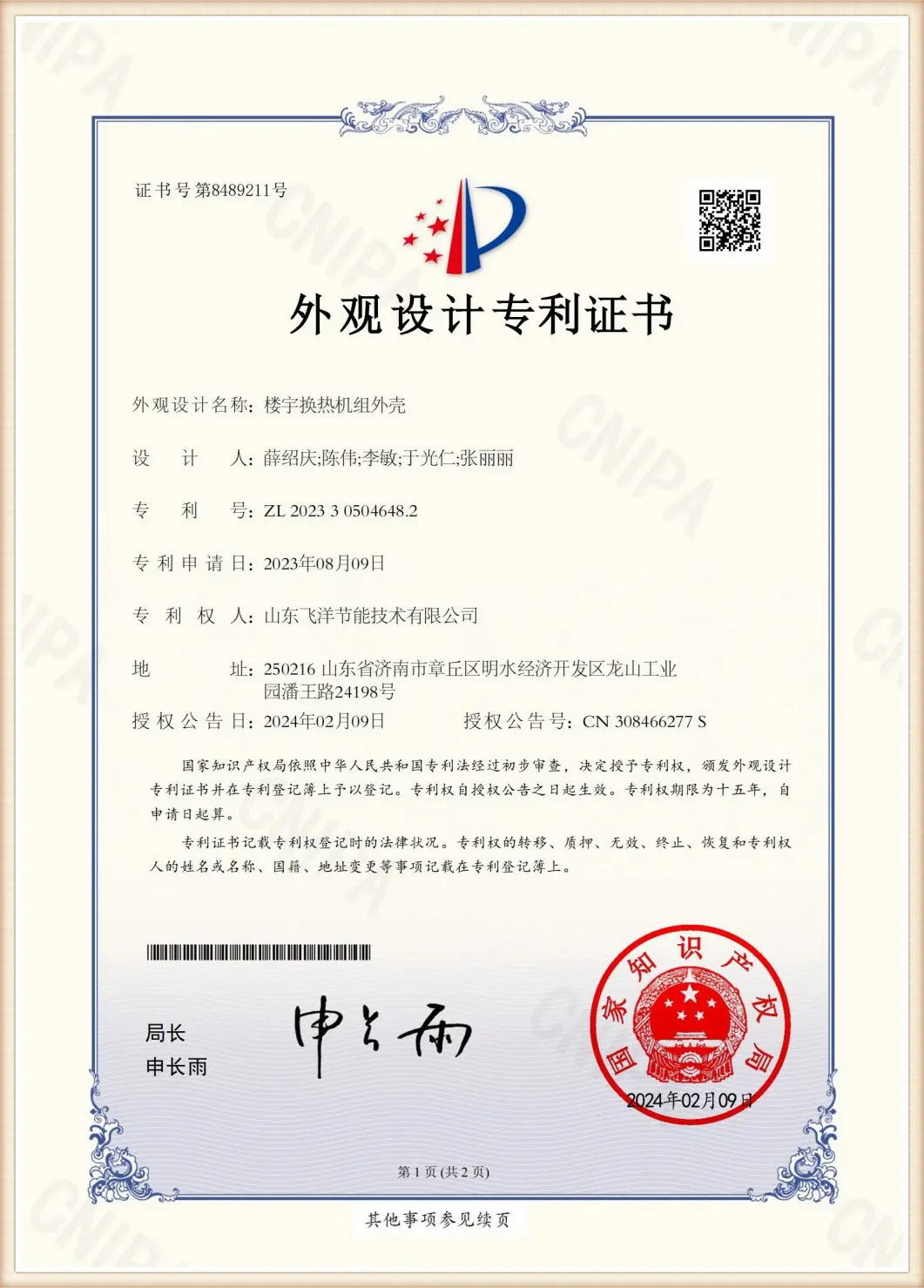
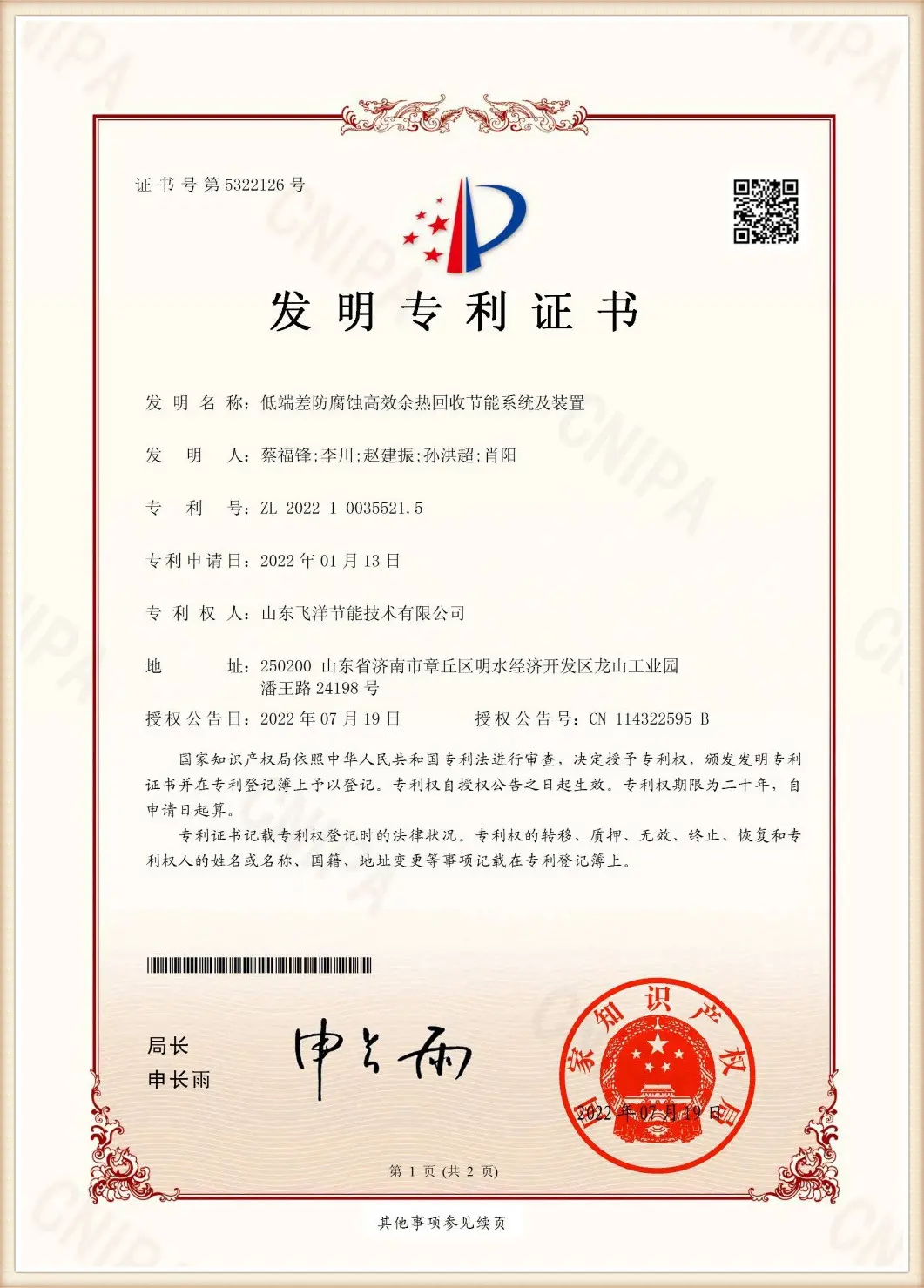
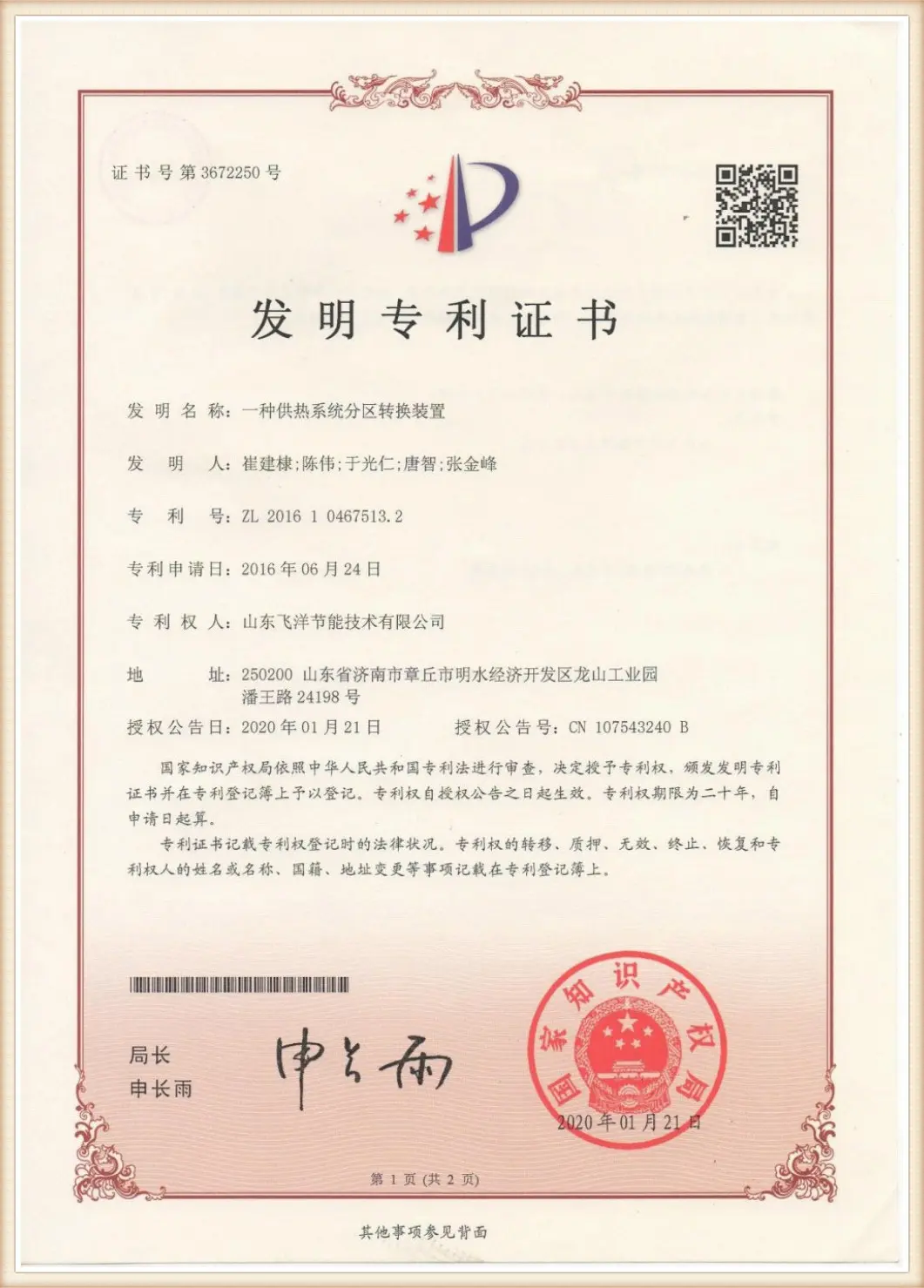
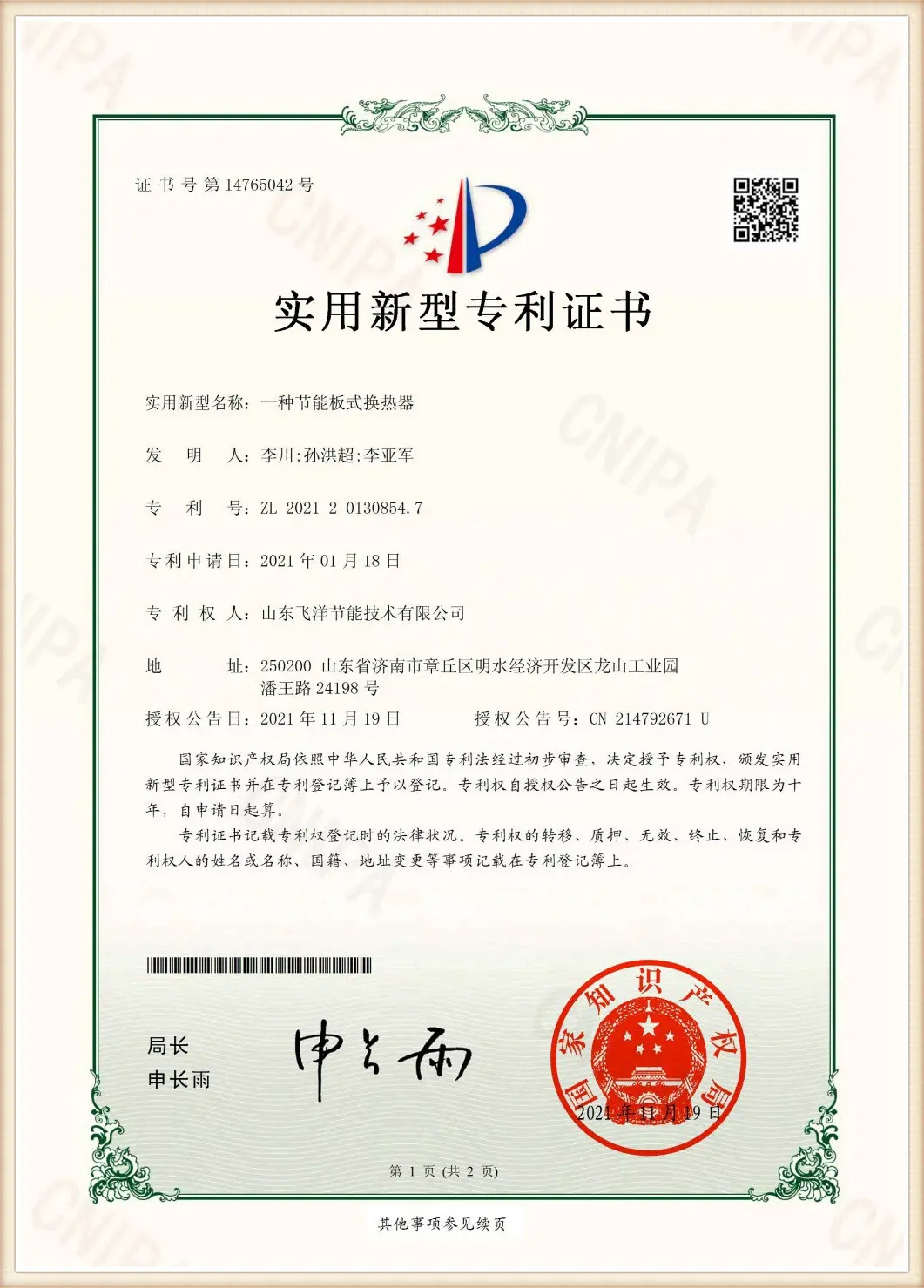
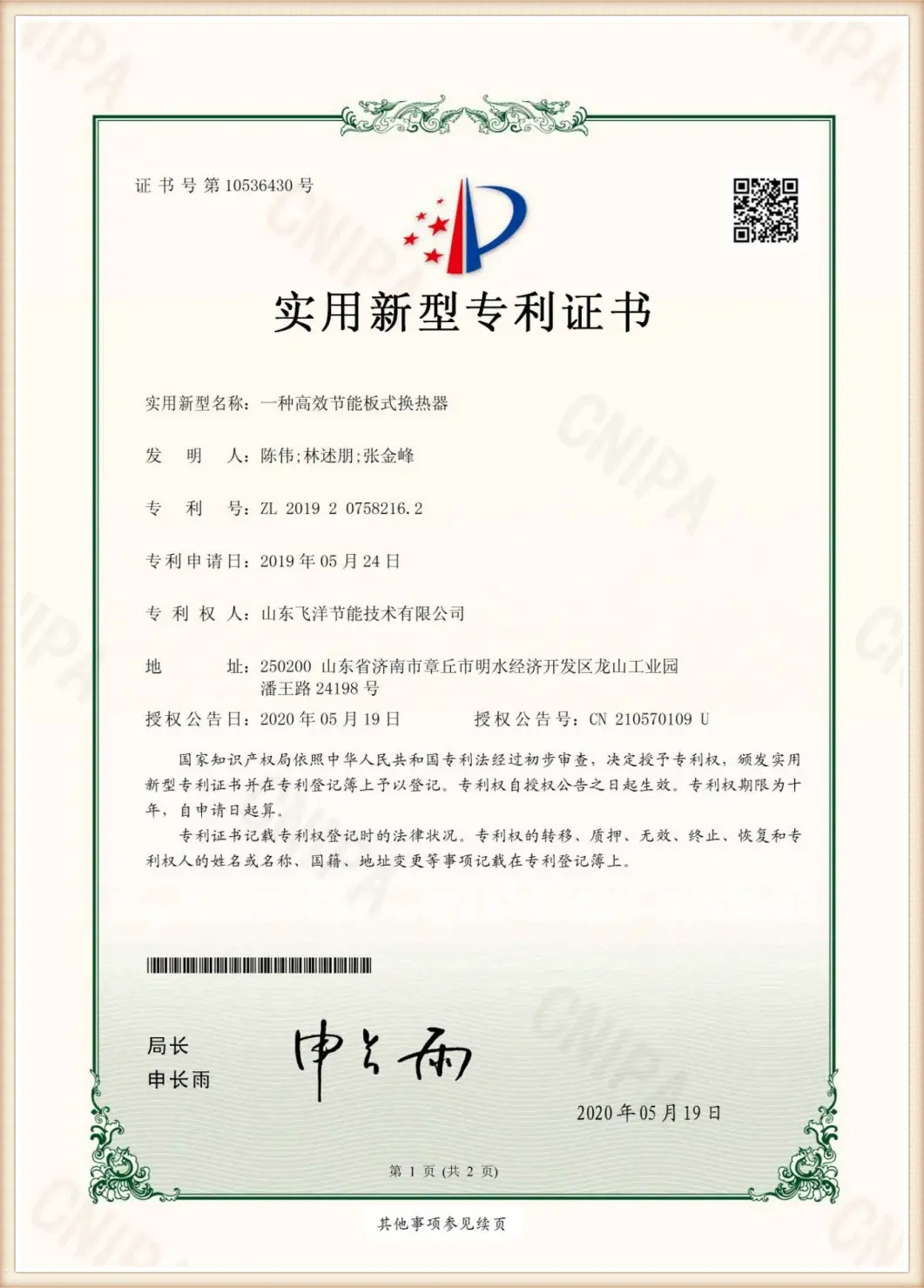
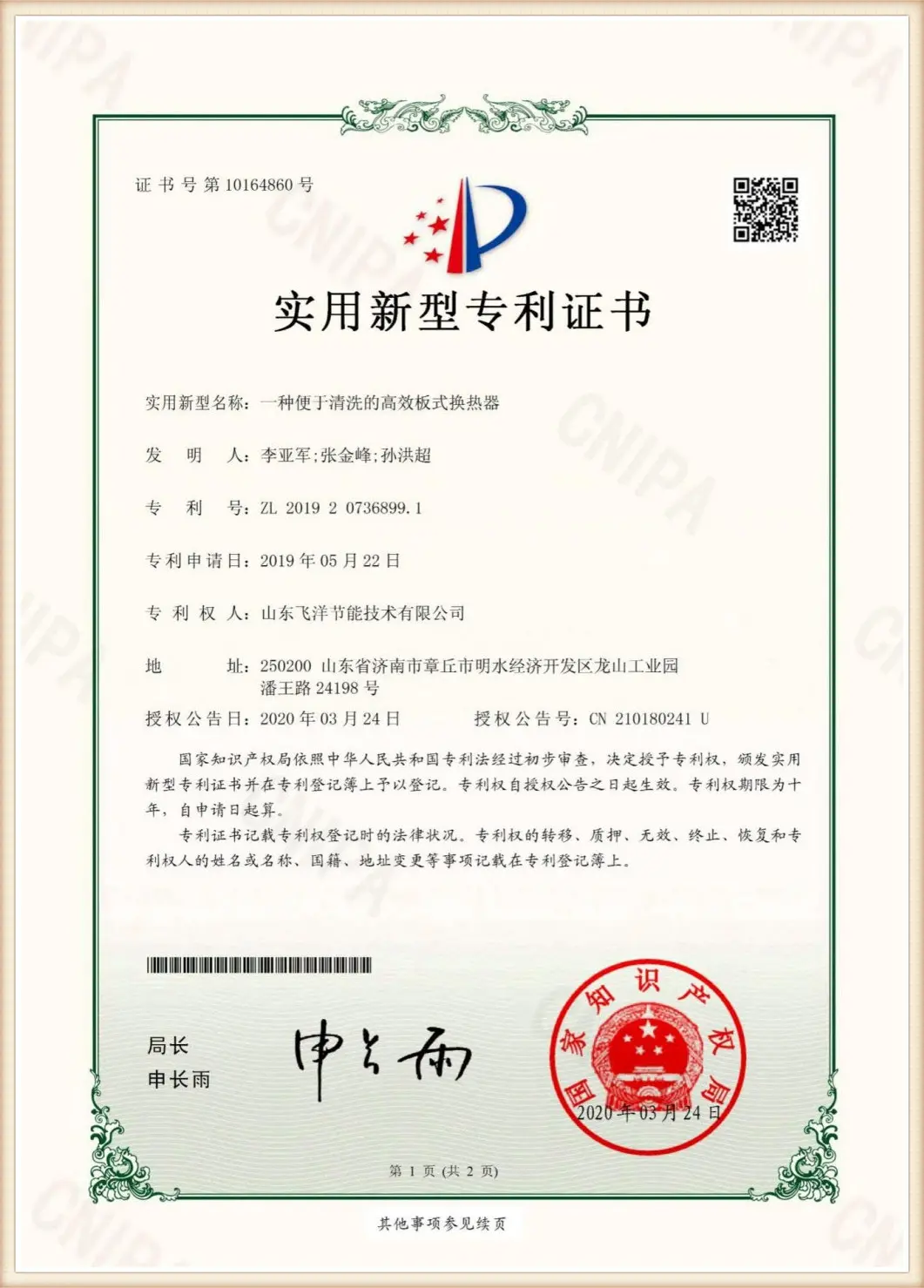
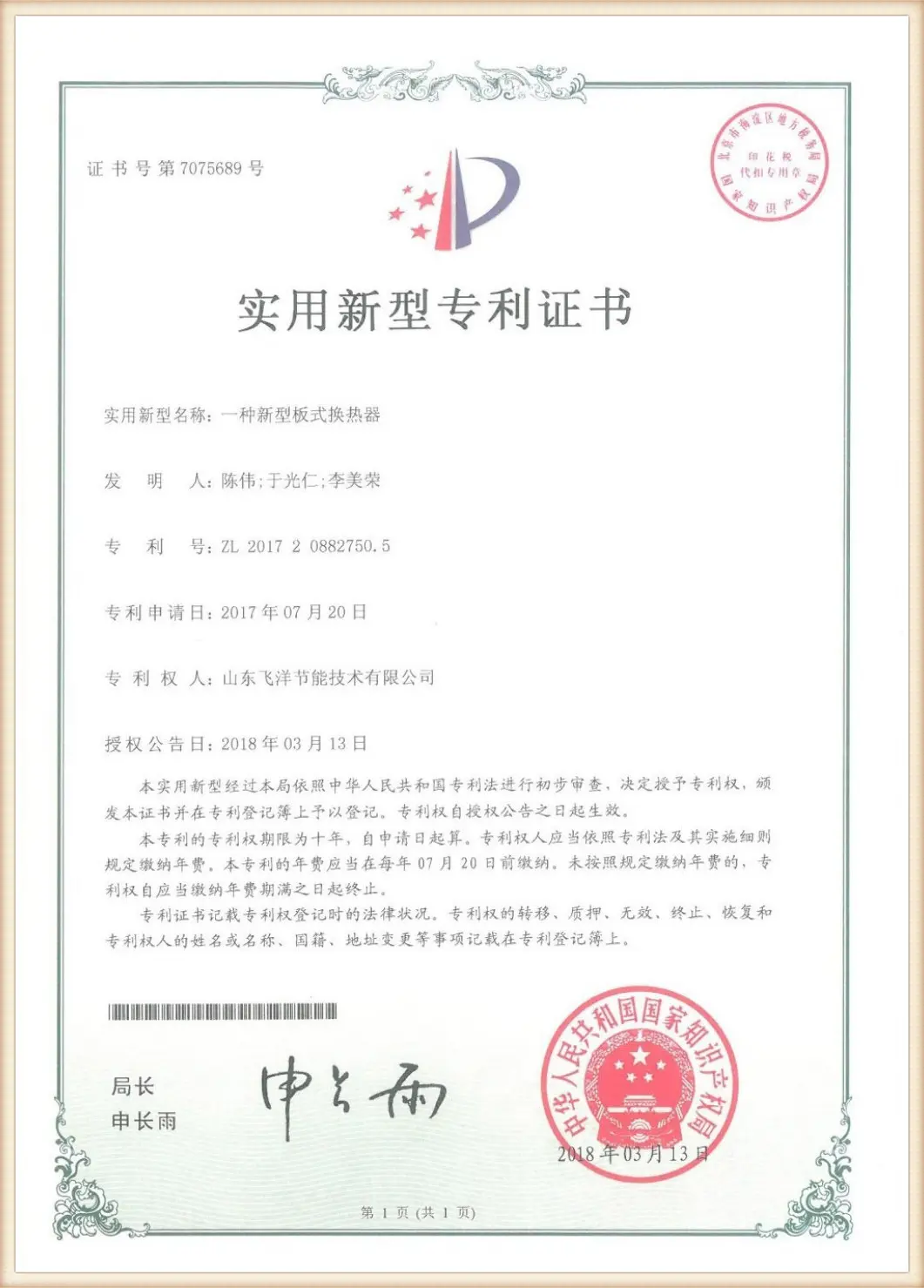
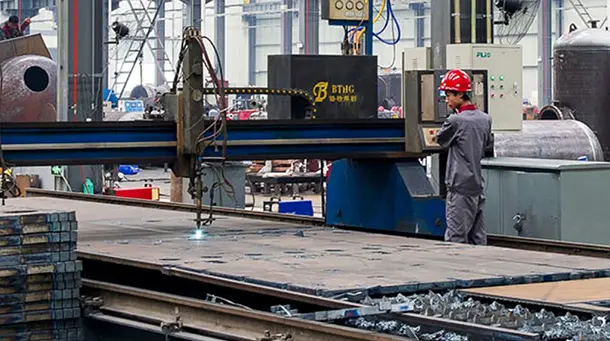
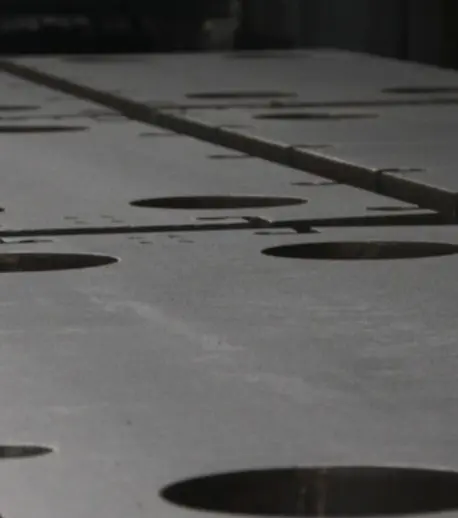
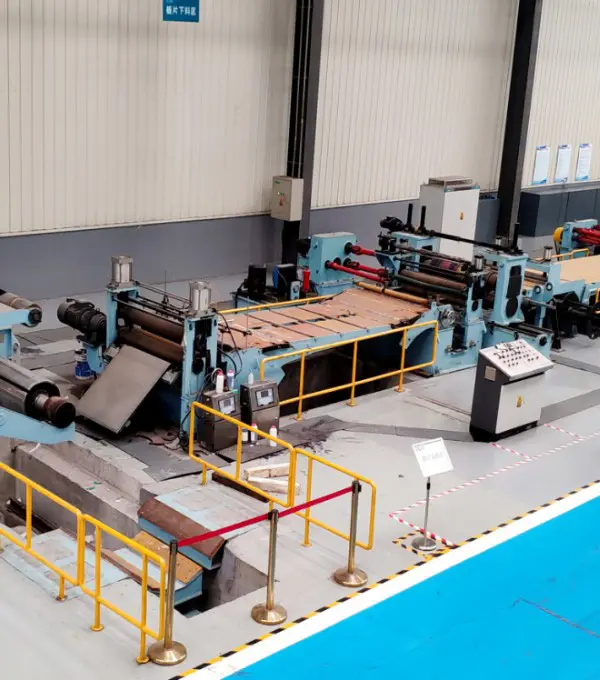
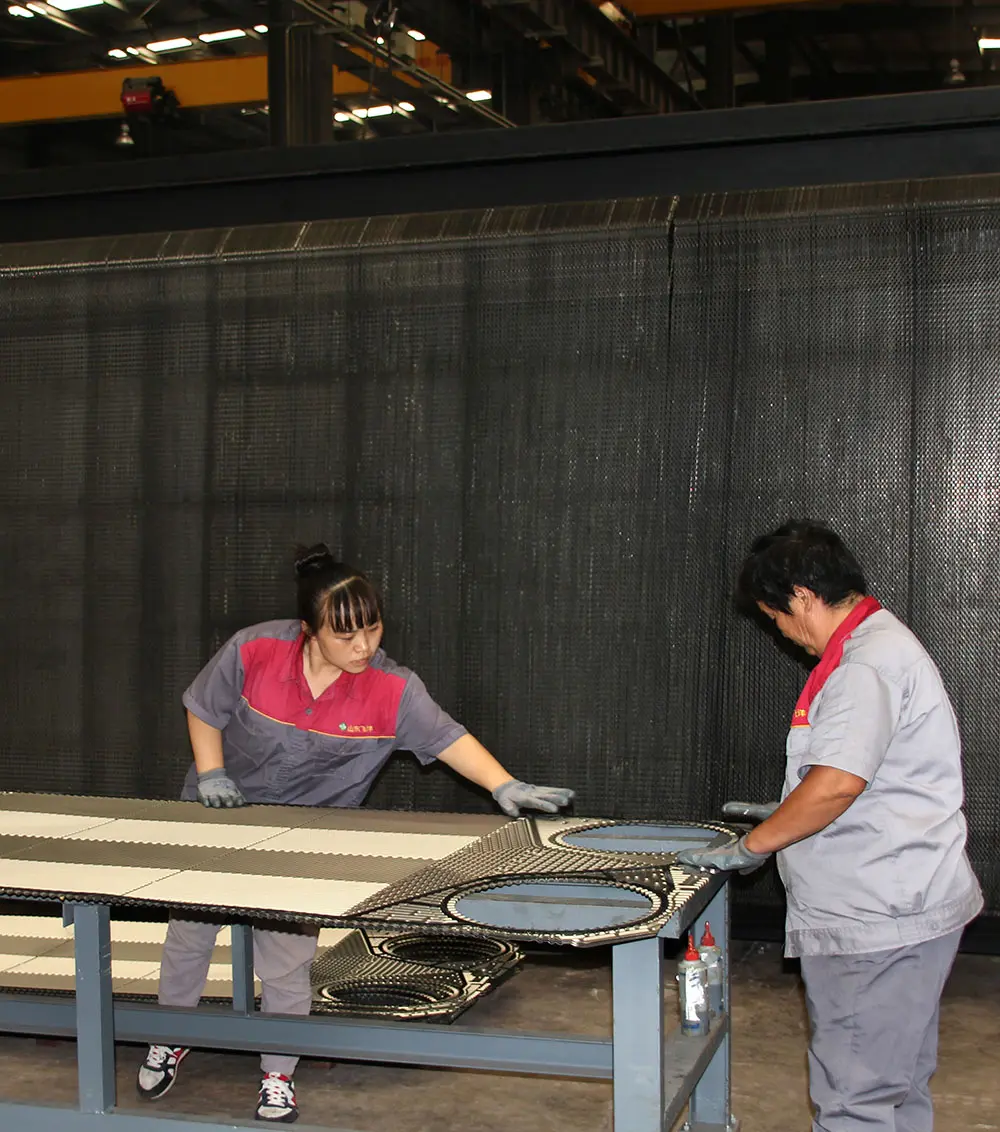
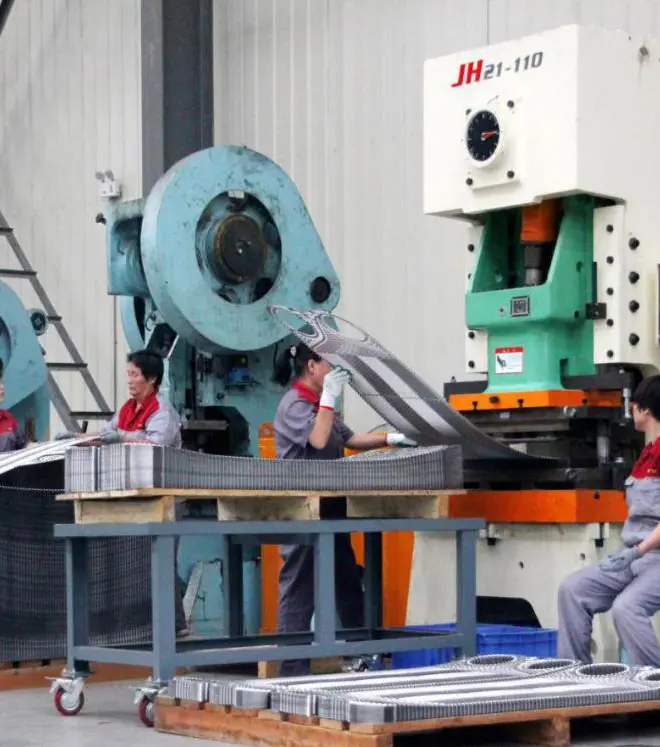
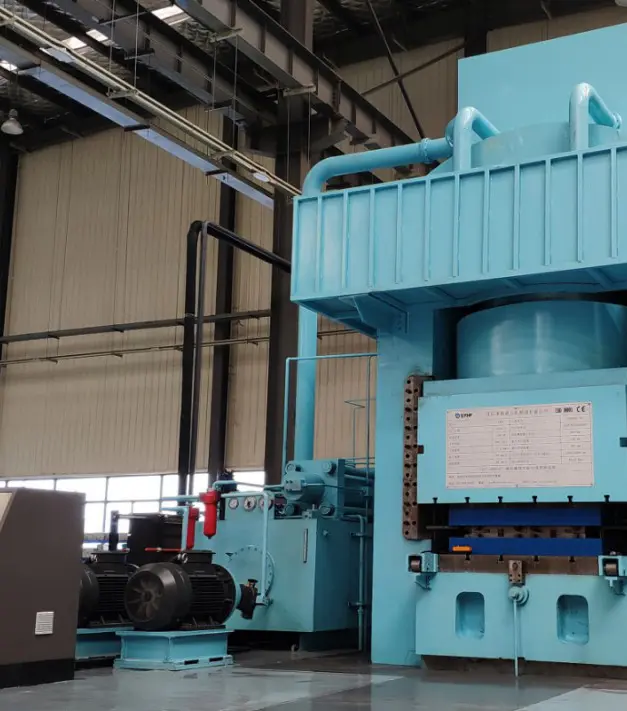
Our modern workshop is equipped with hydraulic forming presses, precision CNC fiber lasers, and advanced automated welding centers. This infrastructure enables us to achieve dimensional accuracy within fractions of a millimeter, reducing stress concentrations during the inflation process of plate coils and ensuring exceptional fatigue resistance under thermal cycling conditions.
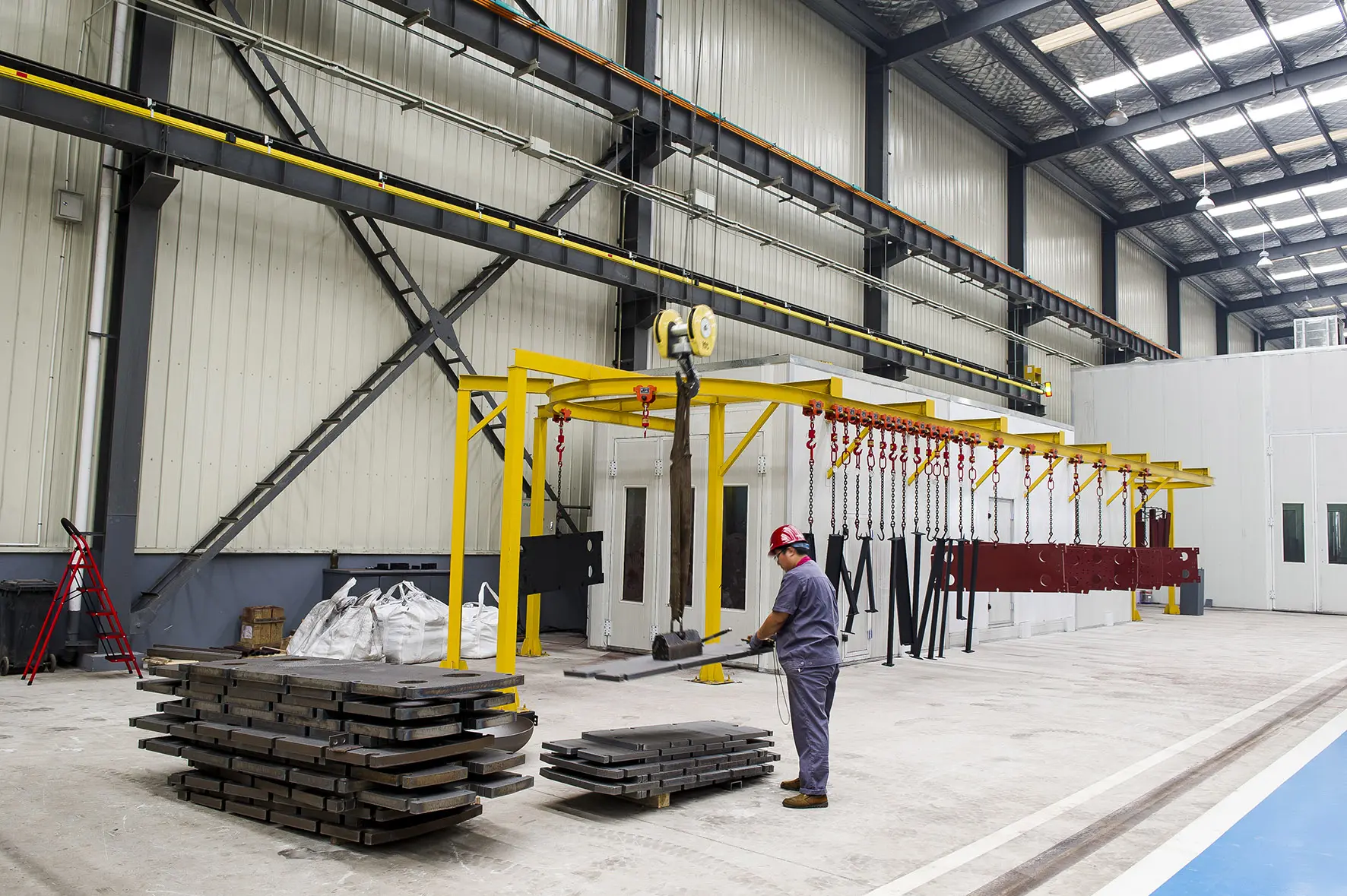
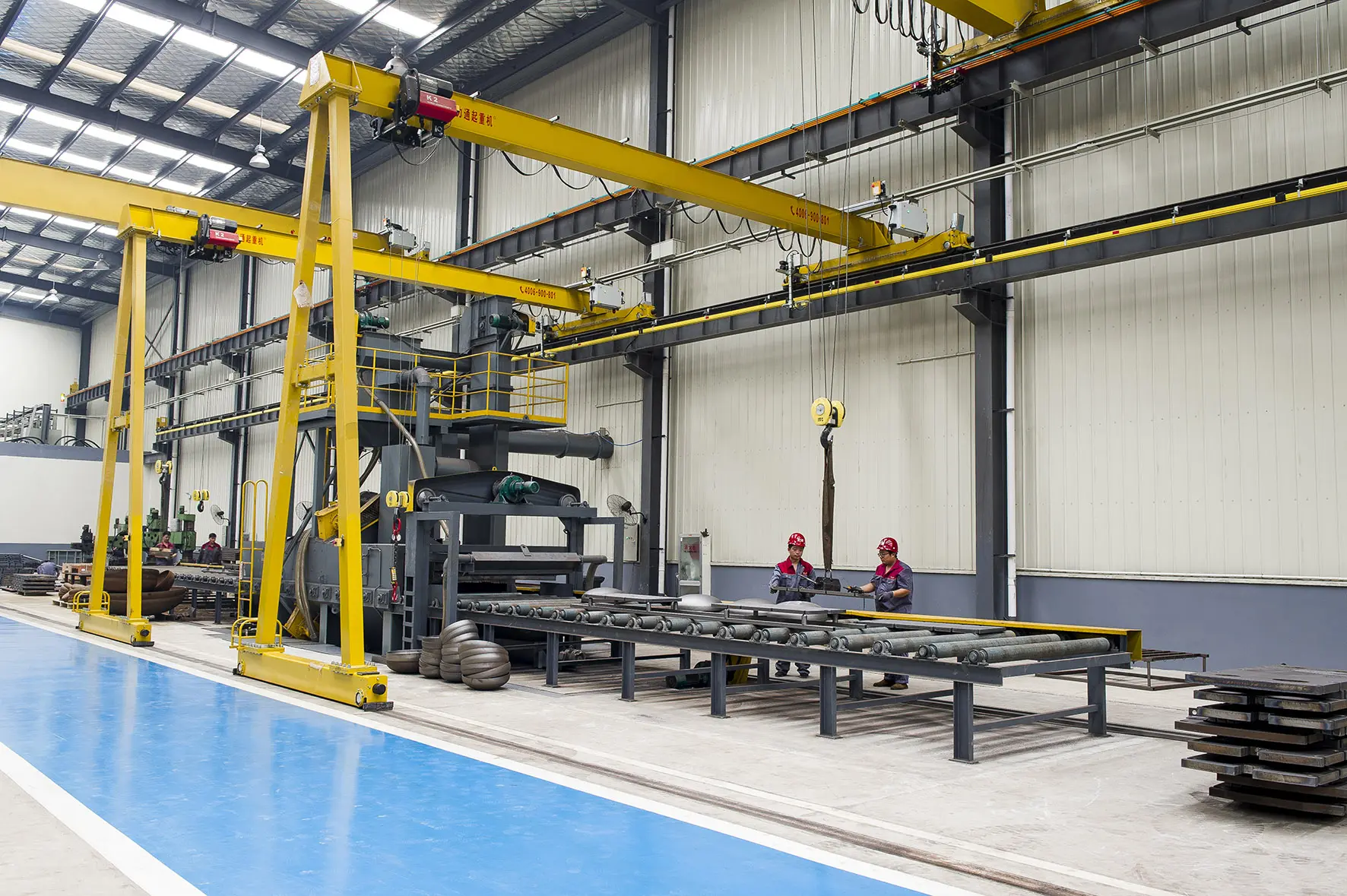
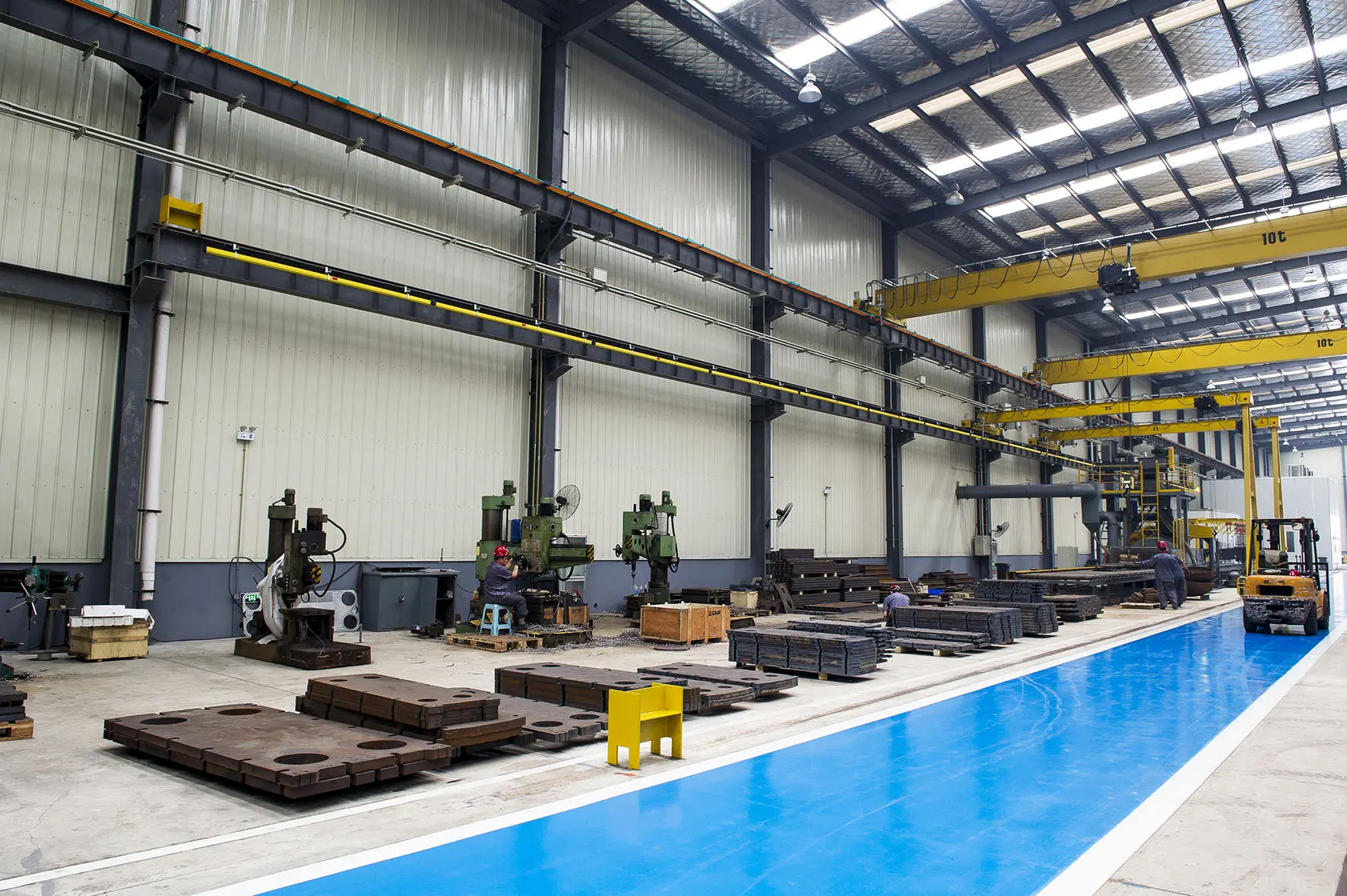
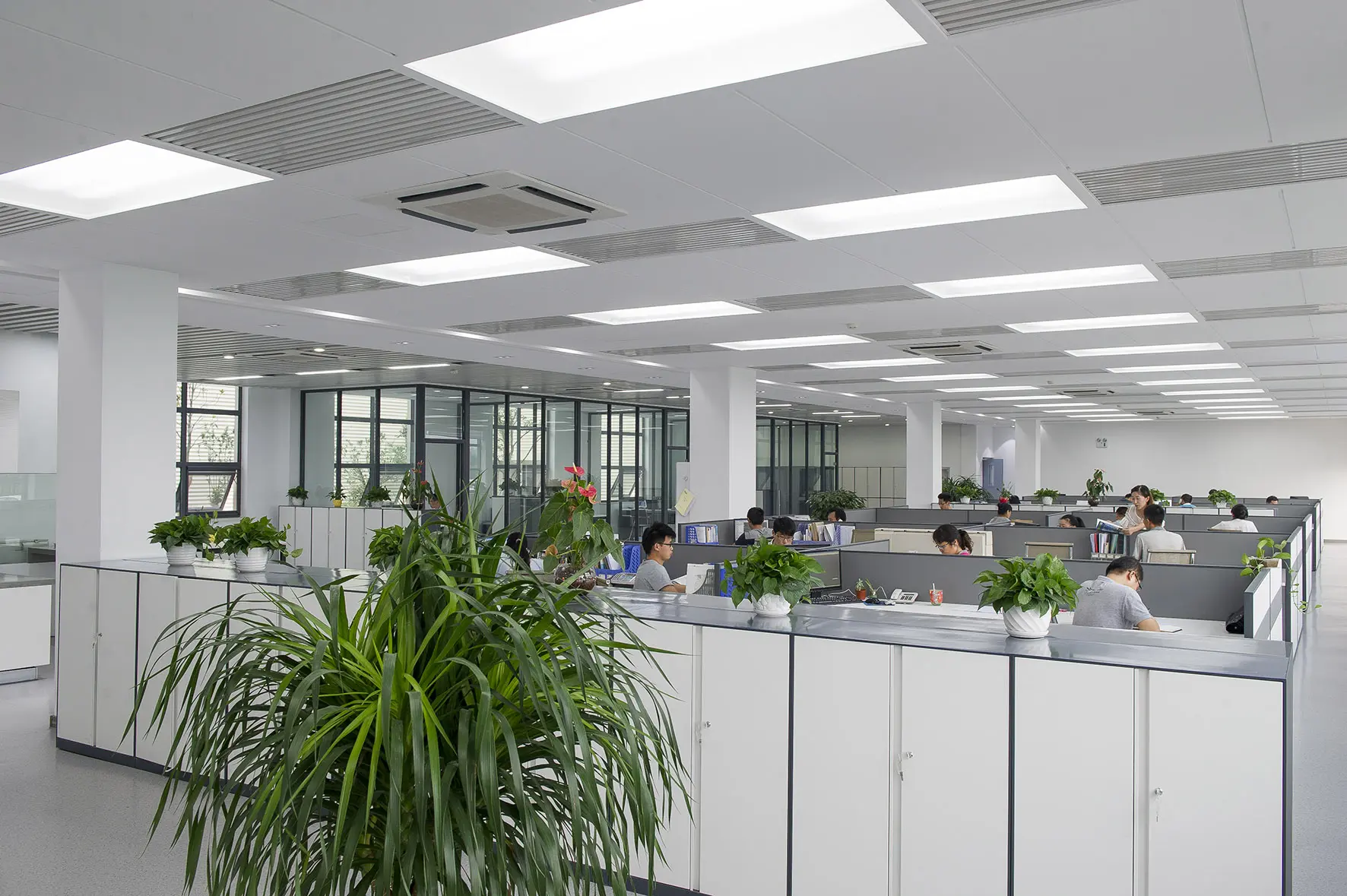
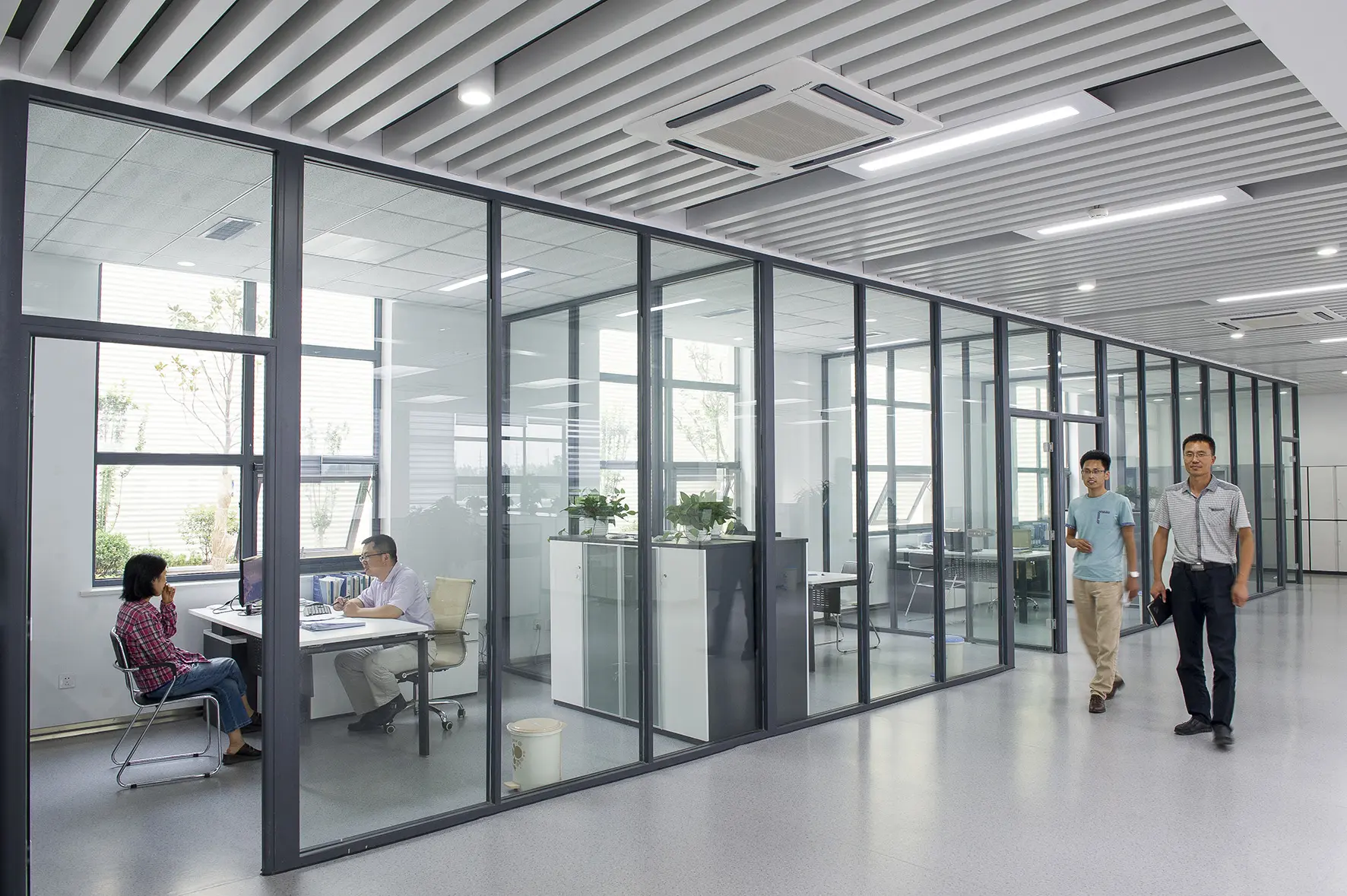
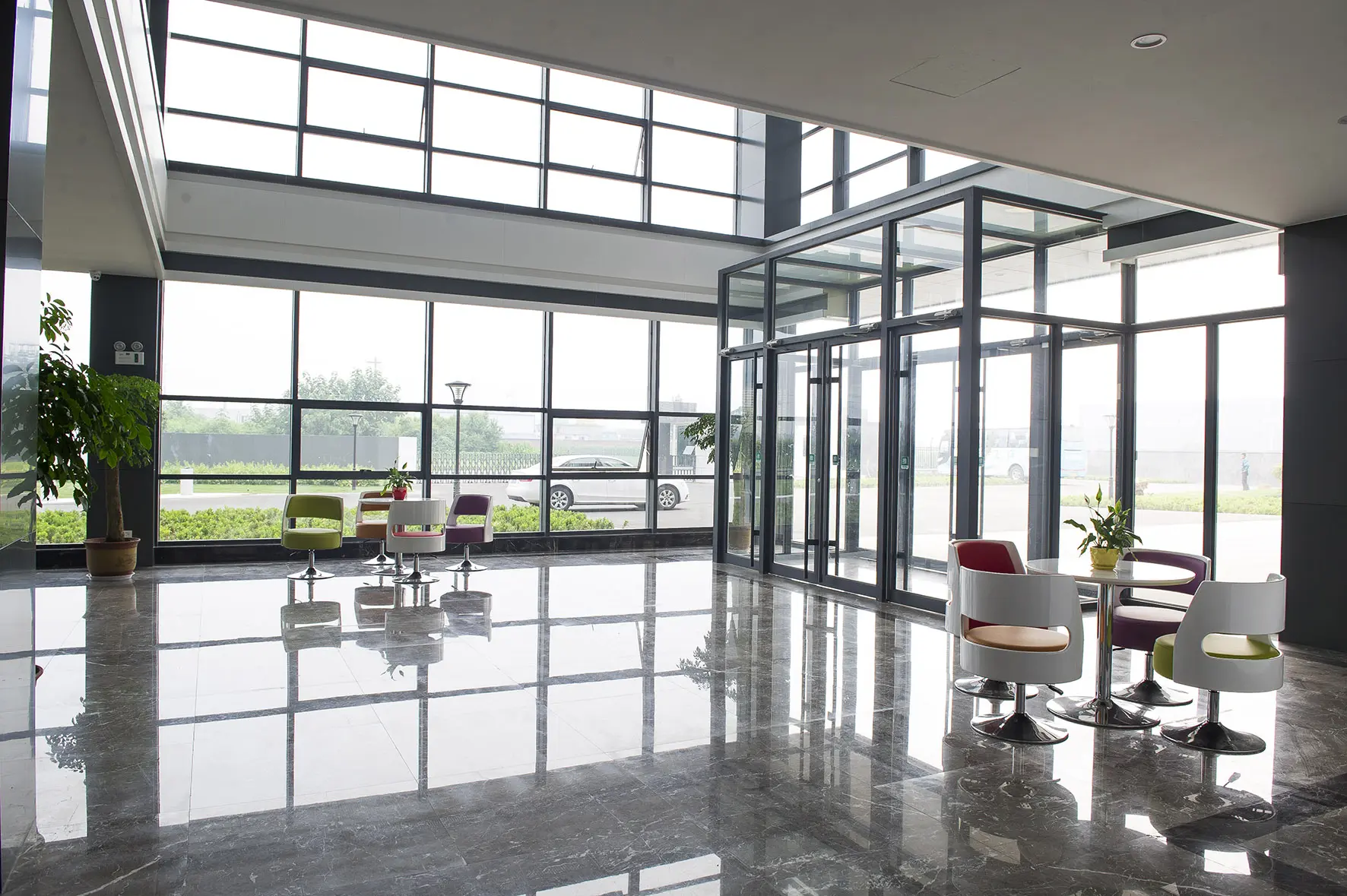
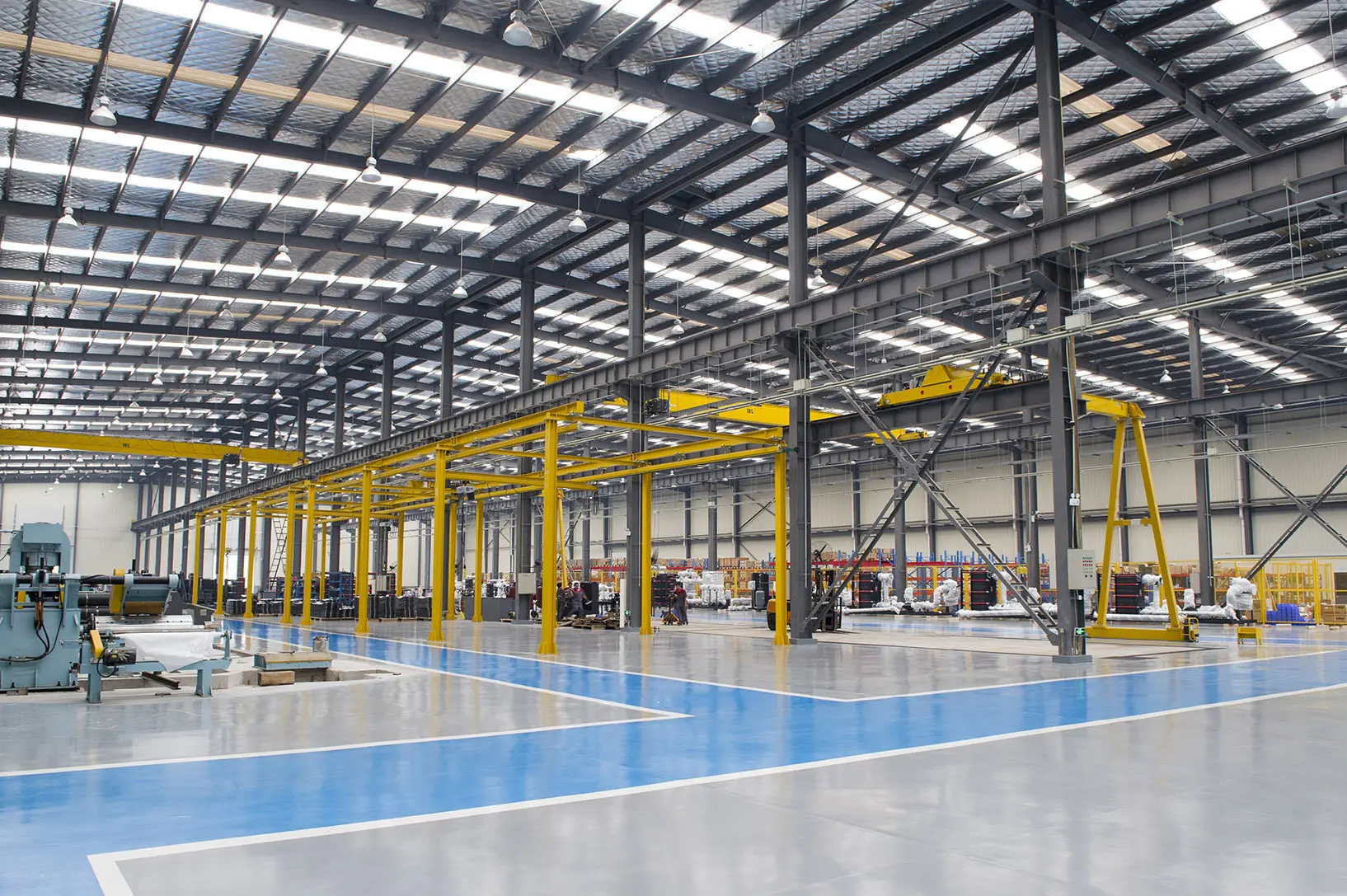
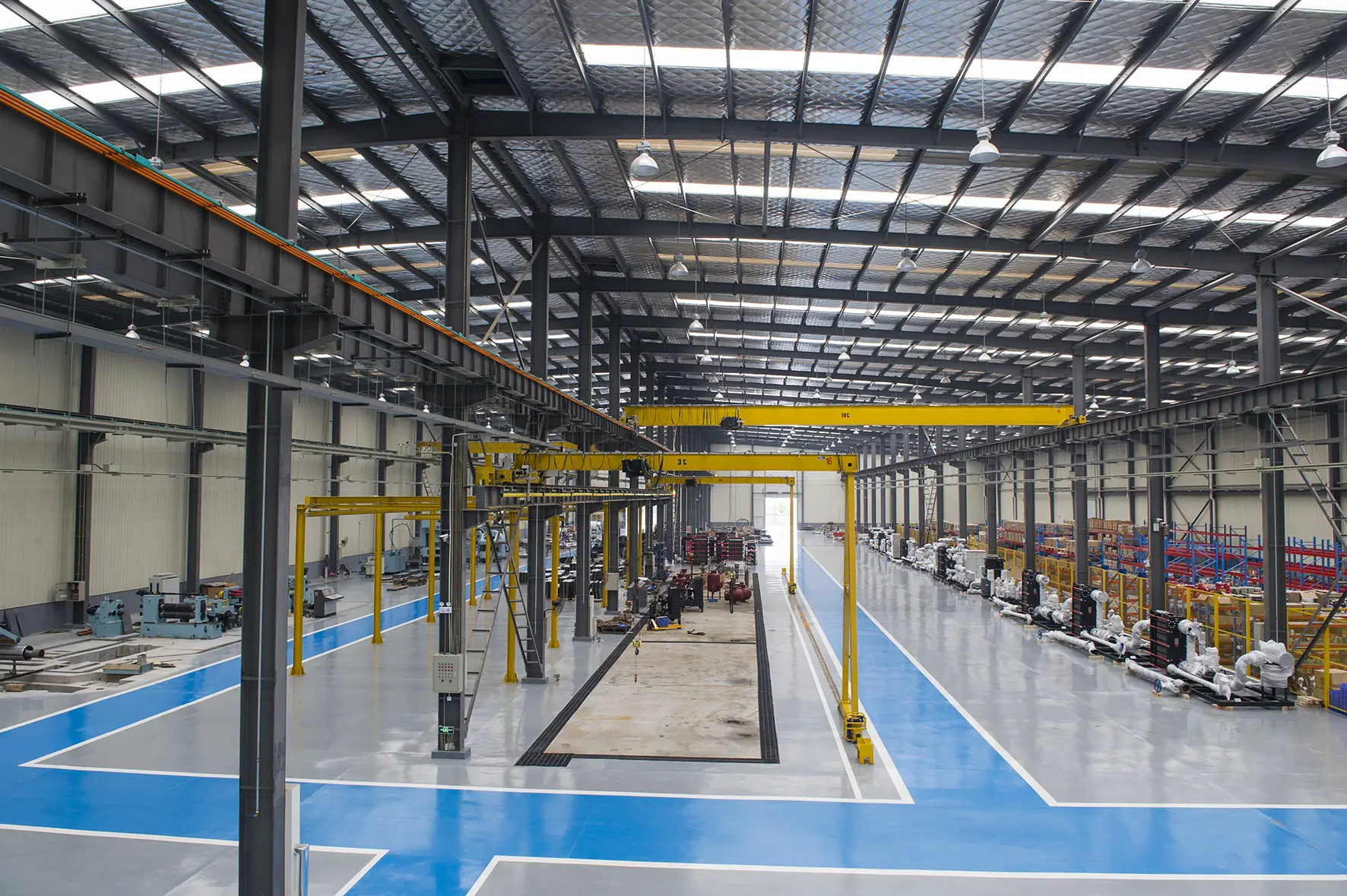
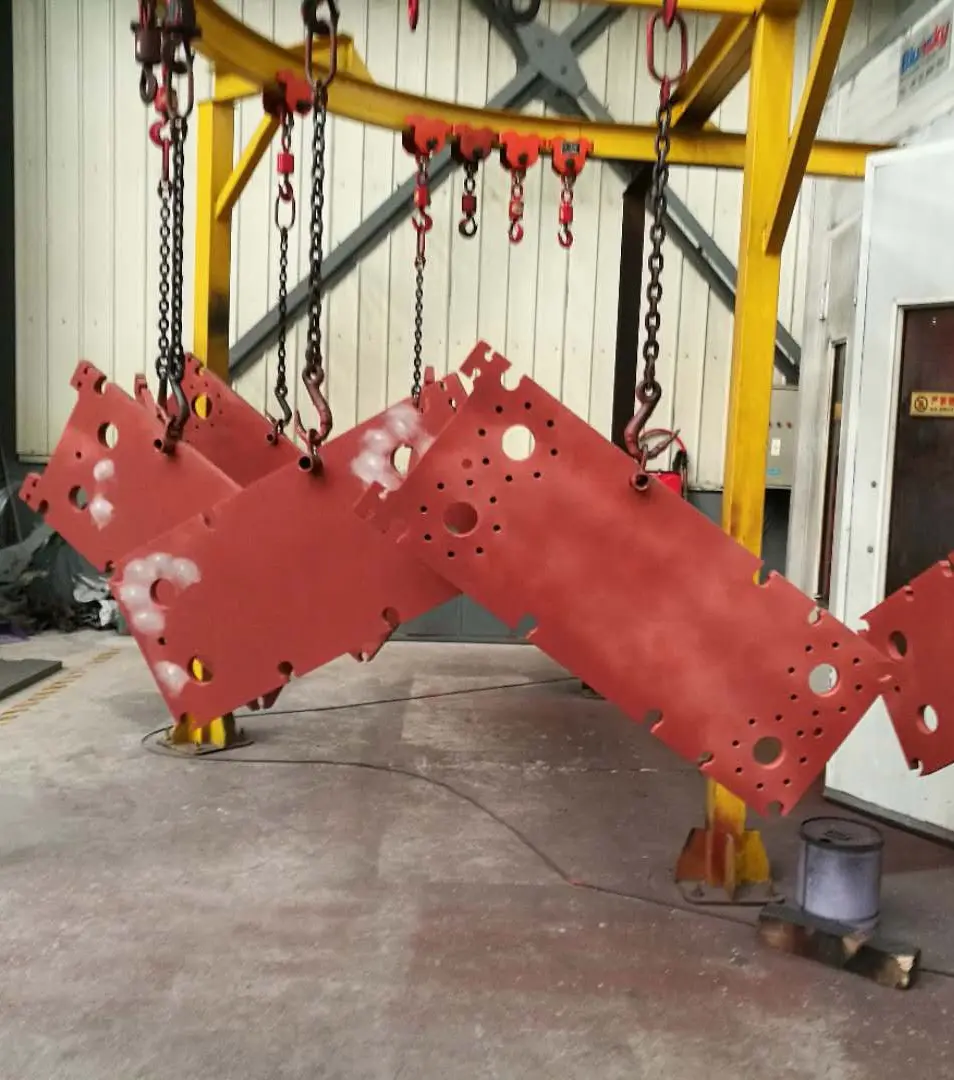
Every thermal component undergoes a highly systemized fabrication chain to guarantee performance under harsh operating conditions.
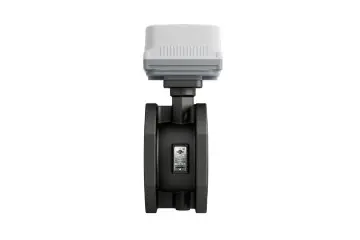
Looking ahead, the integration of heat exchange systems with intelligent automation will redefine industrial efficiency. We are actively developing and deploying units equipped with balance valves, high-speed temperature telemetry, and integrated smart control modules that feed data directly to SCADA systems. In metropolitan areas like Milan, where energy costs are closely bound to carbon tax frameworks, real-time thermal optimization is no longer optional—it is a critical operational parameter.
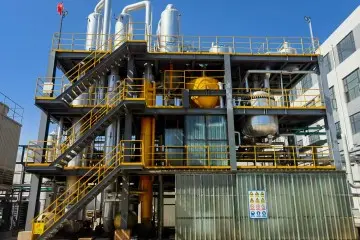
Our R&D roadmap focuses on three primary vectors: advancing anti-fouling surface treatments to minimize down-time in heavy industrial chemical loops, optimizing the channel geometries of plate coils to accommodate highly viscous fluids in the organic chemical sector, and streamlining multi-effect evaporation configurations to allow food and waste treatment plants in Lombardy to operate at near-zero thermal waste.
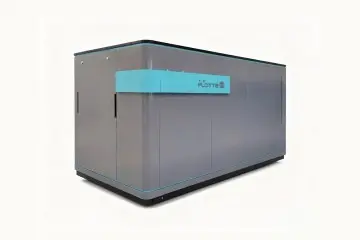
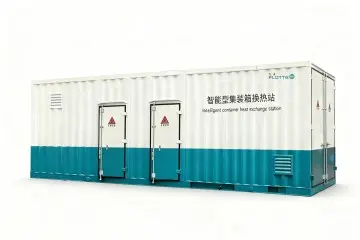
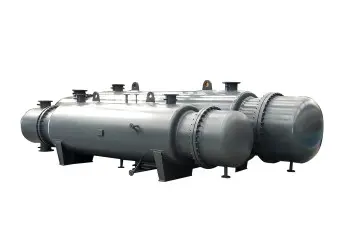
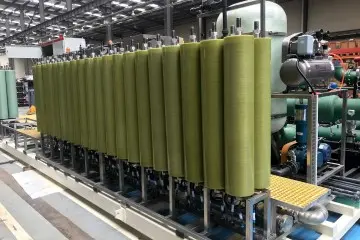
Explore our expanded list of certified heat exchangers, intelligent balance valves, and multi-effect evaporation stations.
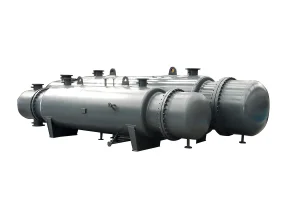
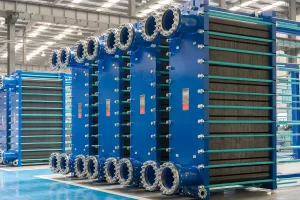
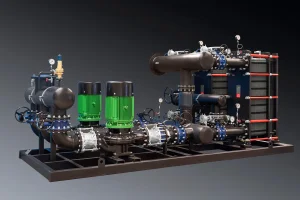
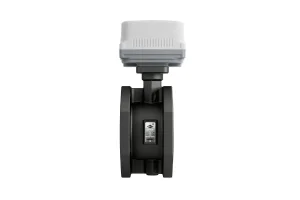
Engineered thermal systems and fluid balancing technology running in major facilities worldwide.
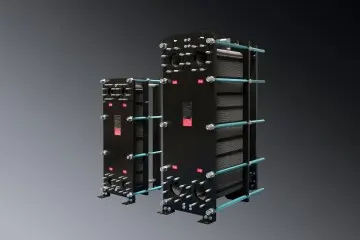
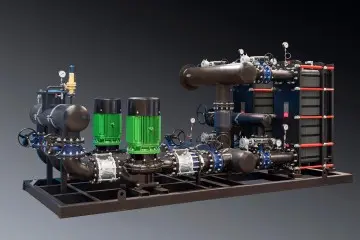
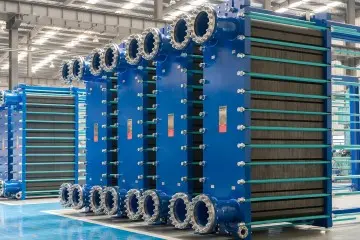

 Flotte Energy