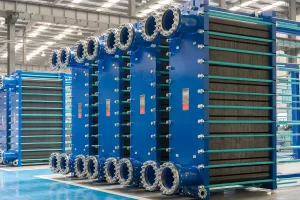
Tailored engineering and high-efficiency plate systems optimized for the demanding industrial conditions of Ghana and West Africa.
Flotte Energy Saving Company, established in 2013 with a registered capital of 101 million yuan, originated from Flotte Thermal Engineering founded in 1995. With three decades of profound technical expertise, we specialize in water equipment, HVAC systems, and water treatment industries. We consistently lead industry peers in adopting cutting-edge heat transfer technologies, developing innovative thermal control products, and delivering comprehensive, localized systems support across international markets.
Our commitment to material integrity and thermal calculation precision ensures that every plate coil system, heat exchanger, and evaporation system meets rigorous international standards. We leverage state-of-the-art manufacturing, automated micro-forging, and computerized hydraulic testing to guarantee zero-leakage, high-performance thermal interfaces for the most severe process conditions.
By blending advanced Chinese manufacturing infrastructure with localized support networks in rapidly growing West African economies like Ghana, we bridge the gap between high-level thermodynamics and localized maintenance capabilities.
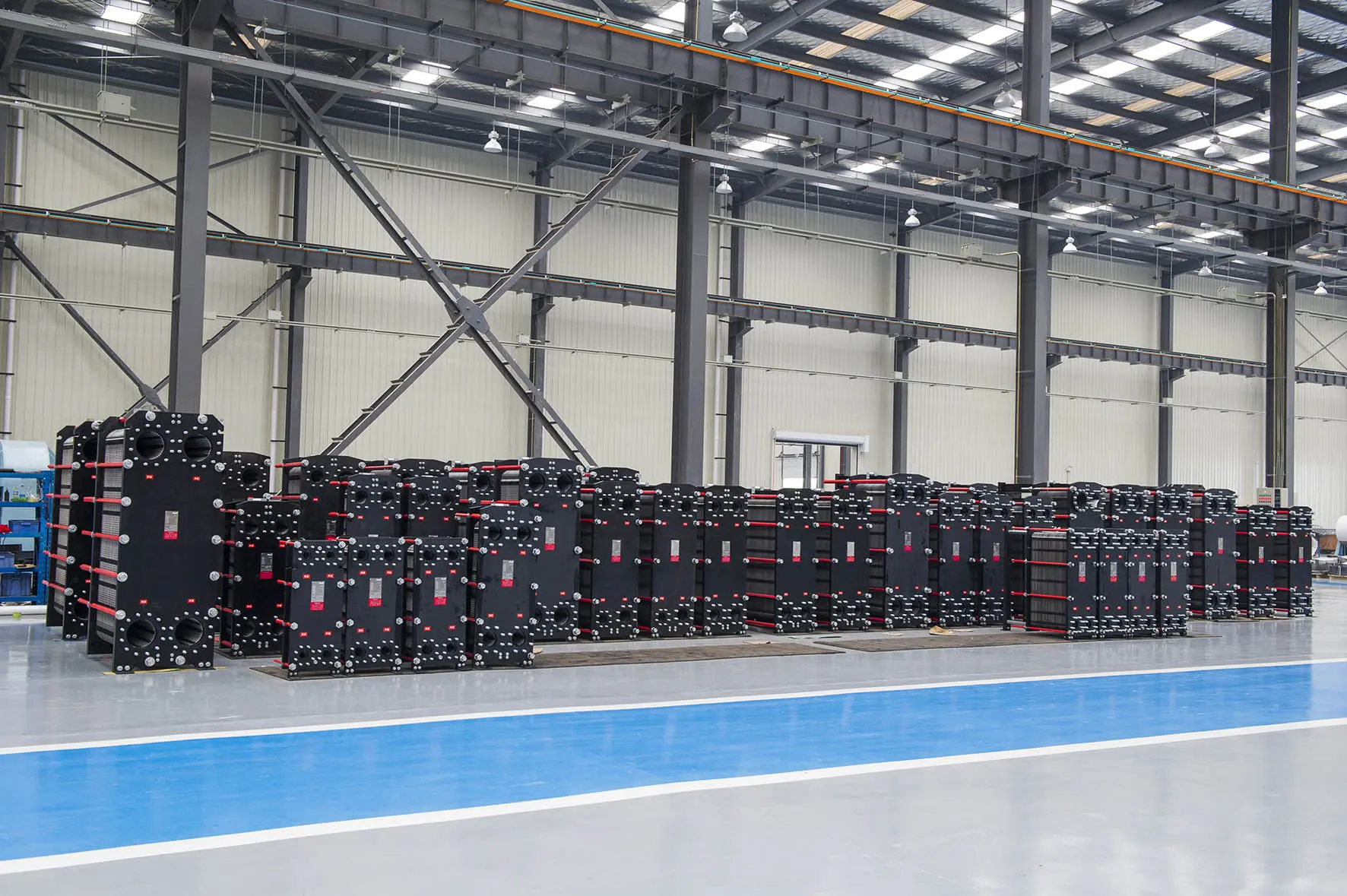
As West Africa’s secondary sector continues to scale up, Ghana has emerged as a crucial hub for raw material processing, maritime logistics, and mineral extraction. Moving away from purely raw material export models toward domestic refining requires advanced industrial heat management systems. Plate coils—often referred to as pillow plates or dimple plates—as well as comprehensive plate heat exchangers, play an irreplaceable role in this industrial transition.
Ghana is Africa's leading gold producer. In mining operations situated in regions such as Tarkwa, Obuasi, and Ahafo, the cyanidation and carbon-in-pulp (CIP) elution circuits require precise temperature maintenance of elution solutions. Plate coils are submerged directly in the tanks to regulate heat during elution and stripping processes, maximizing gold recovery rates. They must withstand corrosive chemicals and abrasive ores, demanding high-alloy materials like SS316L and Titanium.
Processing raw cocoa beans into cocoa liquor, butter, and powder is a temperature-sensitive process. Precise heating and cooling profiles are required to achieve the correct crystalline form of cocoa butter. Our dimple plate coils and hygienic plate heat exchangers provide gentle, uniform thermal control to prevent burning or improper crystallization, thereby ensuring high product quality for exporters in Tema and Kumasi.
Offshore Floating Production Storage and Offloading (FPSO) vessels require highly compact and corrosion-resistant thermal units. Seawater-cooled plate coils made from Grade 1 Titanium handle gas cooling, crude oil preheating, and utility cooling. The marine environment demands zero-corrosion solutions that prevent cross-contamination between hydrocarbons and sea water.
Urban development in Accra and Tema has spurred construction of modern commercial complexes, data centers, and industrial facilities. In these environments, HVAC systems demand highly efficient heat exchange units that minimize electrical footprints in a region with high power costs. Our modular units provide maximum cooling efficiency under high ambient humidity.
Choosing the correct metallurgy and plate style is critical to preventing premature stress-corrosion cracking and fouling-induced failures in West Africa’s unique environments.
| Material | Corrosion Resistance | Ideal Application | Thermal Efficiency Index |
|---|---|---|---|
| SS304 / SS316L | Moderate to High (General organic acids) | Cocoa processing, food production, clean water utilities | 92% |
| Titanium Grade 1 & 2 | Exceptional (Chloride & Seawater) | Offshore oil & gas cooling, coastal HVAC using seawater | 88% |
| Hastelloy C-276 | Extreme (Highly acidic/corrosive fluids) | Gold mining elution circuits, chemical waste treatment | 85% |
| Nickel Alloys | High Temperature & Pressure stability | High-pressure steam systems, refinery pre-heaters | 90% |
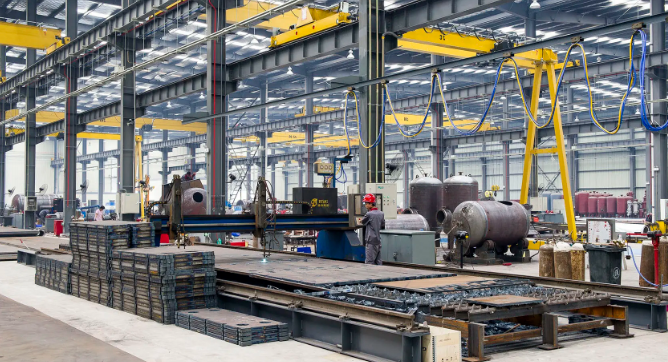
Modern heat transfer technology is focused on energy efficiency and carbon footprint reduction. Traditional shell-and-tube exchangers are being replaced by plate-based solutions due to the latter’s superior heat transfer coefficients and compact footprints.
For Ghana's developing industrial sector, choosing highly engineered import solutions that require minimal maintenance is critical. The integration of intelligent diagnostic systems helps monitor fouling trends in real-time, allowing planned maintenance before thermal efficiency degrades.
Our production workflow conforms strictly to ISO 9001:2015, ISO 14001, and ISO 45001 standards, ensuring maximum reliability in the field.
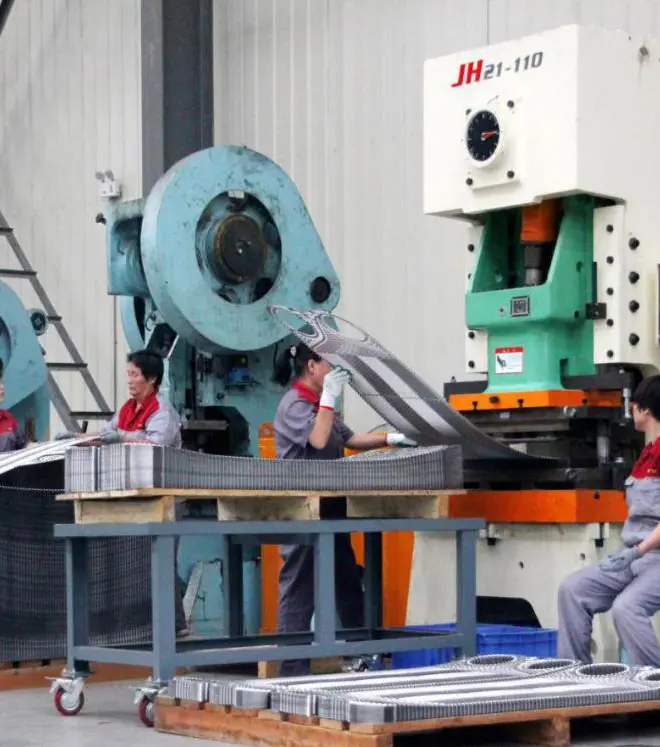
High-precision hydraulic presses form complex corrugation designs. Perfect sheet alignment ensures structural integrity under high operating pressures.
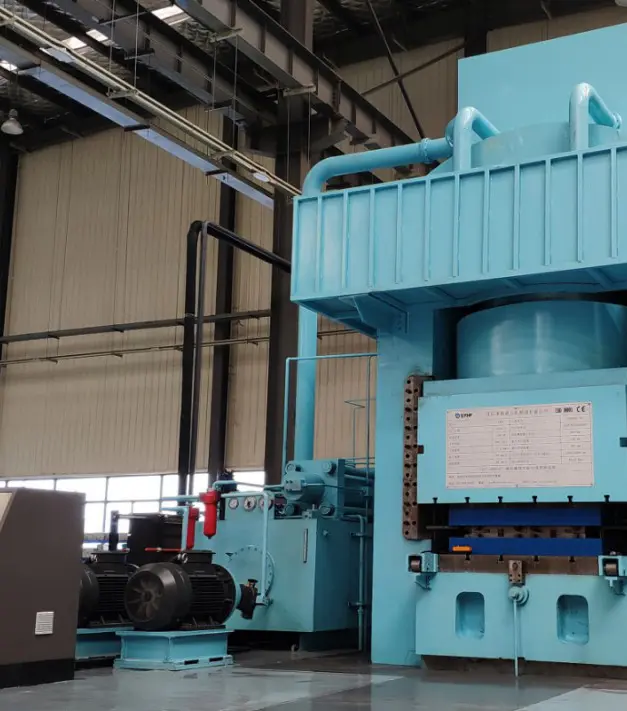
Our stamping processes produce precise chevron angles and channels, optimizing fluid distribution to achieve maximum thermal performance.
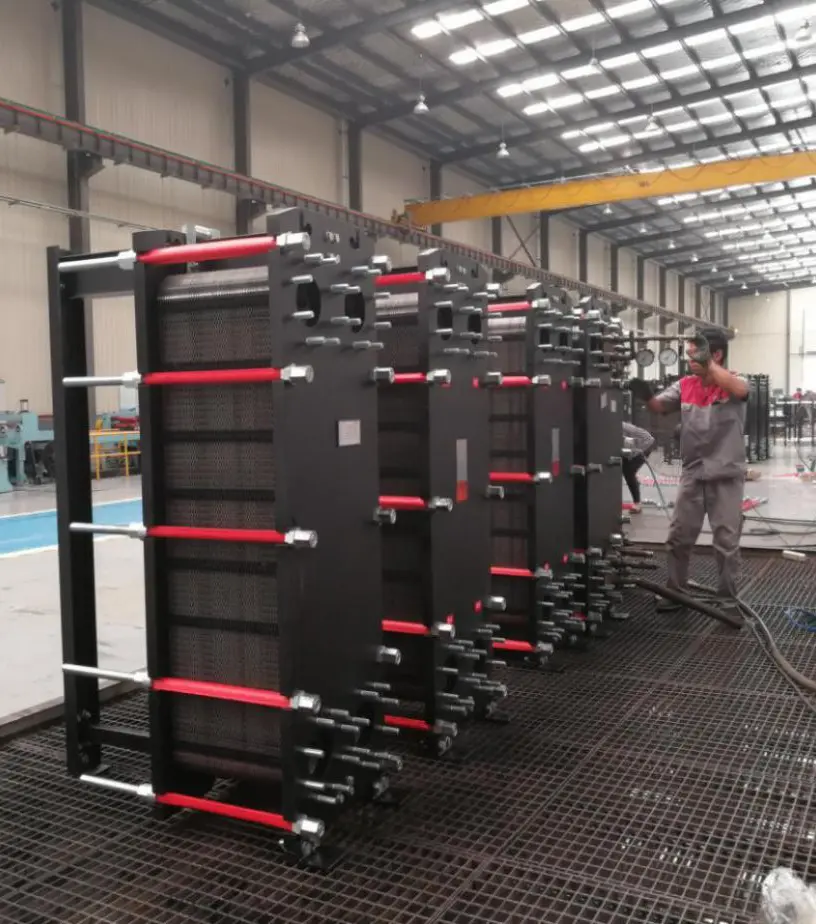
All completed plate units undergo water pressure testing at 1.25 to 1.5 times the design pressure limit to guarantee leak-free operation.
Quality and Material Sourcing: We utilize certified mills for all stainless steel, titanium, and specialized alloys. Every shipment is accompanied by Mill Test Certificates (MTC) and undergoes non-destructive testing (NDT), including dye penetrant and ultrasonic examinations, to ensure no micro-fissures or weld defects exist before exportation to Ghana.
From centralized heating in specialized zones to process fluid cooling in heavy chemical production plants, our equipment adapts to local environment and utility profiles. Below are the key system applications that we design, manufacture, and export to Ghana:
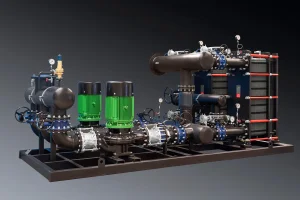
For municipal buildings, hotels, and hospitals across Accra and Kumasi, our plate heat exchanger units transfer heat between primary solar thermal arrays or municipal boiler plants and secondary domestic water supplies, ensuring consistent, hygienic hot water.
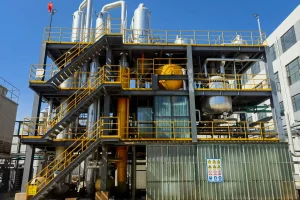
In manufacturing plants, wastewater discharge must comply with Environmental Protection Agency (EPA) regulations in Ghana. Multi-effect evaporation systems separate pure water from heavy chemical residues, reducing disposal volumes and recovering process water.
For Tema’s industrial factories and petrochemical complexes, our shell-and-tube heat exchangers and heavy-duty plate coils handle high-temperature steam lines, thermal oil circuits, and viscous hydrocarbon cooling with low maintenance overhead.
Heavy machinery and diesel generator plants in remote mining locations require closed-loop cooling systems. Using our heat exchangers allows the cooling loop to remain free of contaminants, preventing engine block scale buildup and keeping downtime to a minimum.
Our complete catalog of thermal equipment engineered for durability, high-pressure stability, and energy-saving performance.
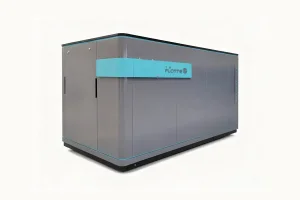
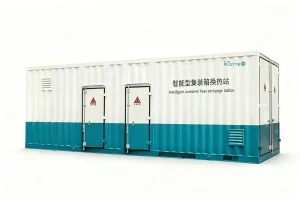
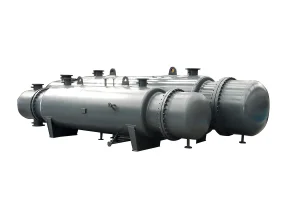
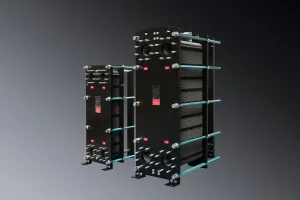
Plate coils, also known as pillow plates, are created by laser welding two sheet metals together and then inflating the flow channels under high water pressure. This creates a profile that induces high turbulence, maximizing the heat transfer coefficient while keeping the pressure drop minimal. In comparison with traditional dimpled jackets or half-pipe coils, pillow plates offer significant thermodynamic advantages.
The wavy geometry of the pillow plate forces fluids inside the channels into highly turbulent flow patterns at very low velocities. This results in heat transfer coefficients that are up to 3 times greater than those of conventional jacketed systems. Consequently, less heat exchange surface area is needed, reducing total raw material costs.
Constant movement within the internal channels creates a self-cleaning effect, reducing fouling. In Ghana's industrial operations, where water supplies may contain high concentrations of minerals and particulate matter, this feature significantly extends operating periods between cleaning cycles.
Pillow plates contain very small volumes of fluid compared to traditional jackets. This enables rapid thermal response and precise temperature tracking, which is essential for delicate food applications like cocoa butter crystallizers or pharmaceutical synthesis.
Our engineering division can pre-shape plate coils to fit specific reactor shells, storage tanks, or cylindrical vessels, maximizing effective contact area. Additionally, they can be fabricated in flat banks for direct immersion in gold elution tanks or cooling ponds.
Expert answers addressing the design, operation, and maintenance of plate coils and heat exchanger systems in tropical climates.
 Flotte Energy