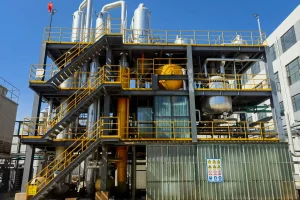
Brazil stands as a powerhouse of heavy industry, processing, and agribusiness across Latin America. Driven by key economic sectors such as the sugar & ethanol industry, pulp & paper factories, chemical processing plants, and offshore oil exploration in the Pre-Salt basins, the country faces critical challenges regarding thermal efficiency. As energy costs escalate and environmental regulations tighten under the national policies aligned with Eletrobras energy-efficiency initiatives, local processors are seeking state-of-the-art heat exchange machinery.
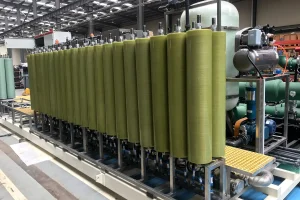
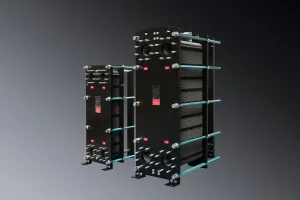
Plate Coils (commonly referred to as pillow plates or thermoplates) have emerged as the premier technology to replace legacy shell-and-tube systems and traditional dimple jackets. Characterized by two metal sheets welded together using laser technology and inflated to create flow channels, plate coils provide an unparalleled heat transfer coefficient. In the tropical and highly corrosive environments of key states like São Paulo, Minas Gerais, and Rio de Janeiro, the requirement for robust, premium-alloy plate coils is scaling rapidly.
Navigating the Brazilian market requires strict compliance with the **NR-13 (Norma Regulamentadora 13)** safety standard governing boilers, pressure vessels, and piping. Any pressurized thermoplate or plate coil assembly imported into Brazil must undergo rigorous safety validations, including hydrostatic testing, detailed structural calculations (ASME Section VIII Div. 1 or equivalent EN standards), and official engineering endorsement by a registered Brazilian "Profissional Habilitado" (PH).
At Flotte, we align our manufacturing practices directly with the strict documentation trails required for NR-13 integration. Our quality control teams ensure that the design, material certification (MTRs), and structural welds are fully traceable. By providing extensive technical data books containing weld map schemes, material specifications (often premium SS316L, 254 SMO, or Titanium for corrosive environments), and pressure charts, we eliminate the local compliance bottleneck for Brazilian EPC contractors and direct buyers.
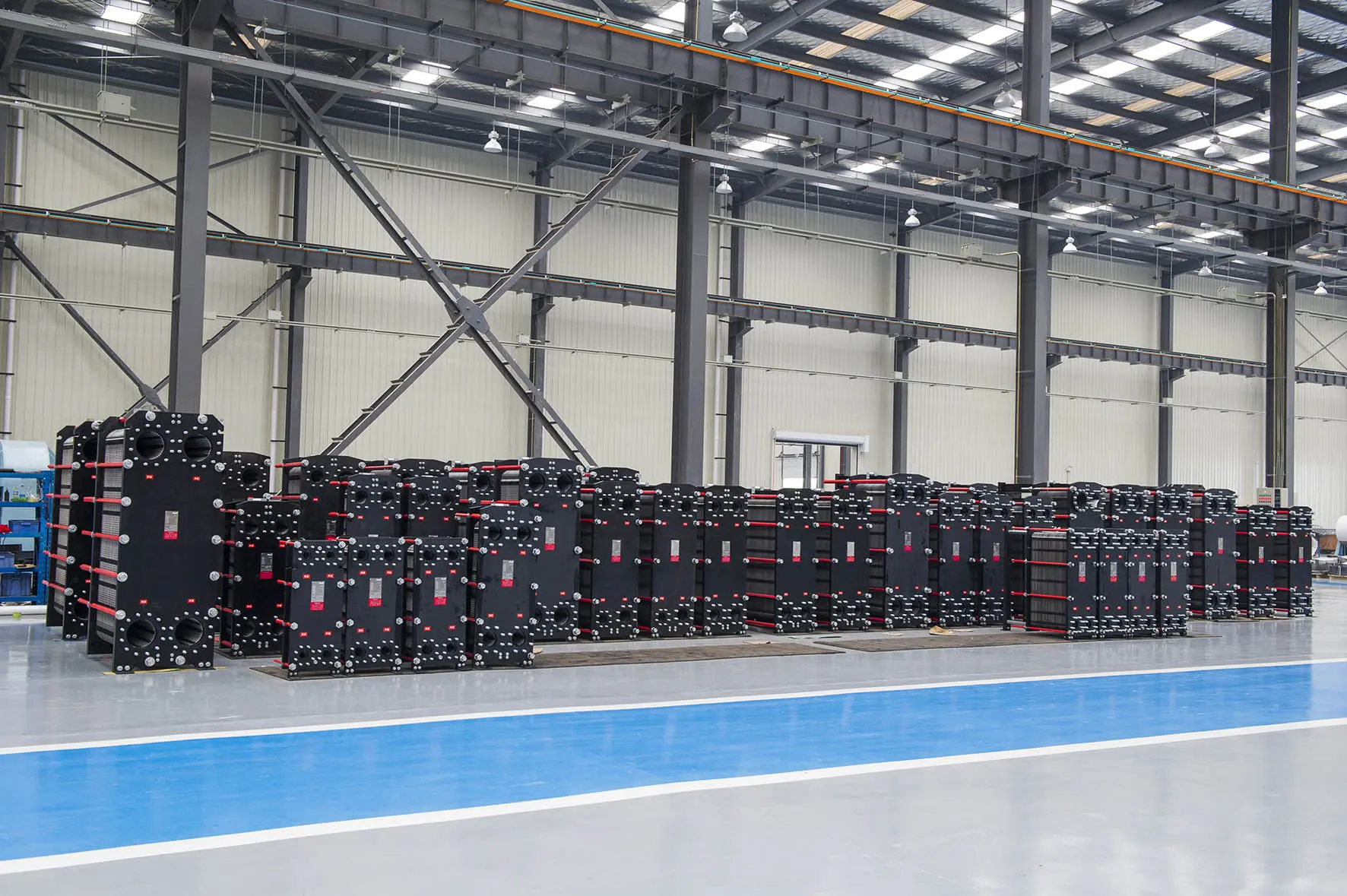
Our proprietary wave-like corrugated plate geometries induce localized micro-turbulences, increasing thermal performance by 2-3 times compared to traditional tube exchangers.
Tailored material selections (Super Duplex, Titanium, Hastelloy) designed to withstand the harsh corrosive profiles of Brazilian sugarcane vinasse and marine offshore environments.
Robust automated laser-welding limits structural stress concentrations. Reduced fouling margins lead to lower maintenance cycles and high uptime.
Maximized heat transfer density yields compact configurations, saving massive structural steel expenditures on factory floor structures and offshore FPSOs.
The manufacturing capabilities of Flotte (Flotte Energy Saving Company) bridge the gap between premium global design standards and competitive capital investment structures. Originating in 1995 as Flotte Thermal Engineering and officially re-incorporated with a registered capital of 101 million yuan, our three-decade path of technical iteration allows us to manufacture complex heat exchangers that match European-level performance at optimized cost curves.
For Brazilian procurement managers, this represents a major advantage. Industrial capital equipment imported into South America faces challenging tax landscapes (including IPI, ICMS, and PIS/COFINS). By leveraging our automated fabrication setups, raw-material purchasing agreements, and state-of-the-art sheet metal processing lines, Flotte delivers heavy industrial plate coil configurations that mitigate the high-tax barrier for Brazilian businesses, offering premium ROI.
"By merging high-precision laser-welding routines with strict compliance schemas like ASME Sec VIII Div 1 and Brazilian NR-13 directives, Flotte ensures that every plate coil assembly sent to Latin America performs reliably under high pressures and in aggressive industrial fluids."
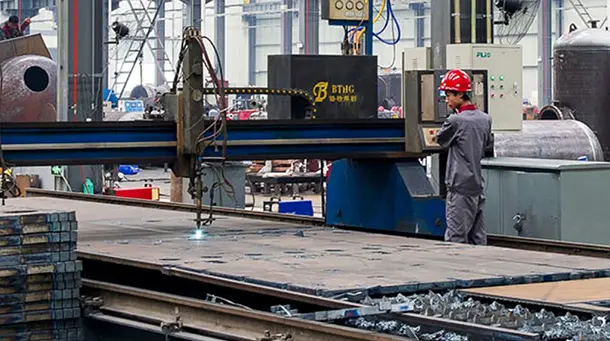
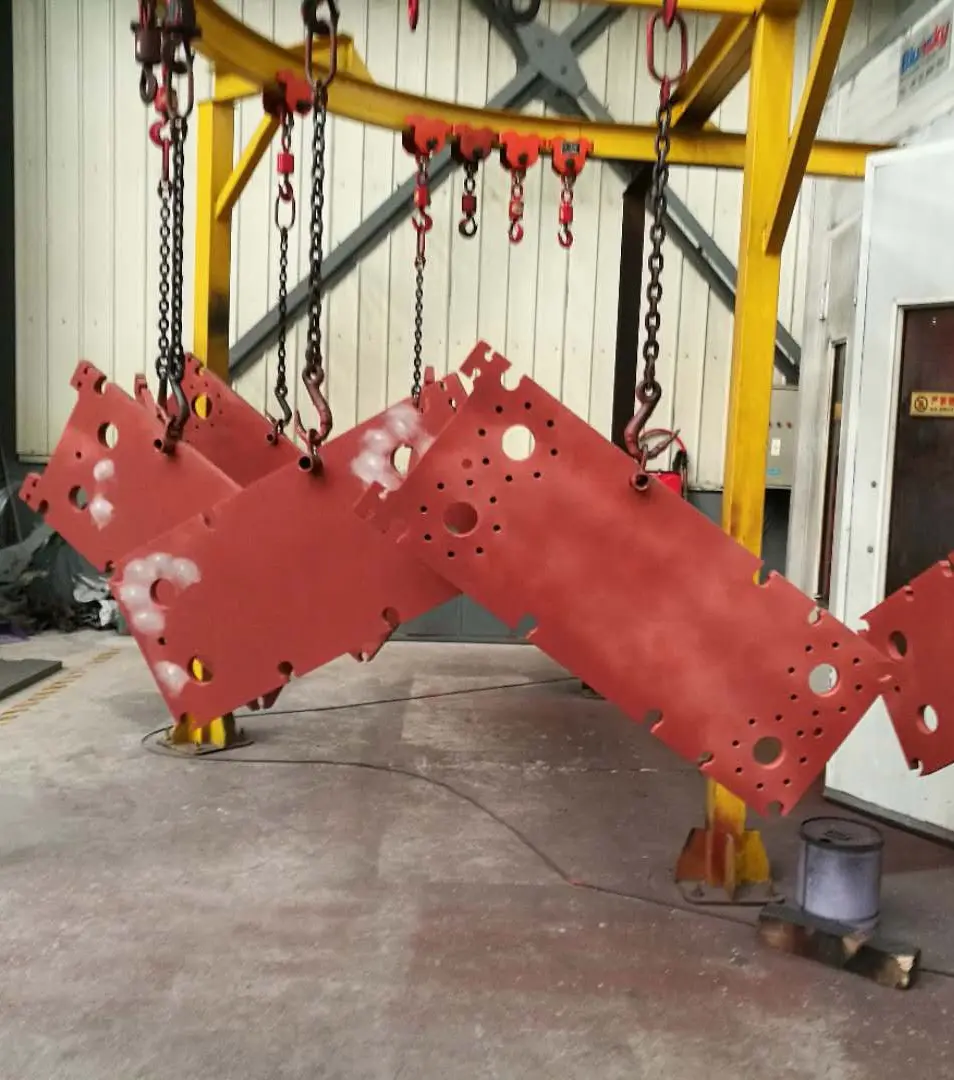
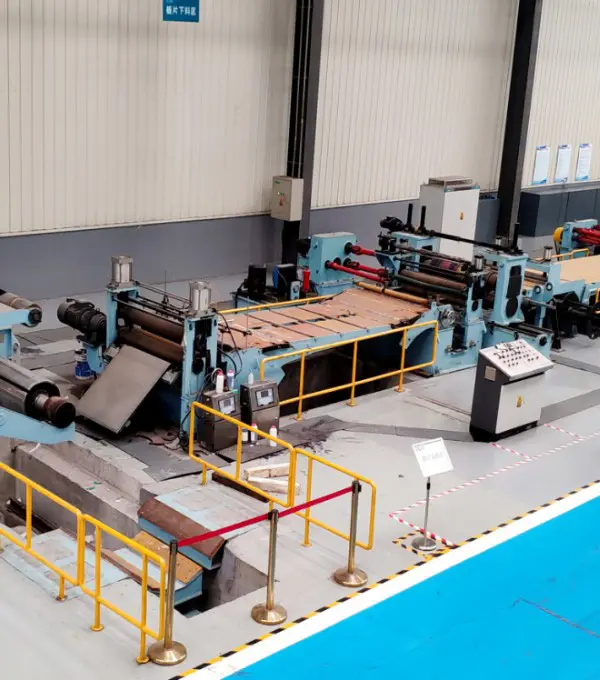
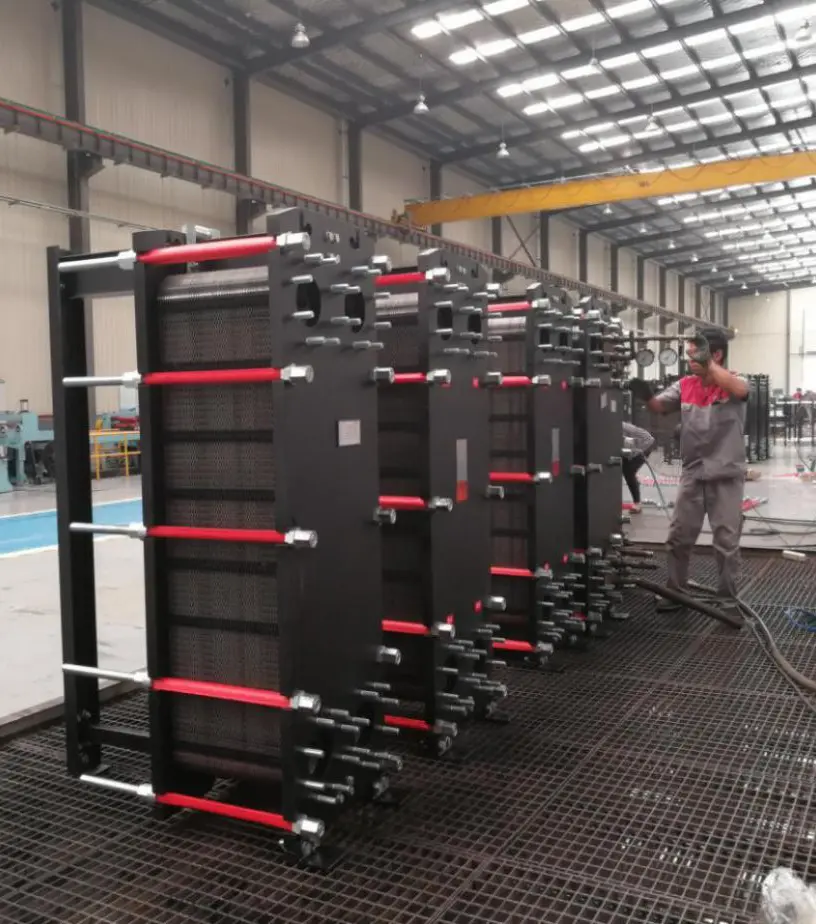
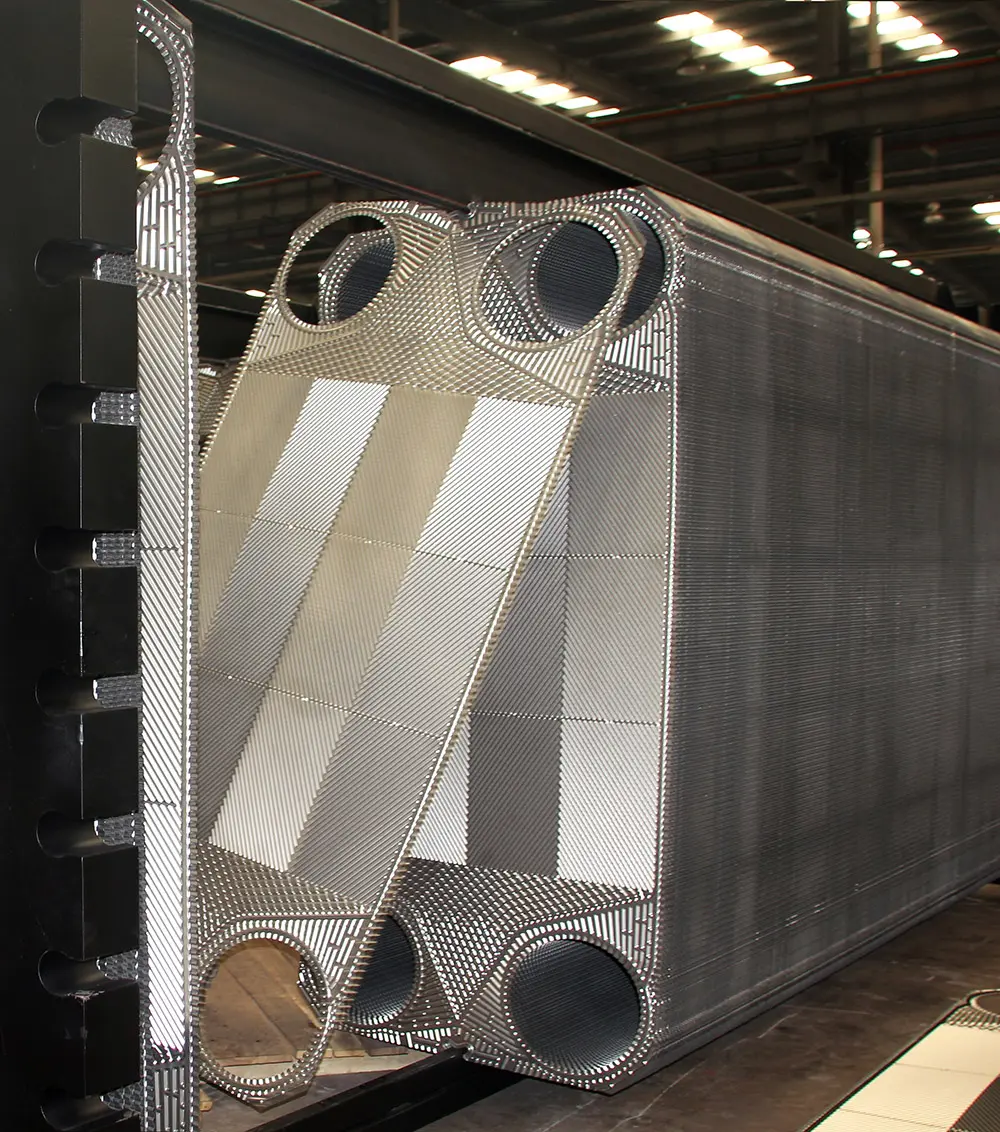
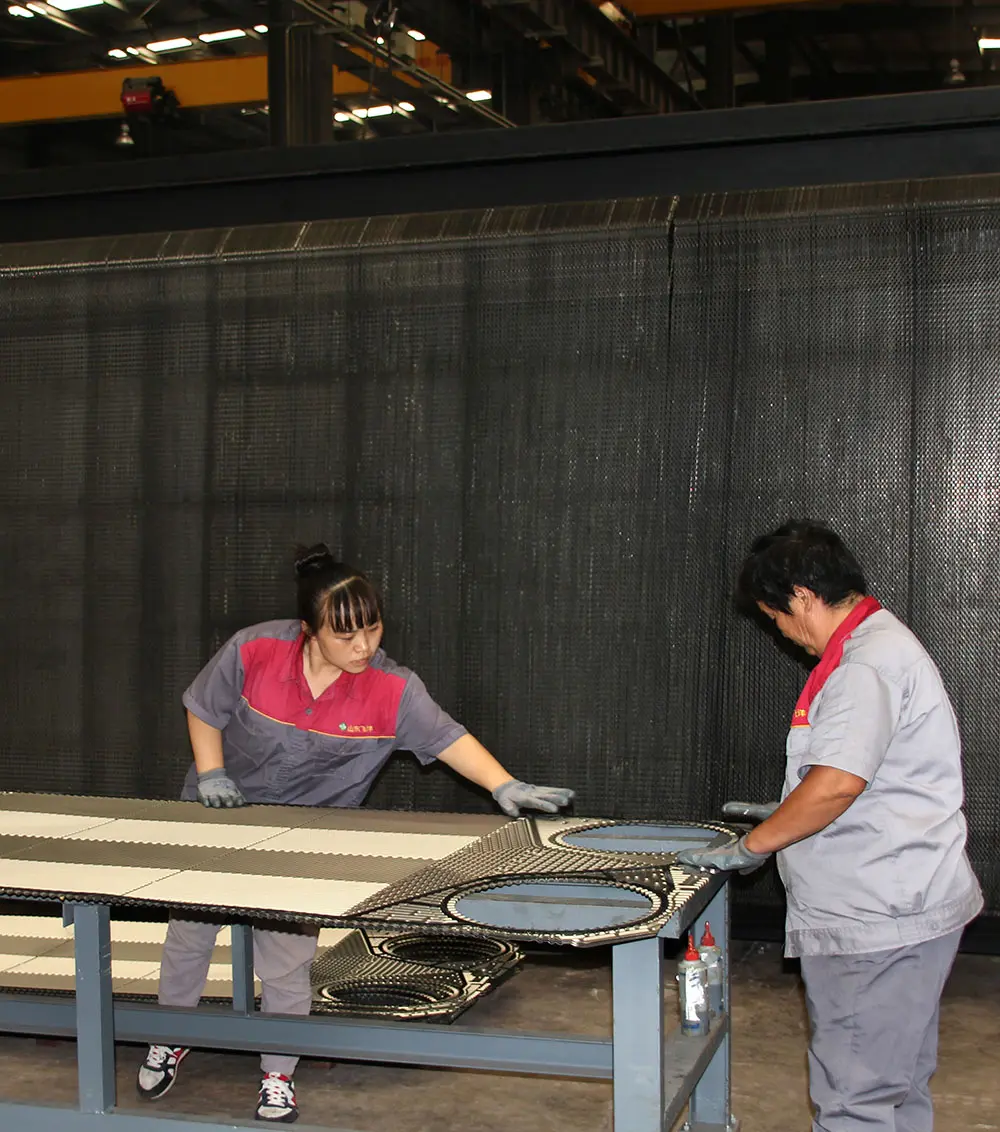
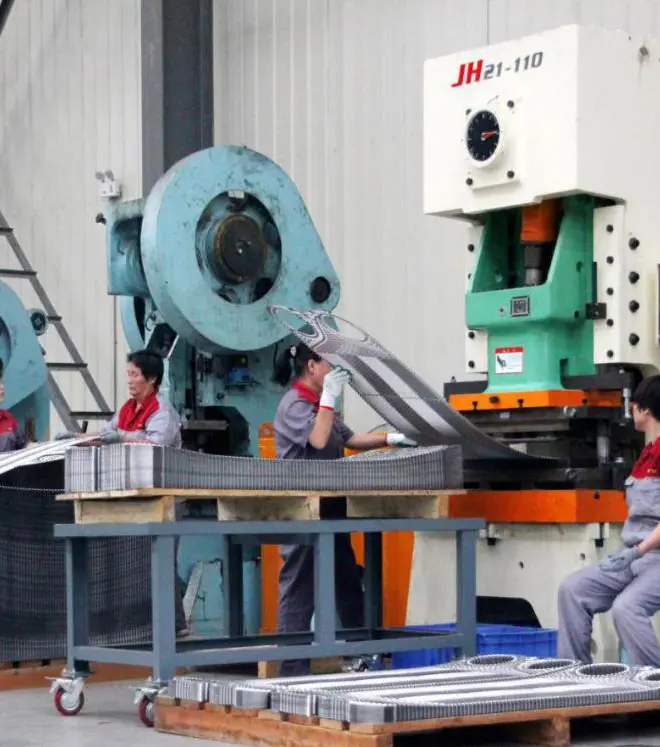
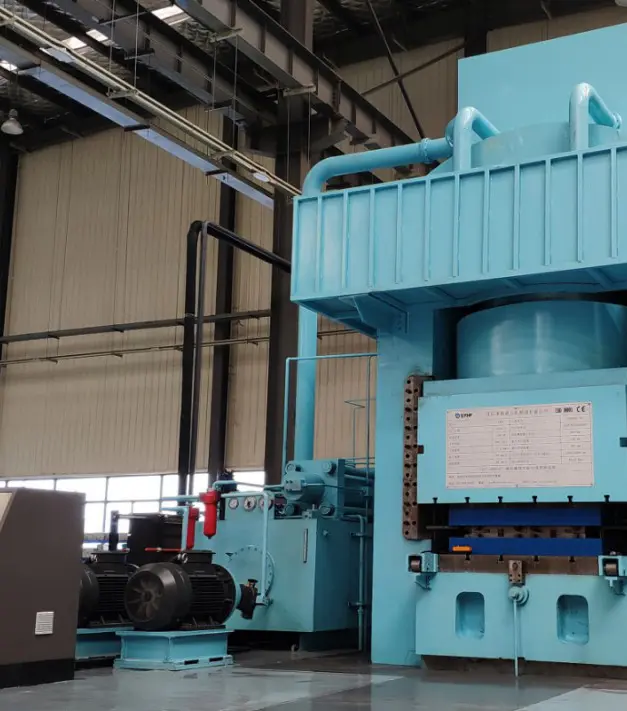
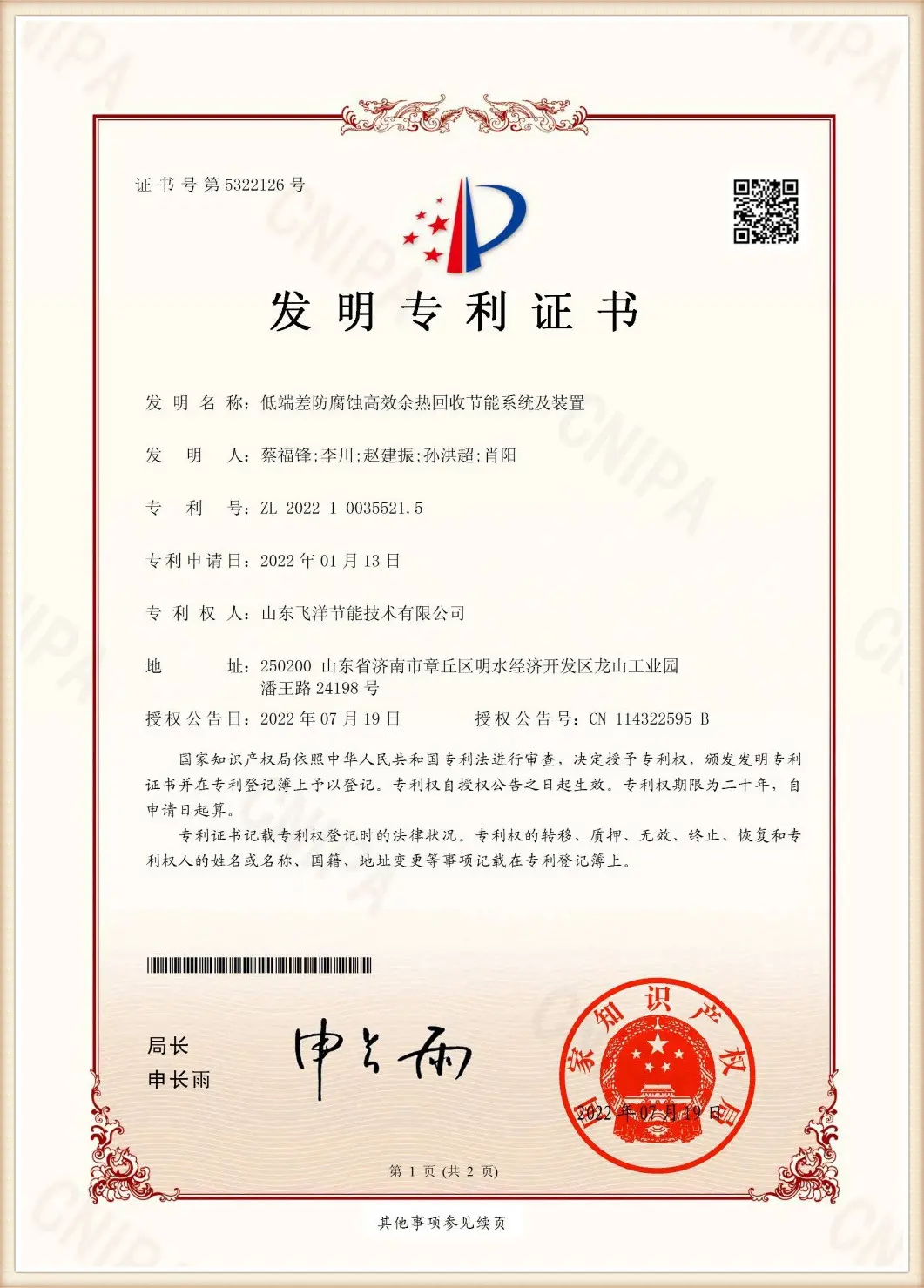
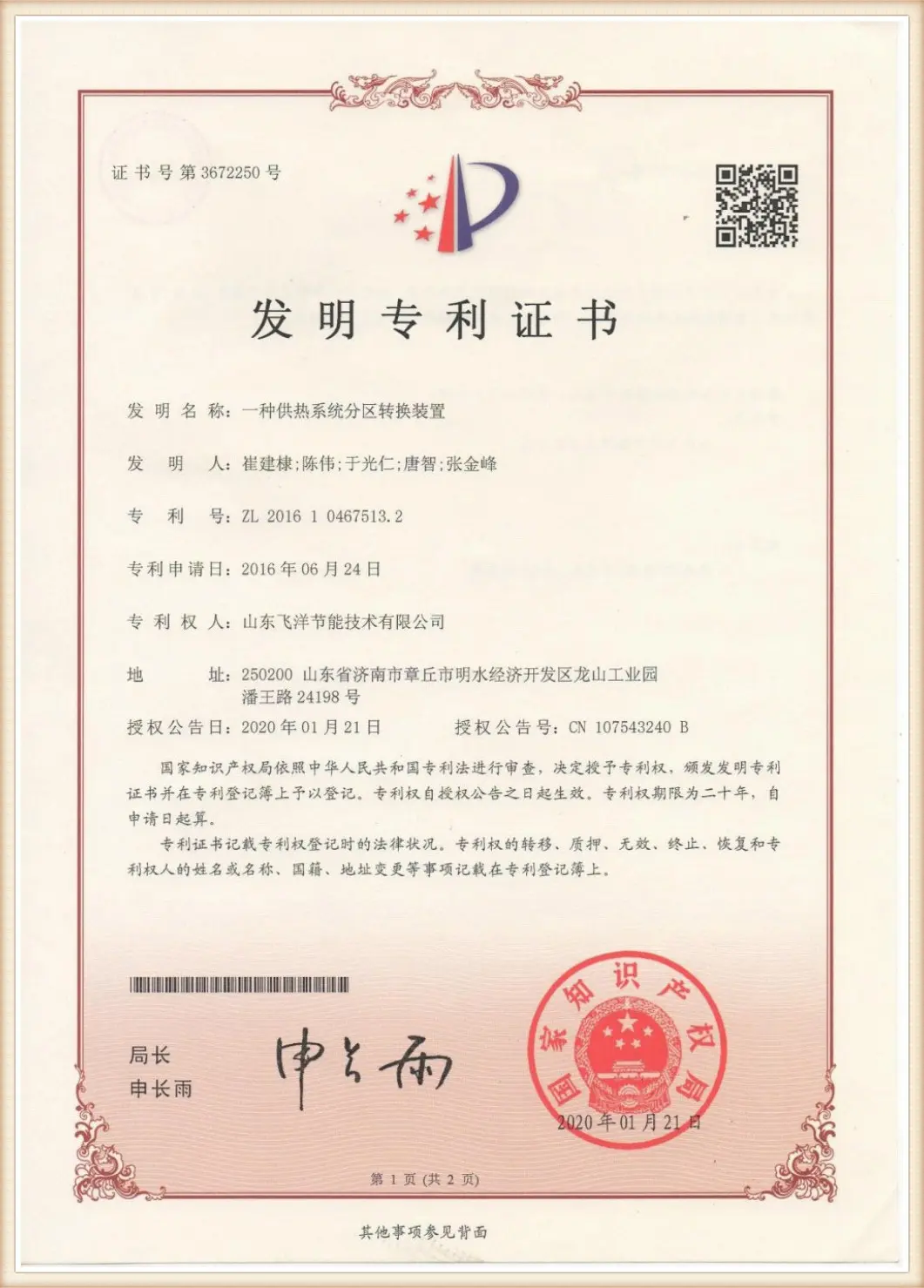
Every pressure vessel and plate coil array adheres to stringent international quality frameworks, ensuring safety and compliance across global installations.
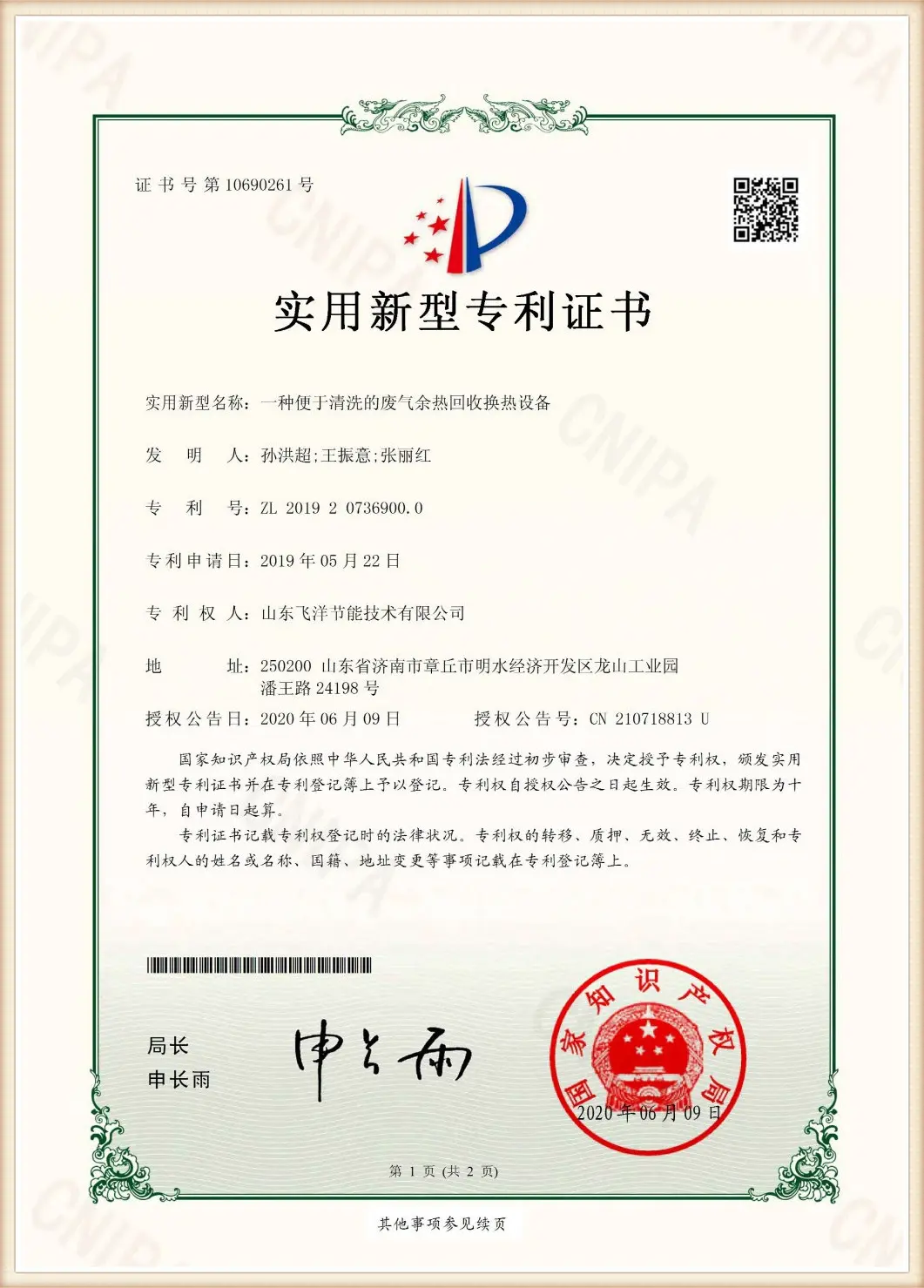
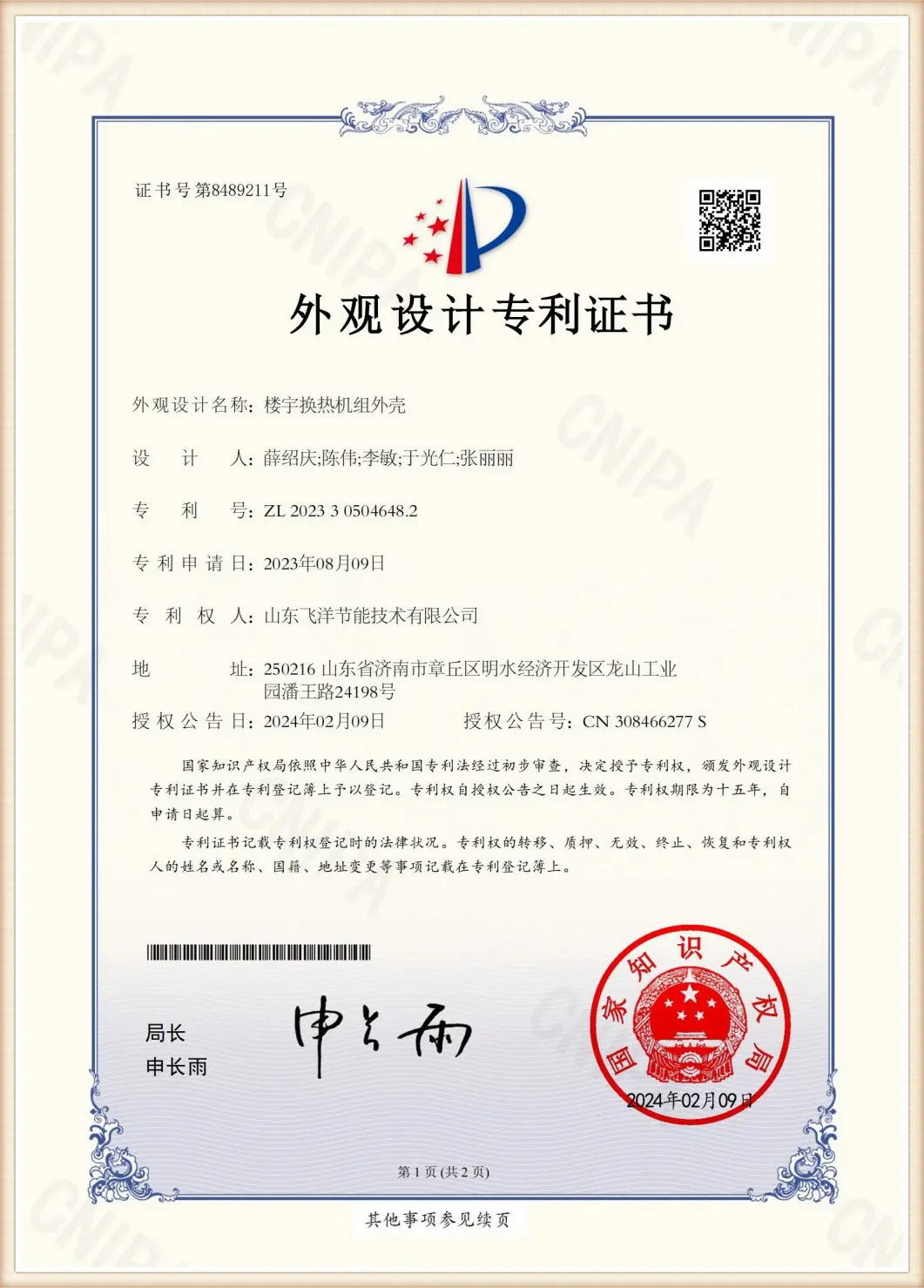
The industrial landscape is moving rapidly toward low-carbon footprint processing. In heat-recovery applications, traditional shell and tube systems lose excessive energy due to large surface-to-volume ratios and mechanical bypass. In contrast, laser-welded plate coils restrict fluid bypass channels, forcing the process fluid to intimately interact with the thermoplate's corrugated patterns. This raises thermal efficiency up to 300% relative to conventional piping jackets.
With global supply chains facing fluctuations, industrial enterprises are prioritizing risk mitigation and component longevity. Choosing raw materials of supreme purity is now non-negotiable. At Flotte, we enforce stringent incoming material checks. Our procurement department works exclusively with certified global mills to source alloys like SS304, SS316L, and specialist Titanium alloys, guaranteeing structural stability under elevated temperature profiles and intense physical stress.
Modern plants are no longer configured using rule-of-thumb calculations. We leverage modern thermodynamic modeling tools (including Aspen Tech and HTRI thermal design protocols) to simulate fluid flows, temperature profiles, and drop-pressure specifications. This level of optimization ensures that the equipment fits perfectly within the overall process design, eliminating oversized installations and reducing initial Capital Expenditures (CAPEX).
 Flotte Energy