Leading high-efficiency plate and shell exchangers optimized for high heat-transfer coefficients and low footprint in cleanroom, manufacturing, and municipal HVAC networks.
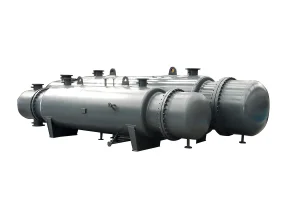
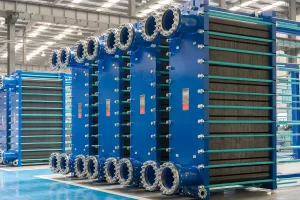
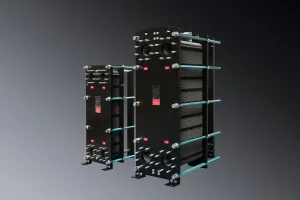
The demand for plate coils and high-performance heat exchangers within Japan's manufacturing hubs—such as the Kansai, Kanto, and Chubu industrial regions—has experienced a major paradigm shift. Historically, traditional shell-and-tube models dominated heavy chemical plants and processing industries. However, Japan's strict Green Transformation (GX) policy has pushed enterprises to optimize every kilowatt of heat.
Plate coils, featuring a lightweight, space-saving profile combined with a thermal efficiency factor that is 2 to 3 times greater than traditional configurations, are becoming essential. In sectors ranging from food pasteurization in Hokkaido to semiconductor cleaning systems in Kyushu's "Silicon Island," space constraint is a key design consideration. Engineered plate coils maximize thermal transfer surfaces within compact footprints, making them ideal for integration into existing facilities undergoing modernizations.
Additionally, Japan's high electricity and gas tariffs demand heat recovery systems that operate near zero thermodynamic loss. The deployment of precision plate heat exchange plates ensures that waste-heat streams from exhaust steam and industrial drainage are effectively captured and recycled back into primary loops, significantly reducing fossil fuel consumption.
The future of thermal engineering lies in structural micro-modifications and material integrity. The primary focus of development centers on the transition from conventional uniform corrugation styles to asymmetrical micro-forging designs.
In municipal and industrial sectors across Tokyo, Osaka, and Nagoya, heat exchangers operate under varied, high-stress conditions. A systematic approach to design ensures reliability across these demanding environments:
District Heating & Cooling (DHC): High-density urban areas rely on centralized plant loops to distribute thermal energy. Detachable plate heat exchangers act as isolation barriers at pressure-regulating stations. They handle pressure ratings up to 2.5 MPa, ensuring high-rise commercial structures receive temperature-controlled water safely and efficiently.
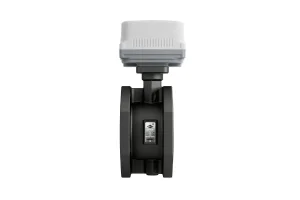
Precision Semiconductor Facilities: Wafer fabrication requires precise control over chemical baths and cleanroom HVAC conditions. By utilizing titanium plate coils and automated control valves, facilities can maintain bath temperatures within tolerances of ±0.1°C. This prevents chemical degradation and ensures consistent processing quality.
High-Efficiency Chemical Processing: Corrosive solvents and media require heat exchange solutions built with high-alloy metals. Semi-welded and fully-welded plate units prevent toxic leaks, while keeping maintenance downtime minimal through clean-in-place (CIP) compatibility.
From raw material traceability to computerized thermodynamic simulation, we align with the high expectations of the Japanese market.
Our engineering team designs corrugated profiles that create turbulence at low Reynolds numbers, delivering high heat transfer coefficients with minimal pressure drop.
Every plate, gasket, and weld undergoes pressure trials, material testing, and non-destructive evaluations to meet international pressure vessel regulations.
Our localized delivery partnerships and coordinated supply chain ensure that fabricated units arrive at Japanese ports like Yokohama and Osaka on schedule.
Operating thermal equipment in Japan requires strict adherence to localized engineering and safety parameters. Any pressure vessel or heat transfer component must satisfy the national criteria set out under the High Pressure Gas Safety Act, administered by the Ministry of Economy, Trade and Industry (METI). Additionally, compliance with JIS B 8265 (Construction of Pressure Vessels) and JIS B 8240 (Heat Exchangers) is critical to gaining site approvals.
Flotte bridges this regulatory requirement by offering complete engineering documentation, including material test reports (MTRs), calculated stress analyses, weld maps, and non-destructive examination (NDE) data sheets. Our technical teams work alongside Japanese contractors during design review stages, verifying that nozzle orientations, flange ratings (JIS 10K/20K), and support configurations integrate into localized piping layouts without field modifications.
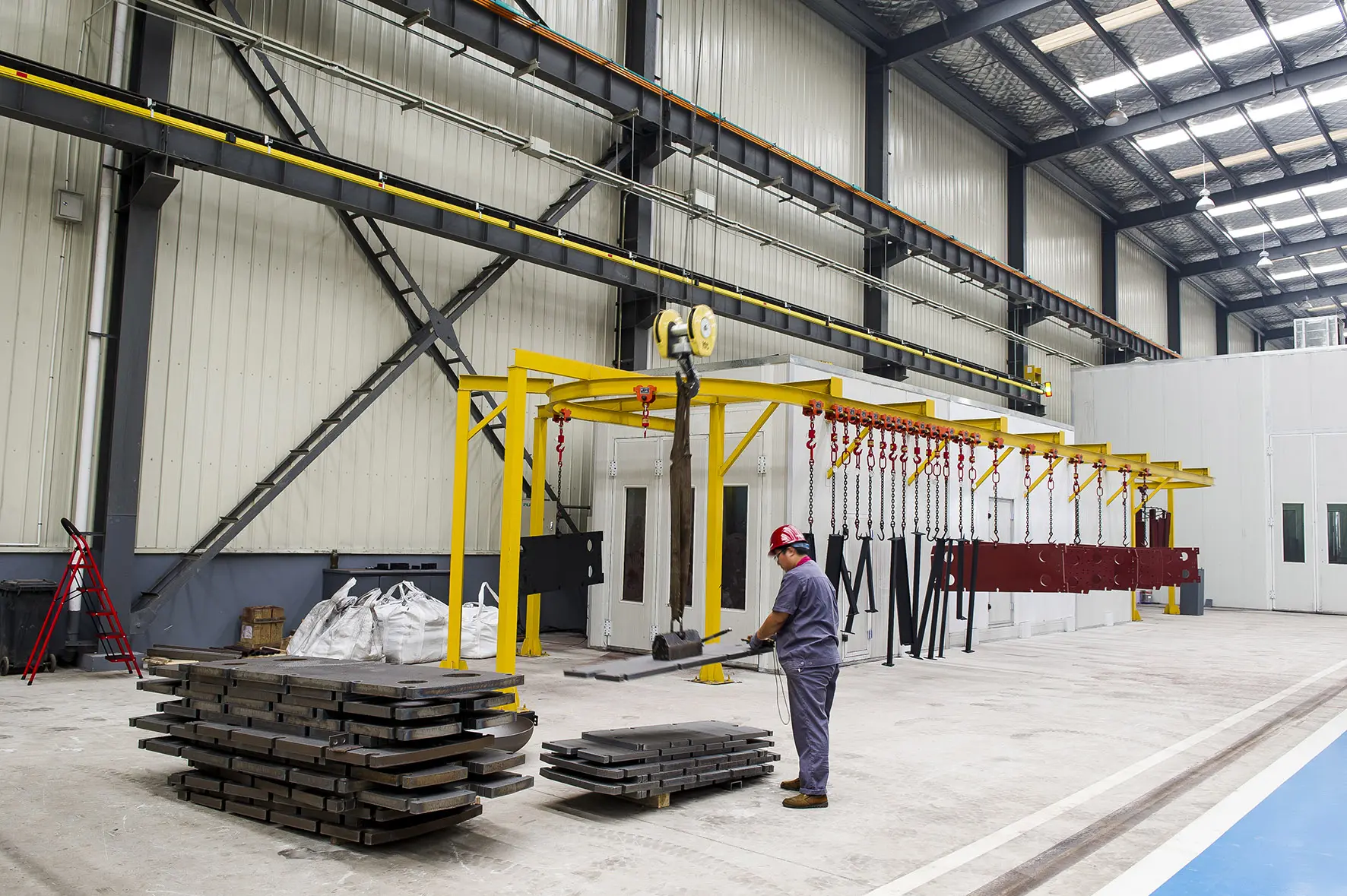
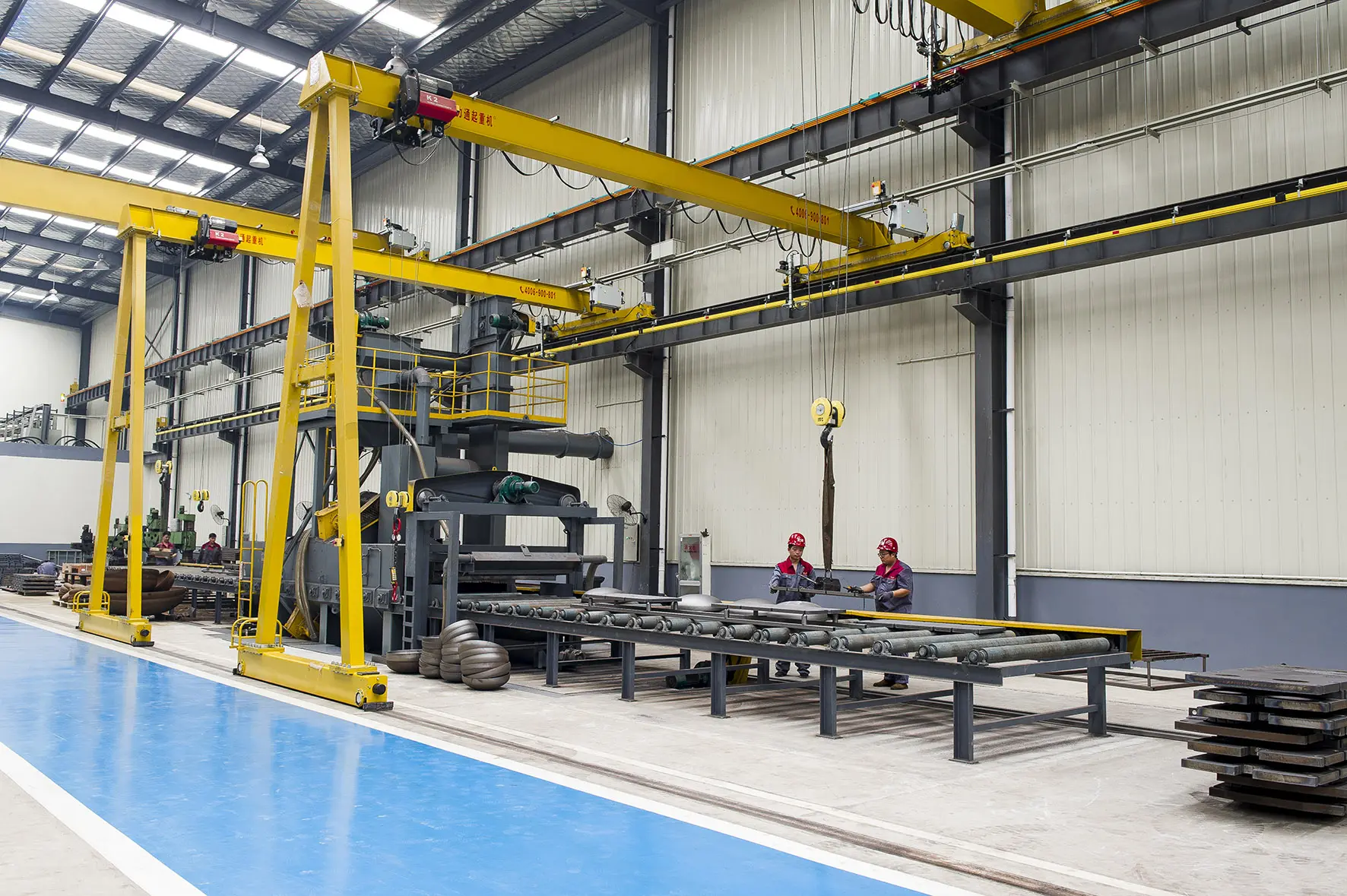
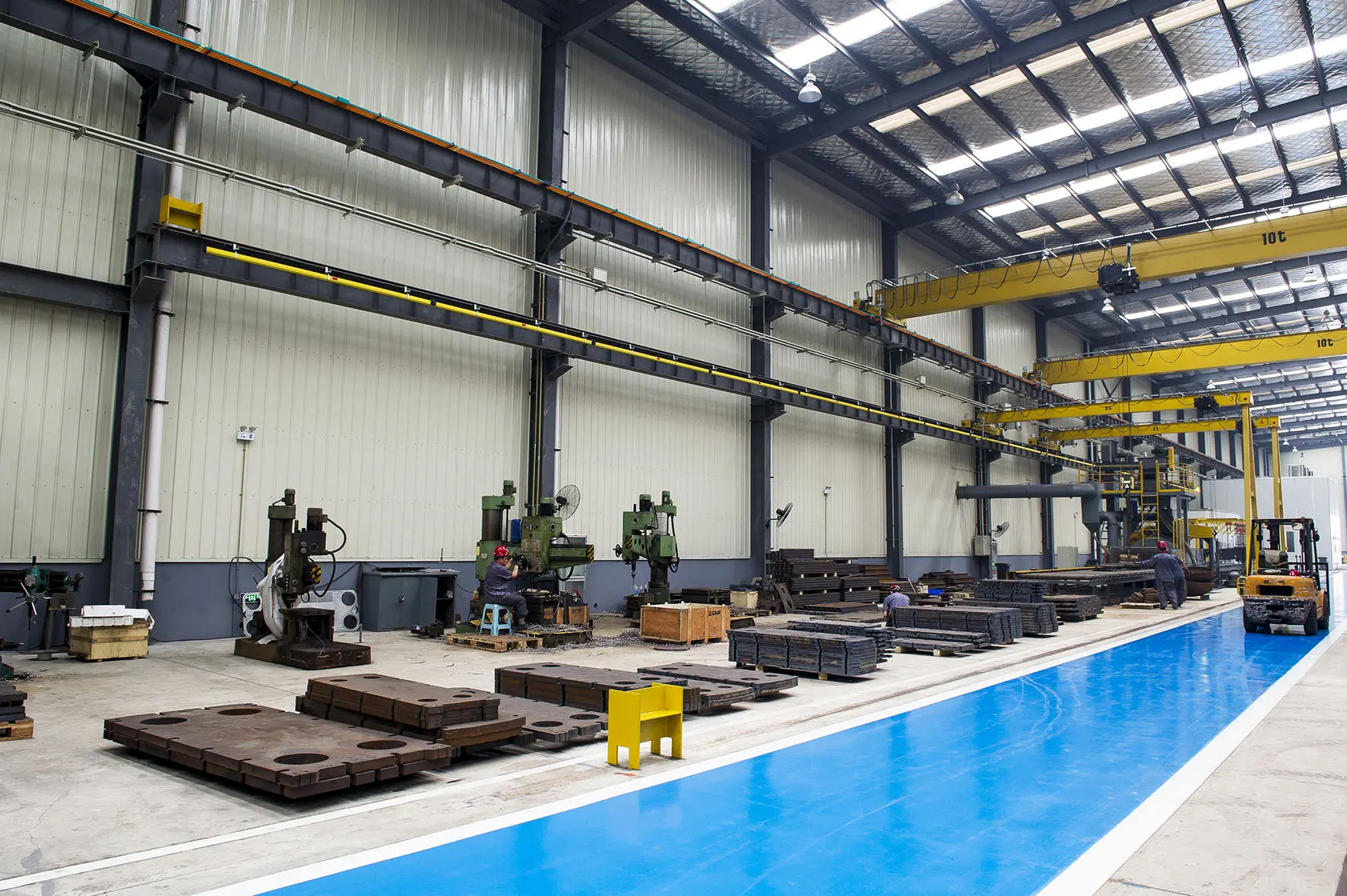
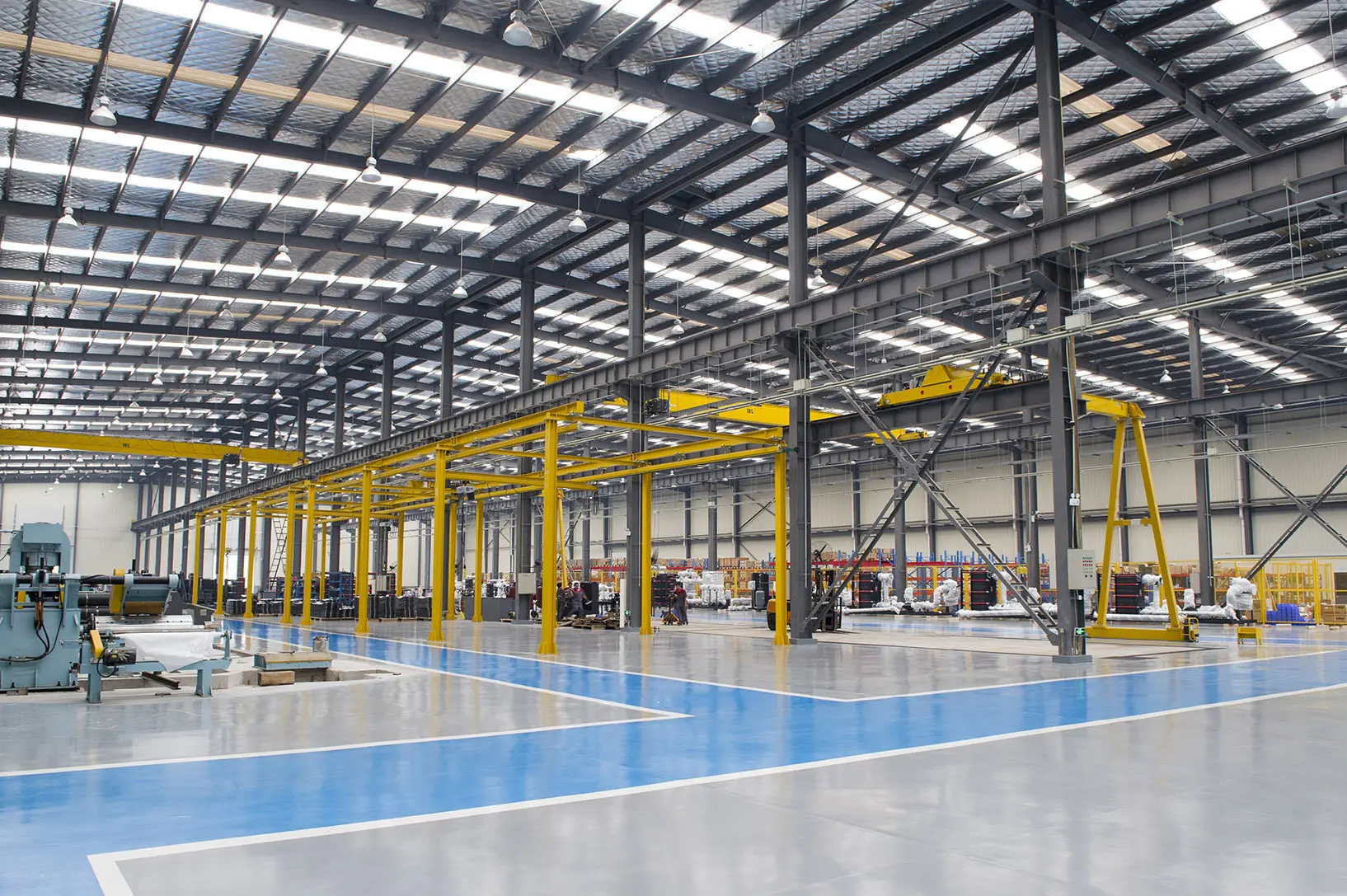
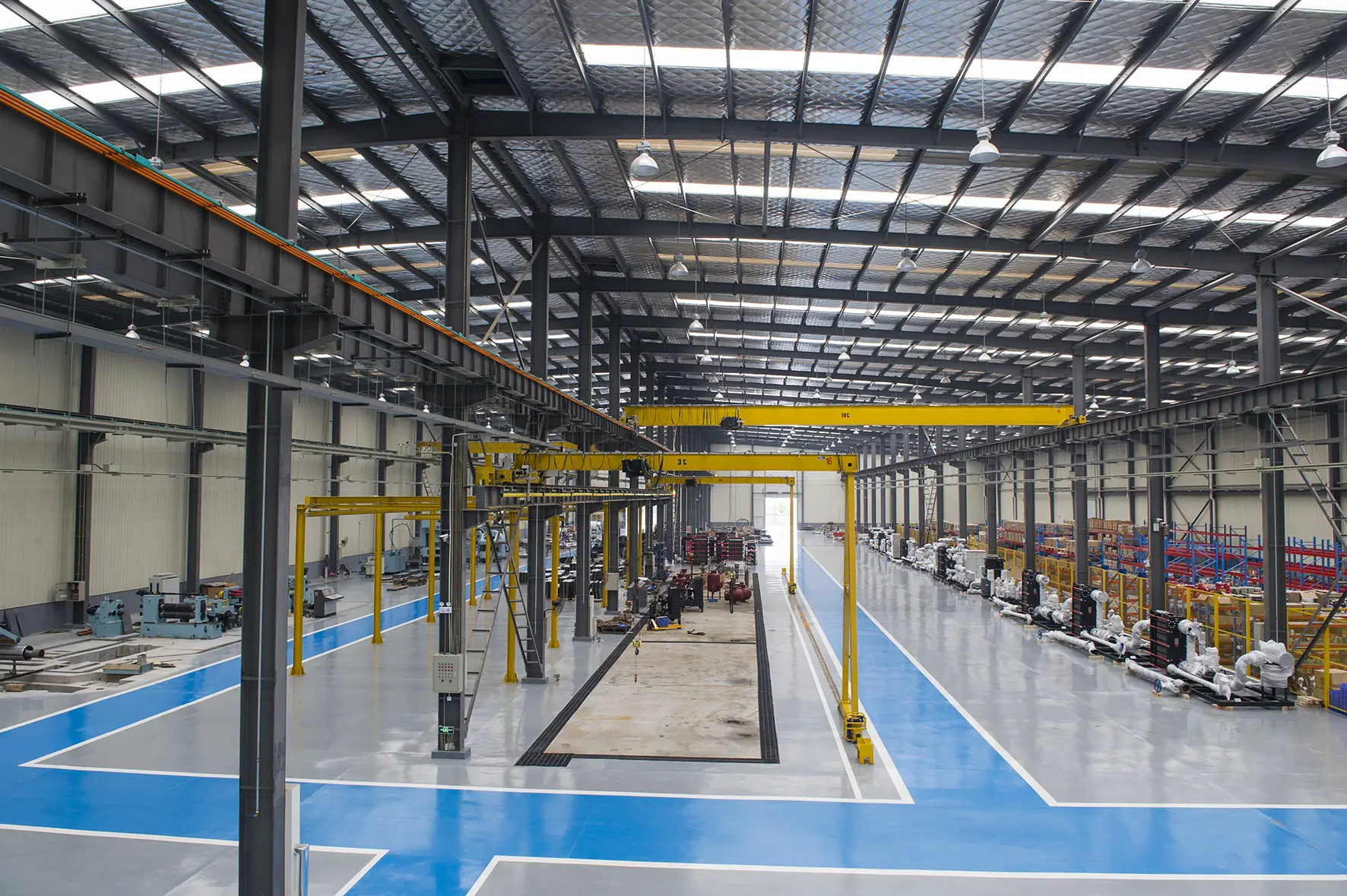
By shifting manufacturing workflows to Flotte's smart production facility, customers benefit from cost-efficiency and reliable lead times. Our 70,000-square-meter facility features automated plate pressing cells, robotic welding bays, and computerized hydraulic testing labs. This high level of integration keeps production tolerances tight and reduces errors common in manual operations.
With an annual manufacturing capacity of 4,500 integrated heat exchange units, our facility manages bulk raw material procurement of high-grade stainless steel (SUS304, SUS316L) and titanium directly from major mills. This direct sourcing strategy cushions projects against sudden metal market fluctuations and guarantees material traceability. When compared to domestic manufacturing options within Japan, Flotte's optimized factory workflow offers a reliable, high-performance alternative without sacrificing quality standards.
High-tonnage stamping presses punch standard shapes with high geometric accuracy, minimizing edge stress.
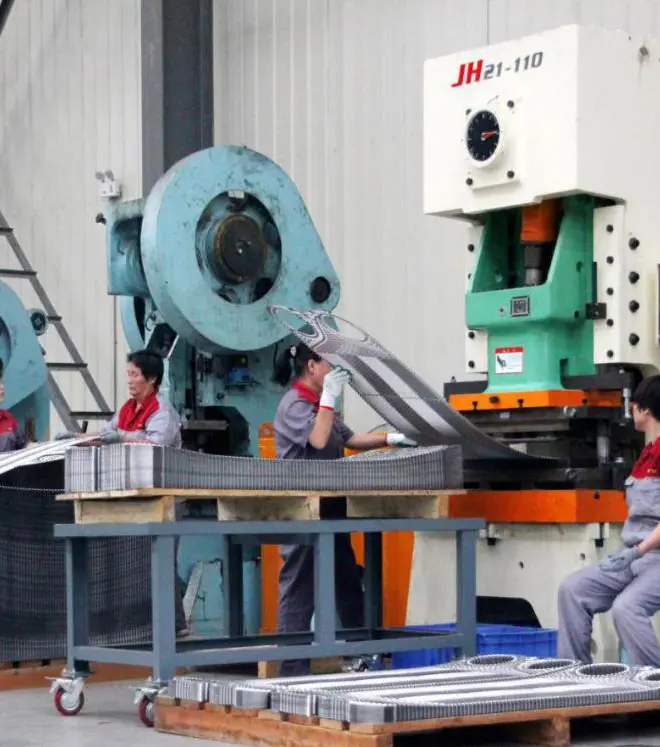
Hydraulic presses form Chevron corrugation profiles onto the metal plates, ensuring consistent depth and thickness.
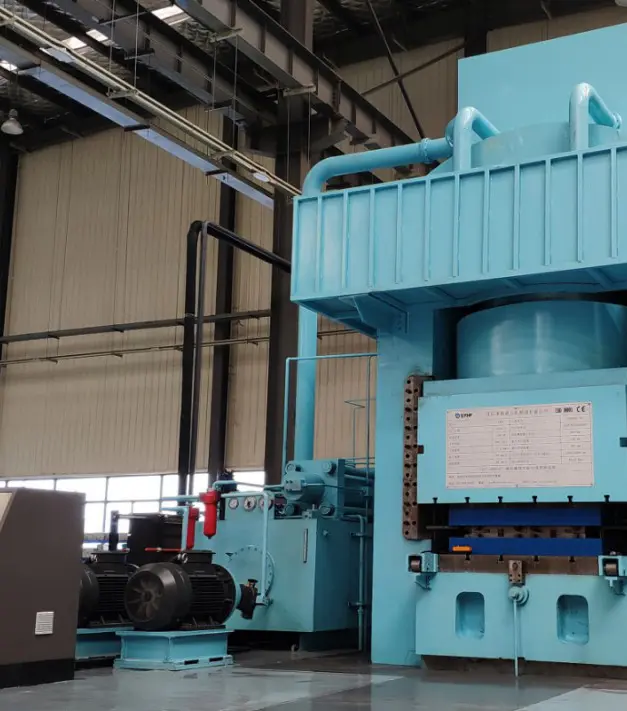
Every plate bundle undergoes hydrostatic pressure testing at 1.5 times the design limit to verify weld and seal integrity.
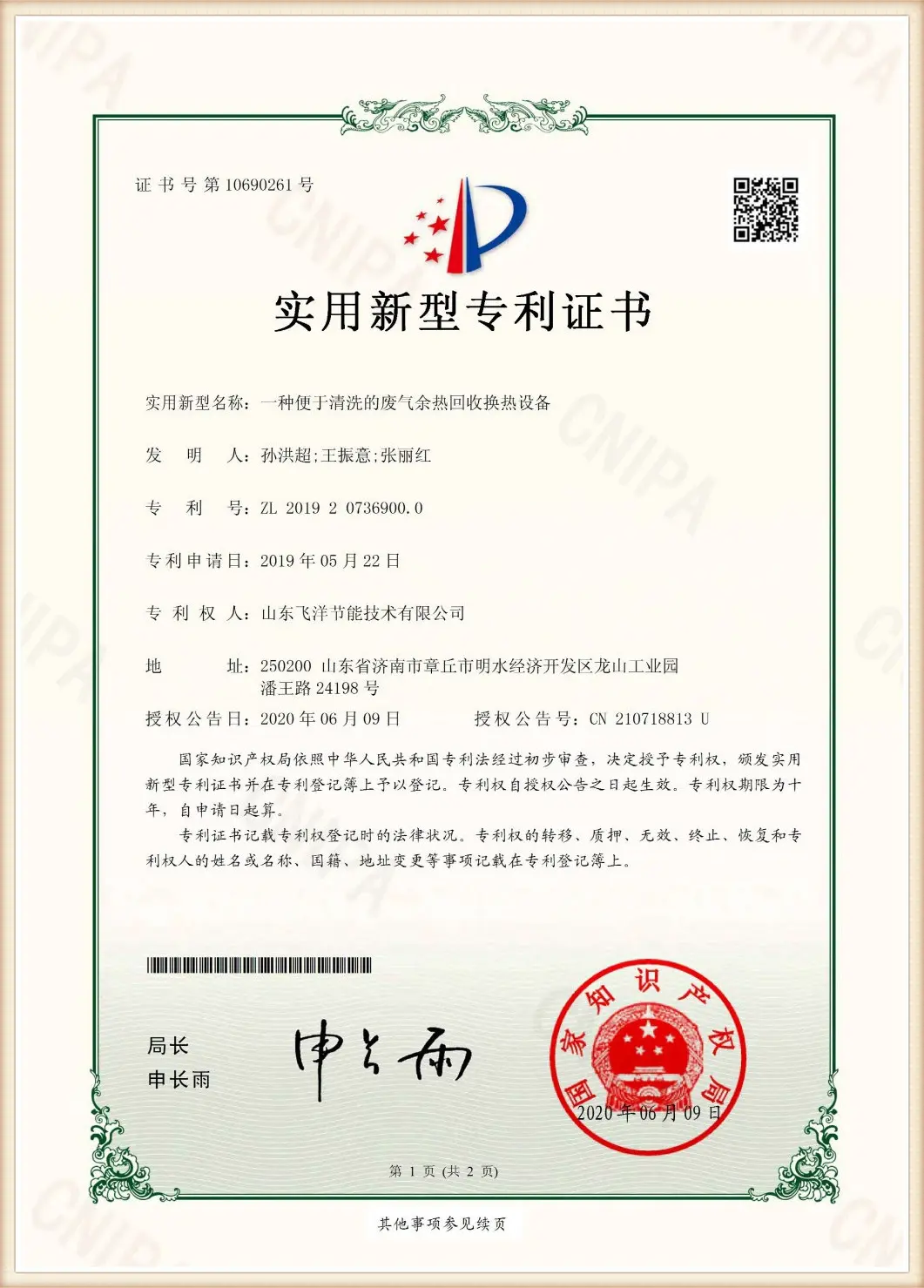
Over 30 years of manufacturing experience, supplying high-performance thermal equipment to global industrial markets.
Years of Thermal Engineering Expertise
Dedicated Factory Employees
Annual Unit Production Output
State-of-the-Art Factory Floor Area
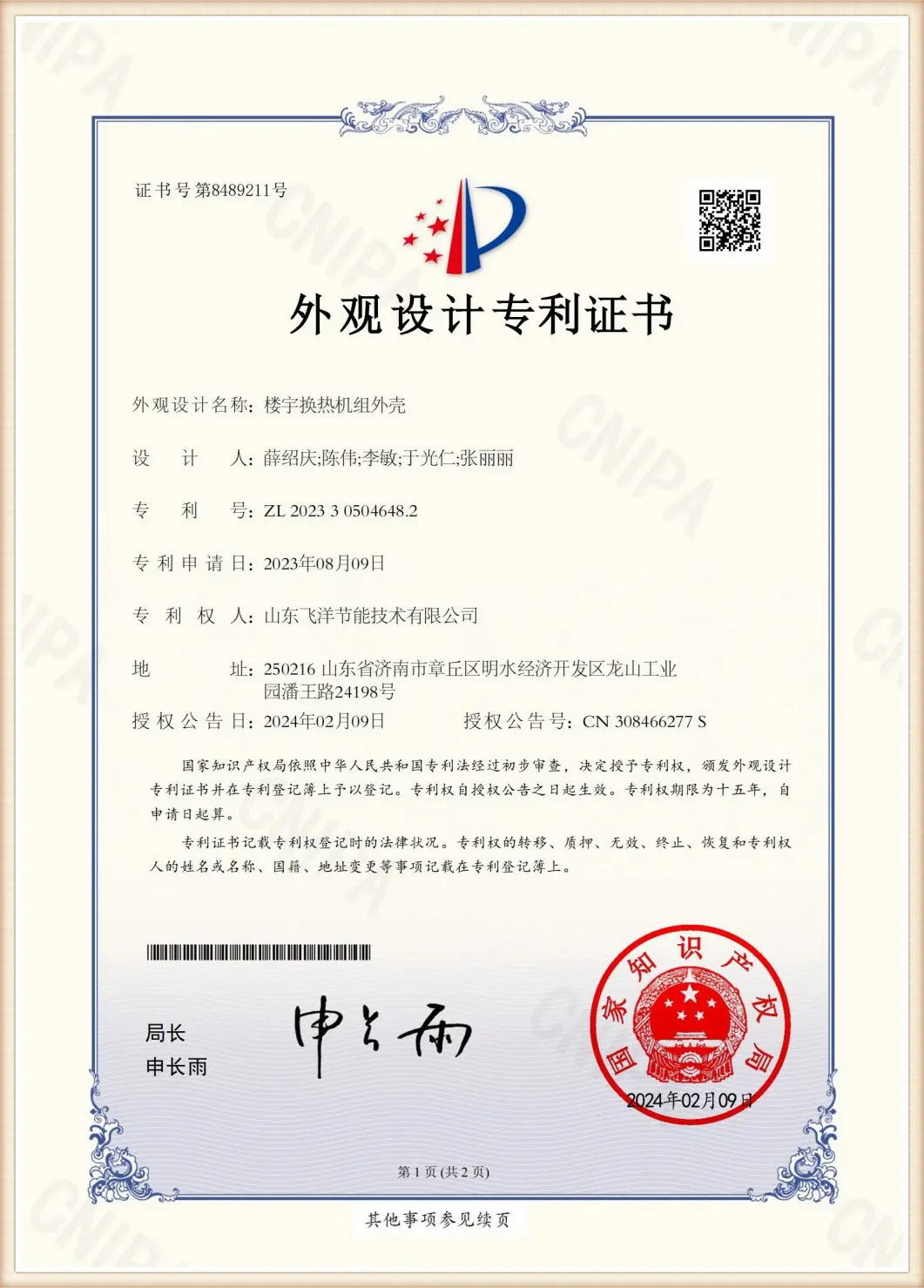
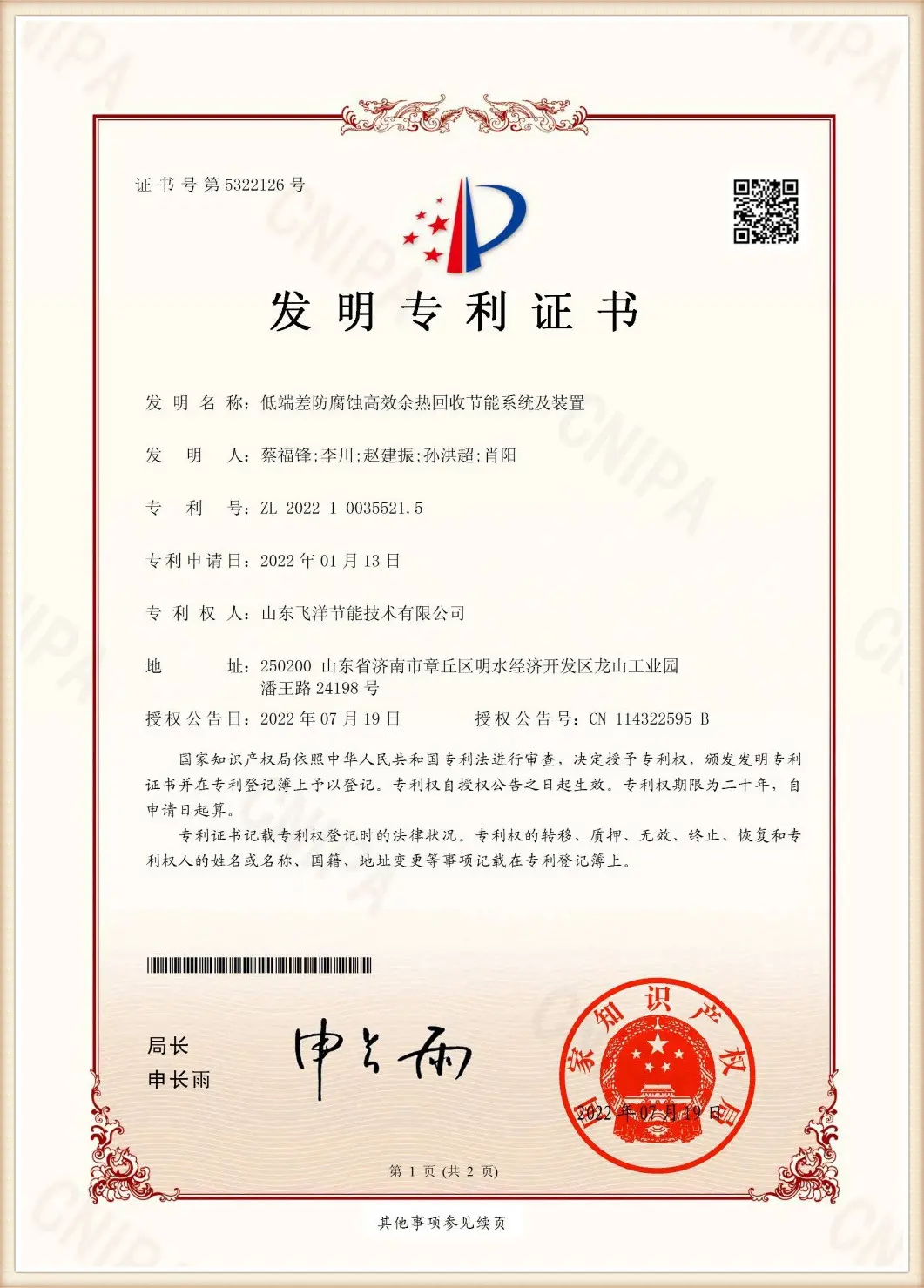
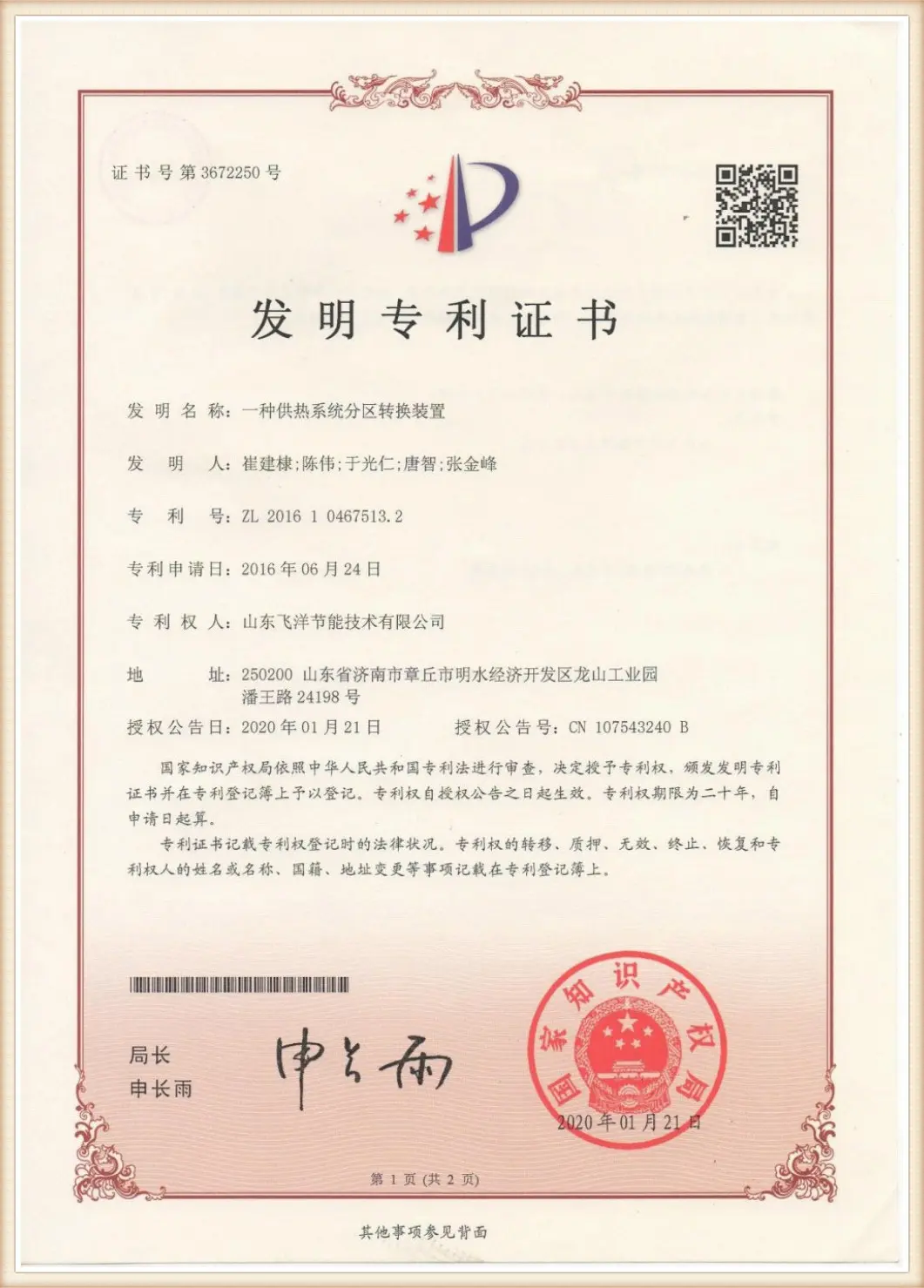
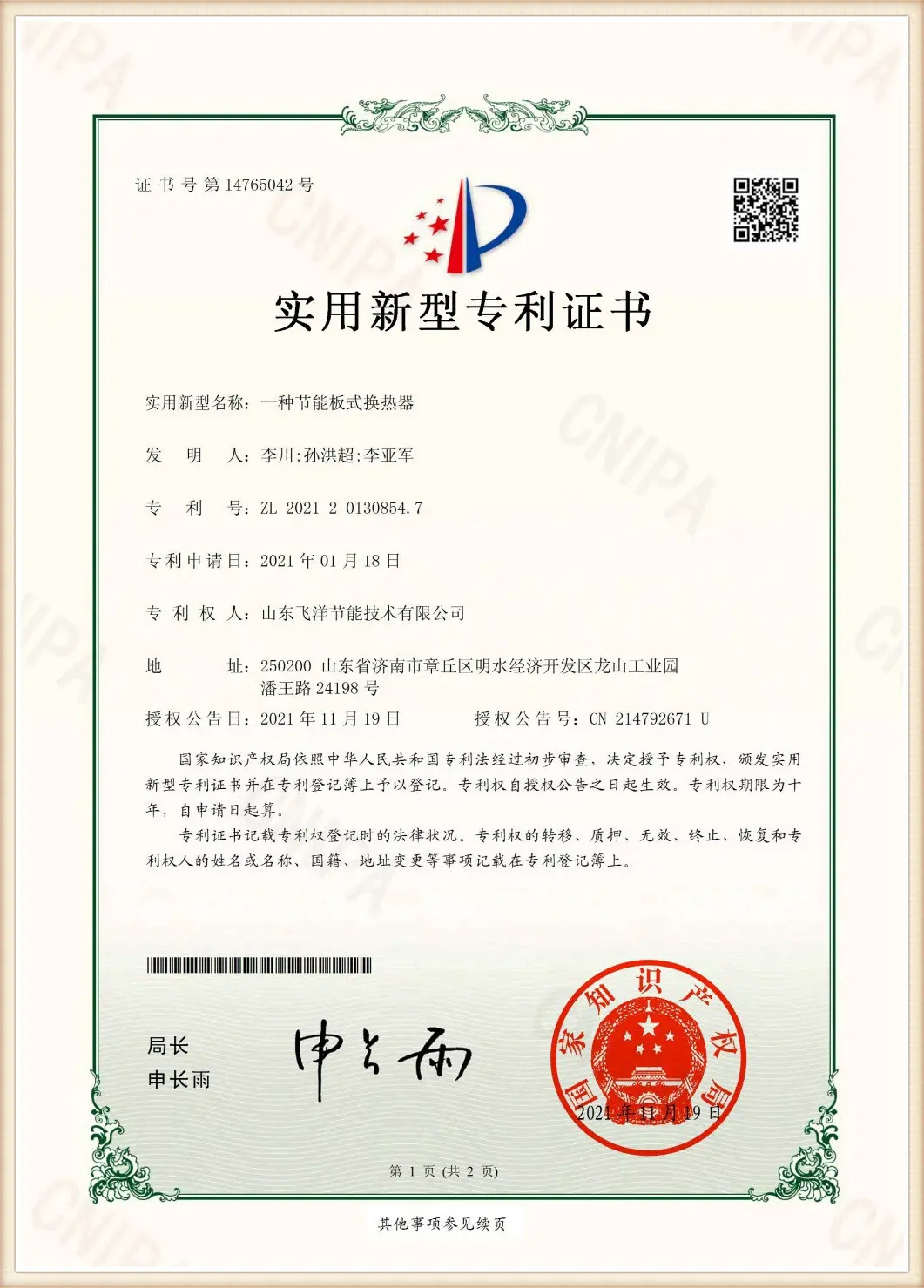
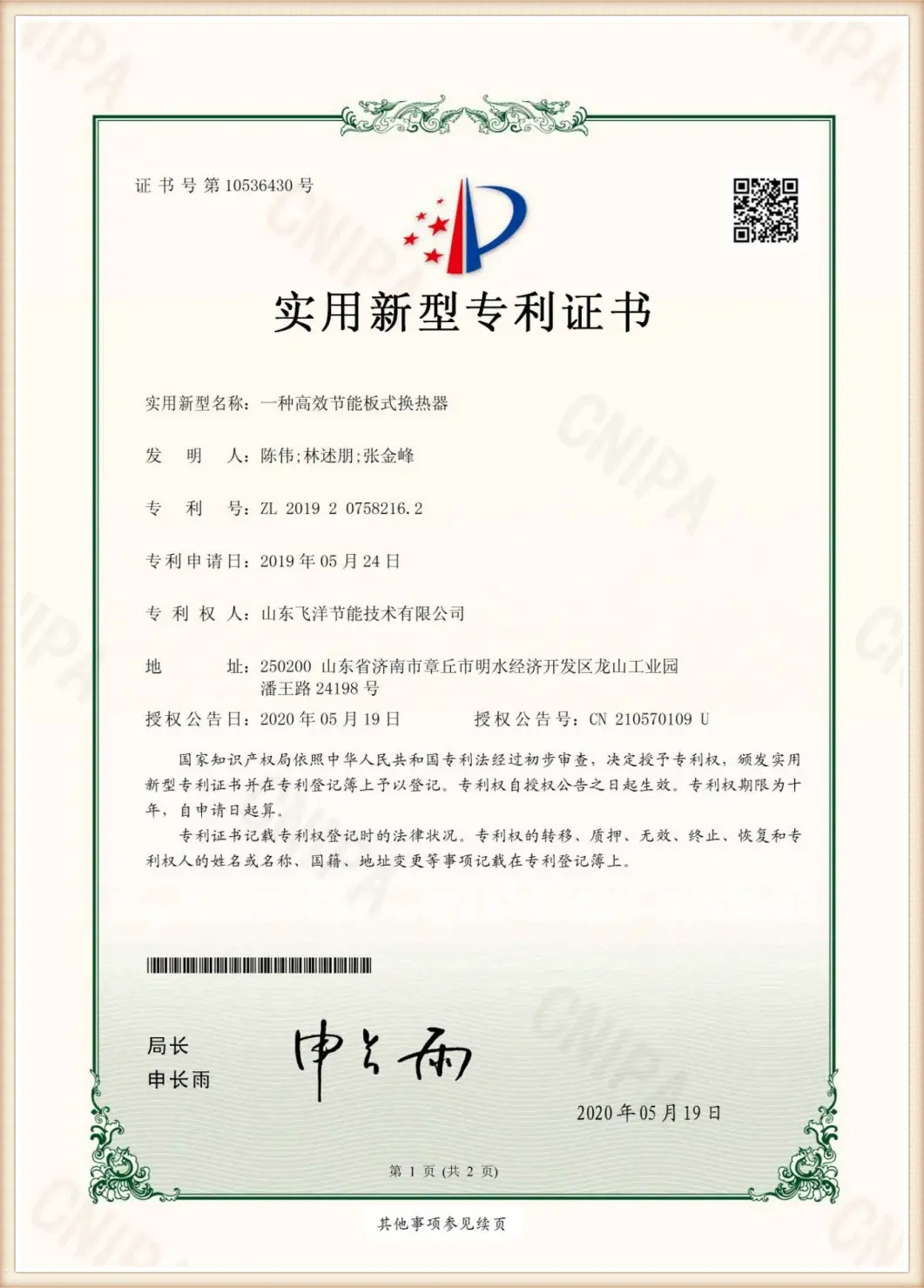
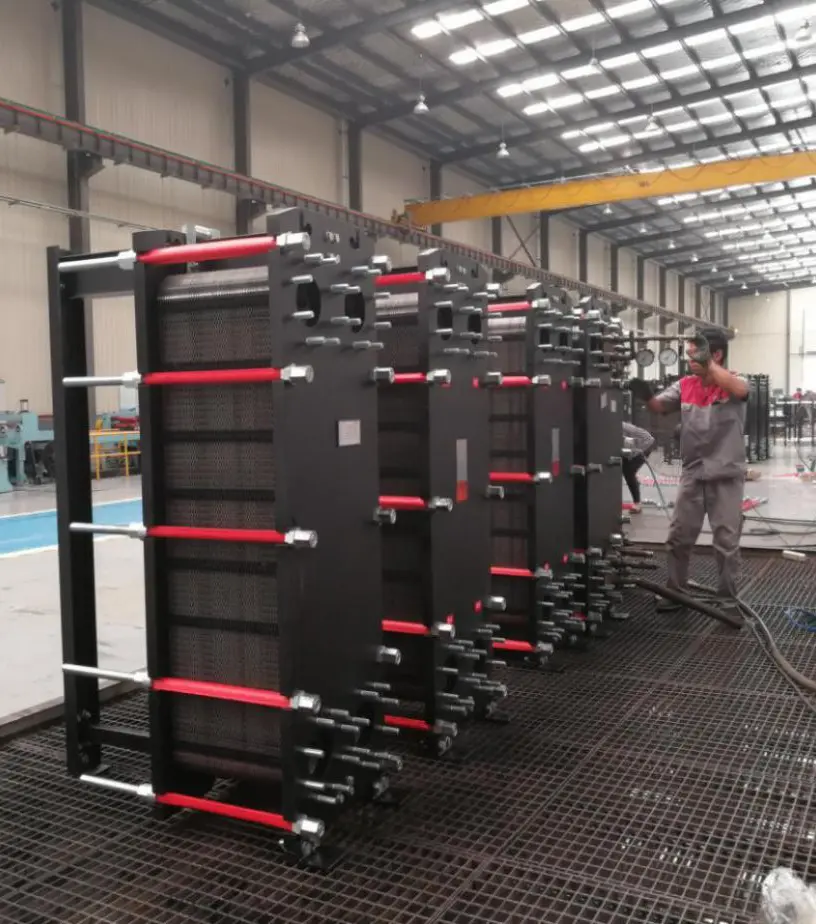
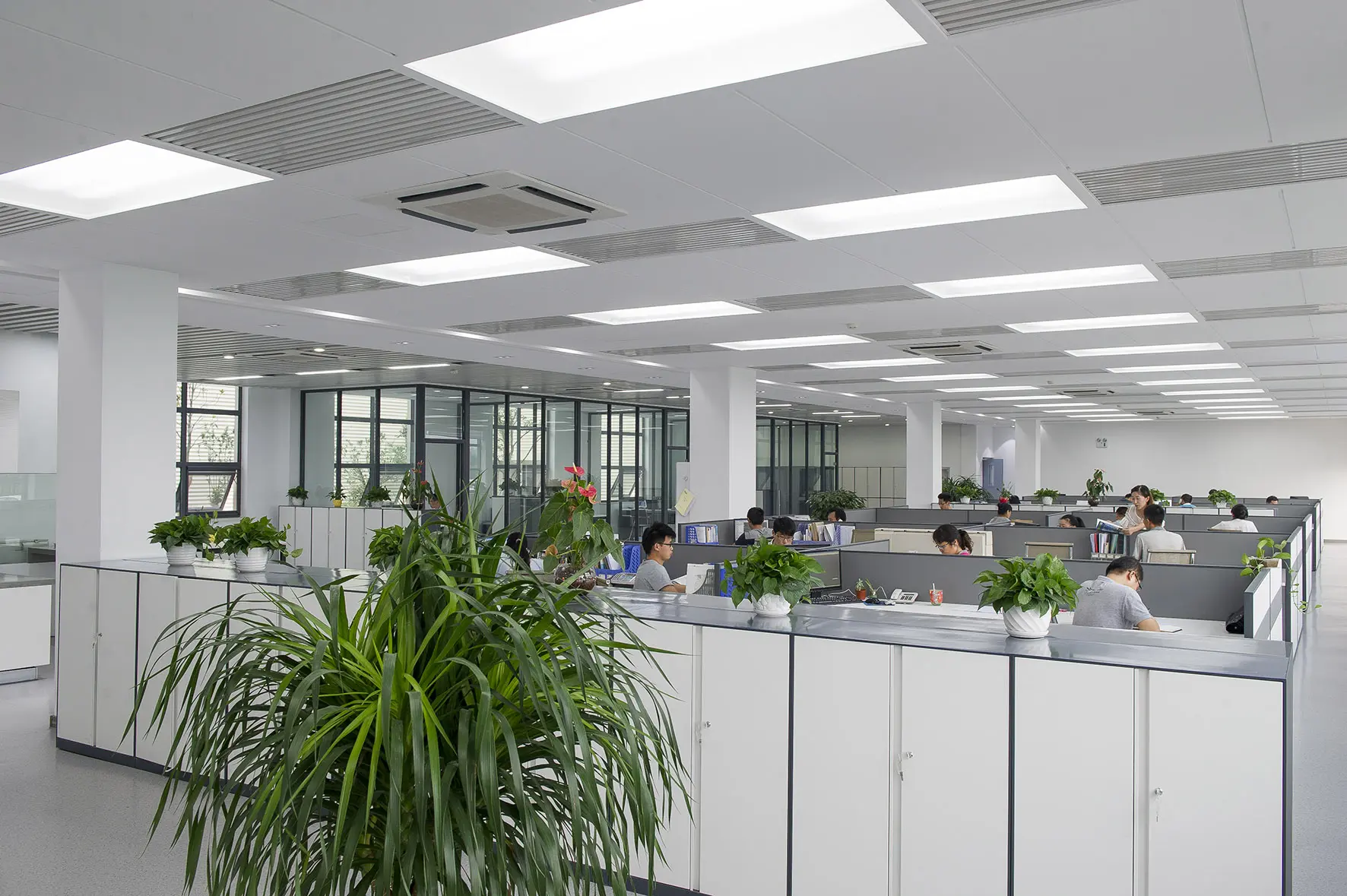
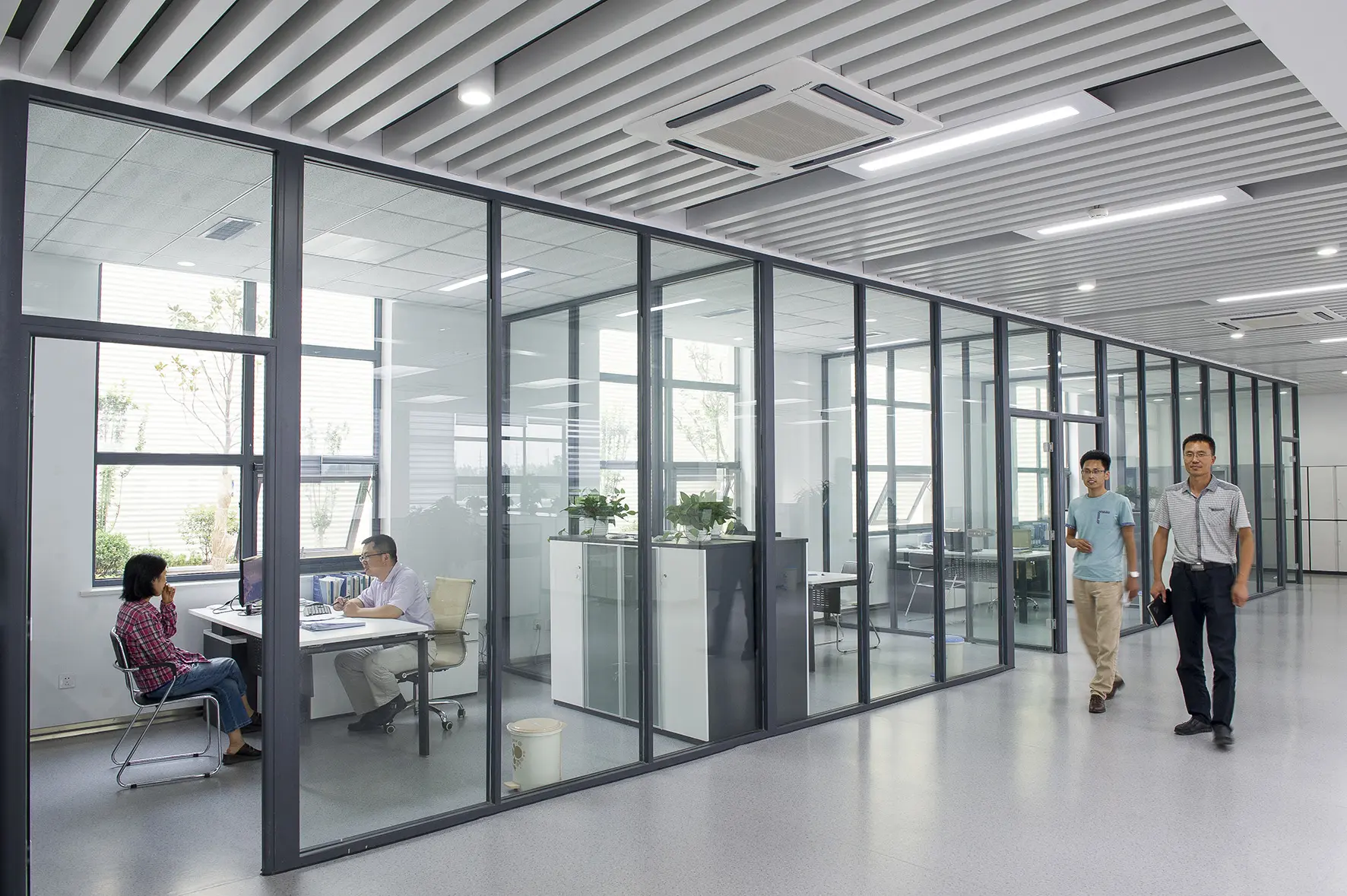
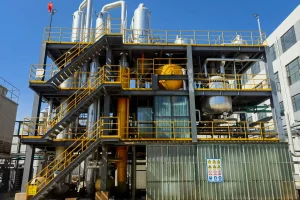
Take a look inside our high-precision manufacturing halls, where thermal products are formed, assembled, and pressure-tested.

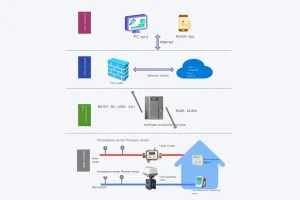
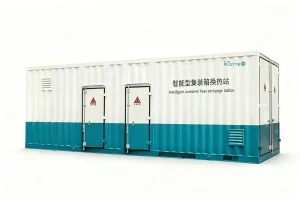
Explore our range of intelligent heat exchange units, energy-saving monitoring hardware, and precision valves engineered for dynamic thermal loops.

Get detailed technical answers on engineering calculations, material selection, and installation layouts.
Asymmetric plate channels allow hot and cold fluids to flow through volumetric channels of different cross-sectional areas. This configuration maintains high flow rates and turbulence in the primary medium while preventing high pressure drops in the secondary loop. It is particularly useful for heat recovery loops in chemical processing, where flow ratios between media can vary significantly.
Flotte provides comprehensive documentation packages, including material test reports (MTRs) to verify chemical compositions, hydrostatic and pneumatic test certifications, non-destructive test results, and complete dimensional drawings (such as nozzle connections, anchor positions, and flange ratings). Our technical design team is experienced in working within Japanese engineering standards to help streamline approvals during design reviews.
For steam utility lines operating up to 180°C, we recommend peroxide-cured EPDM gaskets, which offer good resistance to compression set and thermal degradation. For higher temperatures or chemical applications, we specify fluoroelastomers (Viton) or PTFE-shielded profiles to prevent leakage and extend service lifetimes under harsh conditions.
Fouling layers act as insulation, which decreases the overall heat transfer coefficient (U-value) and increases pressure drop across the unit. Flotte addresses scaling through specialized plate geometries that induce localized turbulence, creating a self-cleaning action. We also offer mechanical scale removal solutions and options for chemical clean-in-place (CIP) loops to maintain optimal thermal performance.
 Flotte Energy