Highly durable, thermal-efficient heat transfer technologies customized for HVAC loops, manufacturing plants, and dairy processors across Victoria.
As one of Australia's primary economic engines, the Greater Melbourne region represents an intricate mix of advanced manufacturing, heavy food and beverage processing, high-density commercial developments, and strict environmental compliance frameworks. Under Victoria's ambitious emissions reduction target—aiming for net-zero emissions by 2045—the demand for energy-efficient thermal components such as plate coils, laser-welded pillow plates, and heat exchanger systems has surged dramatically.
Industrial corridors like Campbellfield, Dandenong, and Braeside house critical manufacturing assets that require continuous, reliable, and energy-optimal temperature control. From dairy processing plants in Gippsland that feed into Melbourne's export terminals, to cooling systems within commercial towers in the Melbourne CBD, thermal performance dictates both operational profitability and carbon footprints. Local challenges such as fluctuating ambient temperatures—exemplified by Melbourne’s famous "four seasons in one day"—demand thermal systems that can dynamically modulate heat transfer without high energy spikes.
The global thermal exchange industry is undergoing a structural revolution. Traditionally, heavy-duty industrial heating and cooling relied almost exclusively on shell-and-tube configurations due to their basic structural tolerances. However, modern manufacturing economics cannot sustain the energy waste associated with shell-and-tube designs.
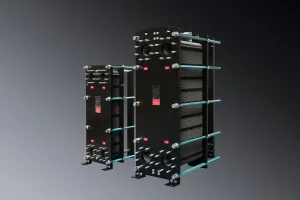
The current global trend favors plate-type configurations—specifically plate coils (pillow plates) and gasketed/welded plate heat exchangers. These systems feature corrugated channels that induce highly turbulent flow even at low fluid velocities. This turbulence disrupts the thermal boundary layer, resulting in heat transfer coefficients that are 3 to 5 times higher than those of traditional shell-and-tube exchangers.
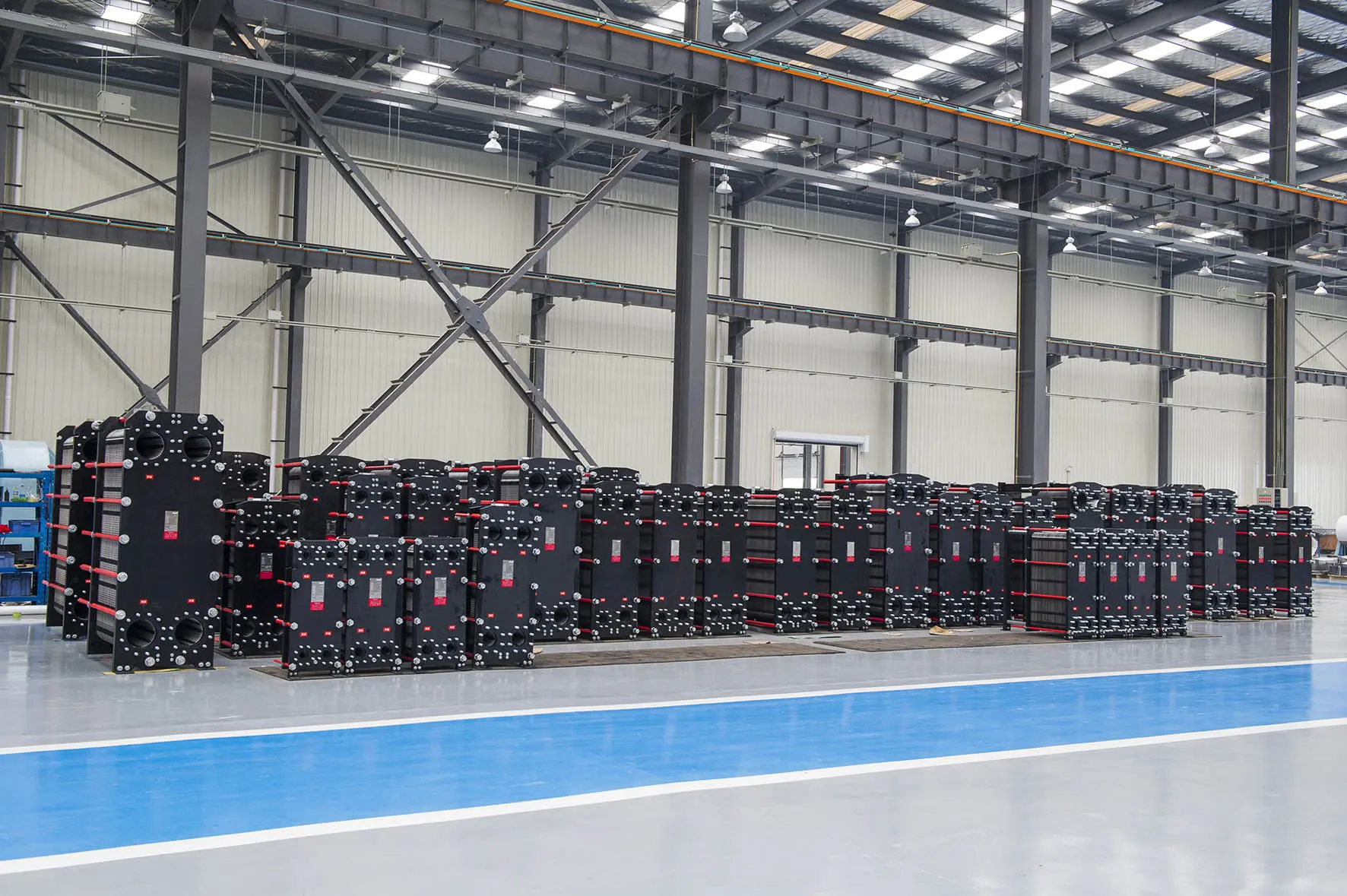
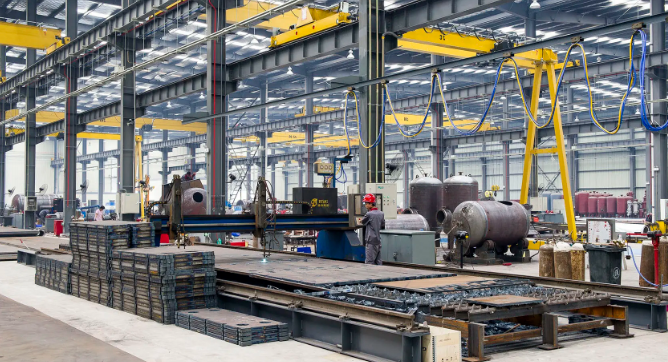
Moreover, material science developments have unlocked options such as ultra-thin titanium plate pressings, Hastelloy configurations, and specialized surface coatings to prevent bio-fouling and chemical scaling. In applications like wastewater heat recovery or corrosive chemical processing, these advanced materials ensure that heat recovery systems operate uninterrupted for years, minimizing shutdown cycles and labor costs.
For Melbourne-based engineers and procurement teams, sourcing thermal equipment involves balancing performance, cost, and delivery times. China-based manufacturers, led by industry pioneers like Flotte Energy Saving Company, offer unique efficiency advantages:
Every industrial setting demands tailored thermal calculations. Below are key applications where our plate coils and heat exchanger units deliver maximum efficiency in the local Melbourne market:
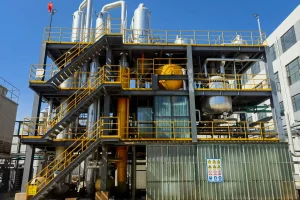
Victoria produces over 60% of Australia's milk, requiring reliable pasteurization, chilling, and concentration systems. Our detachable plate heat exchangers allow for rapid disassembly and cleaning to meet strict Australian food safety standards. Similarly, our Multi-Effect Evaporation and Membrane Concentration Systems enable dairy processors to recover water and concentrate whey solids, turning waste streams into high-value by-products.
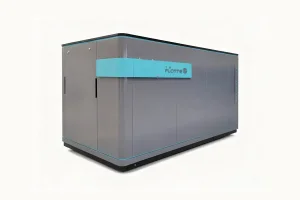
Modern commercial developments demand high-efficiency heat exchangers to reduce HVAC energy consumption. Our integrated plate heat exchanger units act as pressure breaks between cooling towers and internal building loops. This design protects chillers and boilers from scaling while maximizing heat rejection, ensuring compliance with Section J of the National Construction Code (NCC).
Temperature control is critical for fermentation and cooling. Our custom laser-welded plate coils (pillow plates) can be wrapped directly around stainless steel tanks to provide precise jacketed cooling. This setup maximizes thermal exchange contact area, reducing the cooling load on glycol chiller loops.
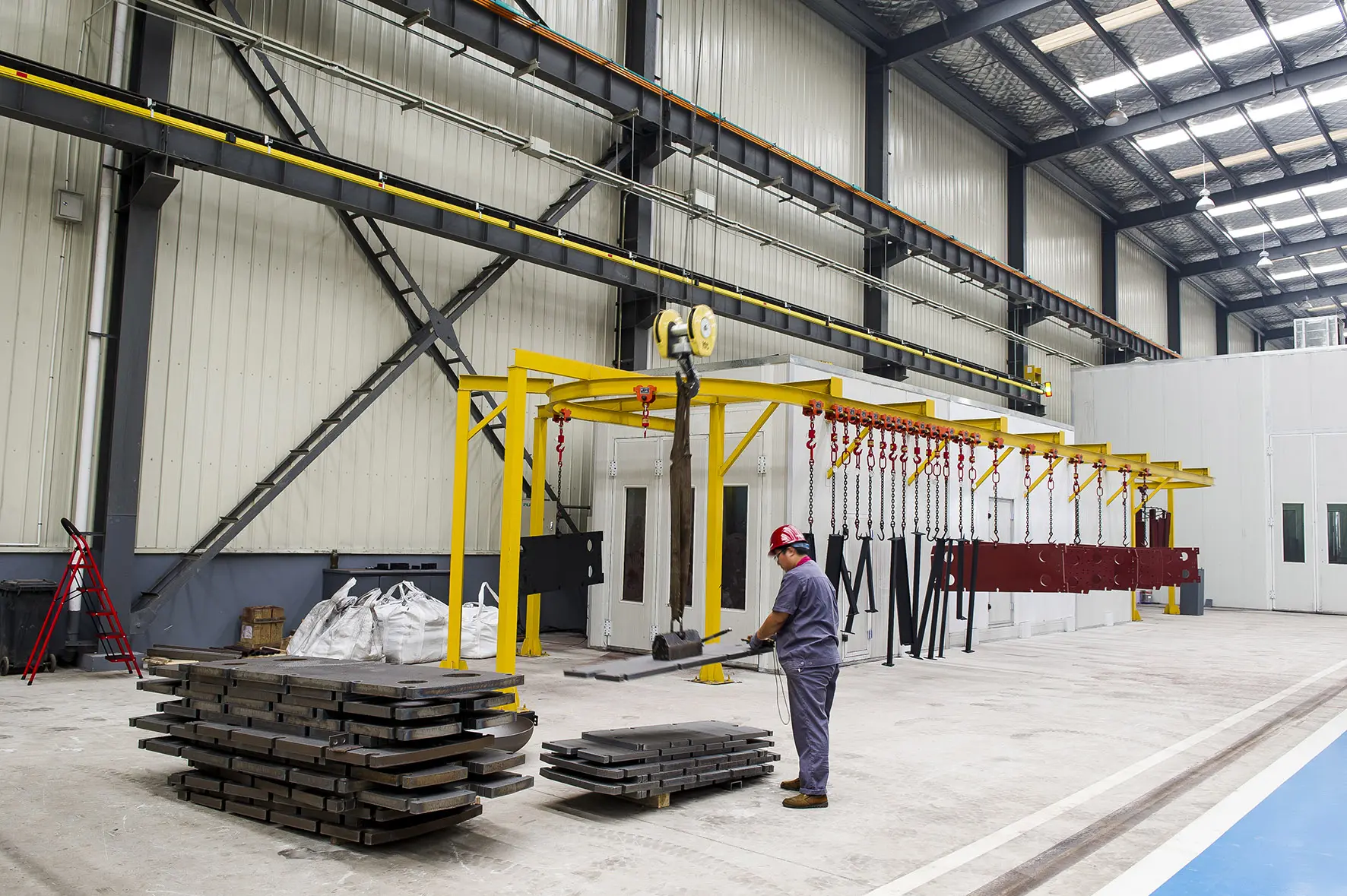
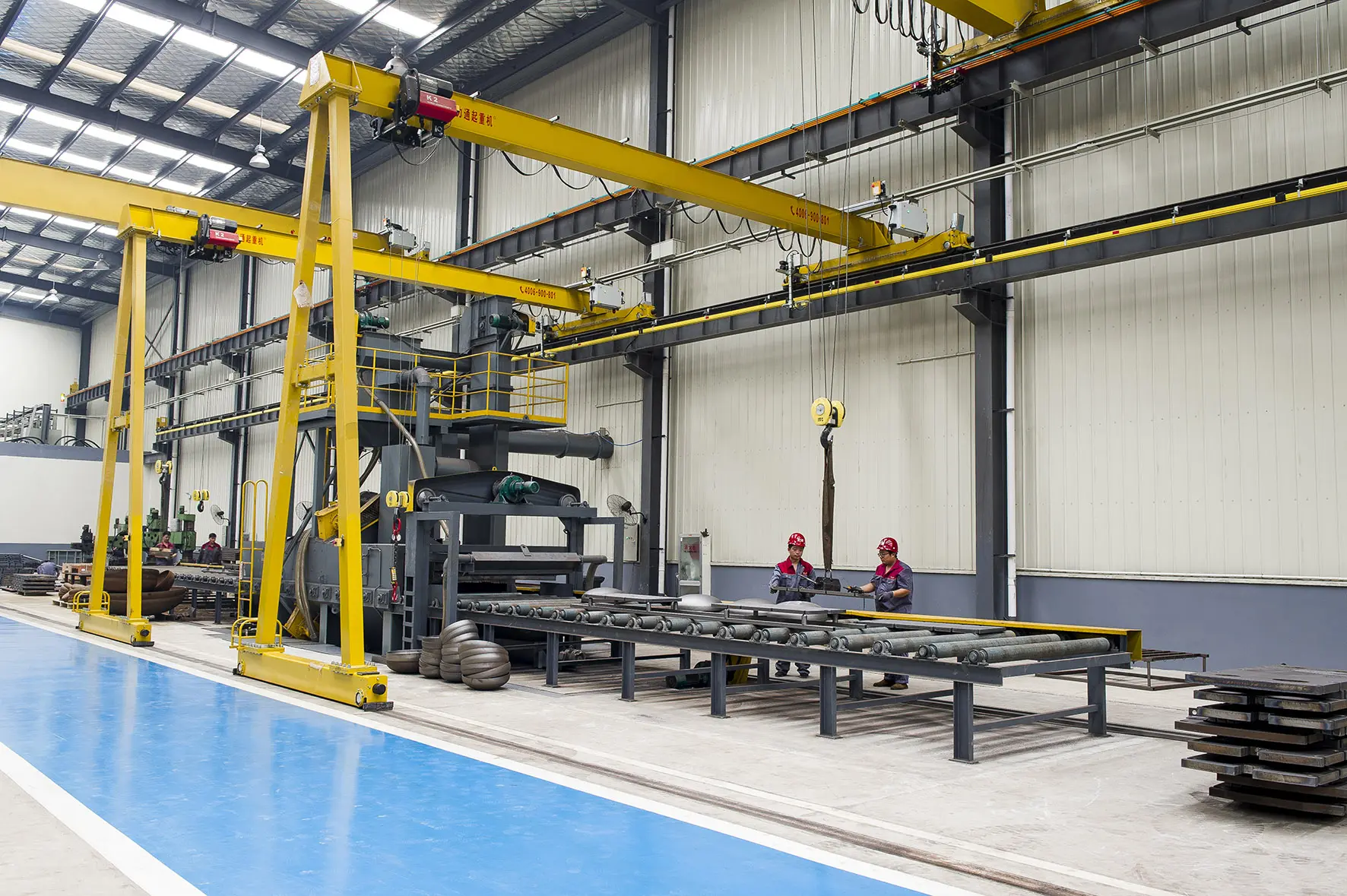
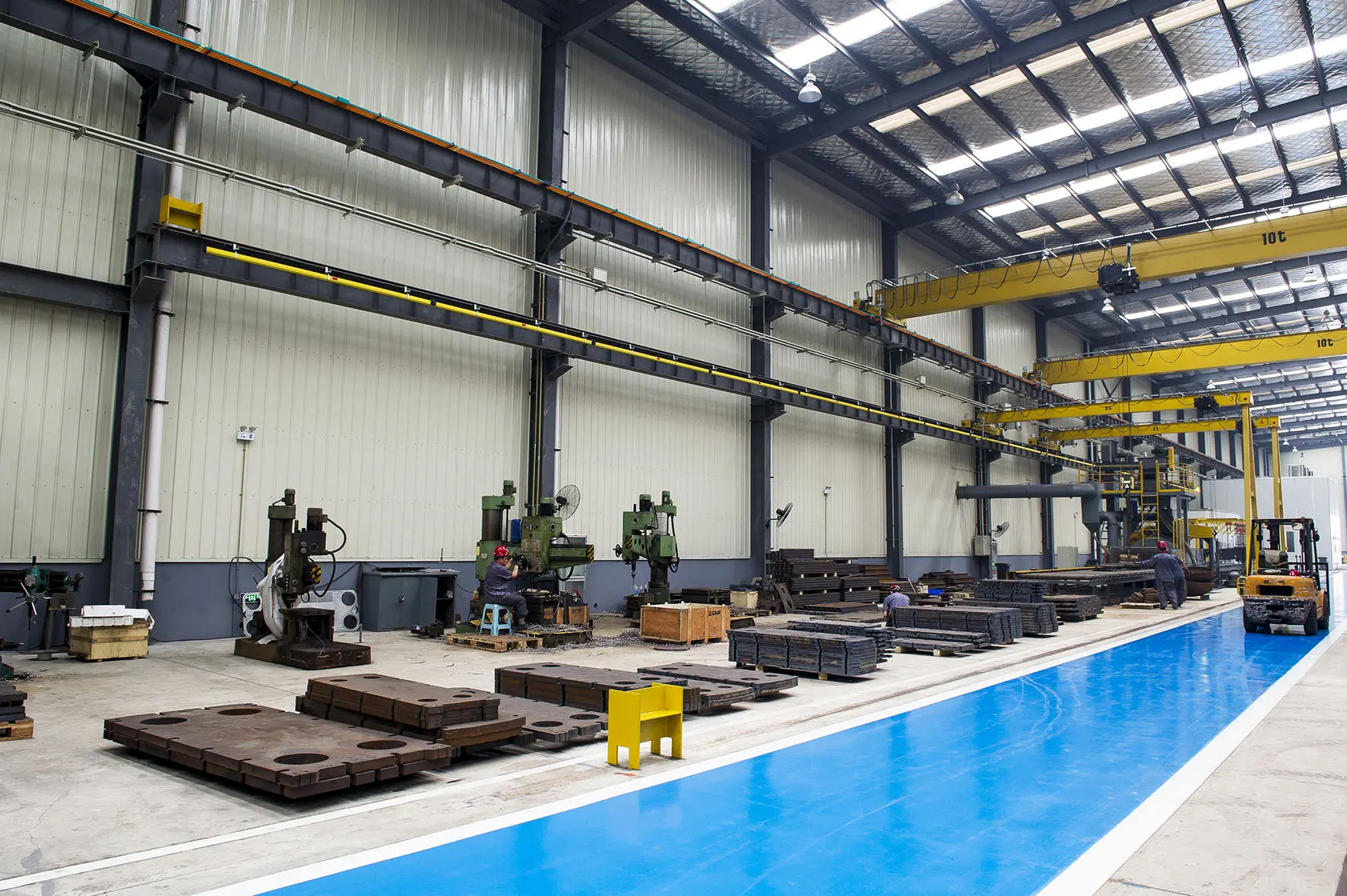
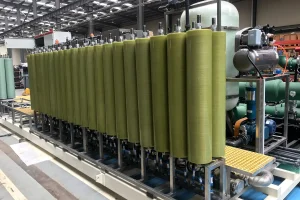
Understanding how our raw metal is shaped, welded, and verified under ISO guidelines prior to dispatch to Australian ports.
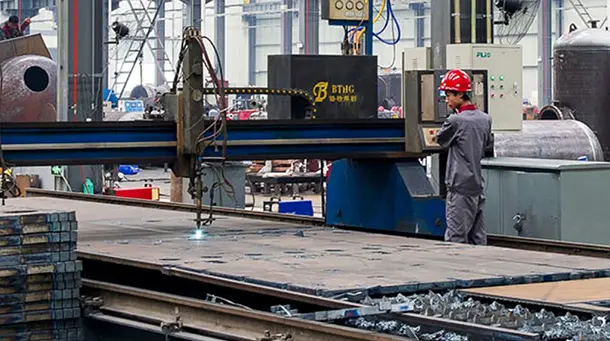
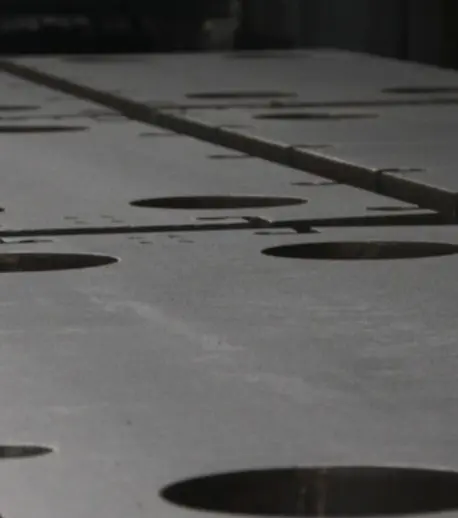
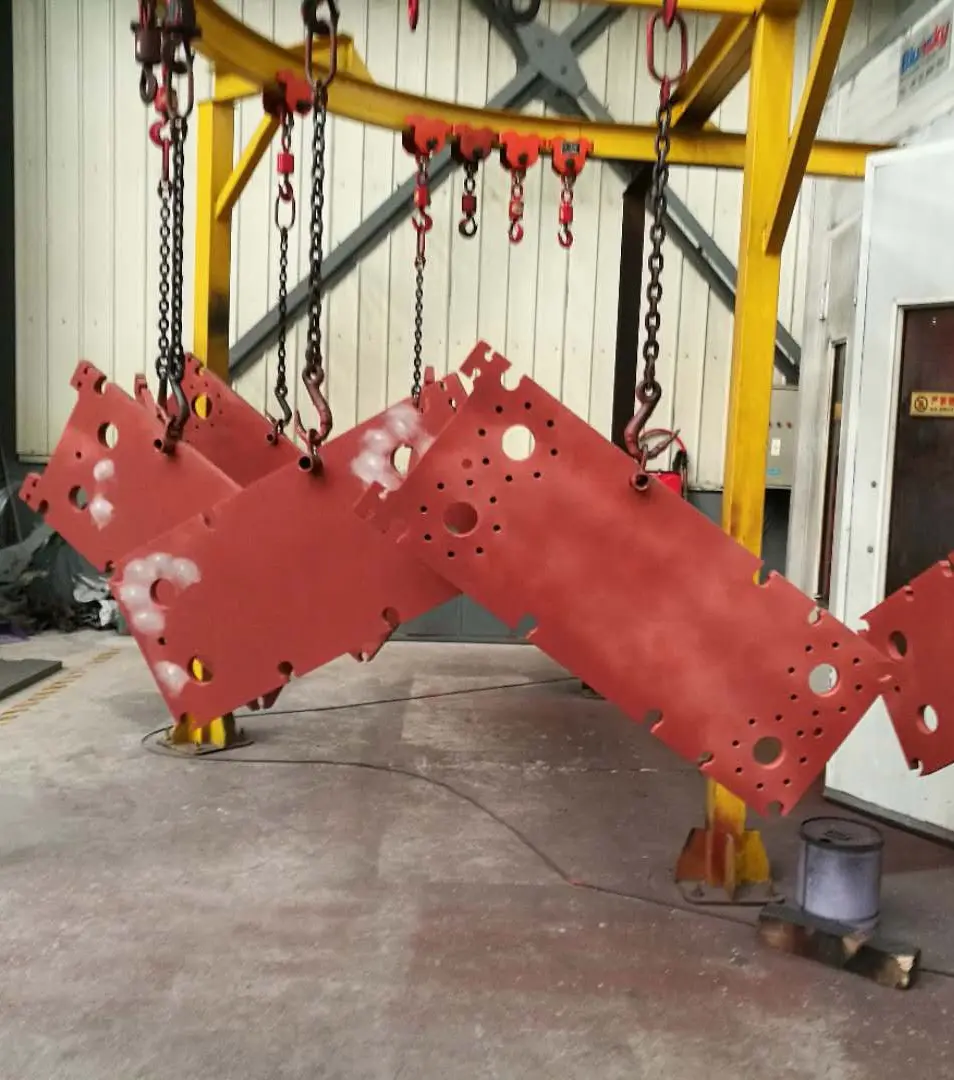
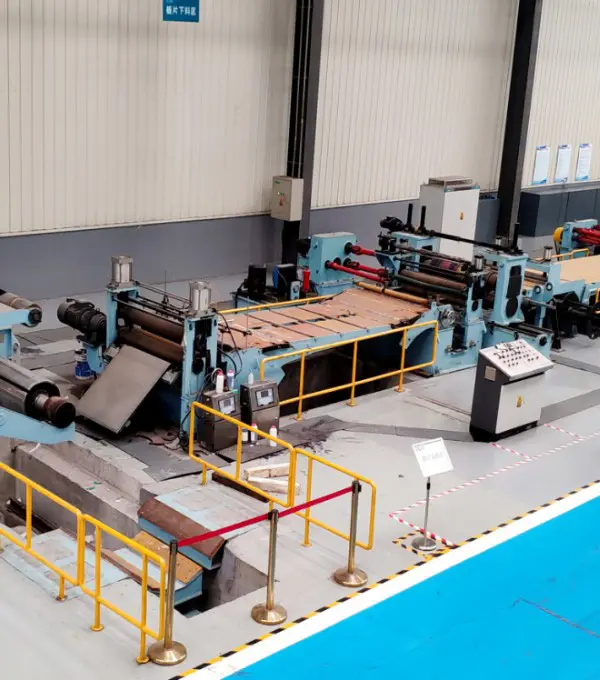
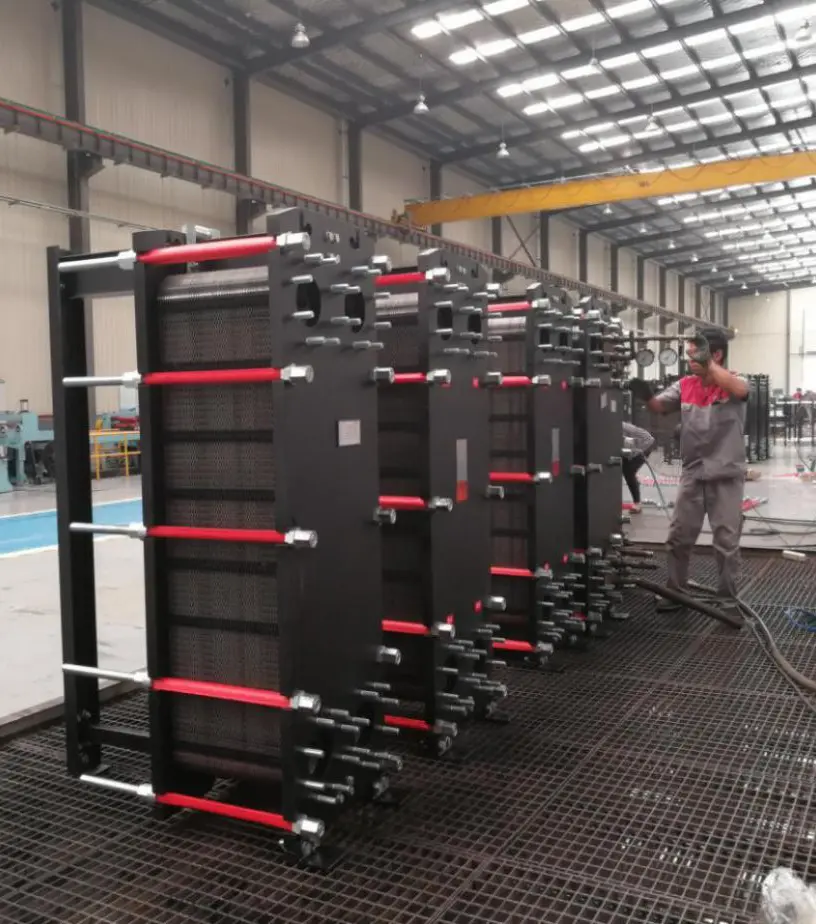
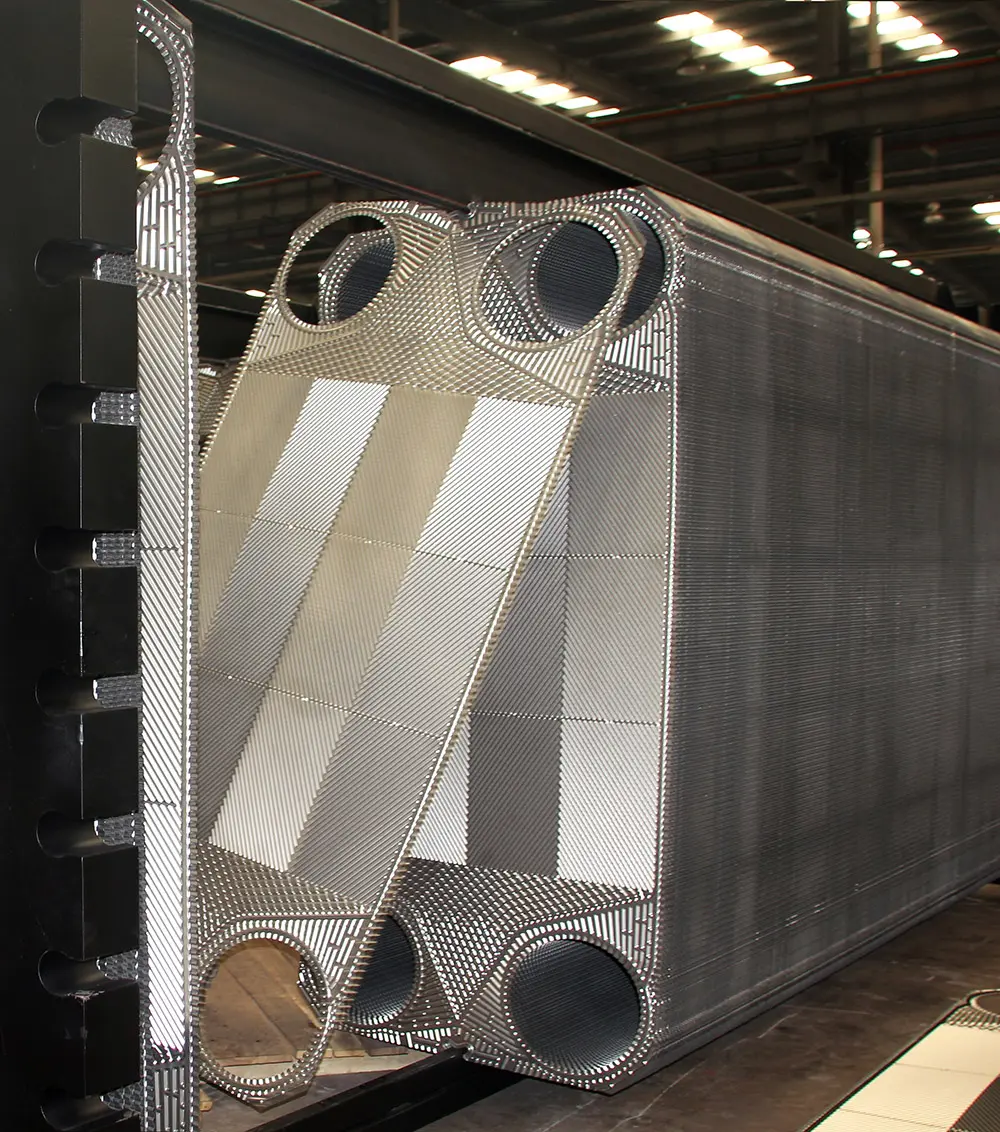
All equipment is designed to withstand severe process pressures and temperatures. Our in-house research laboratory and advanced R&D center ensure that plate corrugations are optimized for maximum fluid shear stress and minimum pressure drop.
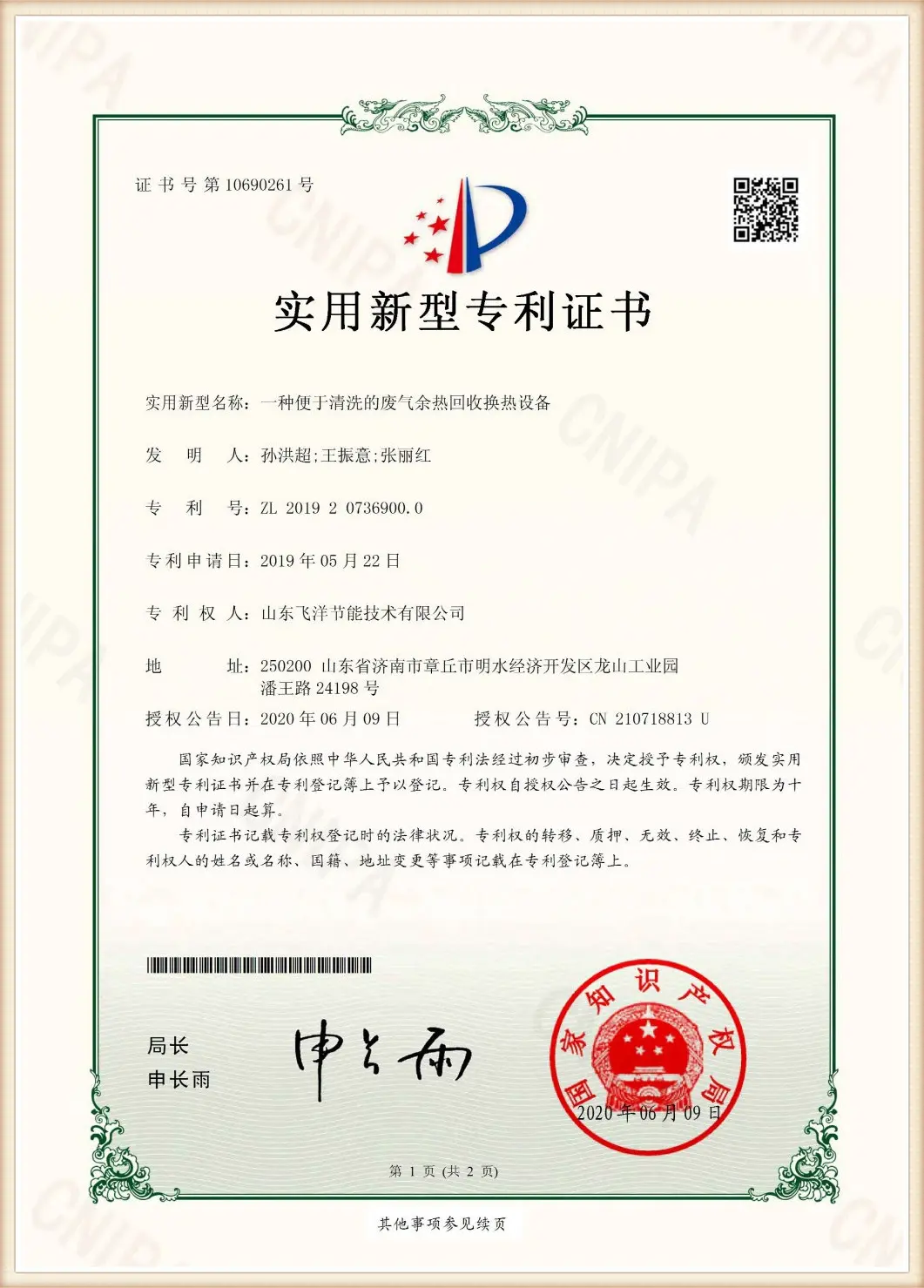
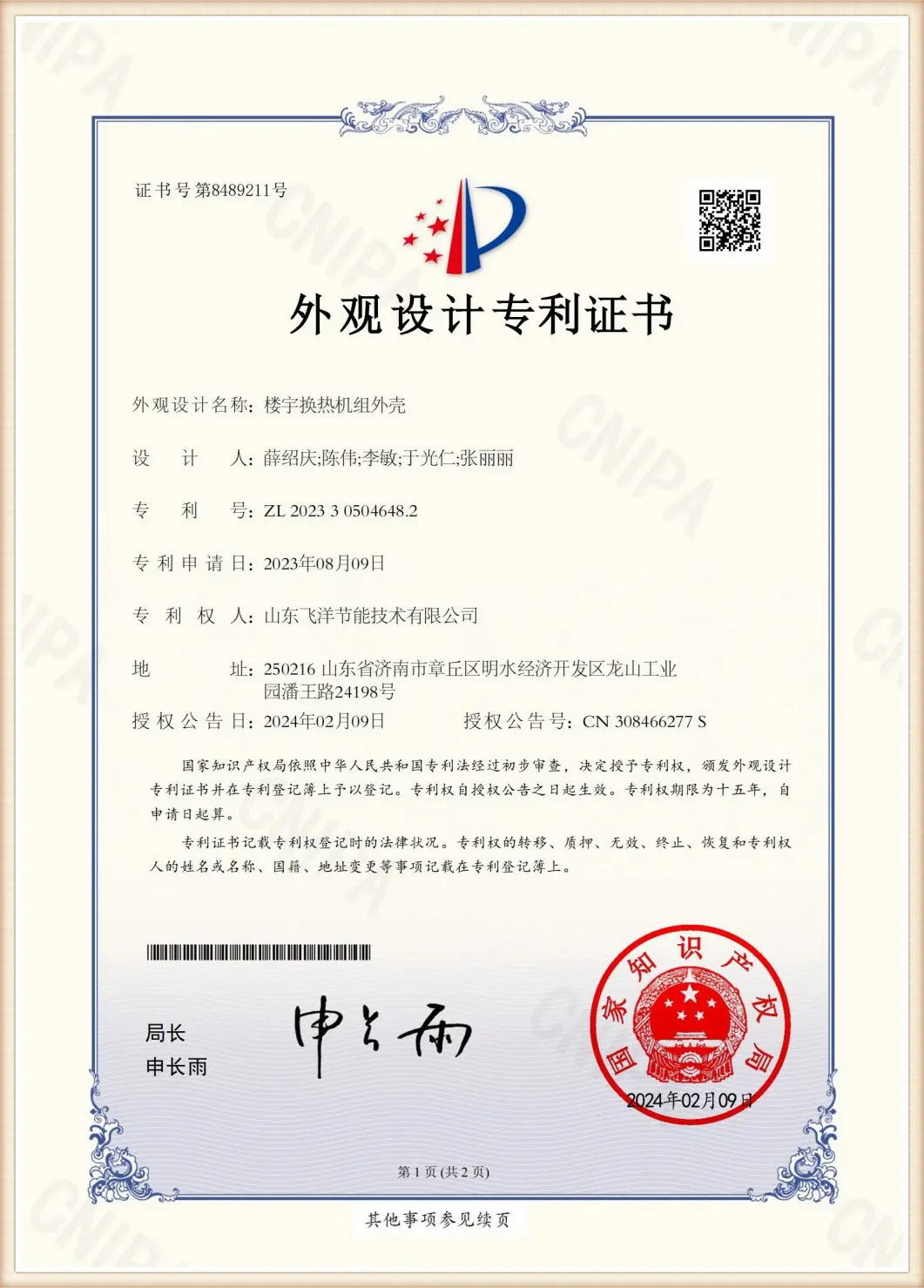
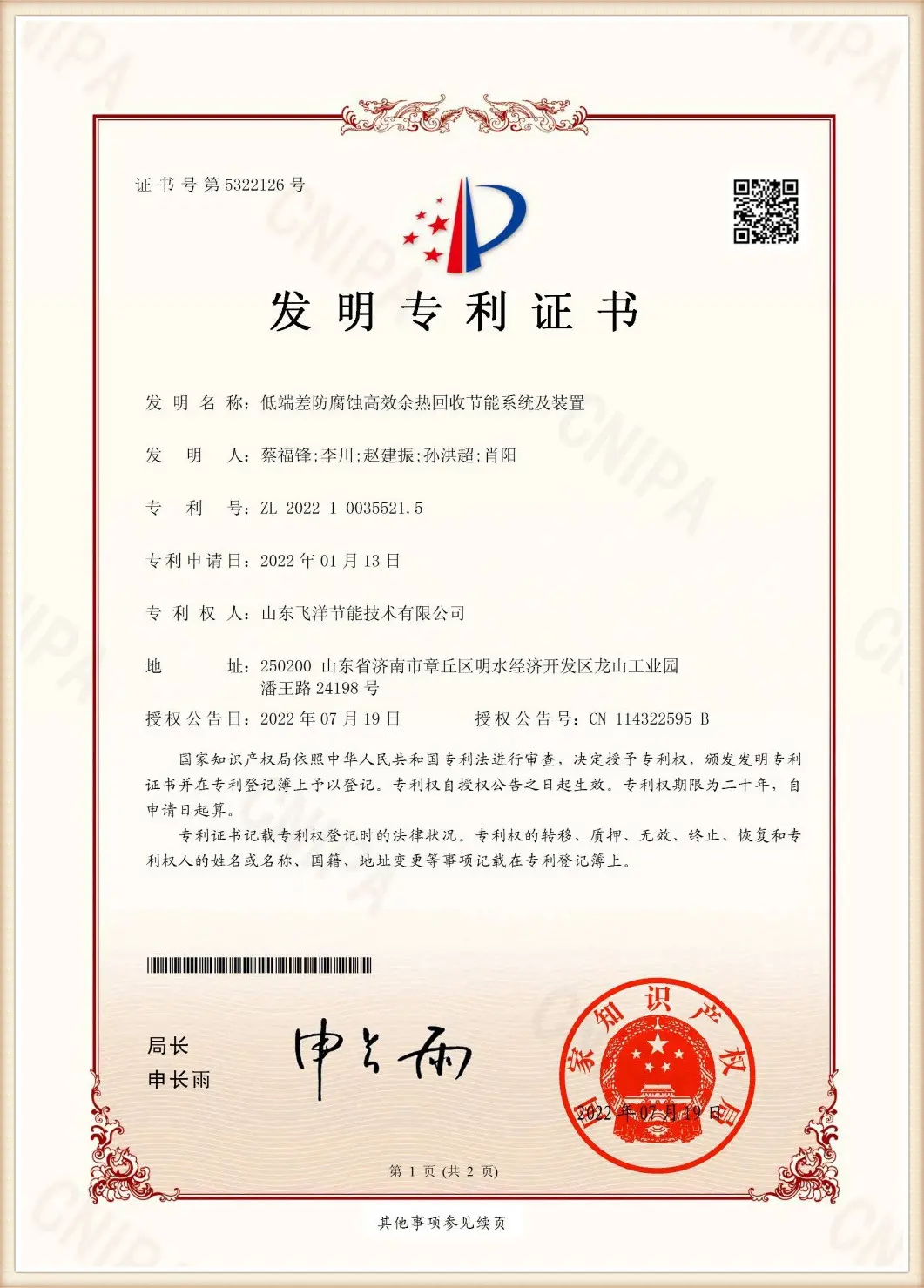
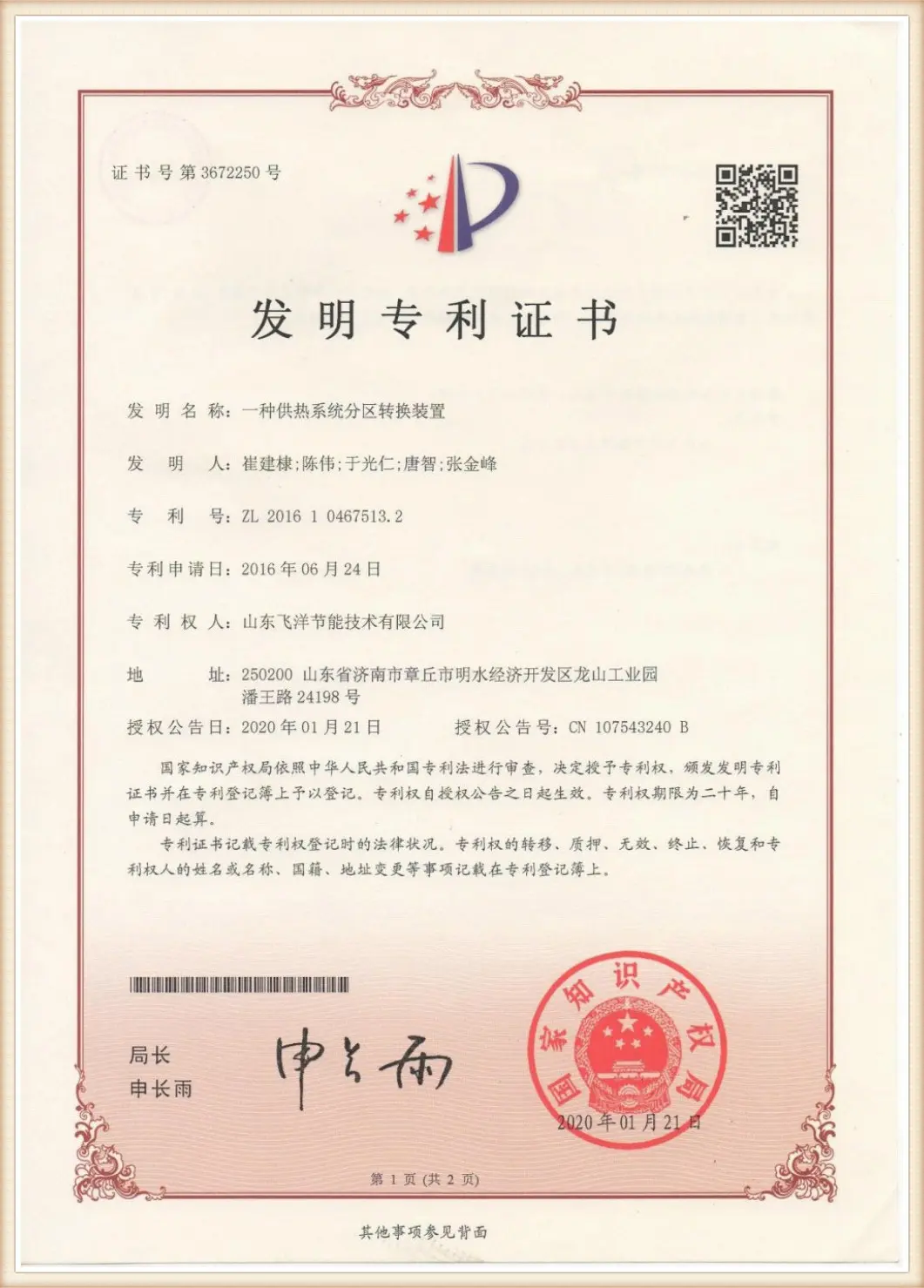
Our global clients benefit from our comprehensive testing capabilities, which include non-destructive testing (NDT), dye penetrant checks, hydro-testing up to 3.5 MPa, and helium leak detection. This meticulous quality control ensures that our plate heat exchangers remain reliable under varying pressures.
Expert technical answers addressing common questions from Melbourne HVAC engineers, factory operators, and procurement managers.
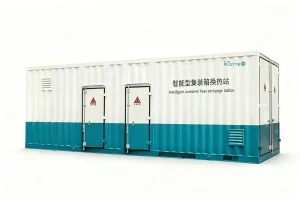
Our full suite of energy-saving, intelligent thermal solutions. Click on a product below to view detailed specifications and dimensions.

 Flotte Energy