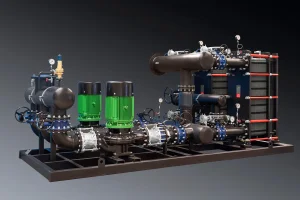
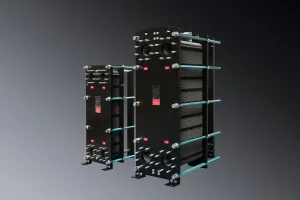
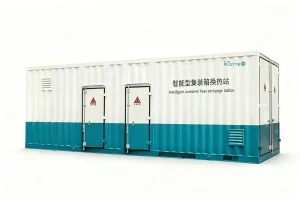
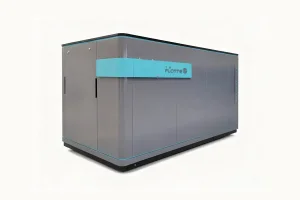
Explore our foundational smart heating and separation systems engineered to meet the industrial demands of Uzbekistan's modernizing infrastructure.
Analysis of Central Asia's fastest-growing industrial hub and the structural shift toward high-performance thermal infrastructure.
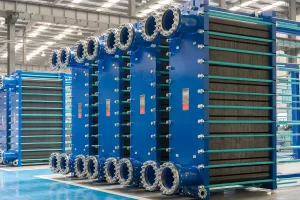
Uzbekistan is currently undergoing a massive industrial renaissance. Guided by national strategies for modernization, sectors such as chemical processing, textile manufacturing, food production, and centralized district heating are replacing legacy equipment with state-of-the-art thermal systems. Plate coils and detachable plate heat exchangers are critical to this transition, offering high heat transfer coefficients and small physical footprints compared to traditional shell-and-tube heat exchangers.
In municipal hubs like Tashkent, Samarkand, and Bukhara, the upgrading of district heating networks requires high-performance, pressure-resilient heat exchange equipment. These systems must cope with varied fluid qualities and extreme seasonal temperature differentials. Simultaneously, chemical zones like the Navoi Free Economic Zone demand robust corrosion-resistant materials (such as high-grade stainless steels and titanium alloys) to process aggressive chemical media while optimizing thermal reclamation pathways.
Procuring capital-intensive thermal machinery for projects in Central Asia requires a strategic understanding of logistics and standards compliance. For Uzbek enterprises, sourcing directly from reliable Chinese manufacturers with proven E-E-A-T credentials balances capital efficiency with robust technology. The Belt and Road Initiative has streamlined rail and road corridors connecting major Chinese manufacturing clusters to Tashkent, significantly reducing lead times and transport costs.
Strategic sourcing involves selecting suppliers who can align with regional standards. Equipment must not only comply with international frameworks like ASME and ISO 9001 but also adapt to regional GOST requirements and KMK building codes. Working with an experienced technical partner ensures that customized pressure vessels and heat exchangers arrive with the correct documentation for quick installation and commissioning.
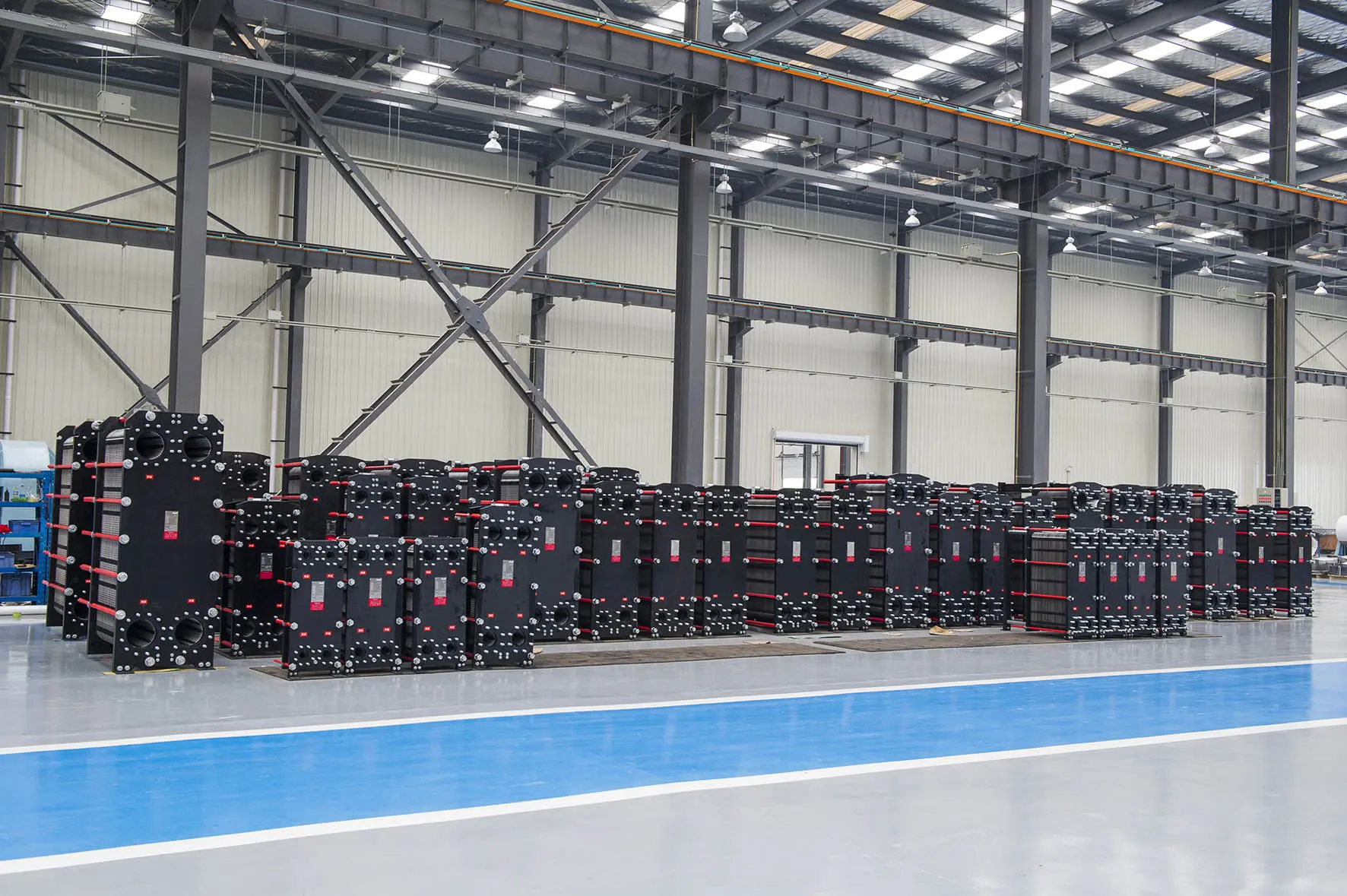
Flotte Energy Saving Company, established in 2013 with a registered capital of 101 million yuan, originated from Flotte Thermal Engineering founded in 1995. With three decades of technical expertise, the company specializes in water equipment, HVAC systems, and water treatment industries.
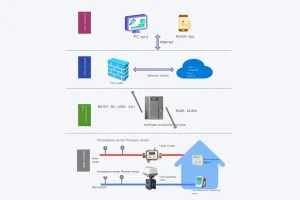
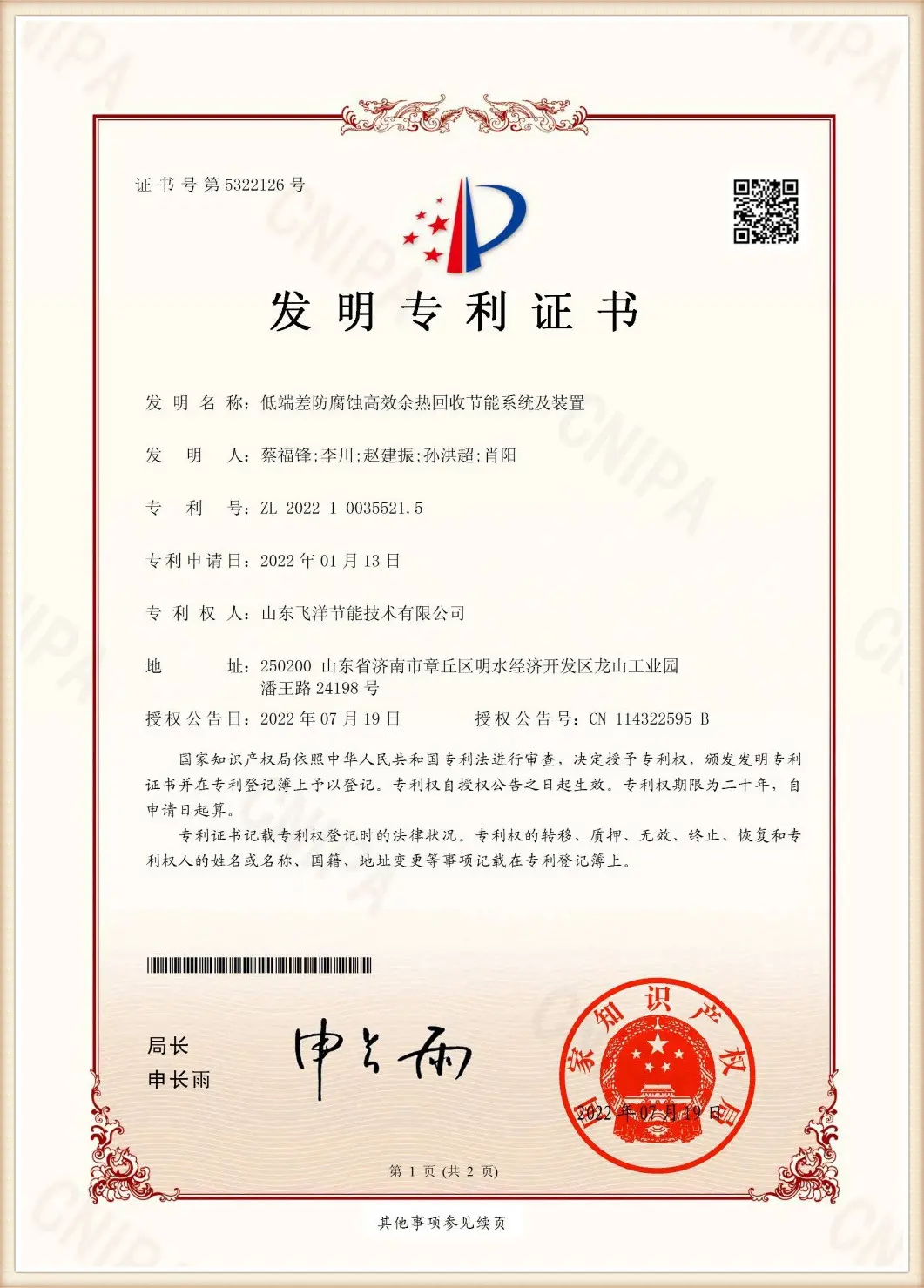
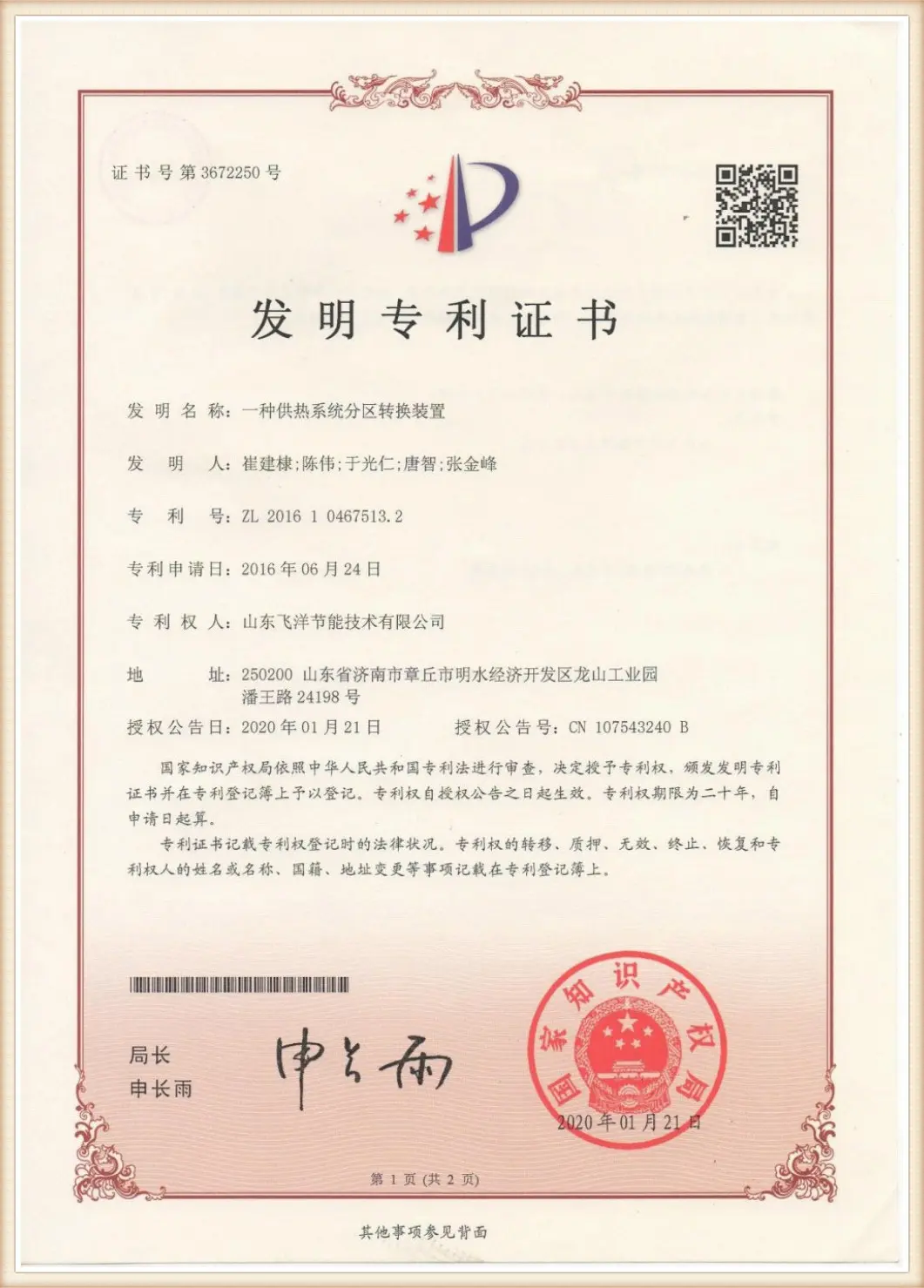
The company has been continuously advancing in production technology innovation, holding multiple patent certifications including "High-Efficiency Plate Heat Exchanger", "Intelligent Plate Heat Exchanger System", and "Plate Heat Exchanger Scale Removal Device". Our products have obtained mandatory national product certification and safety registration from the National Standardization Committee, along with the safety registration for plate heat exchangers issued by the National Boiler and Pressure Vessel Standardization Technical Committee. We are certified under ISO9001 Quality Management, ISO14001 Environmental Management, and ISO45001 Occupational Health and Safety systems.
Why industrial procurement departments in Uzbekistan and globally trust Flotte for thermal engineering and processing infrastructure.
Features optimized plate corrugation patterns that induce turbulent flow at low velocities, yielding thermal efficiency 2 to 3 times higher than traditional configurations.
Our solutions are designed to match municipal water chemistry and regional winter conditions across Uzbekistan, providing consistent heat exchange performance.
We source stainless steel, titanium, and specialized alloys from verified suppliers to ensure our plate coils resist scaling and corrosion under high thermal loads.
From initial thermal calculations using advanced simulation software to direct delivery and installation guidance, we provide a complete engineering solution.
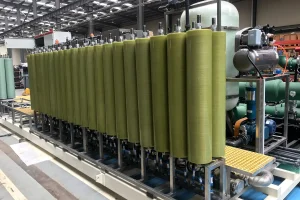
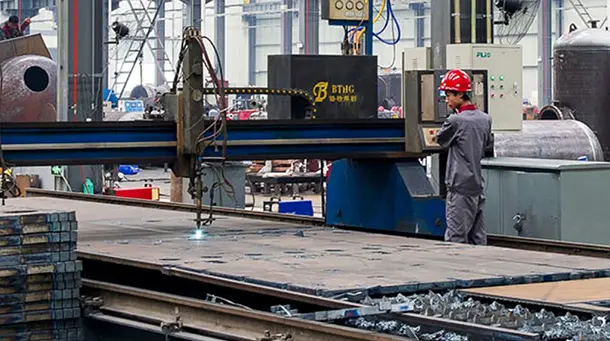
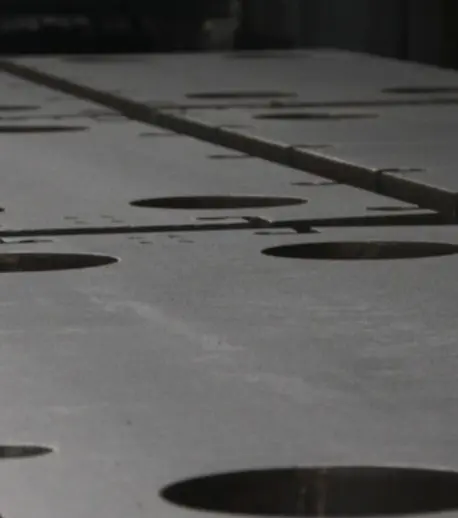
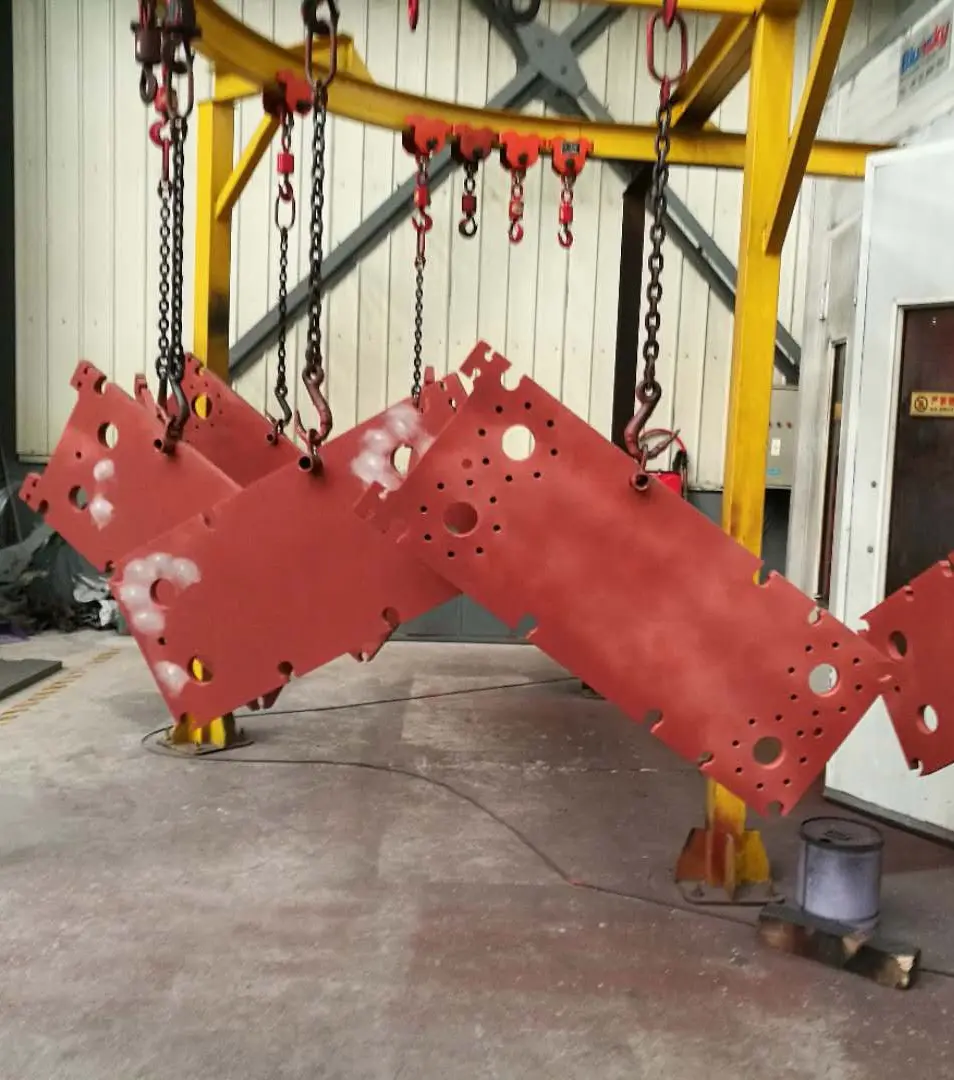
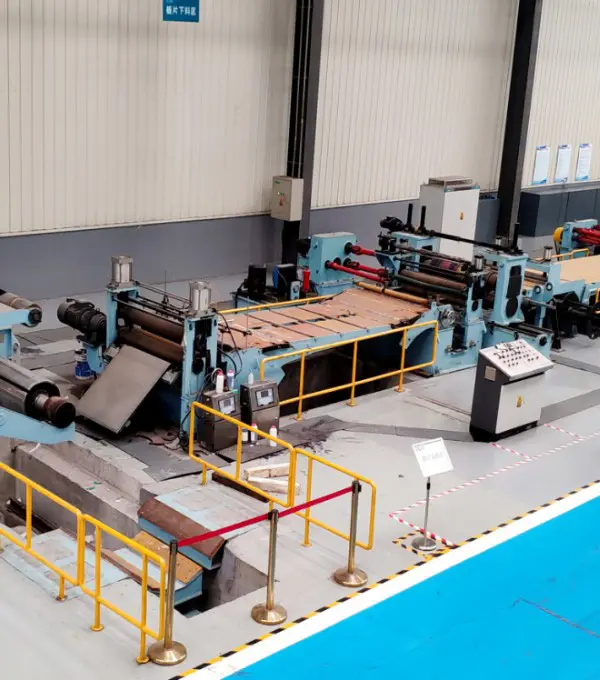
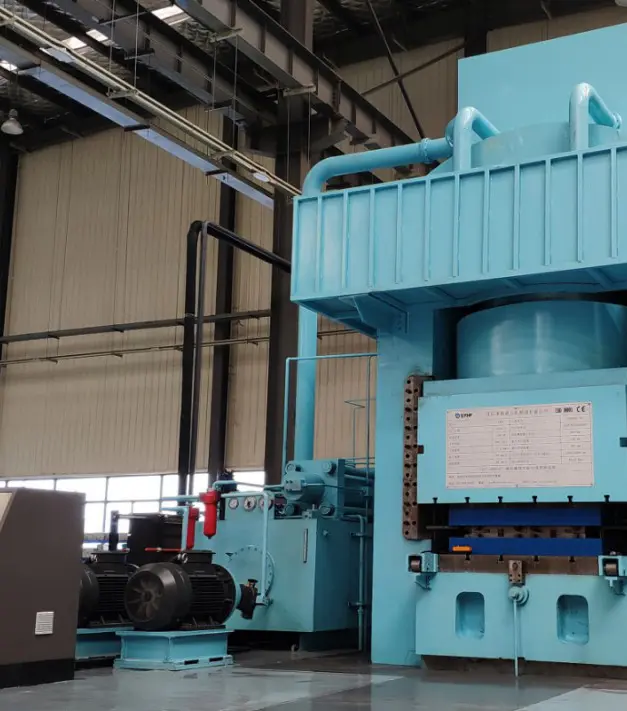
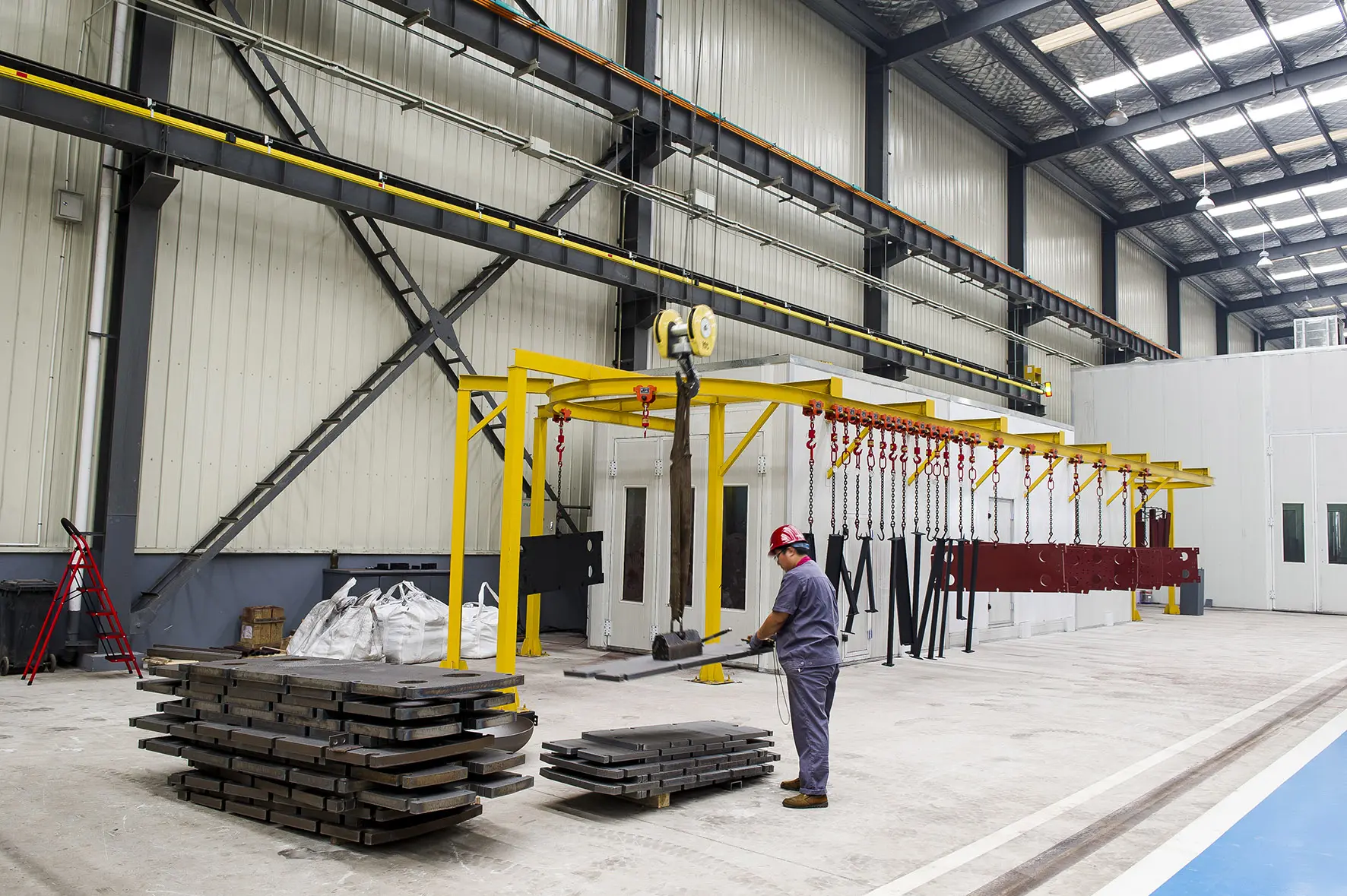
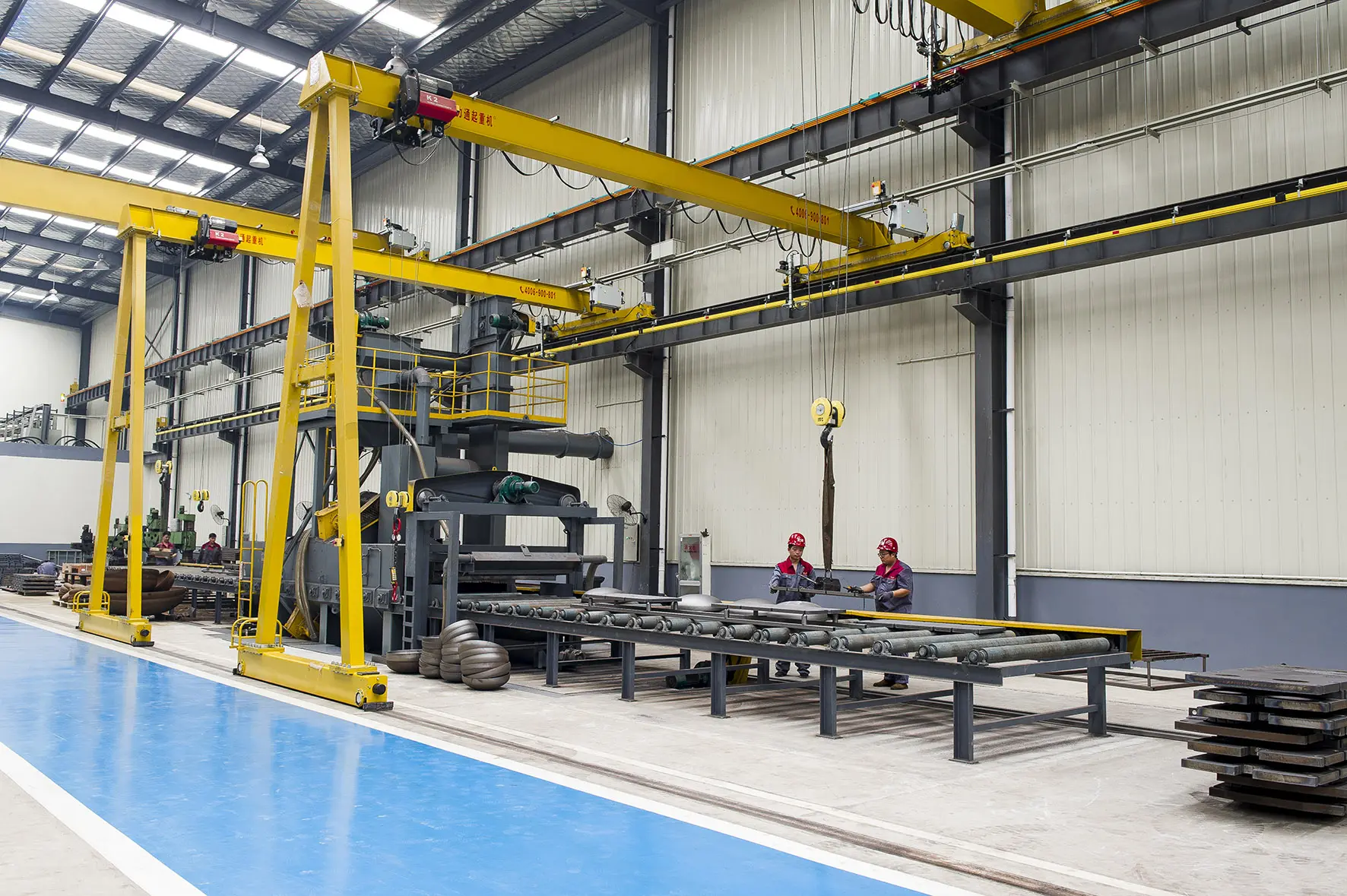
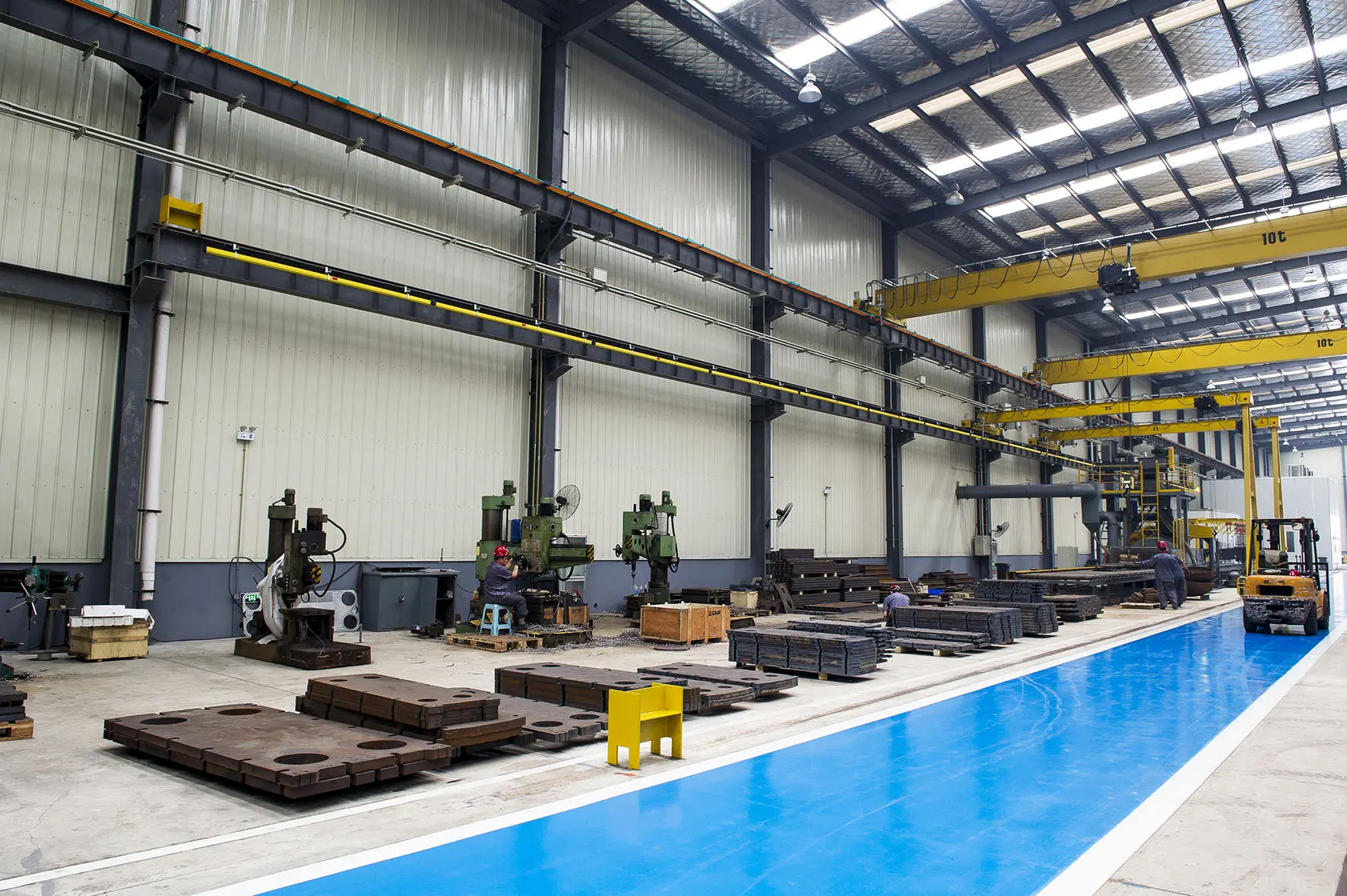
A look at the manufacturing steps, quality checkpoints, and assembly methods inside our modern fabrication facility.
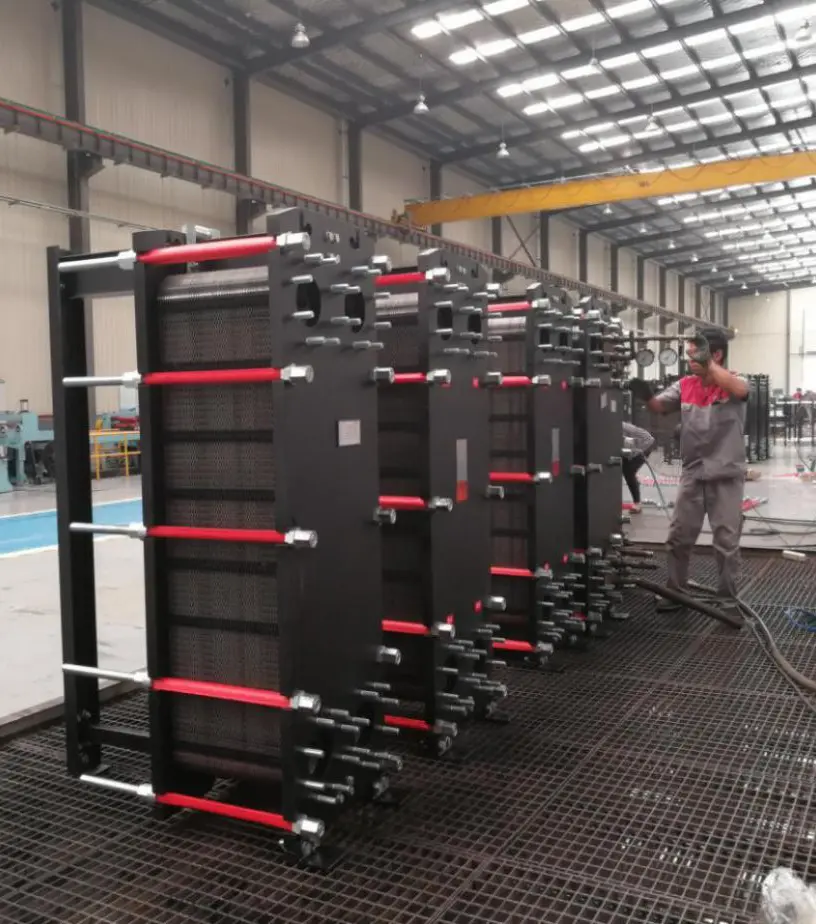
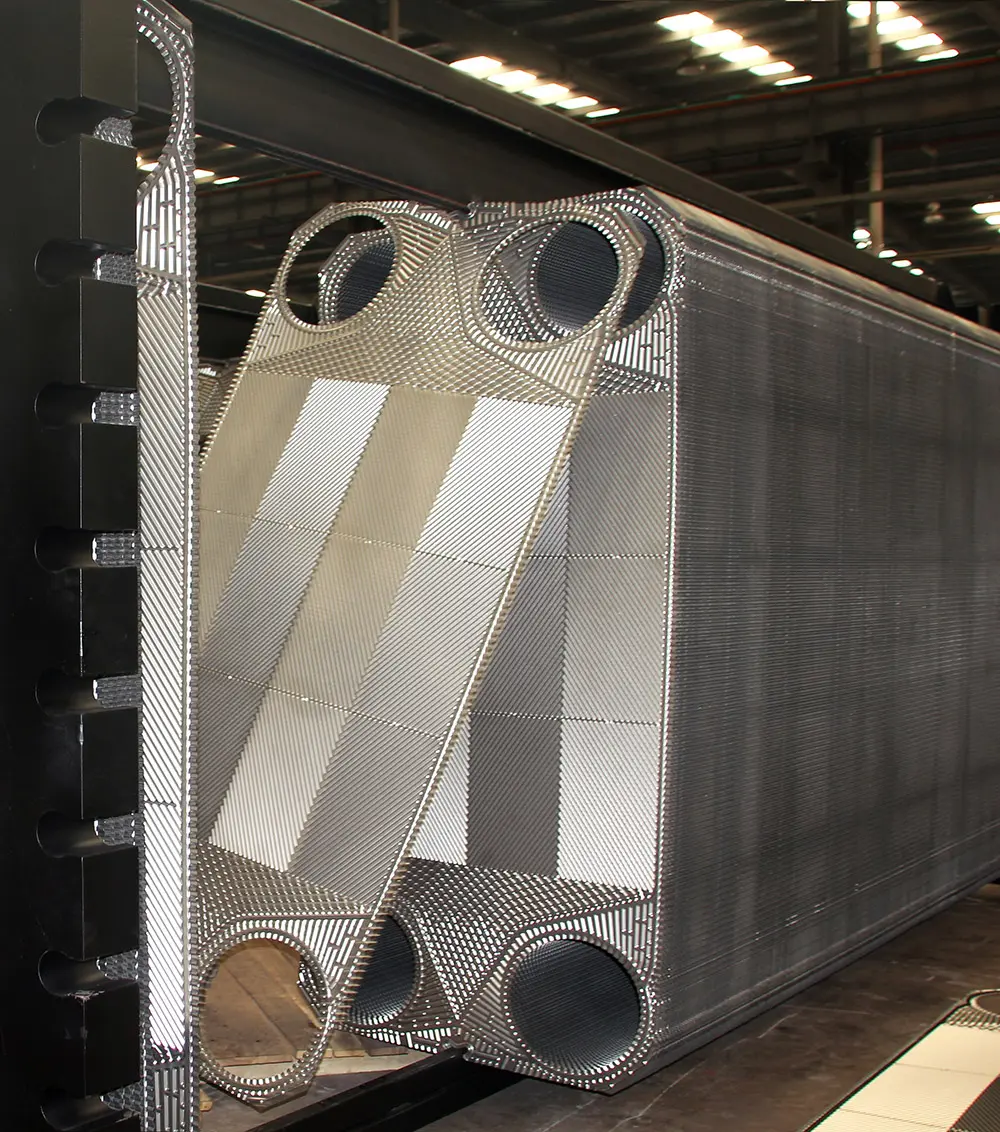
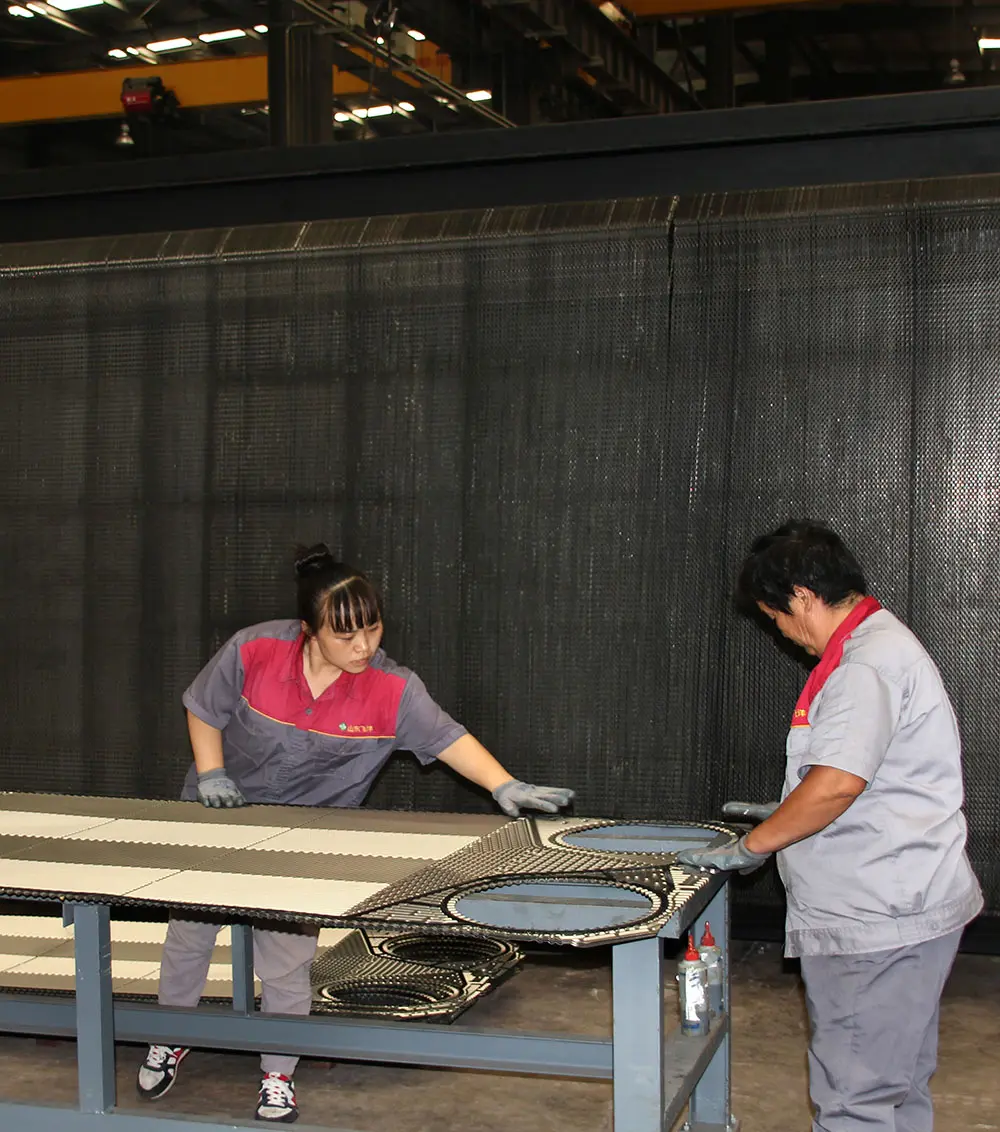
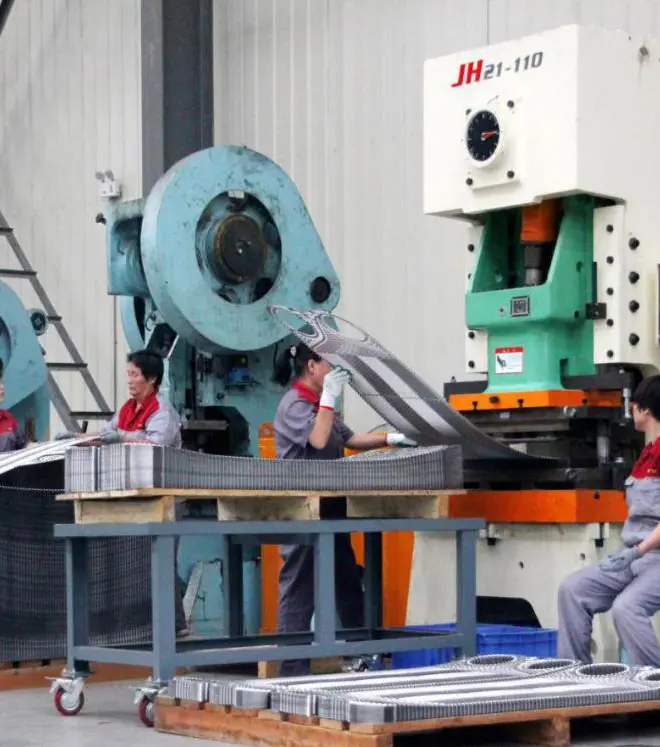
Underpinning our manufacturing with verified compliance frameworks and national quality systems.
Plate coils utilize two pressed metal sheets welded together, creating channels for heating or cooling media. By optimizing fluid dynamics, our designs maintain clean flow pathways, which reduces fouling in systems that process municipal ground water or chemical mixtures in Uzbekistan.
Depending on the operating conditions, we supply plate materials in SS304, SS316L, and Titanium. Gaskets are selected based on temperature requirements, using EPDM for standard district heating applications and FKM (Viton) for high-temperature chemical processes.
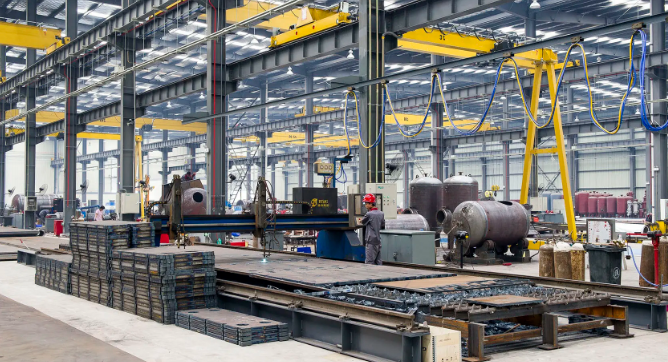
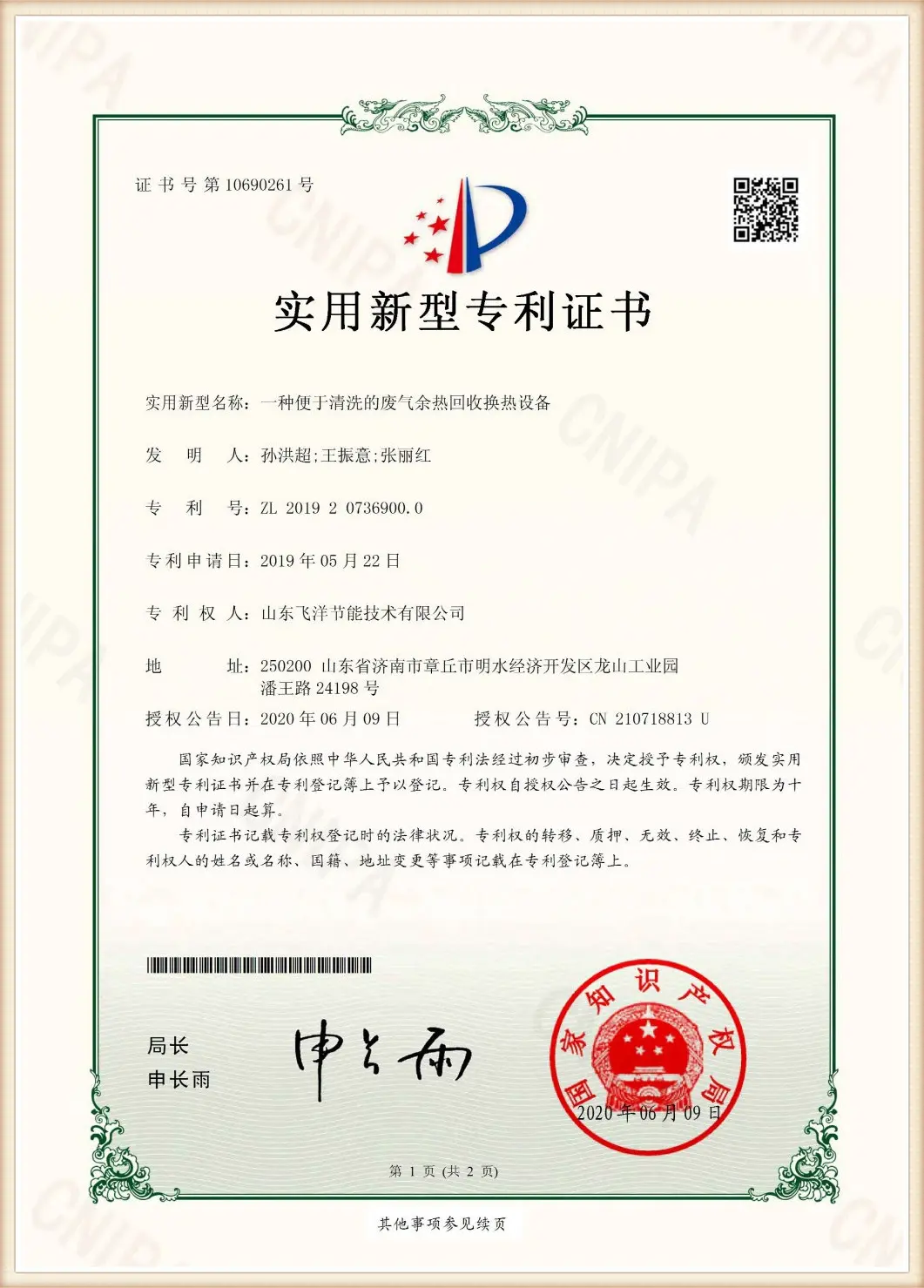
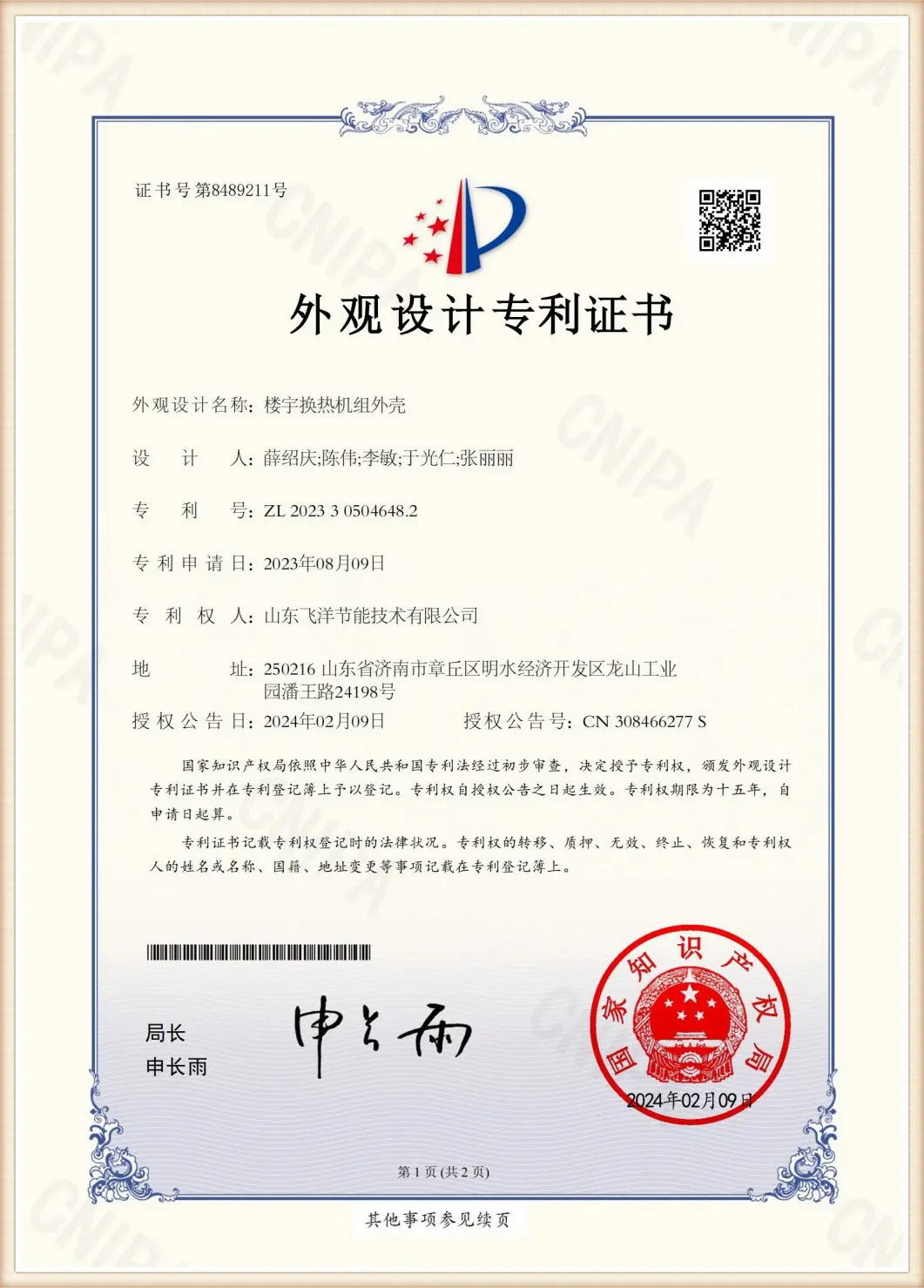
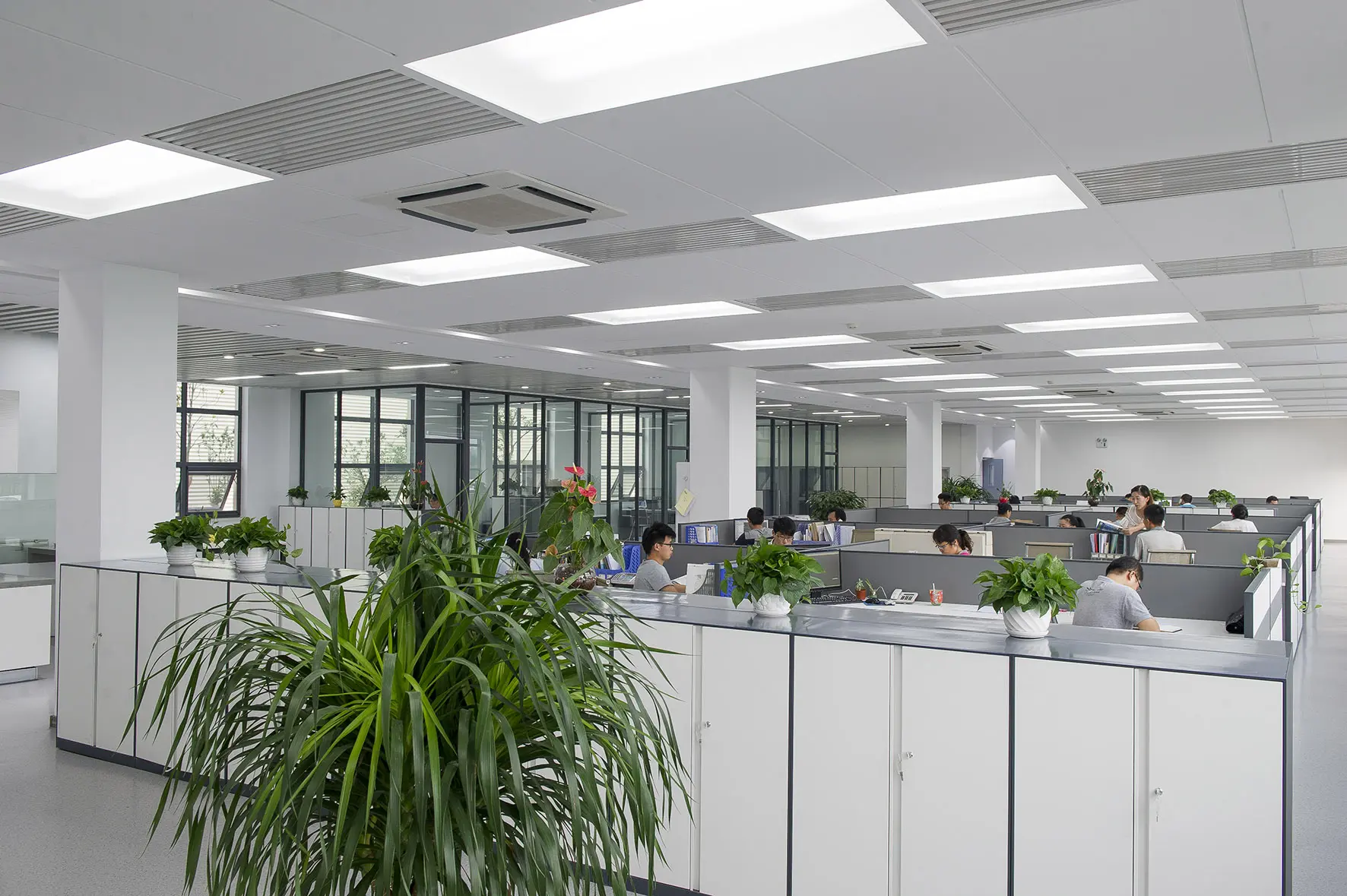
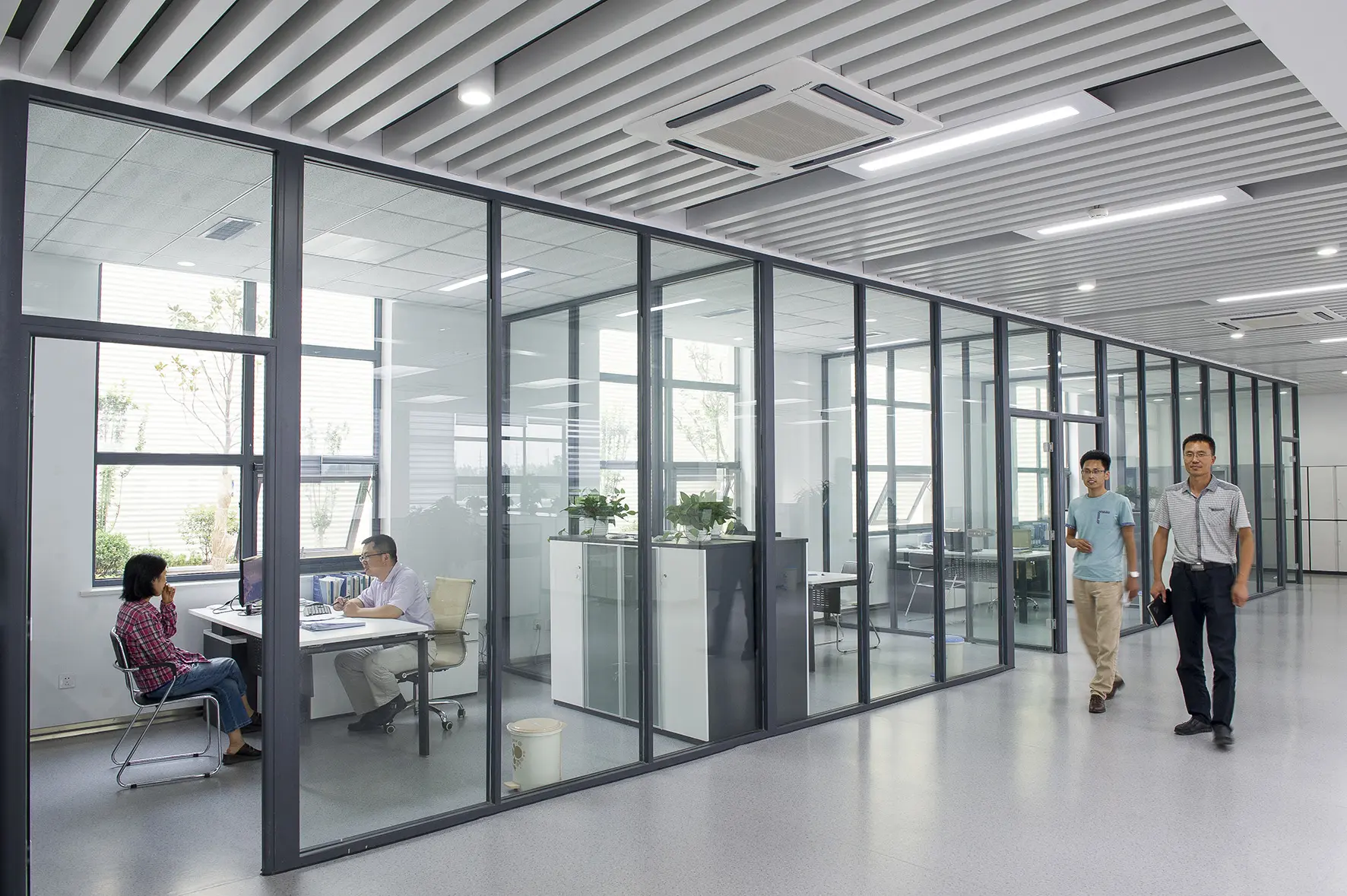
A tour of our precision machining, testing, and shipping warehouse operations.

Answers to technical questions from engineering and procurement managers in Uzbekistan.
An expanded range of pressure regulating stations, detachable heat exchangers, and secondary network monitoring components.
 Flotte Energy