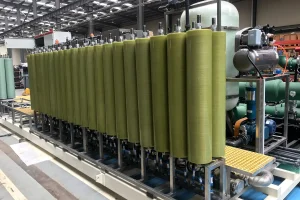
Explore our elite line of heating, cooling, and concentration systems, customized to handle high ambient humidity and marine corrosive conditions in Metro Manila.
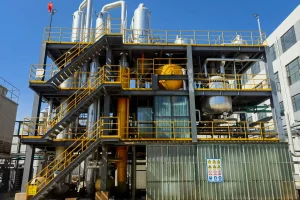
As the economic epicentre of the Philippines, Metro Manila is undergoing unprecedented industrial growth. Key hubs like the Port of Manila, the Cavite-Laguna-Batangas-Rizal-Quezon (CALABARZON) belt, and Manila Bay marine bases require highly specialized thermal exchange systems. The combination of high ambient temperatures, elevated humidity, and marine salinity presents unique engineering challenges. Standard carbon steel cooling systems quickly succumb to corrosive oxidation, leading to thermal degradation, unscheduled downtime, and astronomical replacement costs.
Furthermore, the implementation of Republic Act No. 11285 (Energy Efficiency and Conservation Act) mandates commercial properties, processing plants, and food manufacturers to substantially reduce their operational power consumption. Because HVAC and thermal processing account for over 50-65% of industrial energy footprints in Manila, migrating from low-efficiency shell-and-tube configurations to highly optimized plate coils is no longer optional—it is a critical compliance and economic strategy.
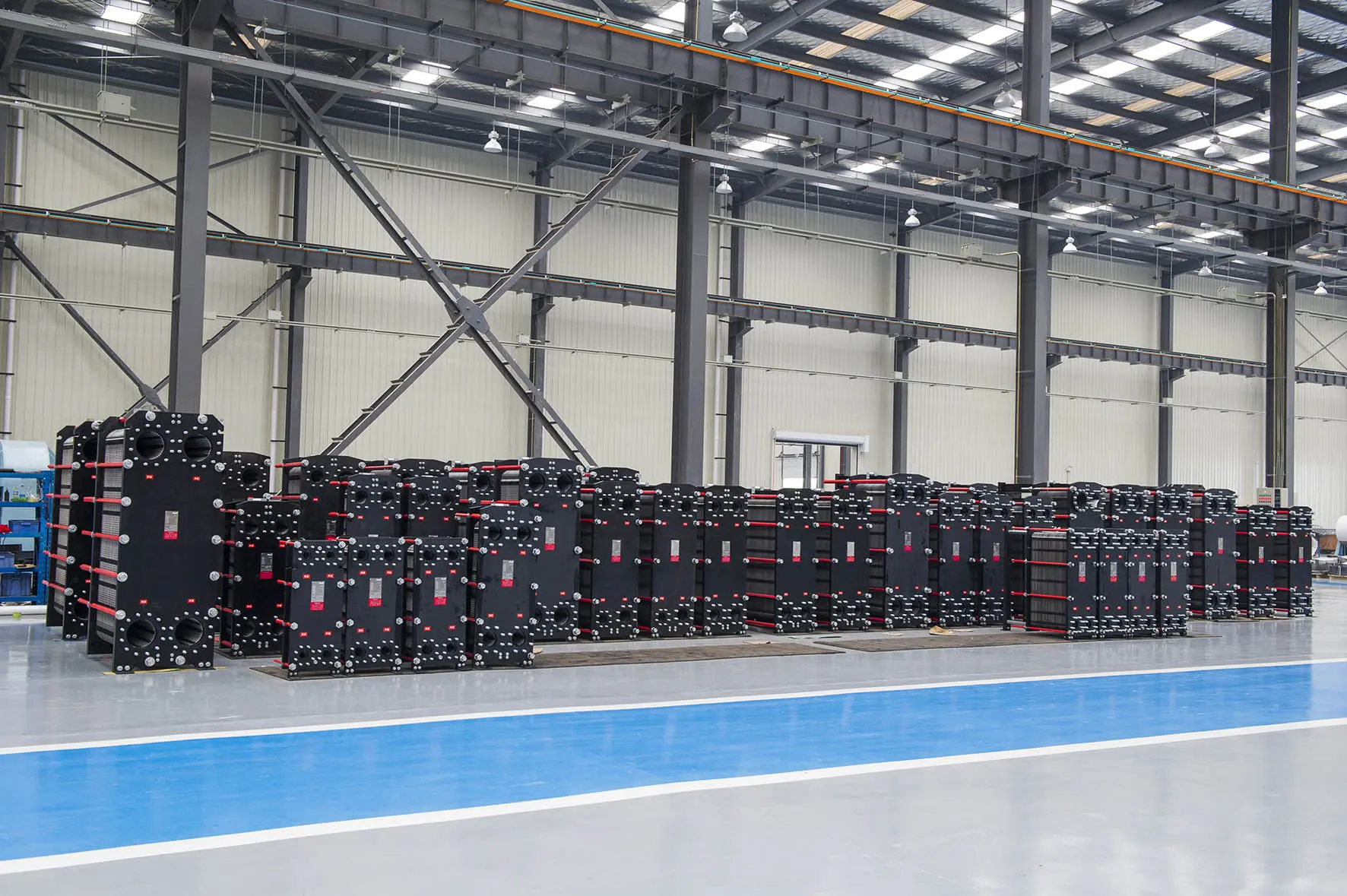
Flotte combines global material science innovations with localized manufacturing prowess to supply advanced plate coil arrays.
Global supply chains are shifting toward decarbonization and closed-loop process loops. Flotte Energy Saving Company (originally Flotte Thermal Engineering founded in 1995, registered with a capital of 101 million yuan) stands at the forefront of this movement. By utilizing high-alloy stainless steels (SS316L, 904L), Titanium, and Hastelloy in our plate manufacturing, we serve demanding sectors worldwide—from marine refrigeration to petrochemical processing. Our advanced corrugation designs induce turbulent flow even at low velocities, yielding a thermal efficiency 2 to 3 times greater than typical shell-and-tube designs.
SEO Information Gain Insight: Unlike standard heat exchangers, Flotte's plate coils utilize customized thermo-flow geometry, ensuring minimized fouling coefficients in saline or heavily calcified hard water environments. This is particularly advantageous for Metro Manila's municipal water systems and marine cooling loops.
How our plate coils and thermal exchange technologies integrate into the key industries of the Philippine Capital.
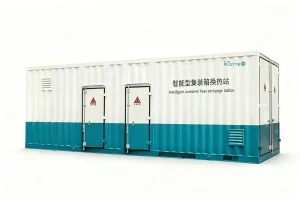
In densely populated financial centers such as Bonifacio Global City (BGC) and Makati, our modular integrated box-type heat exchanger units manage central chilled water loops, saving valuable physical space and optimizing power consumption.
From beverage pasteurization to cold chain preservation along the Manila-Batangas corridor, our detachable food-grade plate heat exchangers feature smooth surfaces designed for quick cleaning and resistance to organic acid corrosion.
Vessels docked at the Port of Manila and nearby shipyards rely on seawater-resistant titanium plate coils for onboard HVAC and engine cooling, ensuring long-lasting performance in highly saline marine settings.
Every plate coil and heat exchange system undergoes a rigorous, fully audited 9-step fabrication process to guarantee maximum reliability and thermal output.
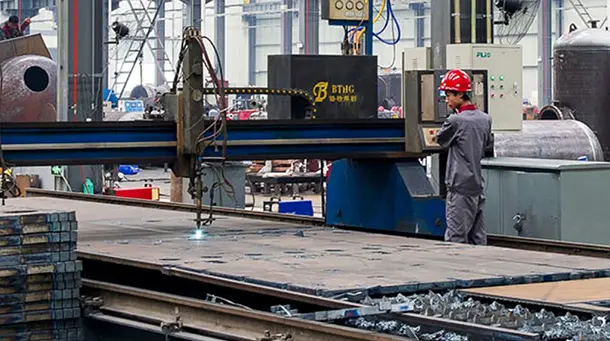
Precision heavy-plate raw material cutting matching strict dimensional tolerances before structural stamping.
Enhances metal grain structure density to provide superior structural strength under variable high-pressure environments.
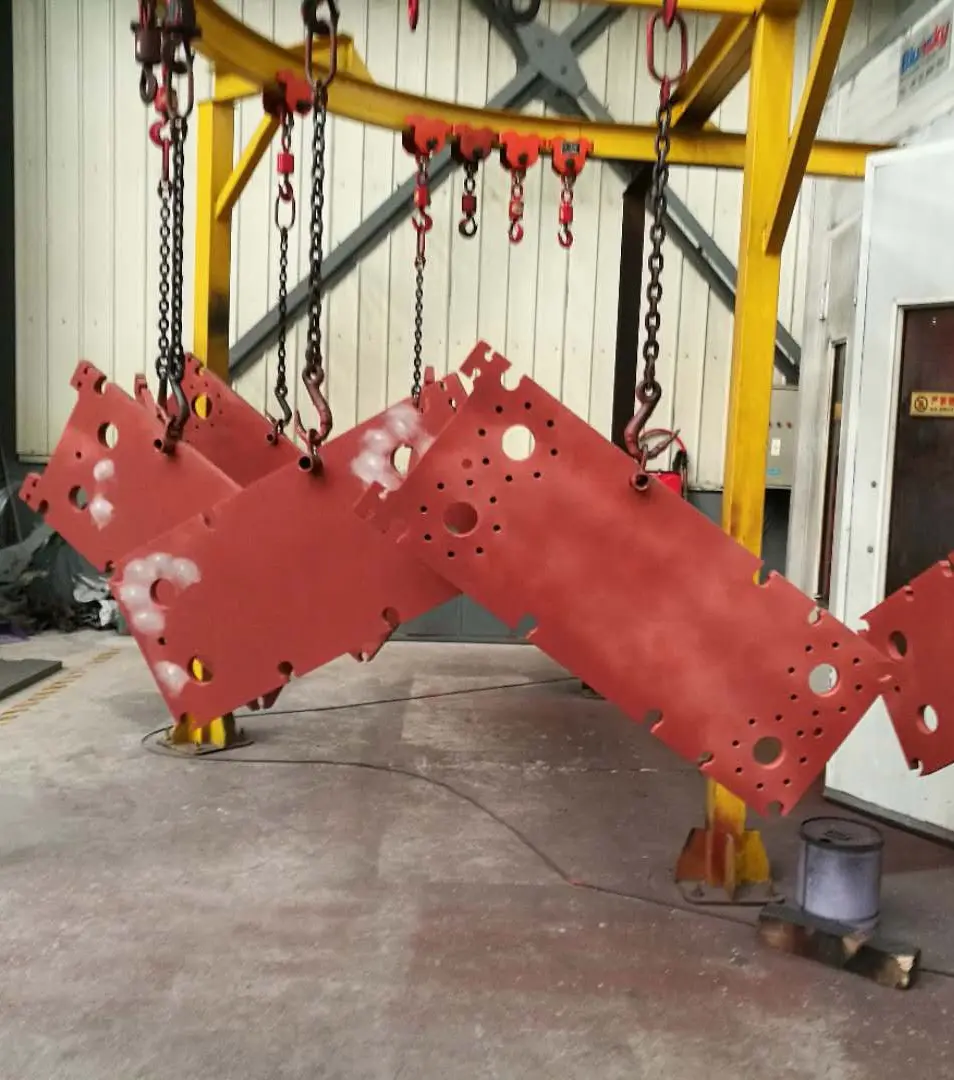
Multi-layered industrial anti-corrosion outer coating system to shield frames from high tropical humidity.
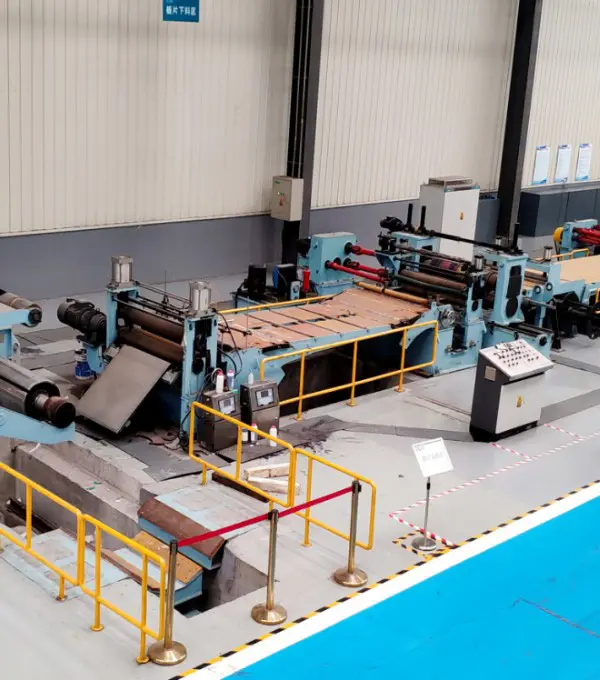
Laser cutting of individual heat transfer plates with laser-etched batch coding to ensure full traceability.
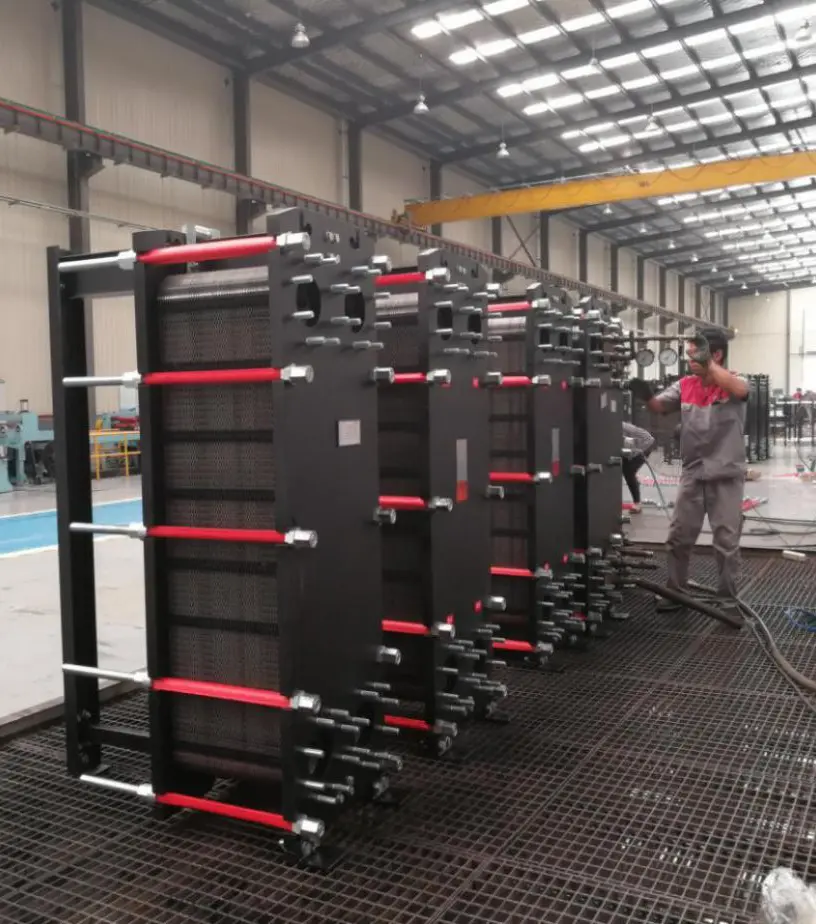
Stringent hydrostatic testing at 1.5x design pressure to confirm seam integrity and eliminate cross-contamination risks.
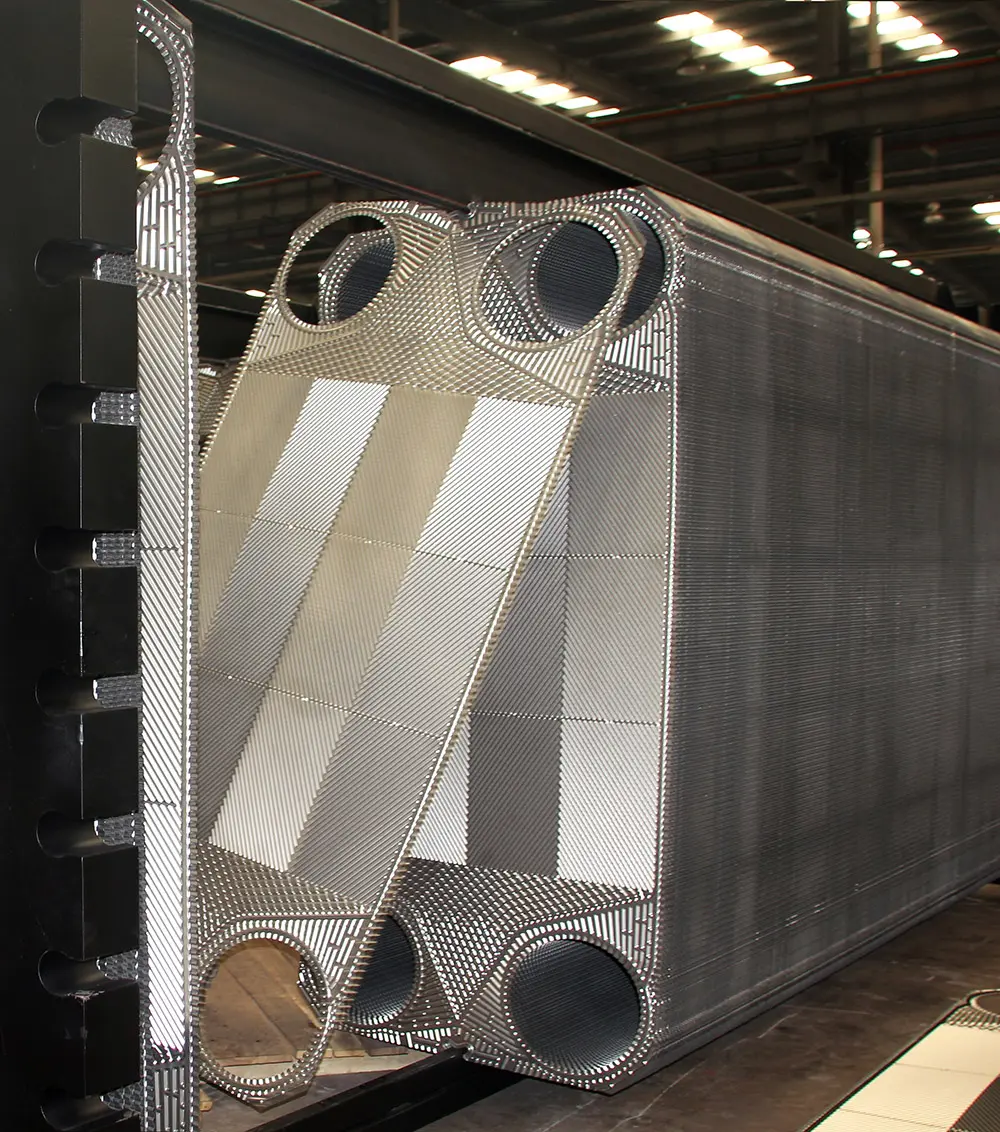
Professional alignment and tight-tolerance bolt tensioning of plate packs by certified technicians.
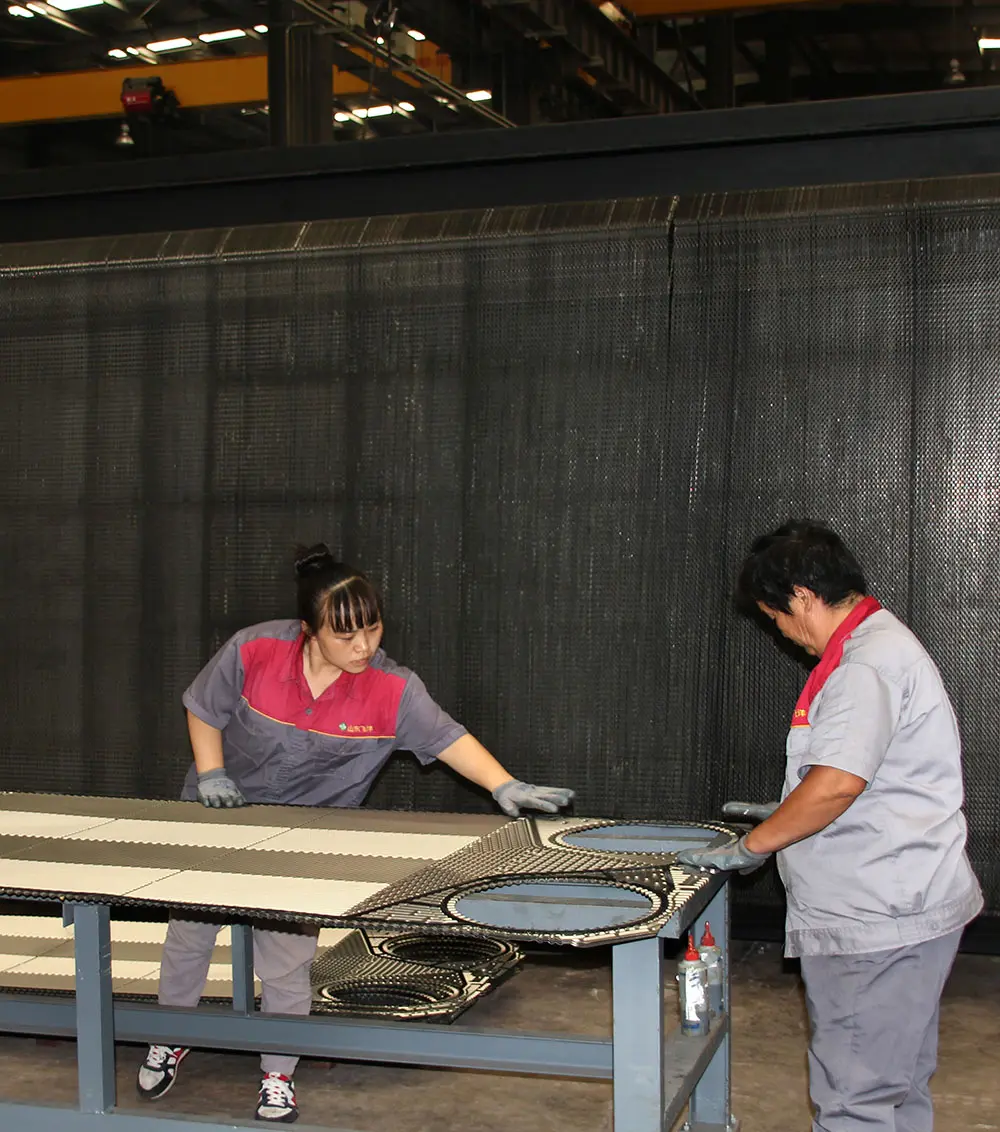
High-performance EPDM/NBR rubber-coated pads integrated for seamless sealing and clean fluid separation.
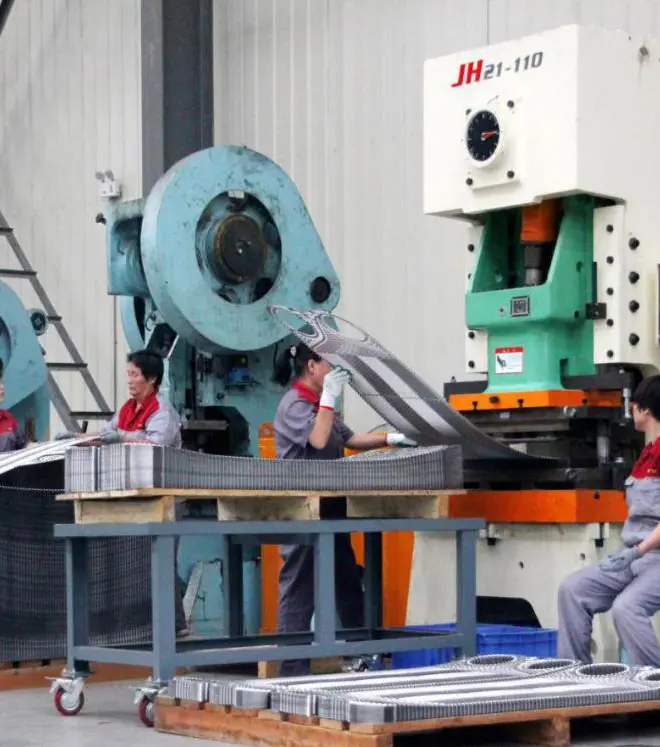
Hydraulic punching of corner ports designed to ensure streamlined flow and lower pressure drops.
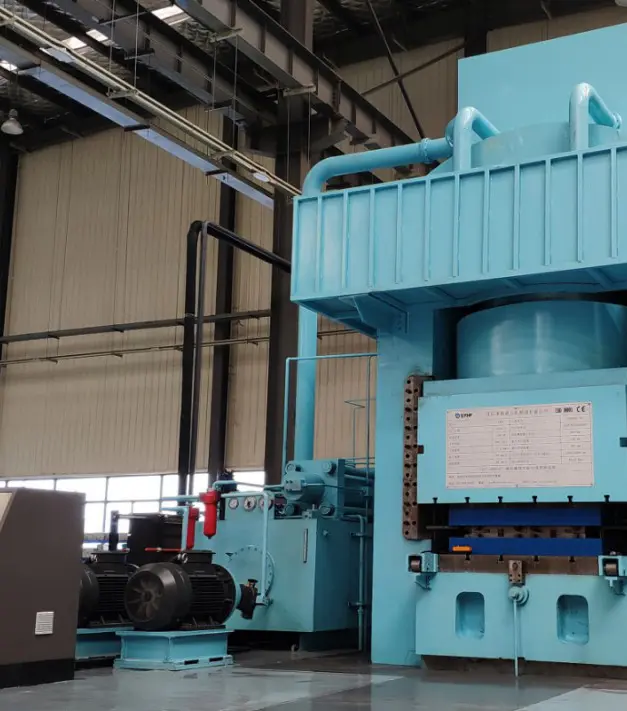
High-tonnage hydraulic press stamping of chevron corrugated patterns into plate foils for turbulent flow optimization.
Quality is the foundation of Flotte's operational ethos. Our design office utilizes finite element analysis (FEA) alongside computerized fluid dynamics (CFD) modeling to analyze and predict thermal stresses and pressure boundary flows. All manufacturing operations are audited under ISO 9001:2015 (Quality Management), ISO 14001:2015 (Environmental Stewardship), and ISO 45001:2018 (Occupational Health and Safety Standards).
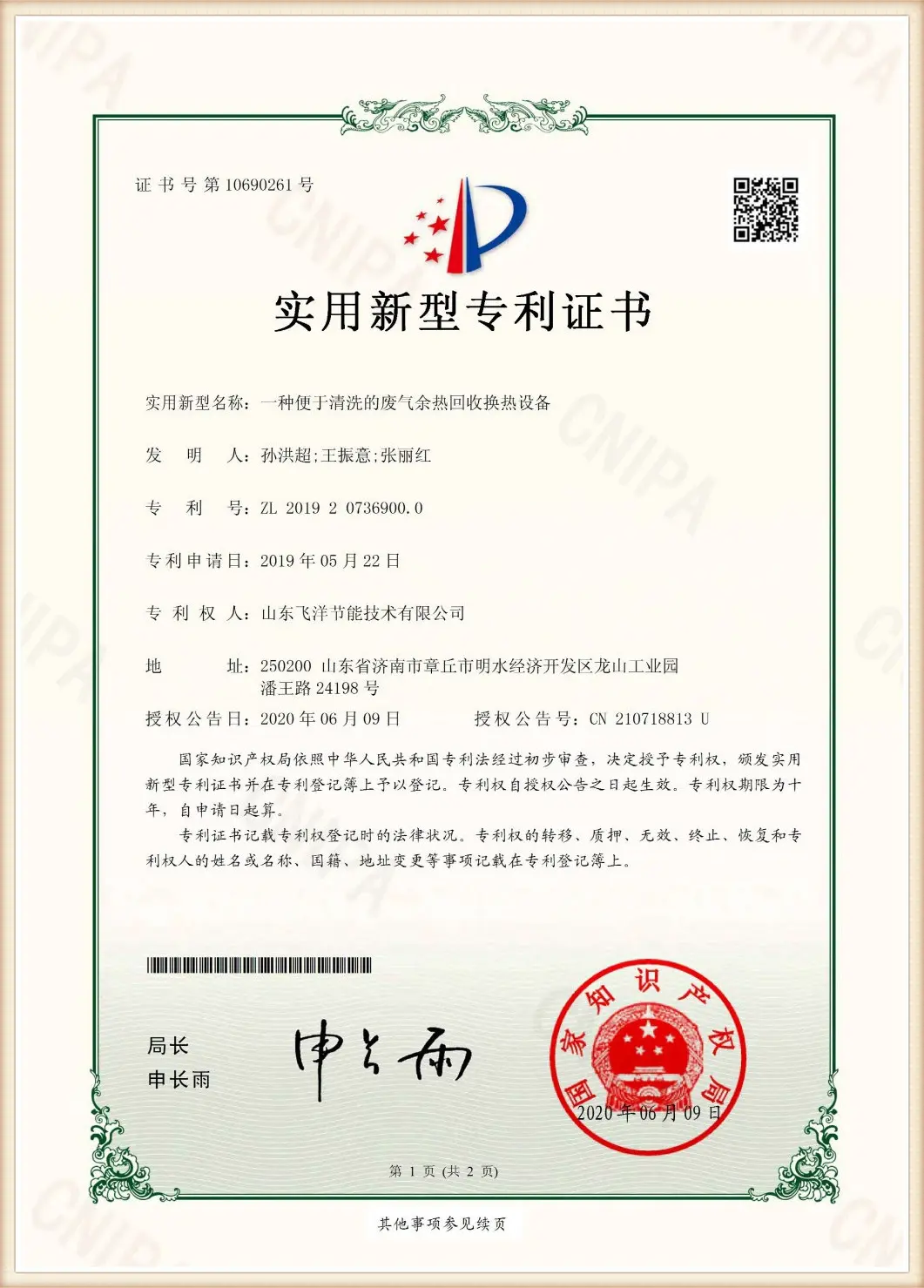
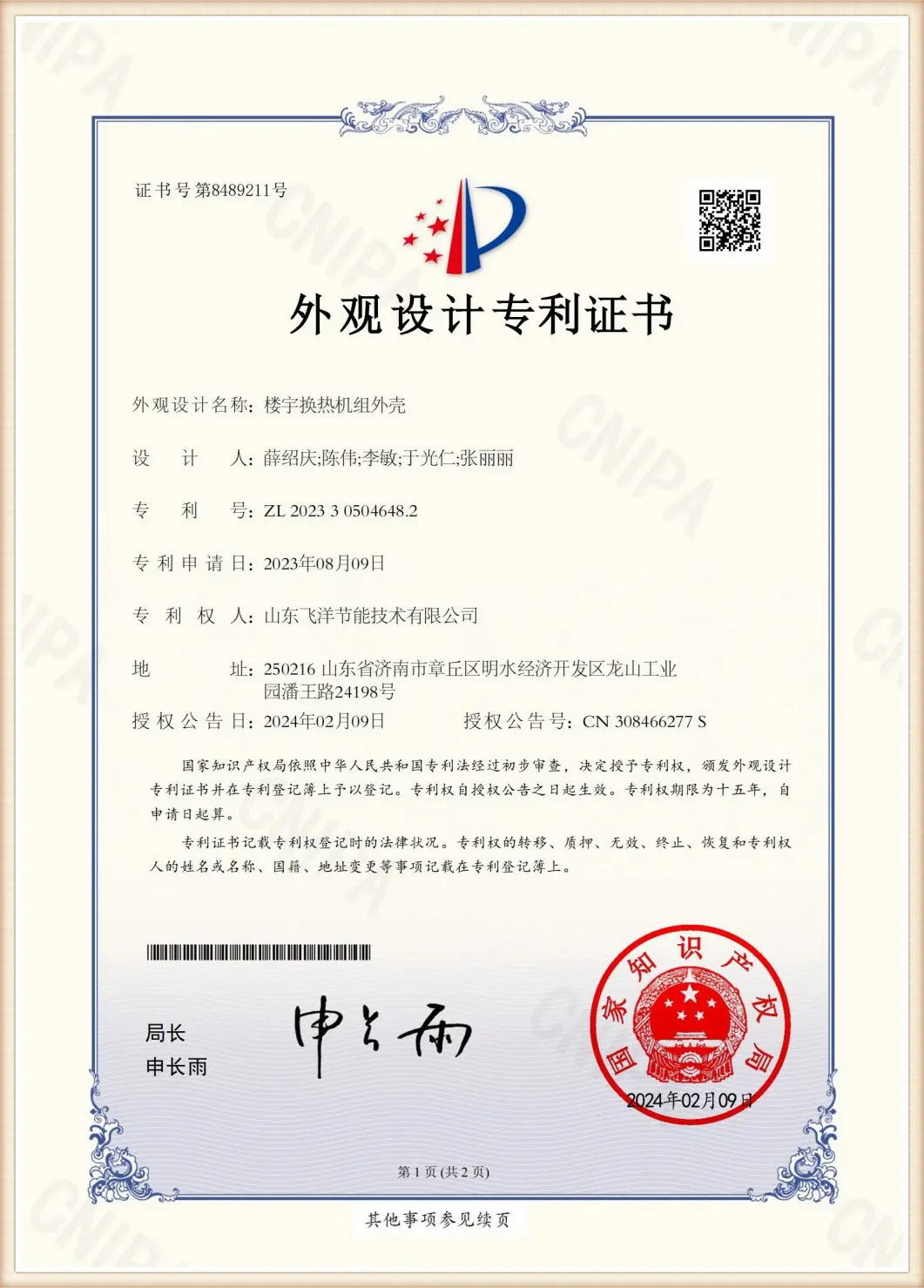
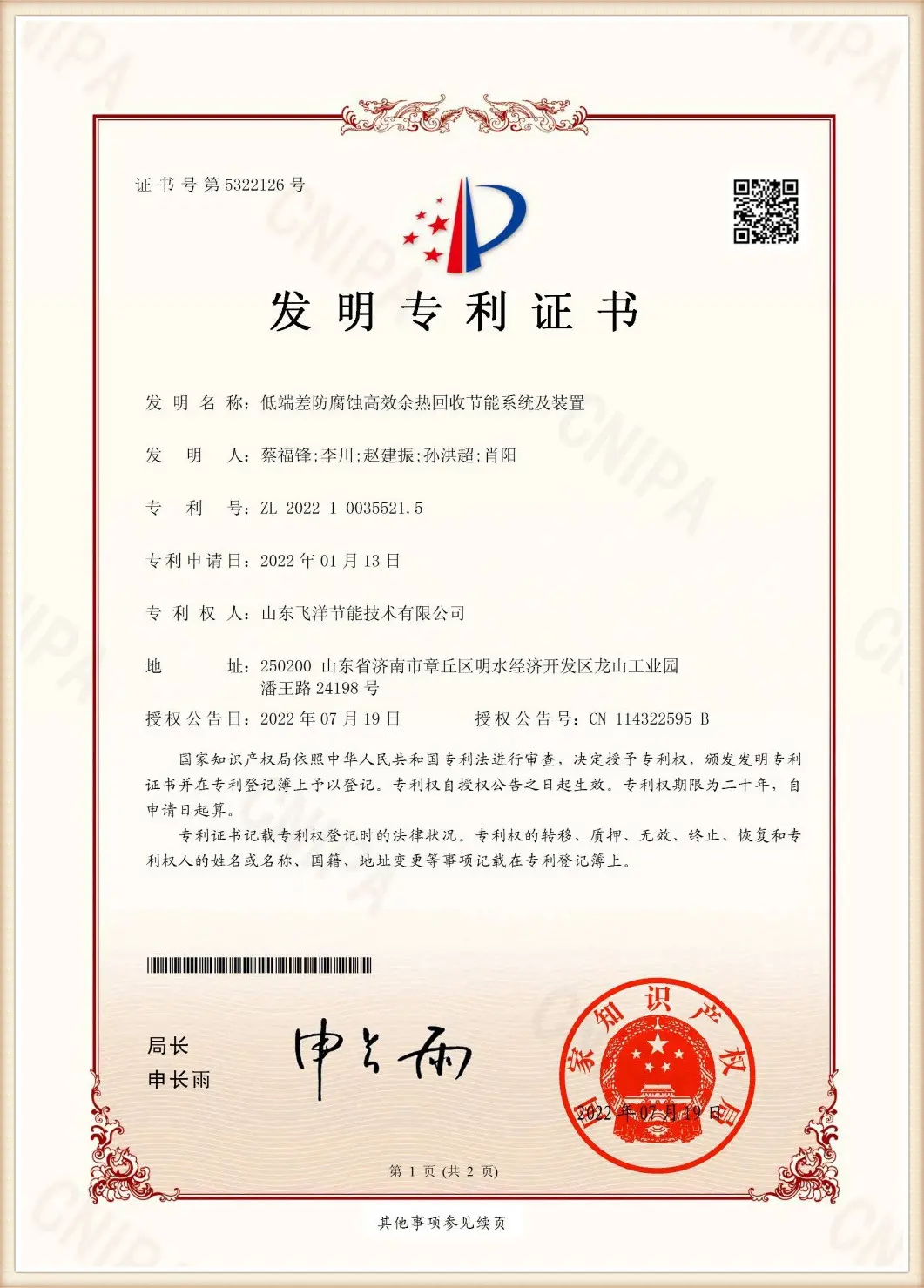
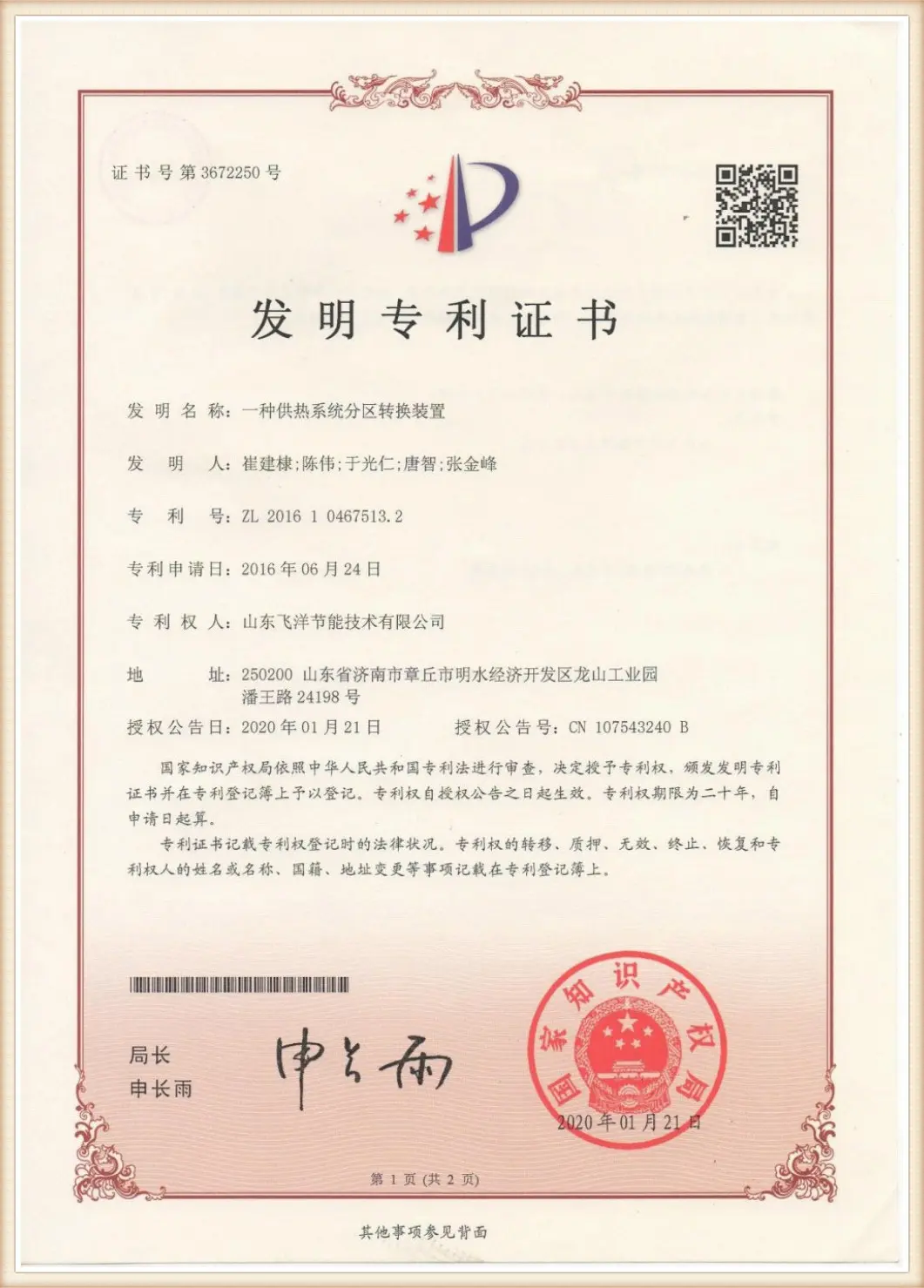
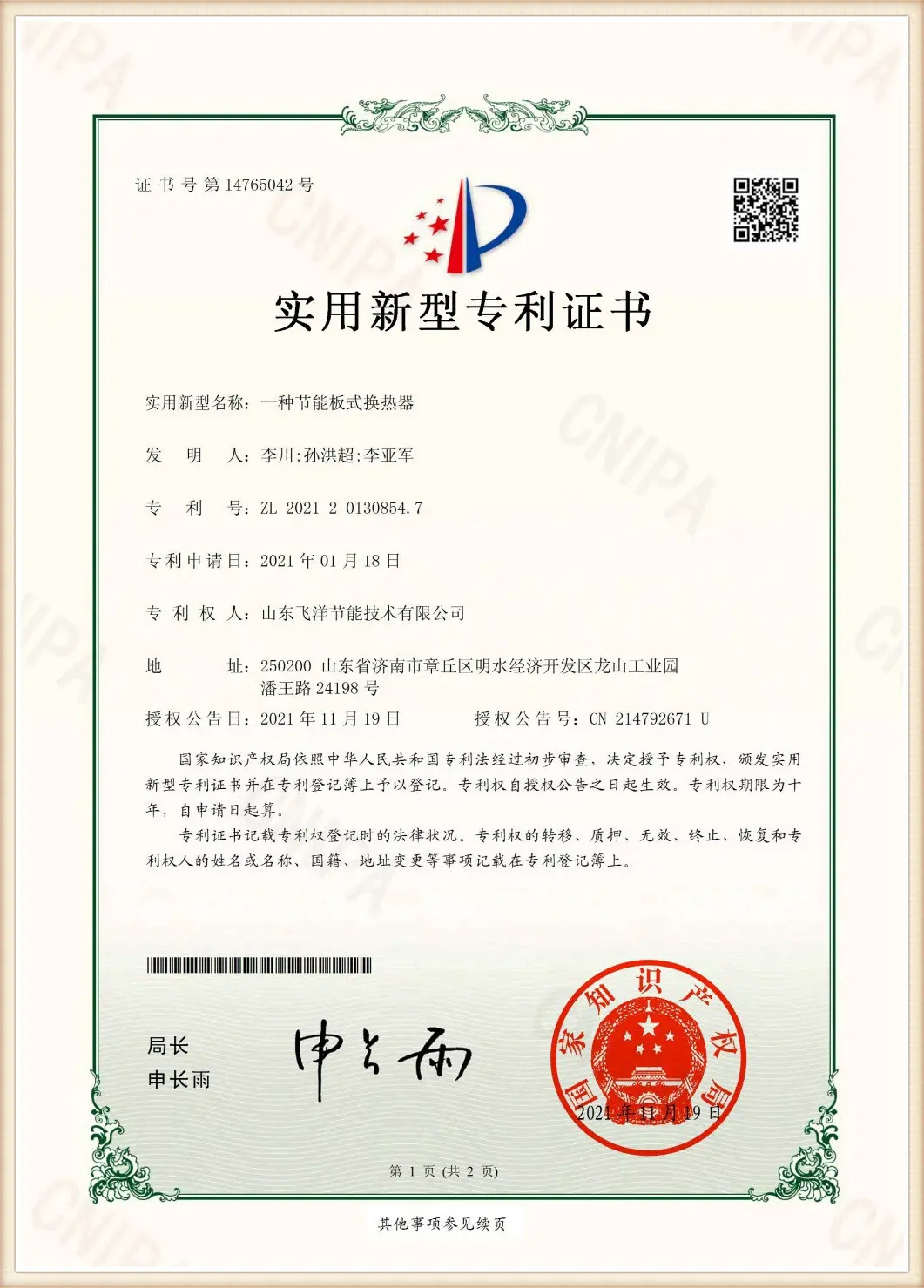
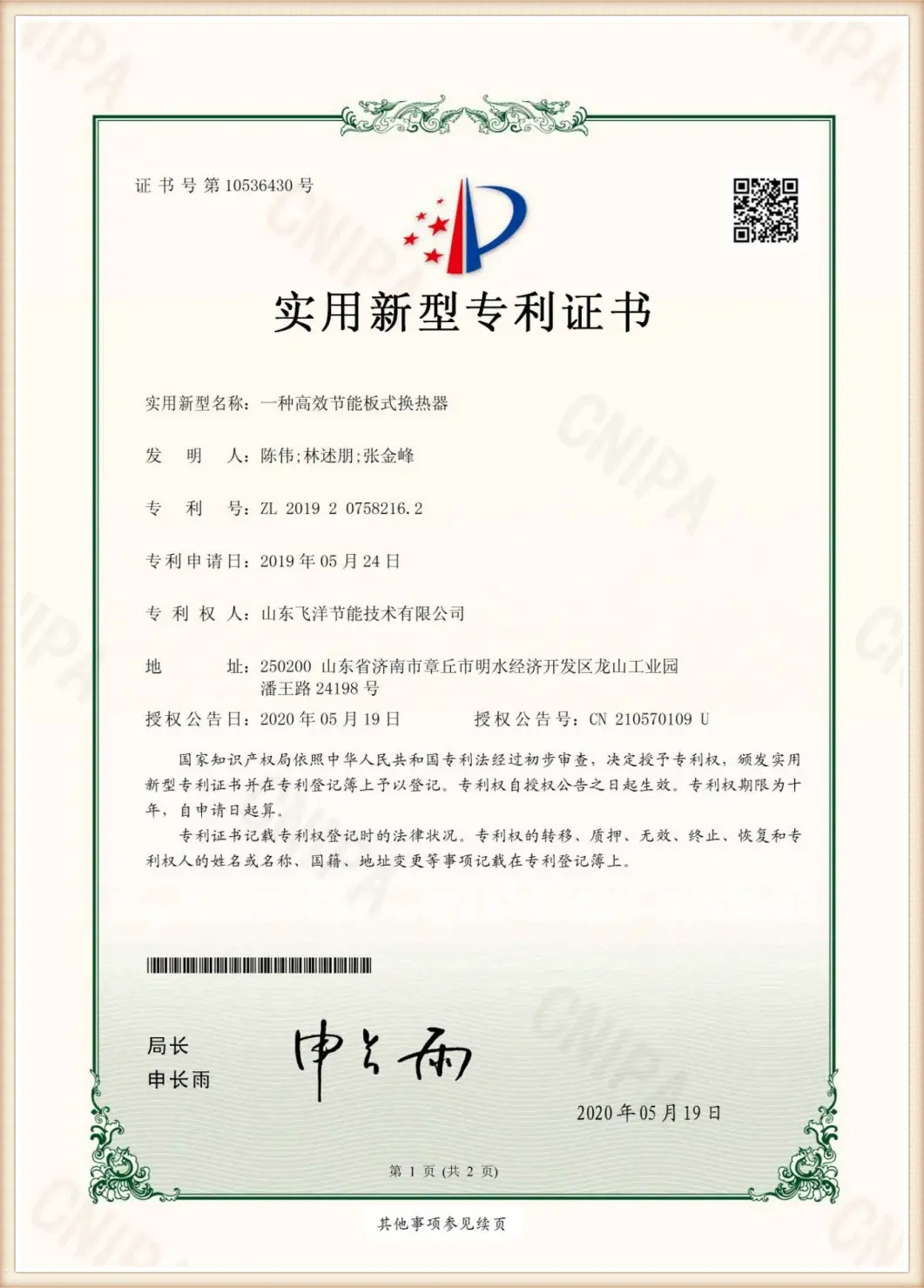
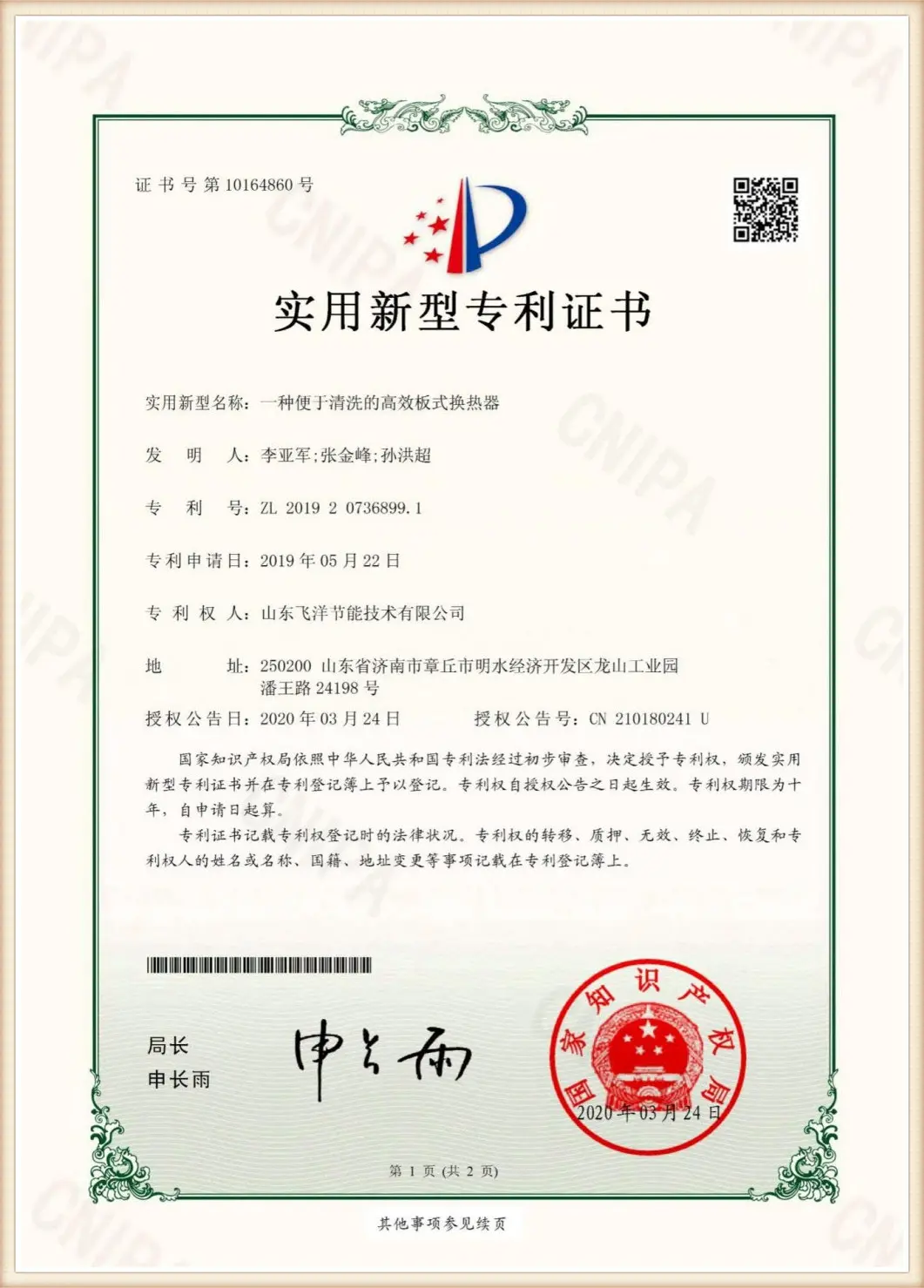
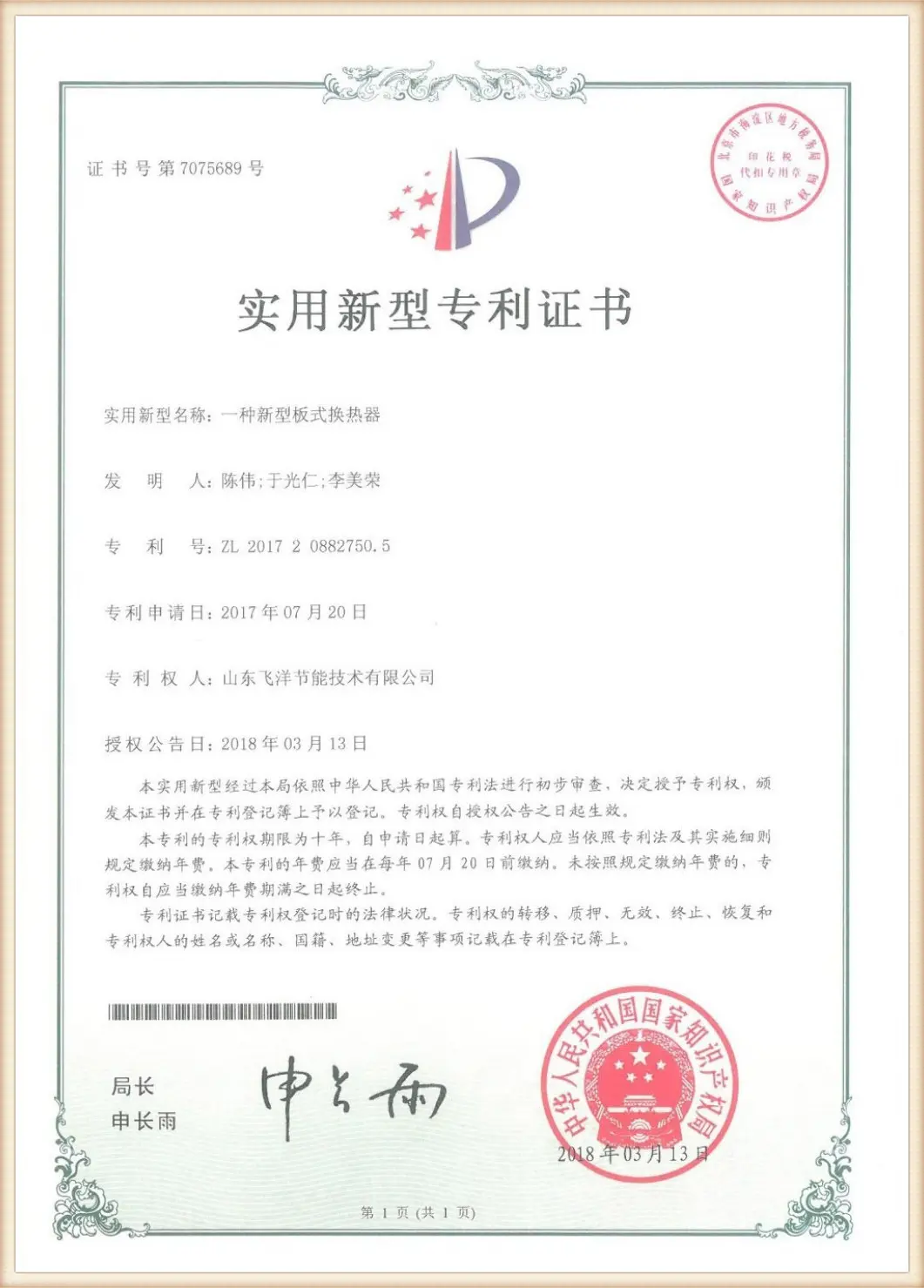
We hold multiple utility patents, including our signature "High-Efficiency Plate Heat Exchanger", "Intelligent Plate Heat Exchanger System", and the specialized "Plate Heat Exchanger Scale Removal Device". These technologies enable our systems to resist scaling, preserving thermal performance and reducing maintenance intervals by up to 40% compared to generic alternatives.
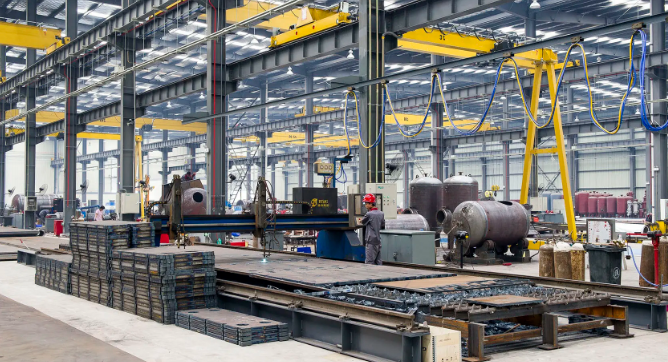
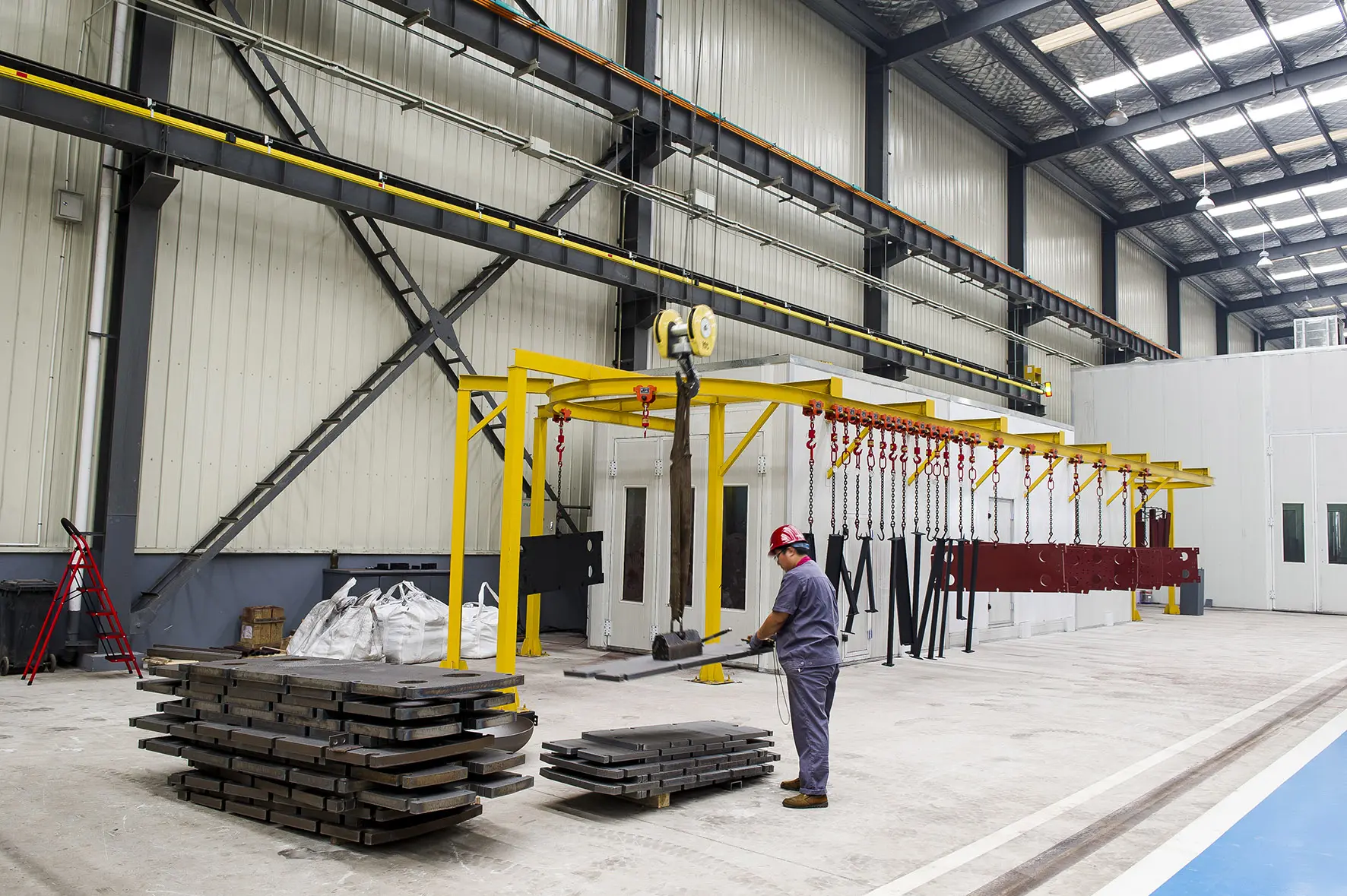
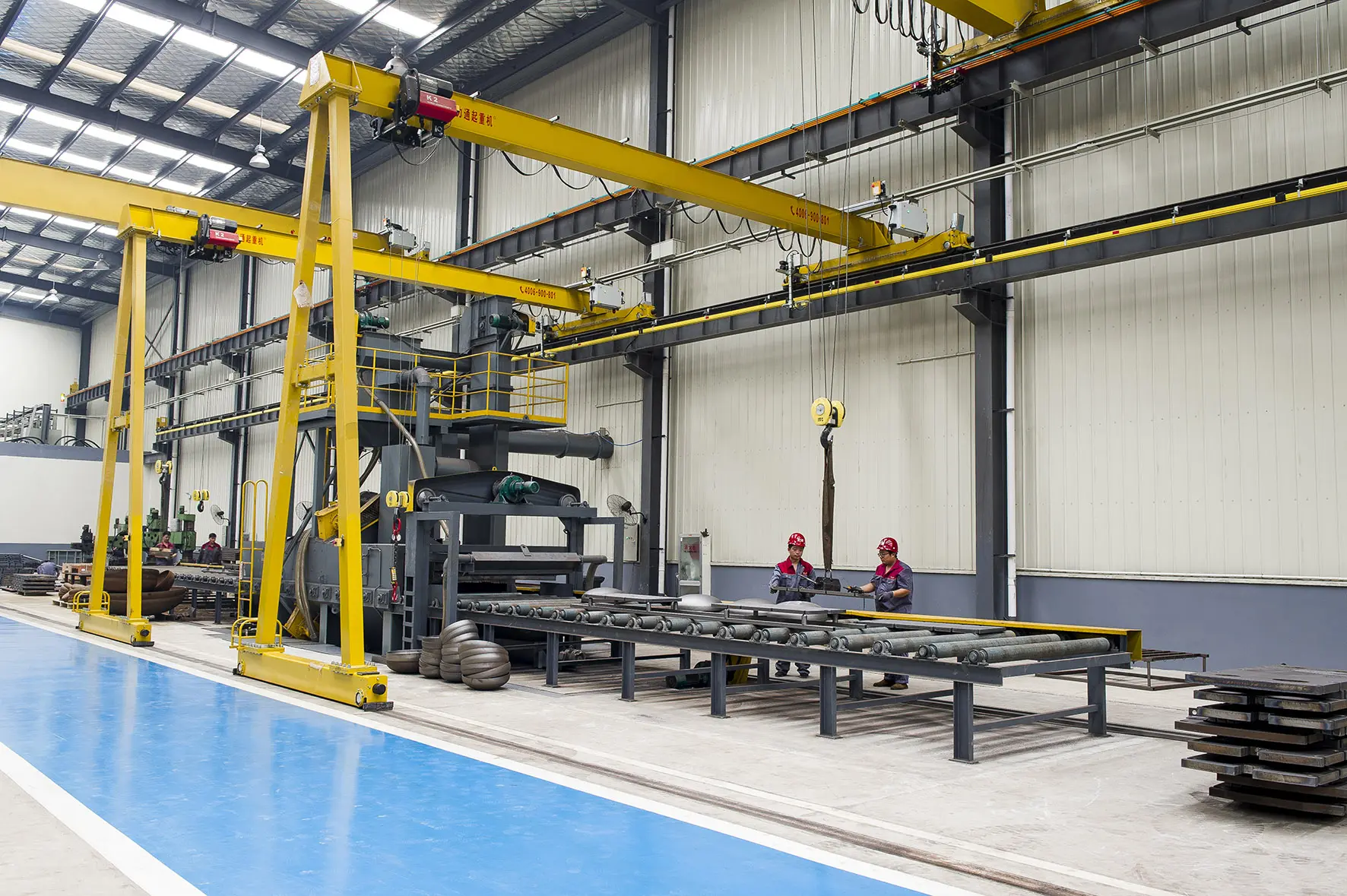
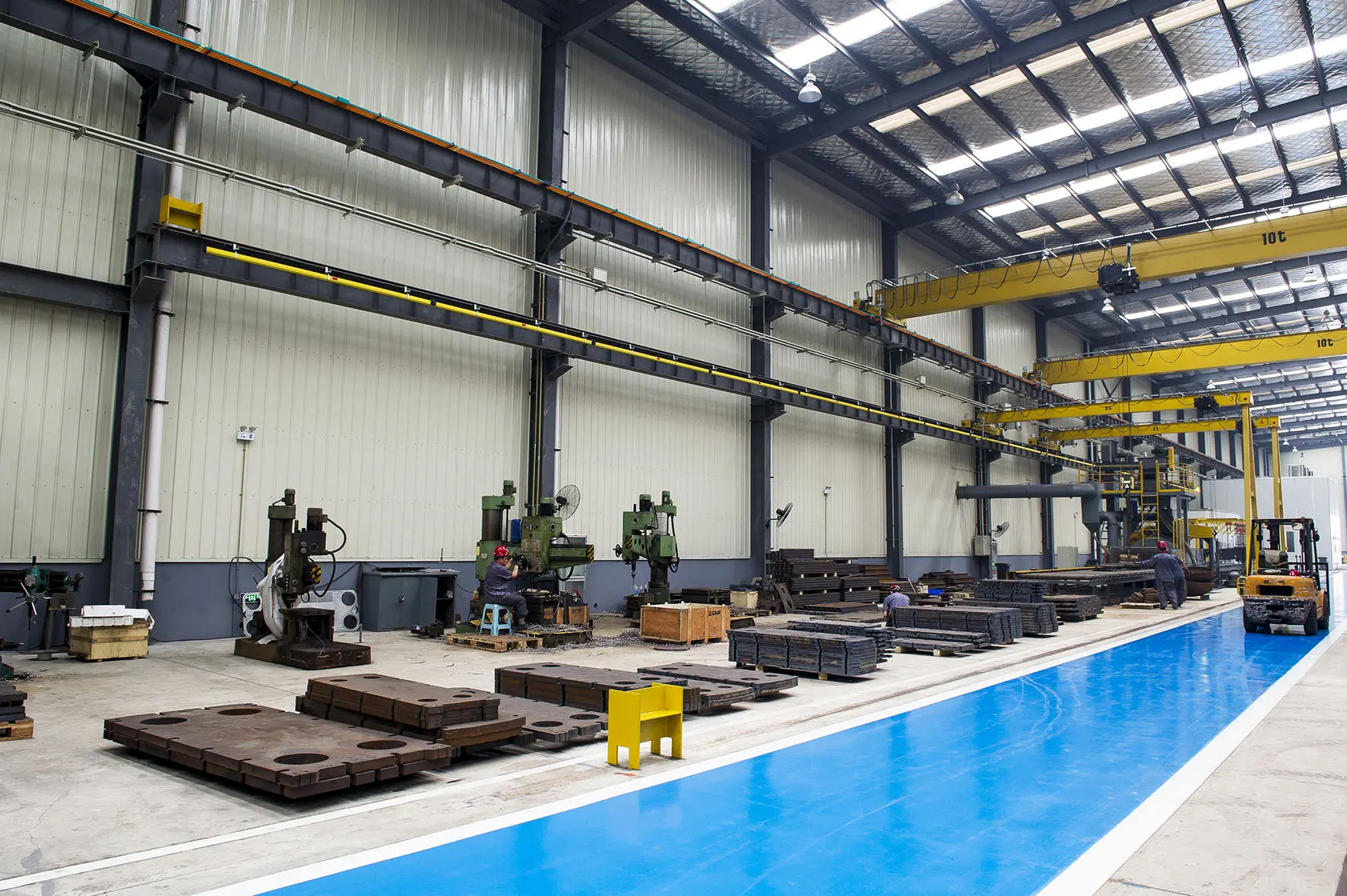
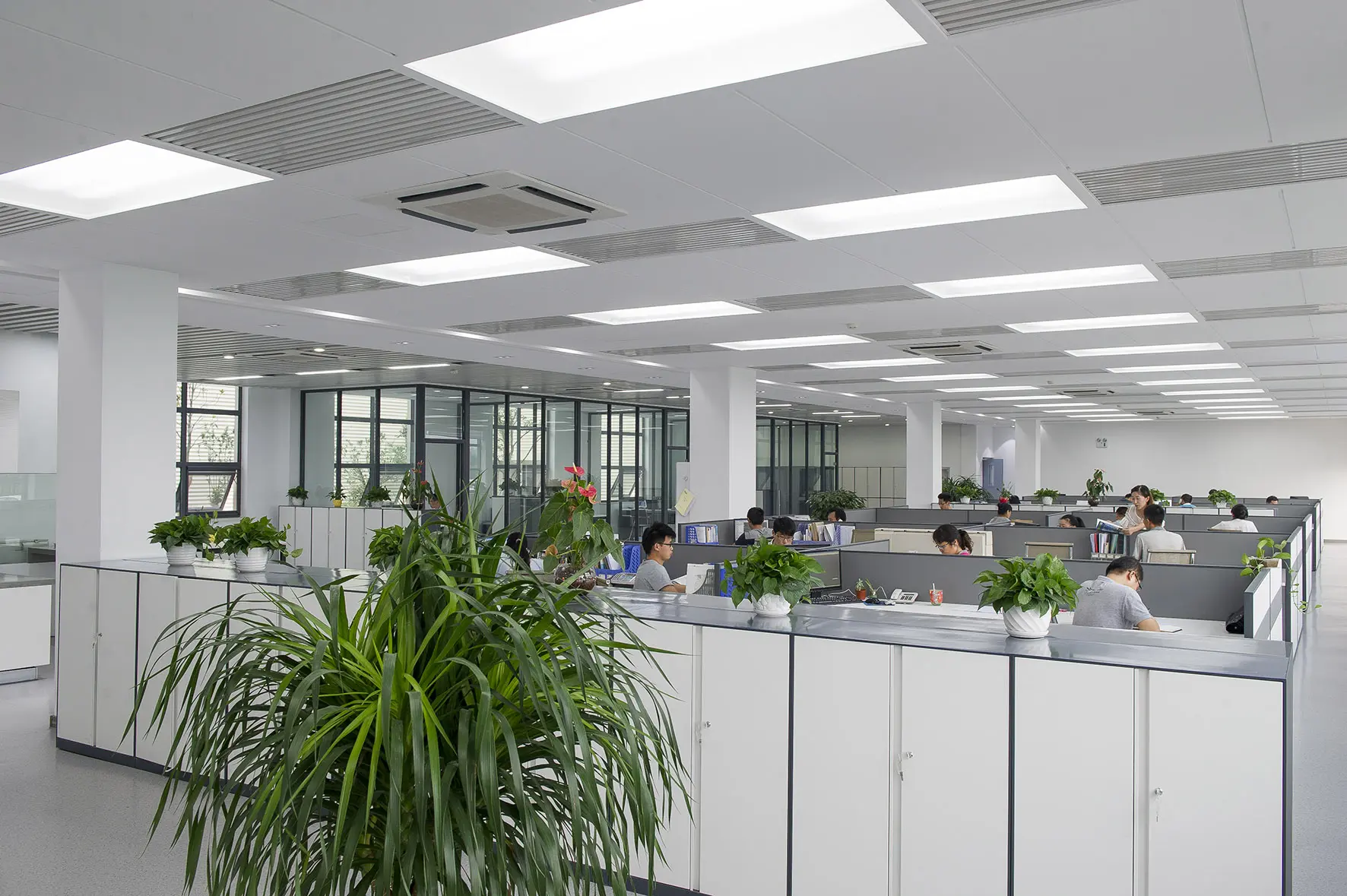
A look inside our state-of-the-art 70,000 m² factory floor, where advanced plate forming, testing, and system integration are executed.
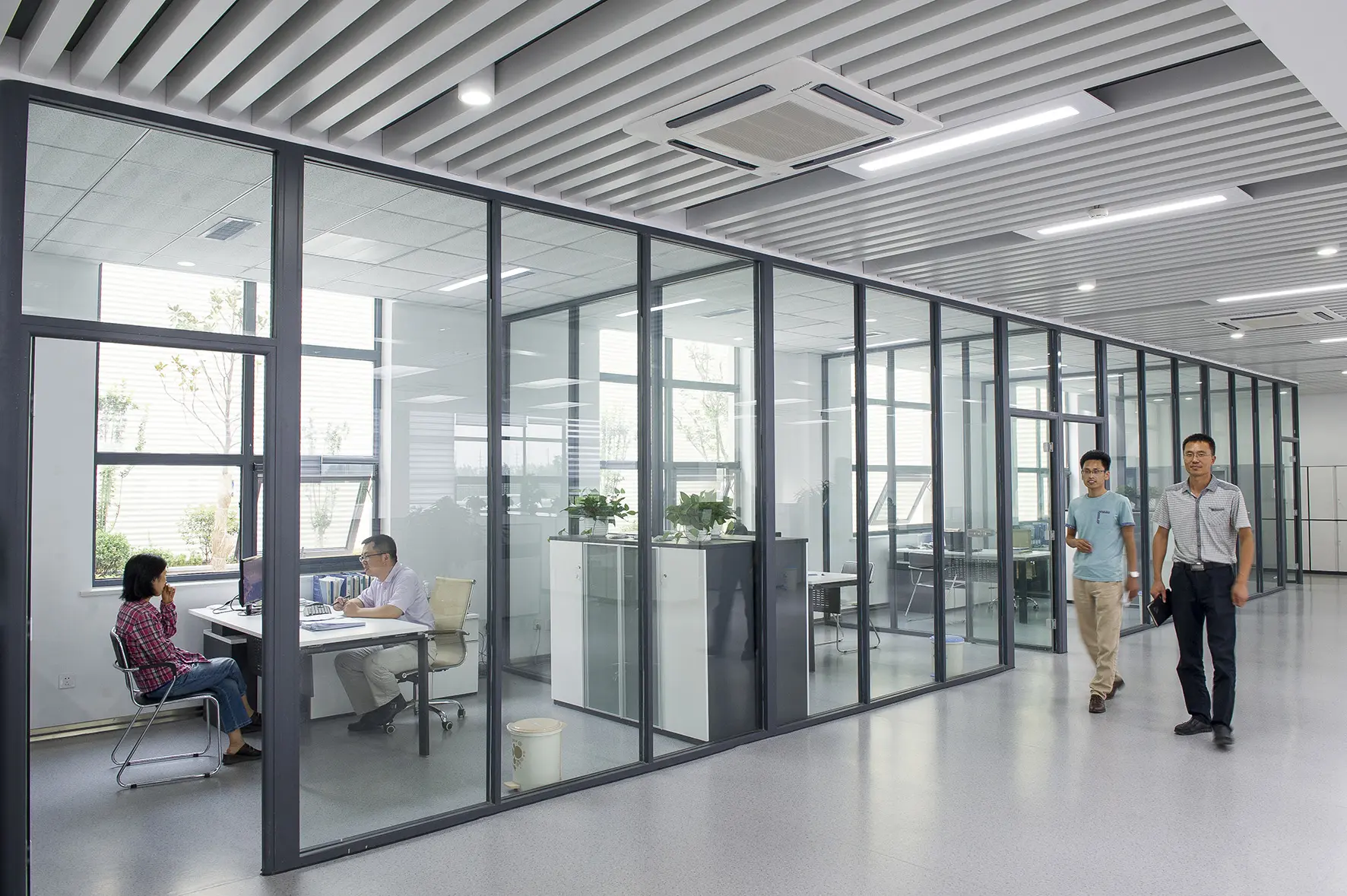
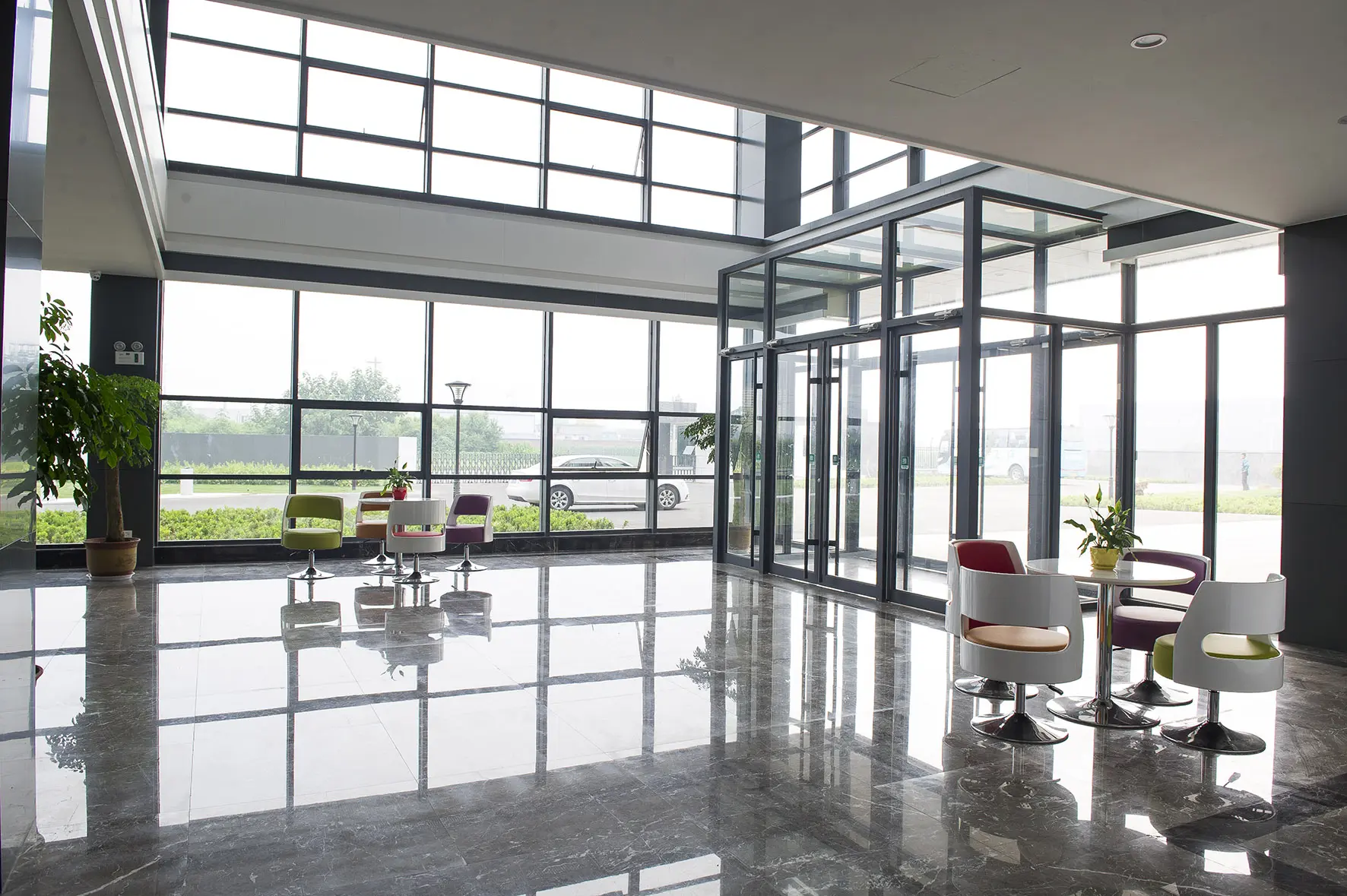
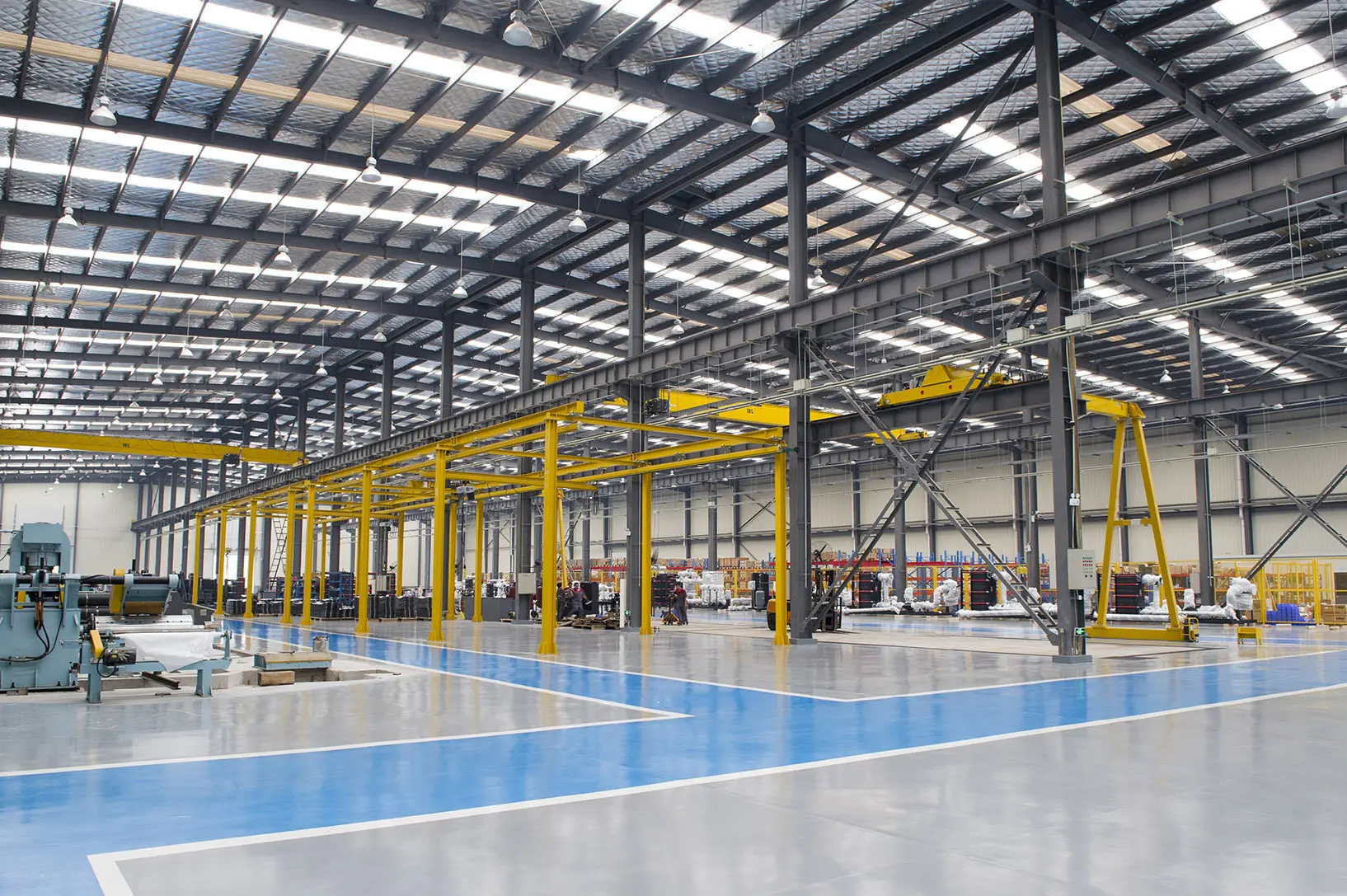
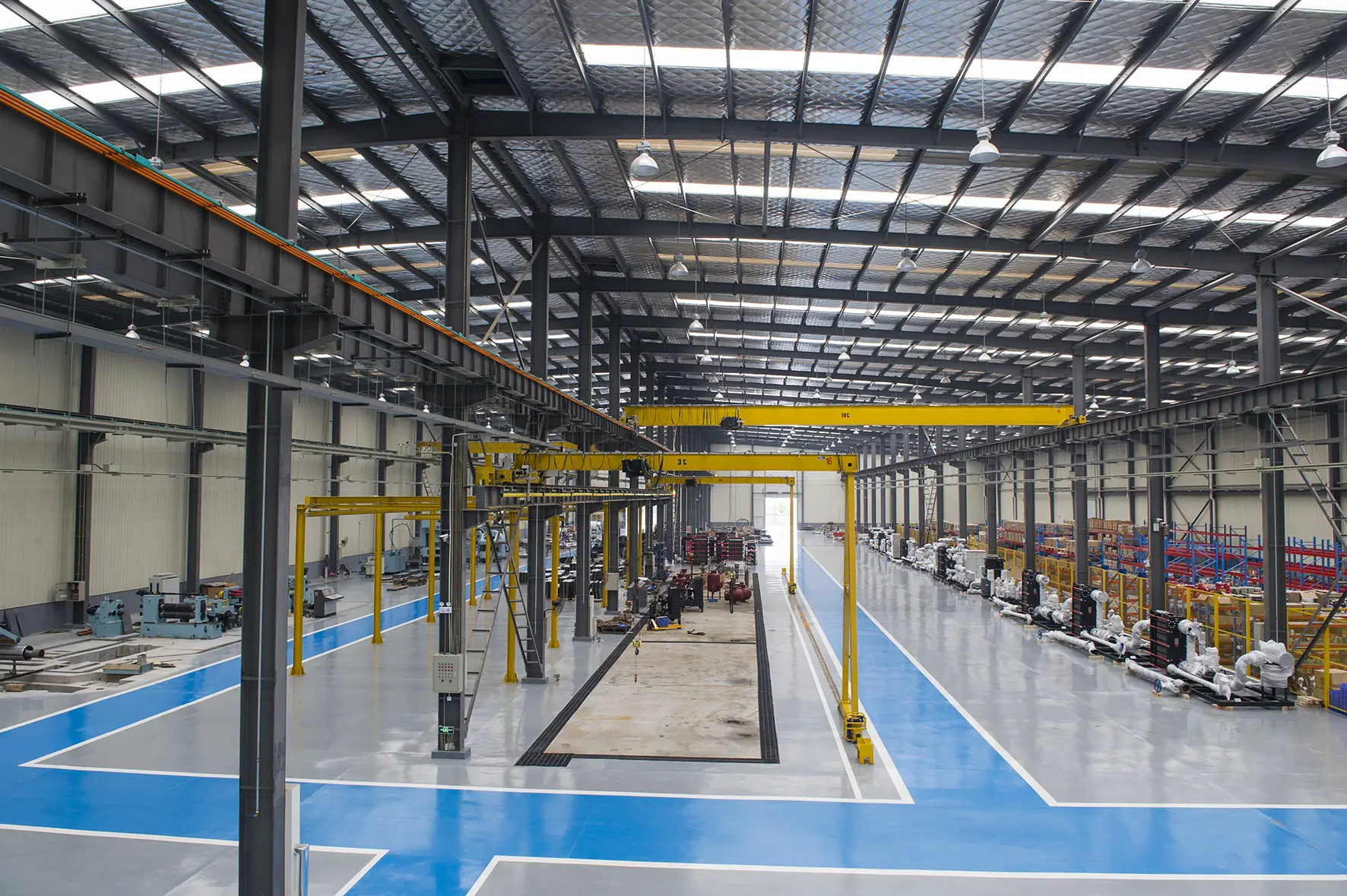
Continuous R&D initiatives aimed at optimizing thermal efficiency for sub-tropical and tropical environments.
As global energy prices fluctuate and sustainability standards rise, our engineering team is focused on several upcoming thermal design breakthroughs:
Explore our full line of industrial equipment, featuring patented heat exchangers and high-precision fluid-handling assemblies.
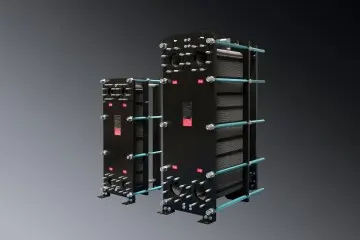
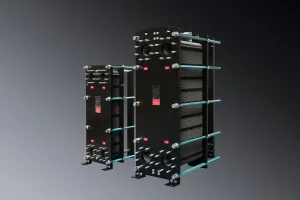
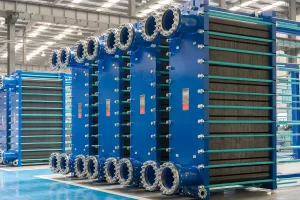
Engineered for easy maintenance, cleaning, and expansion. Perfect for high-scaling processes in the Manila beverage and processing sectors.
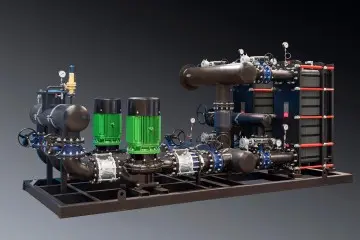
Modular pre-assembled heating system featuring built-in controls, sensors, and pumps for immediate on-site integration.
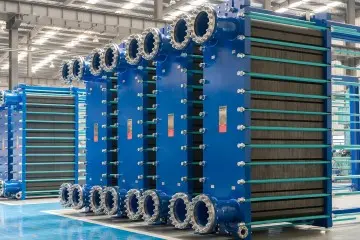
Designed for safety valves and multi-stage pressure drops, preventing structural fatigue in steam loop utilities.
Engineered specifically for high-rise commercial facilities, supporting efficient heat transfer in modern chilled water loops.
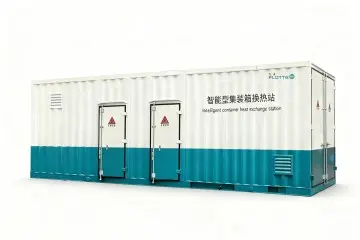
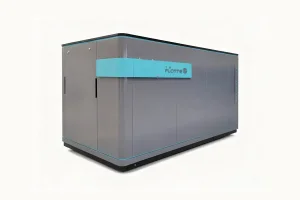
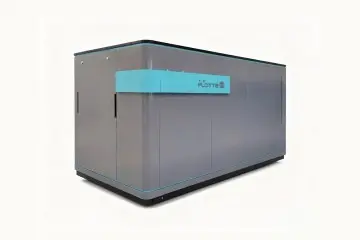
Space-saving, enclosed box-type cooling module with rainproof casing, ideal for outdoor rooftop installations in Manila.
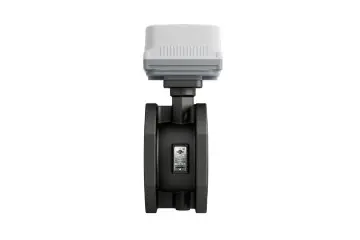
Controls flow distribution in centralized piping systems, eliminating cold/hot spots and protecting downline processes.

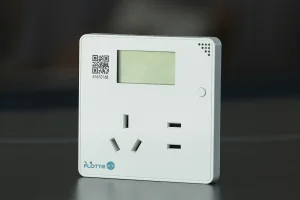
High-precision smart sensor node designed to continuously stream accurate ambient temperature readings back to main cooling controls.
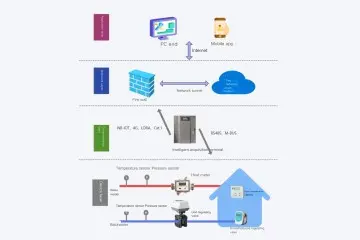
Complete software-hardware suite monitoring pipeline metrics to automatically optimize pumping power and heat loads.
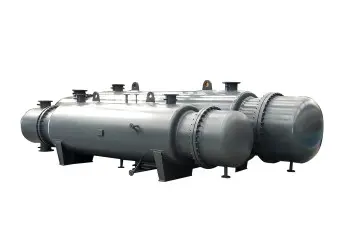
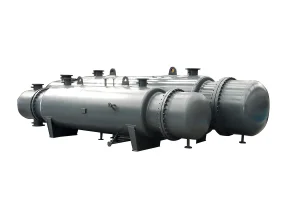
Heavy-duty shell-and-tube configurations designed for ultra-high temperature or pressure processes where plate access is limited.
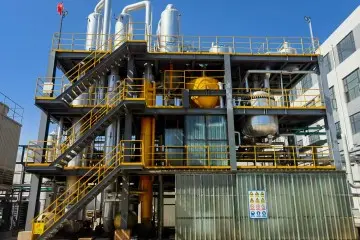
Saves energy by recycling secondary steam across multiple evaporative chambers, concentrating wastewater or chemical solutes.
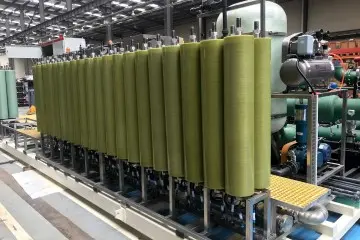
Delivers chemical-free liquid separation and recovery, supporting strict environmental standards in industrial water loops.
Essential insights for procurement managers and mechanical engineers evaluating plate coil integration in the Philippines.
In warm climates like Manila, cooling water is often drawn at higher temperatures (typically 28°C to 32°C). This narrow temperature difference between hot process fluids and cooling media requires a very tight approach temperature. Plate heat exchangers can handle approach temperatures as close as 1°C due to their turbulent flow profiles, whereas shell-and-tube designs usually require a difference of 5°C or more. This capability saves energy and allows the use of smaller, less expensive cooling towers.
For sea-water cooling, high-salinity cooling tower loops, or process cooling directly adjacent to marine environments, we recommend either Titanium plates or specialized Super Austenitic Stainless Steel (904L / Hastelloy). While standard SS304 or SS316 can work in clean freshwater loops, coastal environments present high chloride concentrations that cause pitting and stress corrosion cracking in lower-grade alloys. Selecting titanium or premium alloys ensures a service life of over 15 to 20 years.
RA 11285 requires commercial and industrial facilities to undergo regular audits and implement energy-saving technologies. Flotte's plate heat exchangers utilize patented corrugation patterns that increase thermal efficiency by 2 to 3 times compared to traditional heat exchangers. By improving heat transfer, our units reduce the electrical load on chillers and circulation pumps, helping facilities meet national energy-saving targets and lower utility bills.
Manila's industrial water systems can have high mineral content, leading to calcium carbonate scale buildup on heat transfer surfaces. Scaling creates a barrier that lowers thermal efficiency and increases flow resistance. Our patented Scale Removal Device uses electromagnetic pulses to disrupt mineral crystallization, preventing scaling on the plates. This system helps maintain high heat transfer rates and reduces the frequency of maintenance shutdowns.
Select from our certified industrial systems, exported directly to Metro Manila and nearby economic zones with full after-sales support.
 Flotte Energy