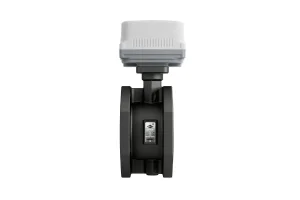
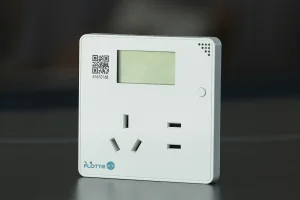
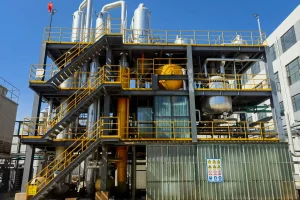
Engineered solutions prioritizing decarbonization, optimal heat recovery, and seamless integration with smart grid standards.
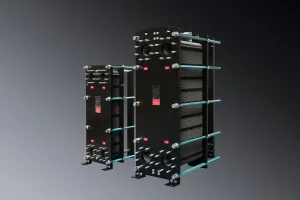
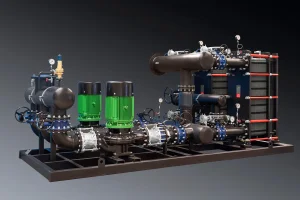
As the cornerstone of Europe's largest industrial economy, the German manufacturing, chemical, and building services sectors are undergoing a significant structural shift. Under the German federal Climate Action Act (Klimaschutzgesetz) and the aggressive roadmap of the Energiewende, the demand for highly efficient heat recovery systems is growing. Plate coils, heat exchangers, and intelligent pressure-regulating systems are essential components required to achieve thermal optimization.
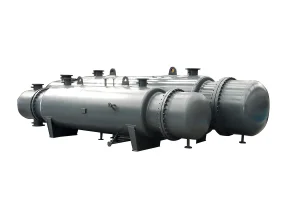
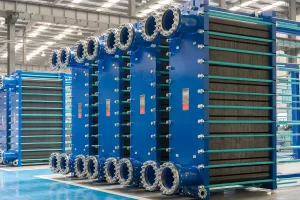
German district heating grids (Fernwärme), chemical hubs in the Ruhr area and Bavaria, and large-scale manufacturing facilities are continuously looking to minimize thermal losses. Precision-engineered plate-type exchangers provide a dense heat-transfer footprint, making them ideal replacements for traditional shell-and-tube configurations where space is constrained and temperature approaches must be kept below 1°C.
By leveraging advanced chevron angles, high-purity alloy compositions (such as AISI 316L, 1.4404, or Titanium), and state-of-the-art gasketing, modern thermal systems are helping German plant operators meet both environmental goals and competitive pressure.
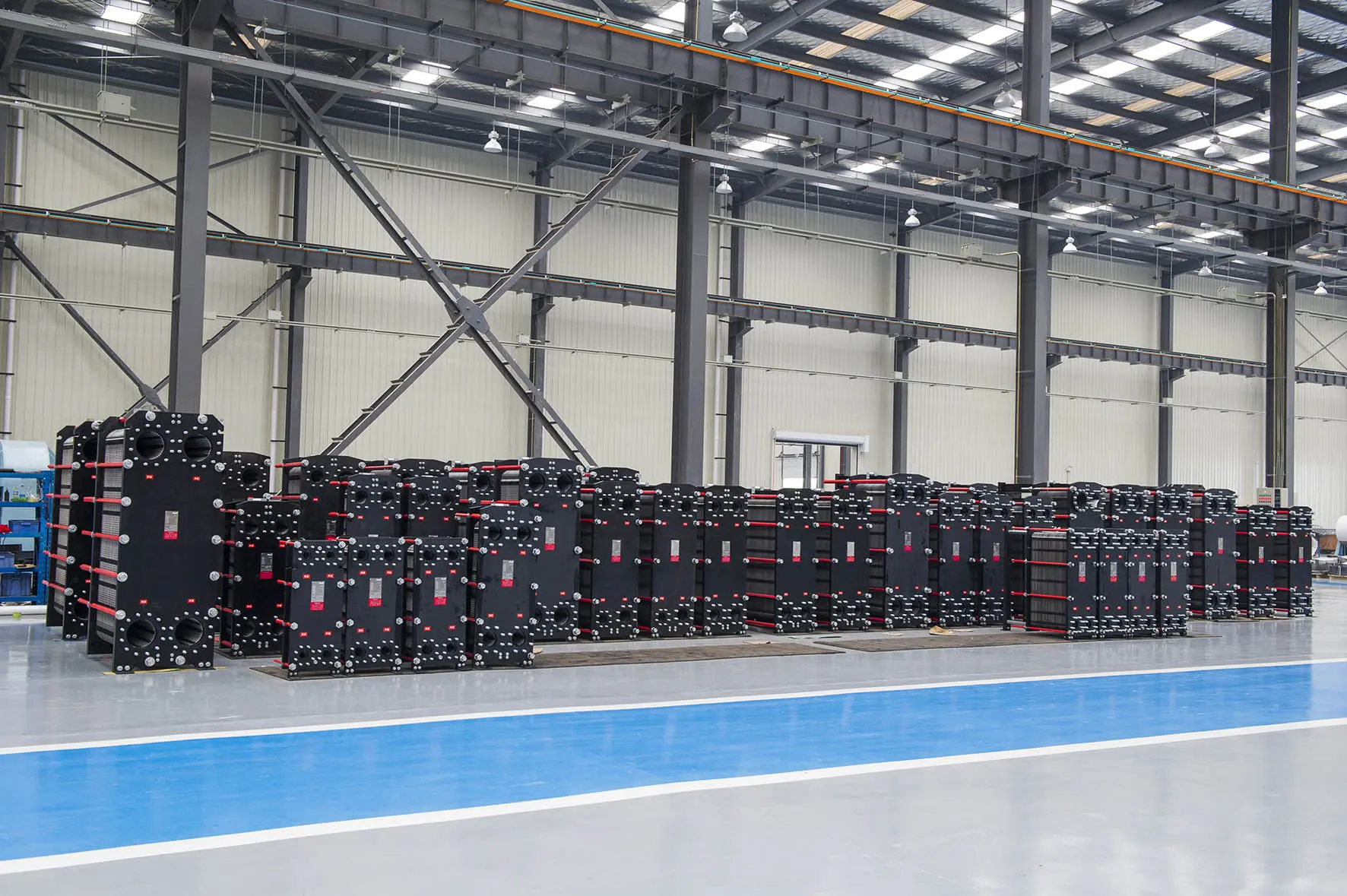
Established in 2013 with roots dating back to Flotte Thermal Engineering in 1995, we specialize in high-efficiency water equipment, HVAC systems, and water treatment technologies.
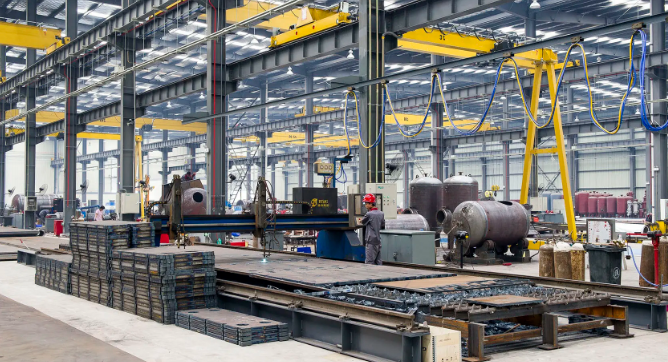
We operate modern manufacturing workshops equipped with advanced production machinery and quality testing facilities. Our technical personnel hold professional certifications and bring years of field experience in thermal engineering, fluid dynamics, and pressure-vessel design.
Our quality assurance processes align with the ISO 9001:2015 quality management framework and meet European pressure equipment regulations (PED 2014/68/EU). Every plate coil and assembled heat exchange unit undergoes rigorous high-pressure testing to ensure long-term durability, low fouling margins, and high reliability in demanding industrial applications.
How our thermal engineering designs address the strict operating requirements of the German and European markets.
Our corrugated plates feature an engineered pattern designed to induce turbulent flow at low Reynolds numbers. This design maximizes the overall heat transfer coefficient (U-value) while minimizing fluid pressure drop, achieving efficiency rates 2 to 3 times higher than standard configurations.
To withstand aggressive process fluids and prevent cracking under thermal stress, we offer high-grade materials including EN 1.4404 (AISI 316L) stainless steel, Titanium Gr. 1, Hastelloy C-276, and 254 SMO alloys, meeting local industrial environmental standards in Germany.
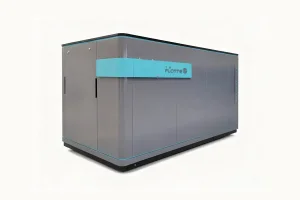
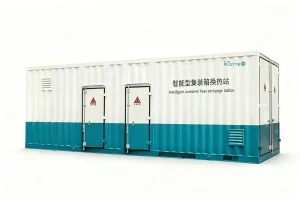
Our detachable plate units and pre-fabricated heat exchange stations allow for easy maintenance, simplified plate cleaning, and scale-up capacity by adding plates within the existing frame, reducing planned downtime in continuous processes.
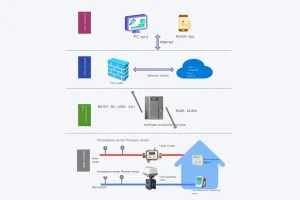
Equipped with advanced secondary network balance systems and integrated monitoring capabilities, our heating network systems dynamically adjust flow rates to prevent overheating, reduce grid imbalances, and cut energy consumption.
Engineered systems, balance valves, and monitoring solutions designed to meet the technical standards of German industrial operators.
For German procurement managers, sourcing thermal hardware requires a balance between strict technical quality and economic efficiency. Equipment must meet pressure regulations, temperature cycling standards, and mechanical fatigue requirements while remaining cost-effective.
Direct supply from high-scale, ISO-certified Chinese manufacturing facilities like Flotte offers a practical solution. By utilizing state-of-the-art hydraulic forming presses and automated laser welding lines, we deliver consistent build quality, tight dimensional tolerances, and high structural integrity.
Our direct-supply model lowers procurement overhead and shortens engineering lead times for custom projects. Our design team uses modern thermal modeling software to simulate flow rates, fouling rates, and pressure drops, providing optimized plate and channel configurations before manufacturing begins.
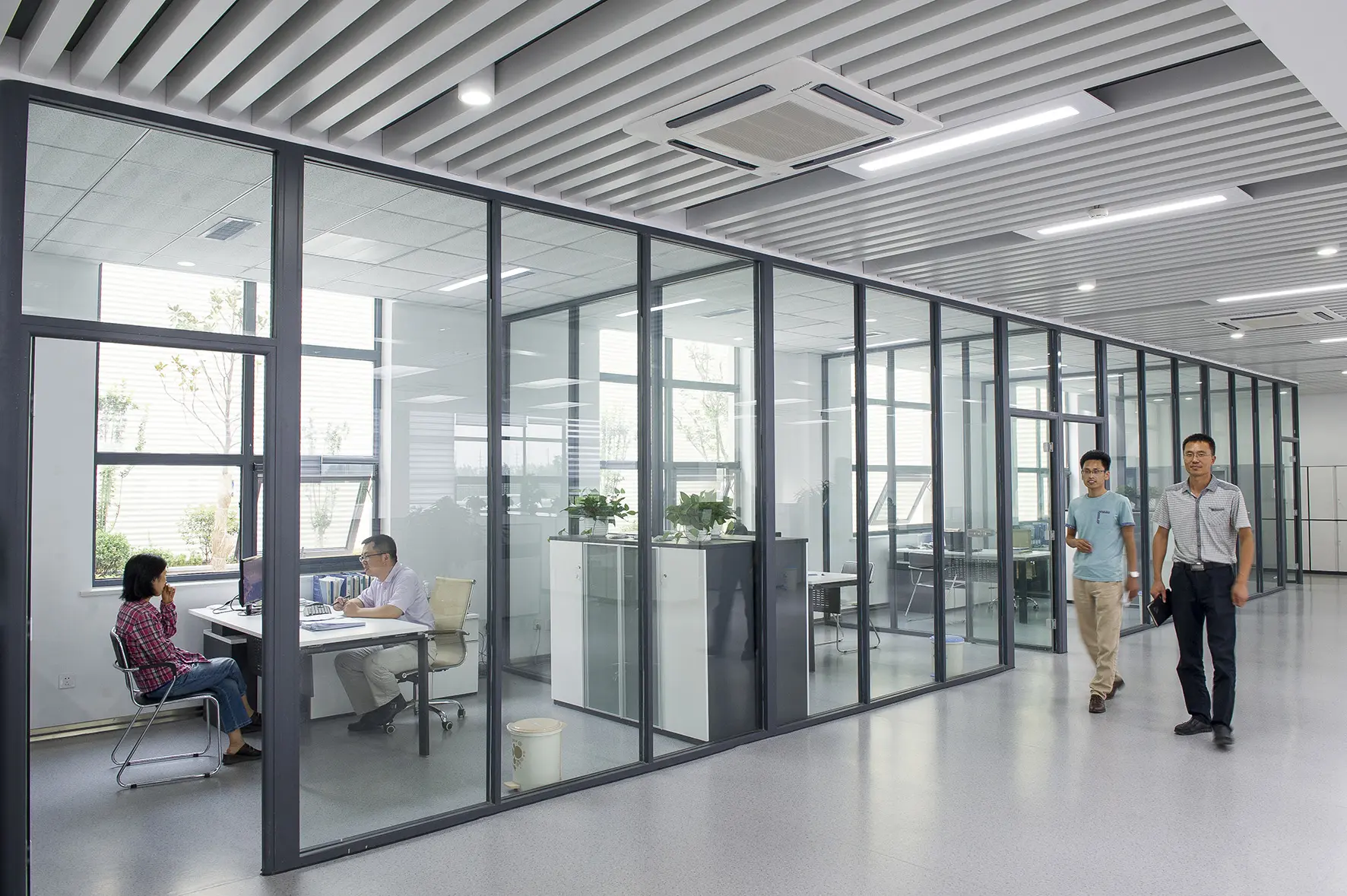
A step-by-step look at how we build reliability into our thermal products, from raw metal to high-pressure testing.
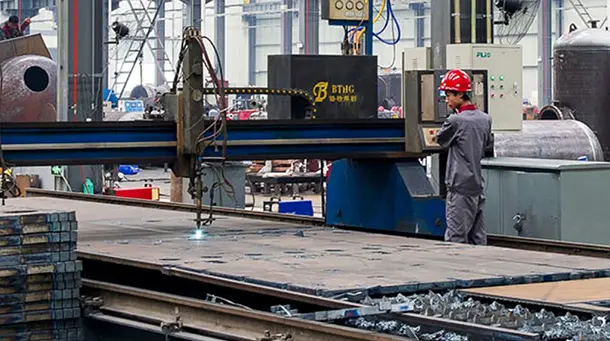
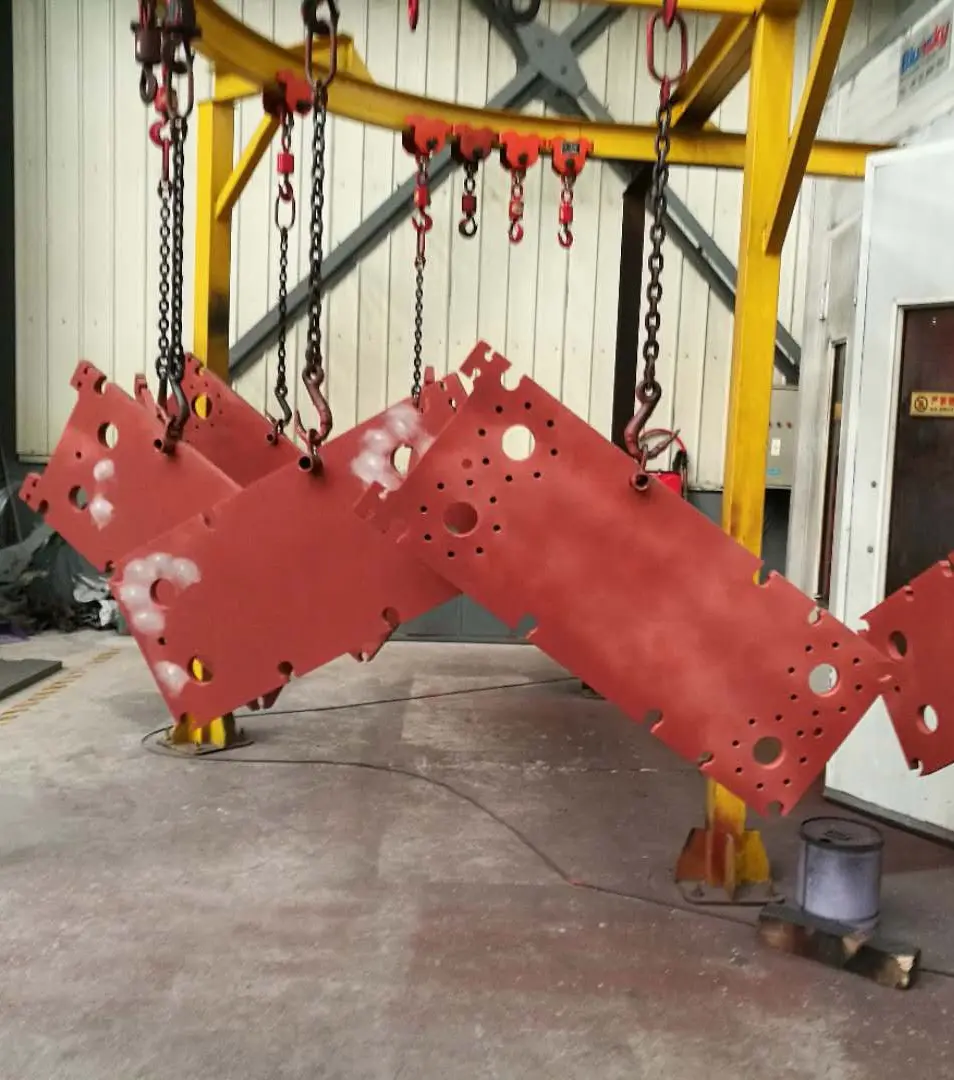
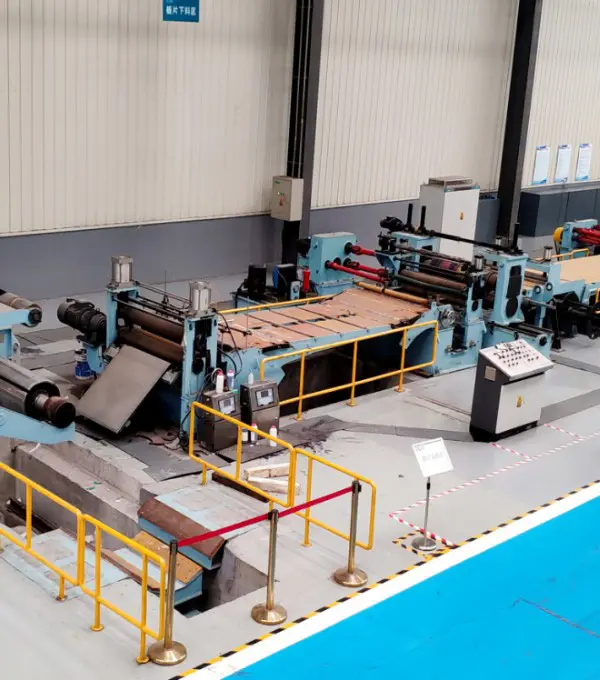
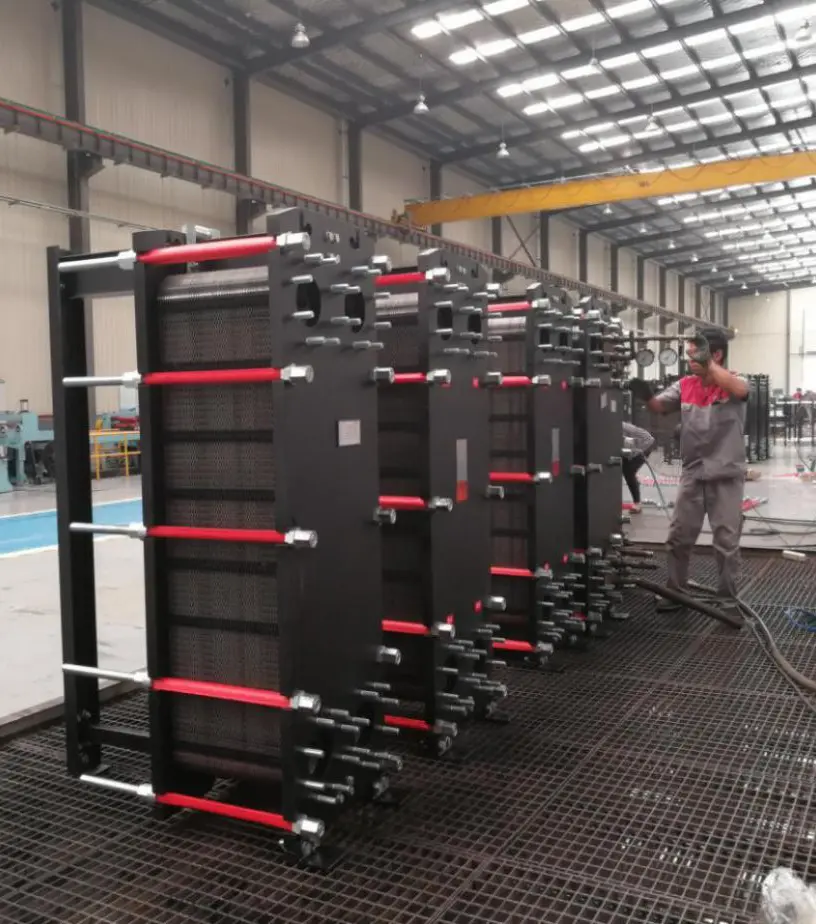
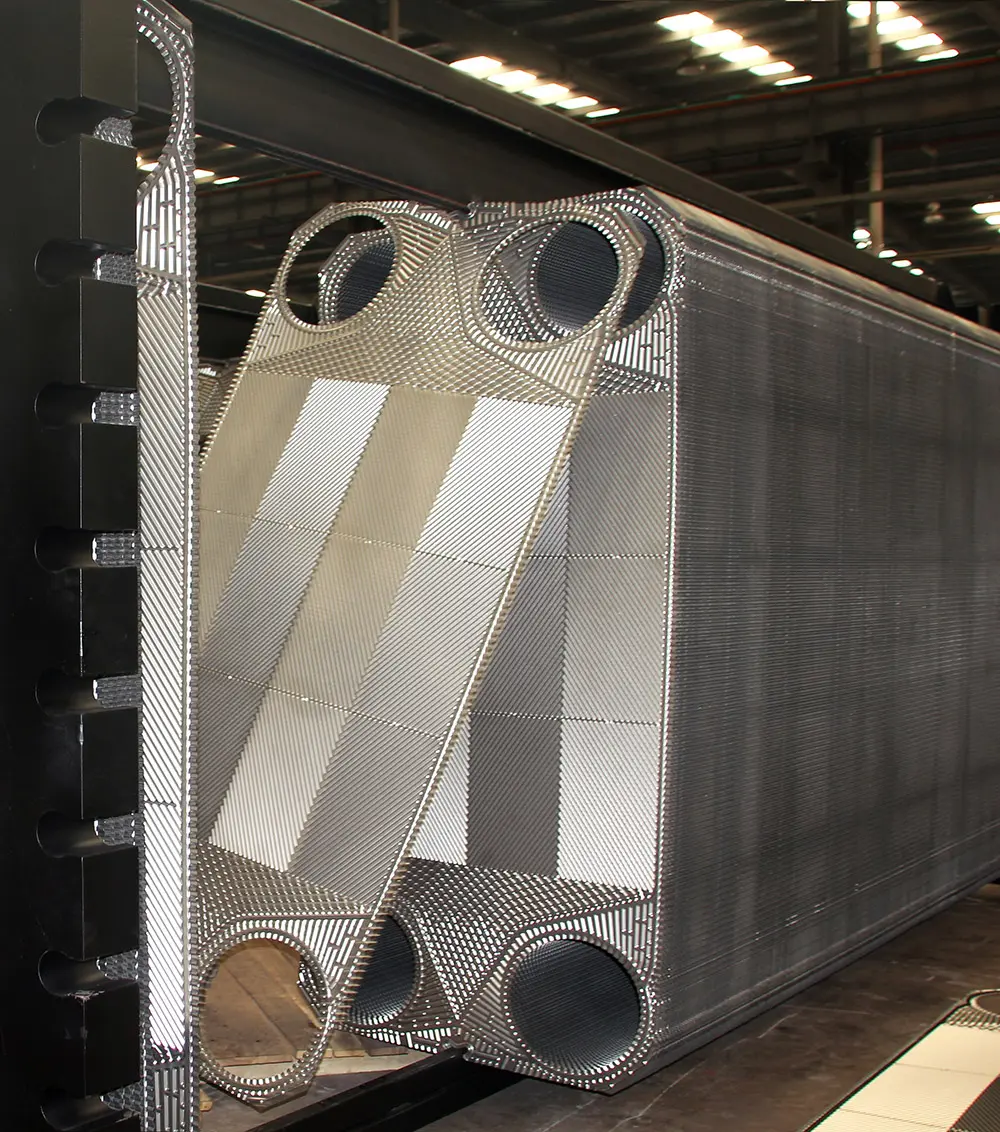
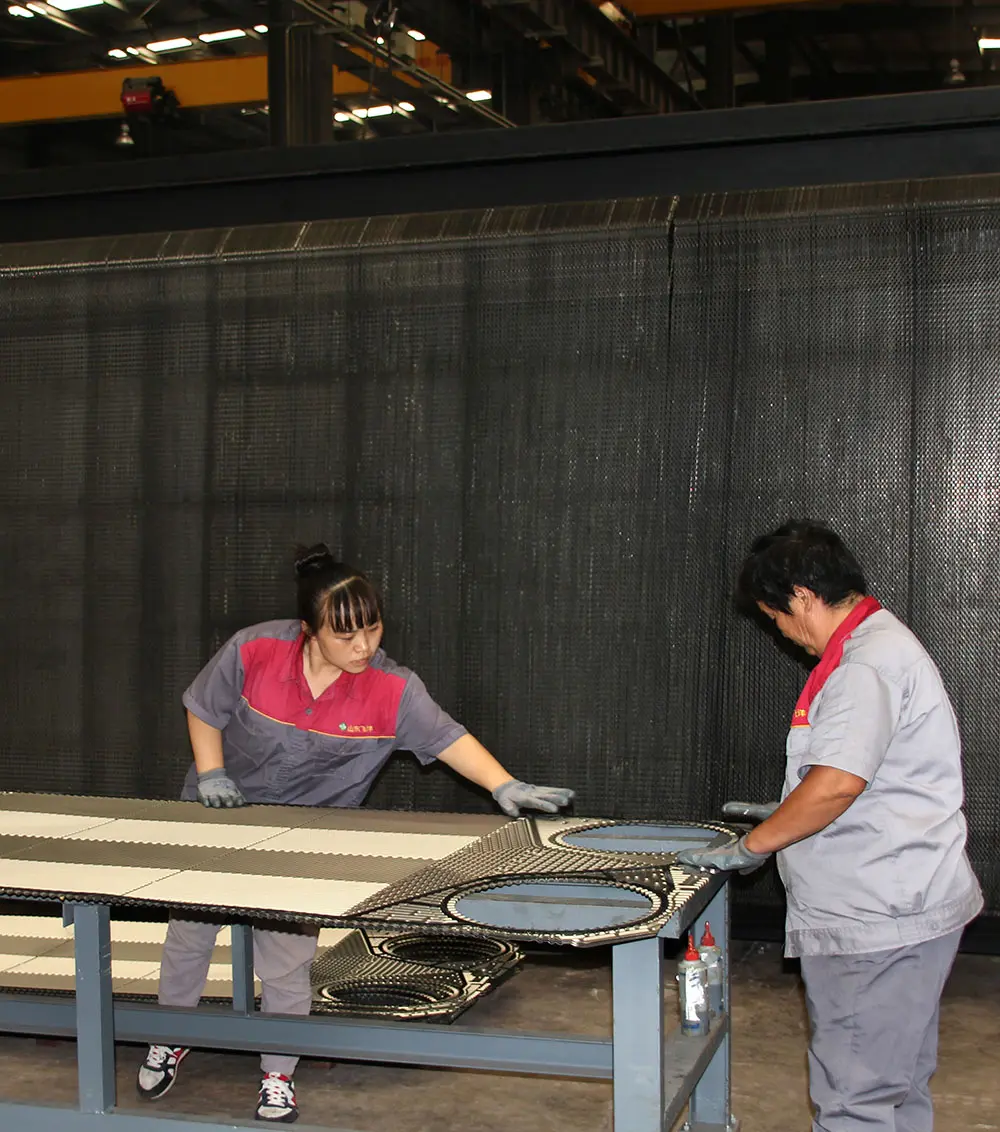
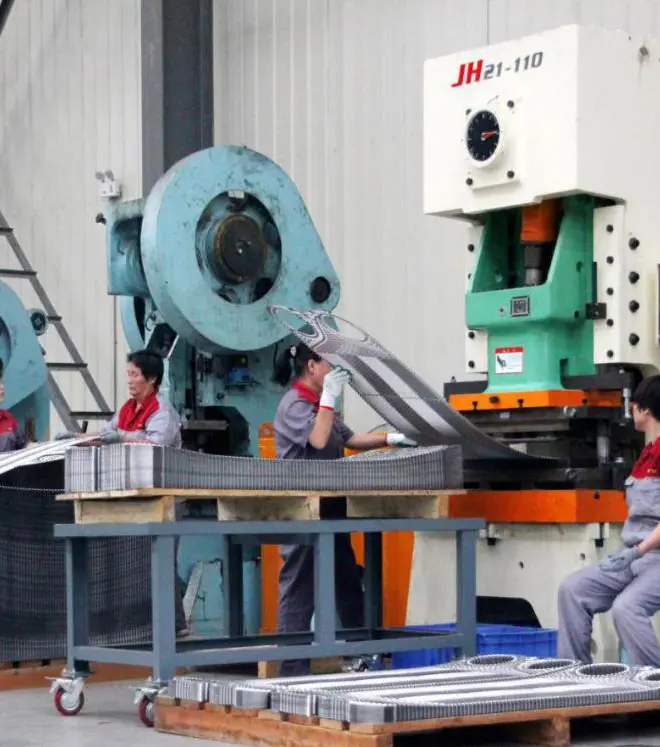
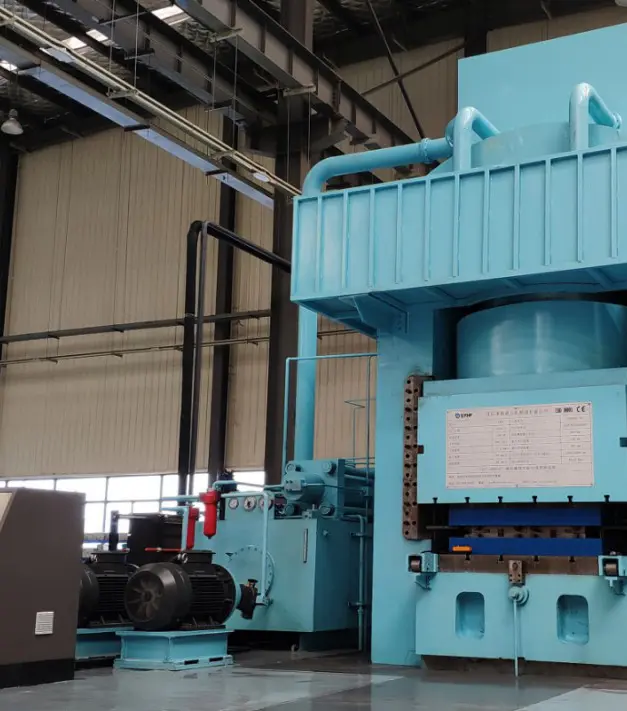
Advanced room temperature collectors, smart integrated box configurations, and industrial evaporation units.
Industrial applications in Germany require specific thermal and mechanical performance characteristics. Our systems are engineered to address the following primary target applications:
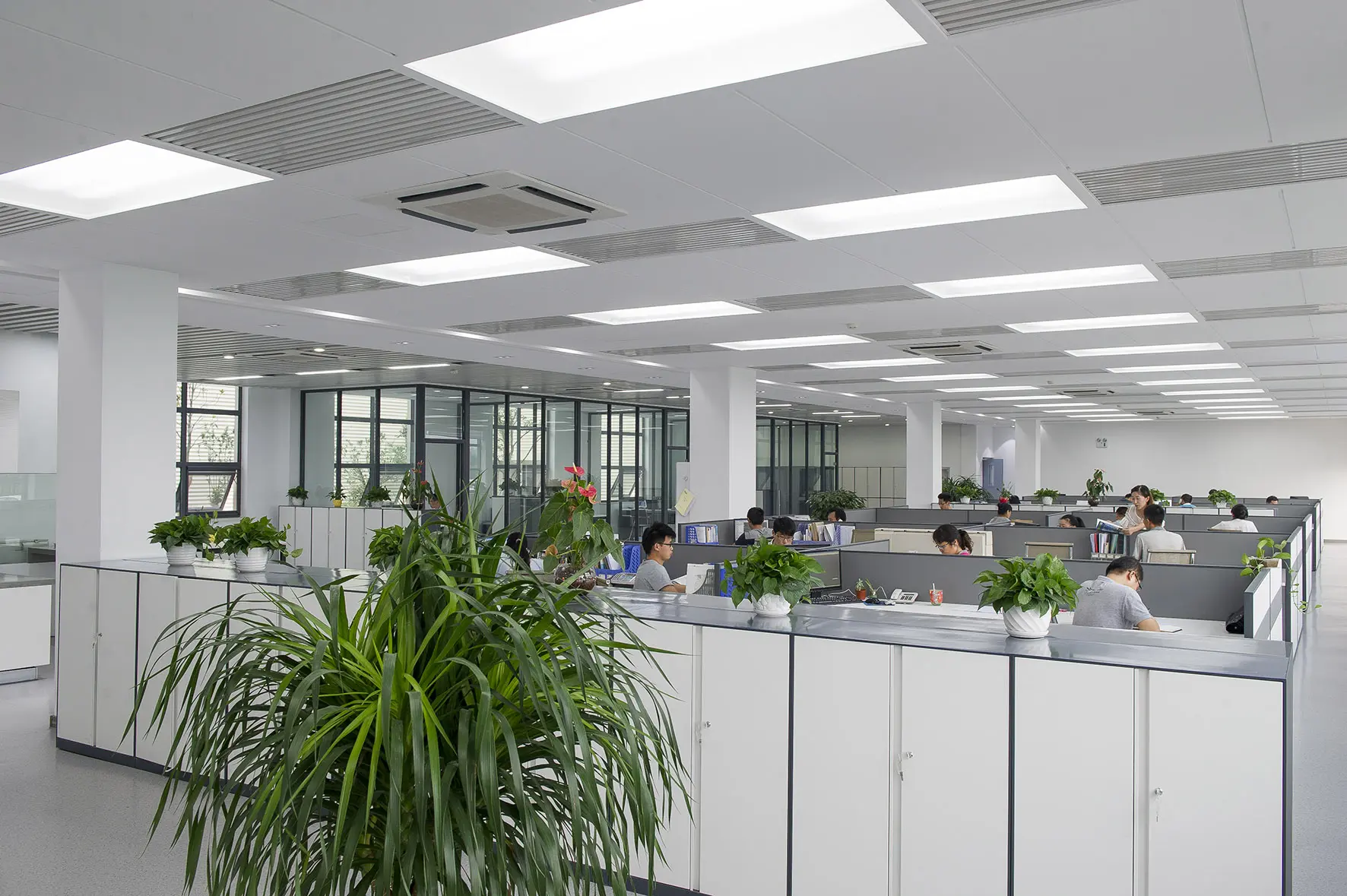
Our manufacturing processes and equipment designs are validated by recognized international testing and certification standards.
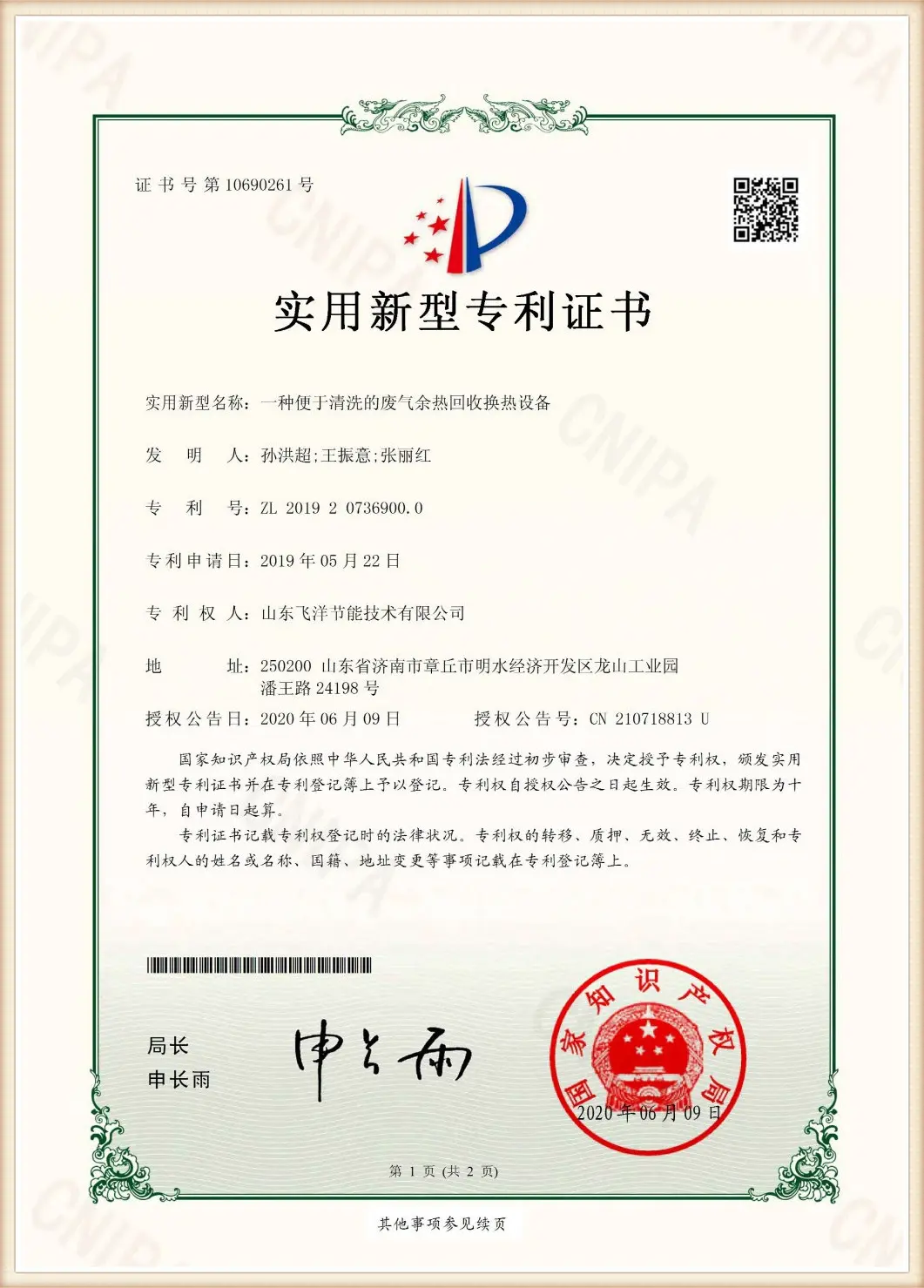
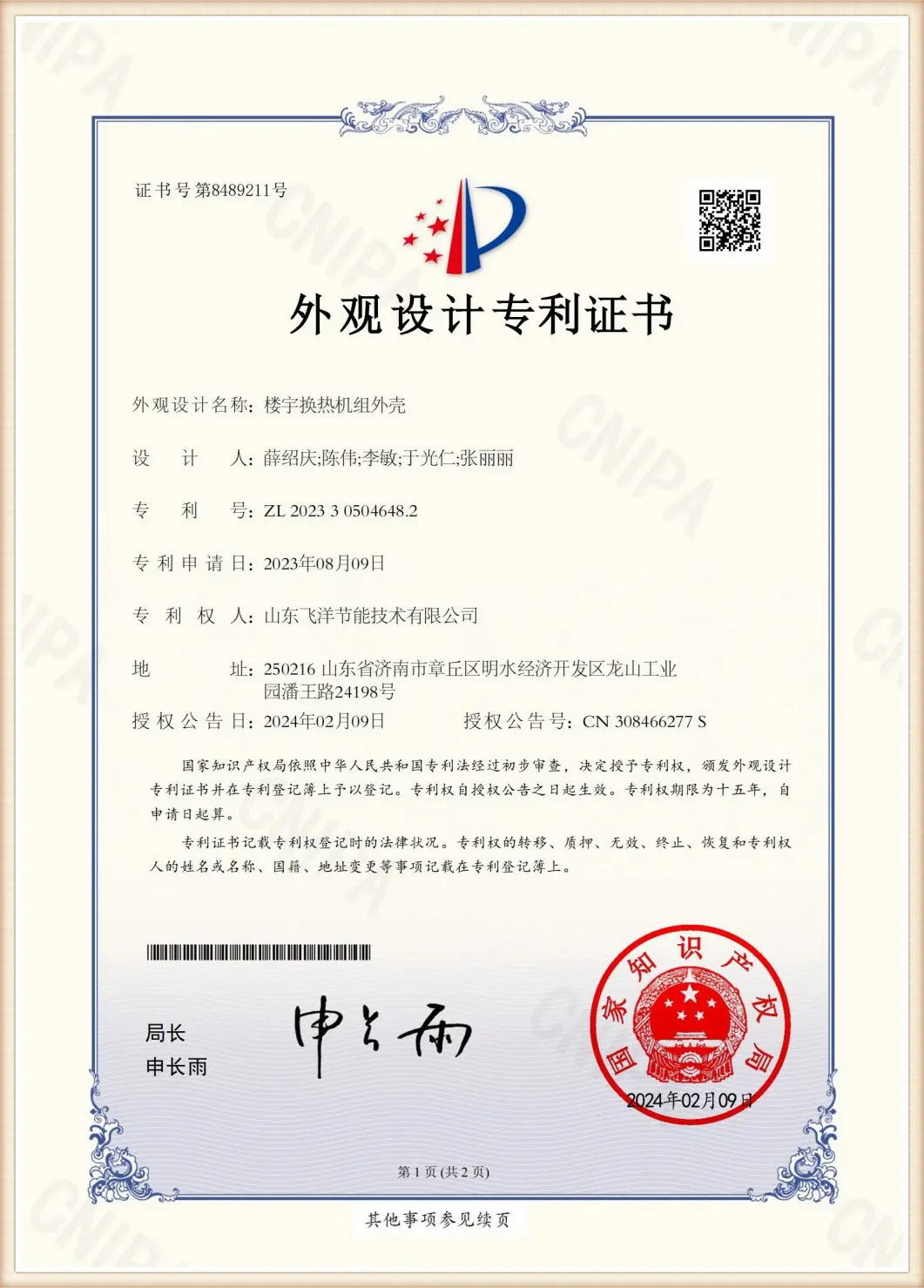
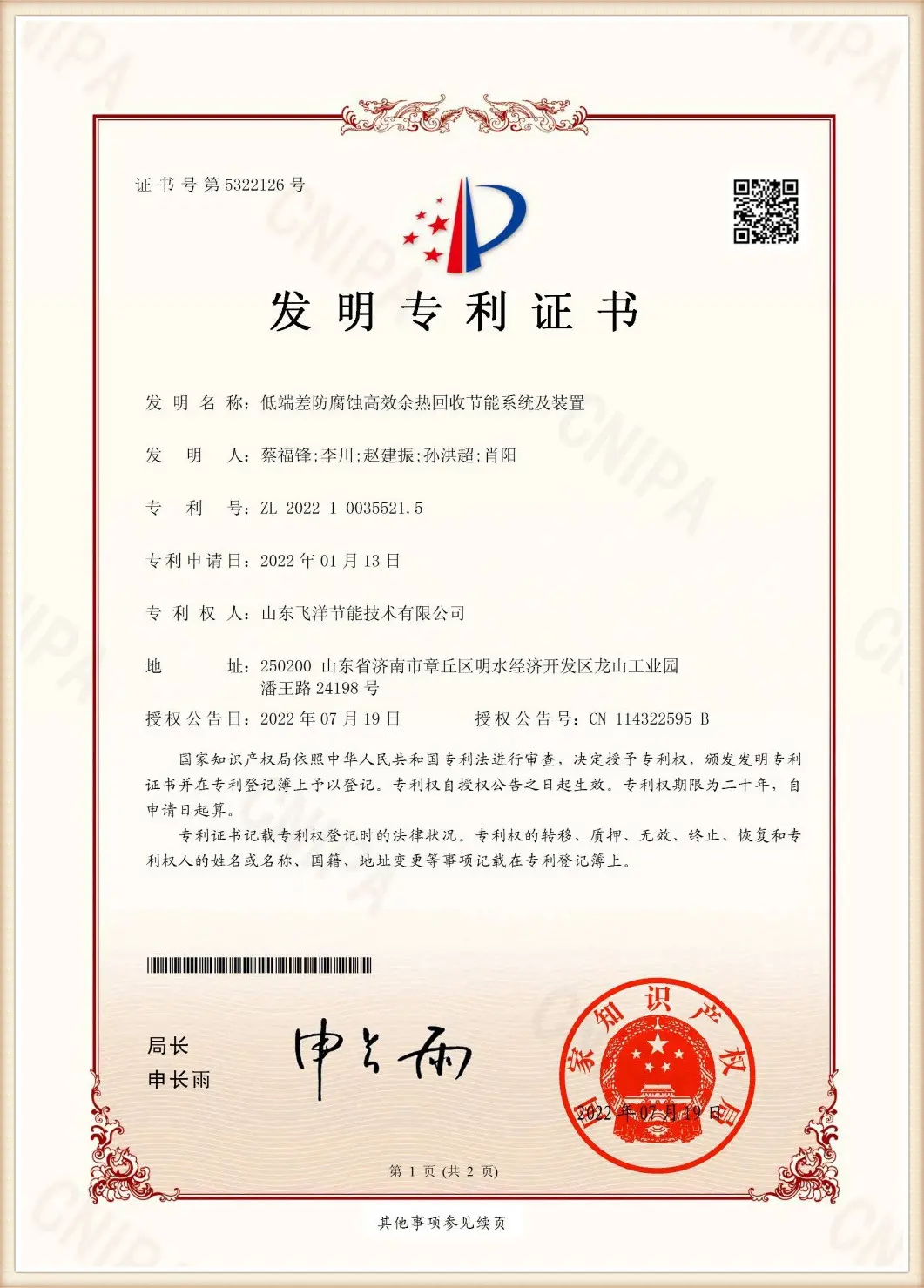
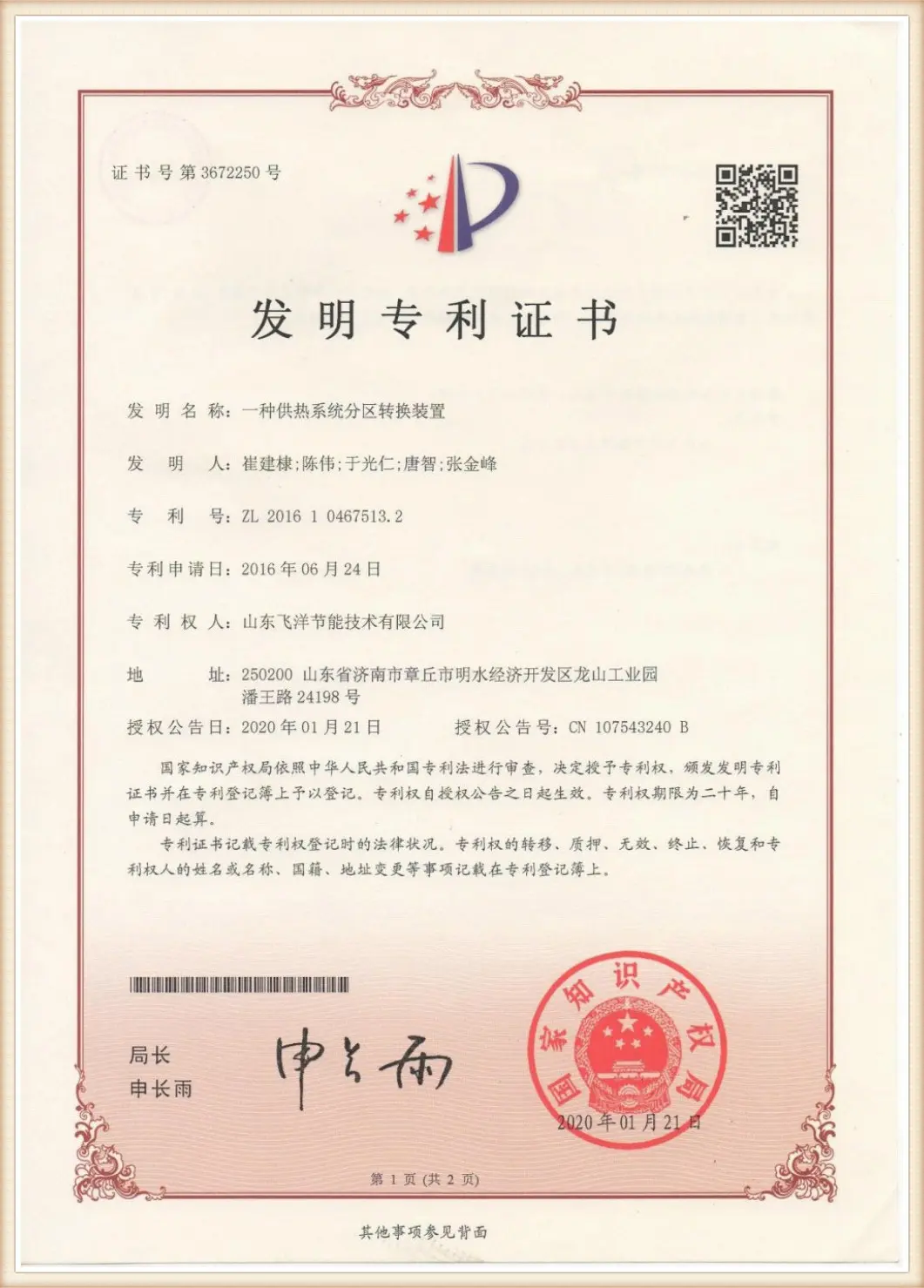
Our operations maintain certifications for ISO 9001:2015 (Quality Management System), ISO 14001:2015 (Environmental Management System), and ISO 45001:2018 (Occupational Health & Safety). In addition, our high-pressure systems are manufactured to align with the requirements of the European Pressure Equipment Directive (PED 2014/68/EU).
Detailed answers to technical, regulatory, and logistics questions from German and European procurement engineers.
Send us your project specifications (fluid profiles, flow rates, inlet/outlet temperatures, and maximum allowable pressure drop), and our engineering team will provide a comprehensive performance simulation and quotation.
Submit Project Details Flotte Energy