High-performance energy-saving heat exchanger units designed for municipal networks, maritime vessels, and large-scale industrial plants.
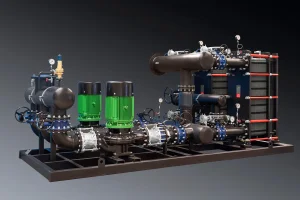
As Northern Germany's primary industrial and logistics heartland, the Free and Hanseatic City of Hamburg is pioneering massive transitions in energy efficiency, maritime carbon-reduction, and municipal heat reclamation. The Port of Hamburg, alongside heavy chemical complexes in nearby Stade and Brunsbüttel, demands robust, highly optimized thermal solutions capable of handling saline atmospheres, aggressive process media, and rigorous EU environmental mandates. Plate coils, detachable plate heat exchangers, and integrated thermal units are the foundational hardware supporting this green transition.
In municipal district heating networks (such as those formerly managed by Vattenfall and now under Hamburg-Wärme), high-efficiency plate heat exchangers serve as the critical interface between primary energy grids and consumer loops. Ensuring minimal temperature approach values (LMTD) and resilient seal profiles under shifting seasonal loads is imperative. For Hamburg's maritime sector, shipboard cooling systems, waste heat recovery from exhaust gases, and offshore wind substation cooling demand corrosion-resistant alloys (such as Titanium Grade 1 and SMO 254) coupled with precision-engineered plate geometric profiles.
Globally, the plate heat exchanger market is experiencing a profound shift toward intelligent automation and highly optimized hydraulic designs. Driven by escalating fuel prices and strict global greenhouse gas reduction targets, corporate procurement is prioritizing thermodynamic efficiency over initial capital expenditure. Modern system designs increasingly specify integrated thermal stations equipped with digital twins, variable frequency pumps, and real-time fouling monitoring sensors to prevent thermal performance degradation.
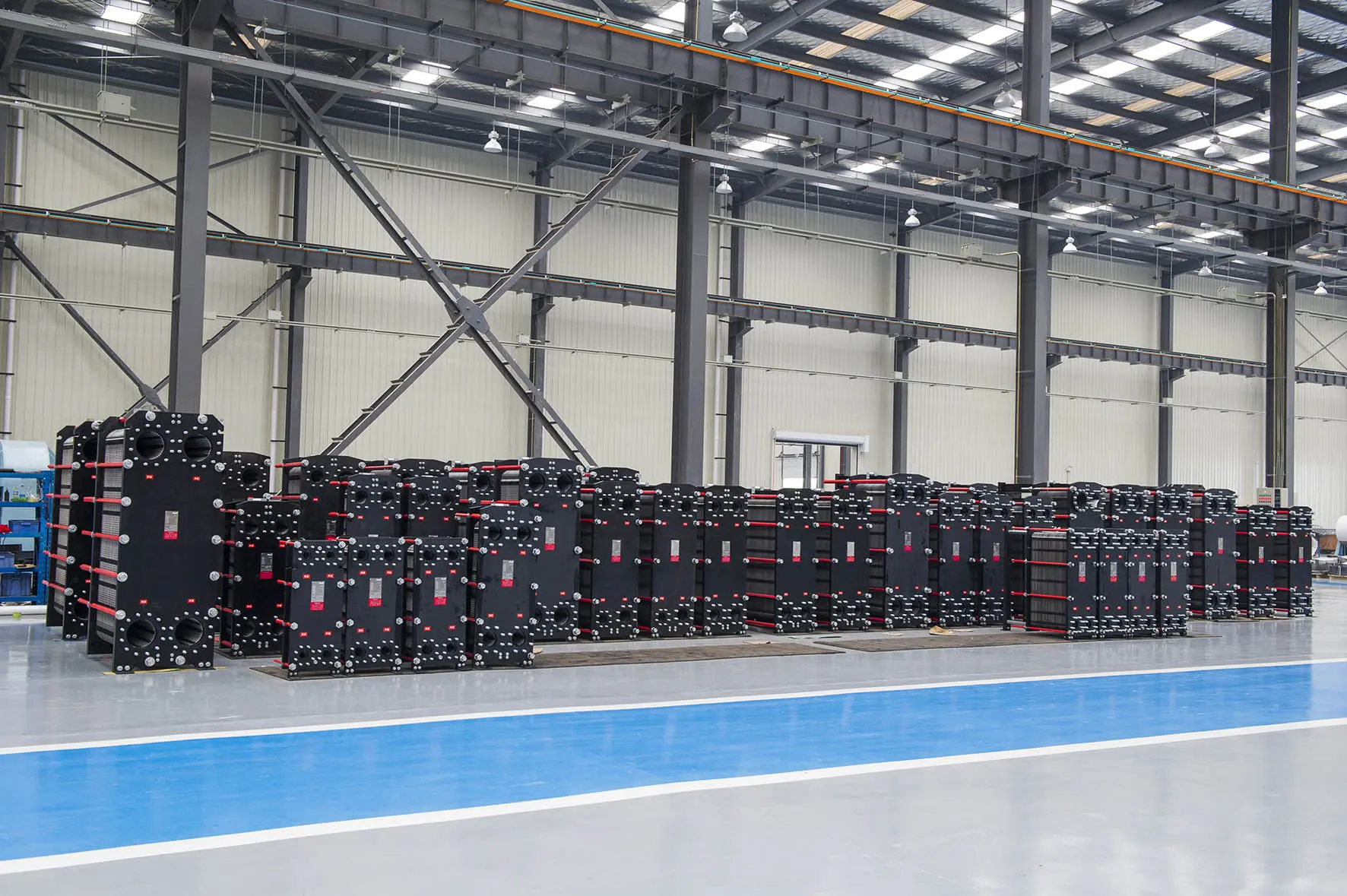
Flotte Energy Saving Company, established in 2013 with a registered capital of 101 million yuan, originated from Flotte Thermal Engineering founded in 1995. With three decades of technical expertise, the company specializes in water equipment, HVAC systems, and water treatment industries.
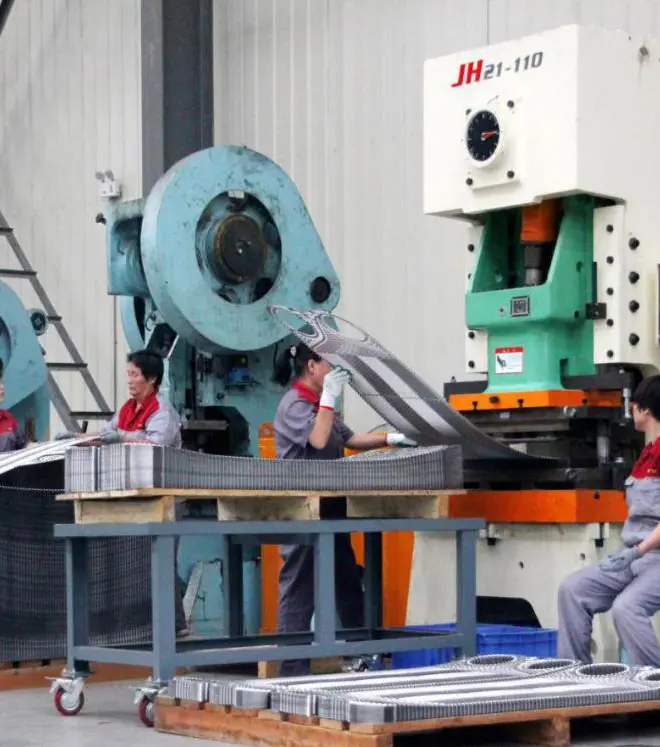
By integrating advanced design software (such as HTRI and proprietary CFD thermal modeling) with state-of-the-art hydraulic forming press lines, we provide standard and custom plate heat exchangers that outperform traditional shell-and-tube units by 200% to 300% in thermal efficiency. Our manufacturing workflows are certified under international management frameworks, guaranteeing structural safety and performance reliability for critical applications across Northern Europe.
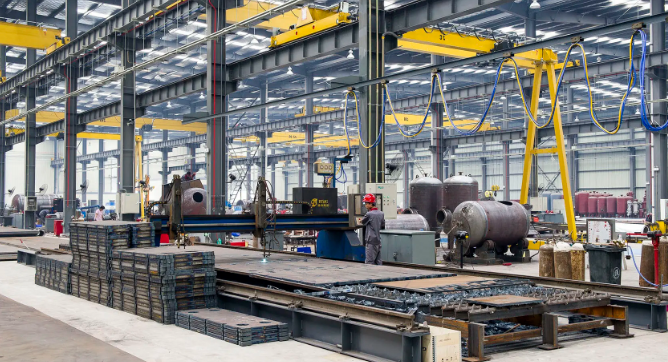
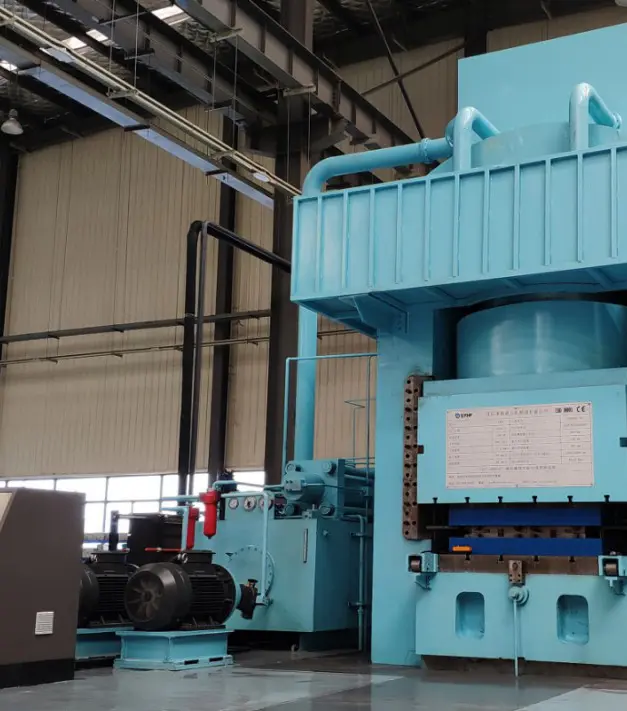
For Hamburg procurement officers, sourcing from Flotte's Chinese manufacturing base offers a unique convergence of cost optimization and cutting-edge quality control. The comprehensive industrial supply chain surrounding our facility allows us to source premium raw materials—such as POSCO stainless steel, titanium, and specialized hastelloy—at competitive rates. This cost advantage is coupled with our highly automated manufacturing capabilities, including 20,000-ton hydraulic press machines that stamp heat exchanger plates with unmatched precision in a single step.
All process designs conform strictly to European standards, including PED 2014/68/EU (Pressure Equipment Directive) and AD 2000-Merkblatt requirements. By operating advanced assembly stations and performing extensive pressure-hold and non-destructive testing (NDT), we match the stringent safety tolerances of German engineering while maintaining a scalable production schedule that traditional European manufacturers struggle to match.
From the Port of Shanghai/Ningbo straight to the Port of Hamburg, Flotte manages complete ocean freight logistics, customs clearance documentation, and provides continuous technical guidance through German-speaking commercial partners. Every unit is packaged in heavy-duty maritime export crates, ready for rapid integration into German utility rooms or industrial plants.
Why industrial plants and engineering contractors trust Flotte thermal systems.
Our patented plate profile designs create high turbulent flow profiles even at low fluid velocities, improving overall heat transfer coefficients by 2-3 times compared to traditional smooth tubes.
Providing efficient thermal management across HVAC, central district heating networks, industrial chemical cooling, food processing pasteurization, and marine energy-saving loops.
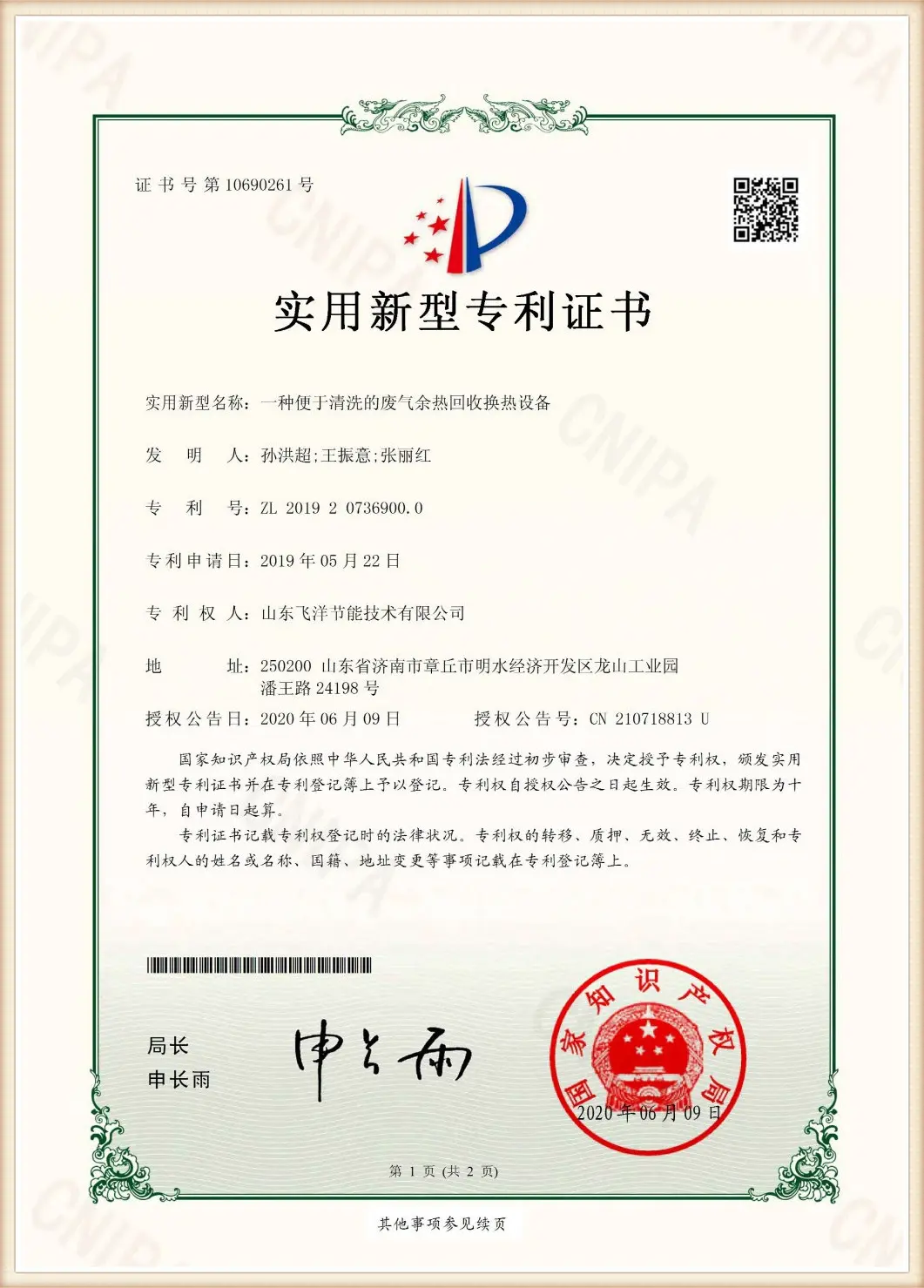
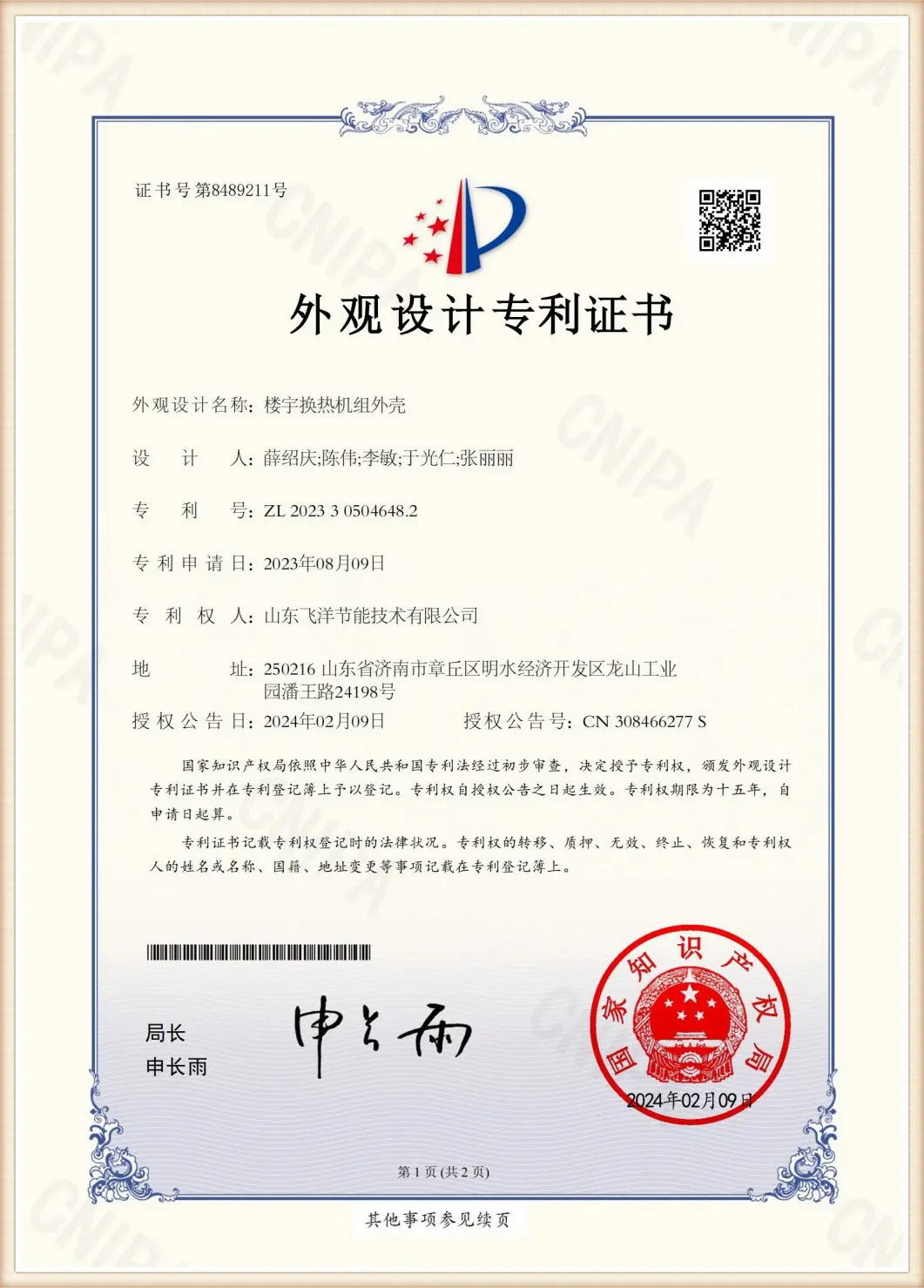
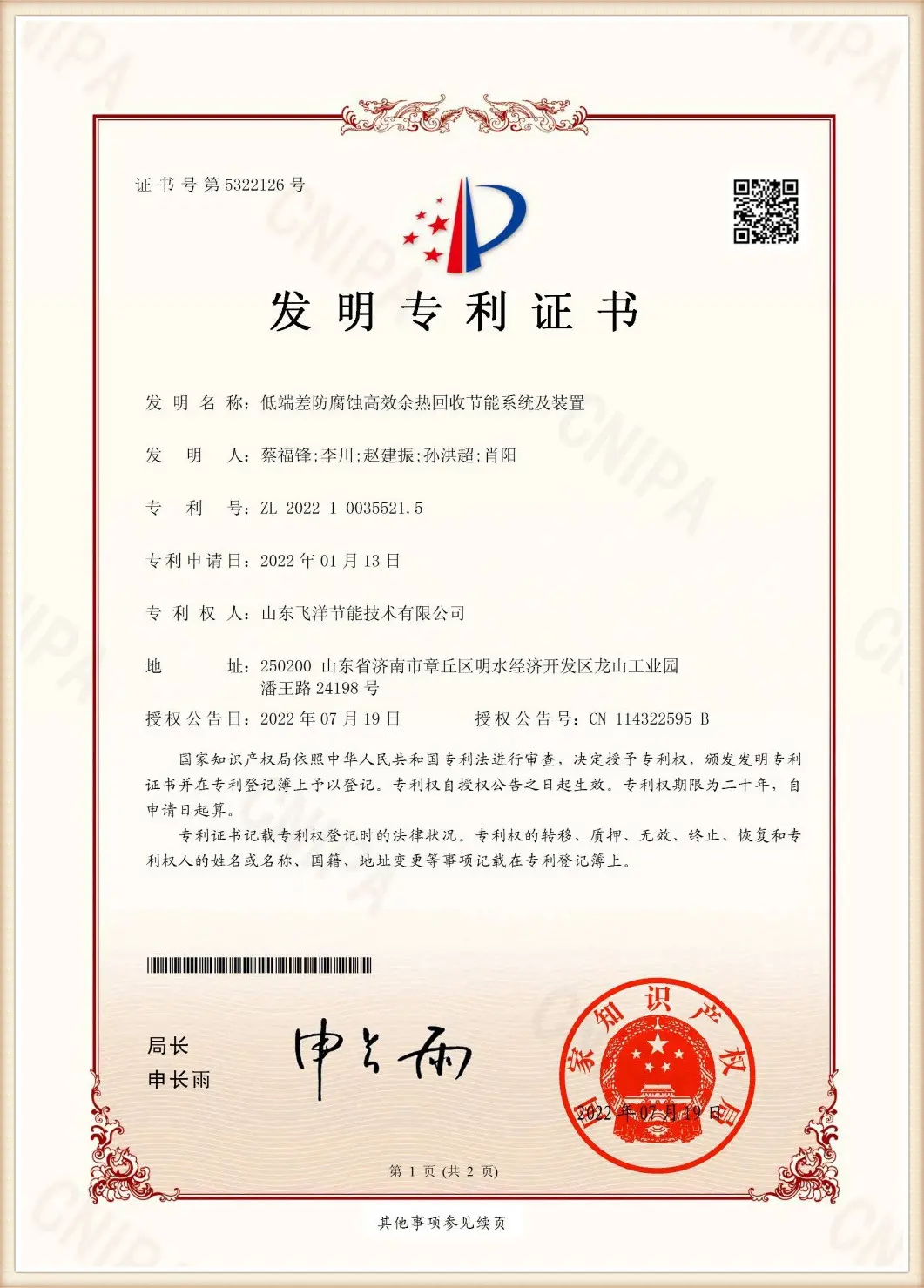
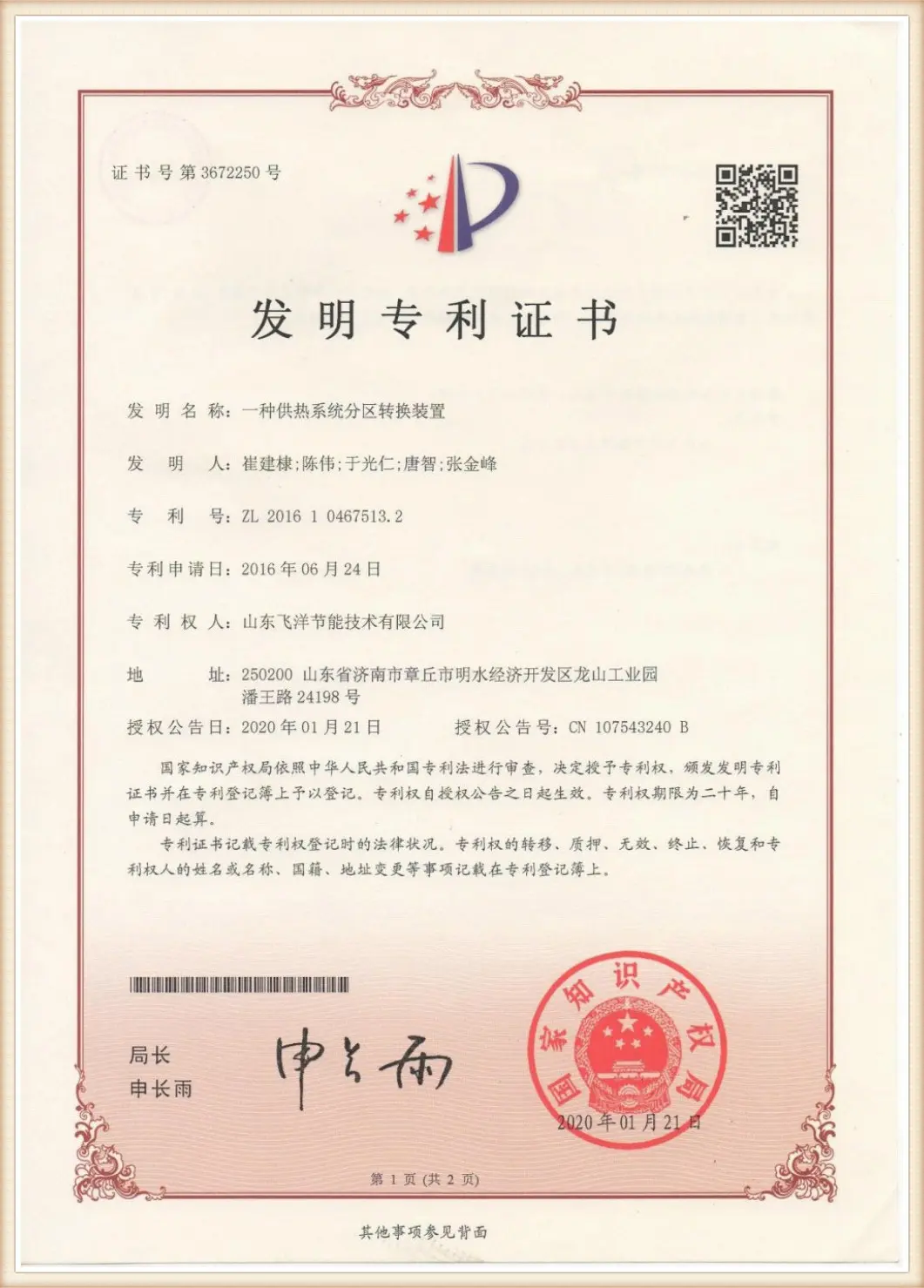
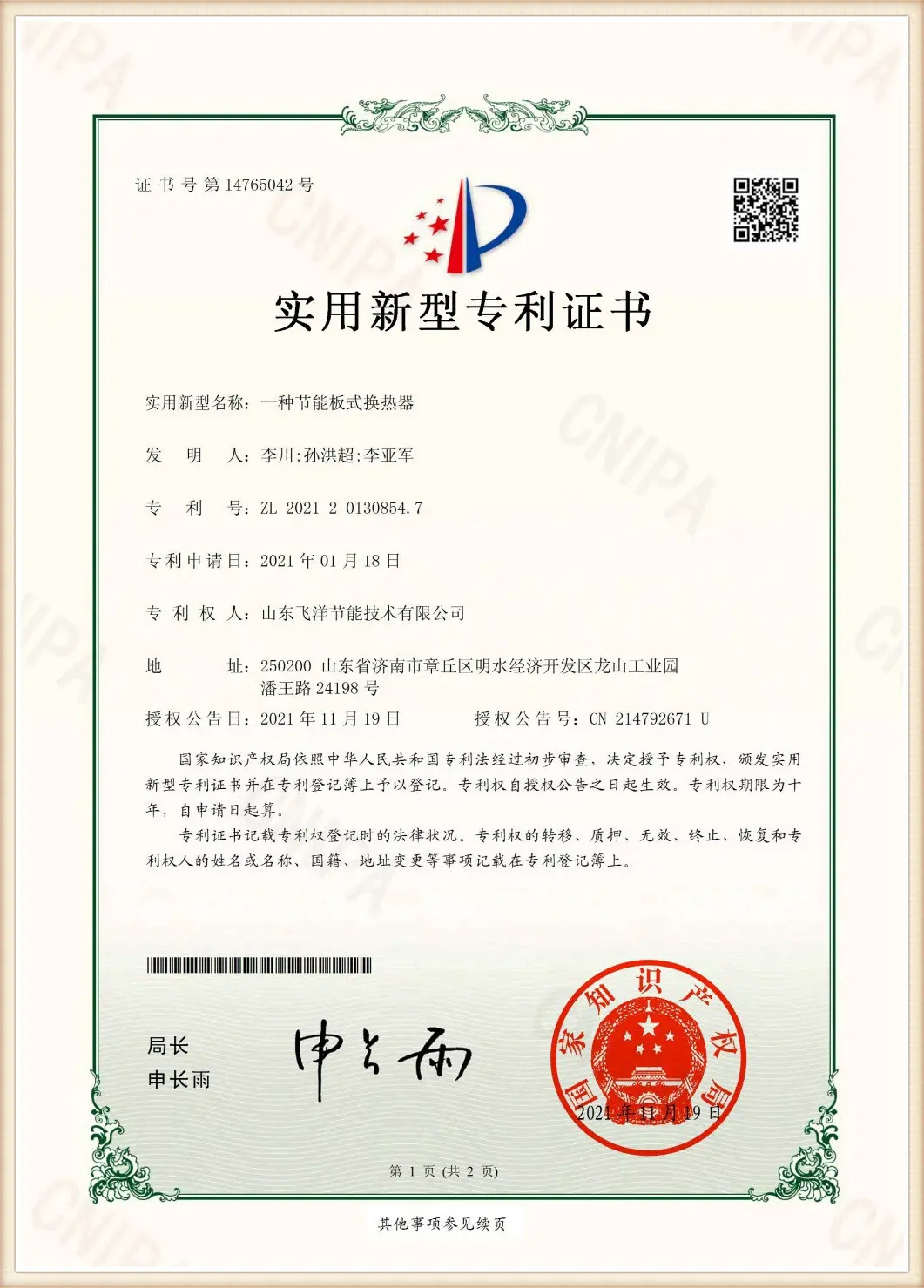
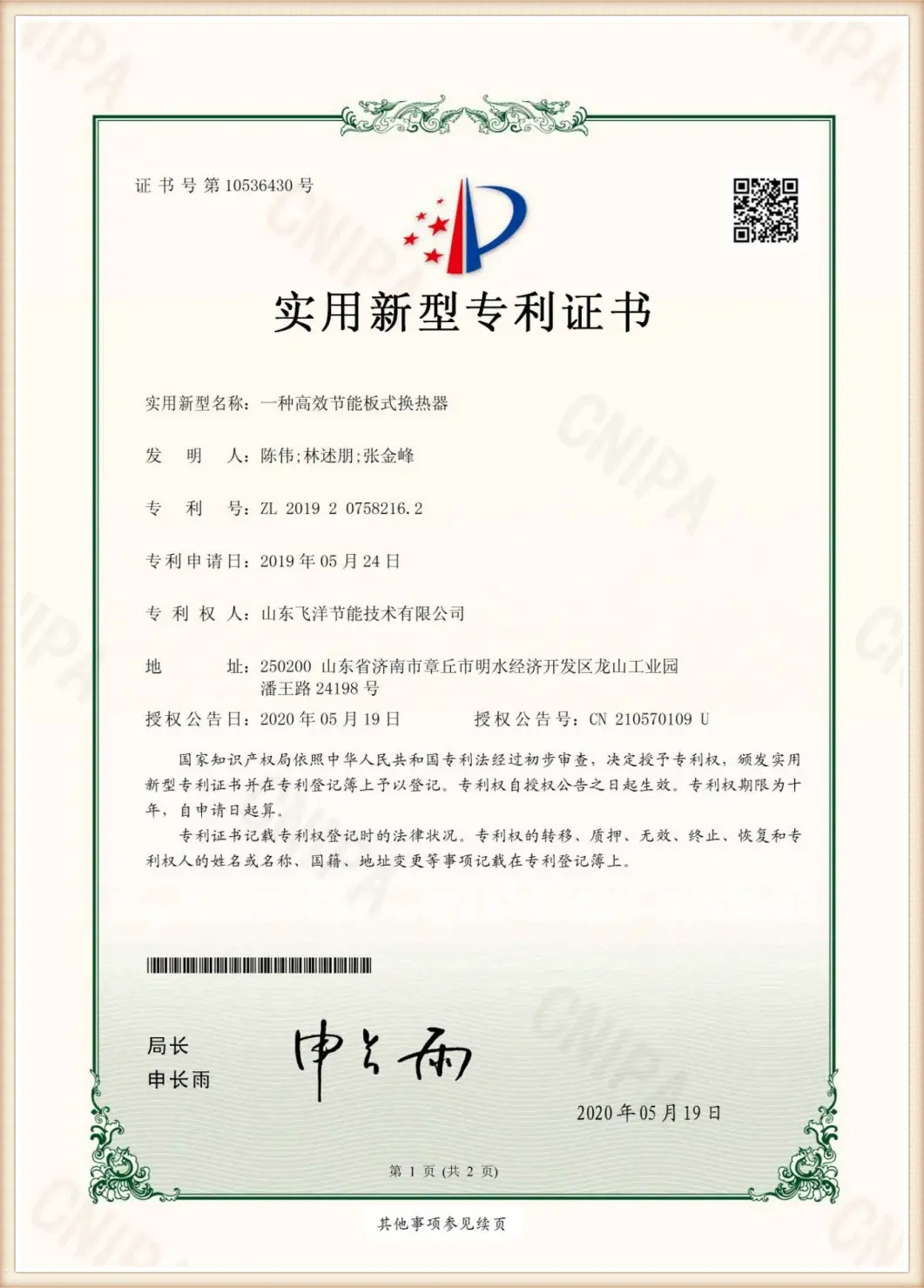
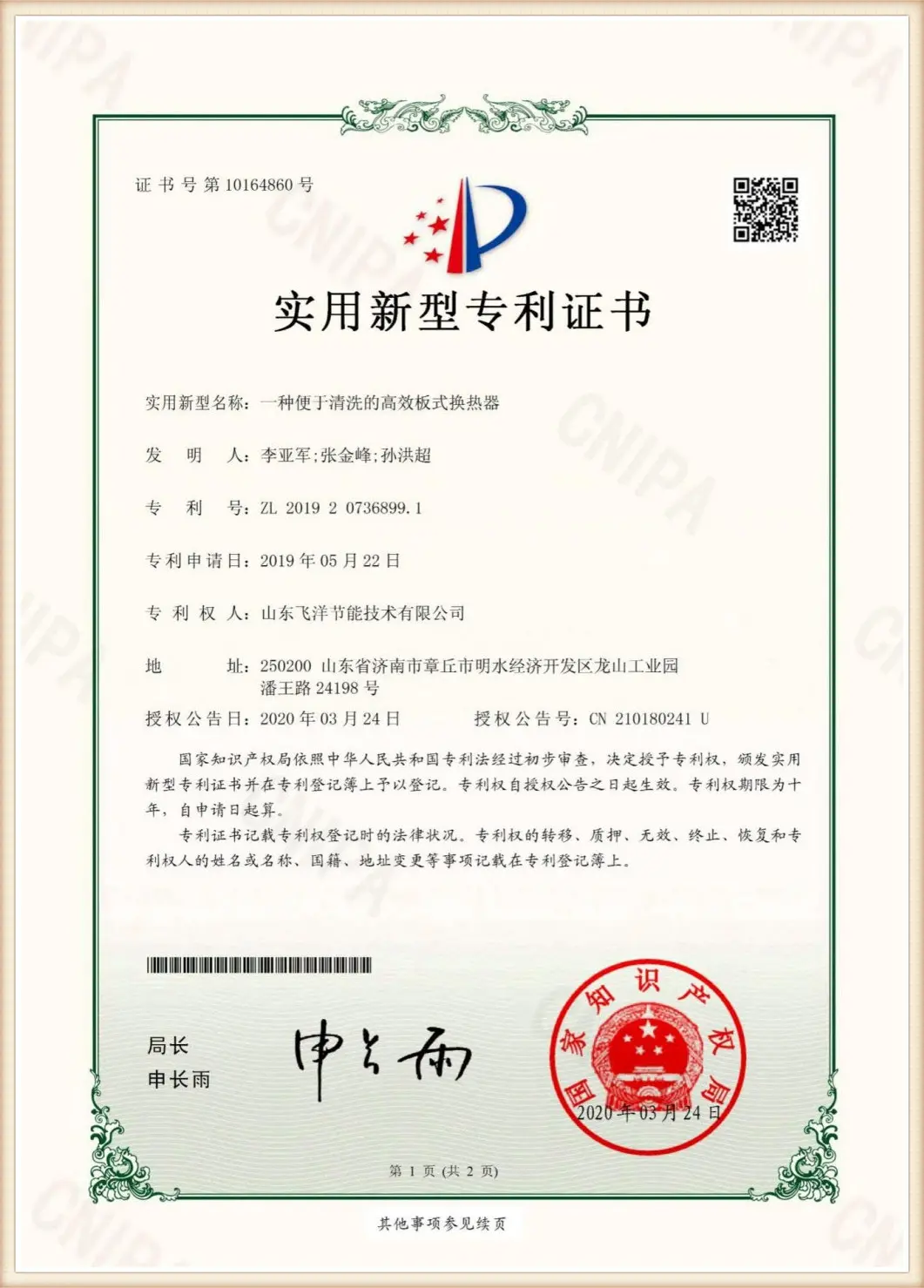
Our facility strictly conforms to ISO9001, ISO14001, and ISO45001 standards, alongside mandatory safety registrations for high-pressure industrial systems.
Offering comprehensive technical design, calculation reports, installation guidelines, and direct supply chain logistics directly matching European demands.
Every step of our manufacturing workflow is monitored to guarantee flawless operational safety and thermal output.
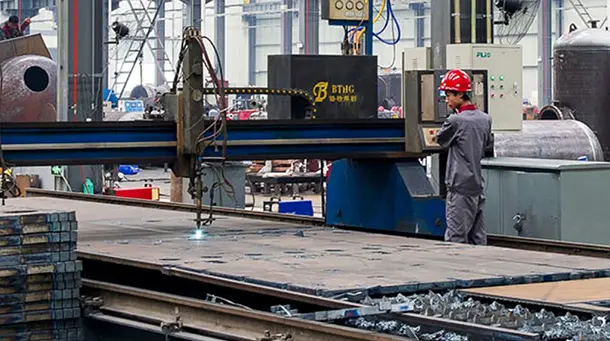
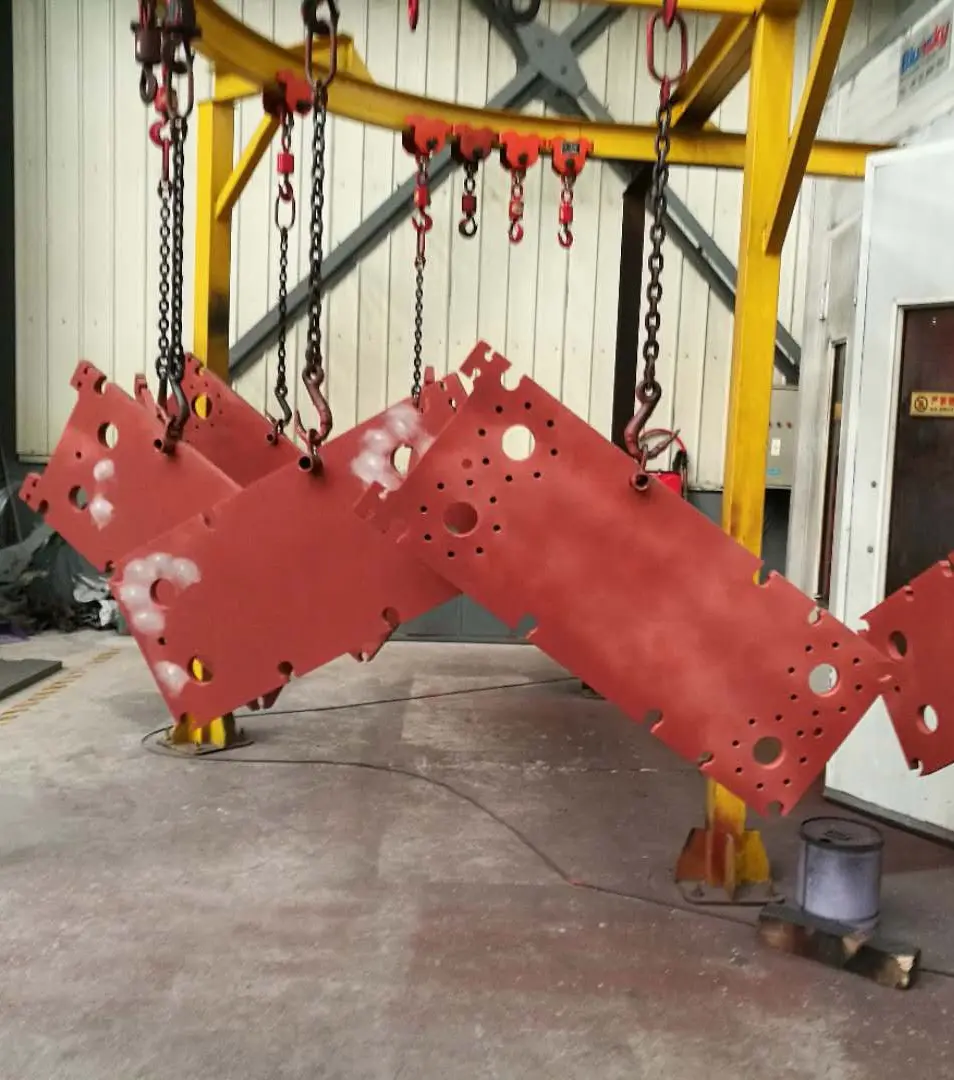
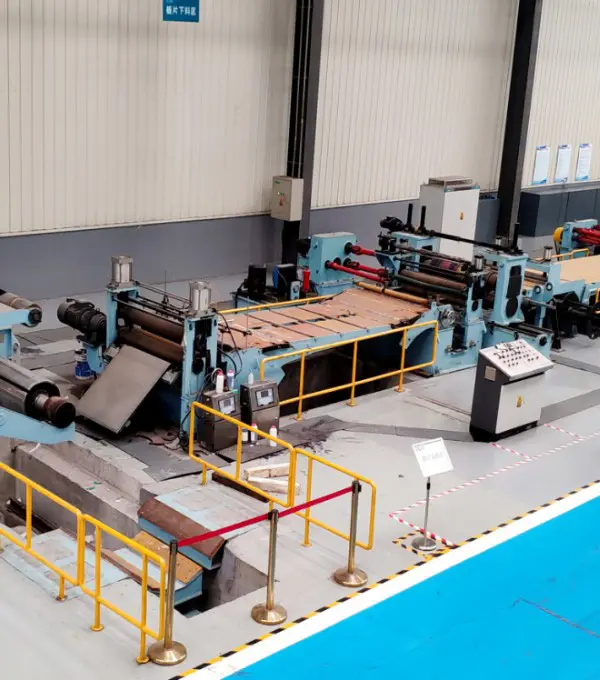
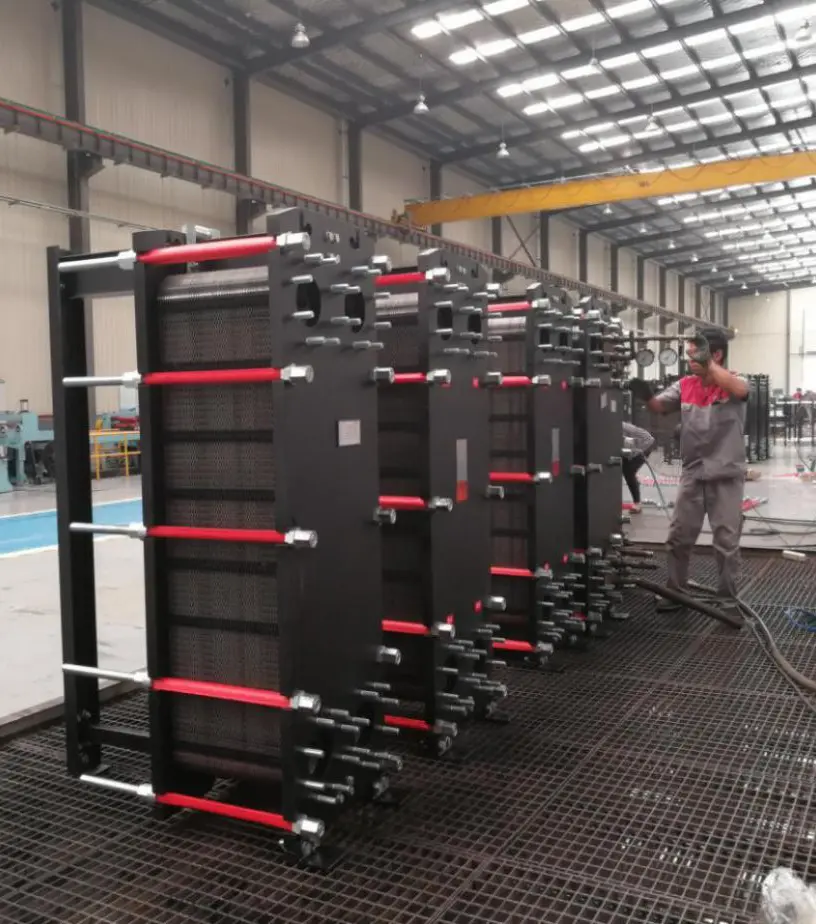
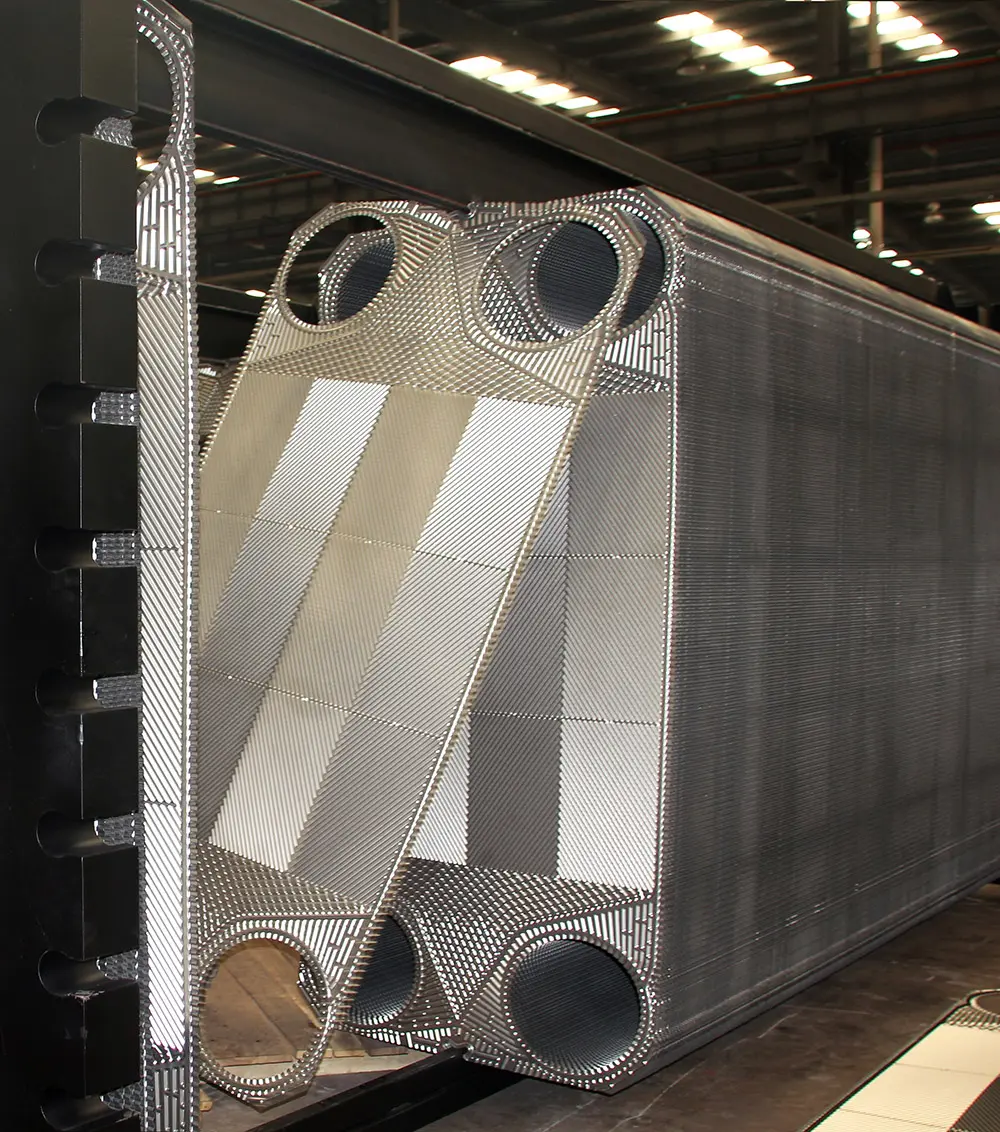
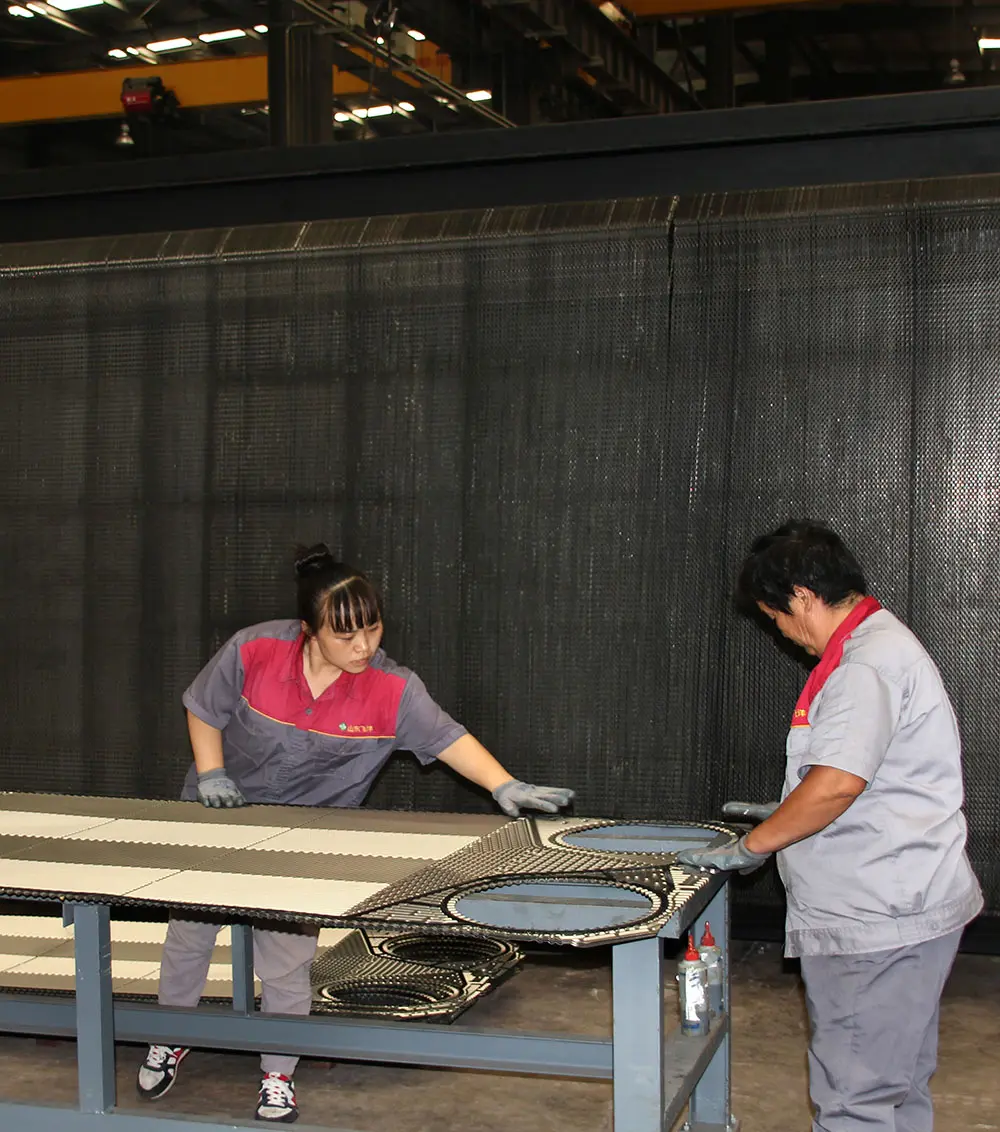
Verified compliance ensures safe integration into German high-pressure HVAC systems and municipal networks.
How our plate coils and heat exchanger products serve Hamburg's diverse commercial operations.
Container vessels and service fleets docking along the Elbe rely on corrosion-resistant titanium plate coils for seawater isolation circuits. Our designs maintain maximum thermodynamic transmission rates under intense fouling conditions.
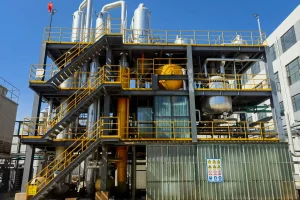
View Plate Heat Exchangers →Chemical manufacturers and steel processing plants in the metropolitan zone use our multi-effect evaporation and plate heat exchangers to recover low-grade waste energy from factory effluents, lowering operational carbon footprints.
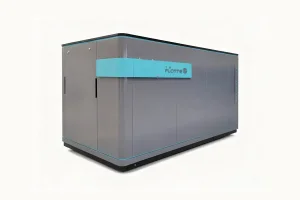
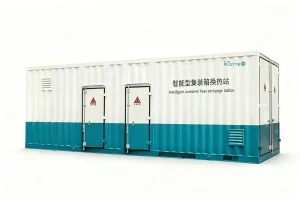
View Evaporation Systems →Decentralized heat networks serving residential sectors in Altona or Eimsbüttel require compact, box-type heat exchange stations with integrated temperature control for rapid deployment and automated load adjustment.
View Modular Box Units →High-efficiency plate, tube, and membrane concentration designs optimized for Northern German industrial specifications.
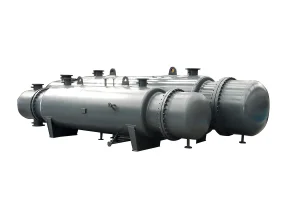
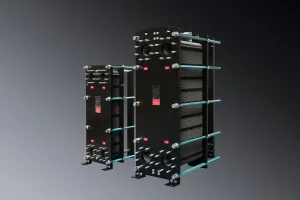

To successfully integrate foreign heating components within German networks, engineering companies must carefully check the structural, thermodynamic, and fluid dynamic calculation margins of the plate stack configuration. For typical municipal applications, the plate heat exchanger must handle variable pressure stages (PN10, PN16, or PN25) while managing low pressure-drop budgets—often restricted to less than 50 kPa. Our hydraulic calculation engineers use specialized thermodynamic configuration software to balance plate thickness, chevron geometry, and channel spacing, keeping fluid shear strain high enough to minimize local scale buildup while keeping overall flow resistance within limits.
The maritime environment around Hamburg Hafen and the Lower Elbe presents unique corrosion challenges for metallic heat-conducting interfaces. High chloride concentrations lead to rapid pitting and crevice corrosion in standard stainless steels. To mitigate this risk, Flotte produces plates using special alloys:
Furthermore, gasket formulation is critical for continuous seal integrity. Flotte uses premium NBR (nitrile butadiene rubber) for low-temperature water-to-water applications, and EPDM (ethylene propylene diene monomer) profiles formulated for high-temperature steam loops up to 180°C. For aggressive chemical processing, Viton (FKM) gaskets are deployed to ensure long-term containment of organic solvents and corrosive process media.
Detailed answers to common questions from German engineering companies and global procurement managers.
Optimize your plant's thermal efficiency, lower energy consumption, and ensure secure operations with Flotte's plate coils and customized heat exchanger solutions.
Send Inquiry Now Flotte Energy