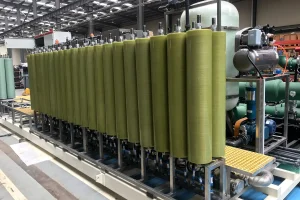
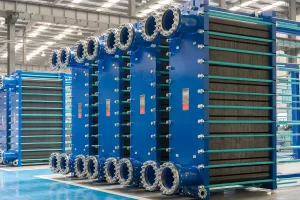
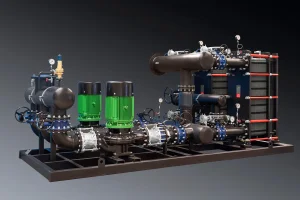
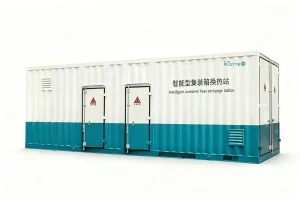
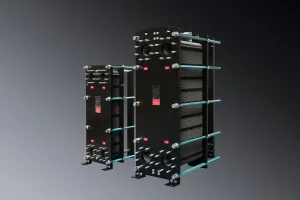
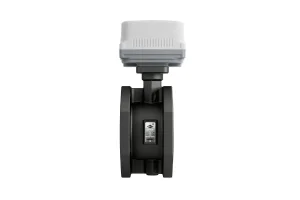
Premium heat exchangers and membrane concentration equipment engineered to meet the unique operational standards of the South American market.
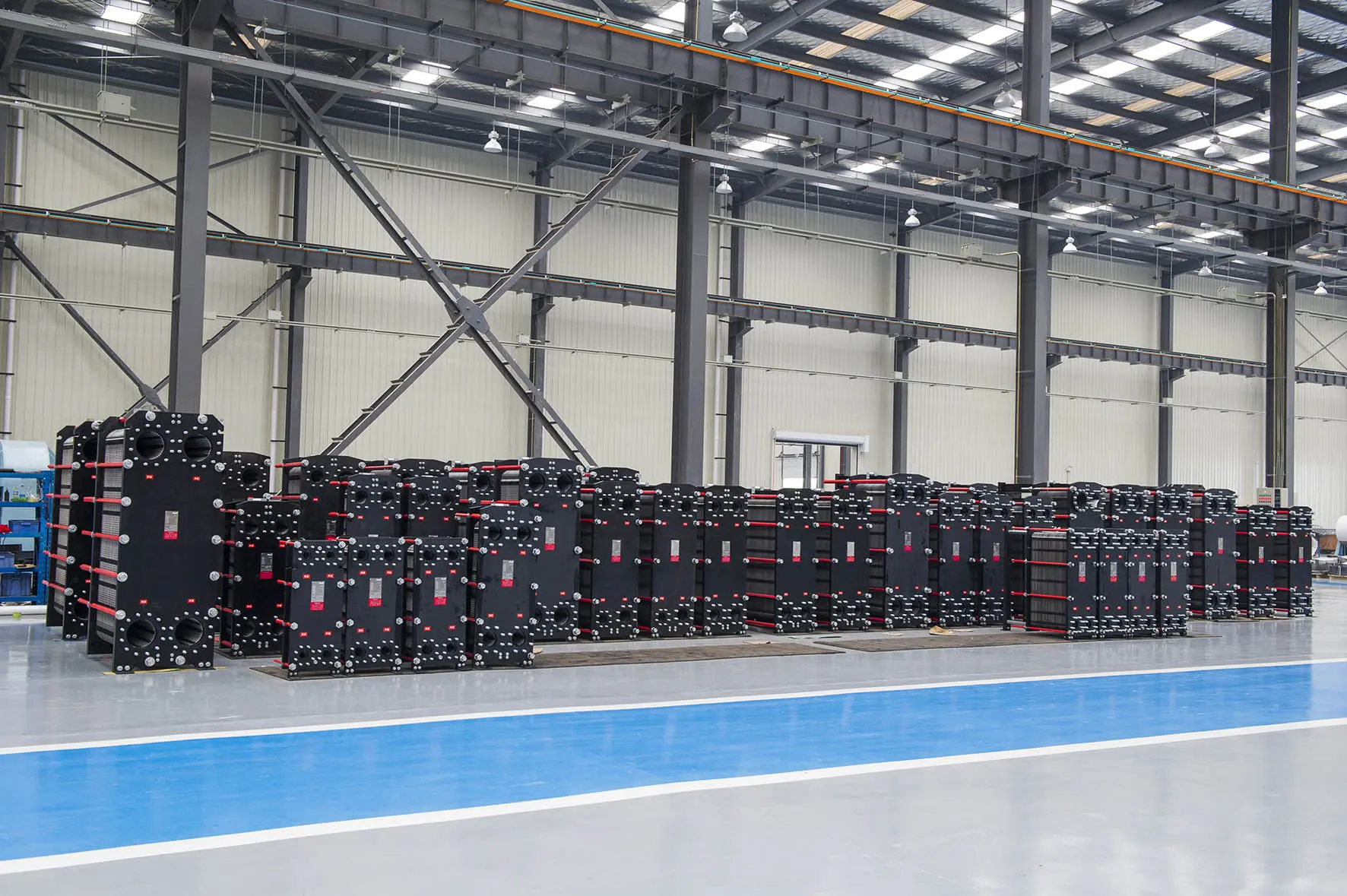
Uruguay's growing industrial sector requires highly customized, energy-efficient cooling solutions. The country's strong agriculture and dairy sectors, centered in departments like Colonia, San José, and Florida, demand strict sanitary conditions for dairy pasteurization. Flotte's detachable plate heat exchangers are built with food-grade NBR and EPDM gaskets to prevent cross-contamination while ensuring gentle product handling.
Additionally, the pulp and paper industry along the Uruguay River (e.g., UPM and Montes del Plata) operates under aggressive chemical conditions. Our titanium and premium stainless steel (AISI 316L) plate coolers offer critical corrosion resistance for black liquor and processing chemicals, ensuring uptime and heat recovery in harsh chemical plants.
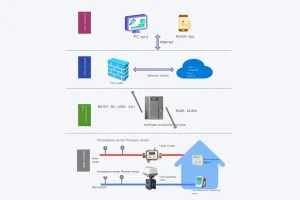
As Uruguay adopts more green energy and sustainable infrastructure, municipal heating and commercial HVAC systems in Montevideo and Maldonado are upgrading to smart thermal networks. Flotte's integrated plate heat exchanger units adapt dynamically to load variations, helping lower carbon footprints across public and commercial properties.
Founded in 1995 as Flotte Thermal Engineering, Flotte Energy Saving Company (incorporated in 2013 with a registered capital of 101 million yuan) has grown into a leading manufacturer of heat exchange equipment. We provide specialized thermal solutions for water supply, industrial HVAC, and high-efficiency water treatment systems worldwide.
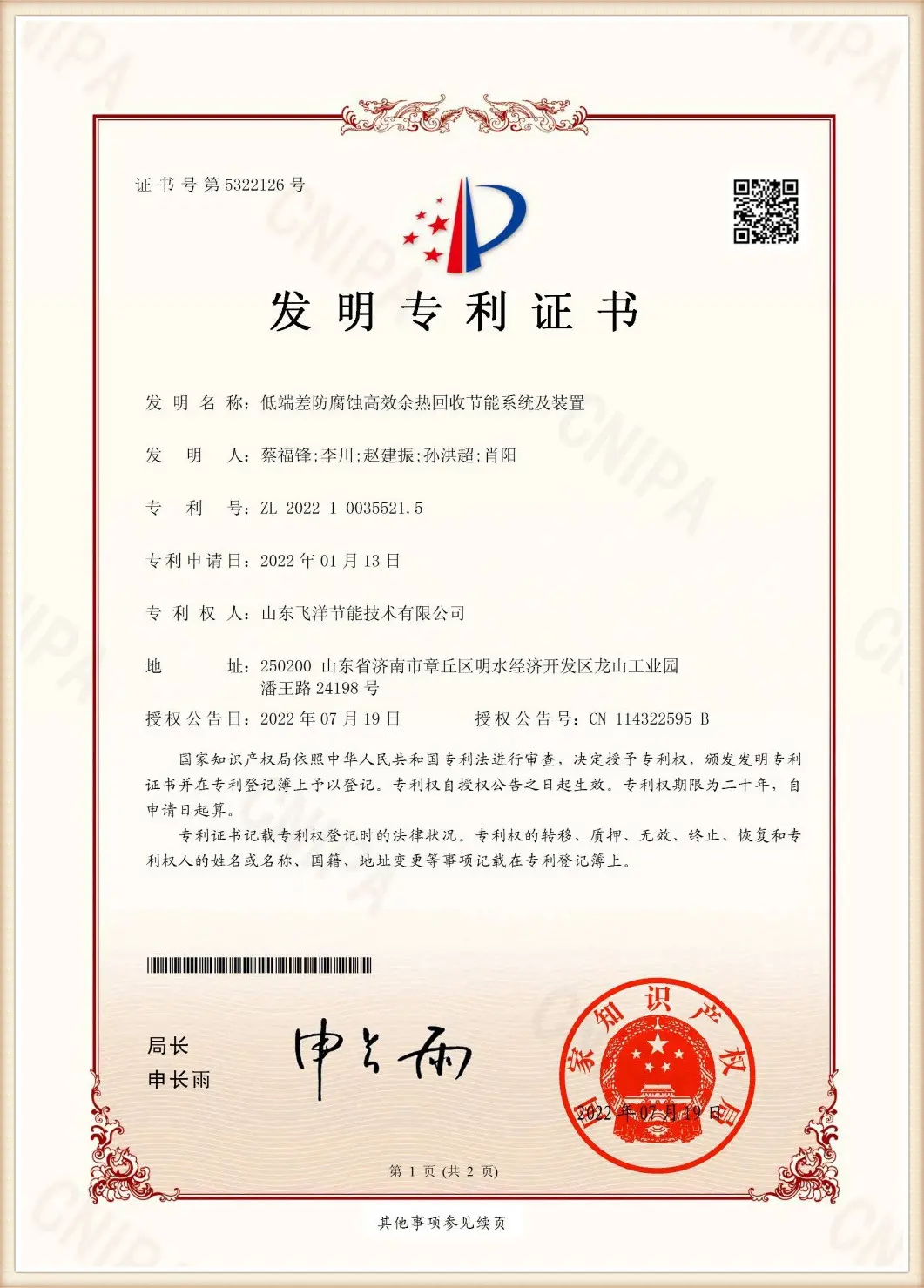
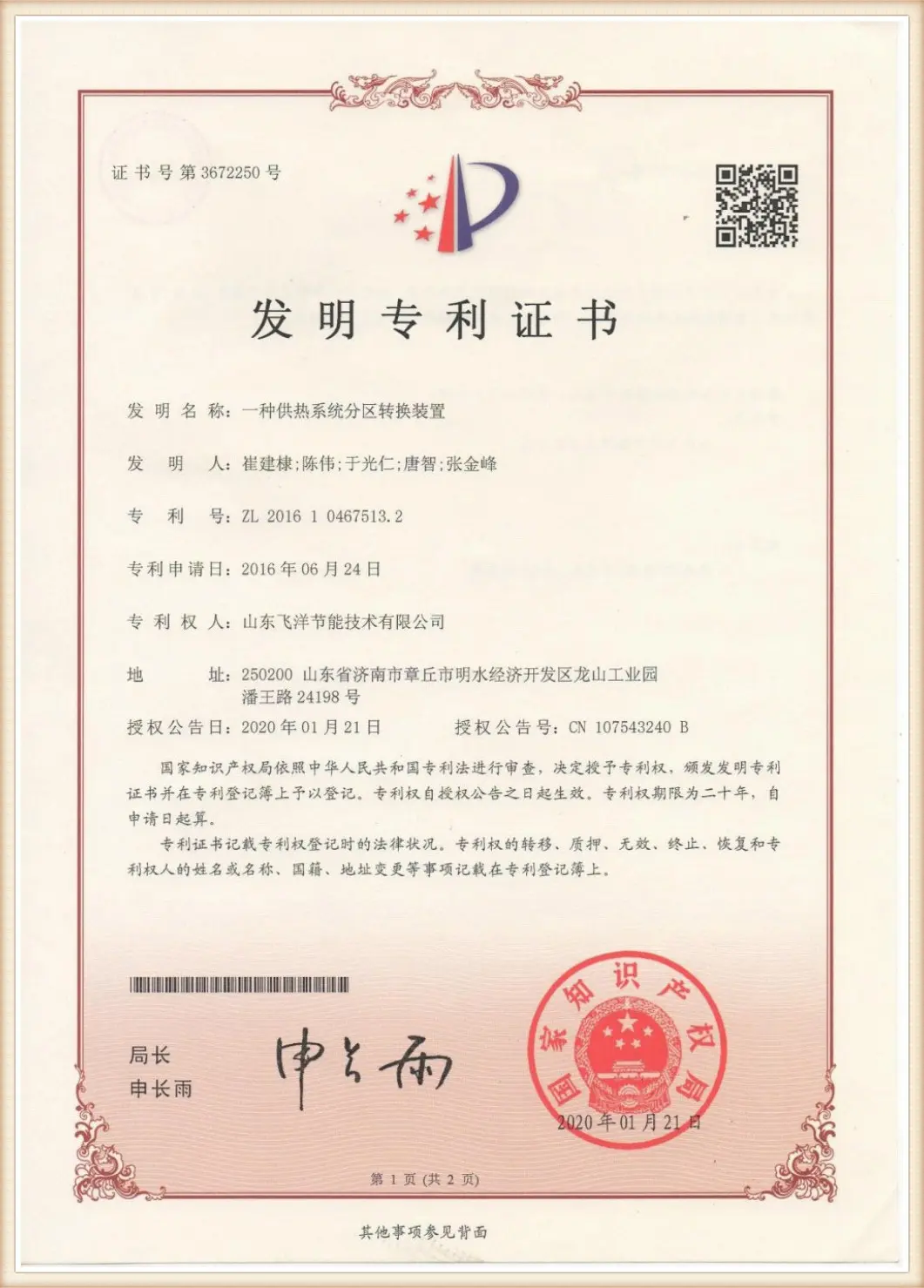
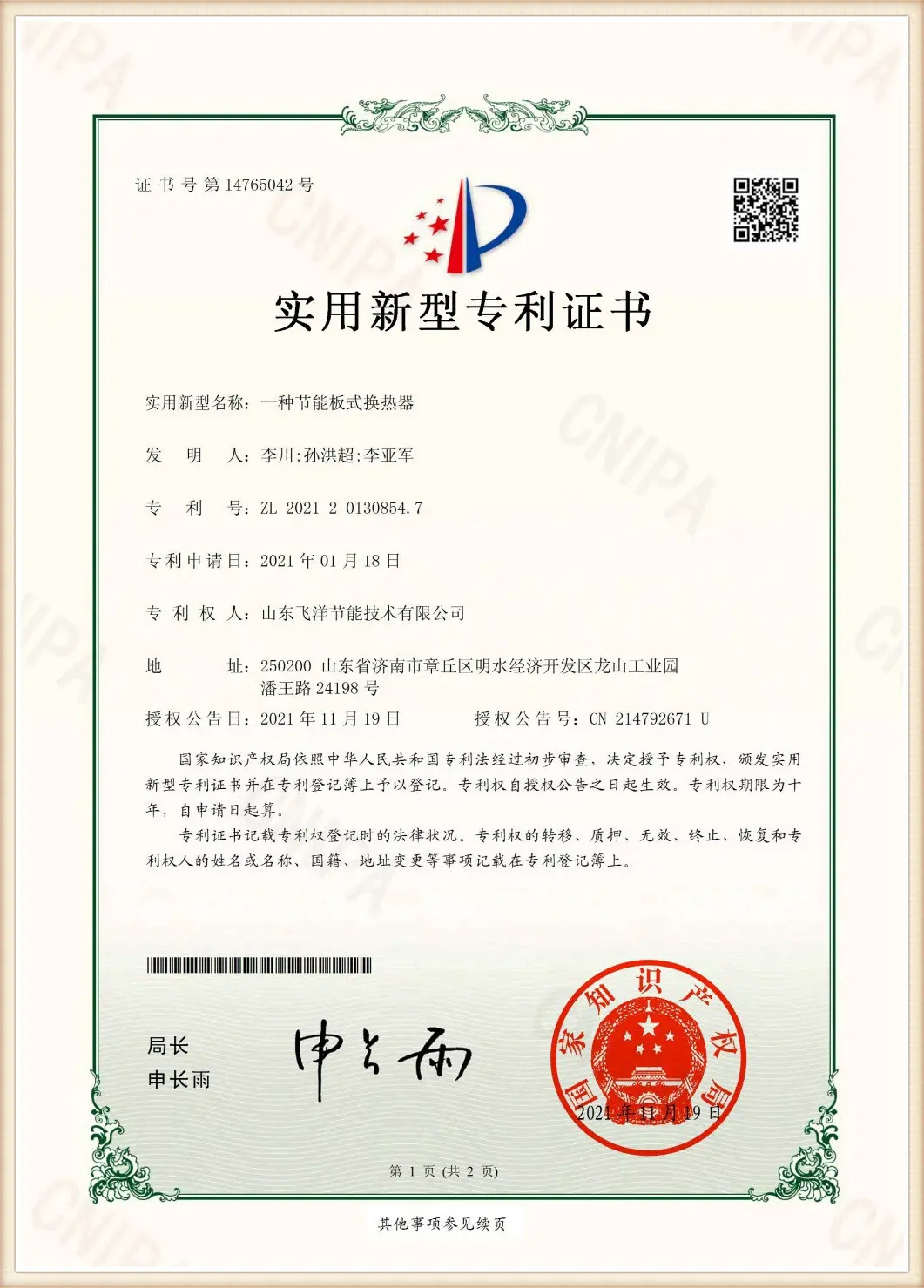
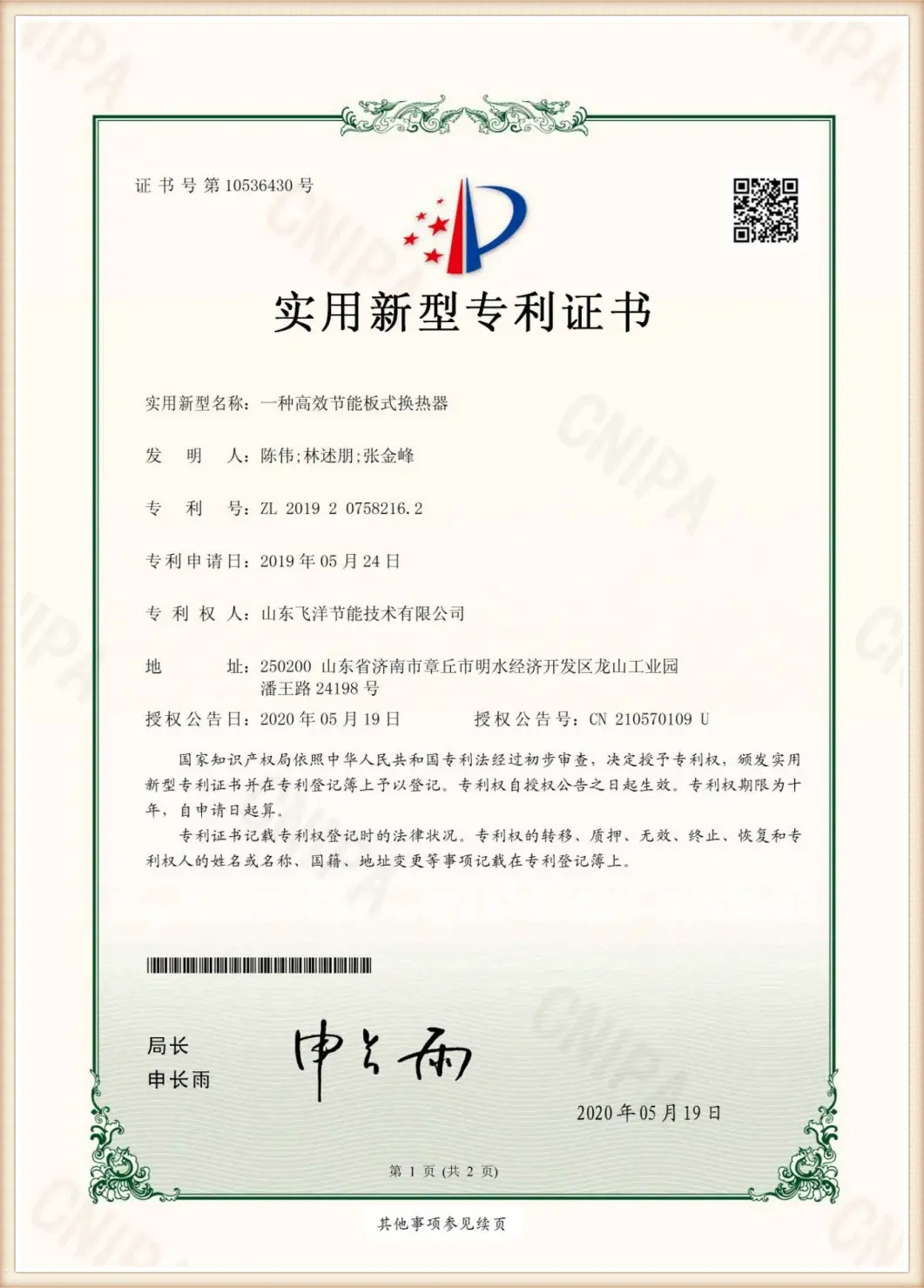
Our engineering team holds numerous patents, including "High-Efficiency Plate Heat Exchangers" and advanced "Scale Removal Devices." Every unit undergoes strict quality control, verified by national standardization bodies and international quality benchmarks (ISO 9001:2015, ISO 14001:2015, and ISO 45001:2018).
Operating from our modern 70,000 m² manufacturing plant, we produce over 4,500 heat exchange units annually, achieving 500 million yuan in sales. We support global procurement teams with robust, high-performance systems and comprehensive field assistance.
Delivering high-reliability thermal management systems and custom engineering configurations globally since 1995.
Our corrugated plate geometries achieve thermal transfer coefficients 2-3 times higher than conventional models.
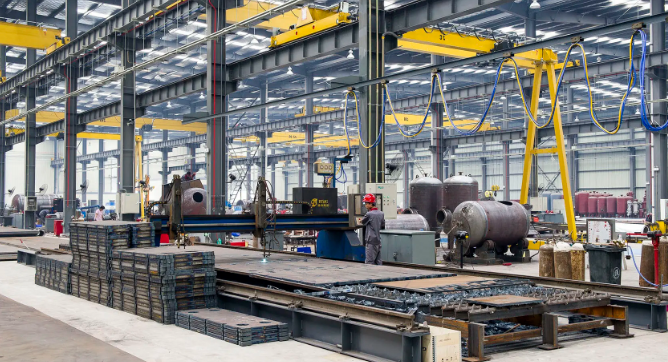
Combining advanced robotic fabrication, quality materials, and strict quality control for South American industrial applications.

Our factory utilizes precise stamping presses (ranging up to 20,000 tons) to form corrugated plates in a single press. This process minimizes internal stresses, prevents micro-cracking, and ensures uniform channel depths for consistent fluid velocity and heat transfer across the entire plate surface.
Additionally, we employ advanced laser welding and automated coordinate drilling to ensure the structural integrity of our frame plates. With direct raw material sourcing from tier-1 steel mills, we secure traceable, high-grade AISI 304, AISI 316L, and Titanium Gr. 1, helping insulate customers from supply chain disruptions.
Our quality management system tracks each plate and gasket from material sourcing through hydraulic testing, guaranteeing durable performance in demanding settings like offshore ports and heavy processing plants.
A breakdown of our manufacturing processes, showing how we build reliability and efficiency into every plate heat exchanger.
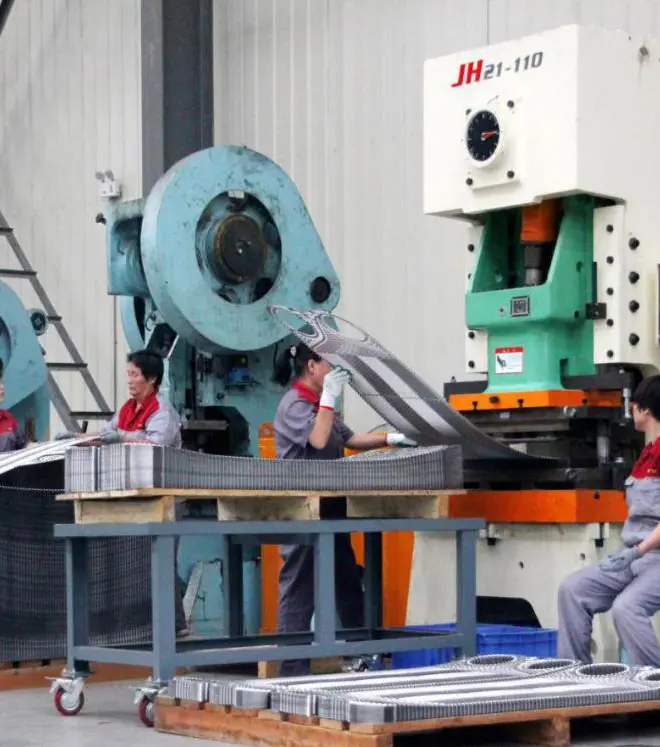
Our heavy-duty hydraulic presses form the corrugated pattern in a single stroke, preserving material thickness and grain structure.
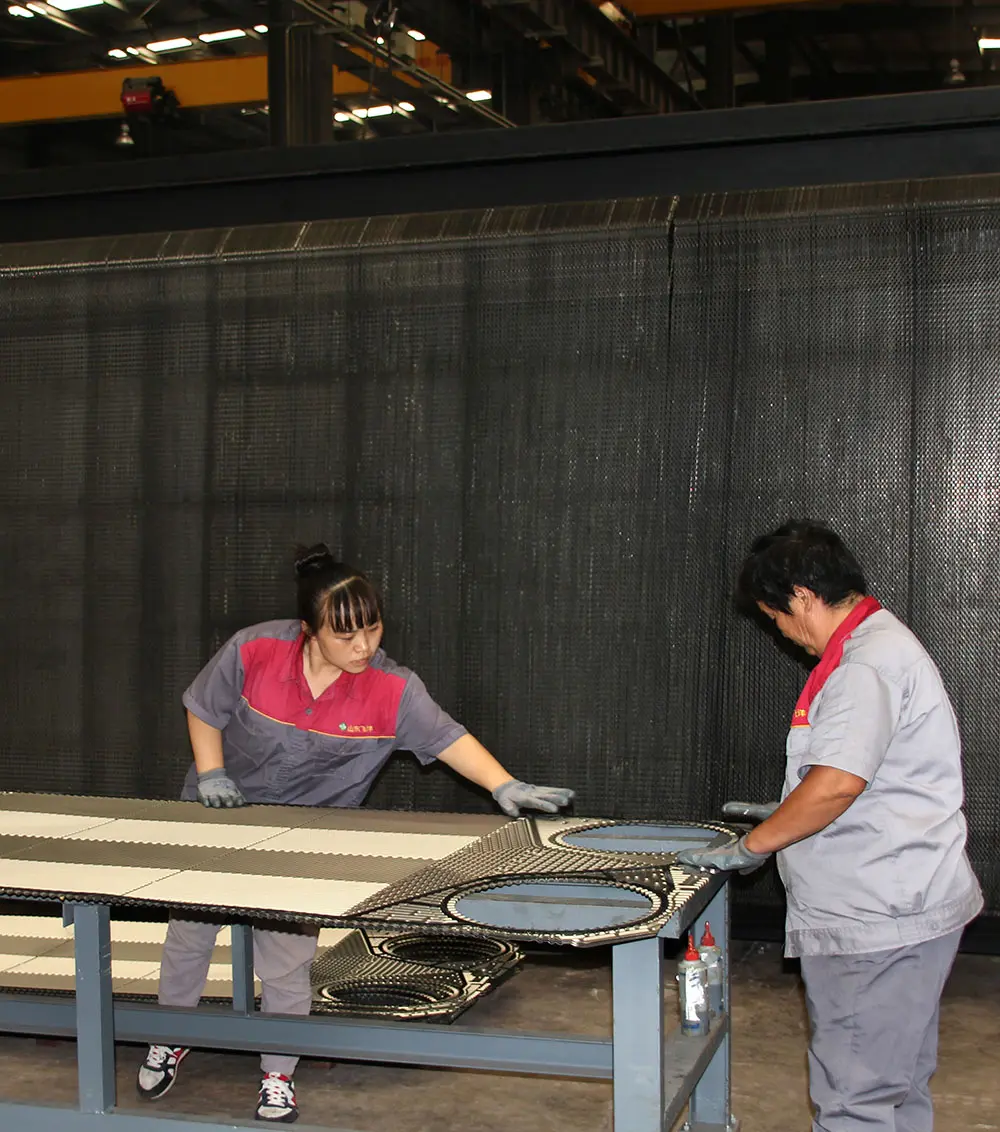
We use high-grade NBR/EPDM/Viton gaskets, positioned using clip-on designs or epoxy systems, to prevent fluid cross-leakage.
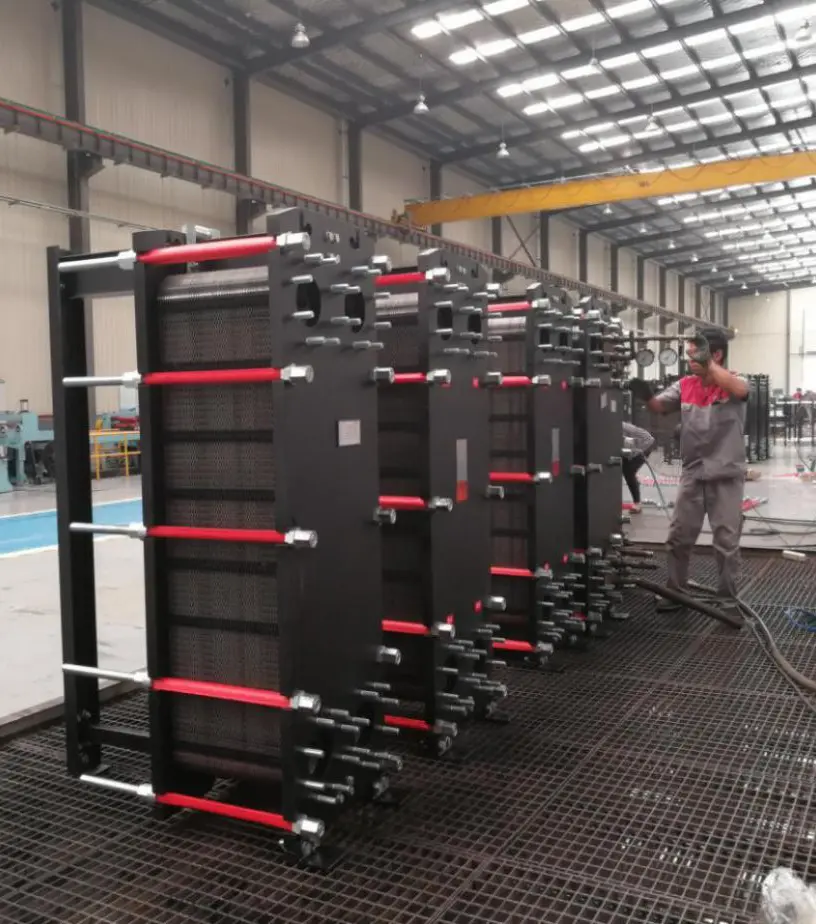
Every assembled heat exchanger undergoes testing at 1.3 to 1.5 times its design pressure to verify structural safety and seal integrity.
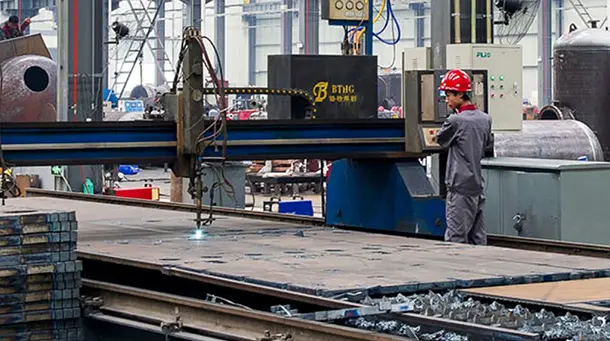
CNC cutting systems fabricate carbon steel frame plates to design thickness, ensuring robust structural support.
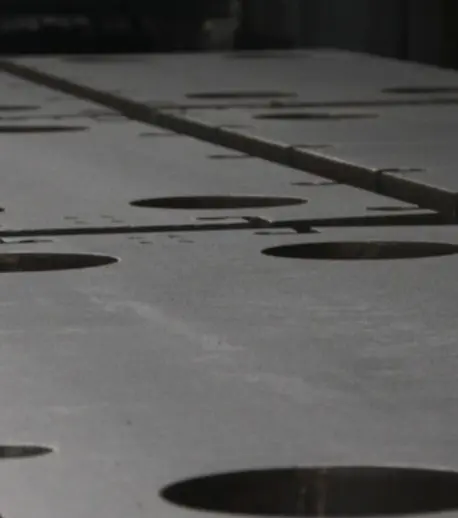
Connection nozzles and clamping bars are machined to tight tolerances for secure integration with existing piping networks.
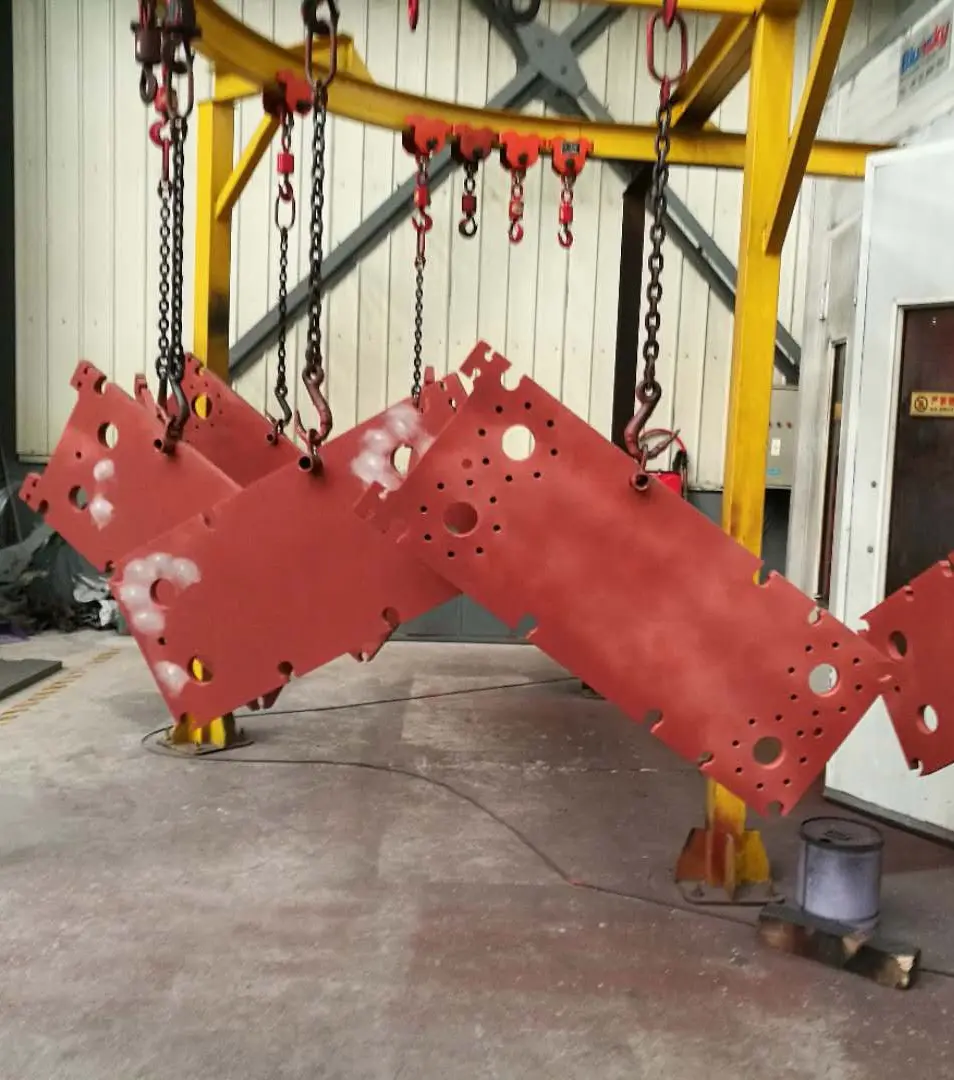
An anti-corrosive multi-layer coating protects frames from high-humidity coastal climates, maintaining long-term durability.
Our products are certified to meet international and national safety codes, ensuring reliable integration into municipal and industrial systems.
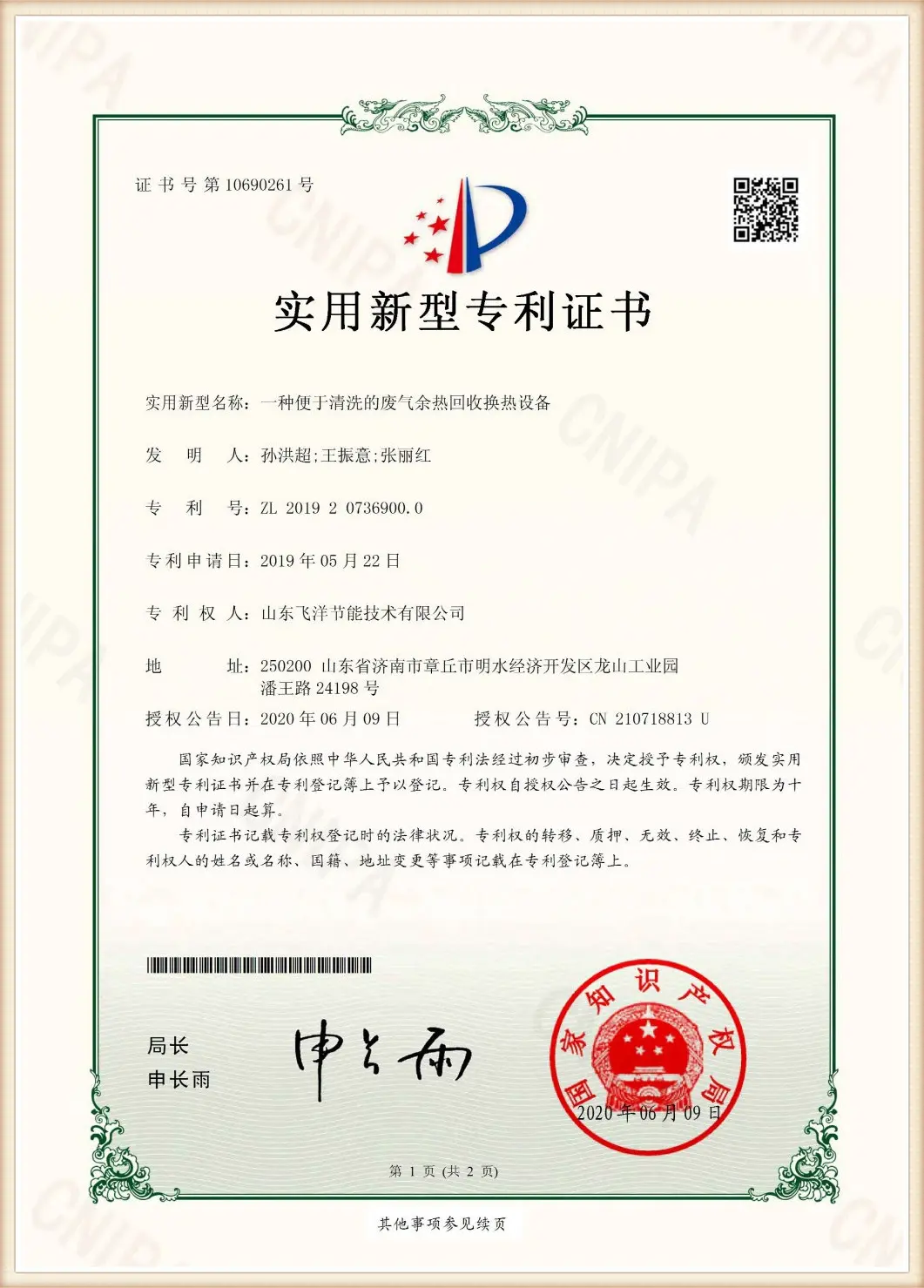
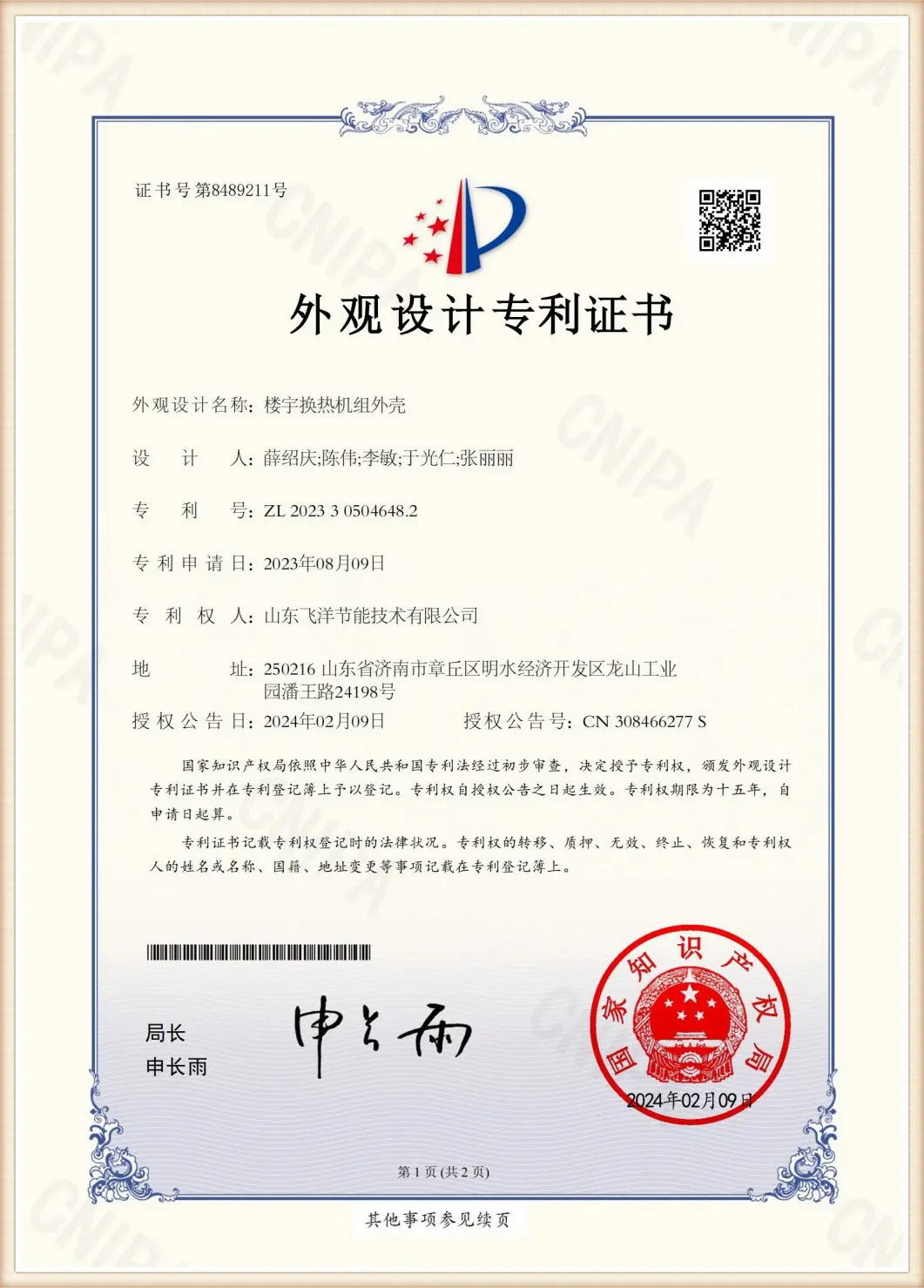
Detailed technical answers addressing common inquiries from procurement directors, system integrators, and engineering teams in Uruguay.
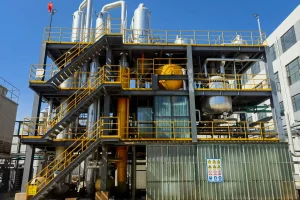
Browse our selection of specialized plate heat exchangers, evaporator configurations, and smart monitoring systems built for modern industrial utility systems.
 Flotte Energy