Highly adapted engineered systems matching Northern climate expectations, operational efficiency, and local compliance standards.
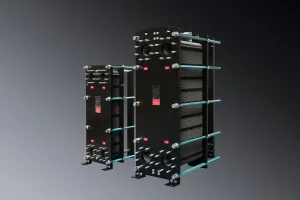
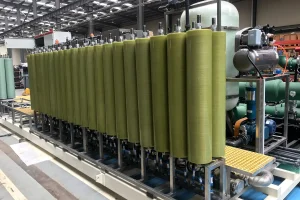
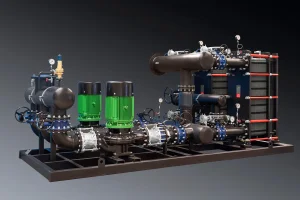
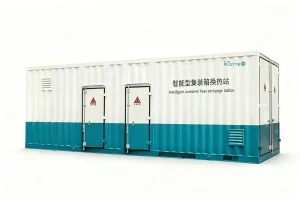
Canada's diverse economic landscape demands highly specialized thermal management technologies. From the demanding sub-zero environments of the Alberta Oil Sands to the municipal district heating networks in Ontario and Quebec, plate coolers and heat exchangers must deliver peak operational reliability. Environmental regulations in Canada require high energy savings, low carbon emissions, and minimal footprint designs.
As an industry-leading manufacturer, we address these specific local needs. In western provinces, oil, gas, and mining applications require corrosion-resistant titanium alloy plates to handle harsh process water. In contrast, urban centers require sophisticated heat exchange units for commercial HVAC and municipal district cooling. Our engineering capabilities ensure that every system matches the thermodynamic and mechanical safety requirements of Canadian codes, including CRN (Canadian Registration Number) compatibility.
Leveraging our thirty years of industrial manufacturing heritage, we supply plate coolers that deliver high heat transfer coefficients even at low logarithmic mean temperature differences (LMTD), ensuring optimal energy conservation across all commercial configurations.
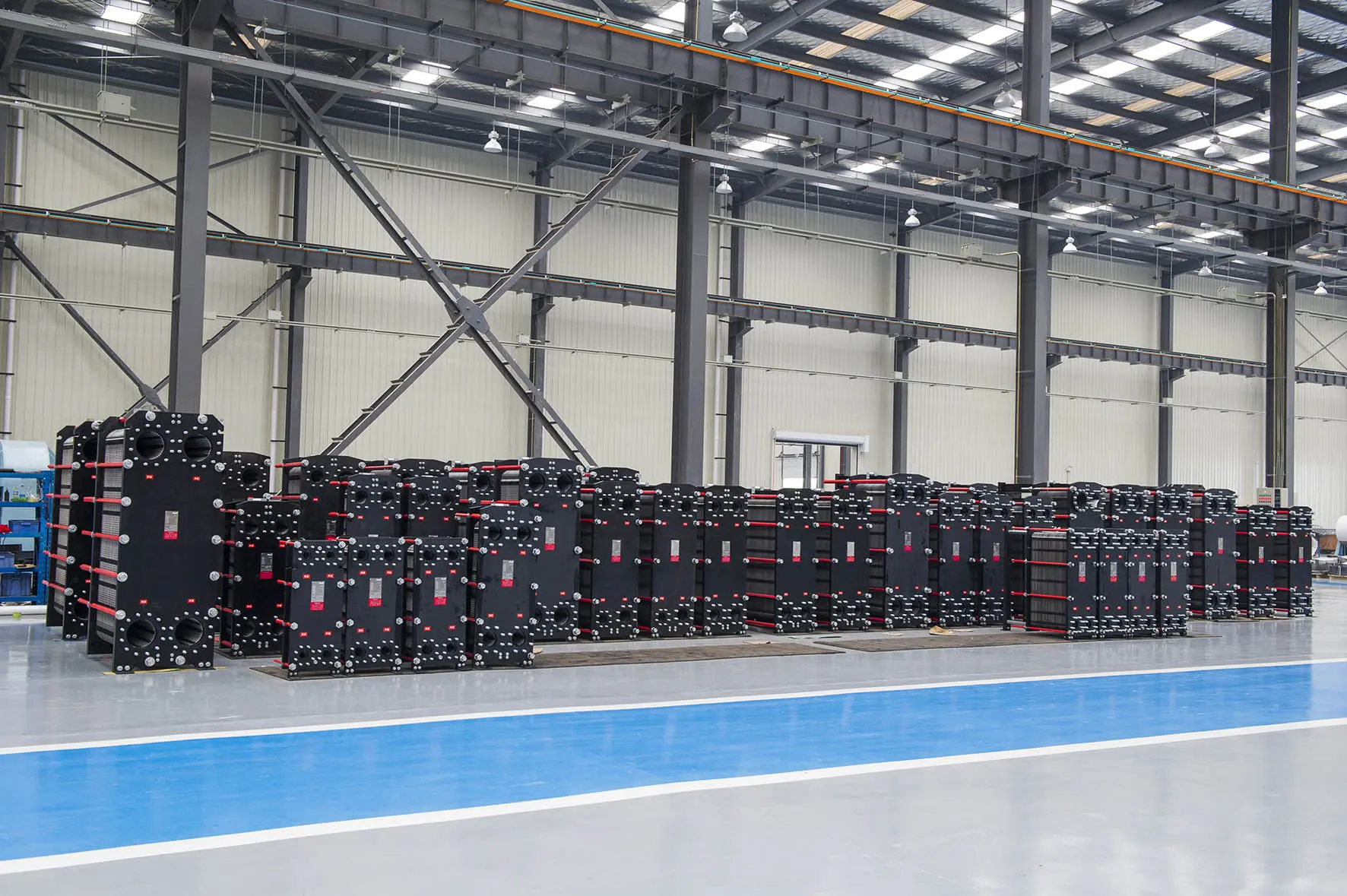
Our journey from a dedicated thermal engineering firm to a global manufacturing powerhouse.
Established in 2013 with a registered capital of 101 million yuan, Flotte Energy Saving Company originated from Flotte Thermal Engineering, which was founded in 1995. Armed with three decades of technical expertise, our company specializes in water equipment, HVAC systems, and water treatment technologies. We lead industry peers in adopting cutting-edge production methods, developing innovative thermal exchange designs, and delivering comprehensive global sales and supply services.
Our manufacturing plant spans modern facilities where advanced engineering combines with systematic quality management. With professional designers and highly skilled technical workers, we ensure the reliability and efficiency of our product lines. We operate a dedicated R&D center and advanced test laboratories to support ongoing technical advancement.
How our plate designs outperform conventional shell-and-tube models by 2 to 3 times in thermal efficiency.
Our patented corrugated plate design forces fluid to flow in a highly turbulent path, maximizing the heat transfer coefficient while maintaining a controlled pressure drop profile. The localized turbulence prevents particulate sedimentation and ensures clean operational profiles.
We source premium stainless steel grades (AISI 304, AISI 316L) and specialized alloys such as Titanium and Hastelloy. These materials resist aggressive media attacks in chemical plants, oil refineries, and coastal marine thermal systems.
Equipped with secondary network intelligent control valves and balance systems, our units adapt in real time to fluctuating heat load demands, preventing freeze-up risks in sub-zero Canadian winter operations.
Every plate cooler undergoes a comprehensive manufacturing flow, guaranteeing compliance with ISO 9001:2015 and pressure vessel quality frameworks.
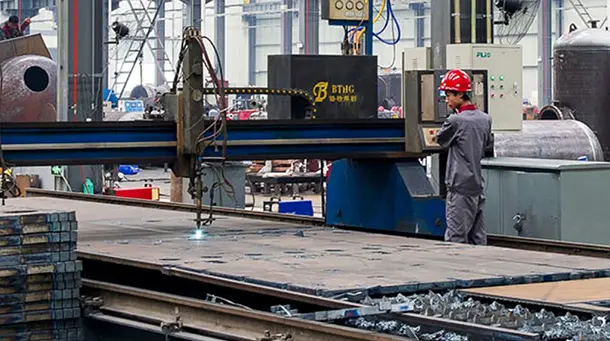
Precision CNC cutting of structural frame plates to ensure structural tolerance and seal stability under high pressure.
Advanced metallurgical treatment improving surface hardness and corrosion fatigue resistance of mechanical components.
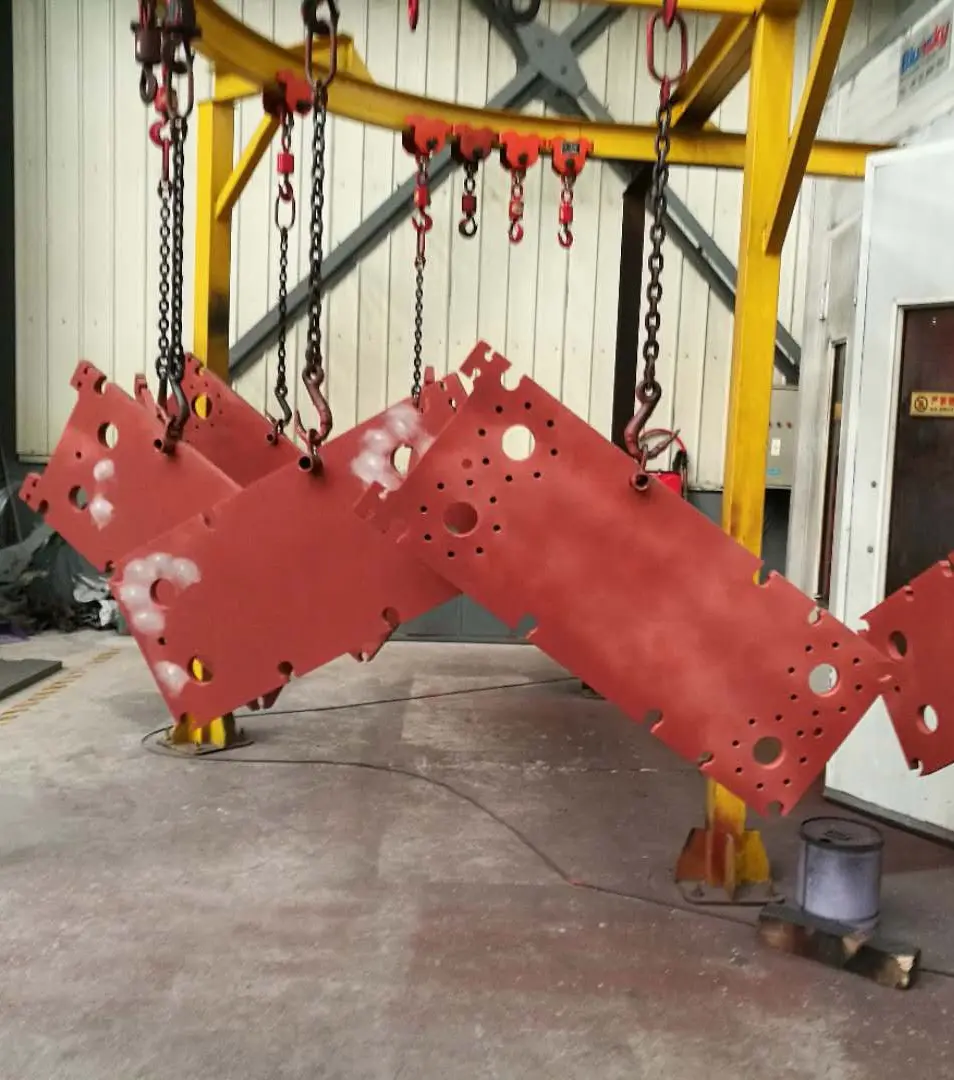
Application of multi-layer anti-corrosion industrial coatings, ensuring longevity in high-humidity and offshore environments.
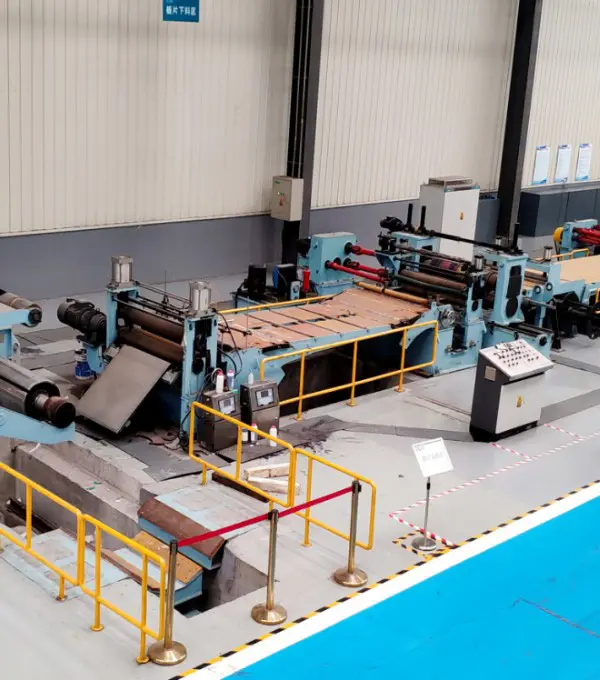
Individual tracing codes marked on plates to ensure complete material traceability and raw component compliance.
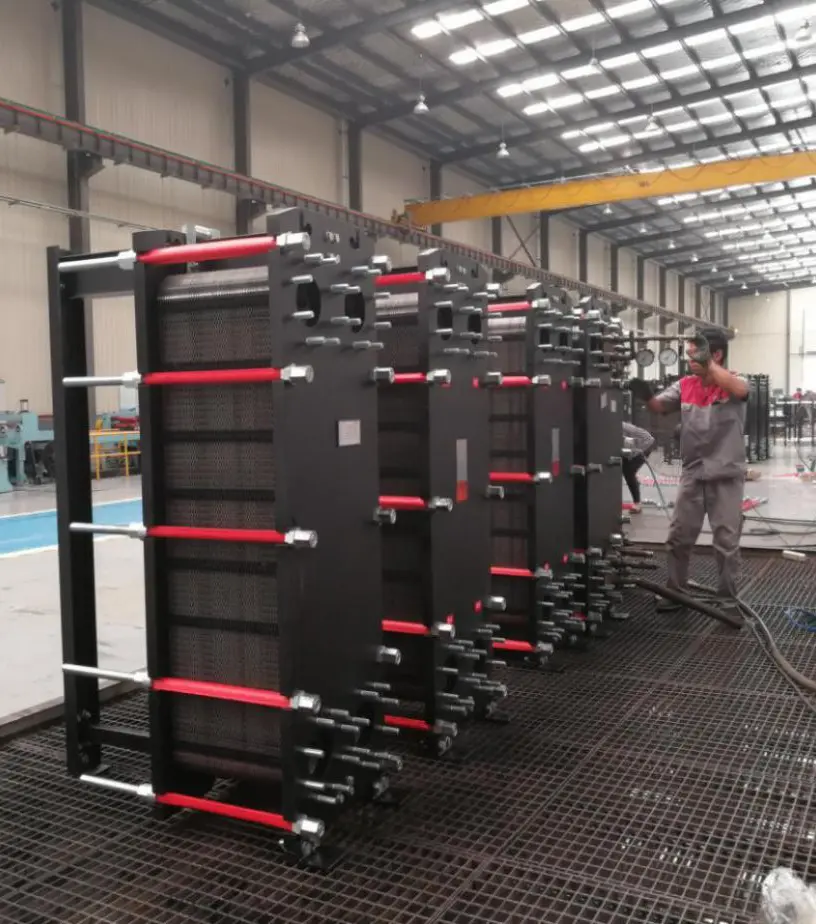
Hydrostatic pressure testing at 1.25x to 1.5x design pressure to verify sealing integrity prior to shipping.
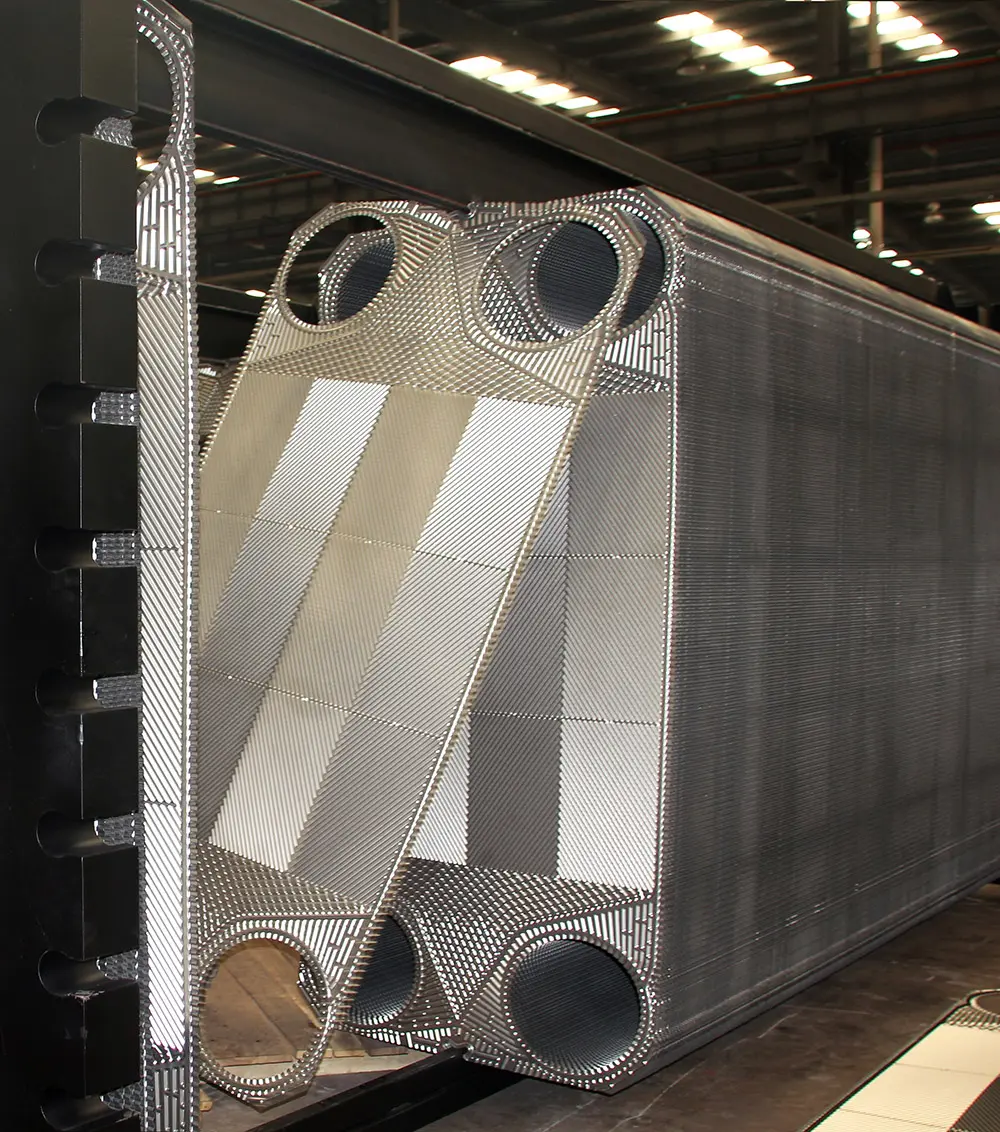
Precision manual and hydraulic alignment of plate packs and gaskets by certified technical assemblers.
Engineered thermal systems and evaporator designs serving power, pharmaceutical, chemical, and district heating plants.
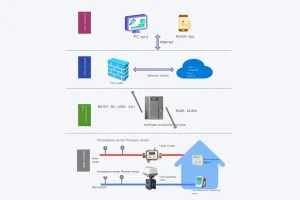
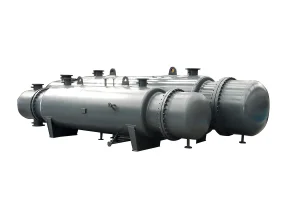
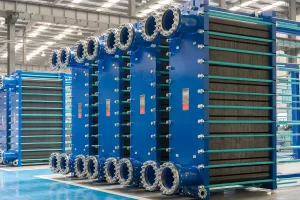
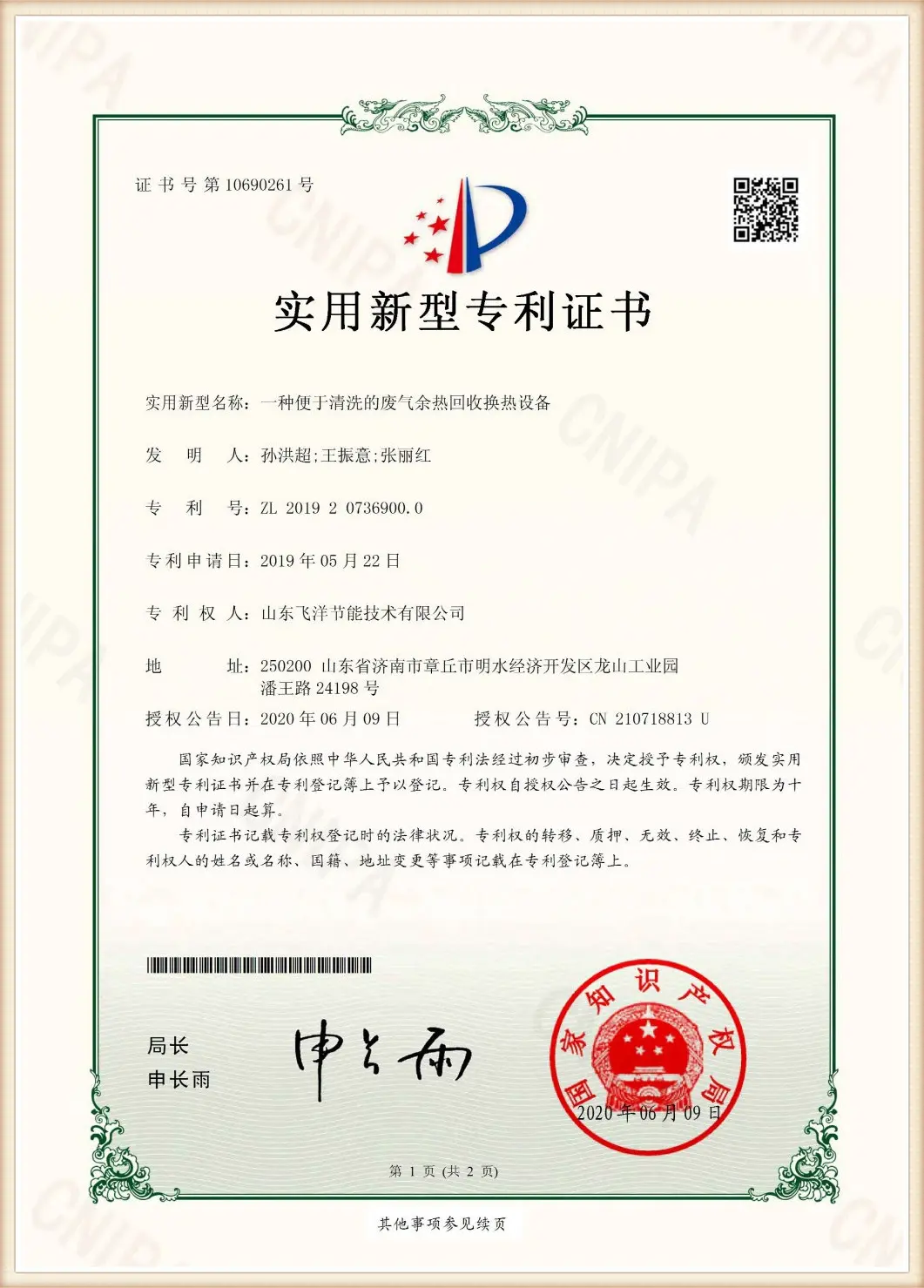
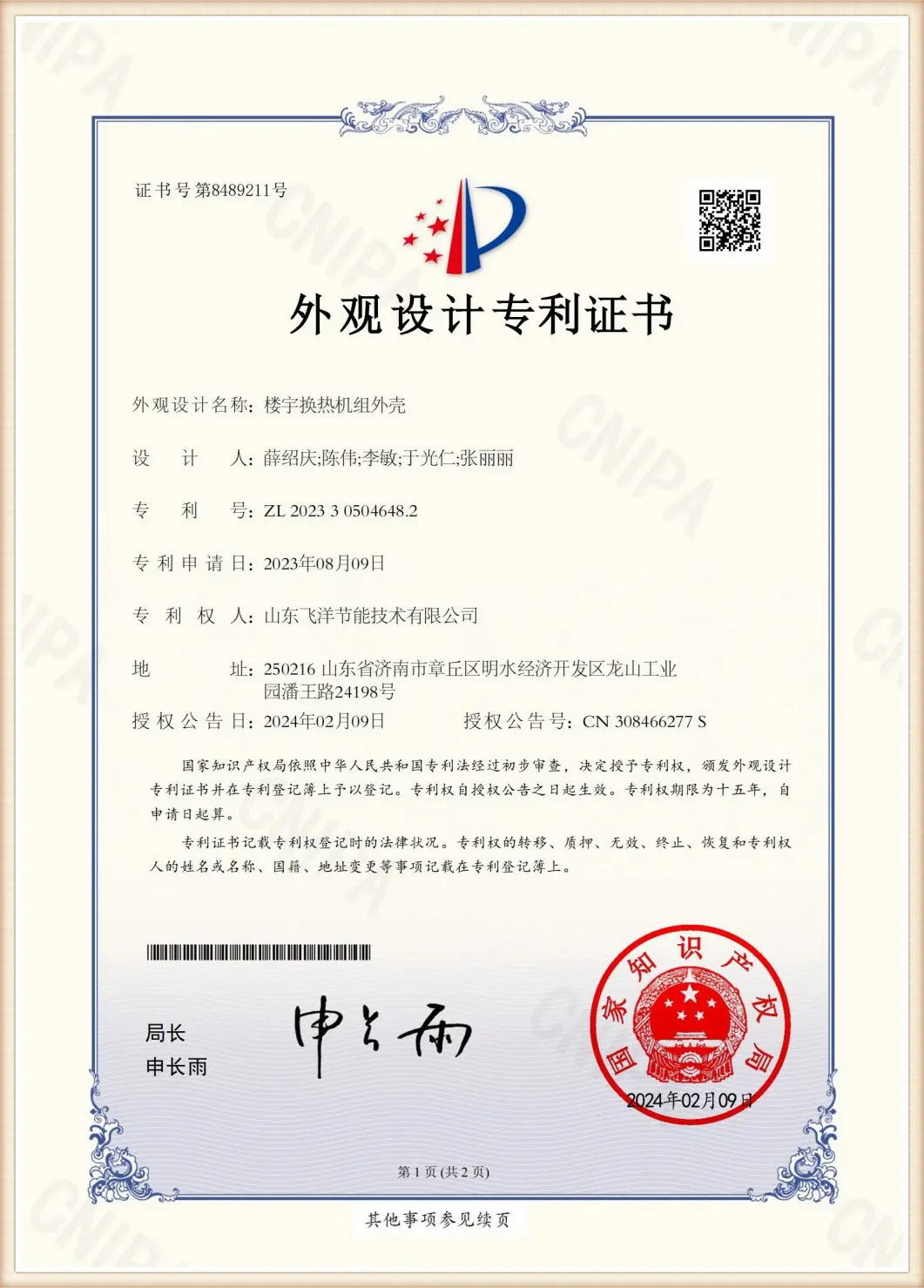
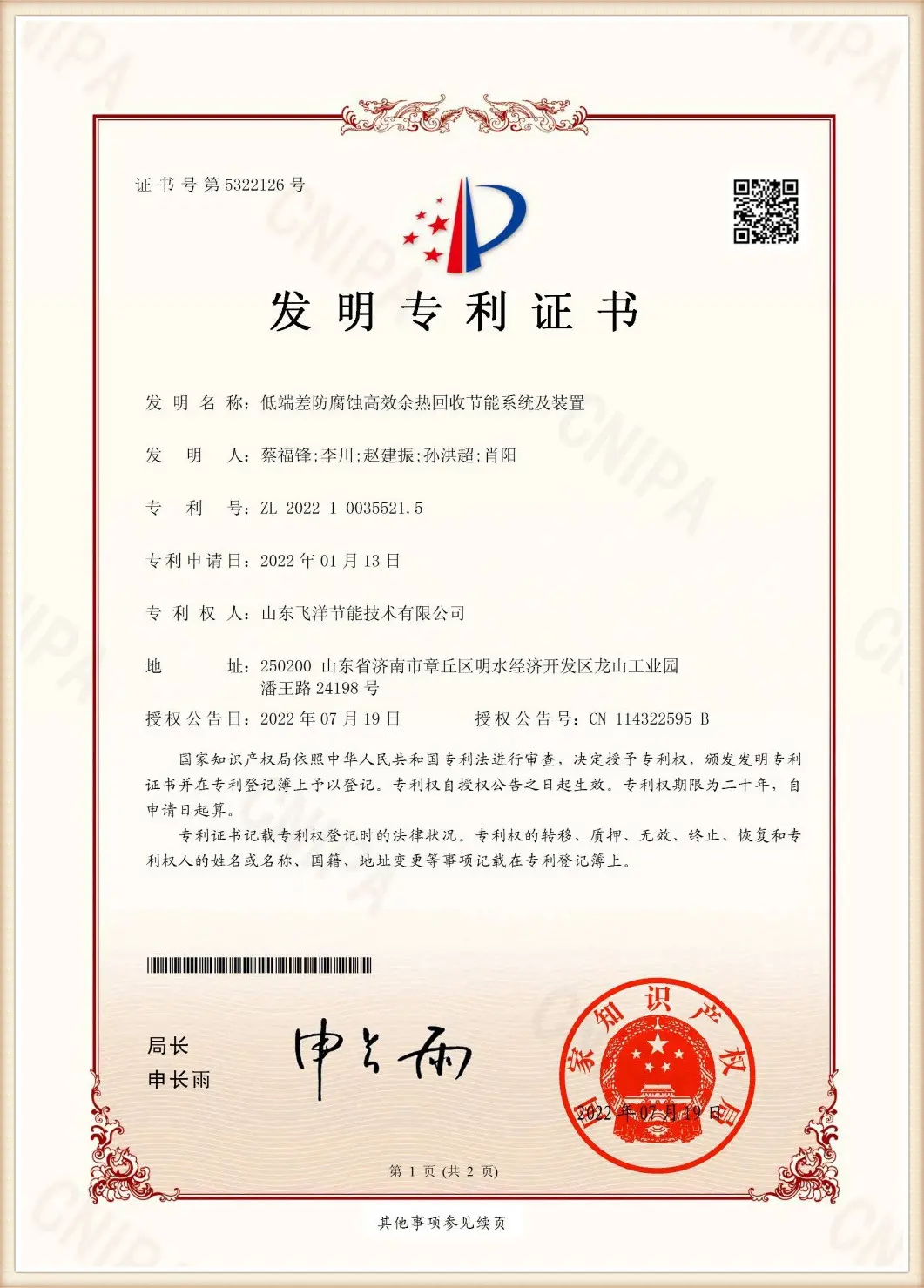
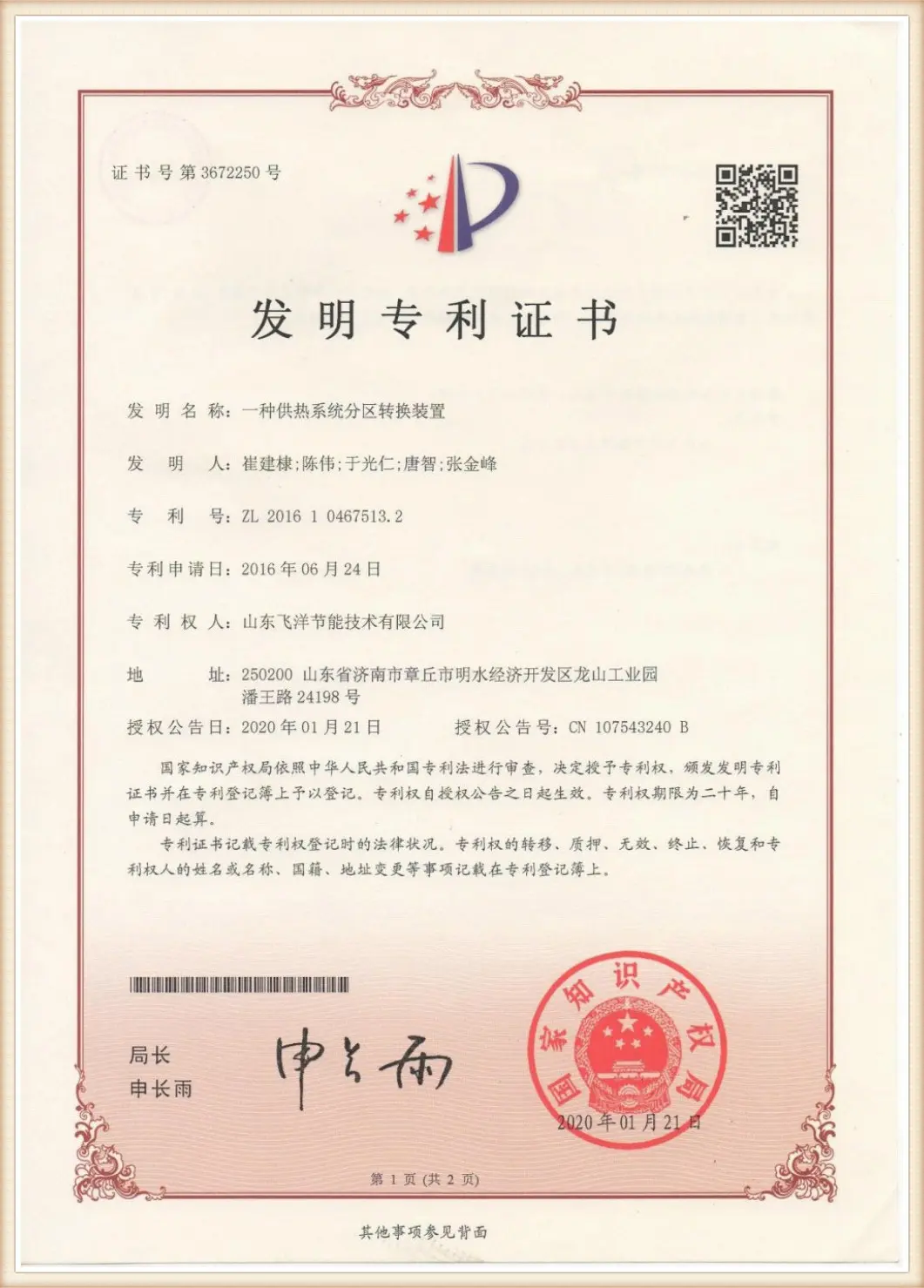
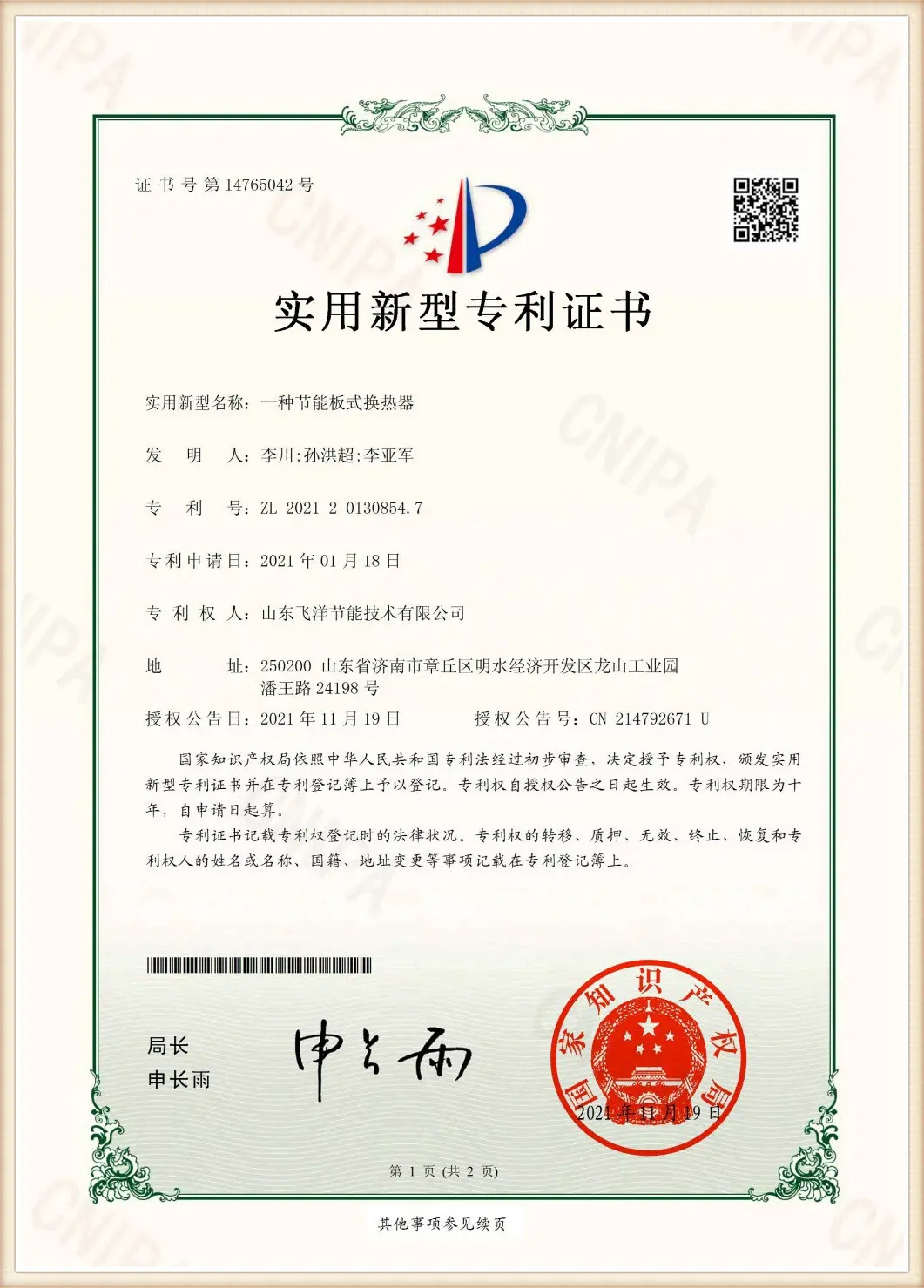
We design, manufacture, and verify thermal systems that adhere to the stringent requirements of international and Canadian certification bodies.
All engineering assemblies conform to the ISO 9001:2015 Quality Management System, the ISO 14001 Environmental Management standard, and the ISO 45001 Occupational Health and Safety standard. For Canadian deliveries, we design frames in compliance with ASME Section VIII Div. 1 standards, allowing smooth coordination for Canadian Registration Number (CRN) applications within all provinces.
Our material supply partners are carefully audited. Structural gaskets (EPDM, NBR, and FKM/Viton) and plates undergo thorough metallurgical validation, ensuring pressure and temperature ratings are fully documented with raw test certificates.
Having managed heavy-machinery shipments globally, our logistics division ensures safe transport, customs clearing documentation, and quick deployment across maritime and inland routes.
Our field-certified engineering teams offer layout optimization and commission supervision, ensuring that the integration of our units into your central heating networks or complex industrial pipelines runs smoothly and efficiently.
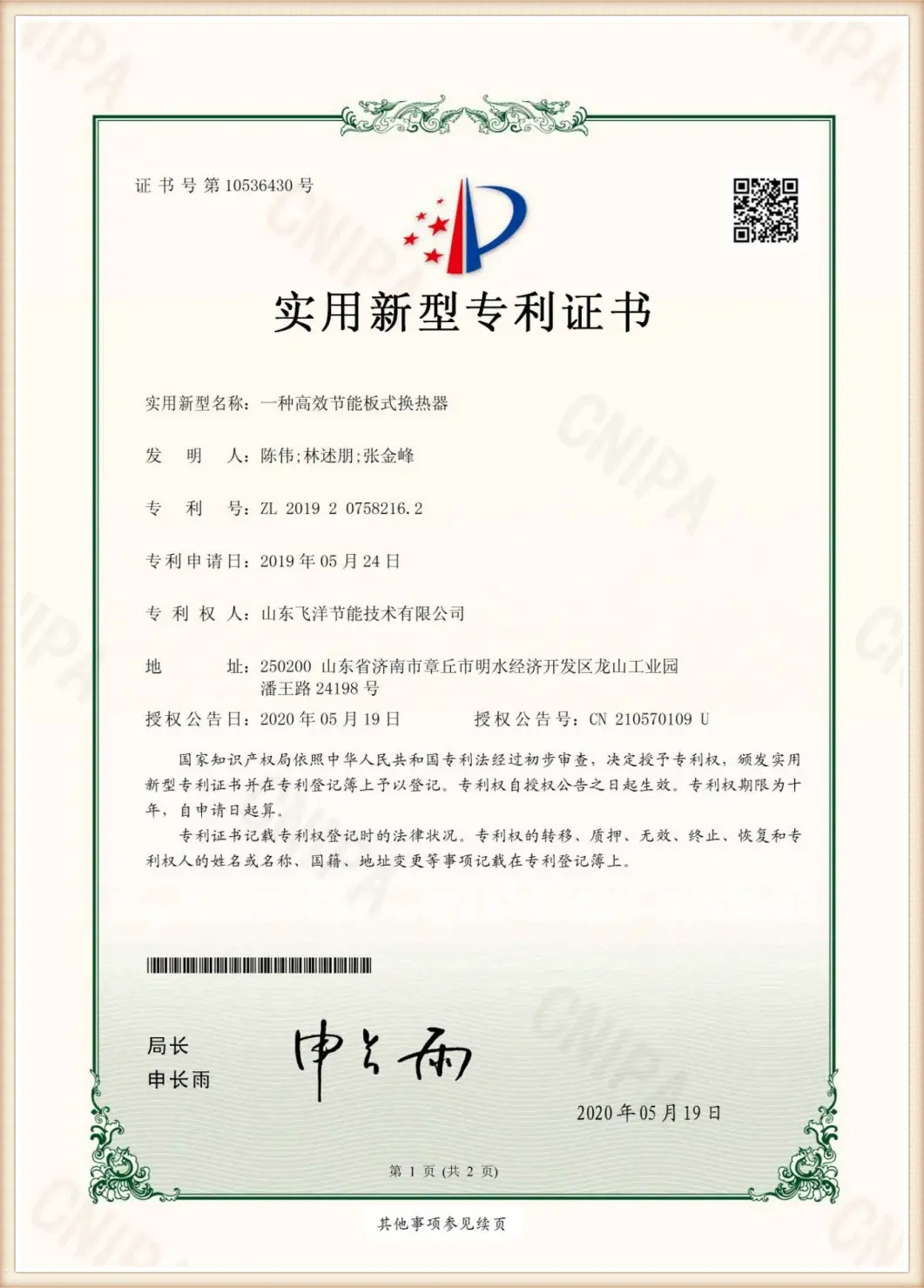
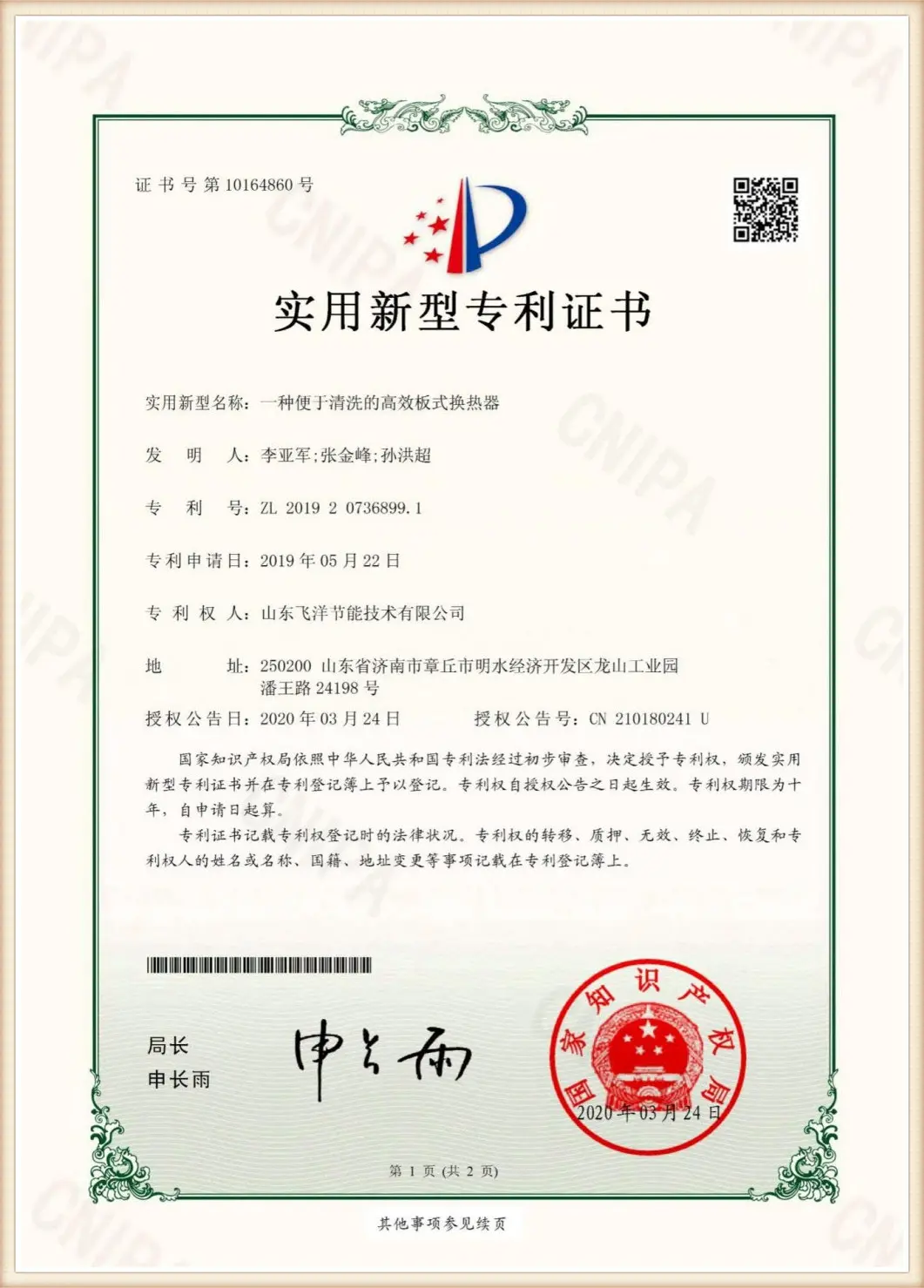
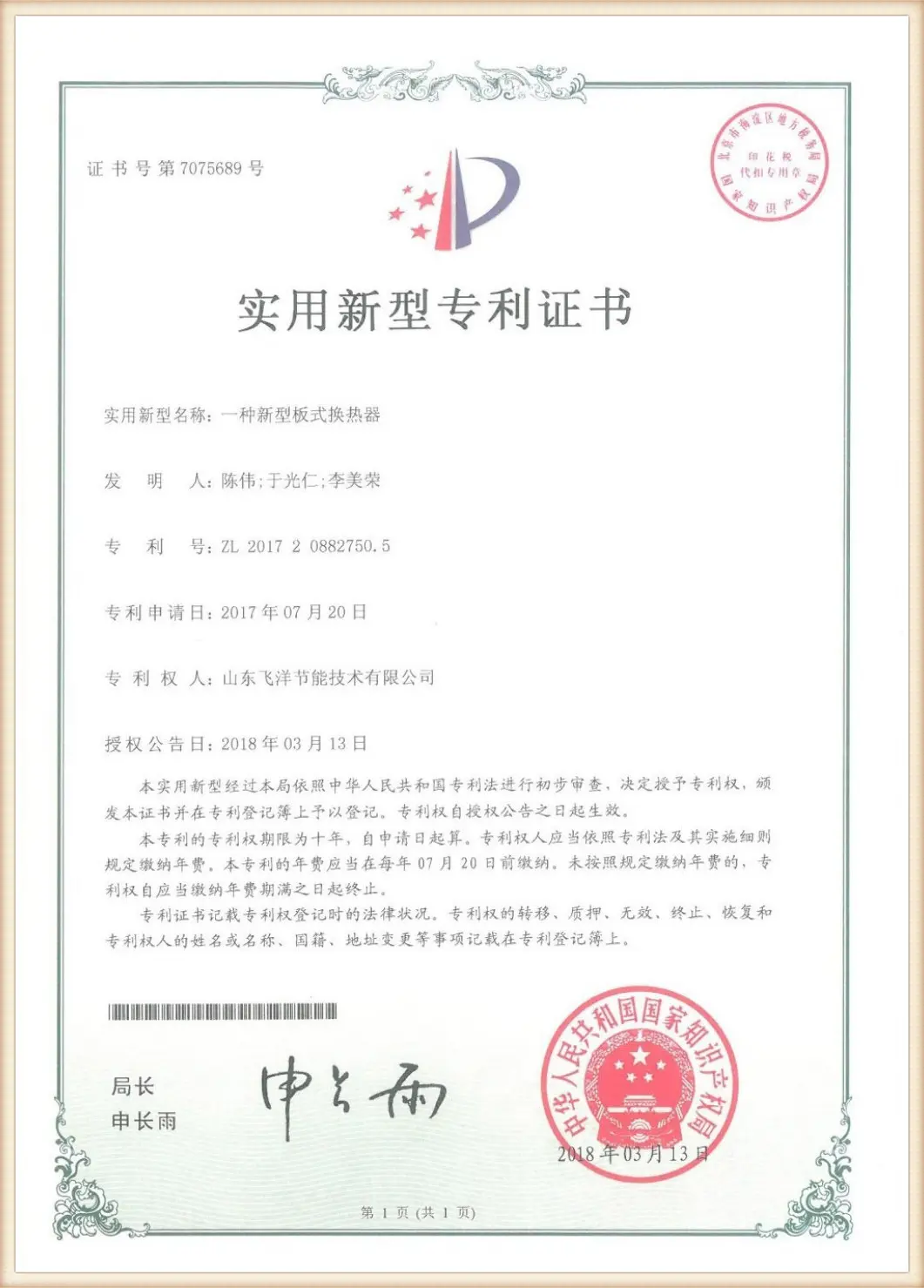
Additional specialized thermal management systems designed for chemical synthesis, municipal descaling, and regional heating projects.
To design an optimized plate cooler, engineers must balance two conflicting objectives: maximizing the convective heat transfer coefficient (\(h\)) and minimizing the pressure drop (\(\Delta P\)). The flow channel created by our corrugated plates establishes a complex, three-dimensional flow field that induces steady, high-frequency vortex shedding. This localized turbulence disrupts the thermal boundary layer, promoting efficient thermal exchange even at low Reynolds numbers.
The heat transfer rate (\(Q\)) is governed by:
Q = U · A · LMTD
Where U represents the overall heat transfer coefficient, A represents the total heat transfer area, and LMTD represents the logarithmic mean temperature difference. In industrial applications where temperature approaches must be tight (e.g., within 1°C in HVAC heat recovery), plate coolers outperform shell-and-tube heat exchangers because they can achieve true counter-current flow configurations, resulting in LMTD correction factors near 1.0.
In cold-climate regions like Northern Canada, winter startup phases can subject heat exchangers to thermal shock. The structural frame plates of our systems are engineered to absorb transient structural stresses. Our double-gasket barriers prevent process cross-contamination, ensuring that if a seal fails, the fluid is vented safely to the atmosphere rather than mixing.
Additionally, our patented plate scale-removal technology reduces maintenance downtime. By applying specialized flow-distribution geometry near the inlet ports, our designs maintain uniform velocity distribution across the entire plate width, preventing the stagnant flow zones that typically accelerate fouling and particulate deposition.
Expert engineering perspectives on plate heat exchanger deployment, maintenance, and compliance.
Contact our thermal engineering specialists today to receive custom thermal calculations, equipment layout designs, and competitive pricing for your Canadian operations.
Send Inquiry Now Flotte Energy