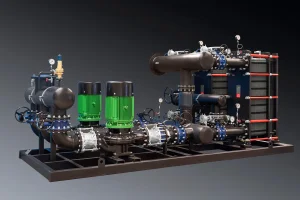
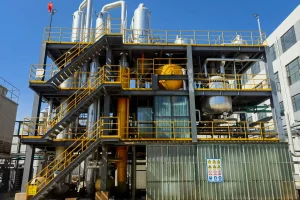
Plate Cooler Supplier & Exporters in the Kuala Lumpur Market

High-Efficiency Industrial Plate Heat Exchangers & Smart Thermal Engineering Solutions for Malaysia's Industrial Ecosystem

Send Inquiry Now
30+
Years of Thermal Engineering Excellence
260+
Highly Skilled Technicians & Engineers
4,500+
Annual Production Output Capacity
70,000㎡
Advanced Manufacturing Facility
Overview & Experience

Flotte Thermal Dynamics

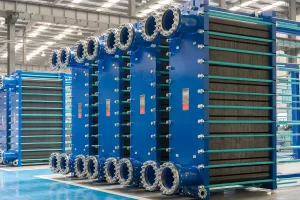
Established with a heritage tracing back to 1995, Flotte Energy Saving Company stands as a pinnacle of technological progress in the HVAC, fluid separation, and industrial thermal management sectors. Boasting a registered capital of 101 million yuan and over three decades of field-tested engineering expertise, we design, manufacture, and export premium-grade Plate Coolers and heat exchange systems worldwide.

Our solutions are engineered to withstand complex industrial conditions, operating efficiently across high-humidity climates like Kuala Lumpur and other key manufacturing zones in Southeast Asia. Guided by our philosophy of "quality first, winning by quality," our processes run in strict compliance with ISO 9001:2015, ISO 14001, and ISO 45001 international standards.
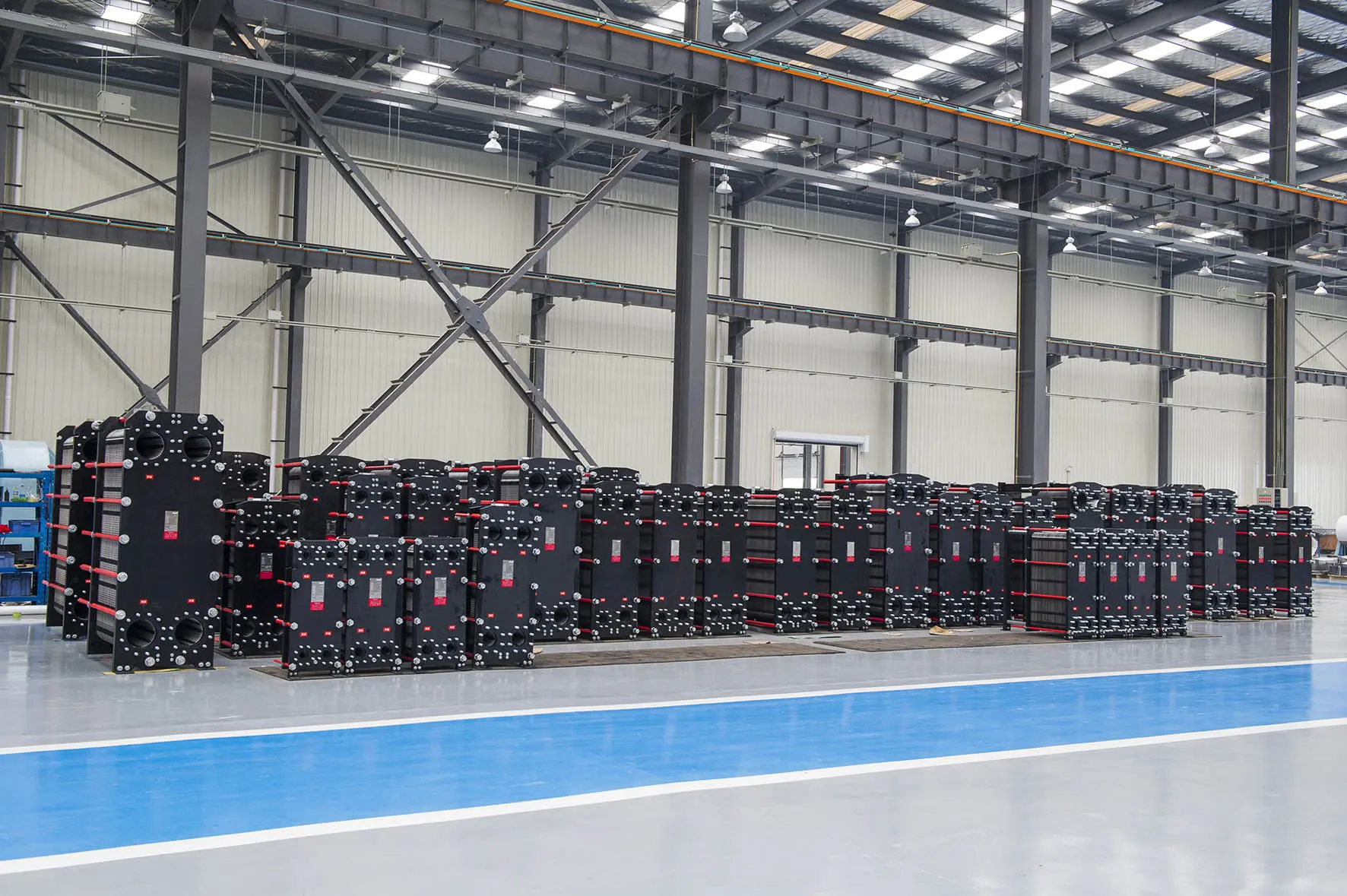
Flotte Industrial Factory

Kuala Lumpur's Tropical Industrial Climate & Thermal Management Challenges

Kuala Lumpur, situated at the heart of Malaysia's economic engine, is characterized by its tropical rainforest climate, marked by high ambient temperatures, abundant rainfall, and year-round humidity. For industrial facilities, high-rise office towers, and processing plants throughout the Klang Valley, Shah Alam, and Port Klang zones, this environment poses unique thermal challenges. Cooling systems must operate under continuously elevated wet-bulb temperatures, demanding optimal heat dissipation and resilient equipment designs.

Traditional shell-and-tube heat exchangers often fall short in these climates due to lower heat transfer coefficients, larger footprints, and vulnerability to fouling from localized water sources. In contrast, modern, high-efficiency Plate Coolers (PHEs) have emerged as the preferred technology. By utilizing thin, corrugated metal plates, they achieve significantly higher heat transfer rates, allowing operations to reduce energy consumption, minimize physical space, and maintain consistent process temperatures even during the hottest tropical afternoons.

"According to Malaysia's Green Building Index (GBI) and the National Energy Transition Roadmap (NETR), optimizing cooling systems in commercial and industrial settings is crucial. Implementing high-efficiency plate coolers can reduce cooling energy demand by up to 25-30%."

Comprehensive Solutions Across Key Malaysian Industries

Flotte's plate heat exchangers and integrated cooling systems are engineered to address the specific needs of various sectors across the Kuala Lumpur market:

Data Centers & HVAC

With KL and Johor Bahru emerging as leading data center hubs in Southeast Asia, our plate coolers protect delicate computing hardware by maintaining precise water-glycol loop separation and cooling profiles.

Palm Oil & Chemical Refineries

Malaysia is a global leader in palm oil production. Our plate coolers process high-viscosity fluids and corrosive organic acids with custom-engineered plate geometry, preventing premature fouling.

District Cooling Systems

High-density urban developments like Tun Razak Exchange (TRX) and KLCC rely on localized cooling networks. Our detachable plate heat exchangers serve as pressure breaks for tall vertical building spans.
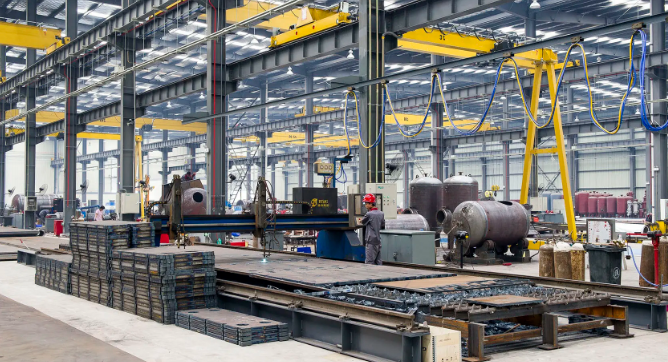
Advanced Manufacturing Process

Technical Specifications & Component Engineering

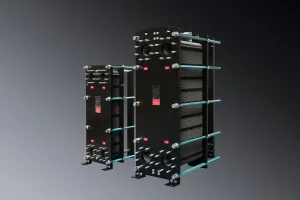
At Flotte, every plate cooler is structured with optimized thermodynamics in mind. We select premium materials and utilize advanced manufacturing processes to ensure reliability and thermal efficiency:

  • Plate Materials: AISI 304, AISI 316L, Titanium, and Hastelloy. Titanium plates are particularly recommended for facilities using untreated sea water or brackish water for secondary cooling loops.
  • Corrugation Patterns: Our patented chevron/herringbone patterns generate high turbulence at lower fluid velocities, facilitating a self-cleaning action that reduces scale buildup.
  • Gaskets: Supplied in NBR, EPDM, and Viton/FKM, designed to handle operational temperatures ranging from -50°C up to 180°C.
  • Frame Designs: Carbon steel clad frames coated in industrial epoxy coatings to prevent corrosion in humid environments.

Standard Specifications Table

Parameter/Specification Standard Configuration High-Performance Industrial Option
Plate Material Options Stainless Steel SS304 / SS316L Titanium, Hastelloy, Nickel Alloys
Gasket Material EPDM / NBR (Clip-on / Glue-on) FKM (Viton), PTFE-cushioned Gaskets
Max. Design Pressure 1.6 MPa (16 Bar) 2.5 MPa to 4.0 MPa (25 to 40 Bar)
Max. Design Temperature Up to 150°C Up to 180°C+ with specialized materials
Connection Diameters DN25 to DN500 (Flanged/Threaded) Custom Welded / Sanitary Tri-Clamp
Heat Transfer Coefficient 3,000 - 6,000 W/m²·K Up to 8,000 W/m²·K depending on media
Production Process

Rigorous Quality and Manufacturing Flow

01

Precision Pressing & Stamping

Plates are pressed in a single-step stroke using hydraulic presses, ensuring uniform corrugation depth and minimizing internal stress points.

02

Water Pressure & Integrity Testing

Every plate pack is subjected to rigorous pressure-hold tests at 1.3 to 1.5 times the design pressure to guarantee leak-proof performance.

03

Assembly & Anti-Corrosion Coating

Components are assembled, frames are sandblasted, and premium epoxy paint is applied to withstand Malaysia's high-humidity conditions.

E-E-A-T Compliance: Certifications & Global Authority

Our commitment to engineering excellence is validated by international regulatory bodies and certifications. Flotte products undergo strict third-party inspections to meet strict engineering codes. We maintain compliance with:

  • ISO 9001:2015 for quality management systems governing design, manufacturing, and shipping.
  • ISO 14001:2015 environmental compliance, guaranteeing sustainable production and minimal resource waste.
  • ISO 45001:2018 safety frameworks protecting our 260+ factory personnel.
  • National Boiler and Pressure Vessel Standardization safety registrations, alongside international alignments to ASME Sec VIII Division 1 guidelines.

Future Outlook: Decarbonization and Smart Thermal Control

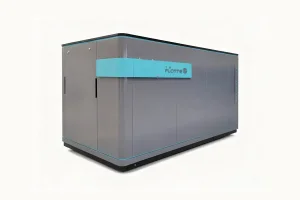
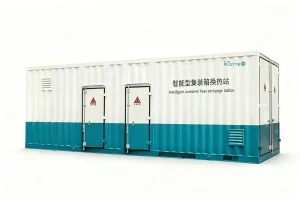
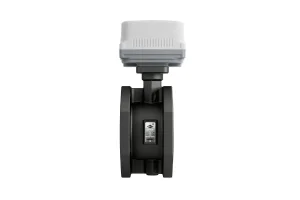
With global markets shifting towards digital integration and carbon neutrality, Flotte is actively investing in smart thermal technologies. By combining traditional plate cooler hardware with IoT sensors, intelligent balancing valves, and remote performance-monitoring software, operators can track real-time temperature differentials, pressure drops, and fouling indicators. This predictive maintenance model minimizes unplanned shutdowns and optimizes cooling water distribution, helping businesses reduce energy costs and lowering overall carbon emissions.
Knowledge Base

Frequently Asked Questions (FAQ)

What are the primary factors to consider when choosing a plate cooler for the tropical climate of Kuala Lumpur?
Due to the region's high ambient temperature and humidity, cooling water temperatures in secondary loops are often higher. Design engineers must account for a tighter temperature approach (often as low as 1°C to 2°C) and higher wet-bulb temperatures. Additionally, selecting corrosion-resistant plate materials (e.g., Titanium or High-Grade 316L SS) and appropriate gasket compounds (EPDM/NBR) is critical to withstand local water quality and continuous thermal load.
How often do plate heat exchangers require cleaning and maintenance in industrial settings?
Maintenance intervals depend on the fluid characteristics and fouling rate. For clean closed-loop HVAC systems, maintenance may only be needed every 3–5 years. However, for industrial wastewater, palm oil refining, or open-loop cooling towers, we recommend annual visual inspections or Clean-In-Place (CIP) flushing every 6 to 12 months to prevent mineral scaling and biological growth.
Do your plate coolers comply with Malaysian DOSH (Department of Occupational Safety and Health) regulations?
Yes. Flotte designs and manufactures pressure vessels according to recognized international standards (such as ASME, ISO, and CE). For installations in Malaysia requiring DOSH approval, we provide comprehensive manufacturing documentation, material test reports (MTRs), hydrostatic test certifications, and calculation sheets necessary to support local registration processes.
What is the advantage of a detachable plate heat exchanger over a brazed plate heat exchanger?
Detachable (gasketed) plate heat exchangers can be easily disassembled for mechanical cleaning, inspection, and plate replacement. They also offer the flexibility to add or remove plates to adapt to changing thermal load requirements. Brazed plate heat exchangers are compact and cost-effective but are sealed units that cannot be mechanically cleaned or expanded.
How does Flotte's plate design achieve higher heat transfer efficiency compared to competitors?
Our patented corrugated plate geometry features optimized chevron angles that promote turbulent flow even at low fluid velocities. This high turbulence breaks down the fluid boundary layer, raising the heat transfer coefficient (U-value) to 3–4 times that of traditional shell-and-tube heat exchangers, while maintaining low pressure drops and reducing fouling.
Can you assist with local shipping, installation guidance, and testing in Malaysia?
Yes, we work with localized logistics partners and engineering distributors across Malaysia, including the Klang Valley and Penang regions, to coordinate secure delivery. We provide comprehensive installation manuals, alignment checklists, and remote engineering support to ensure system integration and start-up testing are completed successfully.

Optimize Your Plant's Thermal Performance

Connect with Flotte's application engineers to design a custom plate cooling solution tailored to your operational specifications and environmental conditions.

Send Inquiry Now