The Netherlands represents one of Europe's most demanding markets for thermal management, driven by intensive industrial specialization, strict environmental mandates, and a structural push towards decarbonization. From the maritime hubs of Rotterdam and Amsterdam to the massive greenhouse horticulture complexes of Westland, the demand for precision heat exchange technology has shifted significantly. Standard commercial-grade cooling systems are no longer sufficient to meet modern performance specifications.
In the context of the Dutch Energy Agreement (Energieakkoord) and the transition toward net-zero industrial production, industrial cooling operations must demonstrate maximum thermal energy efficiency with minimized power inputs. Plate coolers—especially gasketed plate heat exchangers (GPHEs) and semi-welded variants—play a critical role. They allow process plants to recover low-grade waste heat, reduce seawater intake temperatures in marine vessels without accelerated fouling, and run geothermal district heating systems under tight control. The demand is particularly pronounced for high-integrity heat exchangers that feature advanced plate patterns designed to operate efficiently under low approach temperatures (dT < 1°C).
Information Gain Insight: The Netherlands' industrial sector is pivoting away from high-energy evaporative cooling towers towards closed-loop liquid-to-liquid plate coolers. This trend minimizes water consumption and eliminates legionella risks, which are tightly regulated under Dutch public health legislation (Arbeidsomstandighedenregeling).
Furthermore, the Dutch chemical cluster (including the Chemelot campus in Geleen and the Moerdijk industrial zone) demands corrosion-resistant metallurgy such as Titanium Gr. 1, Hastelloy, and AISI 316L. Suppliers targeting the Benelux region must be capable of providing certified vessels that align with European Pressure Equipment Directives (PED 2014/68/EU) and specific marine classification rules (Lloyd's Register, DNV, Bureau Veritas).
To achieve superior heat transfer coefficients (U-values), Flotte's plate heat exchangers utilize a highly optimized herringbone/chevron corrugation pattern. The angle and depth of these corrugations are mathematically calculated to generate intense micro-turbulence at low Reynolds numbers. By optimizing flow distribution, we maximize the heat transfer area while managing pressure drop within the rigorous limits specified by Dutch engineering consultancies.
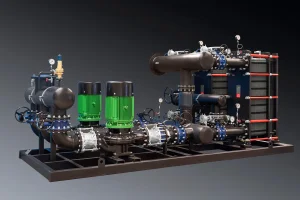
Our structural configuration provides high-efficiency detachable mechanisms, which allow for rapid dismantling during scheduled maintenance operations. In applications such as industrial heating network monitoring and building HVAC installations, these detachable units minimize operational downtime. The structural integrity of the frame plate is built to withstand high design pressures (up to 25 bar or higher depending on customization), ensuring long-term reliability in pressure regulating stations and high-rise commercial structures across Dutch metropolitan centers.
For Dutch chemical plants and offshore wind farm substation cooling, gasket compatibility is vital. We utilize premium elastomer formulations:
Compliance is a fundamental prerequisite for operating pressure equipment in the Netherlands. Any industrial component deployed within the European Union must conform to the safety objectives of the Pressure Equipment Directive (PED) 2014/68/EU. Flotte ensures that all custom-designed plate heat exchangers undergo strict conformity assessment procedures (Modules A2, B, C2, or H/H1 depending on the risk category determined by the maximum allowable pressure and volume).
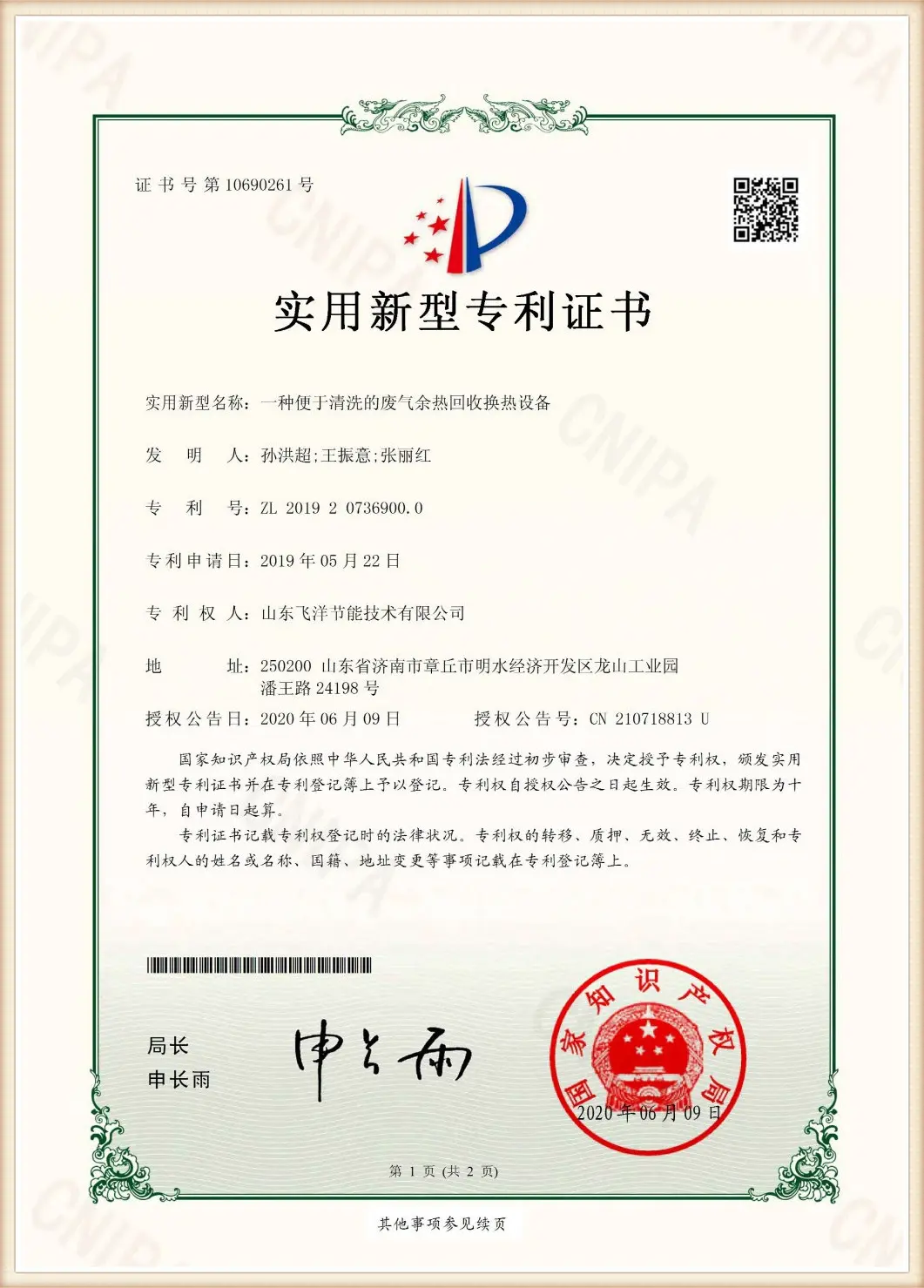
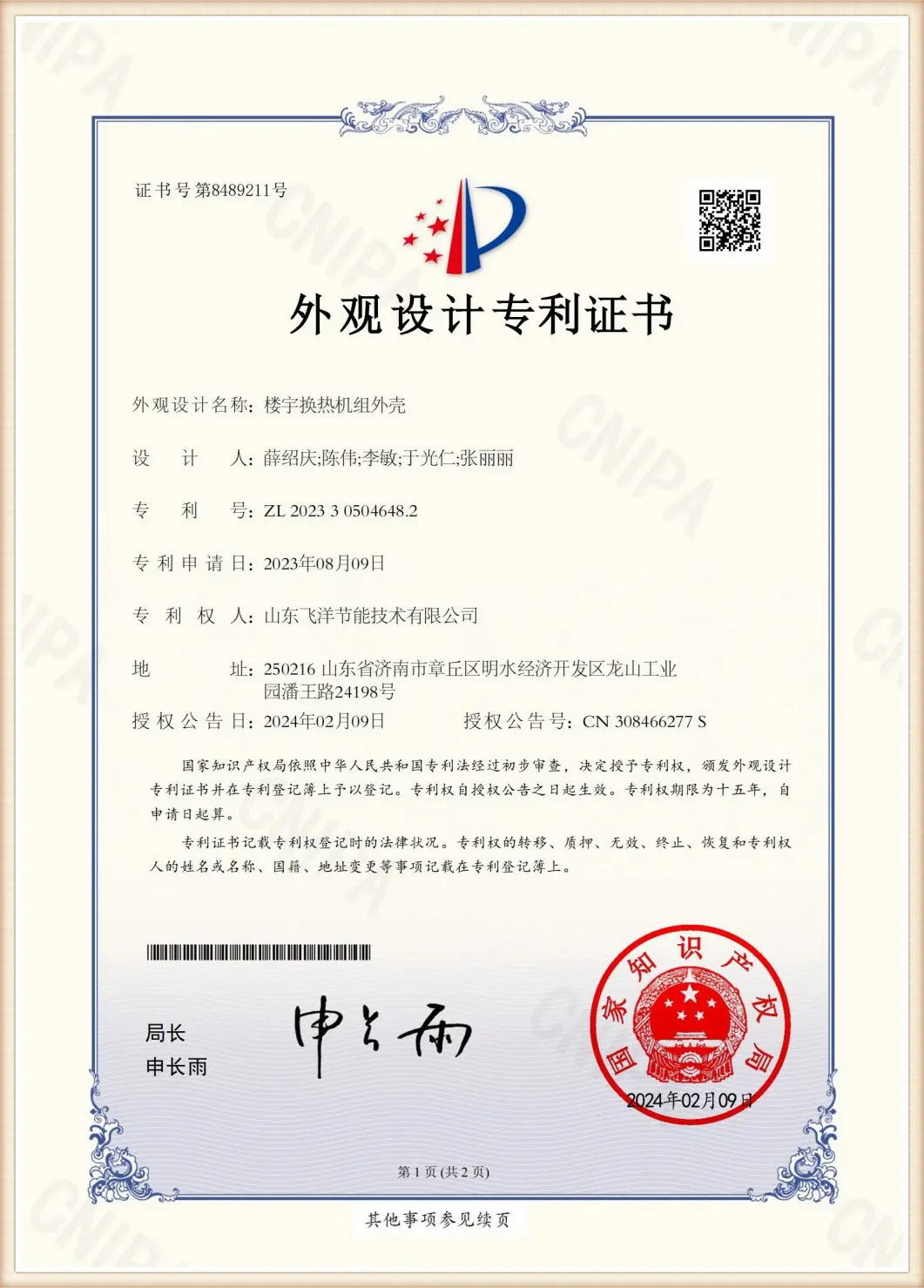
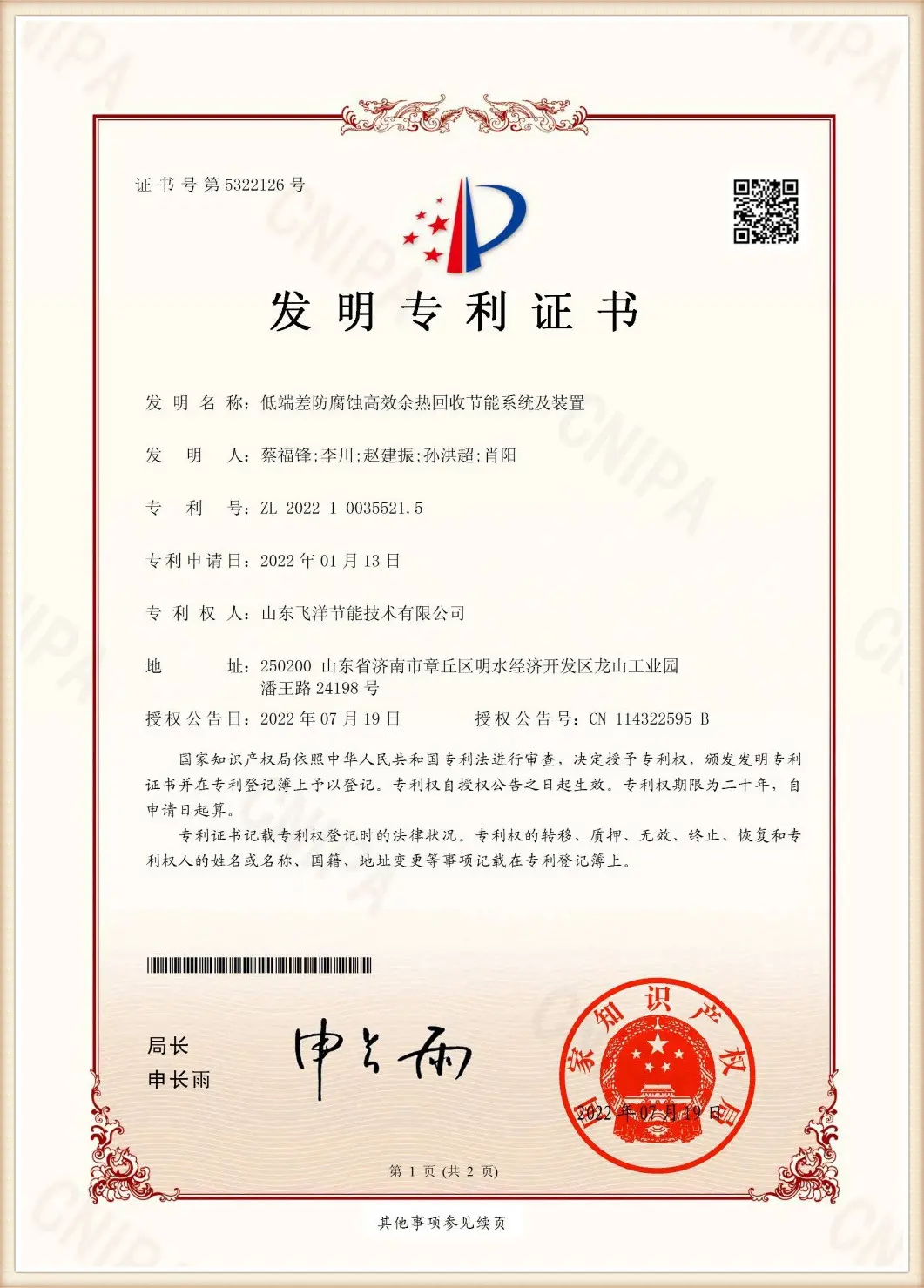
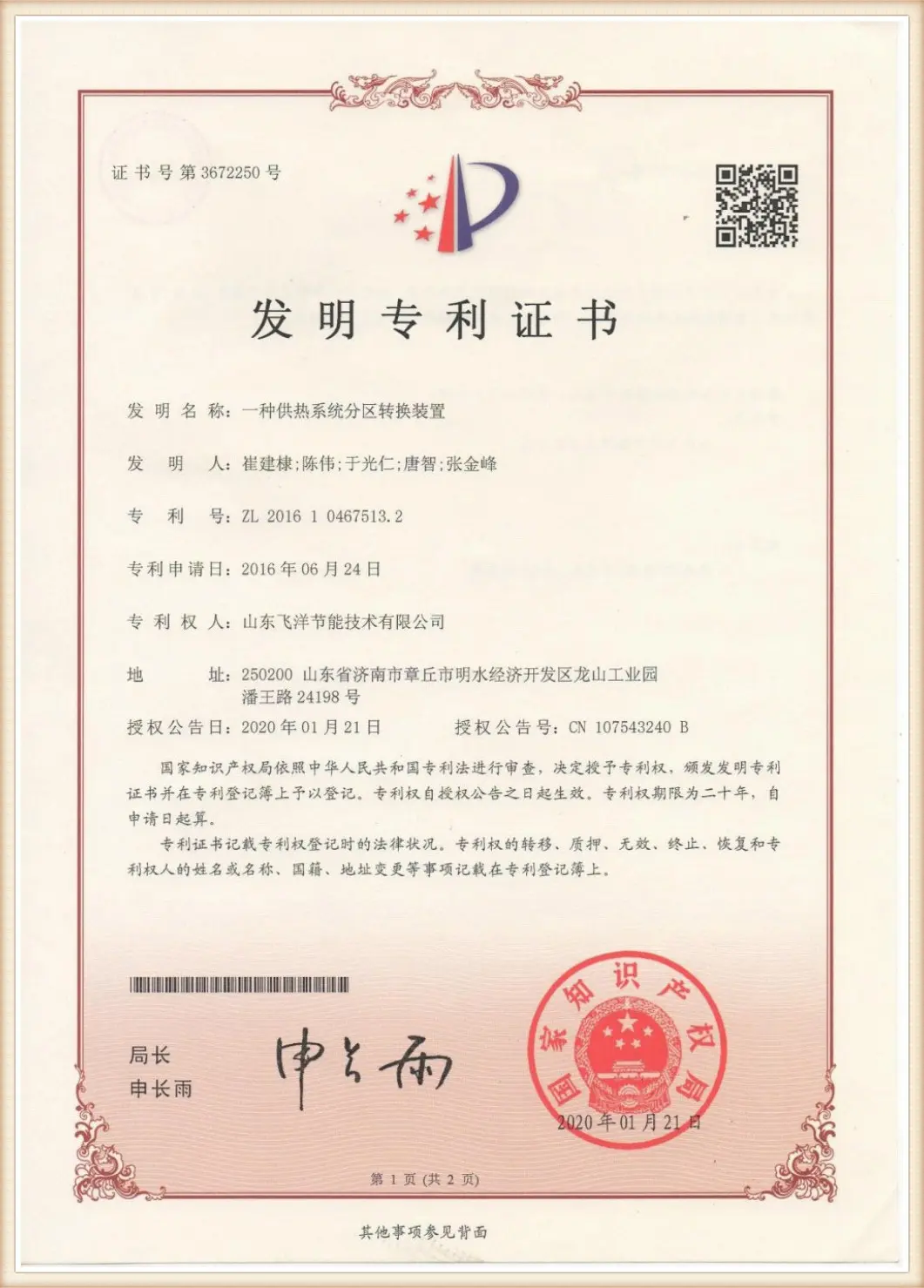
Our manufacturing facilities adhere to the following international standards, validated by independent notified bodies (NoBos):
The modern procurement strategy for major Dutch industrial groups revolves around supply chain resilience, cost optimization, and predictable lead times. Procurement managers in Rotterdam or Amsterdam face pressure from rising domestic assembly costs and delayed lead times from European manufacturers. Partnering with a Tier-1 Chinese supplier like Flotte bridges the gap between high-end performance requirements and competitive pricing.
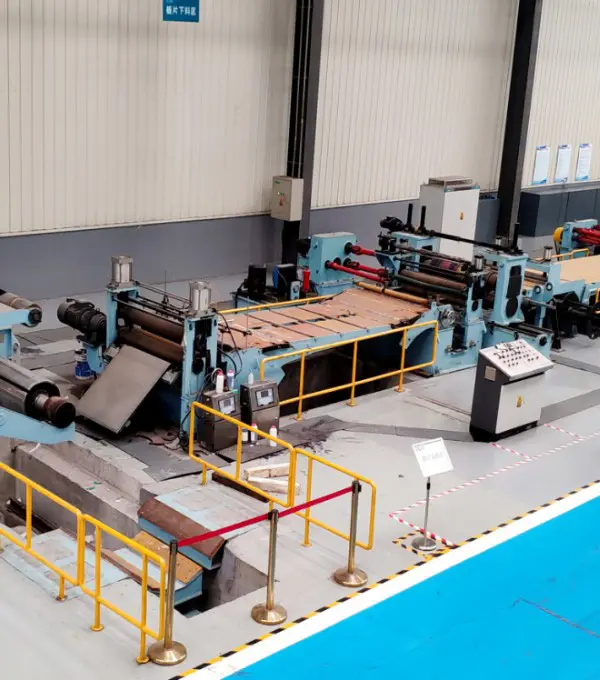
With a registered capital of 101 million yuan and a history stretching back to Flotte Thermal Engineering (founded in 1995), our operations combine extensive scale with technical precision. Operating out of a 70,000 m² modern production facility, we maintain raw material reserves of high-grade stainless steel (AISI 304, AISI 316, AISI 316L) and pure titanium sheets directly sourced from leading global metal mills. This direct sourcing buffers our European partners from supply shocks and raw material inflation.
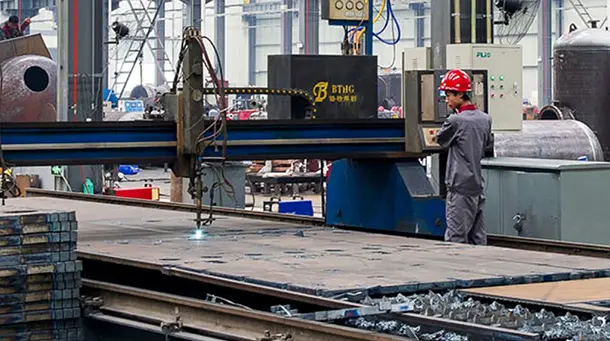
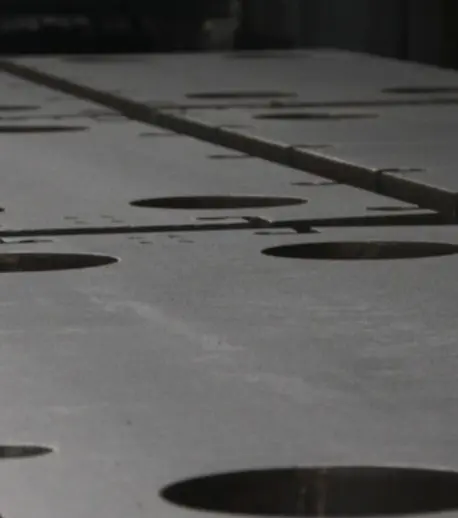
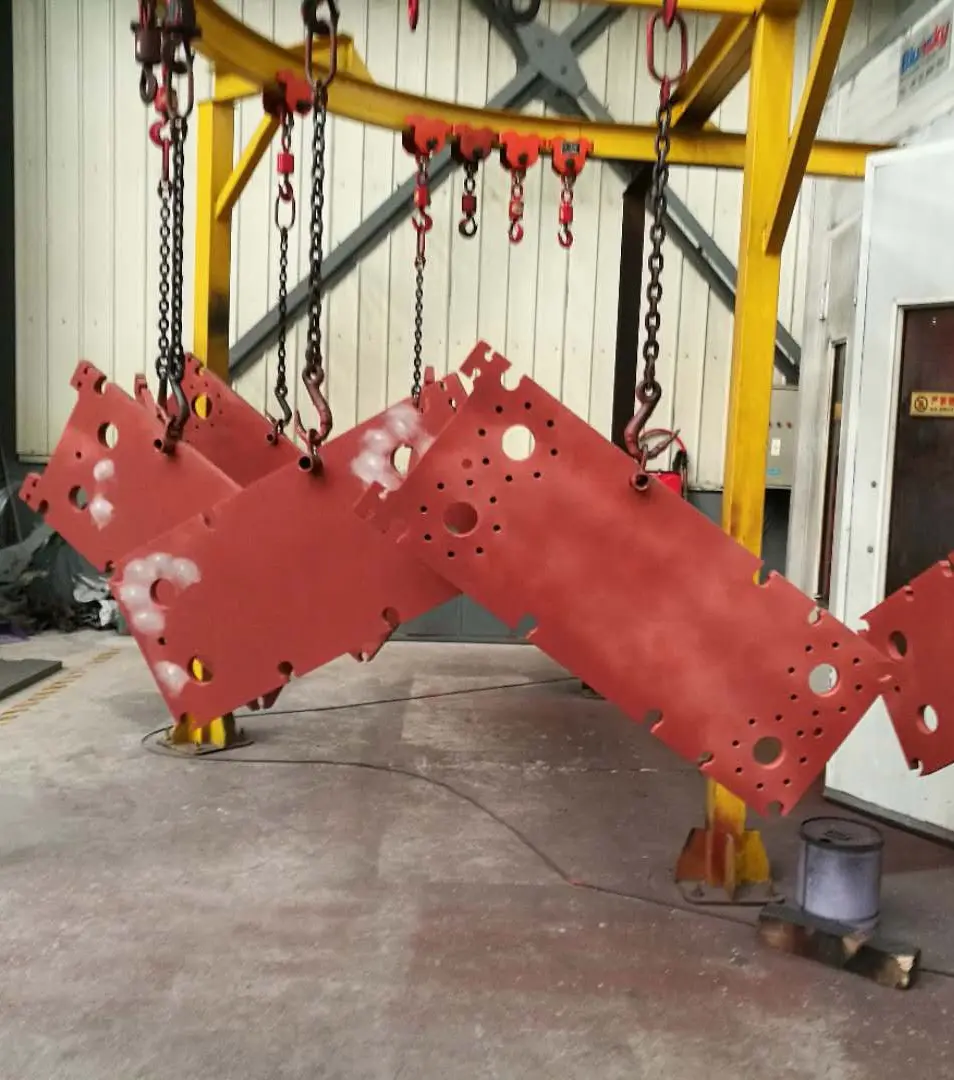
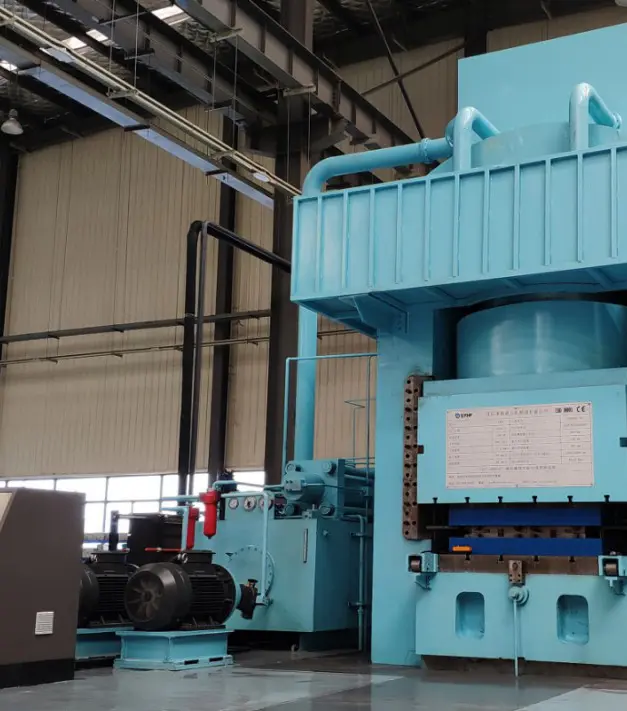
Furthermore, our production process is vertical. From heavy hydraulic press sheet metal stamping to automated CNC plate punching, and final multi-stage helium/hydro-pressure leak detection, we control the entire quality pipeline. By manufacturing all plate molds in-house, we can rapidly customize plate dimensions and chevron patterns to match existing footprints of older heat exchangers in Dutch plants, offering a cost-effective alternative for retrofitting projects.
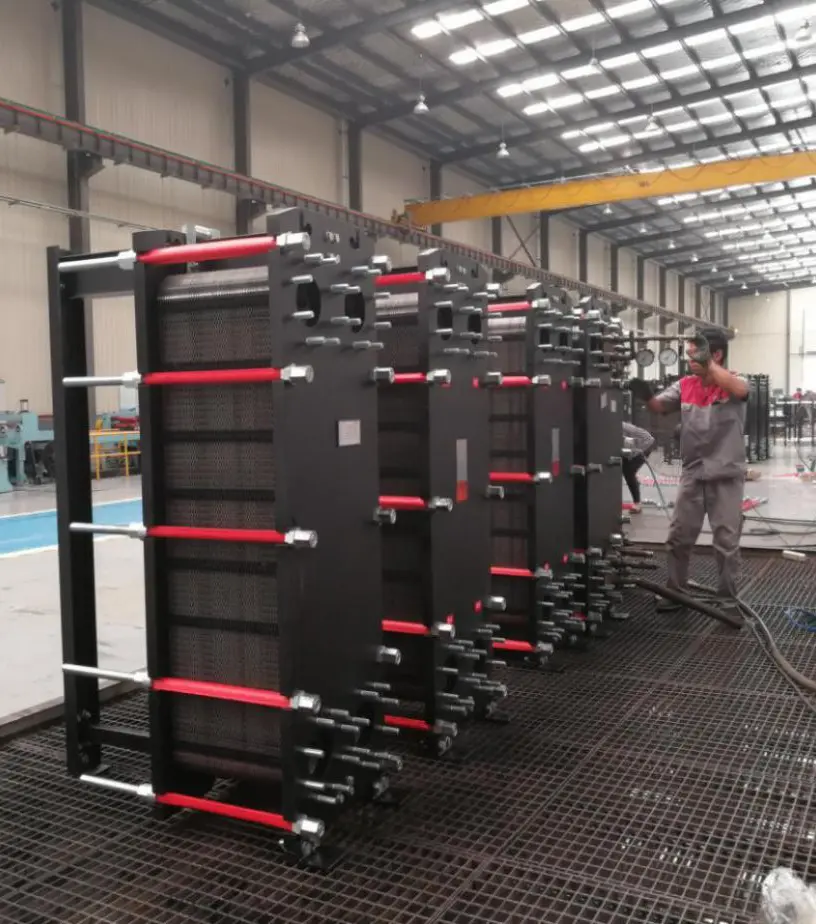
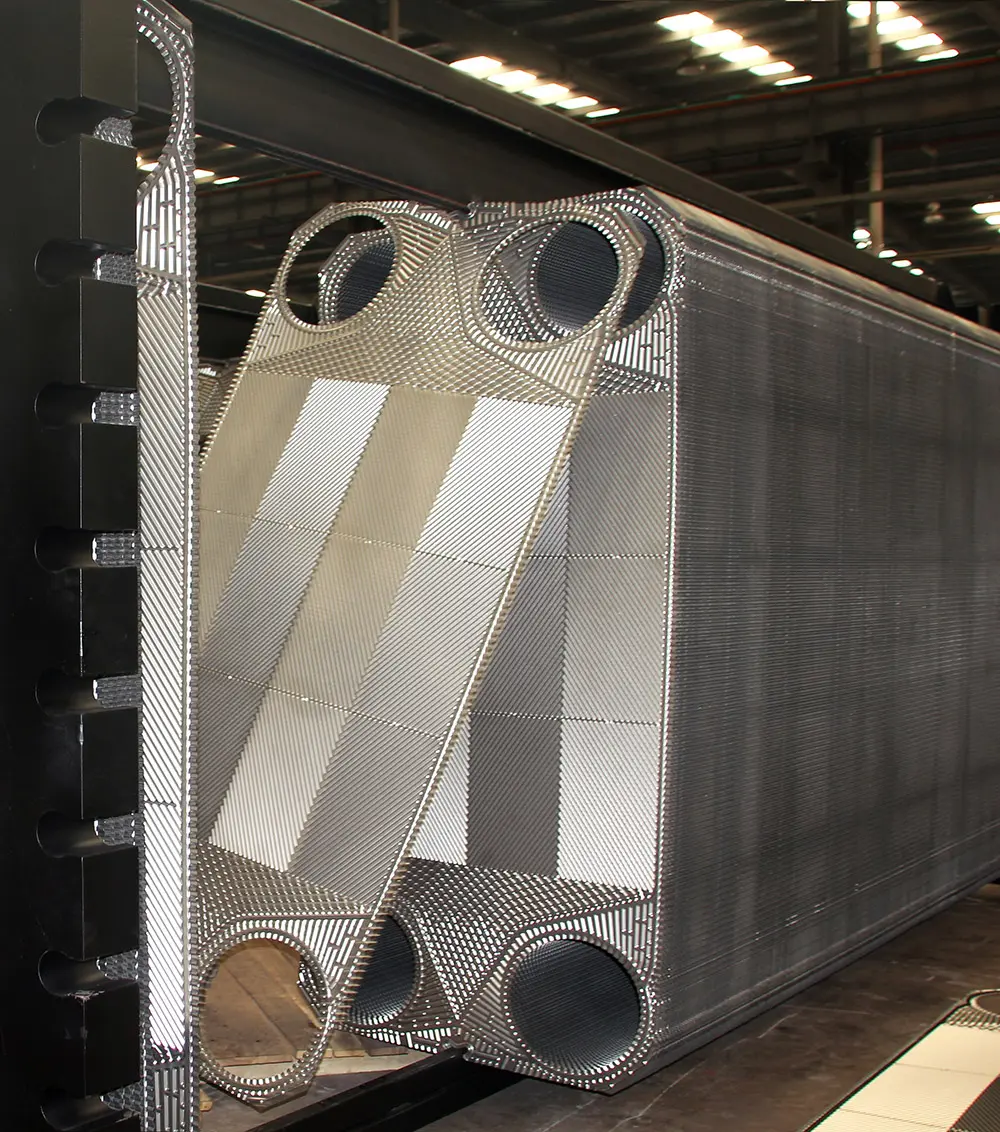
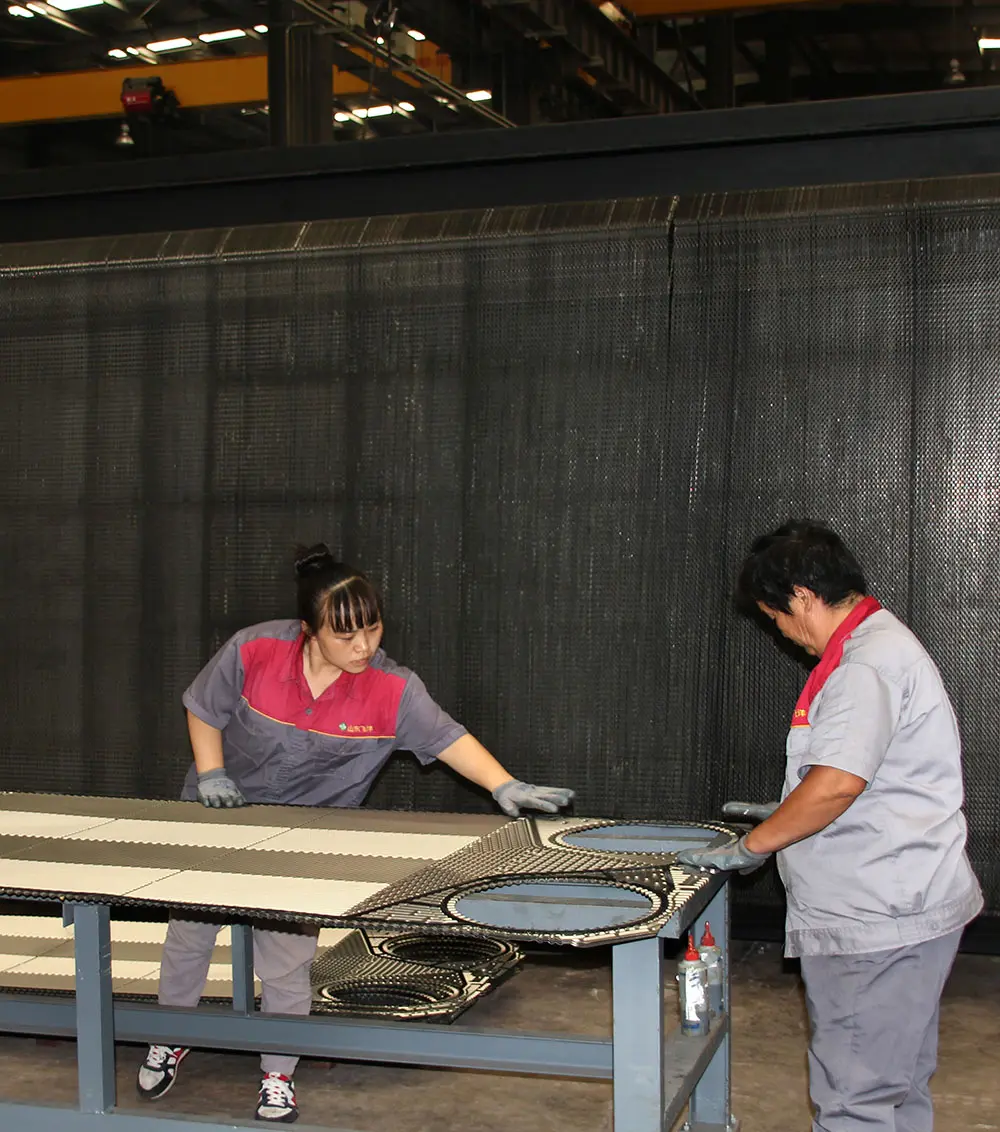
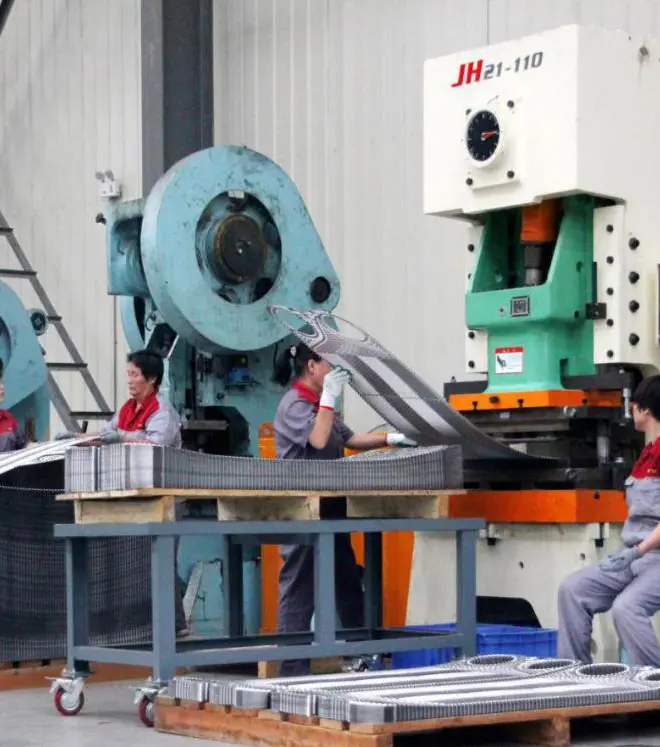
Every region has unique operating parameters. Our systems are engineered to address the distinct thermal challenges of key industries in the Netherlands:
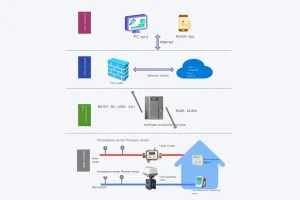
Urban heating projects in cities like Utrecht and Rotterdam rely on geothermal extraction and industrial waste heat. Because temperature levels vary between primary loops and local housing distribution networks, plate heat exchangers must act as secure isolation barriers. Flotte's pressure-regulating stations and detachable plate coolers manage these large-scale networks, delivering efficient heat transfer with minimal temperature drops across the plates.
Operating in the North Sea requires robust materials. Seawater is highly corrosive and prone to biological fouling. Our marine plate coolers use titanium alloy plates that form a self-passivating oxide layer, preventing chloride attack. We supply customized cooling packages for dredging vessels, commercial cargo ships, and offshore wind platforms.
Dutch greenhouses are global leaders in yield efficiency. Maintaining precise root zone and ambient temperatures requires active thermal balancing. Integrating our plate heat exchangers with thermal energy storage (WKO systems) allows operators to capture daytime solar heat from greenhouses, store it in deep aquifers, and retrieve it to warm the facilities at night.
Compliance with food safety standards is mandatory in the Dutch dairy sector. We engineer food-grade plate heat exchangers with sanitary-grade gaskets, polished plate surfaces to prevent protein baking, and detachable frames that simplify CIP (Cleaning-in-Place) routines.
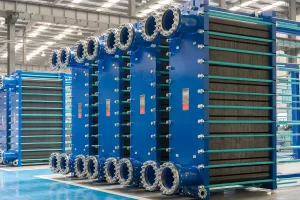
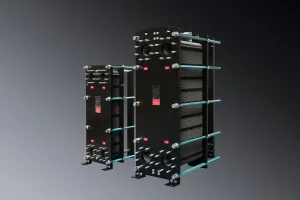
Partner with Flotte for high-performance plate heat exchangers designed to meet European standards. Our team of engineering and logistics specialists is ready to design a custom solution for your facility in the Netherlands.
Send Inquiry Now Flotte Energy