Engineered to withstand the demanding load fluctuations of modern Romanian district heating grids and heavy manufacturing setups.
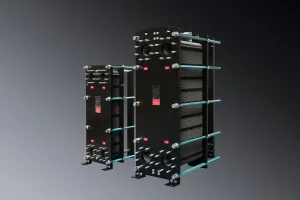
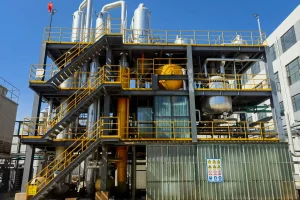
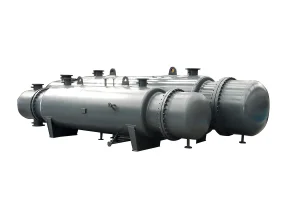
Romania represents one of the fastest-growing industrial landscapes in Central and Eastern Europe. With significant developments in automotive manufacturing in hubs like Pitești and Craiova, petrochemical production in Ploiești, and extensive metallurgical operations in Galați, the demand for highly efficient thermal management systems has escalated. Furthermore, Romania's national commitment to modernization pathways—integrated with European decarbonization goals—demands retrofitting older, inefficient tube-and-shell heat exchangers with high-performance gasketed plate coolers.
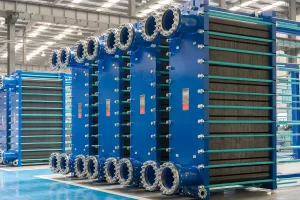
Our plate cooling designs focus specifically on optimizing heat transfer coefficients while managing the unique water quality challenges found in various Romanian river basins (such as the Danube and Olt rivers). Mitigating fouling, reducing maintenance downtime, and preventing cross-contamination are critical structural requisites for these plants.
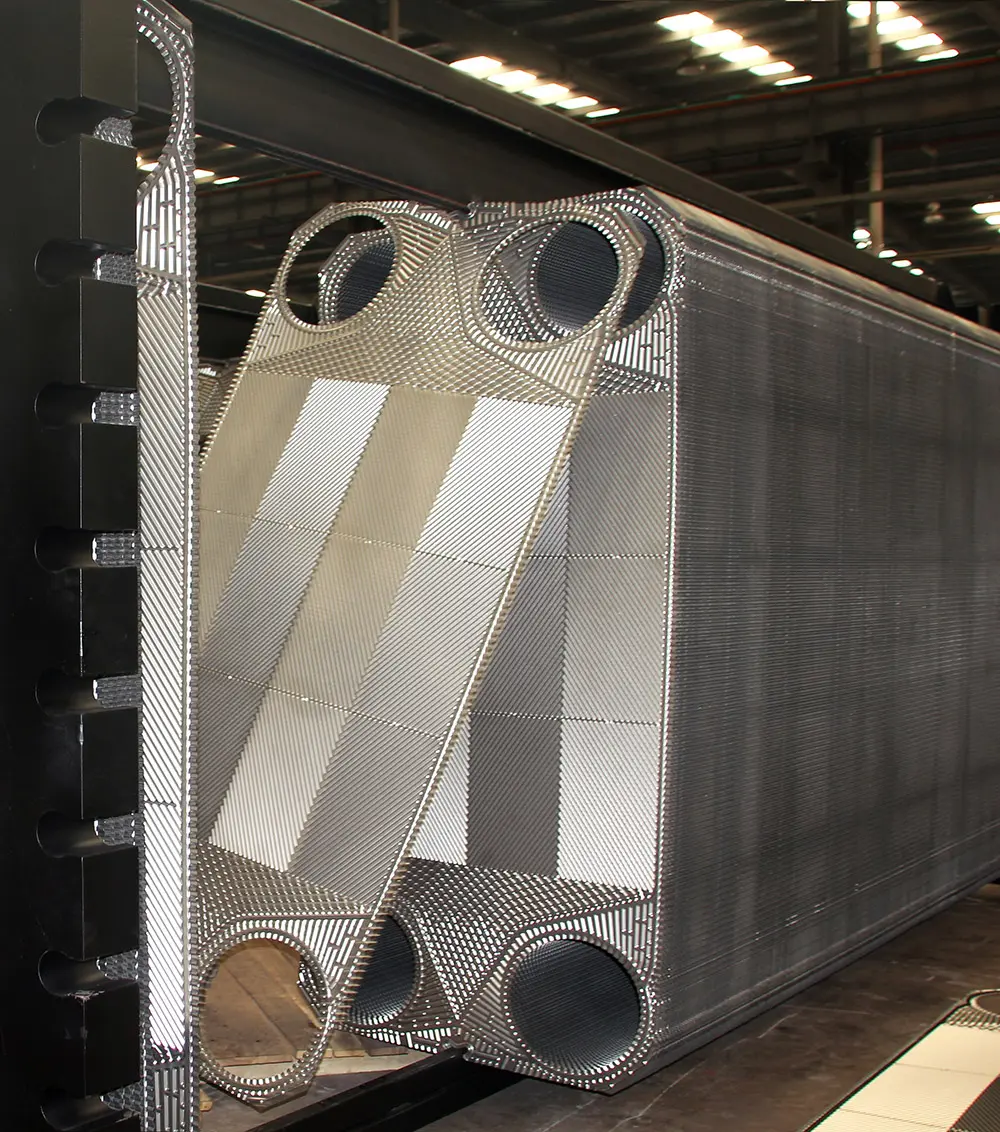
By working directly with a leading global manufacturer and supplier, Romanian engineers gain access to custom-designed plate corrugation angles (both H-theta and L-theta arrangements) optimized for precise pressure drop allocations and high-temperature thermal profiles.
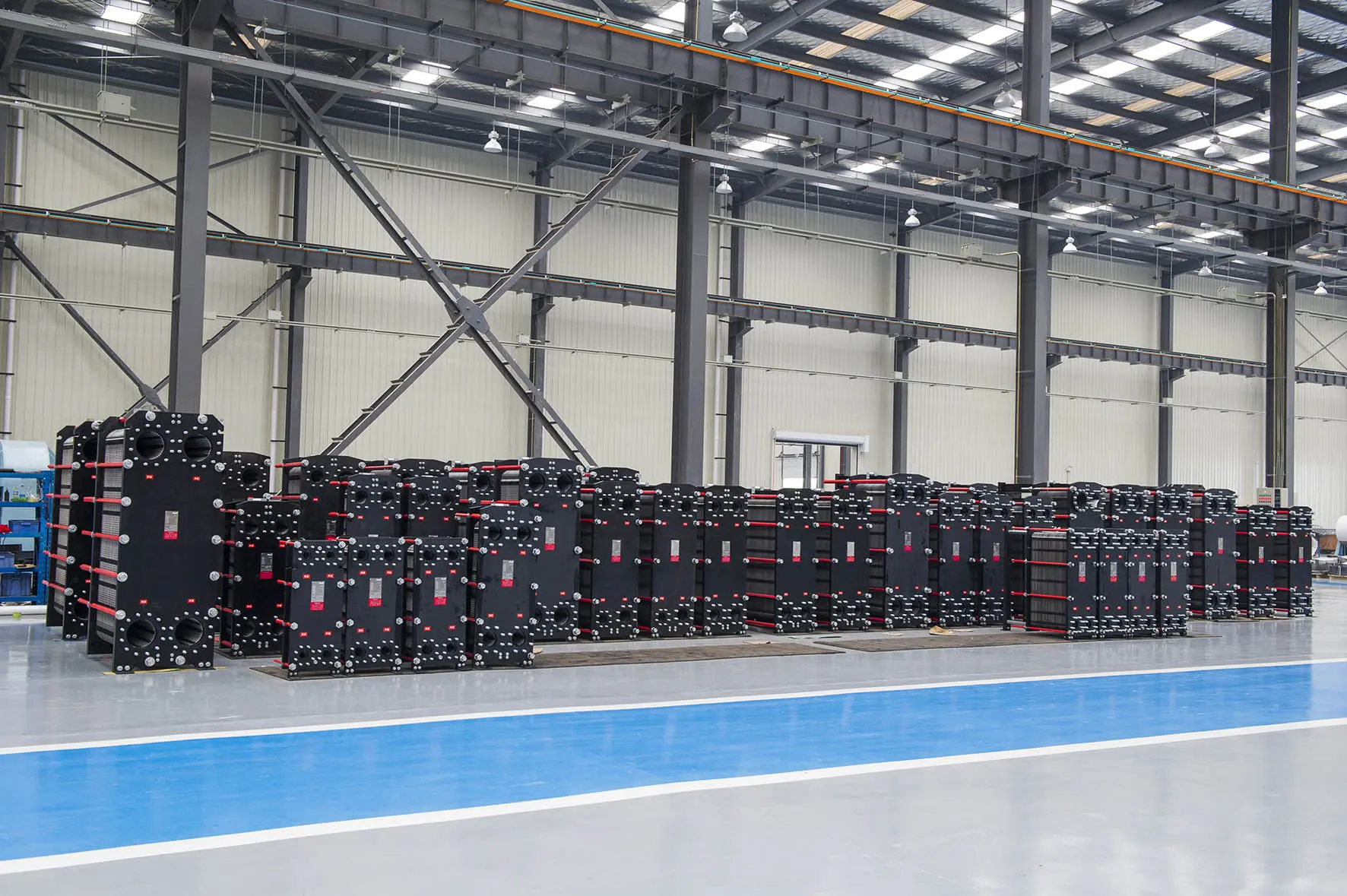
Standard heat exchangers often treat thermal calculations as generic inputs. Flotte designs use advanced CFD (Computational Fluid Dynamics) simulations to customize 3D chevron angles based on fluid viscosities common to Romanian heavy industries. By adjusting the path length and corrugation depth, we induce controlled micro-turbulence at Reynolds numbers as low as 10 to 15, yielding up to a 300% increase in heat transfer efficiency compared to standard shell-and-tube models. This directly translates to lower operational footprint and significant electrical energy savings on secondary circulation pumps.
A global leader in high-performance thermal engineering, HVAC distribution, and water purification technologies.
Flotte Energy Saving Company, established in 2013 with a registered capital of 101 million yuan, originated from Flotte Thermal Engineering founded in 1995. With three decades of rigorous technical expertise, the company specializes in water equipment, HVAC systems, and high-capacity water treatment industries. We consistently lead industry peers in adopting cutting-edge thermal transfer technologies, developing innovative thermal products, and delivering comprehensive, client-centric production and sales services.
Our products undergo mandatory inspections by national quality supervision authorities, ensuring full compliance with international and regional performance standards, including pressure vessel regulations necessary for operation in the European Union.
Optimized engineering integration targeting local infrastructure requirements and environmental profiles.
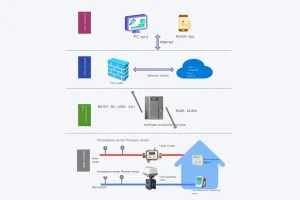
Integrating detachable plate heat exchangers inside metropolitan pressure-regulating substations to manage thermal distribution from centralized CHP plants to residential networks, minimizing line losses.
Supplying customized plate coolers to handle high-volume heat loads from welding robots, stamping machinery hydraulic packs, and engine test cells while maximizing factory space utilization.
High-durability titanium plate coolers designed specifically for aggressive media heat exchange, delivering excellent chemical resistance, easy mechanical cleaning, and long lifetimes.
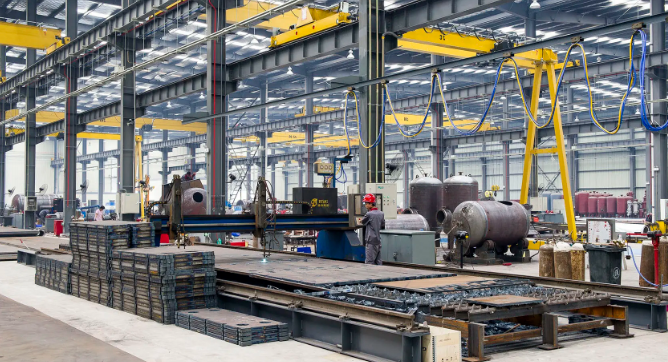
Procuring heat exchangers from Flotte's advanced Chinese manufacturing facilities allows Romanian engineering contractors and industrial buyers to benefit from unique structural and financial advantages:
How we ensure unmatched durability and performance in every plate cooler shipped to Romania.
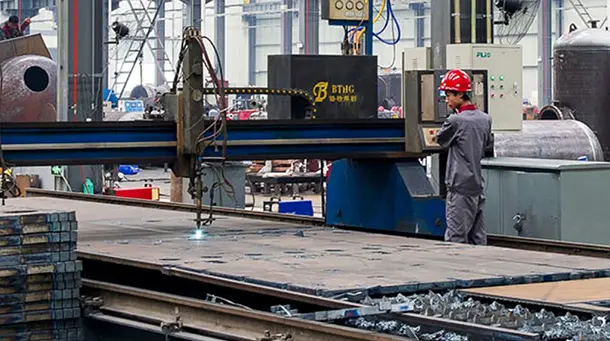
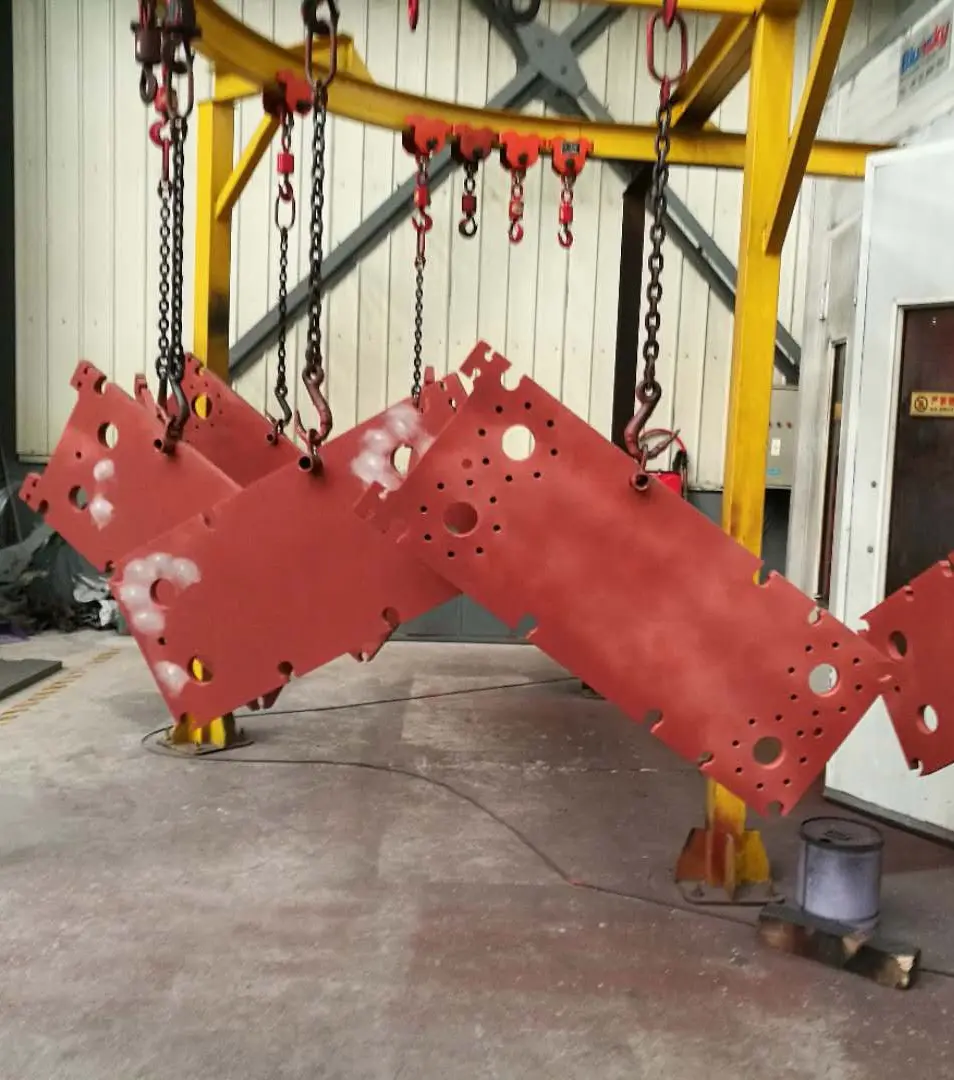
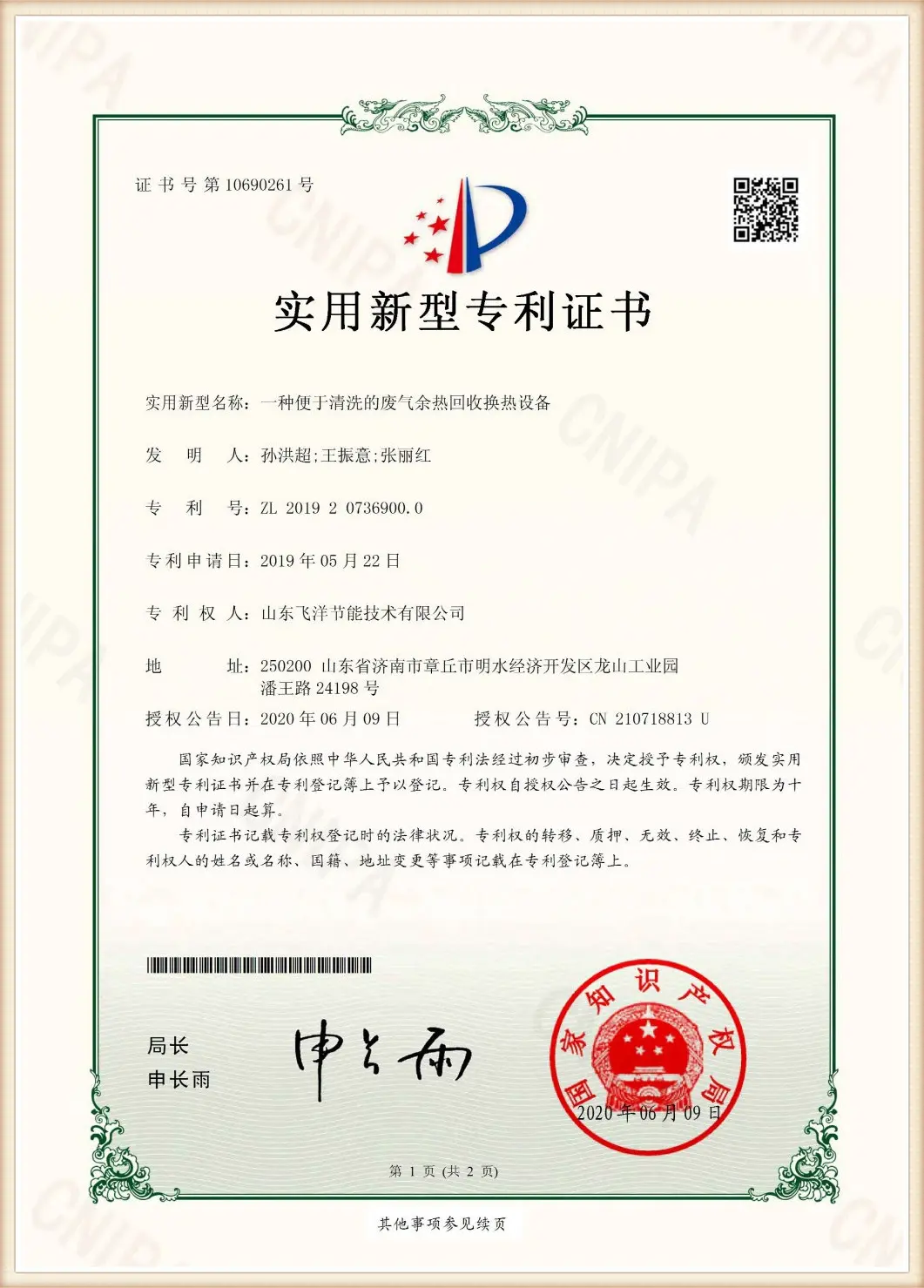
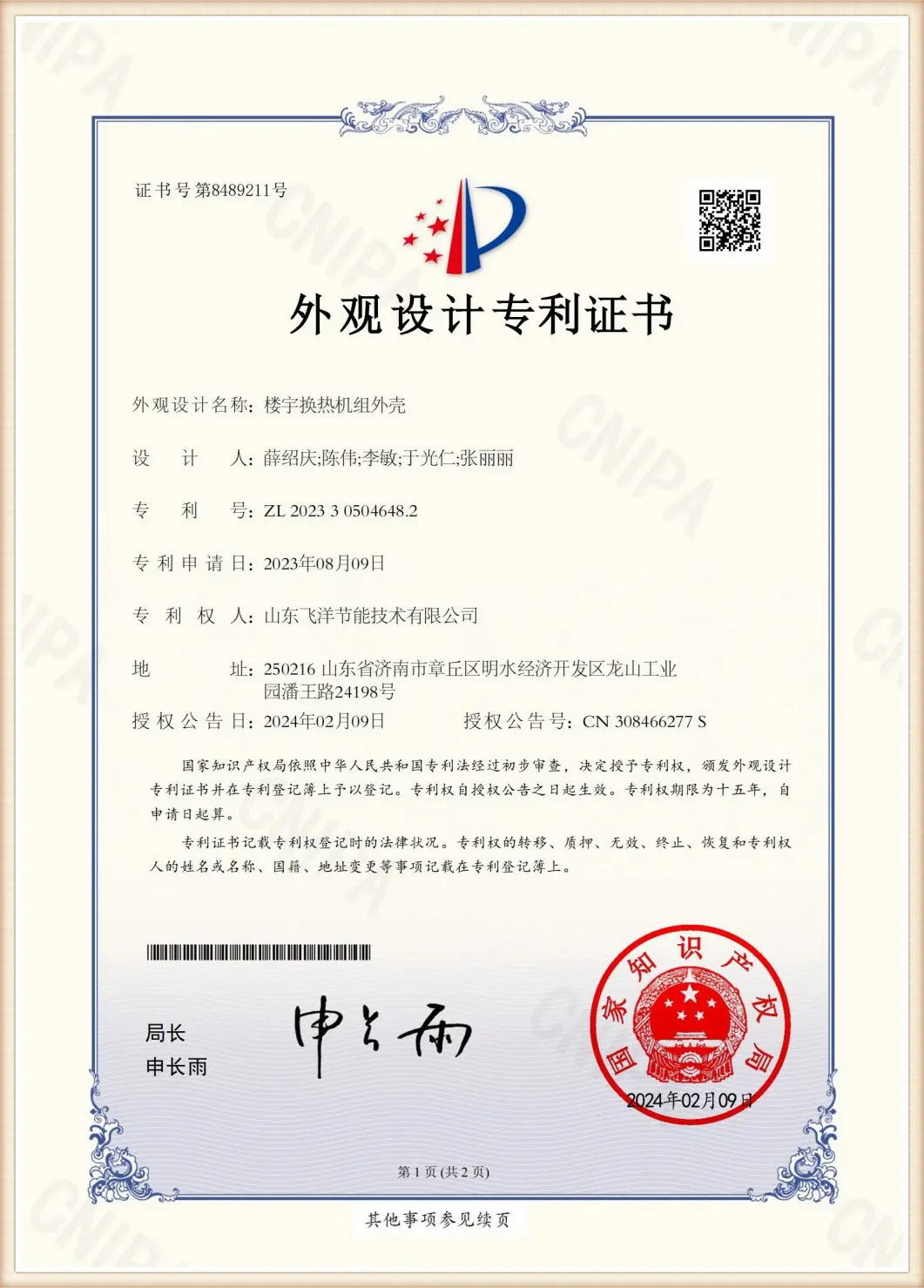
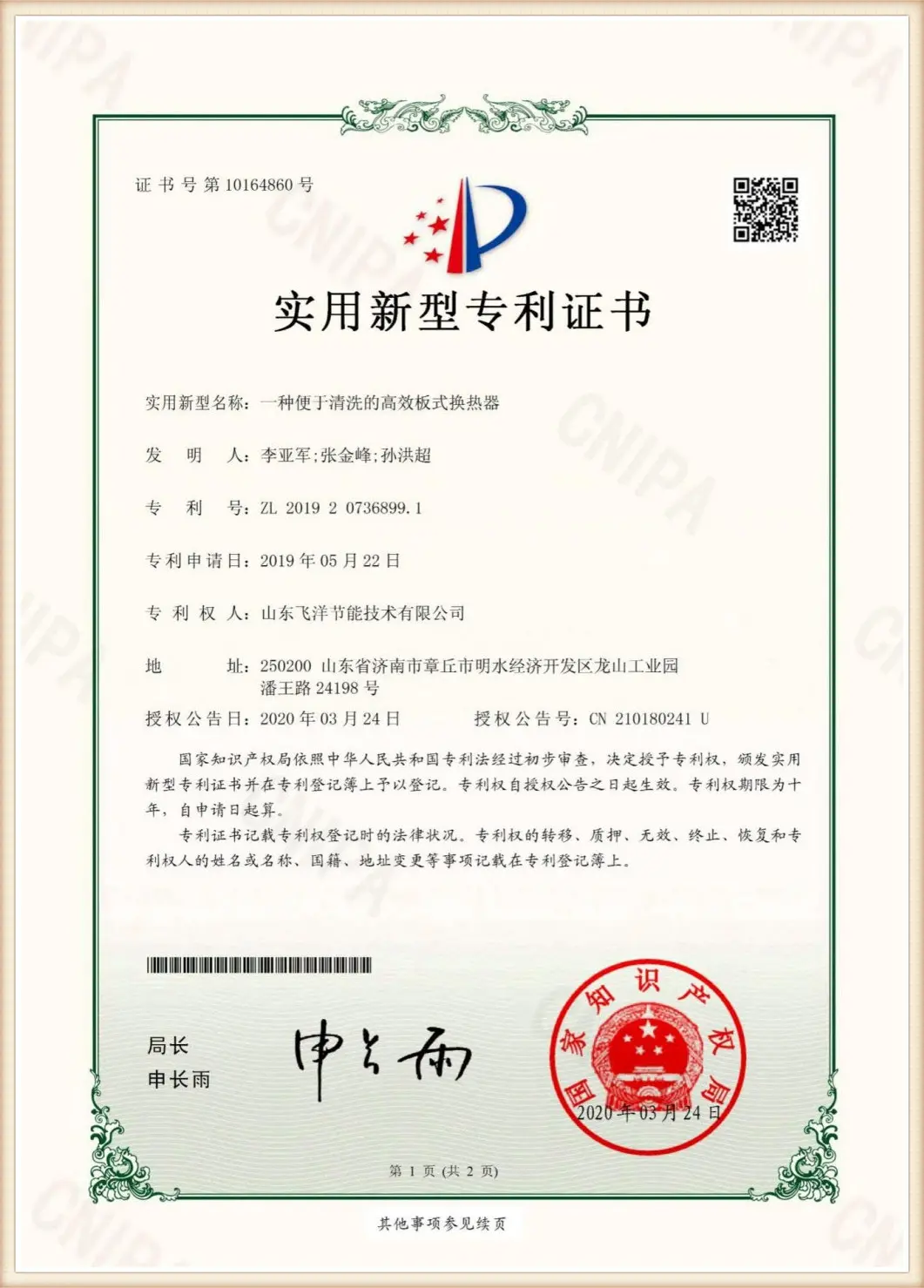
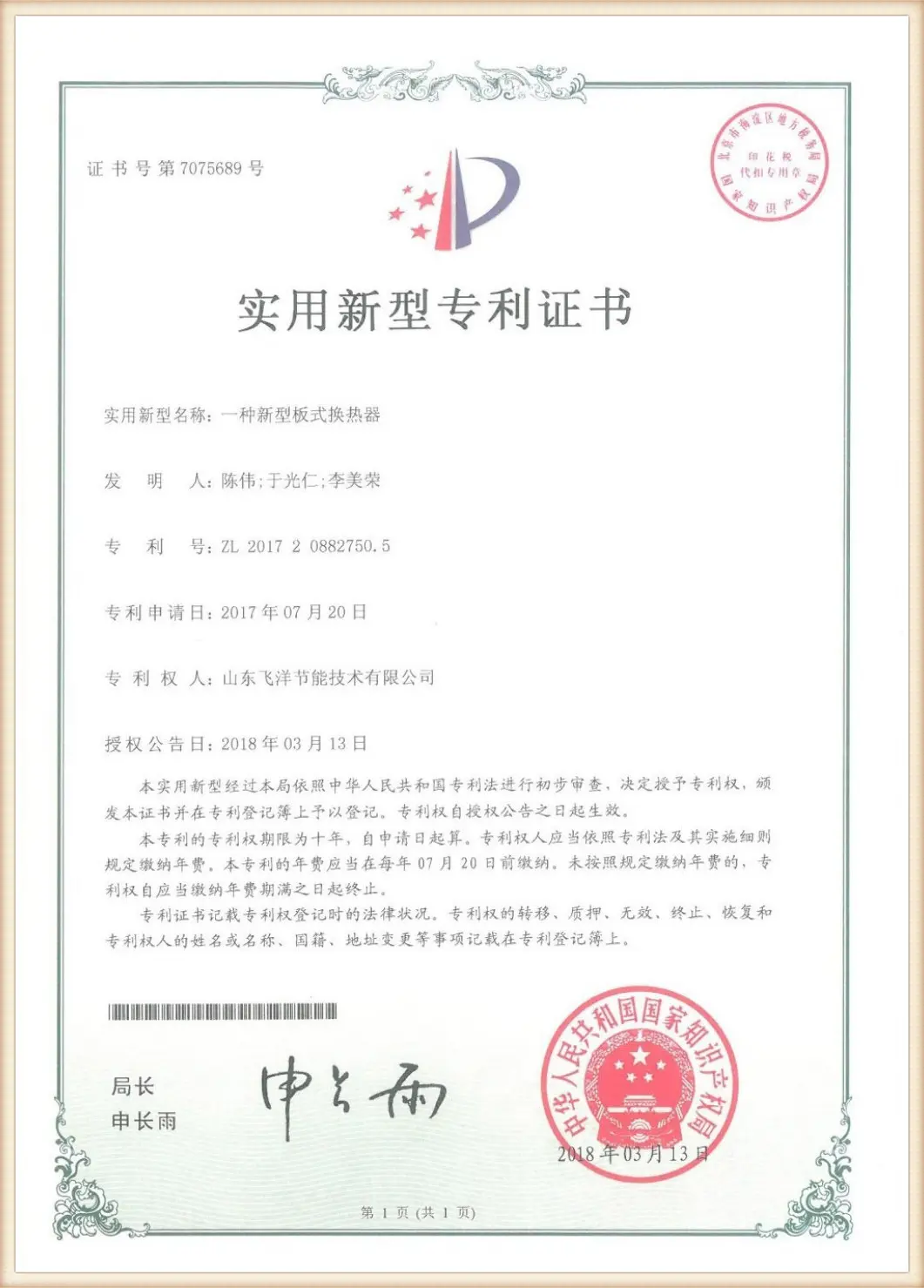
Our facilities and products hold major certifications, confirming compliance with strict global standards.
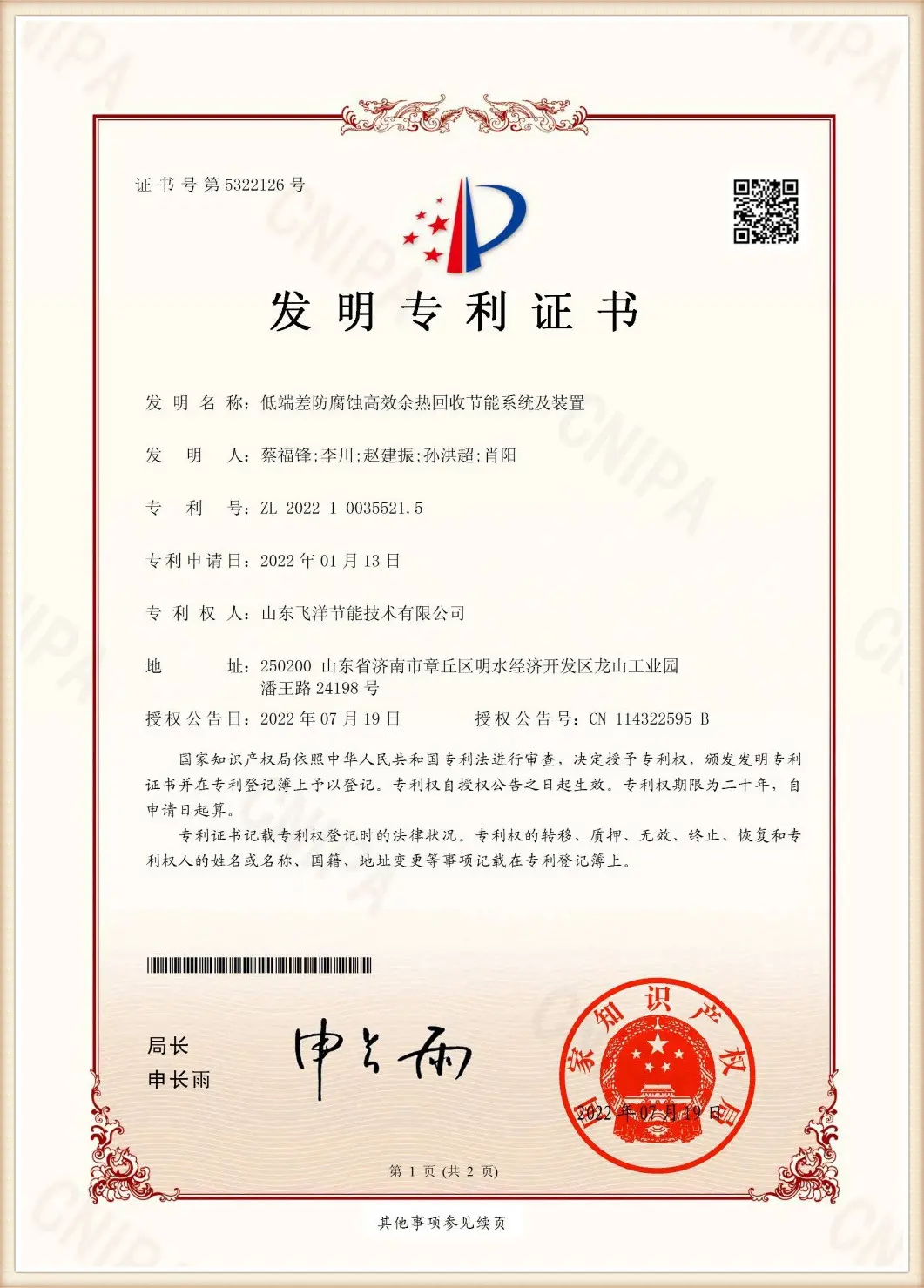
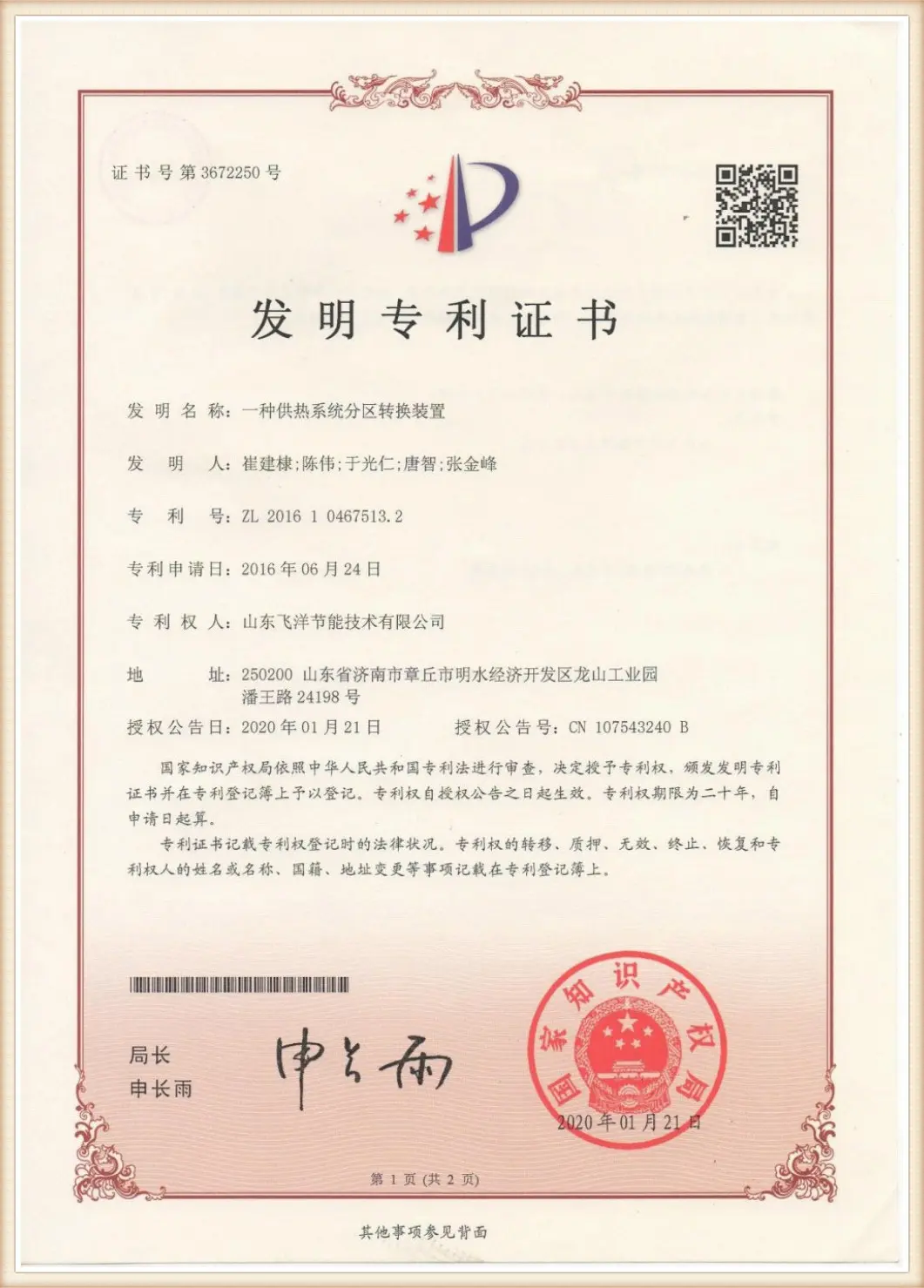
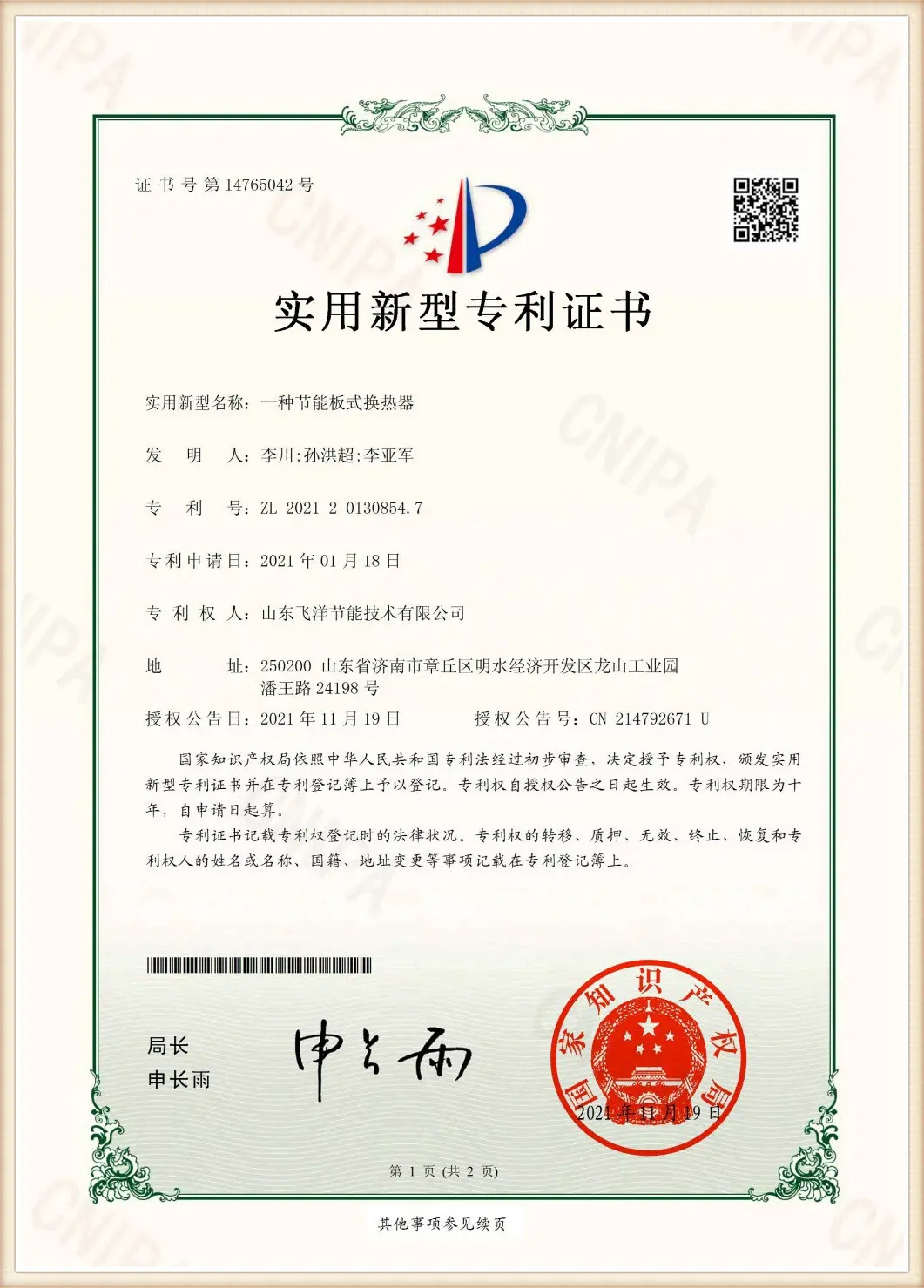
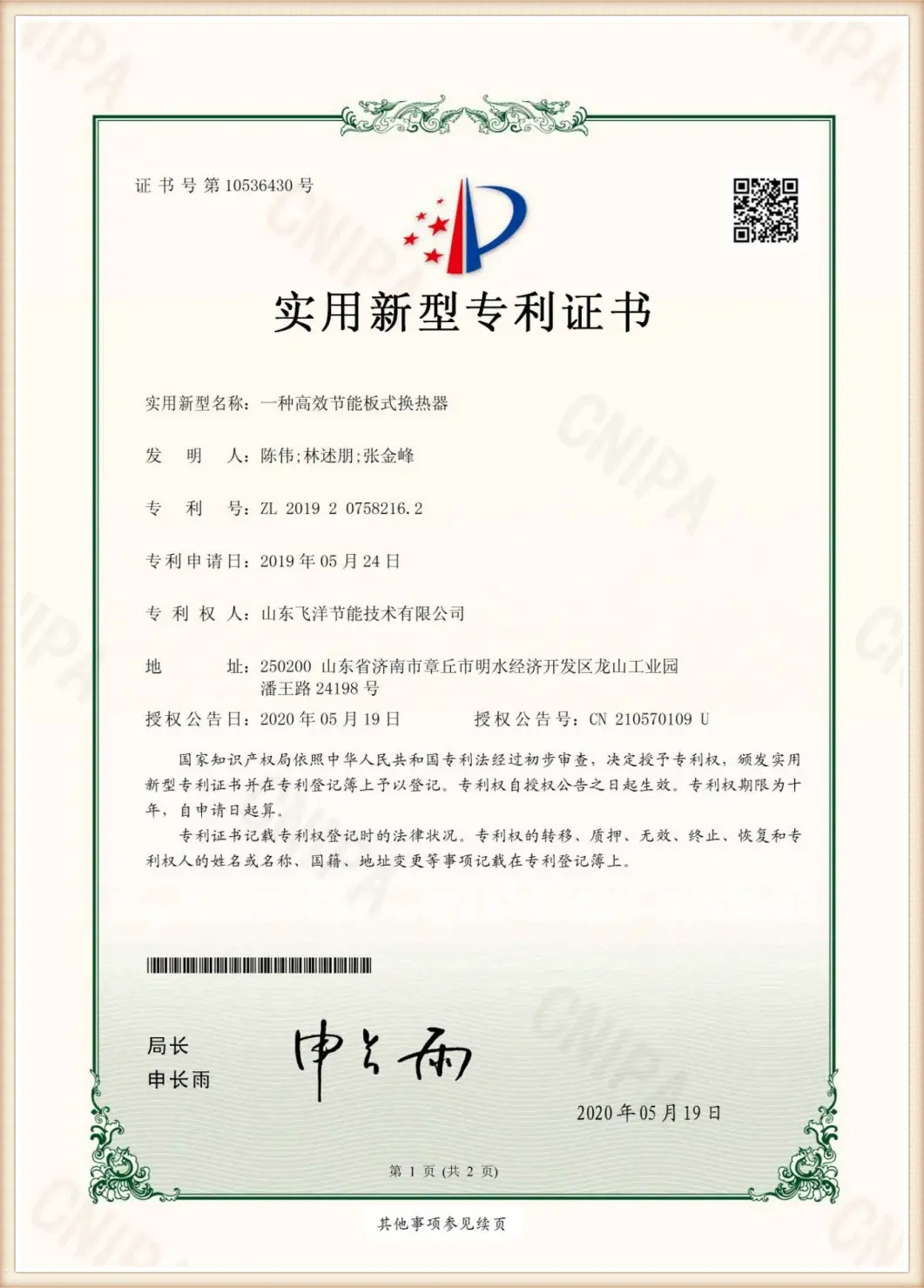
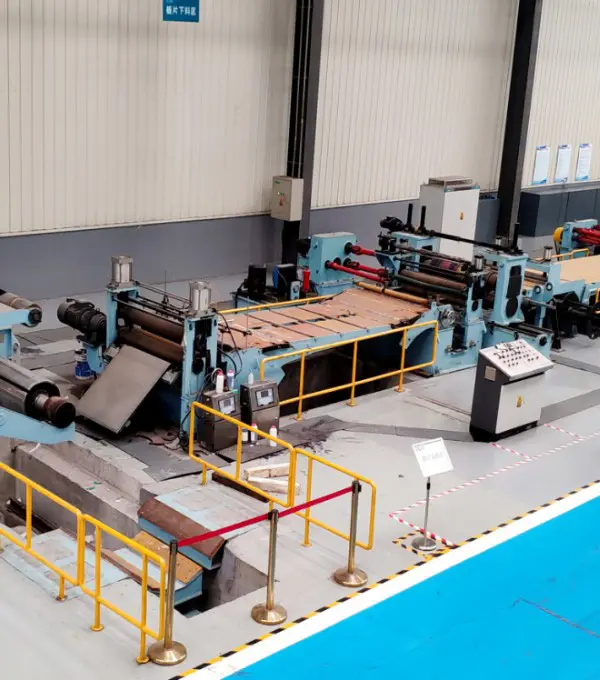
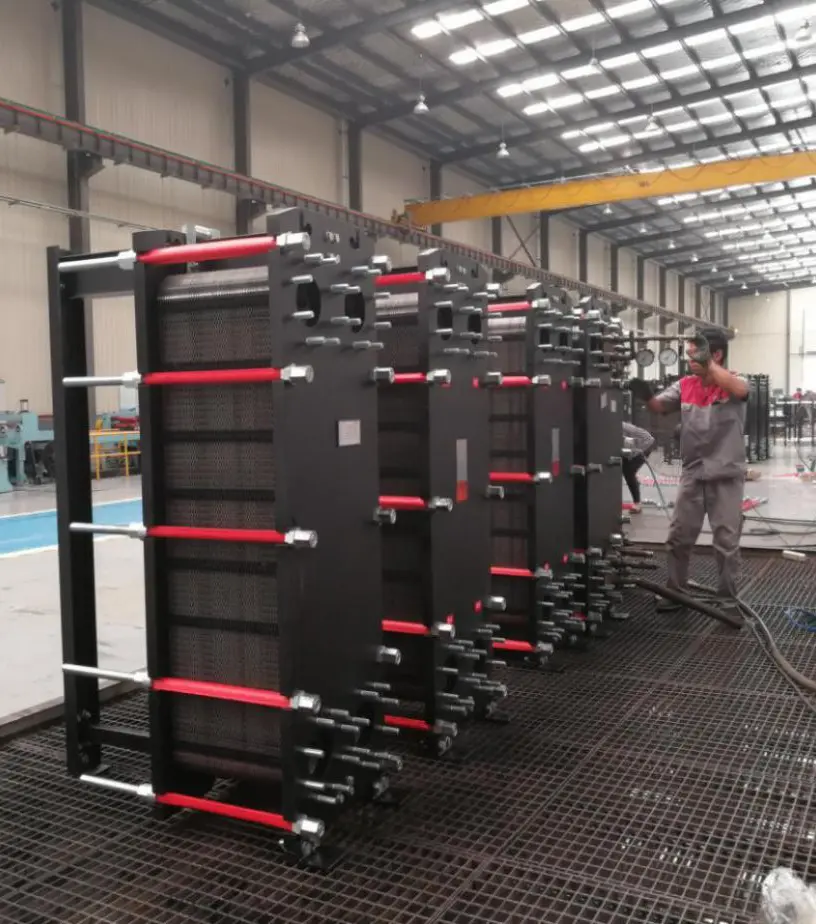
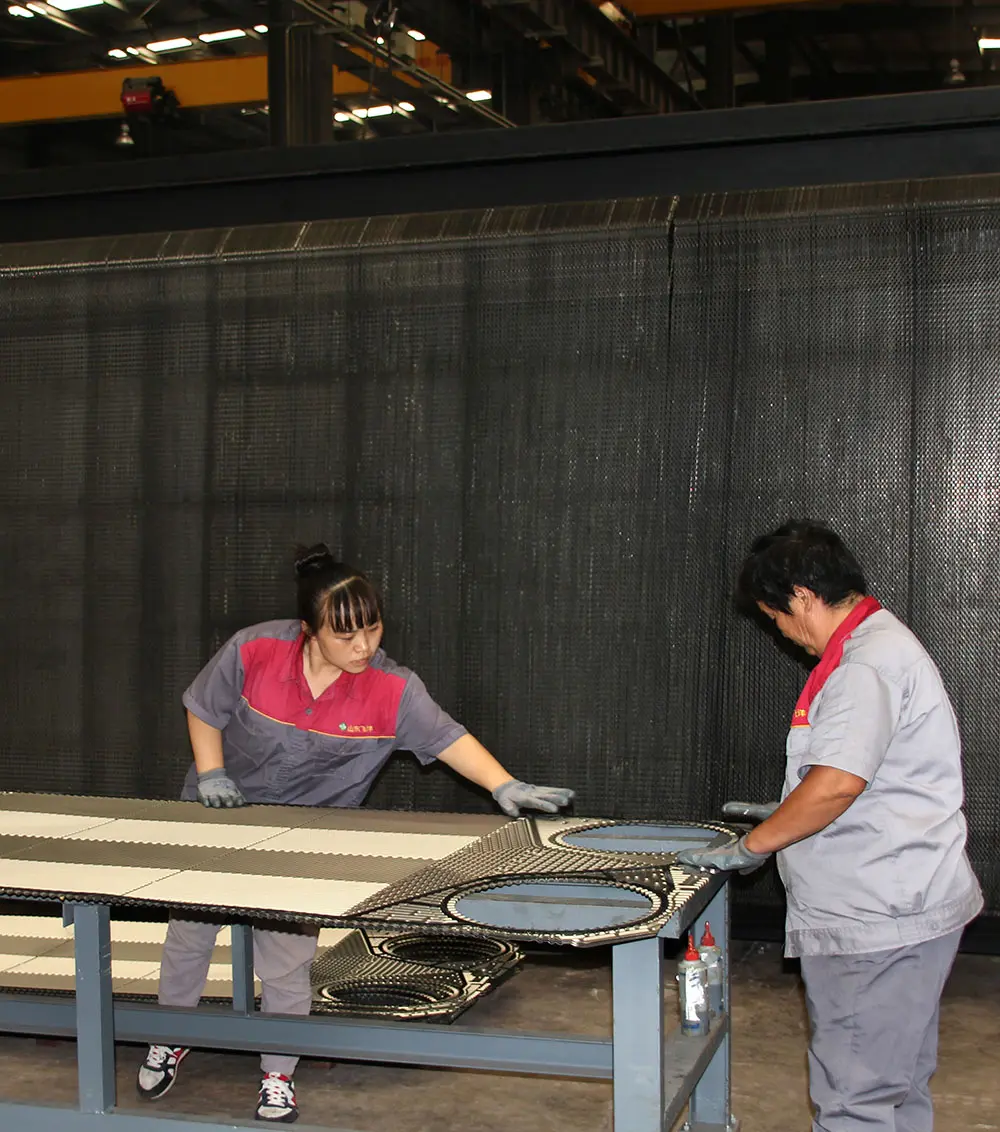
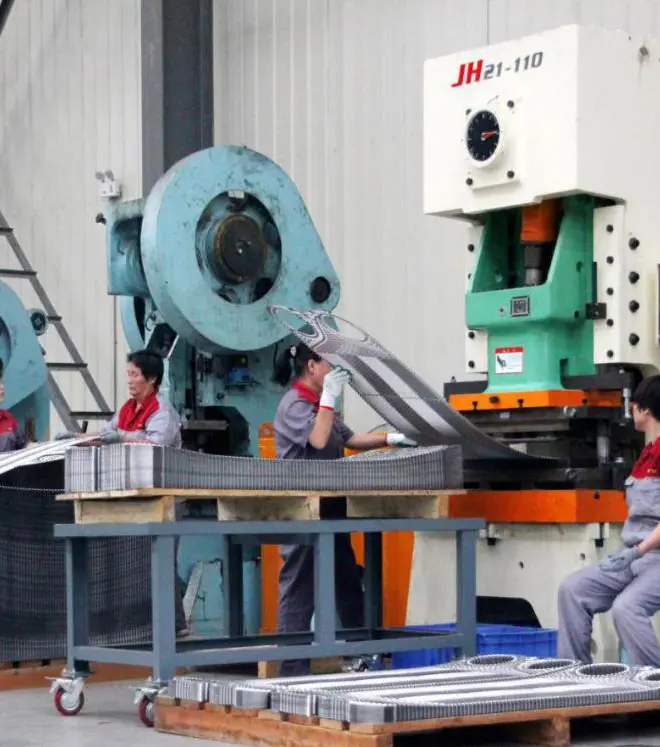
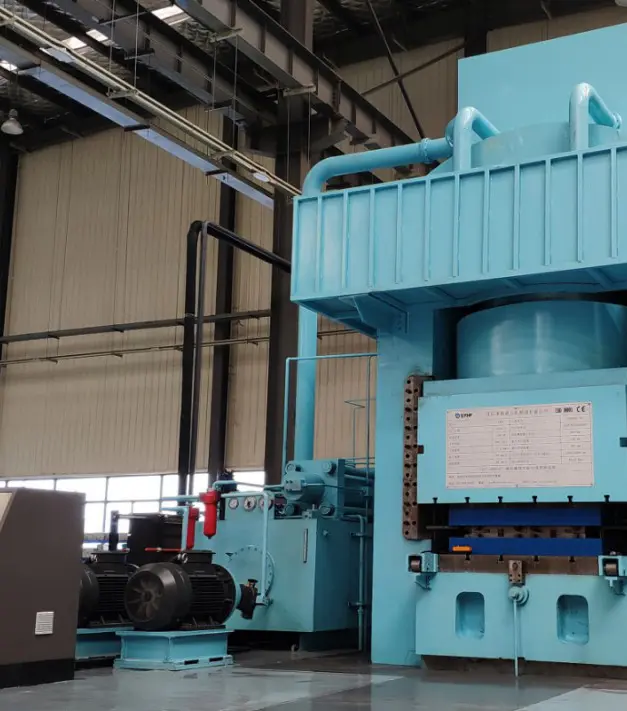
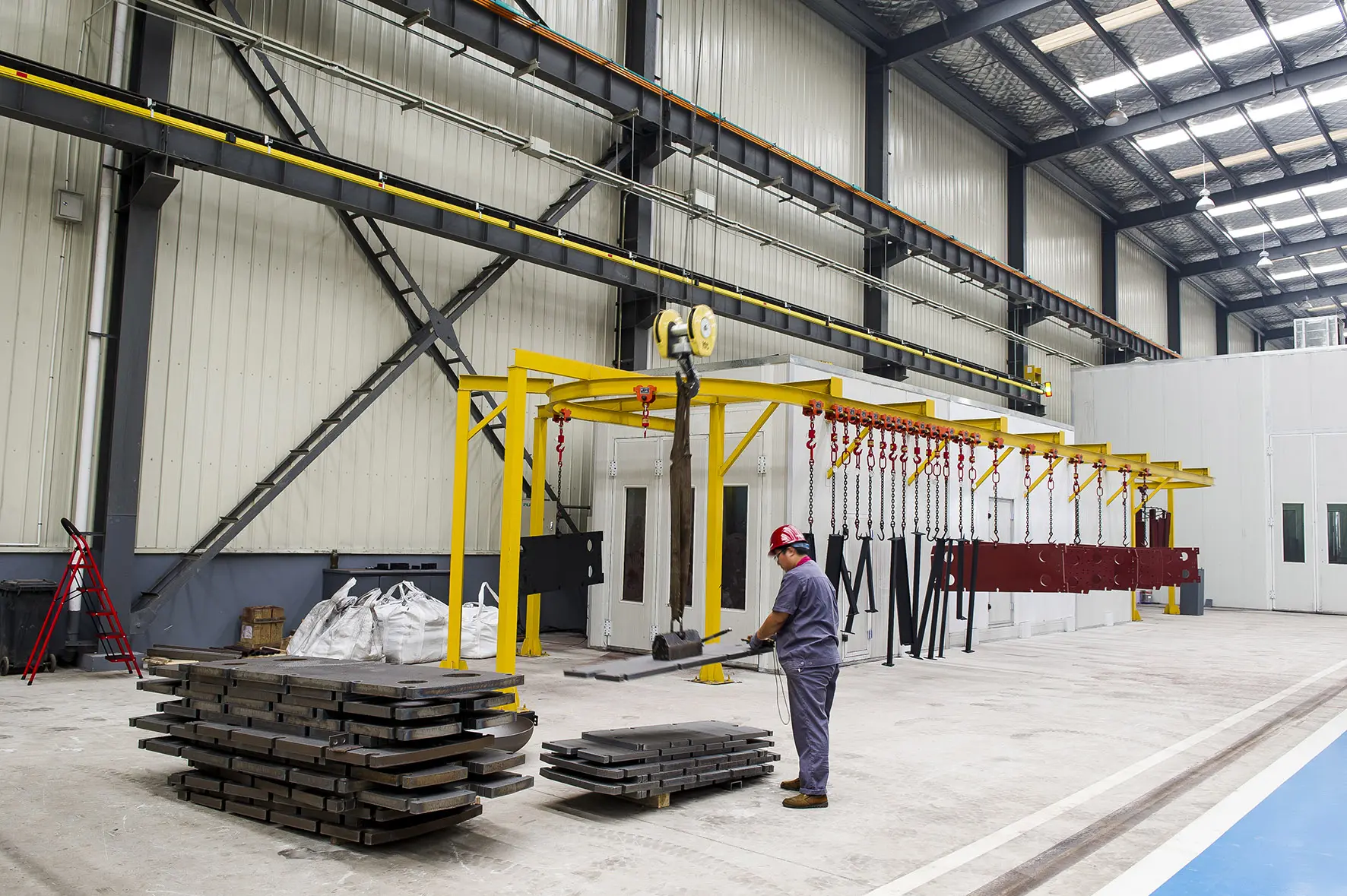
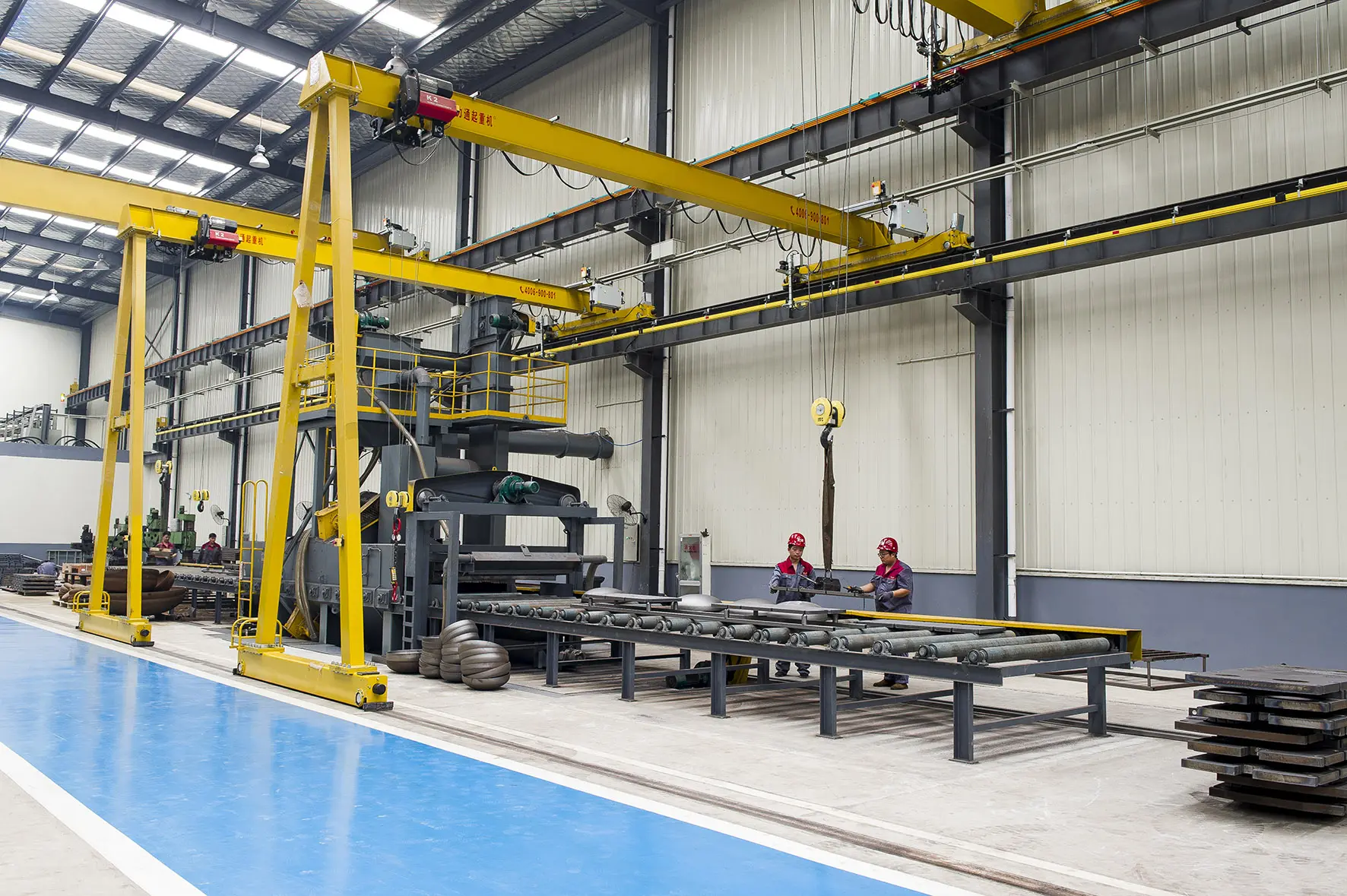
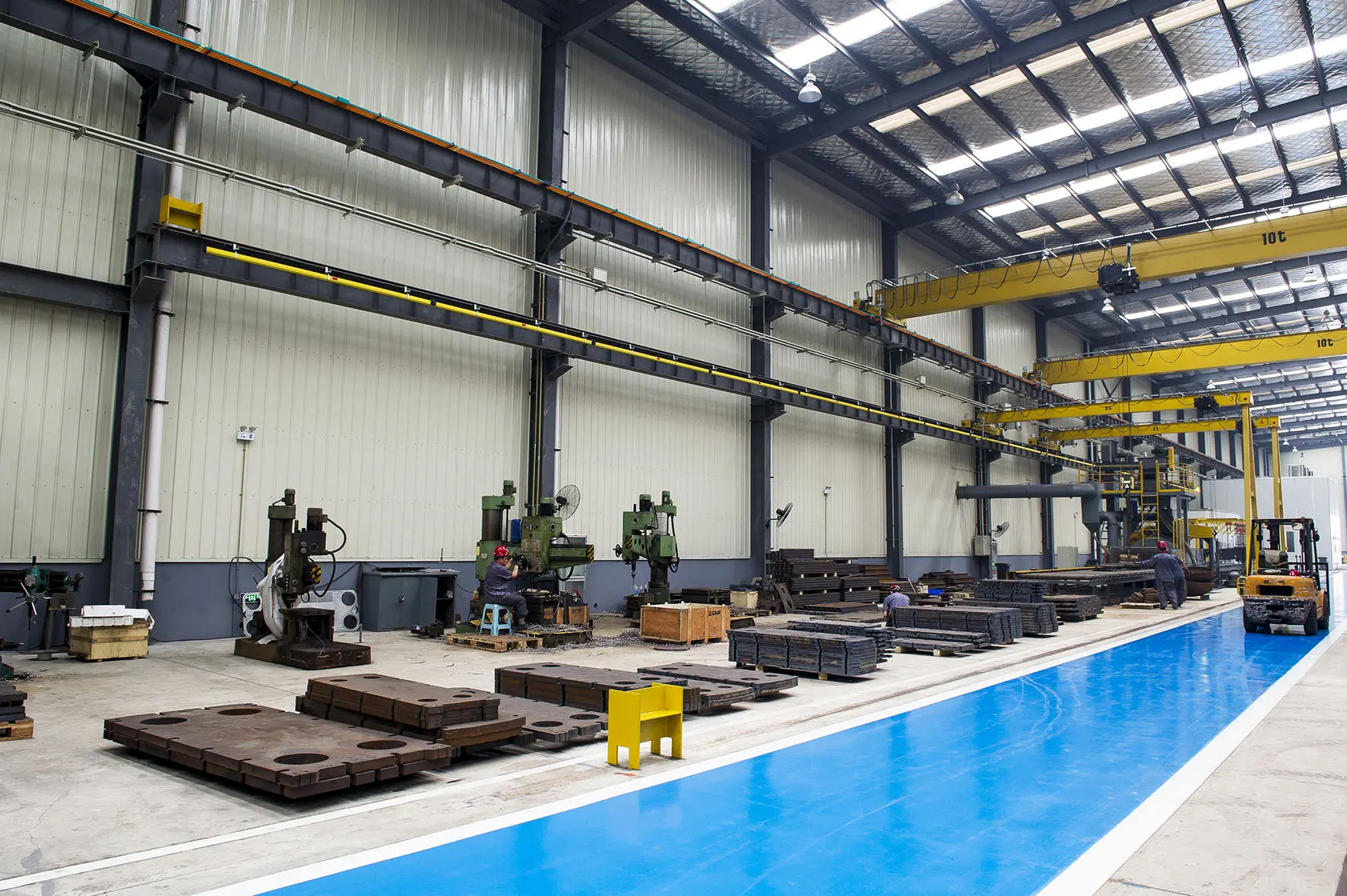
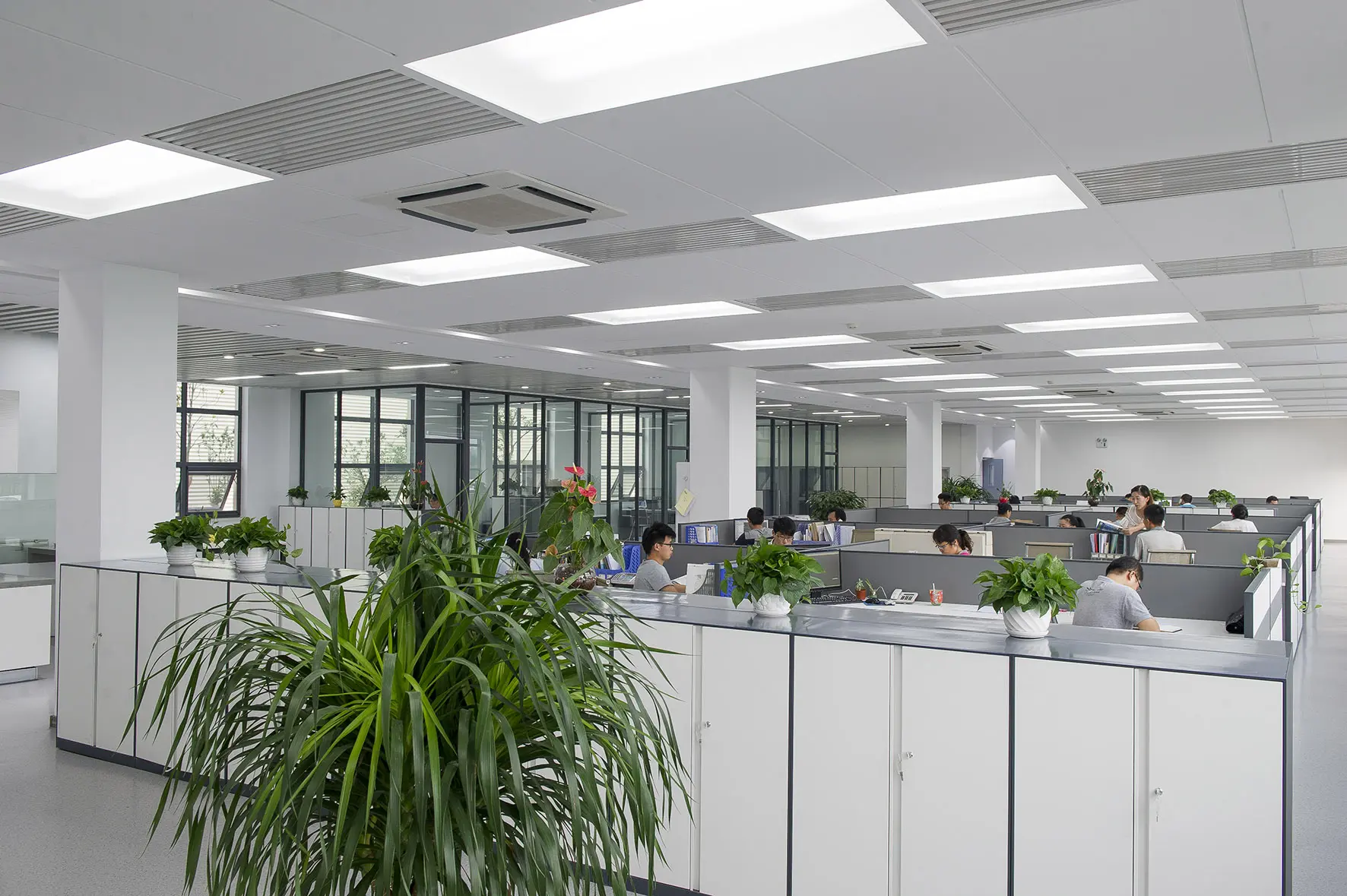
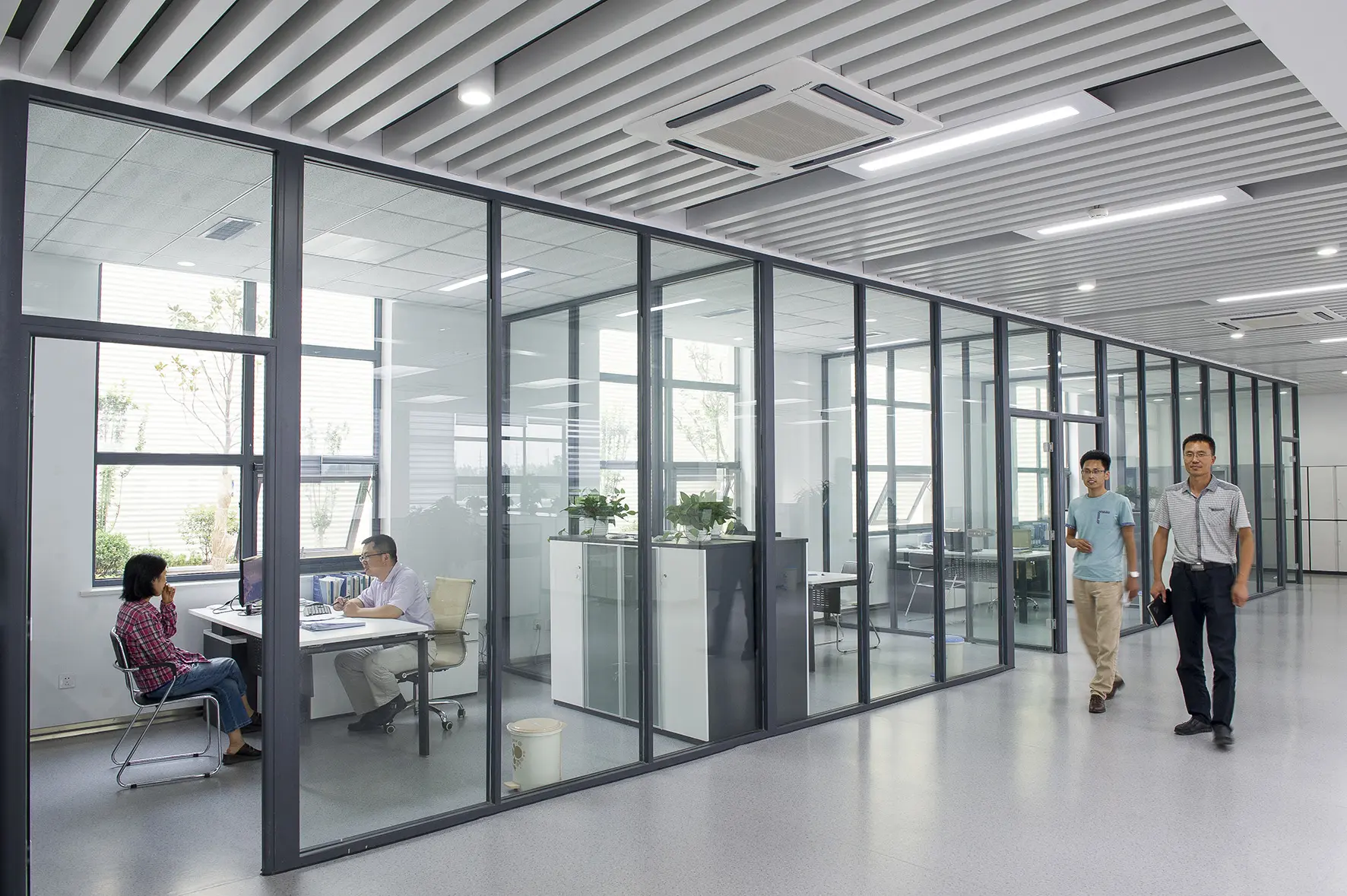
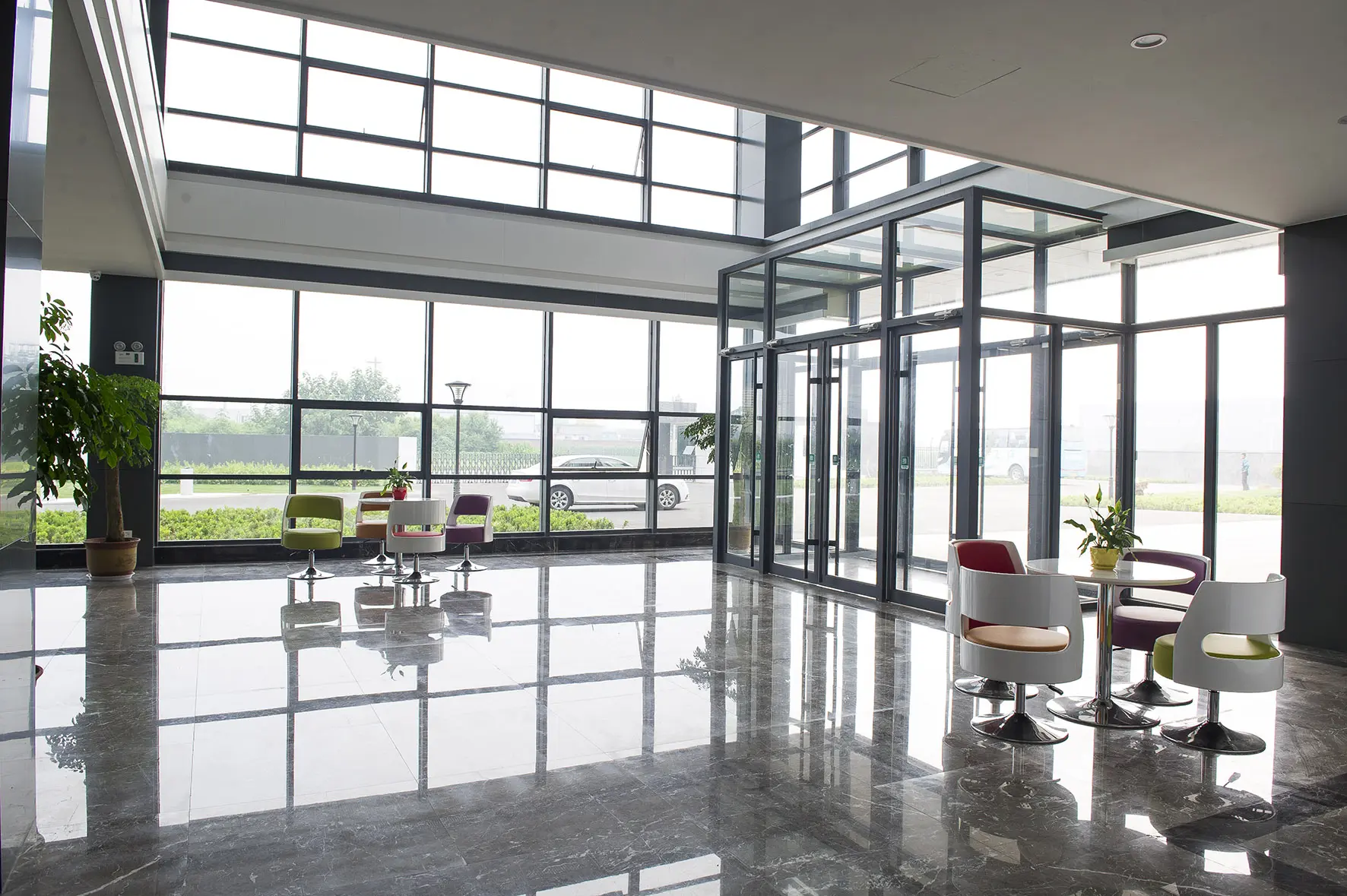
Our production capability is backed by modern workshops and advanced quality testing laboratories.
Get answers to common engineering questions concerning the deployment, maintenance, and optimization of heat exchangers in Central and Eastern Europe.
For typical municipal heating water applications, Stainless Steel 316L (SS316L) is the baseline standard because it offers excellent corrosion resistance. For projects using untreated industrial surface water from the Danube or regional aquifers, titanium plates are recommended to prevent chloride corrosion and pitting. For gaskets, NBR is standard up to 120°C, while EPDM is specified for higher temperature HVAC systems up to 150°C.
Detachable (gasketed) plate heat exchangers allow for simple disassembly to facilitate physical cleaning, plate replacement, or expanding capacity by adding plates to the frame. Brazed heat exchangers are sealed units; if fouling occurs, they must be cleaned chemically or replaced entirely, which increases maintenance costs in high-fouling settings.
Every pressure-bearing component we produce undergoes extensive stress testing, certified raw material checks, and hydrostatic pressure testing at 1.3 to 1.5 times the design pressure limit. Quality certifications are fully tracked and provided to buyers prior to customs dispatch.
Explore our complete range of high-efficiency thermal, fluidic, and separation technologies for regional systems.

 Flotte Energy