Engineered for high-ambient climates and complex fluid separation requirements across Casablanca commercial zones and Tanger-Med industrial sectors.
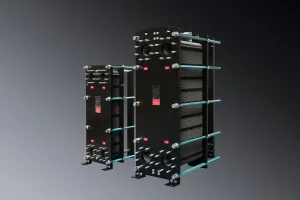
Morocco's economy has entered a phase of rapid industrialization. Guided by the national Plan d'Accélération Industrielle and major investments in port expansions, logistics hubs, and energy plants, the demand for precision heat management systems has skyrocketed. Key coastal industrial zones, such as Tangier, Casablanca, and Kenitra, experience unique challenges combining ambient heat with high-salinity marine environments. This demands corrosion-resistant plate cooler architectures utilizing alloys like titanium, nickel plates, or specialized stainless steel grades (316L).
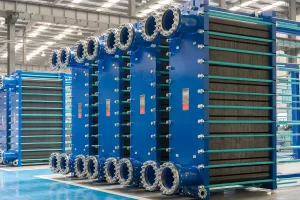
Phosphate processing, led globally by the Office Chérifien des Phosphates (OCP Group), requires extensive chemical treatment processes. In phosphate slurry processing and sulfuric acid manufacturing, high-temperature heat exchangers are critical. Standard heat exchange products frequently fall short under these extreme conditions. Flotte’s state-of-the-art plate heat exchangers, built with optimized hydraulic corrugated channel profiles, ensure maximum convective heat transfer coefficient (h-value) while mitigating pressure drop, lowering cleaning cycles, and preventing scaling.
As a nation confronting climate-induced water challenges, Morocco is heavily investing in seawater desalination. Heat recovery systems inside desalination plants are vital to maintaining competitive Levelized Cost of Water (LCOW). Multi-effect distillation (MED) and multi-stage flash (MSF) plants require heavy-duty plate coolers and multi-effect evaporation systems to reuse latent heat from vapor compression.
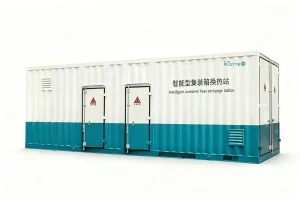
In municipal sectors, modern smart buildings in Casablanca and Rabat are integrating Centralized District Cooling and HVAC technologies. In these networks, separating primary chilling cycles from secondary terminal loops using high-NTU (Number of Transfer Units) plate heat exchangers allows optimized energy usage, reducing chiller compressor loads and cutting electrical grid consumption significantly.
Modern procurement managers in heavy industries need to establish supply pipelines backed by strong manufacturing capacities, reliable quality verifications, and professional design capabilities.
Originating from Flotte Thermal Engineering founded in 1995, Flotte Energy Saving Company (established in 2013 with 101 million yuan registered capital) has continuously introduced state-of-the-art thermodynamic technologies. Standard corrugated plates often suffer from localized high-stress spots and uneven flow velocities. Our patented plate designs feature unique herringbone angles (high chevron angle for high thermal performance at low pressure, and low chevron angle for high pressure limits), ensuring turbulent fluid mechanics even at low Reynolds numbers.
This high turbulence creates a self-cleaning mechanical sweep that minimizes crystallization, biological fouling, and solid accumulation—a key requirement for Morocco's high-saline maritime water and mineral-heavy processing waters.
| Material Code | Corrosive Environment Fit | Common Application Area | Operating Temp Limit |
|---|---|---|---|
| AISI 304 / 316L | Mild to Medium Corrosive | Commercial HVAC, HVAC Central Stations, Fresh Water | -20°C to 180°C |
| Titanium (Gr. 1) | Highly Corrosive / Sea Water | Coastal Coolers, Sea Water Desalination, Estuary Cooling | -20°C to 150°C |
| Hastelloy C-276 | Extreme Acidic / Mineral Slurry | Phosphate Plants, Chemical Processing, Sulfuric Acid Loops | -35°C to 200°C |
| NBR / EPDM Gaskets | Organic / Standard Fluids | Gasketed Plate Heat Exchanger Sealing Systems | Up to 160°C |
All production processes, quality checks, and service configurations strictly follow the ISO 9001:2015 International Quality Management framework, alongside our rigorous pressure vessel certification compliance. All frontline technicians undergo formal training and certification, maintaining trace codes on all welding and micro-forged structural joints.
Our plates undergo dye penetrant and ultrasonic tests to detect hairline fractures and minor metal micro-tears prior to compression assembly. Hydraulic testing is executed at 1.3 to 1.5 times the design working pressure to ensure the highest seal safety and reliability in deep mineral or commercial HVAC operations.
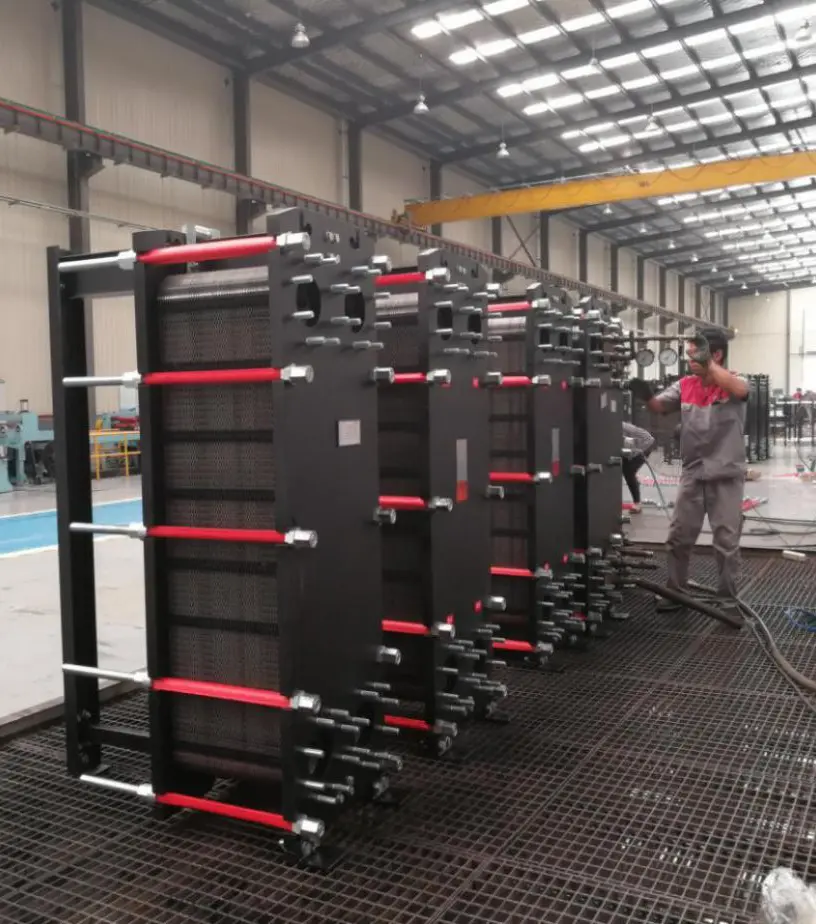
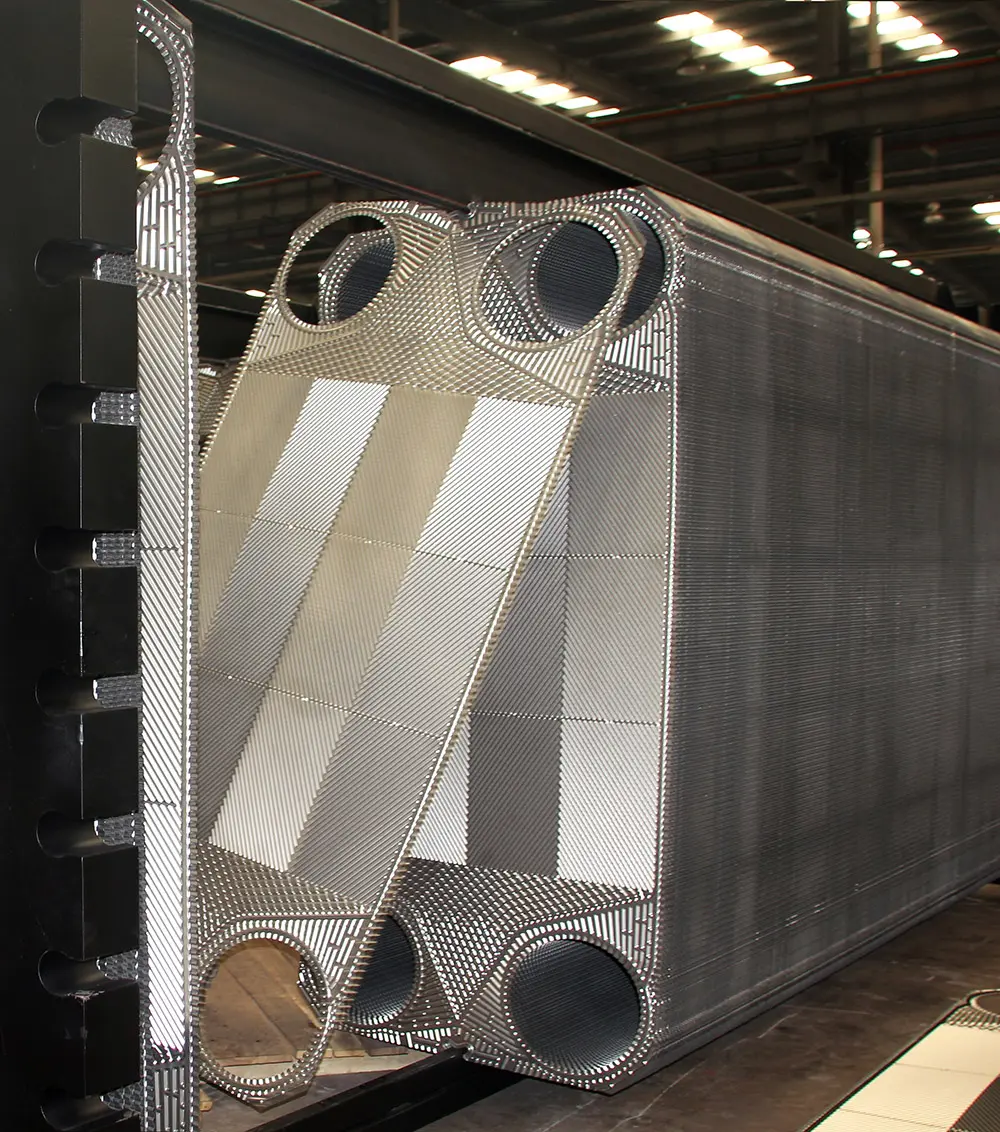
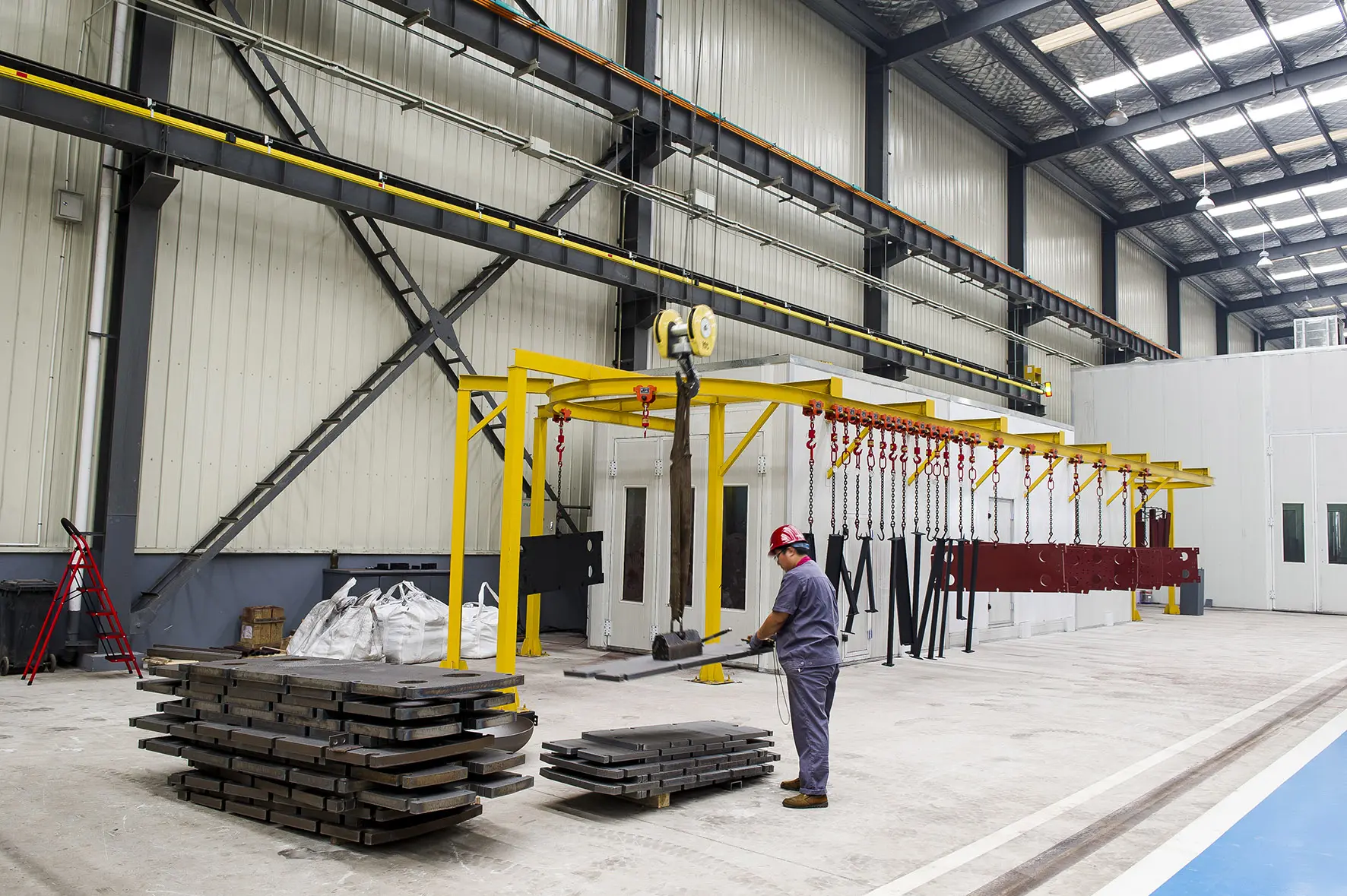
Take a closer look at our modern facility displaying advanced mechanical processing steps designed to produce plate exchangers that withstand high pressures.
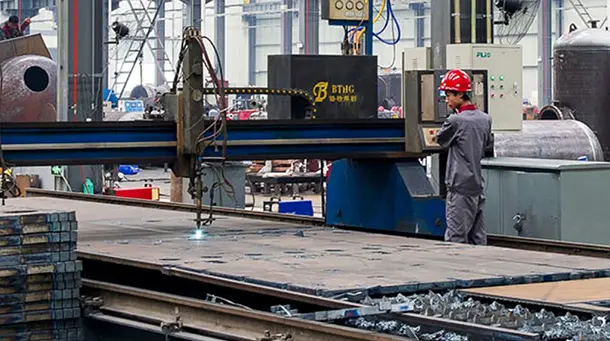
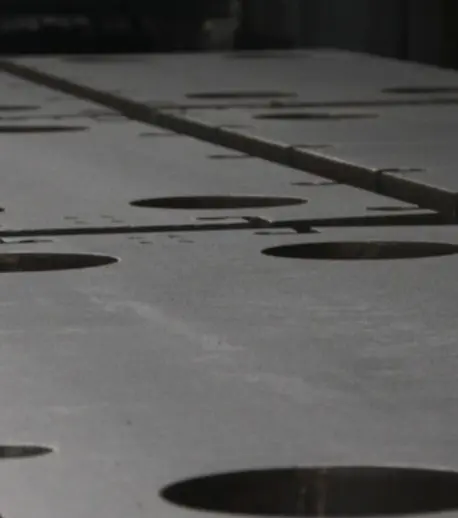
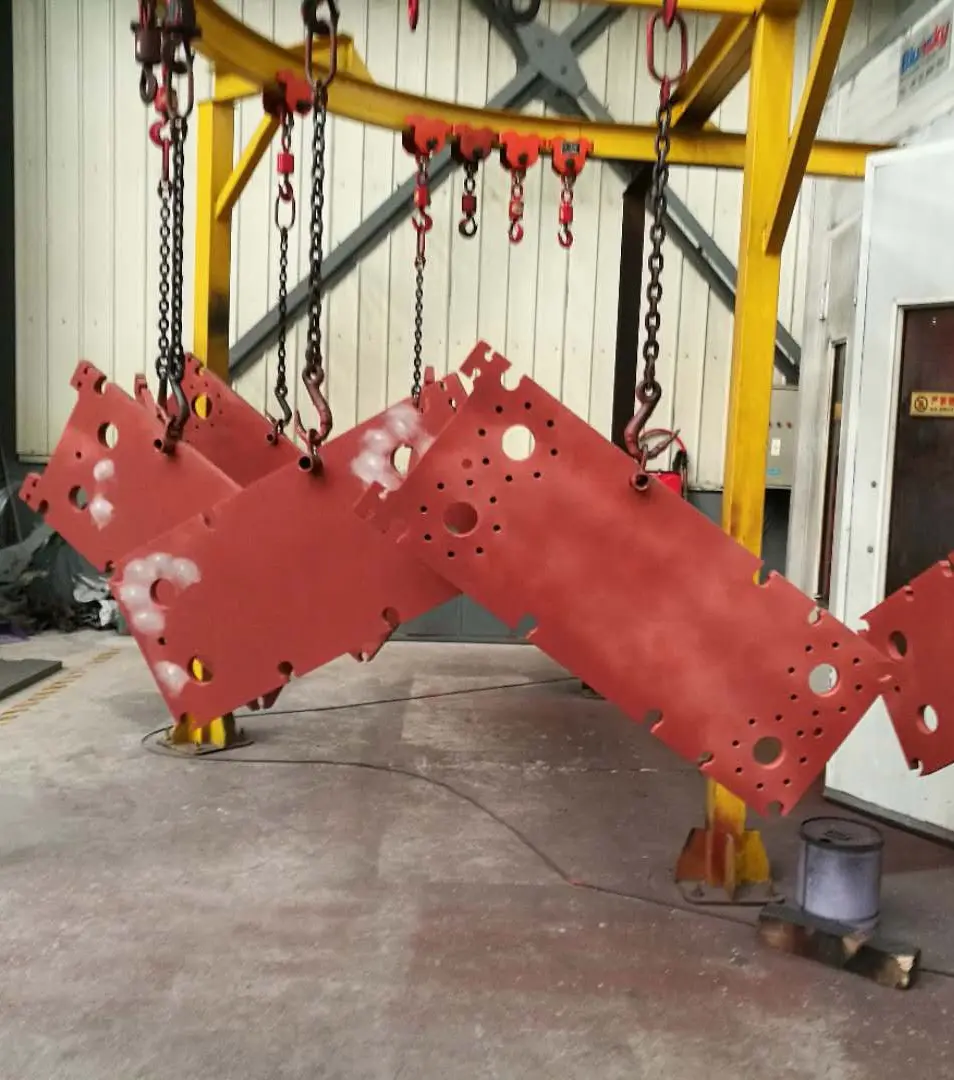
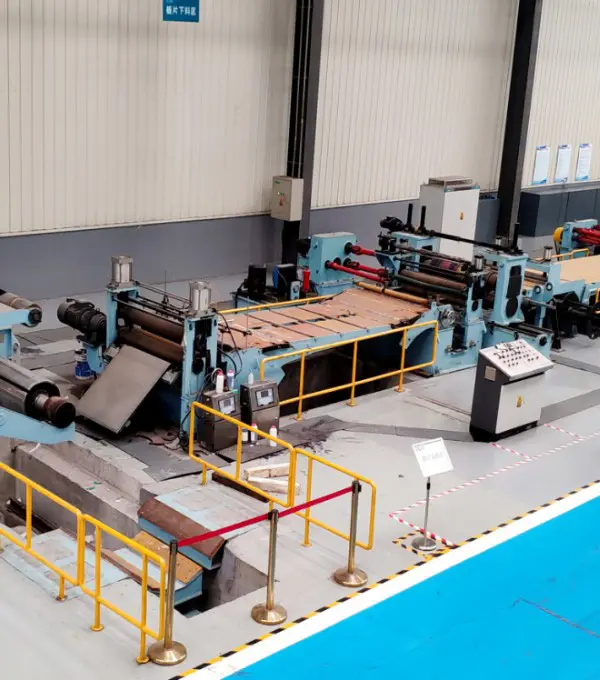
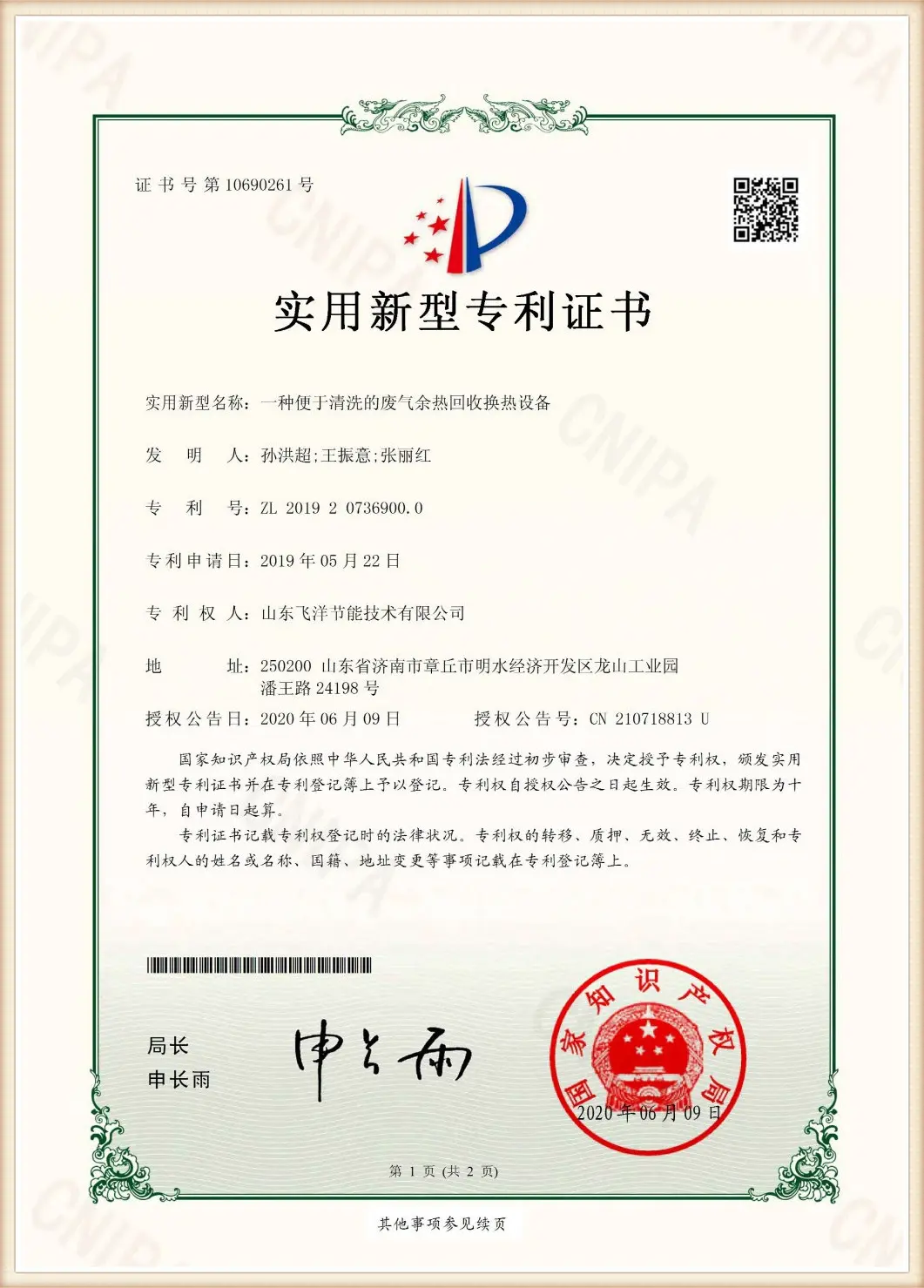
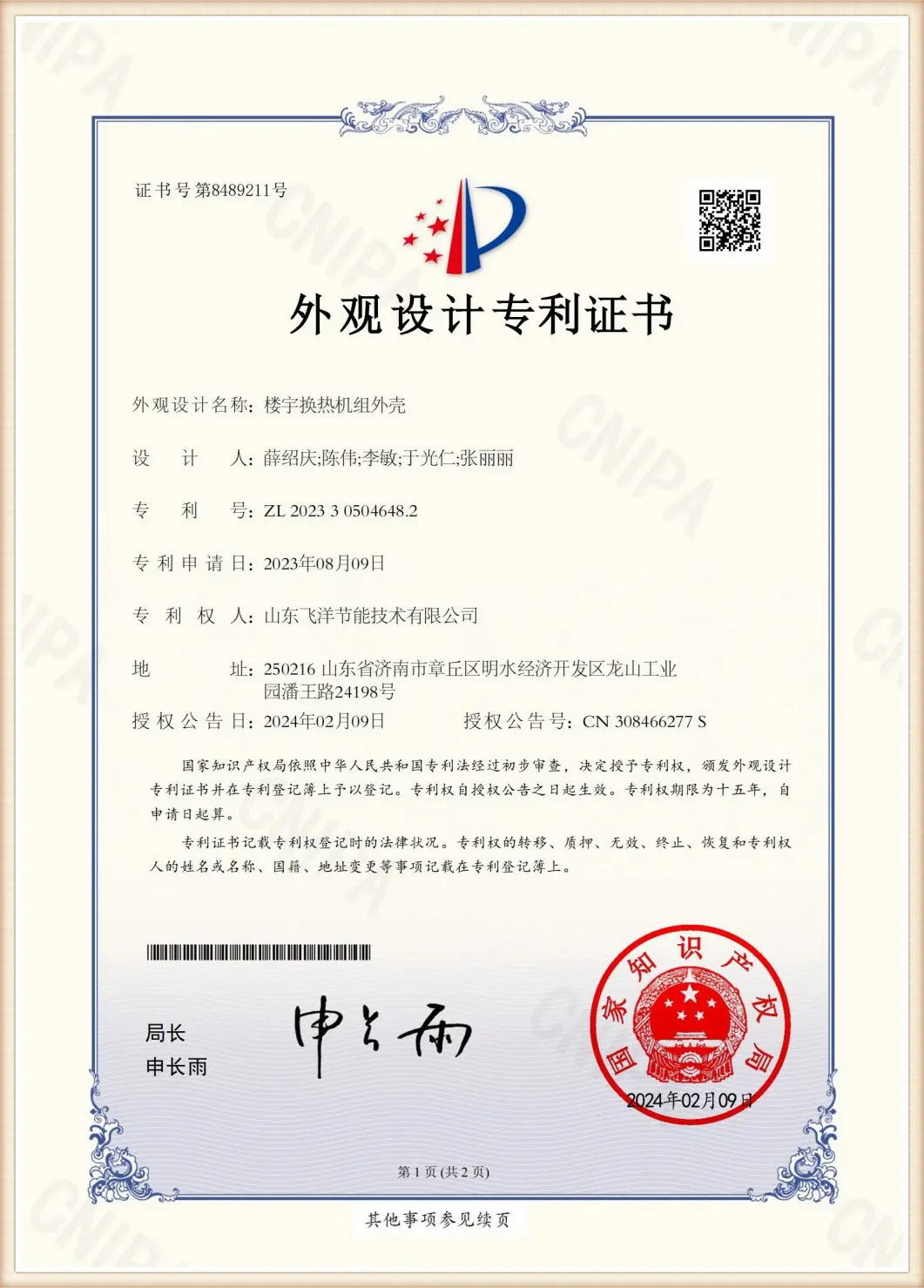
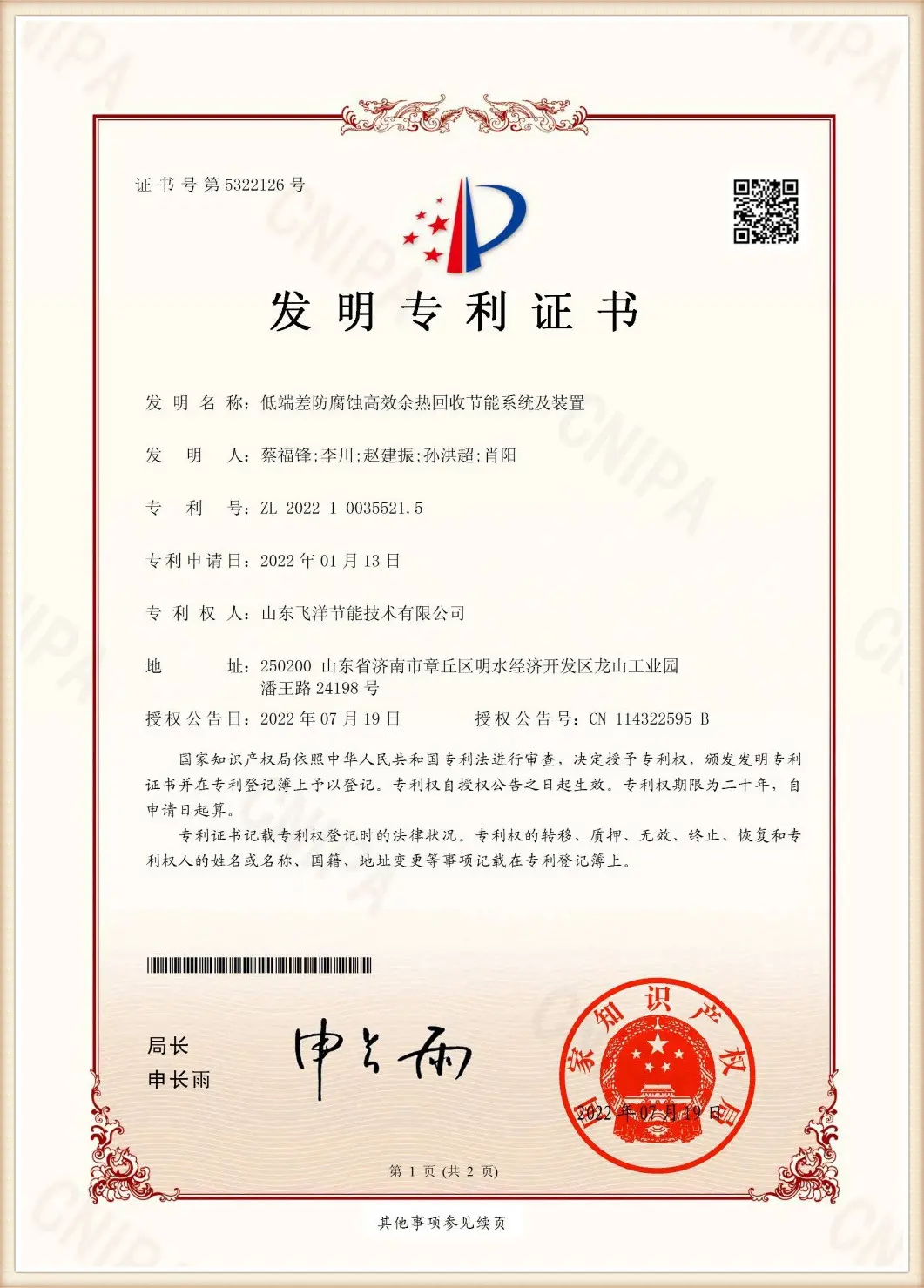
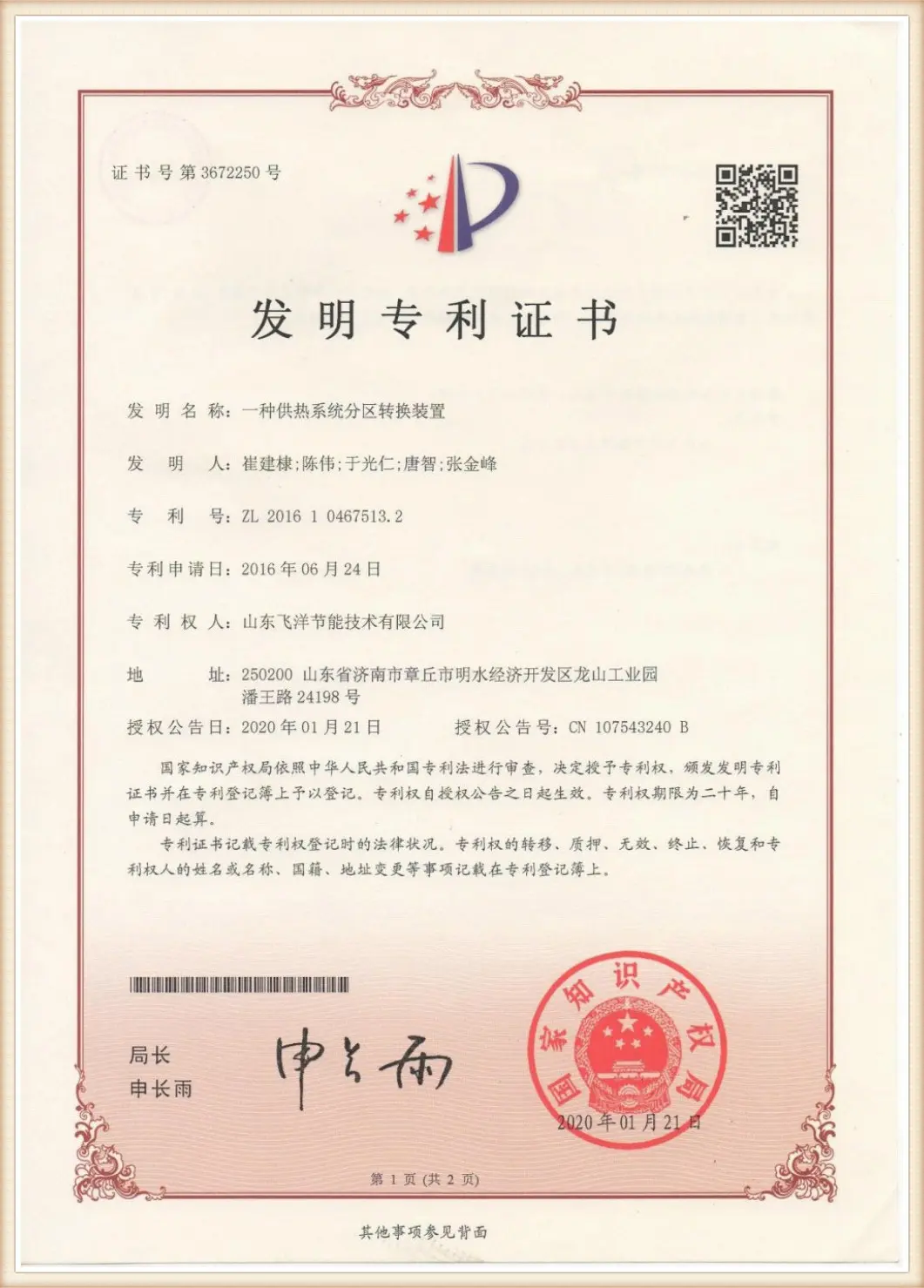
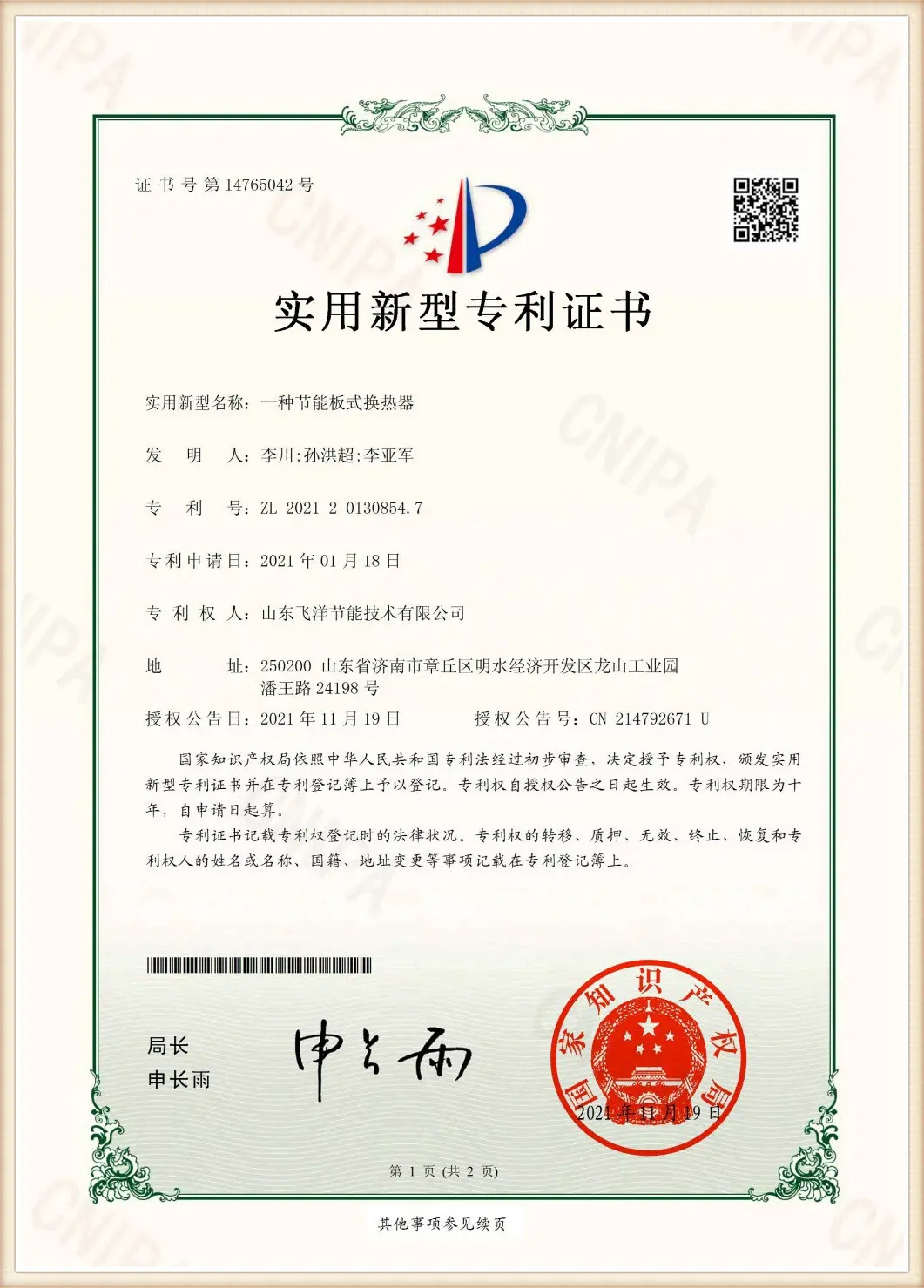
Proof of our rigorous quality commitment. Certified by leading international standards to secure your investment.
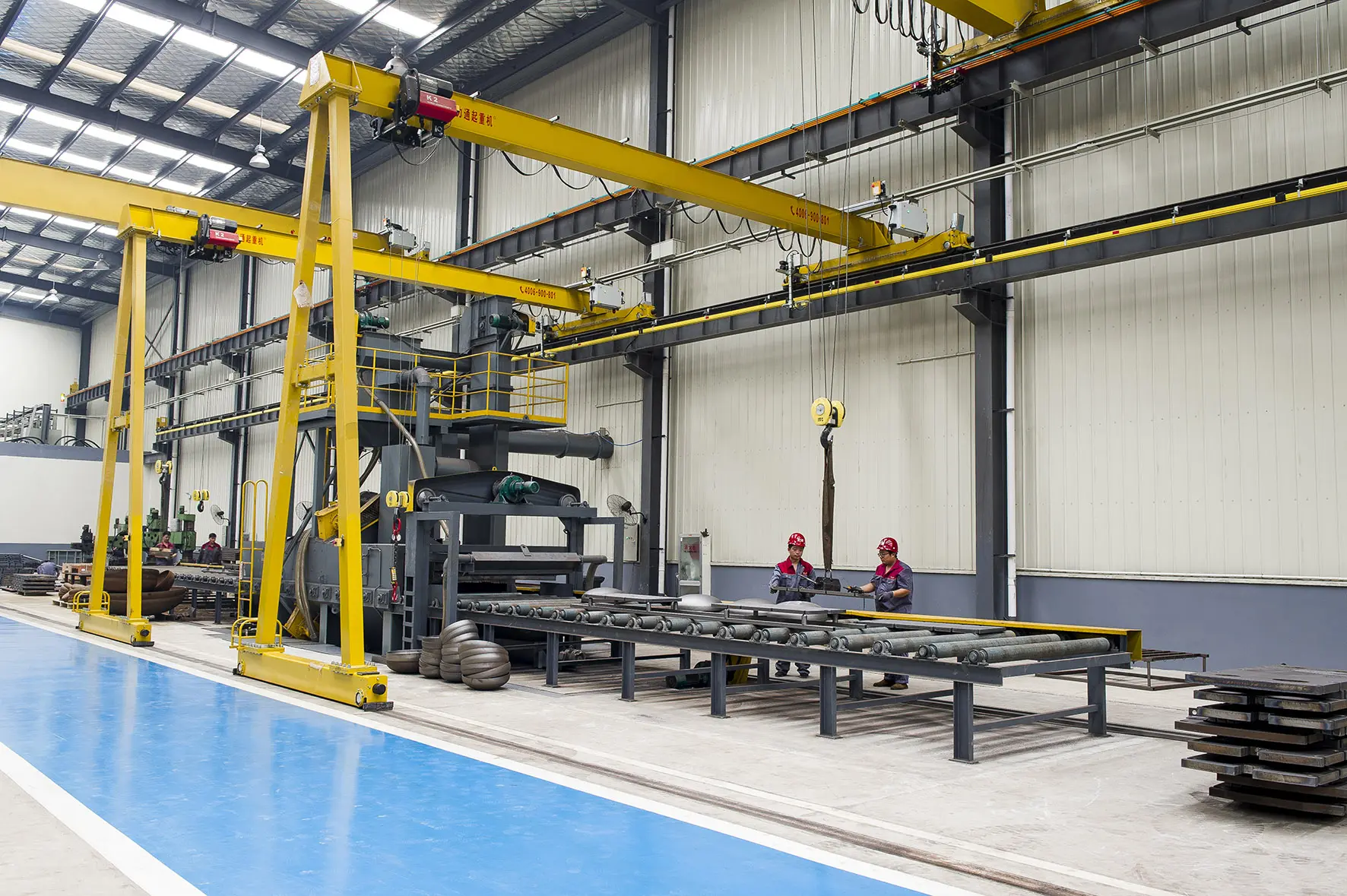
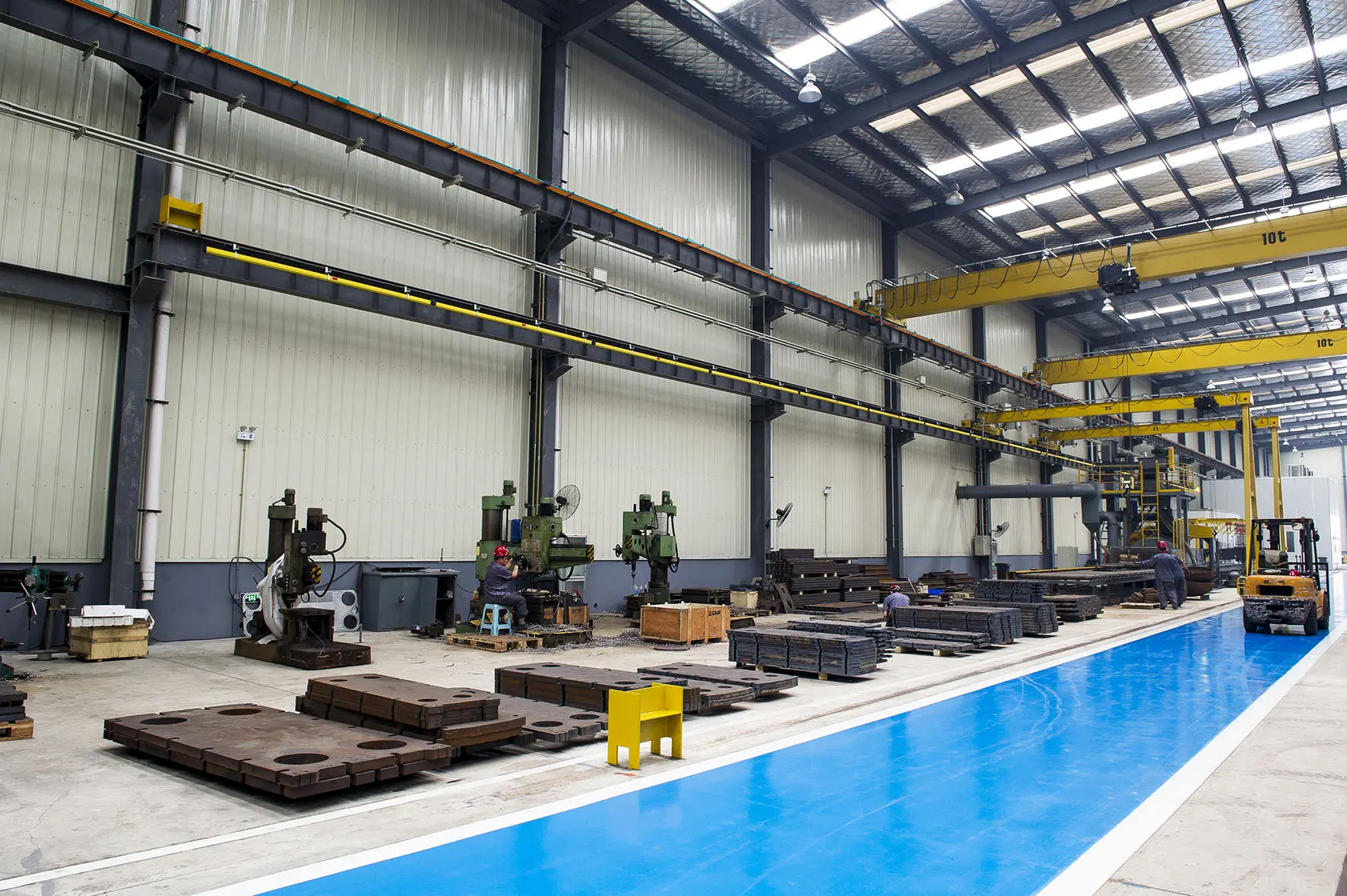
Morocco's commitment to generating 52% of its electricity from renewable resources by 2030 requires substantial energy storage infrastructure. Molten salt heat exchangers and heavy thermal systems will be key. Flotte is currently expanding its R&D center towards high-pressure brazed and semi-welded plate structures to capture high-temperature solar fluid cycles.
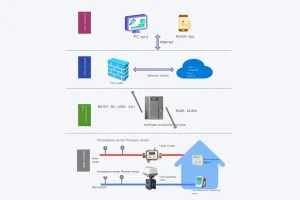
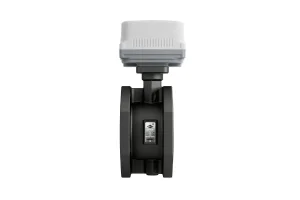
Additionally, our Intelligent Unit Balance Valves and Secondary Network Regulation Systems represent a step toward IoT-enabled self-diagnosing networks. By combining physical heat exchange with smart fluid control, Moroccan industrial plants can achieve automated flow adjustments based on real-time ambient heat parameters, preventing energy loss and optimizing operational efficiency.
Addressing the top technical questions from Moroccan engineering teams regarding cooling efficiency, chemical compatibility, and installation maintenance.
Fully compliant with international engineering specifications. Expand your system reliability with our comprehensive line of products.
 Flotte Energy