Engineered for high performance, tropical climate resilience, and operational sustainability across Congolese industrial networks.
A Comprehensive Industry Whitepaper on Heat Exchanger Performance, Material Metallurgy, and Tropicalized Engineering Specifications.
The economy of the Republic of Congo (Brazzaville) is experiencing rapid modernization across industrial sectors including offshore petroleum extraction in Pointe-Noire, mining developments in the Sangha and Lékoumou regions, palm oil and agricultural processing in the Niari valley, and expanding urban commercial infrastructure. Central to all these industrial workflows is thermal management and fluid cooling. High ambient temperatures, tropical humidity, heavily silted river water sources, and corrosive marine air present unique operational challenges to heat exchanger technology in Central Africa.
As global engineering, procurement, and construction (EPC) contractors establish long-term operations in Republic of Congo, the demand for verified, certified Chinese plate heat exchanger manufacturers has surged. Overseas buyers and regional facility managers seek heat exchangers that meet ISO 9001:2015, ISO 14001, ASME Code Section VIII, and National Pressure Vessel Safety Certifications. Procurement intent centers on achieving three crucial objectives: lowering capital expenditure (CAPEX), optimizing energy efficiency to diminish operational expenditures (OPEX), and ensuring long-term availability of spare gaskets and replacement plates.
Flotte Energy Saving Company stands at the forefront of this industrial transition. By combining 30 years of manufacturing heritage with advanced plate corrugated stamping, we deliver heavy-duty plate coolers and skid-mounted thermal units designed explicitly for continuous, maintenance-friendly operation under tropical and sub-Saharan conditions.
Three decades of thermal engineering leadership, modern manufacturing infrastructure, and international service delivery.
Established in 2013 with a registered capital of 101 million yuan, Flotte Energy Saving Company originated from Flotte Thermal Engineering founded in 1995. With three decades of technical expertise, the company specializes in water equipment, HVAC systems, and water treatment industries. It consistently leads industry peers in adopting cutting-edge technologies, developing innovative products, and delivering comprehensive production and sales services.
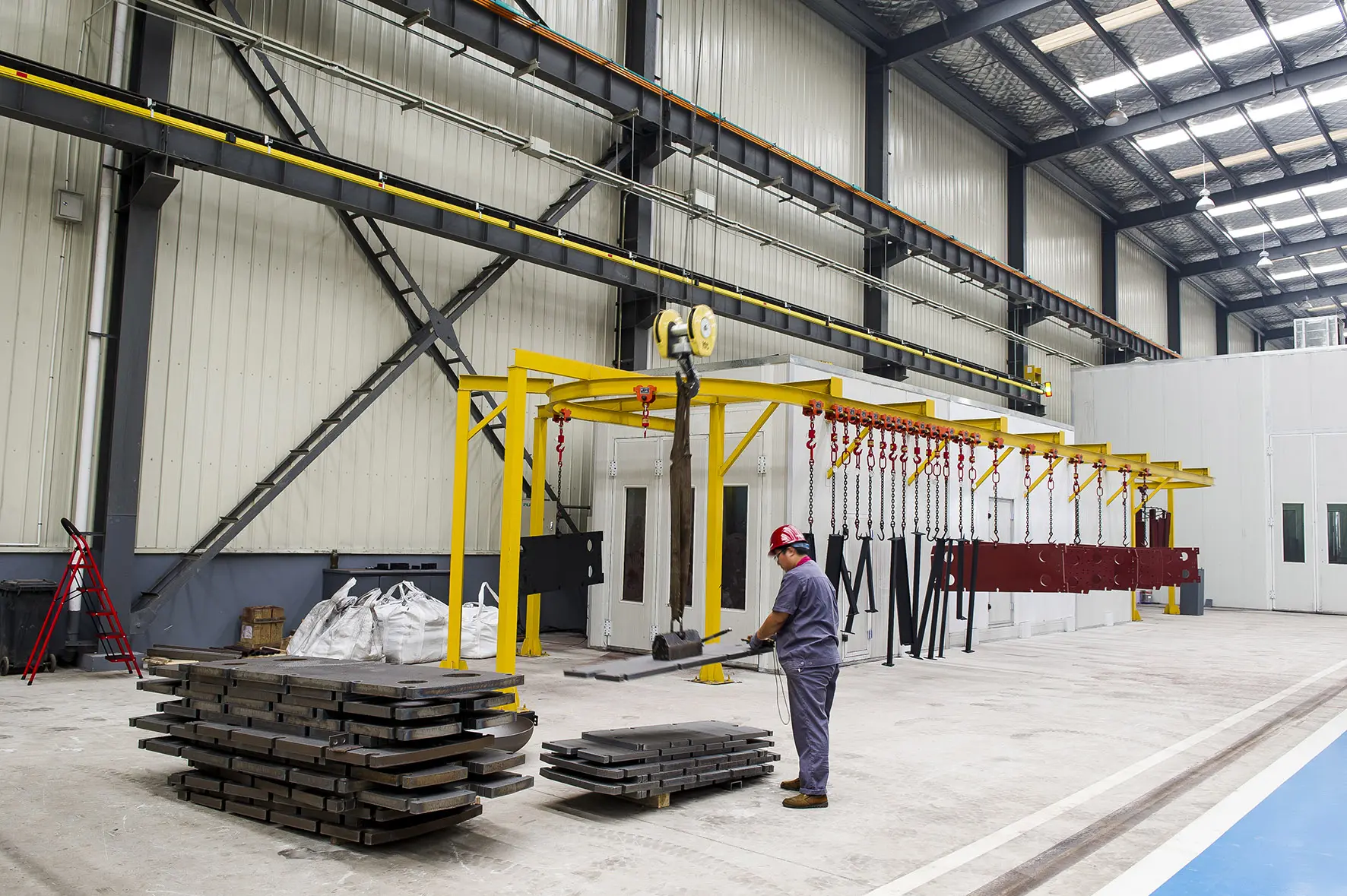
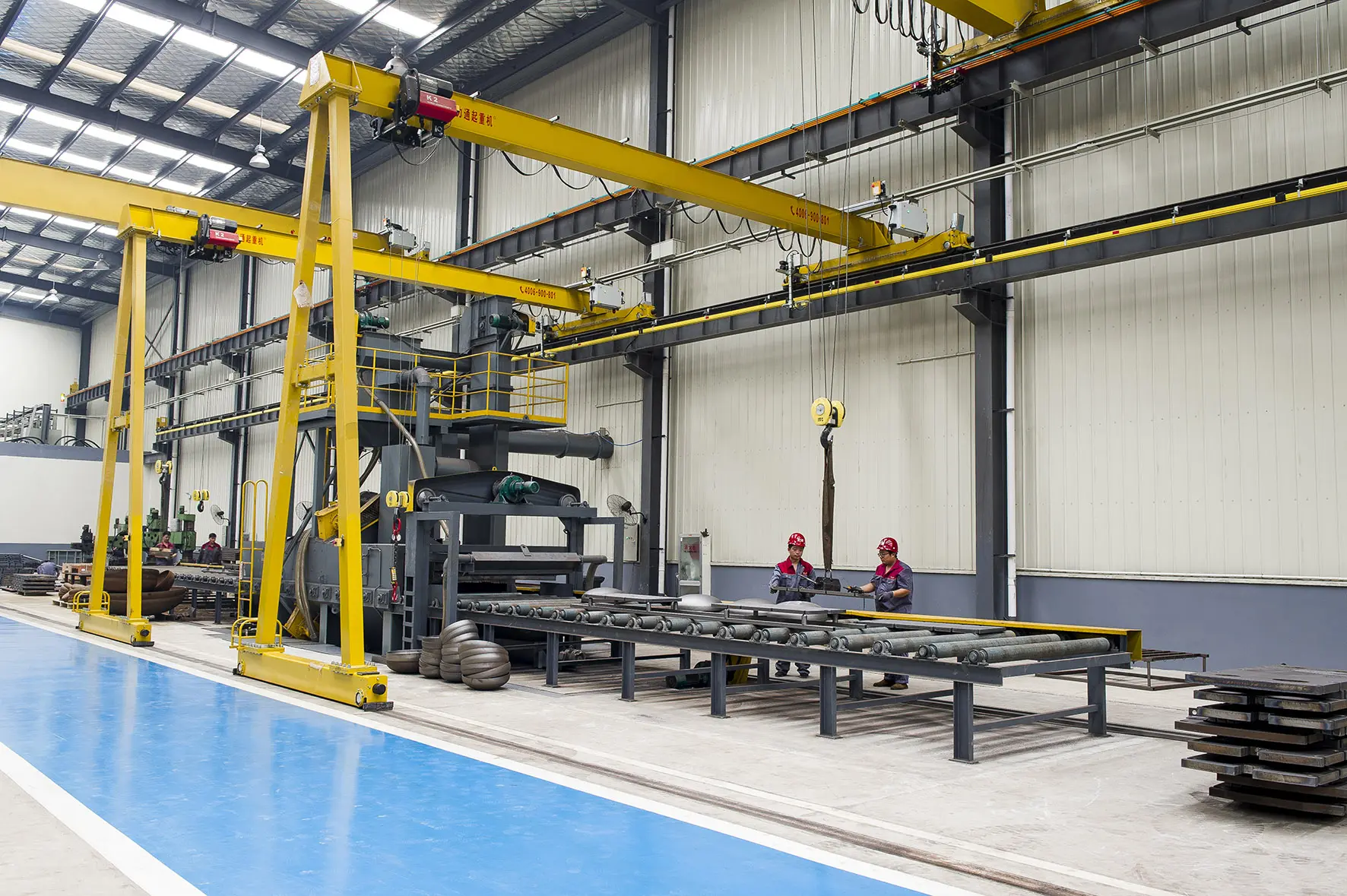
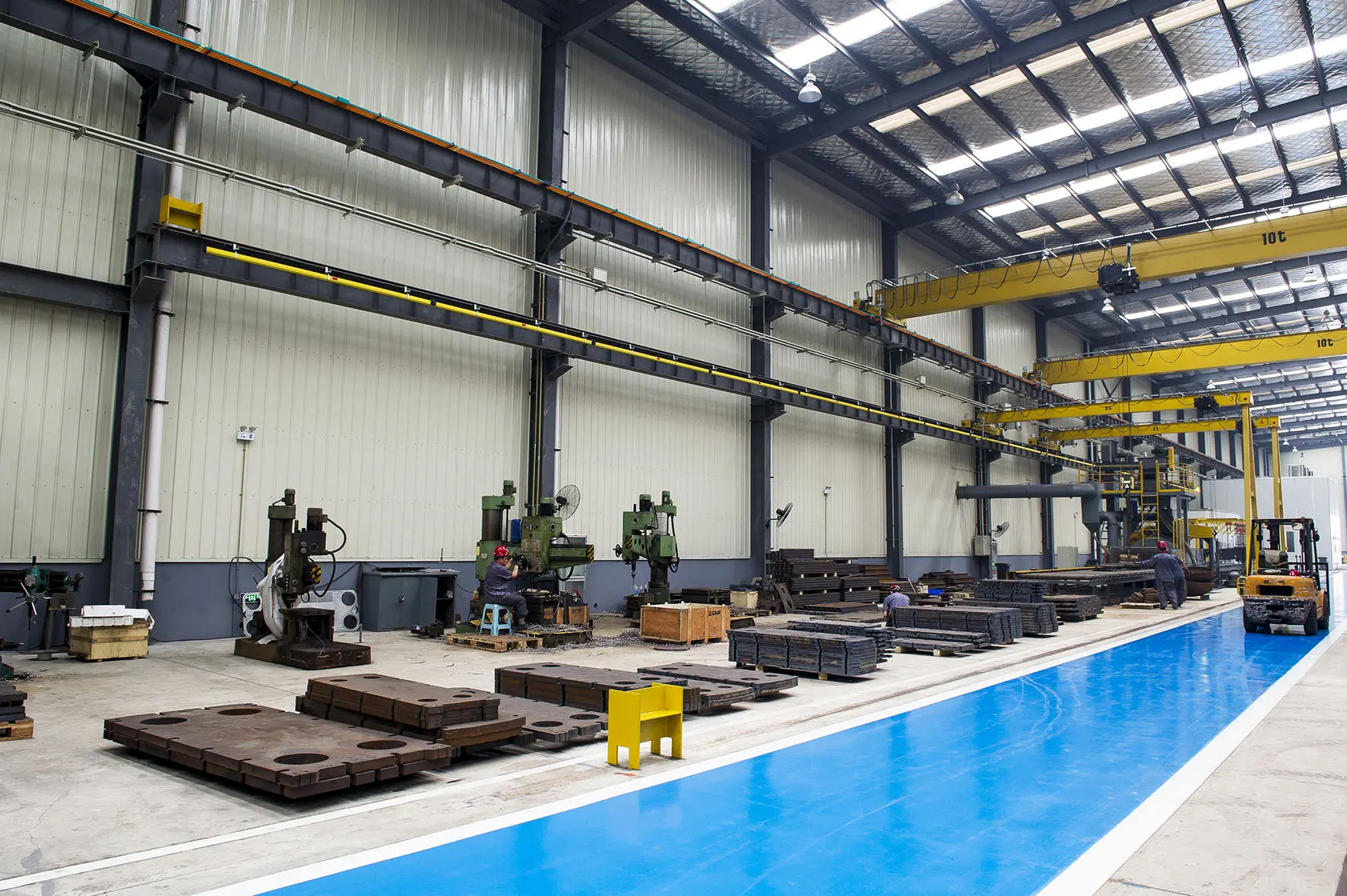
Our modern manufacturing base spans over 70,000 m², employing over 260 skilled technicians, engineers, and thermal dynamics experts. We manufacture approximately 4,500 heat exchange units and water supply sets annually, delivering reliable equipment to thermal power, chemical, pharmaceutical, and HVAC sectors worldwide.
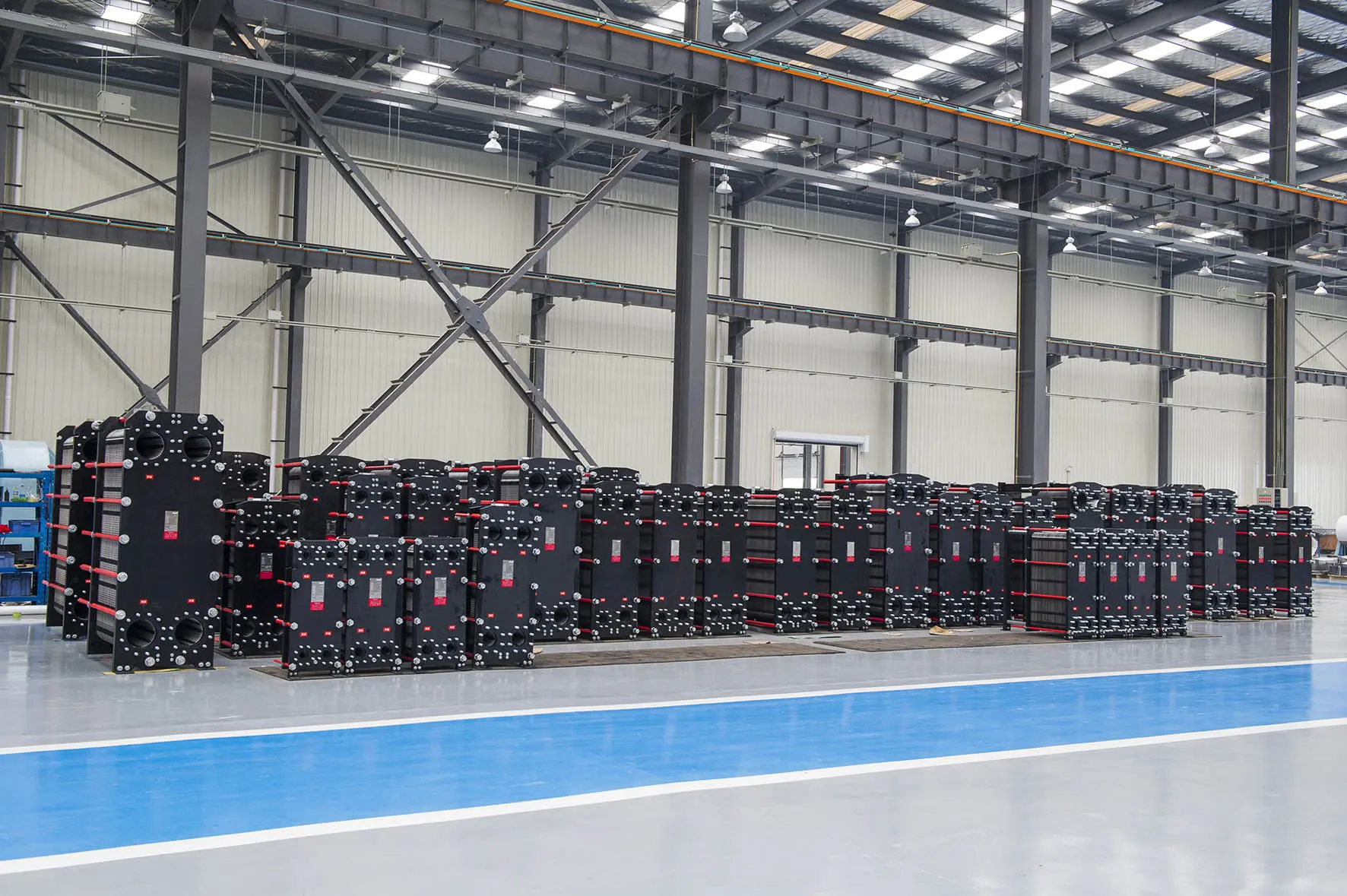
Why industrial procurement specialists in Republic of Congo trust Flotte Plate Coolers for critical process cooling.
Patented chevron angle plate corrugation induces high-frequency fluid turbulence at low fluid velocities, achieving heat transfer coefficients 2-3 times higher than standard shell-and-tube units.
Available in AISI 304, AISI 316L, Titanium Grade 1, Hastelloy C-276, and Nickel alloys. Specialized gasket compounds (NBR-HT, EPDM-HT, Viton) engineered for high temperatures and tropical humidities.
Complies fully with ISO 9001:2015 quality management, ISO 14001 environmental, ISO 45001 occupational health standards, and National Pressure Vessel Safety registrations.
Streamlined export pathways to the Autonomous Port of Pointe-Noire with heavy-duty sea-freight packaging, rapid spare parts deployment, and remote engineering guidance.
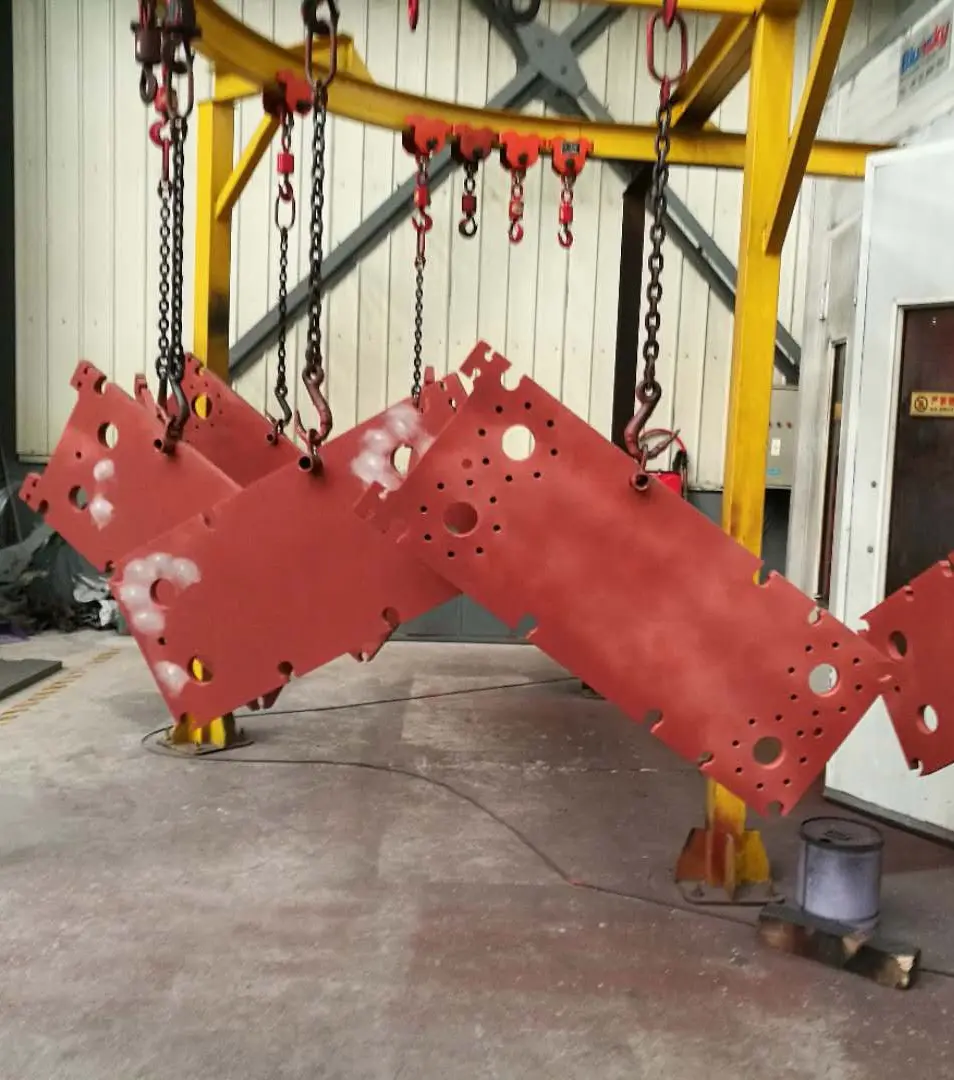
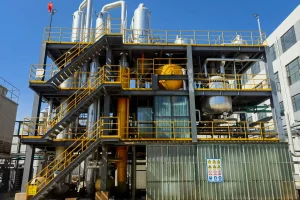
State-of-the-art machinery and rigorous quality inspection protocols at every phase of production.
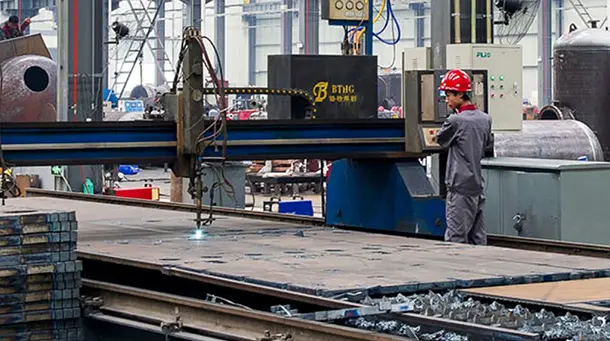
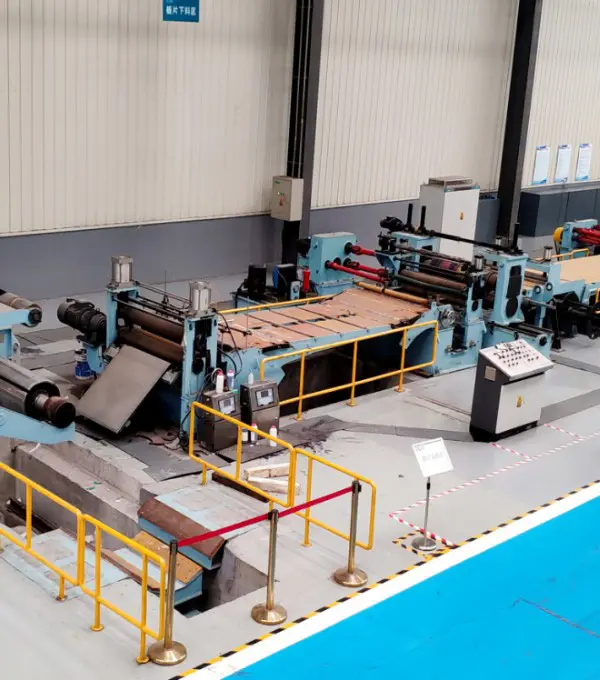
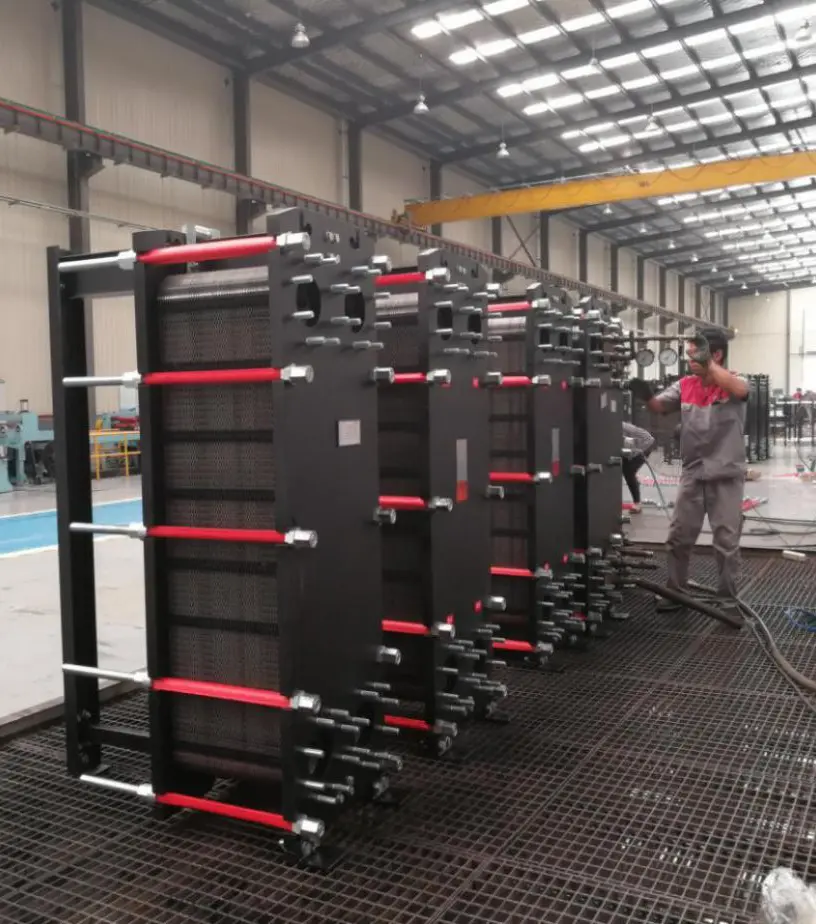
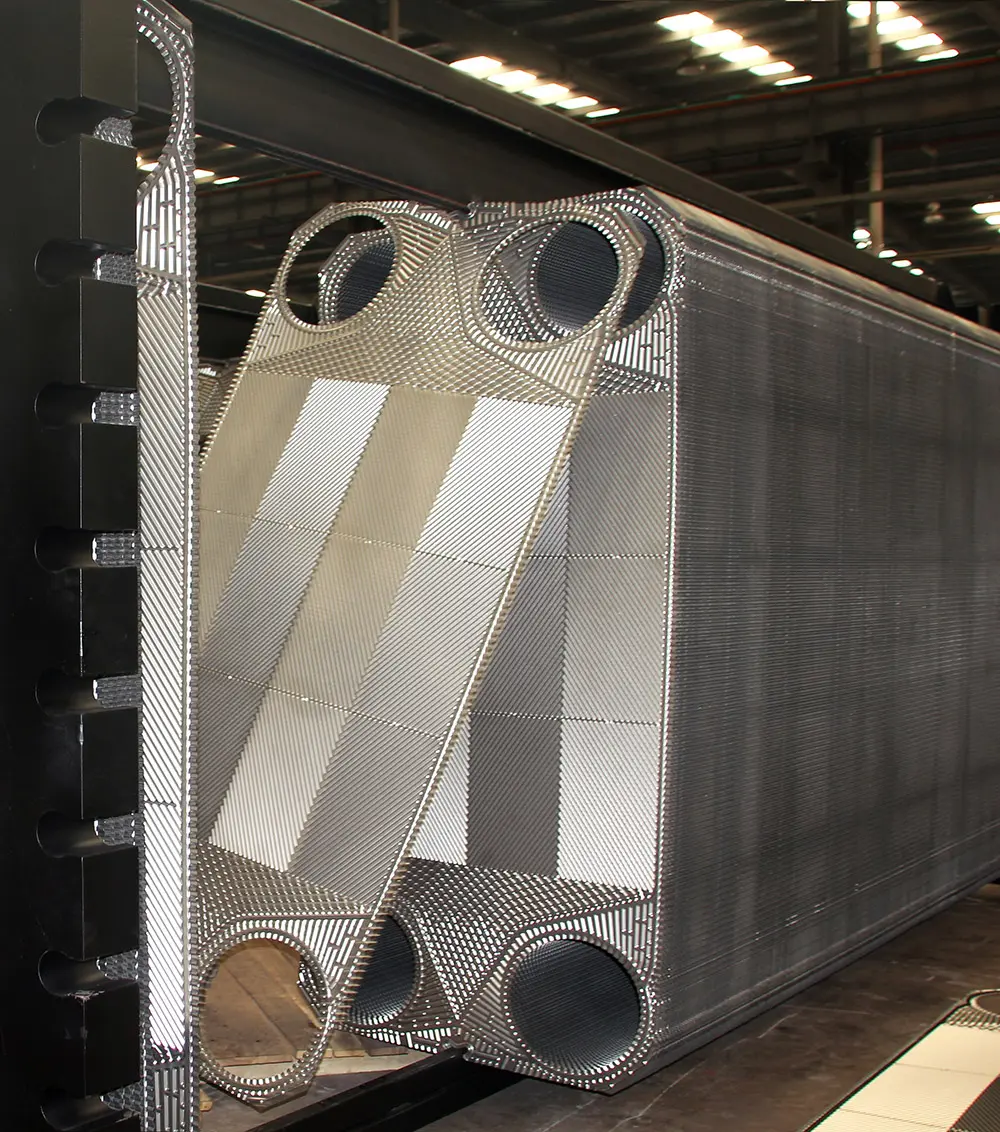
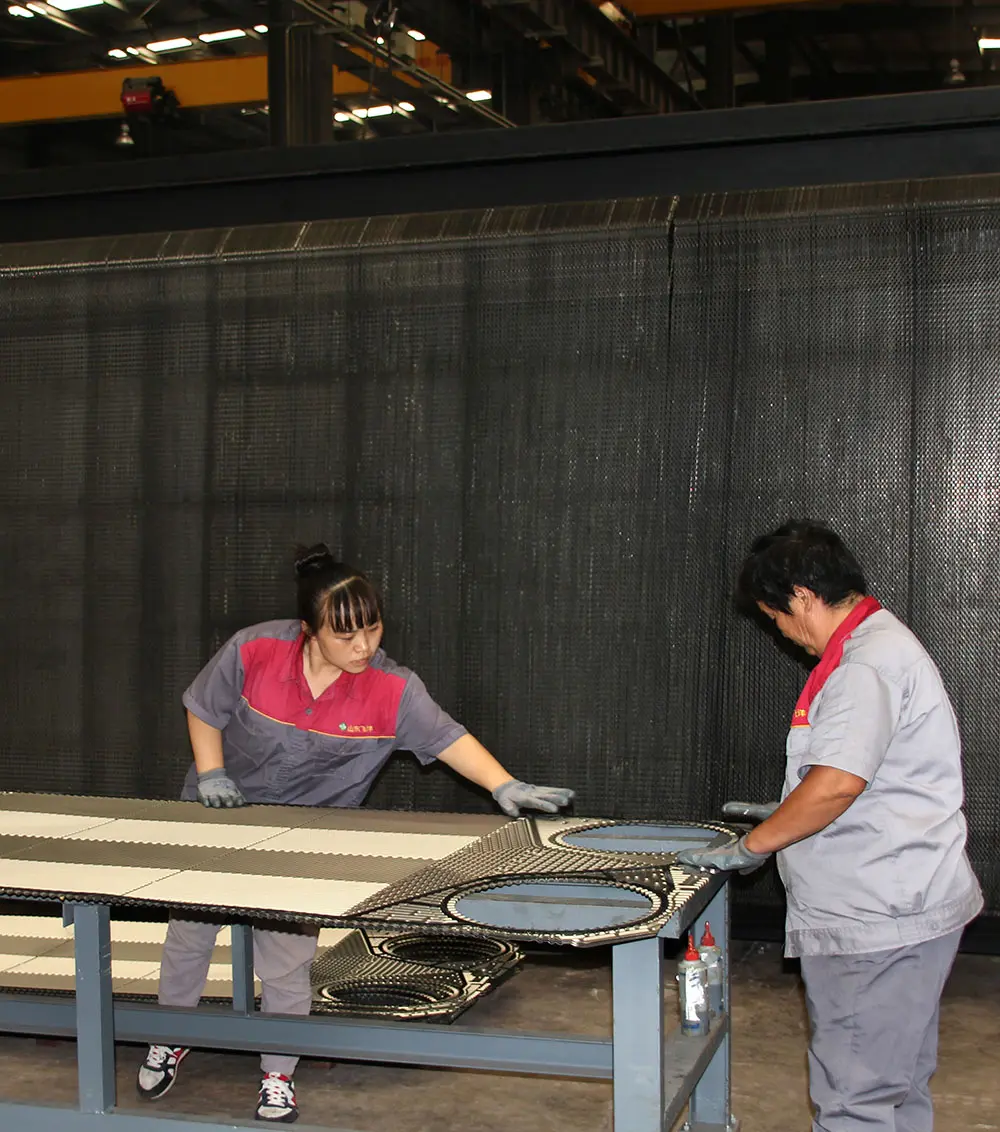
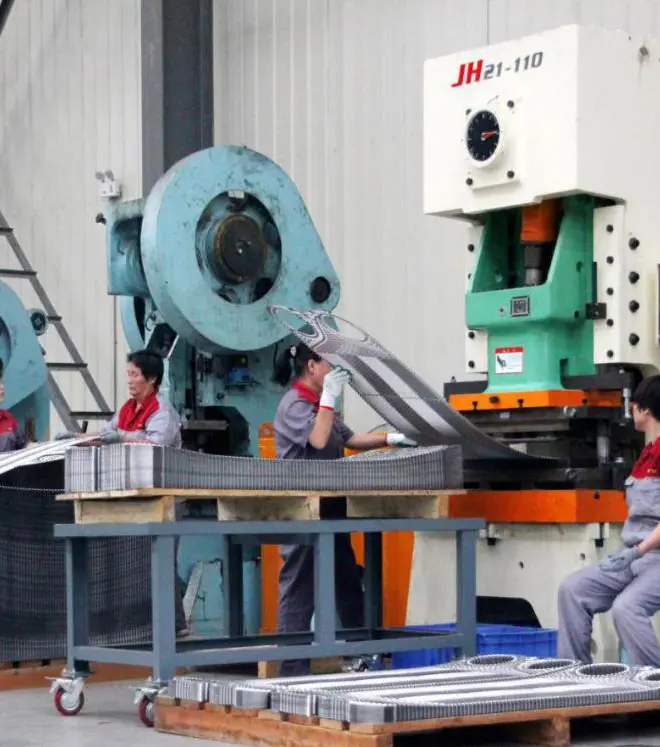
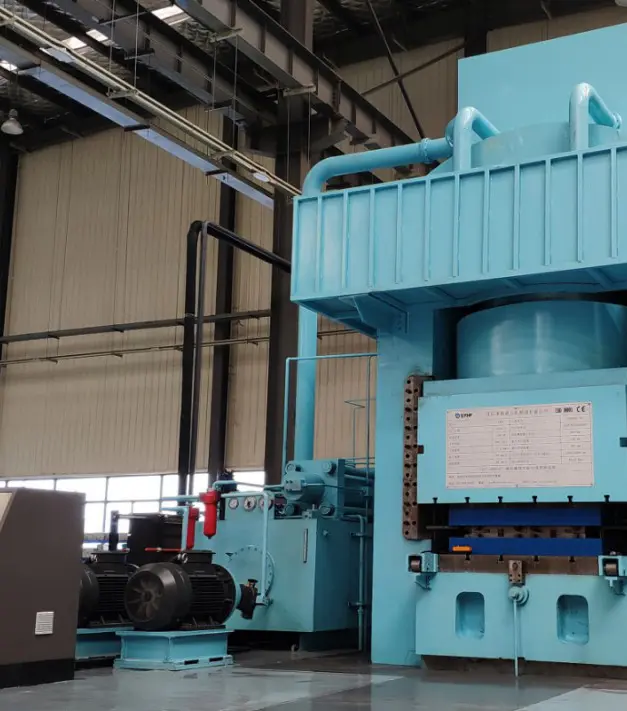
Explore our full catalogue of detachable plate heat exchangers, intelligent heating units, and specialized evaporation systems.
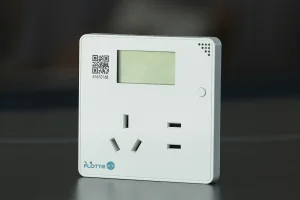
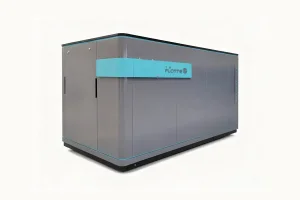
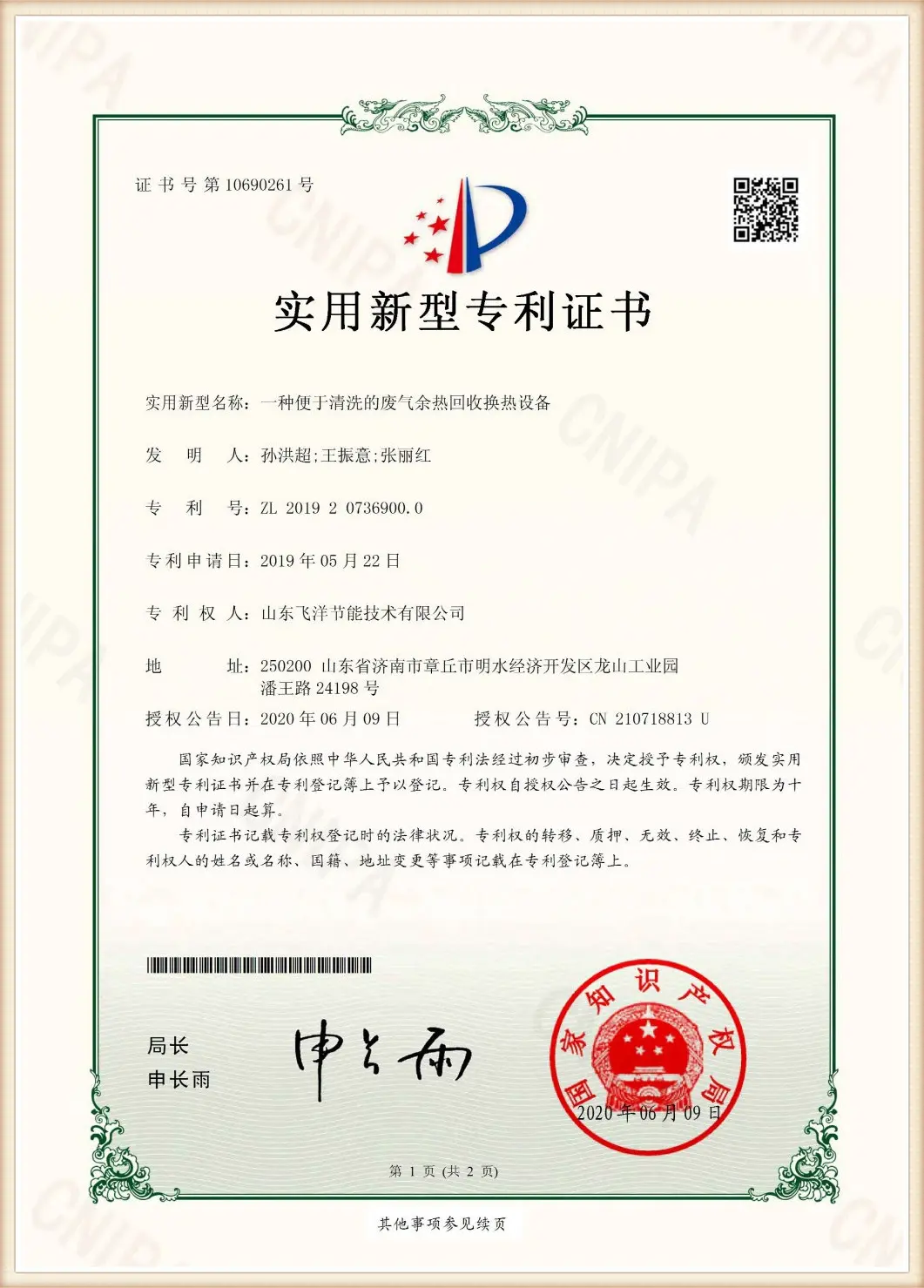
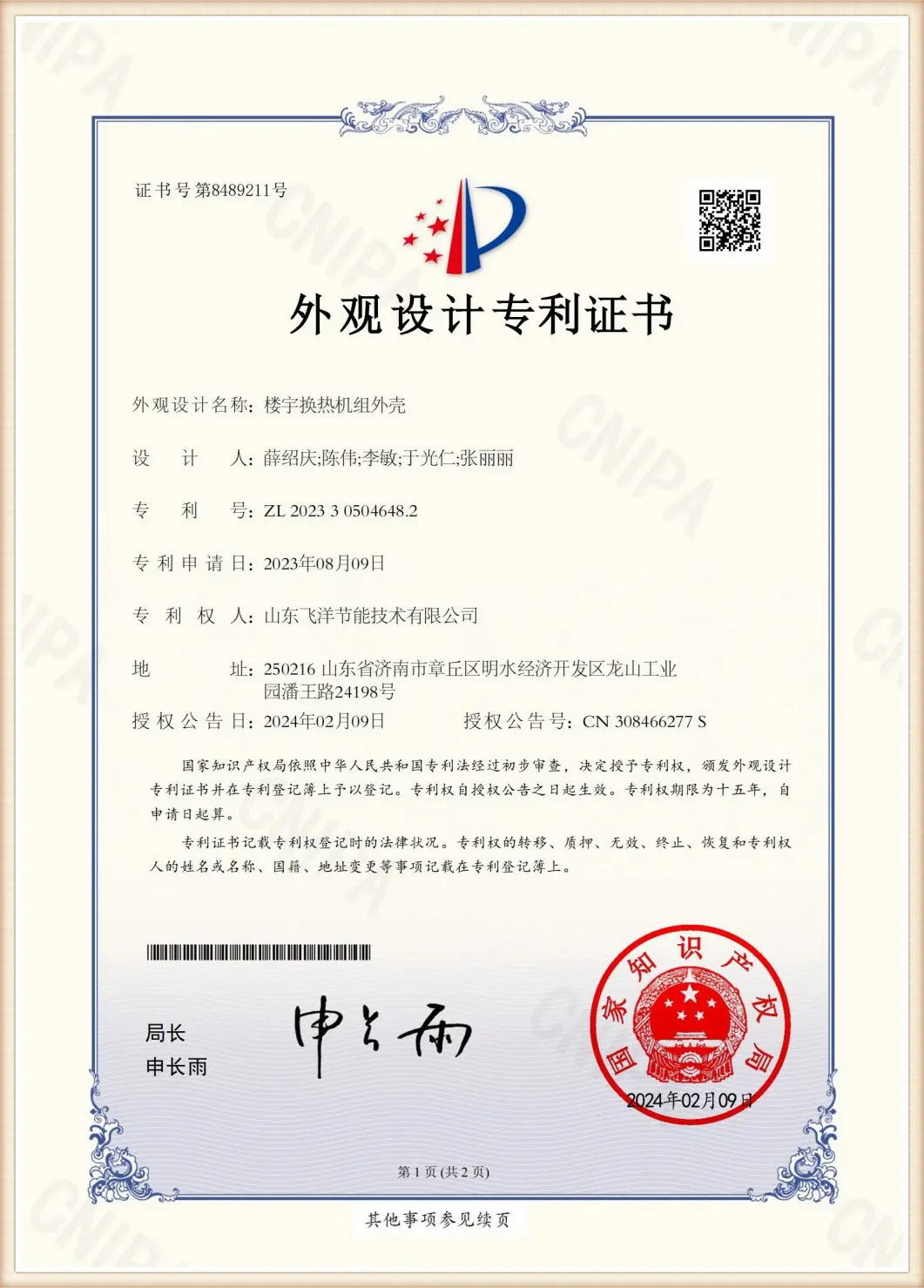
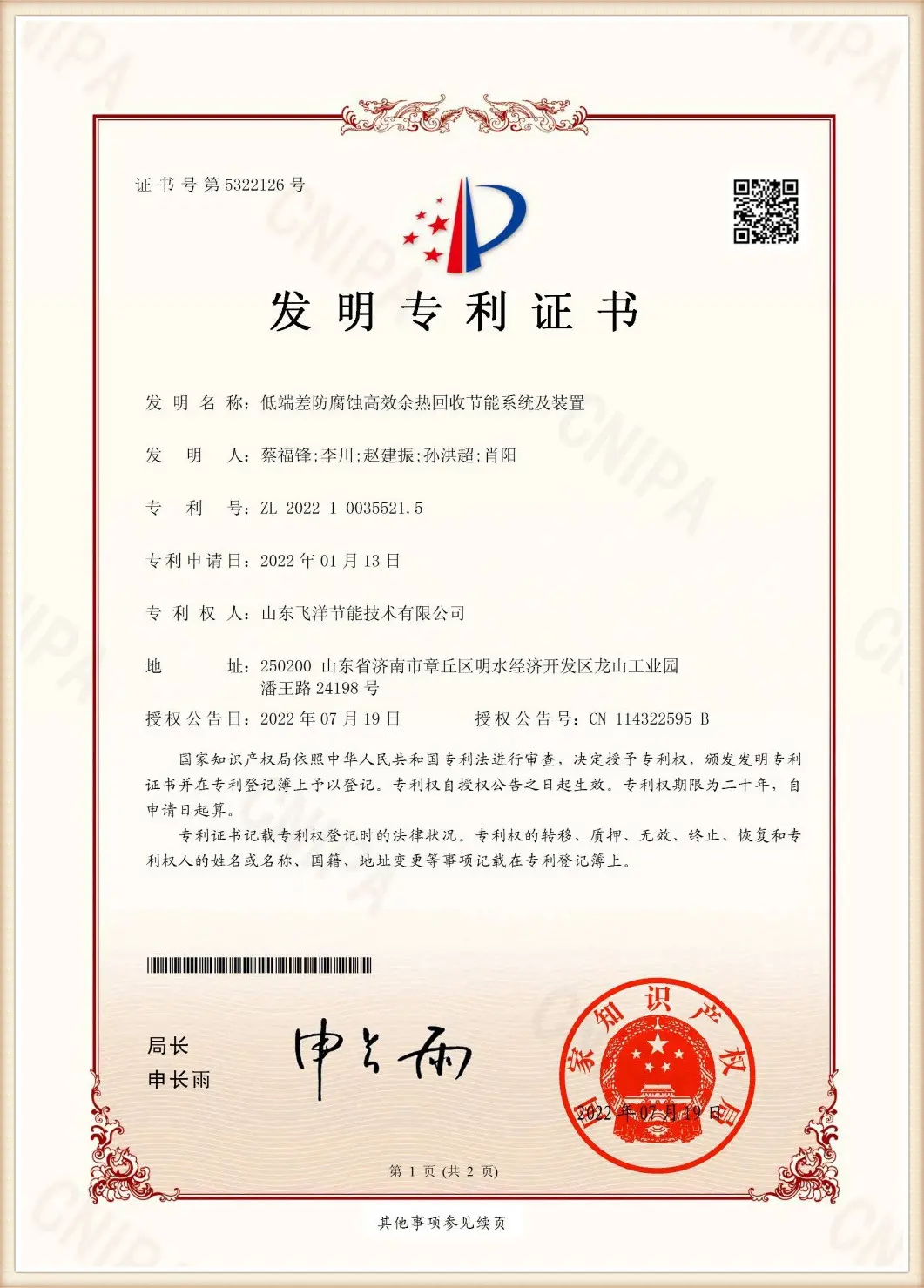
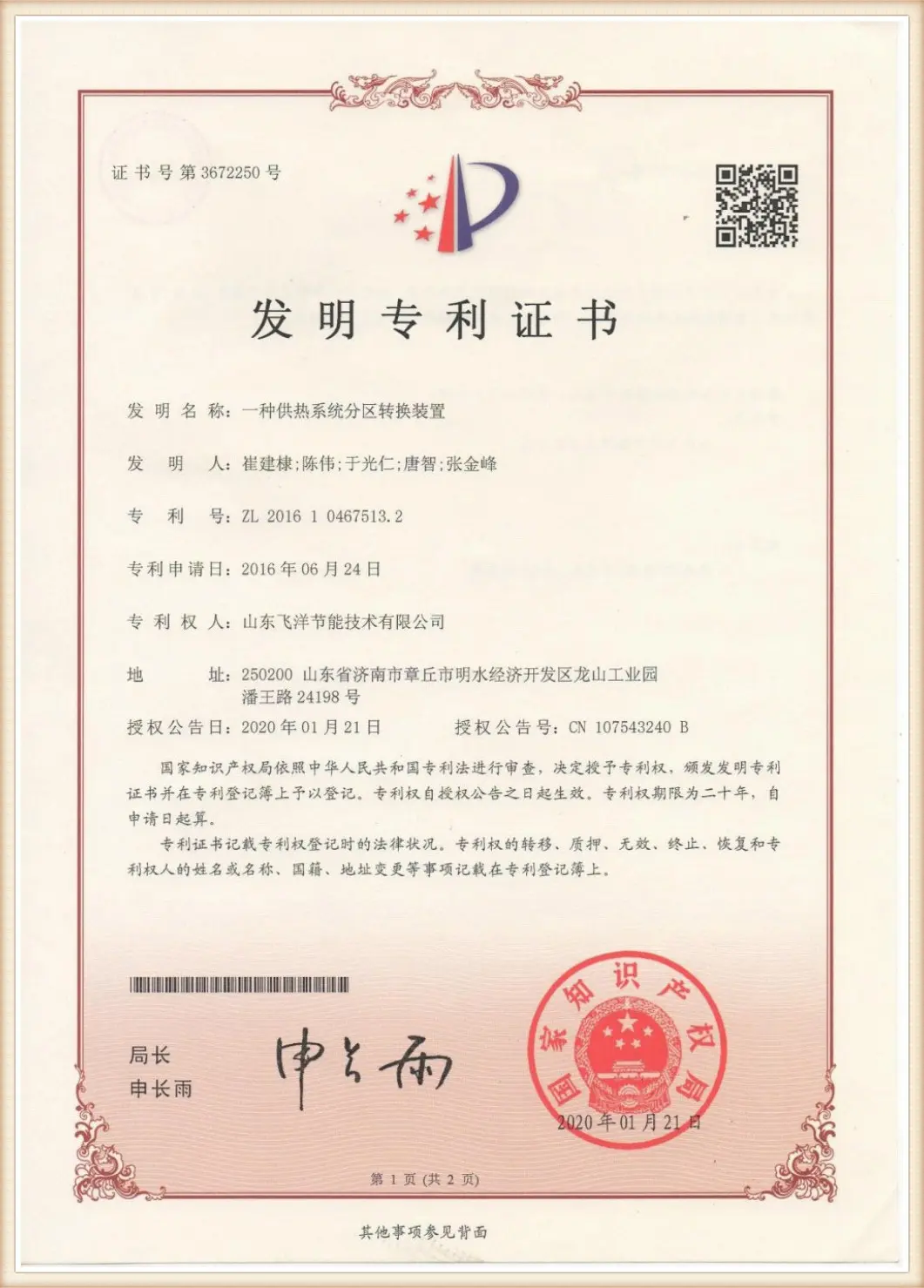
Holding mandatory national safety registrations, ISO certifications, and pressure vessel engineering qualifications.
Our company holds multiple patent certifications including "High-Efficiency Plate Heat Exchanger", "Intelligent Plate Heat Exchanger System", and "Plate Heat Exchanger Scale Removal Device". Our products have obtained mandatory national product certification and safety registration from the National Standardization Committee.
Expert answers to operational, metallurgical, and shipping queries for African commercial buyers.
Gasketed plate heat exchangers offer a significantly smaller footprint (up to 80% weight and space reduction compared to shell-and-tube units), higher thermal efficiency (close temperature approaches down to 1°C), and modular expandability. In offshore platform environments or land-based refineries in Pointe-Noire, saving space while enabling easy plate disassembly for routine mechanical cleaning is a major operational advantage.
For raw river water containing suspended organic matter and minerals, Stainless Steel AISI 316L with a thickness of 0.5mm to 0.6mm is standard. If the water source exhibits high chloride content or acidic runoff from nearby mining installations, titanium Grade 1 or 254 SMO alloy plates are specified to completely eliminate localized pitting and erosion-corrosion.
All Flotte plate heat exchangers and intelligent skid units are coated with anti-corrosion spray primers, sealed in heavy-gauge vapor-barrier vacuum packaging, and mounted inside custom wooden crates treated in accordance with ISPM 15 standards. This guarantees total protection against ocean humidity and salt mist during sea freight transit to Pointe-Noire Port.
Yes. Our engineering team utilizes advanced thermal modeling software (ASPEN / HTRI equivalent) to calculate heat balance, pressure drop, and fluid velocities. We design custom connection sizes (DN50 to DN500), connection types (flanged, threaded, or quick-clamp), and frame dimensions to allow direct retrofit replacement of legacy European or American heat exchanger brands without modifying your existing pipeline infrastructure.
We recommend installing clean-in-place (CIP) connection valves on both primary and secondary fluid circuits. Periodic flushing with mild biodegradable descaling solutions removes mineral scale and bio-films without taking the frame apart. Flotte also provides pre-glued or clip-on NBR/EPDM gasket replacement kits designed for quick maintenance turnarounds.
 Flotte Energy