Plate Heat Exchanger Factories & Factory for the Seattle Market

High-efficiency thermal transmission solutions optimized for the Pacific Northwest commercial HVAC, marine operations, data center cooling, and district energy decarbonization.

Precision Thermal Systems

Engineered Products for Seattle's Green Buildings & Marine Fleets

Premium thermodynamic isolation systems designed for high-density HVAC loops, process cooling, and wastewater purification infrastructure in Puget Sound.
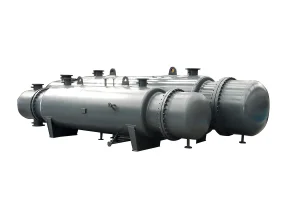
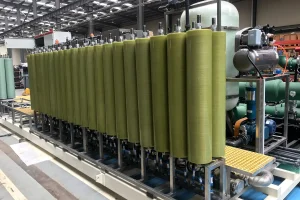
Seattle High-Efficiency Shell and Tube Exchanger

Seattle HVAC Systems: Wholesale High-Efficiency Shell and Tube Heat Exchanger

View Engineering Details
Seattle Industrial Wastewater Membrane Concentration System

Seattle Industrial Grade: Cost-Effective Membrane Concentration System for Wastewater Purification

View Engineering Details
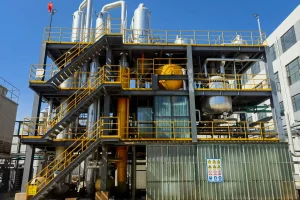
Multi-Effect Evaporation System for Seattle Processing Plants

Pacific NW Operations: Wholesale Multi-Effect Evaporation System for High-Efficiency Energy Savings

View Engineering Details
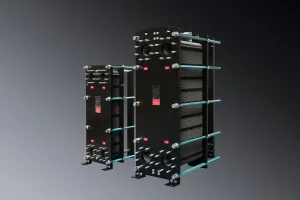
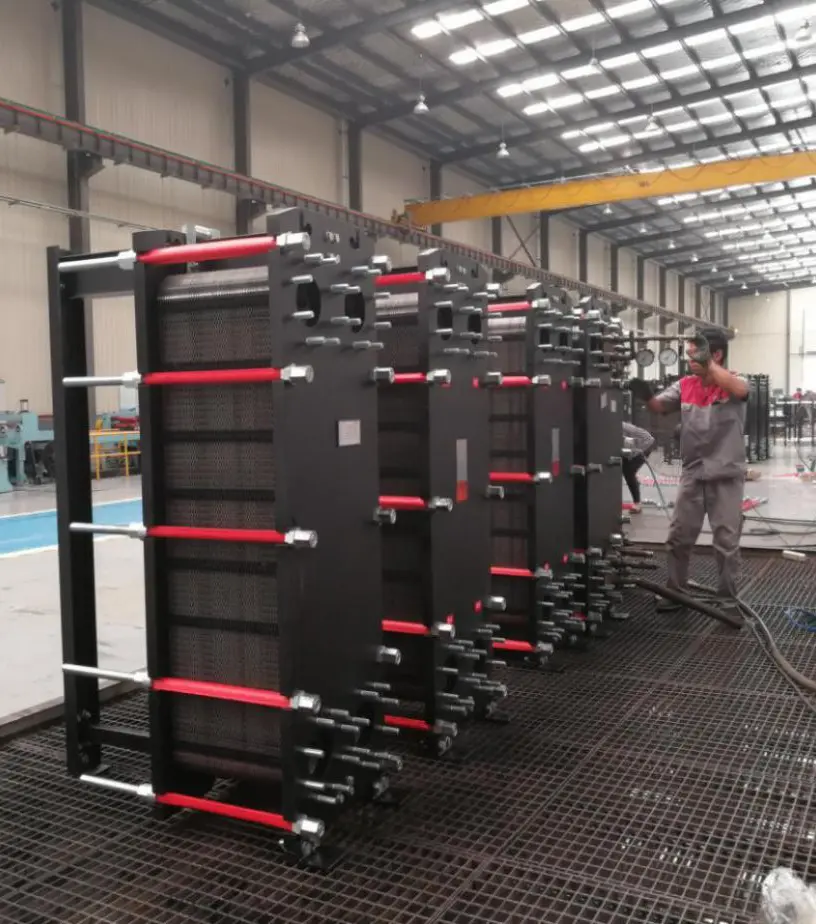
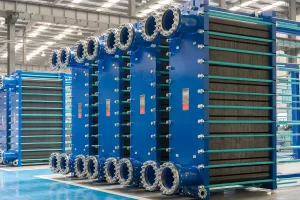
Seattle Detachable Plate Heat Exchanger

Seattle District Energy: Detachable Plate Heat Exchanger Factory Direct Exporter

View Engineering Details
Industry Analysis

Decarbonizing the Emerald City: Seattle’s Stringent Clean Energy Directives

As Seattle accelerates towards its goal of net-zero greenhouse gas emissions by 2050, building operators and industrial facilities are facing unprecedented regulatory pressure. The implementation of the **Washington State Clean Buildings Performance Standard (HB 1257)** and the progressive **Seattle Building Emissions Performance Standard (BEPS)** mandate that existing commercial and multifamily structures over 20,000 square feet drastically reduce their carbon footprints.

Within this regulatory framework, the optimization of thermal exchange processes becomes paramount. Traditional fossil-fuel boilers are being phased out in favor of high-efficiency commercial heat pump loops, industrial heat recovery projects, and wastewater heat recovery systems. Plate Heat Exchangers (PHEs) act as the foundational component in these configurations, facilitating precise thermal transfer with minimal temperature approaches.

For the Seattle market, this requires heat exchangers capable of operating under highly variable loading rates while maintaining maximum thermal efficiency. Whether it is isolating Seattle Steam/Enwave district energy networks, cooling hyperscale server installations, or handling corrosive marine environments in the Puget Sound, Flotte’s state-of-the-art plate geometries provide the exact heat transfer coefficients needed to satisfy local engineering standards.
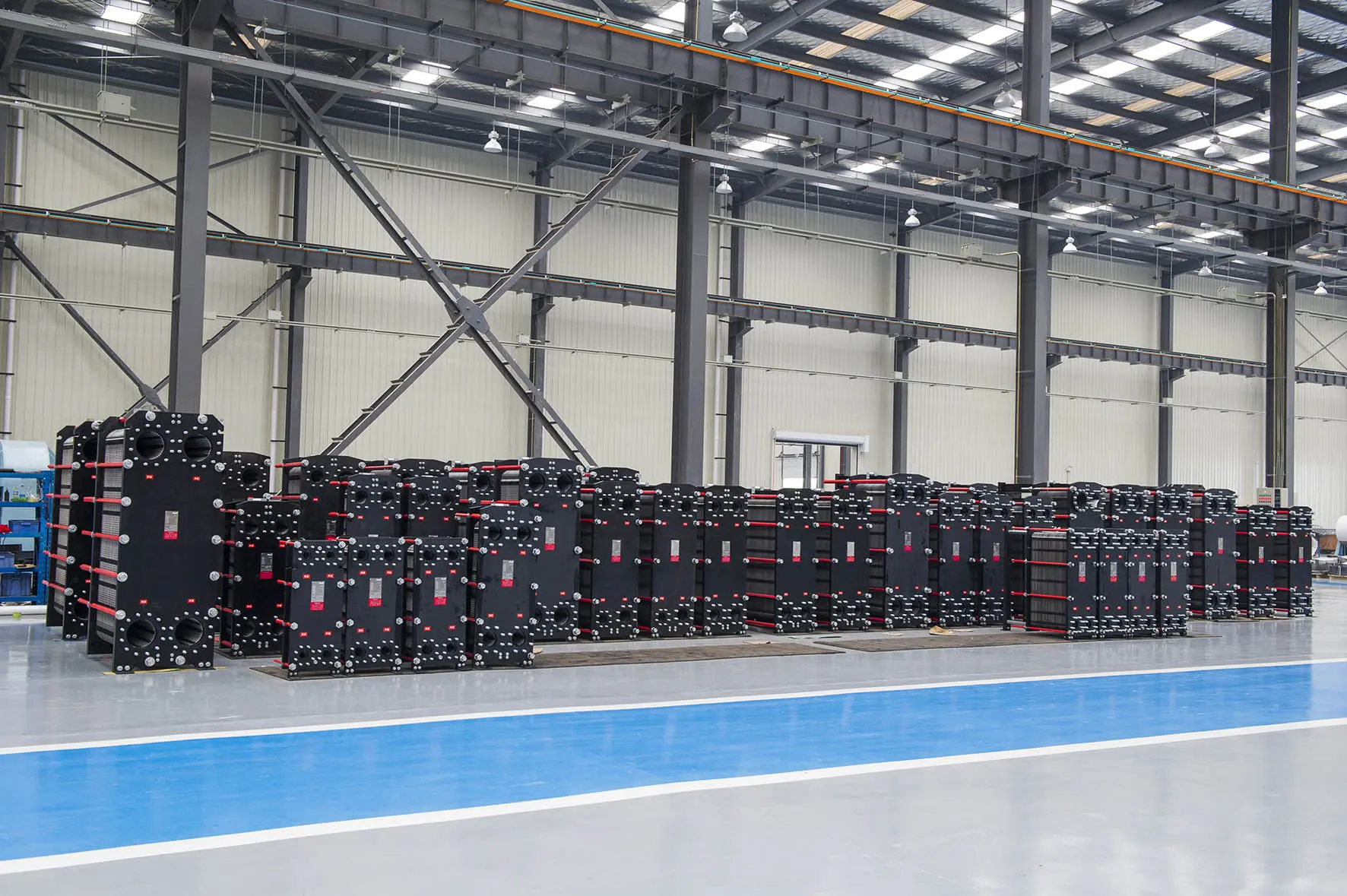
Seattle Industrial Plate Heat Exchanger Integration
Flotte Manufacturing Base
Thirty Years of Innovation

About Flotte: Global Infrastructure & Technical Legacy

Flotte Energy Saving Company, established in 2013 with a registered capital of 101 million yuan, originated from Flotte Thermal Engineering founded in 1995. With three decades of technical expertise, the company specializes in water equipment, HVAC systems, and water treatment industries. It consistently leads industry peers in adopting cutting-edge technologies, developing innovative products, and delivering comprehensive production and sales services.

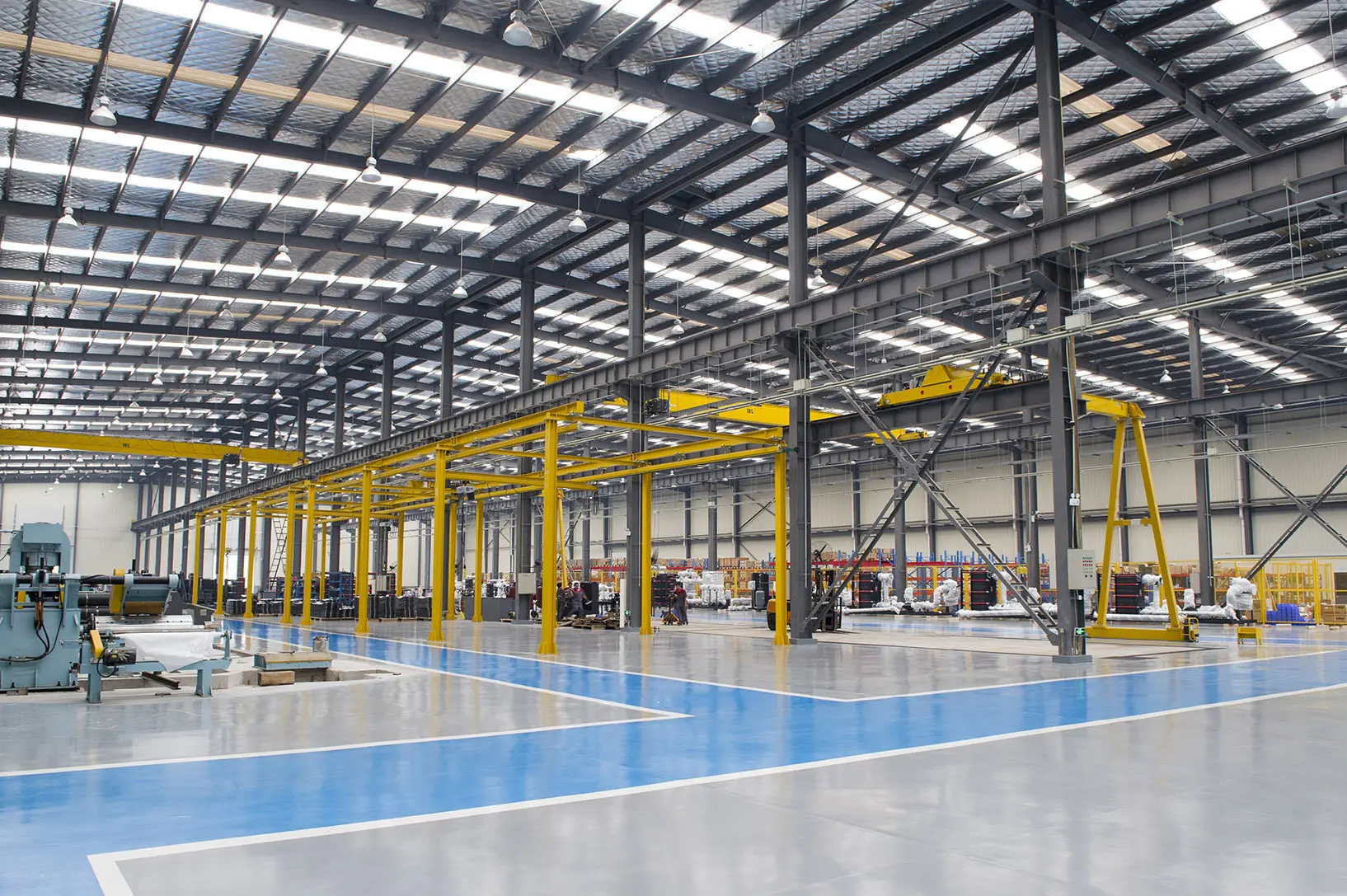
Operating from a massive modern facility, Flotte coordinates professional design, raw material procurement, strict structural testing, and field commissioning. Our products strictly adhere to the **ISO 9001:2015** International Quality Management System, the **ISO 14001** Environmental Management System, and the **ISO 45001** Occupational Health and Safety Management System. By selecting premium raw metallurgies (including Titanium, Hastelloy, SS316L, and SS304) alongside engineered elastomers (EPDM, NBR, Viton), we manufacture thermal units built to withstand the harshest environments globally.

30+
Years of Engineering
260+
Active Specialists
2000+
Annual Production Units
70,000
Land Area
Macro-Industry Solutions

Targeted Solutions for Seattle's Critical Sectors

How Flotte Plate Heat Exchangers optimize heat transfer efficiency, minimize downtime, and reduce operational carbon emissions across key local industries.

Puget Sound Marine Systems

The maritime industry in Seattle requires resilient equipment that resists salt-water corrosion. Flotte provides specialized Titanium-plate detachable heat exchangers designed specifically for marine vessels, ensuring dependable engine and auxiliary system cooling with high uptime.

District Heating & HVAC Loops

Our intelligent heat exchange units act as separation barriers between Seattle’s high-pressure utility steam/hot water networks and building-side low-pressure distribution systems, safeguarding critical indoor HVAC components while optimizing energy transfer.

Seattle Data Center Liquid Cooling

Pacific Northwest high-density server configurations rely on liquid-to-liquid cooling systems to maintain optimal temperatures. Flotte's plate design manages low temperature approaches (LTA down to 1.0°C), reducing PUE metrics for regional tech facilities.

Precision Engineering

Advanced Manufacturing & Testing Protocols

From raw metallurgy to final pressure verification, our production line implements rigorous testing to ensure durability under demanding operating pressures.
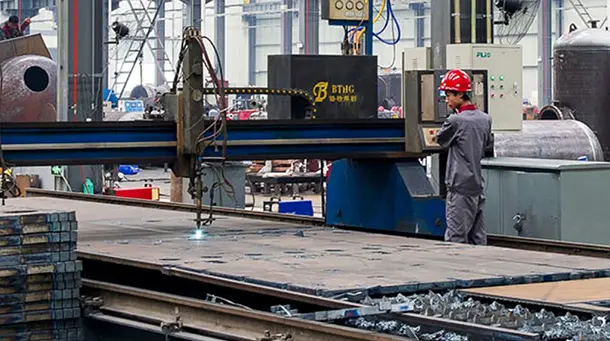
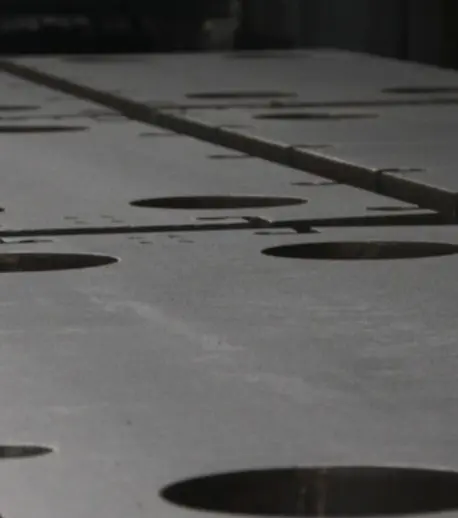
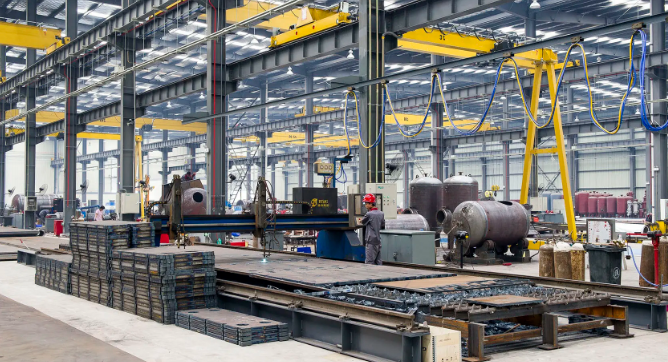
Splint cutting

1. Splint Cutting

Micro-forging

2. Micro-Forging

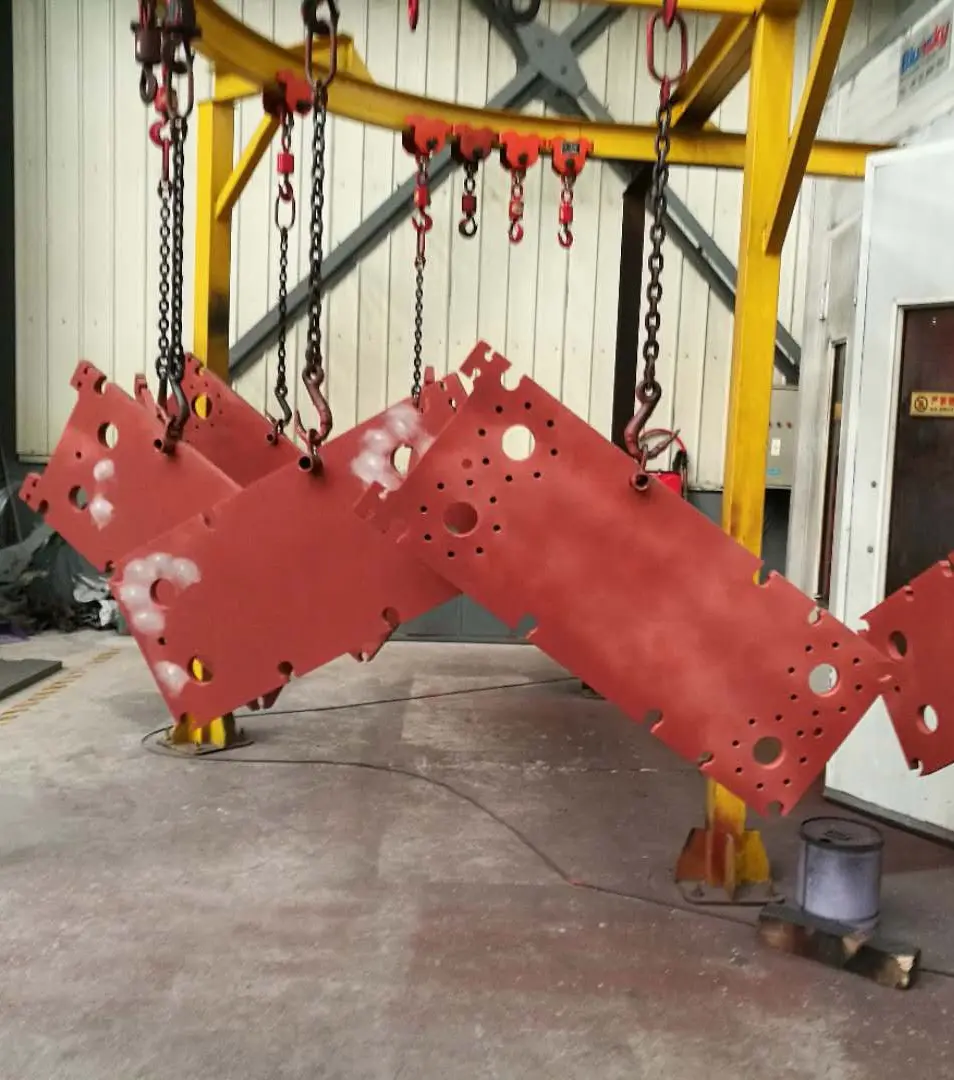
Spray painting

3. Protective Spray Painting

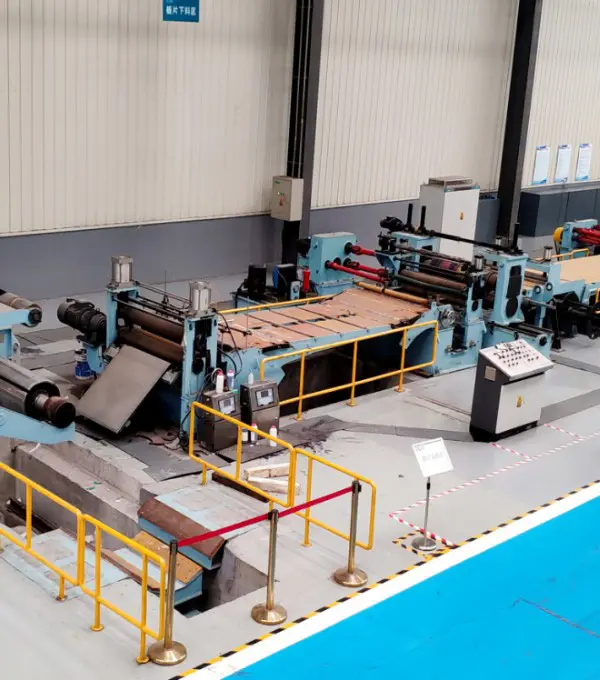
Sheet cutting and coding

4. Sheet Cutting & Coding

Water pressure detection

5. Hydrostatic Pressure Testing

Equipment assembly

6. Equipment Assembly

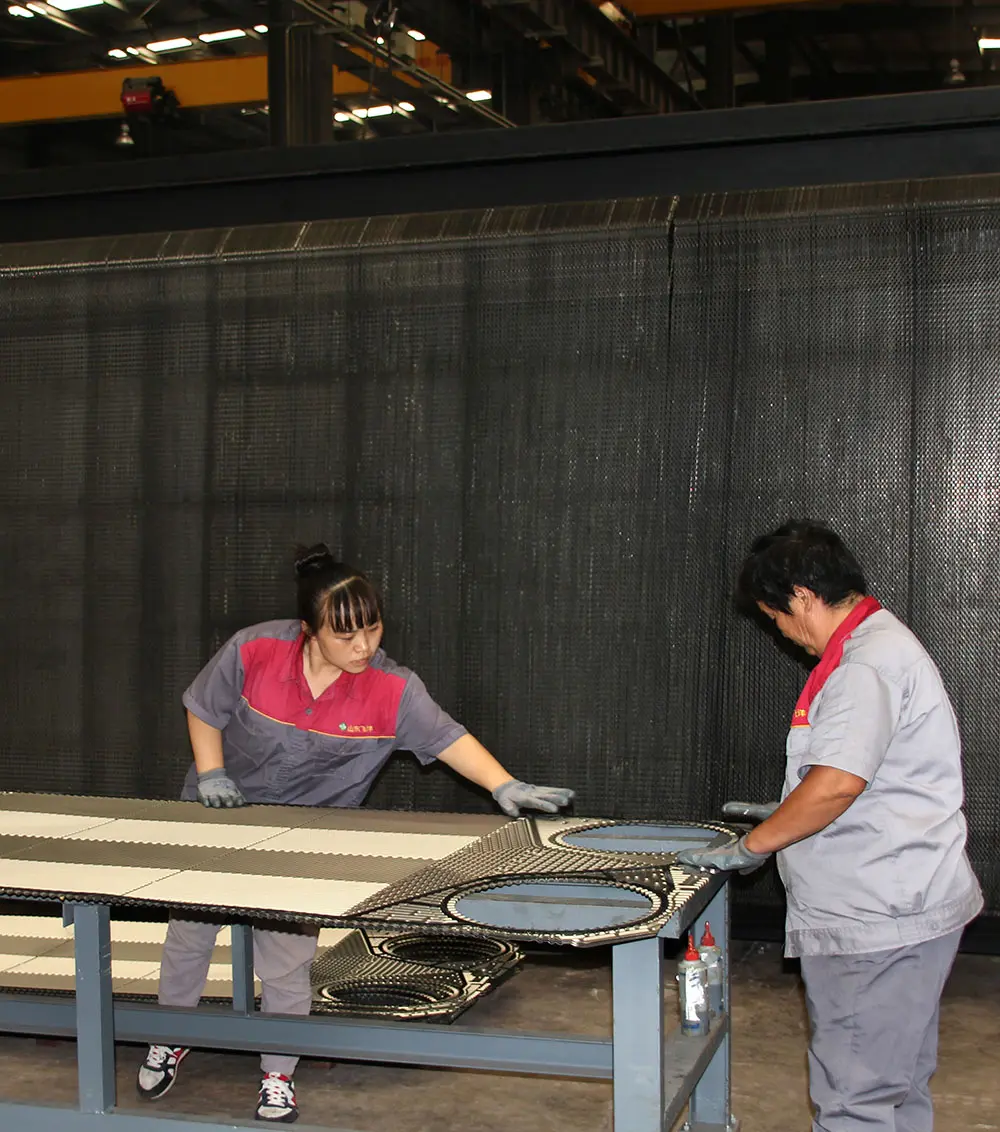
Rubber-coated pad

7. Rubber Gasket Adhesion

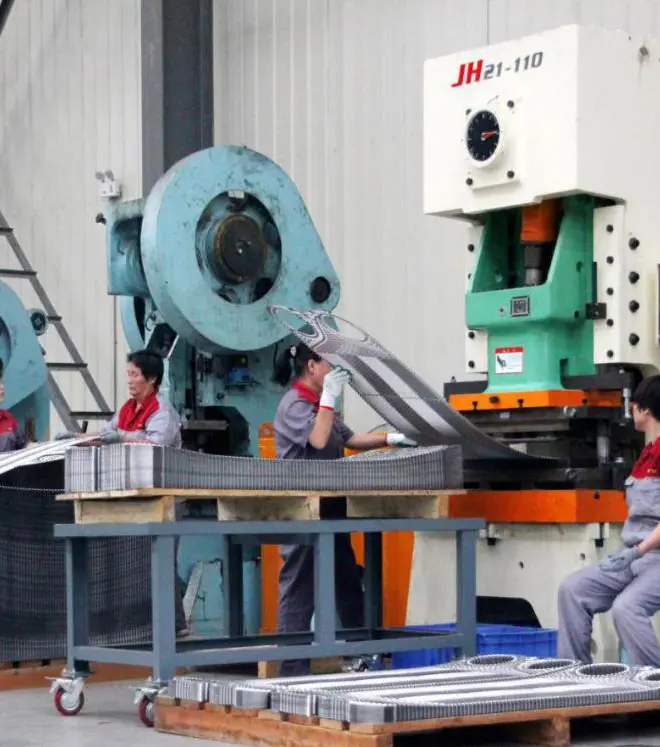
Plate punching

8. Port Cold-Punching

Sheet stamping forming

9. Hydraulic Stamping & Corrugation

Quality Standards

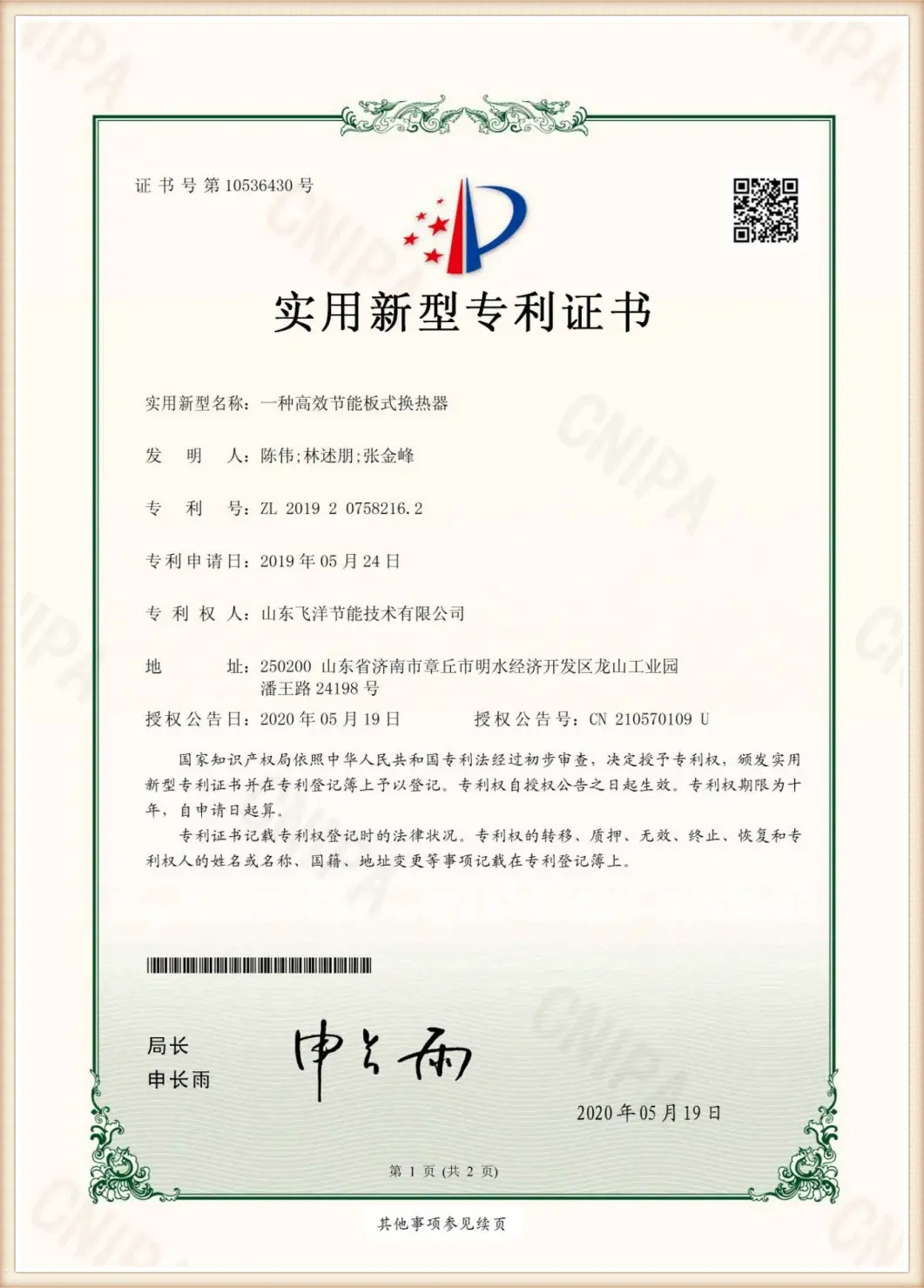
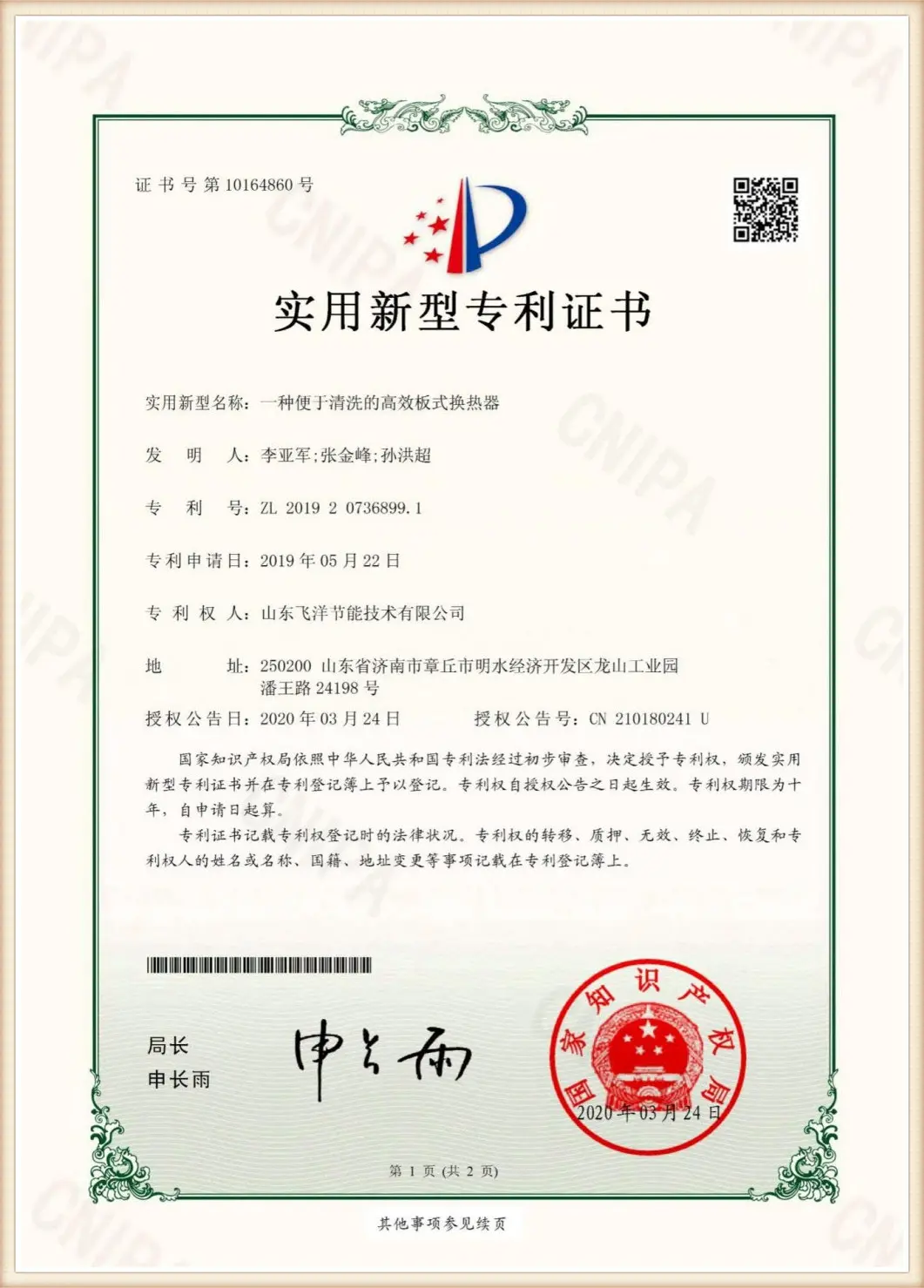
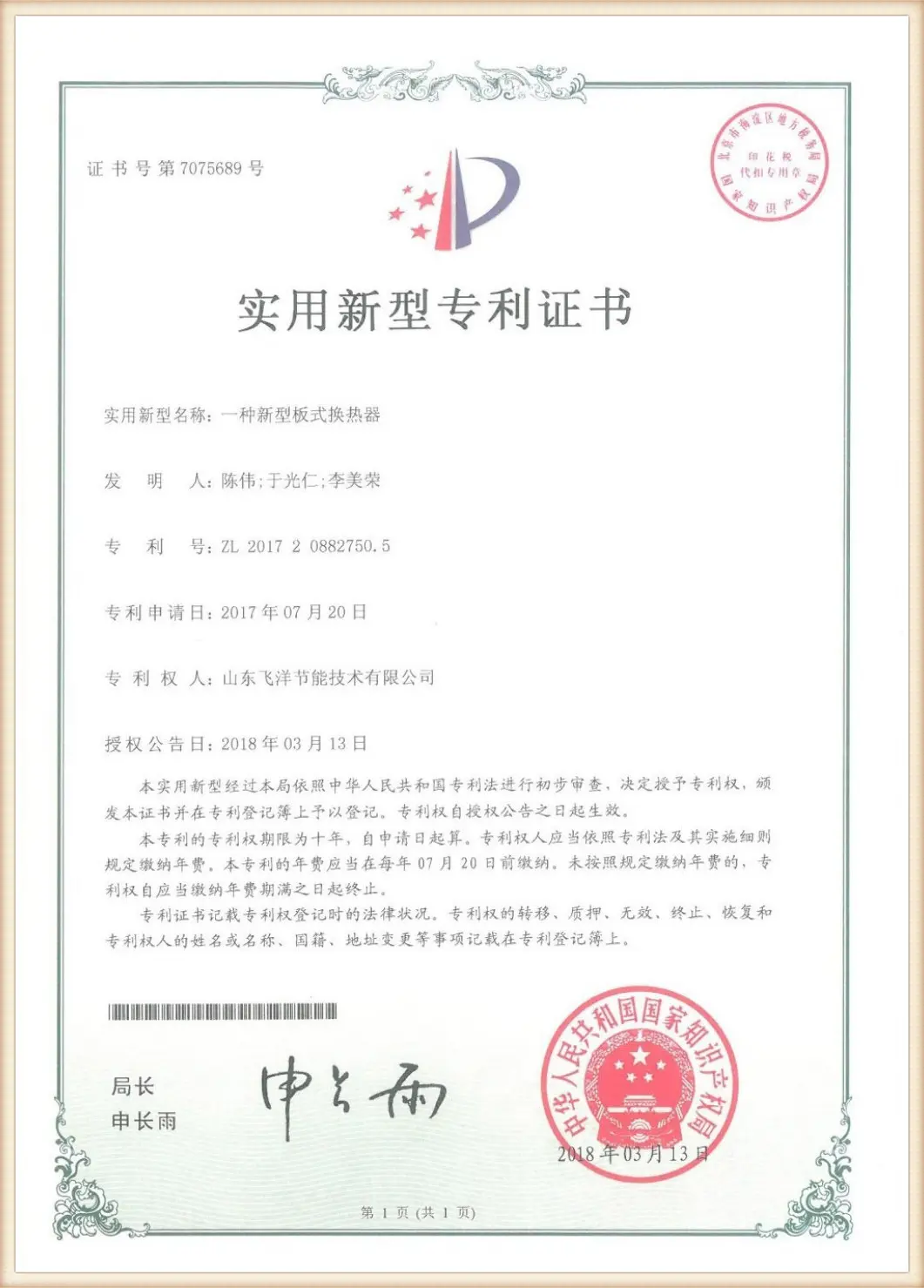
Certified Verification & Industrial Accreditations

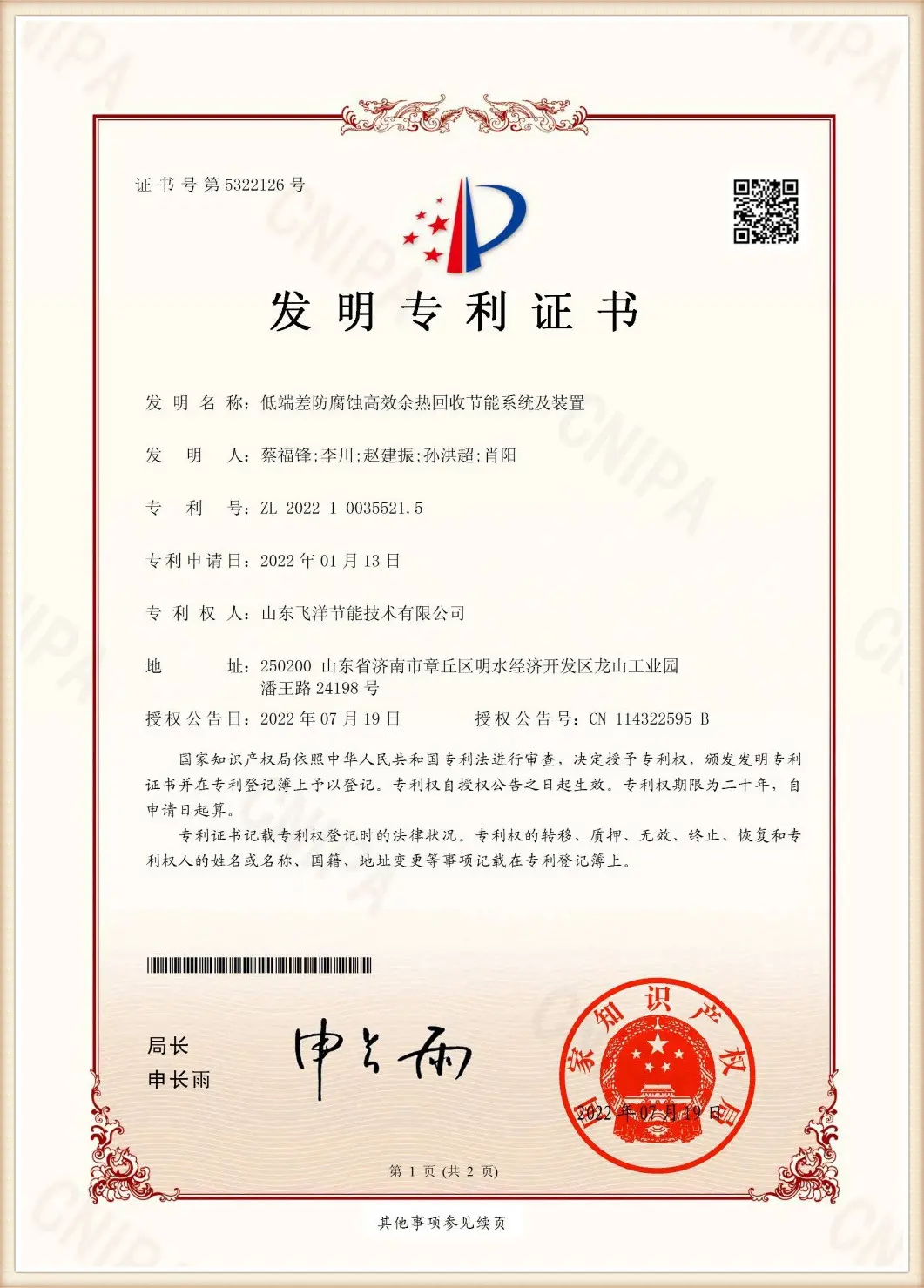
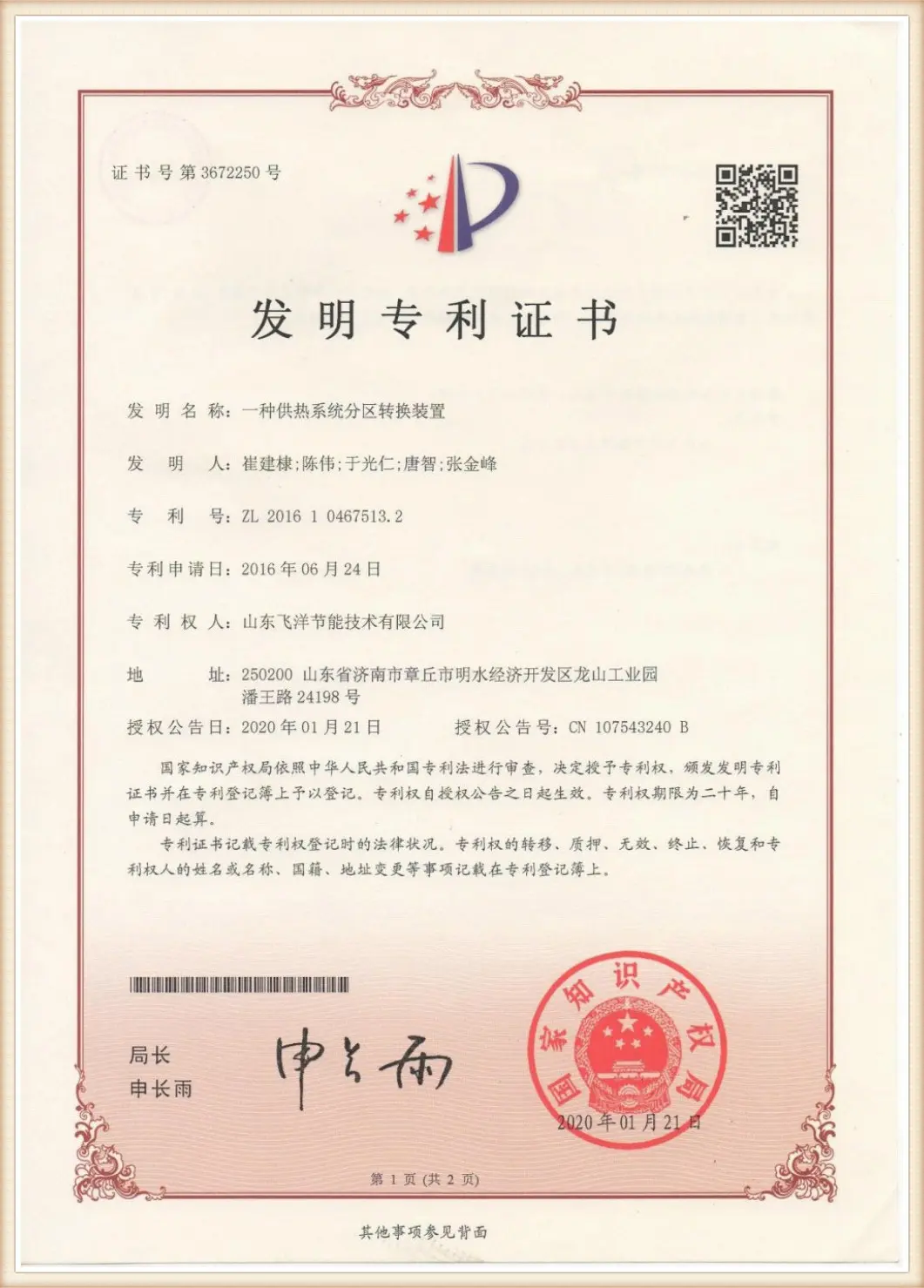
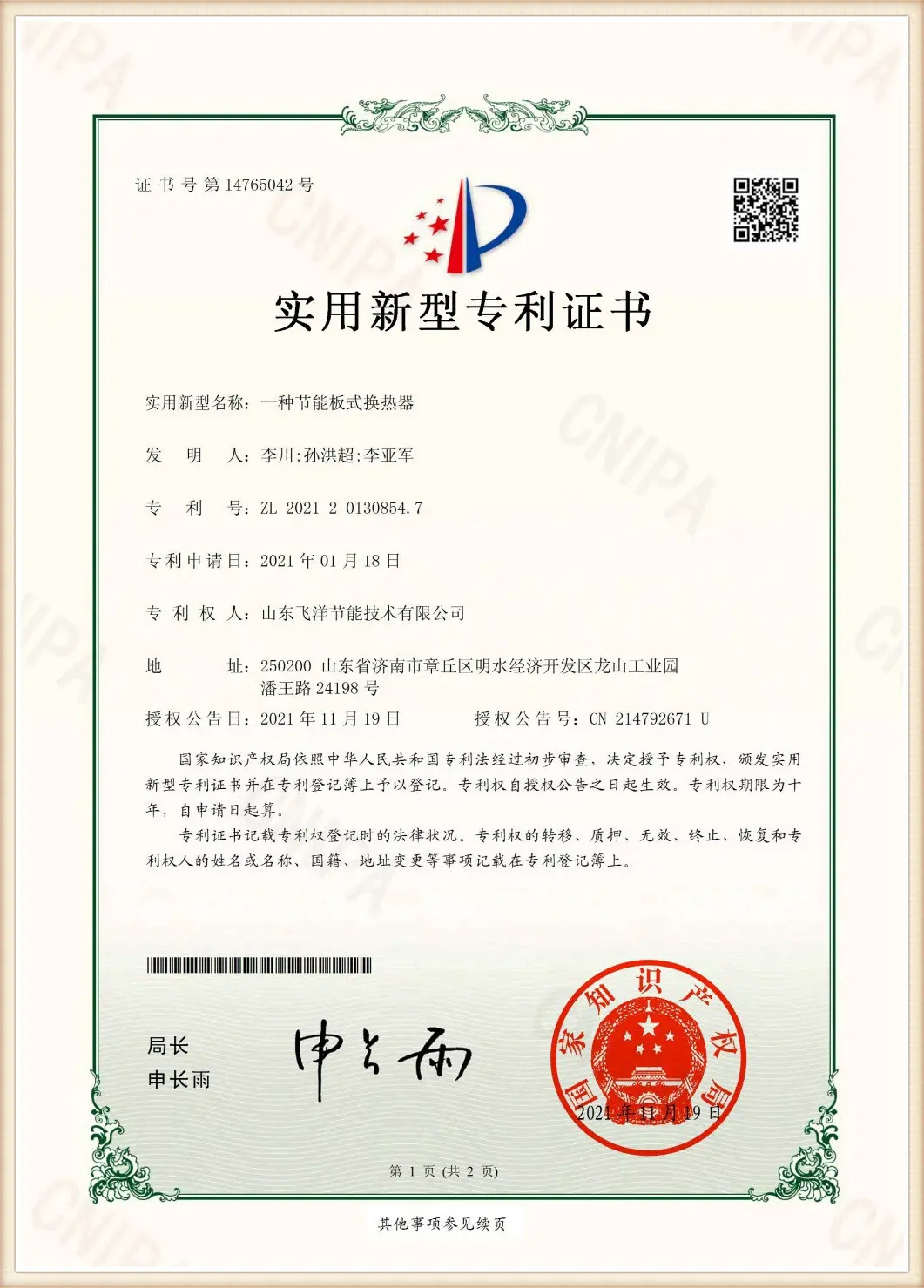
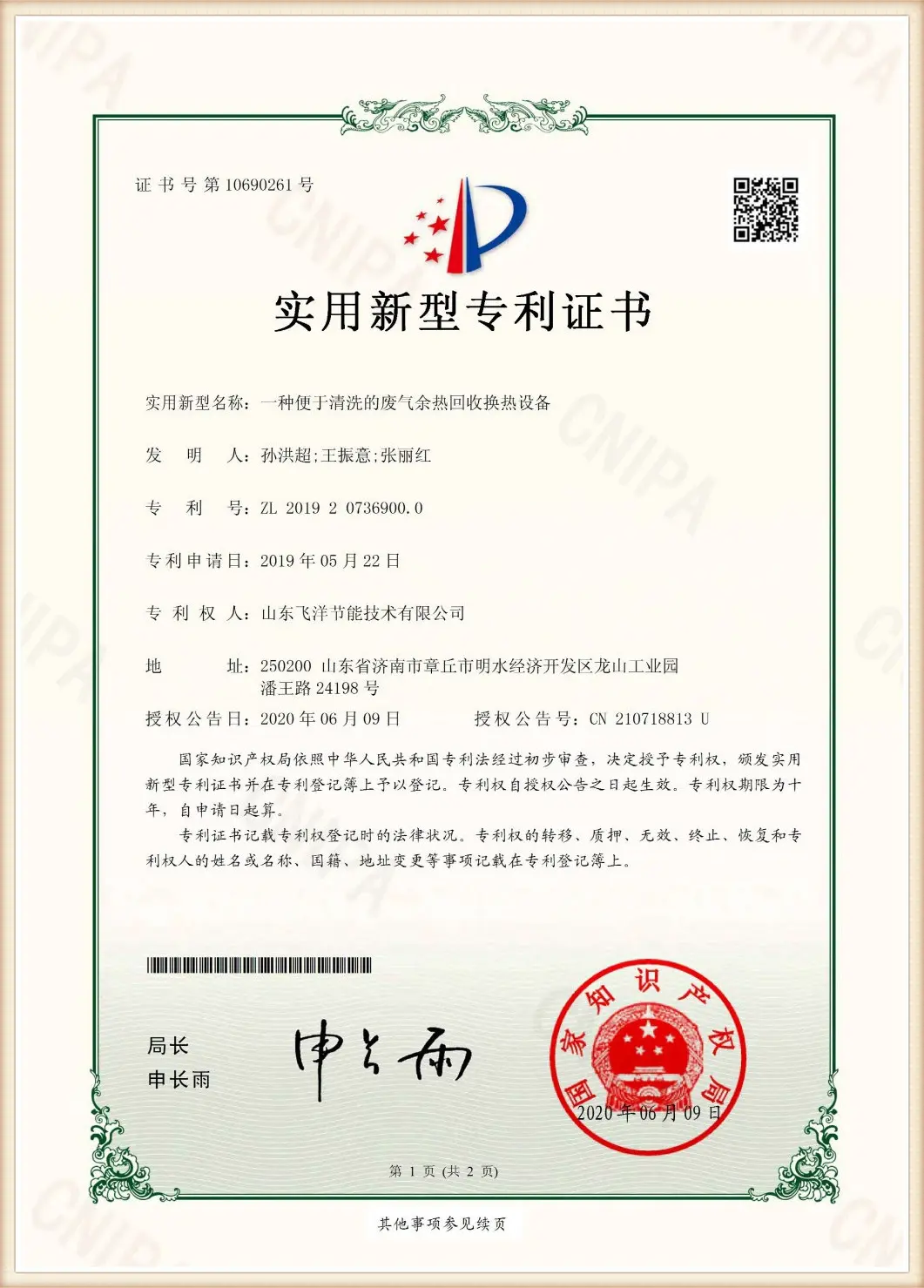
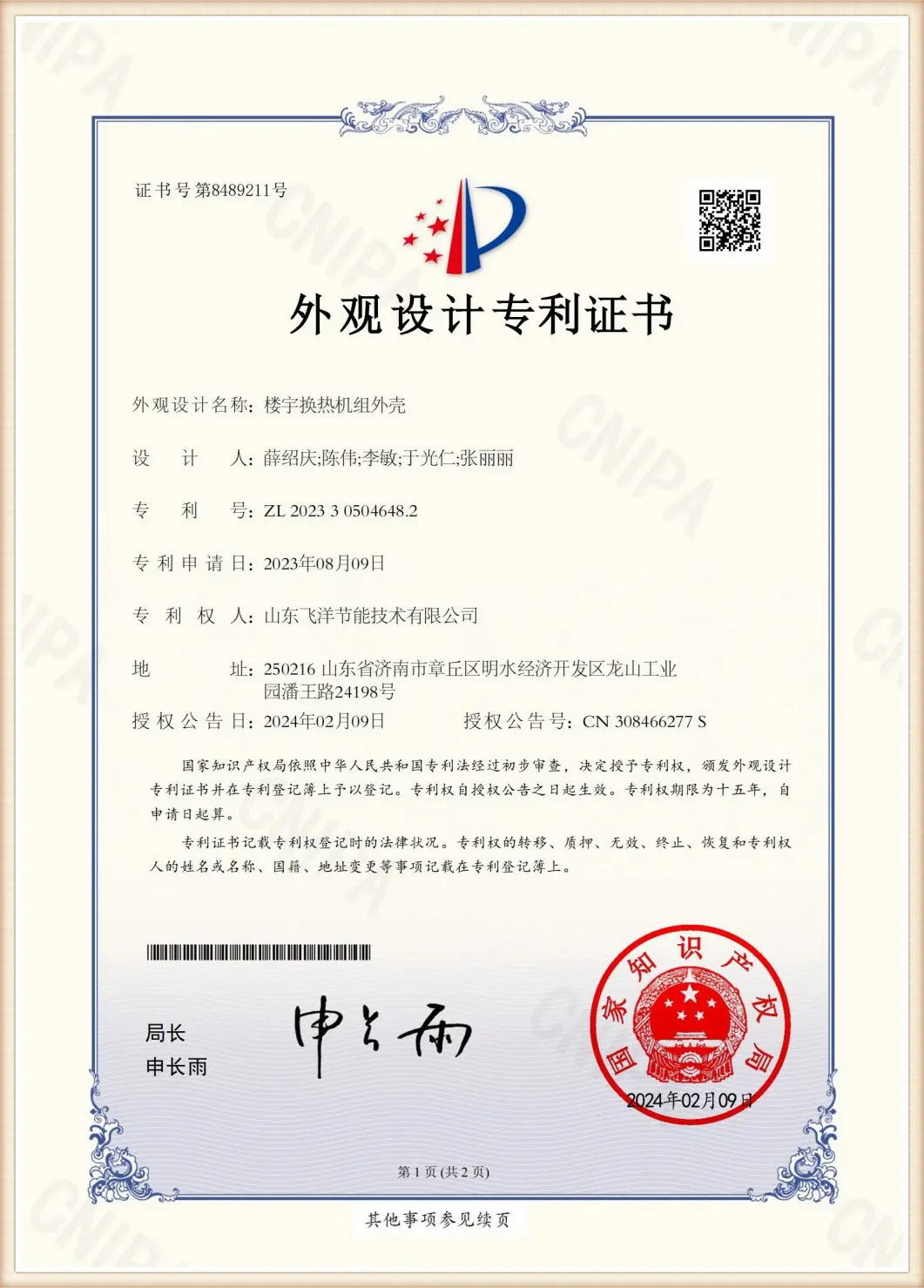
To ensure alignment with building regulations in the United States and Canada, our manufacturing processes are audited annually. Flotte's plate heat exchangers and integrated heat exchange units comply with structural safety and efficiency standards. We maintain complete traceability for every heat exchanger plate, gasket, and pressure frame shipped from our facilities.

Our engineering division handles custom certifications, ensuring compliance with ASME Section VIII Division 1 requirements, AHRI LLHE performance standards, and local Seattle electrical and plumbing codes. When you source thermal equipment from Flotte, you receive detailed manufacturing drawings, complete material test reports, and factory hydrostatic testing documentation, ensuring straightforward project approvals.
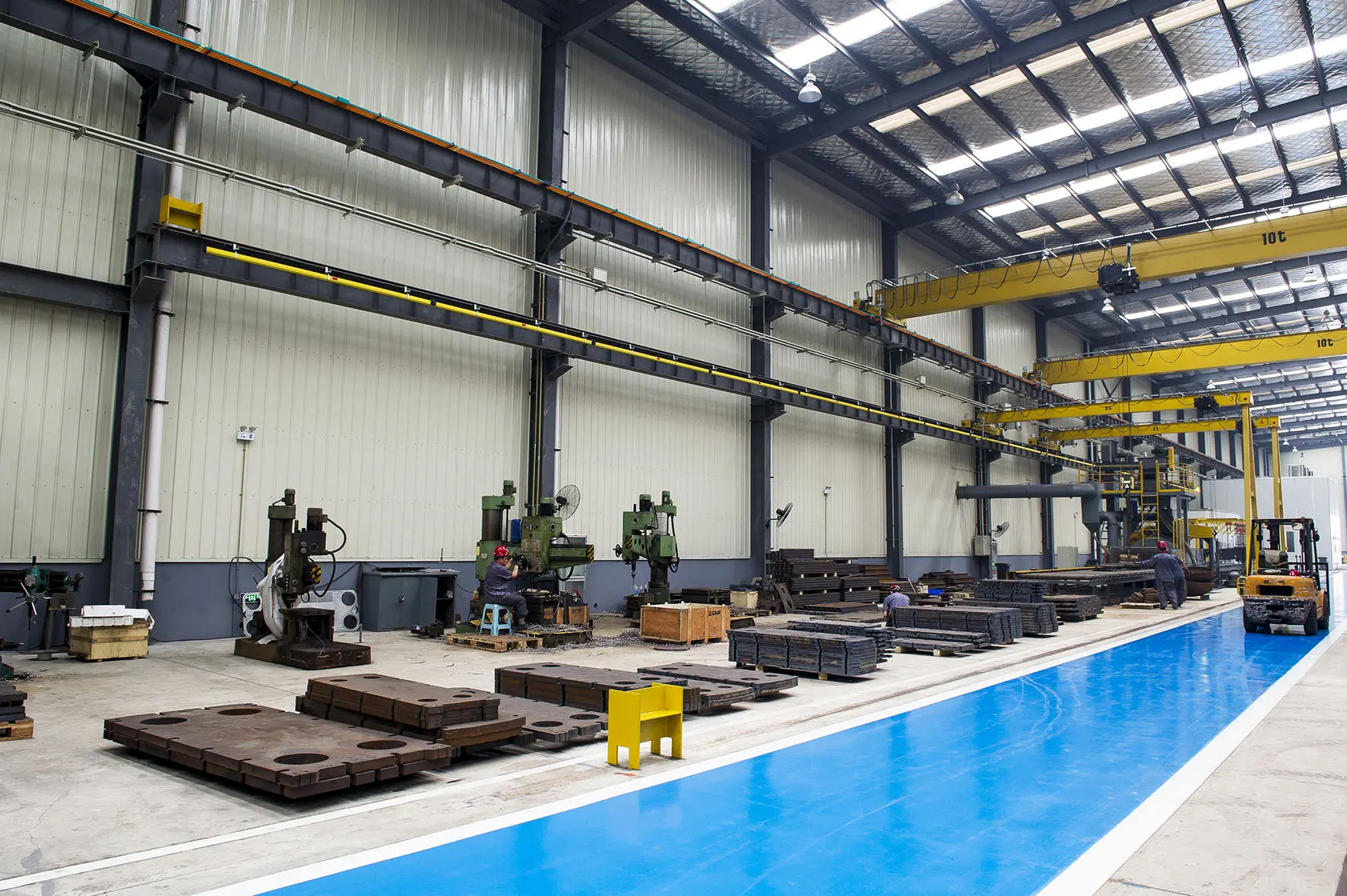
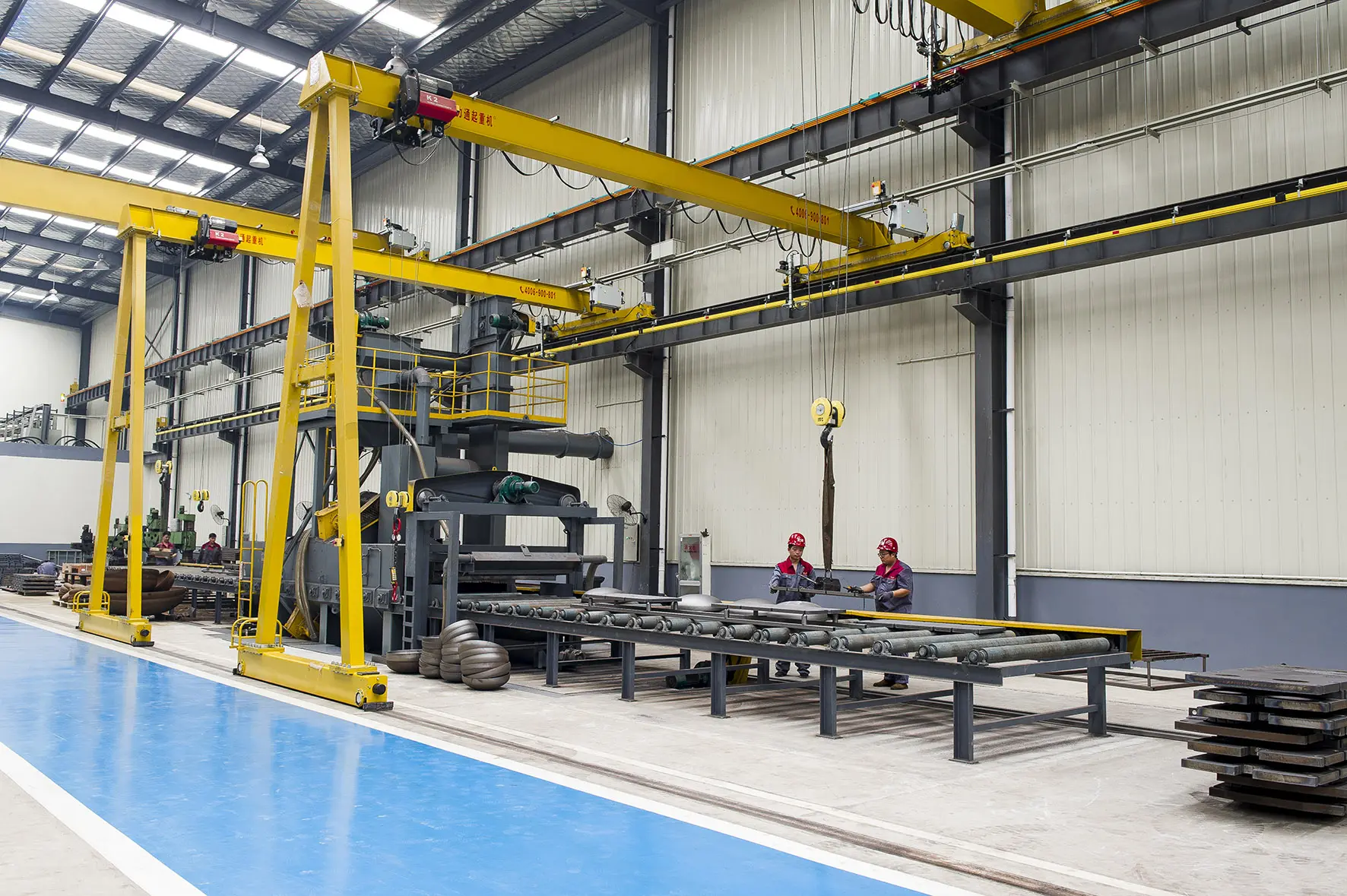
Advanced Production Facility

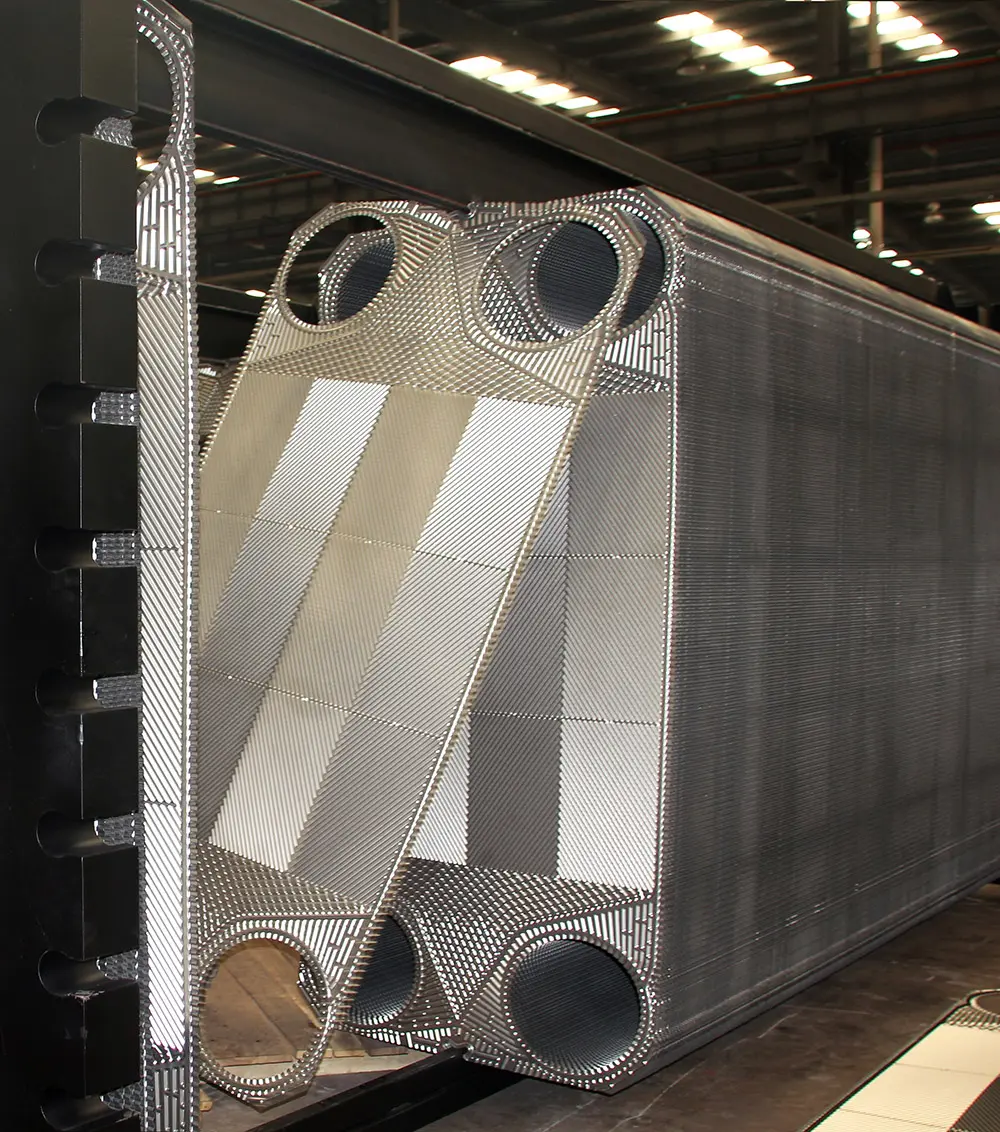
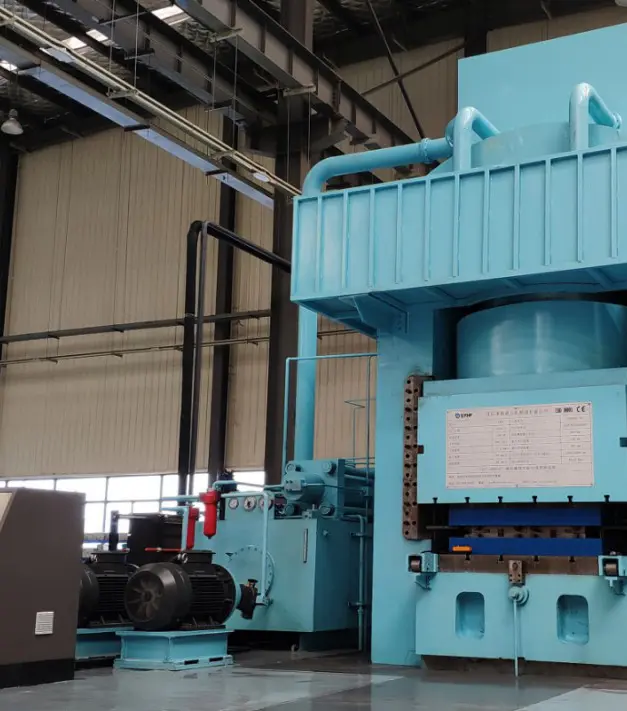
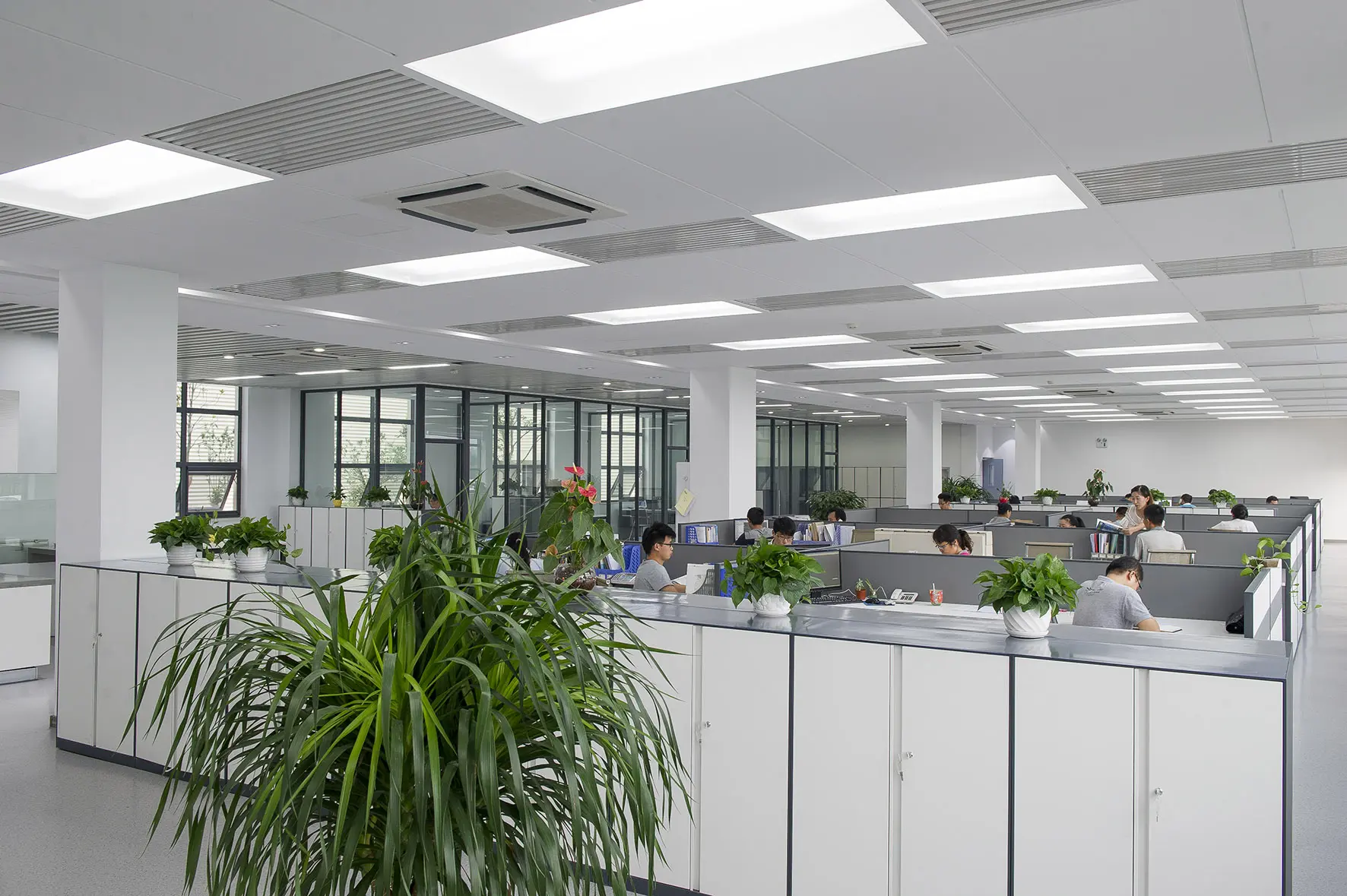
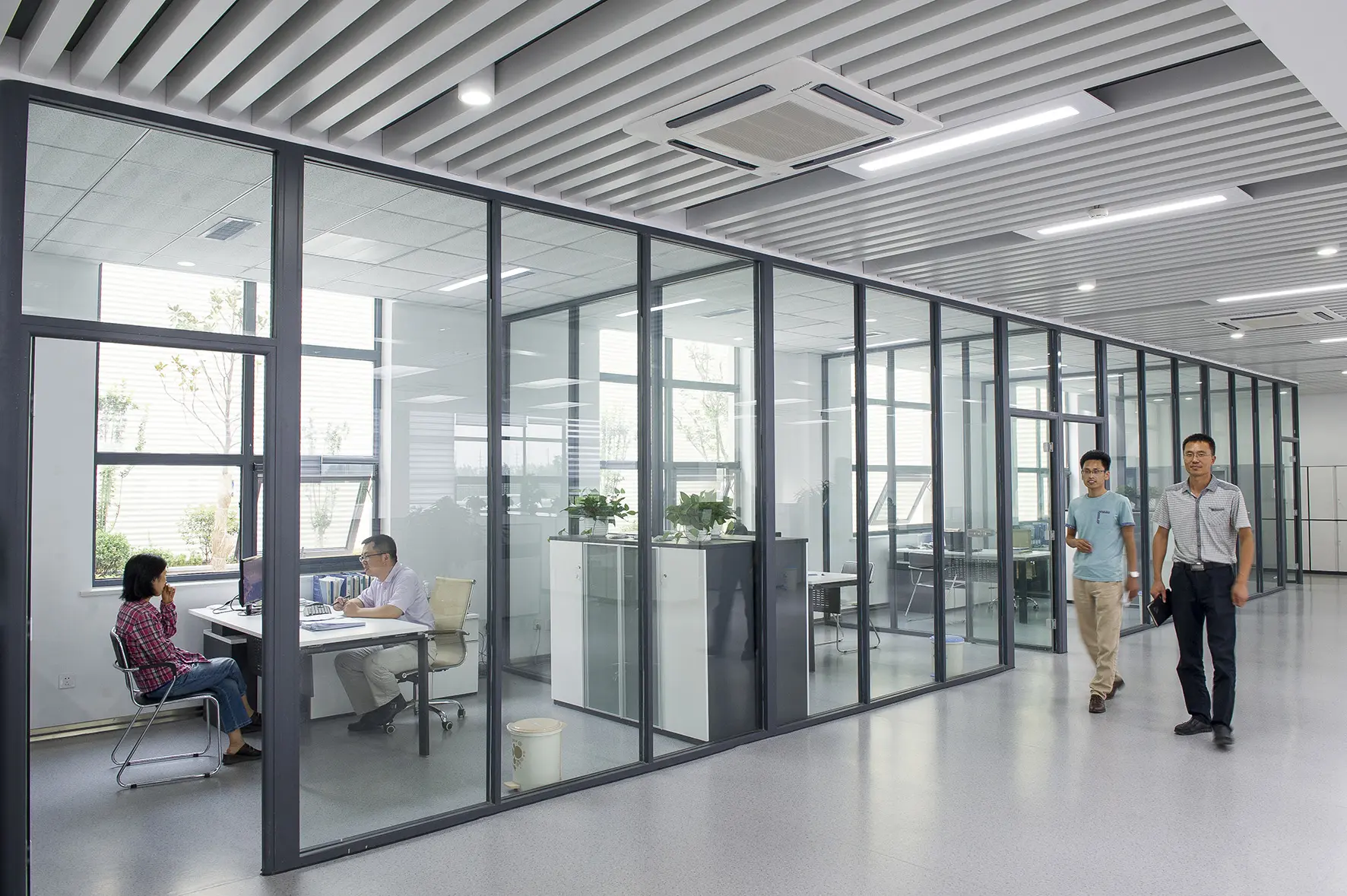
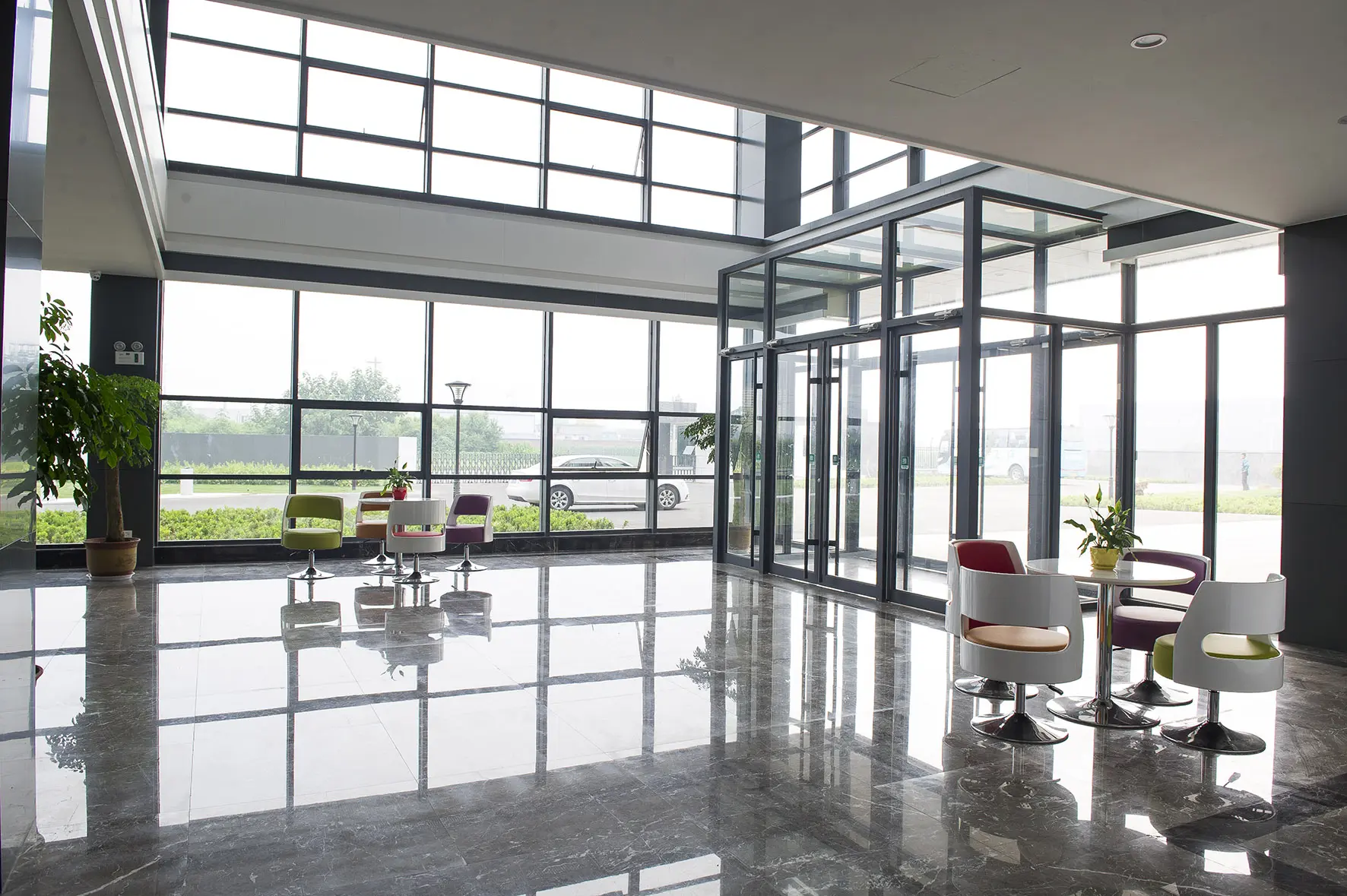
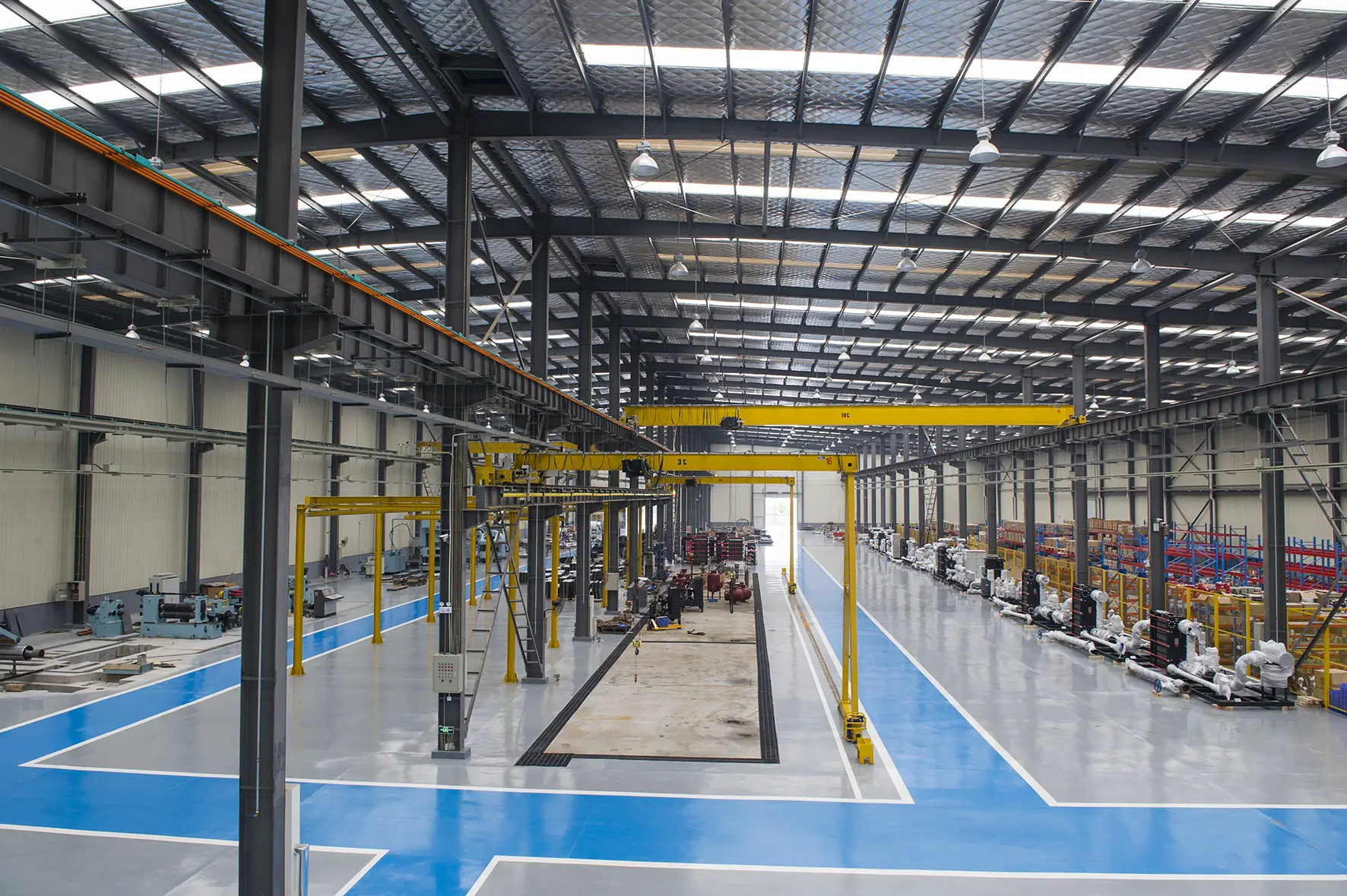
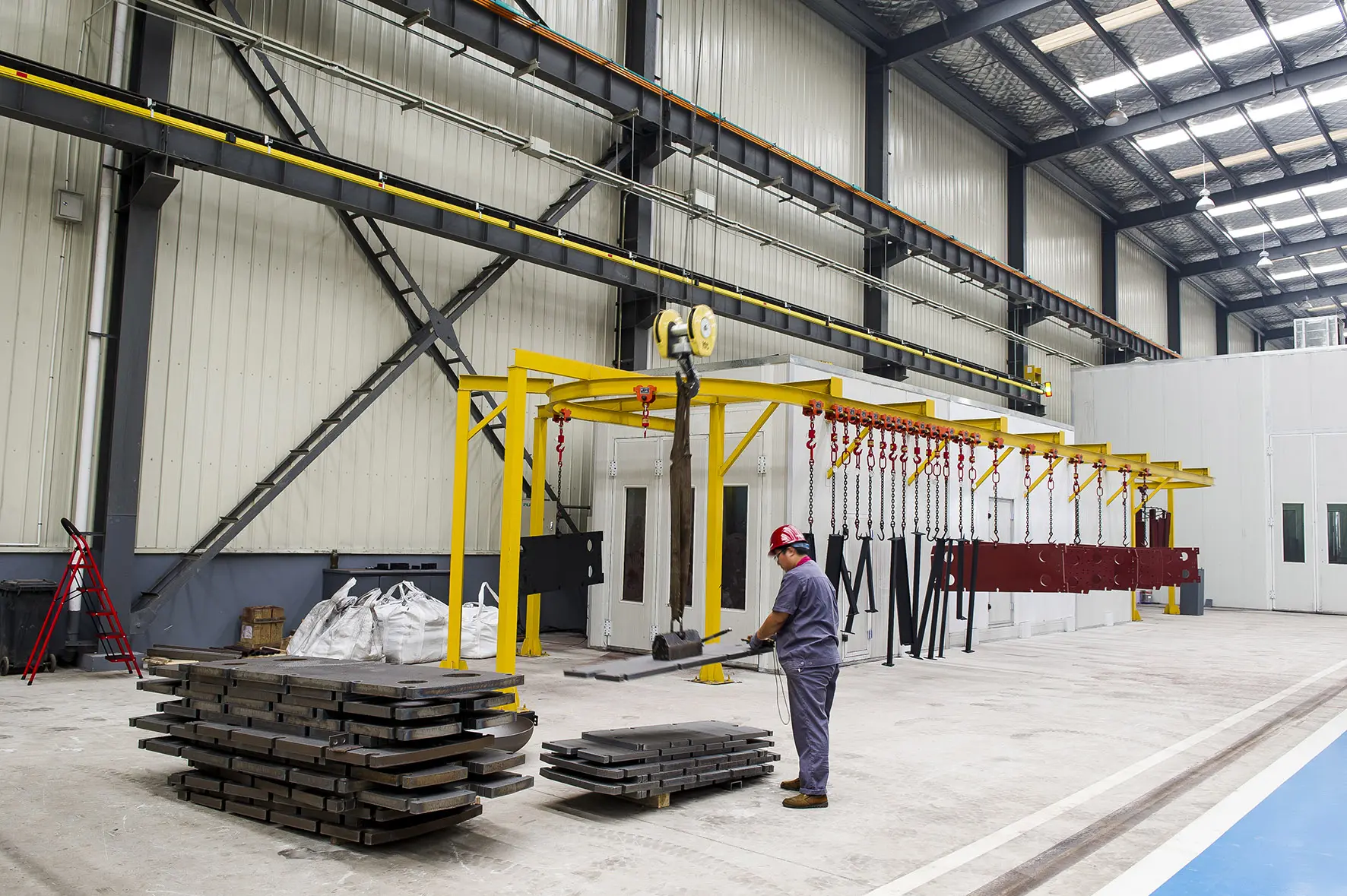
Inside the Flotte Heat Exchanger Factory

Take a visual tour through our heavy-duty hydraulic pressing, plate molding, and automated product assembly departments.
Technical Knowledge Base

Frequently Asked Questions by HVAC & Marine Engineers

Expert answers regarding thermal specifications, material selection, maintenance cycles, and system configuration for Seattle operations.

Which plate metallurgy is recommended for marine engine cooling in Puget Sound saltwater environments?
For direct sea water cooling systems, Grade 1 or Grade 2 Titanium plates are highly recommended due to their exceptional corrosion resistance against sea water. Stainless steel grades like 316L can experience pitting and crevice corrosion in chloride-rich water, so they are typically reserved for secondary fresh-water cooling loops.
How do Flotte Plate Heat Exchangers help buildings comply with the Seattle BEPS (Building Emissions Performance Standard)?
Our plate heat exchangers feature chevron angle corrugations that produce high turbulence at low flow rates, enabling a narrow temperature approach (often down to 1°C). This level of heat transfer efficiency is essential for geothermal loops, air-source heat pump conversions, and sewer heat recovery loops, helping buildings decrease energy consumption and lower carbon emissions.
What pressure ratings are standard for district heating connections in urban environments?
We design and manufacture heavy-duty carbon steel structural frames that support pressure ratings up to 300 psi (PN16 or PN25 equivalents). This makes our units suitable for high-rise buildings and district loops where utility-side pressures are high.
What are the standard maintenance cycles for detachable plate heat exchangers experiencing hard water scaling?
Maintenance schedules depend on your system's fluid composition, temperature, and operating hours. For municipal water supplies with moderate mineral content, an annual inspection is typical. Clean-In-Place (CIP) cleaning cycles or manually opening the frame to flush scaling off the plates helps restore thermal efficiency.
Complete Equipment Lineup

Integrated Fluid Control & Heat Exchange Catalog

Wholesale-direct components manufactured to international industrial standards, retaining original resource paths.
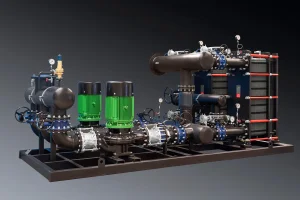
Seattle Heat Exchange Unit

Seattle HVAC Systems: Intelligent Integrated Heat Exchange Unit

View Engineering Details
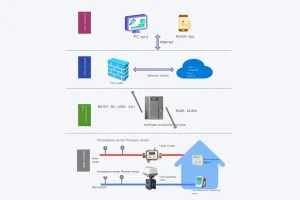
Monitoring System for Seattle Networks

Seattle District Energy: Intelligent Heating Network Monitoring Solutions

View Engineering Details
Multi-Effect Evaporator Seattle Plants

Seattle Processing: Multi-Effect Evaporation System for Steam Utilization

View Engineering Details
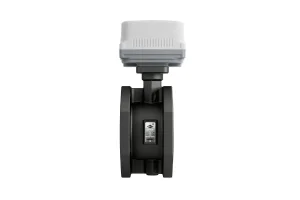
Seattle Balance Valves

Seattle Hydronic Systems: Intelligent Balance Valve Control Solutions

View Engineering Details
High-Efficiency Shell and Tube

Seattle Boiler Room: Premium Shell and Tube Heat Exchanger

View Engineering Details
Seattle Balance Valve Supplier

Seattle Pipe Networks: Intelligent Unit Balance Valves

View Engineering Details
High-Efficiency Heat Exchanger Factory

Seattle Retrofits: Energy-Saving Shell and Tube Heat Exchanger

View Engineering Details
Pressure Regulating Station Exchanger

Seattle Utility Stations: Detachable Plate Heat Exchanger for District Heating

View Engineering Details