As Switzerland accelerates its Energy Strategy 2050 transition, precision engineering, thermal efficiency, and minimal footprint are critical. Explore our key intelligent balance and temperature regulation products optimized for Swiss installations.
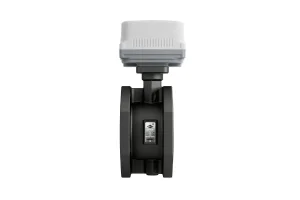

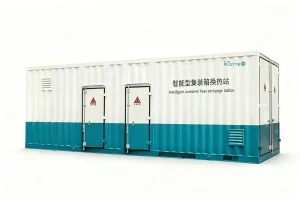
Switzerland represents one of the most sophisticated industrial and domestic HVAC markets globally. Bound by the strict targets of the Swiss Federal Office of Energy (SFOE) and the Energy Strategy 2050, Swiss municipalities and corporations are rapidly phasing out fossil-fuel combustion. Central to this transition is the expansion of district heating and cooling networks (Fernwärme- und Fernkältenetze) and the optimization of industrial process heat.
For engineering firms, local utilities, and manufacturing facilities in Basel, Zurich, and Geneva, selecting highly reliable plate heat exchangers (PHE) is no longer just a purchasing decision—it is a critical pillar of system thermodynamic integrity. Demanding applications require heat exchangers that minimize approach temperatures (LMTD), cope with high operating pressures, and maintain high turbulent flow to resist fouling from mountain water minerals.
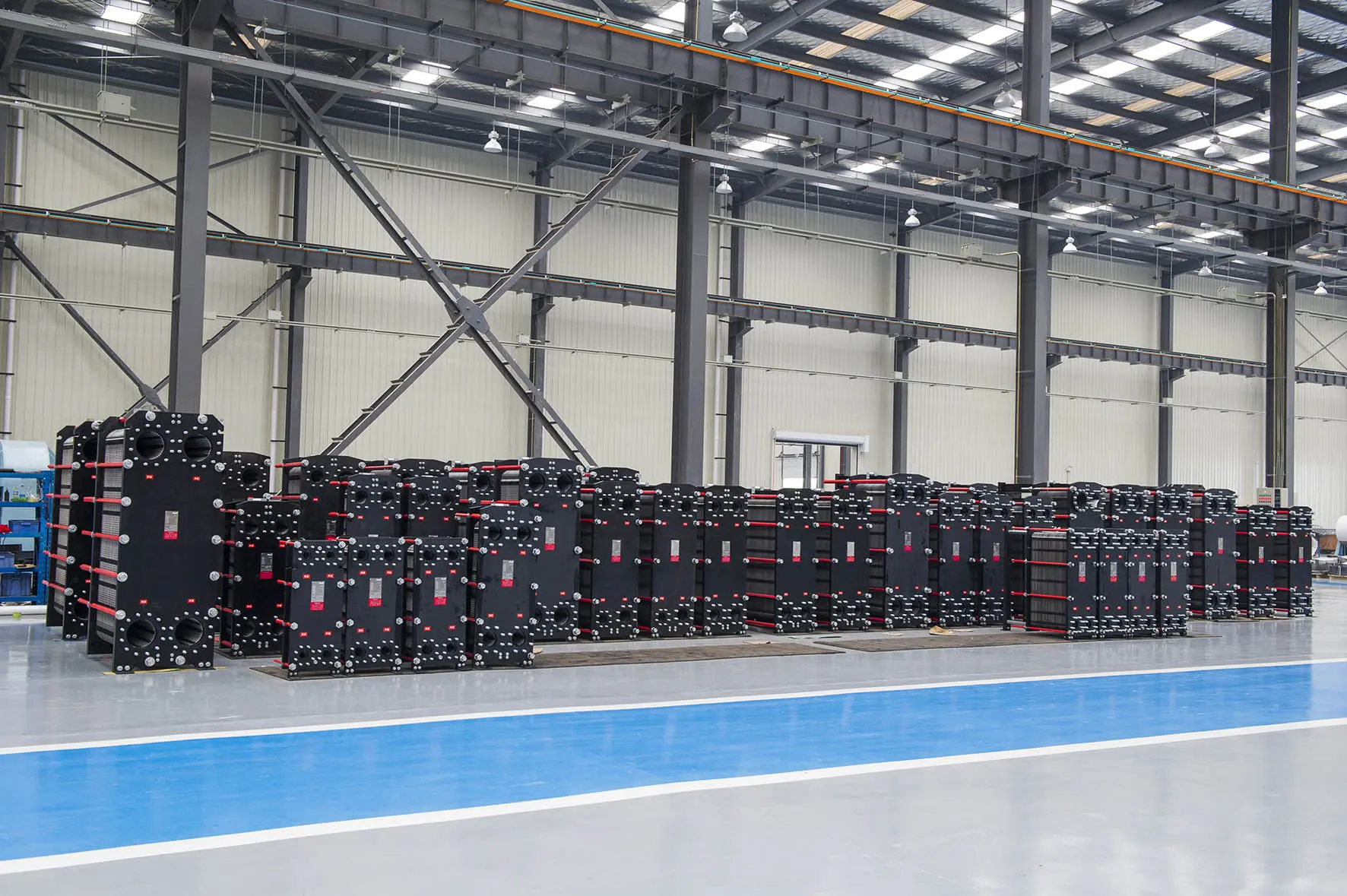
Unlike broad global markets, Swiss thermal installation requirements are dictated by strict local standards (such as MuKEn 2014 regulations, SVTI guidelines for pressure vessels, and precise Swiss Association for Standardization guidelines). Standard shell-and-tube setups are rapidly being replaced due to space constraints in historic metropolitan infrastructure and high-altitude alpine resorts.
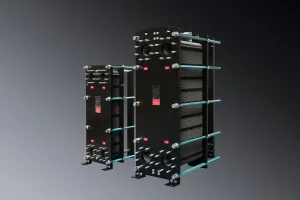
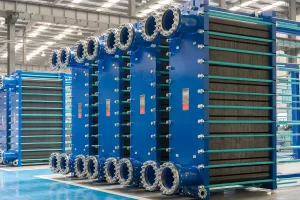
Swiss municipal district heating systems run on high pressure gradients. Pressure regulating stations rely on heavy-duty detachable plate heat exchangers to safely isolate secondary network structures while maintaining optimal thermal transfer efficiency.
Pharmaceutical clusters in Basel demand strict hygienic isolation. Our PHE plate geometries, utilizing premium Titanium or Hastelloy plates, prevent cross-contamination while optimizing volatile chemical cooling lines.
Data center operations in Swiss mountain bunkers utilize deep cold lake water (e.g., Lake Geneva, Lake Zug) for natural free cooling. Detachable heat exchangers must prevent biofouling while handling massive volumetric flow rates.
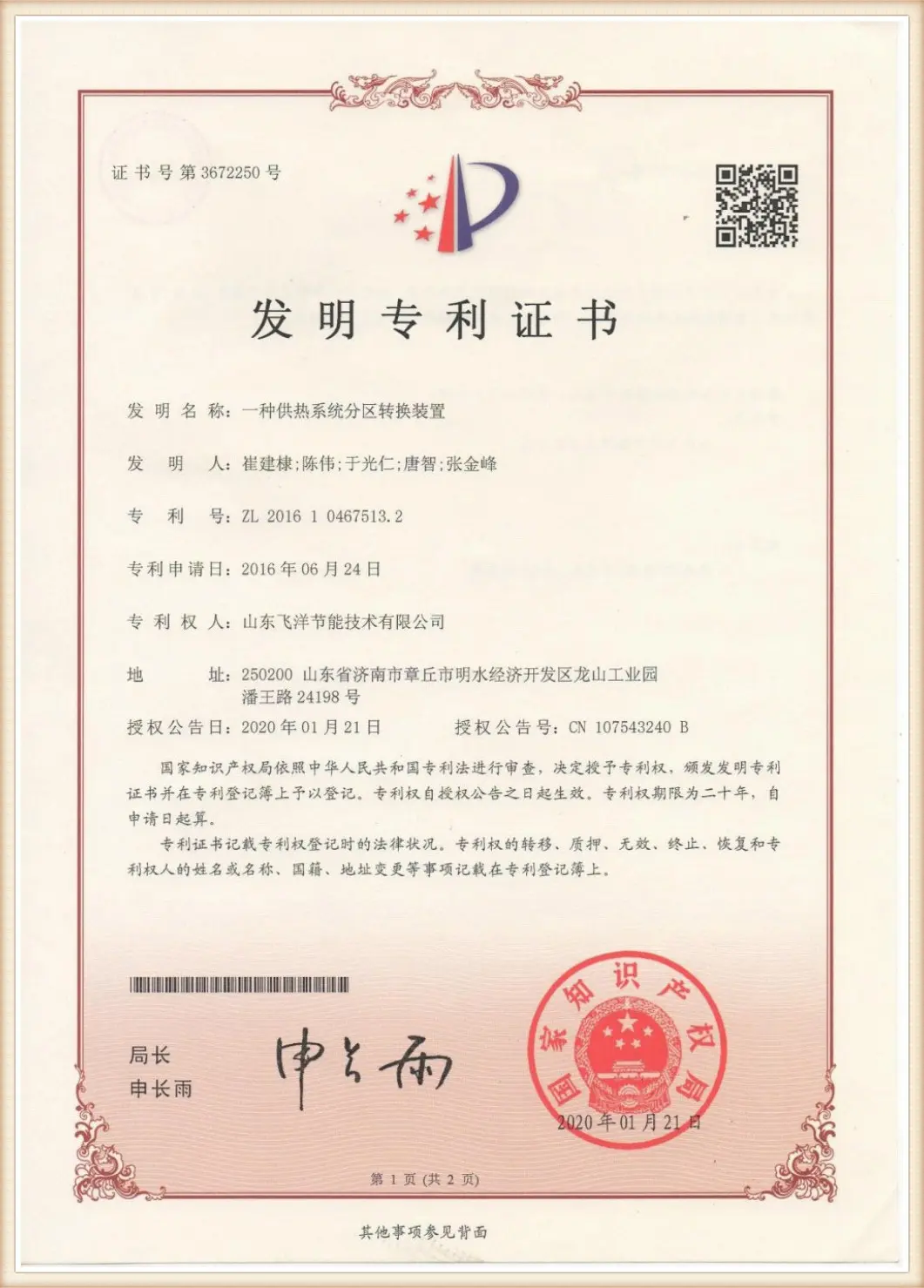
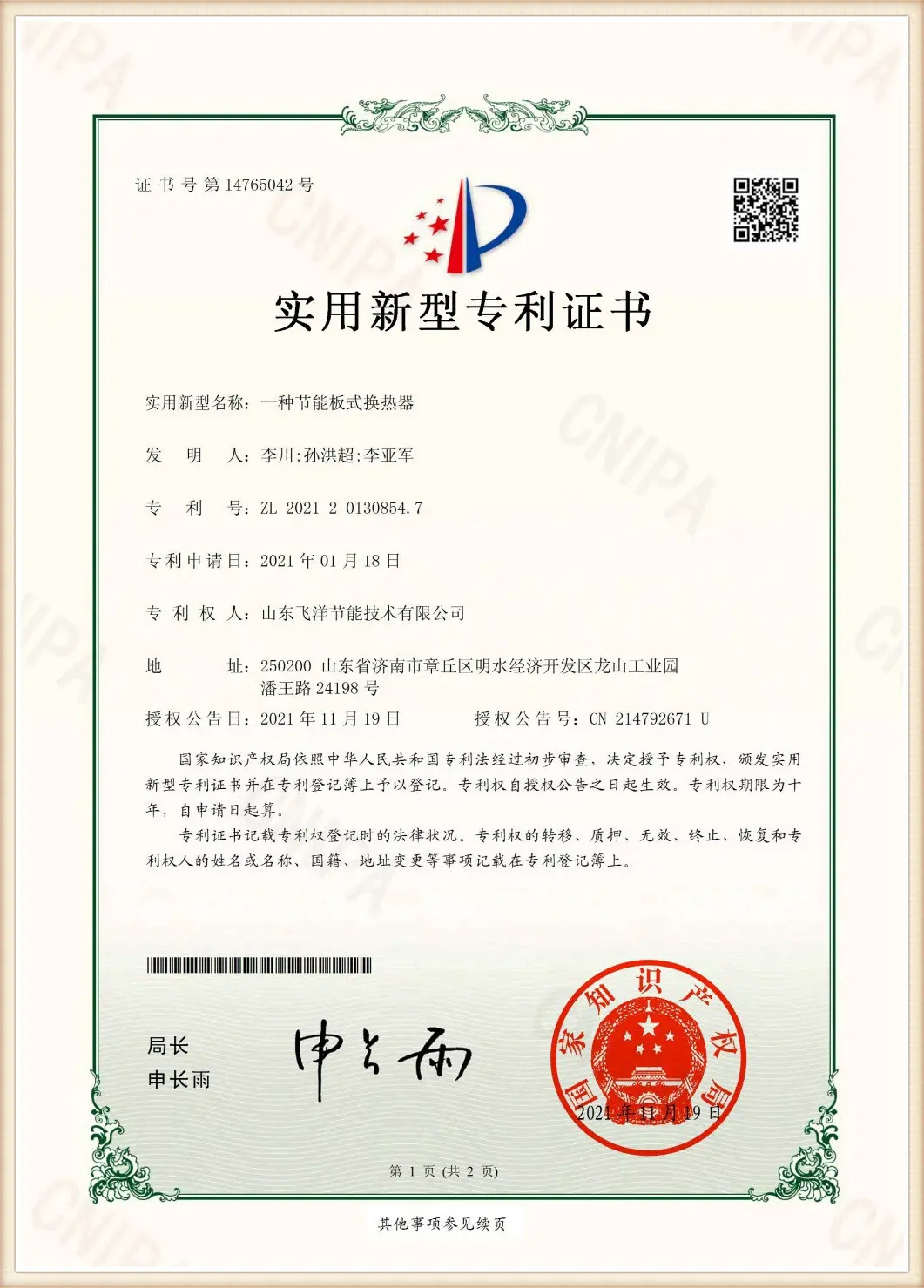
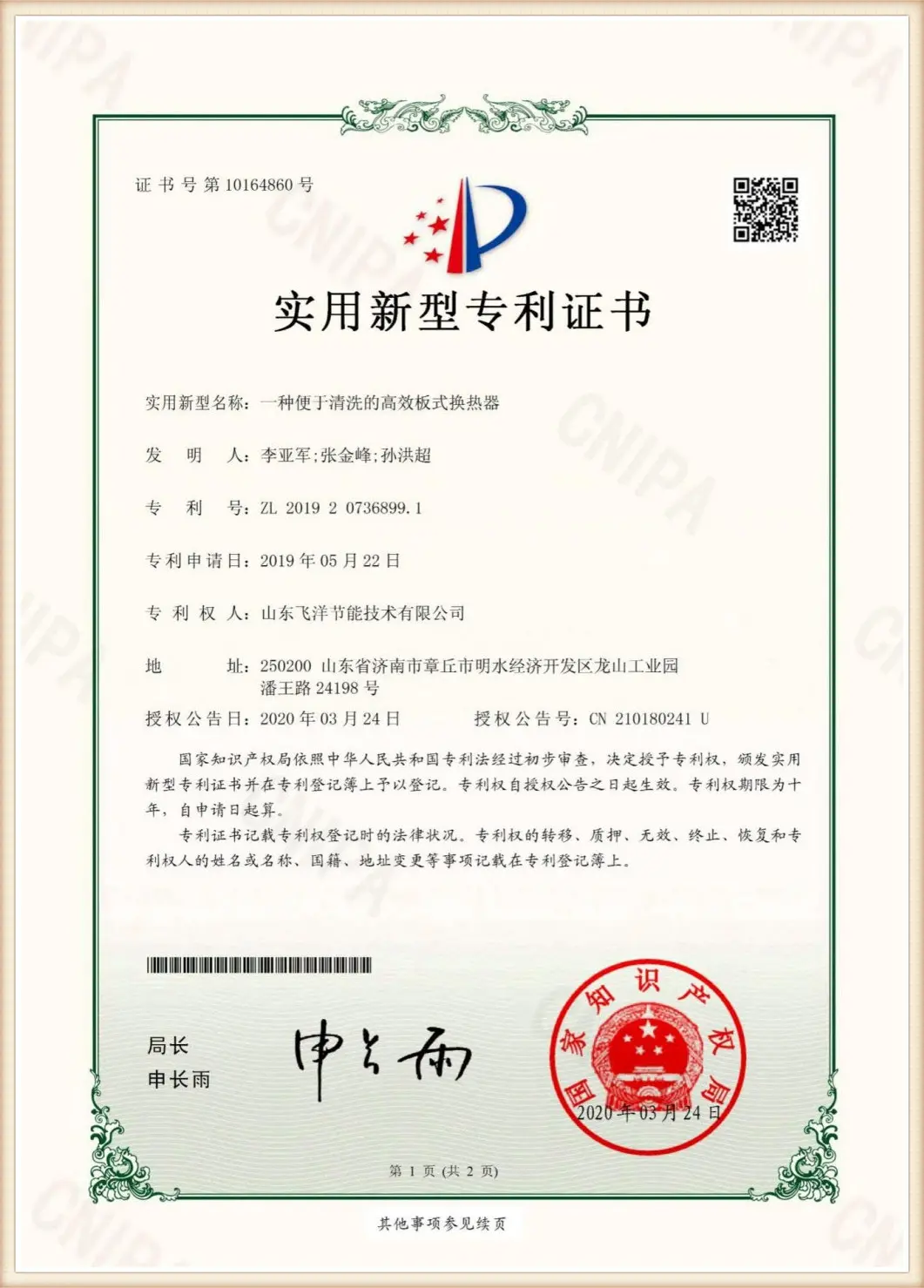
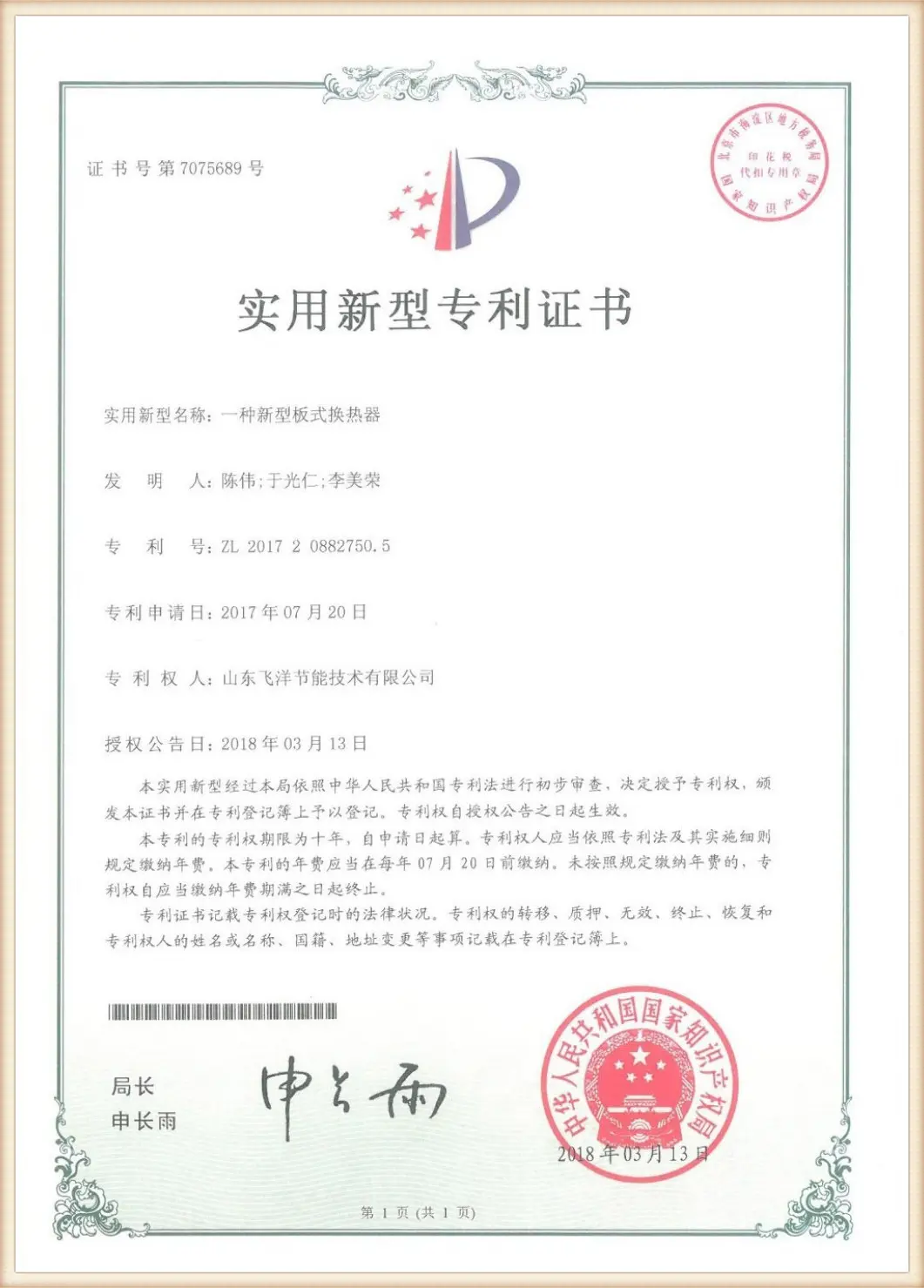
Swiss alpine ground and surface water sources, although pure, often contain high mineral profiles (primarily calcium carbonate compounds). In traditional thermal exchangers, these minerals form a thermal barrier scale, degrading efficiency by up to 40% over time. Flotte's patented Plate Heat Exchanger Scale Removal Device and specialized corrugated plate chevron patterns generate micro-turbulences at low flow velocities, significantly reducing scaling rates and minimizing life-cycle maintenance costs for Swiss engineers.
Modern procurement strategies in Western Europe have shifted from mere price considerations to **Supply Chain Resilience and Efficiency**. Swiss engineering offices demand shortened lead times, complete material certification transparency (EN 10204 3.1), and strict ISO compliance. Chinese smart manufacturing—often referred to as **China Industry 4.0**—bridges this gap by offering digitized process management, high-volume raw material reserves, and automated precision testing.
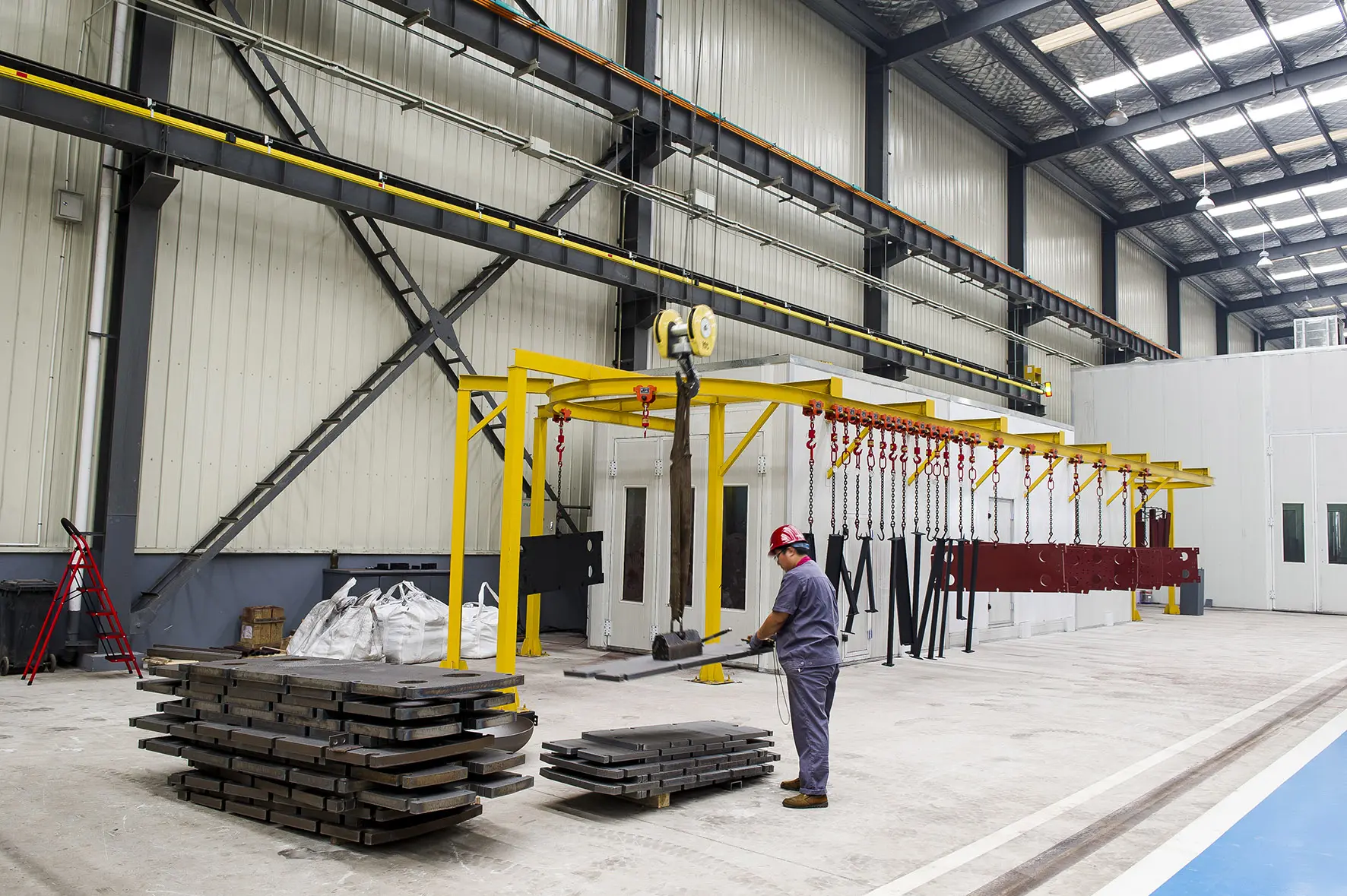
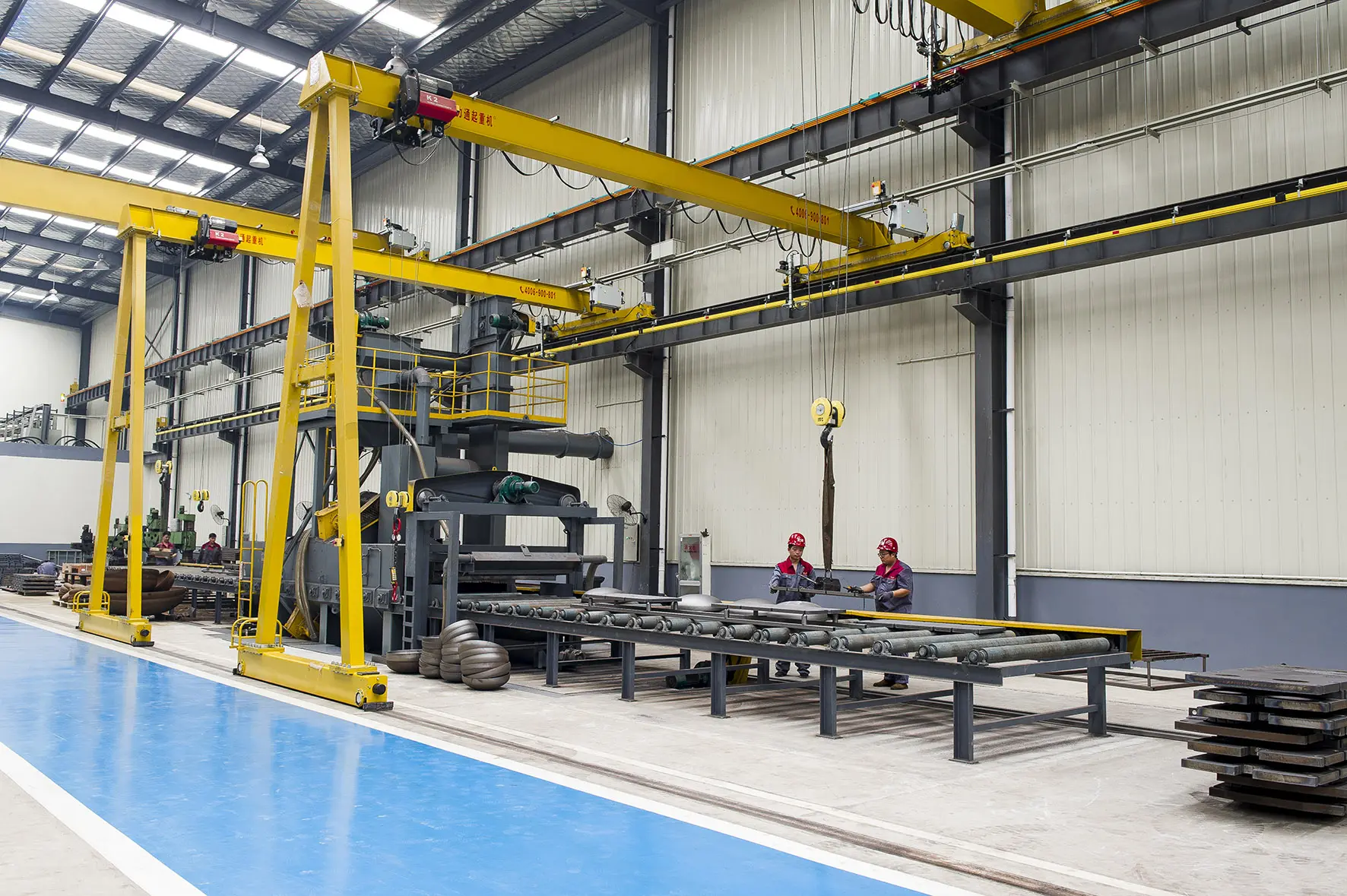
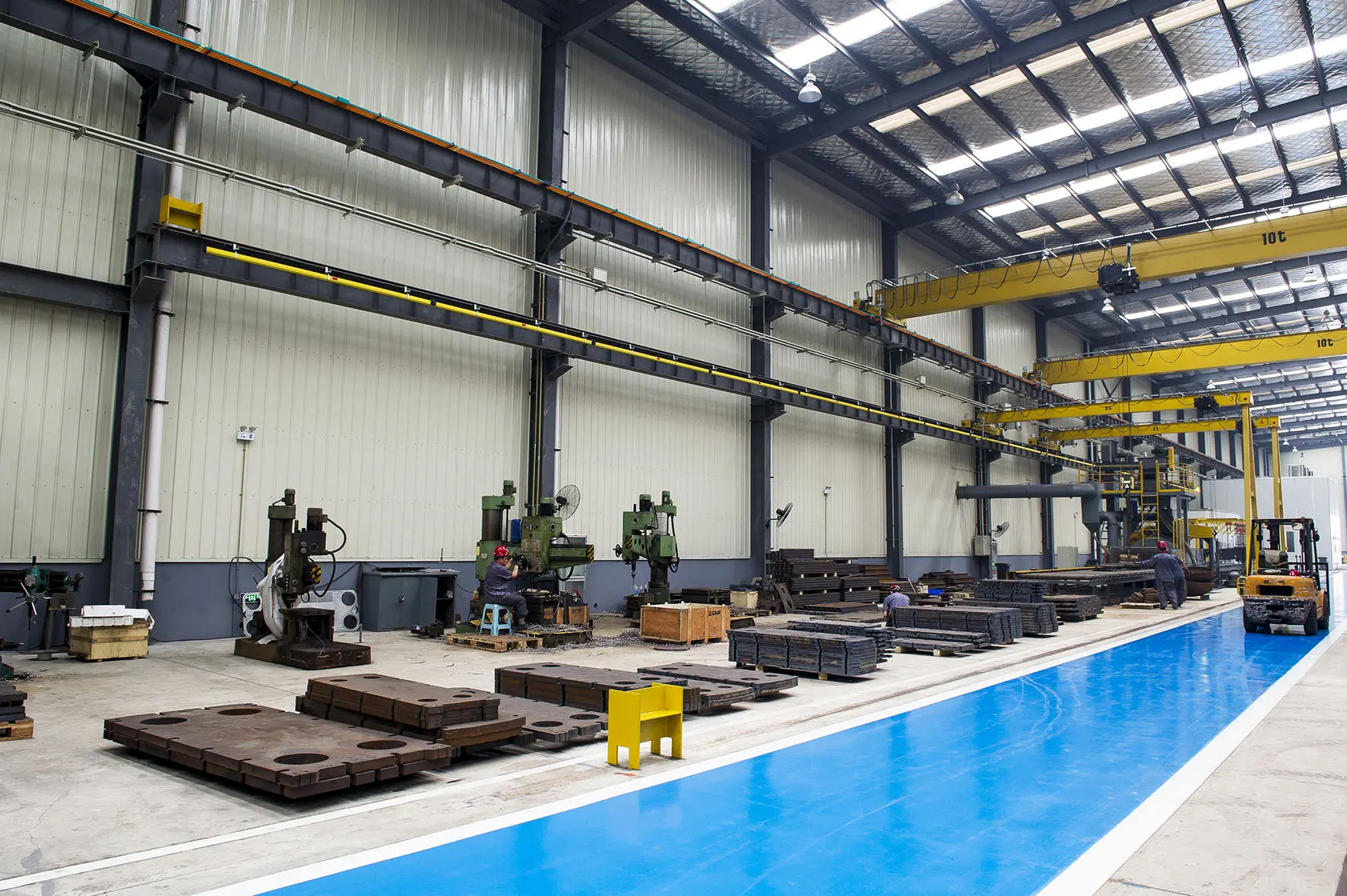
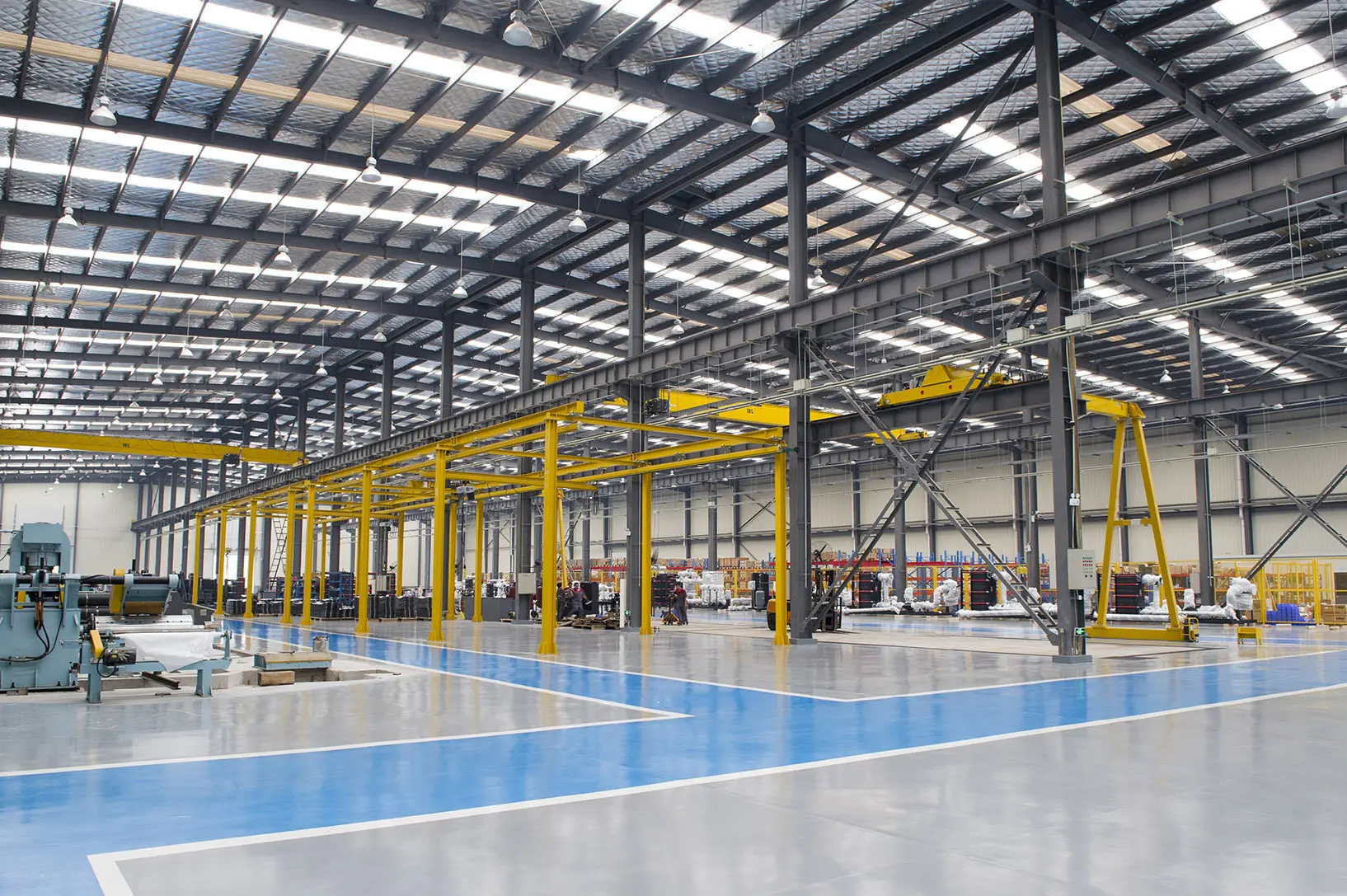
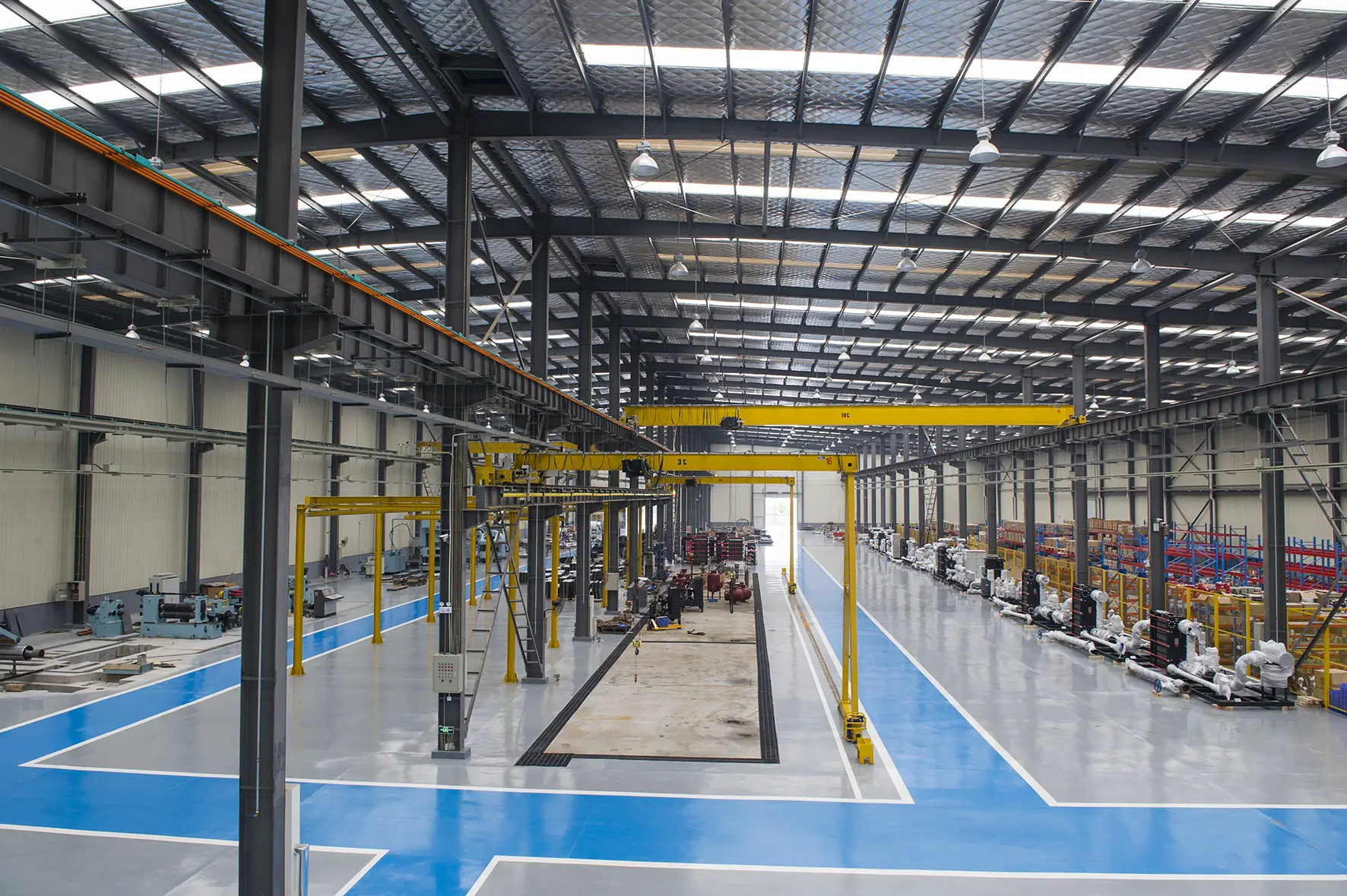
Flotte Energy Saving Company (originating from Flotte Thermal Engineering founded in 1995) maintains a 70,000 m² modern production facility with over 300 highly qualified employees. Our factory delivers over 4,500 highly integrated thermal units annually. Operating strictly under ISO 9001:2015 (Quality Management), ISO 14001:2015 (Environmental Management), and ISO 45001:2018 (Occupational Health and Safety), we ensure that every unit delivered to Switzerland meets or exceeds equivalent European quality thresholds.
The performance of a plate heat exchanger depends on the fluid dynamics within the corrugated channels. Flotte's plate designs feature advanced chevron angles that balance heat transfer coefficients against allowable pressure drops. For high-viscosity or low LMTD applications in Swiss pharmaceutical facilities, we offer customized plate patterns:
Our plates feature two distinct chevron corrugation angles: **High Theta** (obtuse angle relative to flow direction) for maximum heat transfer efficiency at the cost of higher pressure drop, and **Low Theta** (acute angle) for applications where pressure drop budget is extremely limited. By interleaving these plate styles, our engineers design custom thermohydraulic characteristics tailored to specific district heating secondary network requirements in Switzerland.
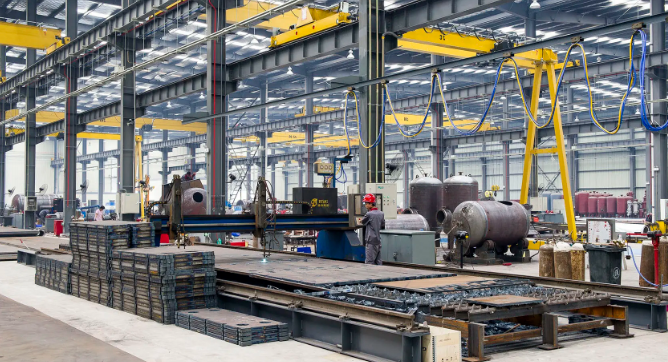
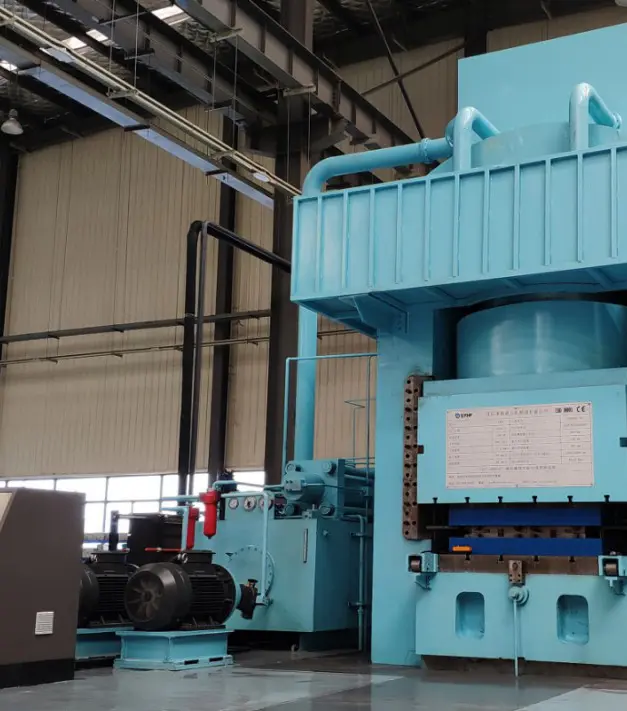
Flotte guarantees product safety and efficiency by keeping every single production step in-house under rigorous control. Here is how we build high-precision thermal systems.
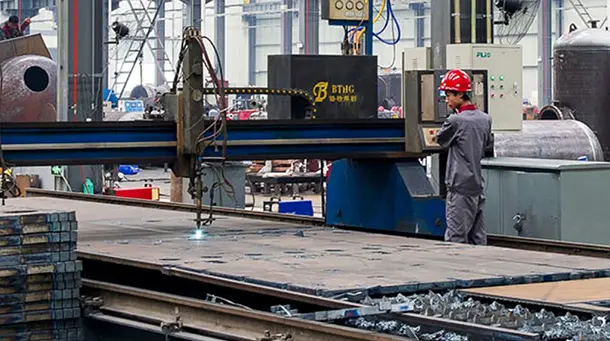
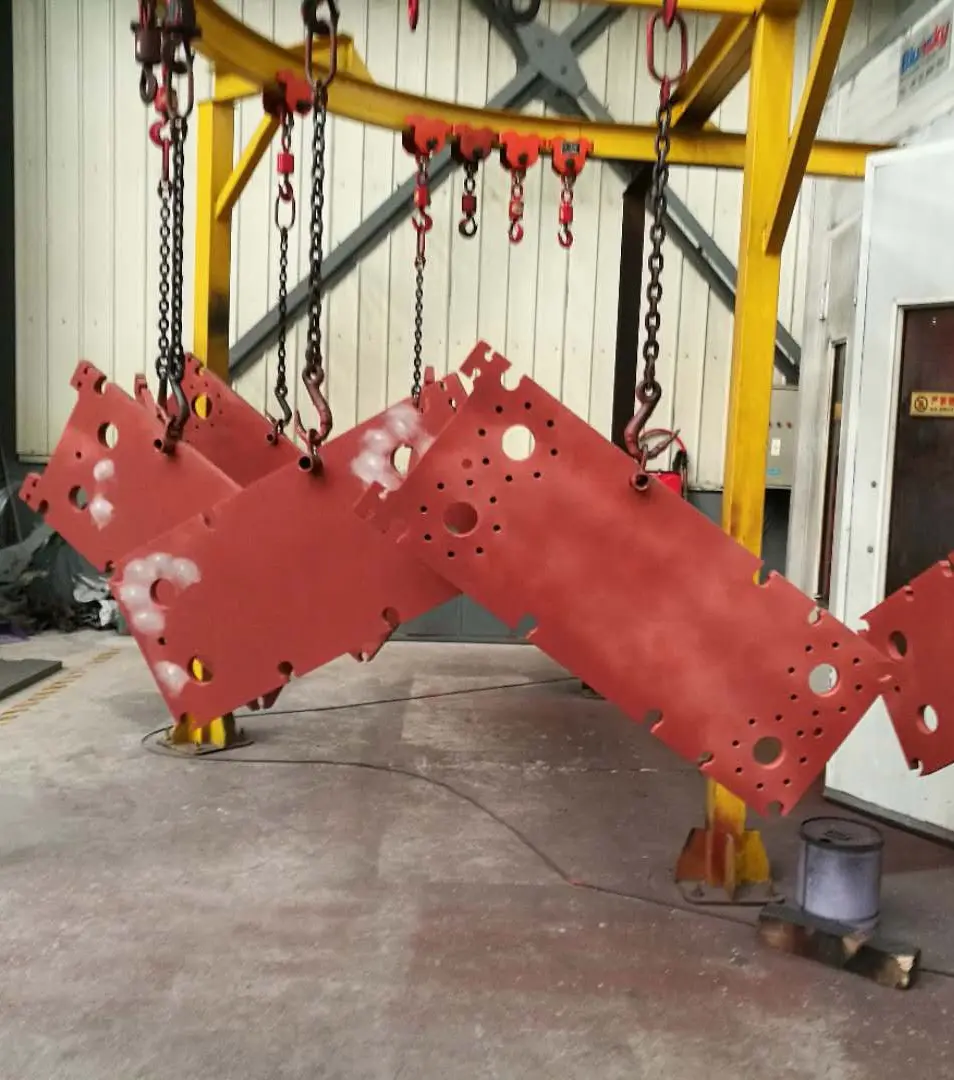
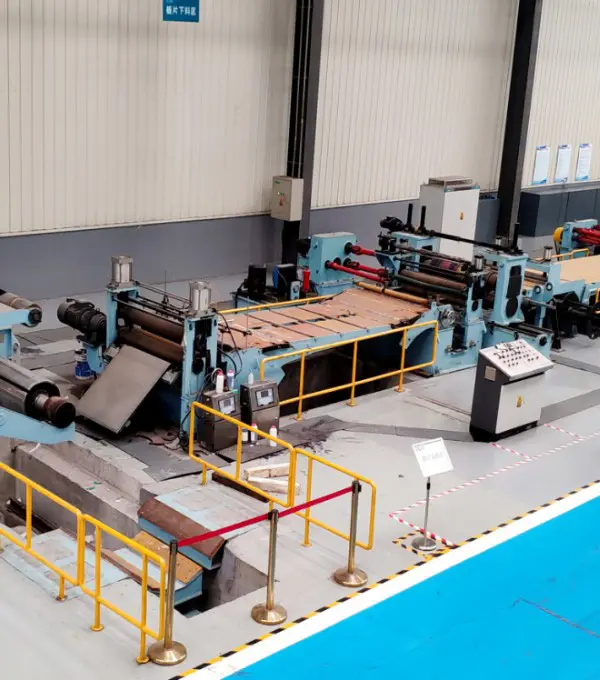
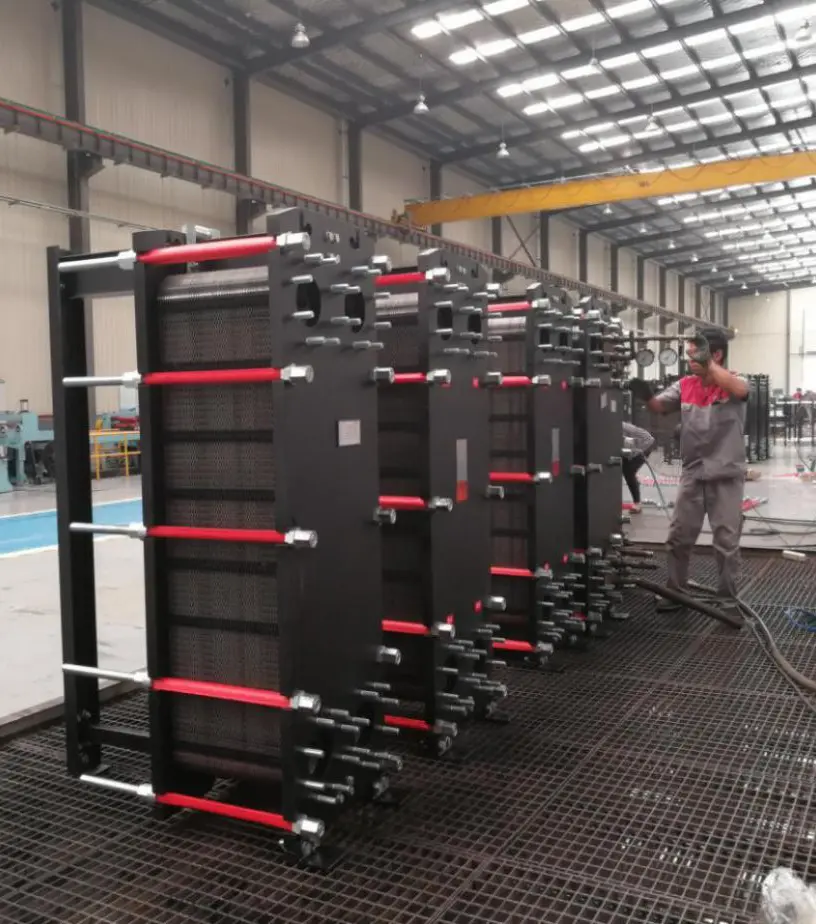
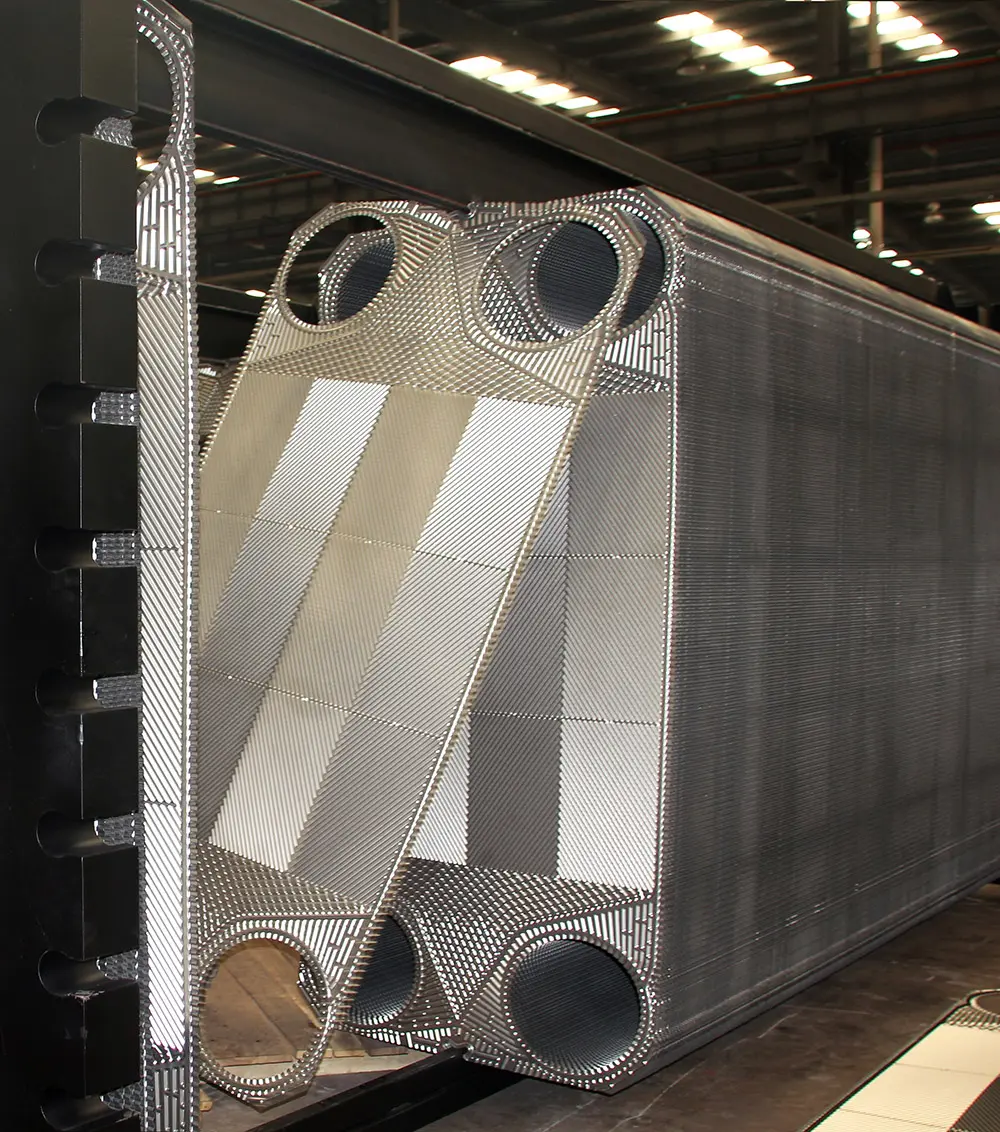
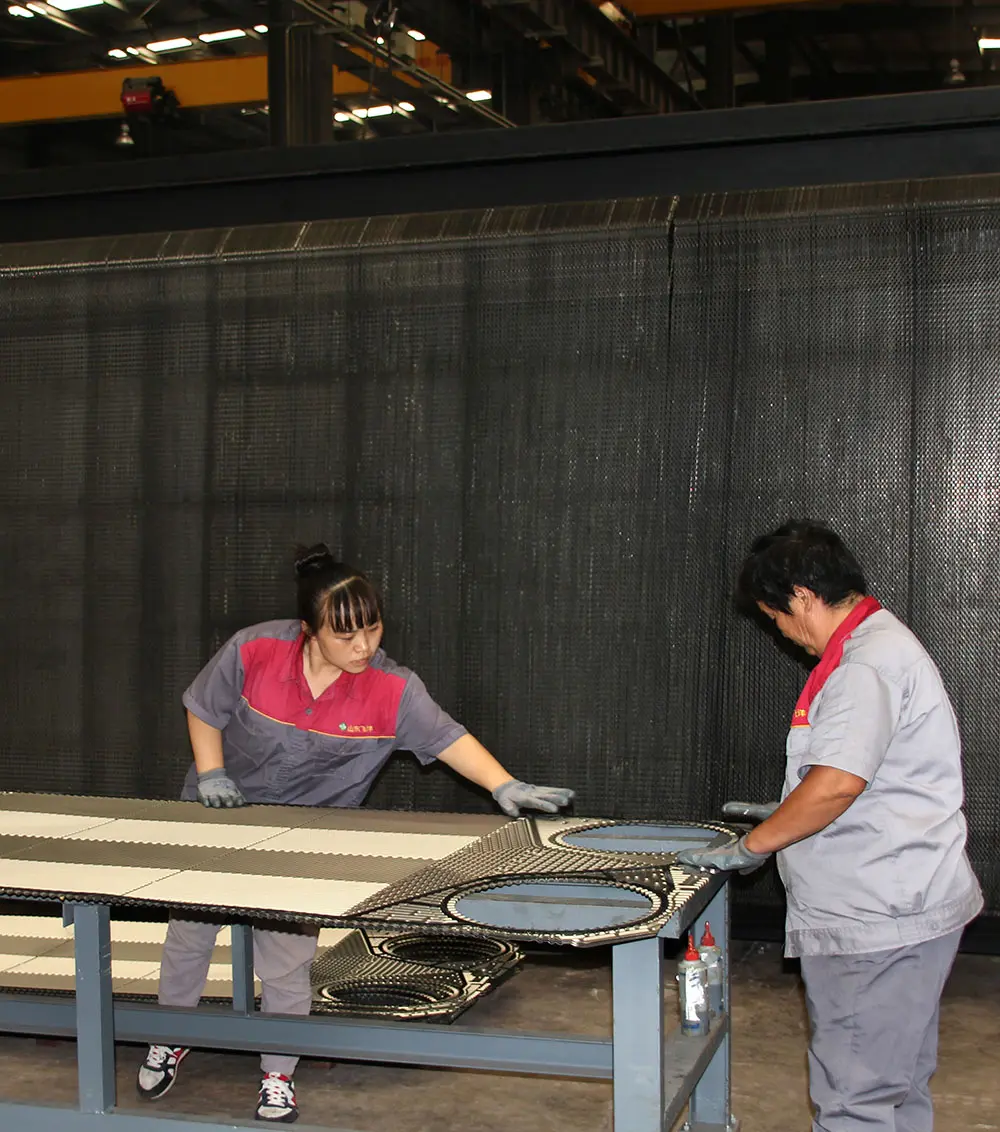
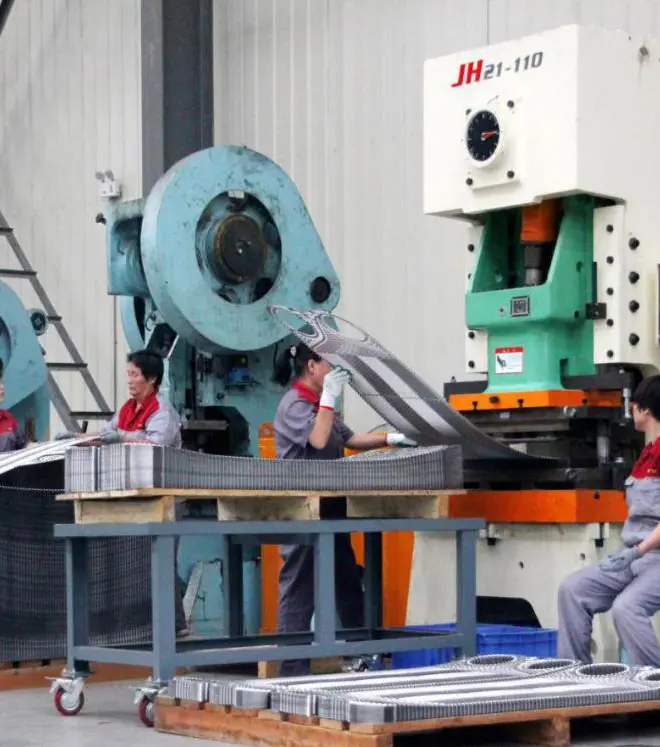
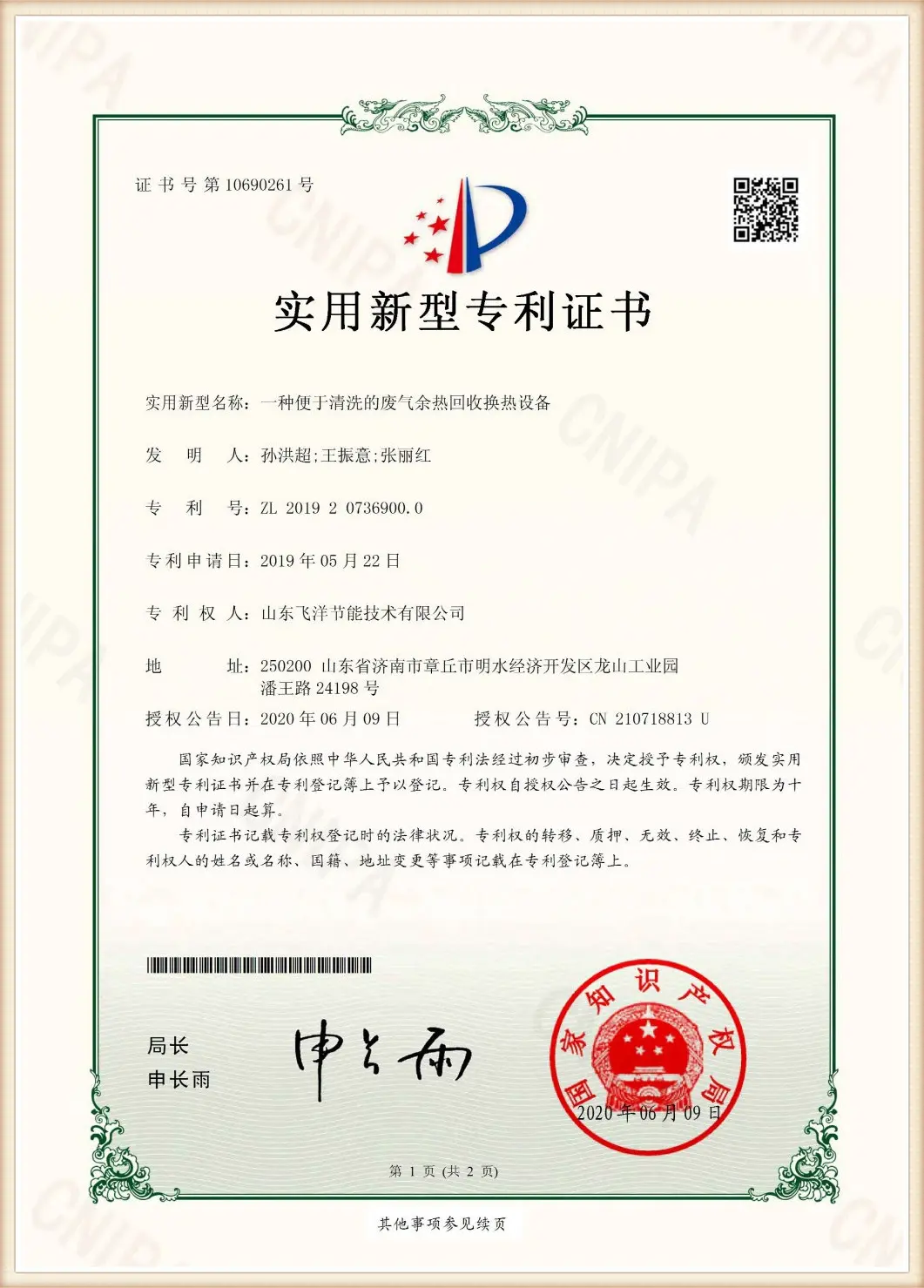
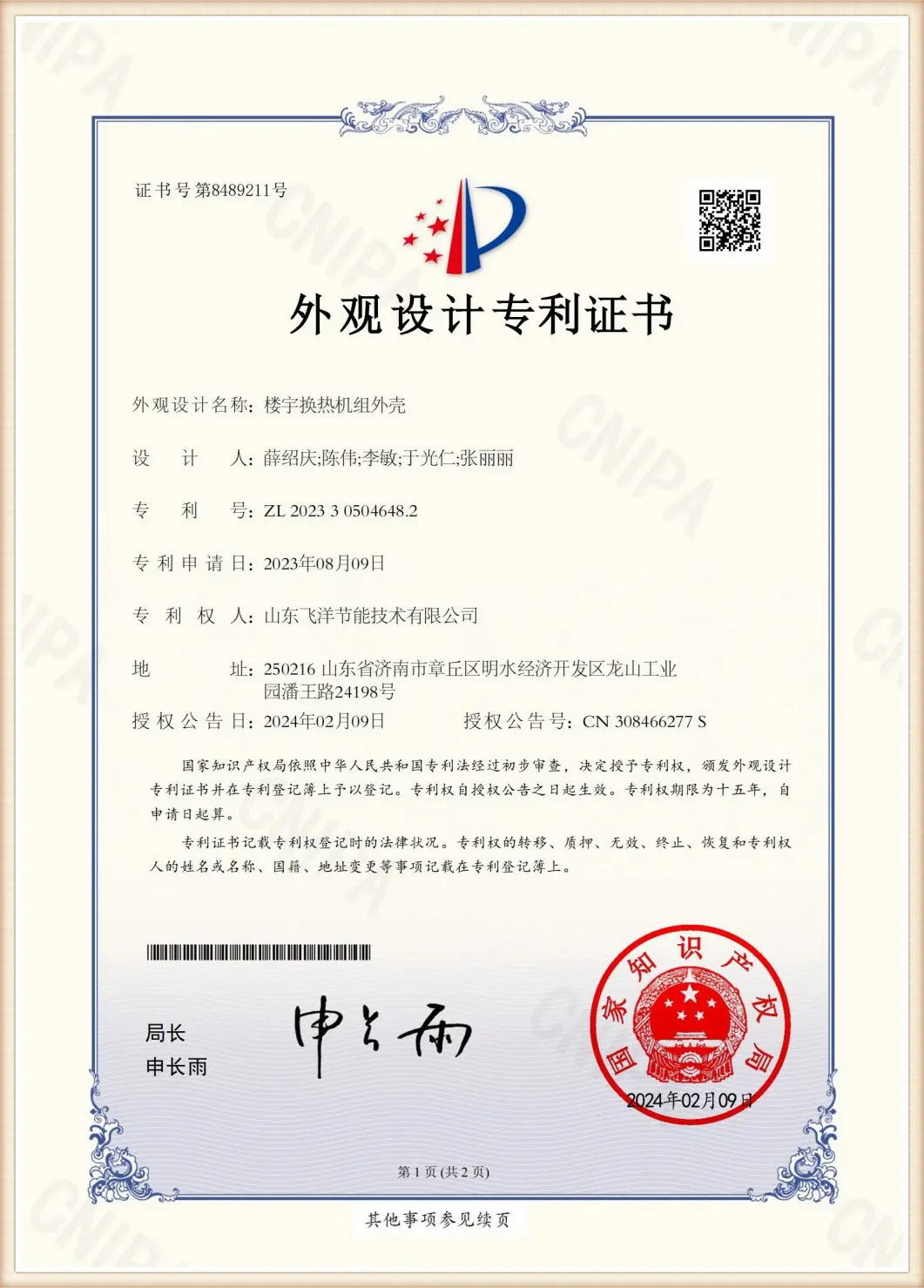
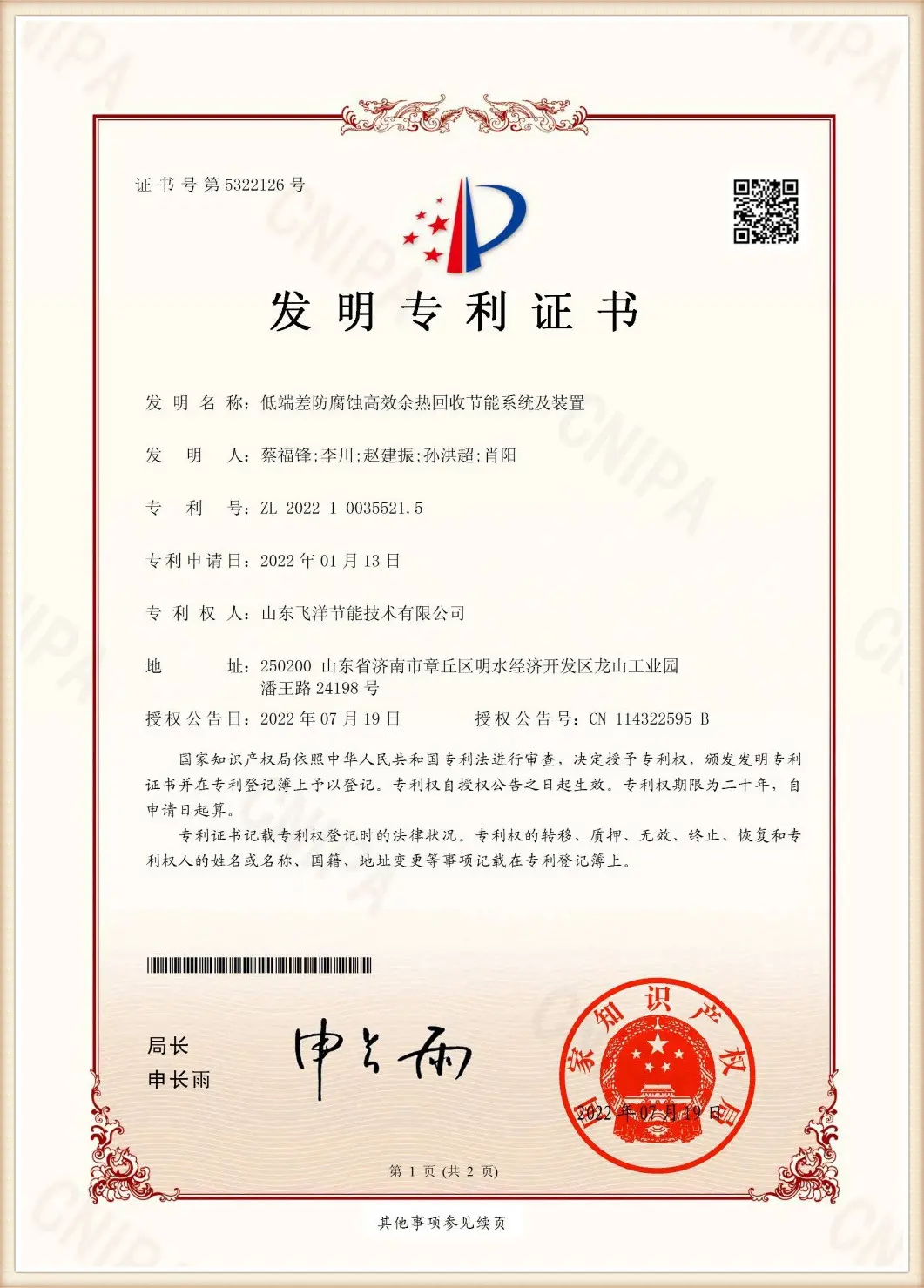
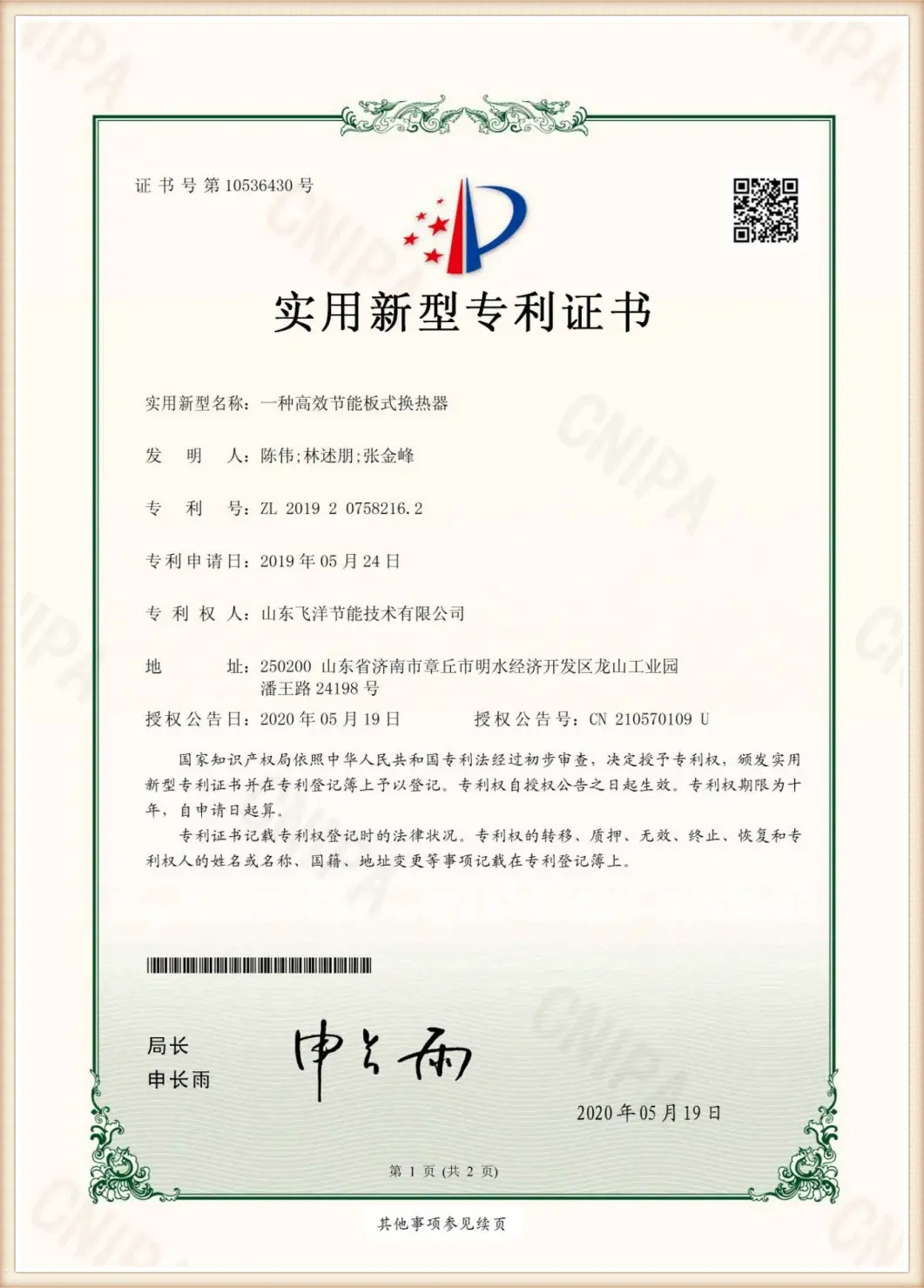
Our quality standards ensure compliance with the most stringent industrial regulations worldwide, offering peace of mind to Swiss procurement teams.
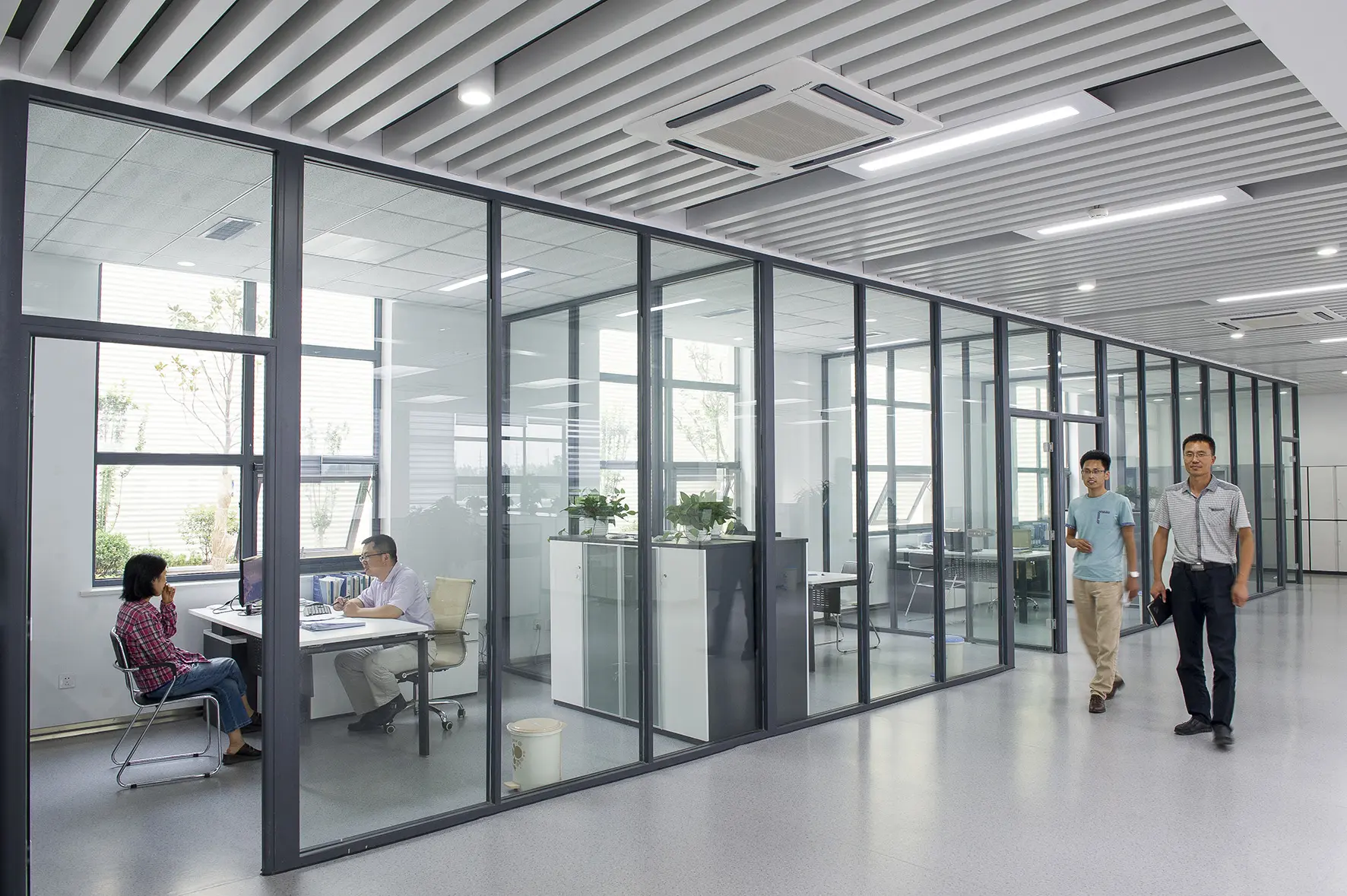
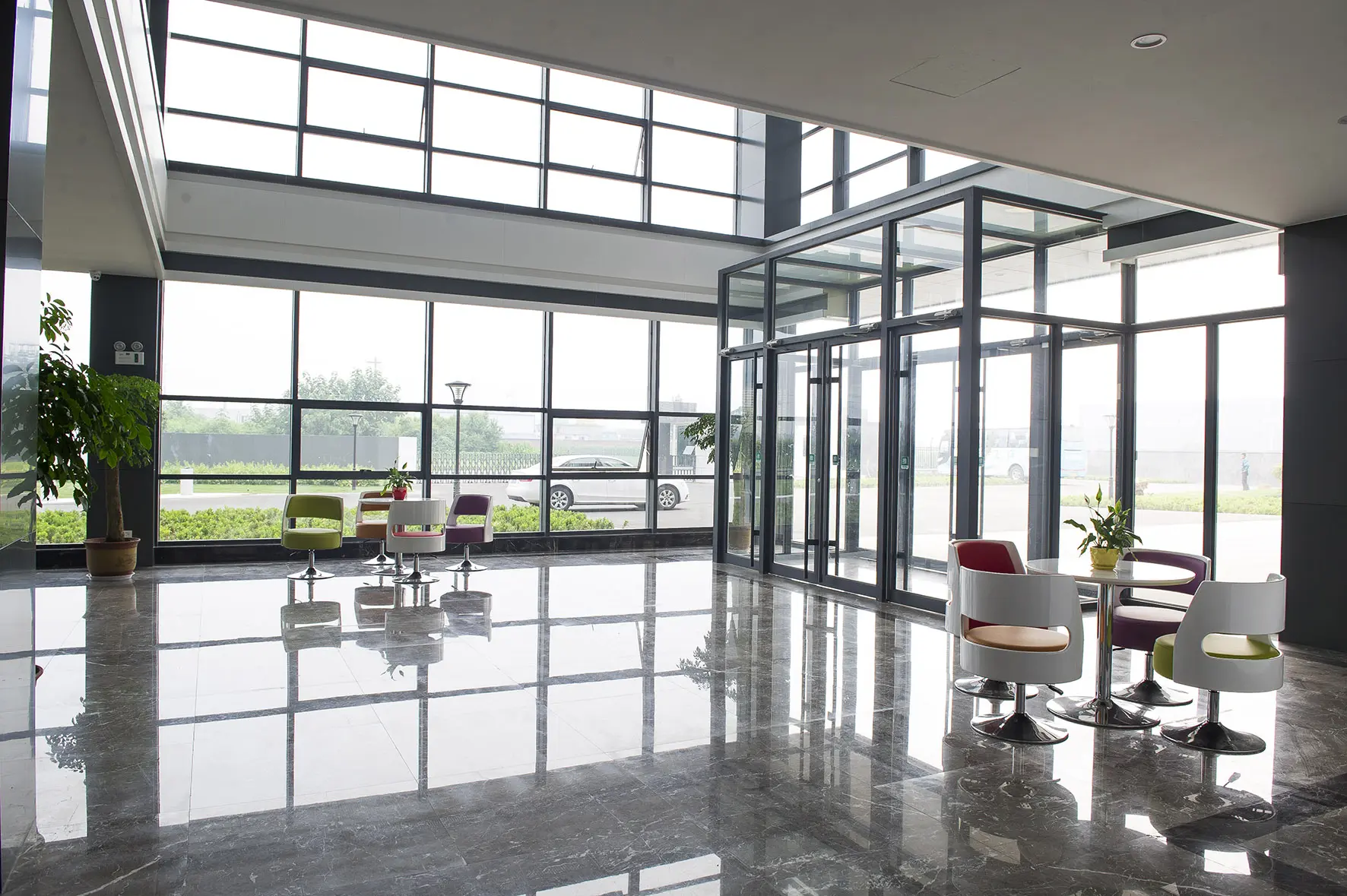
Take a virtual tour inside our highly integrated production, machining, and engineering spaces.

Detailed technical insights for project designers, mechanical engineers, and HVAC specialists when sourcing plate heat exchangers.
For standard HVAC and clean water applications, SS316L provides excellent corrosion resistance and mechanical strength. However, in geothermal loops or projects using high-saline lake water, Titanium (Grade 1 or 2) is strongly recommended to prevent pitting corrosion. For gaskets, EPDM is the industry standard for thermal networks up to 150°C, while Nitrile (NBR) is preferred for hydrocarbon-heavy industrial processes or hydraulic oil applications.
Thanks to our Industry 4.0 integrated supply chain and massive raw material inventory, Flotte offers design blueprints within 48 hours. Manufacturing typically takes between 10 to 20 business days depending on plate count and certification complexity, with express shipping options available directly to projects across Swiss cantons.
Yes. All export products undergo strict non-destructive testing (NDT), hydrostatic tests, and dimensional verification. We furnish complete documentation packs, including EN 10204 3.1 material certificates, pressure test reports, and conformity certificates compatible with national inspection standards in Switzerland.
Consult with our lead thermodynamic design engineers to receive customized CAD drawings, precise thermal calculations, and competitive pricing parameters tailored specifically to Swiss requirements.
Send Inquiry NowBrowse our full range of certified thermal control equipment, modular heat exchangers, and balancing elements designed for heavy industrial use.
 Flotte Energy