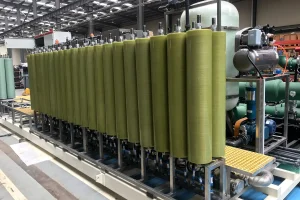
Engineered thermal interfaces optimized for high-rise commercial buildings, district energy loops, and local mechanical rooms in the Seoul Metropolitan Area.
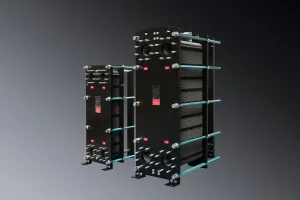
Optimal modular structure featuring rapid-dismantle compression frames, designed for ease of maintenance in constrained urban basement spaces.
Designed with optimized chevron plate angles to ensure superior turbulence and maximum heat transfer coefficients under low pressure-drop limits.
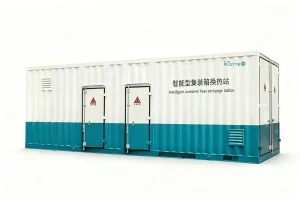
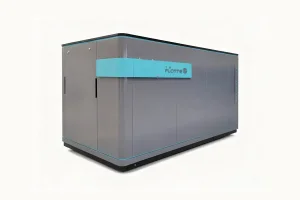
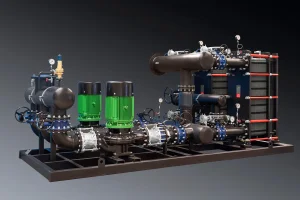
A fully skid-mounted integration combining PHEs, valves, and PLC controls, providing a plug-and-play solution for rapid deployment.
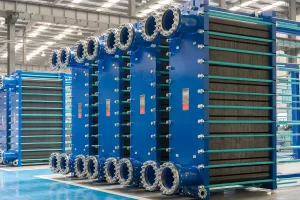
Specifically rated for extreme pressure steps in multi-zone heating networks, ensuring reliable separation of secondary loops.
Flotte Energy Saving Company, established in 2013 with a registered capital of 101 million yuan, originated from Flotte Thermal Engineering founded in 1995. With three decades of rigorous technical expertise, the company specializes in water equipment, HVAC systems, and water treatment industries. We consistently lead industry peers in adopting cutting-edge thermal transfer technologies, developing innovative heat exchangers, and delivering comprehensive production and export services worldwide, especially to critical East Asian hubs like Seoul.
Our engineered solutions run through strict validation processes, utilizing premium stainless steel (SUS304, SUS316L) and pure titanium (Gr1) plates to ensure outstanding performance. Supported by our specialized R&D center and advanced performance laboratories, Flotte guarantees the highest thermal efficiency, long equipment life cycles, and minimal pressure drop parameters.
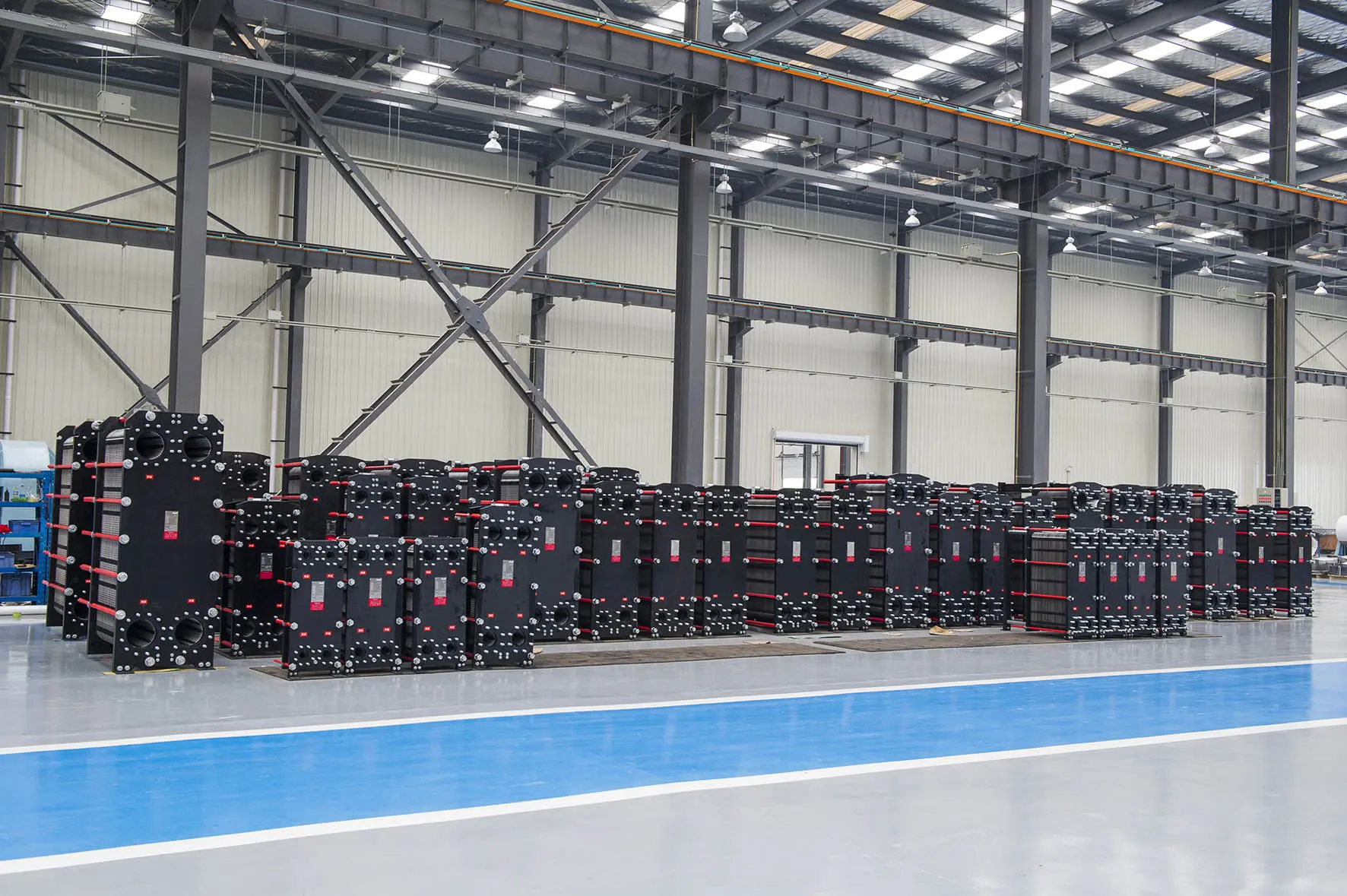
Optimizing urban energy systems to align with the Seoul Metropolitan Government's Net-Zero initiatives.
Seoul is aggressively transforming its urban infrastructure to combat climate change, setting ambitious targets under the "One Less Nuclear Power Plant" initiative and the transition to smart, decentralized district heating. In high-density districts like Gangnam, Yeouido, and Gasan Digital Complex, municipal heating networks managed by the Korea District Heating Corporation (KDHC) require heat exchangers capable of operating with exceptionally low temperature differences (approaching a delta-T of less than 1.0°C) to maximize thermal exergy efficiency.
Additionally, the rapid growth of AI data centers in the Seoul Capital Area (SCA) has escalated the demand for liquid-to-liquid plate heat exchangers. These units act as critical isolators between secondary server loops and external cooling tower circuits, ensuring precise temperature regulation without risk of cross-contamination.
Flotte's plate heat exchangers are engineered specifically to address these challenges. By incorporating advanced corrugated plate patterns that trigger turbulent fluid flow at low velocities, our systems achieve heat transfer coefficients ($U$-values) up to 7,000 W/m²·K, dramatically reducing energy consumption across Seoul's HVAC systems and municipal projects.
High-efficiency thermal interfaces designed to meet the rigorous pressure ratings (up to 1.6 MPa and 2.5 MPa) required for direct integration with municipal steam and pressurized hot water networks in Korea.
Our detachable compact designs optimize physical space in high-density building basements where lease space is at a premium, allowing easy access for maintenance and expansion of plate counts.
Under the hood of Flotte's patented thermal dynamics and fluid control technologies.
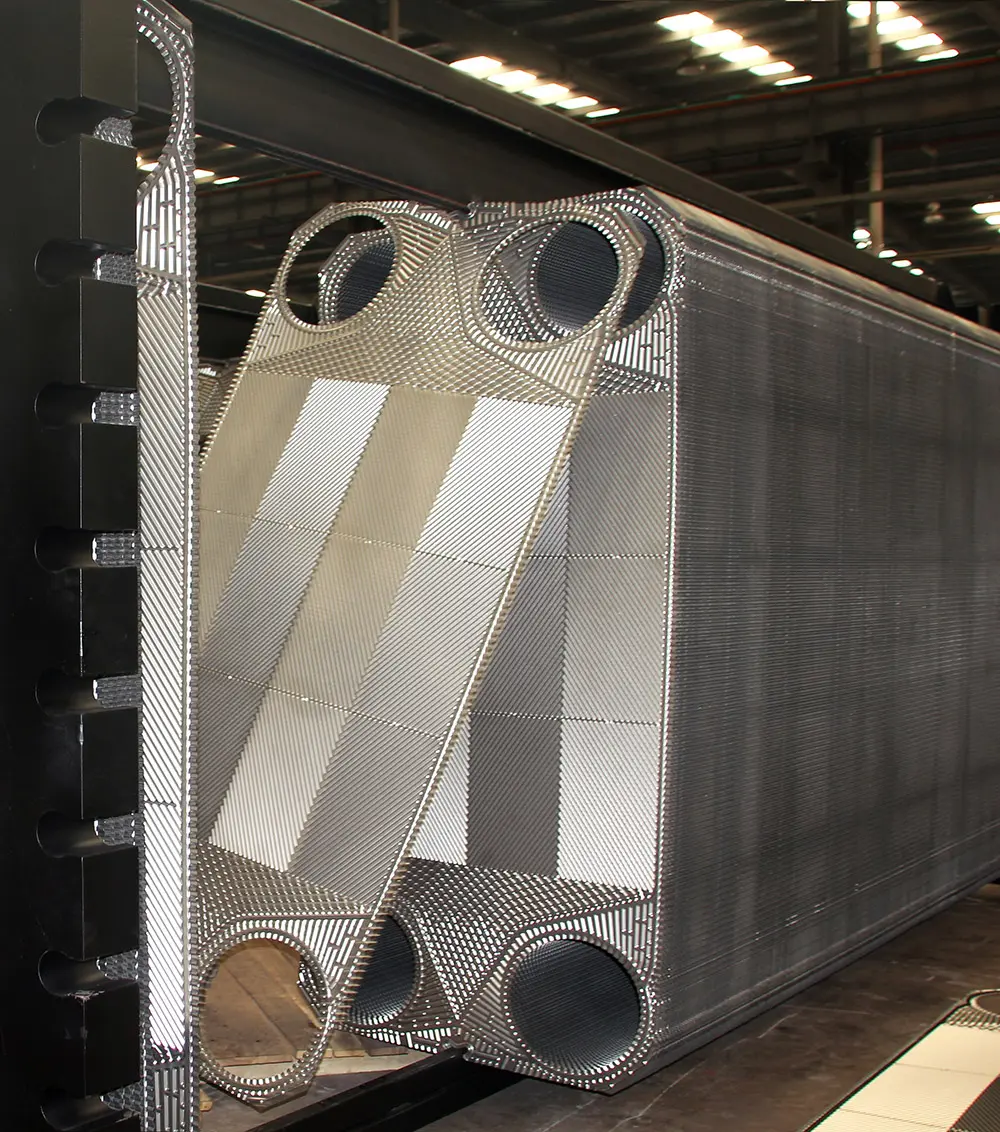
Utilizing high-theta and low-theta chevron configurations, Flotte designs plates that generate high shear stress. This structure promotes self-cleaning actions, reducing fouling rates in secondary circulation loops by up to 40% compared to traditional tube designs.
Equipped with high-grade NBR, EPDM, and Viton (FKM) gaskets featuring patented clip-on or snap-on mechanisms. These seals ensure leak-free performance under thermal shock cycles and temperature peaks of up to 180°C.
Constructed with epoxy-coated carbon steel plates, high-tensile tie bolts, and dual guides. Flotte frames support uniform seal compression even under repeated dismantling for capacity upgrades or cleaning.
For modern commercial installations in Seoul, choosing the right thermal topology is critical. Detachable plate heat exchangers offer several distinct advantages:
| Feature | Flotte Gasketed PHE | Conventional Shell & Tube |
|---|---|---|
| Heat Transfer Coefficient | 3,000 - 7,000 W/m²·K | 1,000 - 2,500 W/m²·K |
| Logarithmic Mean Temp Diff (LMTD) | Capable of operating below 1°C | Typically requires >4°C |
| Installation Space Requirement | Compact, occupies 20% - 30% of footprint | Extensive, requires extra space to pull tube bundle |
| Scalability / Flexibity | Easily adjust thermal duty by adding plates | Fixed capacity once manufactured |
Ensuring operational reliability in South Korea's critical municipal and industrial infrastructure.
Designed for the complex secondary distribution networks in residential developments in Gangnam, Mapo, and Seongdong. Our units balance thermal transfer variations, maintaining stable hot water and heating supplies even during winter load peaks.
Critical for high-rise developments like the Yeouido IFC or Lotte World Tower, where pressure boundary separation is vital. Our high-pressure rated plates safely manage hydrostatic pressure differences across lower and upper zones.
Enabling free-cooling cycles in technology complexes across Pangyo Techno Valley. The precise heat transfer mechanics of our plates minimize energy overhead in chiller systems, lowering the facility's Power Usage Effectiveness (PUE).
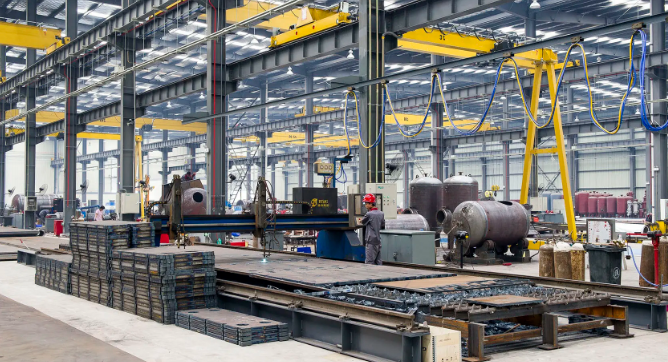
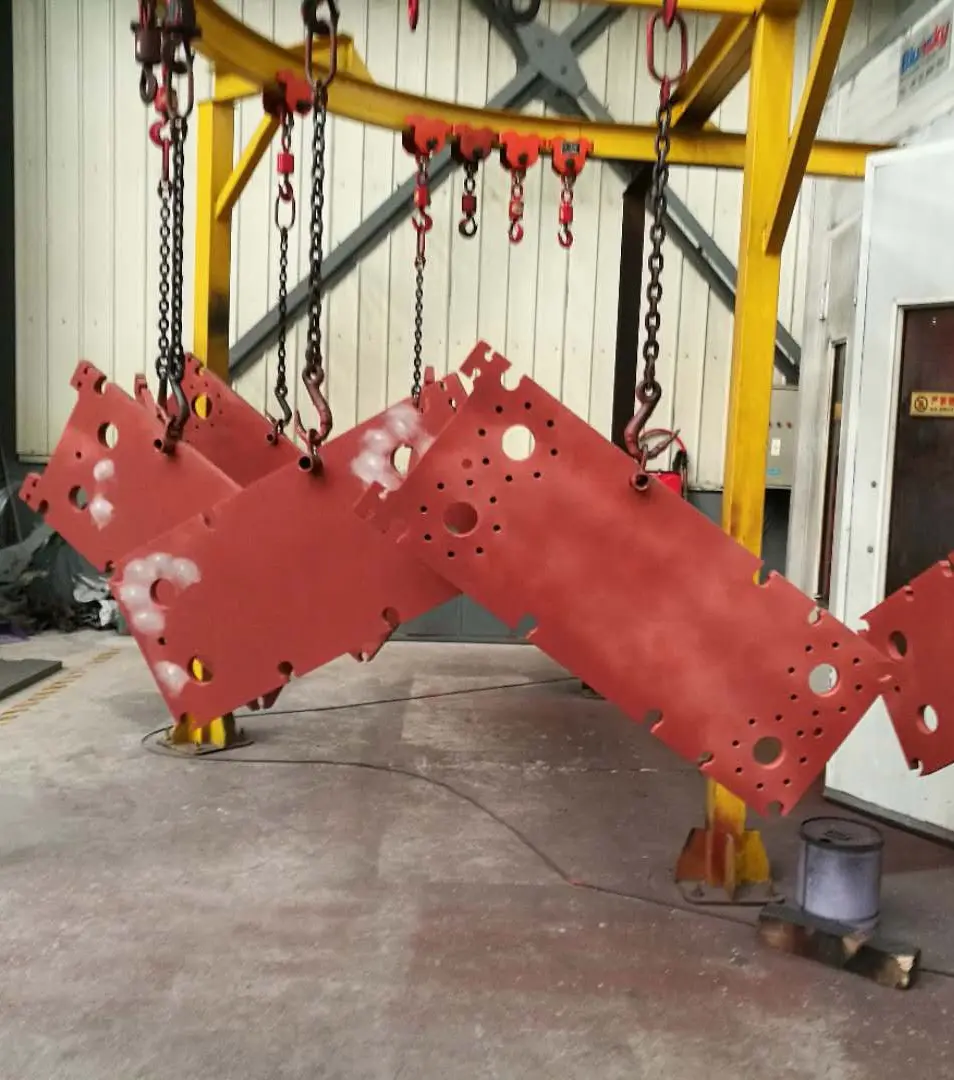
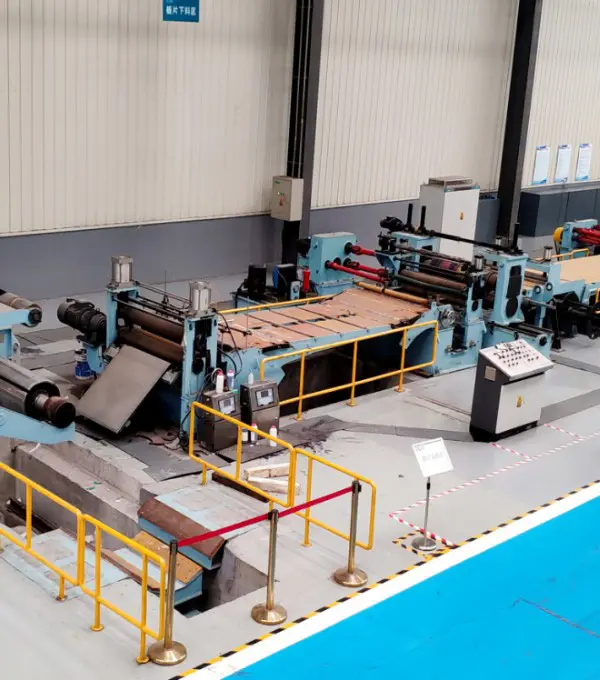
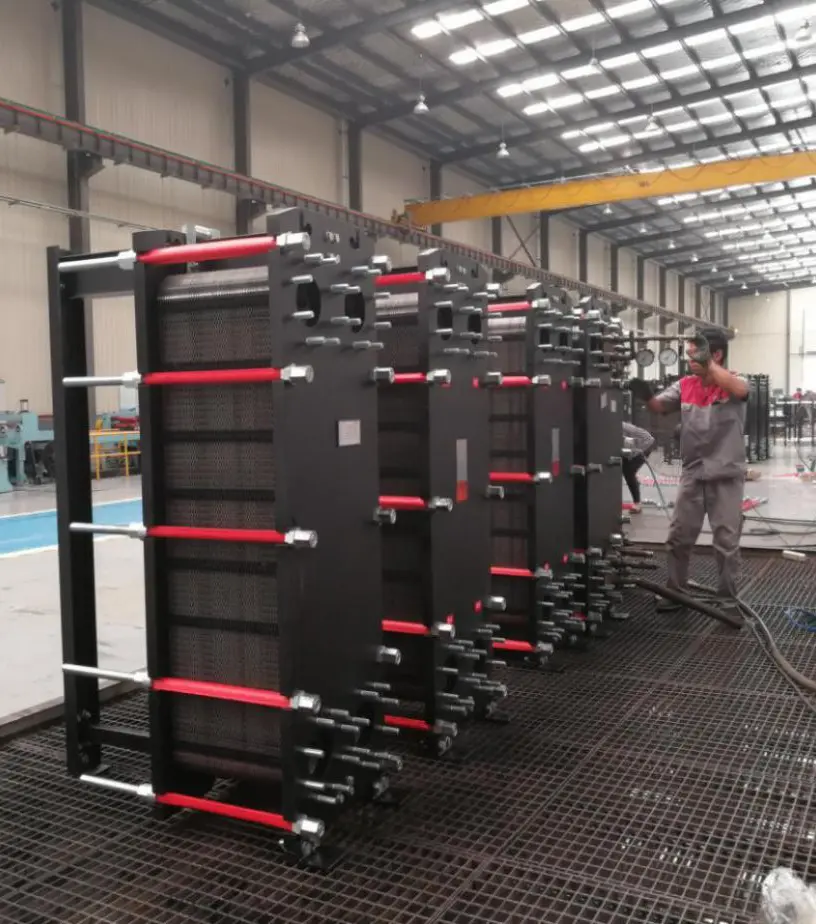
To ensure high quality, Flotte runs an integrated manufacturing line where every phase is subject to precise quality checks. All operations strictly adhere to the ISO 9001:2015 international quality management system, alongside the pressure vessel quality assurance framework.
From raw plate selection to precision stamping and pressure test validation.
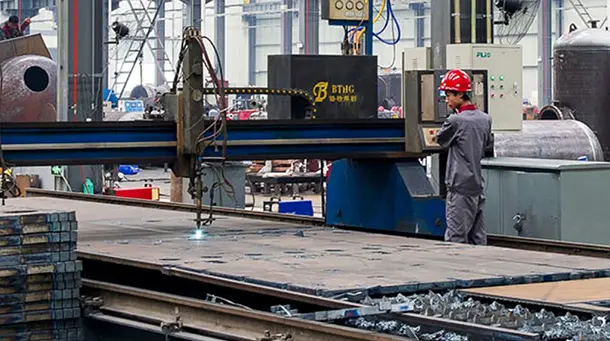
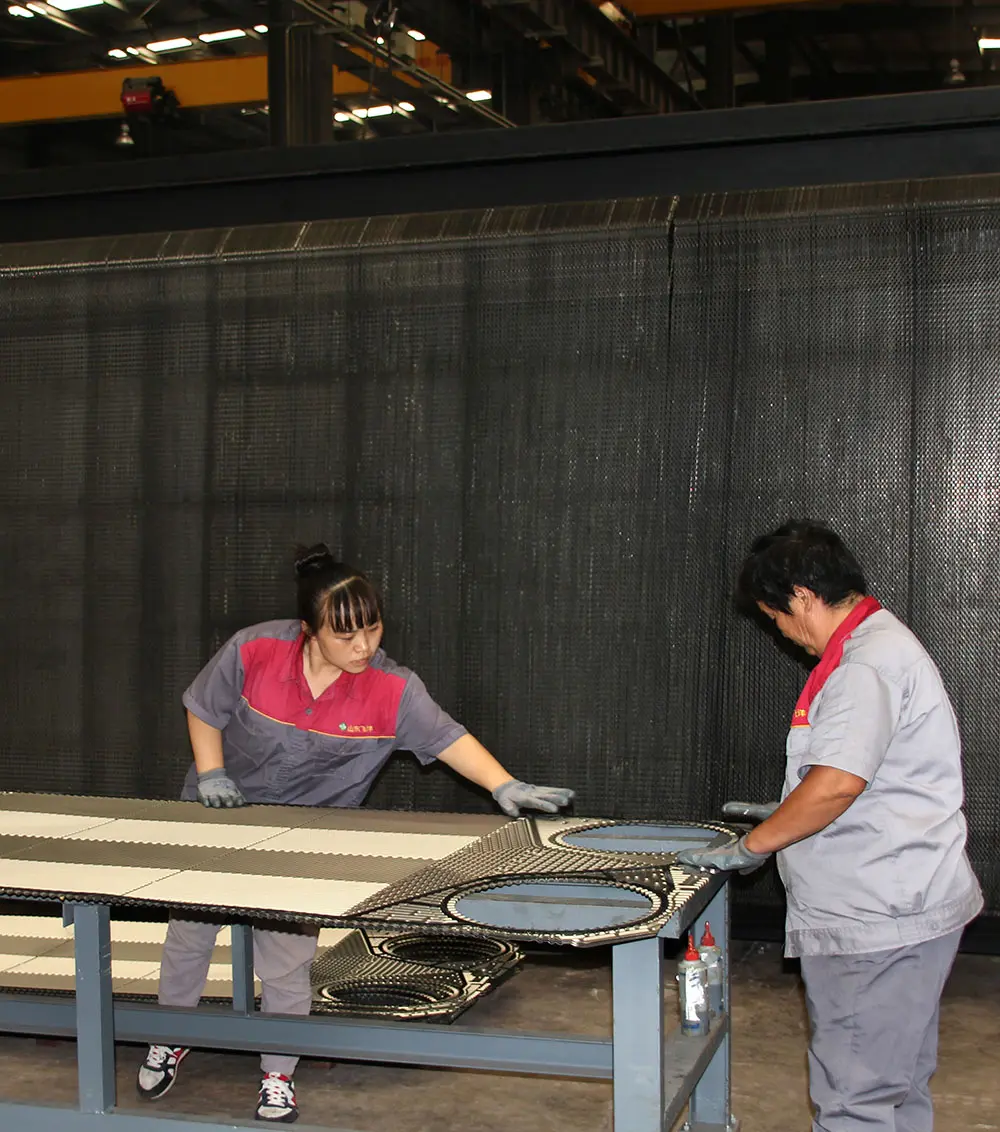
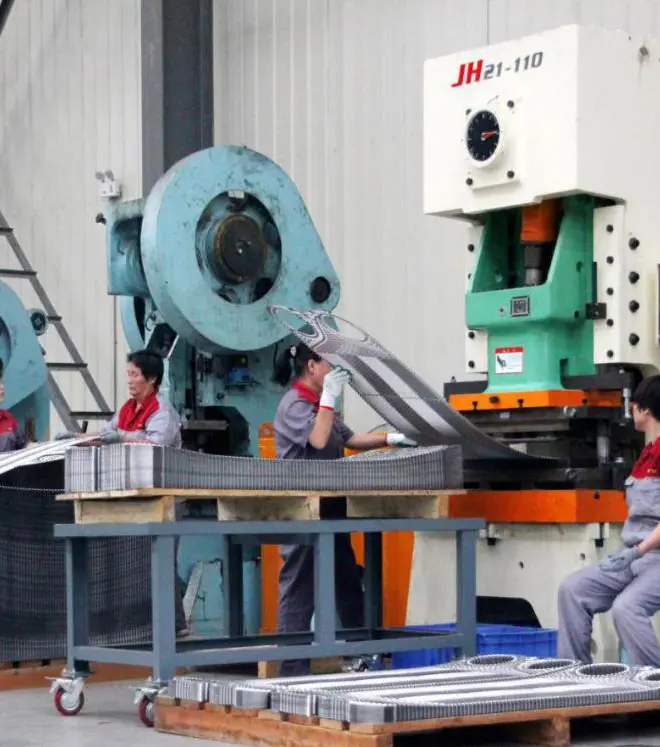
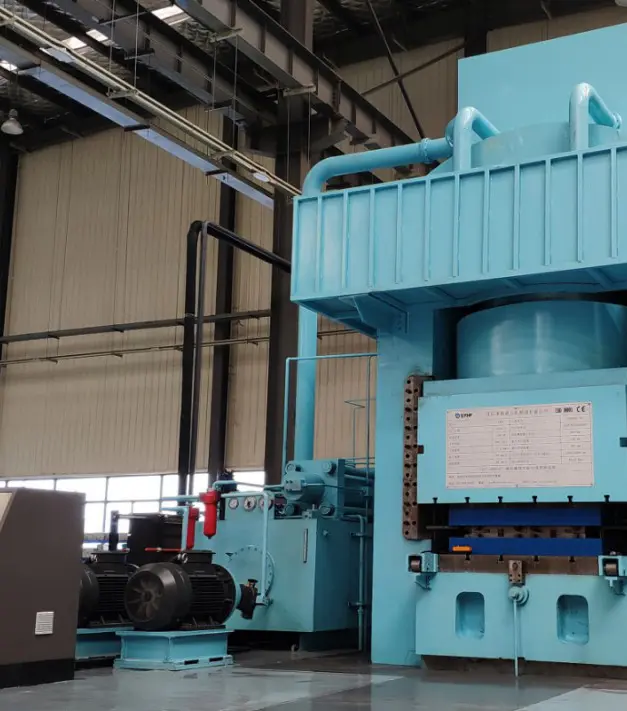
Exporting complex thermal units into South Korea requires deep compliance understanding, specifically regarding the KGS (Korea Gas Safety) codes and the KS (Korean Industrial Standards). Flotte provides full compliance documentation, ensuring seamless Customs clearance and site approval.
Our proximity to major trade hubs allows us to offer optimized logistics channels directly to Incheon Port and Busan Port, with transit times often under 5 to 7 days. This quick turnaround helps reduce project delays for local developers and MEP contactors in Gyeonggi Province and the broader Seoul area.
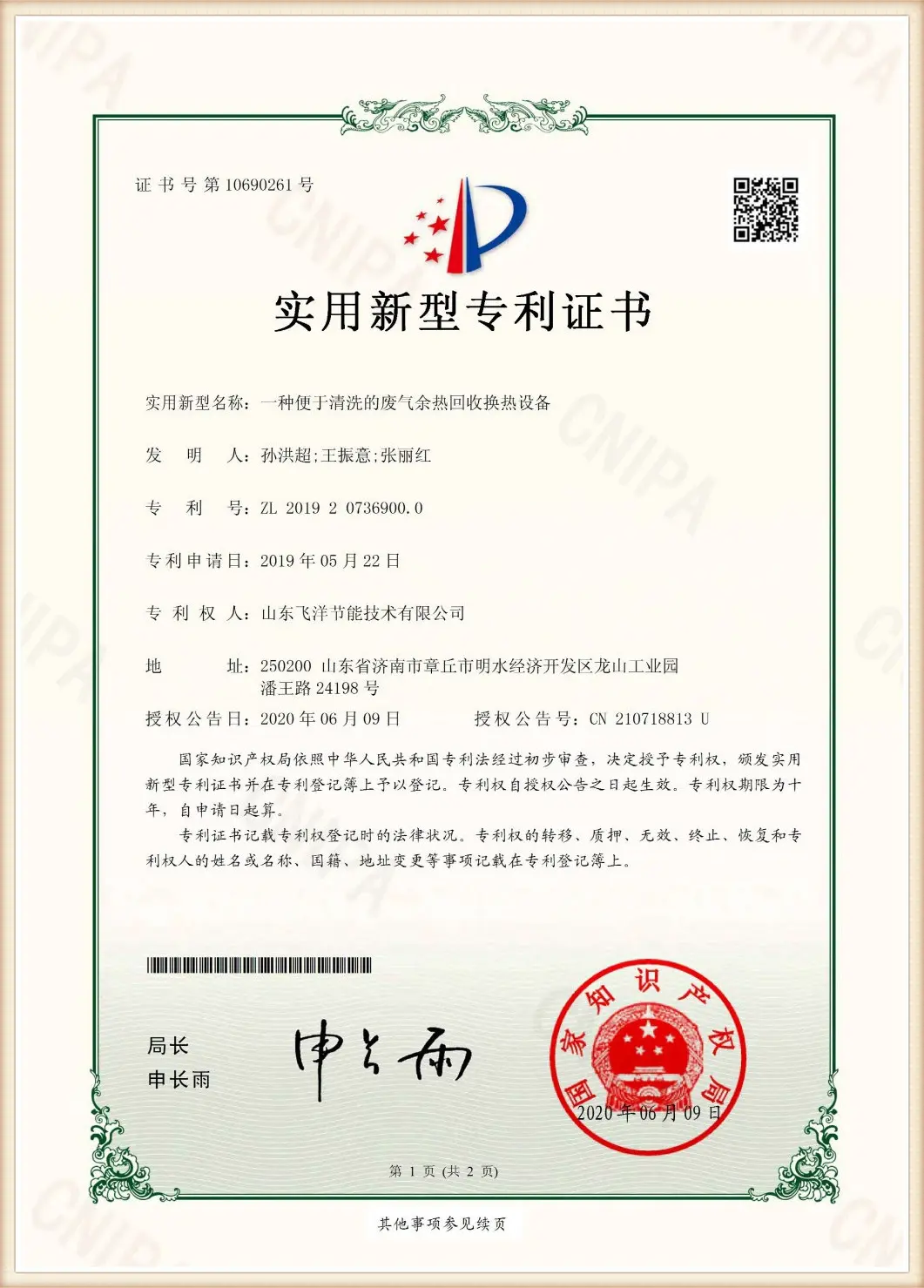
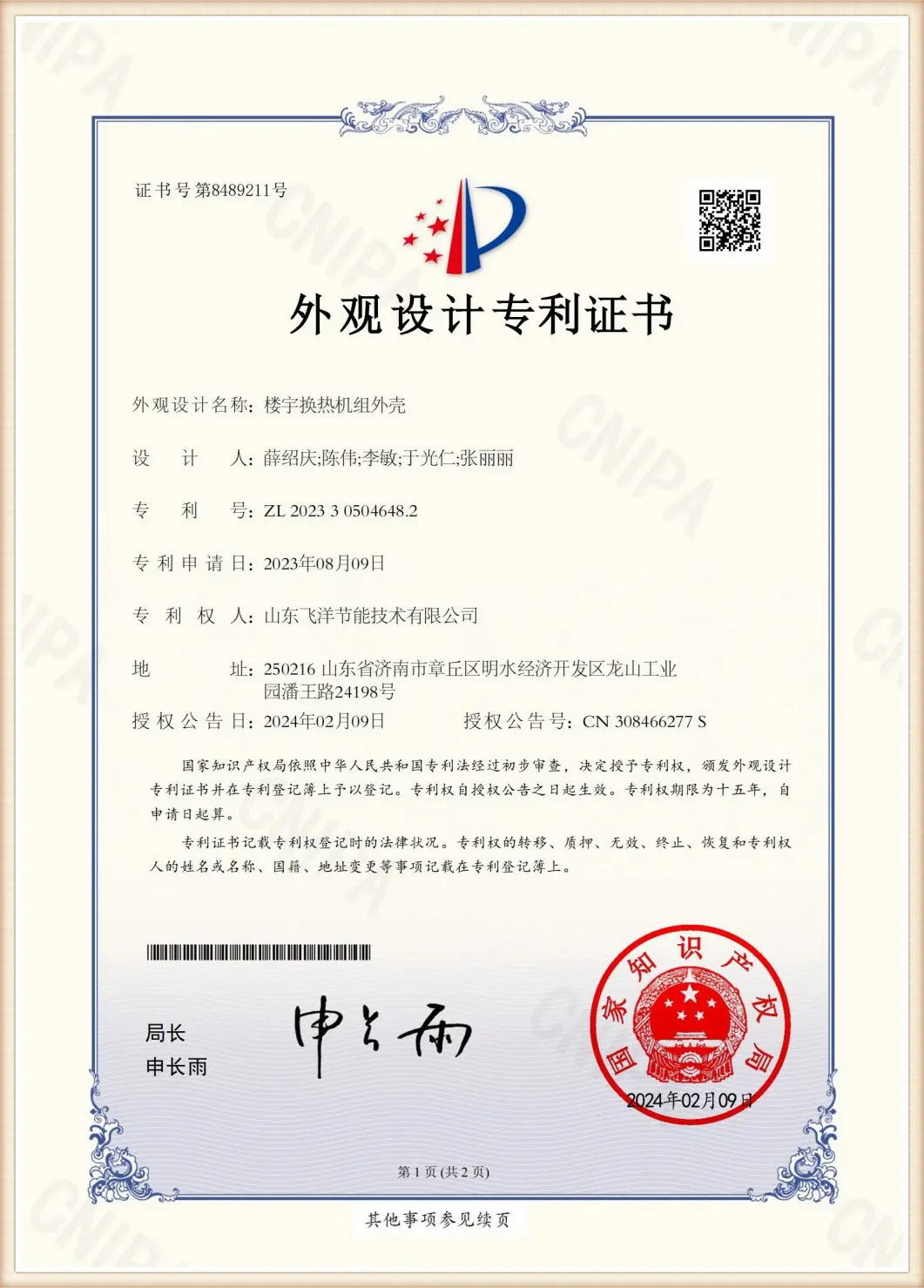
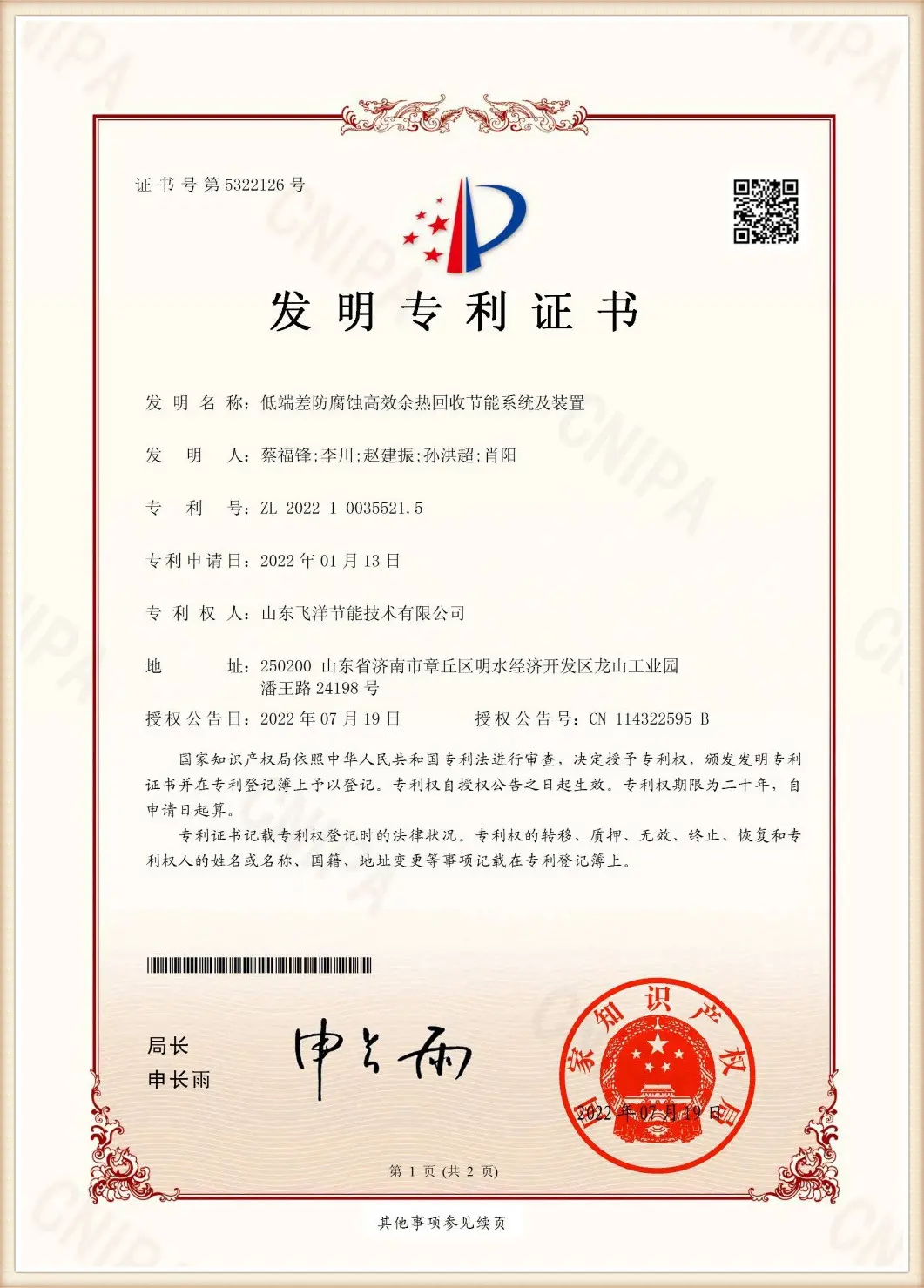
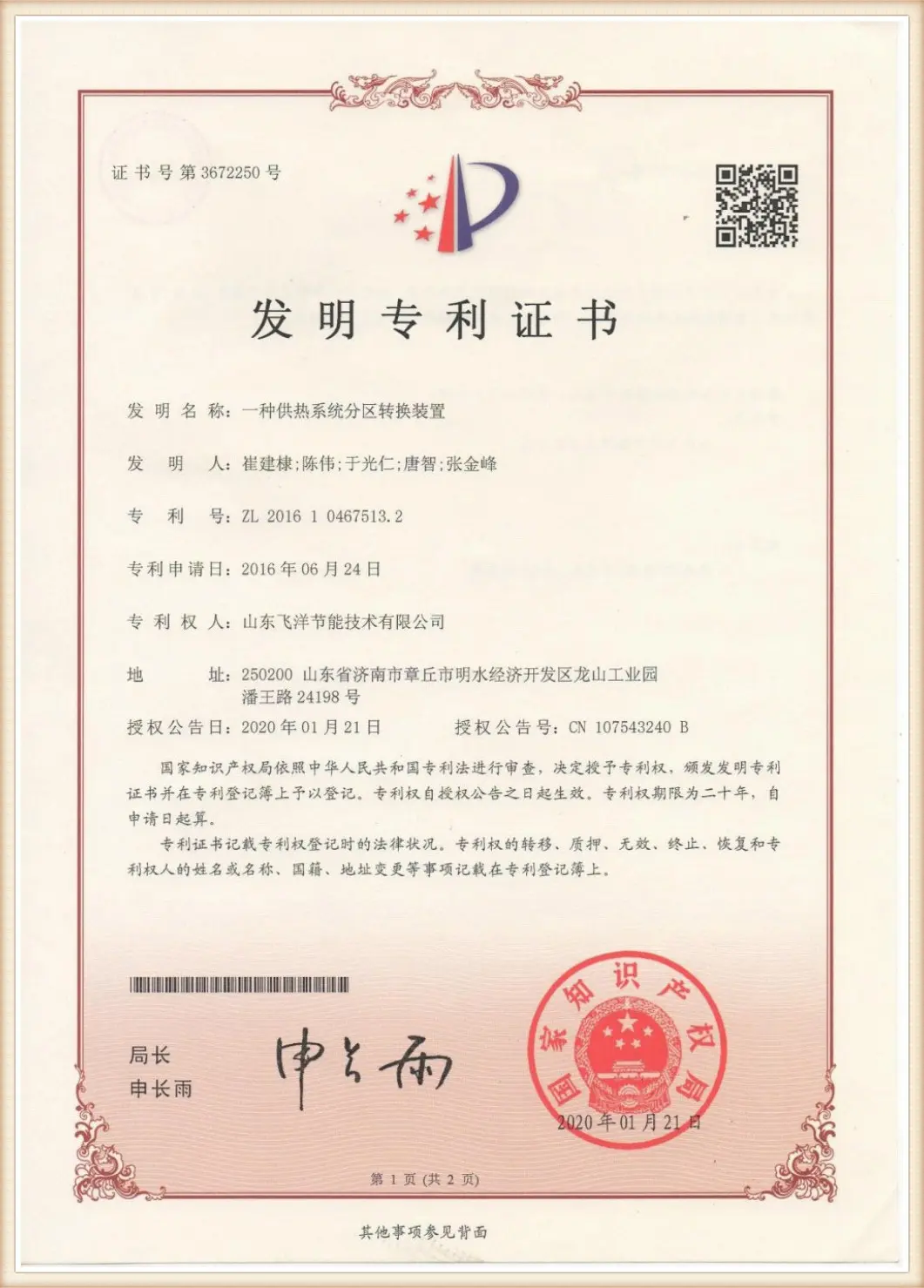
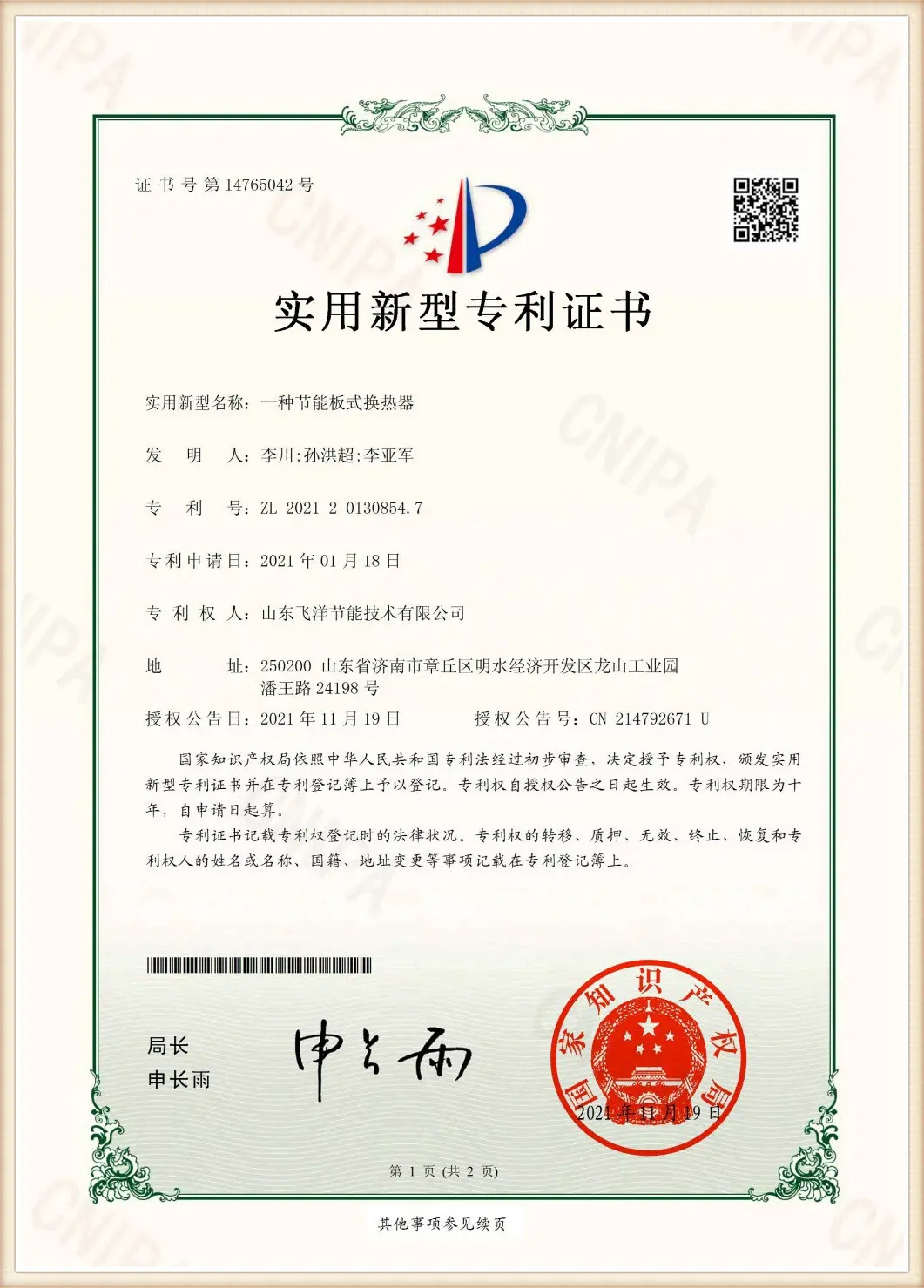
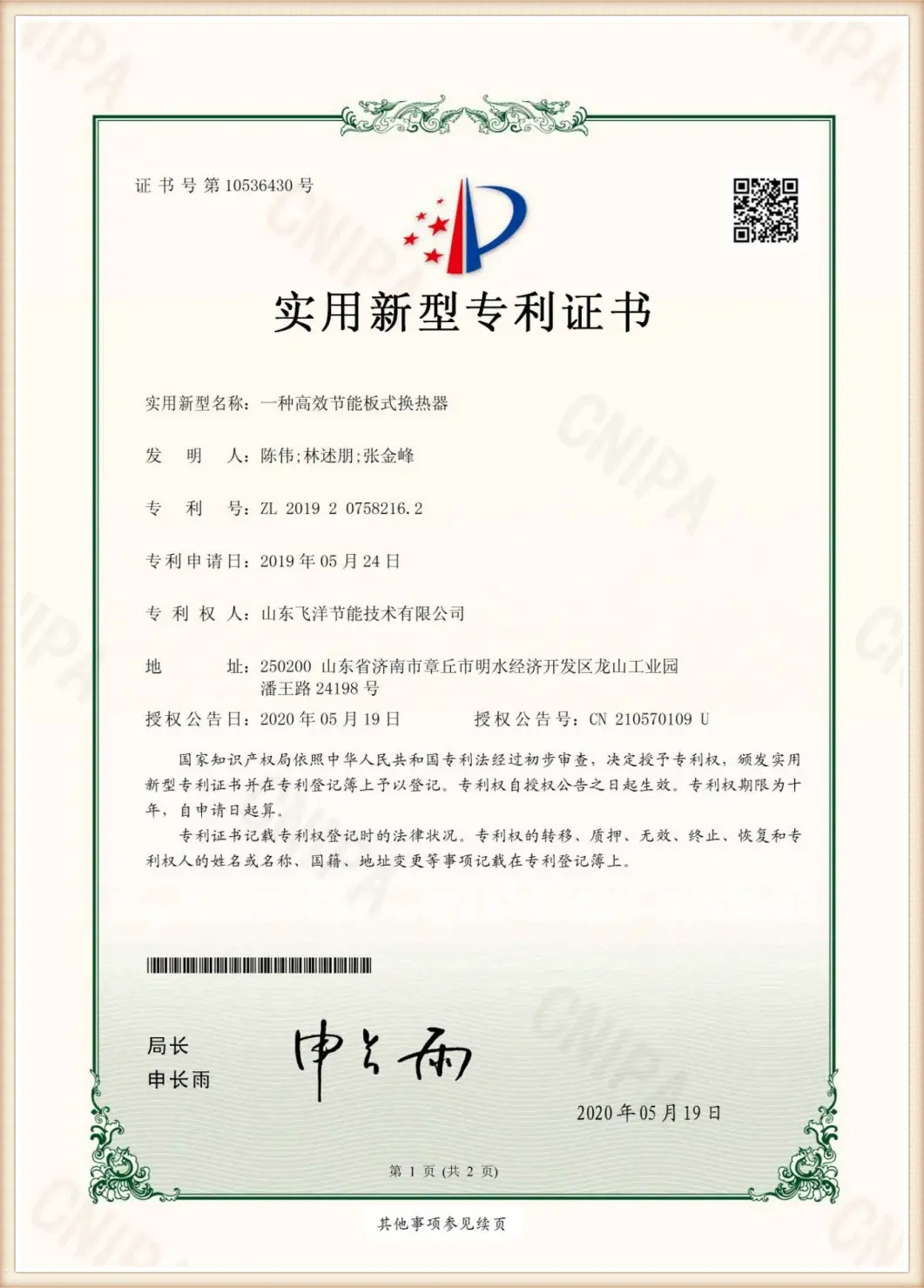
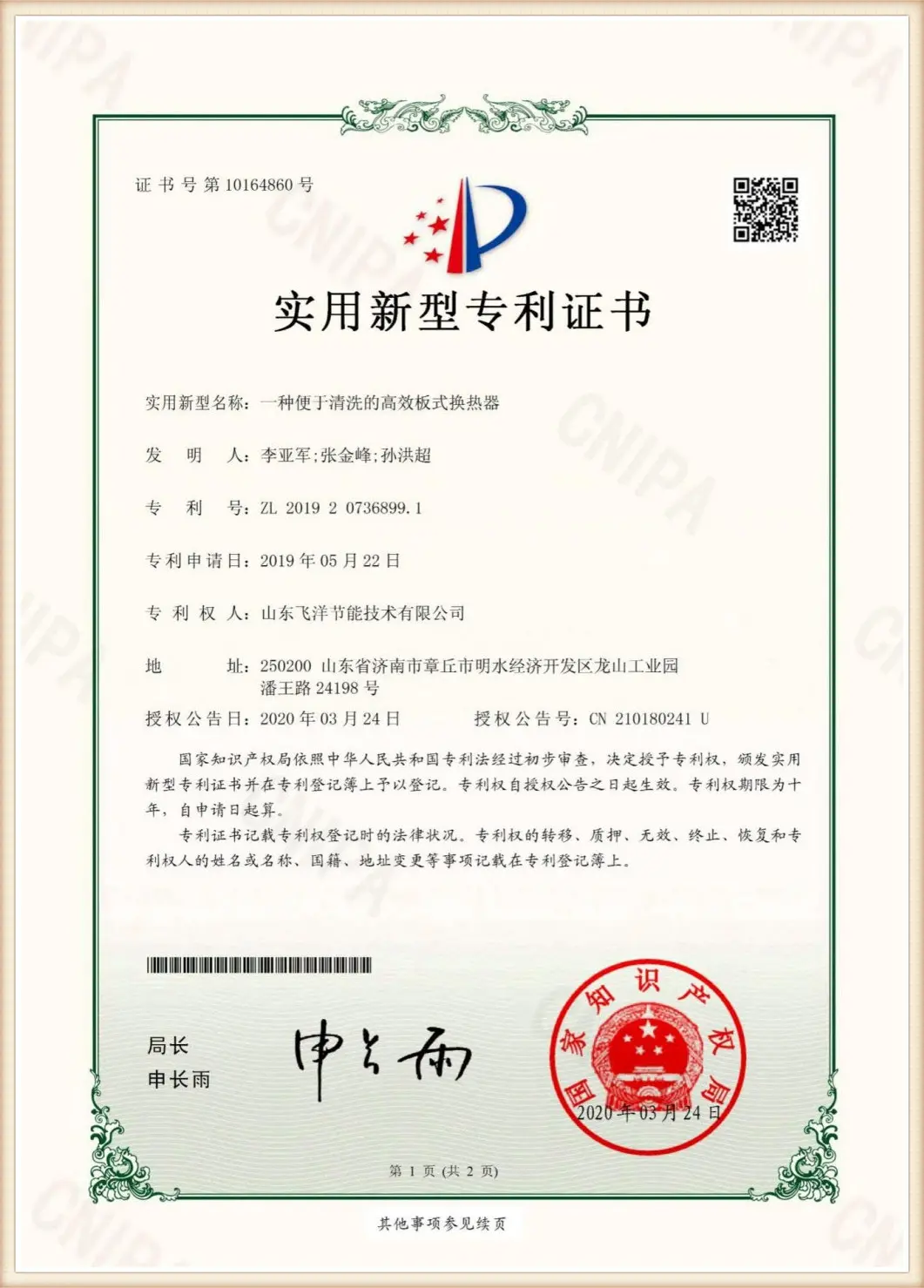
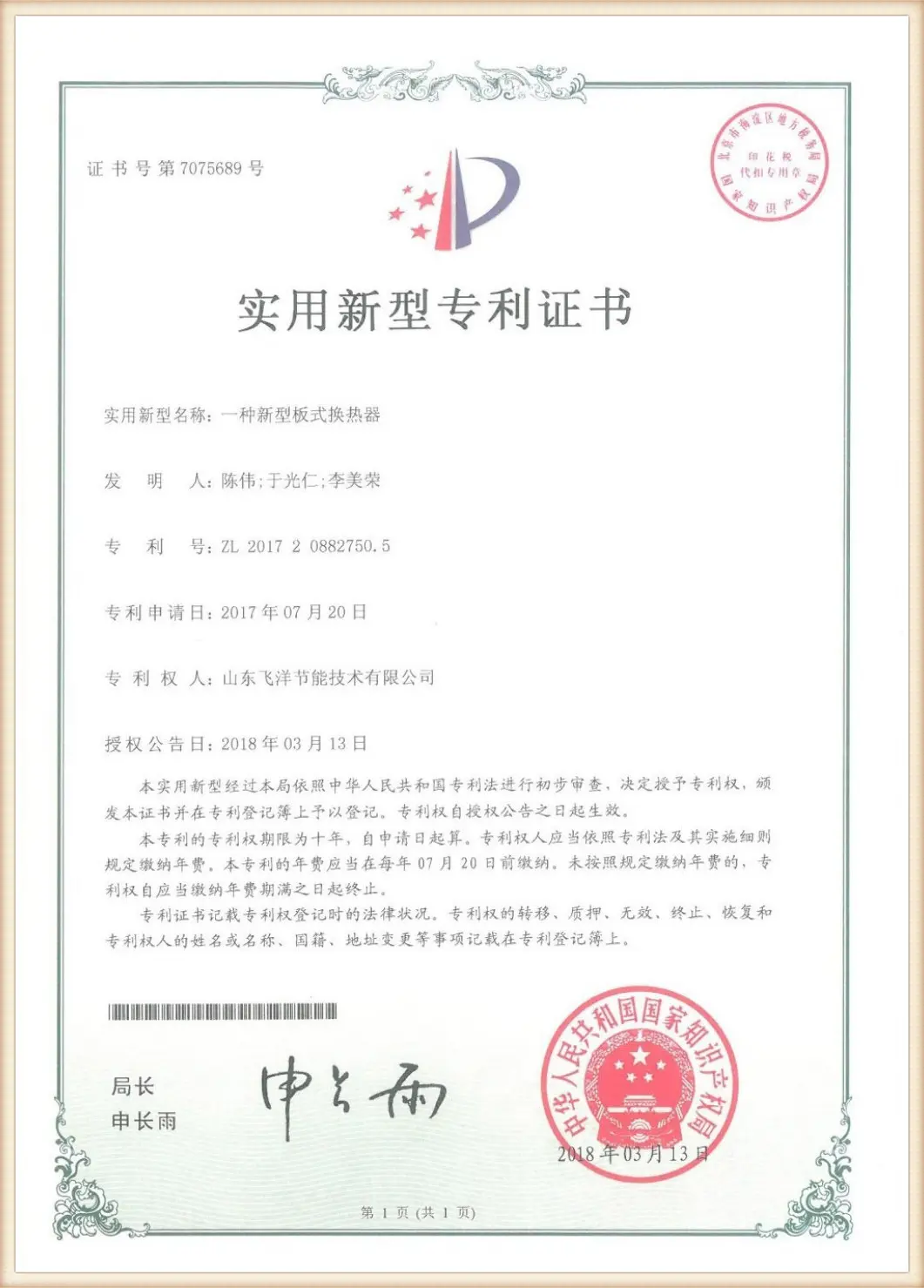
Integrating artificial intelligence, real-time sensing, and new materials to enhance system efficiency.
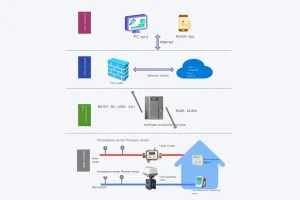
Integrating pressure and temperature sensors with remote monitoring algorithms to track changes in thermal resistance. This lets operators predict maintenance cycles rather than relying on fixed schedules, reducing downtime in heating systems.
Applying specialized nano-coatings to stainless steel plate surfaces. These coatings lower surface energy, making it harder for scale deposits to adhere, which extends the operational intervals of HVAC exchangers.
Developing 0.4mm high-strength alloy plates that reduce overall metal weight while maintaining pressure ratings. This reduces material costs and improves thermal response times across district heating networks.
Detailed technical answers to common integration, procurement, and maintenance questions.
For municipal district heating systems, AISI 316L Stainless Steel is the standard option. It provides excellent corrosion resistance and mechanical strength under constant thermal stress. If the source water contains higher chloride concentrations, Titanium (Gr1) plates are recommended to prevent pitting corrosion.
Every plate heat exchanger undergoes strict quality control under our ISO 9001:2015 system. All units are pressure-tested up to 1.5 times their design limit using high-accuracy hydraulic testing equipment. This ensures safety and reliability at operating pressures of 1.0 MPa, 1.6 MPa, and 2.5 MPa.
Standard custom-built plate heat exchangers are manufactured within 10 to 15 days. Standard logistics to Incheon or Busan Port takes 5 to 7 days, allowing us to supply components quickly to meet demanding construction timelines in Seoul.
Yes, our systems are designed to meet KS B 6220 standards, ASME Sec. VIII, and CE requirements. We supply all necessary mechanical calculations, drawings, and pressure-test reports required by local safety inspectors in Korea.
Our patented scale-removal device integrates directly with the CIP (Clean-in-Place) connections of our detachable heat exchangers. It facilitates the circulation of weak acidic cleaning agents to dissolve buildup, restoring peak thermal efficiency without dismantling the plate pack.
Yes. Our engineering team utilizes thermodynamic modeling software to compute the optimal chevron plate angle, surface area, and flow configuration based on your flow rates and target temperatures, ensuring you don't over-specify the equipment.
High-efficiency thermal units, smart flow valves, and monitoring systems designed for modern industrial operations.
 Flotte Energy