High-performance heat transfer systems engineered to withstand tropical climates, coastal salinities, and intensive manufacturing demands.
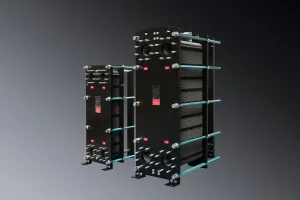
In the modern globalized landscape, industrial manufacturing demands unprecedented efficiency. High-performance thermal management systems stand as the cornerstone of energy-saving strategies, directly impacting corporate bottom lines and environmental footprints. The transition from traditional shell-and-tube configurations to advanced plate-type geometries represents a major thermodynamic leap. Globally, industries are racing toward carbon neutrality and strict ESG compliance, making energy recovery systems like Plate Heat Exchangers (PHE) vital components across power generation, chemical processing, pharmaceutical manufacturing, and HVAC networks.
By maximizing heat transfer coefficients ($U$-values ranging from $3,000$ to $7,000\text{ W/m}^2\cdot\text{K}$ compared to shell-and-tube's $500$ to $1,500\text{ W/m}^2\cdot\text{K}$), modern PHEs permit extremely close temperature approaches (often down to $1^\circ\text{C}$). This thermal capability reduces secondary energy usage, limits physical footprints on factory floors, and helps control operating expenses. Consequently, selecting an experienced, certified, and agile international supplier is a critical strategic decision for engineering firms, EPC contractors, and end-users alike.
Vietnam is experiencing an unprecedented industrial expansion. Fueled by foreign direct investment (FDI), regional economic integration, and a strategic location in Southeast Asia, industrial hubs are growing from Bac Ninh and Hai Phong in the north to Binh Duong, Dong Nai, and Long An in the south. The country's expanding manufacturing base spans electronics, textiles, steel production, food and beverage processing, and petrochemical synthesis.
Vietnam's humid tropical climate creates unique thermodynamic challenges. High ambient temperatures and elevated wet-bulb conditions require HVAC systems, cooling towers, and process-chilled loops to operate under tight design margins. Under-designed heat exchangers degrade COP (Coefficient of Performance), raising operating costs across industrial zones. Flotte's engineered-to-order plate heat exchangers are built specifically to solve these tropical thermal challenges.
Furthermore, Vietnam's commitment to achieving net-zero carbon emissions by 2050 (announced at COP26) is driving local factories to modernize. Regulations on energy conservation, wastewater reuse, and thermal efficiency are tightening. Industrial operators no longer view heat exchangers merely as simple utilities; they are recognized as critical systems for heat recovery, emissions reduction, and overall energy compliance.
From aquaculture farms in the Mekong Delta to tall commercial complexes in Ho Chi Minh City, our thermal equipment delivers optimal performance.
High-static-pressure isolation is essential in landmark commercial developments in Hanoi and HCMC. Flotte's plate heat exchanger units isolate chiller plant loops from high hydrostatic pressures in tall risers. This minimizes pressure loads on chillers, cuts pump energy consumption, and prevents system-wide fluid contamination.
In the Mekong Delta and central coastal areas, processing seafood, tropical fruits, and dairy products demands strict temperature control. Our detachable plate heat exchangers are built with food-grade SS316L or Titanium plates and quick-clip EPDM gaskets. This configuration supports prompt sanitation (CIP), minimizes fouling, and safeguards product purity.
For petrochemical complexes like Nghi Son and long-term steel mills in Ha Tinh, thermal equipment must withstand aggressive chemical environments and high mechanical loads. Our heavy-duty welded and gasketed plate exchangers feature advanced metallurgies, including Titanium Gr1, Hastelloy C-276, and Nickel 200/201, to handle corrosive media and high temperatures safely.
Vietnam's large textile dyeing and apparel mills generate high volumes of hot wastewater. Discharging this effluent directly wastes valuable thermal energy. By installing Flotte wide-gap plate heat exchangers, factories can recover up to 85% of this waste heat to preheat incoming fresh process water. This drastically lowers boiler fuel consumption and reduces operating costs.
Coastal facilities, ships, and offshore platforms use abundant local seawater for cooling. Standard stainless steel corrodes rapidly in high-chloride waters. Our Titanium plate heat exchangers provide corrosion resistance, preventing leakage and ensuring long service life for cooling loops exposed to raw marine seawater.
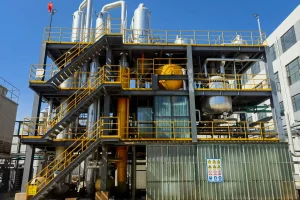
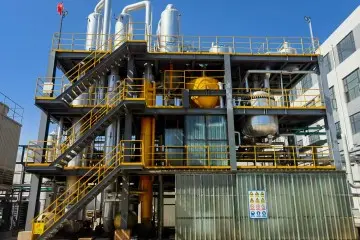
Industrial sectors including pulp & paper, sugar refining, and chemical processing generate high-density wastewater streams. Our Multi-Effect Evaporators (MEE) and Mechanical Vapor Recompression (MVR) systems concentrate these liquid streams. The process recovers clean distilled water for reuse, helping factories achieve Zero Liquid Discharge (ZLD) and comply with local environmental standards.
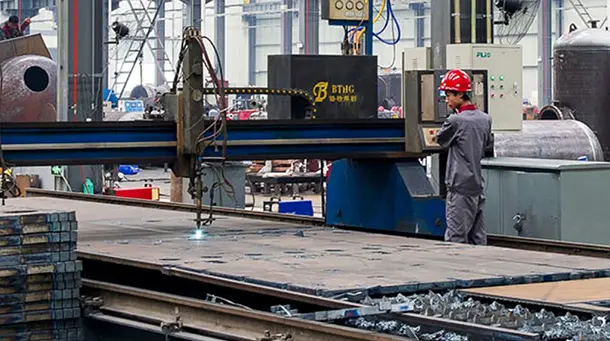
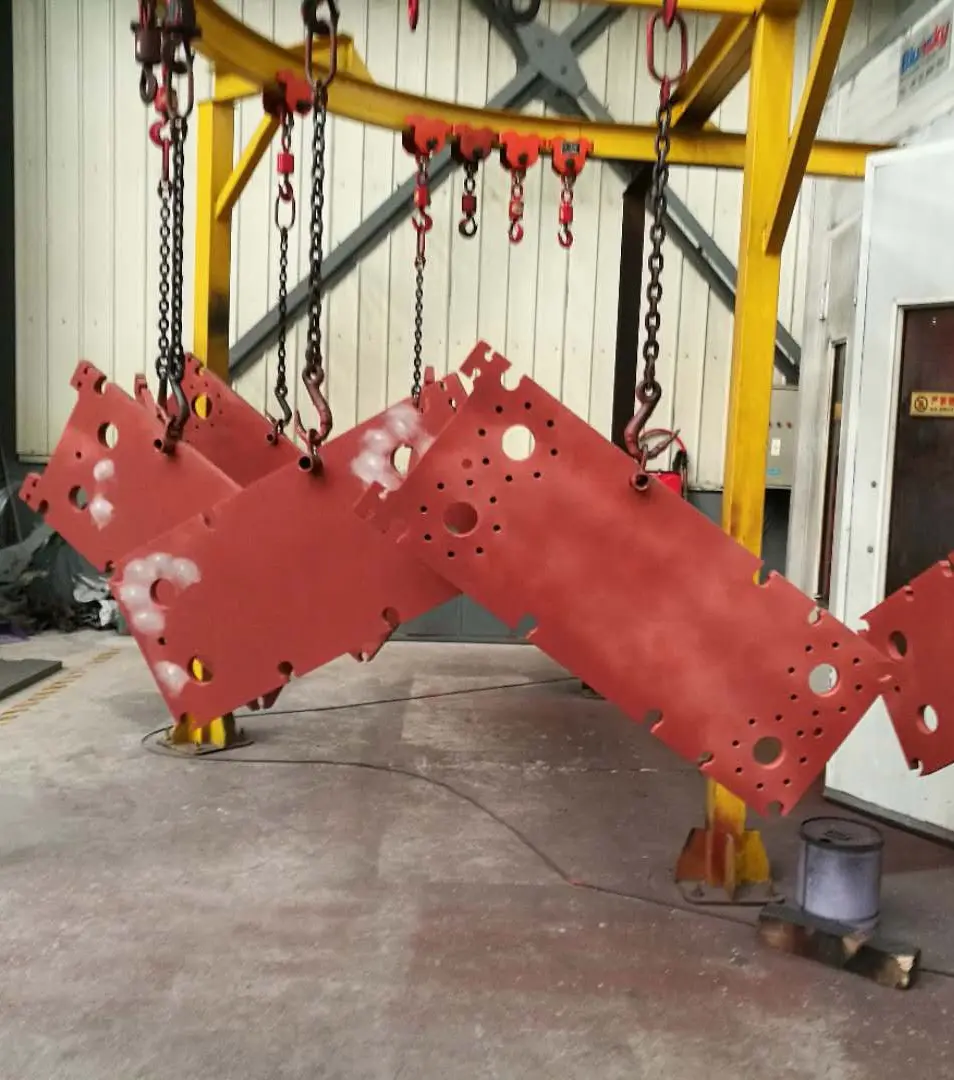
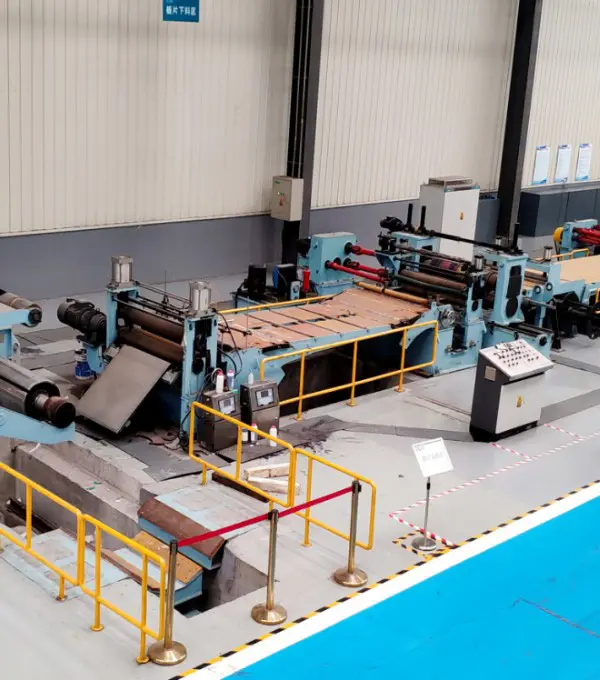
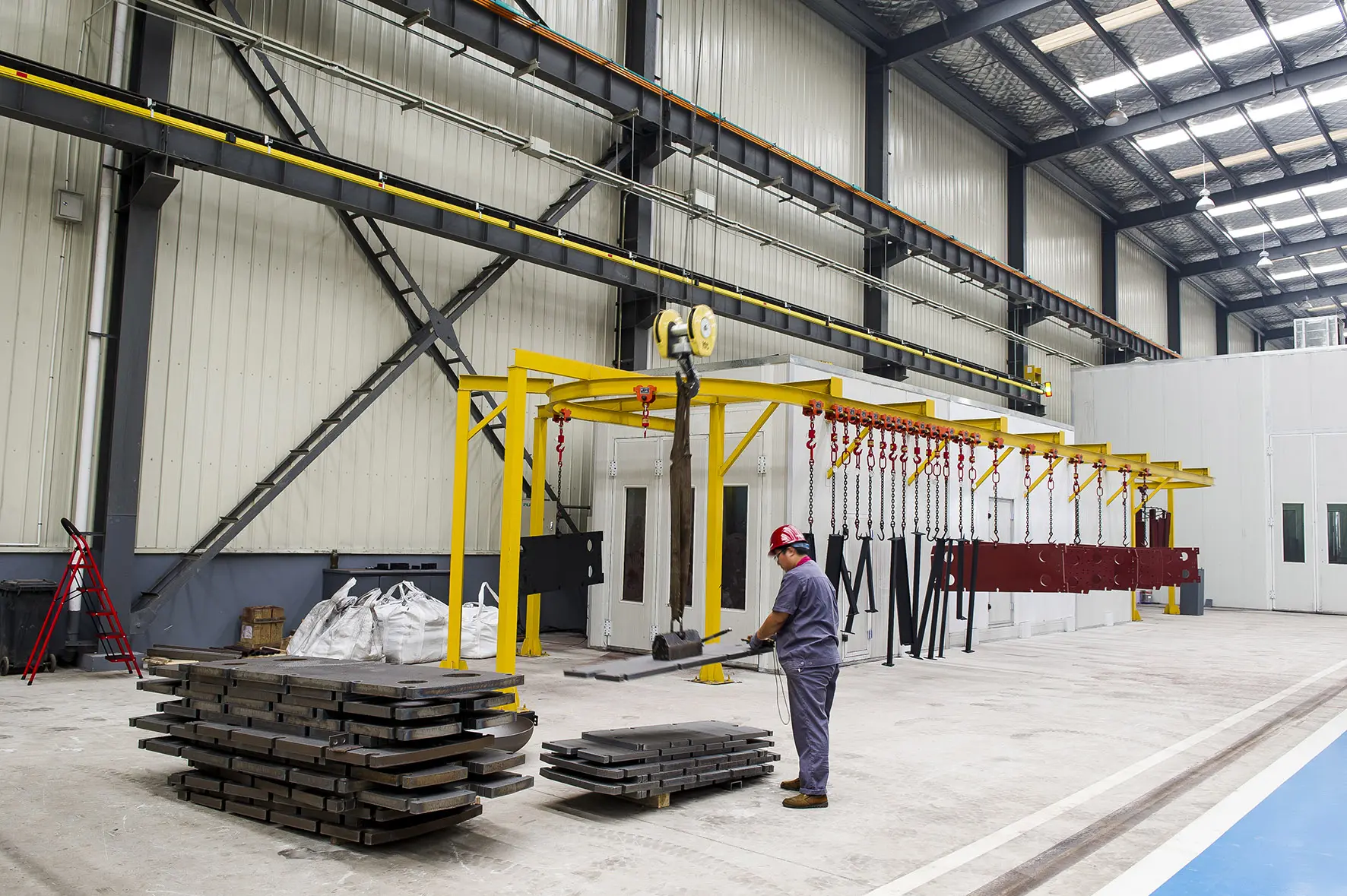
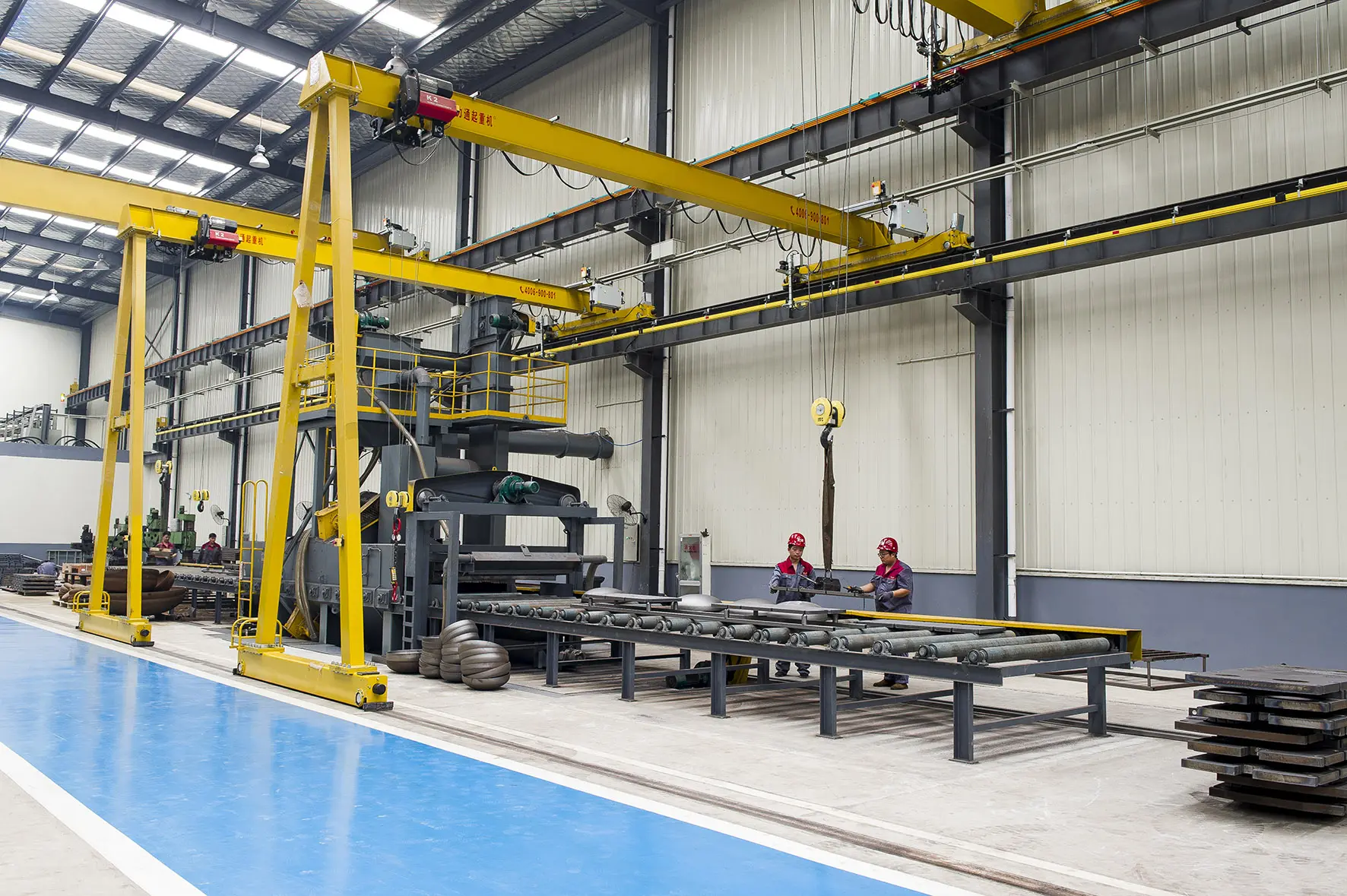
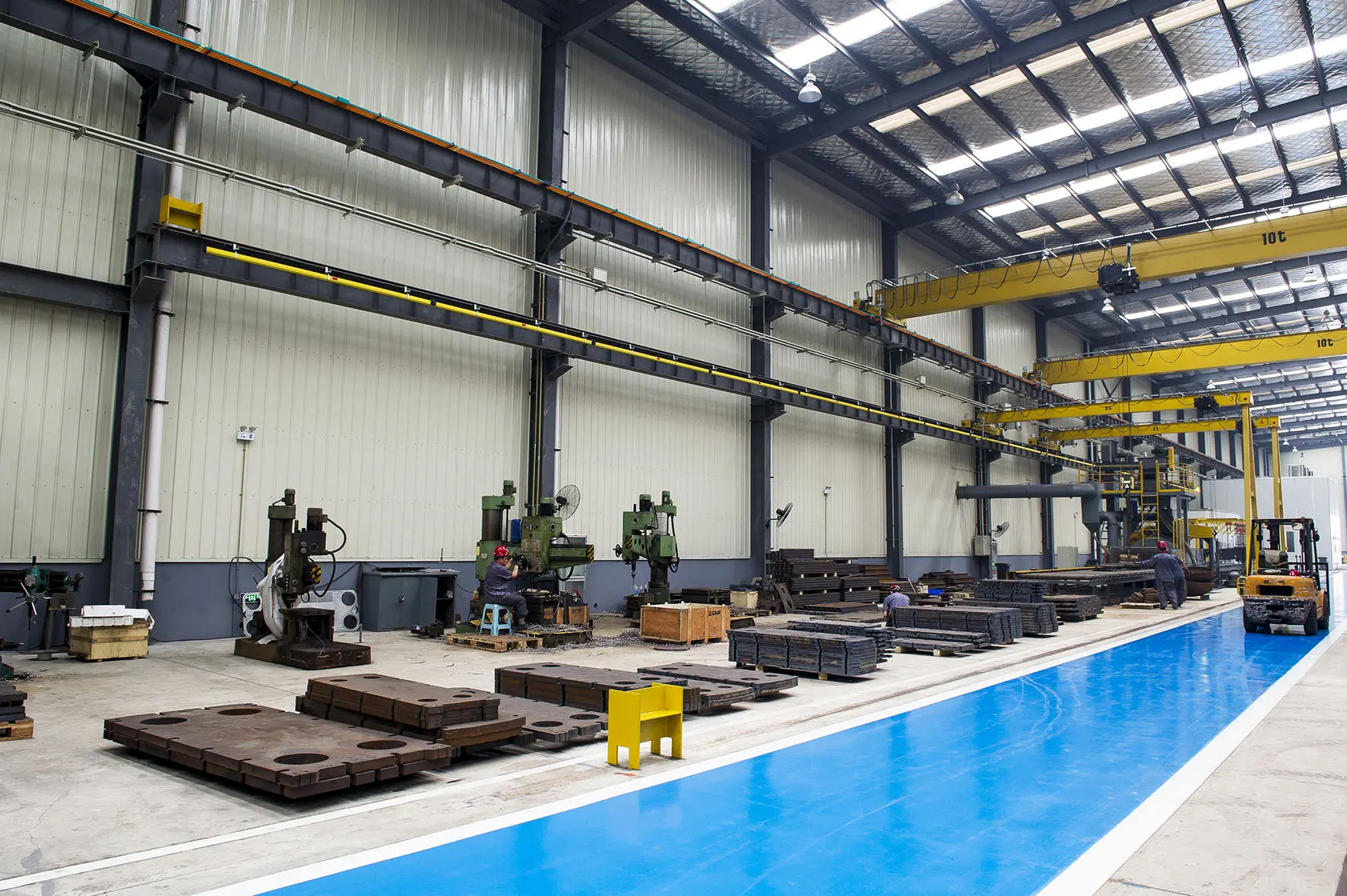
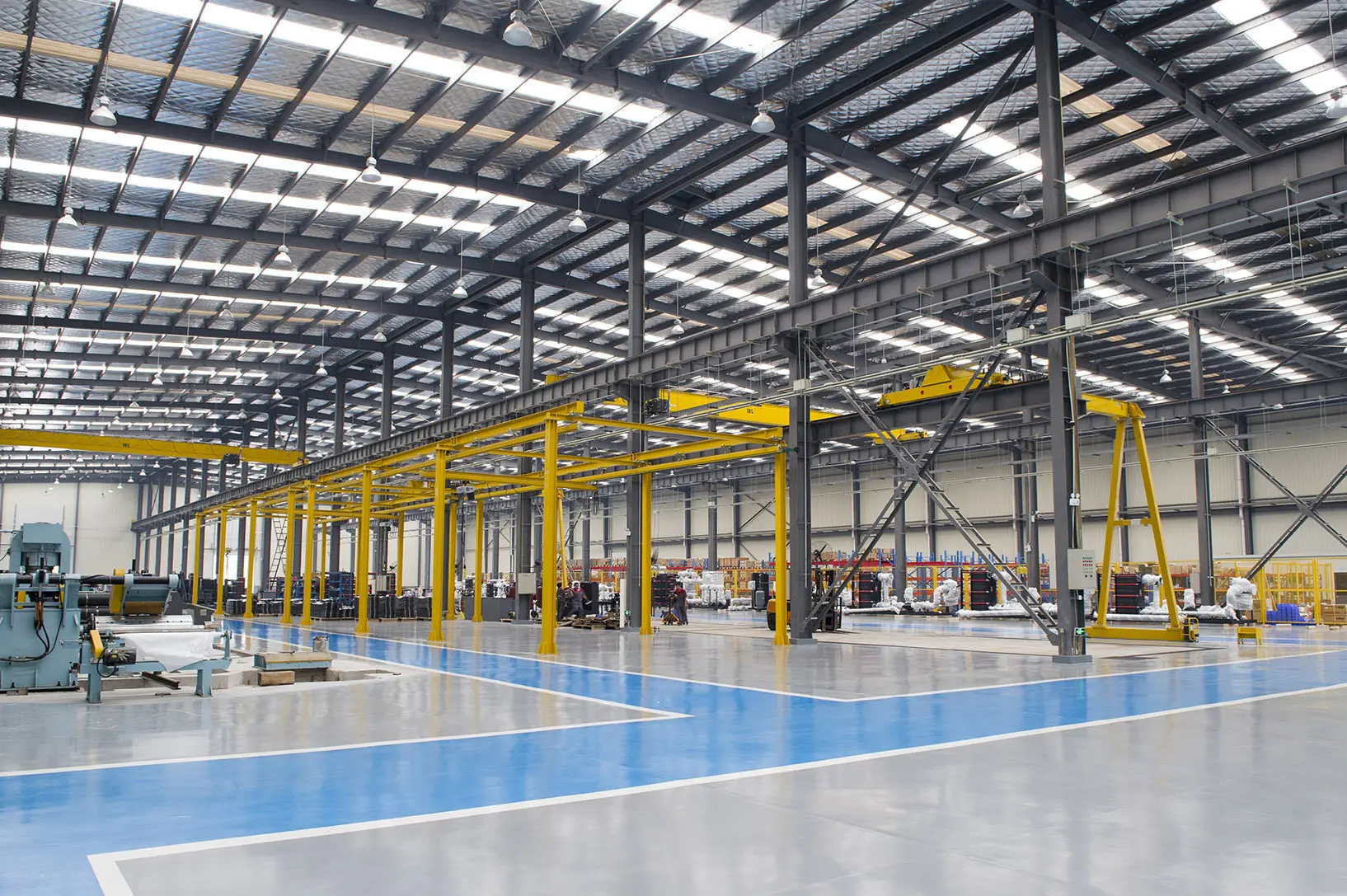
From raw coil sourcing to automated pressing and high-pressure testing, we maintain complete control over quality.
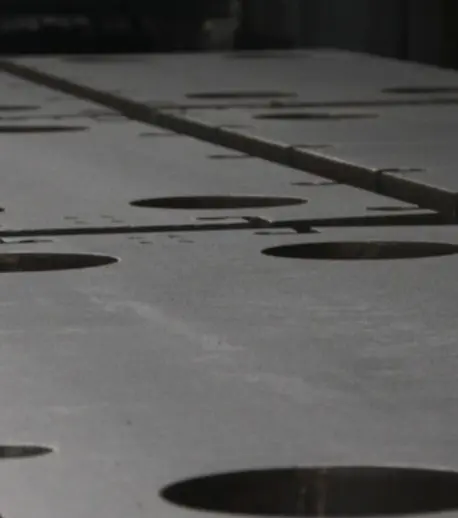
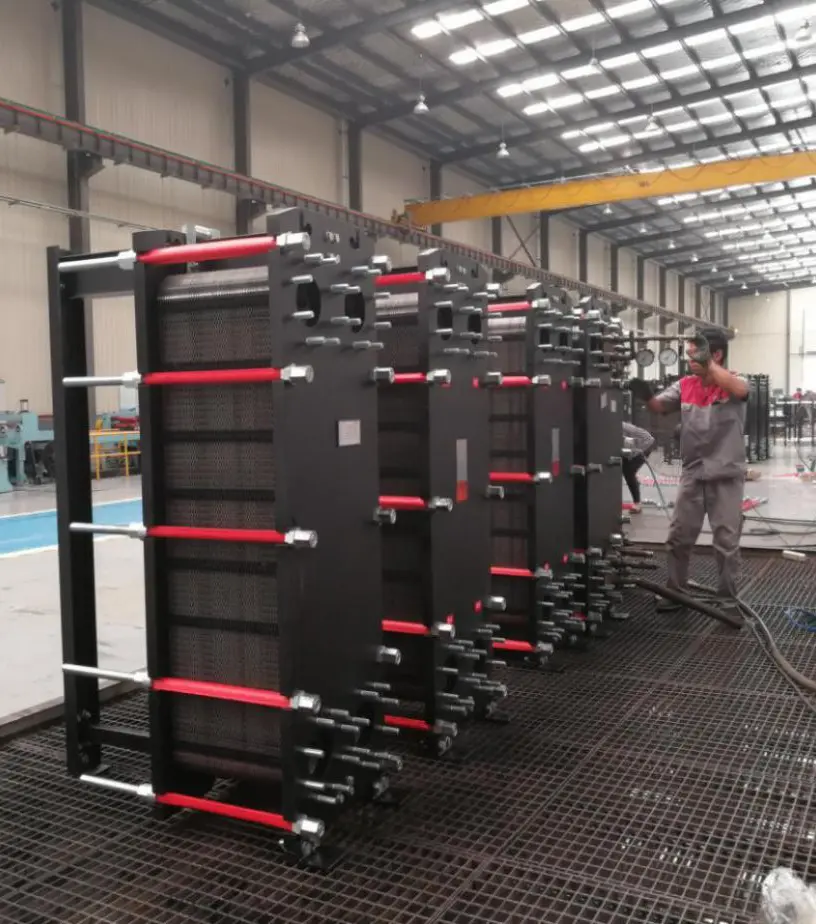
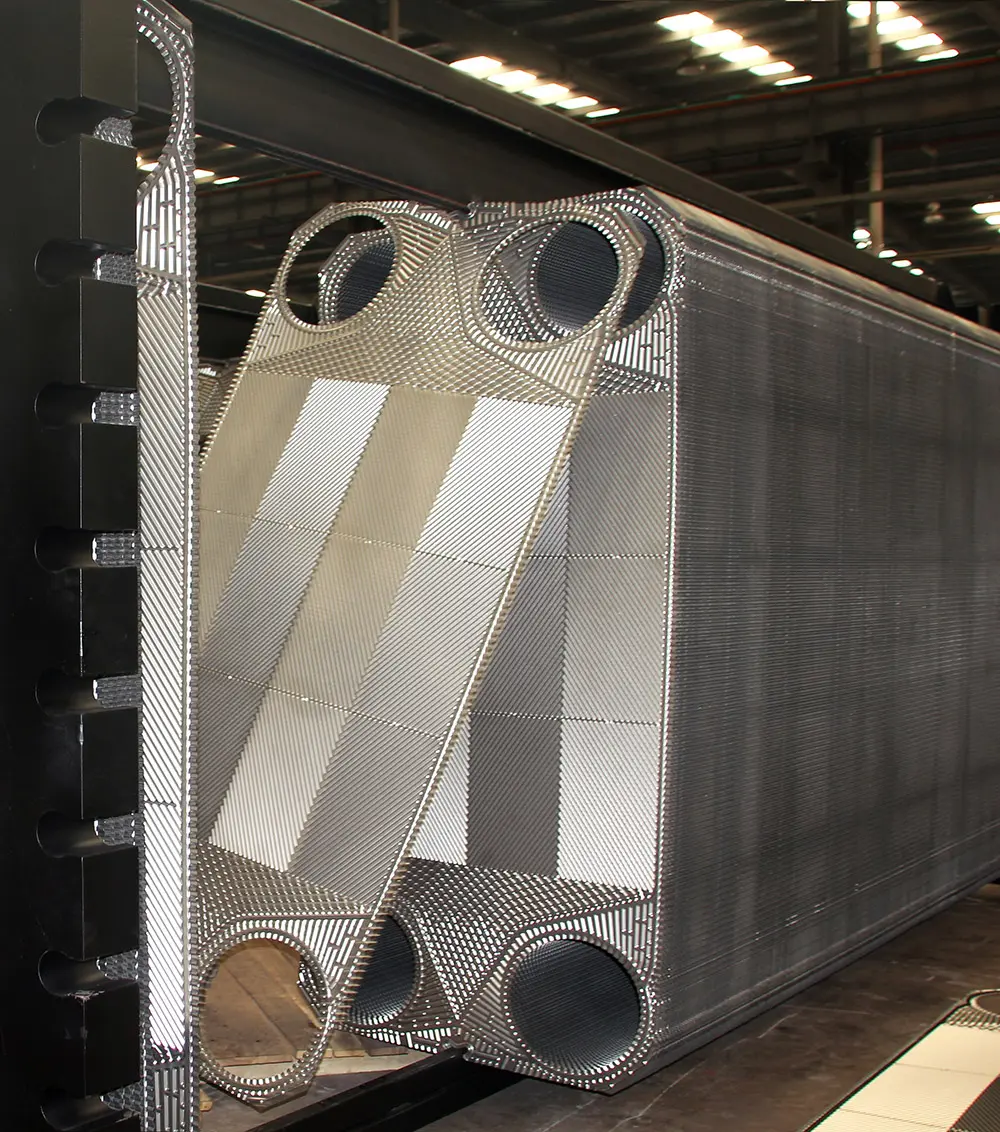
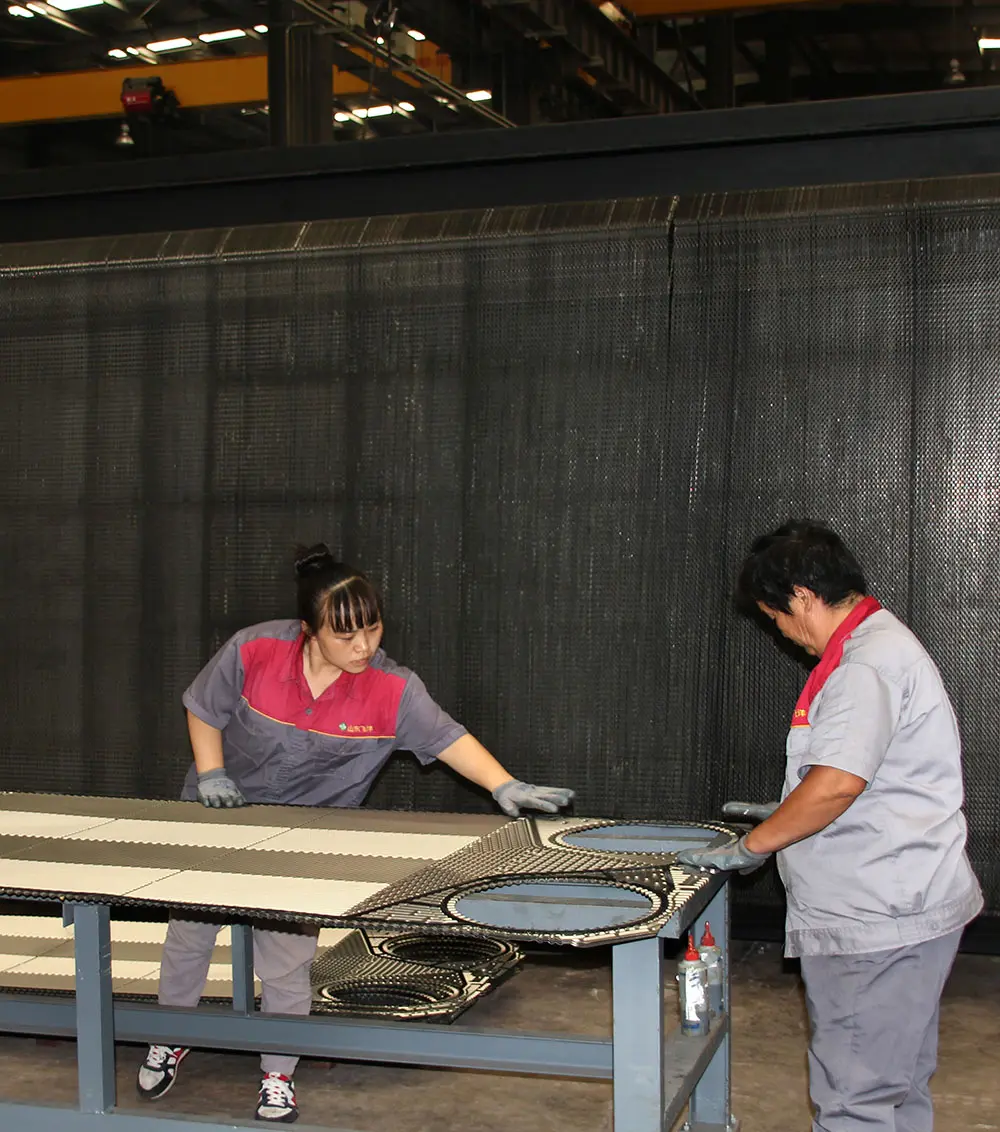
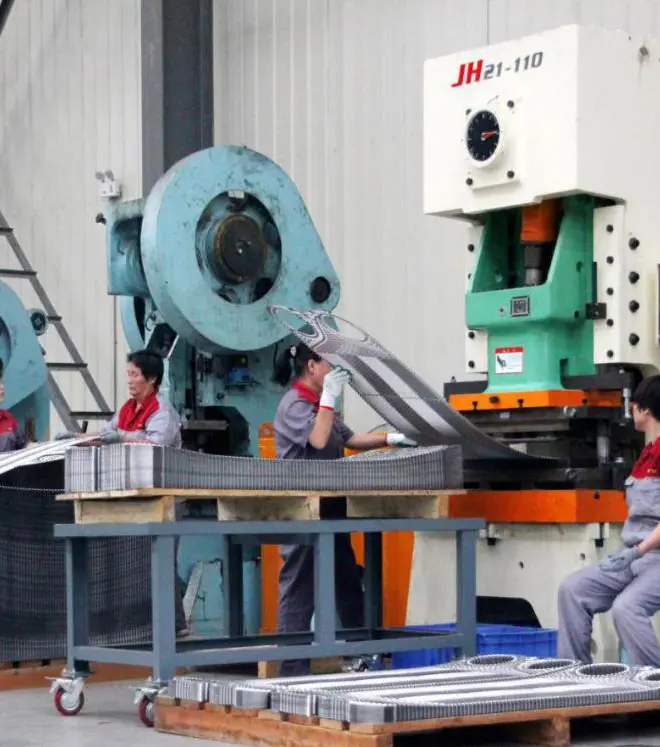
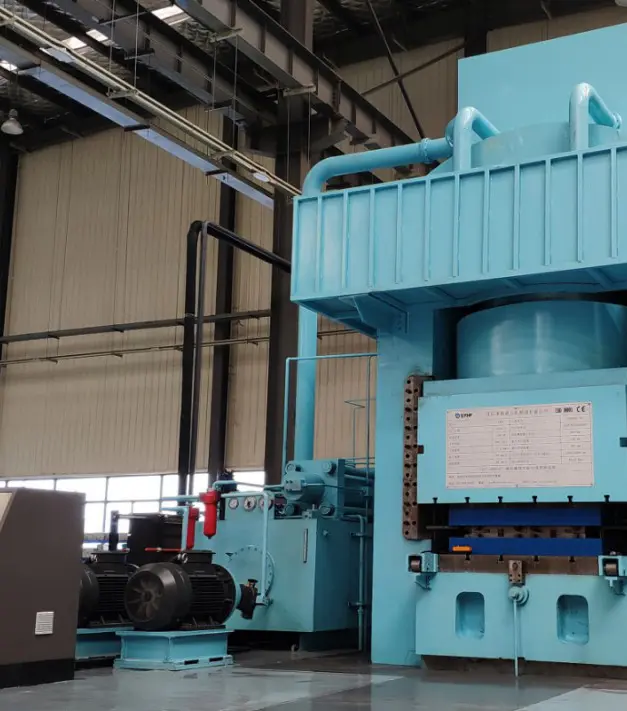
A Plate Heat Exchanger's efficiency depends on its plate geometry and fluid dynamics. Flotte's plate designs utilize specialized herringbone corrugation angles (chevron patterns) that balance heat transfer and pressure drop. The plate configuration uses alternating high-angle (high $H$ chevron angle) and low-angle (low $L$ chevron angle) corrugated profiles to achieve optimized heat transfer rates under specified pressure drops:
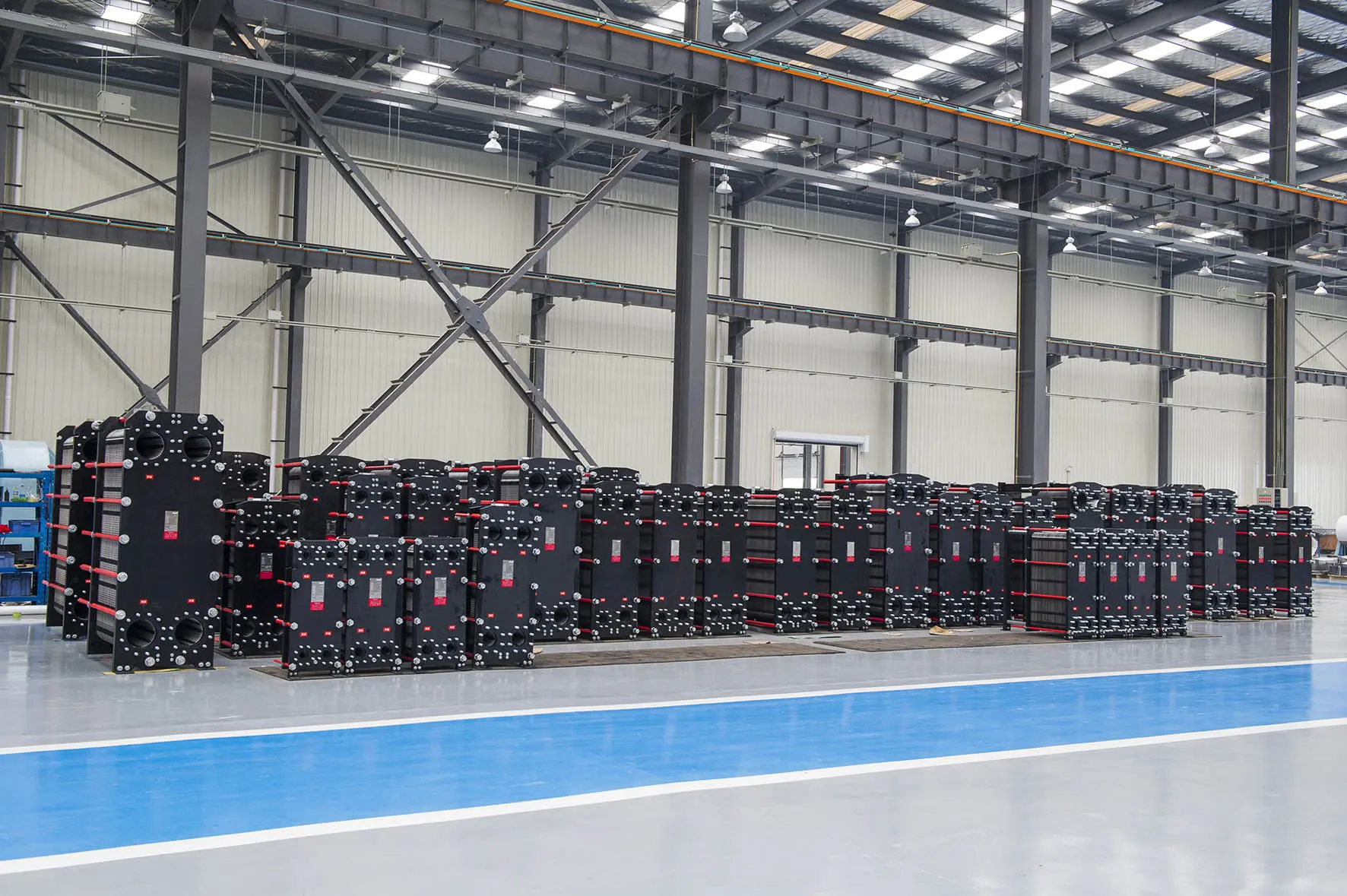
Material selection is critical to ensuring long equipment life in aggressive industrial environments. Our manufacturing facilities process high-grade alloys, selecting plate materials to match specific media profiles:
| Plate Material | Alloy Equivalent | Suitable Applications & Corrosion Resistance |
|---|---|---|
| AISI 304 / 304L | EN 1.4301 | Pure water, domestic heating, light organic fluids. Economical standard. |
| AISI 316 / 316L | EN 1.4404 | Process cooling, chemicals, food, and beverage. High pitting resistance in moderate chlorides. |
| Titanium Grade 1 | UNS N50400 | Raw seawater, brackish water cooling loops, chlor-alkali systems, marine engines. |
| Hastelloy C-276 | UNS N10276 | Concentrated acids (hydrochloric, sulfuric), high-temperature chlorides, aggressive chemical processing. |
| Nickel 200 / 201 | UNS N02200 | High-concentration caustic soda ($\text{NaOH}$) processing at elevated temperatures. |
Gasket selection is equally critical for preventing leaks. We manufacture clip-on gaskets using premium polymers, selecting materials based on design temperature limits and chemical compatibility:
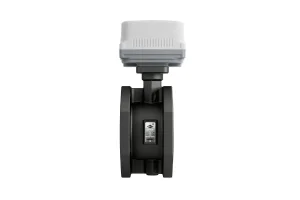
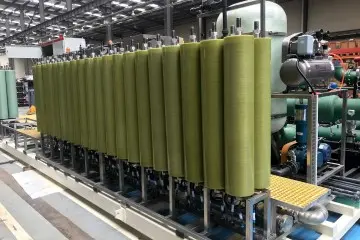
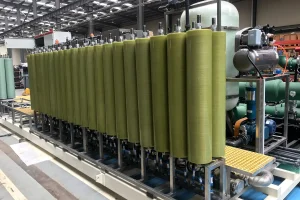
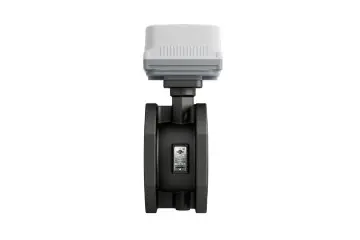
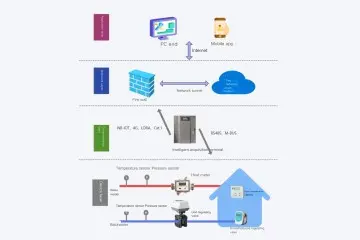
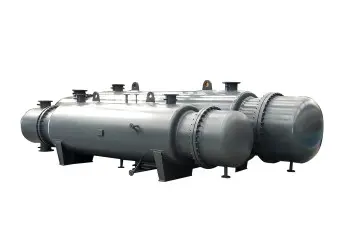
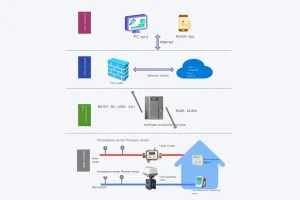
High-efficiency thermal units, smart flow control valves, and concentration systems designed for integrated manufacturing facilities.
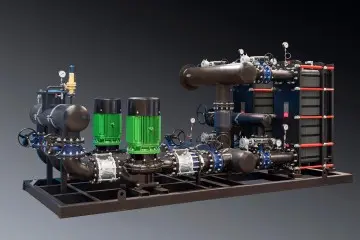
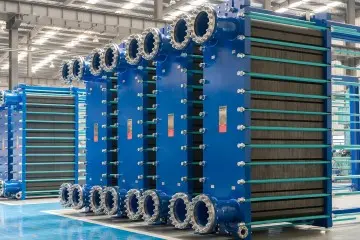
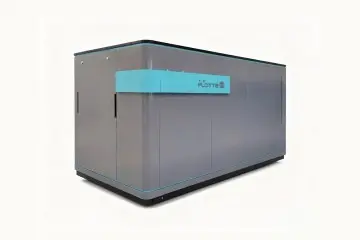
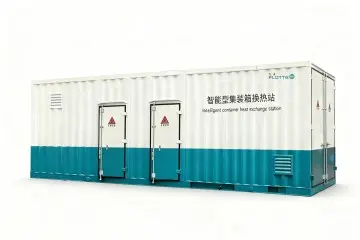

Industrial projects in Vietnam require reliable delivery schedules, high equipment quality, and cost efficiency. Sourcing directly from Flotte's China-based manufacturing facilities offers significant advantages in logistics, capacity, and materials supply:
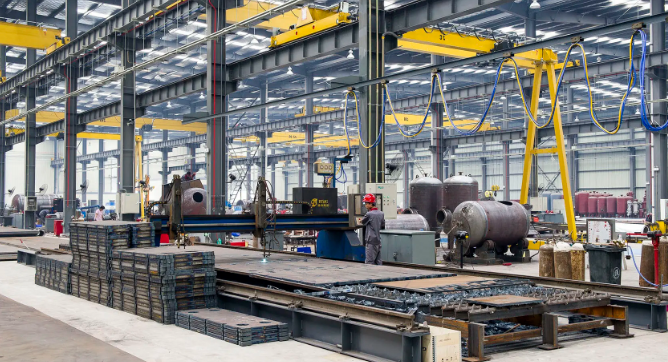
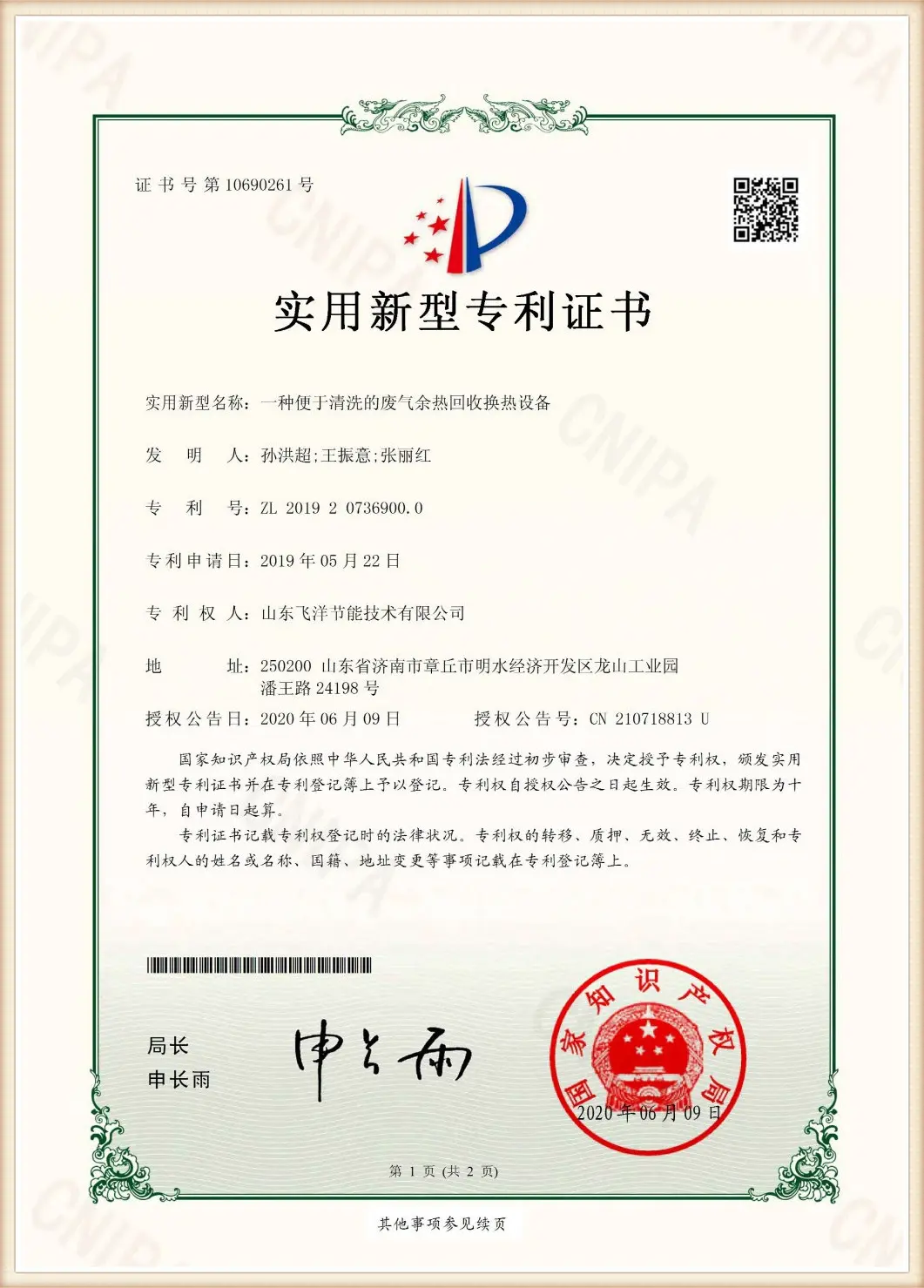
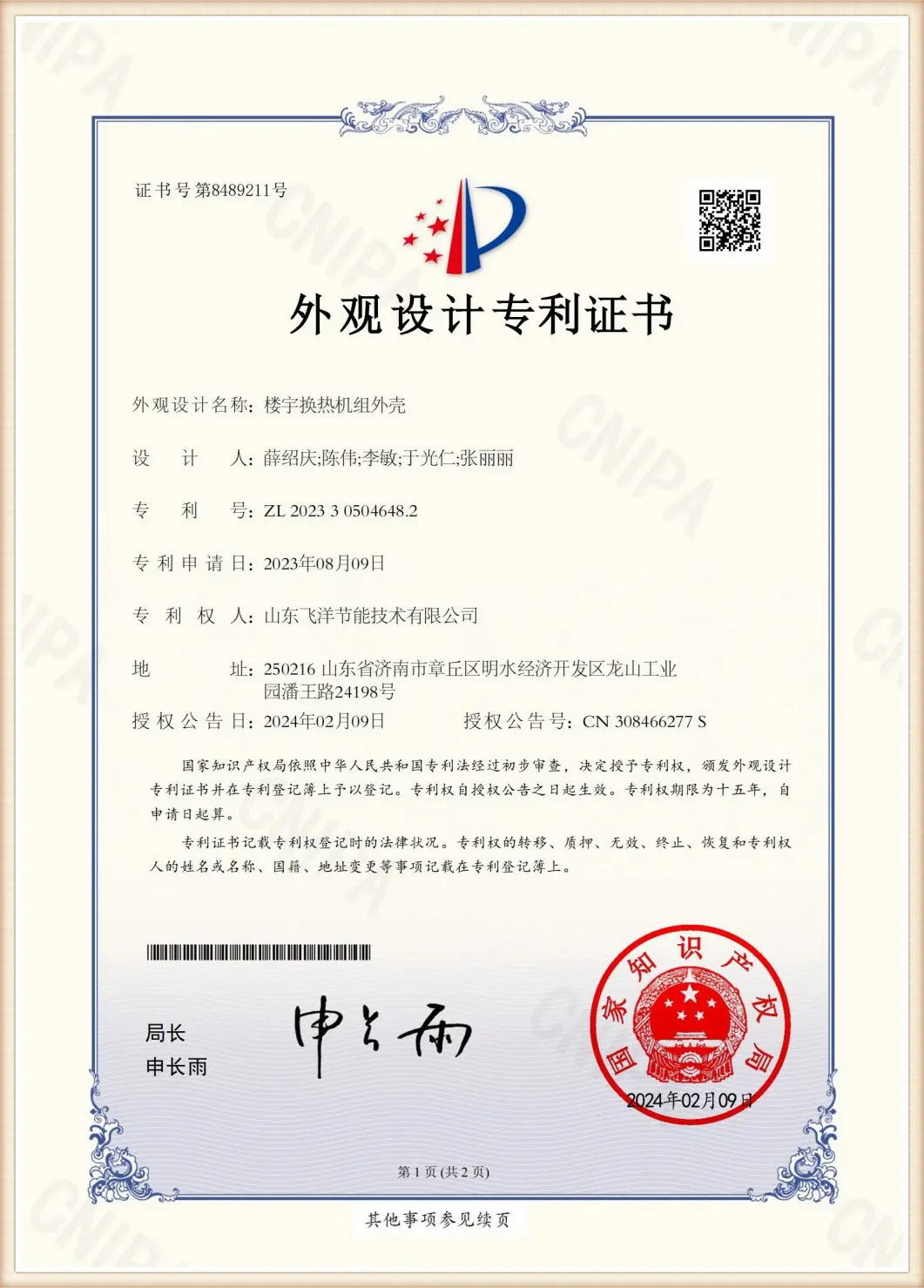
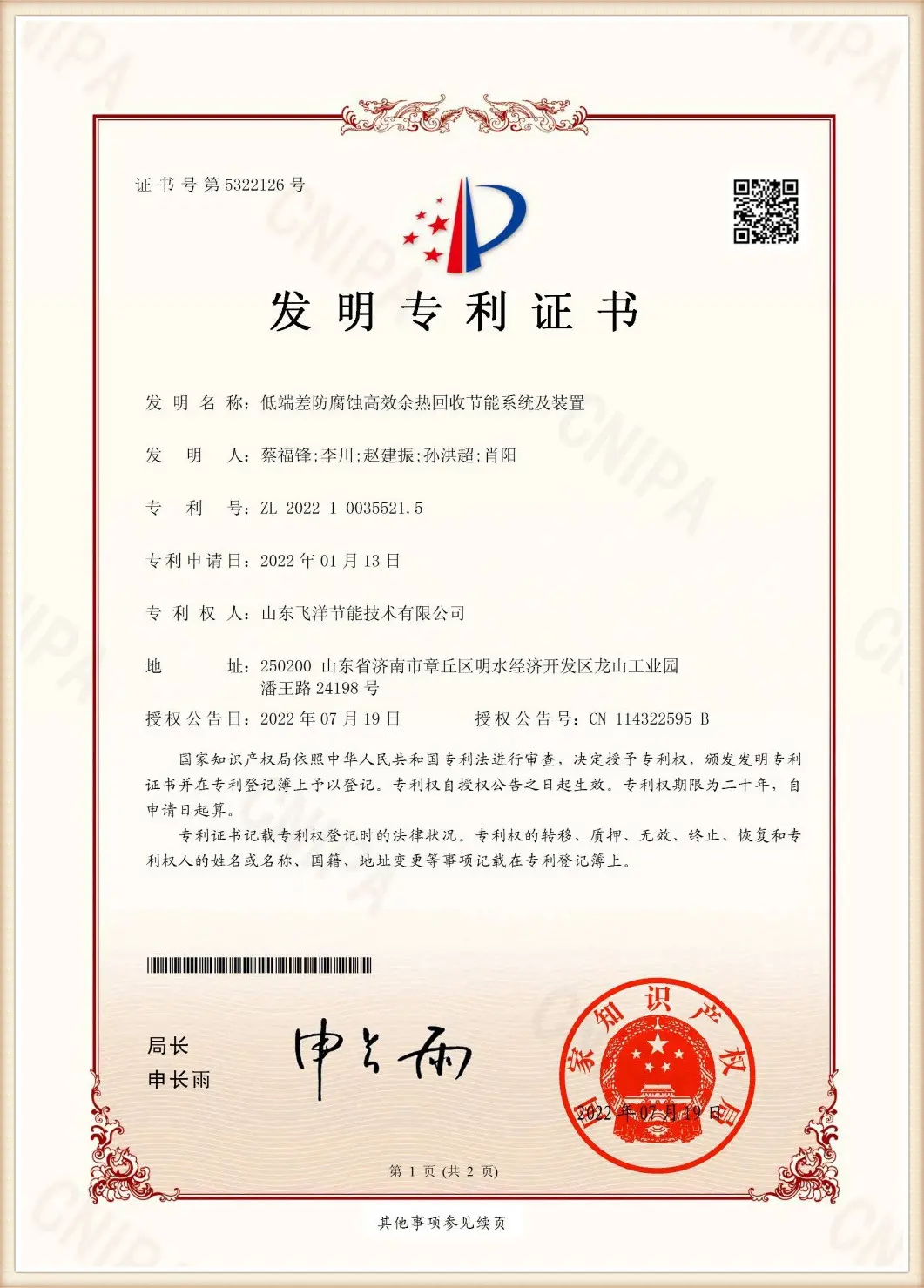
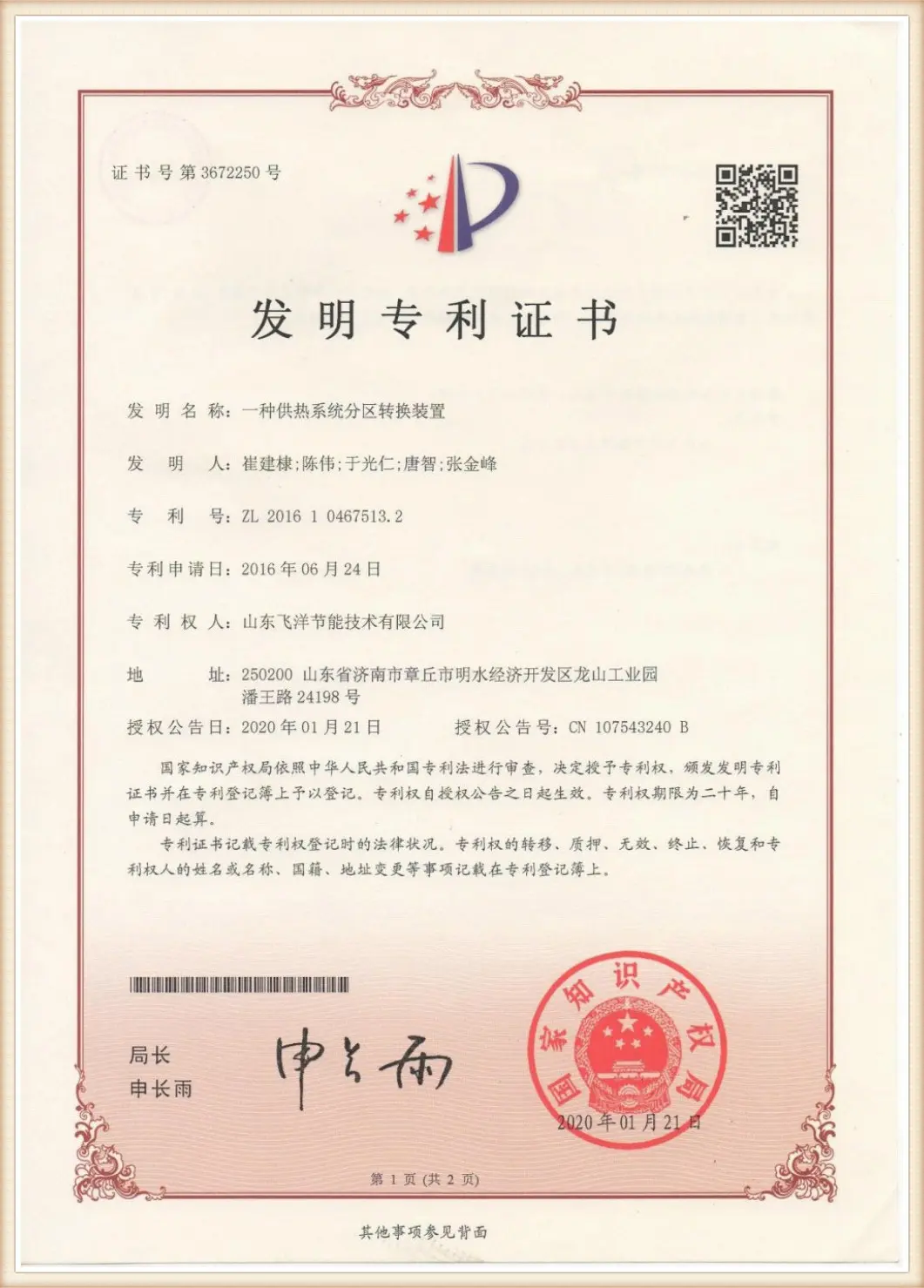
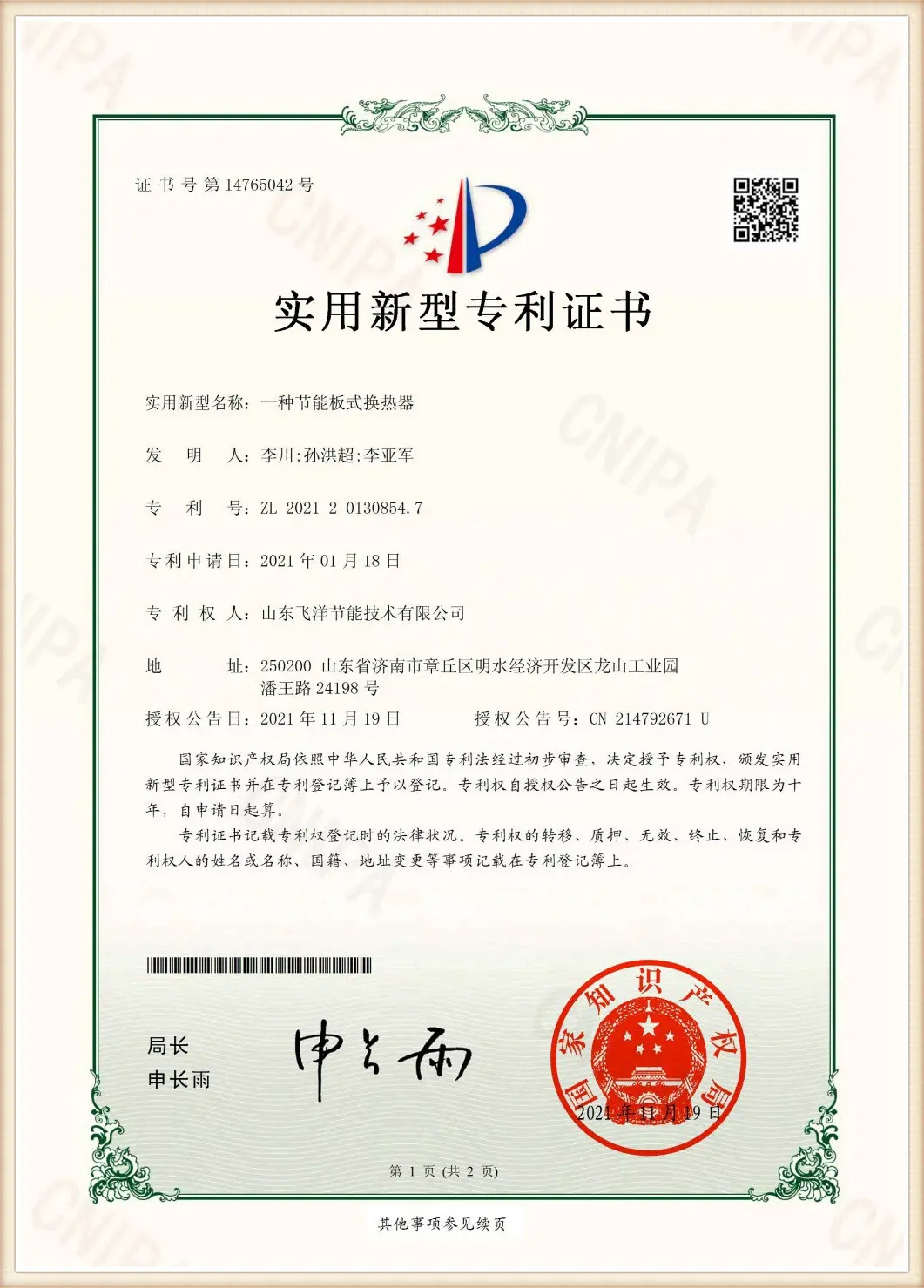
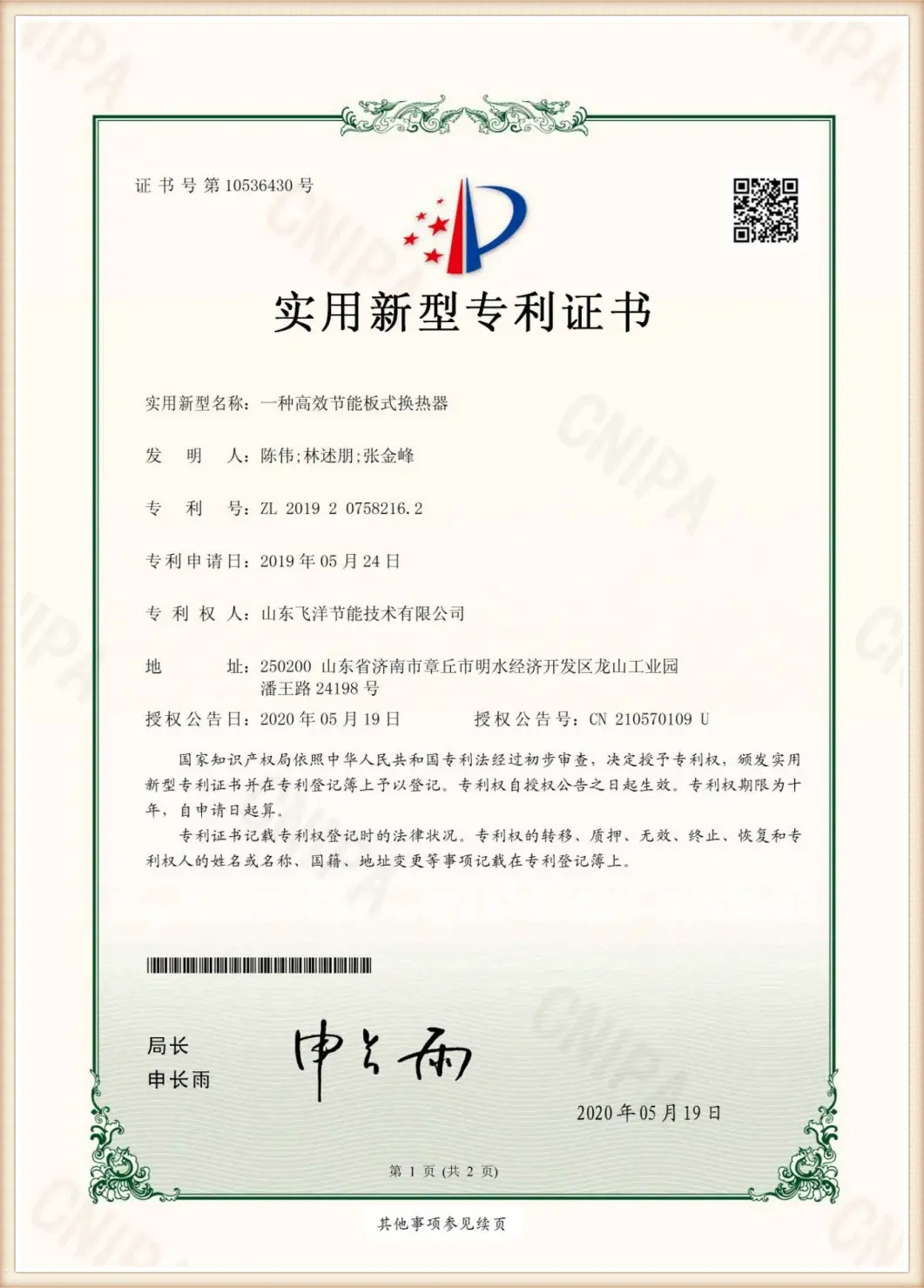
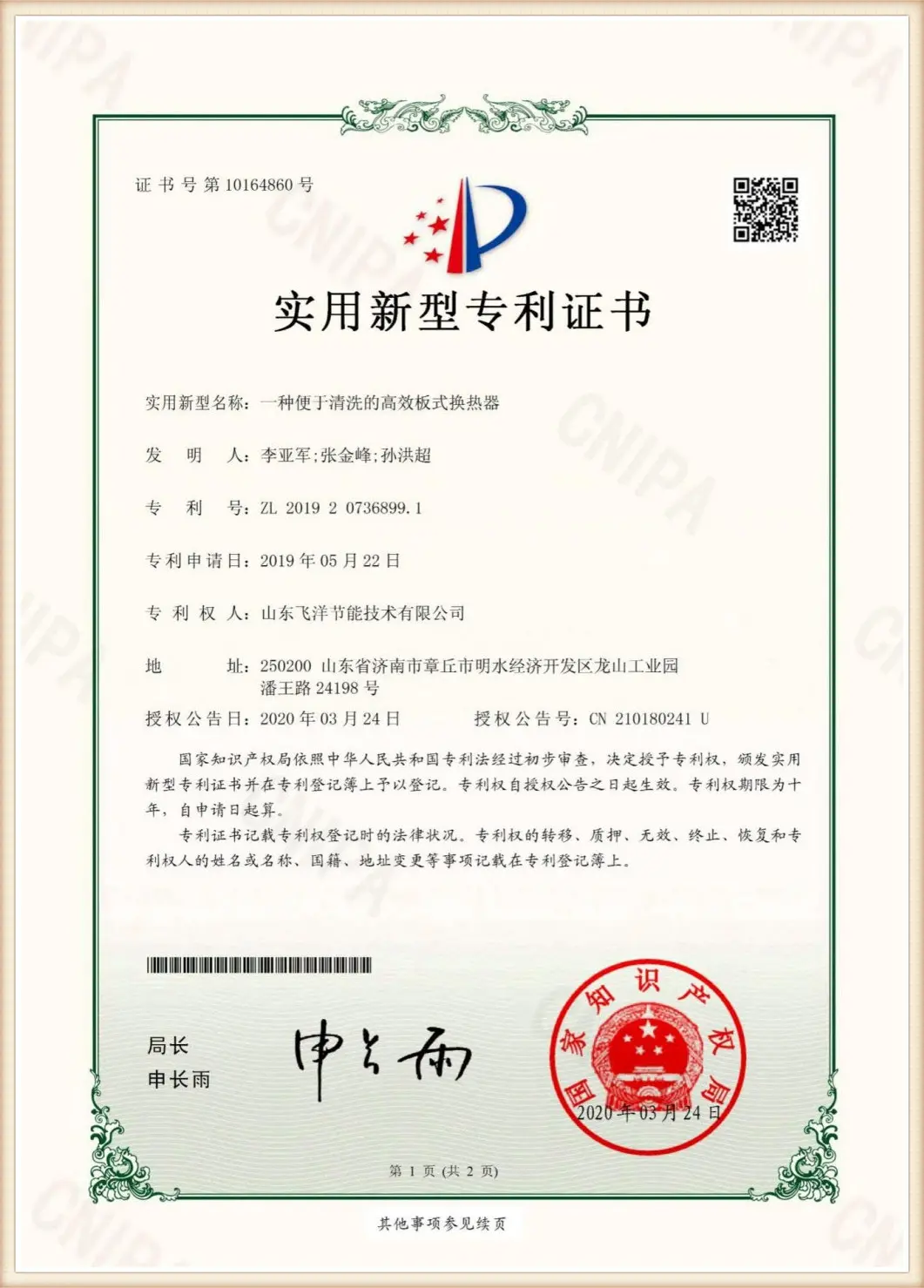
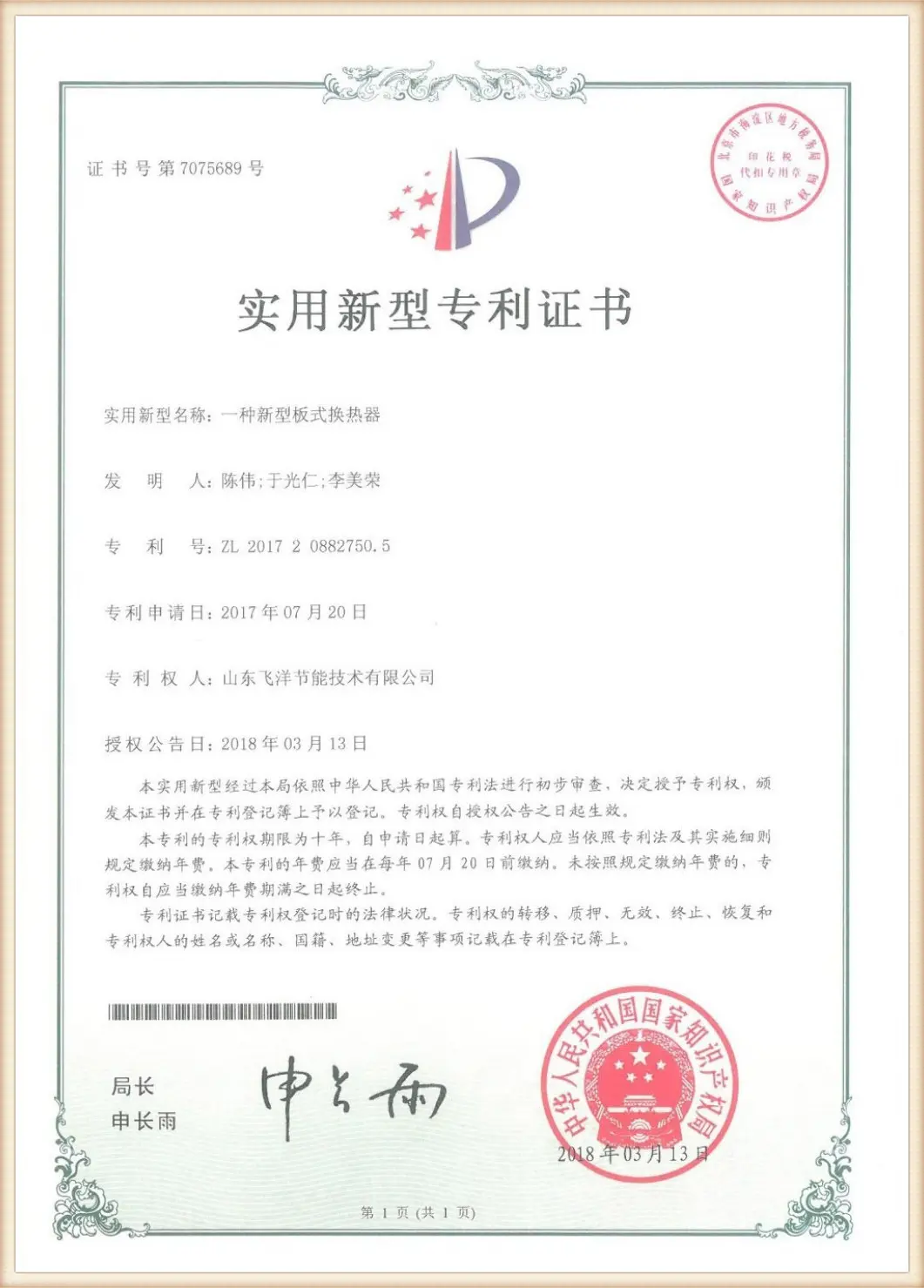
In thermal engineering, safety and quality compliance are non-negotiable. Flotte operates under strict quality control standards to meet the demanding requirements of international engineering firms and local safety agencies in Vietnam:
Explore our complete range of high-performance thermal units, evaporation systems, and smart control components.
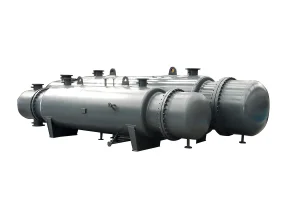
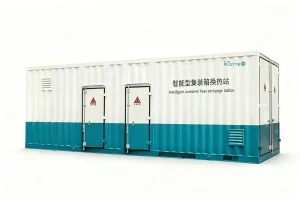
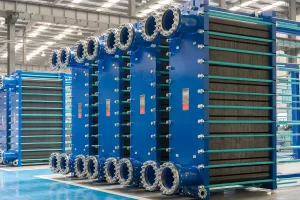
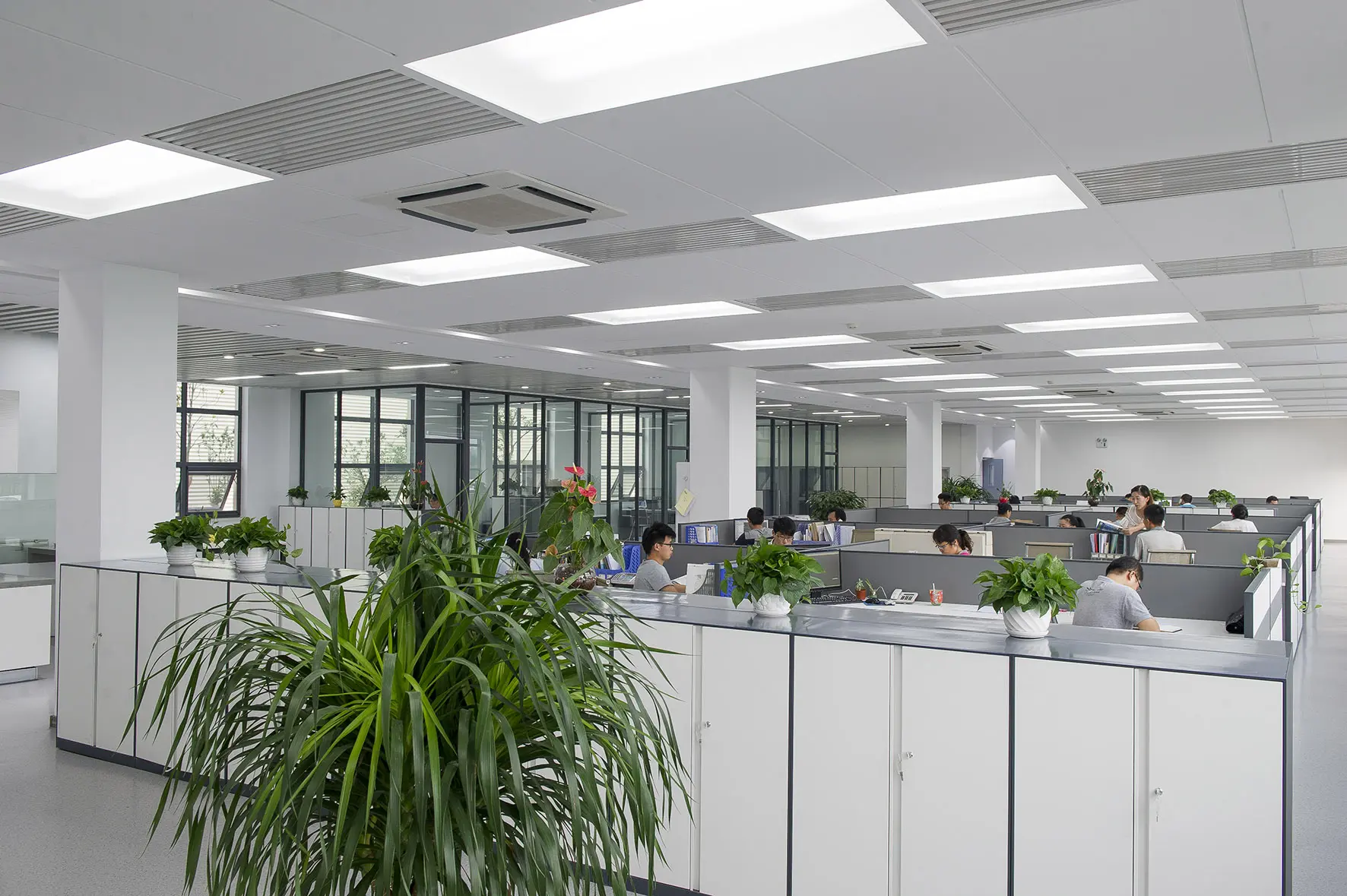
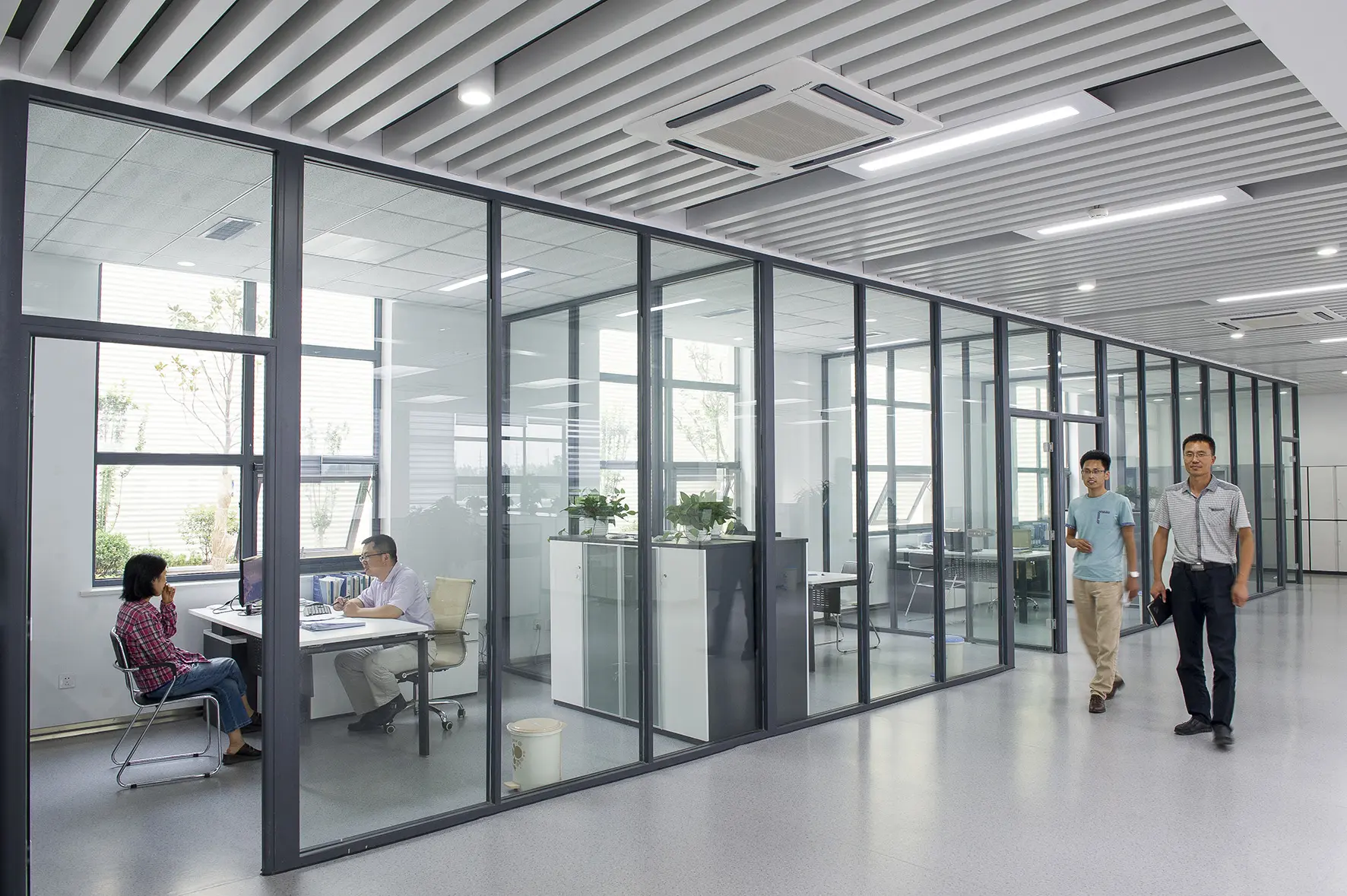
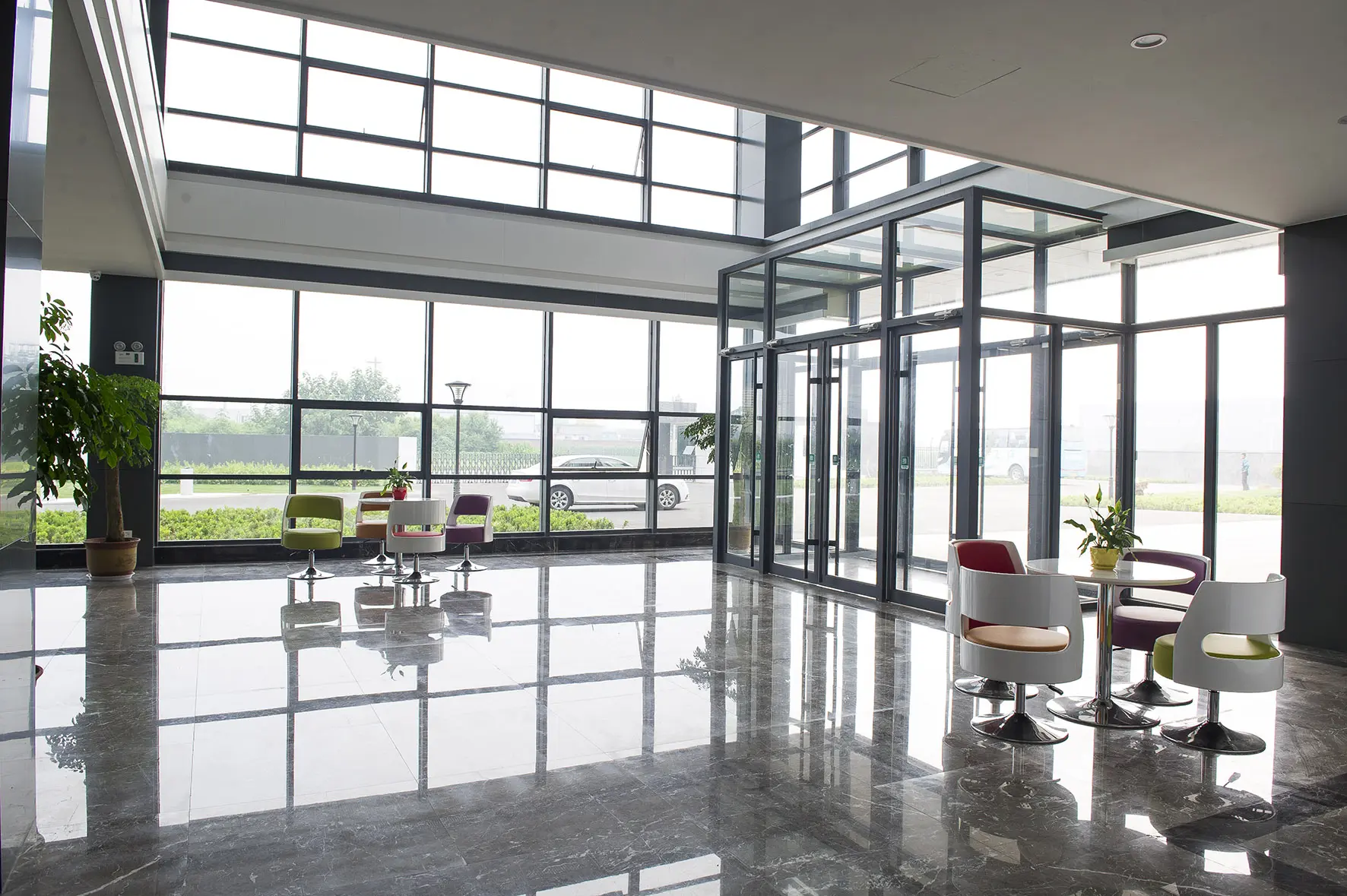
Our certifications and modern production floors verify that we meet strict international standards.
Partner with Flotte for custom thermal designs, secure manufacturing, and reliable shipping to your project site in Vietnam.
 Flotte Energy