Kenya is rapidly positioning itself as the primary economic hub of East Africa. Guided by the nation's vision for industrial expansion, key sectors such as food and beverage processing, floriculture, tea processing, geothermal power generation, and commercial HVAC (particularly in Nairobi and Mombasa) are undergoing immense upgrades. These industries share a critical requirement: the need for reliable, energy-efficient heat transfer technologies.
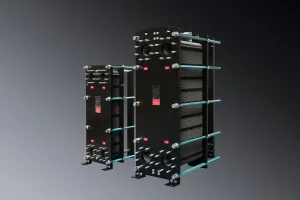
Traditional shell and tube exchangers are being phased out in modern Kenyan industrial operations due to their high spatial footprint, lower thermal efficiency, and challenging maintenance requirements. The adoption of advanced Plate Heat Exchangers (PHE) has become the cornerstone for minimizing operational overheads and lowering carbon emissions, aligning with Kenya's ambitious national green energy goals.
Operating in the East African Rift Valley or coastal environments introduces distinct challenges: high ambient temperatures, variable water quality containing high mineral deposits (causing scaling), and remote facility sites requiring low-maintenance hardware. Achieving optimal thermal management in these locations requires specialized plate engineering, rugged gasket materials, and intelligent hydraulic balancing systems.
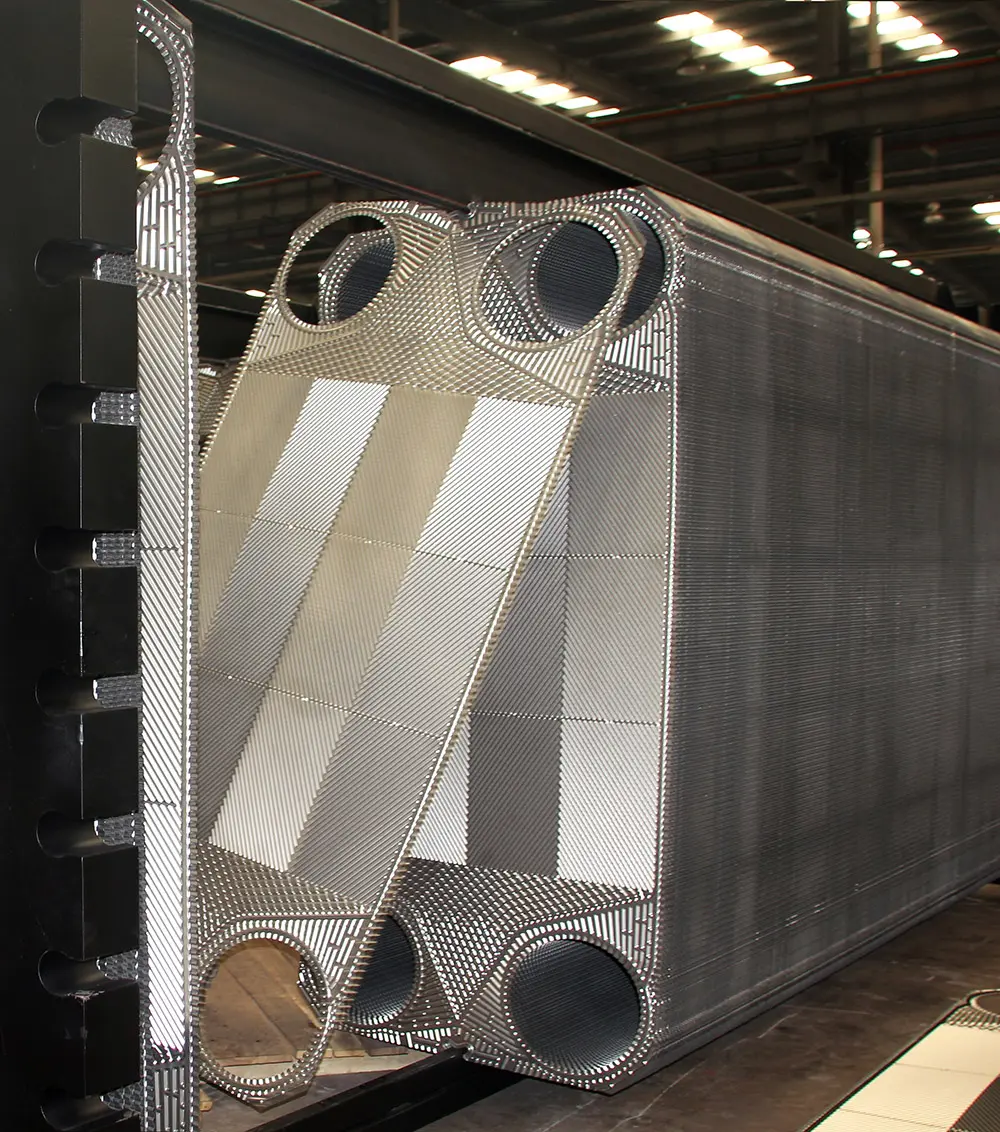
Kenyan groundwater in regions like Nakuru, Naivasha, and the Rift Valley contains high levels of silica and calcium carbonate. Our custom corrugated plate designs generate high shear stress even at low flow velocities, producing a self-cleaning turbulent effect that significantly delays scale accumulation.
Marine processing and coastal HVAC installations encounter high salinity and humidity. We supply AISI 316L Stainless Steel, Titanium, and Hastelloy plates paired with marine-grade coatings to guarantee a structural lifespan exceeding 15 years under harsh marine conditions.
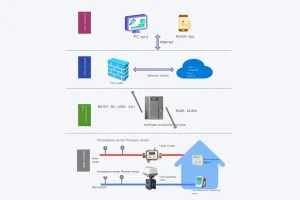
With variable ambient daily temperatures, integrating secondary network intelligent balance valves enables real-time regulation. This prevents thermal shock, preserves process temperatures, and saves up to 30% in operational energy consumption.
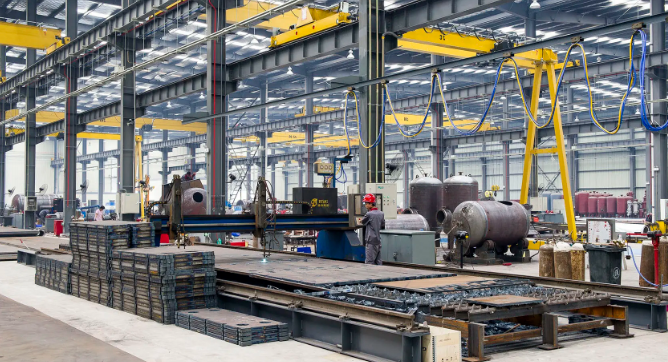
Flotte Energy Saving Company, established in 2013 with a registered capital of 101 million yuan (RMB), originated from the foundations of Flotte Thermal Engineering established in 1995. Armed with nearly three decades of targeted technical expertise, we specialize in high-performance water equipment, commercial and residential HVAC systems, and water treatment equipment manufacturing.
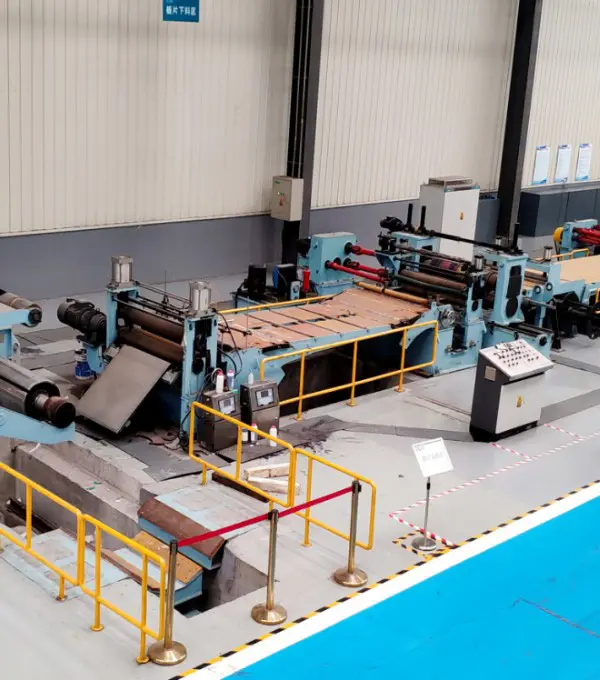
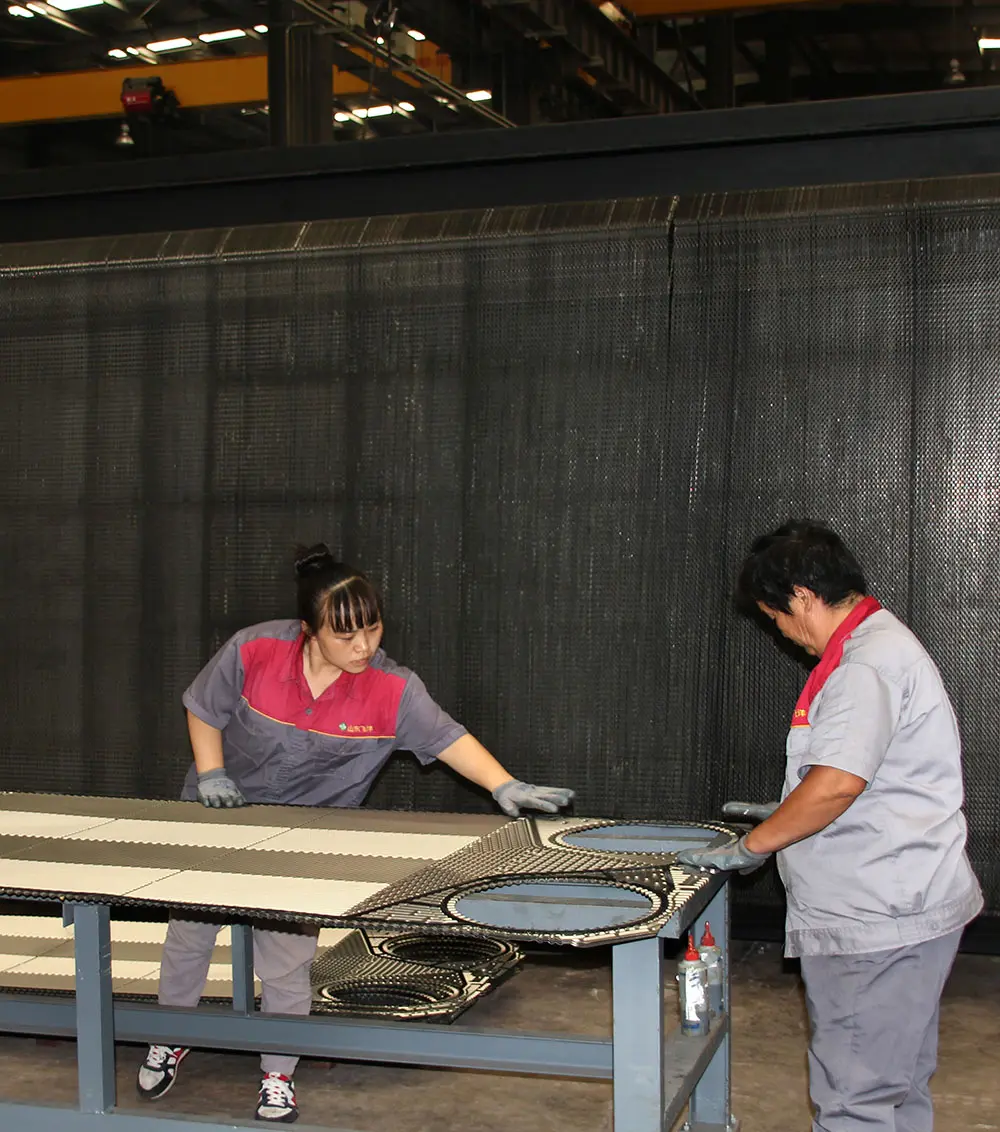
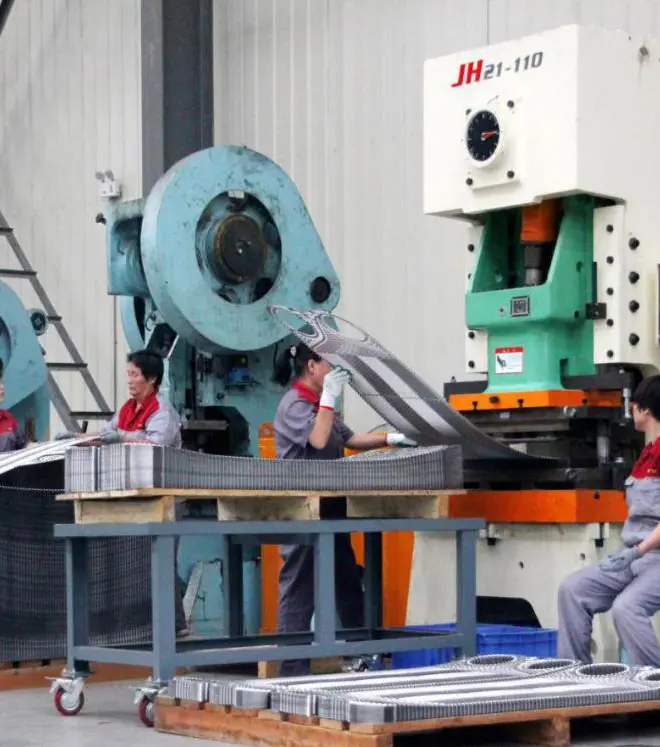
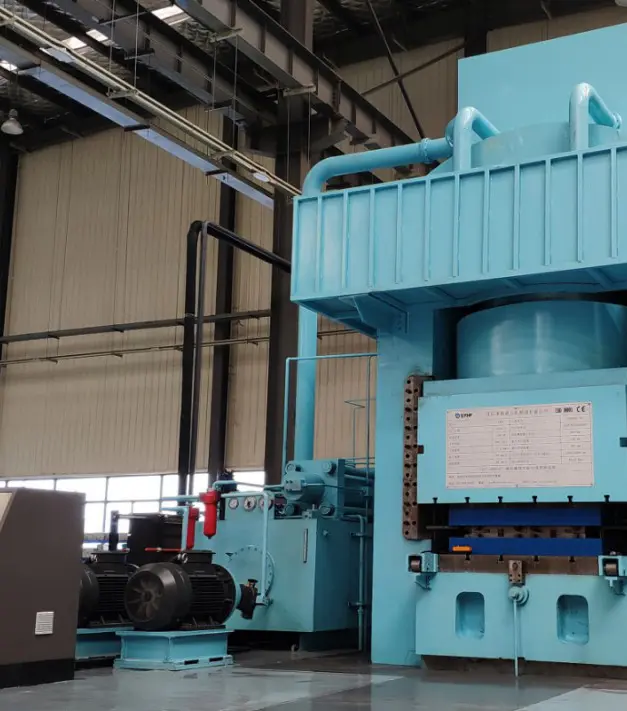
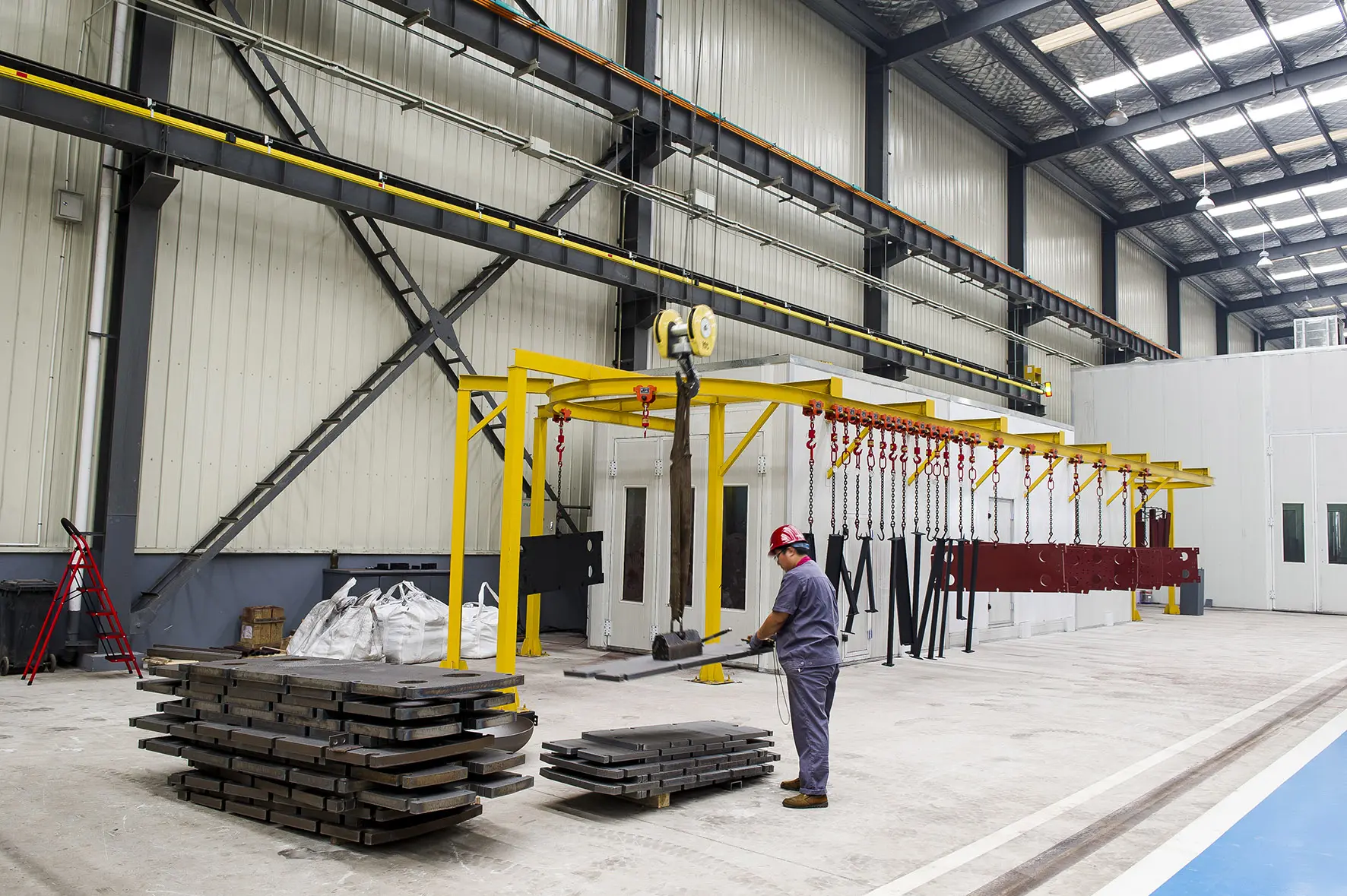
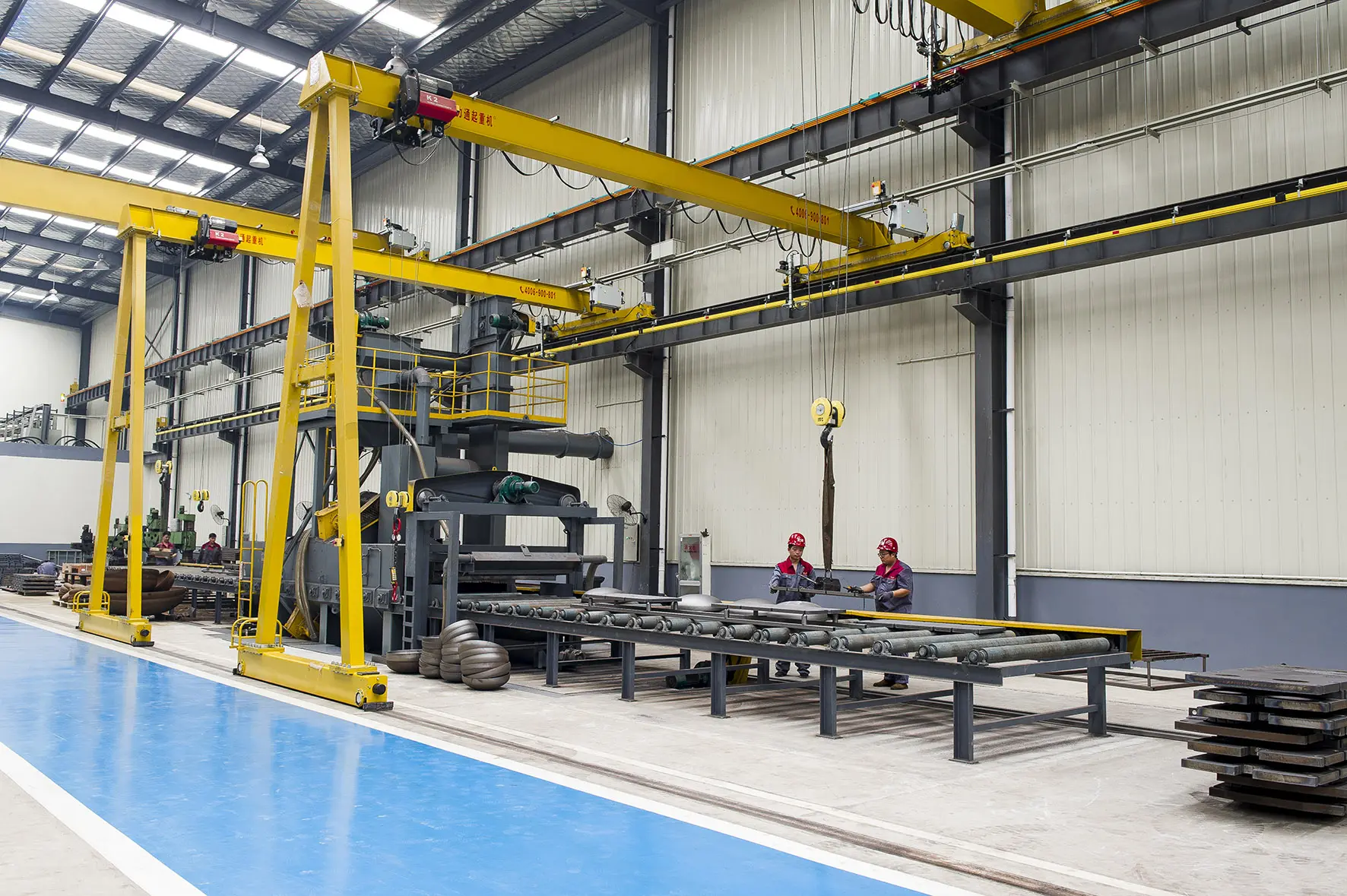
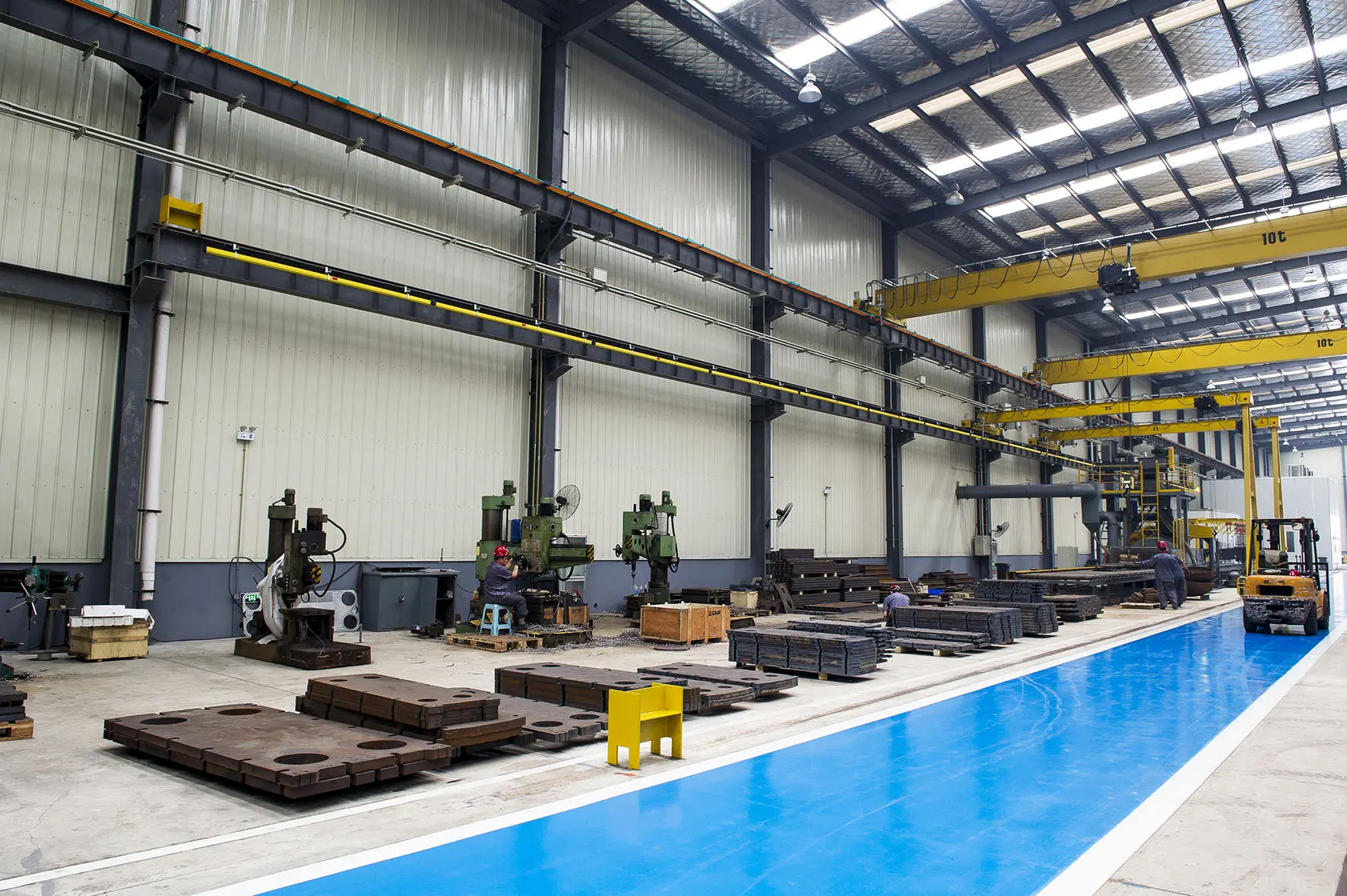
Our competitive advantage lies in our comprehensive industrial stack. We integrate specialized design, localized engineering parameters, raw material procurement control, advanced automated stamping, and exhaustive quality verification in-house. This structure allows us to support major global infrastructure developments, including major municipal and industrial heat transfer networks in Asia, Europe, and now expanding rapidly across East Africa.
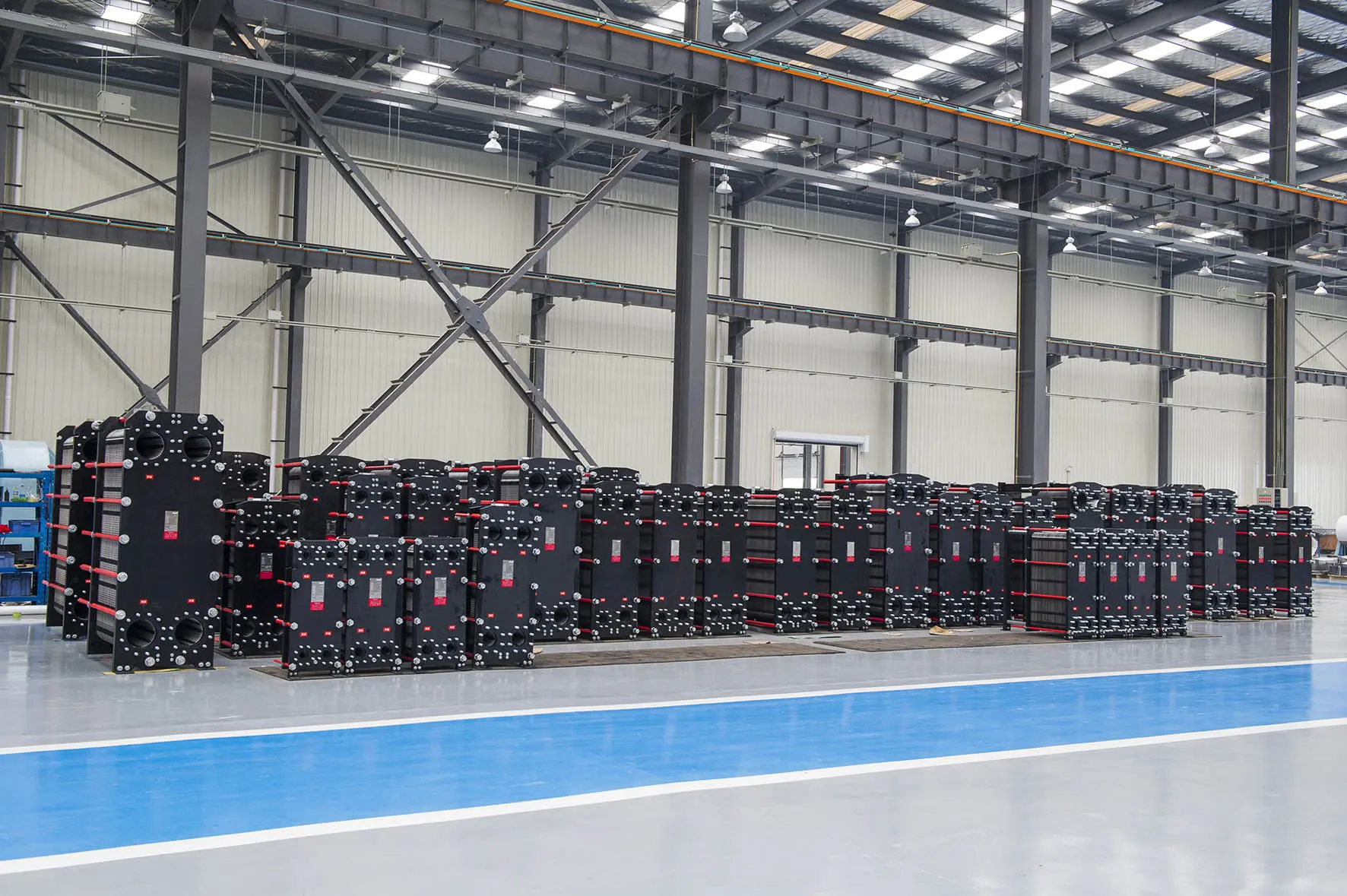
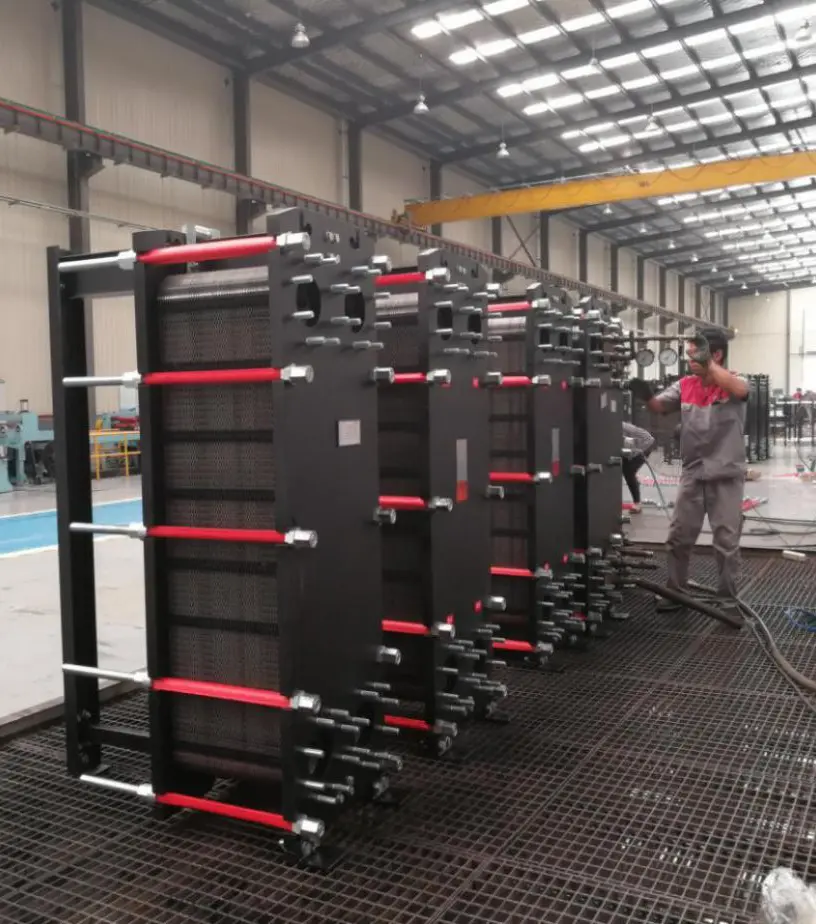
Every year, our state-of-the-art facility produces approximately 4,500 integrated heat exchange units and water supply systems. Backed by over 300 employees and a massive 70,000 m² production base, Flotte delivers an annual sales revenue of 500 million yuan, assuring global buyers of our immense scaling capacity and absolute operational viability.
Kenya is one of the world's leading exporters of black tea and fresh flowers. Precise temperature regulation is mandatory during processing and drying phases. Flotte's detachable plate heat exchangers allow local packers to reclaim energy from exhaust lines, increasing yield and minimizing fuel consumption.
As Kenya taps further into the Great Rift Valley's geothermal energy (such as the Olkaria plants), heavy duty, high-performance heat exchangers are required to withstand harsh non-condensable gases and high steam pressures. Our titanium plate series offers the chemical resistance and heat flux required for these environments.
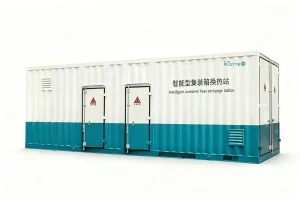
High-density office towers and hospitality structures require efficient HVAC central cooling systems. Our integrated plate heat exchanger units interface smoothly with chiller systems, ensuring high temperature transfer efficiency while reducing the building's electrical demand index.
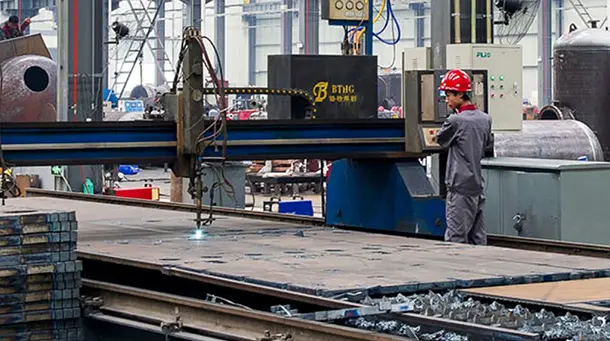
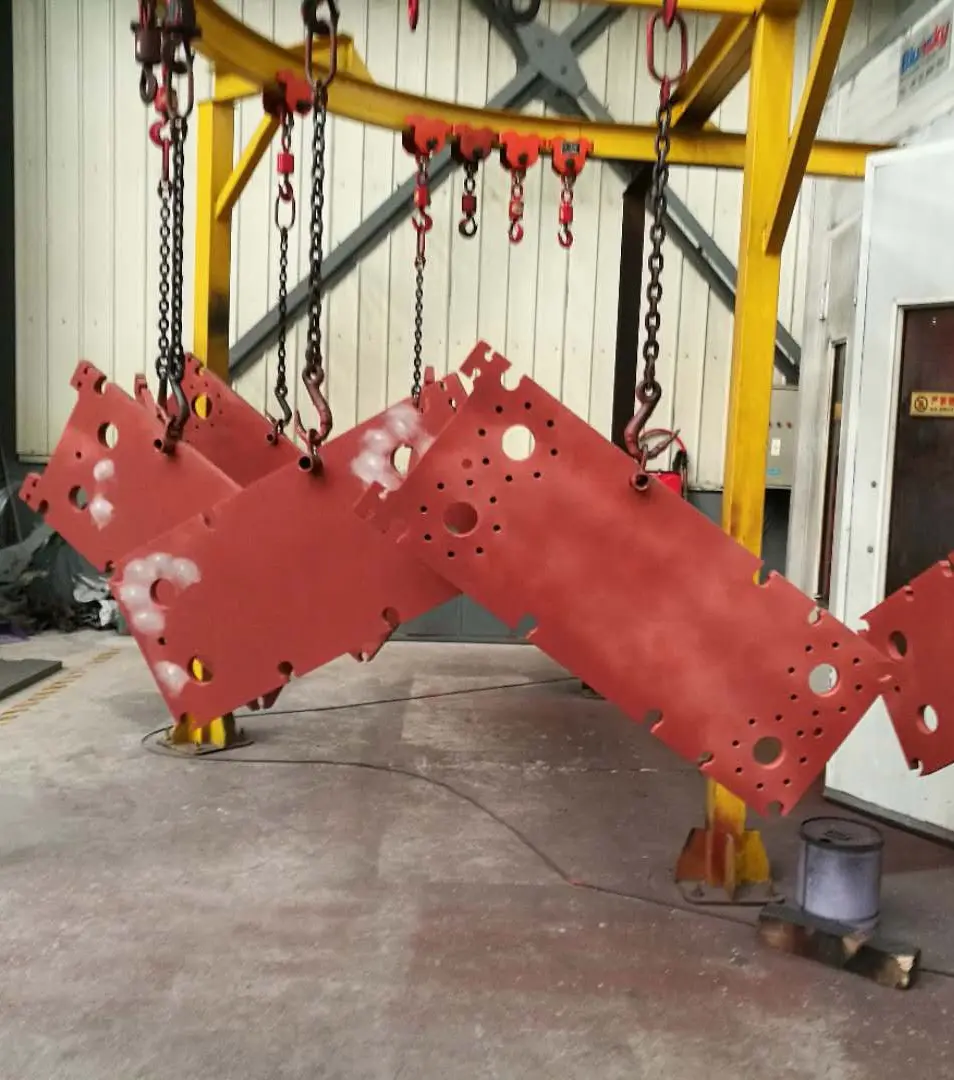
To support global supply chains and Kenyan municipal projects, Flotte complies strictly with international pressure vessel regulations and quality management frameworks. We hold national safety registrations from the Boiler and Pressure Vessel Standardization Committee and maintain three essential system certifications:
Ensures absolute dimensional and material compliance through all design, prototyping, and mass production runs.
Enforces minimal waste and eco-conscious painting, cleaning, and chemical handling during production.
Guarantees zero-accident shop floor environments and high training levels for our certified technicians.
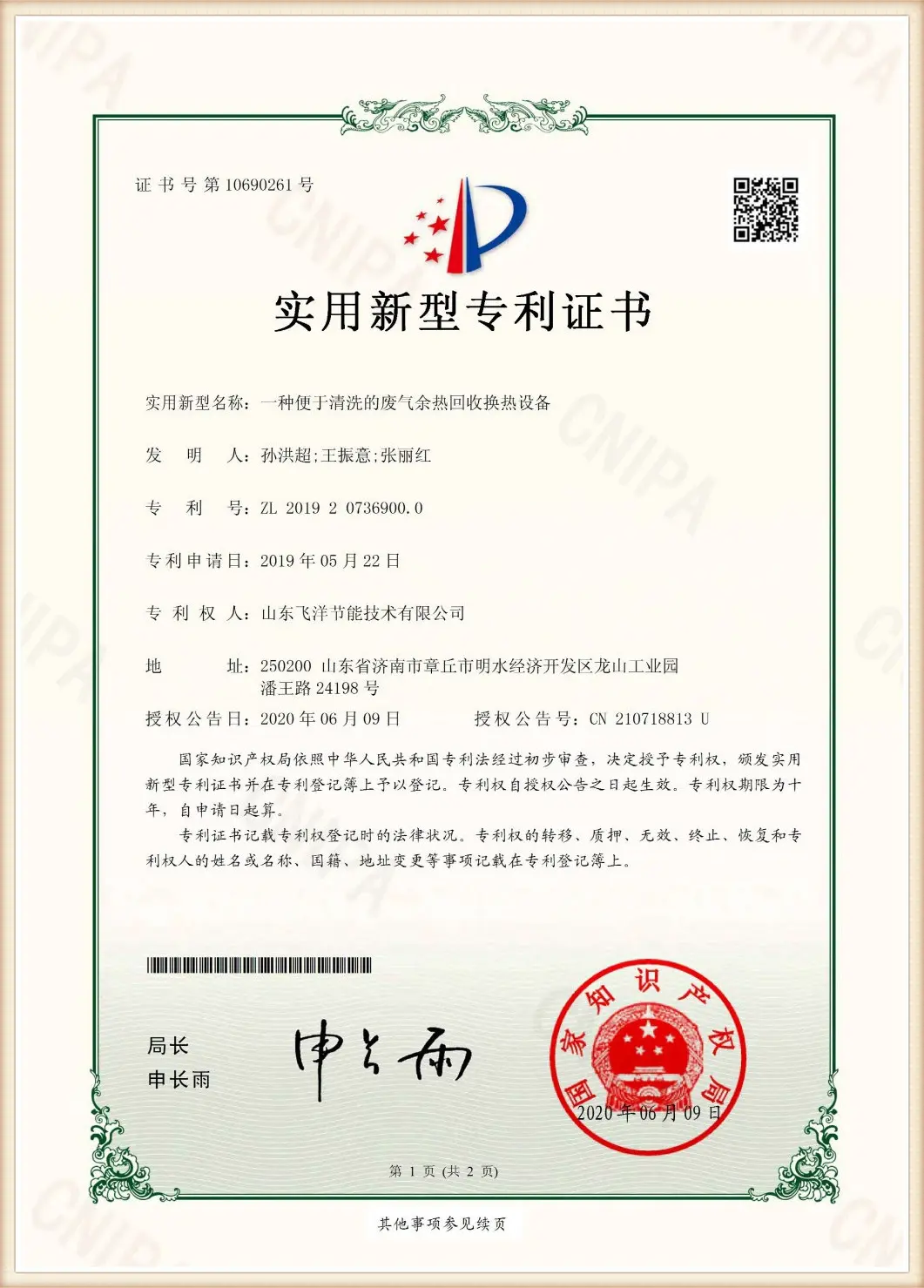
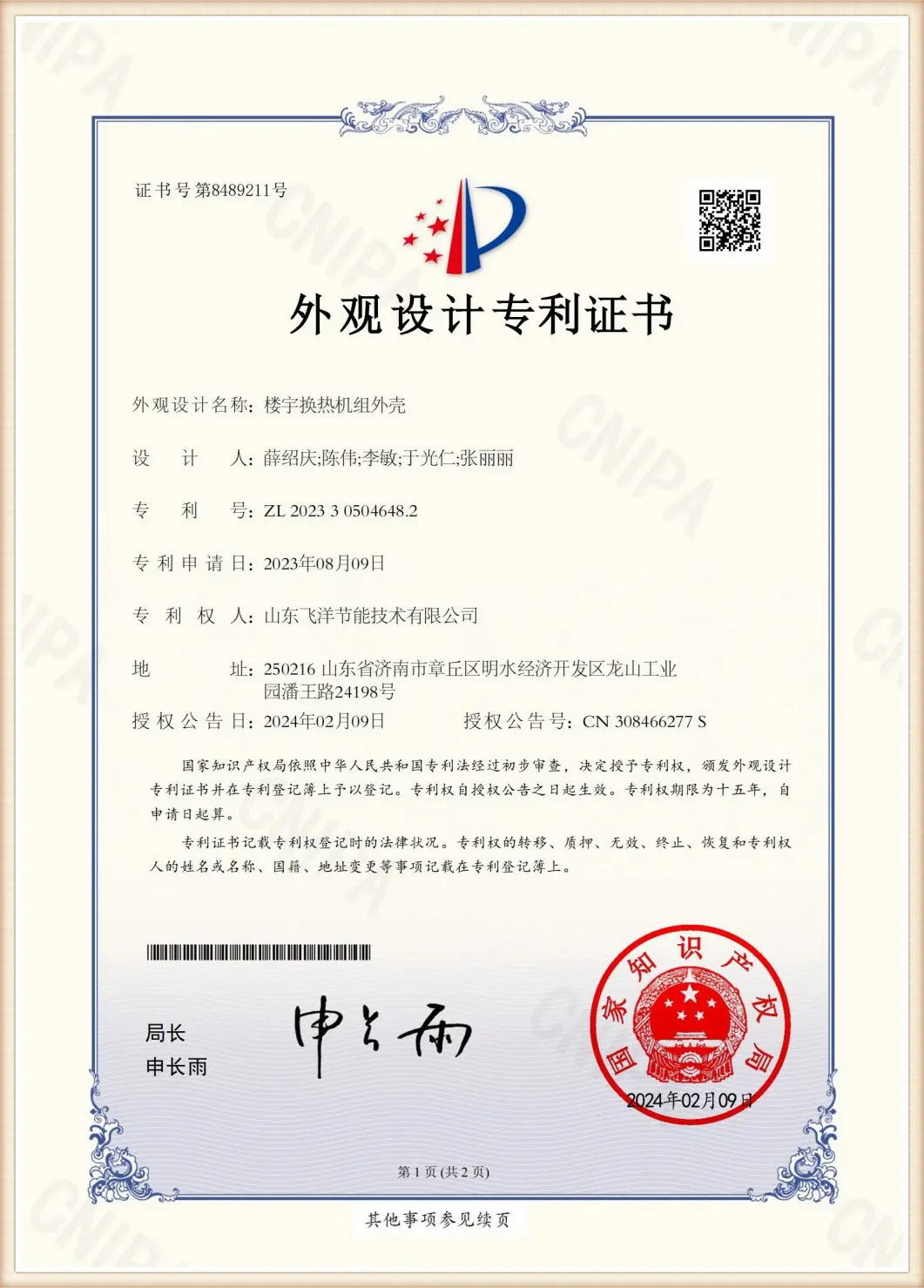
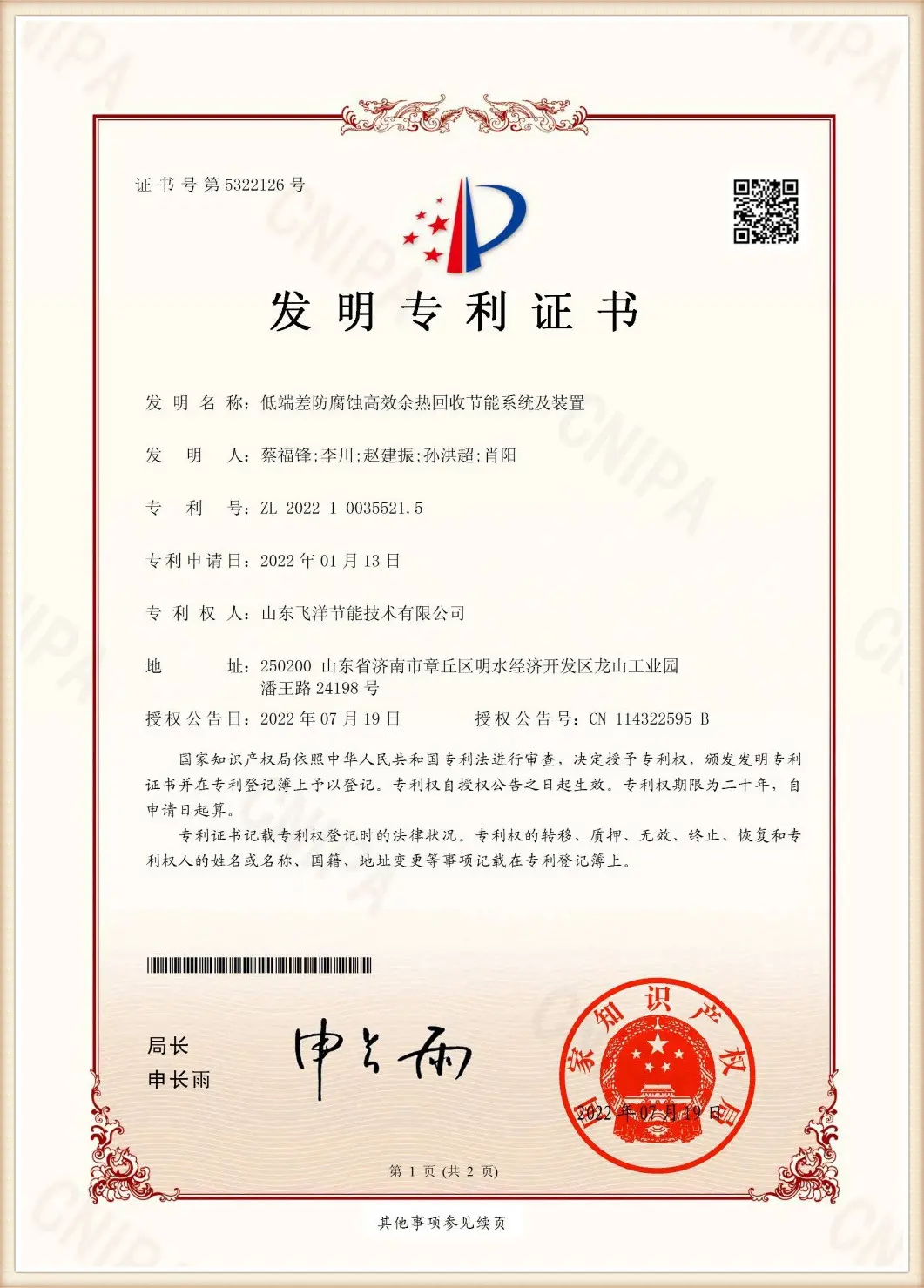
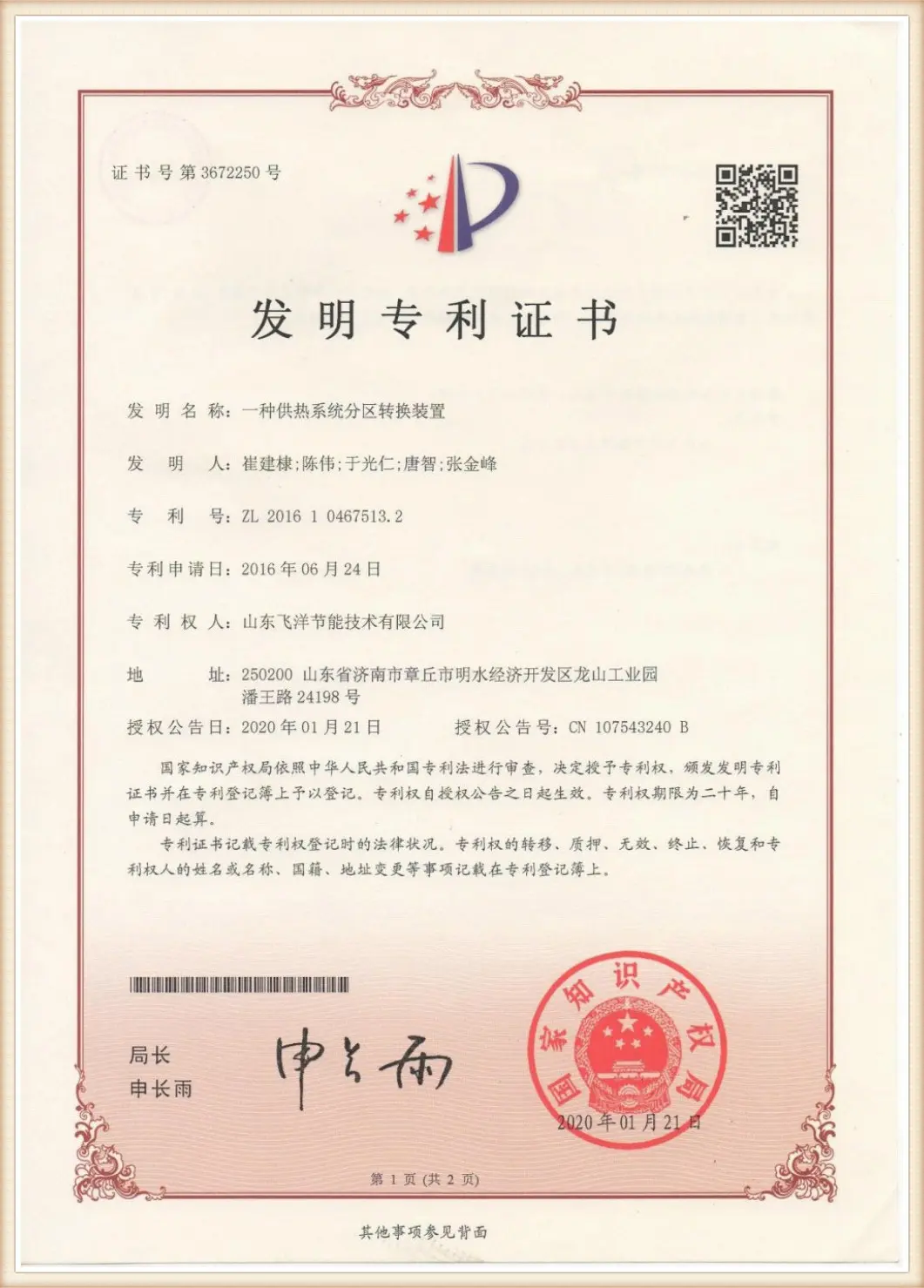
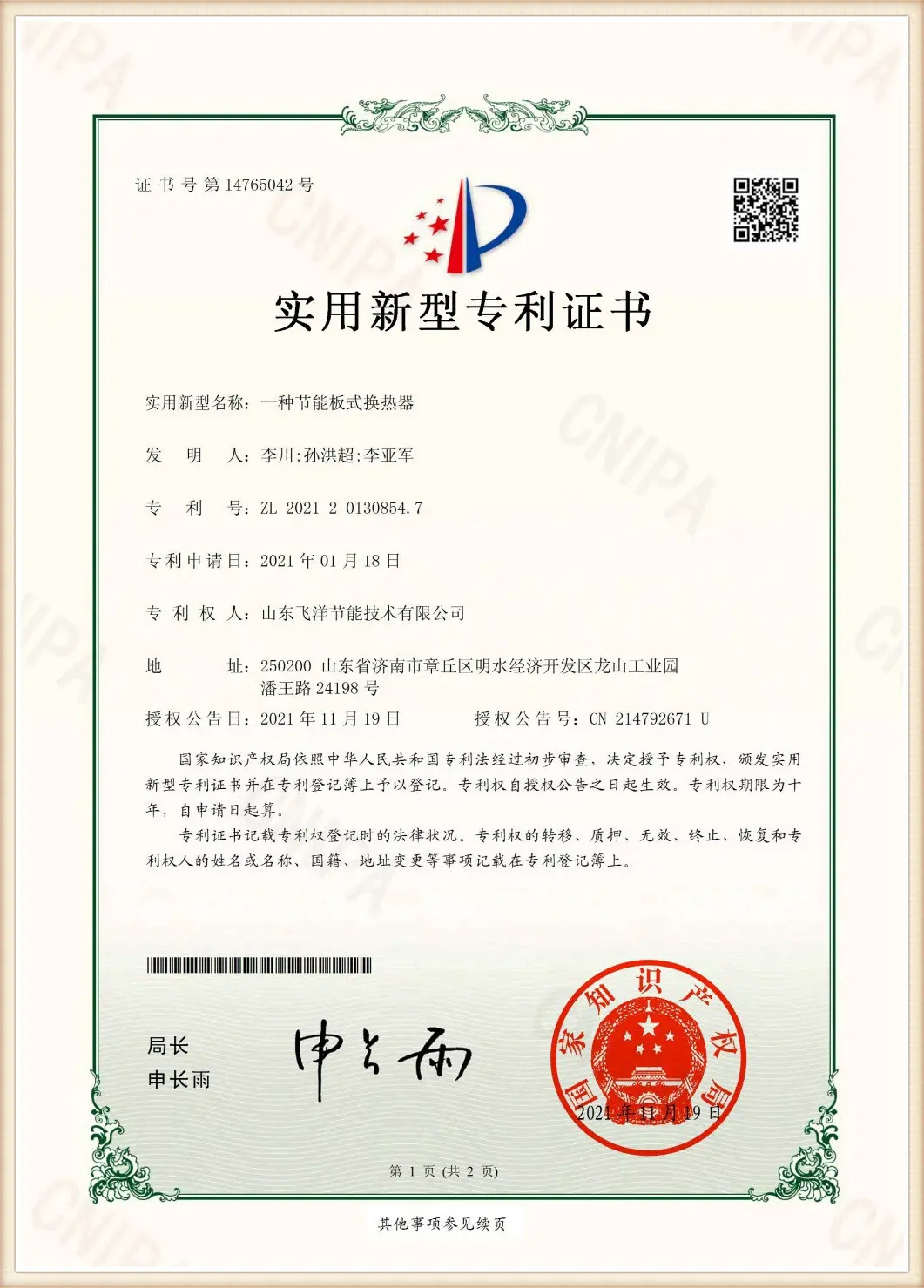
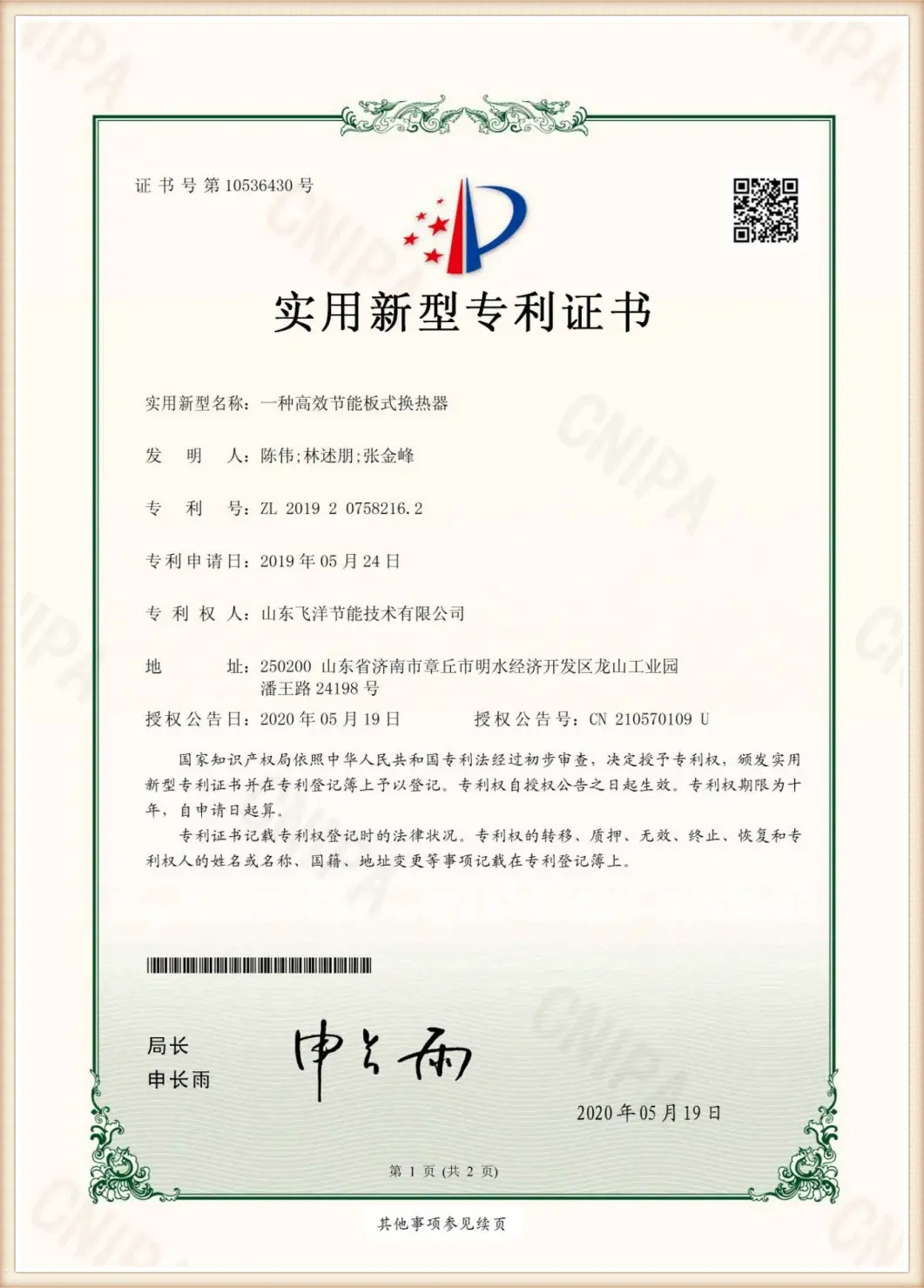
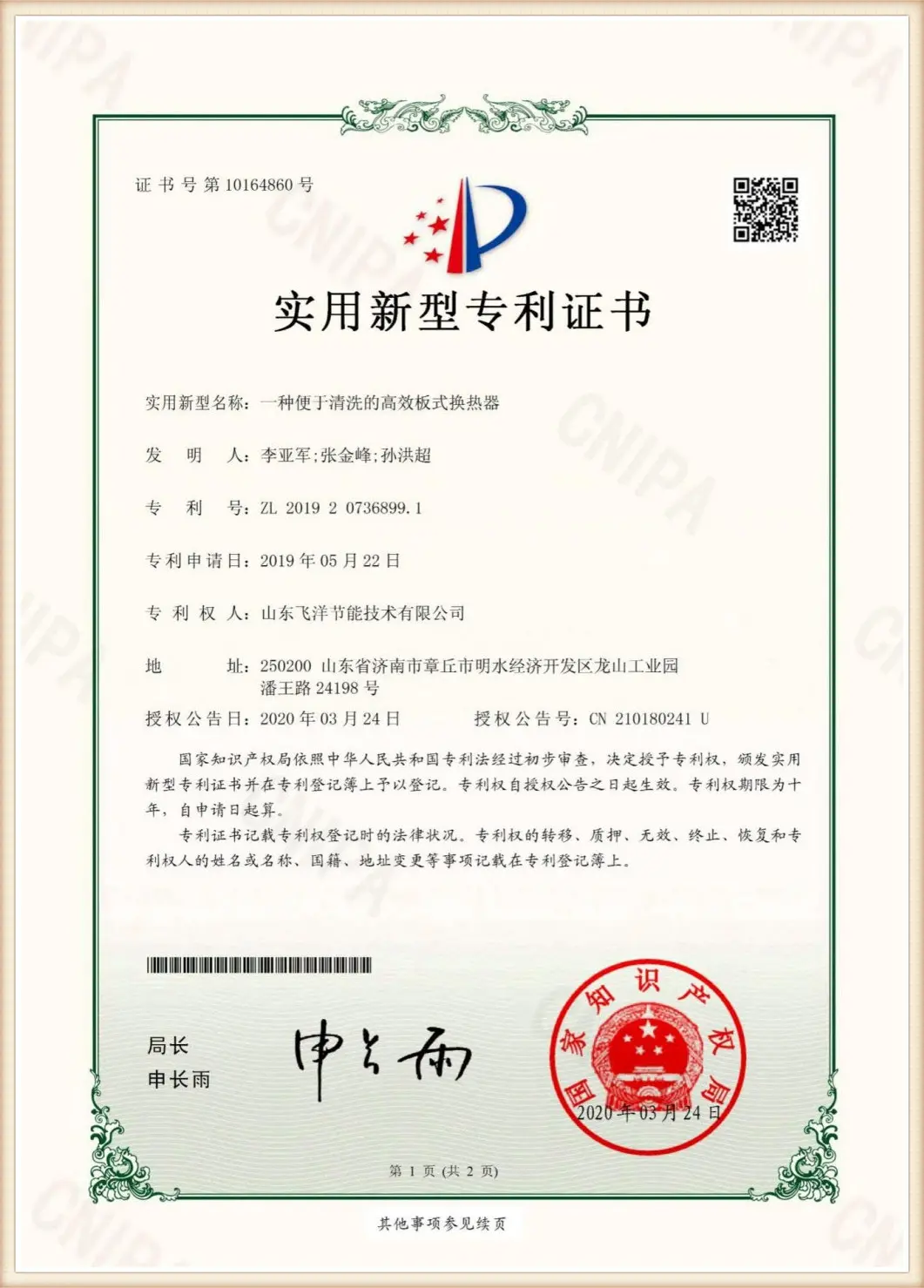
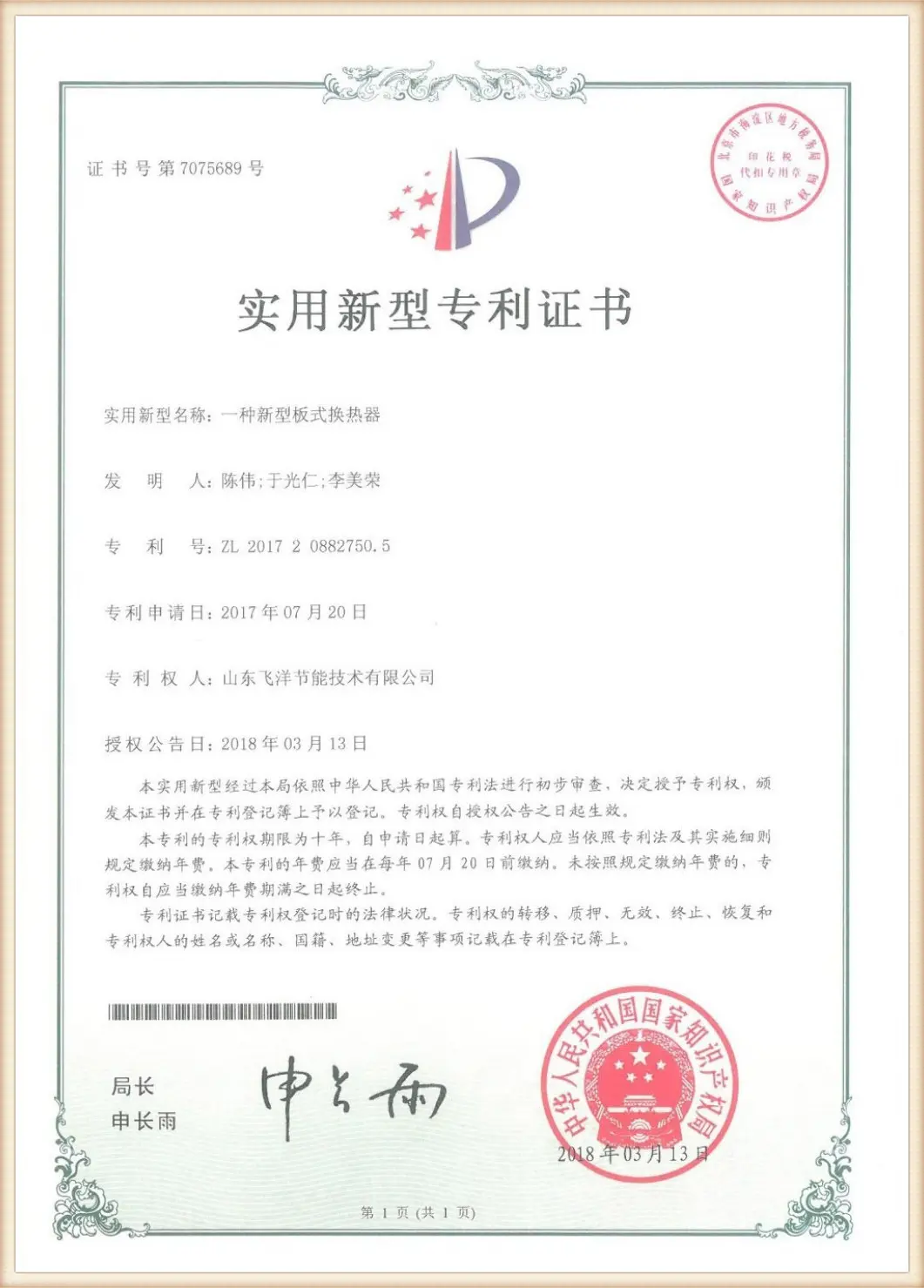
Our patents on "High-Efficiency Plate Heat Exchangers", "Intelligent Plate Heat Exchanger Systems", and "Plate Heat Exchanger Scale Removal Devices" are proof of our technology-driven background and our focus on addressing common wear issues in local industries.

For African engineering firms and industrial managers, procurement efficiency is critical to project timelines. Flotte has established a complete export supply chain optimized for the East African region. We coordinate directly with global freight lines servicing the maritime route between Shanghai/Ningbo and the Port of Mombasa, ensuring prompt shipping, reliable transit, and predictable customs clearance workflows.
Additionally, we supply comprehensive CAD drawings, mechanical specification datasheets, and calculation books (thermal simulation mapping) before production. This ensures the equipment integrates perfectly into your facility's physical and mechanical footprint. Upon arrival, our engineers provide remote installation guidance and commissioning diagnostics to ensure local technicians can safely configure the equipment.
To reduce downtime, Flotte maintains stock of standard plate models and gaskets (EPDM, NBR, Viton). This allows us to dispatch emergency maintenance parts quickly, preventing costly shutdowns in critical sectors like food processing or commercial real estate.

 Flotte Energy