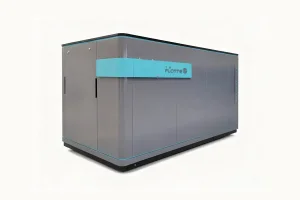
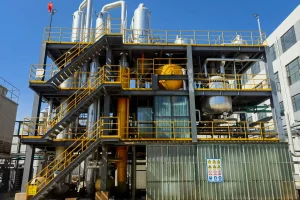
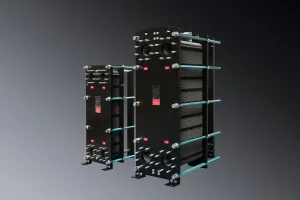
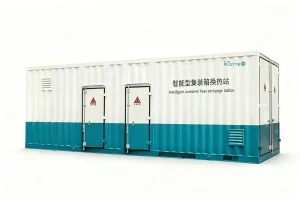
Featured engineering systems engineered for immediate energy optimization in Bangkok's climate and manufacturing conditions.
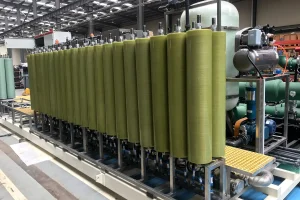
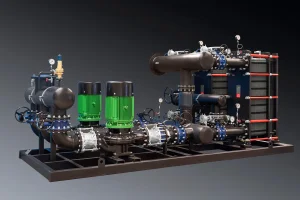
Flotte Energy Saving Company, established in 2013 with a registered capital of 101 million yuan, originated from Flotte Thermal Engineering founded in 1995. With three decades of technical expertise, the company specializes in water equipment, HVAC systems, and water treatment industries. It consistently leads industry peers in adopting cutting-edge technologies, developing innovative products, and delivering comprehensive production and sales services.
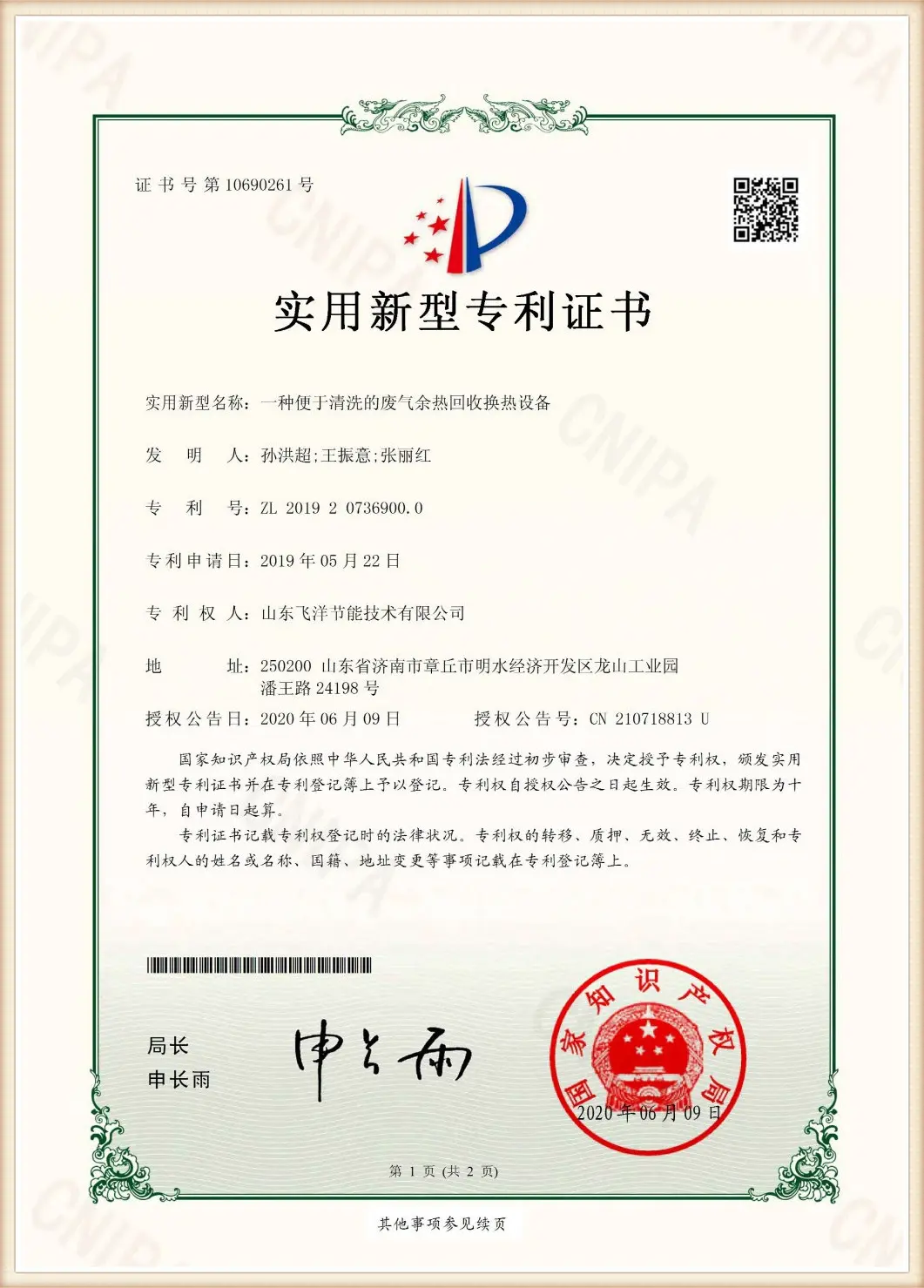
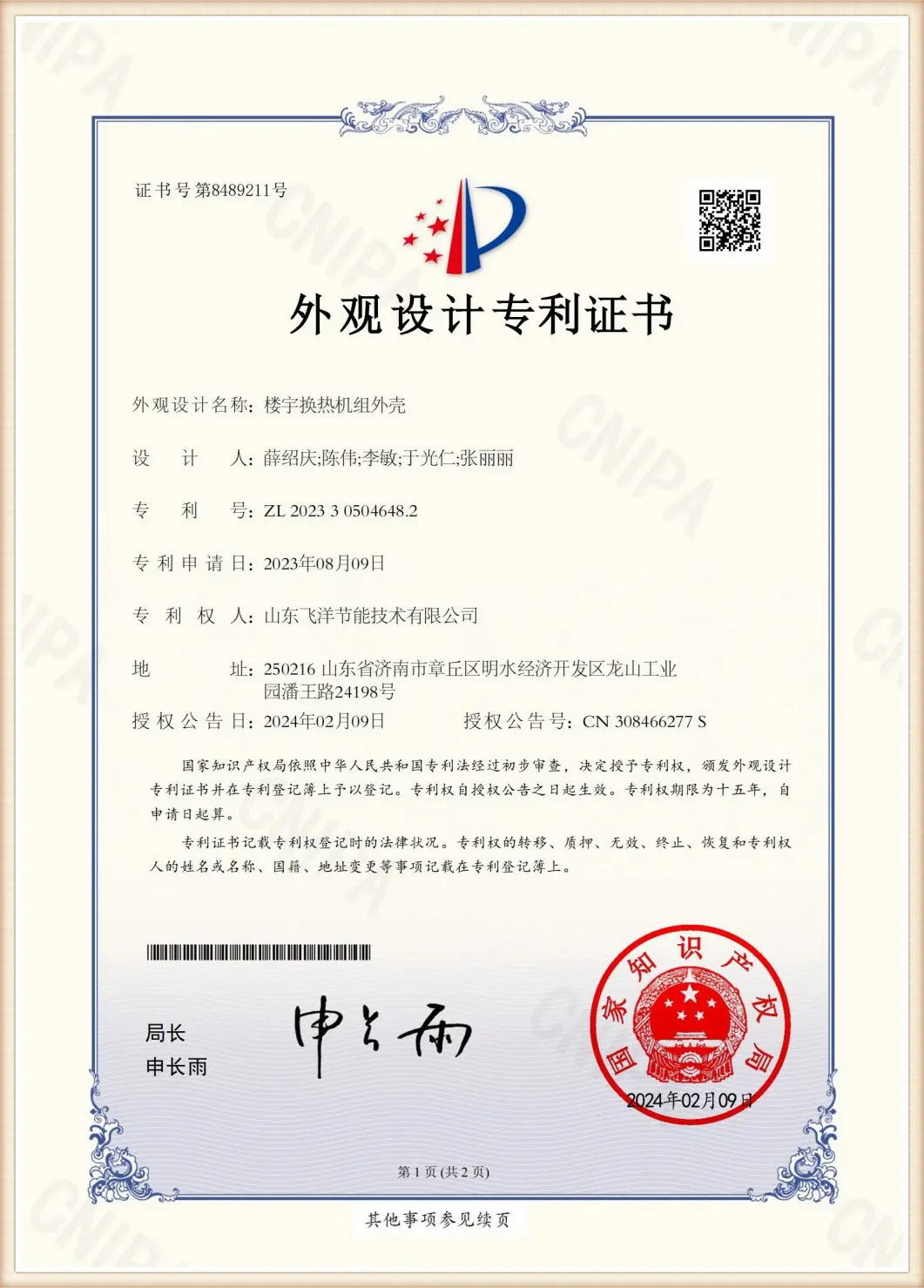
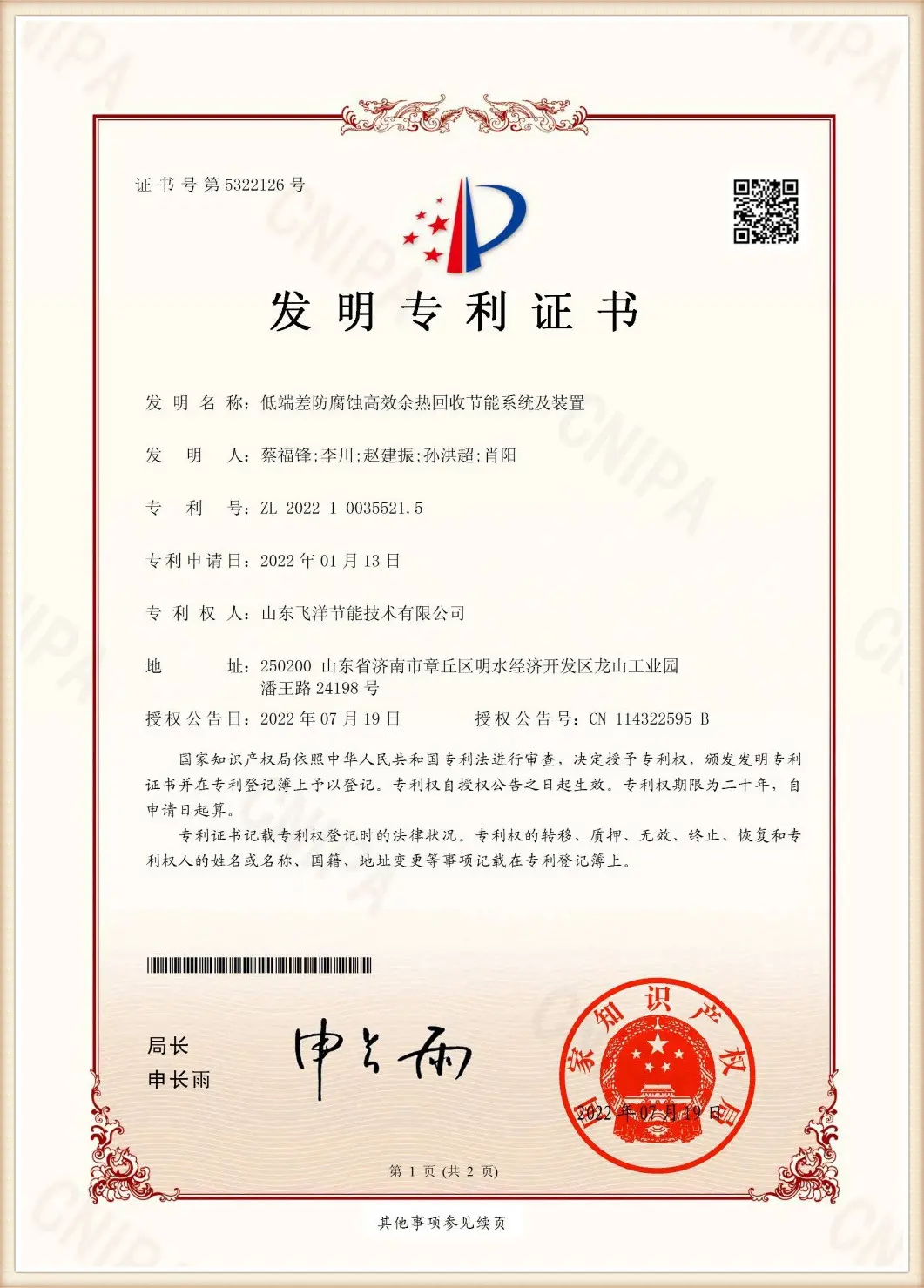
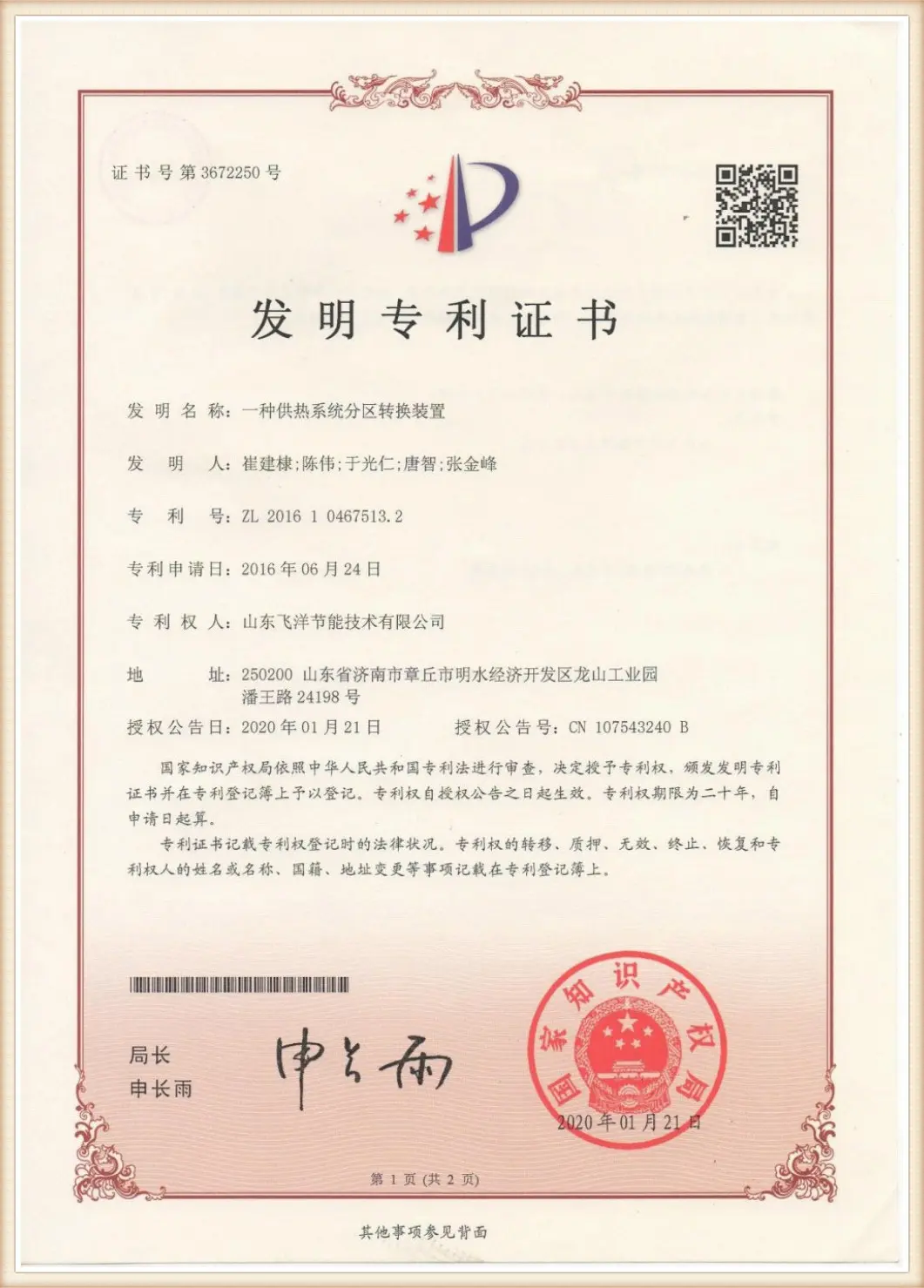
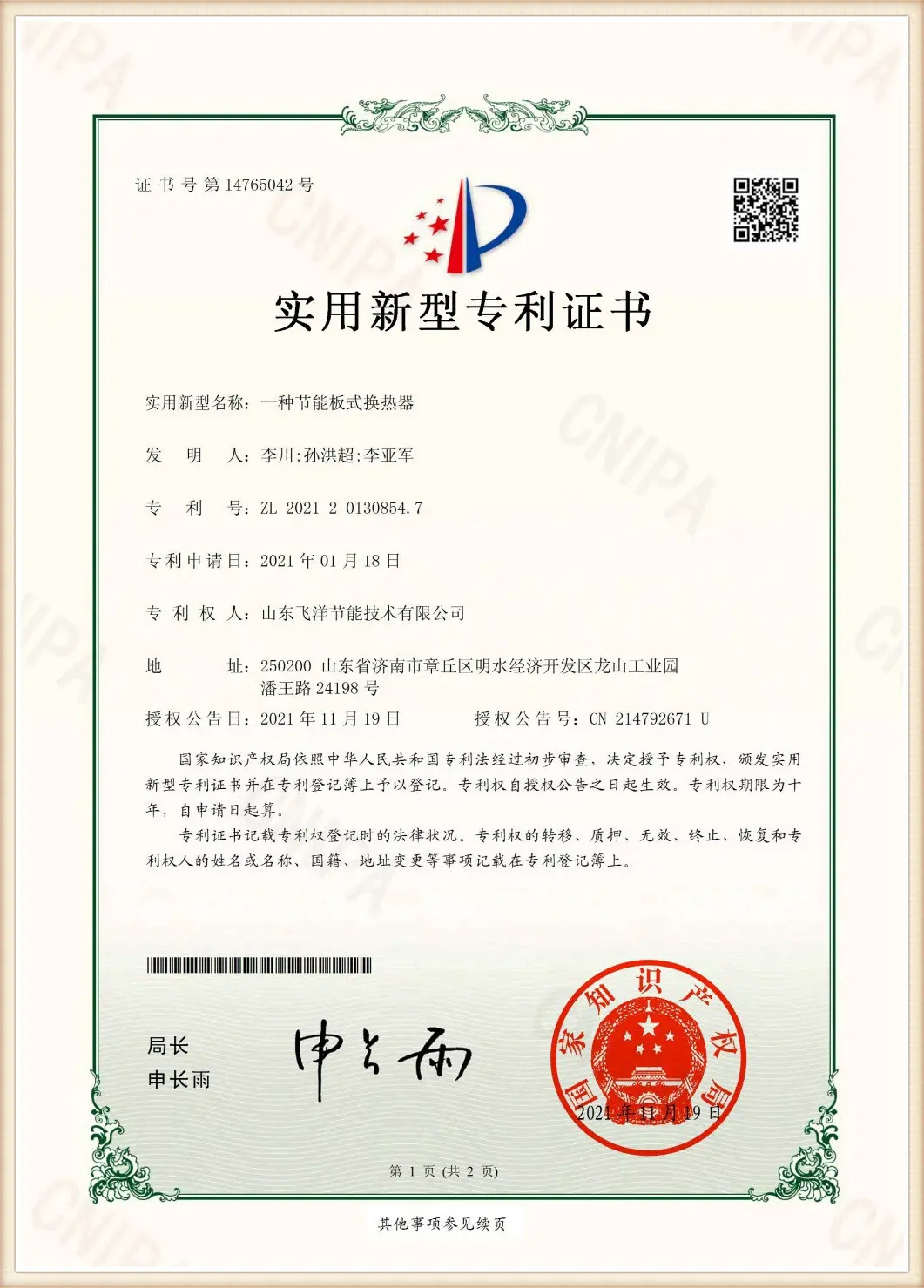
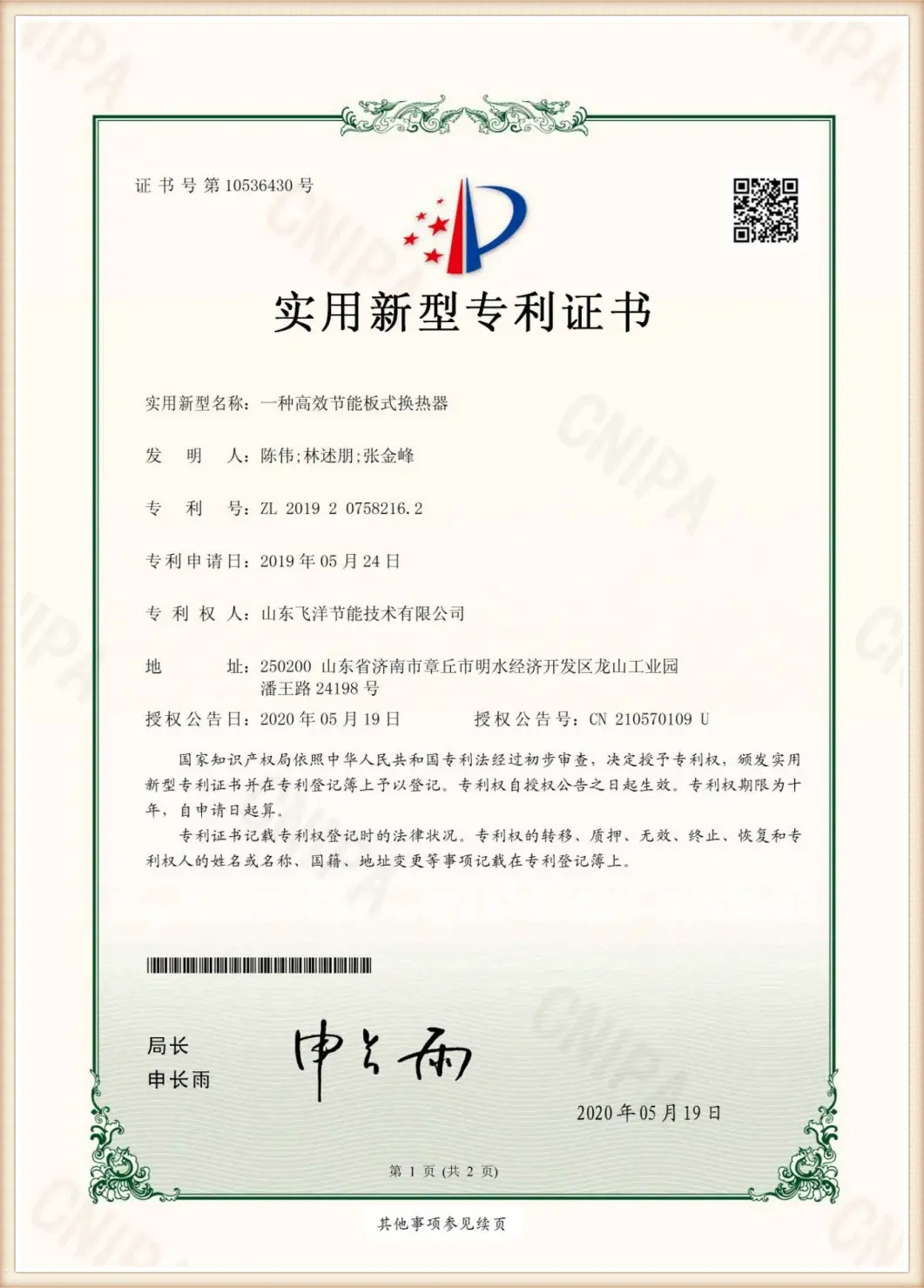
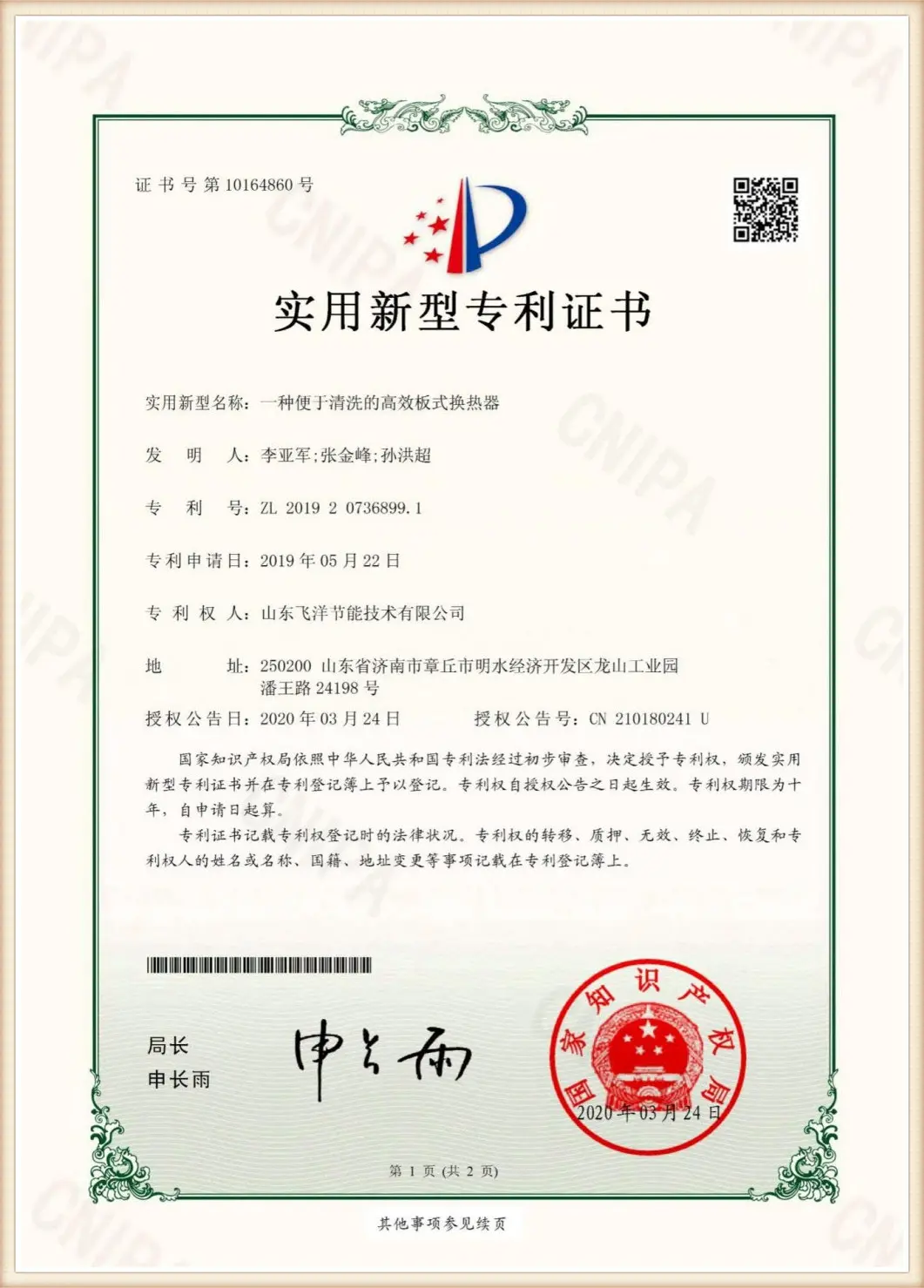
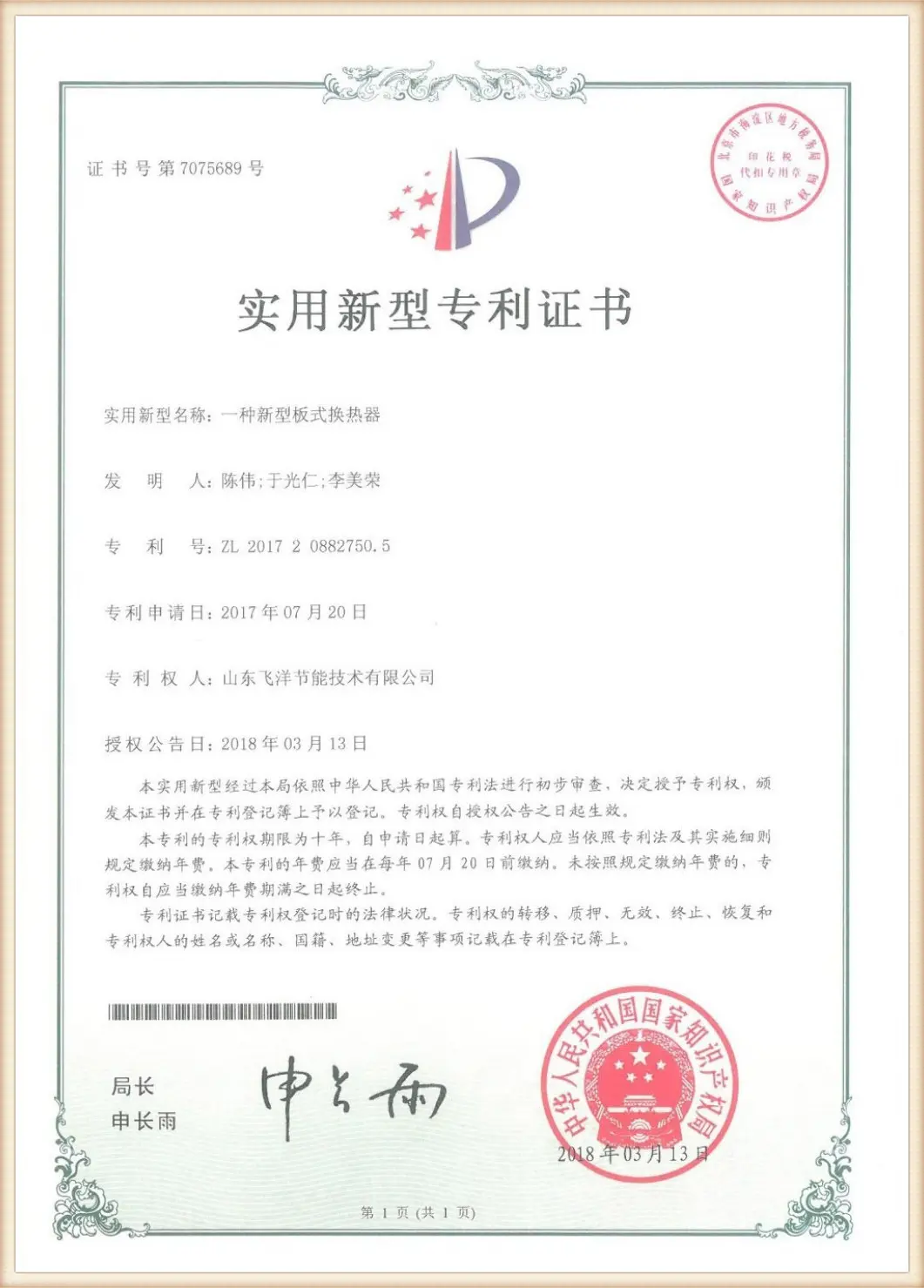
The company has been continuously advancing in production technology innovation, holding multiple patent certifications including "High-Efficiency Plate Heat Exchanger", "Intelligent Plate Heat Exchanger System", and "Plate Heat Exchanger Scale Removal Device" (see qualification documentation). Its products have obtained mandatory national product certification and safety registration from the National Standardization Committee, along with the safety registration for plate heat exchangers issued by the National Boiler and Pressure Vessel Standardization Technical Committee. The company has also achieved ISO9001 Quality Management System certification, ISO14001 Environmental Management System certification, and ISO45001 Occupational Health and Safety Management System certification.
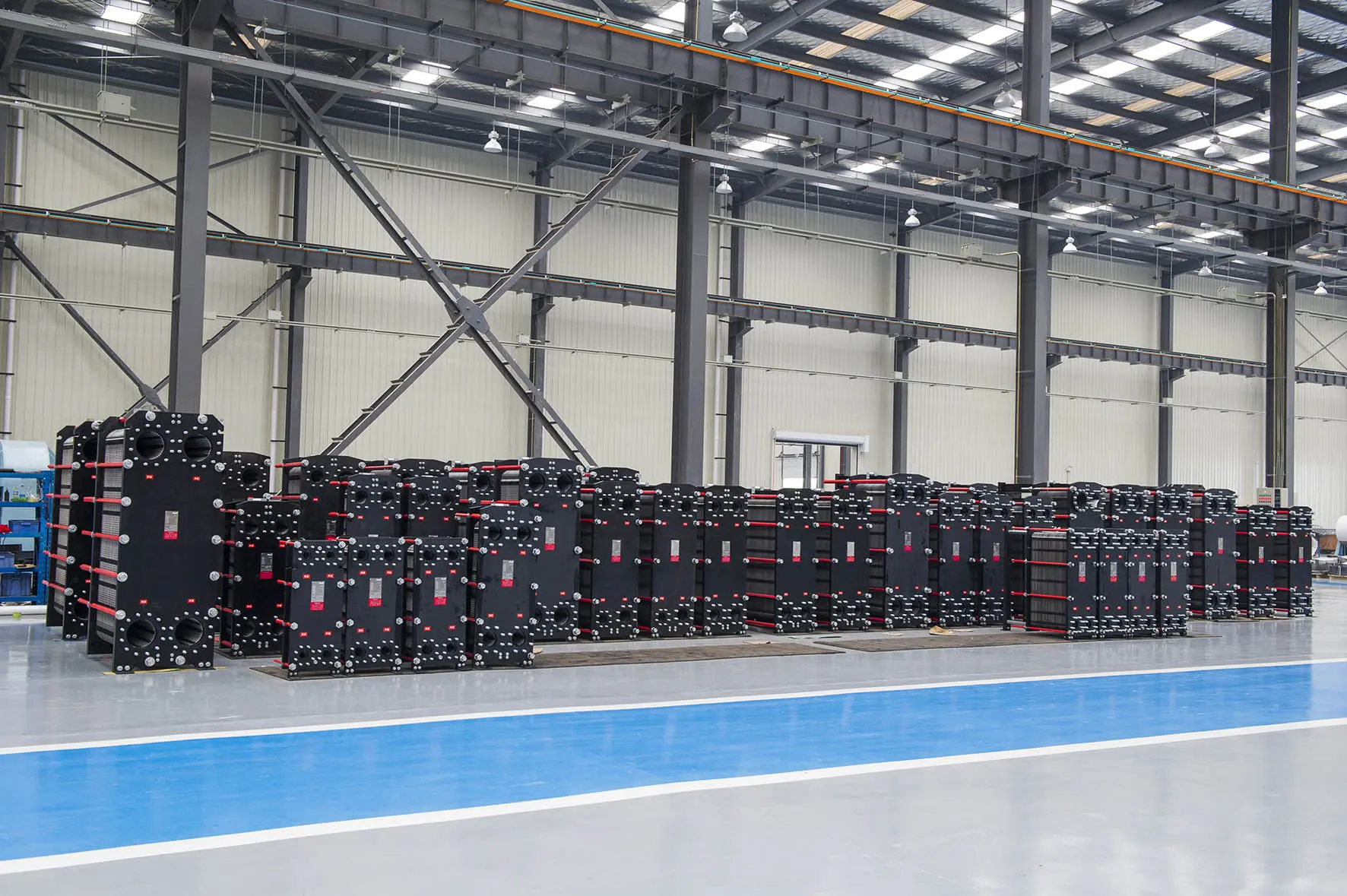
As the primary economic engine of Thailand, Greater Bangkok has evolved into a sophisticated commercial and industrial hub. Characterized by high-density urban infrastructure, large-scale commercial real estate developments, food processing complexes, and key chemical plants in neighboring provinces like Samut Prakan, Chonburi, and Chachoengsao, the demand for energy-efficient thermal management systems has hit an unprecedented peak. Understanding the localized application context and environmental requirements is crucial for selecting appropriate thermal regulation equipment.
Bangkok experiences a tropical wet-and-dry climate, where ambient temperatures regularly exceed 35°C combined with exceptionally high relative humidity. Under these environments, commercial air conditioning and district cooling systems consume up to 60% of a building's total electricity. Plate Heat Exchangers (PHEs) play a pivotal role in optimizing chilled water loops. By separating chiller cooling circuits from cooling tower loops, PHEs protect the chiller evaporator from contamination, scale build-up, and localized chemical corrosion common in open-loop cooling systems. This separation increases the system's operational lifespan and maintains high heat transfer coefficients, helping building managers lower their energy bills and comply with Thailand's Energy Efficiency Plan (EEP).
The Eastern Economic Corridor (EEC) and surrounding estates like Lat Krabang and Bangpoo house major food and beverage processing facilities, chemical refineries, and pharmaceutical manufacturing plants. In these fields, temperature regulation is critical to both safety and product consistency:
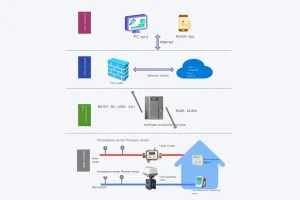
Modern procurement directors are moving away from piecemeal equipment sourcing. Instead, they demand fully integrated, intelligent skid-mounted heat exchange units. These pre-assembled packages consolidate plate heat exchangers, circulating pumps, control valves, and IoT-enabled monitoring systems into a single modular unit. The benefits are clear: reduced installation times, minimized footprint in congested urban facilities, and seamless integration with existing Building Management Systems (BMS) or industrial SCADA platforms.
Why industrial procurement teams and HVAC contractors choose Flotte for high-demand projects.
Specializing in plate heat exchangers, it features patented corrugated plate design, achieving 2-3 times higher heat exchange efficiency than conventional equipment.
The products cover 8 core areas such as air conditioning, heating and ventilation, and central heating. The solutions have been verified by projects in many places around the world, and can accurately match different regional conditions and compliance requirements.
The whole process quality control system runs through the production, the products have obtained a variety of certifications, and the preferred stainless steel, titanium and other high-end materials ensure stable and durable in harsh environments.
We provide customized design, after-sales maintenance and one-stop service, multilingual team + efficient supply chain, to ensure that global customers can get timely technical and logistical support.
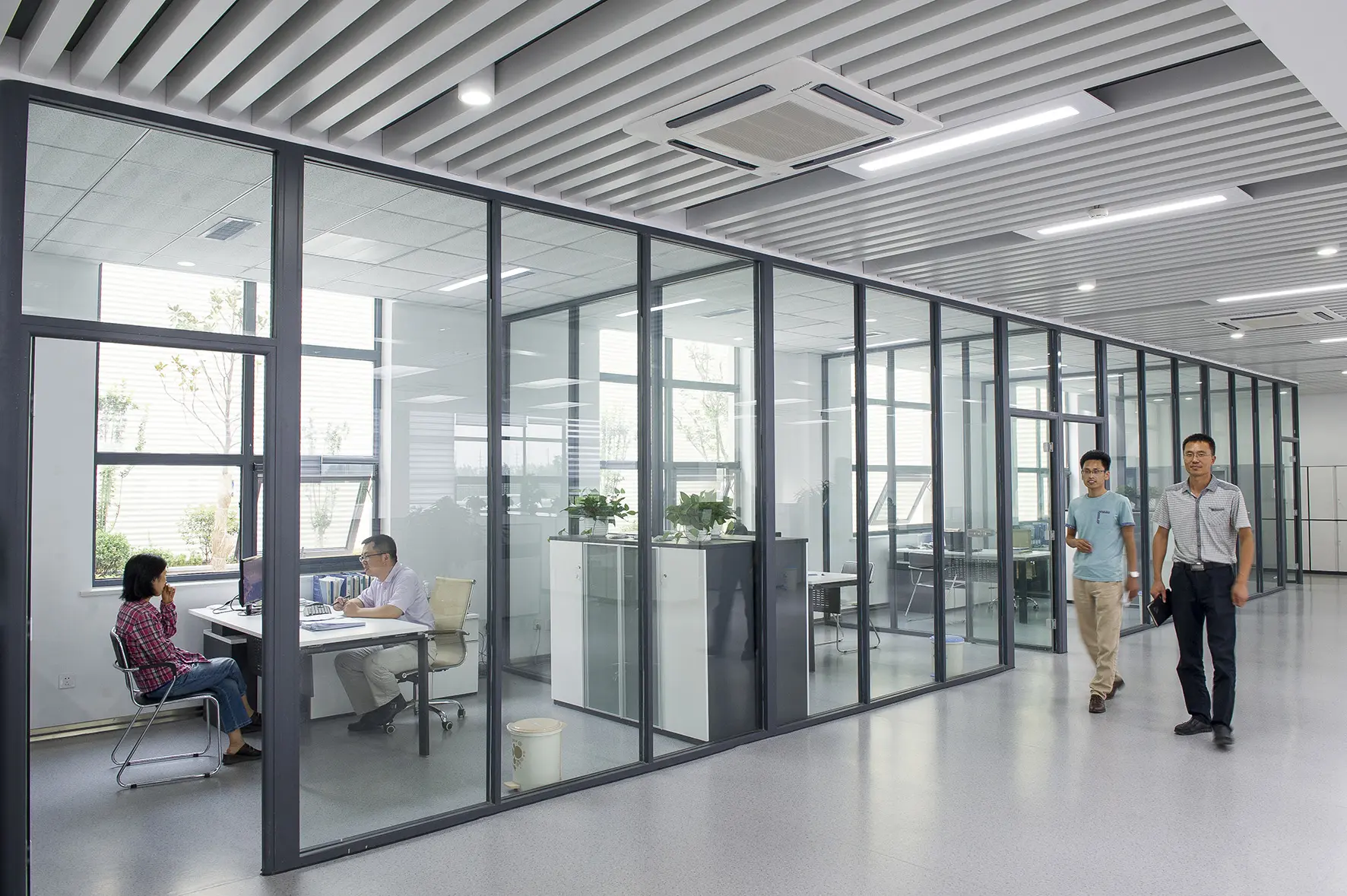
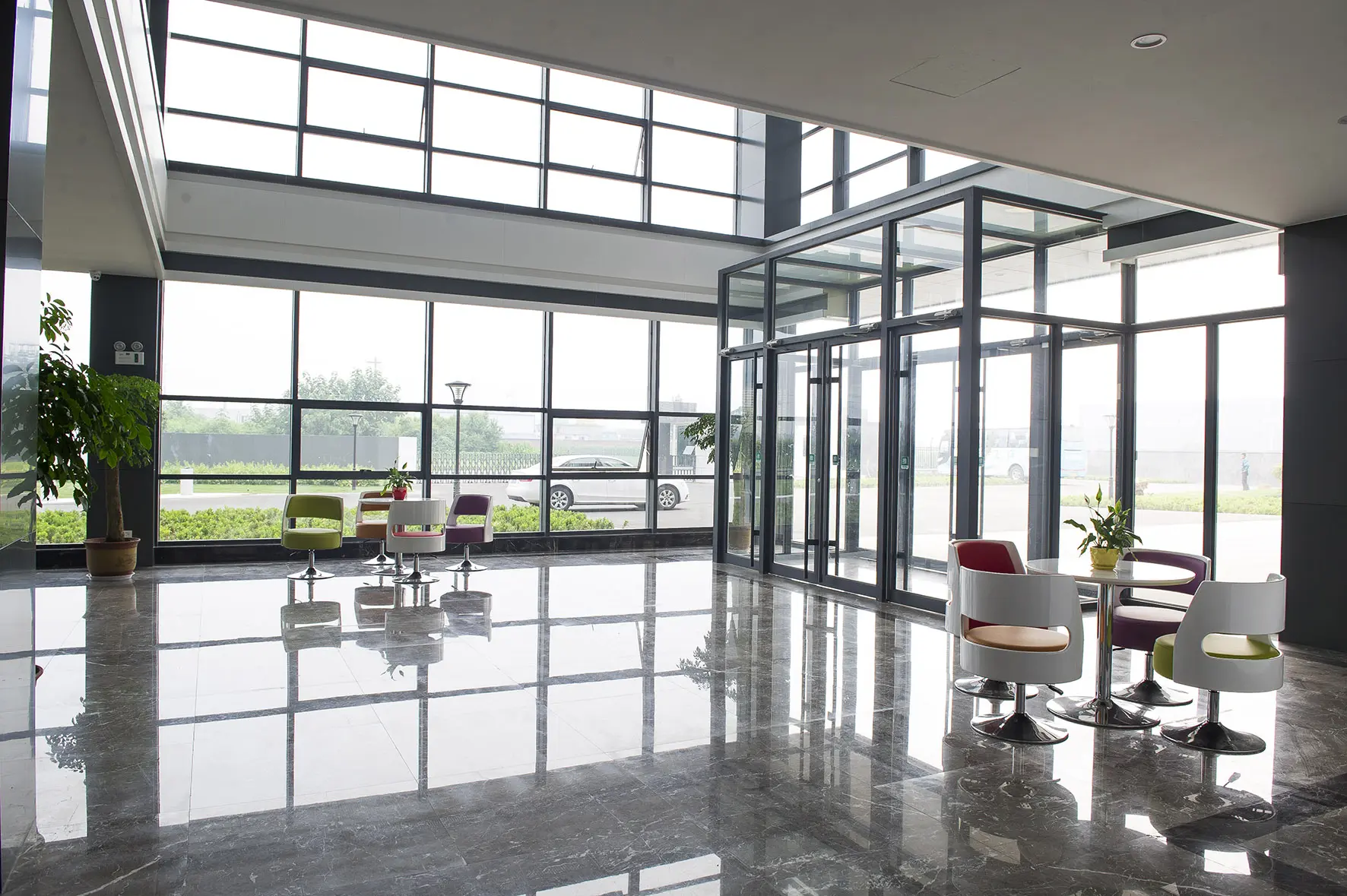
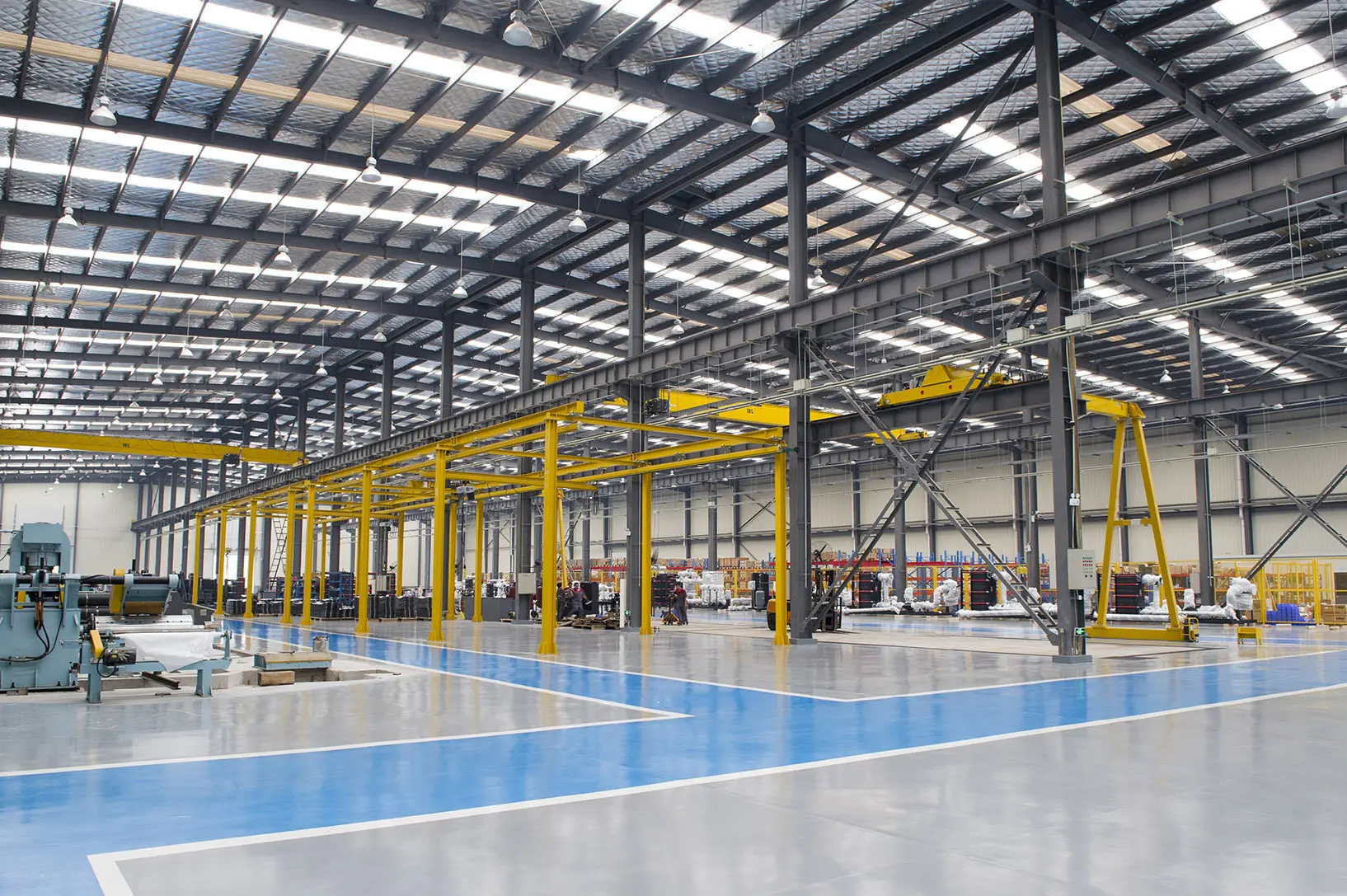
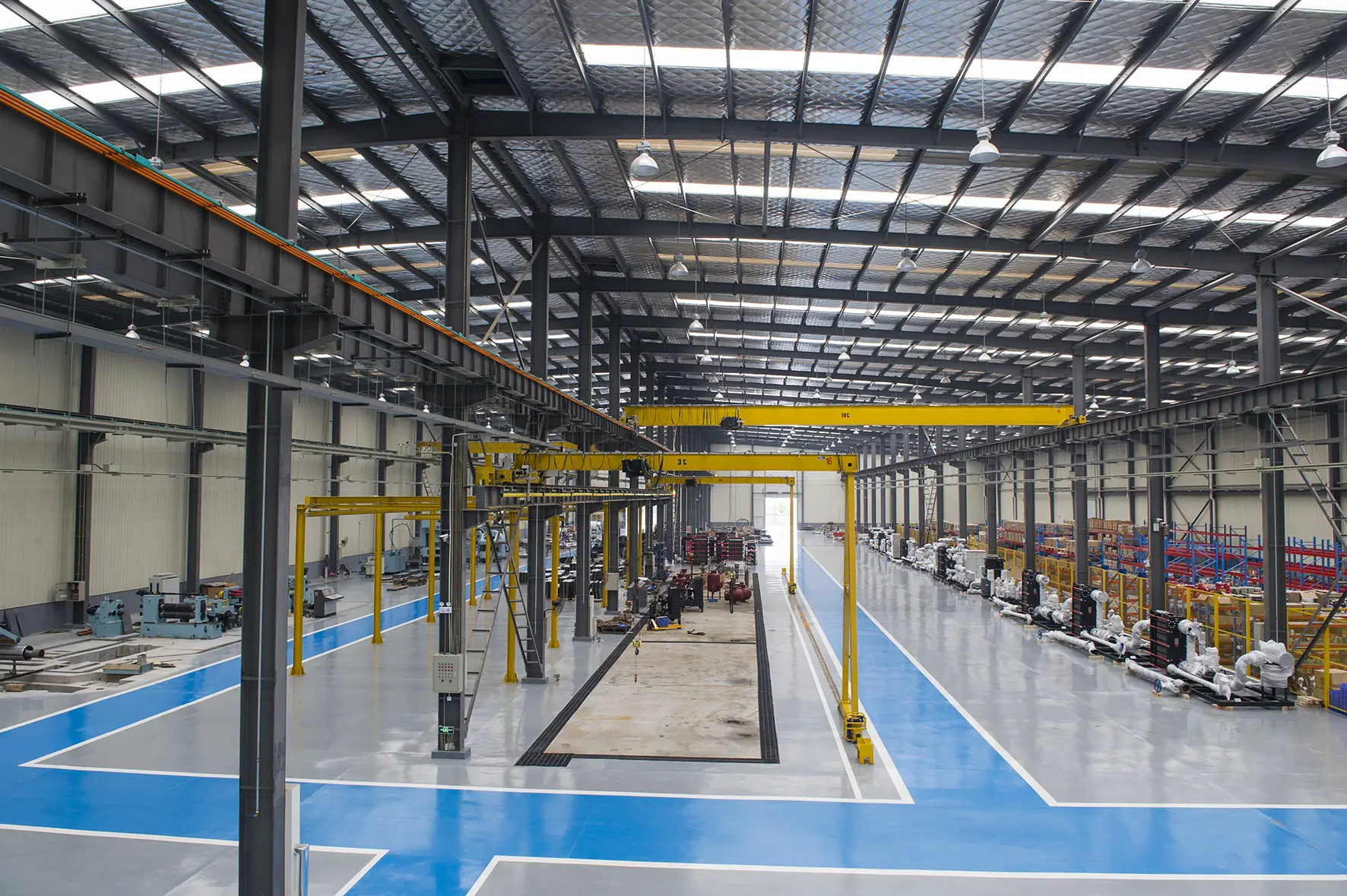
Our ISO-certified manufacturing facility operates with strict quality management system controls, ensuring peak durability and performance.
The company operates modern production workshops equipped with advanced manufacturing and quality inspection facilities. All frontline production staff are certified technicians who have undergone rigorous formal training. Production processes, quality control, and service operations strictly adhere to the ISO 9001:2015 international quality management system, while also complying with the pressure vessel quality assurance framework. Our products undergo mandatory inspections by national quality supervision authorities, ensuring full compliance with performance standards.
Adhering to the concept of "quality first" and "winning by quality", the company has established a sound quality assurance system, improved the quality supervision and management of all staff, whole process and all aspects, and made great efforts in product technology, quality and service. The company conscientiously carries out on-site management and rectification work, and establishes a safe and civilized production environment.
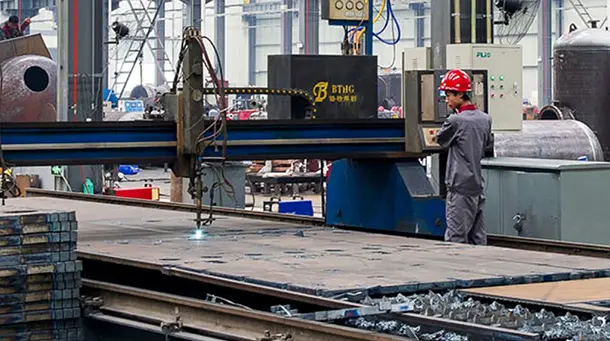
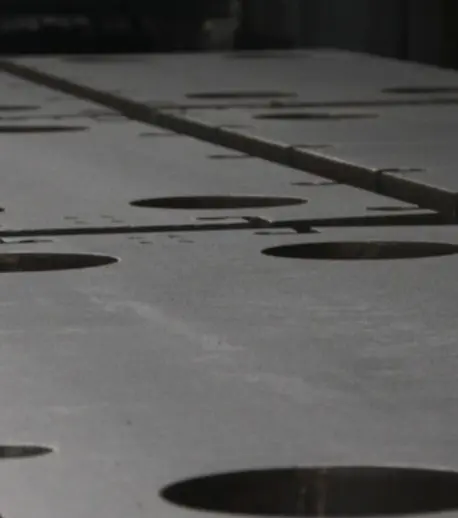
Precision steel plate cutting for robust frame structures.
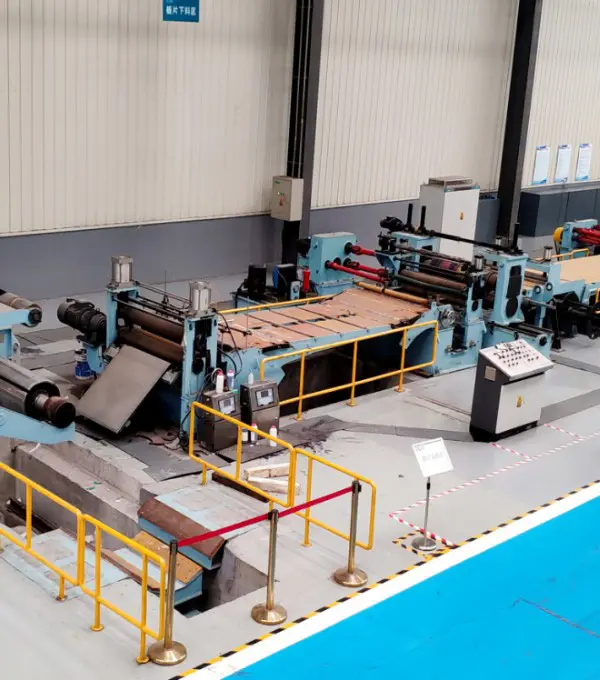
Refining structural properties for maximum durability.
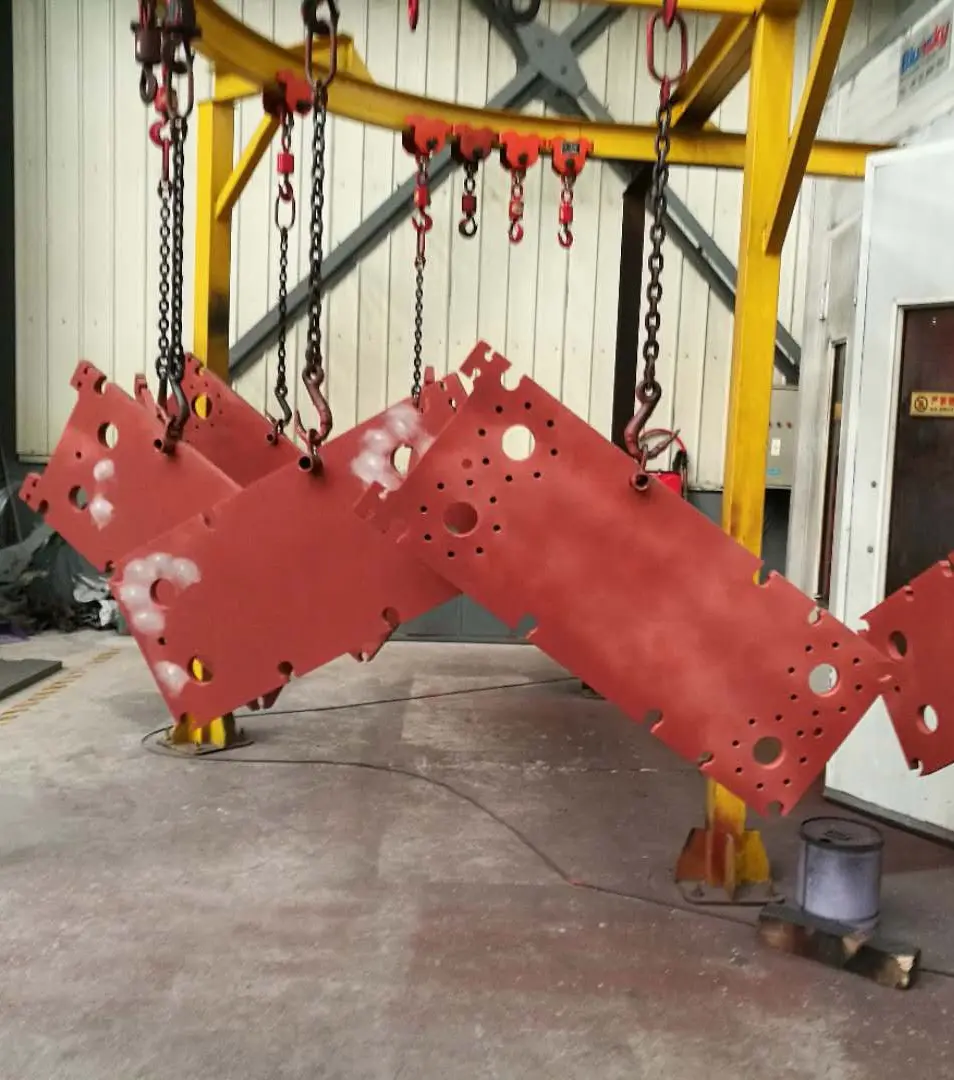
Multi-layer anti-corrosive industrial coatings.
Accurate marking for supply chain traceability.
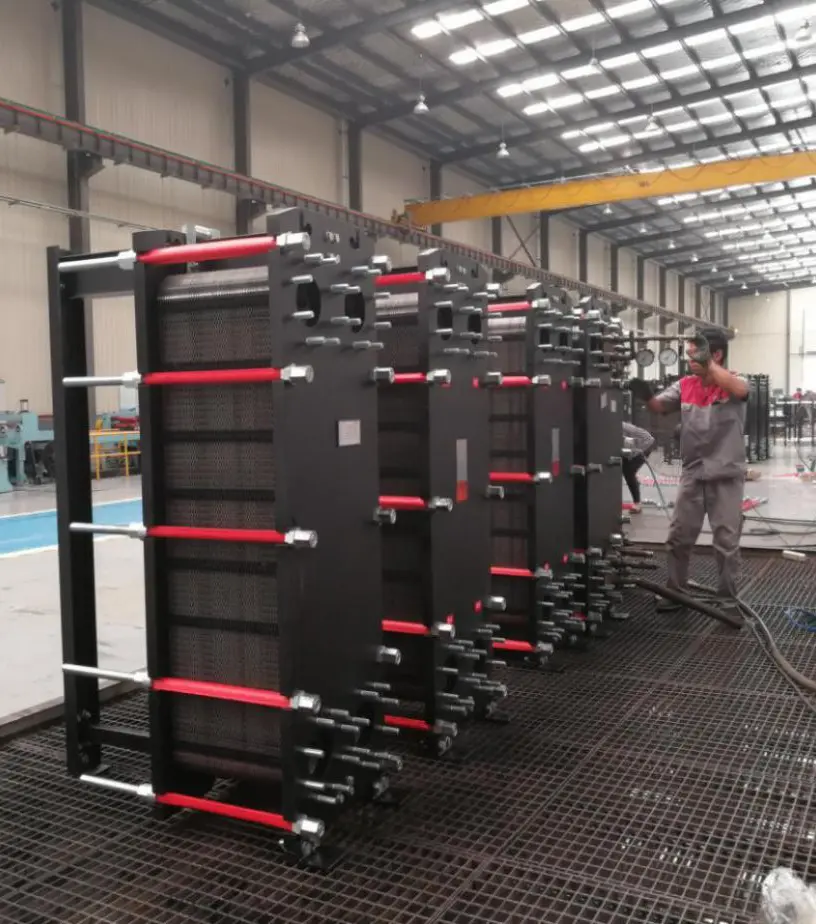
Hydrostatic testing to ensure zero leakages under load.
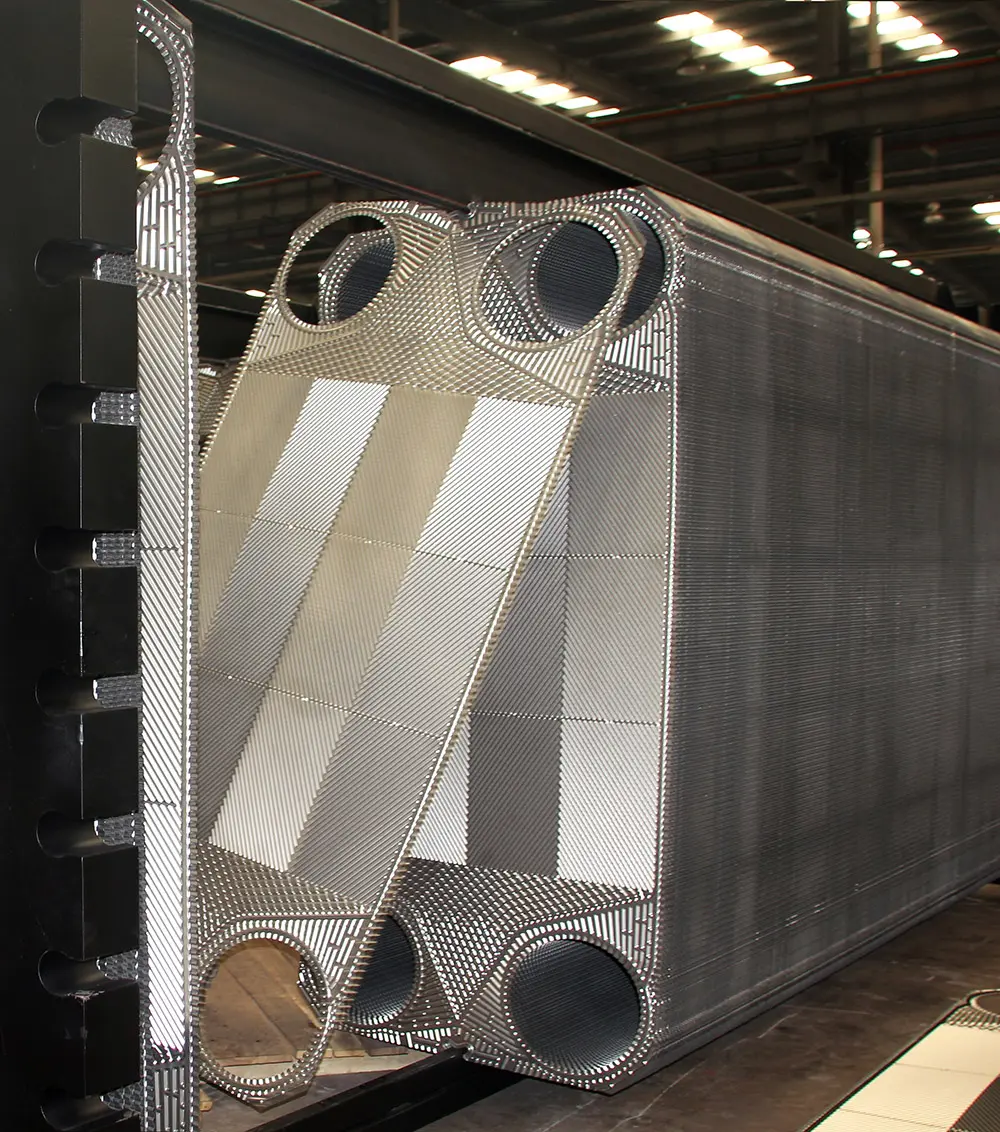
Accurate alignment of plates and tight gasket fitment.
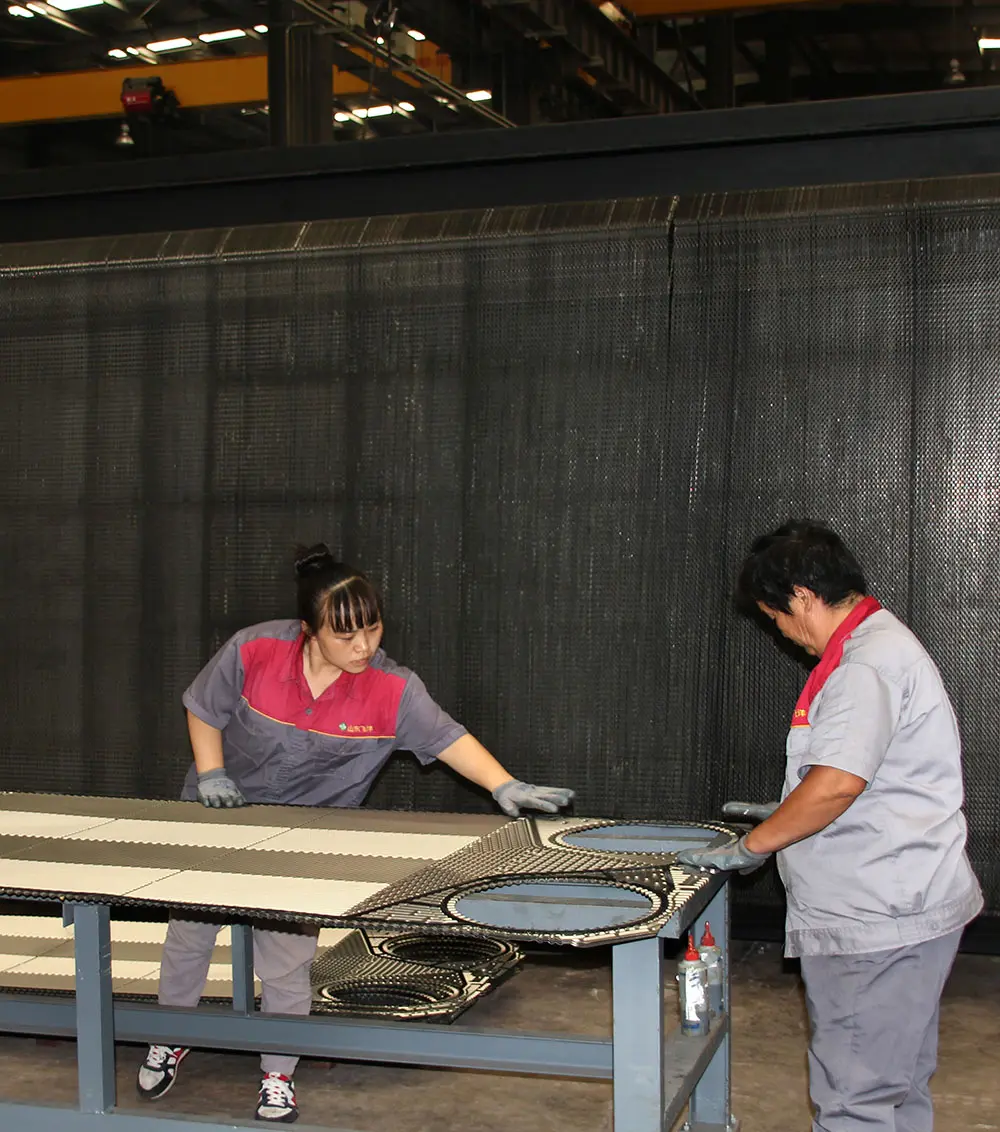
High-performance gaskets matched to specific applications.
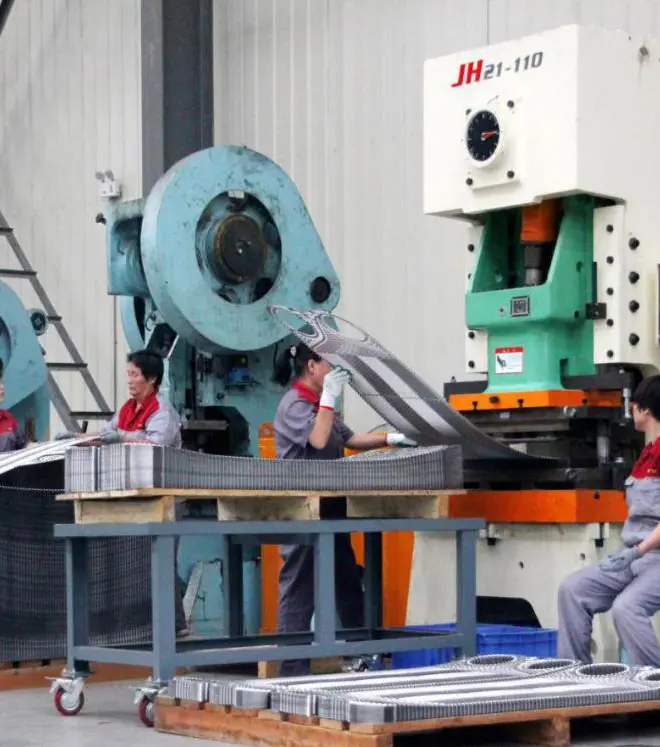
Heavy-duty stamping of corrugated distribution areas.
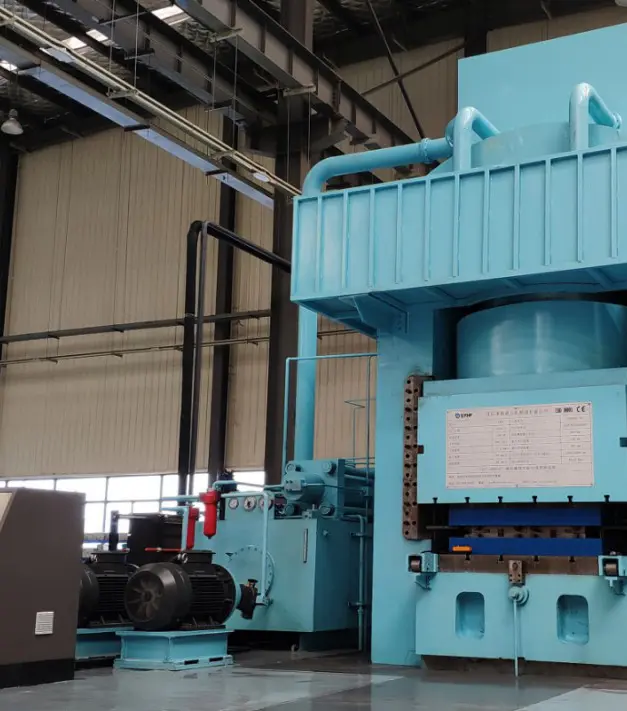
Patented patterns designed to maximize turbulence.
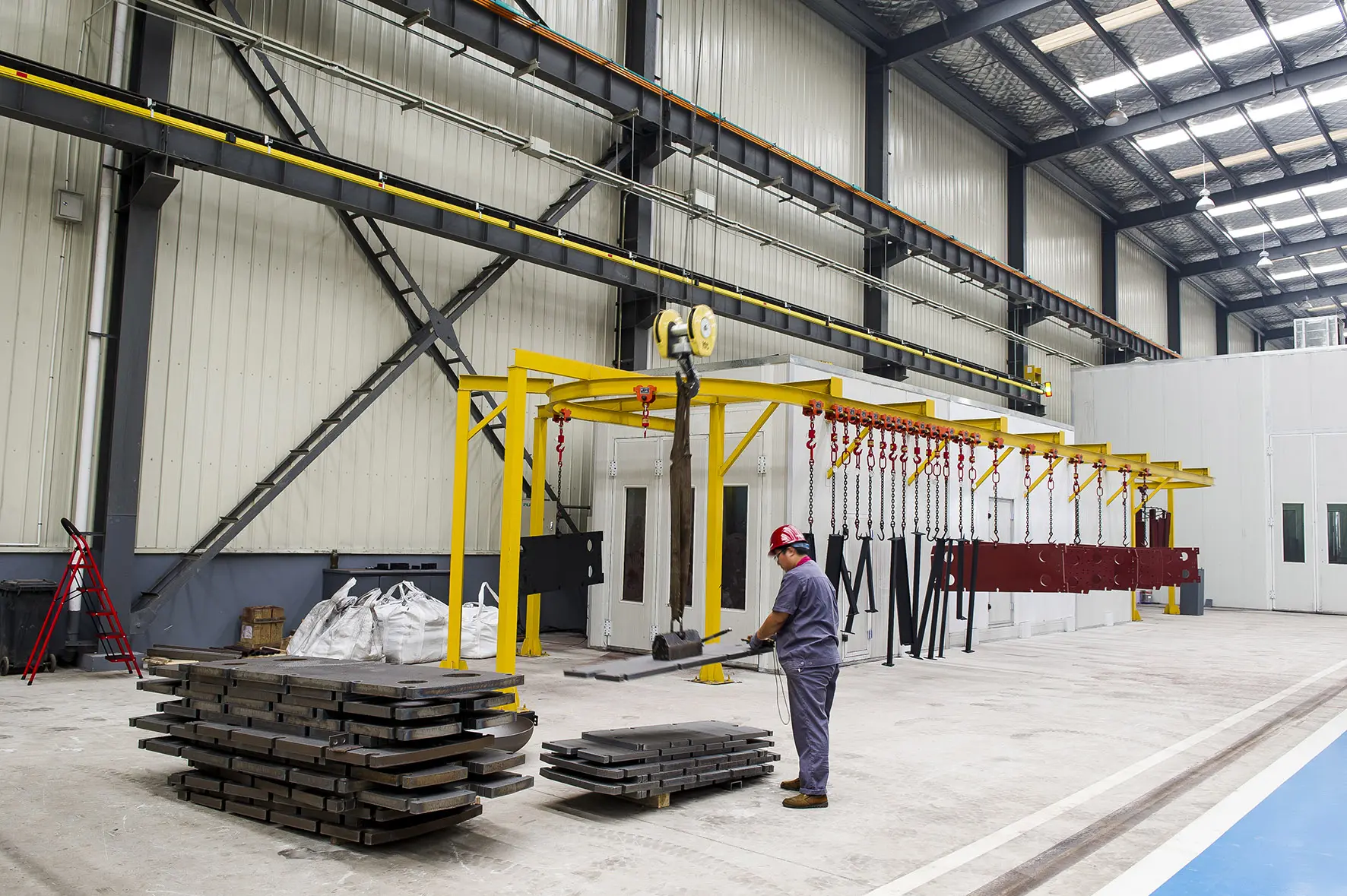
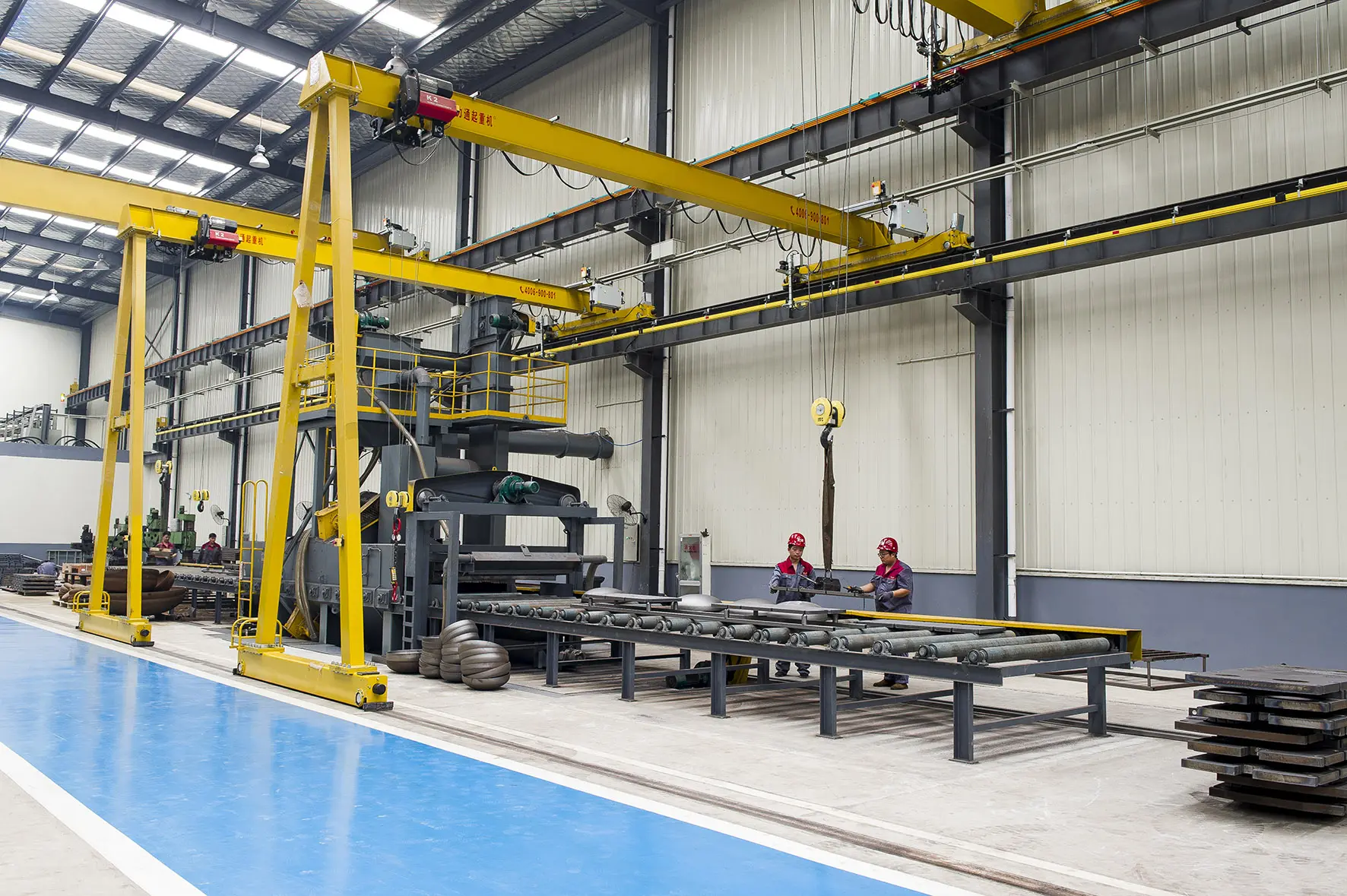
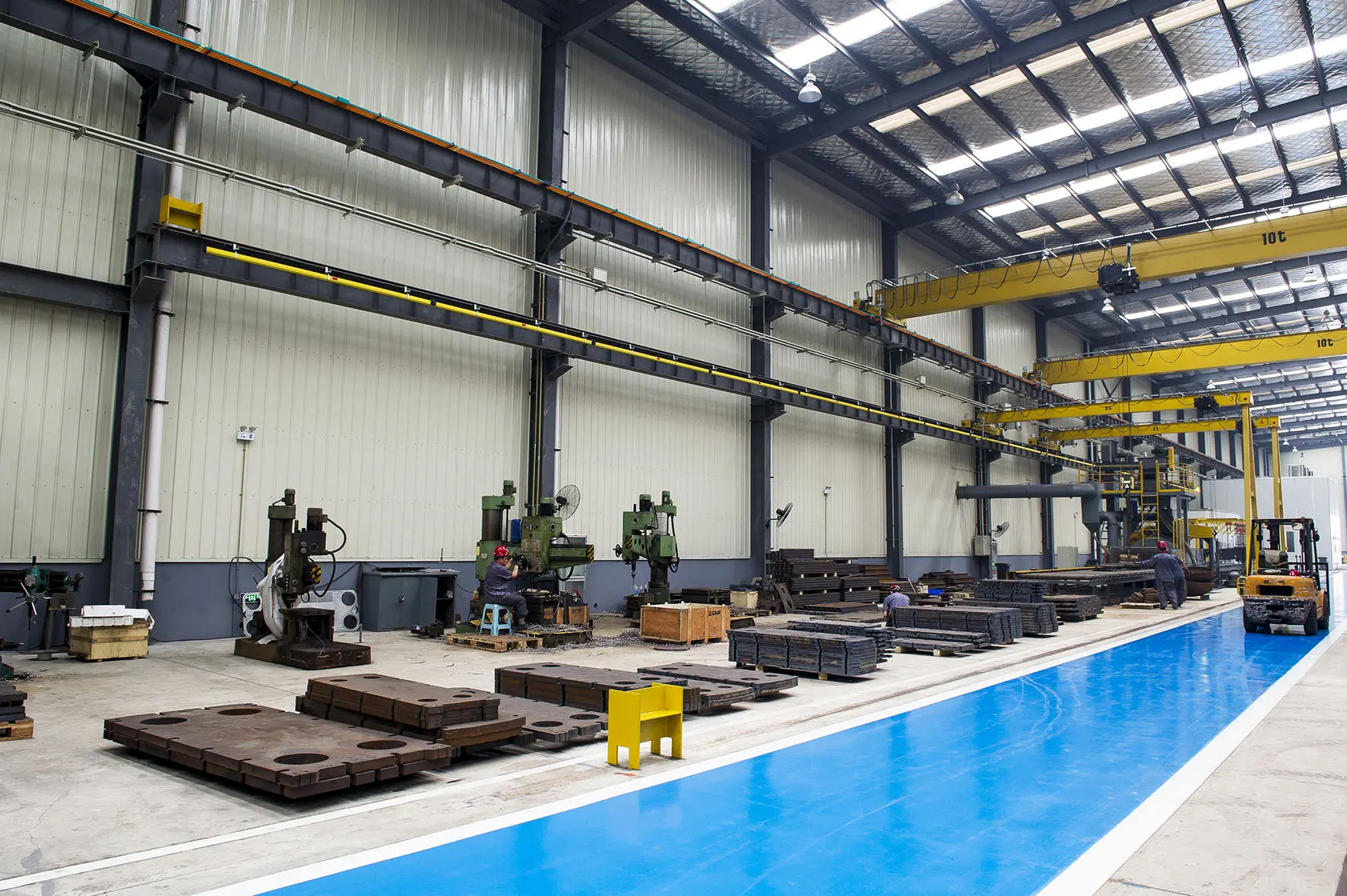
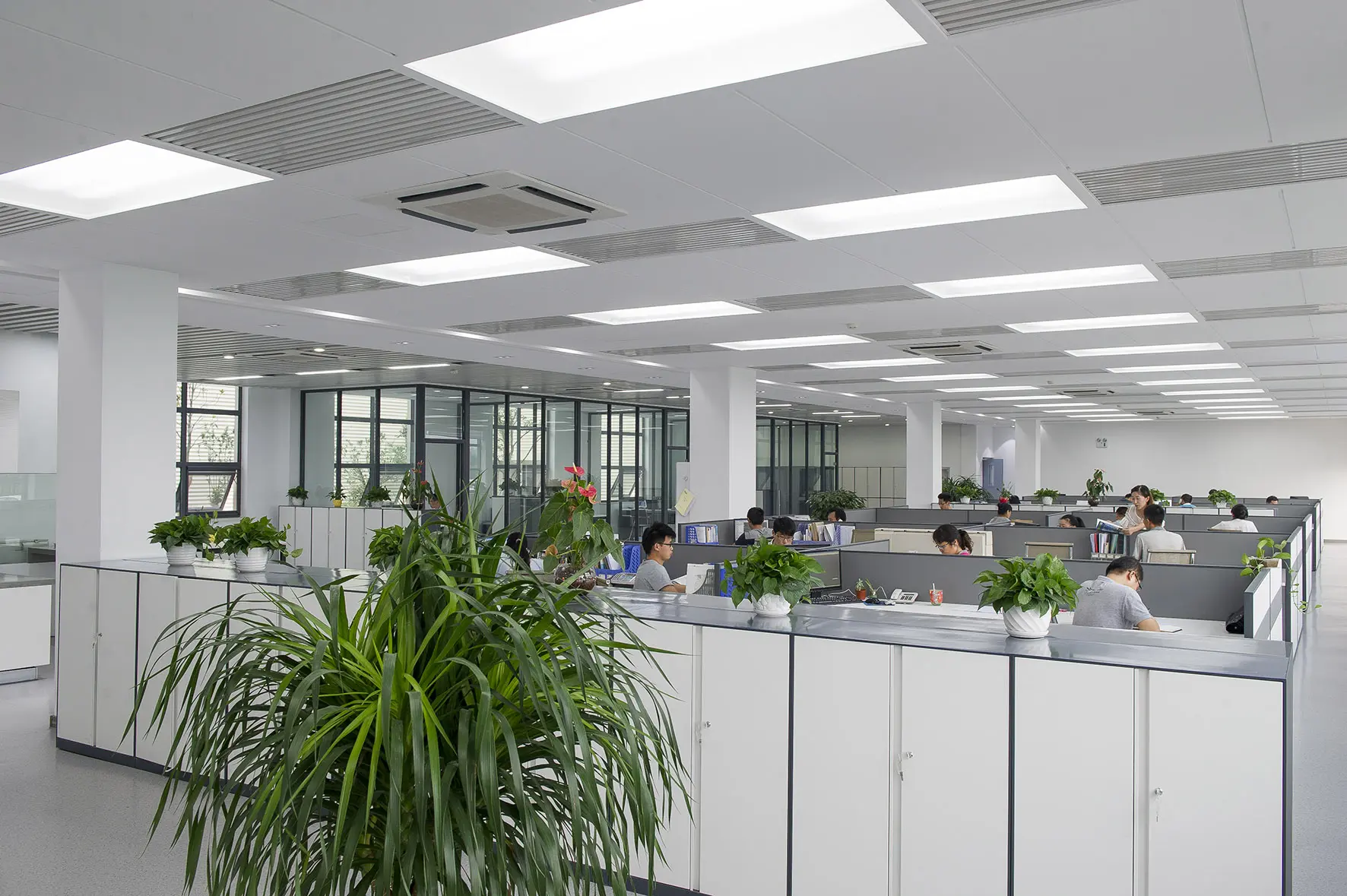
When purchasing industrial capital equipment such as plate heat exchangers, global buyers prioritize three metrics: structural reliability, thermal efficiency, and cost-to-performance ratios. China's manufacturing ecosystems provide distinct, systemic advantages across these pillars.
PHE plates require specific alloys, including Stainless Steel 304, 316L, Titanium, Hastelloy, and Nickel. China’s concentrated supply chain allows factories to source these premium metals directly from large-scale domestic mills. This integration eliminates intermediate handling charges, shortens material lead times, and ensures consistent quality control. For the Bangkok market, where humidity and seawater intake in coastal zones demand corrosion-resistant titanium, direct factory partnerships ensure rapid access to high-grade titanium plates at competitive prices.
Operating from a 70,000 m² state-of-the-art facility allows Flotte to manufacture up to 4,500 heat exchange units annually. The high level of machinery automation, utilizing heavy tonnage hydraulic presses for plate punching, automated laser welding, and robotic sealing, reduces human error and boosts production efficiency. This enables massive throughput with consistent tolerances, a capability that boutique fabricators cannot match.
Bangkok is strategically located along major maritime shipping lines. Chinese ports (such as Shanghai, Ningbo, and Shenzhen) offer daily container freight departures to Bangkok's Klong Toey Port and the deepwater Laem Chabang Port. An efficient manufacturing cycle combined with rapid sea freight ensures that customized plate heat exchangers can be delivered to Thai job sites faster than European equivalents, lowering overall project lead times.
Addressing the technical, commercial, and maintenance queries from global procurement managers and process engineers.
Explore our full range of customizable heat exchange systems, evaporation networks, and smart regulation solutions.
 Flotte Energy