Australia’s industrial sector is navigating a rapid transition toward energy efficiency and decarbonization. With rising electricity and gas tariffs, industries from food processing in Victoria to mineral refining in Western Australia are looking to optimize thermodynamic cycles. Plate Heat Exchangers (PHE) serve as key components in this energy transition. By enabling efficient heat transfer, these units minimize fuel consumption and carbon footprints.
Australian operating conditions demand robust equipment. The mining hubs of the Pilbara and Olympic Dam experience extreme ambient temperatures, high atmospheric dust, and corrosive water quality. In these areas, plate heat exchangers must withstand corrosive fluids like brine or acidic run-off. This requires corrosion-resistant plates, such as Grade 1 Titanium or Hastelloy, and specialized gaskets that maintain seals under high pressures. Compliance with AS1210 (Pressure Vessels Code) and local hazard regulations is essential for all commercial and mining deployments across Australia.
Global demand for high-efficiency heat exchangers is rising, driven by international commitments to net-zero carbon emissions. Industries such as chemical synthesis, district heating, and marine propulsion require advanced thermal exchange systems. Amid these global shifts, Chinese manufacturing has evolved from basic assembly to high-precision engineering and fabrication.
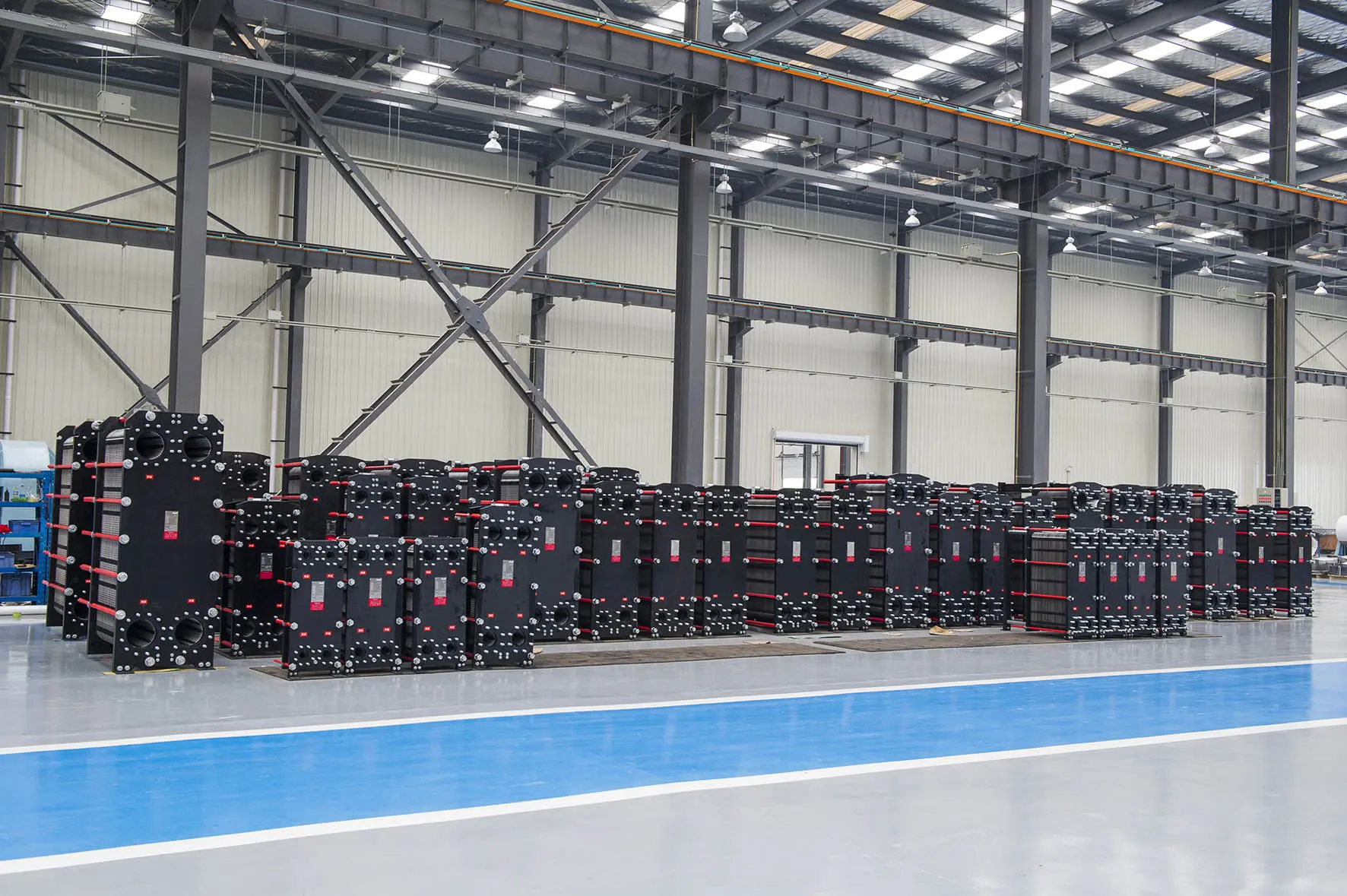
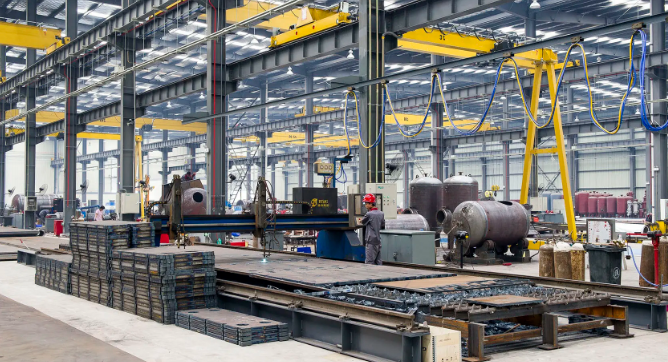
Flotte’s state-of-the-art facility in China operates at this standard of manufacturing efficiency. Our production process leverages domestic steel and alloy supply chains to source high-grade titanium and stainless steel. Using advanced hydraulic stamping presses with capacities up to 20,000 tons, we press complex corrugated plate patterns with uniform thickness down to 0.5mm. This design optimizes turbulence and reduces fouling. By integrating automated robotic welding and computer-controlled stamping, we offer reliable heat transfer systems at competitive lead times and prices.
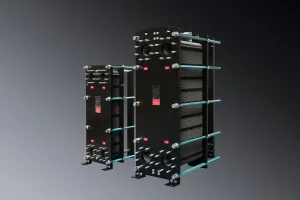
Our custom plate designs feature herringbone corrugations that promote turbulent flow at low fluid velocities. This increases the heat transfer coefficient to 3–5 times that of conventional shell-and-tube units, reducing the required heat transfer area and overall unit size.
We supply plates in AISI 304, AISI 316L, Titanium, Hastelloy C-276, and Nickel, combined with NBR, EPDM, or Viton gaskets. This range allows us to tailor configurations to withstand corrosive media and high operating temperatures up to 180°C.
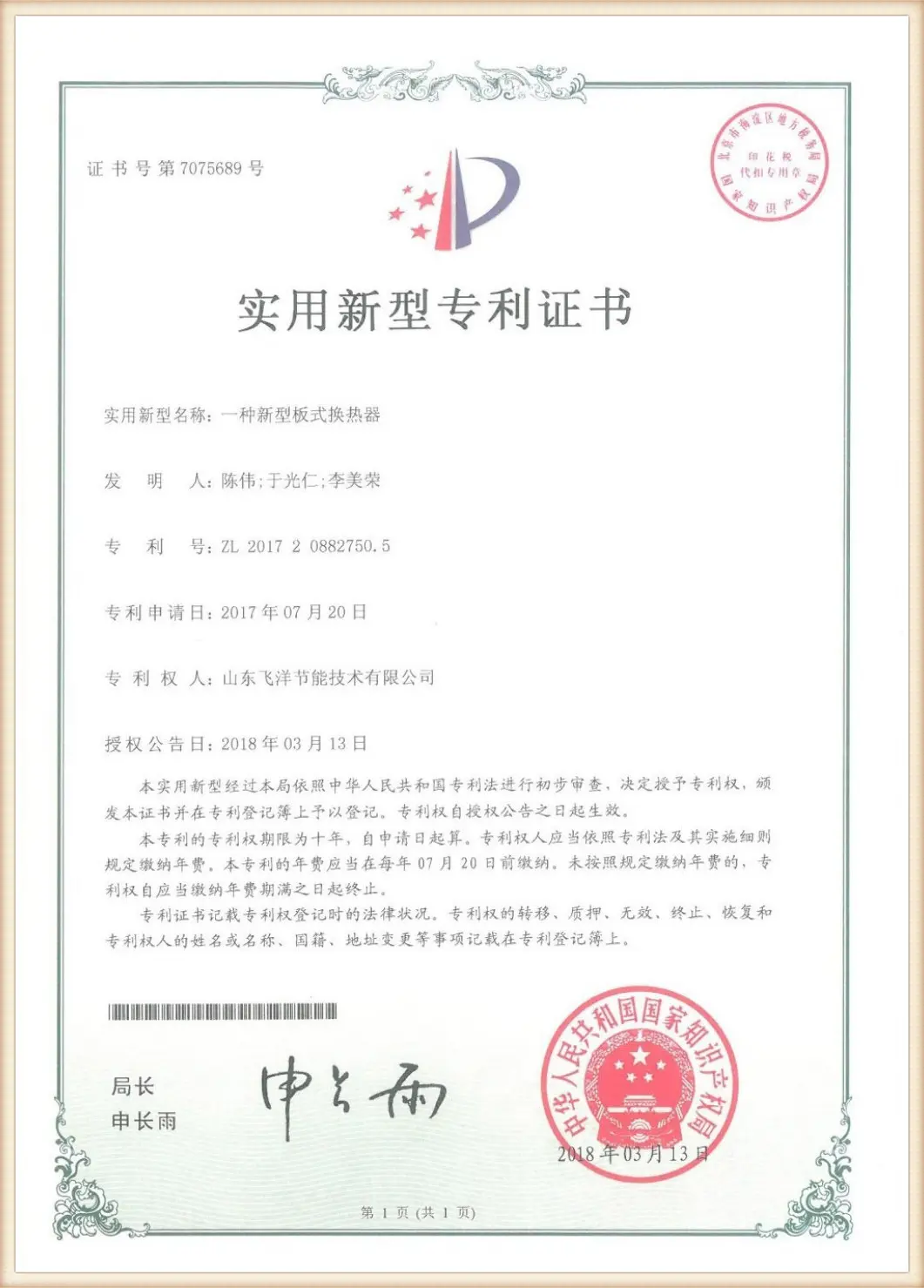
Flotte products comply with major global QA protocols. From raw material sourcing through ISO 9001, 14001, and 45001 environments, to pressure vessel tests at 1.5 times the design pressure, every unit is certified for industrial use.
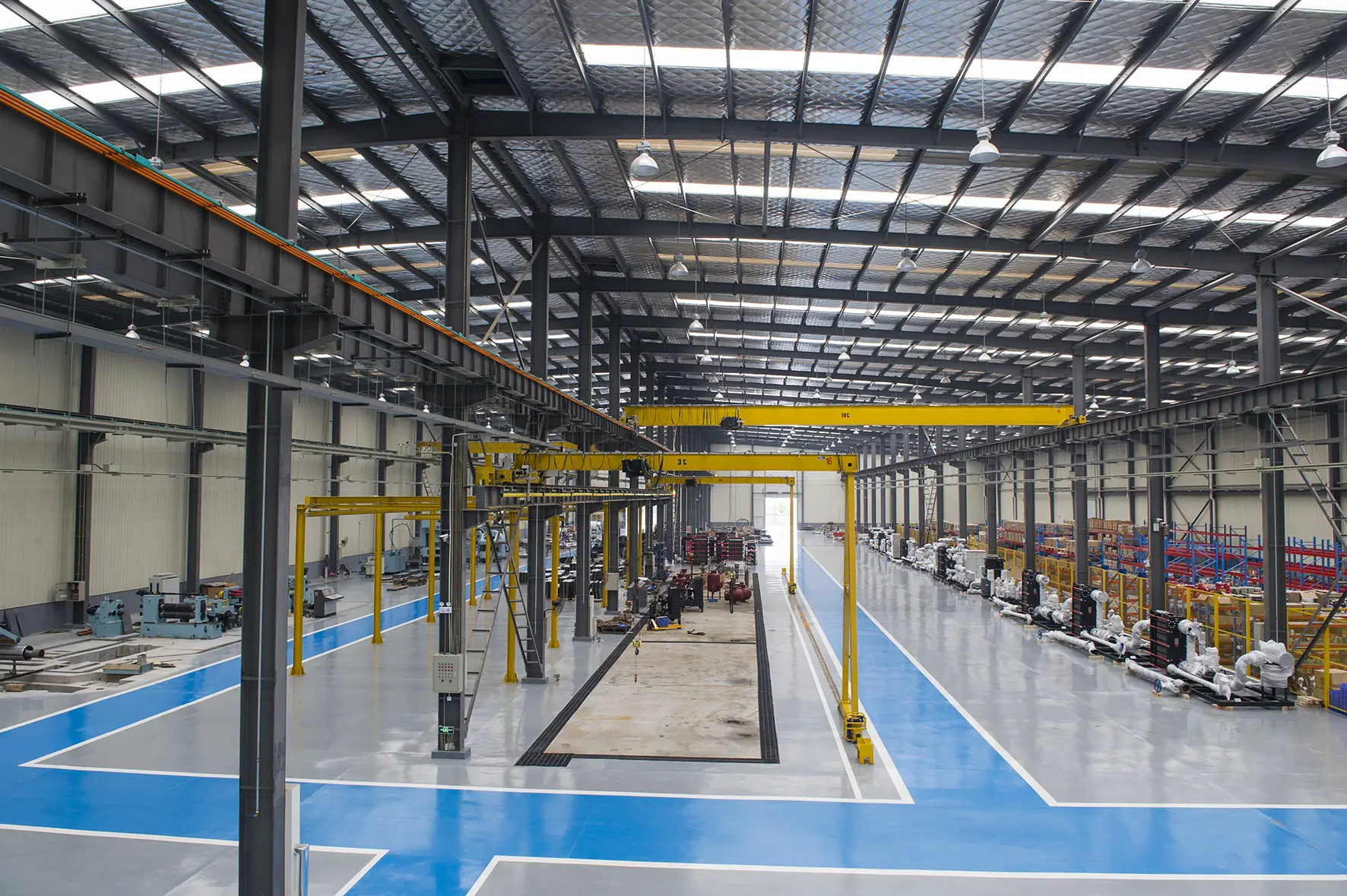
Our vertically integrated manufacturing facility monitors every stage of the production cycle to ensure dimensional accuracy, structural durability, and leak-free performance.
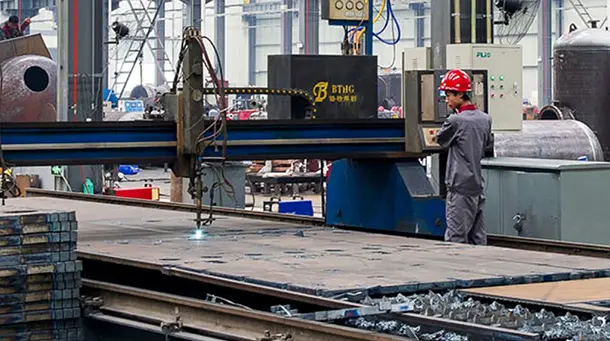
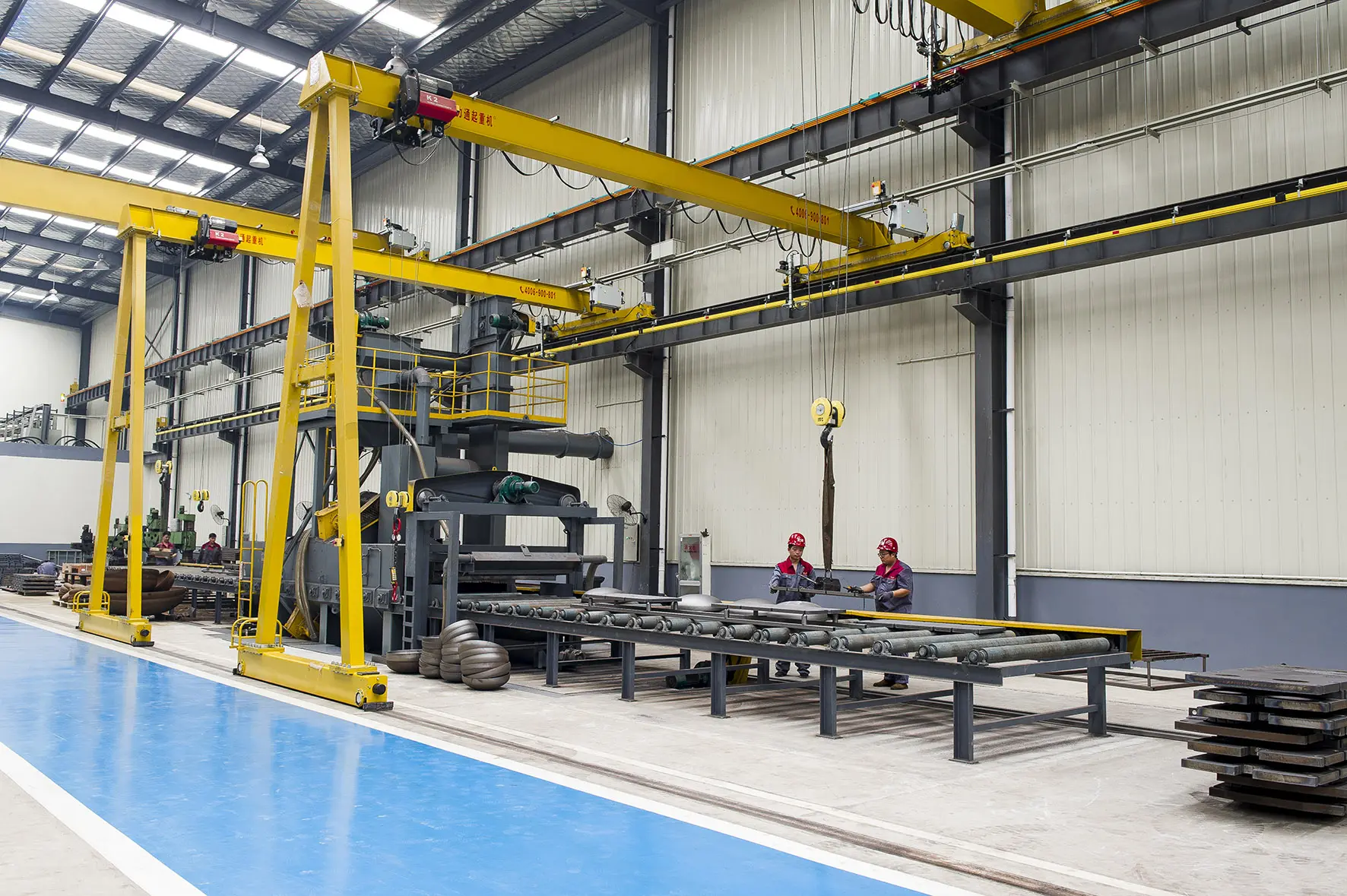
High-precision laser and flame cutting systems shape heavy carbon steel frame plates to ensure rigid support structure alignments.
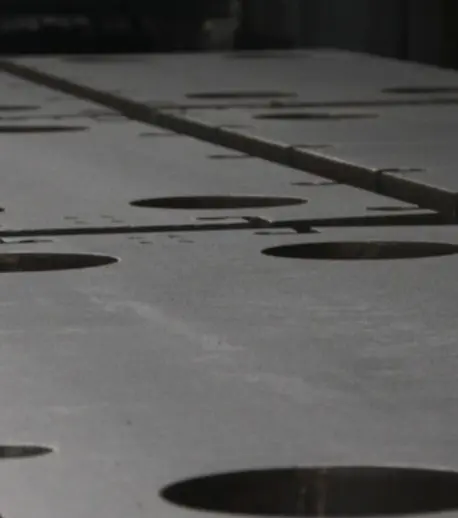
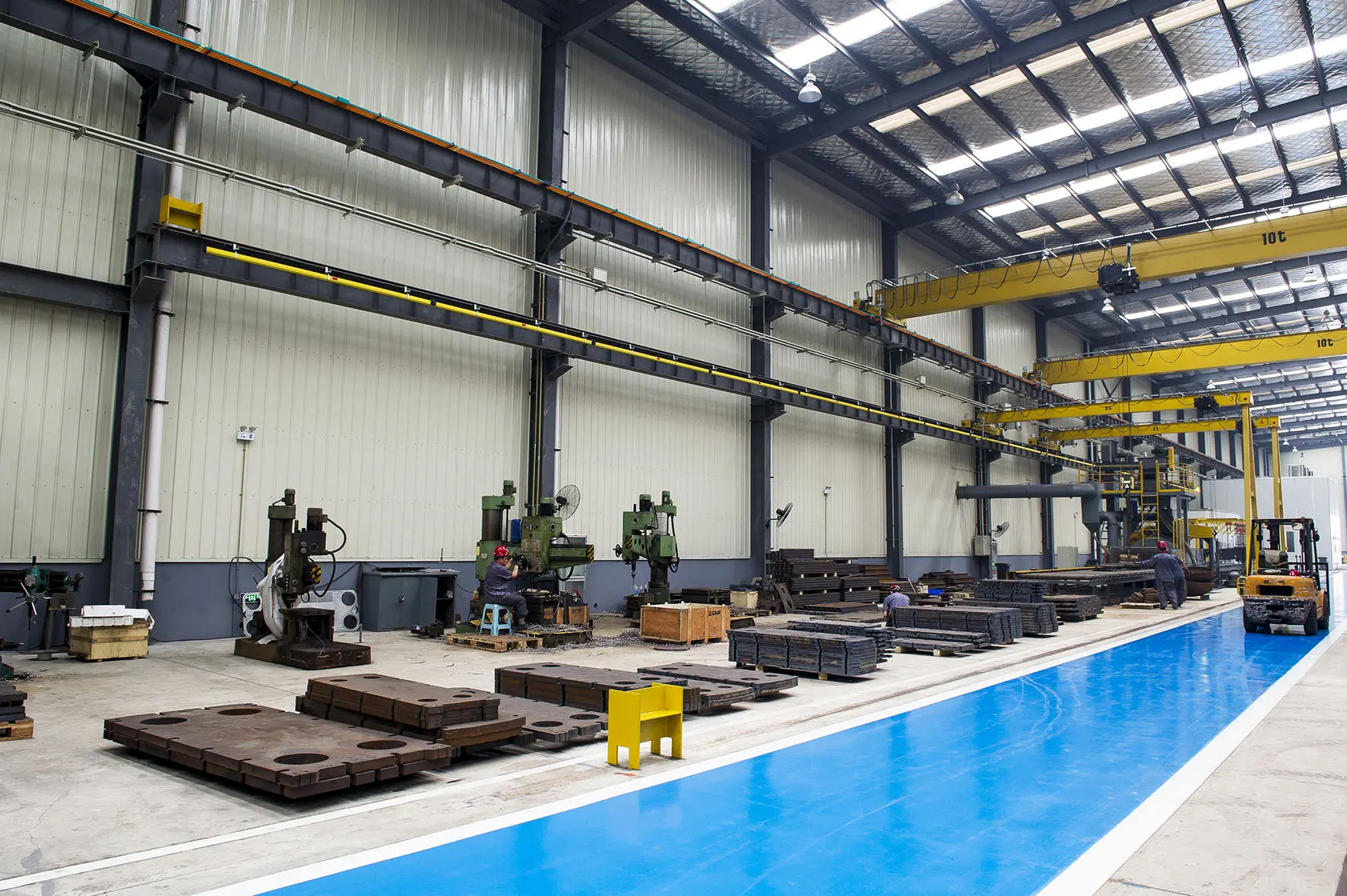
Detailed machining of nozzle connection ports and clamping bars ensures precise dimensions and stable fluid distribution paths.
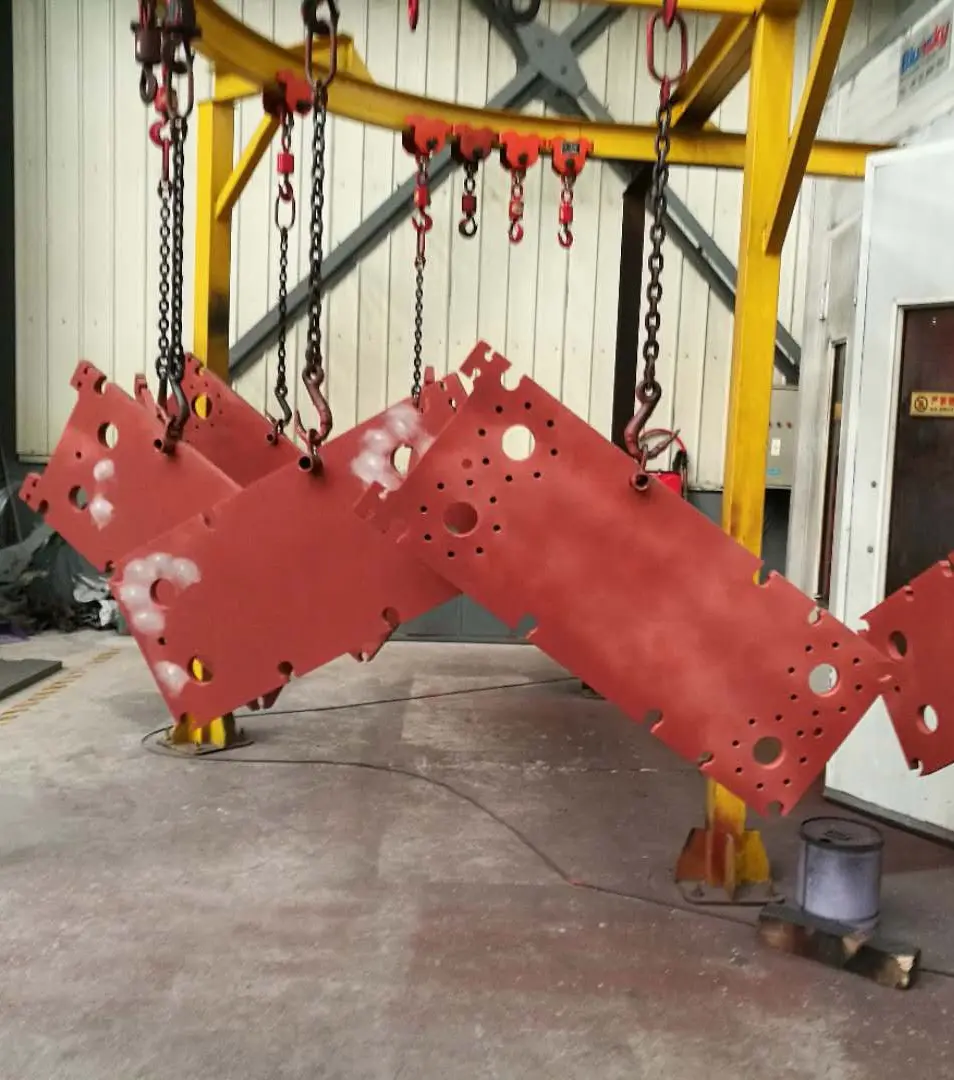
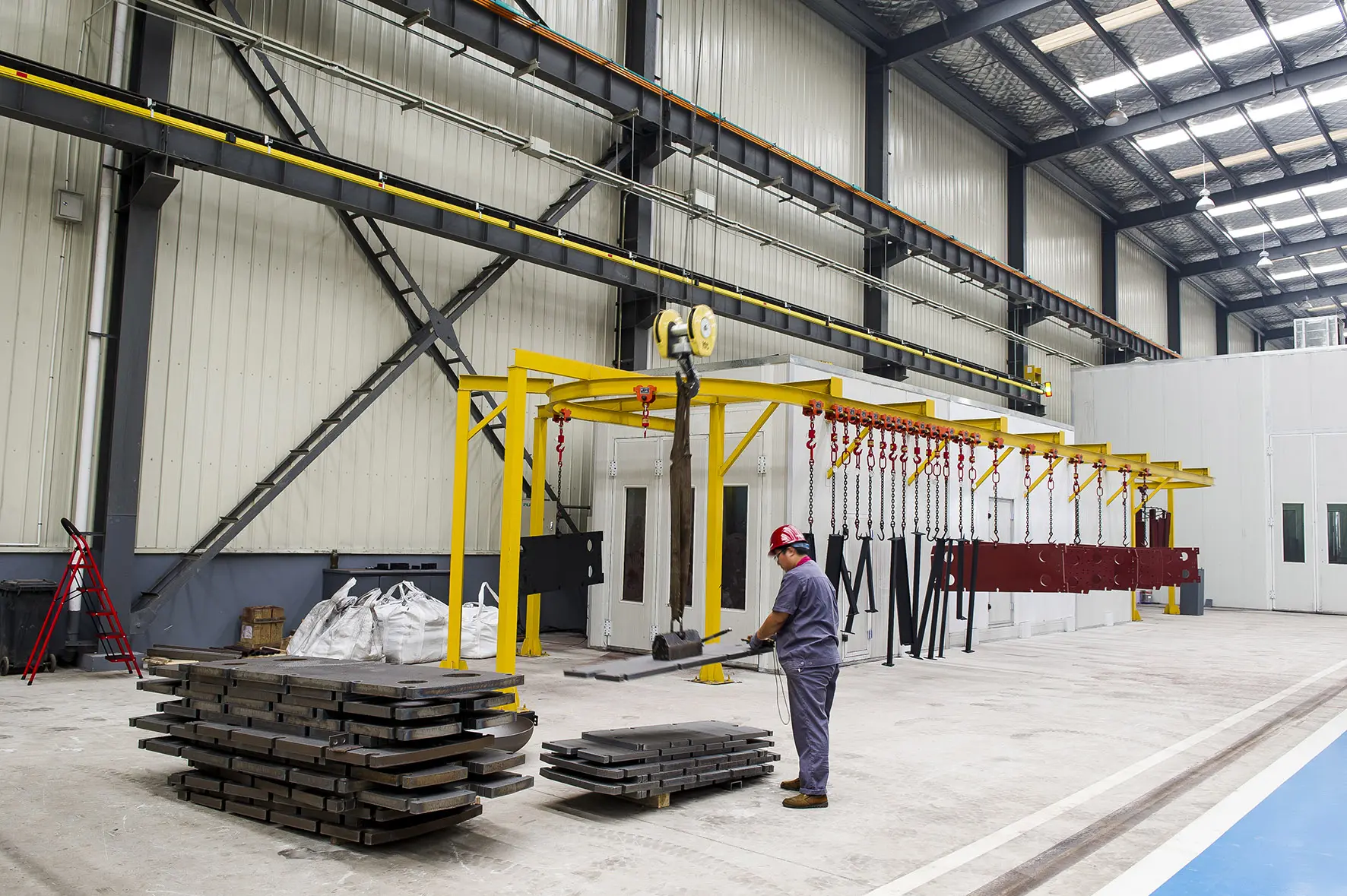
Electrostatic corrosion-resistant epoxy powder coating protects external carbon steel plates from marine environments and industrial chemicals.
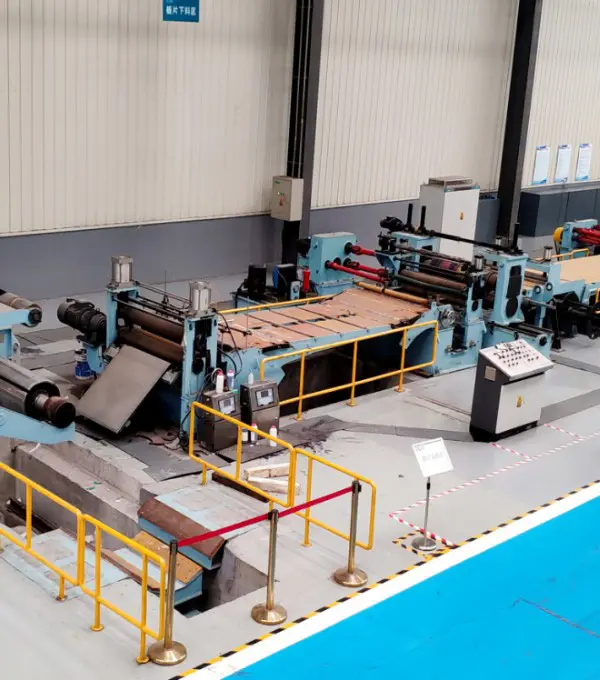
Raw metal coils are slit to width, and laser-marked with heat numbers for raw material traceability.
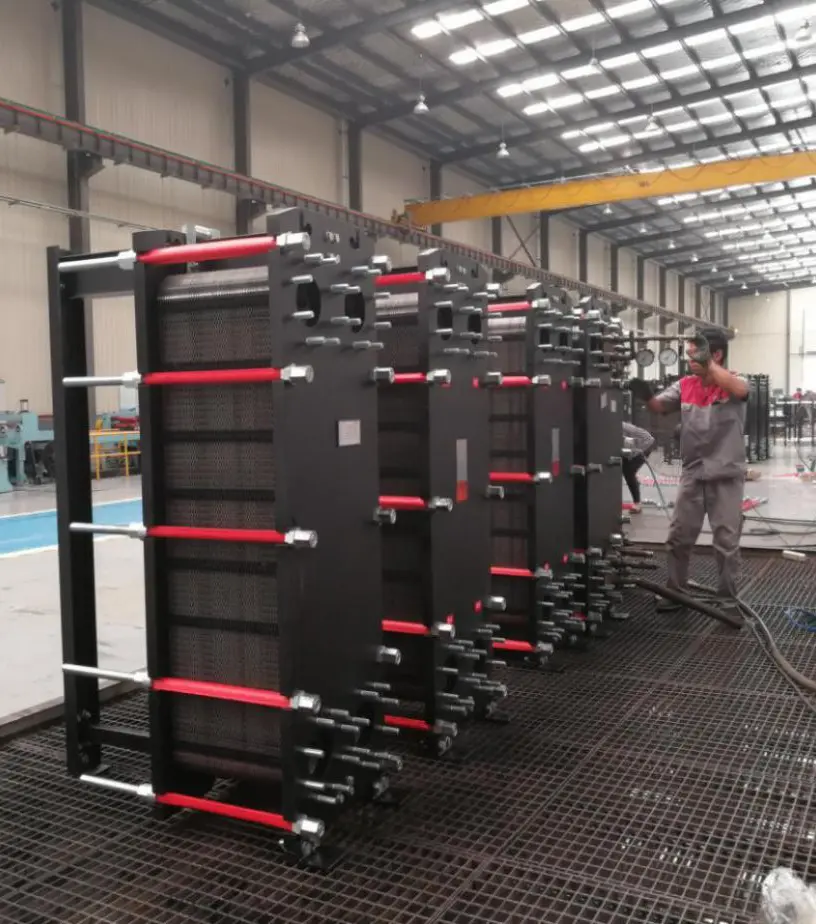
Completed plate packs undergo dual-chamber hydrostatic tests at elevated pressures to verify gasket integrity and seal performance.
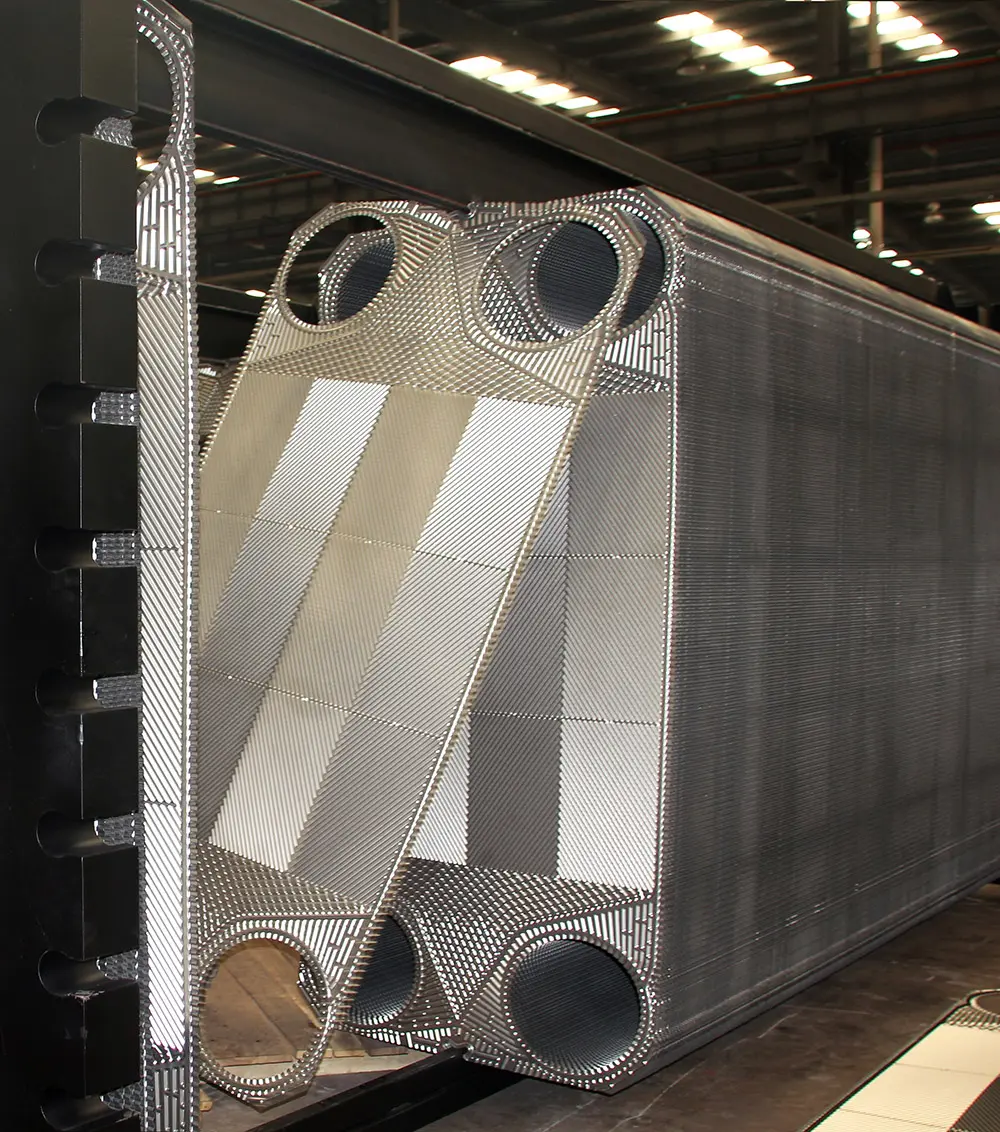
Assembling the plates, gaskets, guide bars, and compression bolts to exact dimensional tolerances using hydraulic torque wrenches.
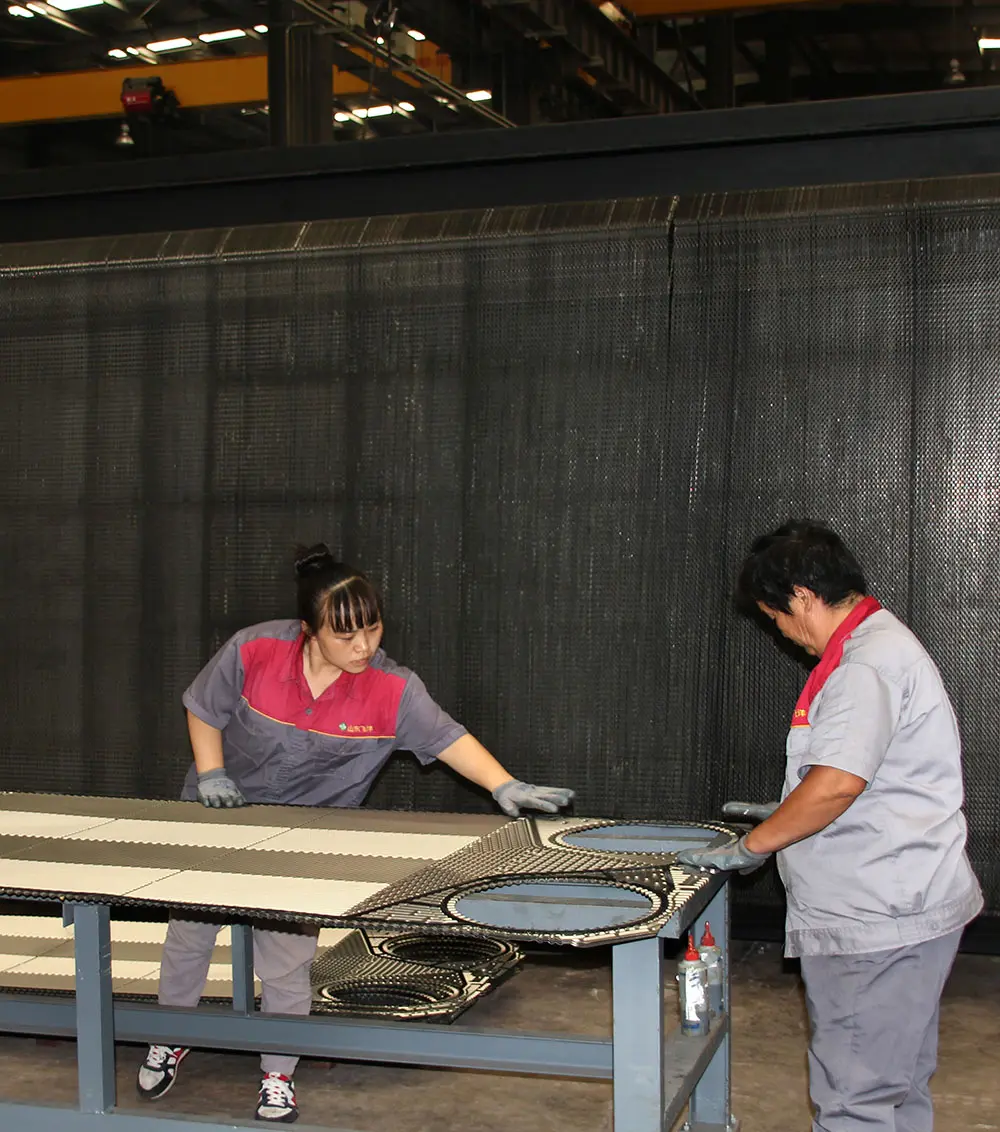
We secure gaskets in place using clip-on designs or heat-cured adhesives to maintain positioning during thermal cycles.
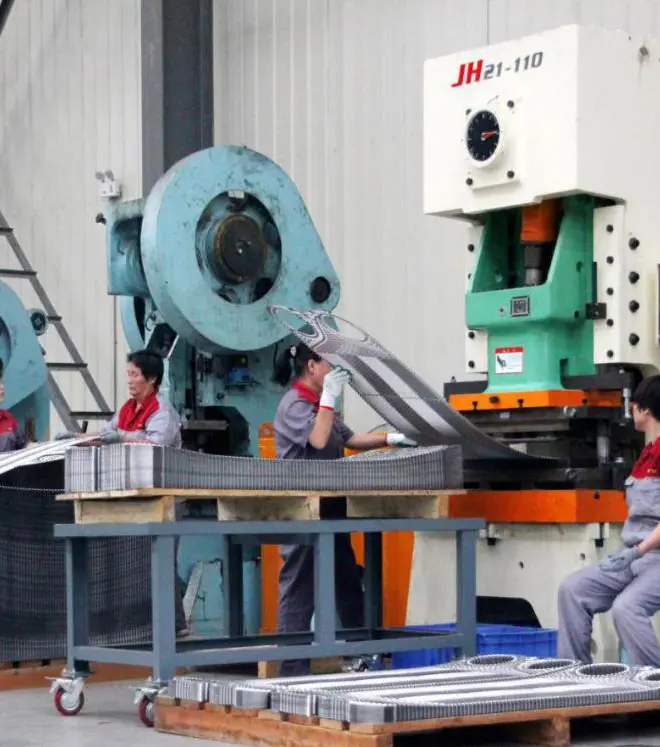
Heavy mechanical press tools stamp flow ports and hanger slots in a single operation to prevent edge warping and stress concentrations.
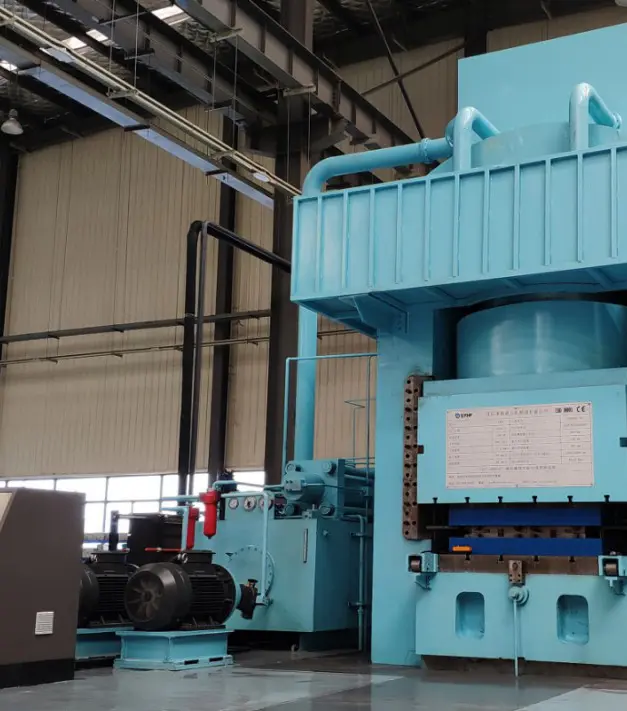
Large hydraulic presses form corrugated plate patterns in a single stroke, maintaining uniform material thickness across the plate profile.
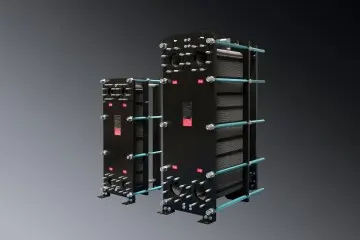
Our detachable plate heat exchangers are used in gold, copper, and iron ore extraction plants in Western Australia for processing slurry temperature control and heat recovery.
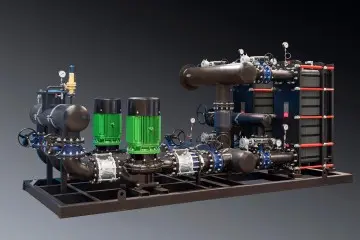
Integrating heat exchange units within HVAC structures of Brisbane and Sydney high-rises to reduce peak thermal loads on central chillers.
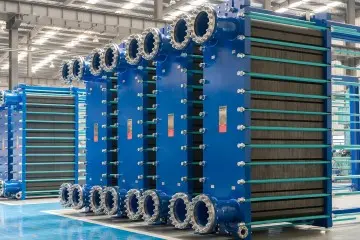
Supplying hygienic plate heat exchangers featuring double-wall safety plates and food-grade gaskets for fluid processing lines.
Our design and production facilities maintain compliance with international safety and quality standards, ensuring our heat exchangers are ready for high-hazard deployments.
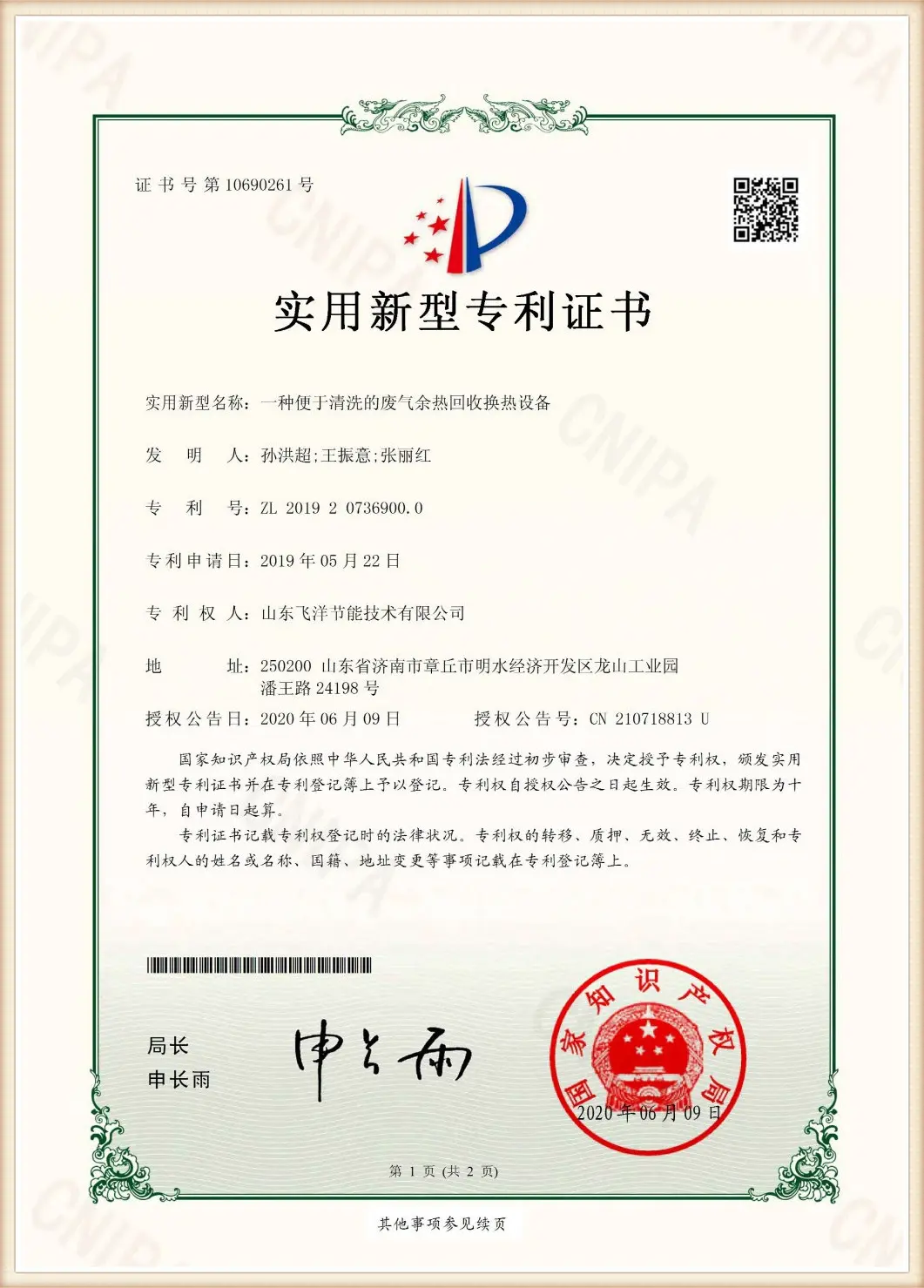
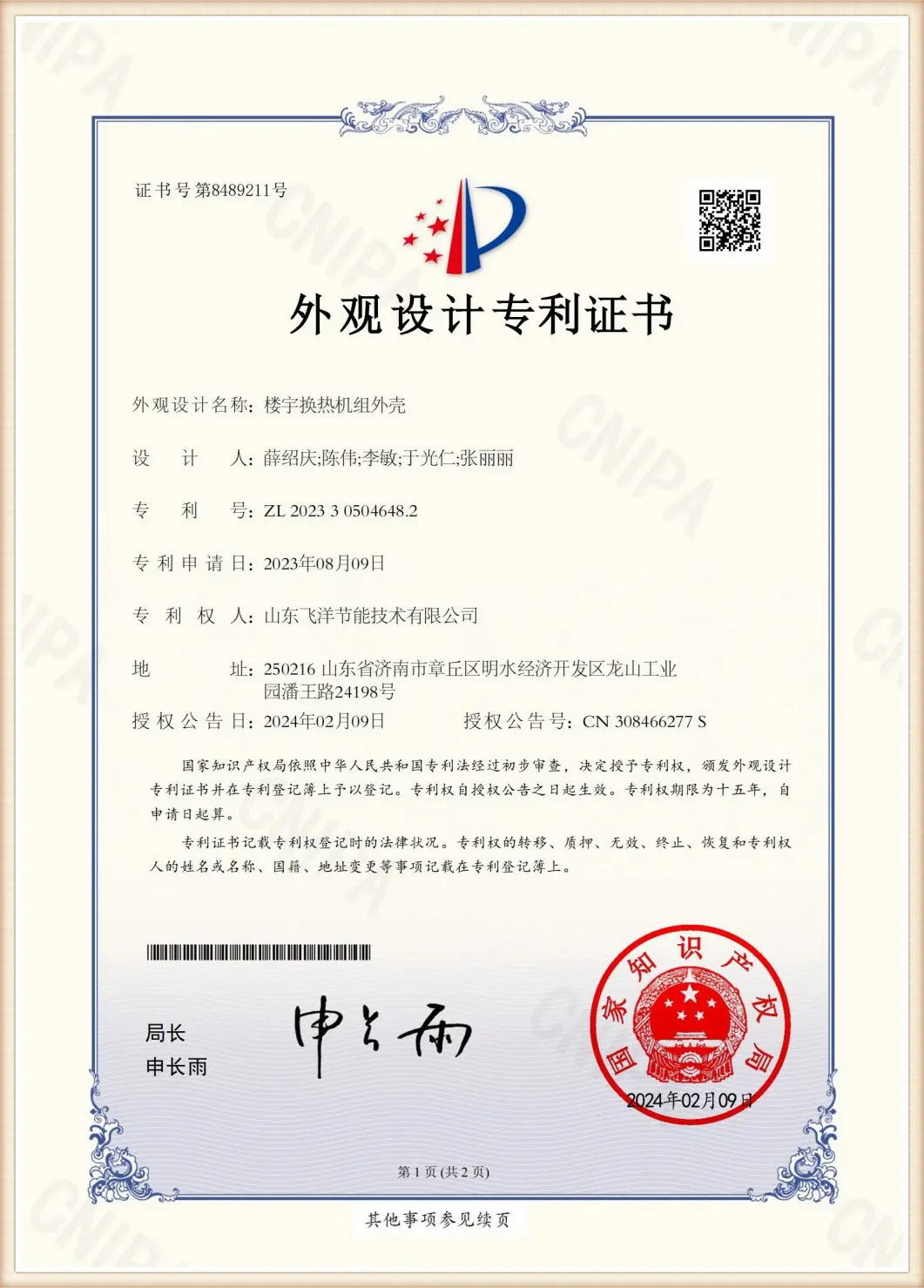
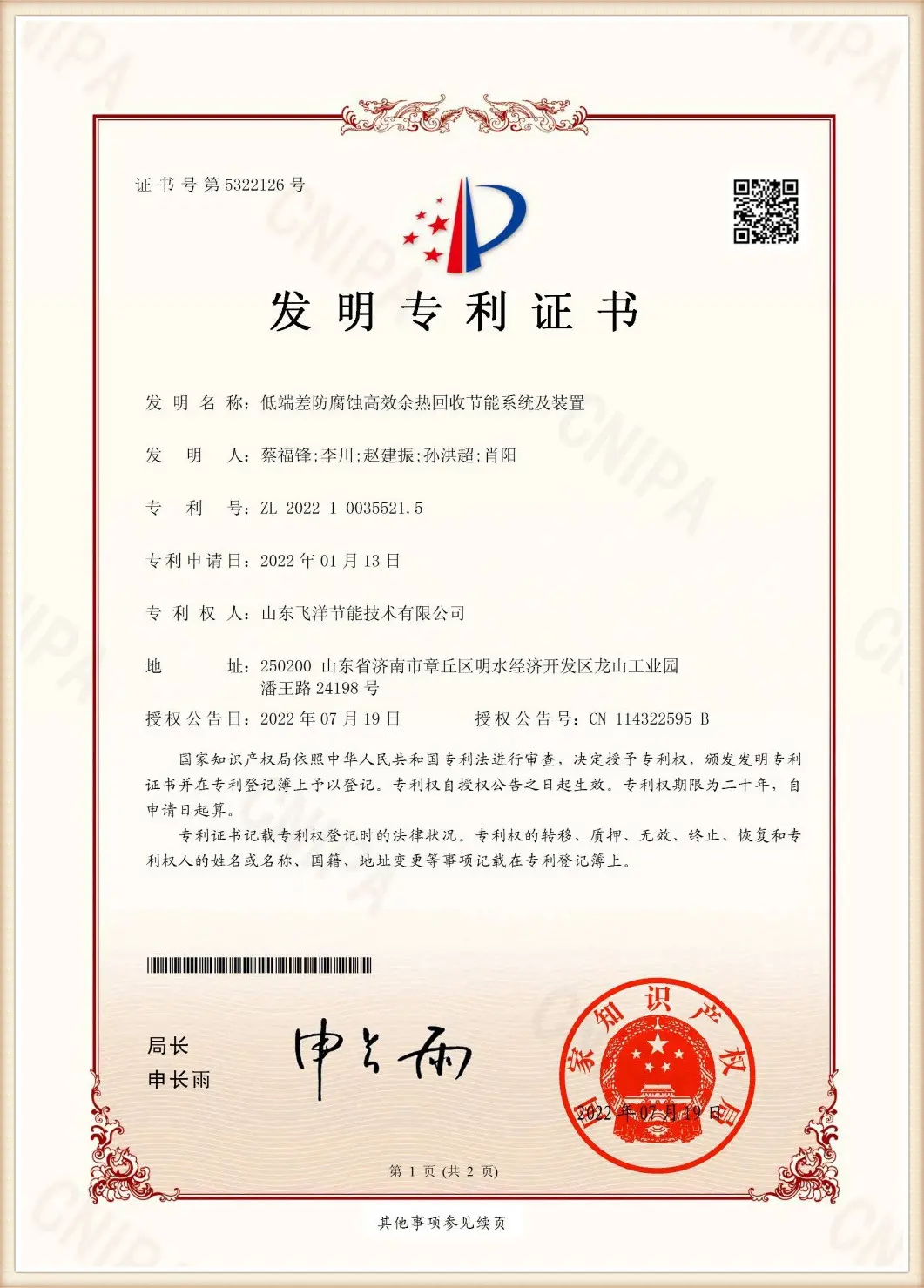
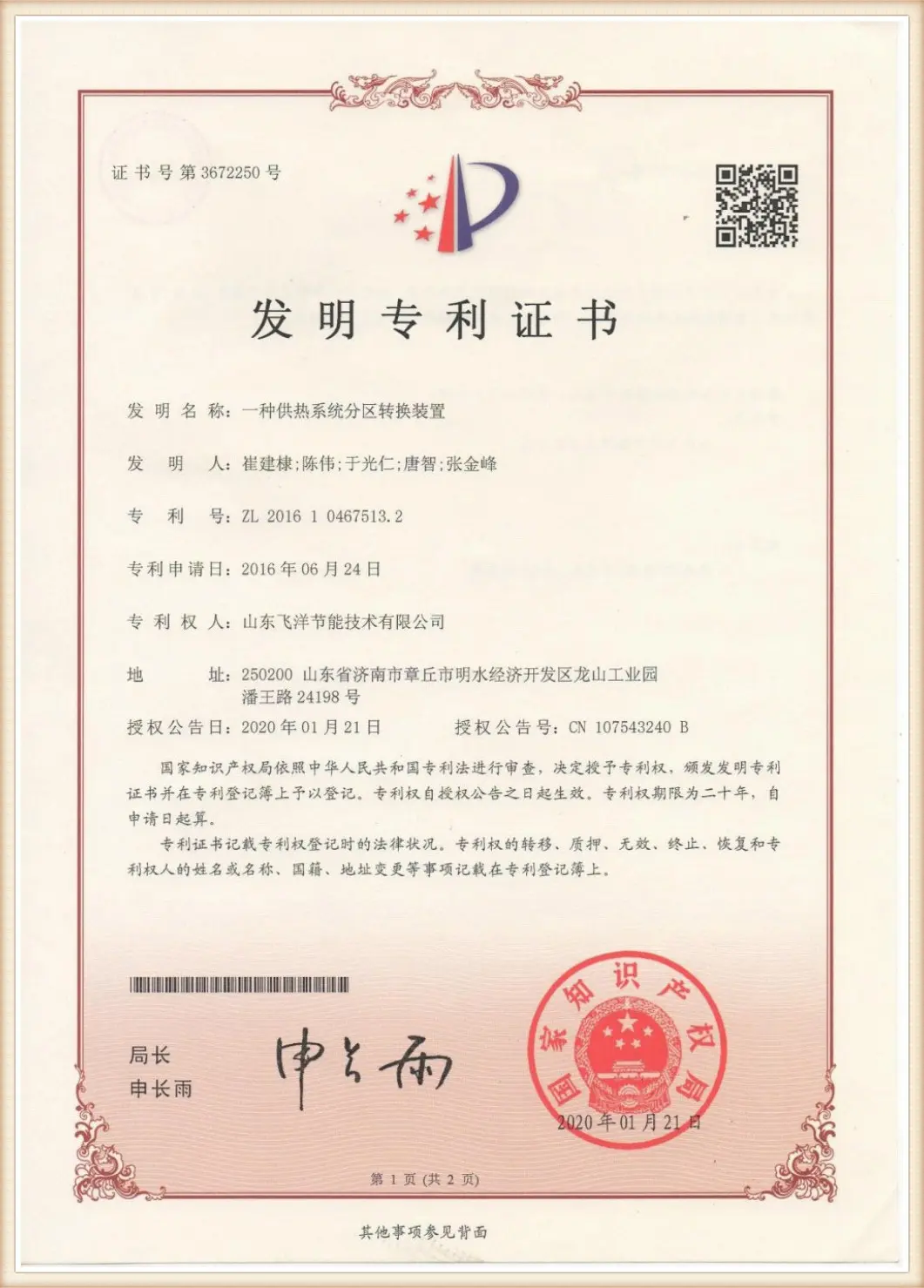
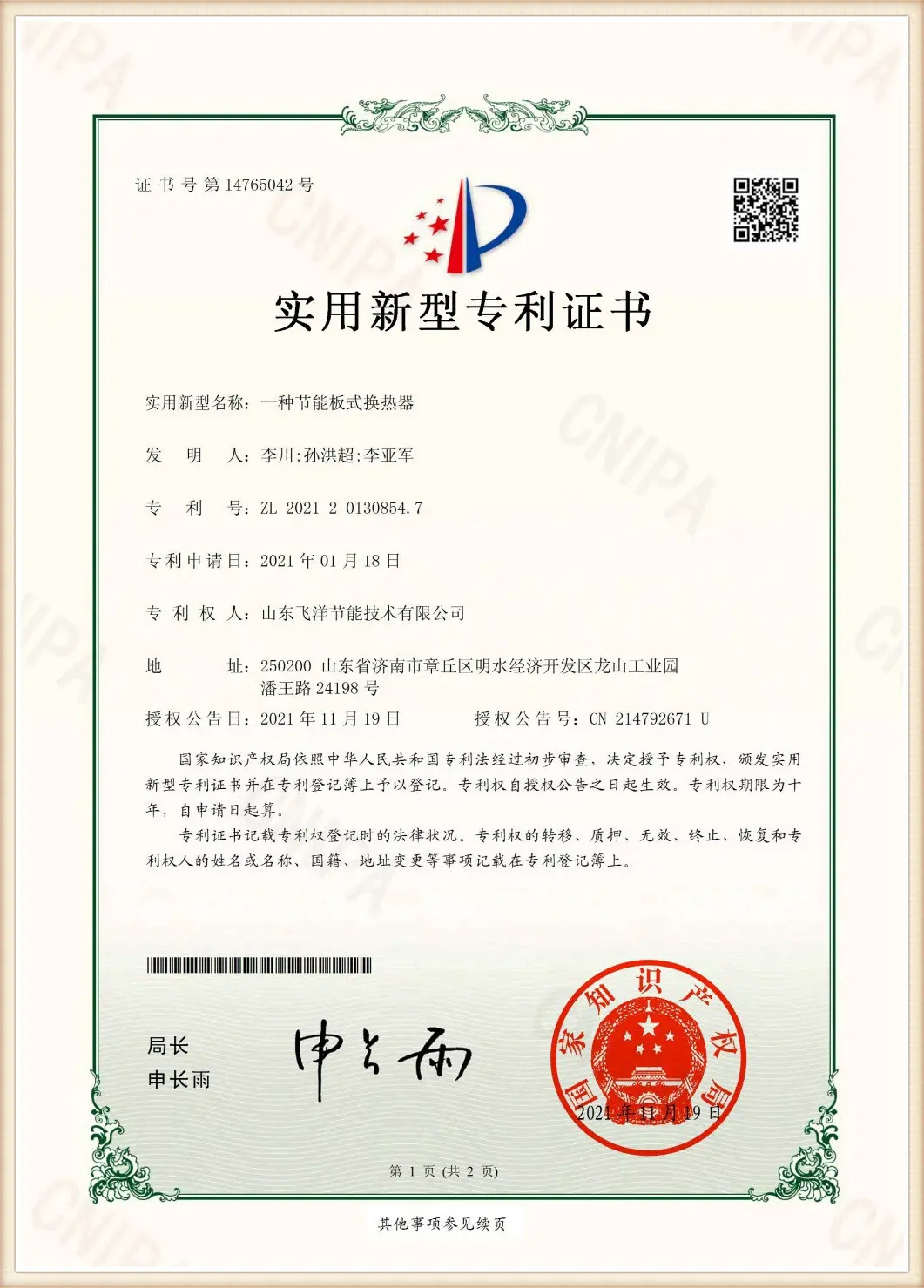
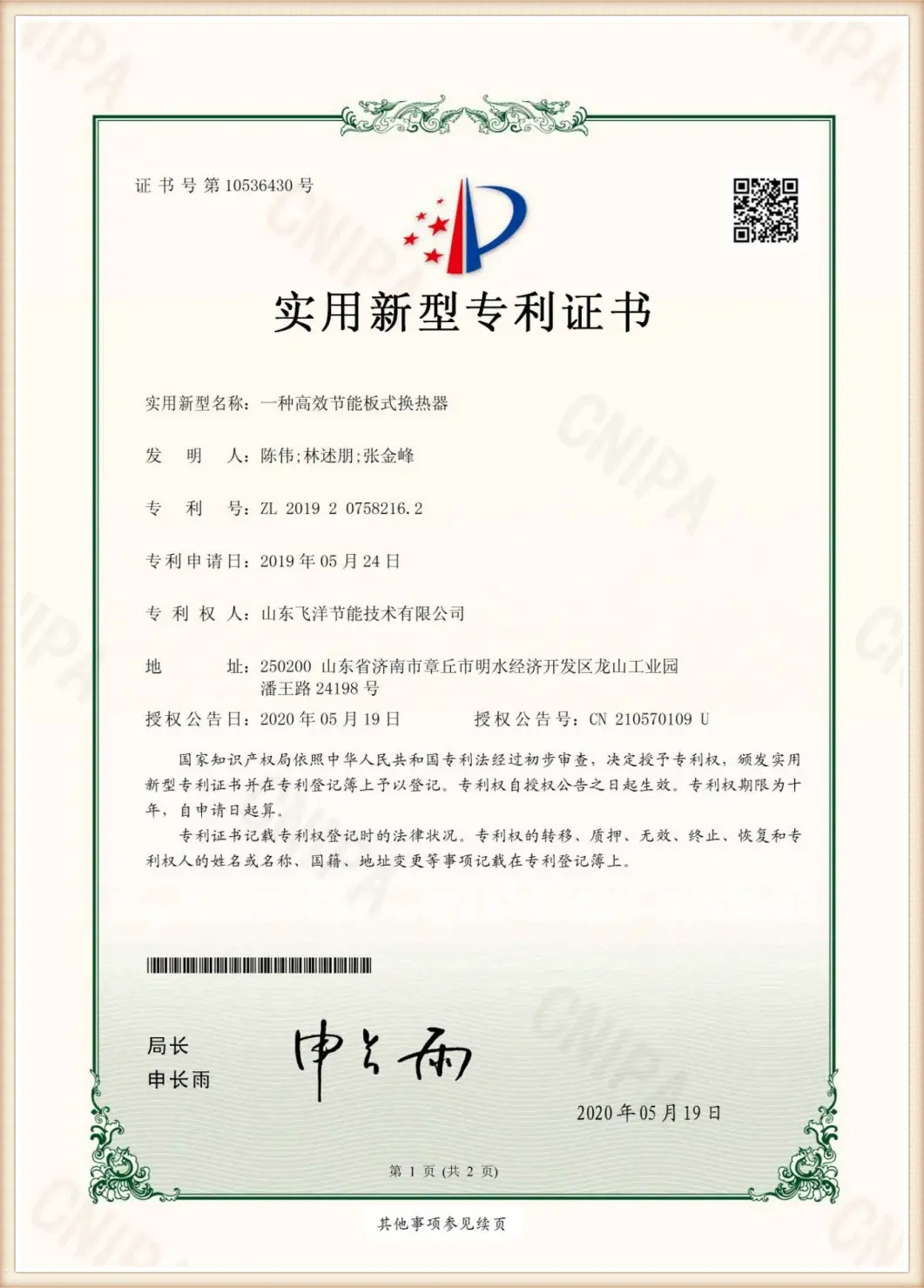
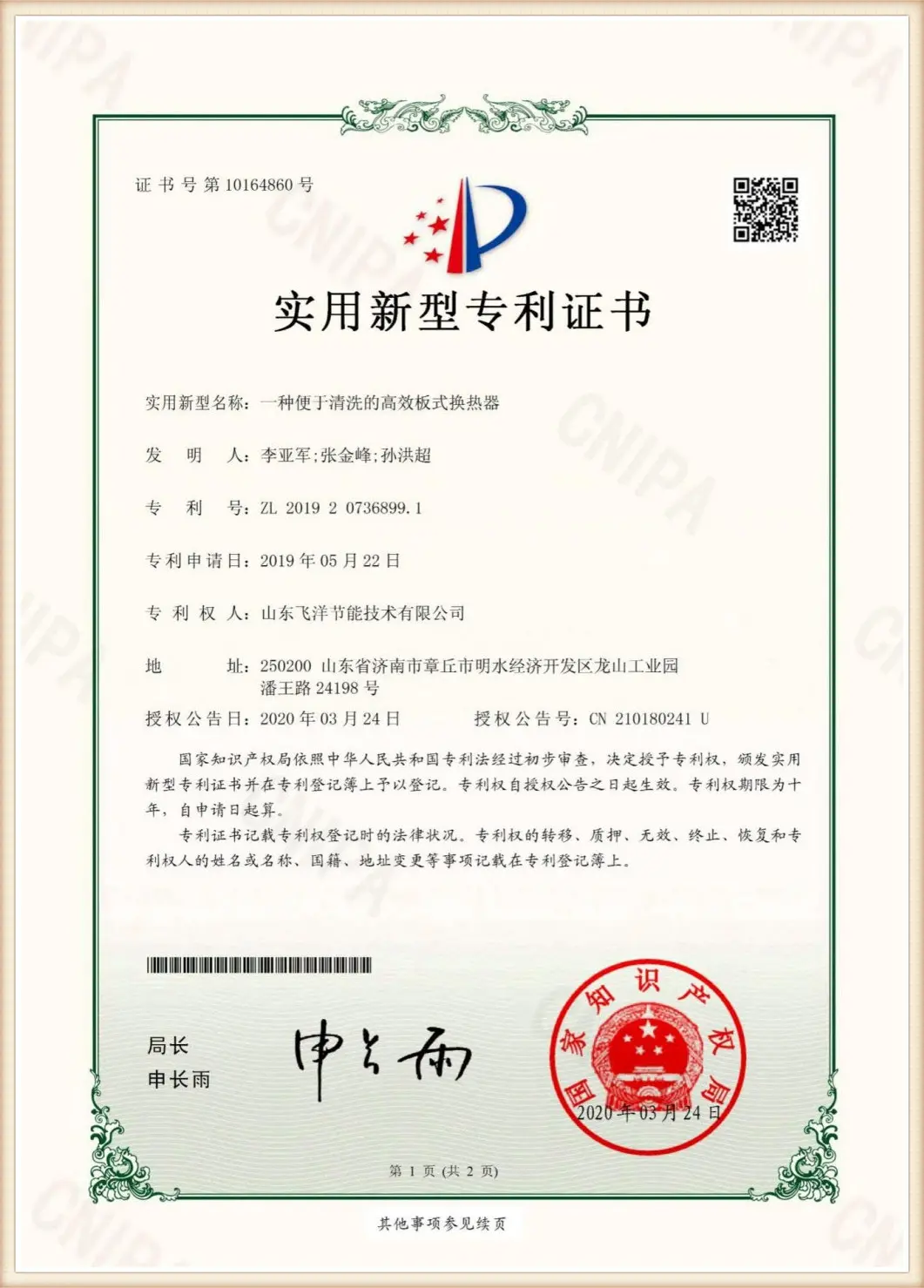
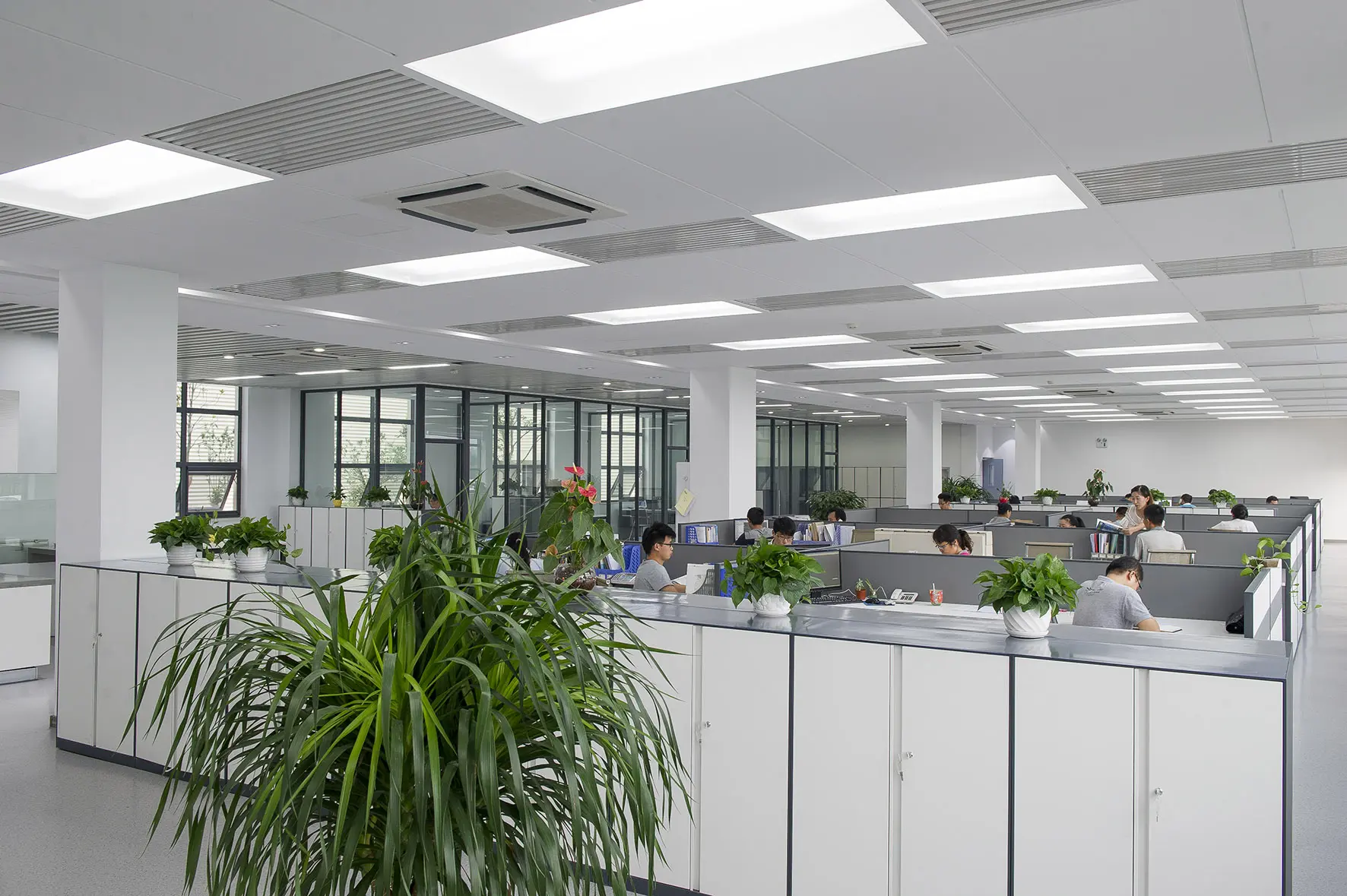
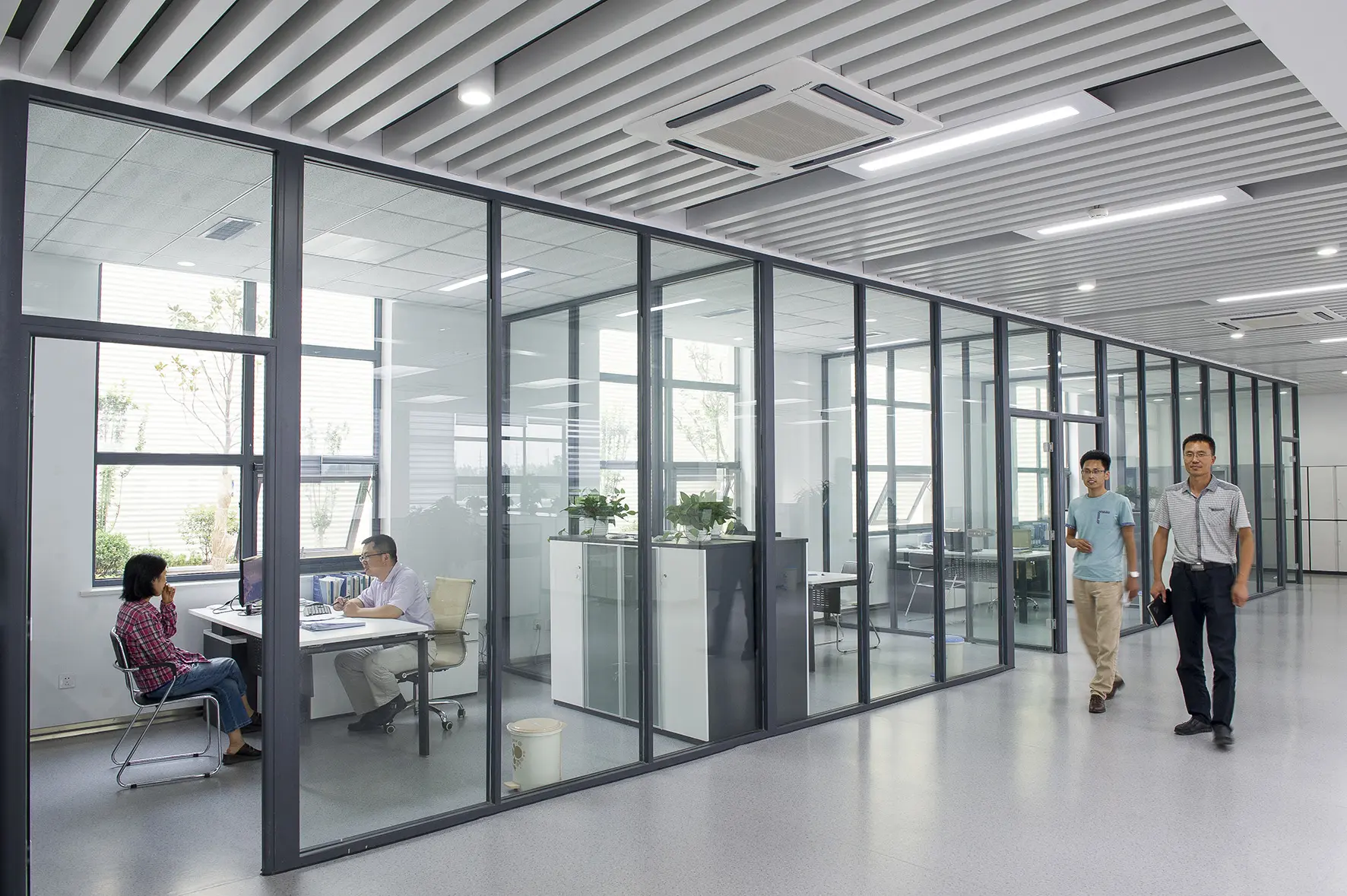
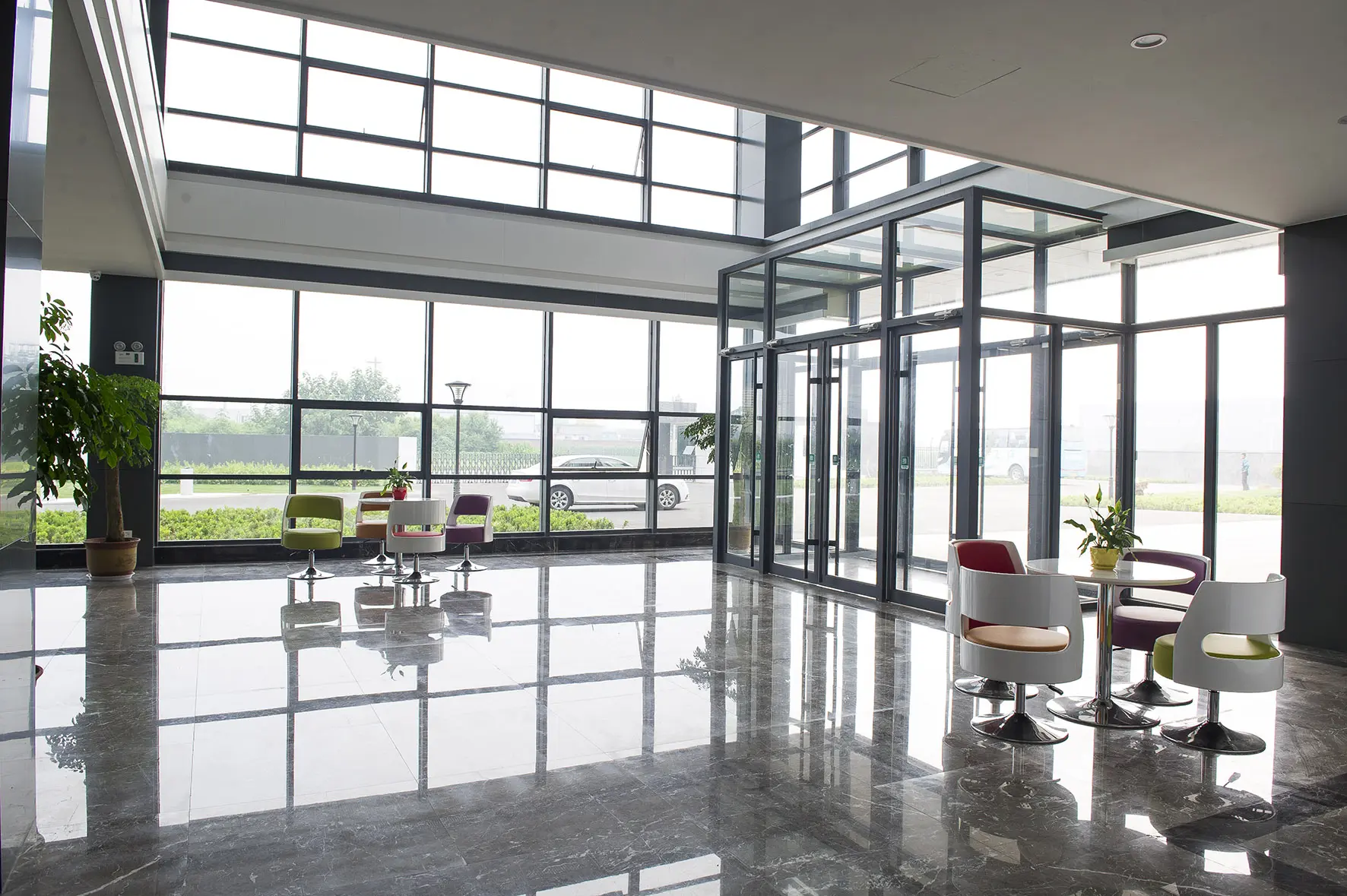
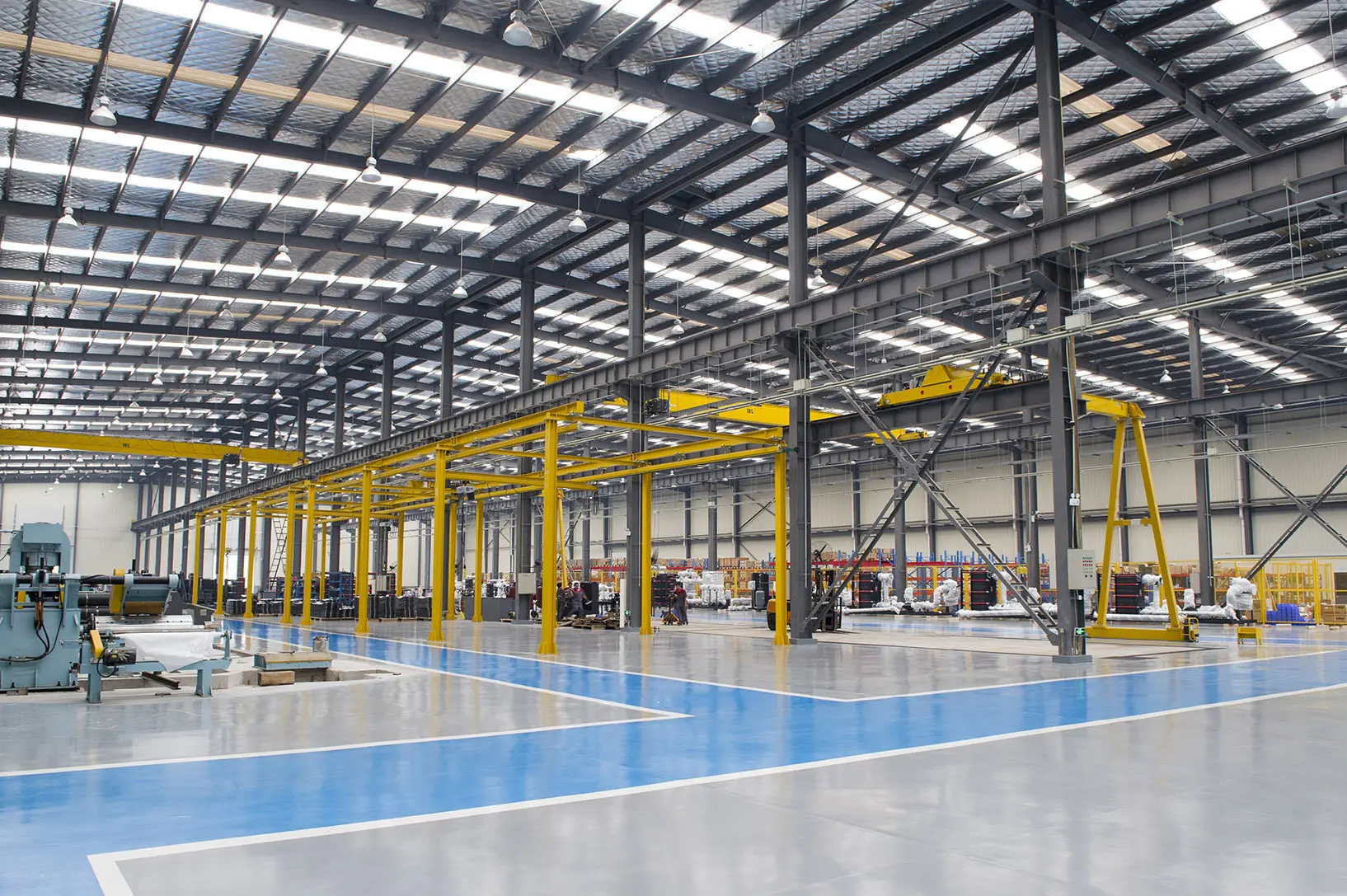
A look inside our manufacturing facility, showing our heavy pressing lines, robotic assembly systems, and chemical analysis laboratories.
Browse our full range of heat exchangers, balance valves, smart collectors, and fluid separation systems. All links reference original factory product pages.

Detailed technical answers to common queries from HVAC engineers, procurement heads, and plant operators in Australia.
 Flotte Energy