Tailored engineering products designed to match the high standards of Kansai’s manufacturing and processing facilities.
Osaka, as the commercial heart of the Kansai region, represents a dense cluster of chemical, maritime, metallurgical, and heavy industrial facilities. The Sakai-Senboku petrochemical complex, the manufacturing centers in Higashiosaka, and the heavy maritime activity around Osaka Port generate substantial thermodynamic engineering demands. Industrial facilities here operate under stringent regulations that mandate strict energy conservation, maximum thermal efficiency, and minimal carbon footprints.
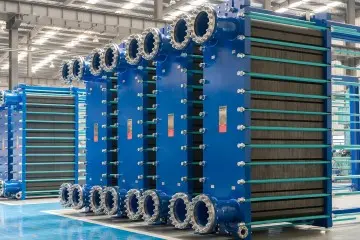
With Japan's commitment to achieve carbon neutrality by 2050, companies operating within the Osaka prefecture are actively restructuring their thermal management frameworks. High-performance plate heat exchangers (PHEs) serve as a vital component in this transition. By substituting legacy shell-and-tube units with advanced, compact plate configurations, Osaka factories can recover waste heat, optimize utility use, and minimize operational costs.
Furthermore, the local climate demands reliable heating, ventilation, and air conditioning (HVAC) systems. Large district cooling and heating (DHC) networks across metropolitan Osaka utilize plate heat exchangers to manage fluctuating loads, ensuring precise climate control in commercial landmarks and residential hubs.
Established in 2013 with a registered capital of 101 million yuan, Flotte Energy Saving Company originated from Flotte Thermal Engineering, founded in 1995. With three decades of rigorous research and development, we specialize in water management systems, industrial HVAC networks, and advanced water treatment technologies.
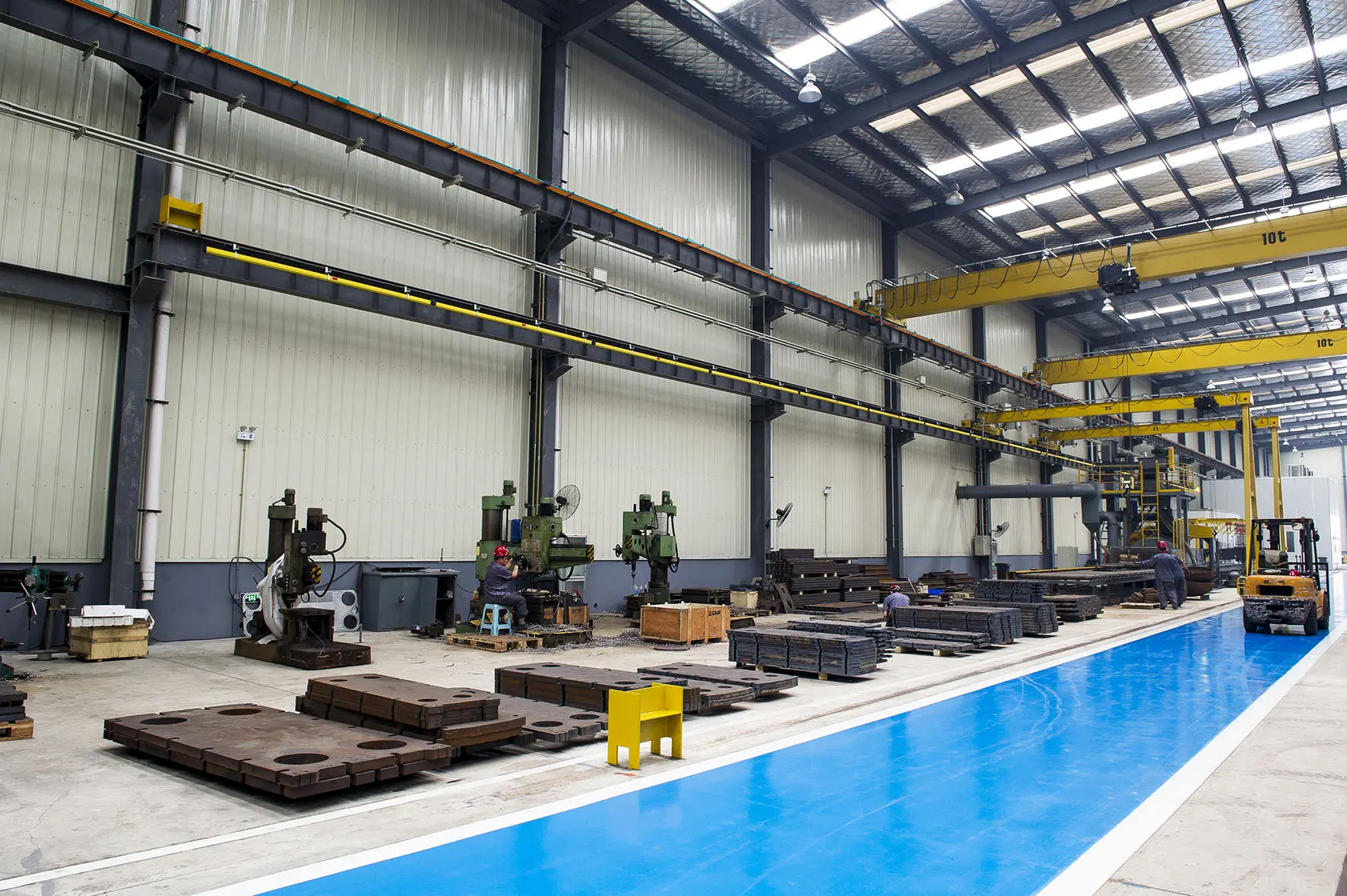
Our design philosophy prioritizes high efficiency, operational reliability, and environmental compliance. We utilize modern production workshops equipped with advanced manufacturing and quality inspection facilities. All frontline technicians undergo formal training and certification to operate specialized forming and testing systems.
Flotte operates under an integrated quality framework, complying with the ISO 9001:2015 International Quality Management System, the ISO 14001 Environmental Management System, and the ISO 45001 Occupational Health and Safety standard. Furthermore, our designs conform to global pressure vessel criteria, ensuring that industrial systems shipped to Osaka meet high standards of quality and regulatory alignment.
Plate Heat Exchangers (PHEs) are crucial for high-efficiency thermal management across multiple key industries. In Osaka's competitive industrial market, Flotte provides custom engineering designs that address specific system challenges:
In central municipal networks, our plate heat exchangers isolate the main high-pressure municipal loop from local secondary building loops. This configuration enables precise heat transfer and hydraulic balance, reducing energy consumption and optimizing thermal distribution in large commercial complexes.
For chemical processing plants in Sakai-Senboku, we supply plate heat exchangers built from corrosion-resistant alloys, including Titanium, Hastelloy, and SS316L. Specially formulated gaskets (such as EPDM and FKM) ensure stable performance in aggressive chemical environments.
Maritime operations at the Port of Osaka require compact, highly efficient cooling systems. Flotte's lightweight titanium-plate configurations resist marine biofouling and saltwater corrosion, providing reliable performance in marine engine cooling loops.
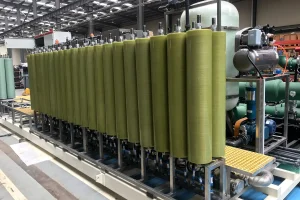
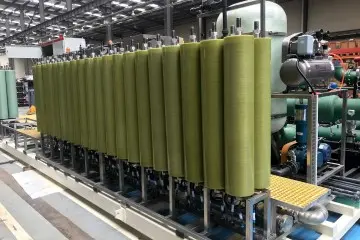
In water conservation and wastewater management, our membrane concentration systems work alongside plate heat exchangers to process industrial runoff, facilitate resource recovery, and help local factories meet strict ecological standards.
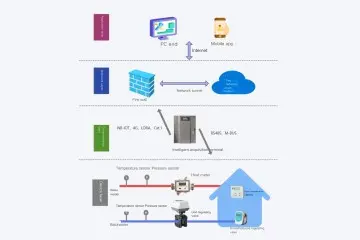
The future of industrial thermal systems depends on smart monitoring, predictive maintenance, and optimized flow dynamics. Flotte's technical roadmap addresses these trends with advanced engineering solutions:
Deploying thermal equipment in Japan requires strict adherence to local safety and quality standards. Flotte's design and manufacturing systems are built to align with these requirements, ensuring smooth integration into Osaka's industrial systems:
Our pressure vessels and plate heat exchangers undergo rigorous testing to meet the standards of the High Pressure Gas Safety Act and JIS (Japanese Industrial Standards). From raw material sourcing to final hydrostatic pressure testing, every stage of production is recorded and certified.
By cooperating with authorized testing bodies, we provide complete technical documentation, material test reports (MTRs), and compliance certificates, ensuring our systems meet the safety standards of Japanese municipal and industrial operators.
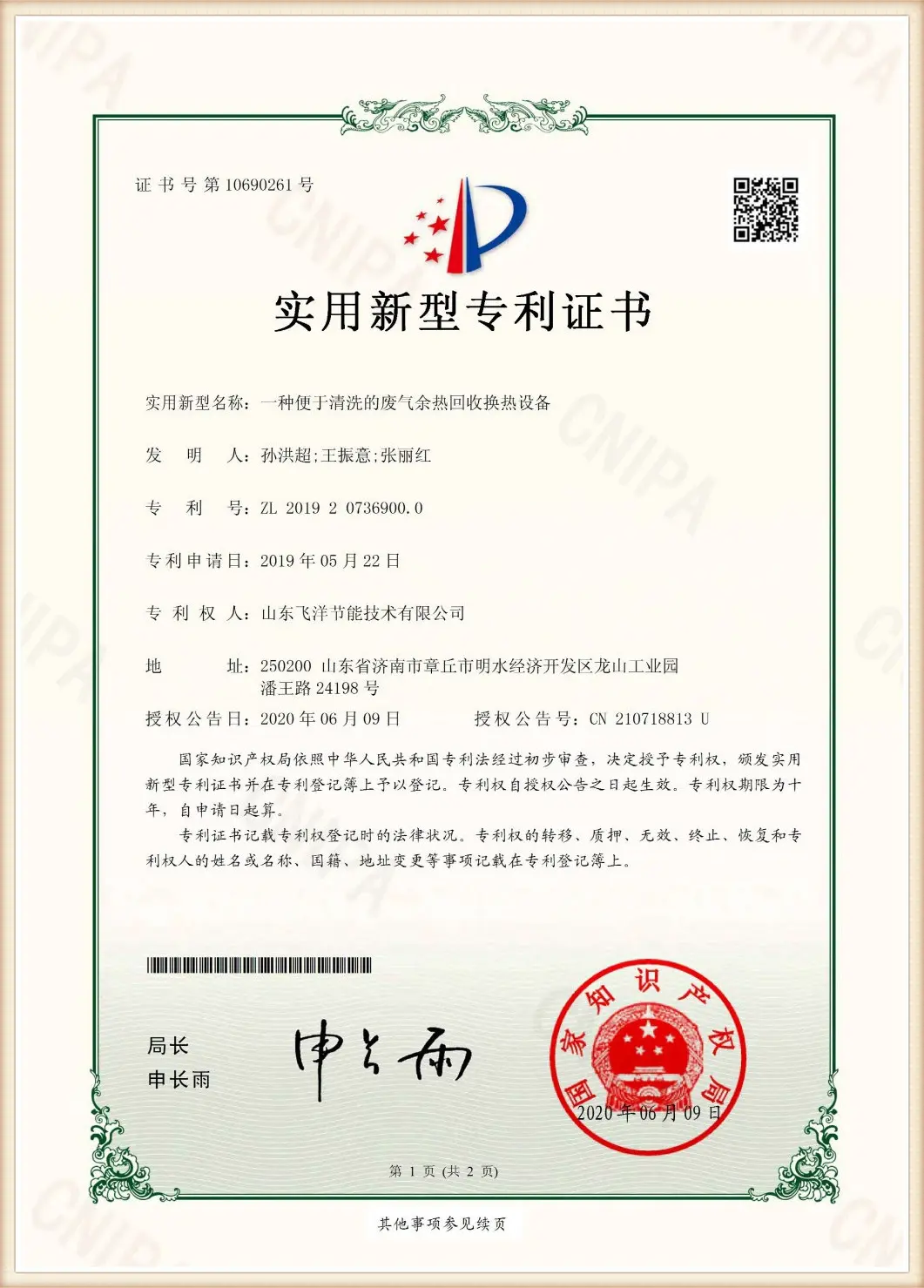
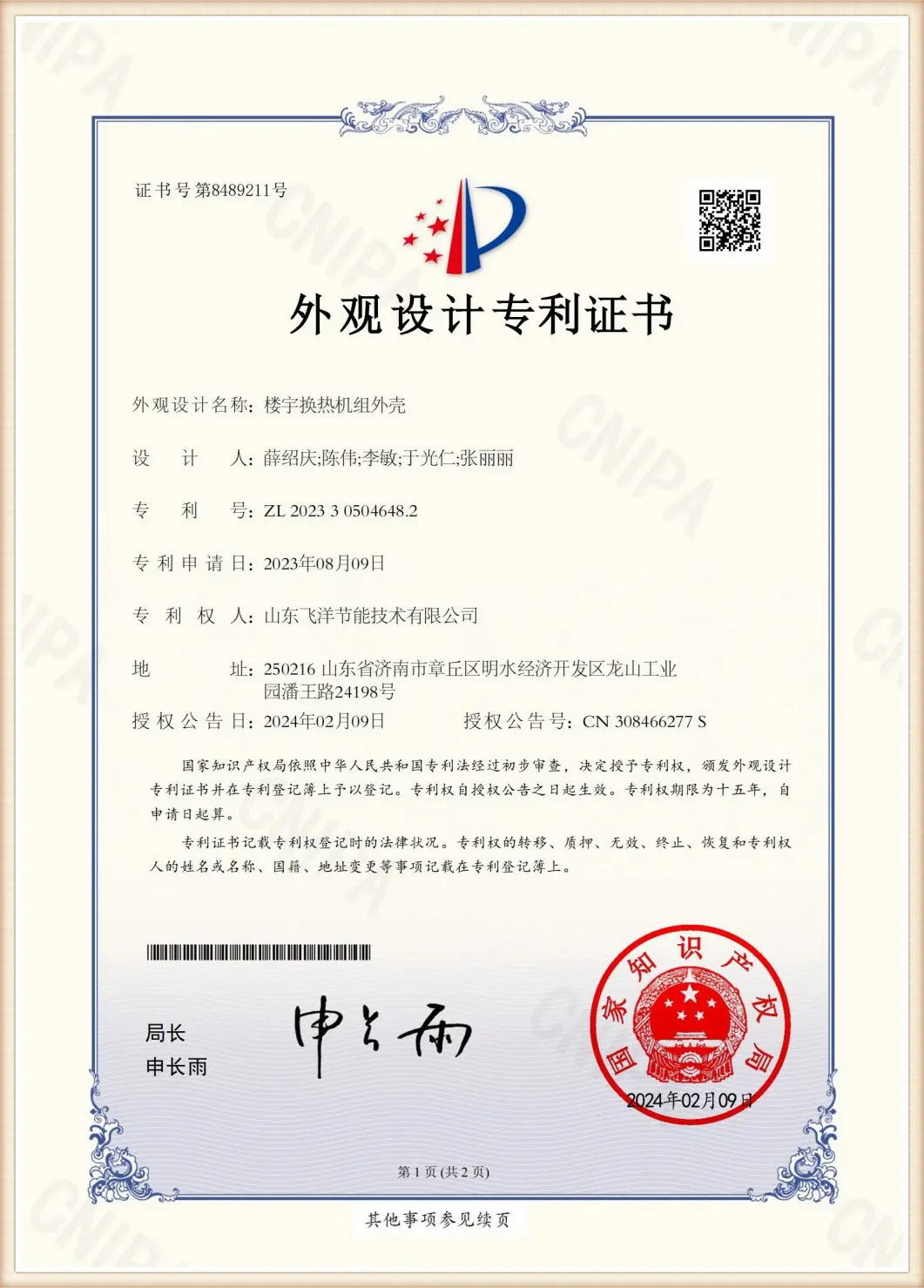
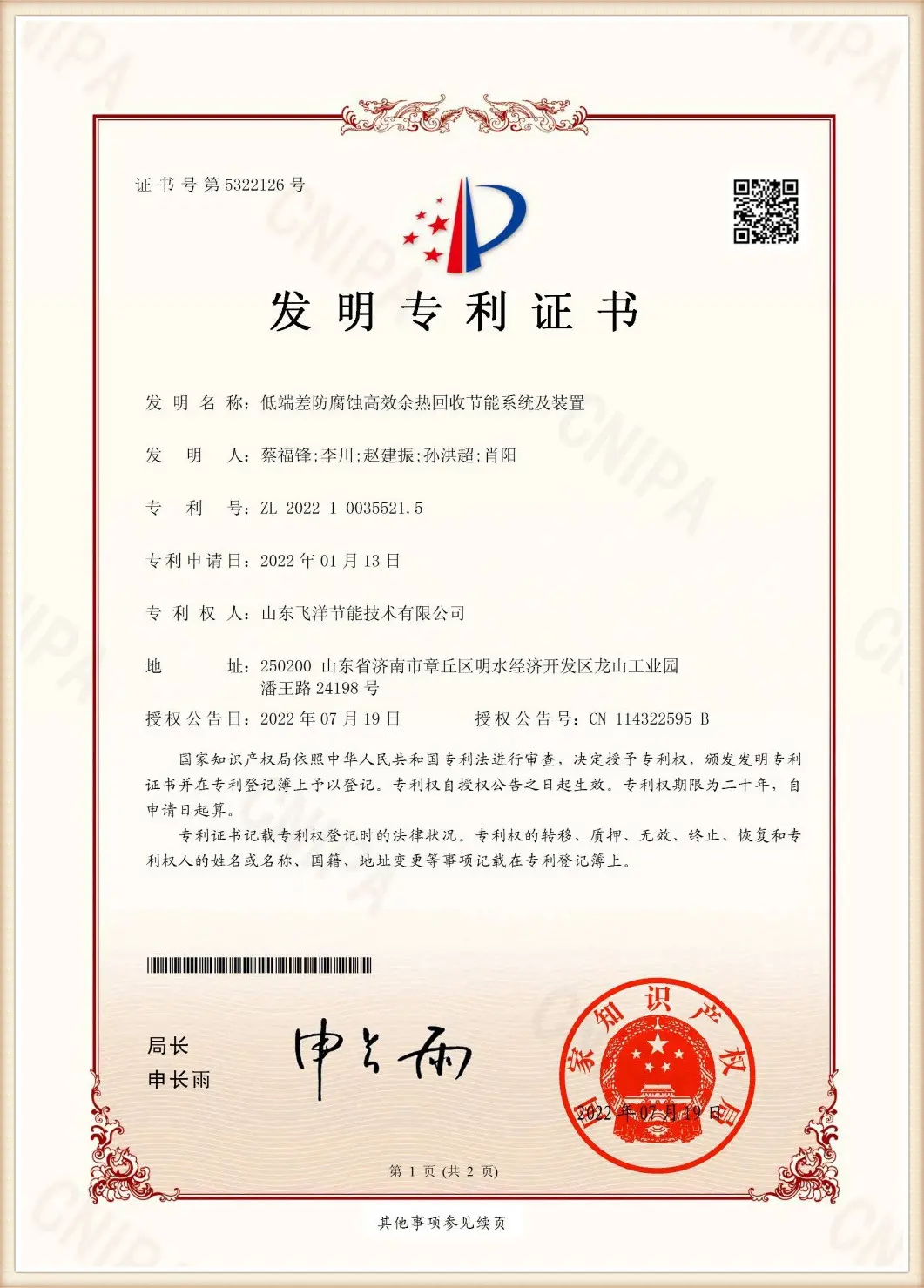
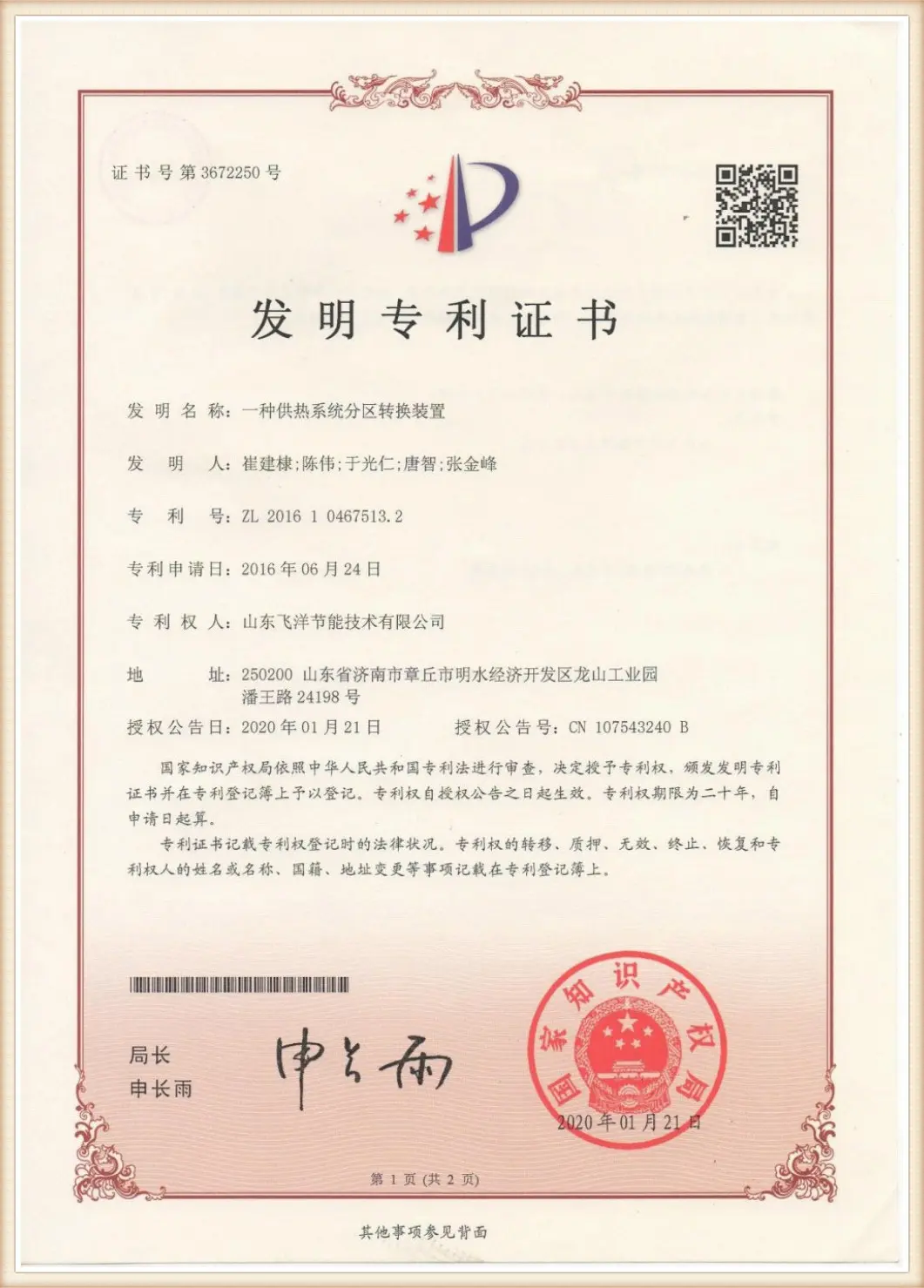
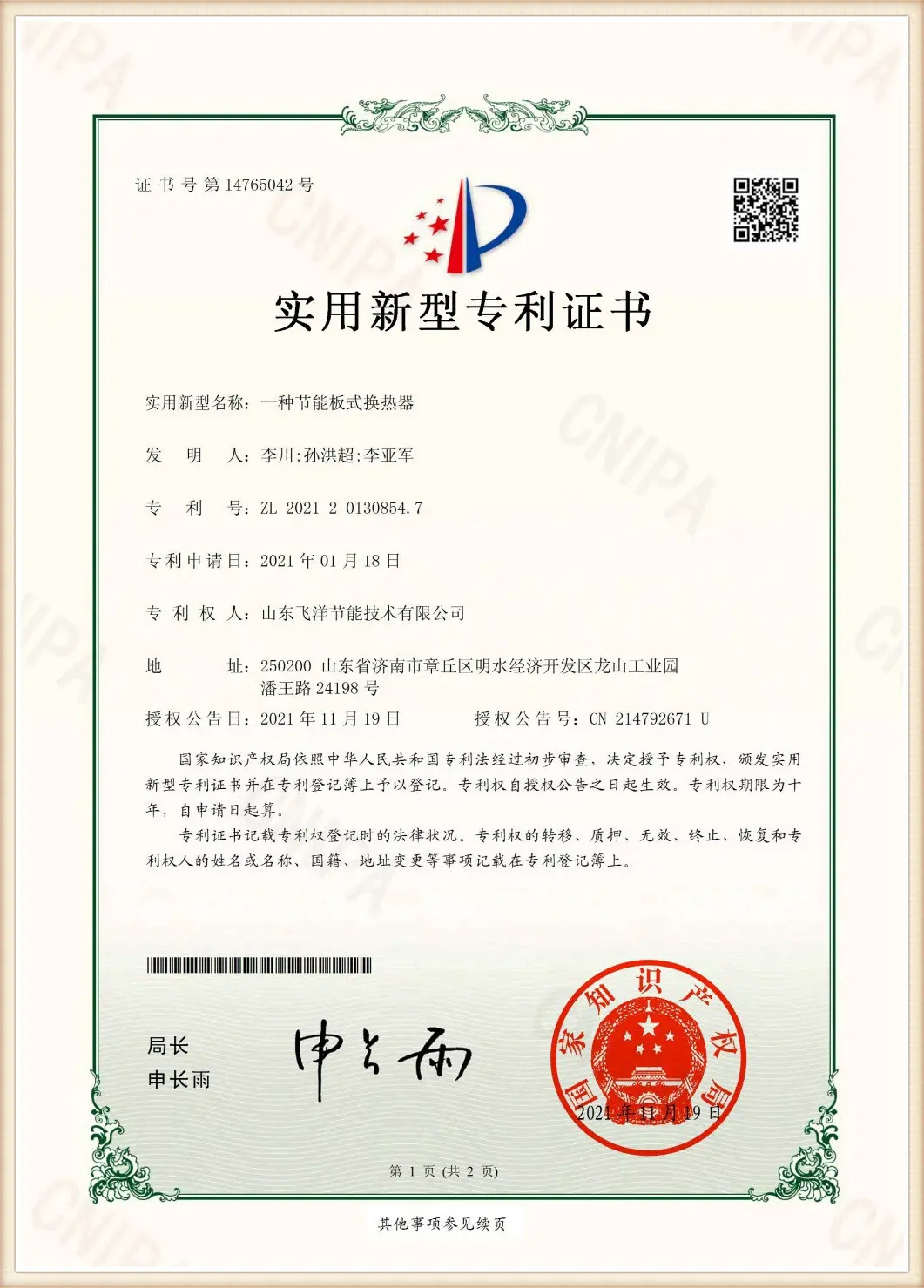
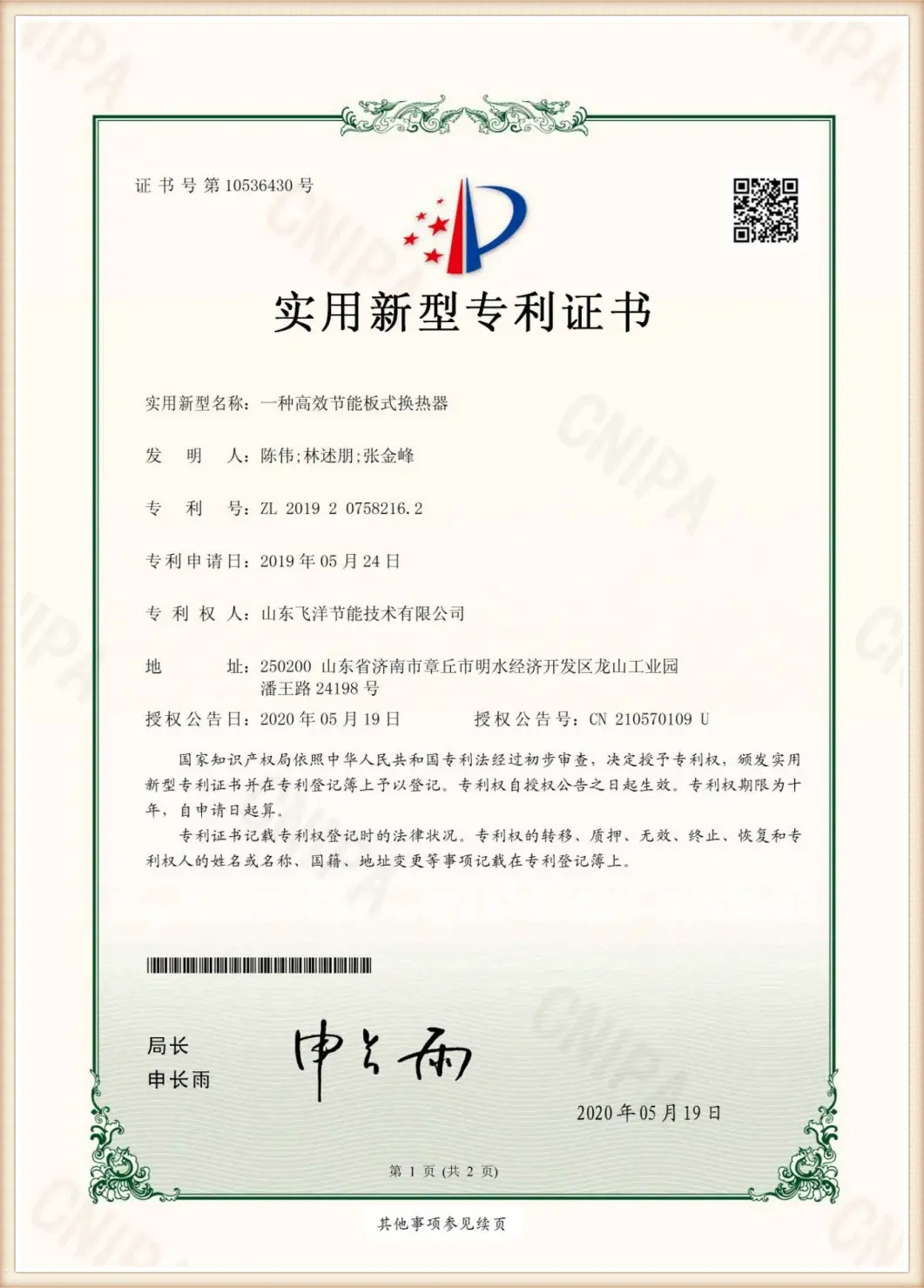
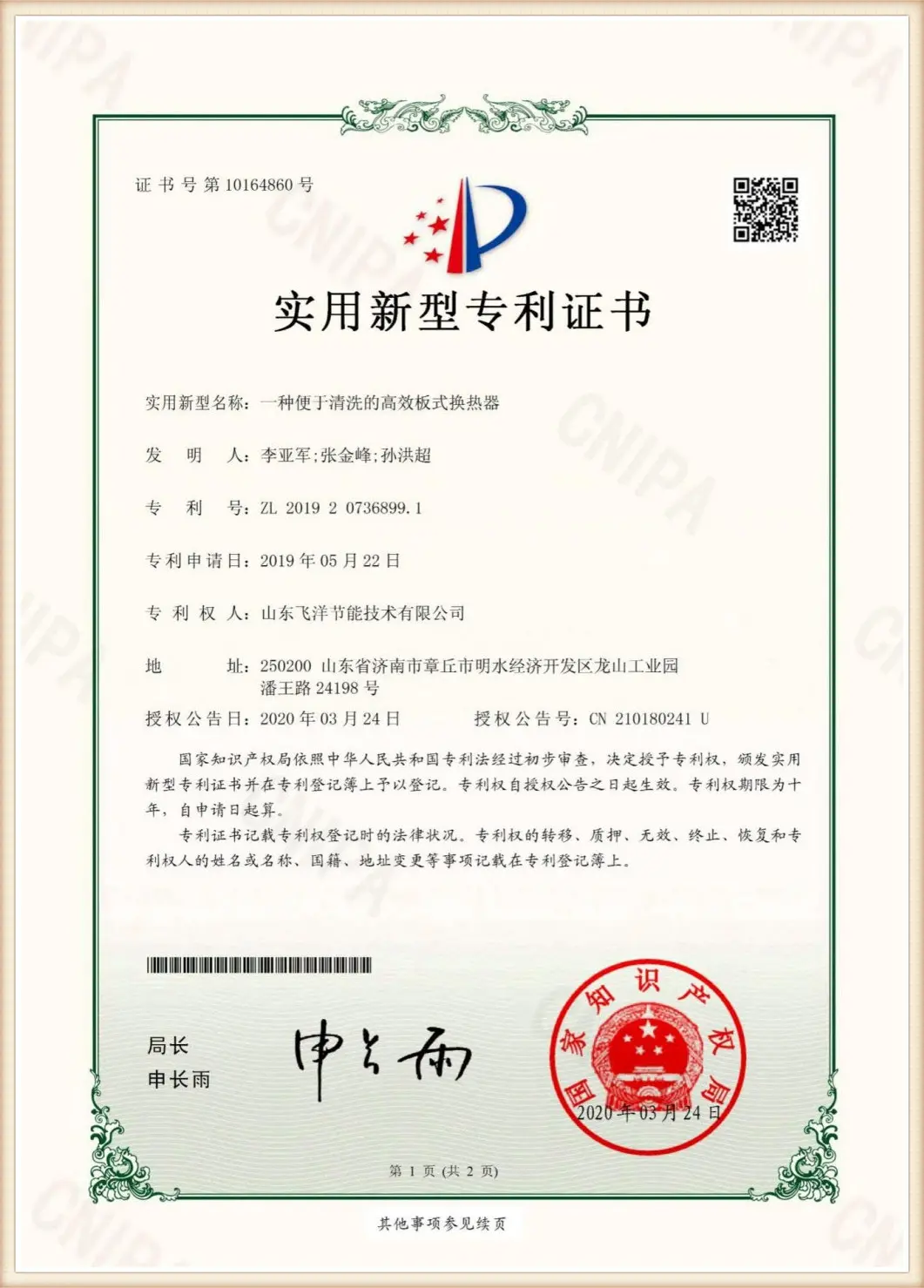
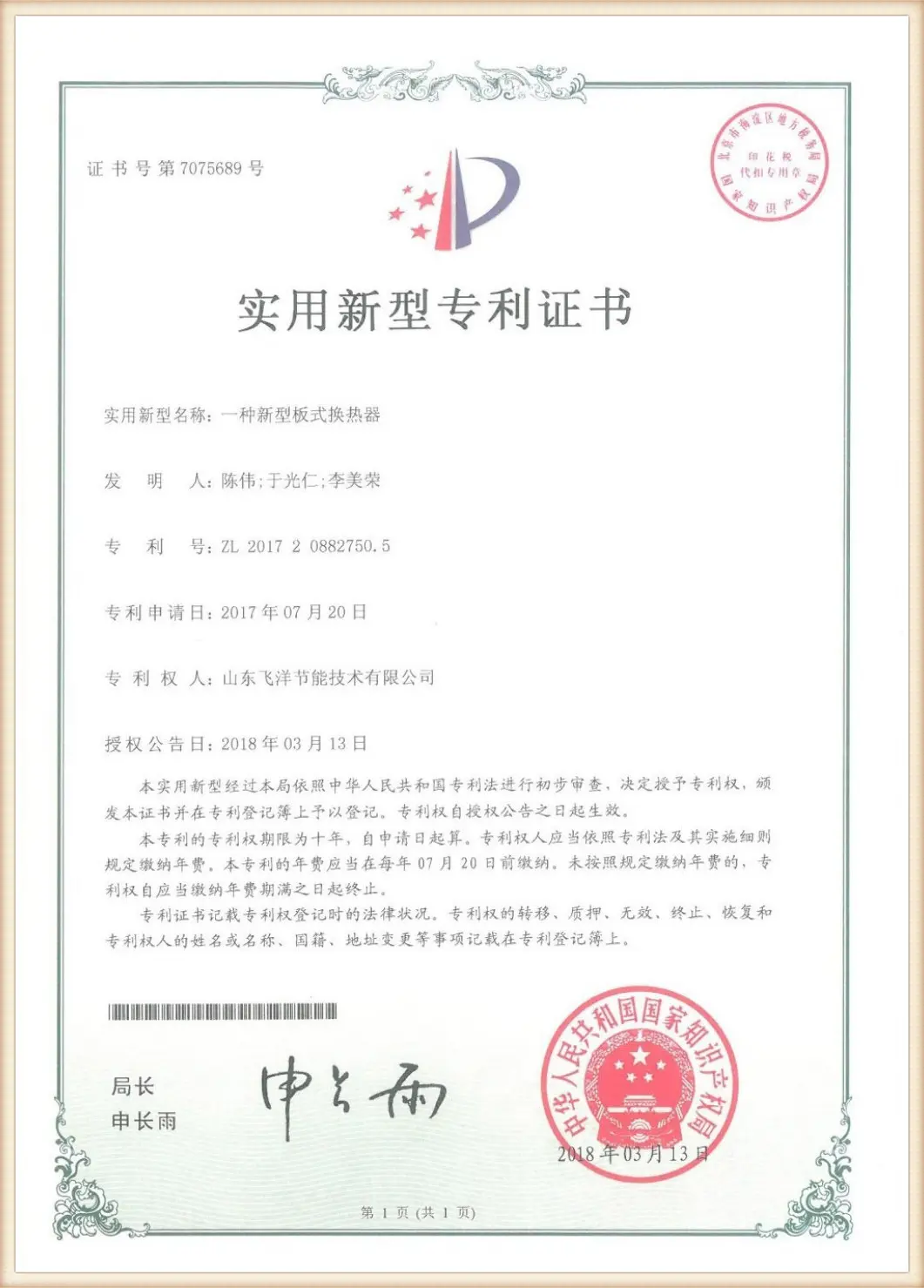
Flotte maintains strict quality control throughout our manufacturing line, ensuring each heat exchanger is built to handle the thermal and mechanical demands of heavy industrial use:
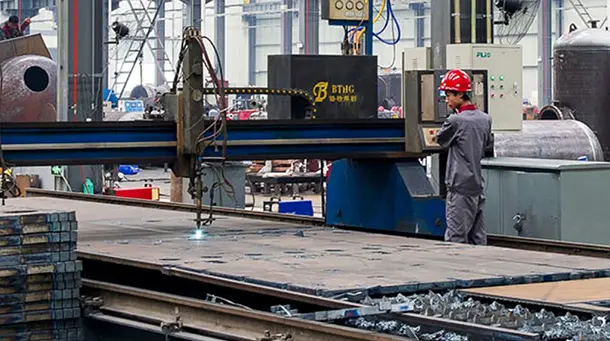
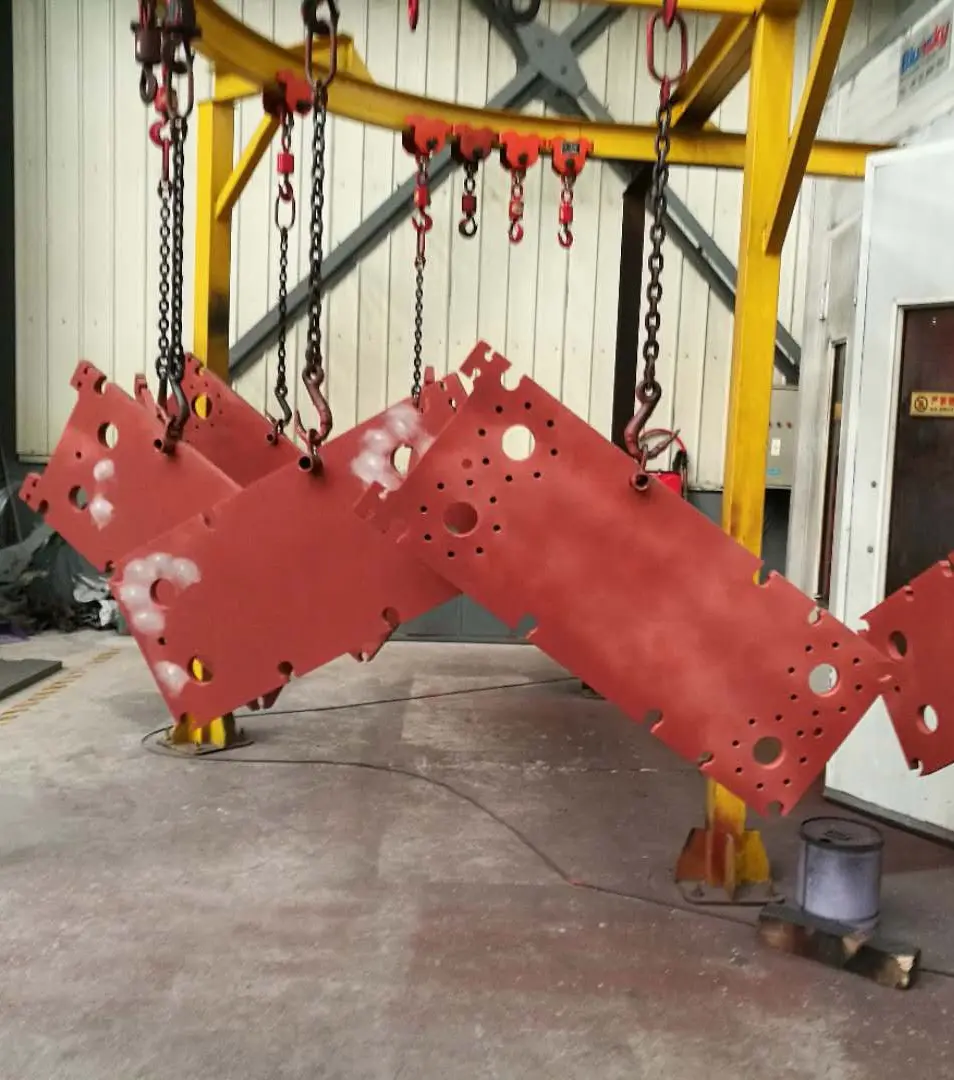
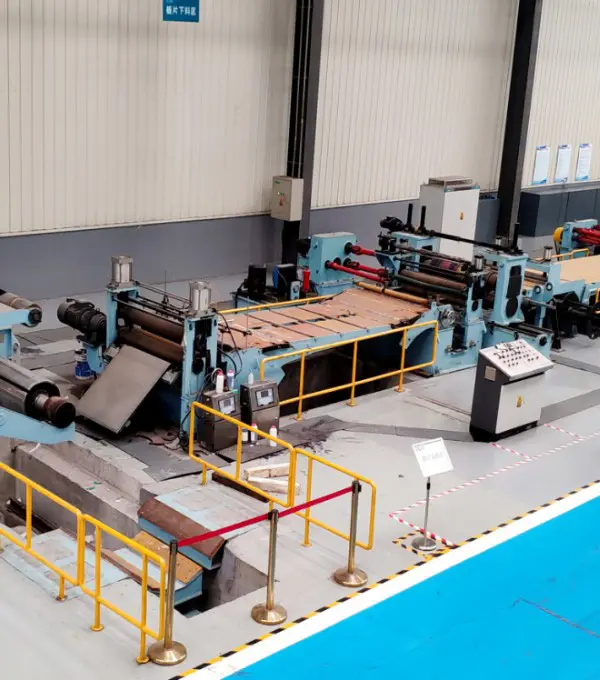
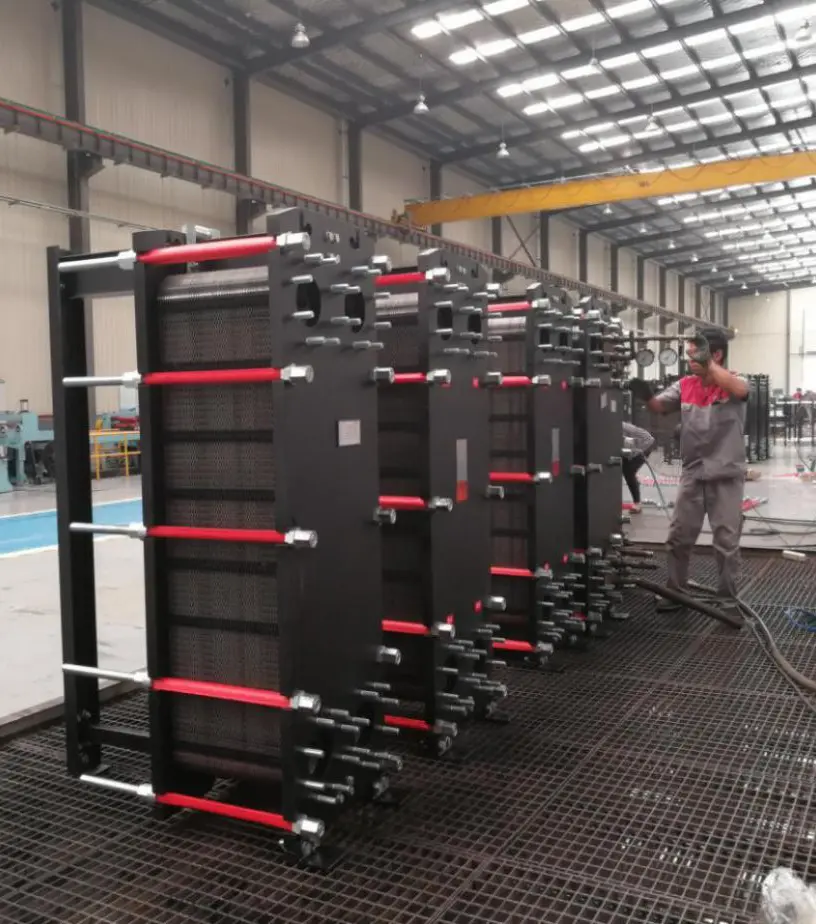
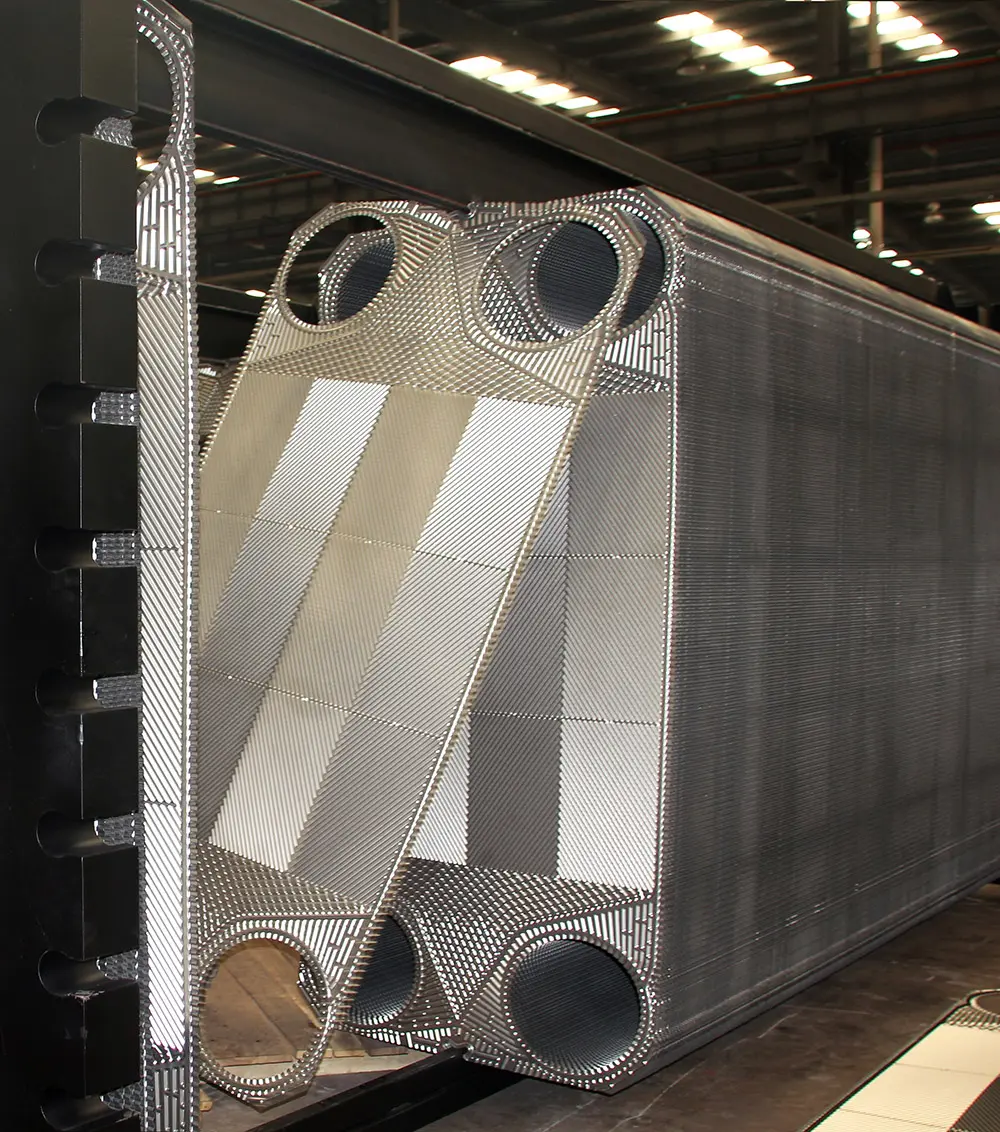
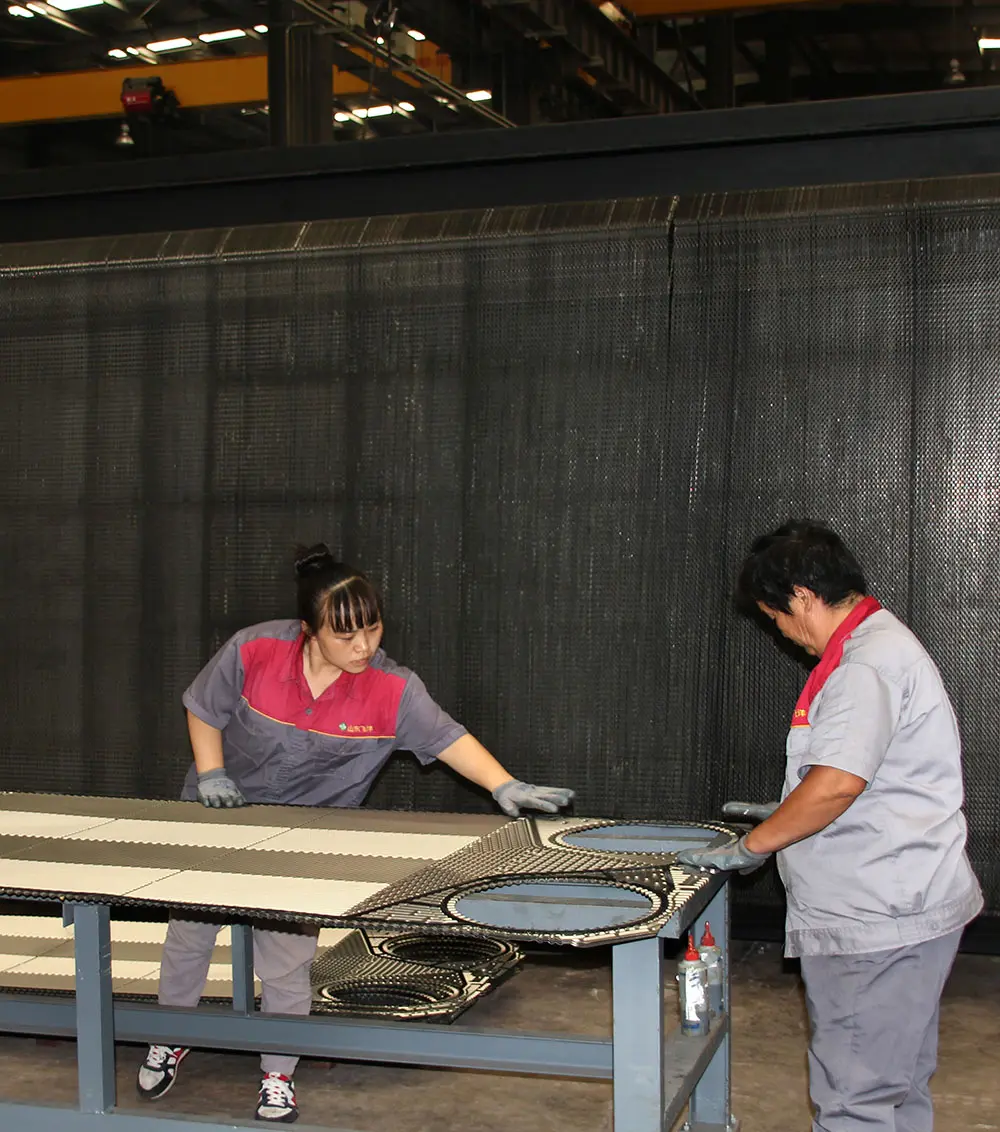
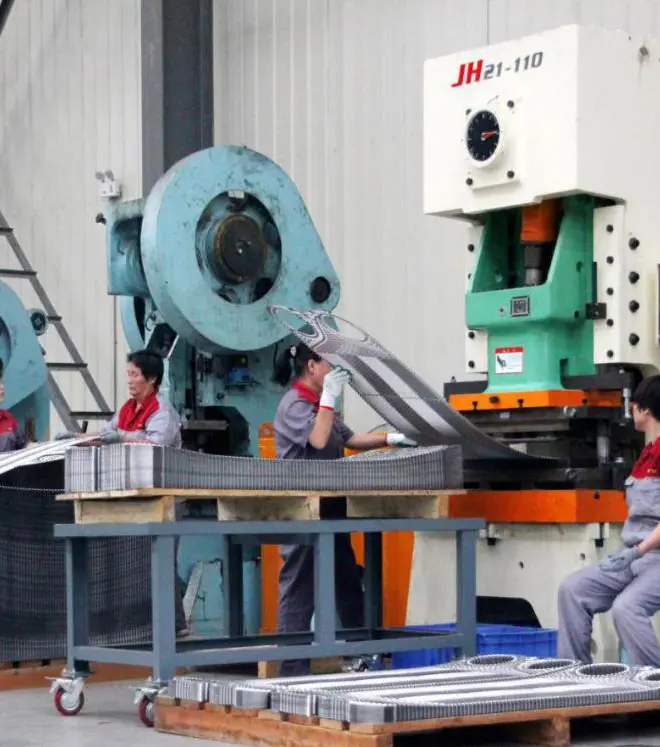
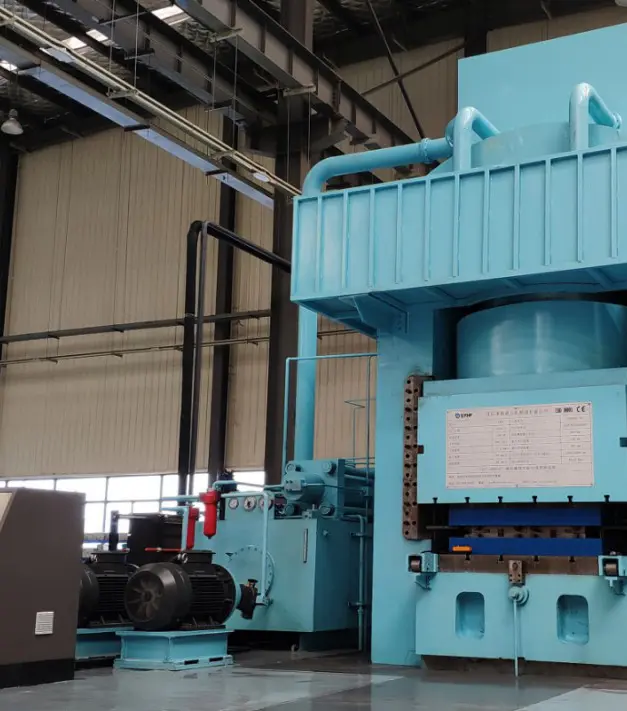
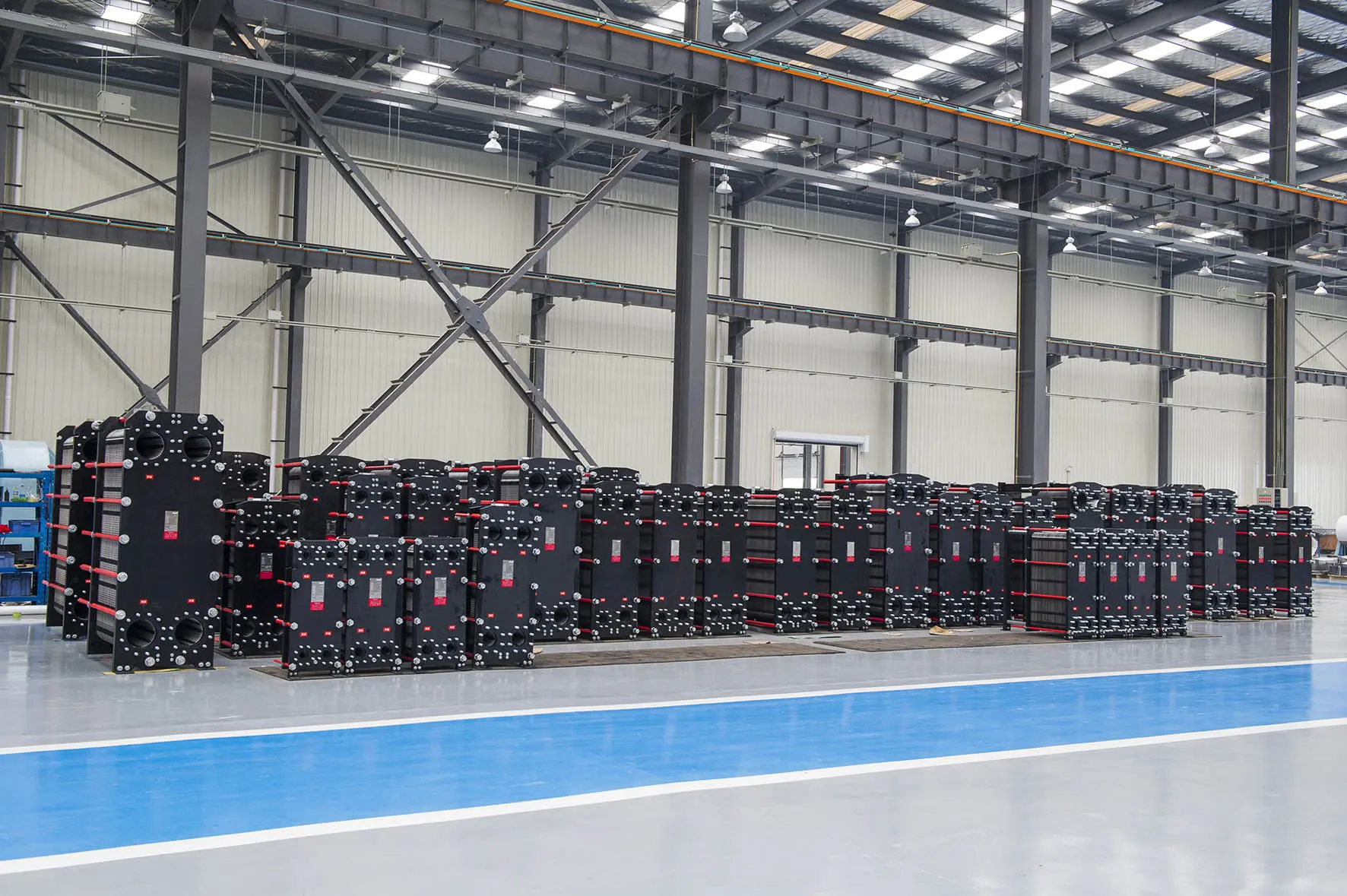
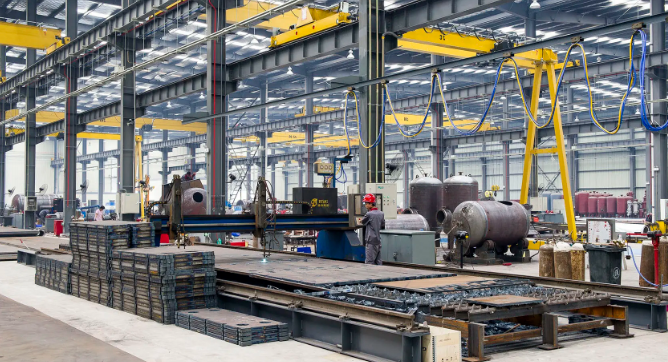
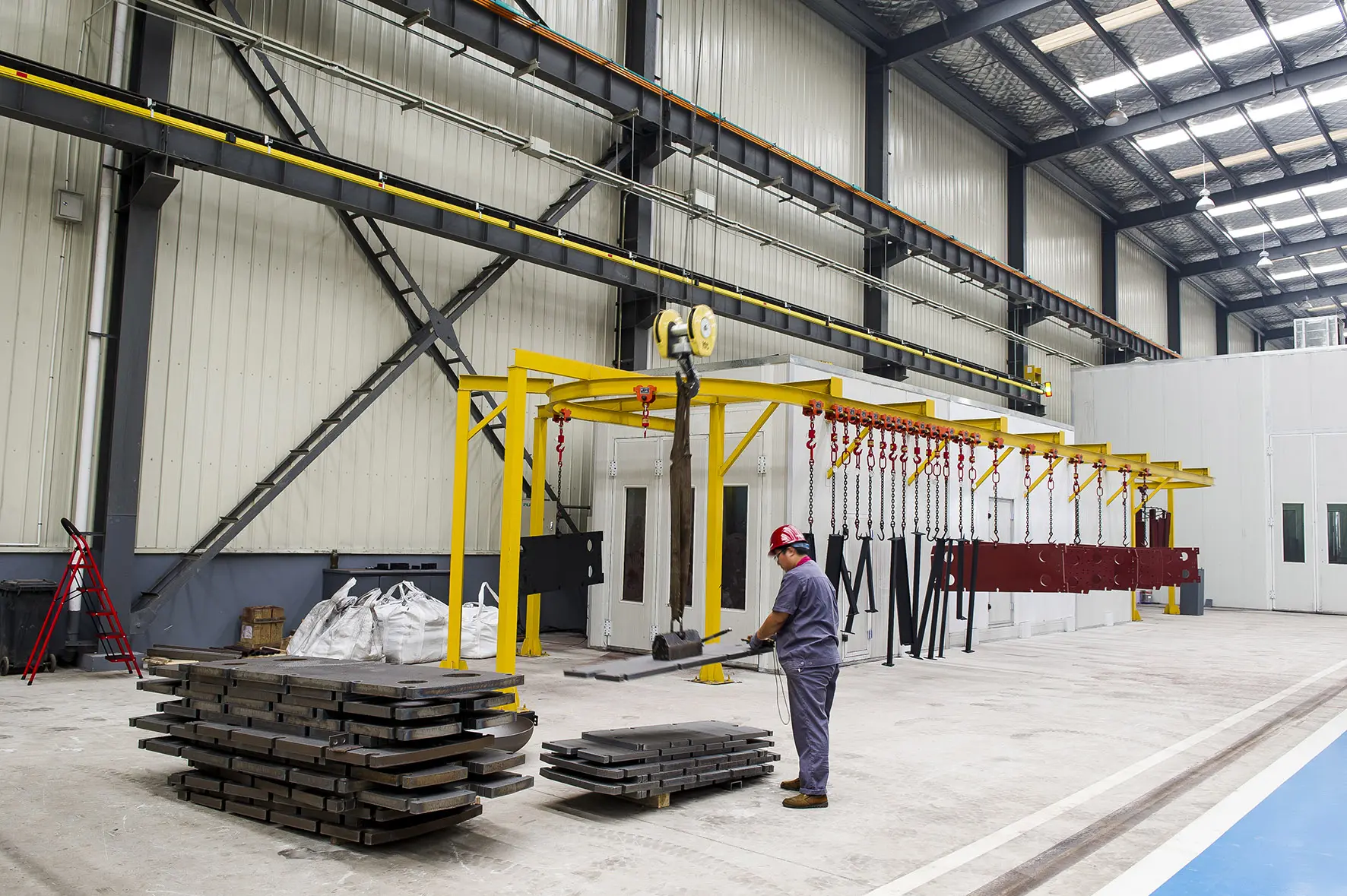
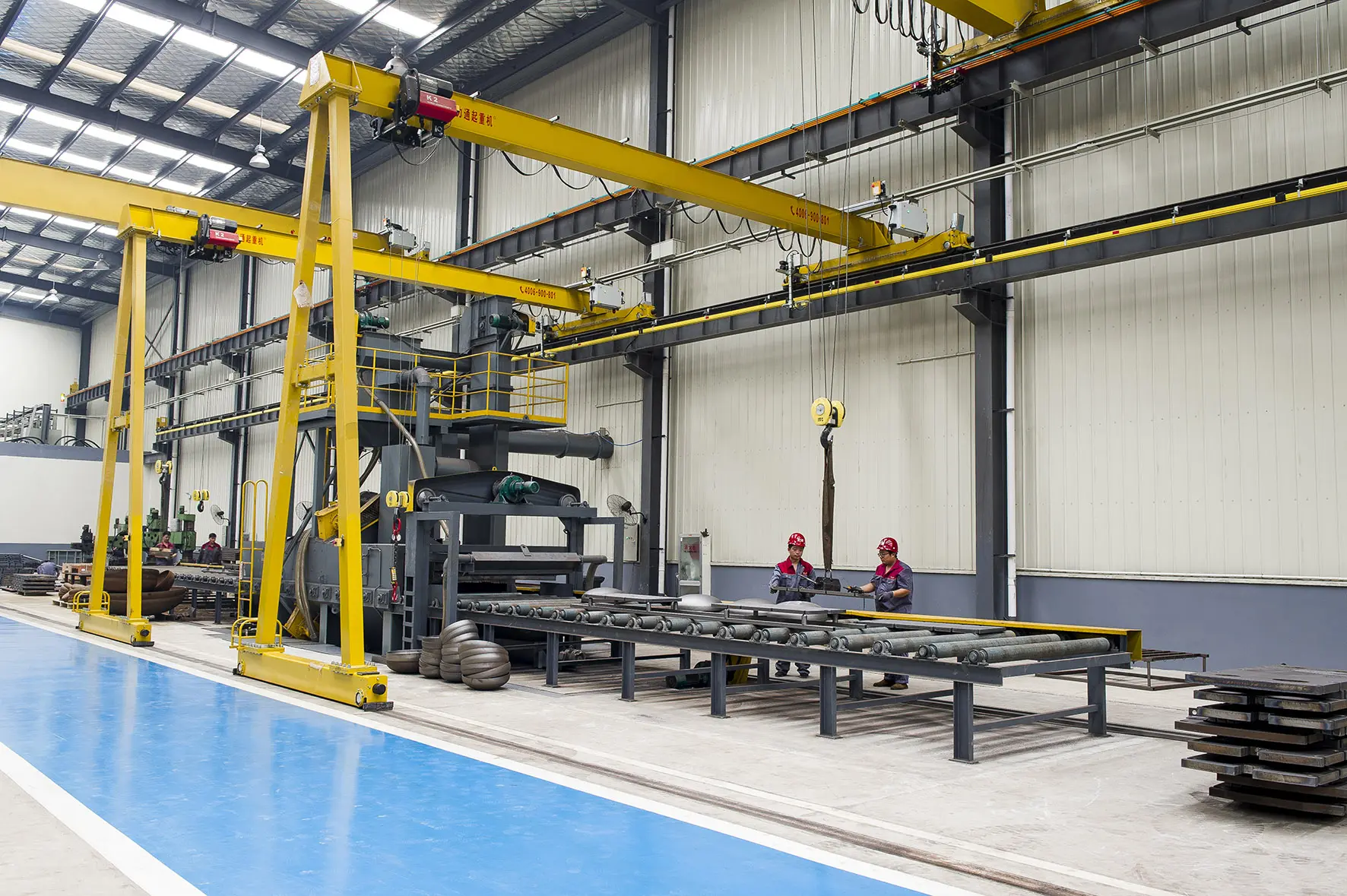
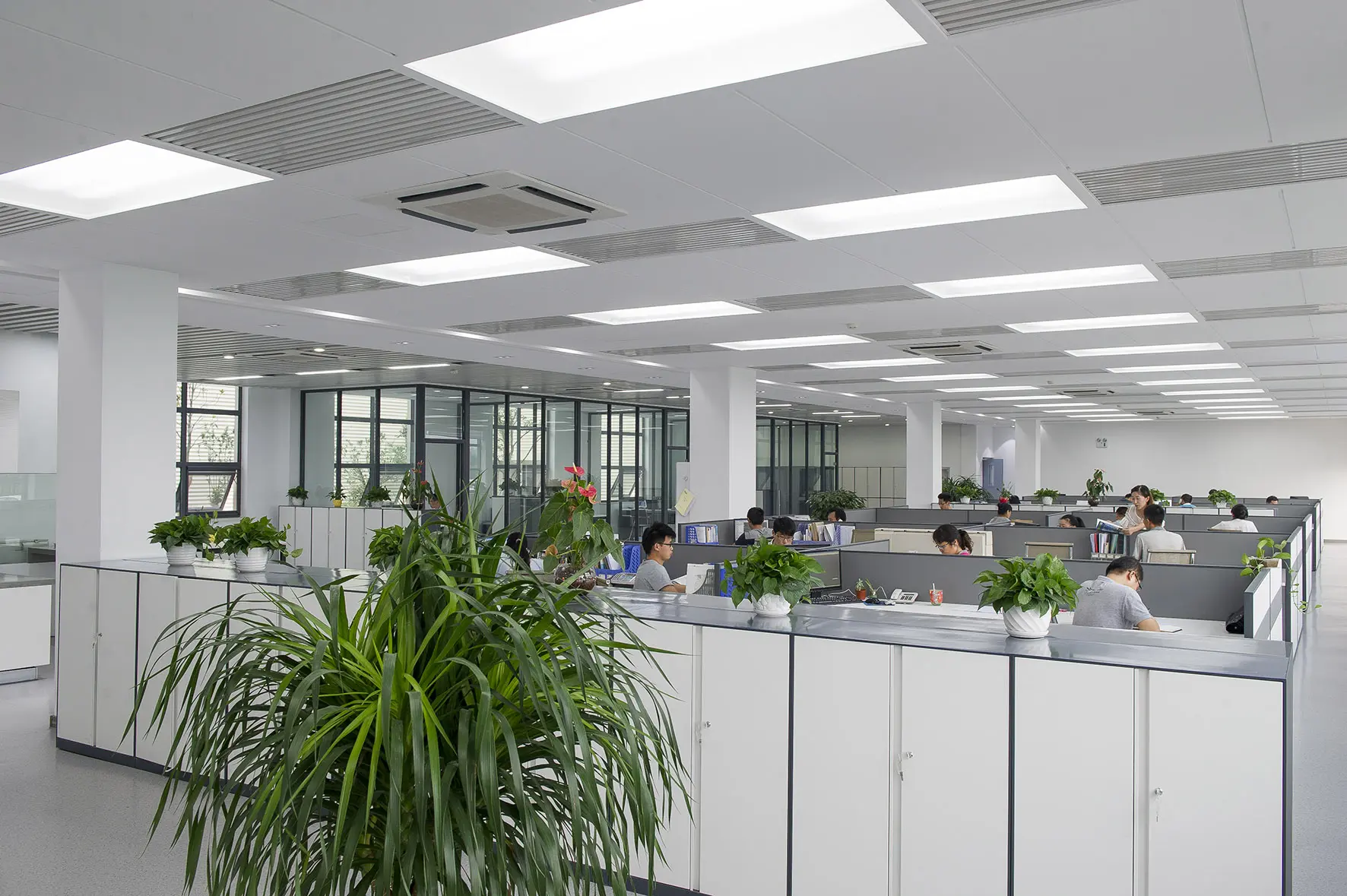
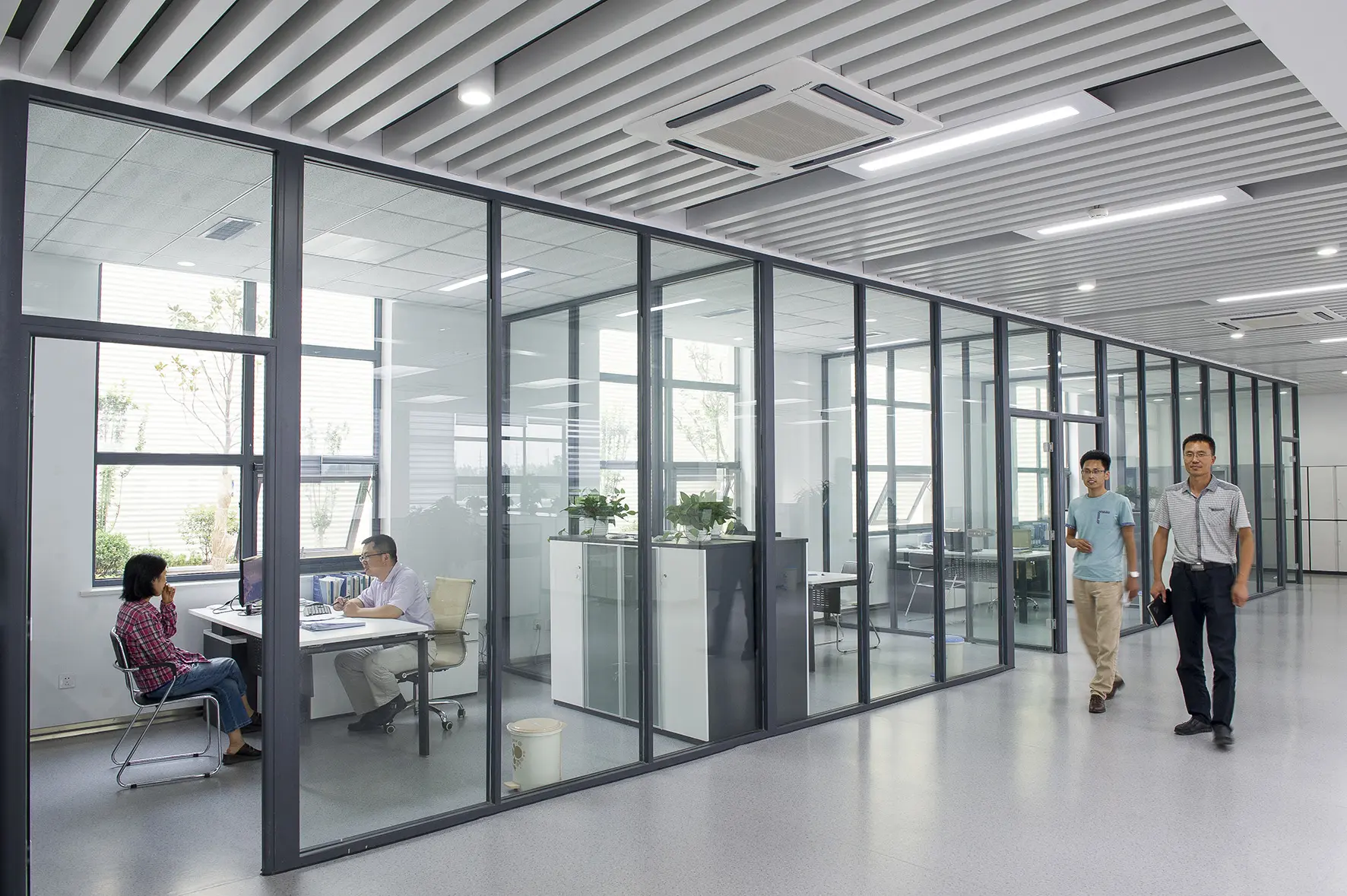
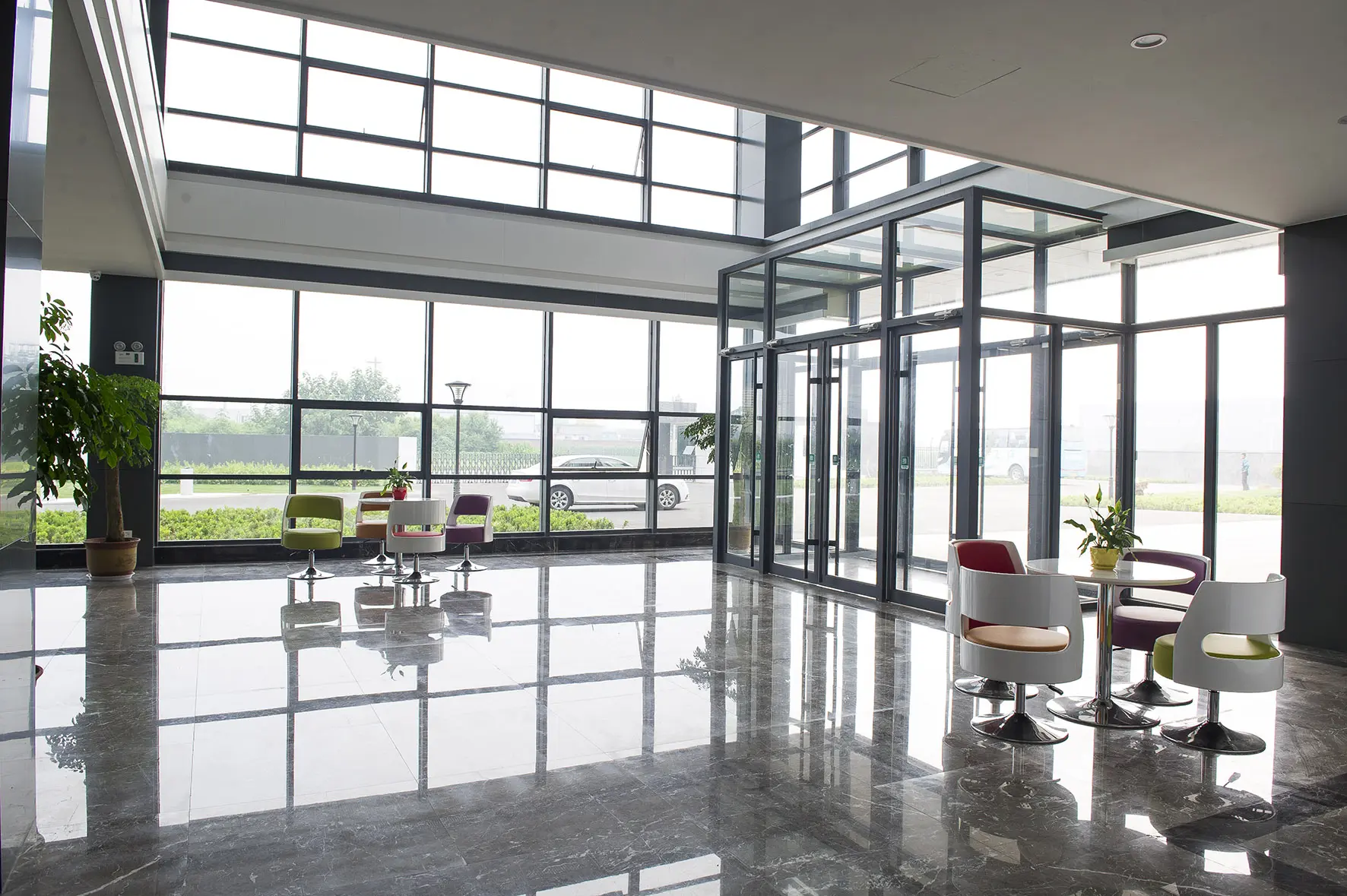
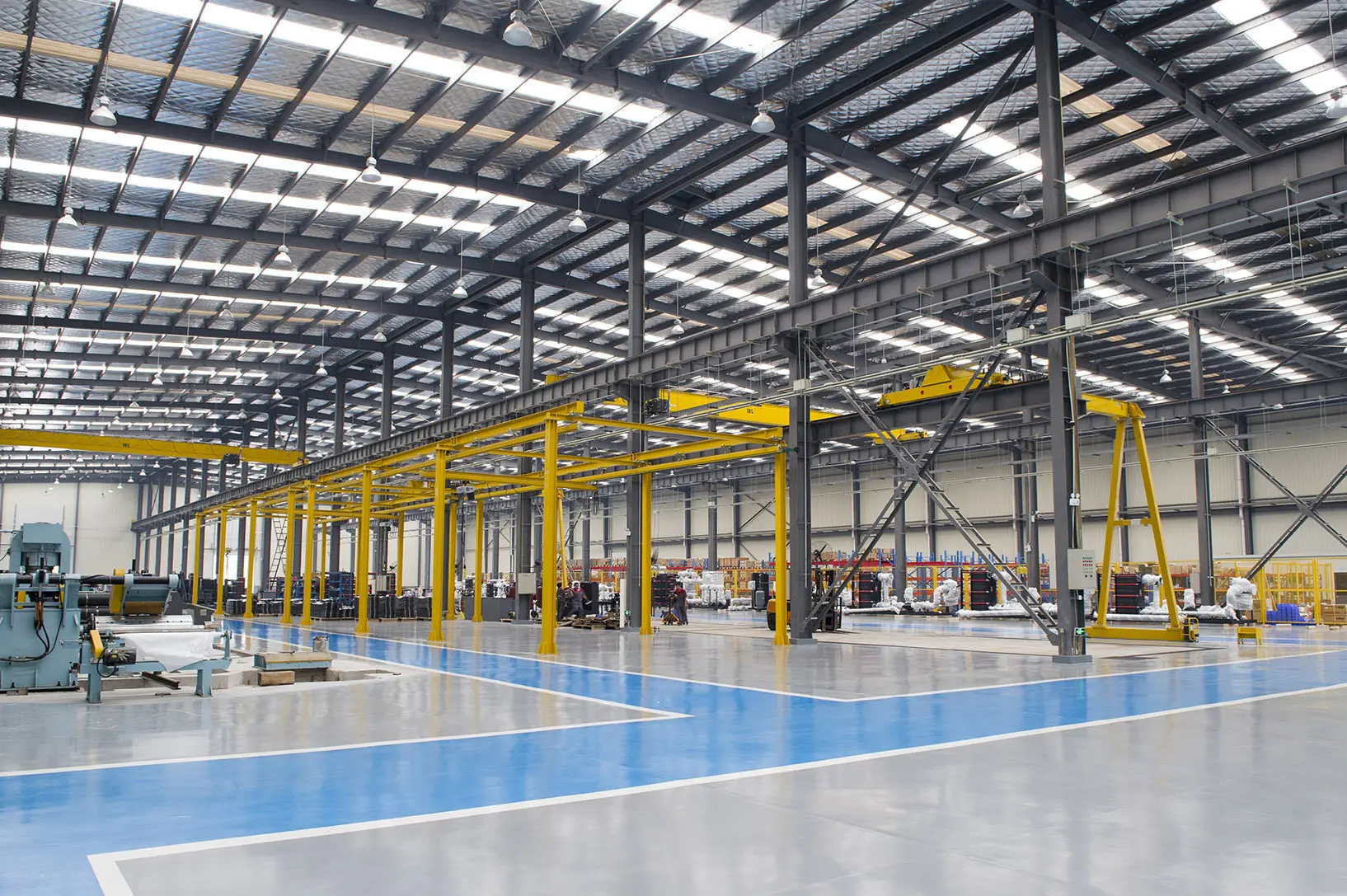
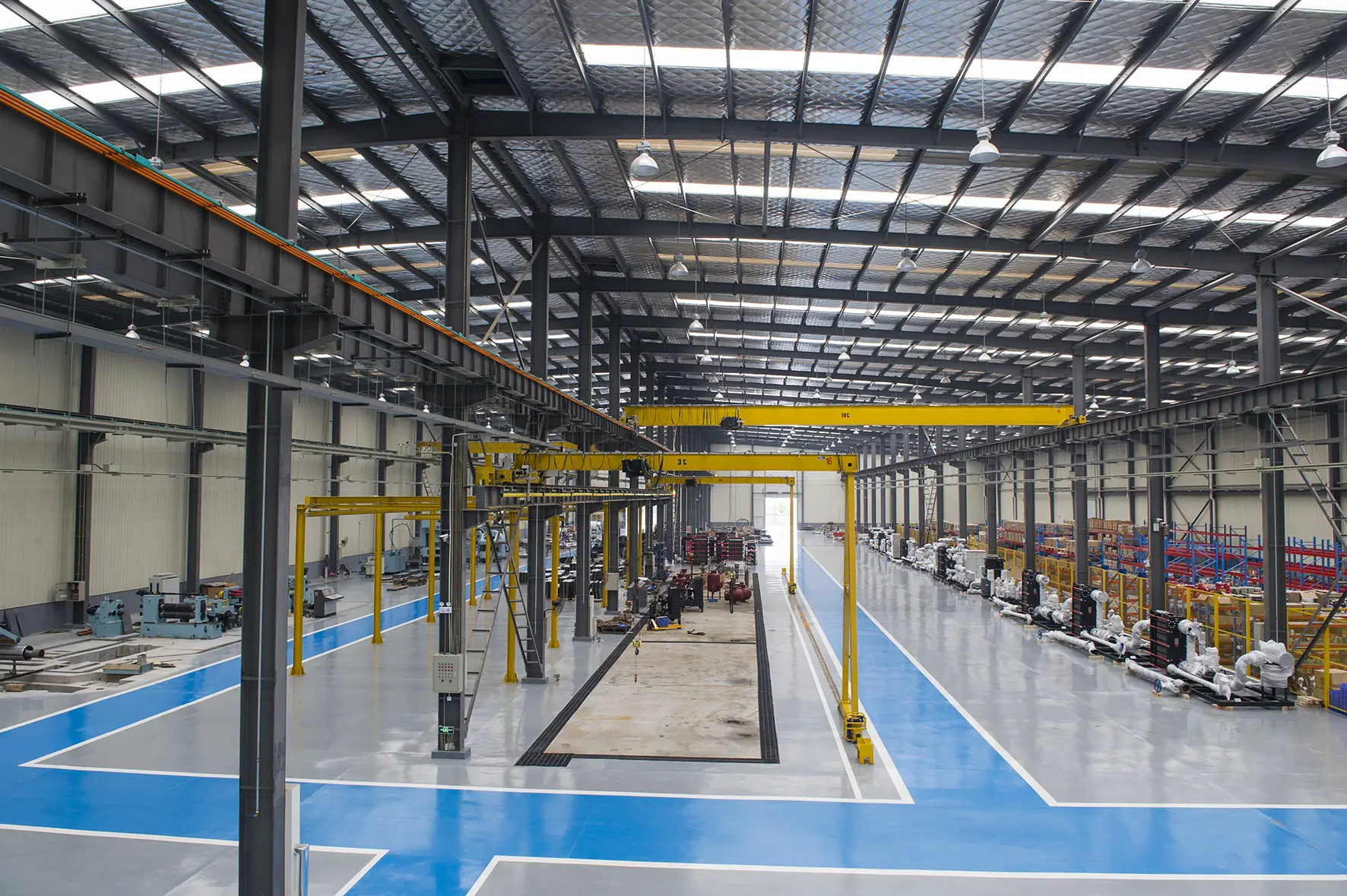
With an annual output of over 4,500 heat exchange units, Flotte maintains a clean, systematically organized production environment. Our manufacturing facilities are equipped to handle high-volume and custom industrial orders.
Technical answers to help system designers select, install, and optimize plate heat exchangers for industrial operations.
Material selection depends on fluid chemistry, operational temperatures, and design pressure. For standard water-to-water applications, Stainless Steel 304 or 316L with NBR or EPDM gaskets is typical. For corrosive marine duties, seawater cooling, or chloride-rich solutions, Grade 1 or Grade 2 Titanium plates are recommended to prevent pitting and stress corrosion cracking. For high-temperature or aggressive chemical processes, Viton (FKM) or fluorinated gaskets are matched with high-nickel alloys like Hastelloy.
The chevron pattern angle determines the plate's thermal characteristics. High-Theta plates have a larger chevron angle (obtuse to flow), creating high turbulence, higher heat transfer coefficients, and a corresponding increase in pressure drop. Low-Theta plates have smaller angles, yielding lower turbulence, lower pressure drop, and lower thermal efficiency. Flotte's engineers often mix both plate types within a single plate pack to match the exact temperature profile and allowable pressure drop of your system.
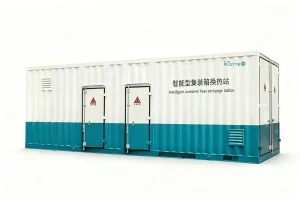
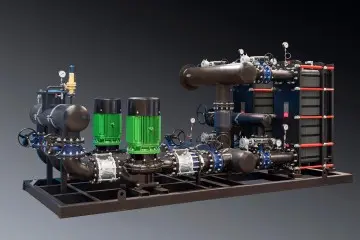
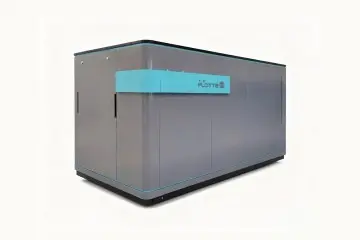
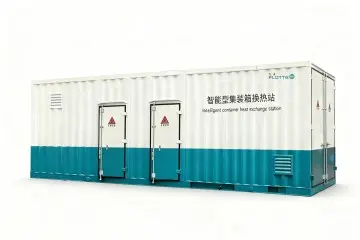
Traditional installations require separate sourcing, piping, and calibration of heat exchangers, circulation pumps, control valves, and sensors. Flotte's Modular Integrated Box-Type unit is pre-assembled, piped, wired, and tested at our facility. This skid-mounted, plug-and-play design reduces onsite footprint, simplifies piping connection, and reduces commissioning labor.
Scaling occurs when minerals dissolve and precipitate on heat transfer surfaces, typically due to high localized temperatures, low fluid velocities, or hard water. Flotte addresses scaling by designing plate corrugations that maintain high shear stress and turbulence along the plate surface, creating a self-cleaning effect. We also offer scale removal systems and detachable designs that simplify mechanical cleaning.
Yes. Our products are designed and manufactured to meet global pressure vessel codes, and we customize units to comply with Japanese Industrial Standards (JIS) and Japan's High Pressure Gas Safety Act. We supply all required design drawings, material certifications, and test data to support local regulatory reviews.
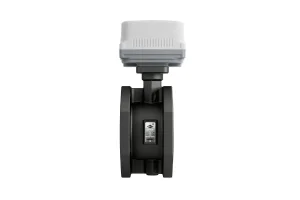
Explore our complete catalog of industrial heat exchangers, membrane concentration systems, and intelligent balancing components designed for long-term operational reliability.
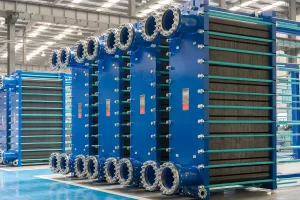
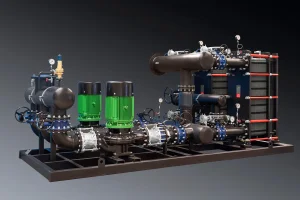
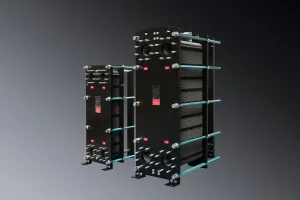
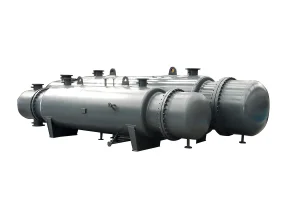
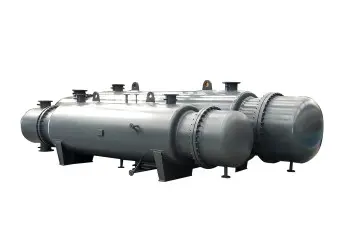
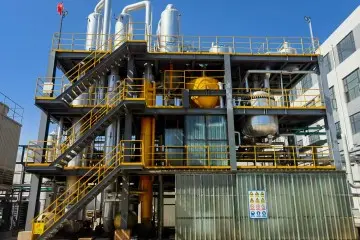
Specialized process equipment for integrated industrial and chemical operations.
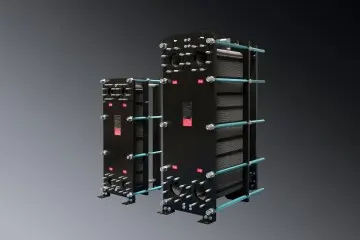

 Flotte Energy