Direct supply from state-of-the-art manufacturing facilities, matching strict energy codes and high ambient humidity challenges across Bangkok and regional industrial estates.
An in-depth analysis of climate-specific heat exchange engineering requirements, government regulations, and efficiency priorities in ASEAN's manufacturing hub.
Thailand's geographical position presents a demanding climate characterized by year-round high temperatures and relative humidity. In the Bangkok Metropolitan Area, the surge in high-rise commercial structures, mixed-use complexes, and massive data centers has driven thermal engineering demands to unprecedented levels. Conventional cooling infrastructure consumes massive amounts of electrical energy. To mitigate these overheads, engineering firms are increasingly adopting District Cooling Systems (DCS) and centralized chiller plants utilizing high-efficiency, marine-grade Plate Heat Exchangers.
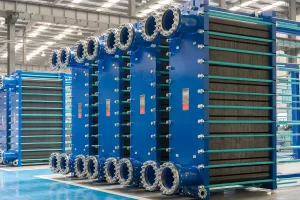
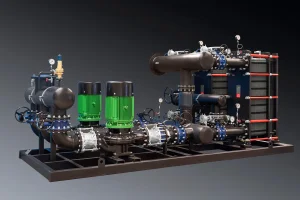
For these urban cooling plants, space is premium, and reliability is non-negotiable. Removable Plate Heat Exchangers represent the ideal technology roadmap, enabling simple manual disassembly for mechanical scaling removal and maintenance. By separating primary cooling tower water loops from closed-loop chilled water distribution pipes, Flotte's plate designs protect chillers from particulate fouling while optimizing heat rejection rates.
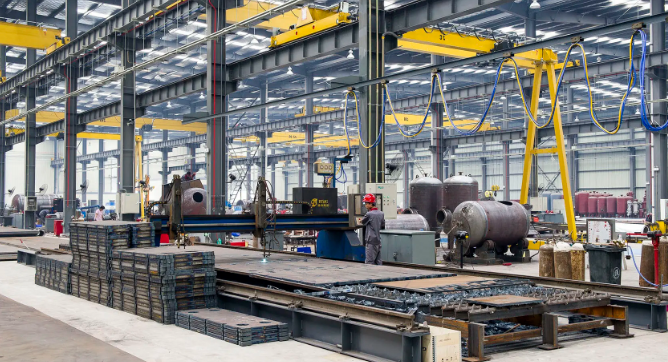
In Chonburi, Rayong, and Chachoengsao, the concentration of automotive, petrochemical, chemical processing, and metal refining plants dictates high-reliability heat transfer equipment. Process cooling loops in these coastal regions often rely on saline or low-grade municipal water sources, causing accelerated scaling and potential chemical corrosion.
As a leading supplier for the Thailand market, Flotte utilizes specialized plate raw materials. Our titanium plate heat exchangers provide absolute corrosion resistance against hot brine, chloride-rich waters, and aggressive chemical solvents. Coupled with specialized high-temperature NBR and EPDM gaskets manufactured under extreme pressure, our systems survive the harshest thermal cycle profiles of petrochemical processes and oil refining utilities.
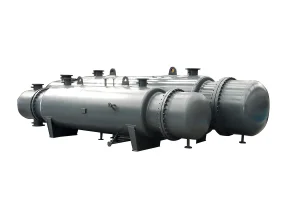
By shifting from conventional shell-and-tube models to Flotte's high-efficiency plate geometries, manufacturing plants in industrial zones like Map Ta Phut and Amata City have realized significant energy savings, directly contributing to Thailand's national carbon reduction goals.
Leveraging three decades of technical heritage to power clean energy and process cooling globally.
Combining advanced membrane concentration technologies and dynamic industrial thermal controls for sustainability.
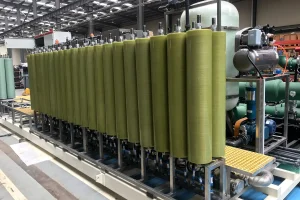
Every Flotte product is configured to handle the environmental and operational specifics of local plants.
Thailand is a global powerhouse for sugar production, tapioca starch processing, and food exports. Our multi-effect evaporation and plate heat exchange units optimize heat recovery, concentrating juices, and reducing boiler fuel consumption. Clean-in-Place (CIP) friendly designs ensure minimum downtime for cleaning.
As the "Detroit of Asia," Thailand's automotive plants in Rayong require precise temperature control for electroplating tanks and phosphate baths. Our gasketed plate heat exchangers provide high heat-transfer rates for swift adjustments, maintaining bath chemistry without degradation.
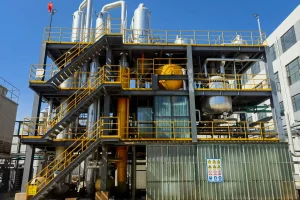
With zero-liquid-discharge (ZLD) regulations tightening across Thai industrial zones, our membrane concentration and multi-effect evaporation systems treat hazardous washdowns and retrieve pure process water, minimizing environmental footprints.
Our strategic shift from mechanical hardware supplying to integrated, intelligent, and low-carbon thermal process control.
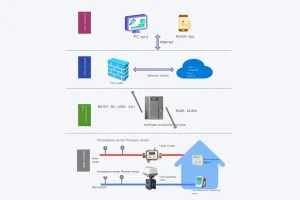
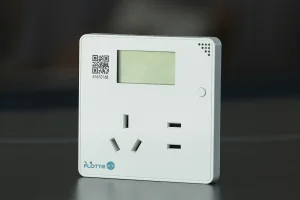
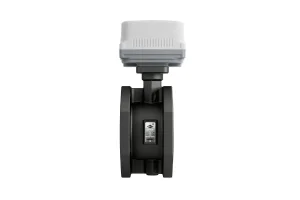
The next generation of cooling and heating systems demands visual monitoring and real-time hydraulic self-balancing. Flotte's development pipeline focuses on coupling standard PHE designs with Intelligent Secondary Network Balance Valves and Room Temperature Collectors. These elements feed real-time telemetry back to an AI-driven monitoring software suite.
For major commercial facilities in Bangkok, this integration prevents "Low Delta T Syndrome" - a common issue where chilled water returns to chillers too cold, causing massive cooling tower inefficiency. By automatically modulating fluid flow through every plate pack based on real-time heat load profiles, we decrease overall pump power draw by up to 25%.
Additionally, custom alloy coatings are being tested in our lab. These specialized nano-coatings reduce scaling crystallization on heat exchange surfaces, helping Thai plant operators double their maintenance intervals even when using untreated well-water for secondary loops.
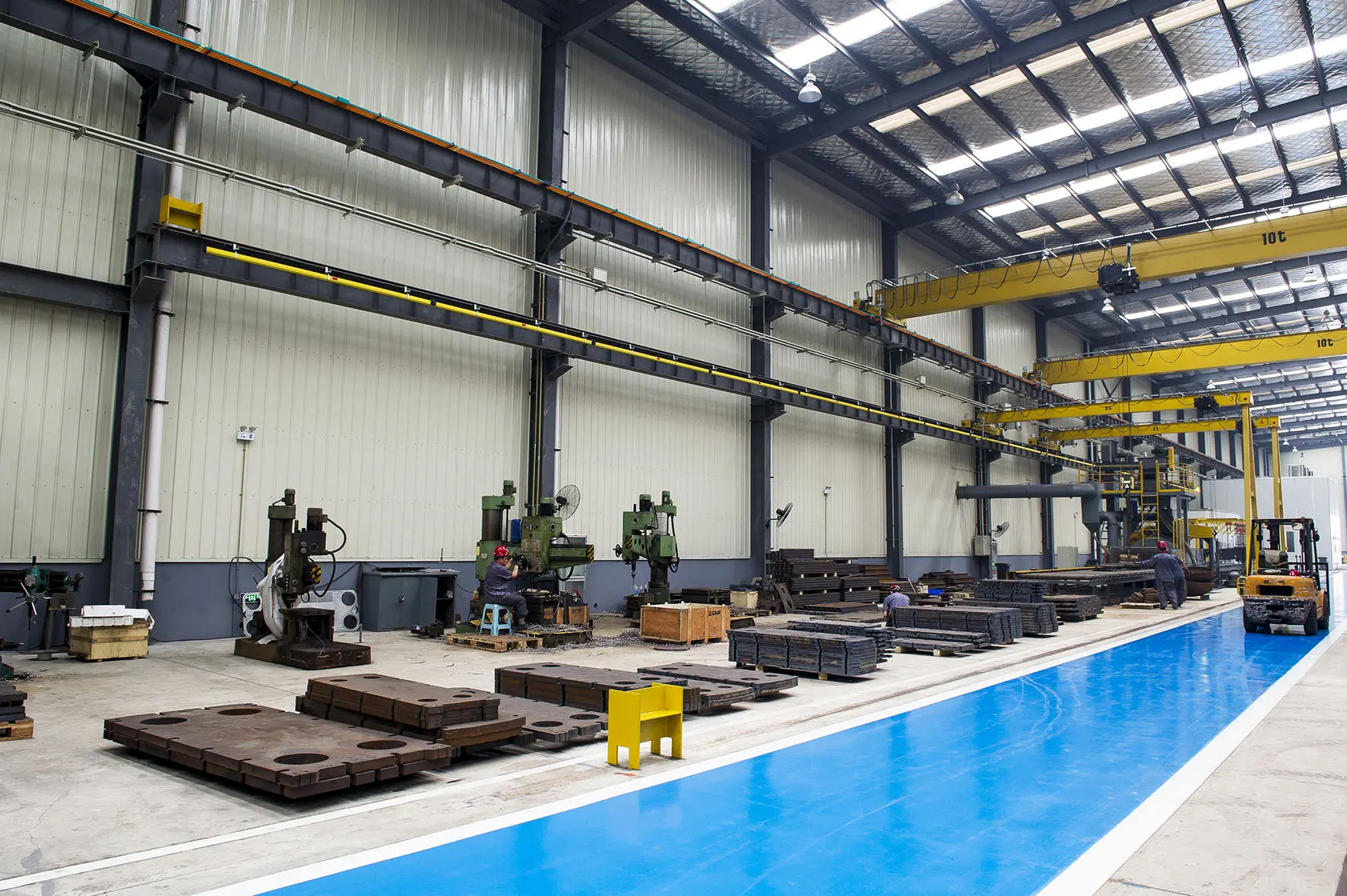
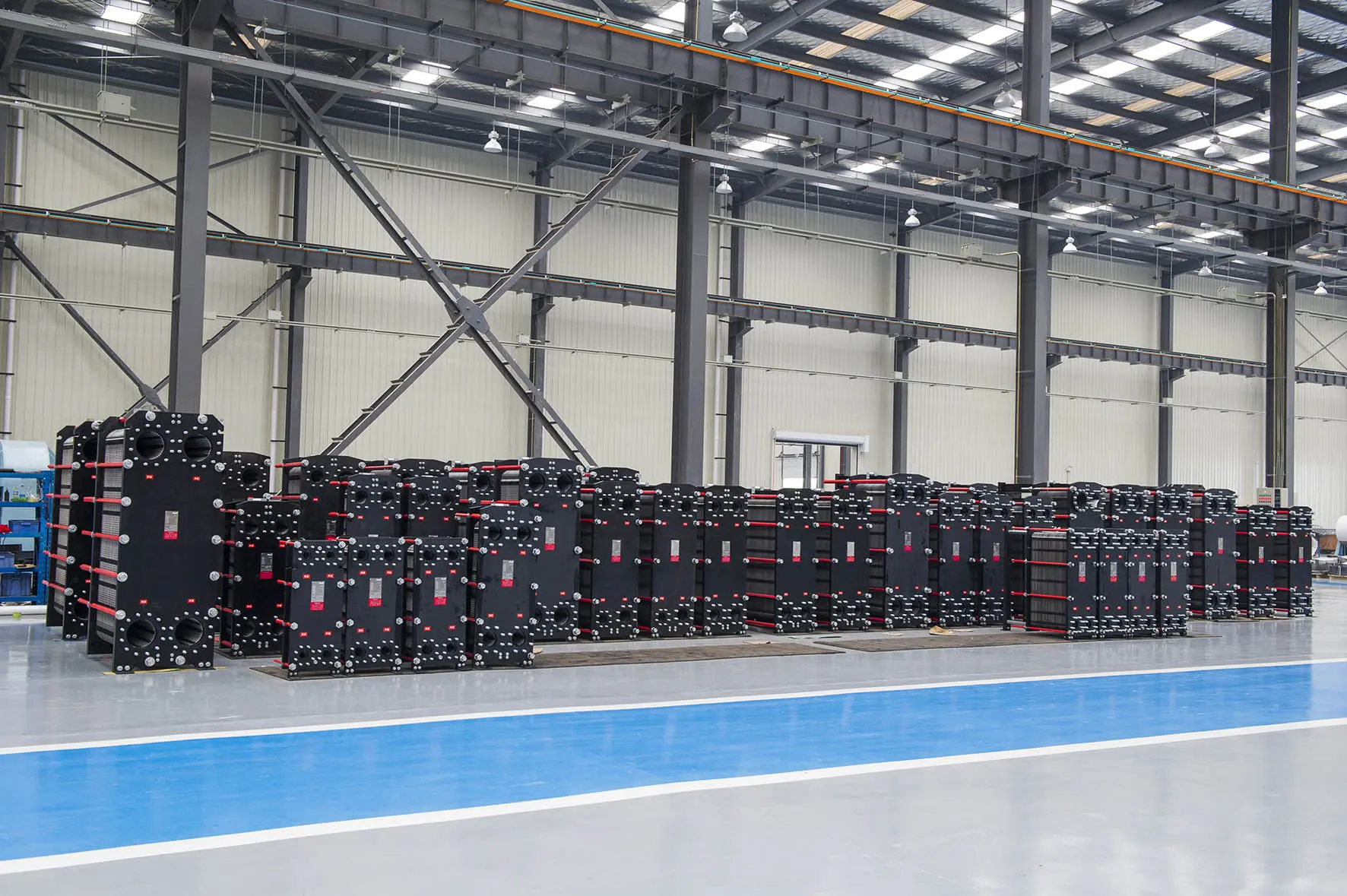
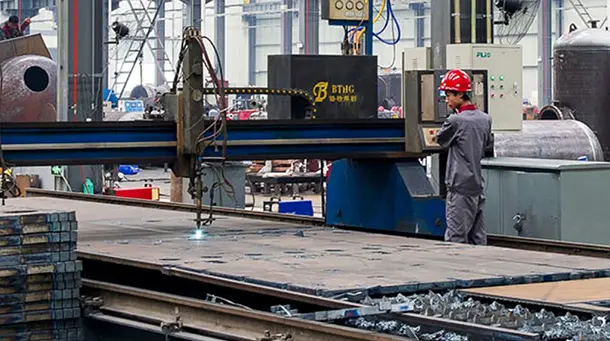
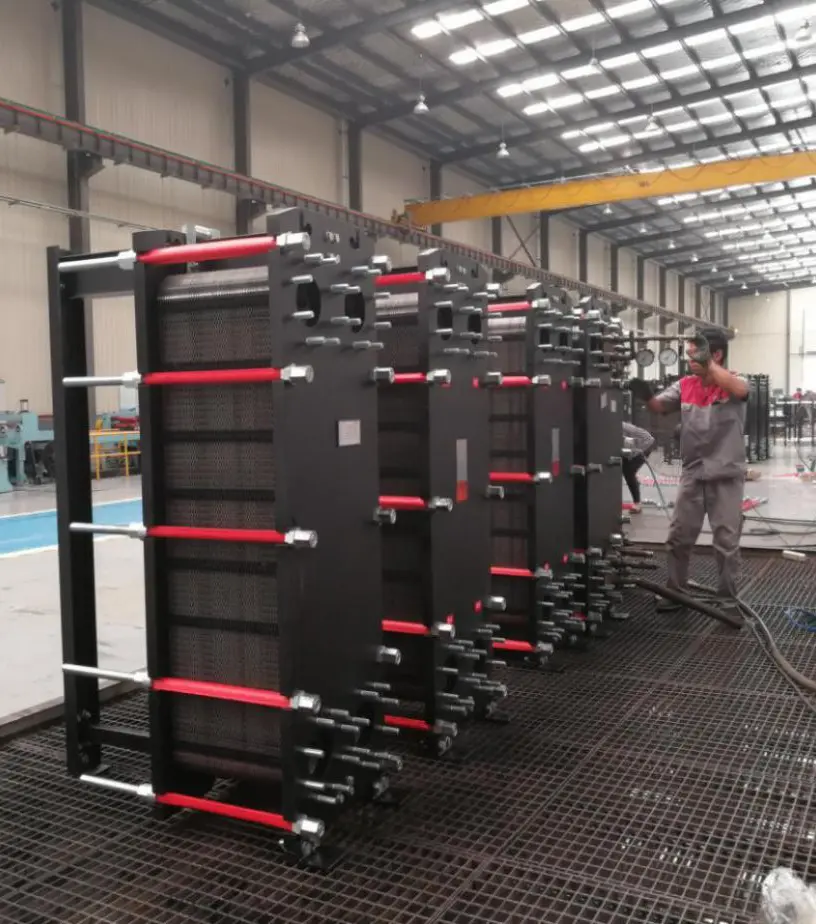
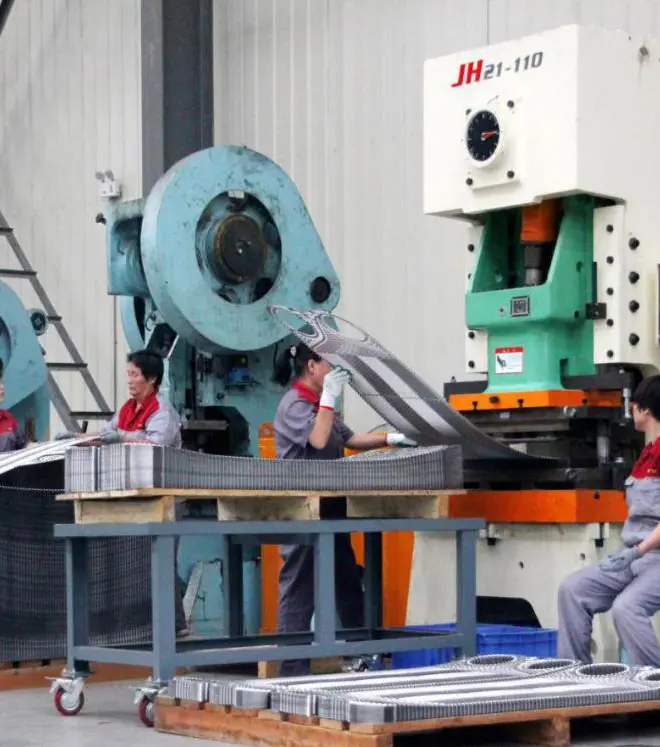
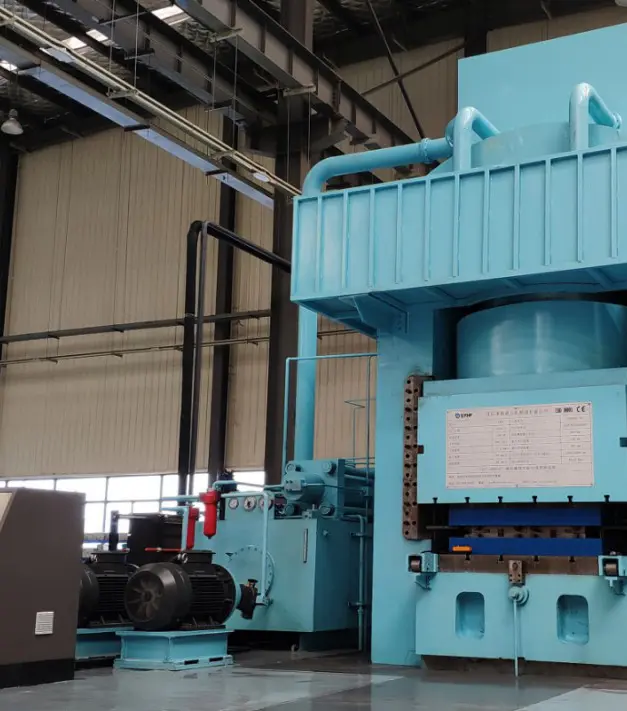
Flotte's 70,000㎡ facilities are equipped with heavy industrial presses to guarantee structural integrity under extreme pressures.
Adhering strictly to ISO 9001:2015, ISO 14001:2015, and ISO 45001:2018. All units undergo mandatory hydraulic pressure testing at 1.3 to 1.5 times the design pressure limit.
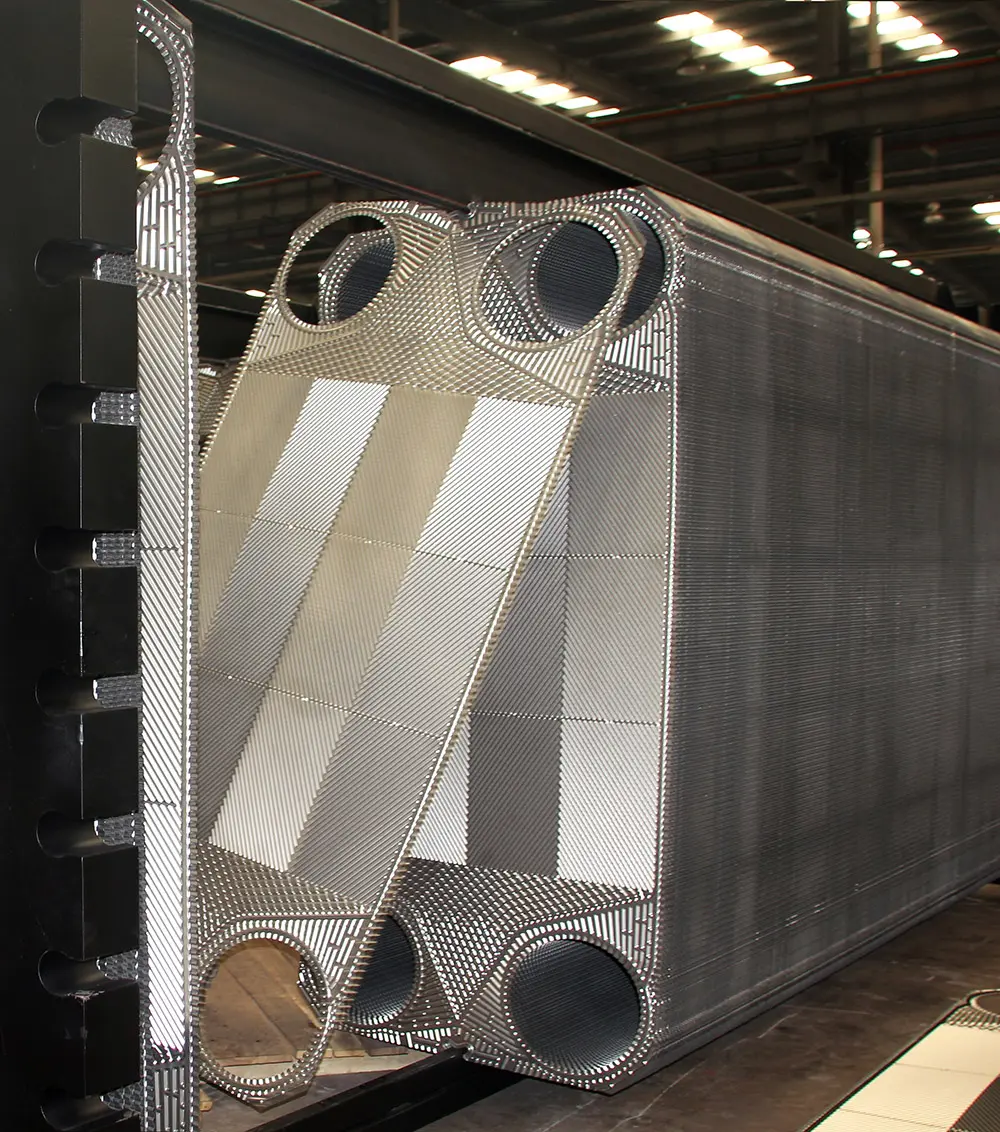
Proprietary hydraulic stamping tools press heat transfer plates with micro-level accuracy, preventing microscopic cracks or stress points and ensuring perfect sealing alignment.
Under the RCEP trading framework, we ensure rapid customs clearance and lower tariffs for shipments to Thailand, delivering robust parts logistics and saving project budgets.
From initial thermodynamic design calculations using specialized thermal software to system commissioning and onsite gasket refitting, our engineers support you all the way.
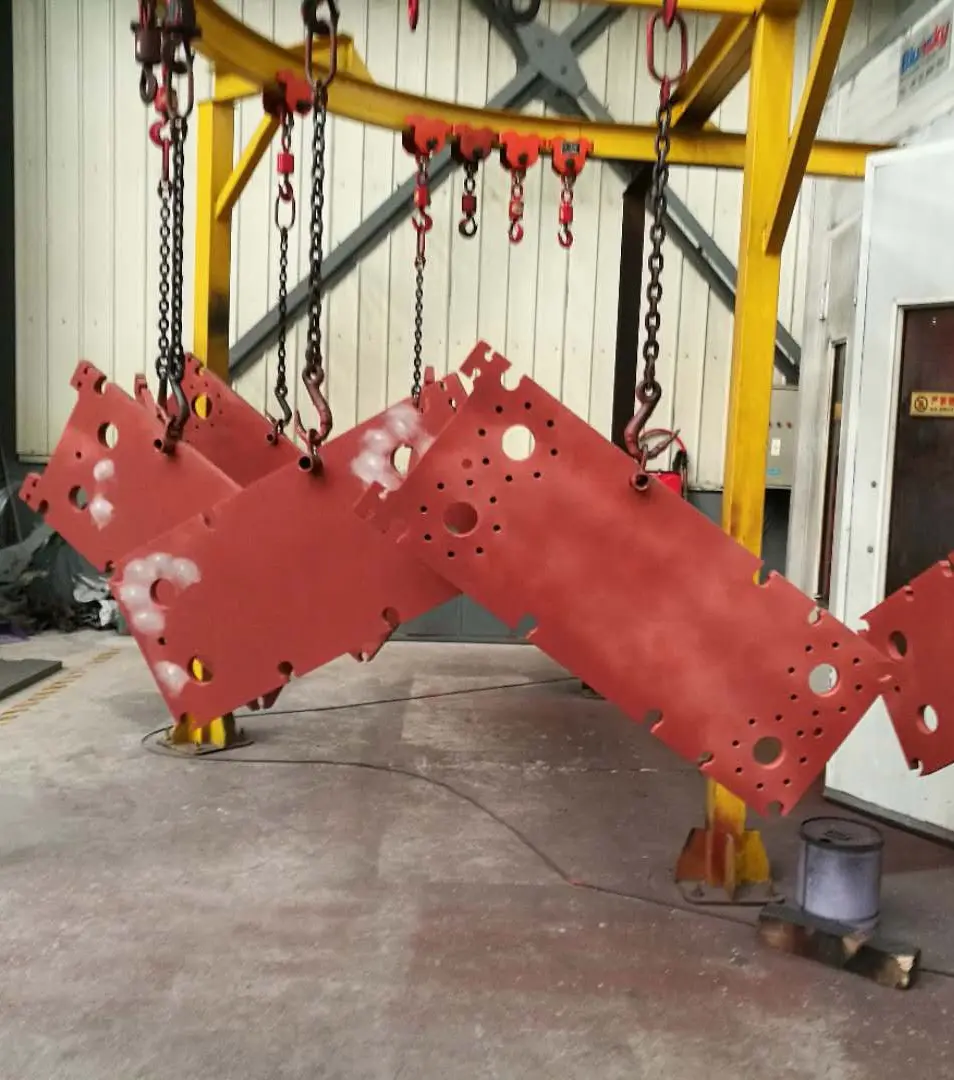
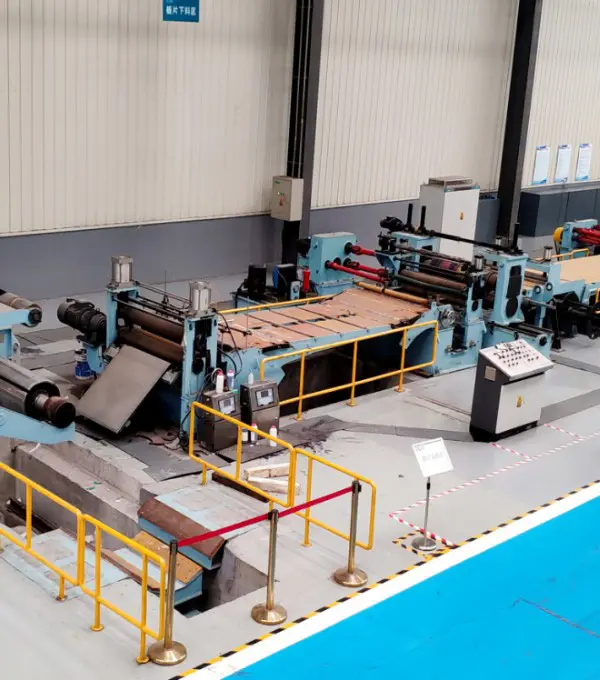
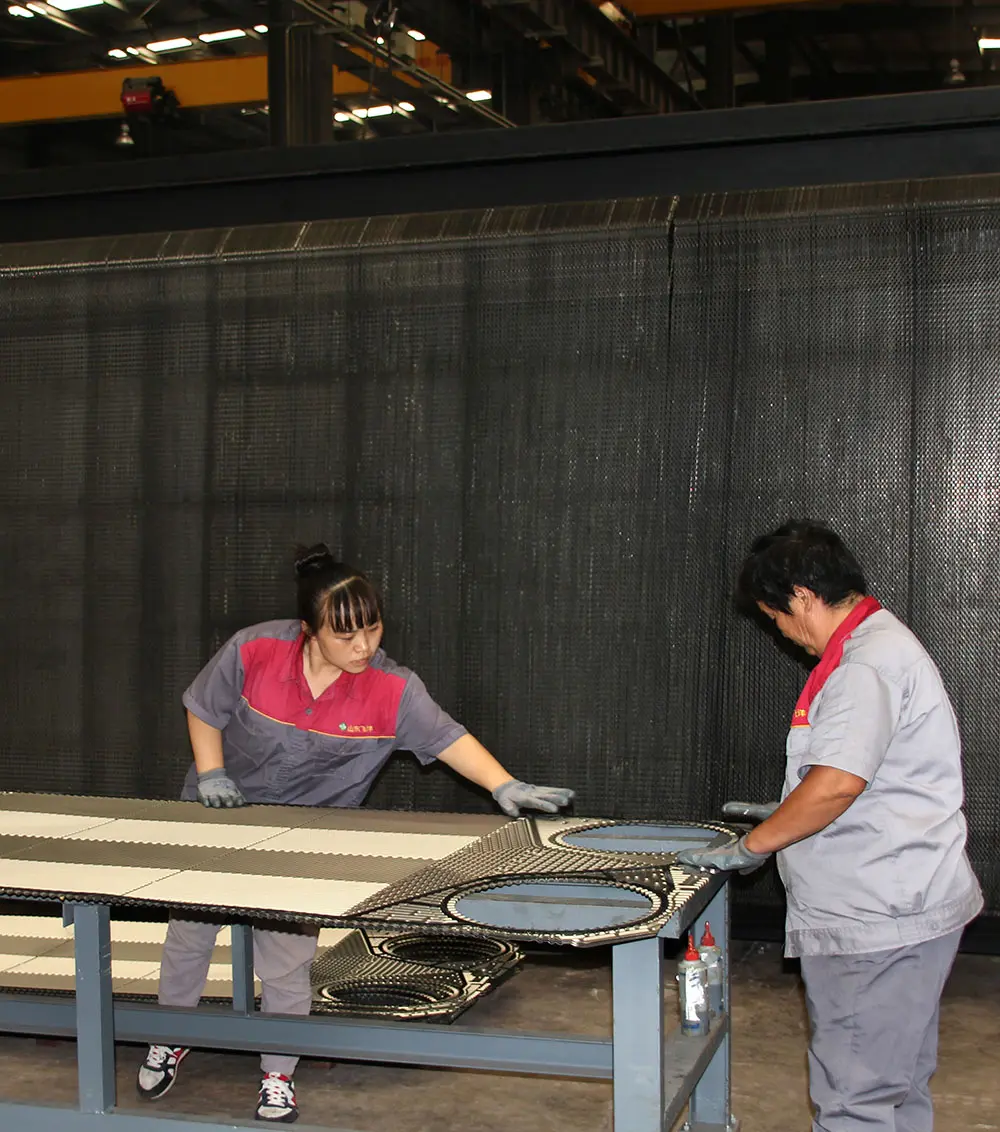
From alloy feedstock to pressure test certification, our manufacturing steps follow precise quality control gates.
Addressing core thermodynamic calculations, material selections, and maintenance procedures for engineers and procurement specialists.
Maintain your industrial HVAC, boiler heat recovery, and processing plants with certified Chinese supply chain products.
 Flotte Energy