Select, high-efficiency heat transfer systems optimized for tropical HVAC infrastructure and local processing pipelines.
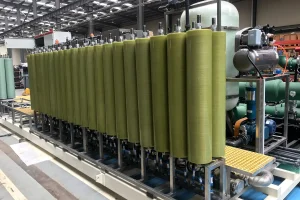
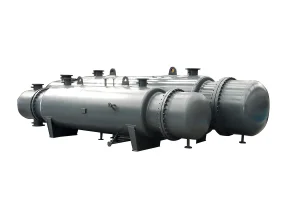
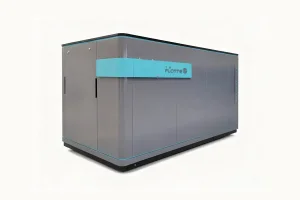
Originated from Flotte Thermal Engineering founded in 1995, Flotte Energy Saving Company was formally established in 2013 with a robust registered capital of 101 million yuan. With three decades of rigorous research and development in HVAC systems, water treatment, and specialized thermal equipment, Flotte has evolved into a global leader in high-performance thermal transfer technology.
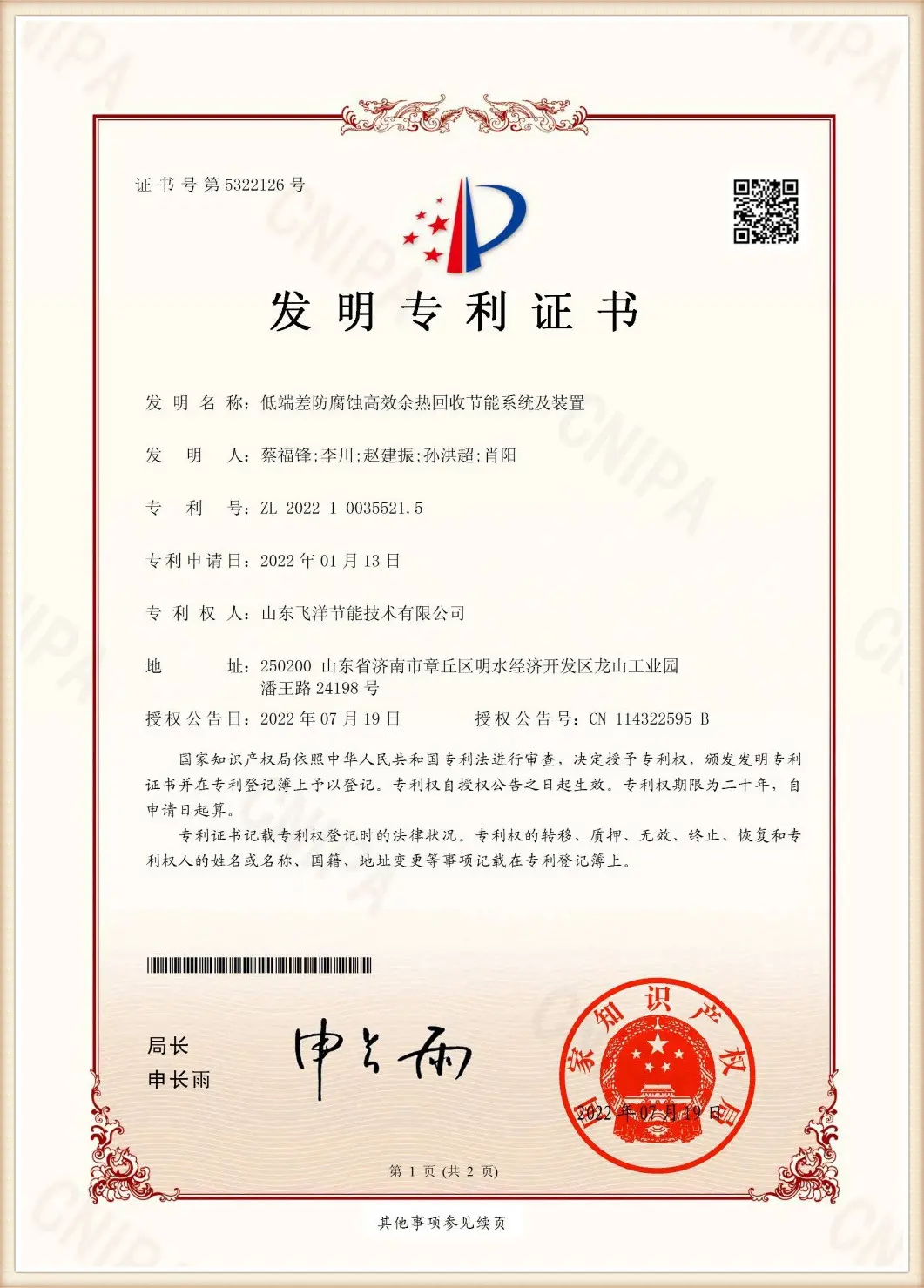
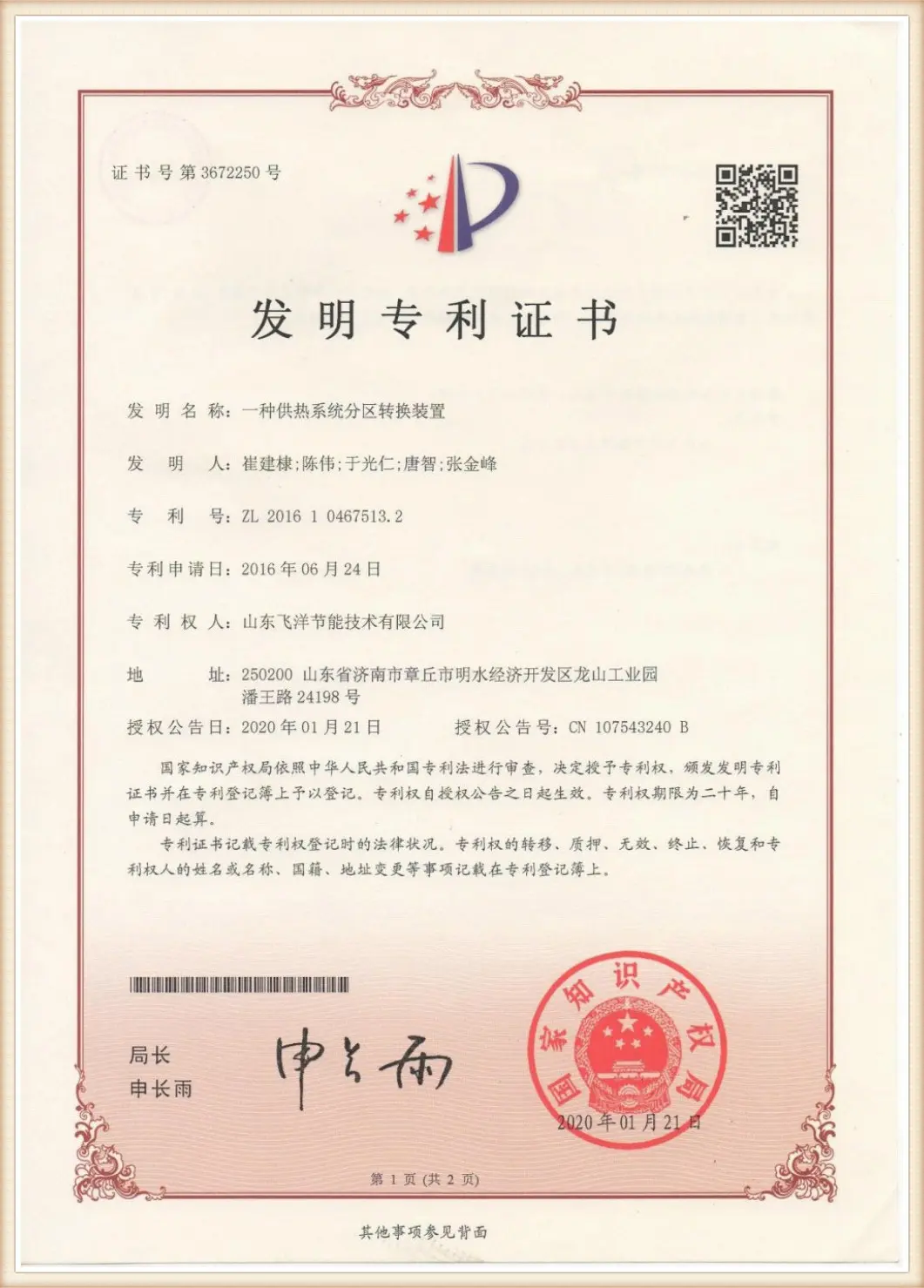
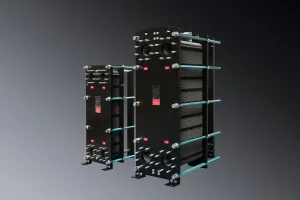
Our commitment to thermodynamic innovation has led to numerous national patents, including our signature "High-Efficiency Plate Heat Exchanger", "Intelligent Plate Heat Exchanger System", and our advanced "Plate Heat Exchanger Scale Removal Device". These credentials make Flotte a trusted partner for industrial enterprises across the Philippines, providing engineering solutions that specifically target local manufacturing and climate hurdles.
We boast a dedicated R&D center and a modern testing laboratory which guarantees that every design is backed by physical simulation and empirical data. This ensures high reliability and peak efficiency throughout the lifecycle of our thermal equipment.
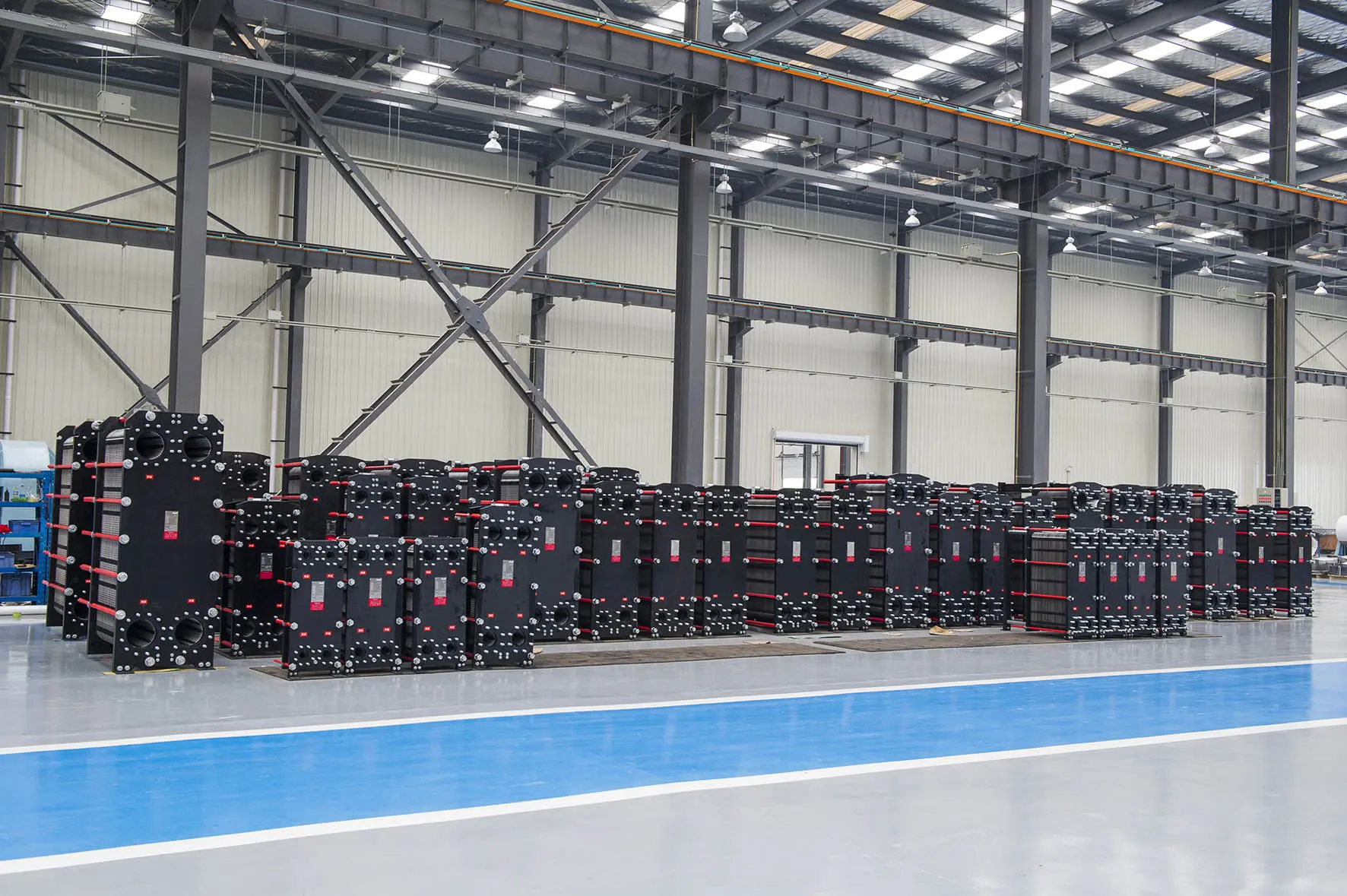
Aligning advanced thermodynamic systems with the unique environmental and industrial framework of the Philippine archipelago.
The Philippines represents a dynamic and rapidly industrializing economy, shaped by its geographic reality as a tropical archipelago. Because of these distinct conditions, standard heating and cooling architectures must be heavily customized to maintain durability, prevent corrosion, and operate under peak efficiency. Flotte’s engineering team has optimized our line of Plate Heat Exchangers (PHEs) to address these specific regional demands.
As one of the world's top producers of geothermal energy, plants in regions like Tiwi, Leyte, and Makban require highly robust heat exchangers. Flotte designs heavy-duty gasketed plates capable of handling aggressive geothermal steam containing high concentrations of silica and hydrogen sulfide (H2S) without compromising thermal transfer coefficients.
With shipyards in Subic Bay and marine ports across Cebu, oceanic cooling loops are critical. Flotte supplies Grade 1 Titanium Plate Heat Exchangers that offer complete immunity to seawater chloride corrosion, ensuring high-performance heat rejection for onboard engine cooling and coastal manufacturing plants.
High-density BPO centers and commercial developments in Manila and Cebu experience year-round cooling loads. Our plate heat exchangers act as isolation barriers between open cooling towers and high-value indoor chiller evaporators, optimizing pressure levels and preventing systemic scale accumulation.
In addition to these sectors, agricultural processing—specifically sugarcane refining in Negros Occidental and coconut oil processing in Southern Luzon—relies heavily on thermal cycles. Flotte’s wide-gap plate structures allow high-viscosity juices and particulate fluids to pass through without clogging, improving plant uptime and simplifying cleaning-in-place (CIP) protocols.
Leading the path toward Net-Zero carbon emissions through optimized industrial thermodynamic engineering.
Under the international Net-Zero 2050 framework, carbon reduction and resource efficiency are no longer optional. Industrial heat exchangers play a pivotal role in this energy transition. In typical manufacturing settings, up to 40% of thermal energy is lost to the environment. Recovering this waste heat and routing it back into production cycles significantly lowers primary fuel usage.
Furthermore, the global transition to low-GWP (Global Warming Potential) natural refrigerants such as Ammonia (NH₃) and CO₂ (R744) has placed higher pressure demands on thermodynamic equipment. Flotte’s state-of-the-art semi-welded and fully-welded plate structures are engineered to handle these intense pressure thresholds safely, facilitating a smoother transition away from traditional synthetic fluorocarbons.
In the Philippines, the Department of Energy (DOE) is heavily promoting energy efficiency guidelines. By implementing our patented high-corrugation plate patterns, industrial facilities can achieve a much higher heat transfer coefficient. This allows systems to achieve their desired temperatures using smaller flow volumes and lower pumping power, reducing overall electricity consumption.
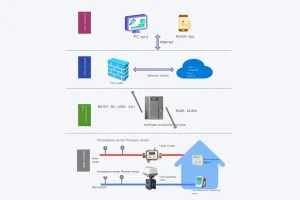
By integrating smart sensors with our Intelligent Heating Network Monitoring System, plant operators can monitor pressure differentials and thermal profiles in real-time. This active monitoring allows for predictive maintenance, catching scale build-up before it leads to performance drop-offs or unplanned downtime.
Every plate and gasket is engineered to withstand challenging chemical, pressure, and temperature environments.
Choosing the correct metallurgy is critical to ensuring a long service life and preventing pitting corrosion. Flotte works with premium metals sourced from audited global suppliers:
Gaskets seal the channels and prevent cross-contamination. We match elastomeric materials specifically to your operation's temperature and fluid properties:
The pattern of the plate corrugations defines how the fluid behaves. Flotte uses a chevron design with variable pressing angles (often called High-Theta and Low-Theta angles). A High-Theta (obtuse angle) pattern creates more turbulence, increasing the heat transfer coefficient but generating a higher pressure drop. A Low-Theta (acute angle) pattern offers less fluid resistance, resulting in a lower pressure drop but reduced heat transfer performance. By mixing these configurations in a single plate pack, Flotte designs customized solutions that balance pressure restrictions and thermodynamic efficiency perfectly.
Every plate heat exchanger is constructed and verified under strict ISO 9001:2015 and pressure vessel directives.
To guarantee long-term reliability, our state-of-the-art factory coordinates production across nine core processes. All of our front-line operators are fully certified, and we maintain complete traceability on all raw materials, from initial plate pressings to final assembly.
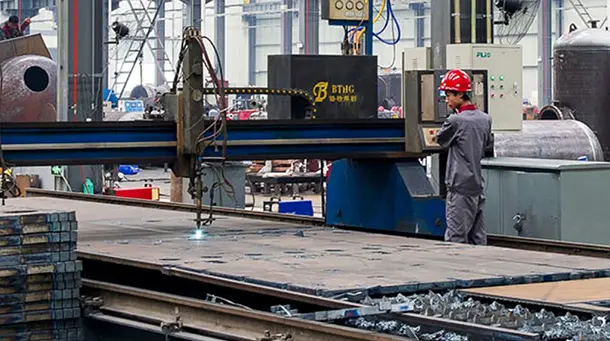
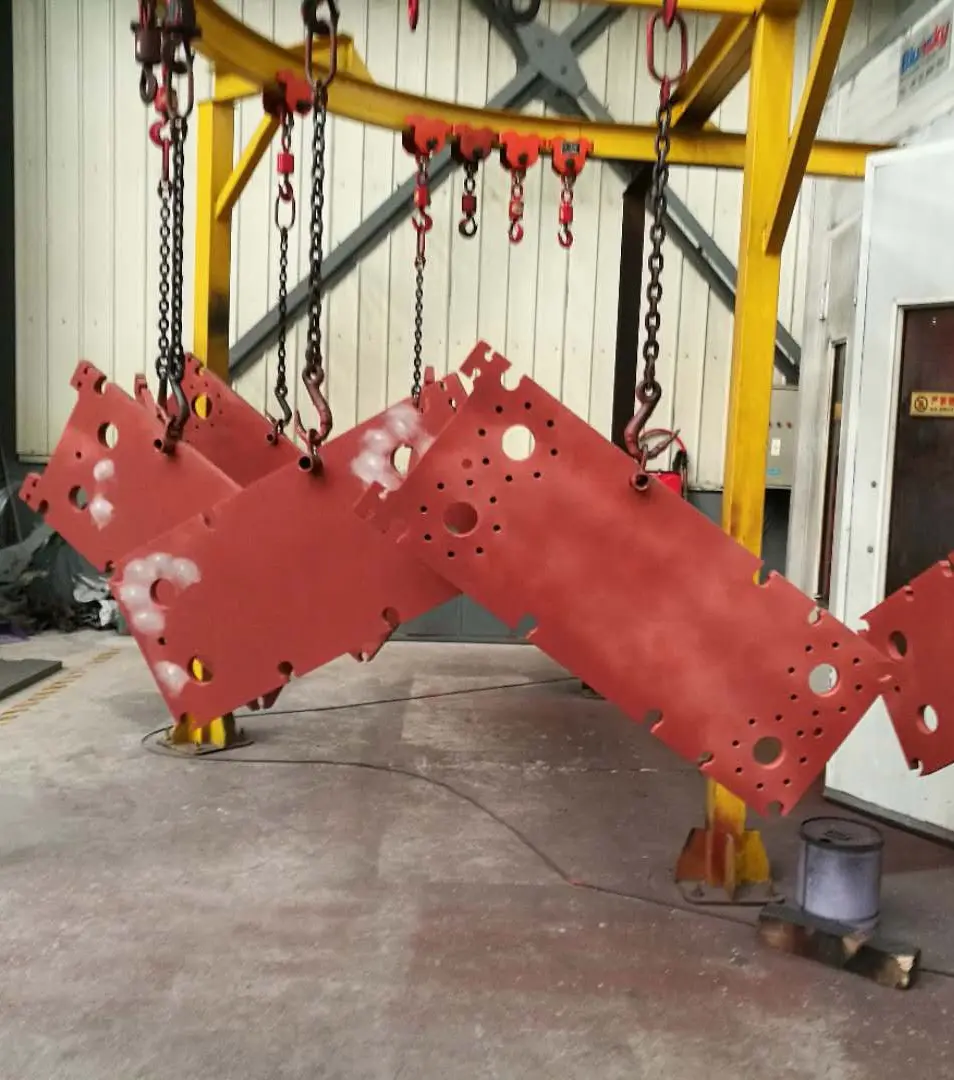
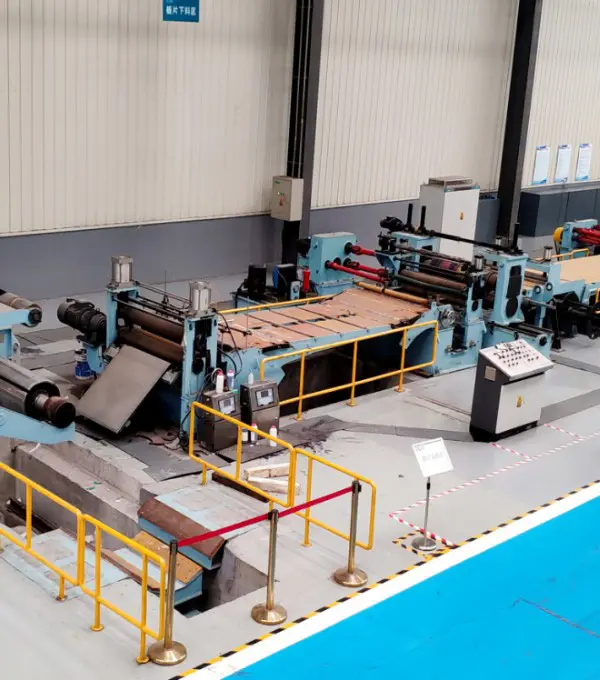
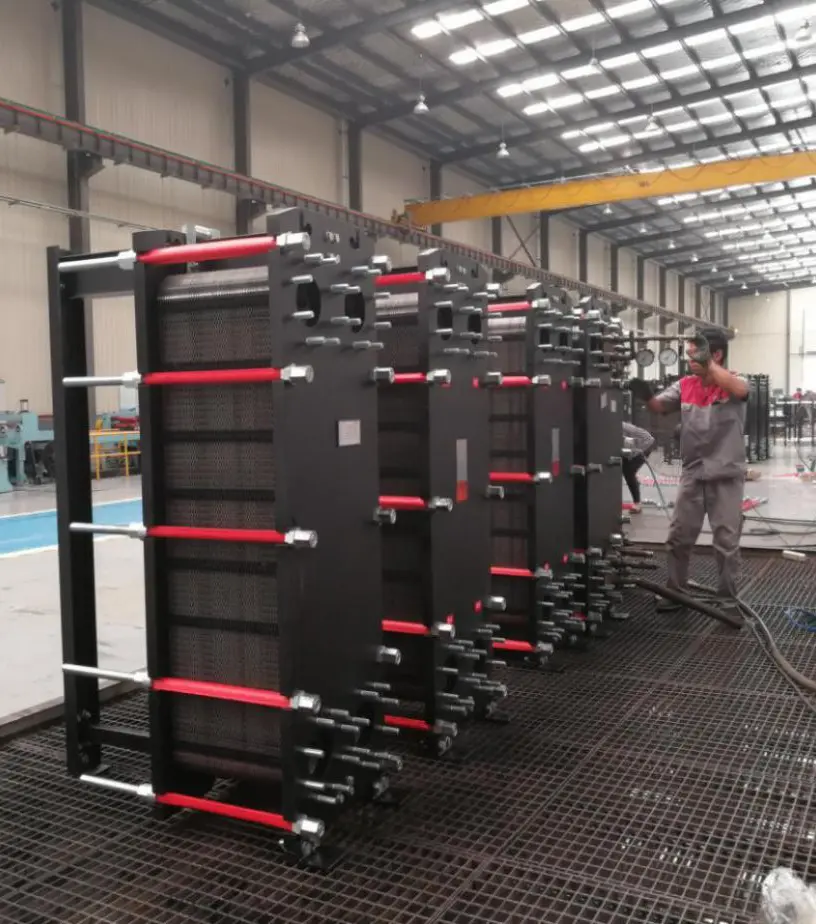
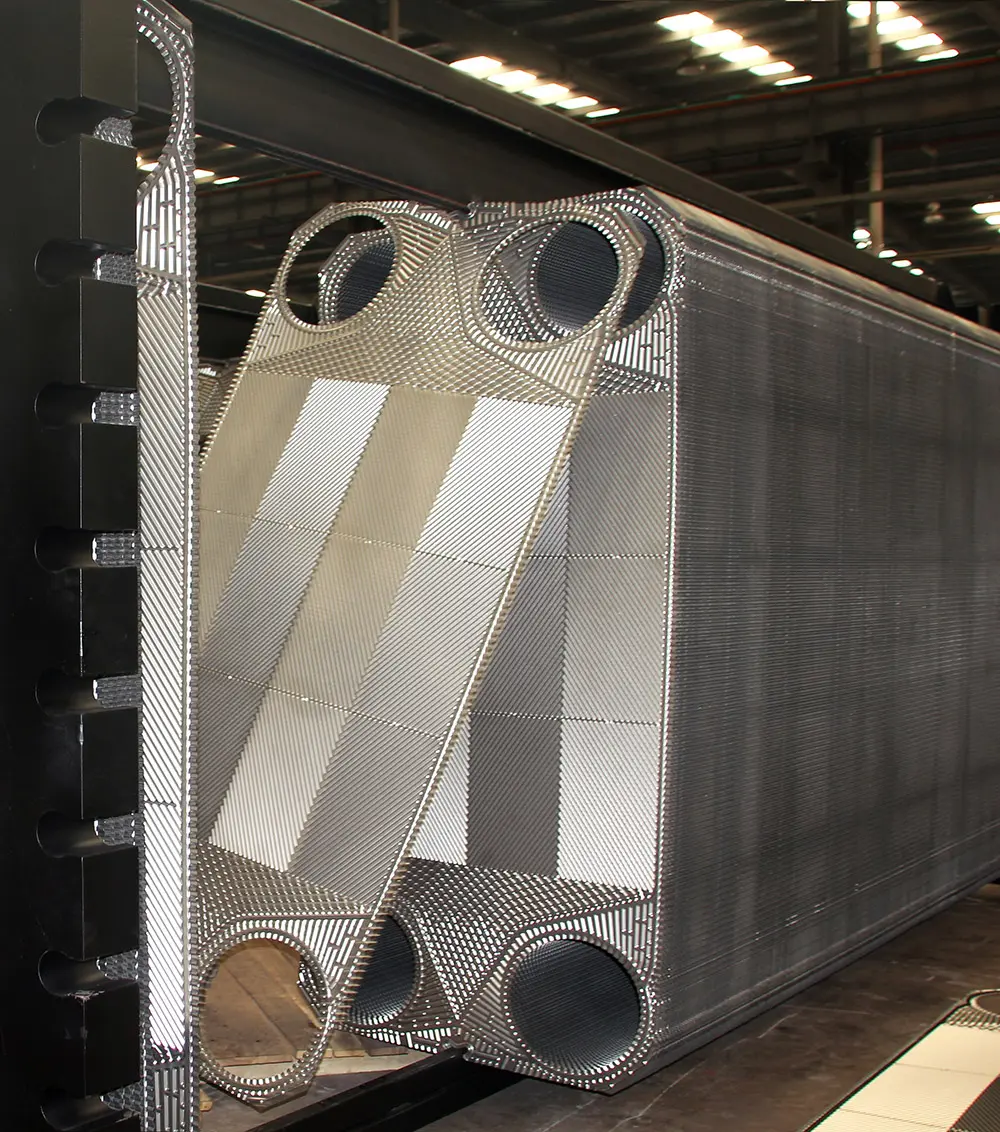
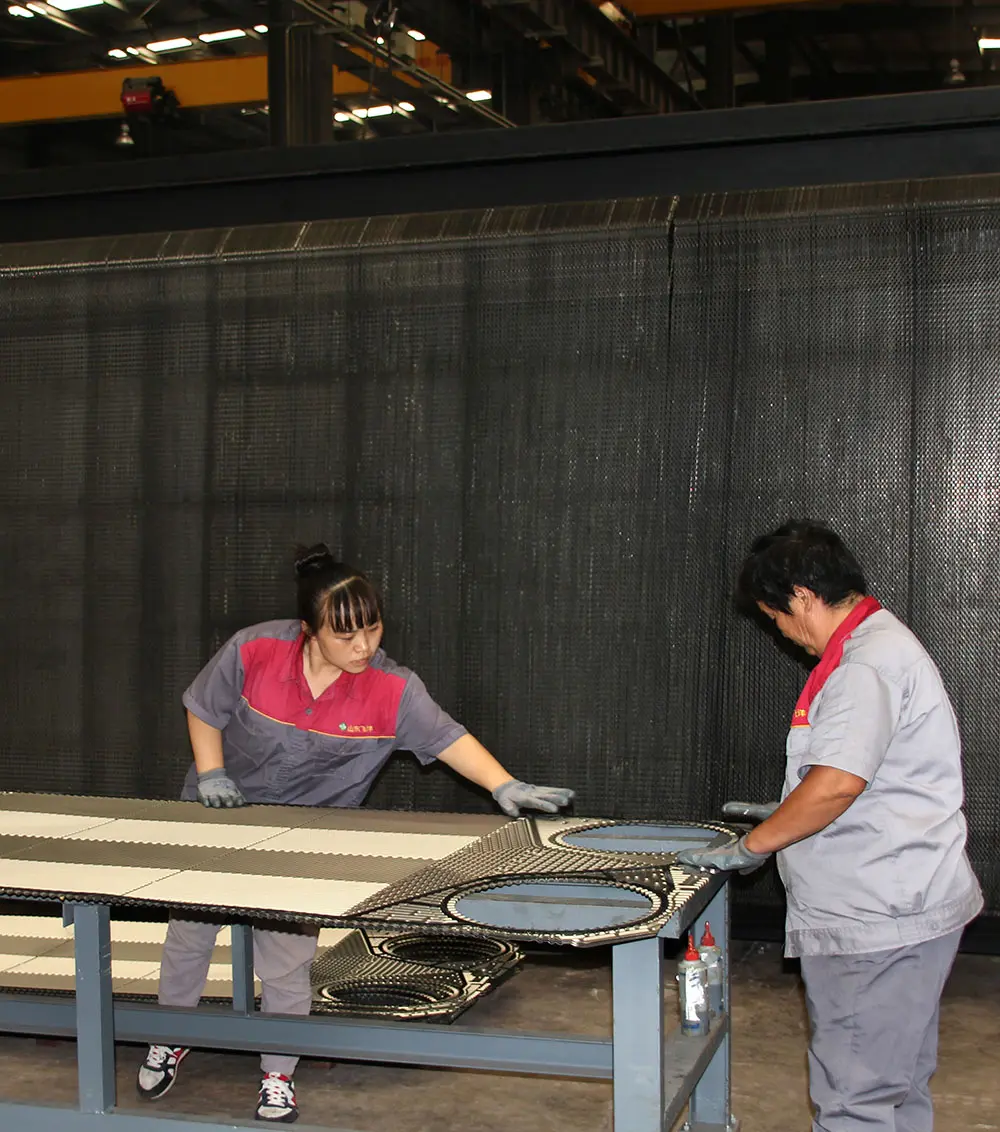
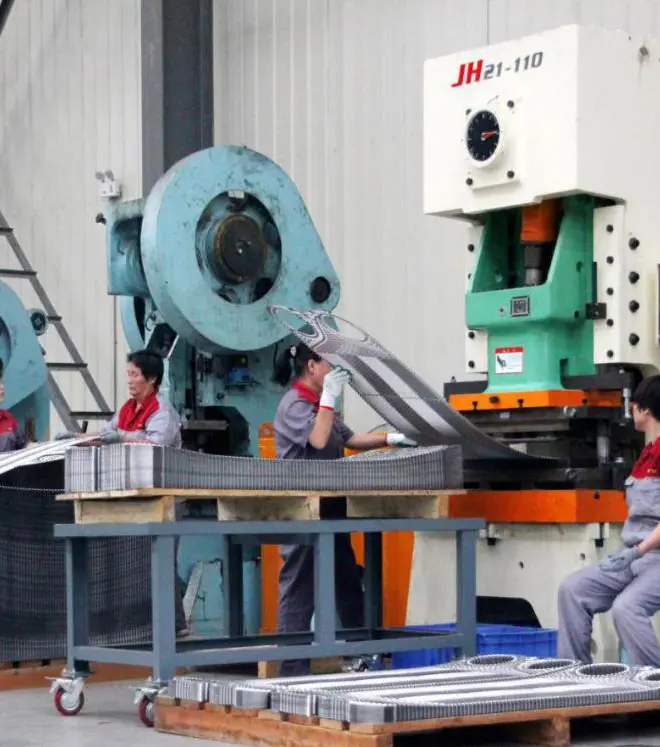
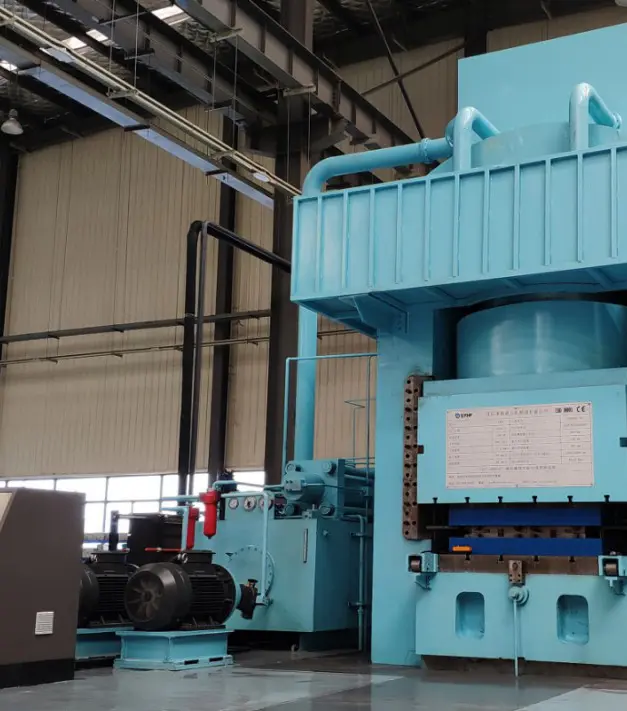
Our Quality Management Framework spans across raw material inspection, stamping tolerances, assembly alignments, and hydrostatic pressure testing. Hydrostatic testing is carried out at 1.3 to 1.5 times the design pressure limit to ensure there are no microscopic fractures or gasket seat alignments before shipping.
Our production protocols are verified by top national and international certifying bodies, ensuring smooth compliance approvals in local construction and municipal projects.
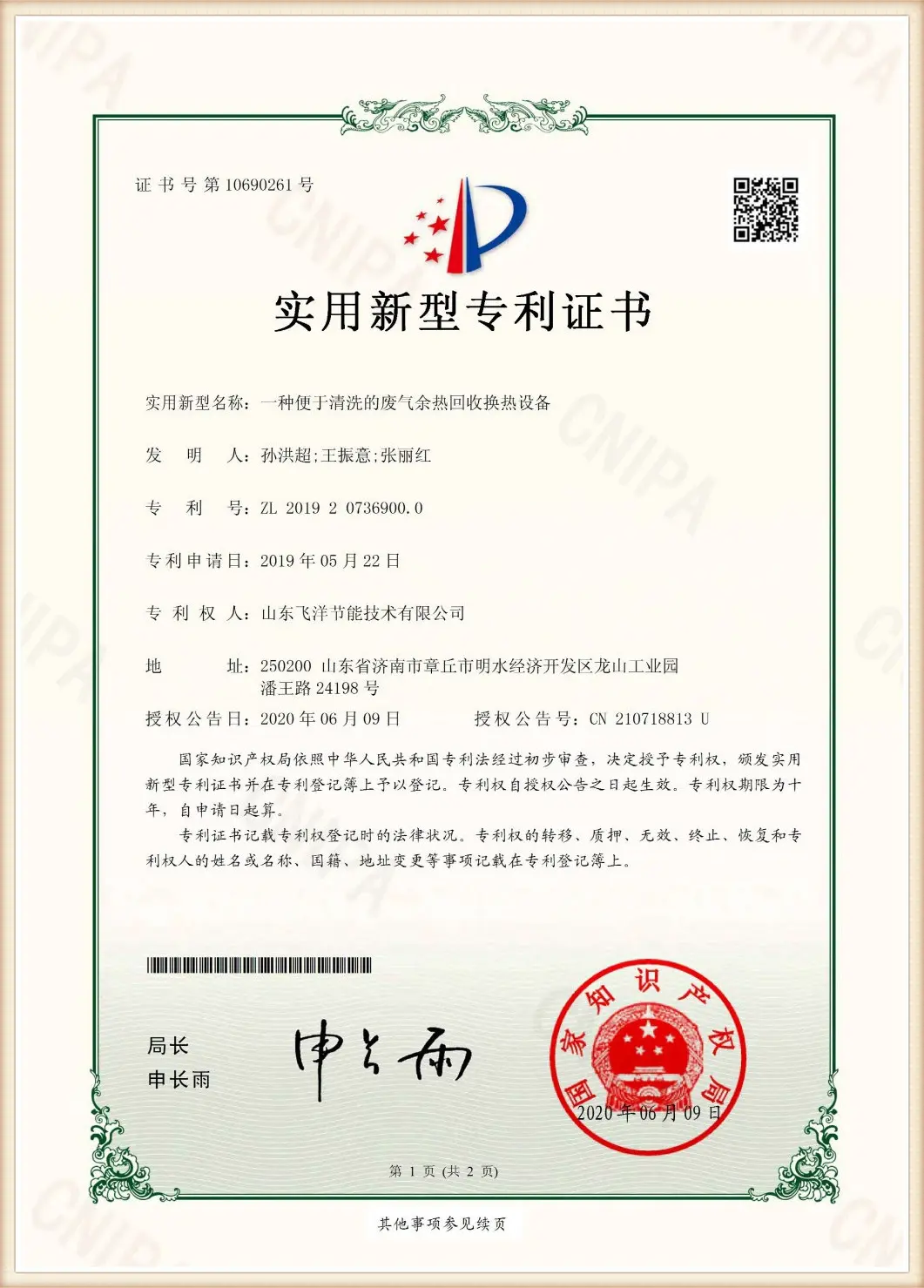
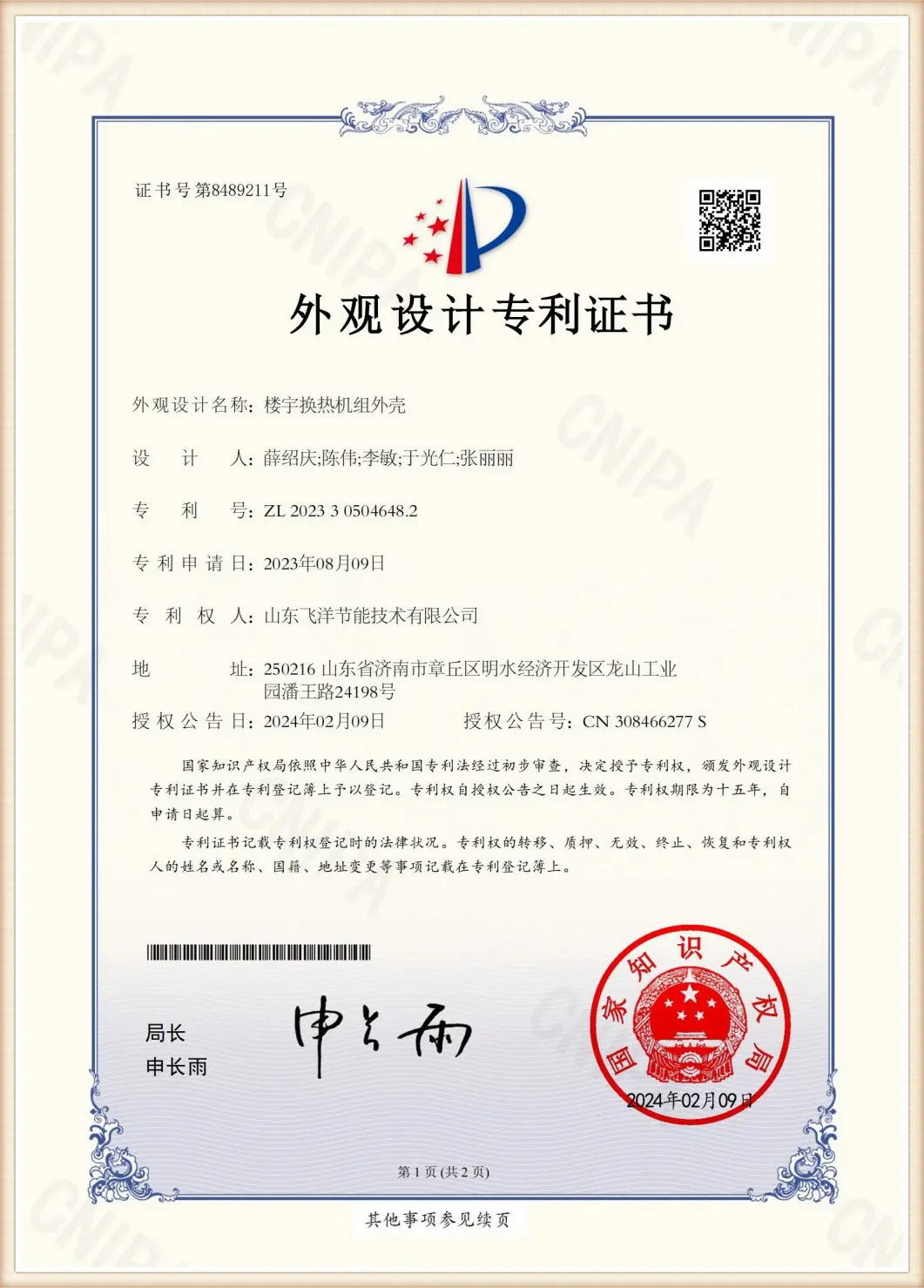
Answers to essential technical and commercial questions regarding purchasing plate heat exchangers for the Philippine market.
Factory-direct solutions designed for water treatment, HVAC distribution, and industrial process integration.

Get in touch with Flotte’s application engineering team today. We provide free thermal calculations, tailored material selection advice, and factory-direct pricing for your projects in the Philippines and worldwide.
 Flotte Energy