Home >
Hot Products >
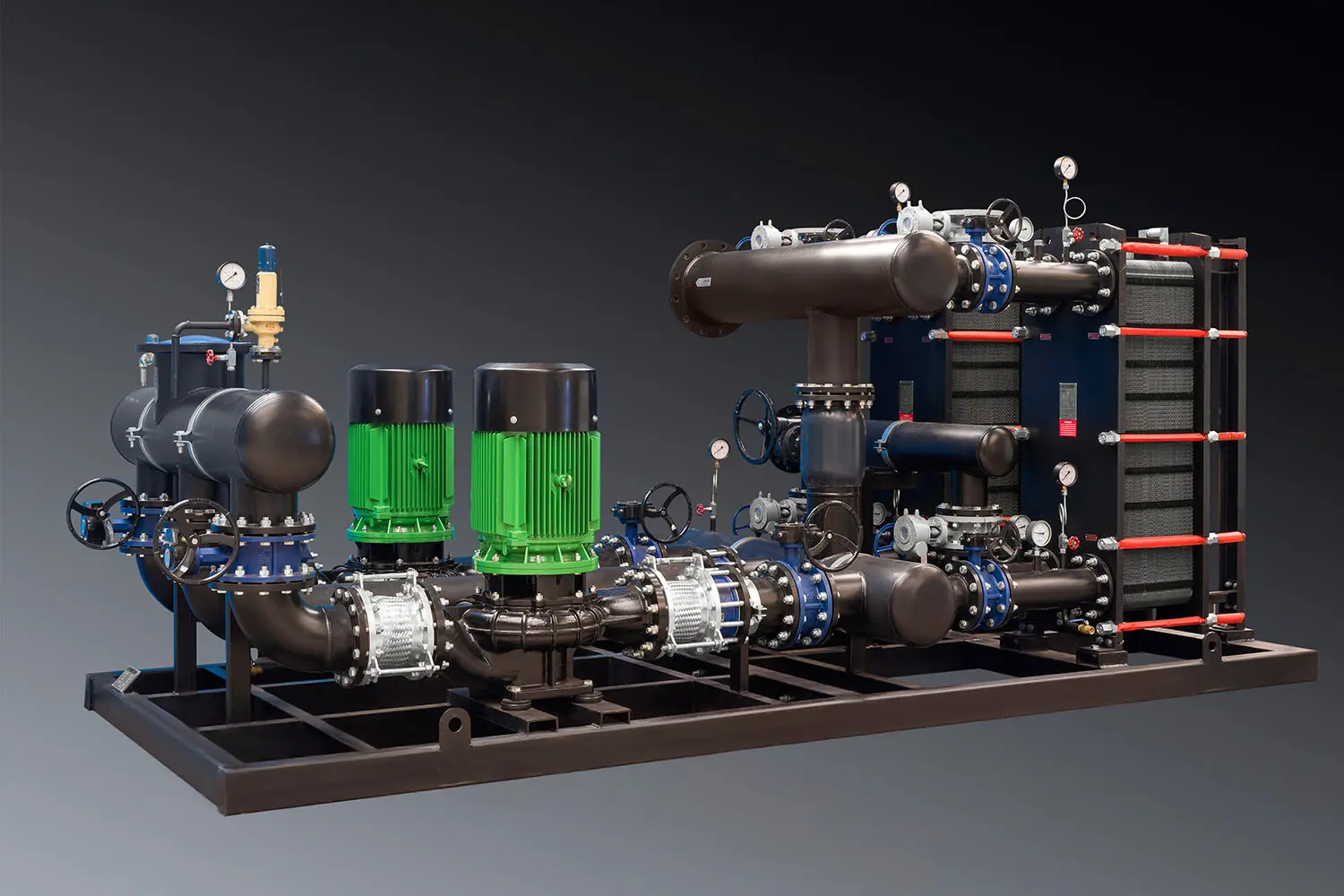
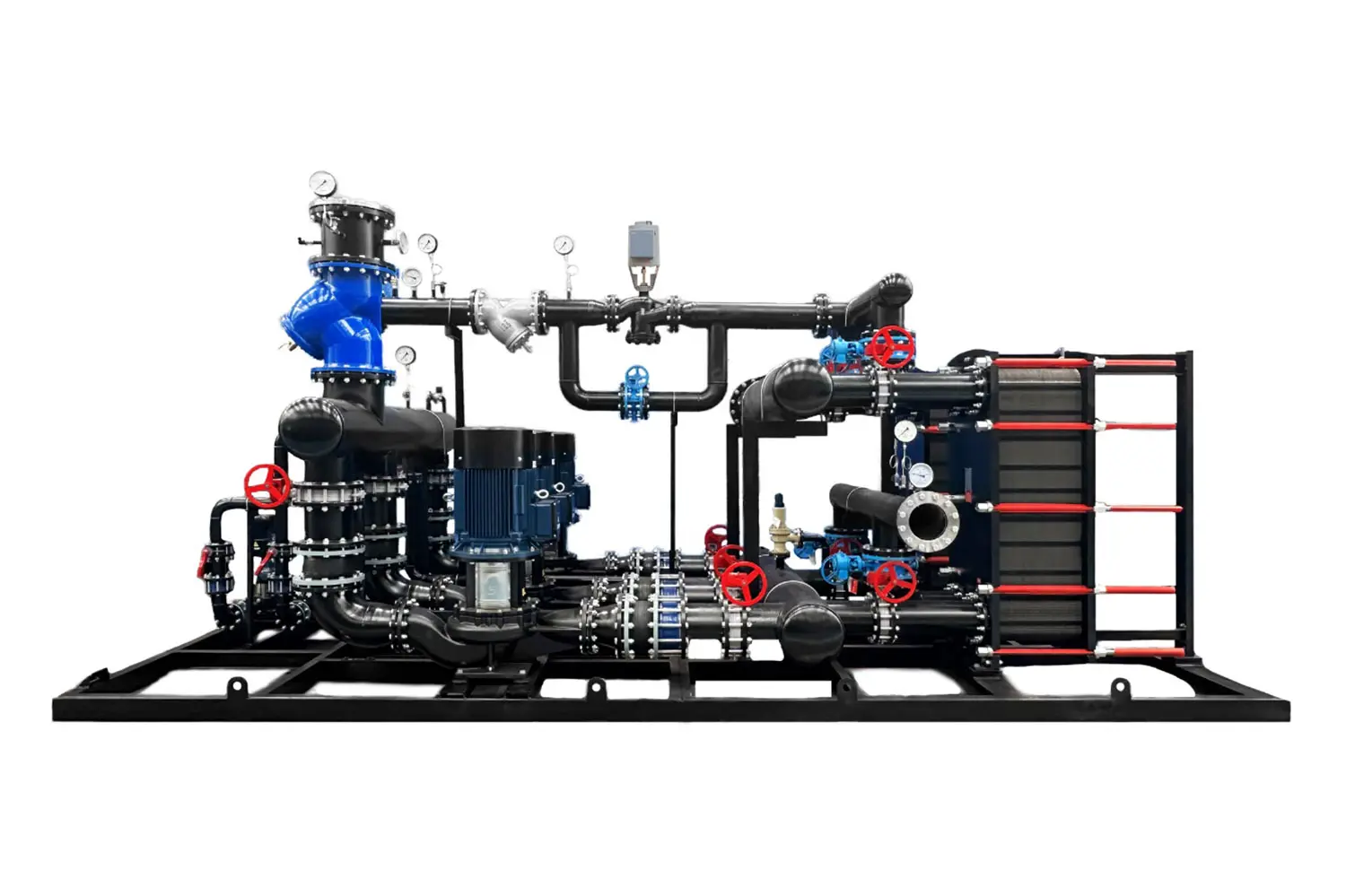
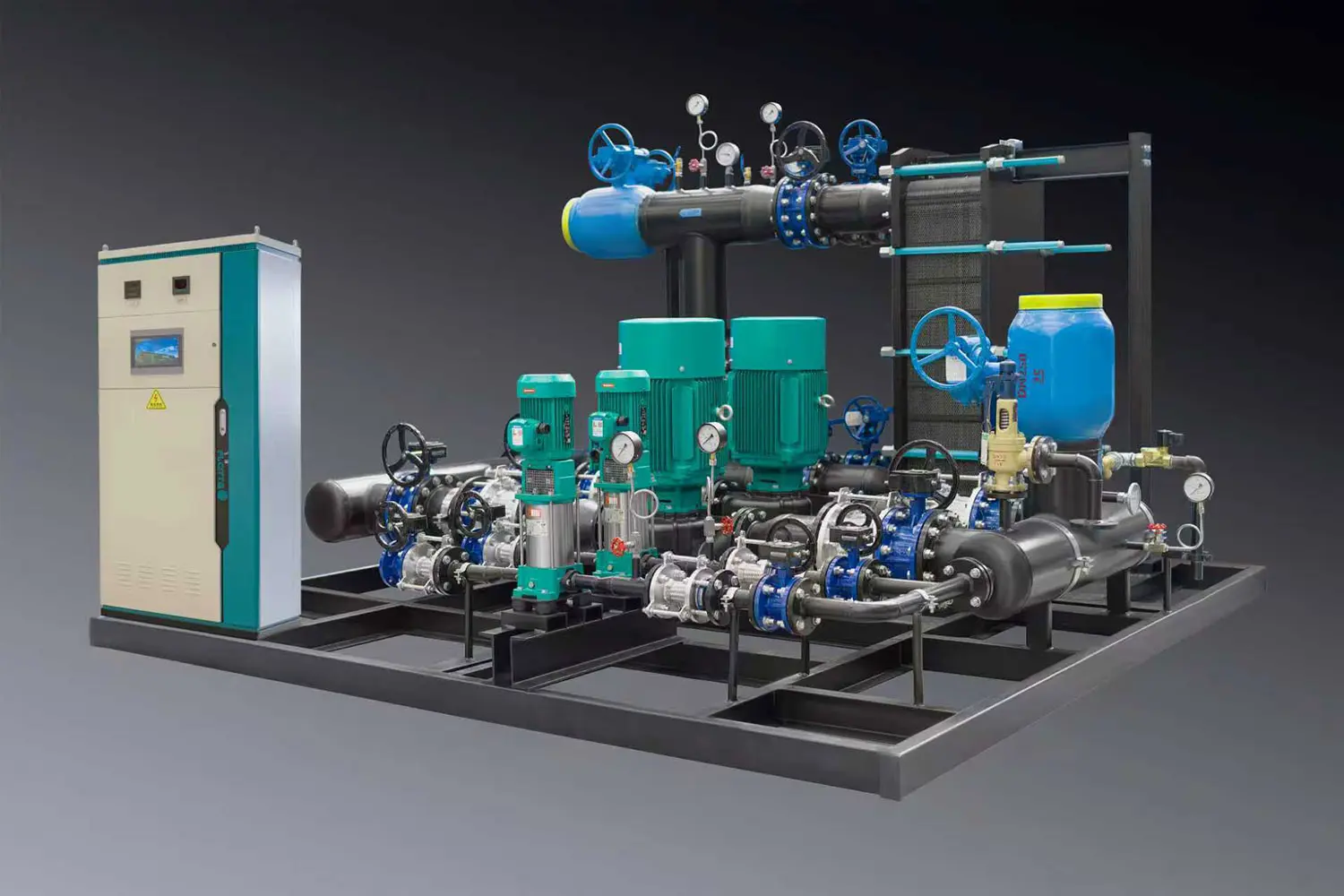
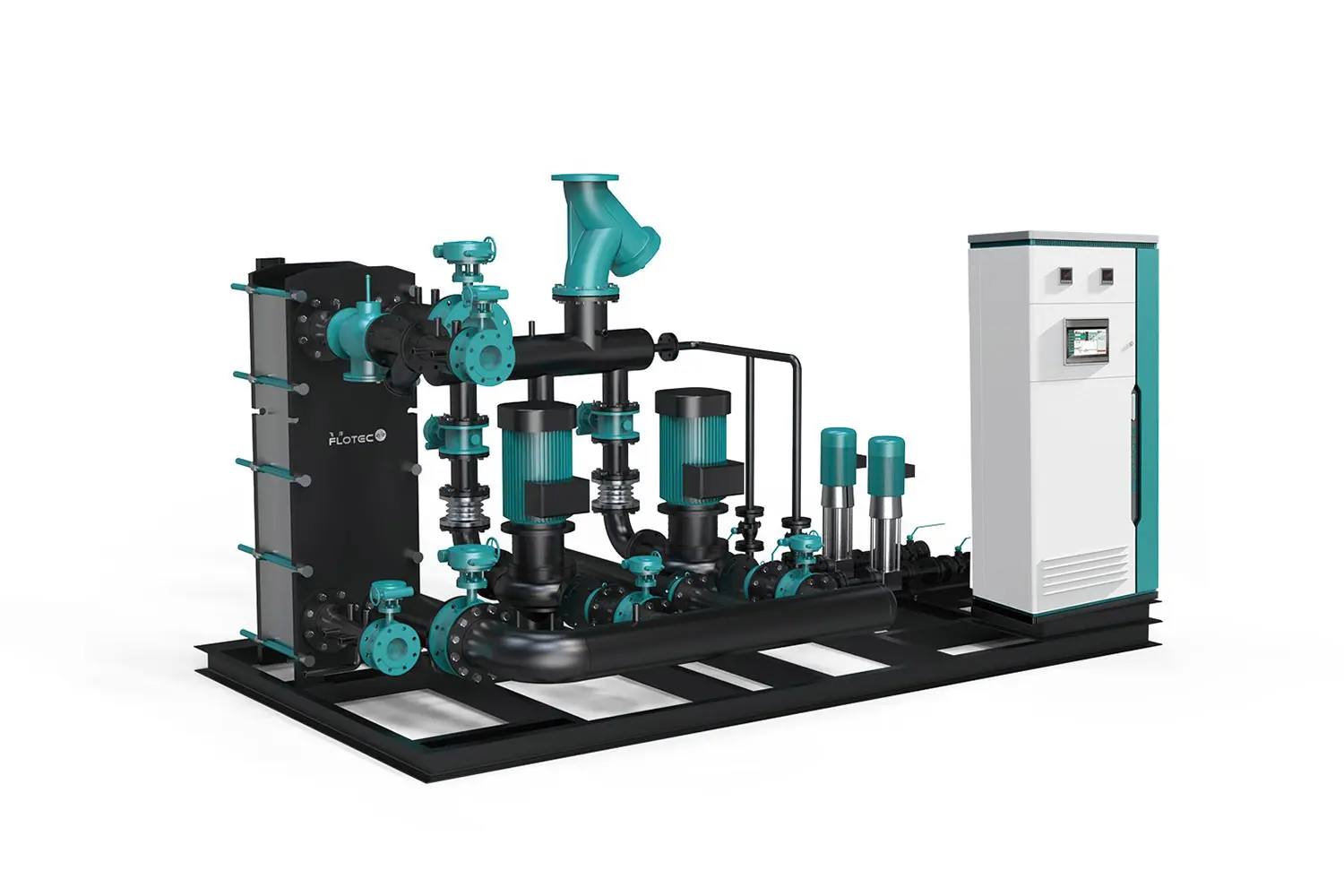
China Intelligent Heat Exchange Unit - Integrated Heating Solution from China Suppliers and Factory for Efficient Building Heating Suppliers, Factories
1 / 4
China Intelligent Heat Exchange Unit - Integrated Heating Solution from China Suppliers and Factory for Efficient Building Heating Suppliers, Factories
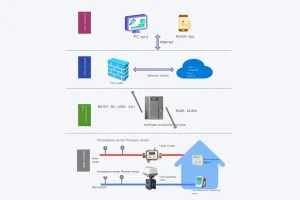
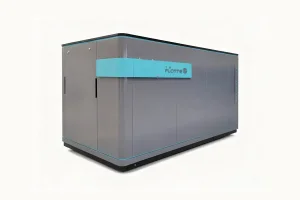
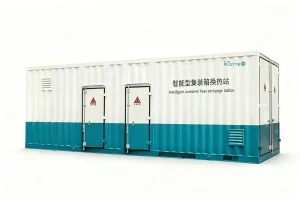
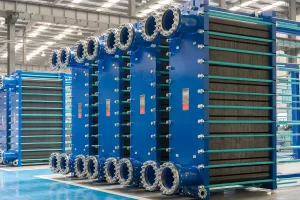
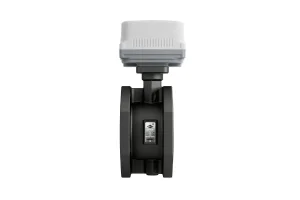
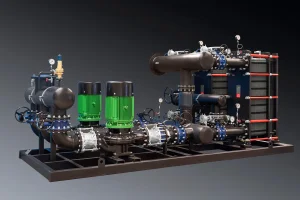
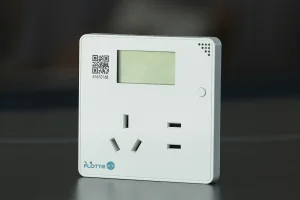
The building heat exchange unit is an innovative integrated heating system specifically designed for individual building units. As one of the leading products from top China suppliers, this advanced heating solution combines high-efficiency heat exchangers, energy-saving water pumps, intelligent control systems, valves, and instruments into a compact and standardized enclosure. This design results in a fully self-contained equipment solution with a footprint reduced to just 1/3 to 1/2 of traditional decentralized heating systems, enabling flexible installation in various building layouts, One of the key advantages of this heat exchange unit is its precise automatic control system, which responds in real-time to indoor temperature demands. This system dynamically adjusts operational parameters, effectively addressing common issues found in traditional heating systems, such as horizontal hydraulic imbalance that can cause proximal overheating and distal underheating. This capability significantly reduces thermal energy waste, Manufactured by reputable factories, our building heat exchange unit offers flexible regulation, convenient operation, and easy maintenance. It ensures stable and energy-efficient heating for commercial buildings, residential communities, and similar spaces, making it an essential choice for anyone looking to improve their heating efficiency in the modern era
Modern manufacturing demands unprecedented precision, speed, and reliability. The integration of advanced fiber laser technology has revolutionized the metal fabrication industry, allowing operators to achieve clean cuts on highly reflective materials with minimal thermal deformation. This guide explores the core mechanisms, operational advantages, and strategic deployment of high-power laser systems in modern industrial environments.
Key Engineering Insight
Fiber lasers offer a wall-plug efficiency of up to 50%, significantly reducing operational energy overheads compared to legacy CO2 laser systems.
Precision Components & Machine Configuration
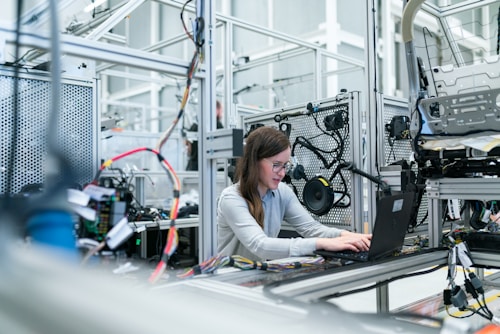
Below is the structural layout of the multi-axis CNC laser head, showcasing the focus lens alignment, dynamic gas assist nozzle, and the integrated height sensor array.
Laser Head Alignment
Active Metal Cutting Process
Finished Micro-Cut Components
Operational Workflow & Real-Time Performance
Observe the high-speed dynamic response of the laser cutting gantry under maximum acceleration. The video demonstrates the synchronized control between the linear motors and the fiber source.
Thermal Management and Gas Delivery Systems
Efficient auxiliary gas delivery is crucial for slag removal. Nitrogen is utilized for clean, oxidation-free cuts in stainless steel, while oxygen acts as an exothermic agent for thicker carbon steels.

Dual Gas Assist Regulator Panel
Chiller System Integration
Frequently Asked Questions
What is the primary advantage of a fiber laser over a CO2 laser?
Fiber lasers offer significantly higher cutting speeds when processing thin materials (under 5mm), lower maintenance costs due to the absence of internal moving parts or mirrors, and up to three times higher energy conversion efficiency.
Which assist gas should be used for cutting stainless steel?
Nitrogen is the preferred assist gas for stainless steel cutting. It prevents oxidation at the cut edge, ensuring a clean, bright finish that requires no secondary post-processing before welding or painting.
How often do protective optical windows need to be replaced?
Replacement intervals depend heavily on cutting parameters and dust extraction efficiency. Typically, in a high-volume production environment, protective windows should be inspected daily and replaced every 80 to 120 operational hours.
Can fiber lasers cut reflective materials like copper and brass?
Yes. Modern fiber lasers operate at a wavelength (approx. 1.07 microns) that is highly absorbed by metals, allowing them to safely cut reflective materials without risking back-reflection damage to the laser source.
What maintenance is required for the chiller system?
Water quality must be monitored monthly, and the deionized water should be completely replaced every 3 to 6 months. Additionally, condenser filters must be cleaned weekly to ensure optimal heat dissipation.