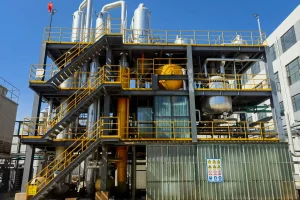
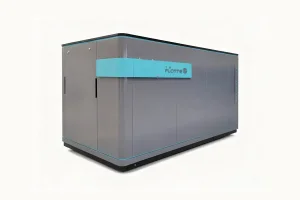
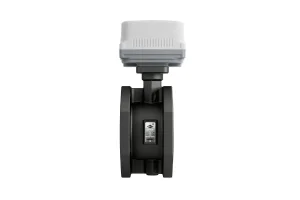
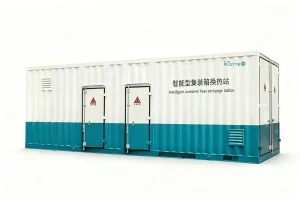
Explore our core selection of high-performance thermodynamic controllers, multi-effect evaporation units, and heat exchanger systems.
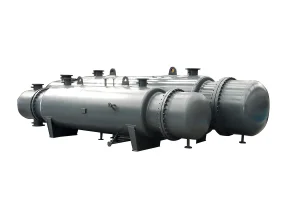
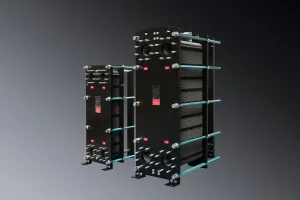
In modern industrial manufacturing and thermal management systems, fluid dynamic efficiency and energy conservation are paramount. The Alfa Laval M15 Plate Heat Exchanger stands as one of the most reliable and highly adapted plate thermal transfer platforms worldwide. Featuring a robust layout designed for media-to-media heat exchange, this equipment requires strict alignment with its operating, engineering, and maintenance documentation to achieve optimal operational lifetime. As a leading manufacturer and exporter, Flotte specializes in delivering premium engineering solutions and replacement components that align directly with the specifications outlined in the original manufacturer’s manuals, ensuring global businesses secure massive energy savings and continuous operation.
The Alfa Laval M15 Plate Heat Exchanger utilizes corrugated metal plates designed with a chevron or herringbone pattern. This geometry generates high turbulence at relatively low fluid velocities, translating directly into a high heat transfer coefficient (U-value). The plate channels are sealed by specialized gaskets, which direct the fluids into alternating channels. By studying the technical manual, operators can configure the heat exchanger for parallel or counter-current flow regimes, matching specific temperature profiles required by chemical, HVAC, and power generation industries.
| Parameters | Standard Specifications (Alfa Laval M15 Equivalent) | Engineering Significance |
|---|---|---|
| Max Flow Rate | Up to ~350 m³/h (1540 US gpm) | Determines fluid processing capabilities in large-scale installations. |
| Max Design Pressure | Up to 16.0 bar (232 psi) / 25.0 bar (362 psi) | Dictates code compatibility (ASME Section VIII, PED). |
| Plate Materials | AISI 304, AISI 316, Titanium, Hastelloy C-276 | Determines corrosion resistance against aggressive chemical agents. |
| Gasket Materials | NBR (Nitrile), EPDM, FKM (Viton) | Dictates temperature thresholds and chemical compatibility. |
According to the Alfa Laval M15 Plate Heat Exchanger Manual, routine maintenance is divided into two primary categories: mechanical cleaning (requiring frame opening) and Cleaning-in-Place (CIP). A CIP cycle allows chemical solvents to circulate through the channel system without disassembly, dissolving mineral scale and organic deposits. This process reduces labor requirements, limits wear on gaskets, and avoids mechanical damage to the thin alloy plates. When manual cleaning is required, it is imperative to use soft bristle brushes and compatible cleaning solutions to protect the passive oxide layer of the stainless steel or titanium plates.
Over the last decade, global procurement strategies have shifted towards high-quality, cost-efficient manufacturing hubs. China has emerged not only as a massive producer of heat exchange units but also as a premier exporter of precision components compatible with legacy models like the M15. International purchasers seek reliable exporters capable of translating manufacturing standards seamlessly. This requires strict adherence to ISO quality management certifications, advanced material tracking, and raw material sourcing guarantees. By offering direct access to highly reliable plate press technologies, localized logistics integration, and full engineering support, Chinese suppliers like Flotte enable global partners to reduce maintenance and capital expenditures without sacrificing E-E-A-T performance indicators.
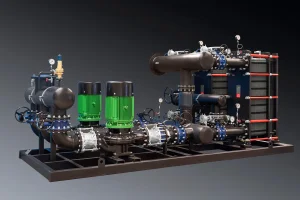
Urbanization and decarbonization goals require regional heating infrastructures to utilize highly efficient energy transfer. Plate heat exchangers act as the vital bridge between primary heating plants and secondary municipal distribution loops. The high thermal density of the Alfa Laval M15 makes it ideal for handling large-scale flow variations while maintaining high thermal exchange rates. When coupled with advanced balance valves and digital control monitoring, these exchangers minimize system thermal lag and eliminate energy waste across large heating networks.
Building on three decades of thermal engineering expertise, delivering cutting-edge solutions worldwide.
Flotte Energy Saving Company, established in 2013 with a registered capital of 101 million yuan, originated from Flotte Thermal Engineering founded in 1995. With three decades of technical expertise, the company specializes in water equipment, HVAC systems, and water treatment industries. It consistently leads industry peers in adopting cutting-edge technologies, developing innovative products, and delivering comprehensive production and sales services.
Our professional design and manufacturing teams have been engaged in thermal design for many years, backed by rich practical experience to ensure the absolute reliability of designed technical products. Supported by our specialized R&D center and advanced test laboratories, Flotte drives technological advancement across the global heat exchange market.
Providing compliant and highly reliable heat exchange systems for critical engineering projects.
Production processes, quality control, and customer services at Flotte strictly adhere to the ISO 9001:2015 international quality management system, while also complying with pressure vessel quality assurance frameworks. Our products undergo mandatory inspections by national quality supervision authorities, ensuring full compliance with international and national performance standards.
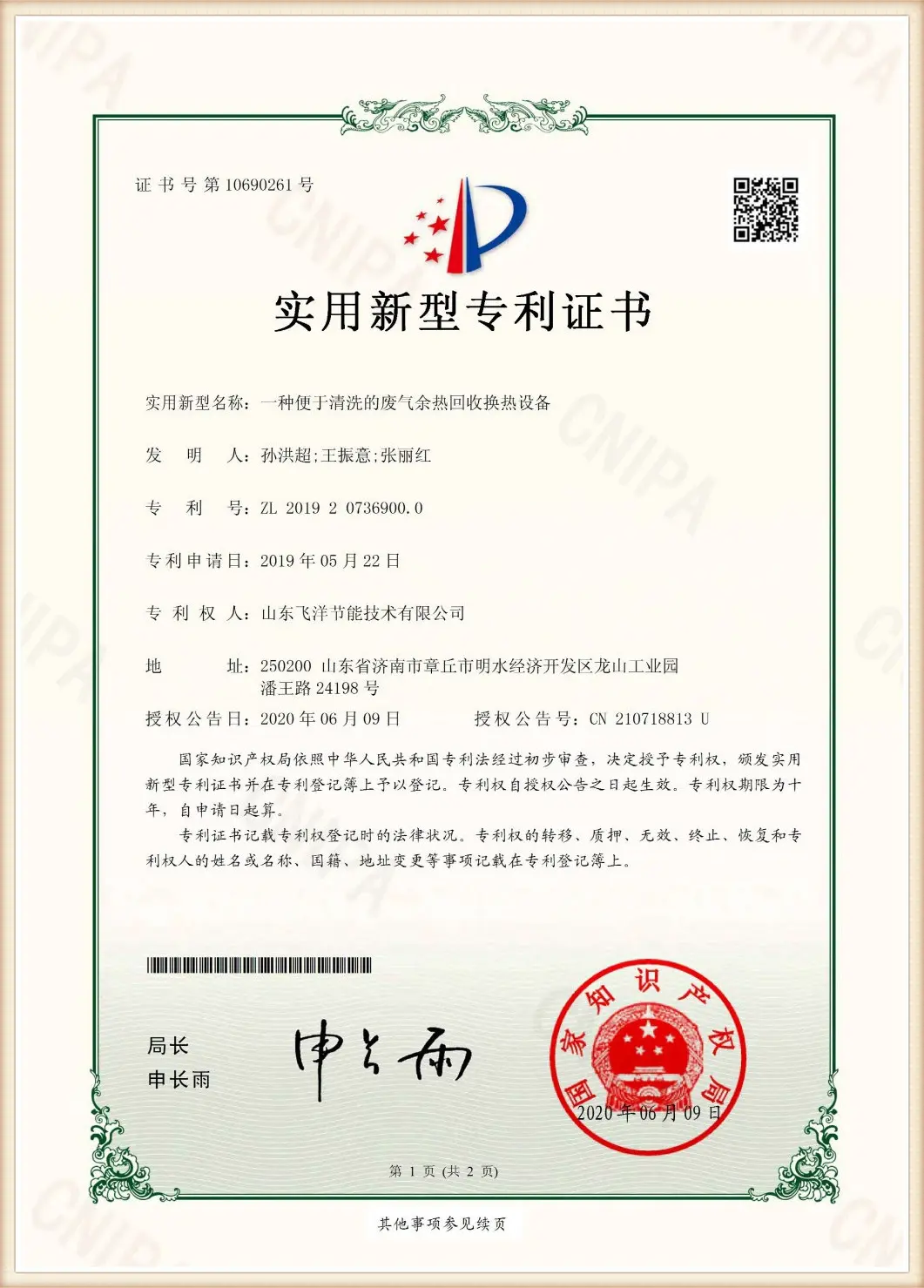
The company has continuously advanced in production technology innovation, holding multiple patent certifications including "High-Efficiency Plate Heat Exchanger", "Intelligent Plate Heat Exchanger System", and "Plate Heat Exchanger Scale Removal Device" (see qualification documentation). Its products have obtained mandatory national product certification and safety registration from the National Standardization Committee, along with the safety registration for plate heat exchangers issued by the National Boiler and Pressure Vessel Standardization Technical Committee. Flotte has also achieved ISO9001 Quality Management System certification, ISO14001 Environmental Management System certification, and ISO45001 Occupational Health and Safety Management System certification.
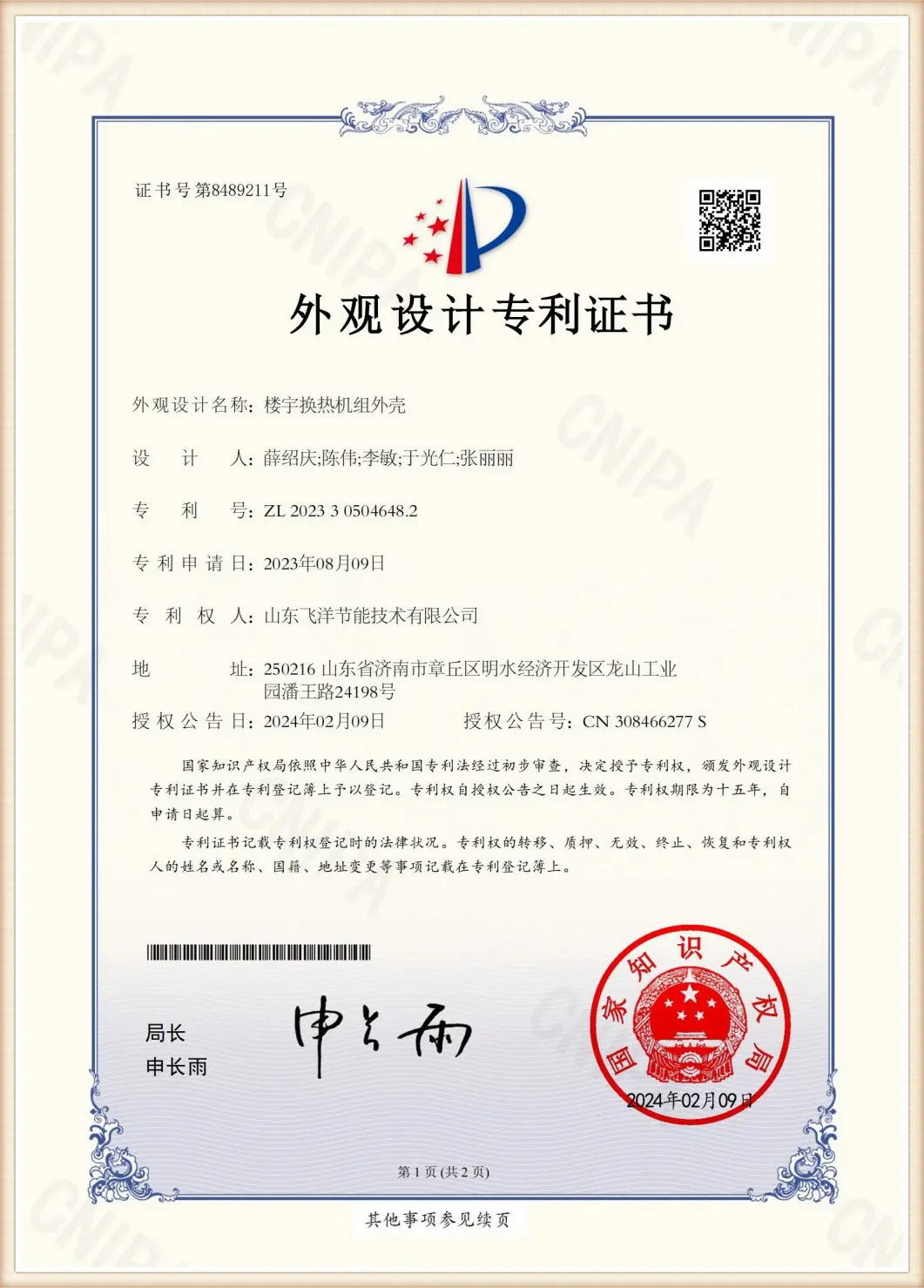
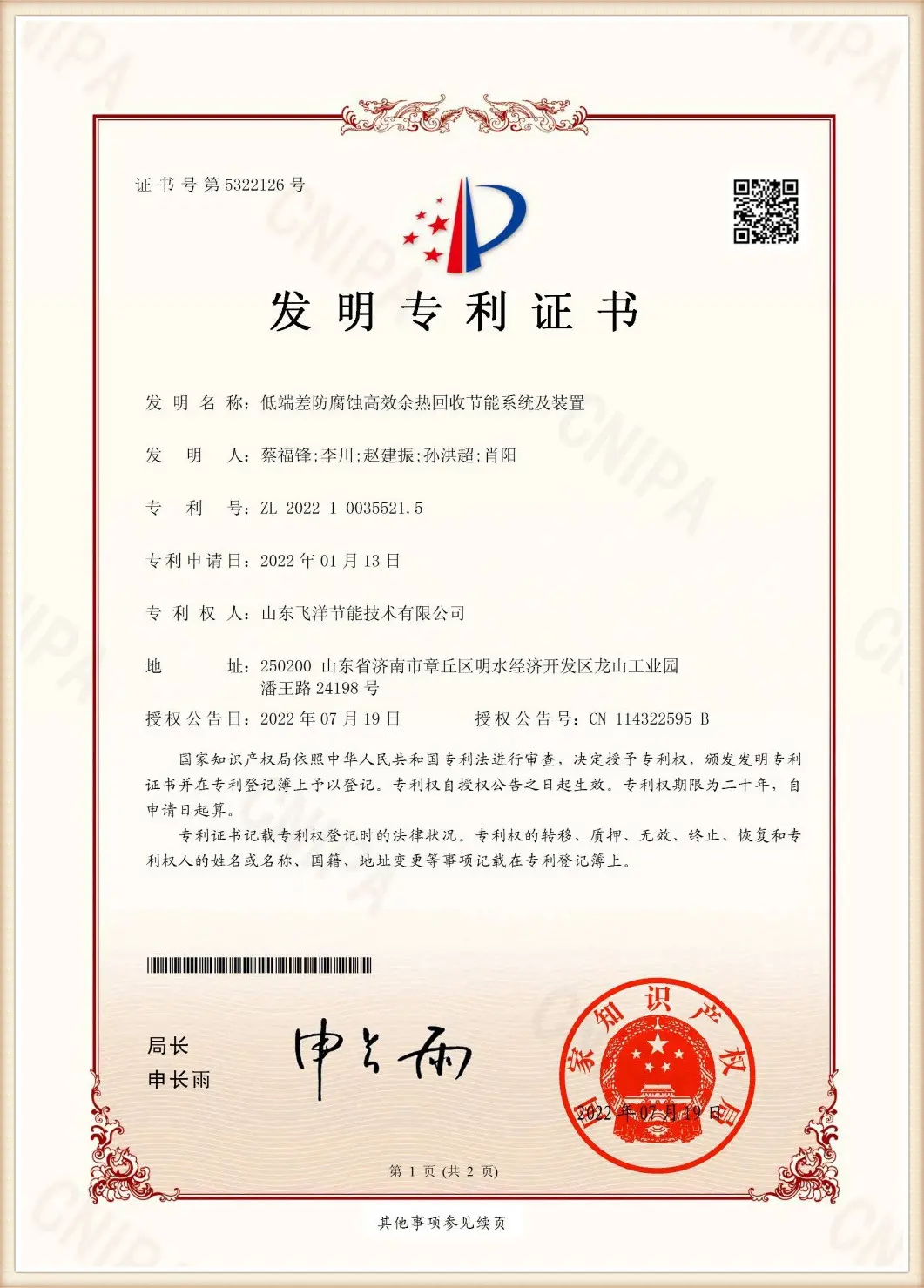
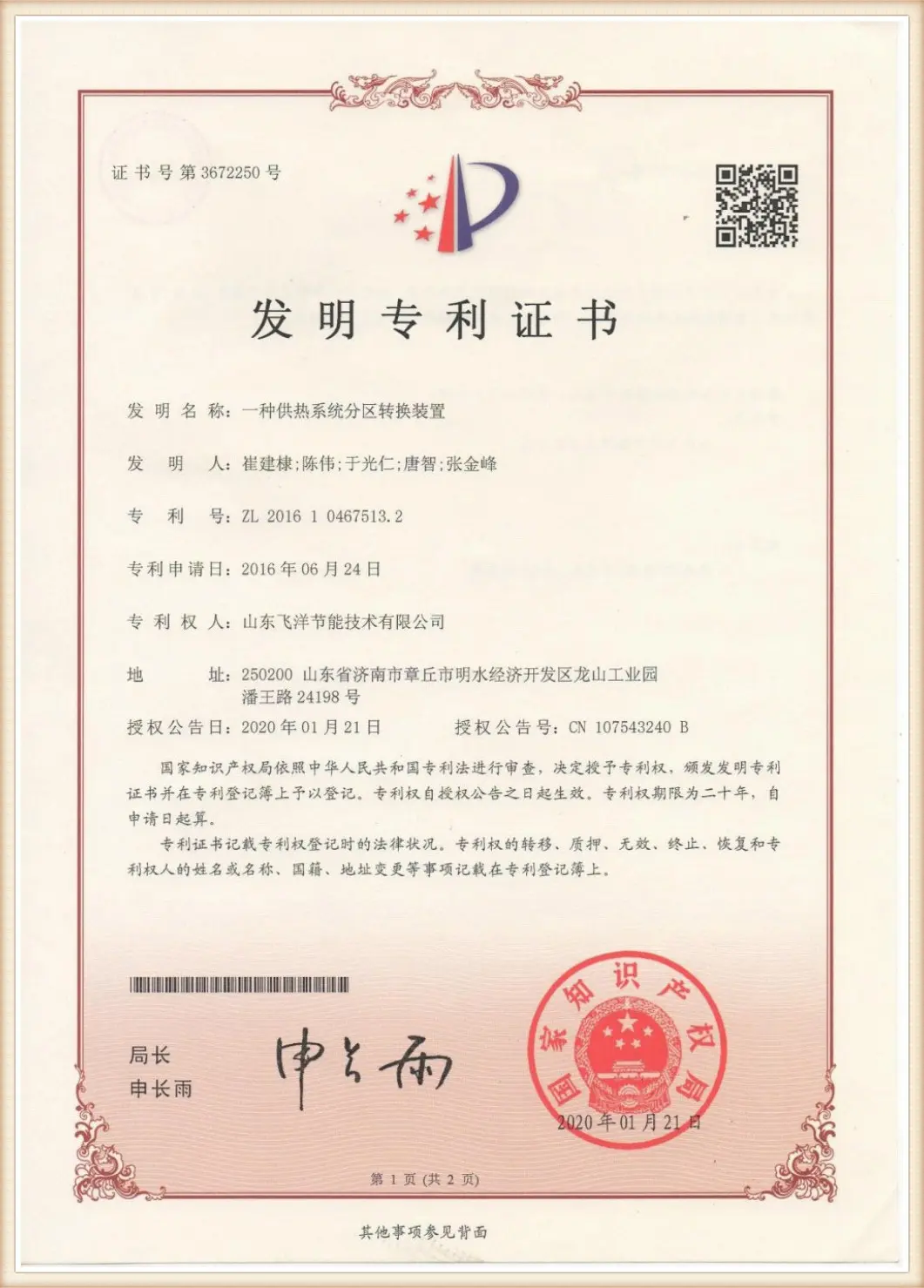
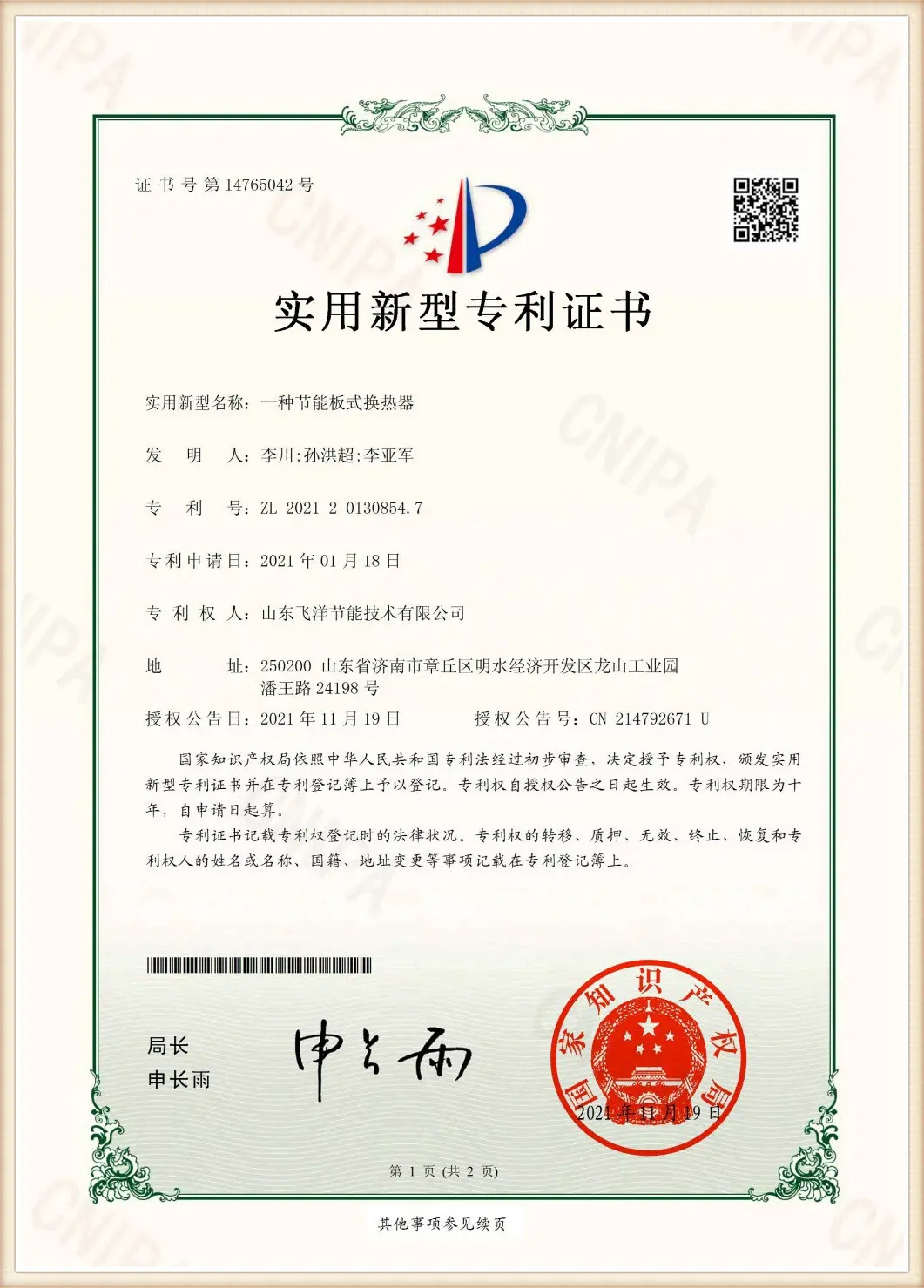
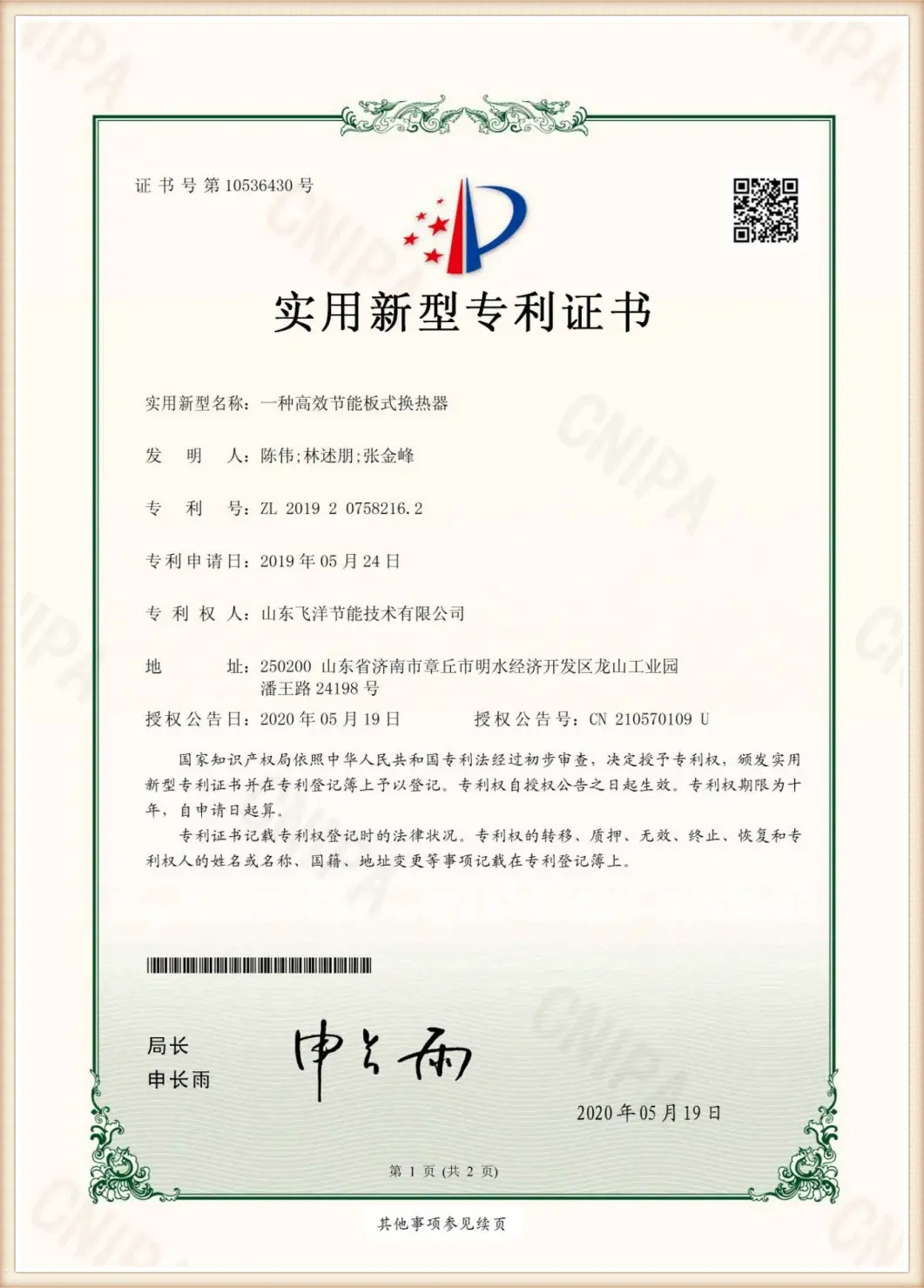
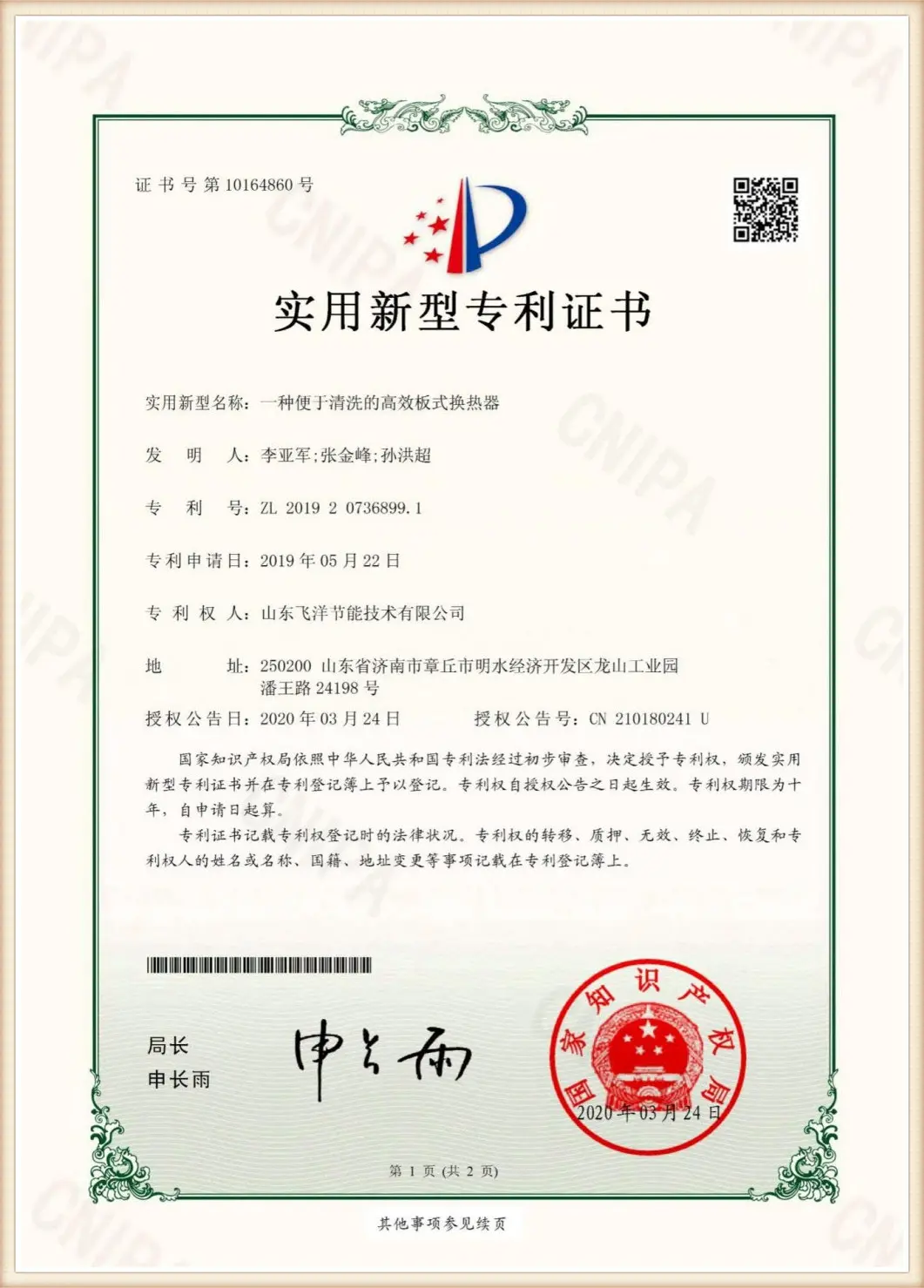
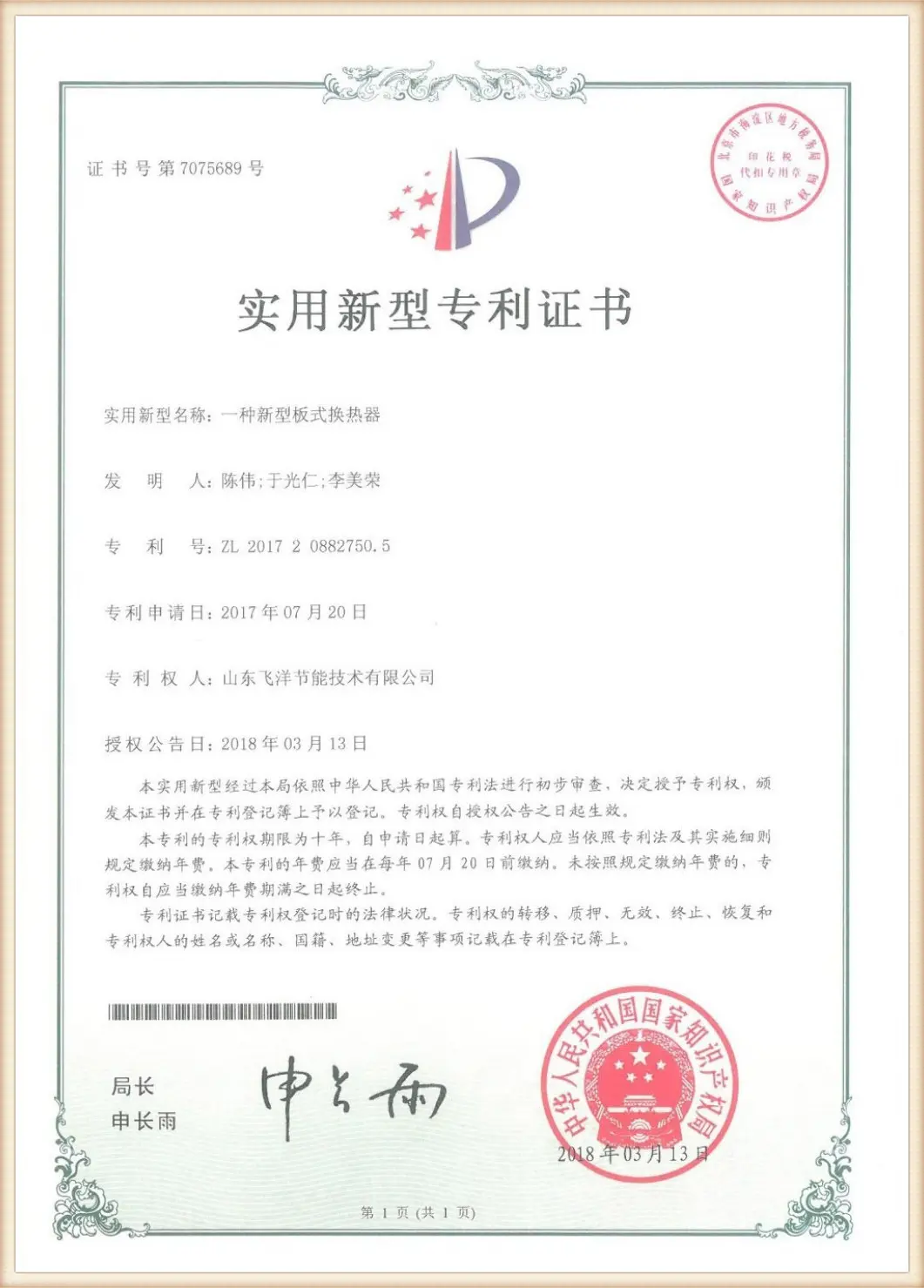
Four structural pillars that ensure outstanding operational efficiency and lifetime performance.
Specializing in plate heat exchangers, it features patented corrugated plate design, achieving 2-3 times higher heat exchange efficiency than conventional shell-and-tube equipment.
The products cover 8 core areas such as air conditioning, heating and ventilation, and central heating. The solutions have been verified by projects in many places around the world, and can accurately match different regional conditions and compliance requirements.
The whole process quality control system runs through the production. Preferred stainless steel, titanium, and other high-end materials ensure stable and durable performance in harsh operating environments.
We provide customized design, after-sales maintenance, and one-stop service with our multilingual engineering team and efficient supply chain to ensure that global customers receive timely support.
Step-by-step presentation of how raw steel plates and seals are transformed into heavy-duty heat exchangers.
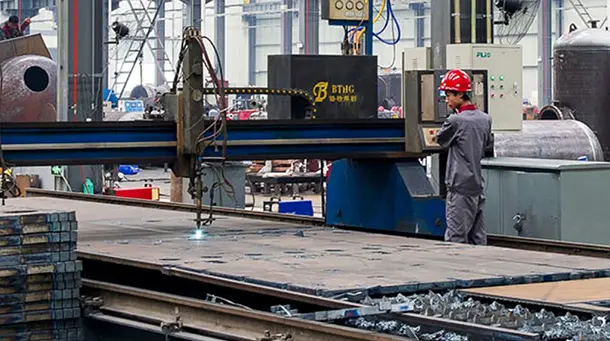
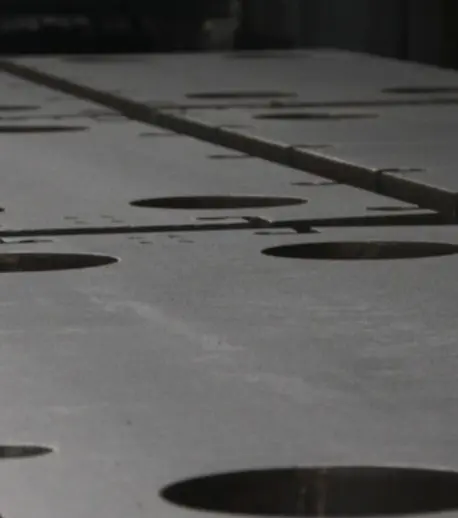
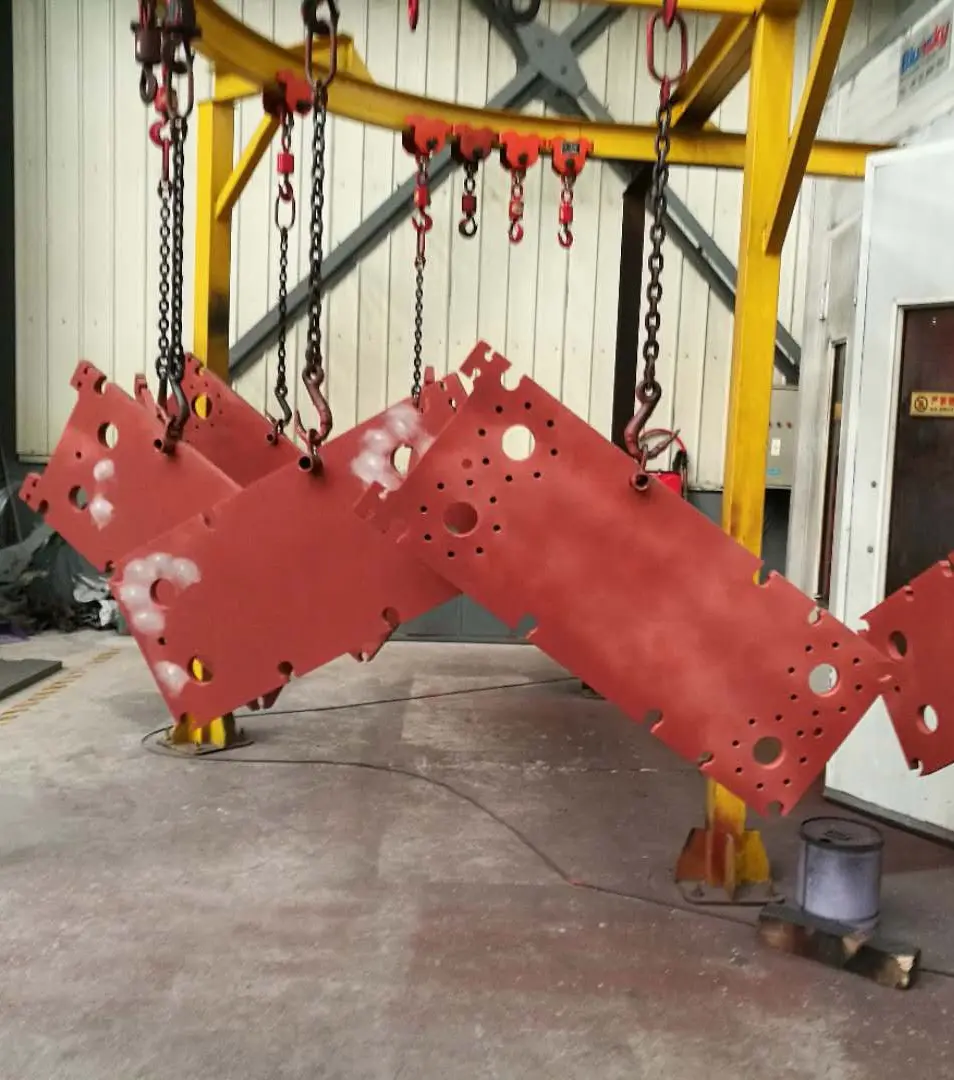
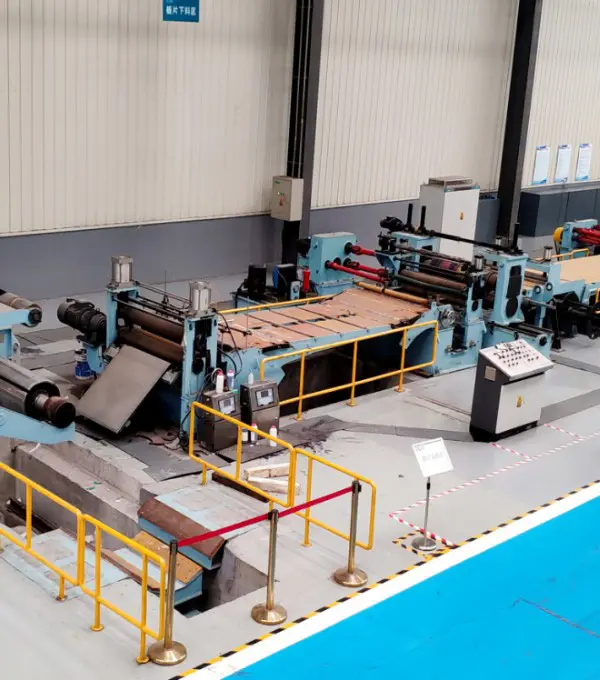
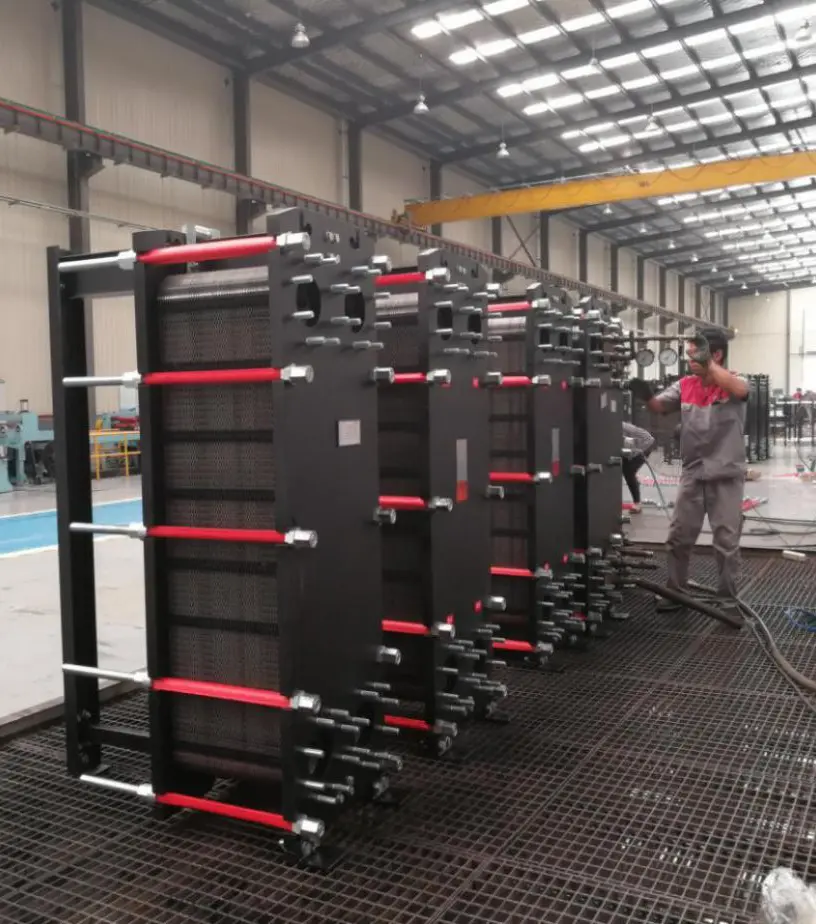
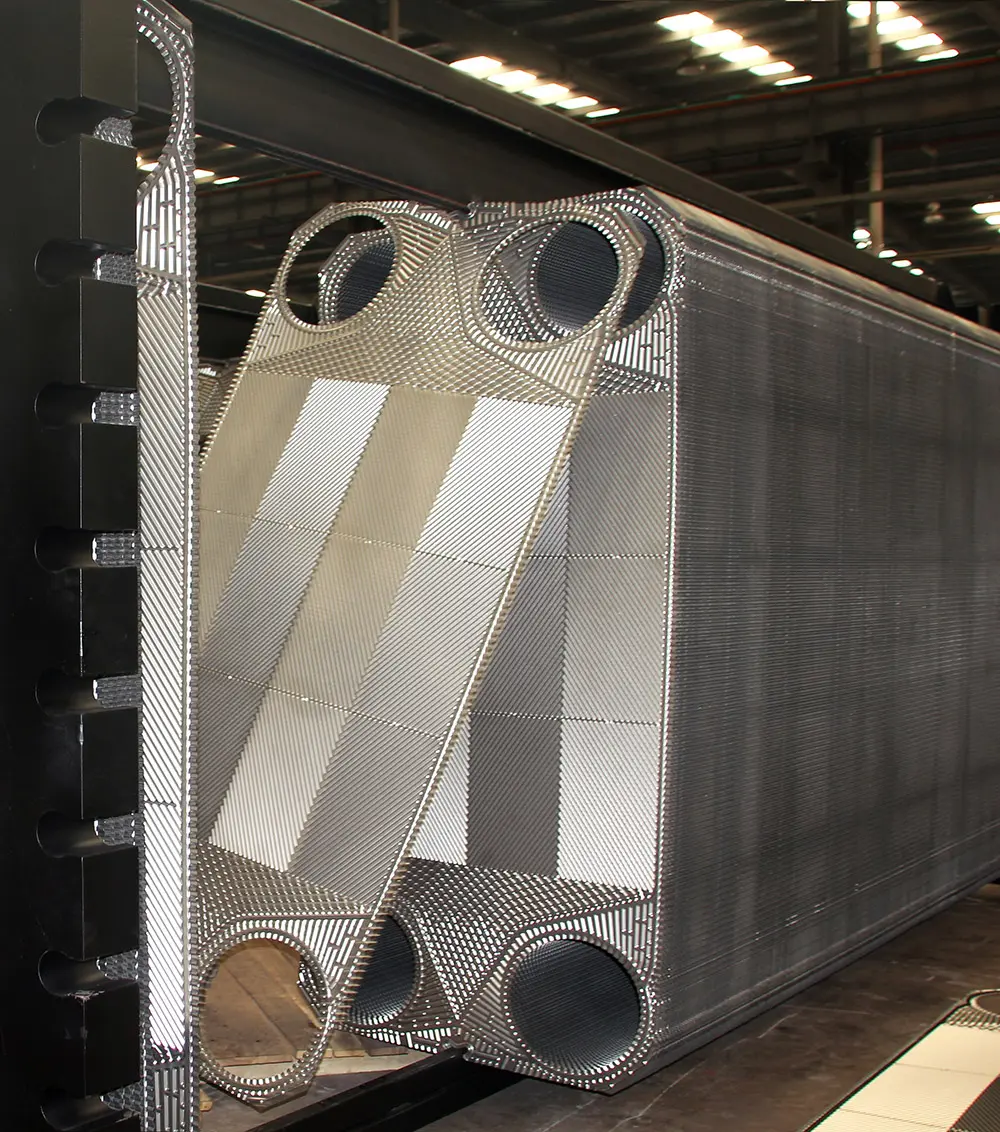
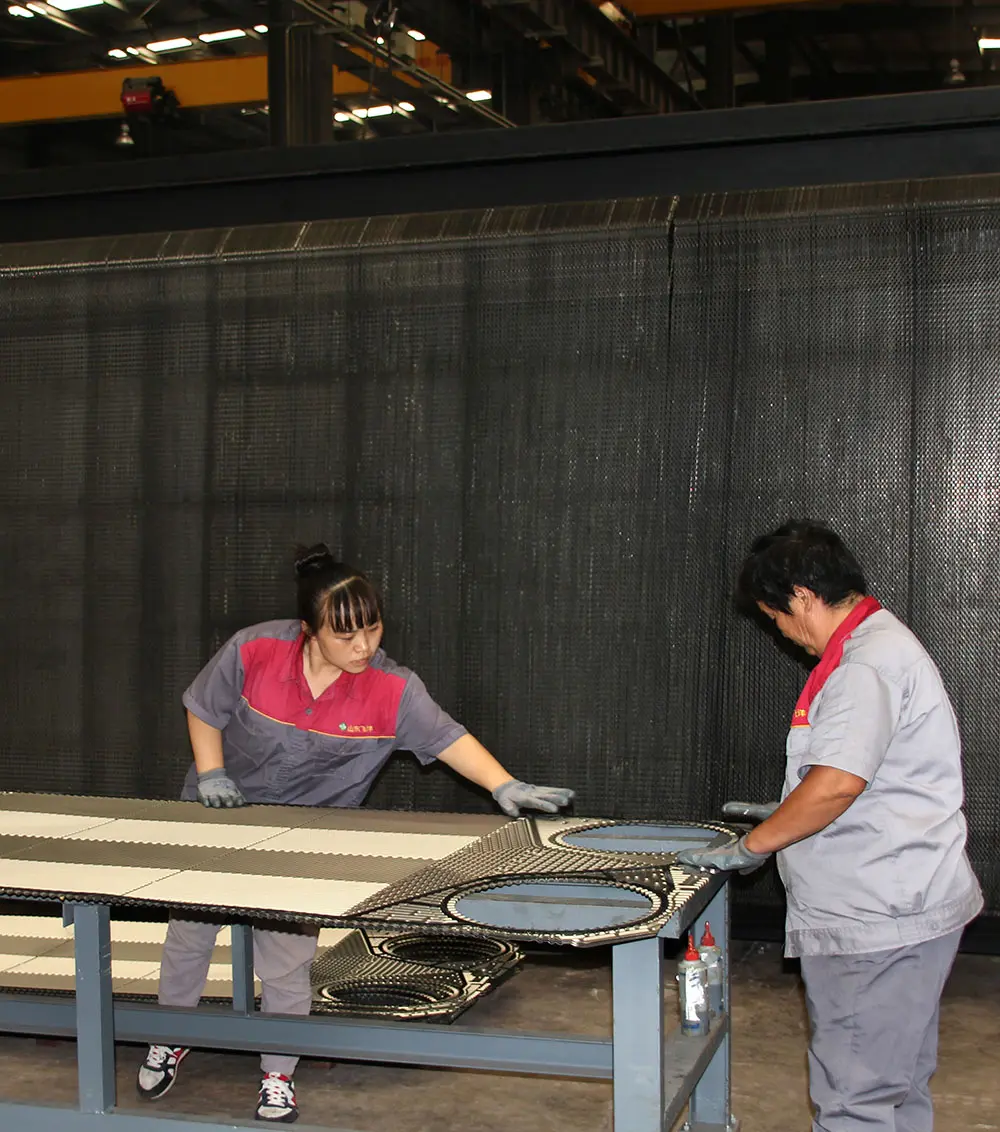
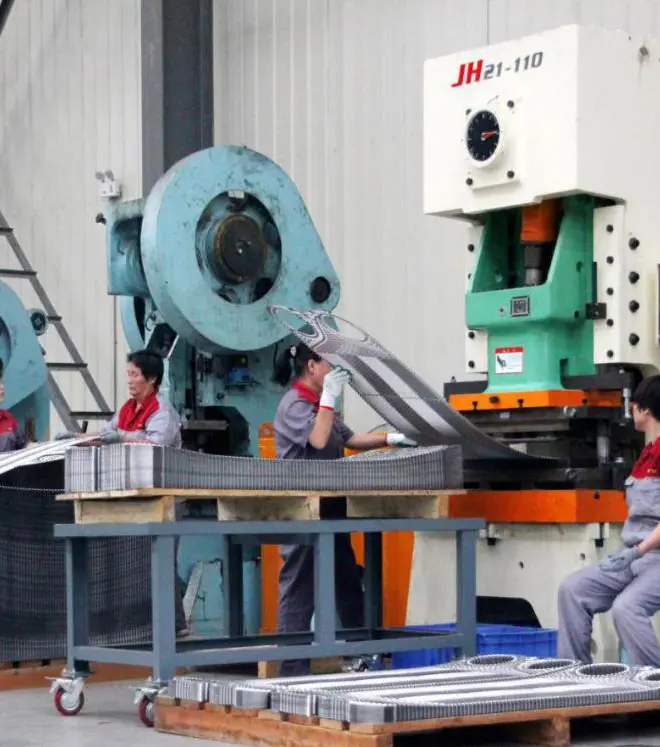
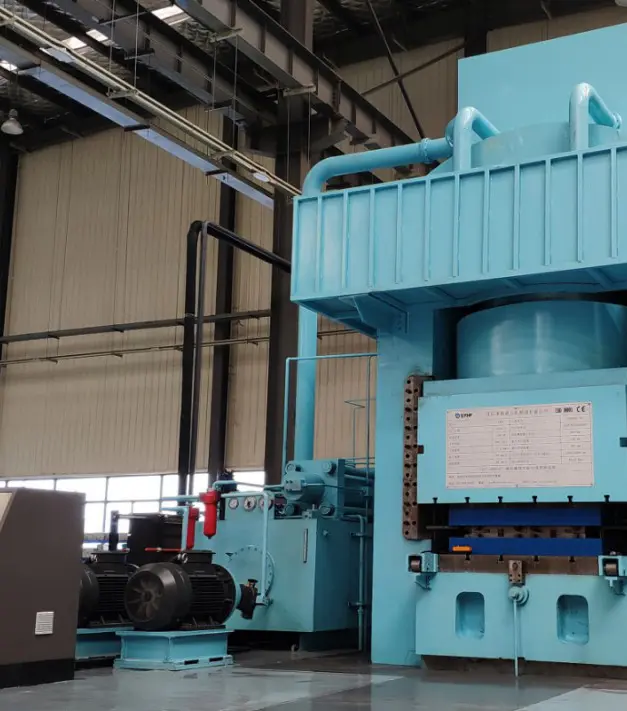
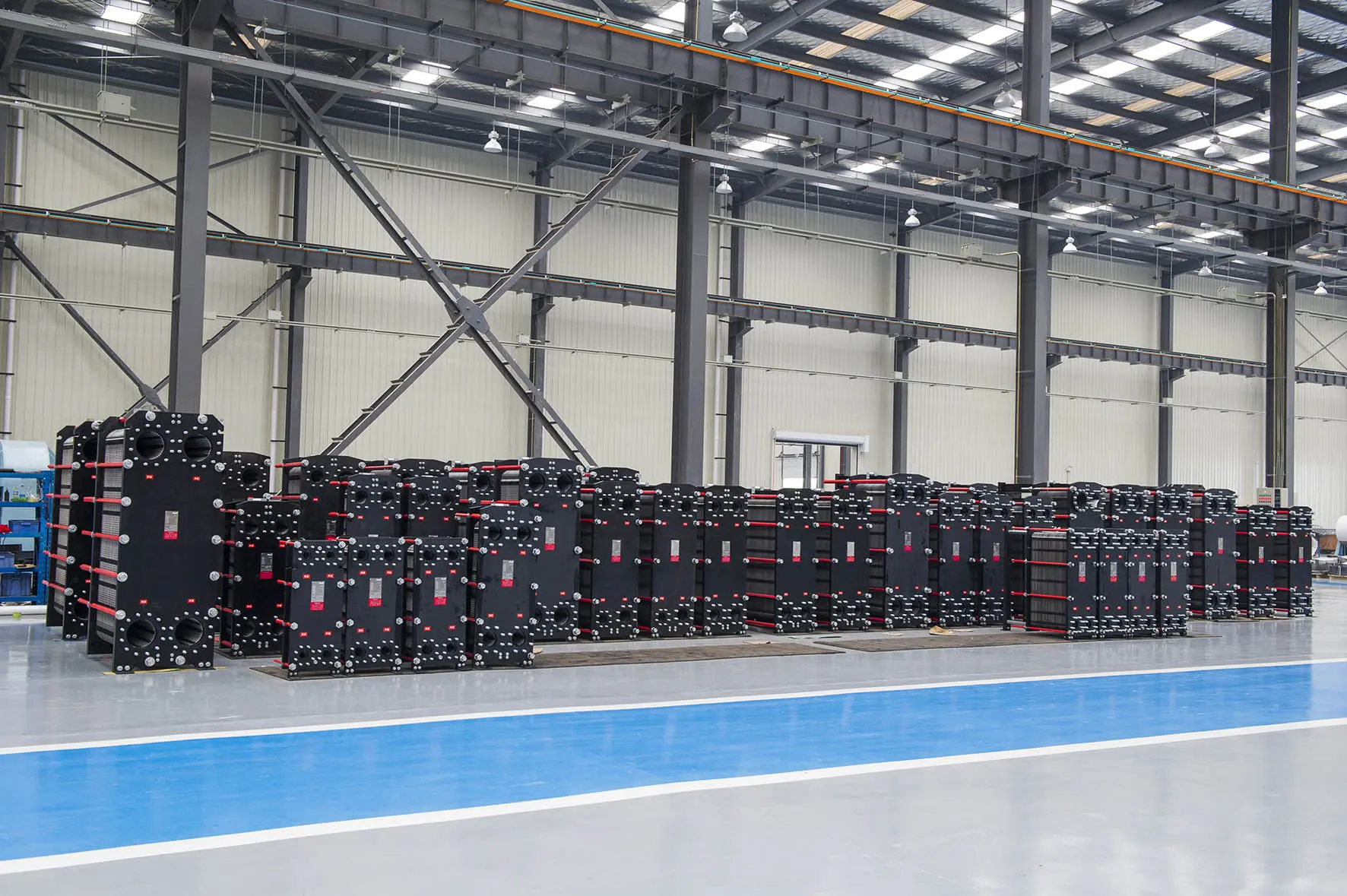
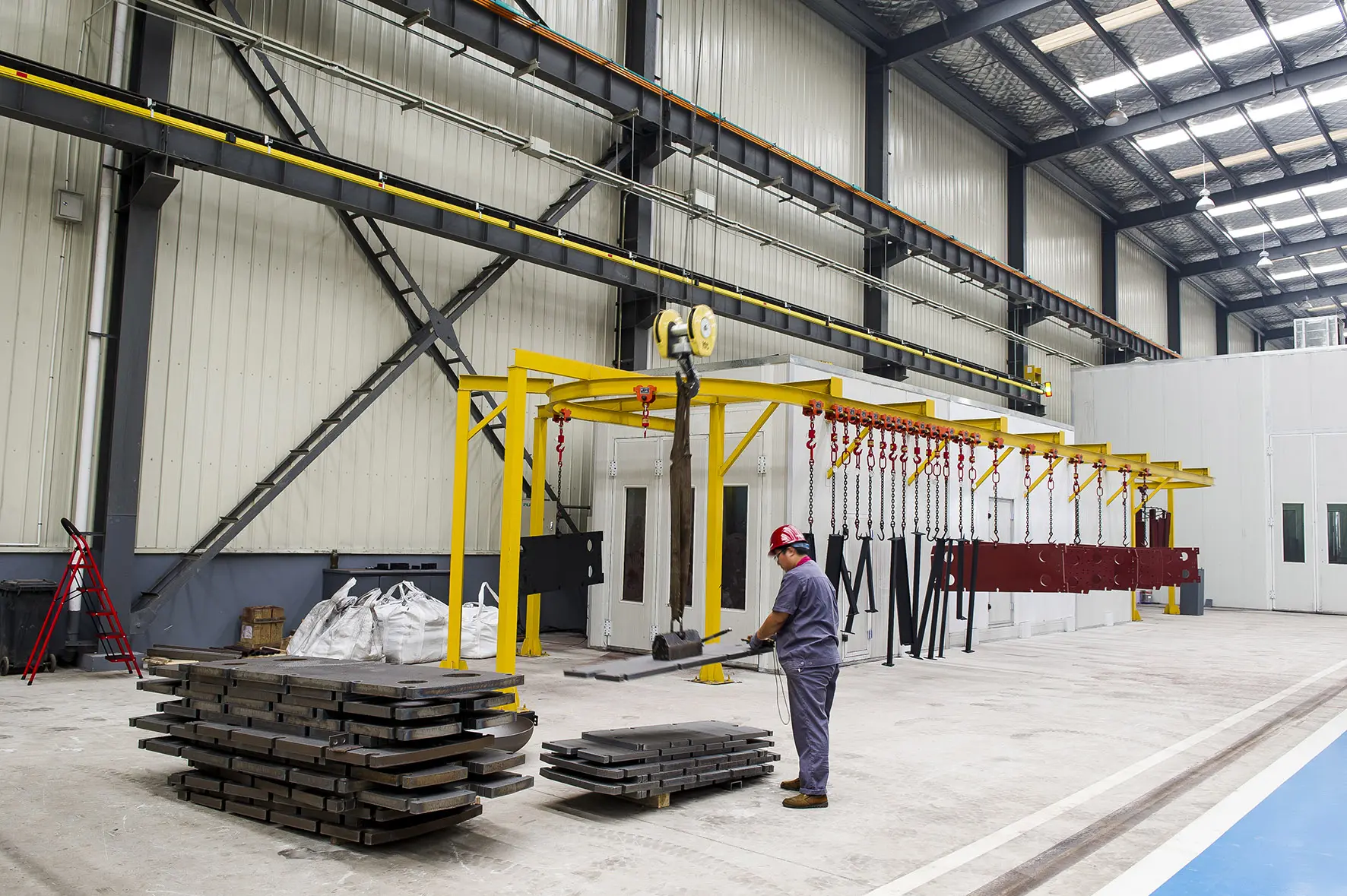
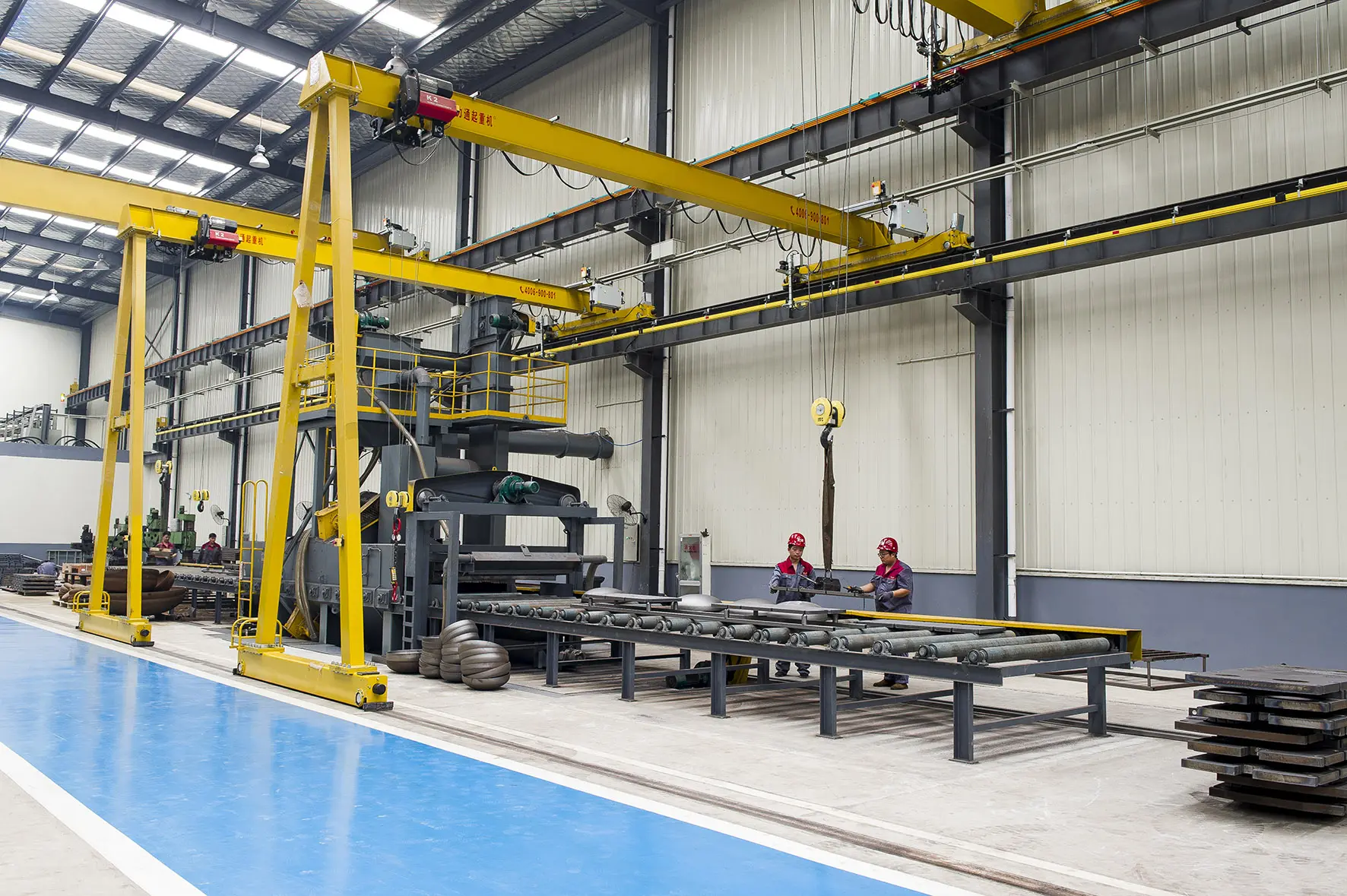
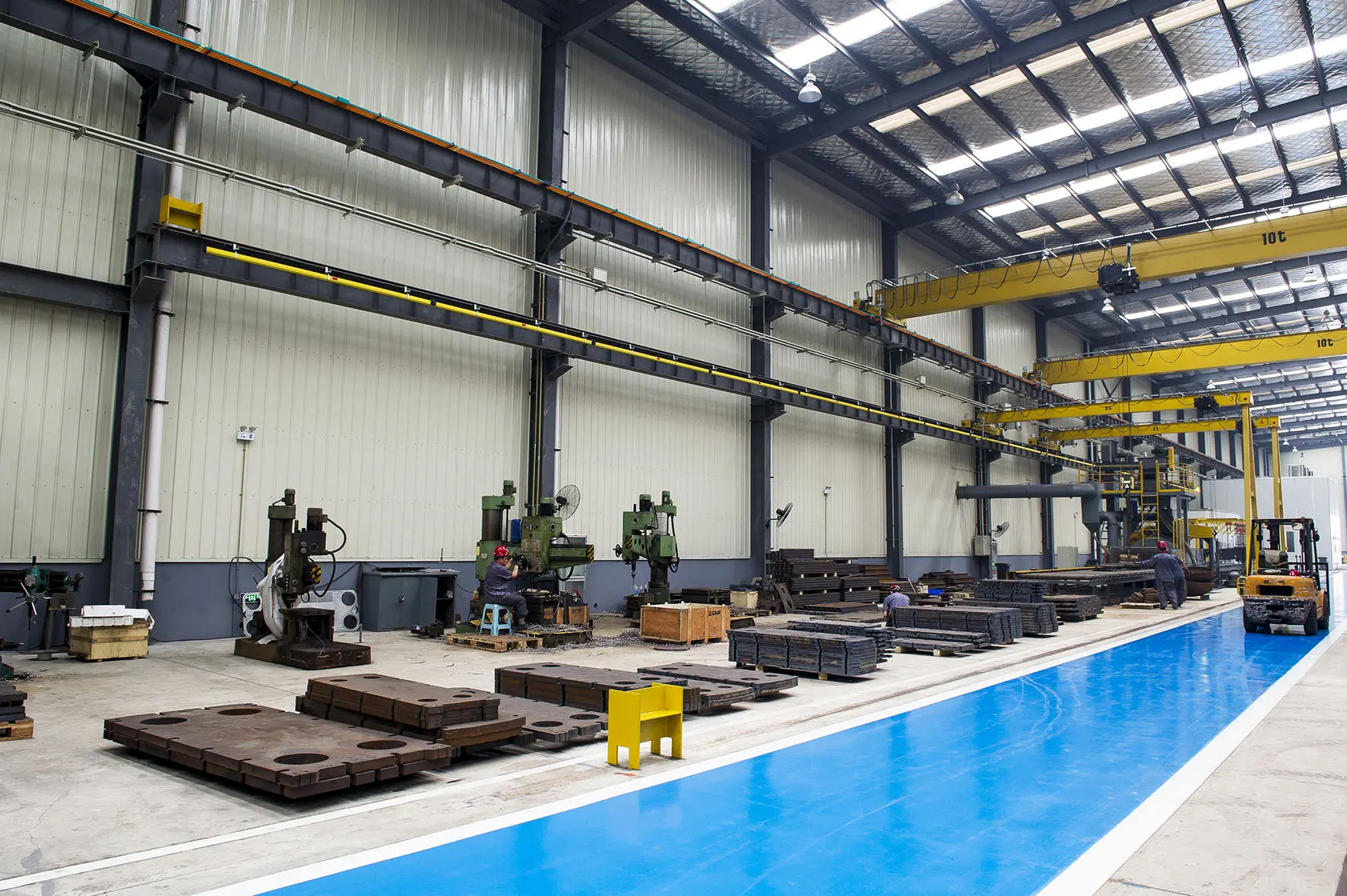
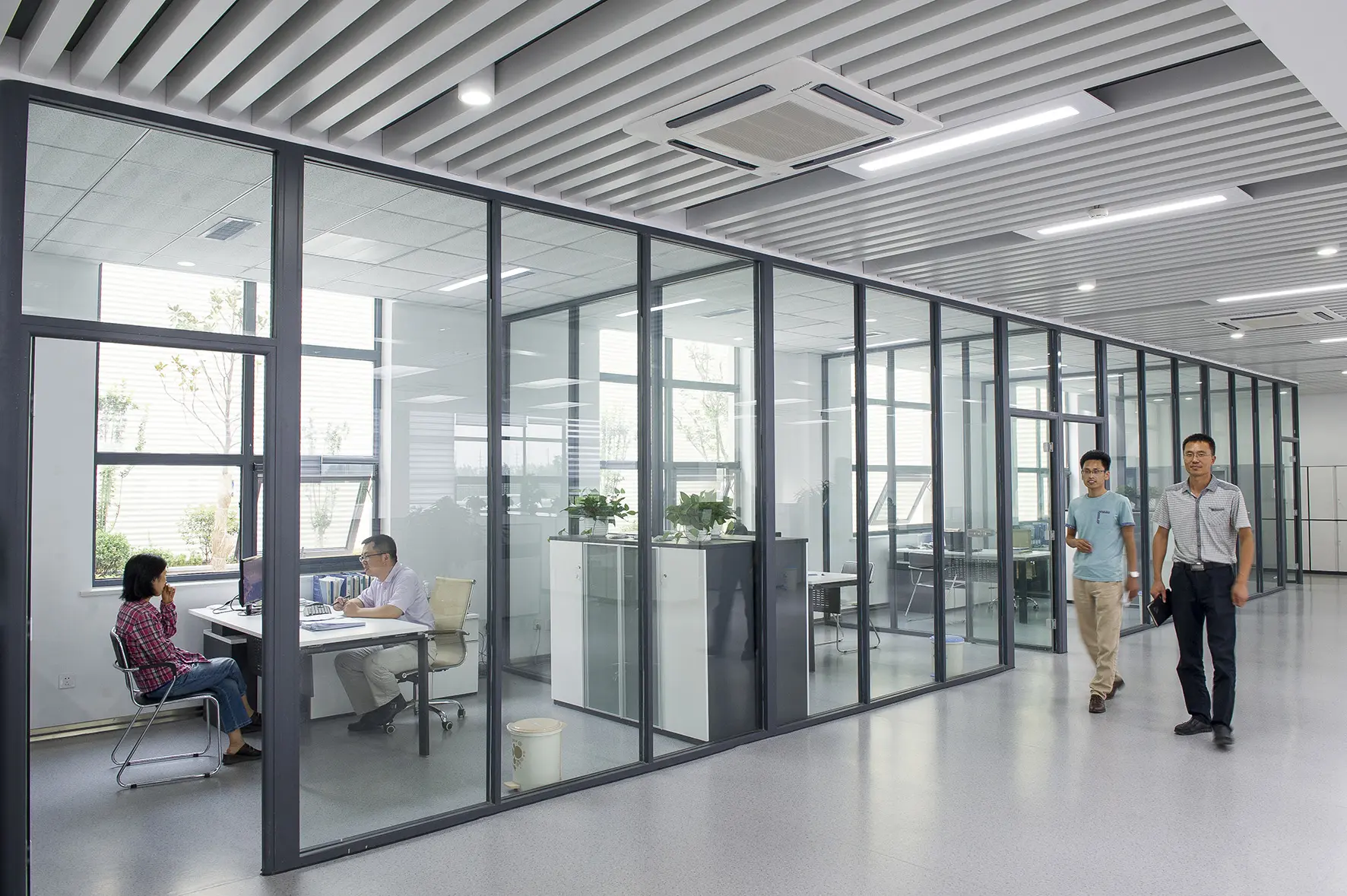
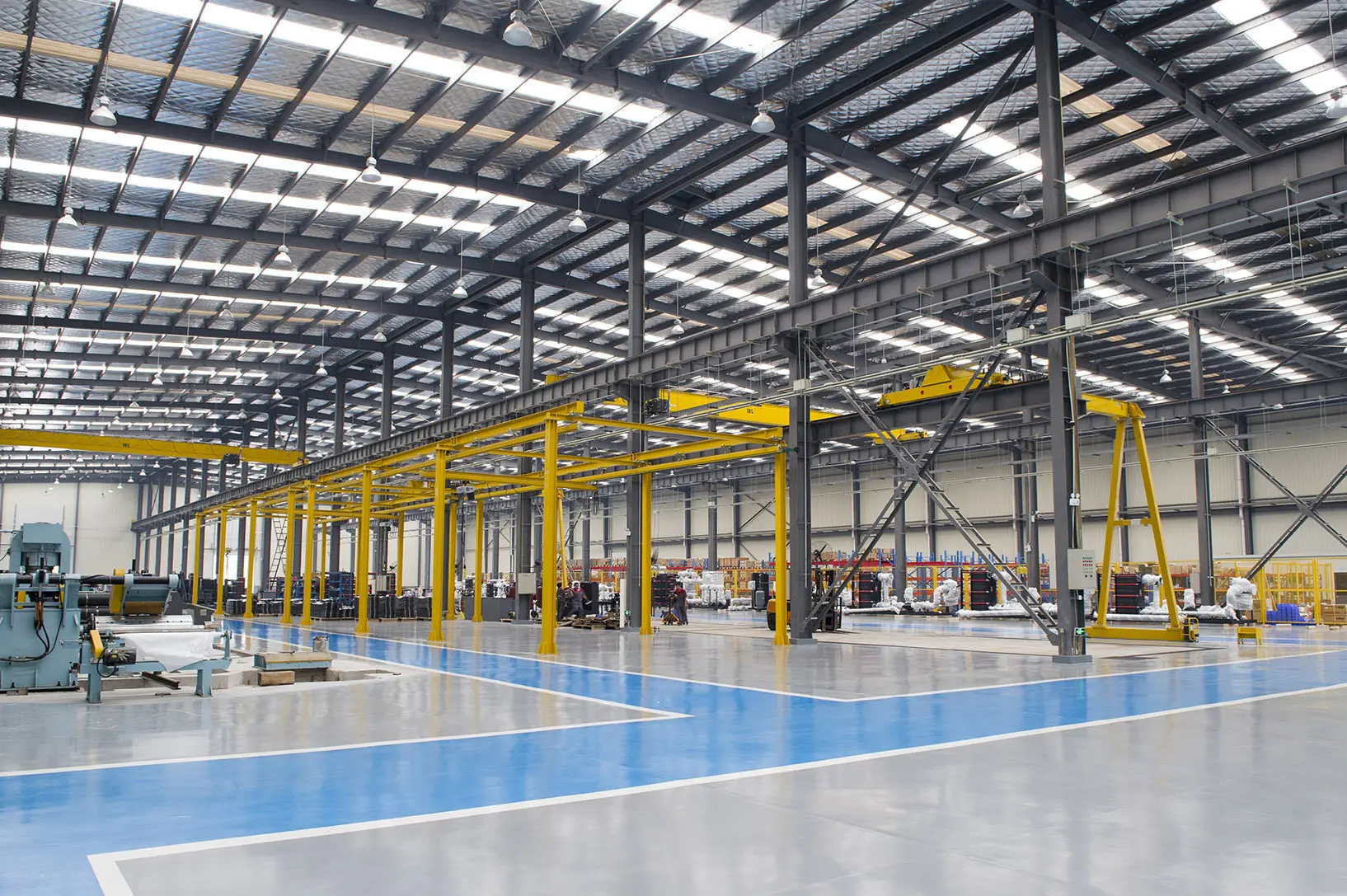
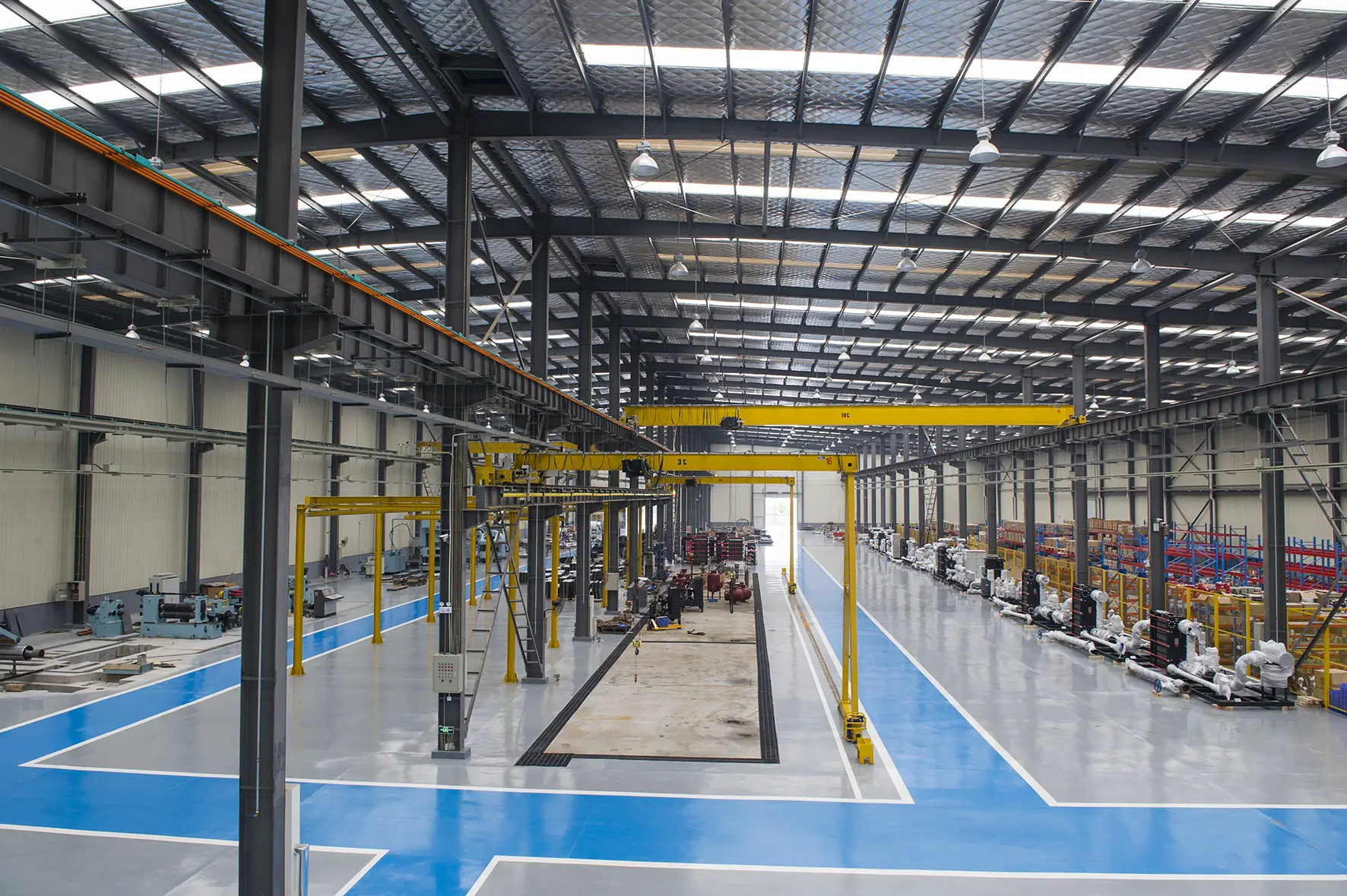
A look inside our 70,000 square meter facility equipped with heavy-tonnage presses and testing equipment.


Connecting premium components to specialized mechanical environments.
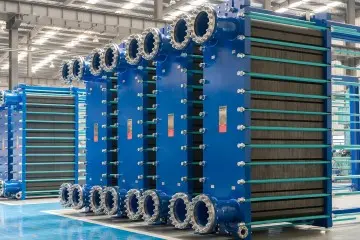
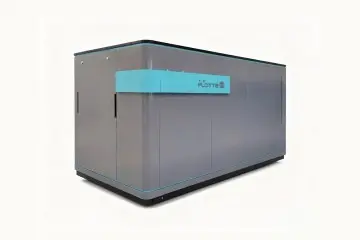
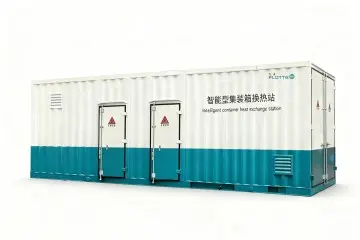
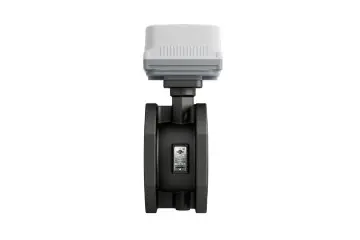

Ensuring the longevity of industrial installations demands accurate mathematical calculation of physical constraints. When engineers examine the Alfa Laval M15 Plate Heat Exchanger Manual, they must pay close attention to the formula for fluid velocity ($v$), pressure drops ($\Delta p$), and thermal logarithmic mean temperature difference (LMTD). Understanding these metrics ensures that plate degradation is minimized and thermal transfer efficiency is maximized.
The channel velocity in the plate pack affects both the film heat transfer coefficient and the rate of fouling. Higher velocities increase turbulence (and therefore heat transfer), but they also lead to exponential increases in pressure drop:
Δp ∝ v²
Thus, if the velocity is doubled, the pressure drop increases fourfold. The manual specifies precise limits on permissible pressure drops across the inlet and outlet ports. Exceeding these limits can cause structural damage to the plates, forcing them out of alignment.
One of the most critical maintenance tasks defined in the manual is the verification of the tightening dimension, commonly referred to as the "A-Dimension". This is the distance between the inside of the frame plate (fixed head) and the pressure plate (movable head).
The formula to calculate the correct dimension is:
A = n × s
Where n represents the number of plates, and s represents the nominal thickness of a compressed plate plus the gasket.
Tightening the unit below the minimum limit of the 'A' dimension can deform the plate corrugated patterns permanently. Conversely, leaving it above the maximum limit will result in gasket leaks during hydrostatic testing.
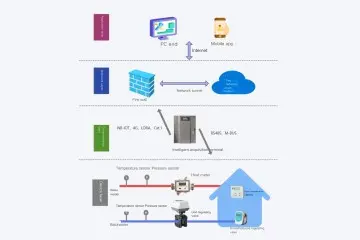
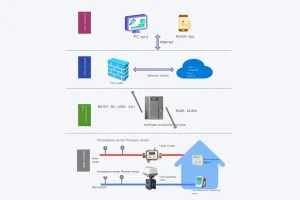
As heavy industry adapts to global net-zero regulations, thermal integration becomes a primary method to offset high fuel costs. Utilizing efficient plate exchangers in combination with low-temperature district heating systems allows recovery of low-grade industrial waste heat. By utilizing digital balancing valves and smart heat exchange skids, plants can monitor the real-time efficiency of models like the M15. Any decrease in the heat transfer coefficient is immediately flagged, prompting preventative maintenance schedules that prevent unplanned plant shutdowns.
Common engineering queries compiled by Flotte’s Senior Technical Support Department.
A = n × plate thickness factor as indicated in the engineering datasheet. If external leakage is observed while the 'A' dimension is within limits, it usually suggests that the gaskets have reached their service life or have suffered chemical degradation.
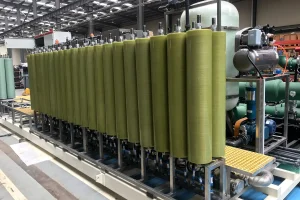
Complete your design with modular units, balancing systems, and advanced membrane desalinators.

 Flotte Energy