Explore our foundational range of customizable, high-efficiency plate heat exchangers, energy-saving monitoring modules, and intelligent regulation units engineered to international performance standards.
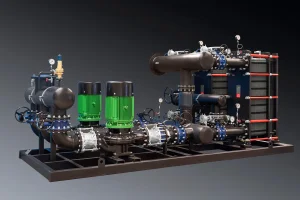
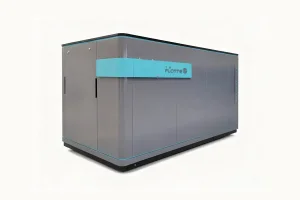
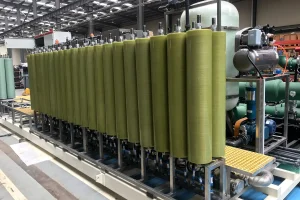
Established systematically in 2013 with a registered capital of 101 million yuan, Flotte Energy Saving Company traces its engineering pedigree back to the pioneering inception of Flotte Thermal Engineering in 1995. For nearly three decades, we have continuously led the research, design, and manufacturing of water-distribution equipment, high-performance HVAC systems, and water treatment operations.
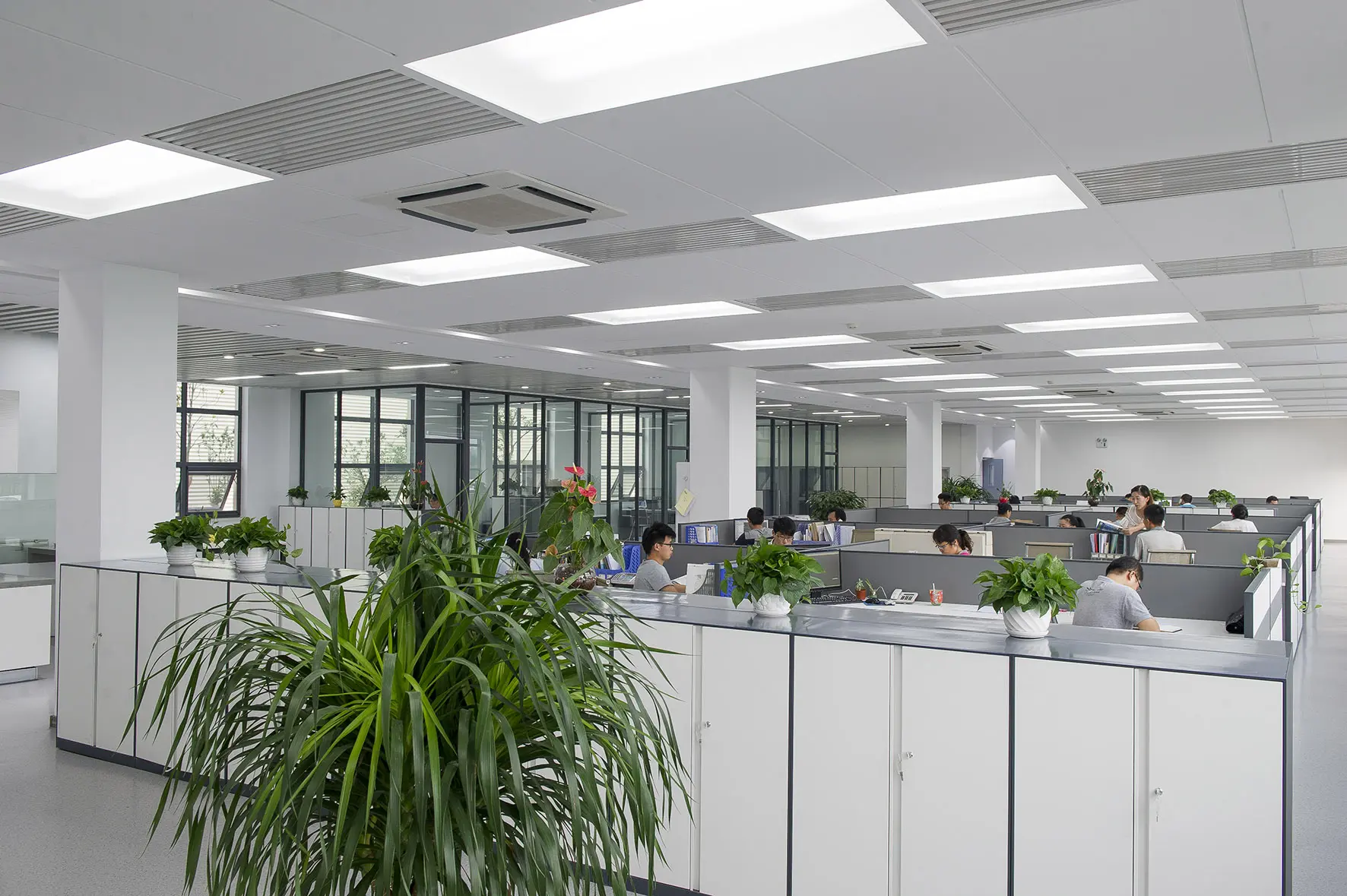
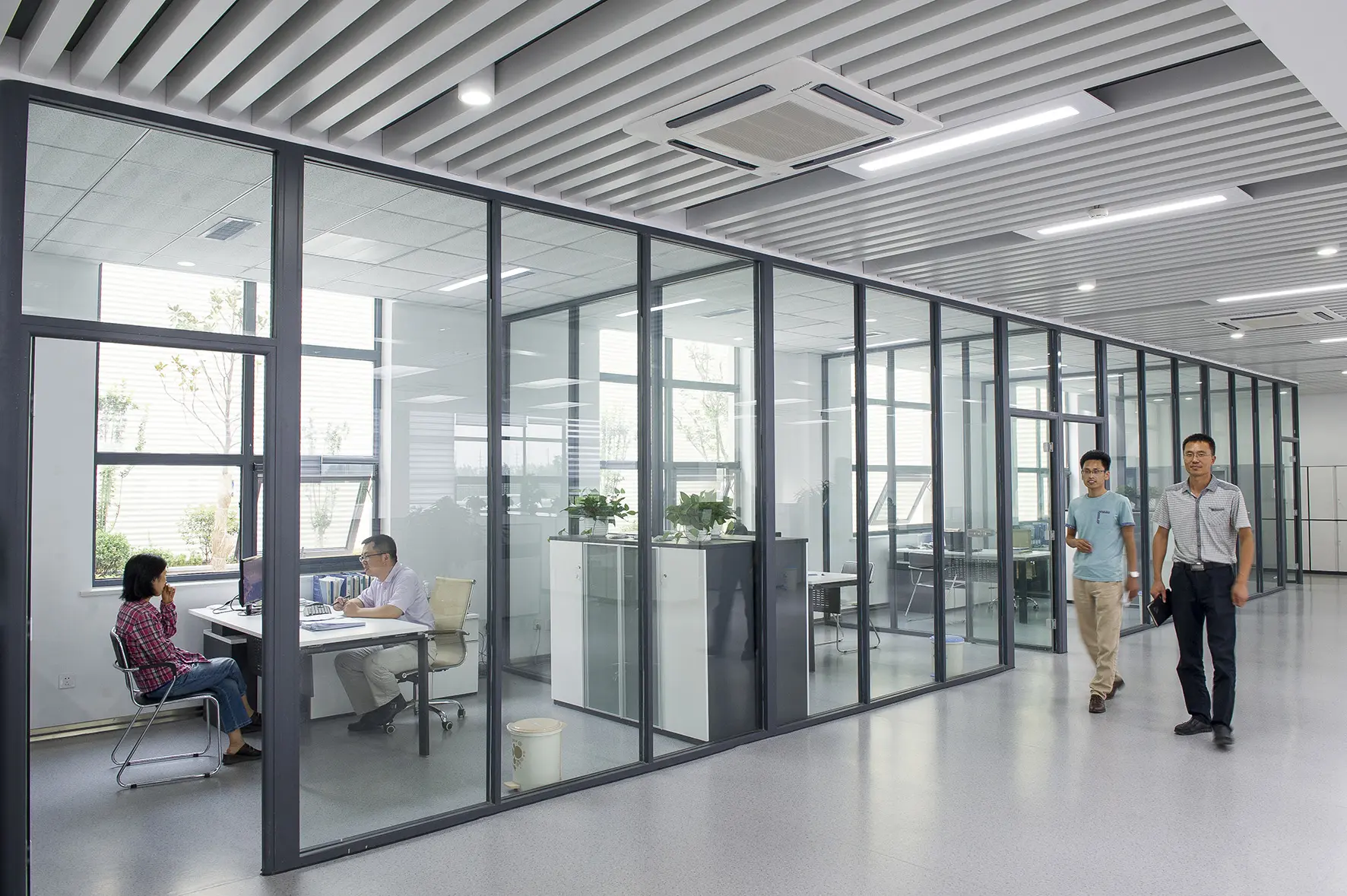
Our core mission revolves around solving complex thermodynamic challenges across industrial and commercial sectors. With an multi-disciplinary team of professional designers and skilled technical staff, we maintain a dedicated R&D center and state-of-the-art laboratory testing facilities. This setup ensures that every plate configuration, modular heat transfer unit, and smart hydraulic network we design satisfies high efficiency standards under extreme operating environments.
Through compliance with global quality and safety frame standards—holding ISO9001:2015, ISO14001:2015, and ISO45001:2018 certifications—our equipment serves global supply pipelines, providing long-term reliability and after-sales support.
Years of Engineering Heritage
Skilled Technicians & Staff
Annual Integration Output
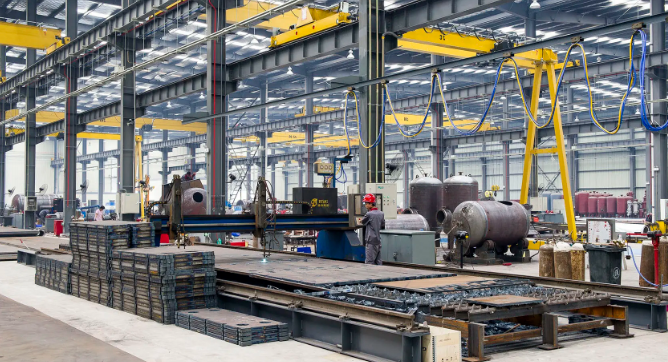
Modern Manufacturing Footprint
Analyzing key micro-trends and macro-economic factors steering thermal management development across international industrial hubs.
With the rapid adoption of environmental mandates like the EU Green Deal and global net-zero commitments, modern central cooling and heating systems are shifting away from energy-intensive configurations. Industrial plants rely heavily on plate heat exchangers designed to optimize Logarithmic Mean Temperature Difference (LMTD), reducing energy overhead and cooling fluid volumes.
The expansion of AI workloads and cloud computing infrastructure has led to increased power densities in modern data centers. Traditional air cooling systems are being replaced by liquid cooling loops. Integrated plate heat exchangers and specialized water-distribution cooling packages act as the critical thermal barrier between raw environmental coolant and sensitive server loops.
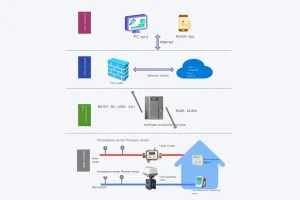
Modern thermal networks utilize dynamic telemetry rather than static flow systems. Leveraging smart balancing valves, precision temperature collectors, and centralized cloud SCADA systems, municipal operators can now predict demand surges, optimize water hammer mitigations, and automate variable-frequency pumps in real-time.
As a leading supplier and manufacturer, Flotte's technology roadmap focuses on three areas: material performance, computational optimization, and control integration.
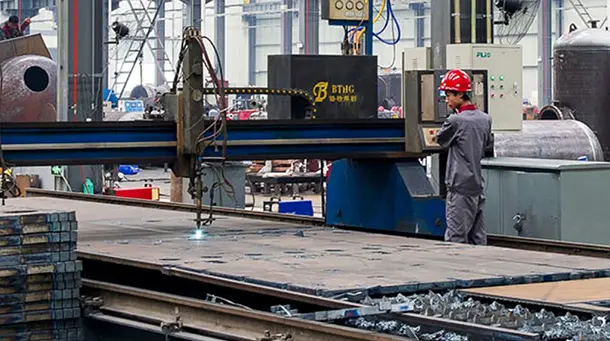
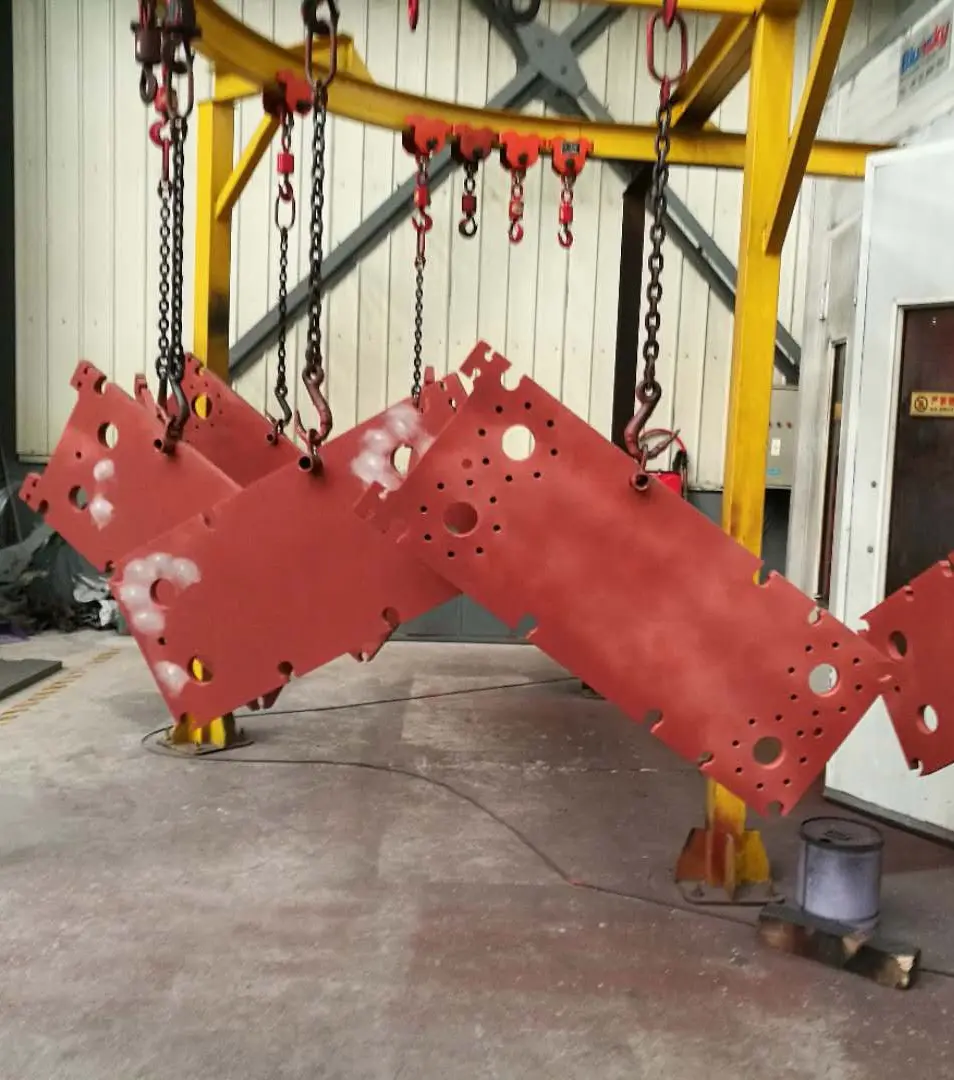
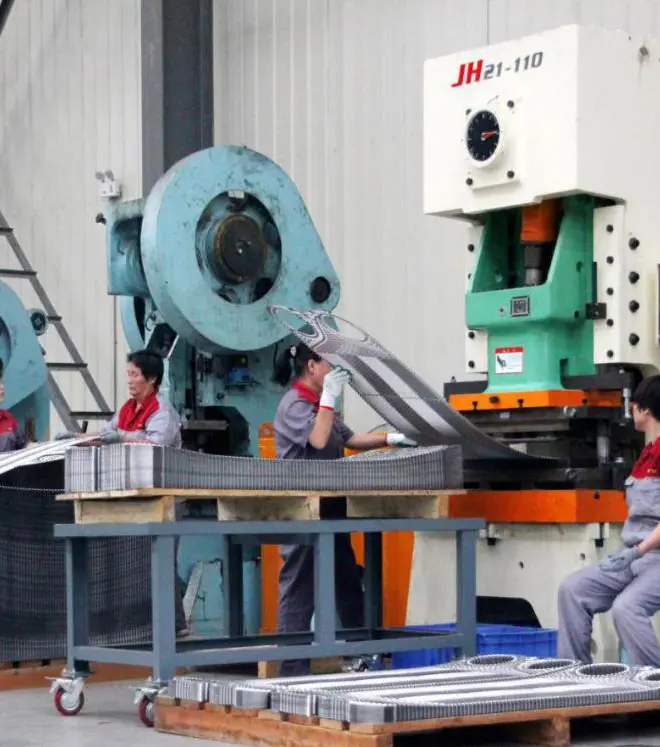
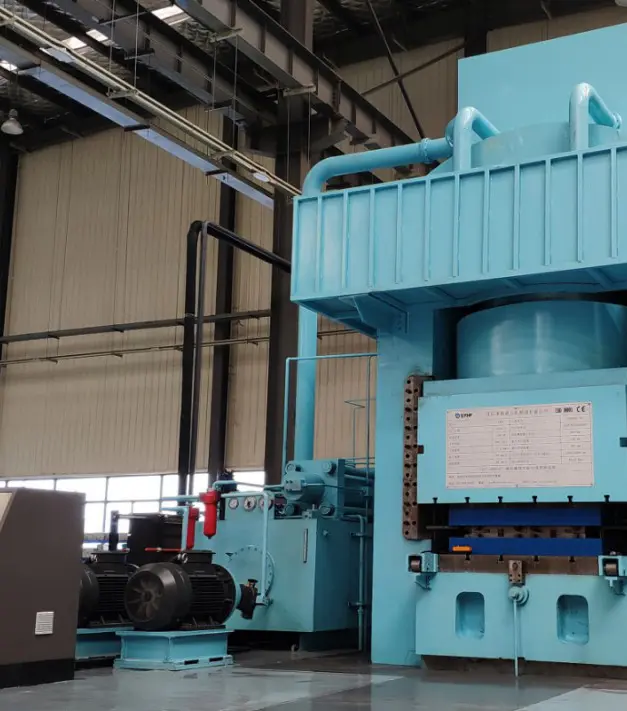
From metallurgical verification and mechanical stamping to pressure testing and modular assembly—explore the steps in our production line.
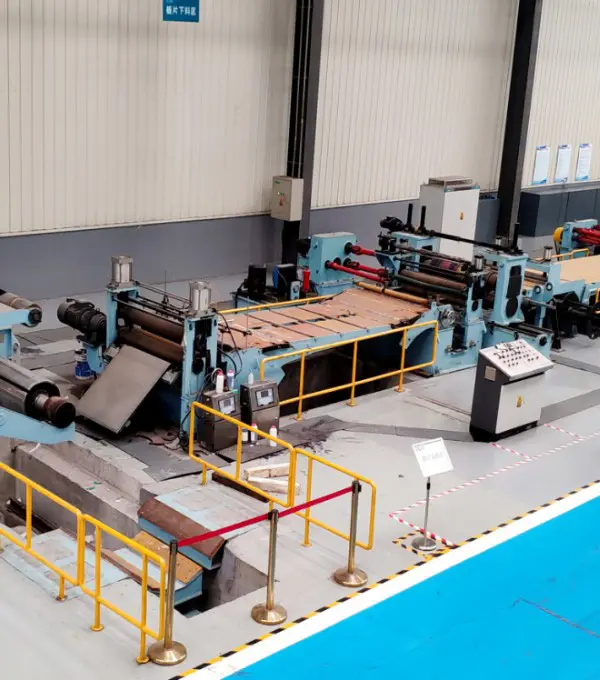
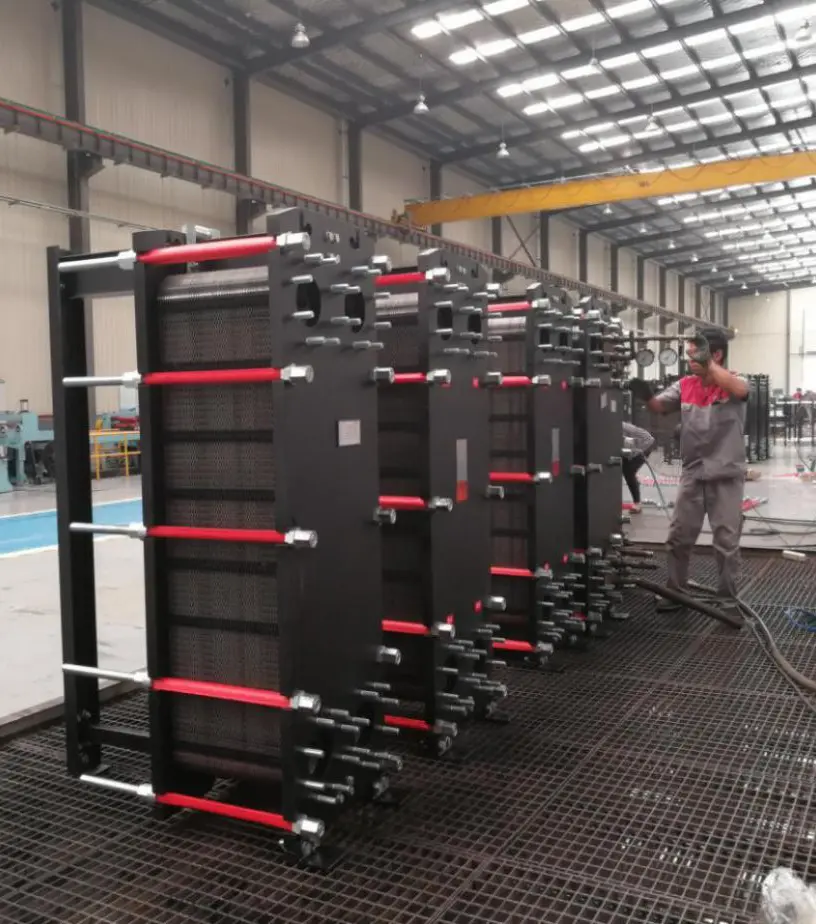
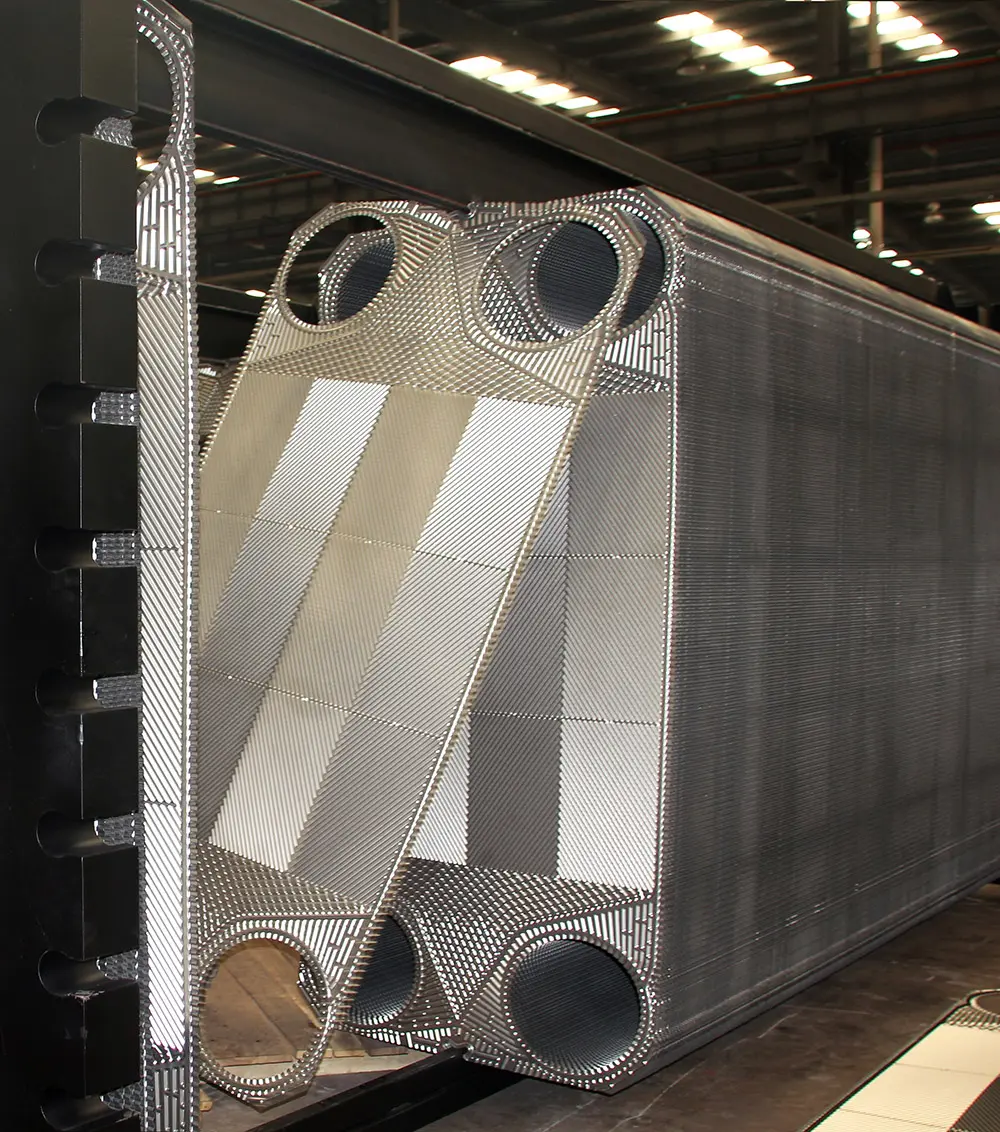
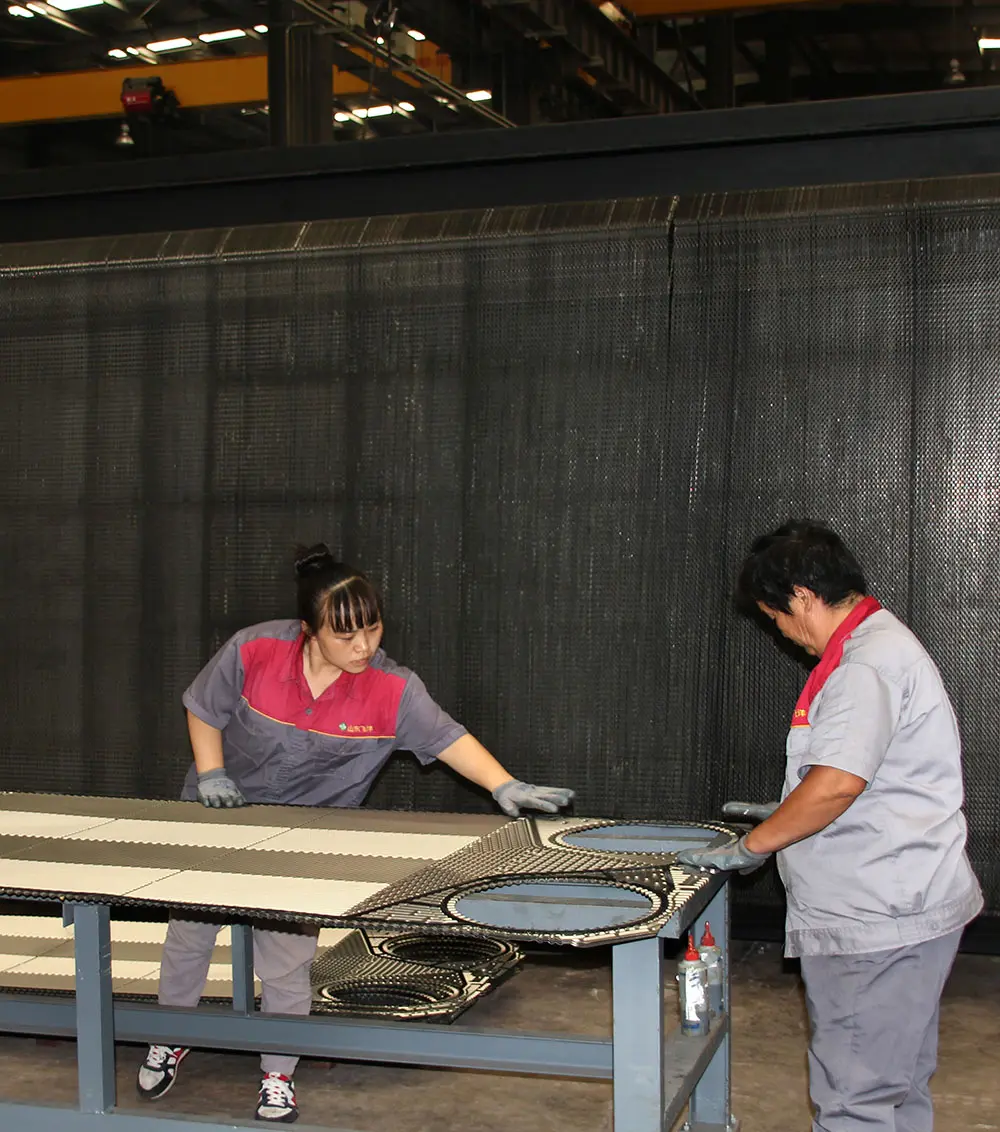
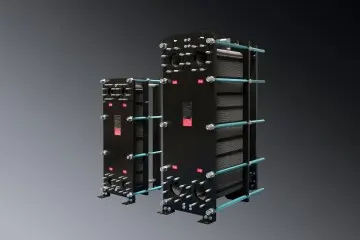
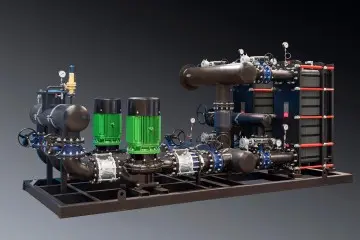
Engineered configuration maps designed to resolve the technical constraints of complex industrial installations.
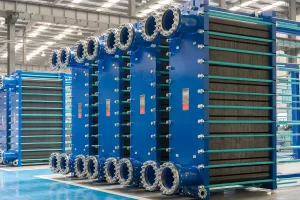
In central district heating networks, plate heat exchangers isolate primary municipal distribution loops from secondary customer-end circuits. This design facilitates efficient heat transfer, limits pressure cross-contamination, and allows operators to control energy consumption.
Chemical and pharmaceutical processes demand corrosive-resistant, high-purity thermal containment. Our titanium plate exchangers and custom multi-effect evaporation systems safely manage volatile reagents and highly acidic media under high pressures and temperatures.
With membrane concentration systems and specialized mechanical vapor recompression configurations, our industrial setups help factories recover over 95% of process water, facilitating efficient wastewater management and clean water reclamation.
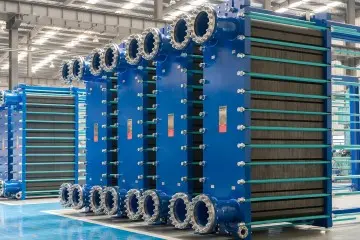
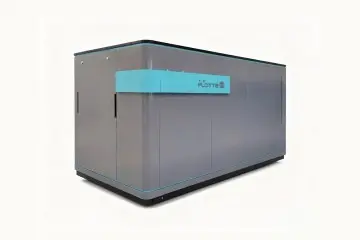
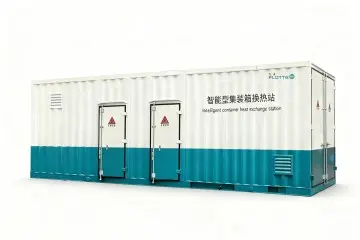
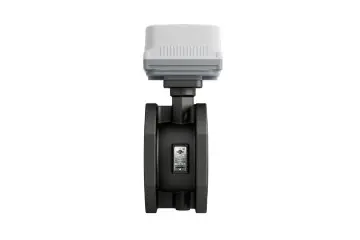

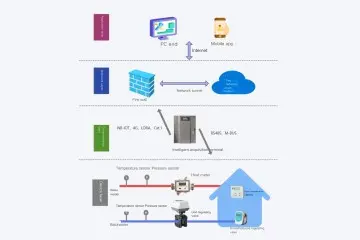
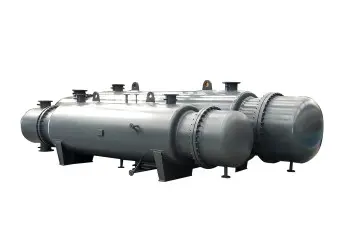

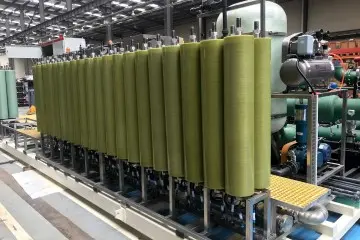
A reference table comparing heat exchanger design parameters for engineers and system specifiers.
| Heat Exchanger Type | Typical Heat Transfer Coeff. (W/m²·K) | Pressure Range (MPa) | Material Options | Common Applications |
|---|---|---|---|---|
| Detachable Plate Heat Exchangers | 3,000 - 7,000 | Up to 2.5 | AISI 304, AISI 316L, Titanium, Hastelloy | District heating, HVAC, General industrial utility cooling |
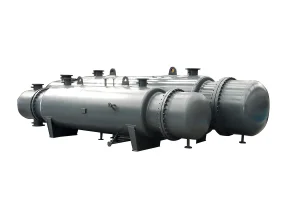
| Shell and Tube Heat Exchangers | 500 - 2,000 | Up to 10.0+ | Carbon Steel, Stainless Steel, Cu-Ni Alloys | High pressure/temperature refining, chemical condensation |
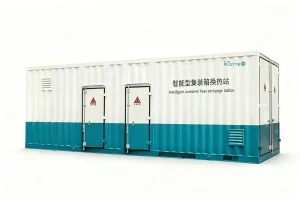
| Intelligent Modular Skids | Adaptive Control | Up to 2.5 | Pre-configured skid with alloy selection | Municipal heat distribution stations, automated process plants |
| Membrane Separation Modules | N/A (Mass Transfer) | Up to 6.0 | Polymeric/Ceramic + Stainless Steel chassis | Wastewater concentration, zero-liquid discharge (ZLD) |
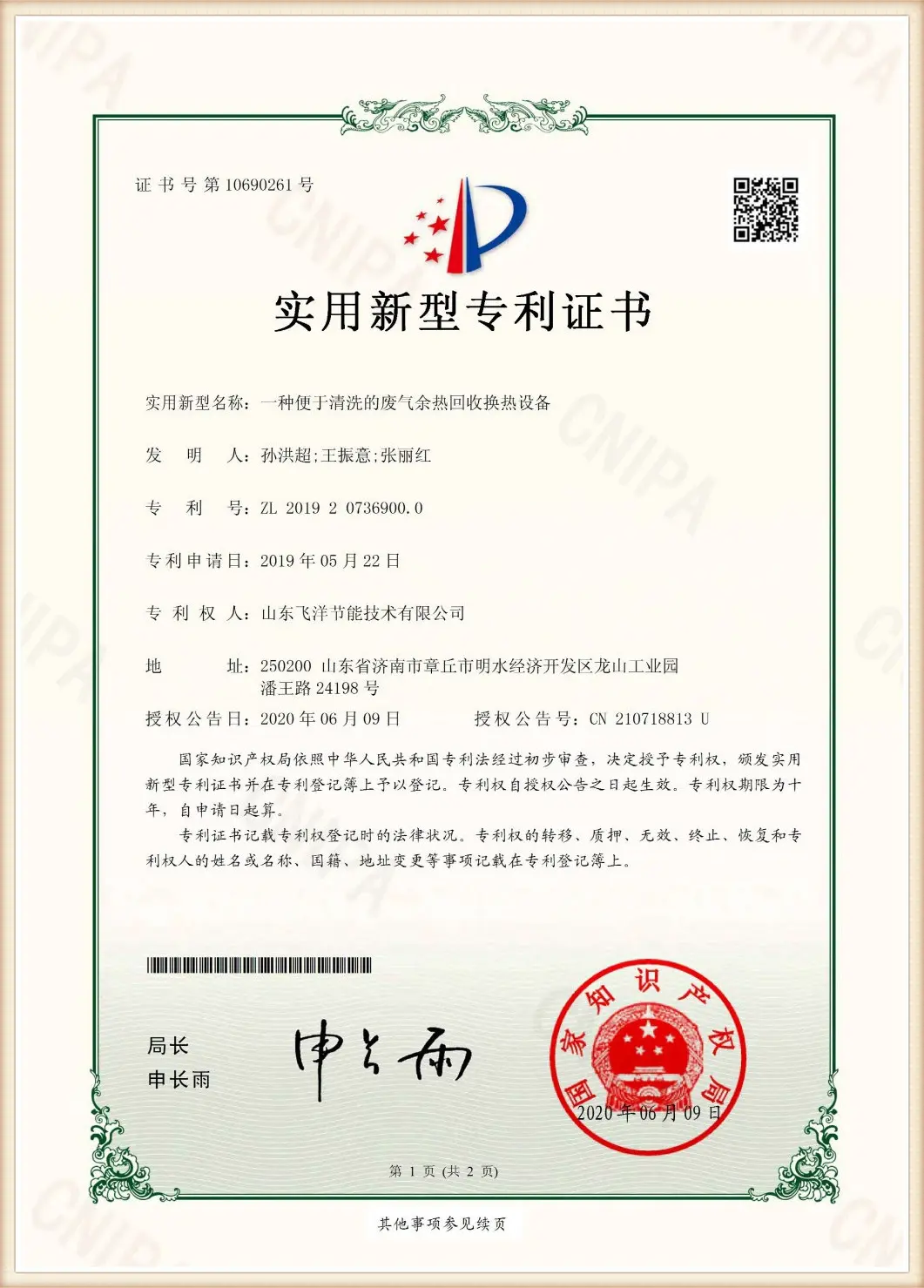
Flotte products undergo testing to satisfy strict industrial quality management frameworks.
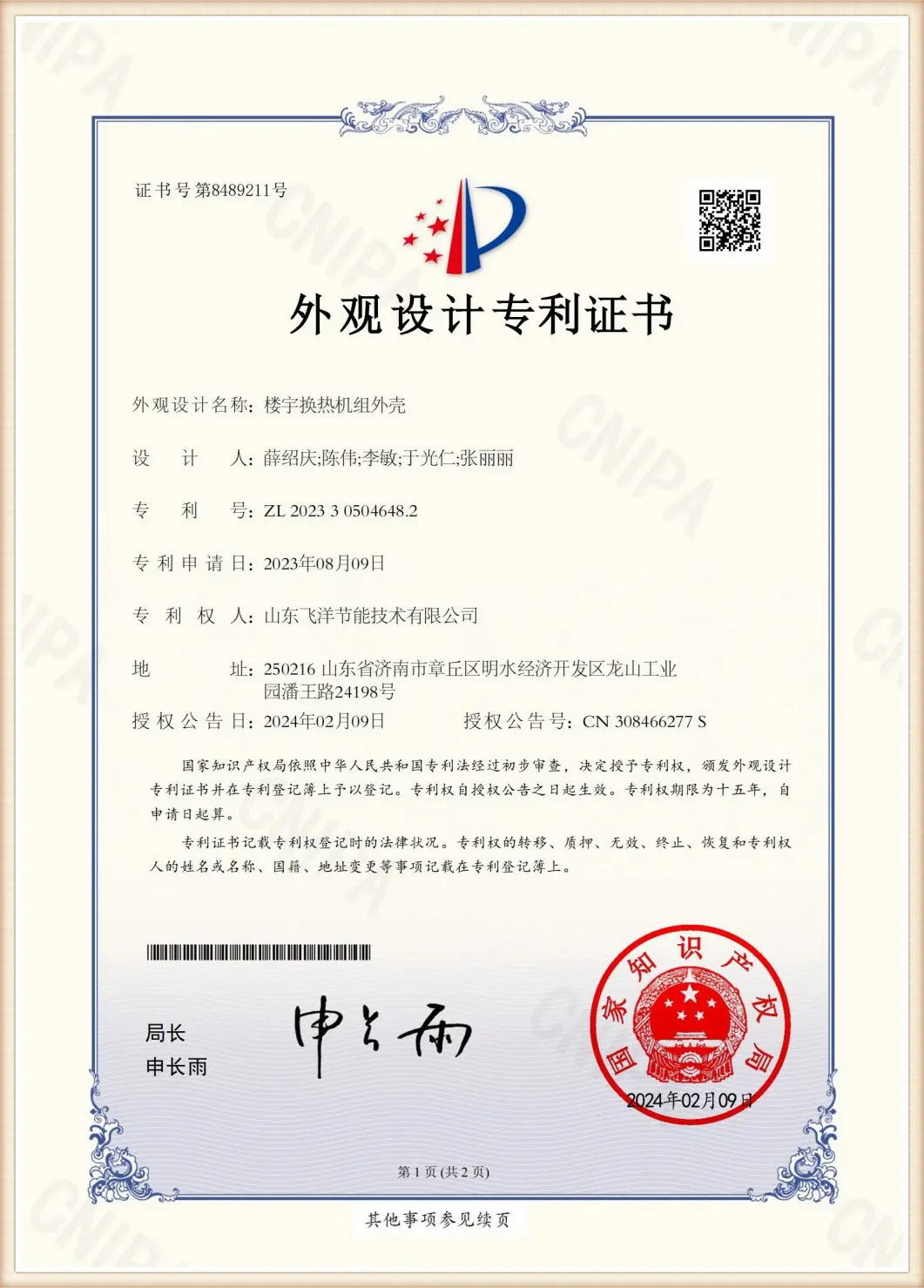
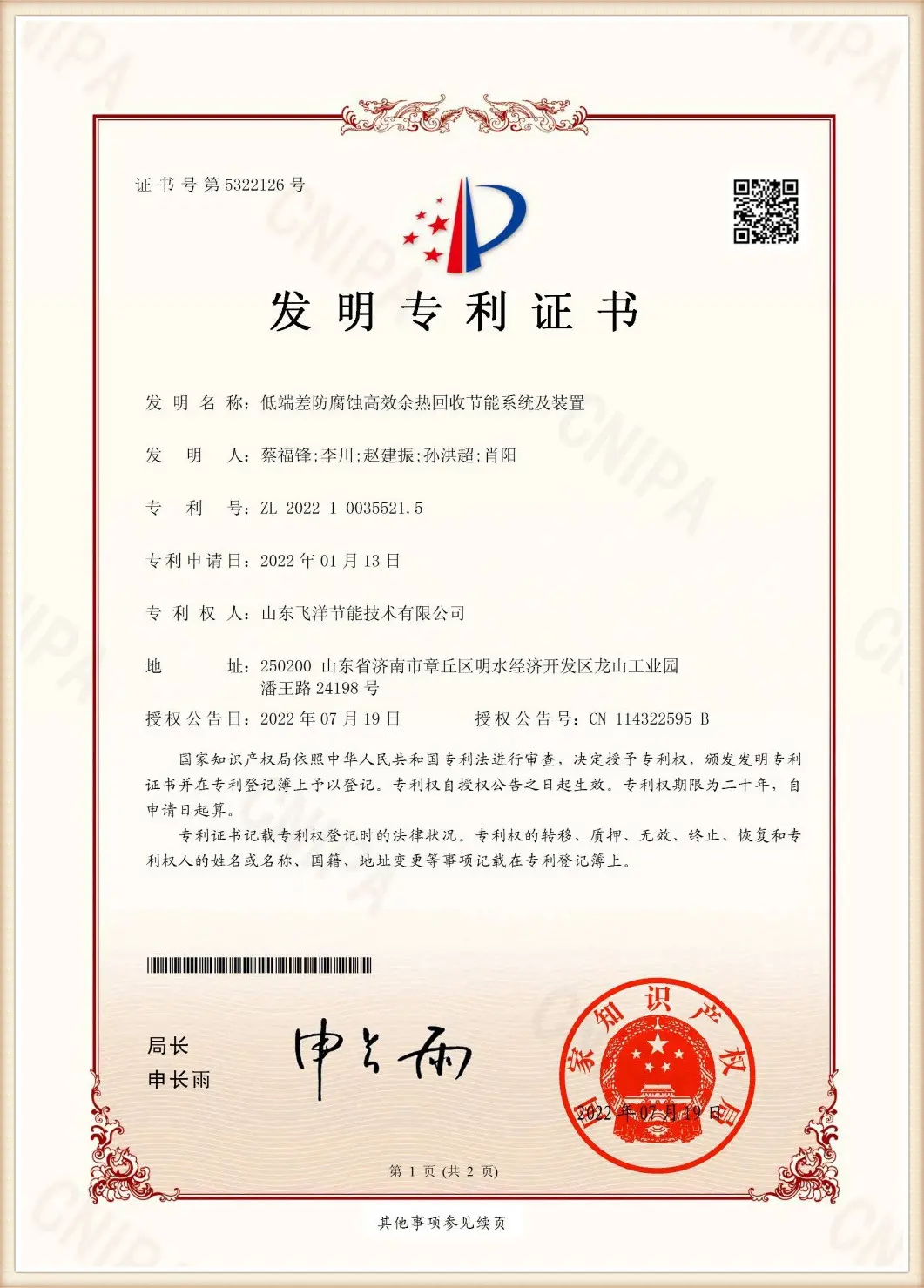
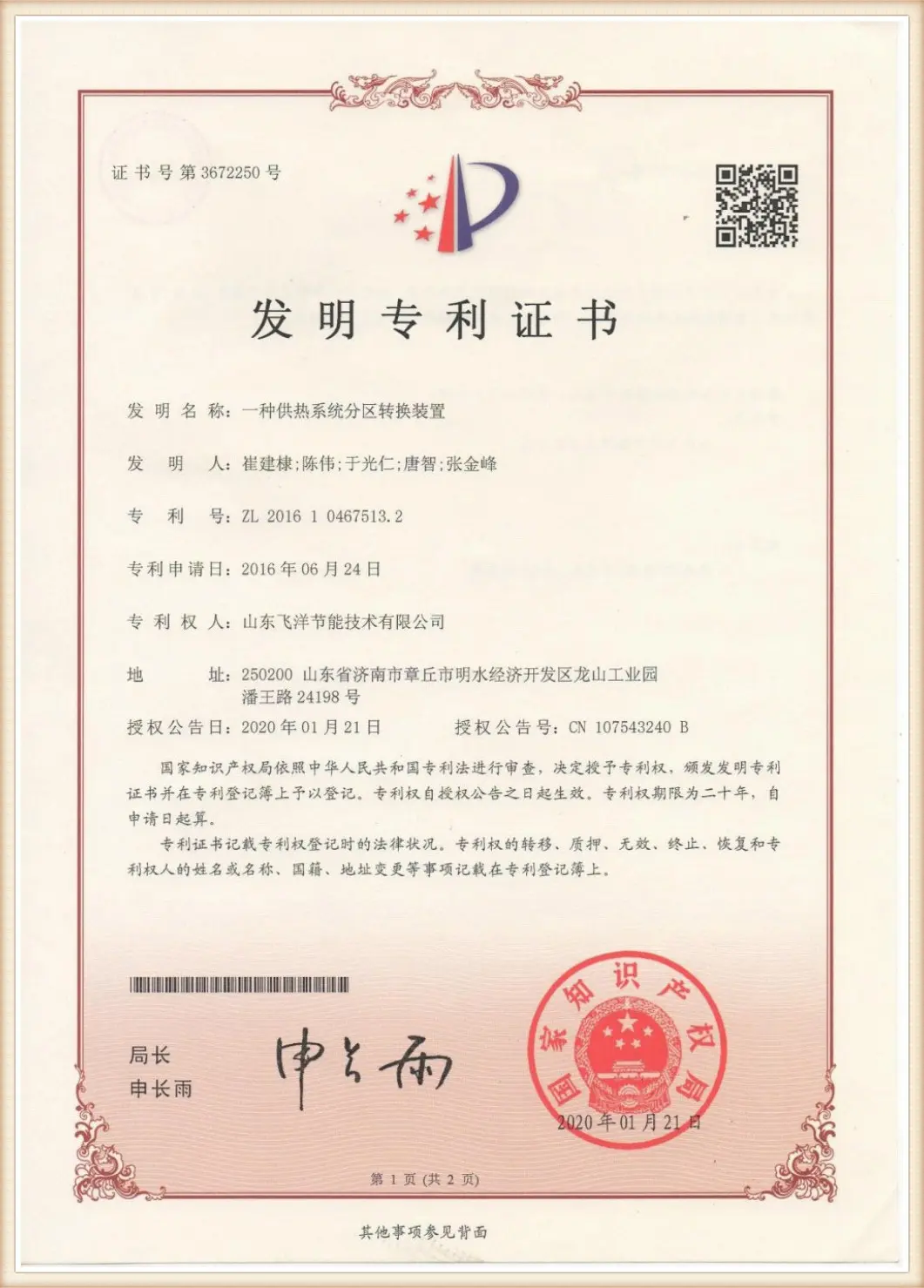
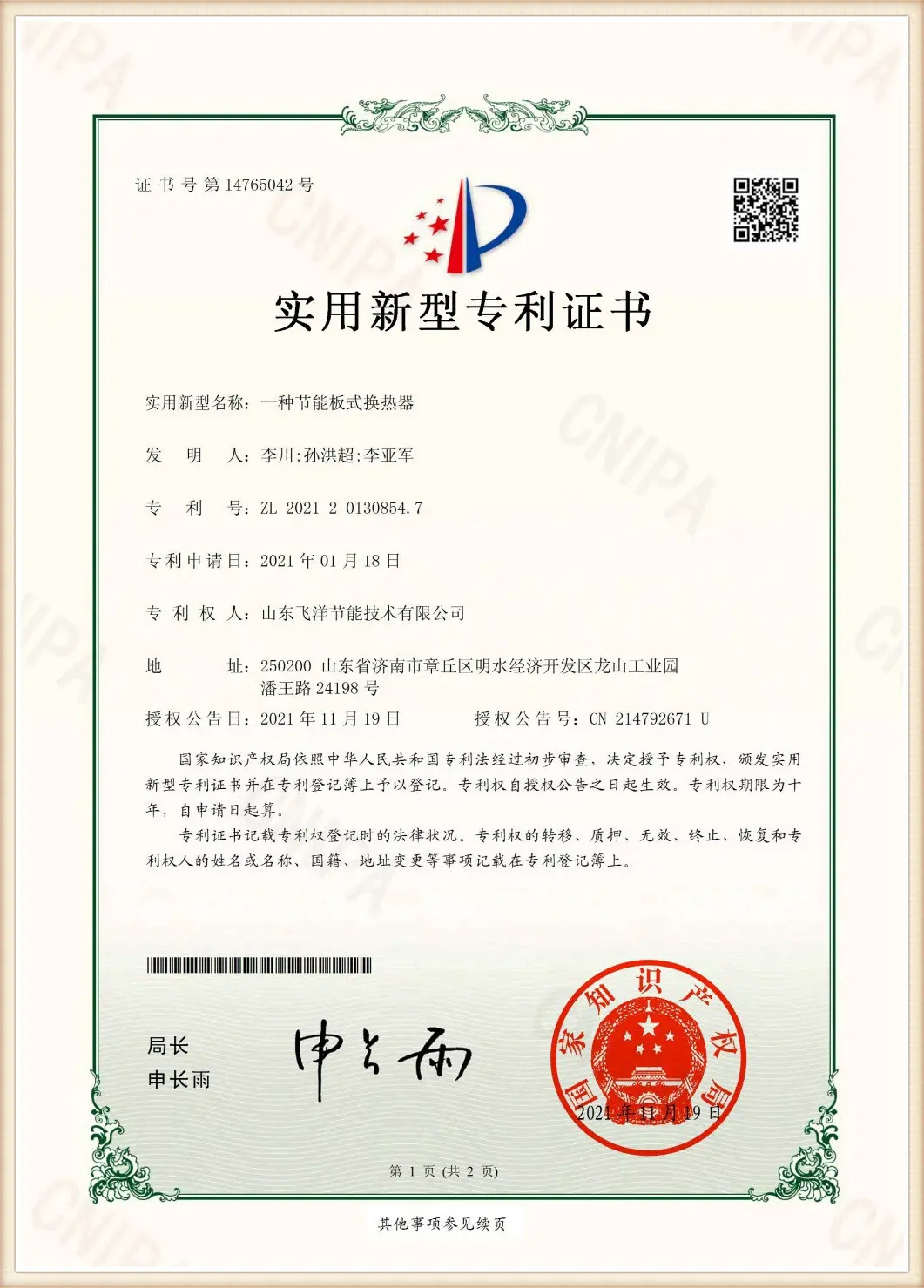
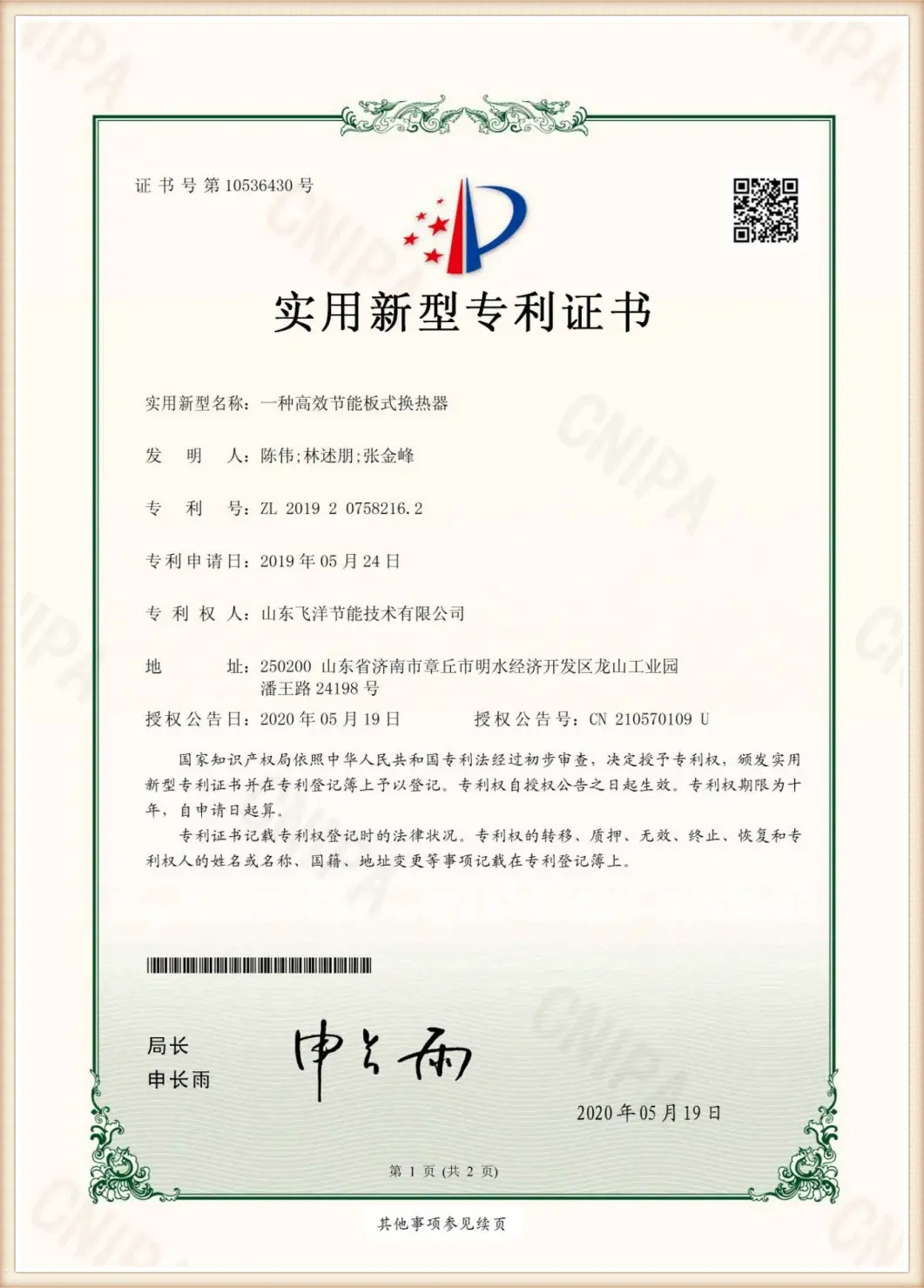
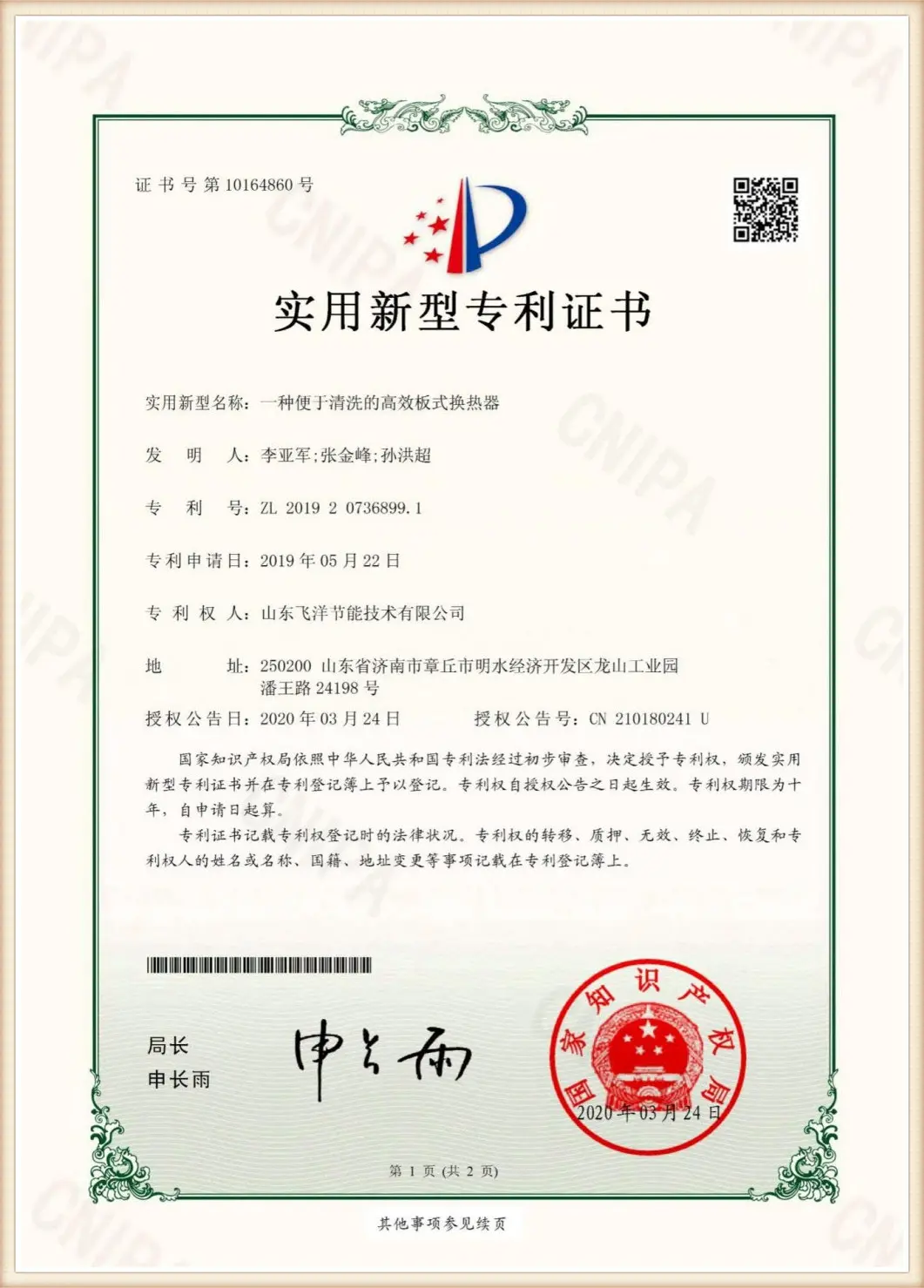
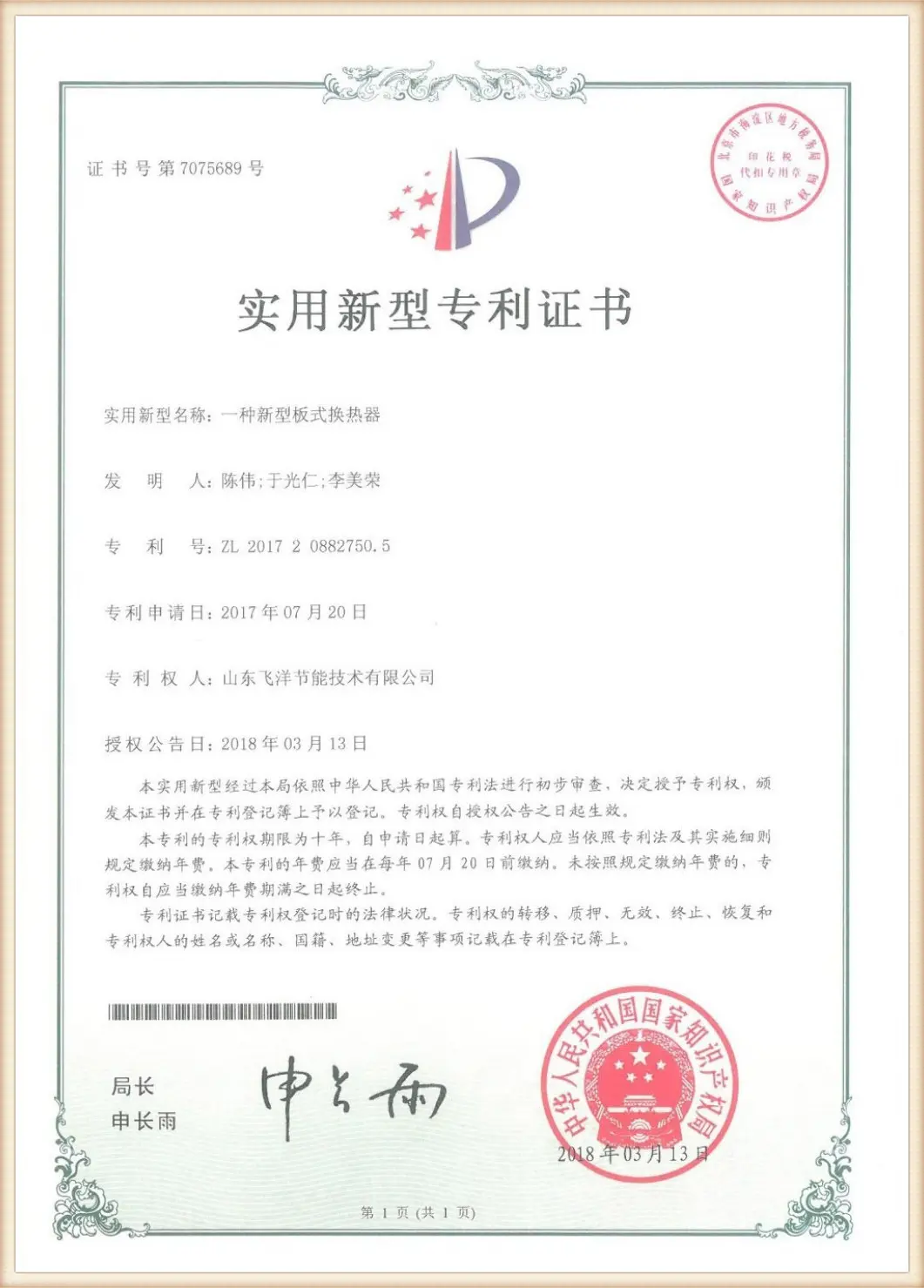
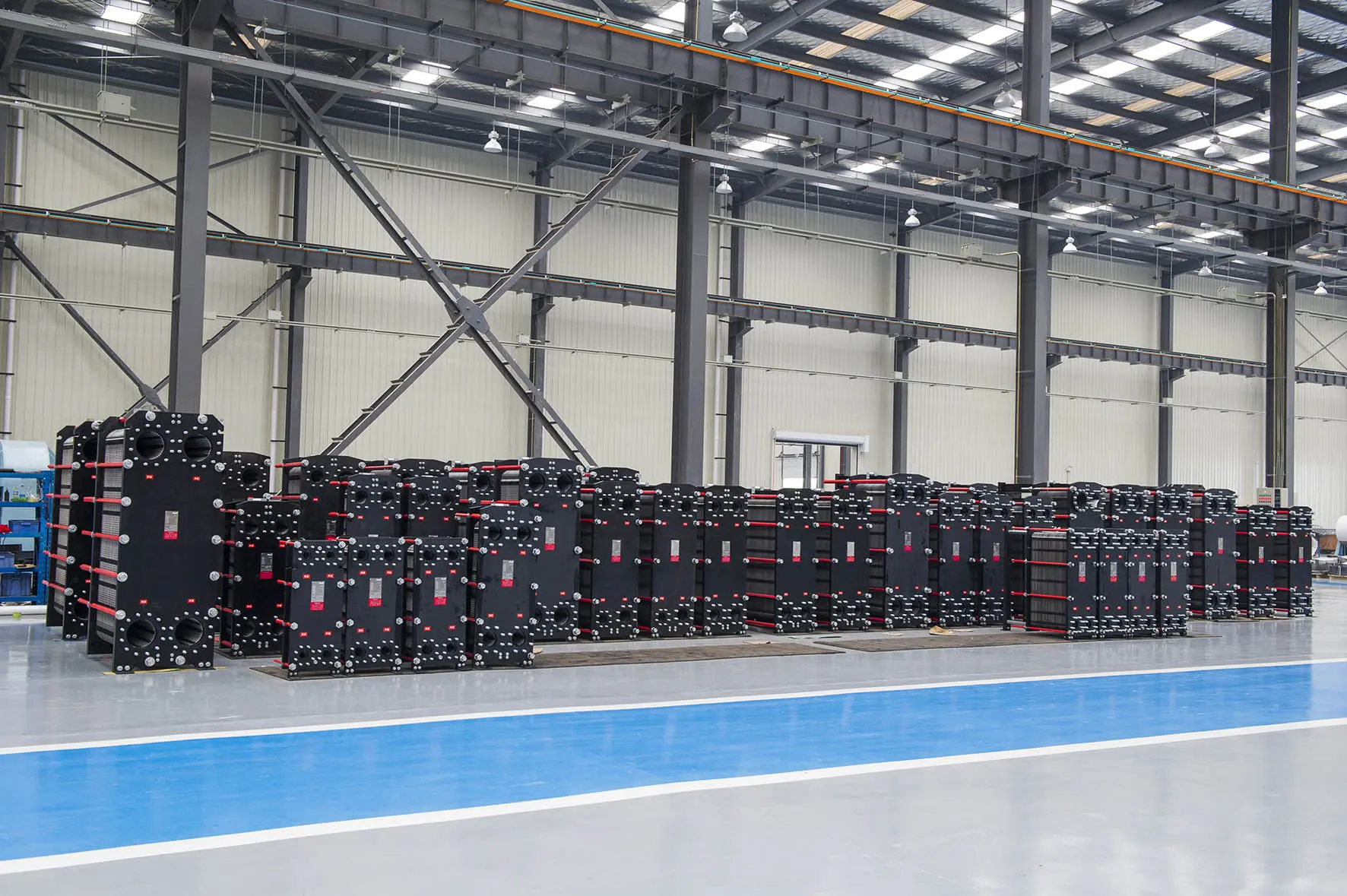
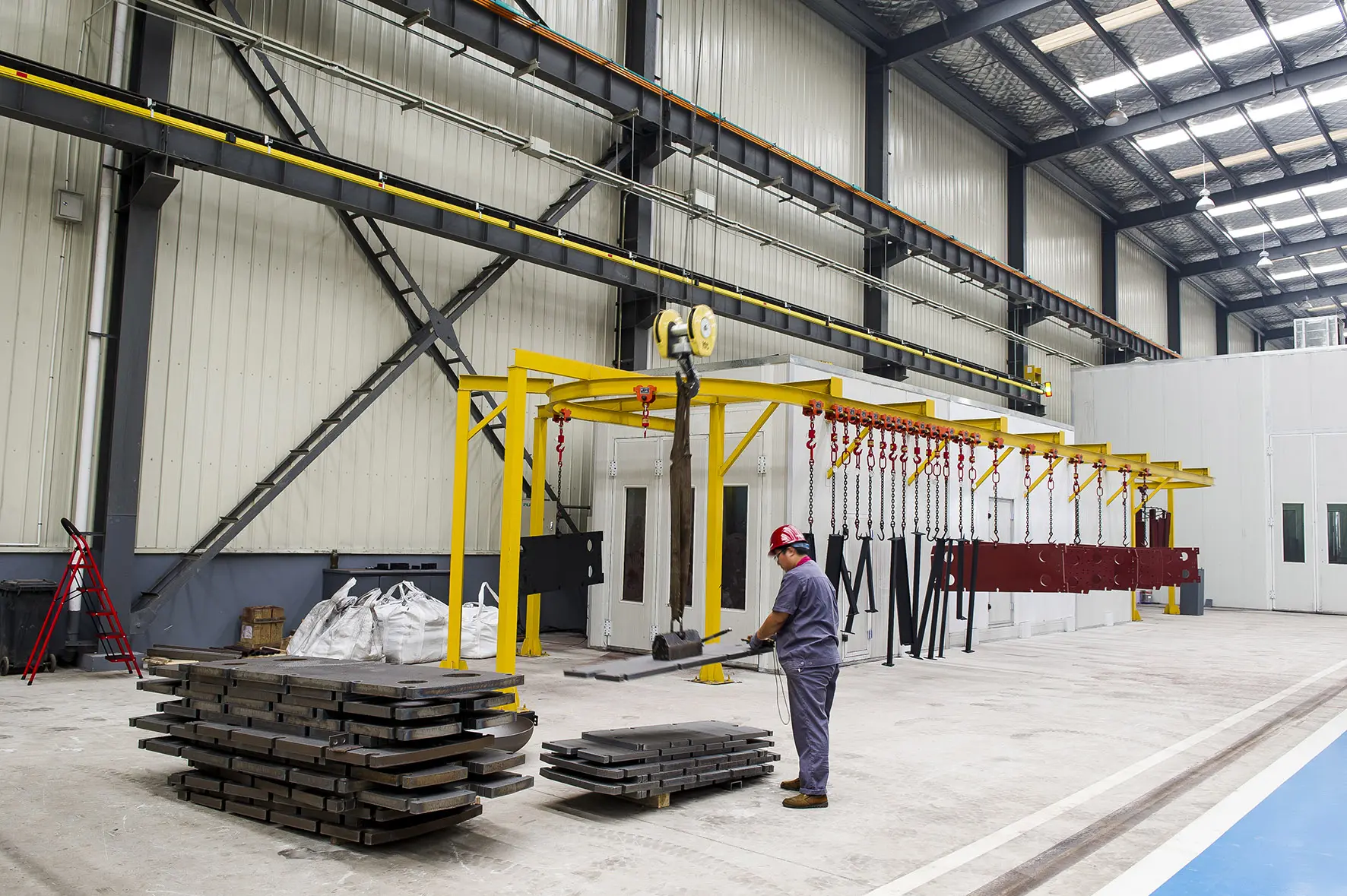
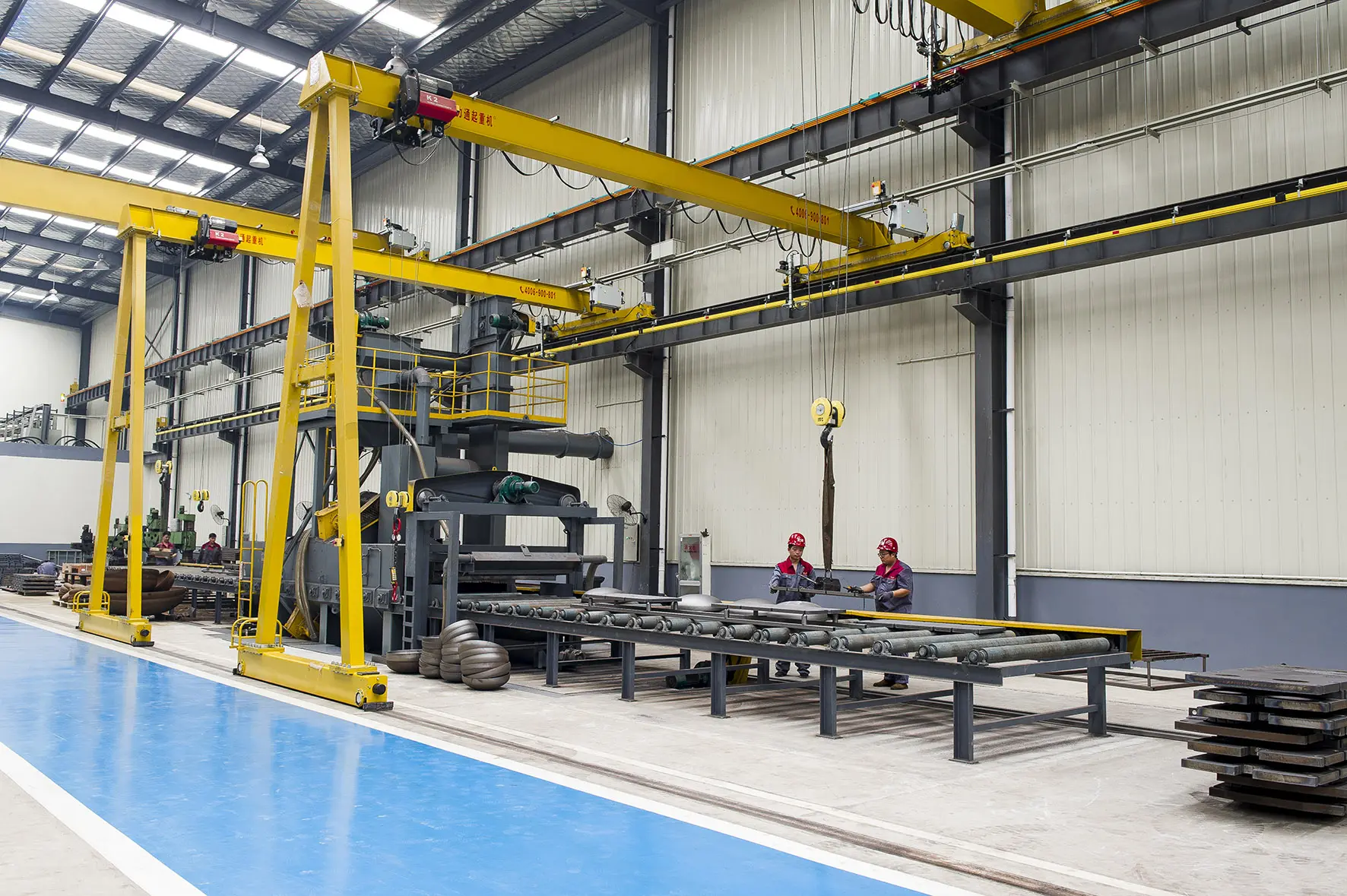
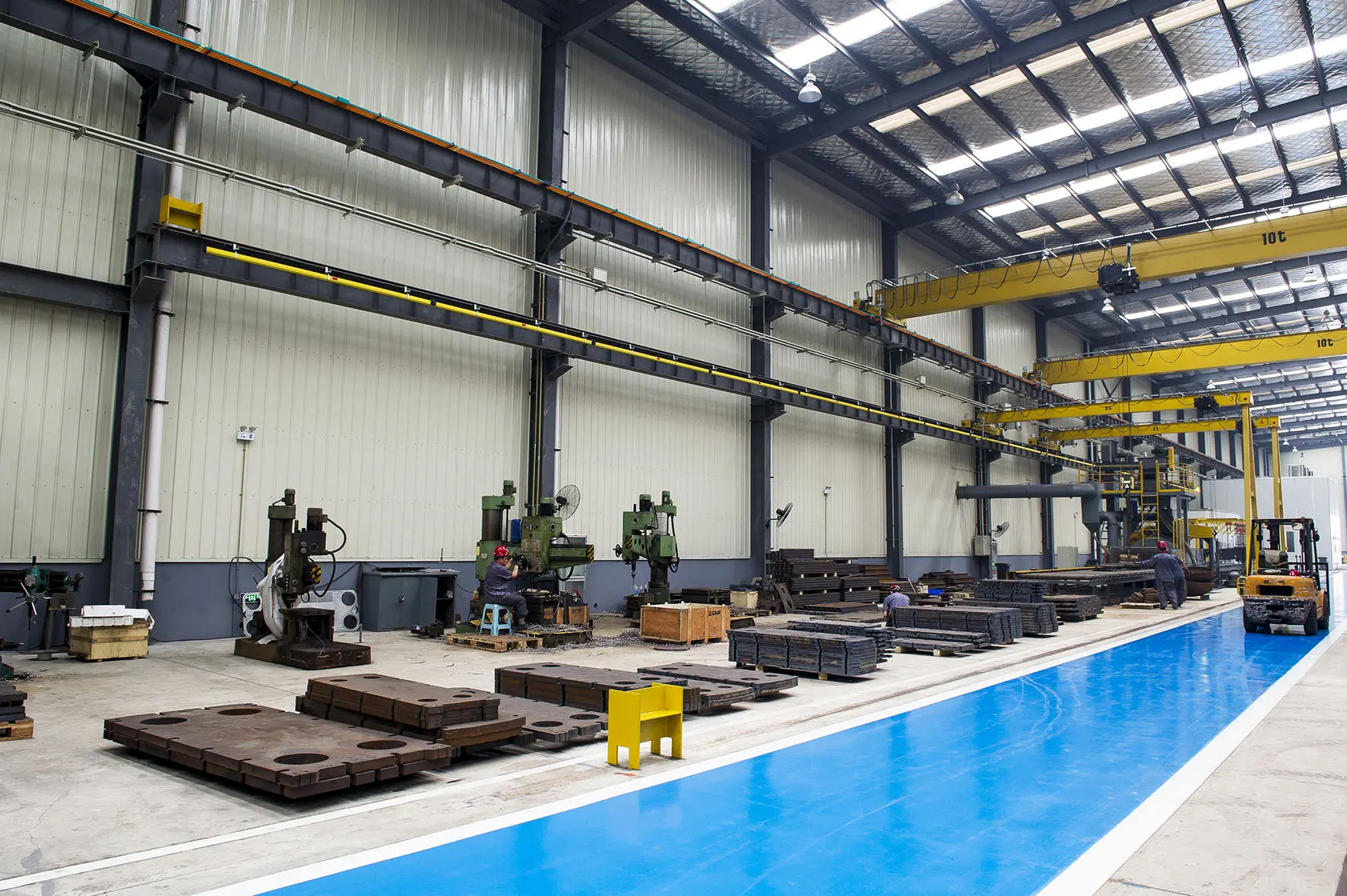
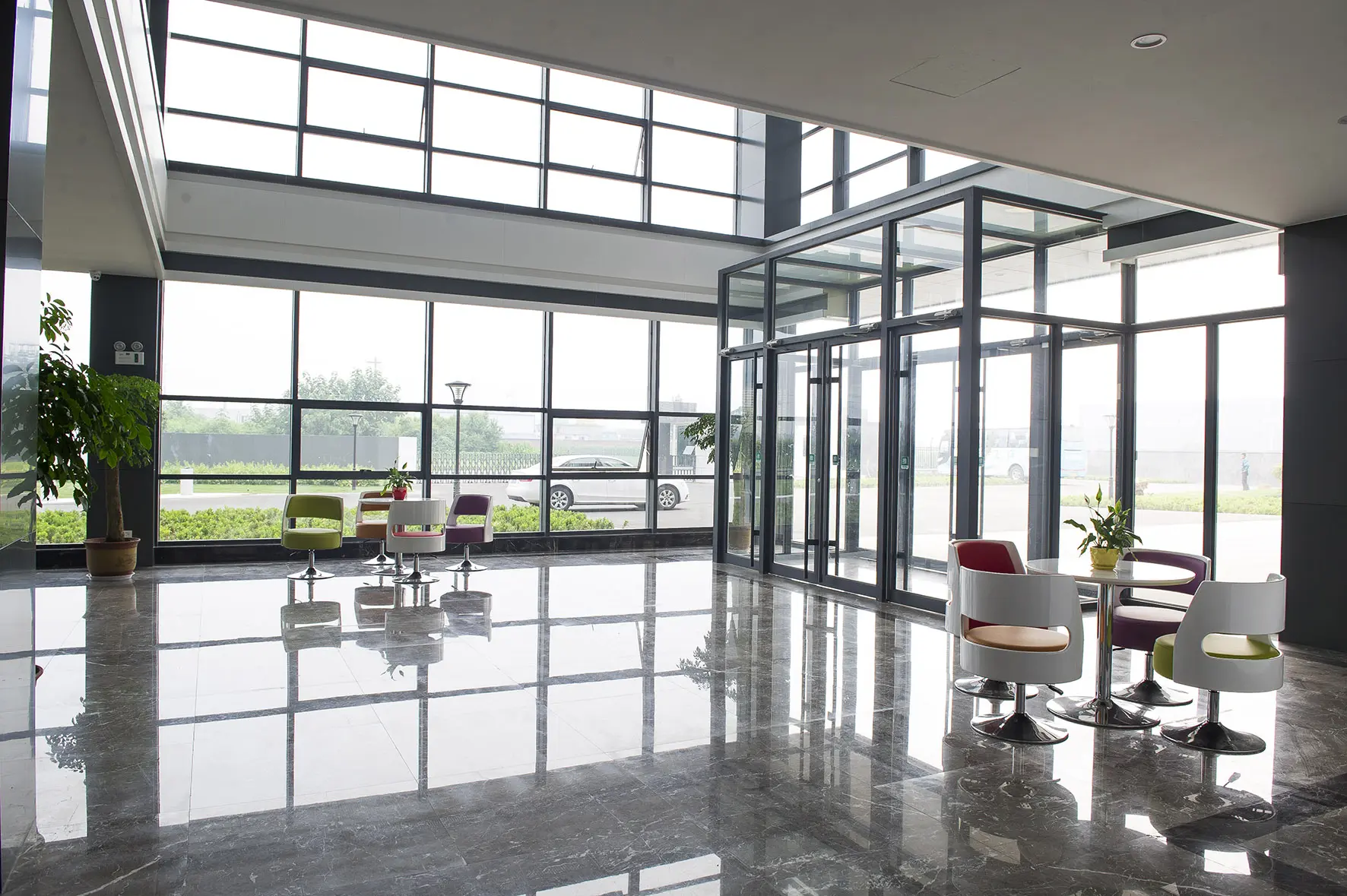
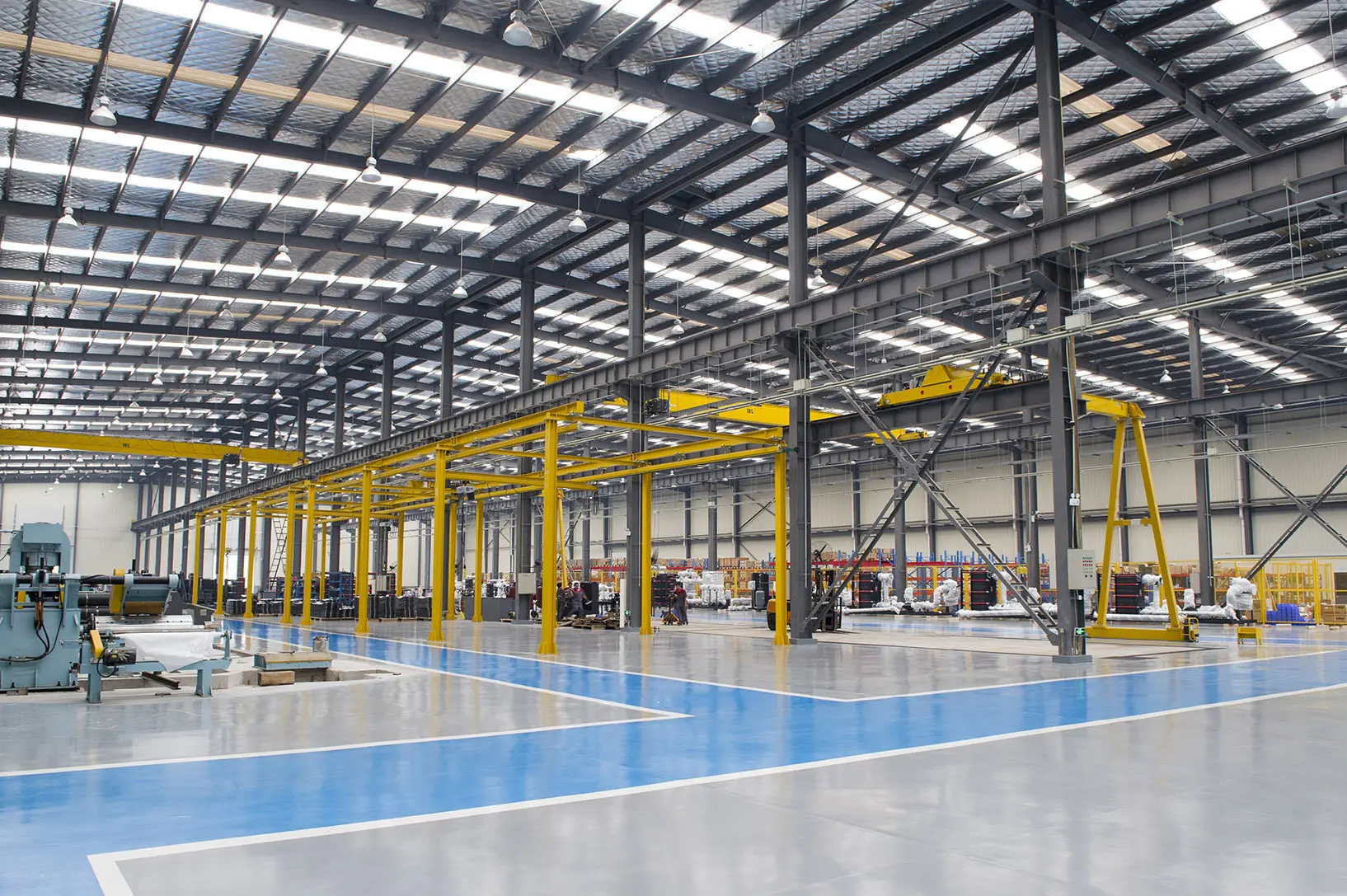
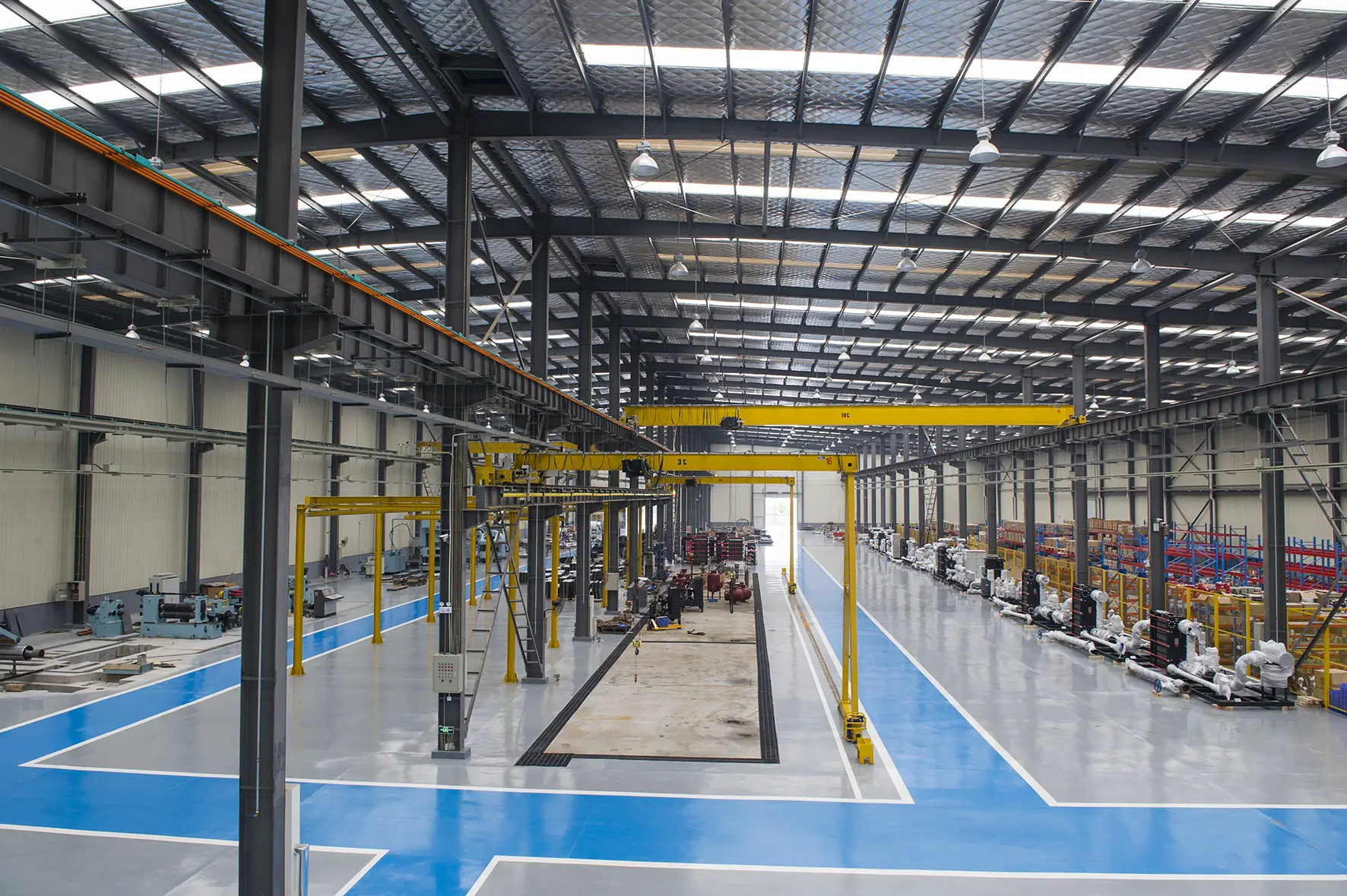
A look inside our 70,000 square meter manufacturing infrastructure, where we produce up to 4,500 heat exchange units annually.
Expert answers addressing the selection, optimization, and mechanical maintenance of industrial heat exchangers.
The choice depends on operating pressure, temperature limits, and thermal approach limits. Plate heat exchangers offer higher heat transfer coefficients (due to corrugated plates generating turbulent flow) and can handle narrow temperature approaches (down to 1°C). However, for extreme pressures (above 2.5 MPa) or temperatures exceeding 250°C, shell and tube designs remain the standard due to their robust mechanical configurations and safety margins.
For seawater, chlorinated solutions, or highly acidic processes, standard 304 or 316 stainless steels can experience pitting corrosion. In these environments, we recommend specifying titanium (Grade 1 or 2) or high-nickel alloys like Hastelloy. These materials resist chloride attack and maintain performance over extended lifecycles.
Standard hydronic balancing relies on manual restrictor valves, which cannot adapt to shifting loads. Intelligent balance valves continuously monitor pressure drops, flow rates, and temperatures. An integrated actuator dynamically adjusts the valve opening based on real-time feedback, ensuring optimal distribution of thermal media across all branch networks.
Gaskets determine the chemical compatibility and temperature limits of a detachable plate heat exchanger. The most common elastomers are NBR (Nitrile Butadiene Rubber) for standard water/oil duties up to 140°C, and EPDM (Ethylene Propylene Diene Monomer) for steam and water duties up to 160°C. For aggressive chemical processing, Viton (FKM) gaskets are utilized.
Maximize energy recovery, balance secondary hydraulic networks, and monitor heat distribution with our system integration solutions.

 Flotte Energy