Explore our primary range of highly efficient components, system monitoring rigs, and industrial evaporation lines, manufactured under strict national and international quality standards.
Industrial separation processes rely heavily on manipulating mechanical forces and thermodynamic variables to isolate constituent phases from liquid mixtures. The most basic form of separation is gravity-driven sedimentation, where dispersed particles or droplets settle out of a continuous phase due to differences in density. However, gravitational acceleration is fixed ($g \approx 9.81 \, \text{m/s}^2$), making it insufficient for rapid processing of high-throughput industrial media, highly viscous fluids, or sub-micron particles.
Centrifugal separation overcomes this limitation by placing the fluid in a rotating frame of reference. This generates a simulated gravitational field magnitudes greater than Earth's gravity, driving rapid sedimentation. In a centrifugal separator, the force acting on a particle is characterized by Stokes' Law, adapted for rotational acceleration. The settling velocity of a spherical particle in a centrifugal field is defined by the following physical relationship:
Where:
By increasing the rotational speed, engineers multiply the term ω2*r, which represents the centrifugal acceleration. The ratio between this acceleration and standard gravity ($g$) is defined as the Relative Centrifugal Force (RCF), often referred to as the G-force. Modern industrial centrifugal separators regularly achieve forces ranging from 3,000 G to over 15,000 G, enabling fast separation of immiscible liquids and fine solids that would otherwise take days or weeks to settle under gravity alone.
Stokes' Law reveals a critical operational parameter: the settling velocity (vs) is inversely proportional to the fluid's dynamic viscosity (η). Highly viscous fluids resist the movement of particles, significantly dampening the efficiency of the centrifugal separator. To optimize separation rates and throughput, industrial plants must manipulate the viscosity of incoming feedstocks.
This is where thermal pre-conditioning plays a vital role. Elevating the temperature of the process fluid reduces its dynamic viscosity, accelerating separation velocities and lowering energy demands on the separator drive motor. The viscosity-temperature relationship of liquids is often calculated using the Andrade equation:
Here, $T$ is the absolute temperature in Kelvin, and $A$ and $B$ are fluid-specific empirical constants. A minor temperature increase can lead to a significant drop in viscosity. For example, preheating industrial oil from 20°C to 80°C can reduce dynamic viscosity by up to 80%, corresponding to a 500% increase in the theoretical settling velocity.
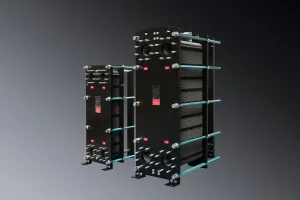
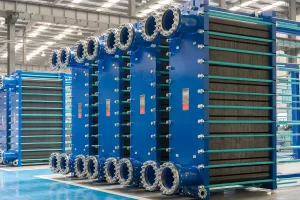
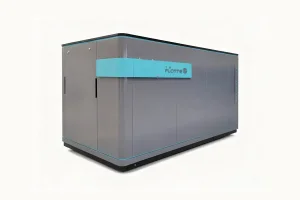
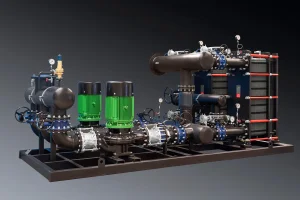
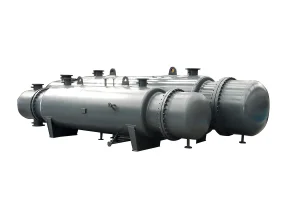
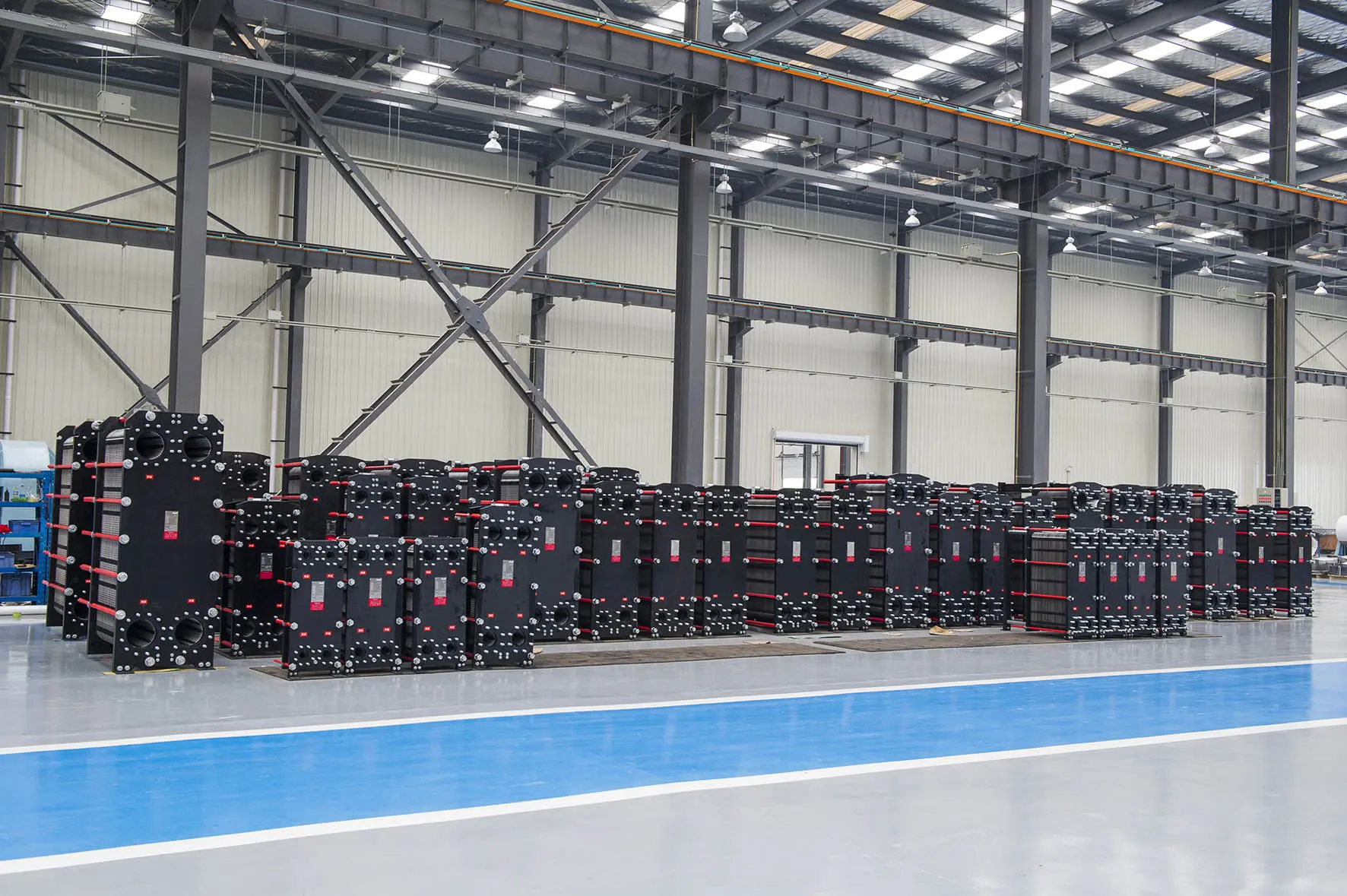
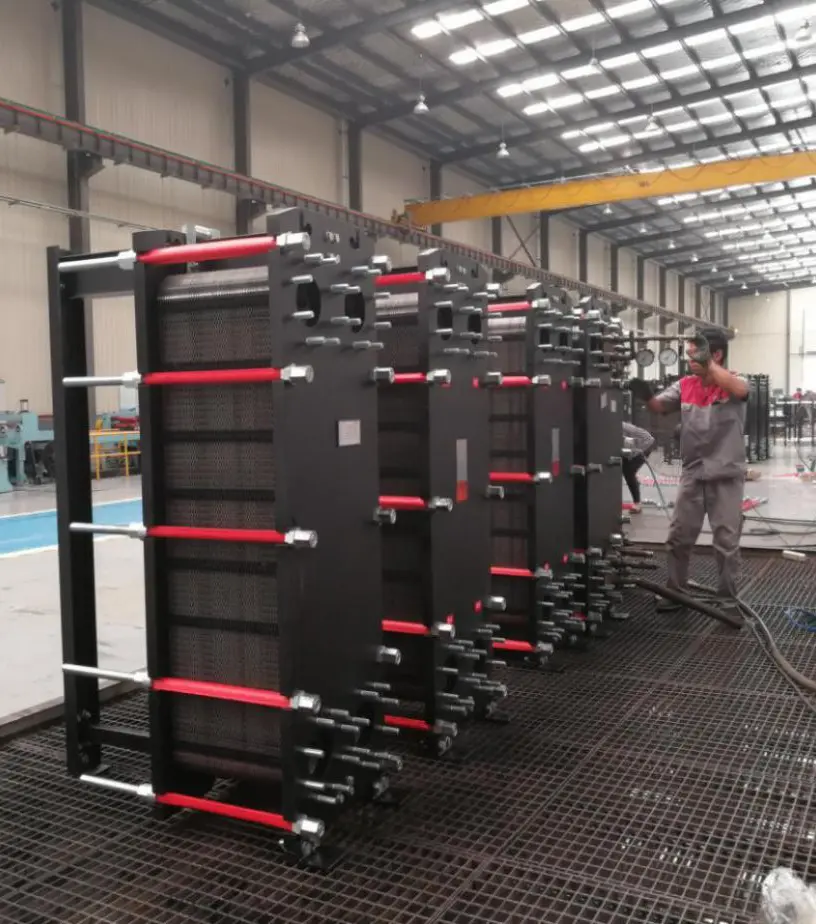
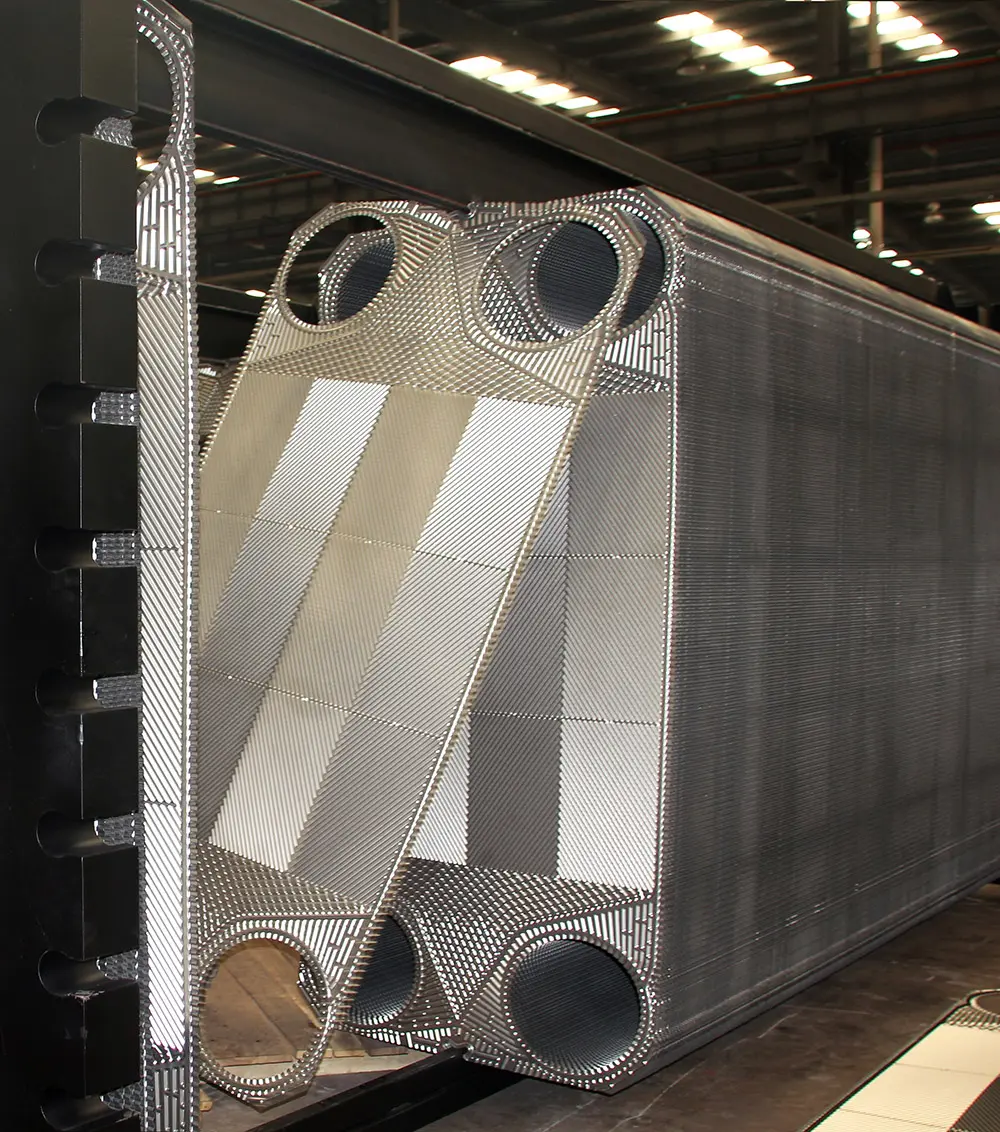
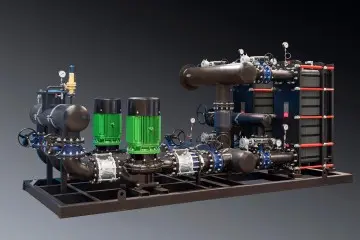
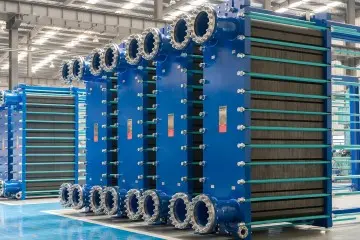
As a leading supplier of thermal solutions, Flotte integrates high-efficiency Plate Heat Exchangers (PHE), Shell & Tube Heat Exchangers, and automated heating packages directly into separation lines. By heating feedstocks immediately before they enter the centrifuge bowl, processing facilities achieve cleaner separations, drier solid cakes, and reduced wear on rotating components.
Industrial operations utilize distinct centrifuge designs optimized for different solids concentrations, particle size ranges, and continuous run-time requirements.
Engineered primarily for liquid-liquid-solid separation of feeds with low to moderate solid volumes (typically < 10% by volume). Inside the bowl, a stack of conical discs nested together creates small, parallel separation channels. This design reduces the distance a particle must travel before depositing on a disc surface, significantly increasing the effective settling area without expanding the centrifuge's footprint.
Designed for continuous, high-solids feeds (up to 50% solids by volume). Decanters feature a horizontal cylindrical bowl that rotates at high speed, containing an internal screw conveyor (scroll) rotating at a slightly different speed. Solid particles sediment against the bowl wall and are continuously scraped and discharged through conical ports, while the clarified liquid flows out through overflow weirs at the opposite end.
Solid-bowl designs retain separated solids within the rotor and must be stopped manually for cleaning, making them suitable for batch runs. Self-cleaning (or disc-discharge) centrifuges feature a sliding piston mechanism that briefly opens peripheral discharge ports at preset intervals. This allows collected solids to eject under full operating speed, enabling continuous process integration.
Underpinned by three decades of fluid engineering and thermal control expertise, Flotte delivers heavy-duty equipment to processing hubs worldwide.
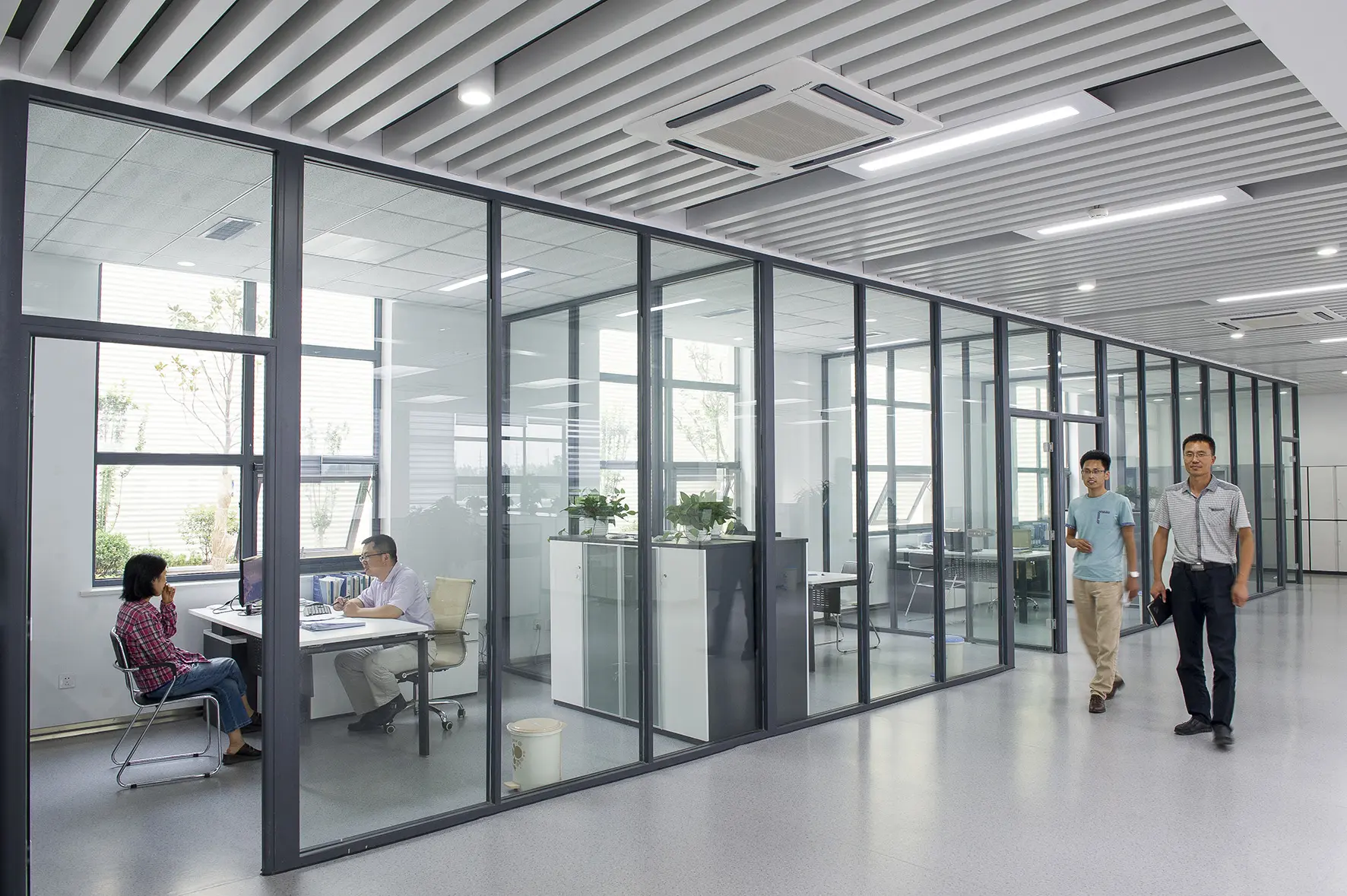
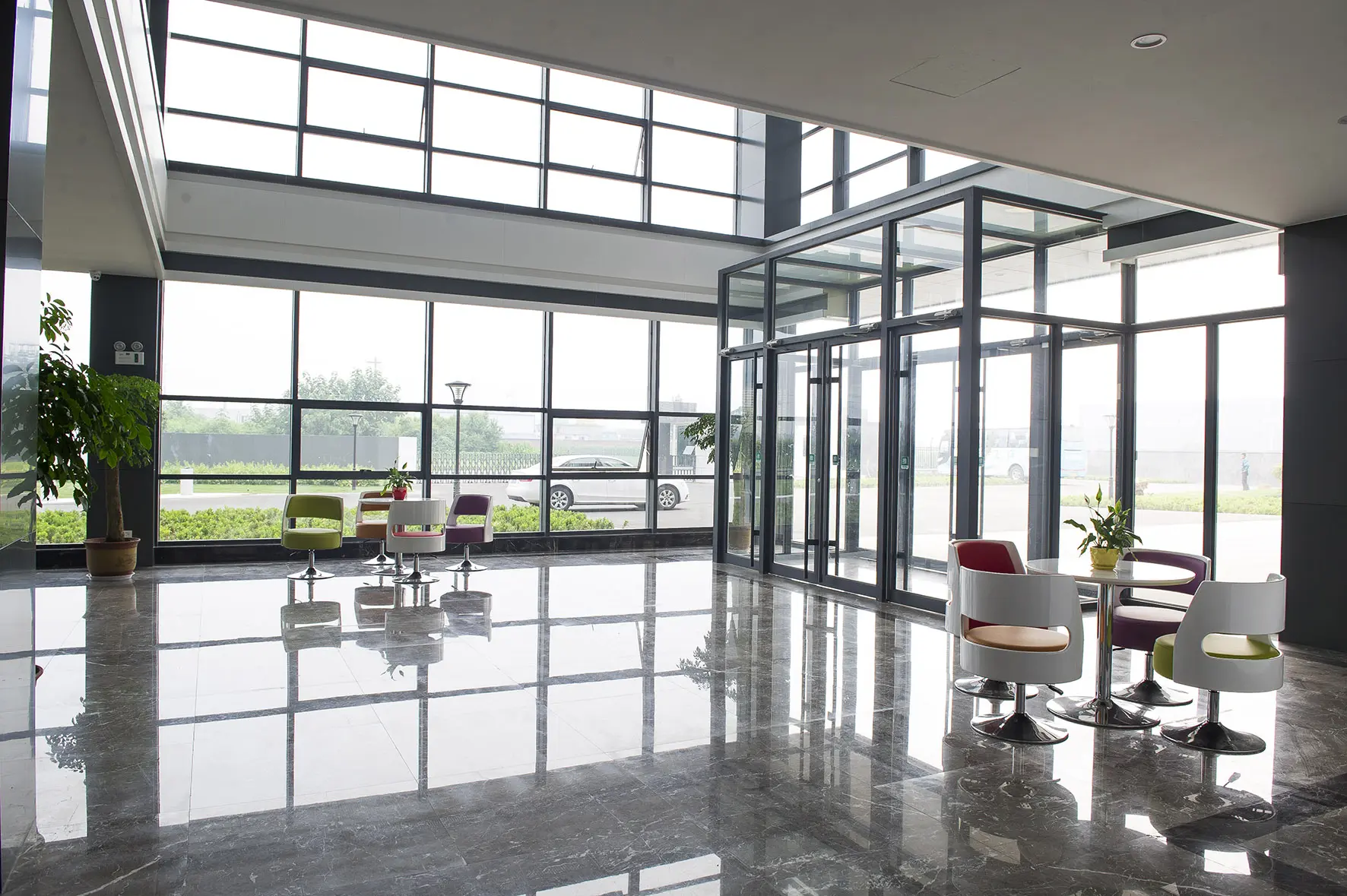
Flotte Energy Saving Company was established in 2013 with a registered capital of 101 million yuan. The company originated from Flotte Thermal Engineering, founded in 1995. With 30 years of engineering expertise, the company specializes in water equipment, HVAC systems, and water treatment industries. It consistently leads industry peers in adopting cutting-edge technologies, developing innovative products, and delivering comprehensive production and sales services.
The company maintains production technology innovation, holding multiple patent certifications including "High-Efficiency Plate Heat Exchanger", "Intelligent Plate Heat Exchanger System", and "Plate Heat Exchanger Scale Removal Device". Our products have obtained mandatory national product certification and safety registration from the National Standardization Committee, along with the safety registration for plate heat exchangers issued by the National Boiler and Pressure Vessel Standardization Technical Committee. The company has also achieved ISO9001 Quality Management System certification, ISO14001 Environmental Management System certification, and ISO45001 Occupational Health and Safety Management System certification.
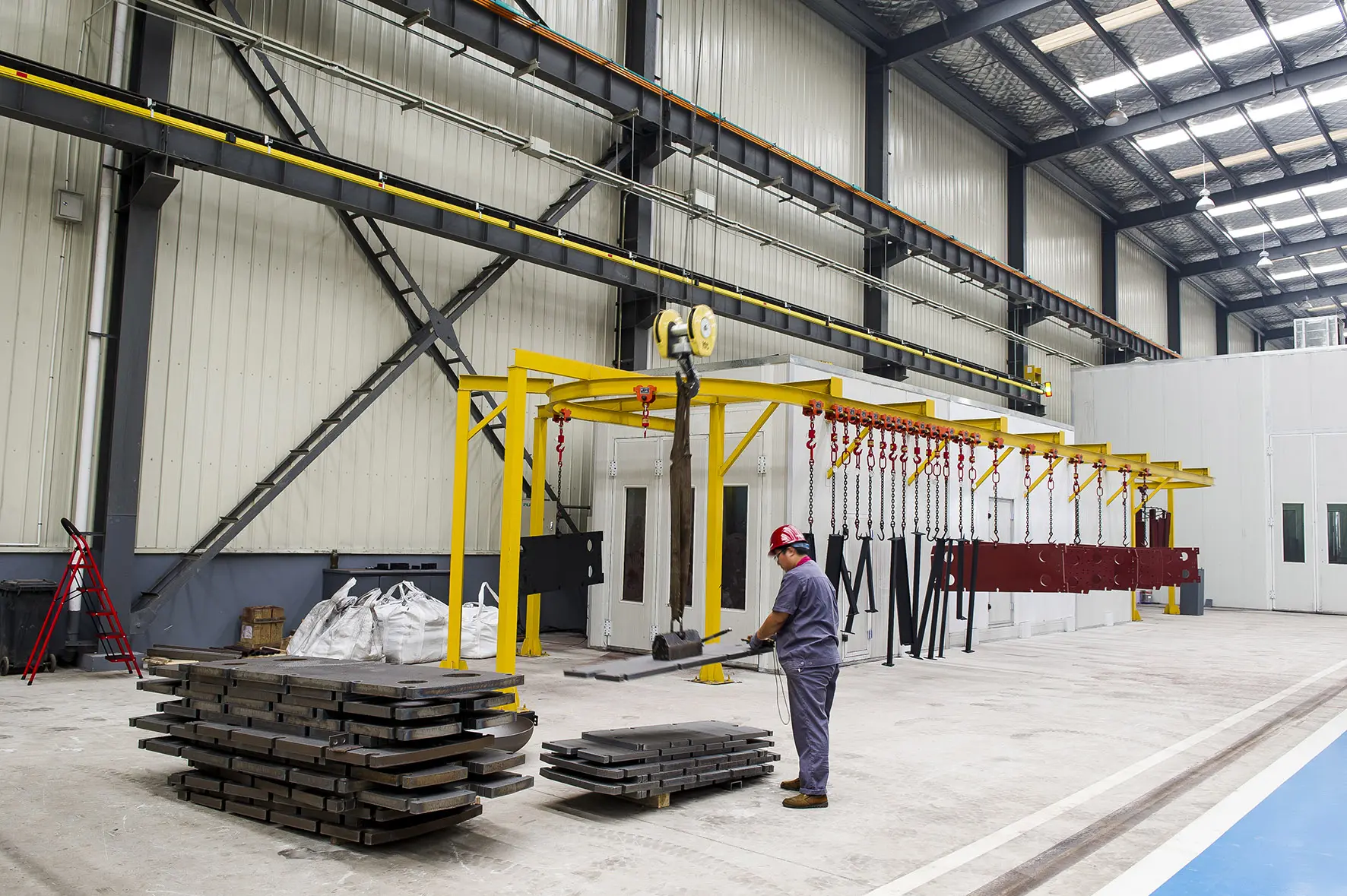
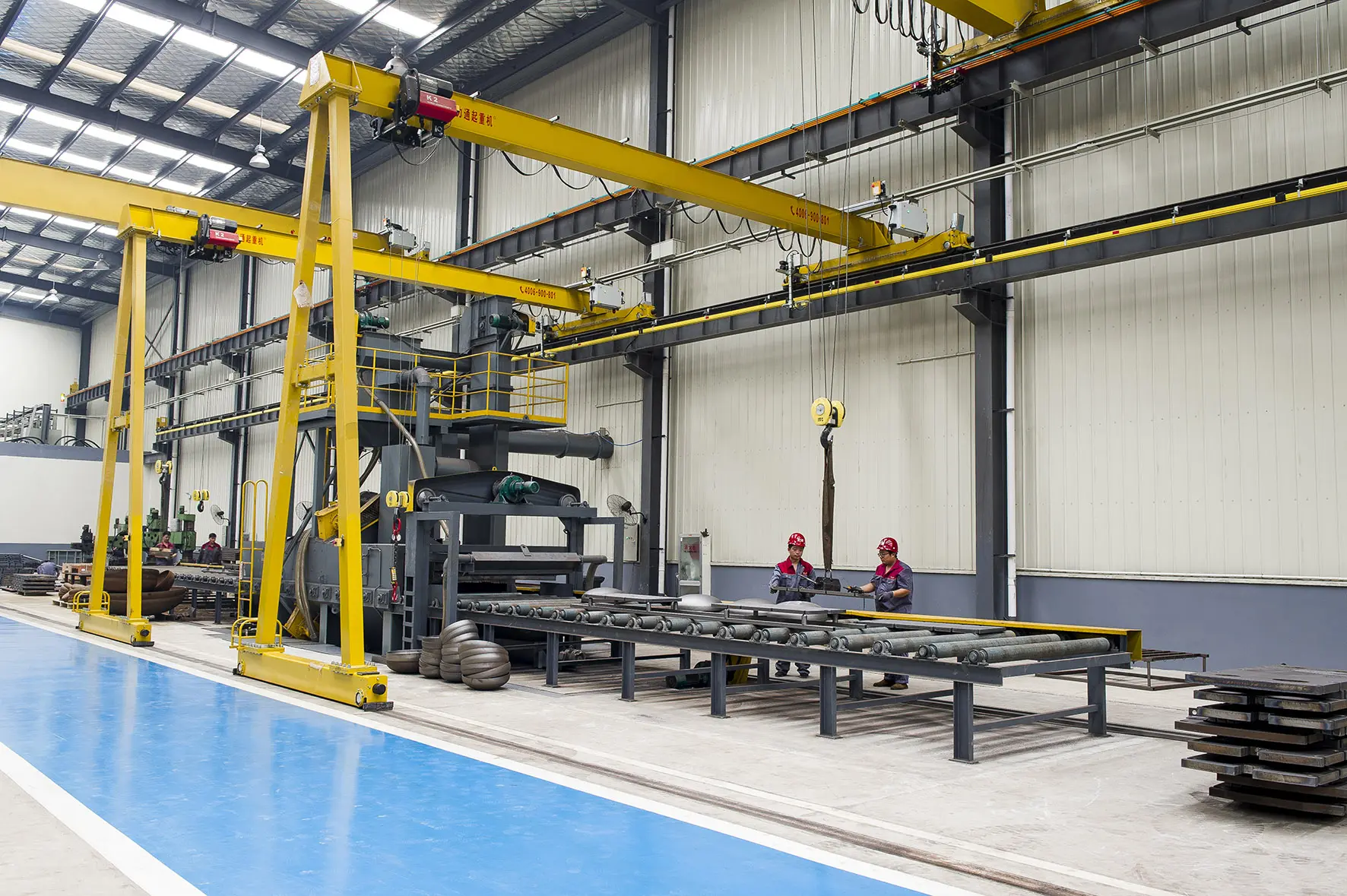
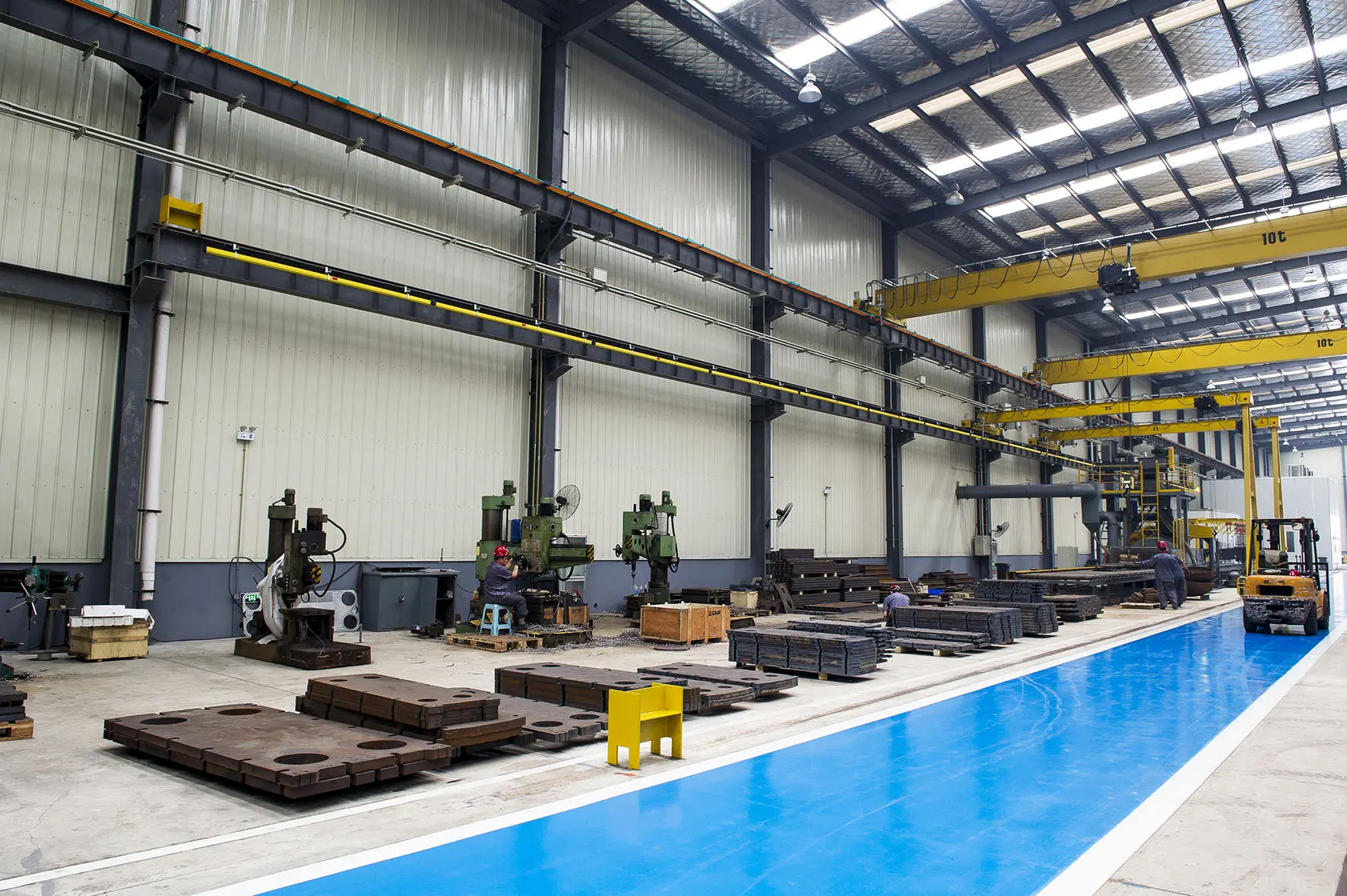
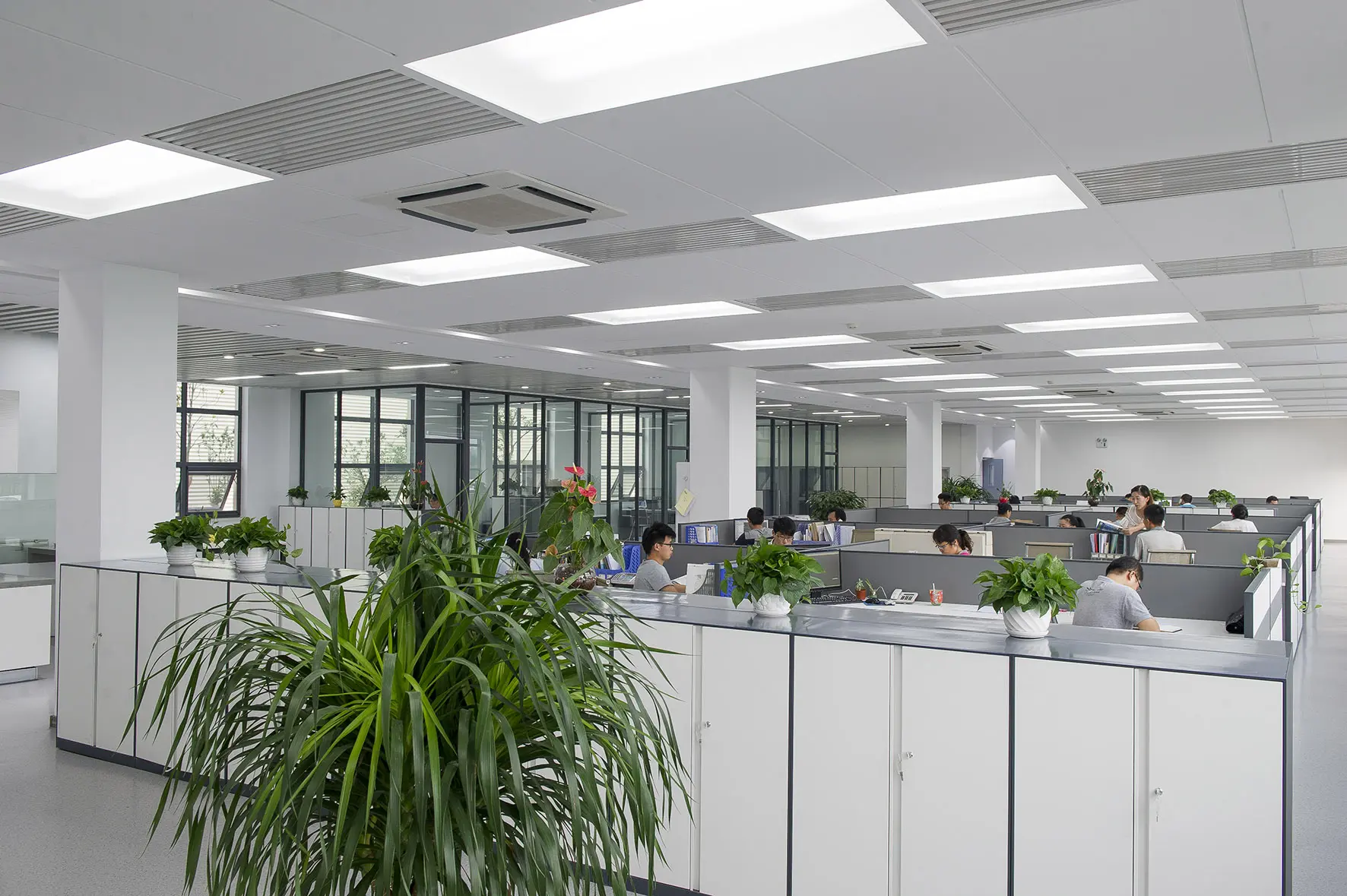
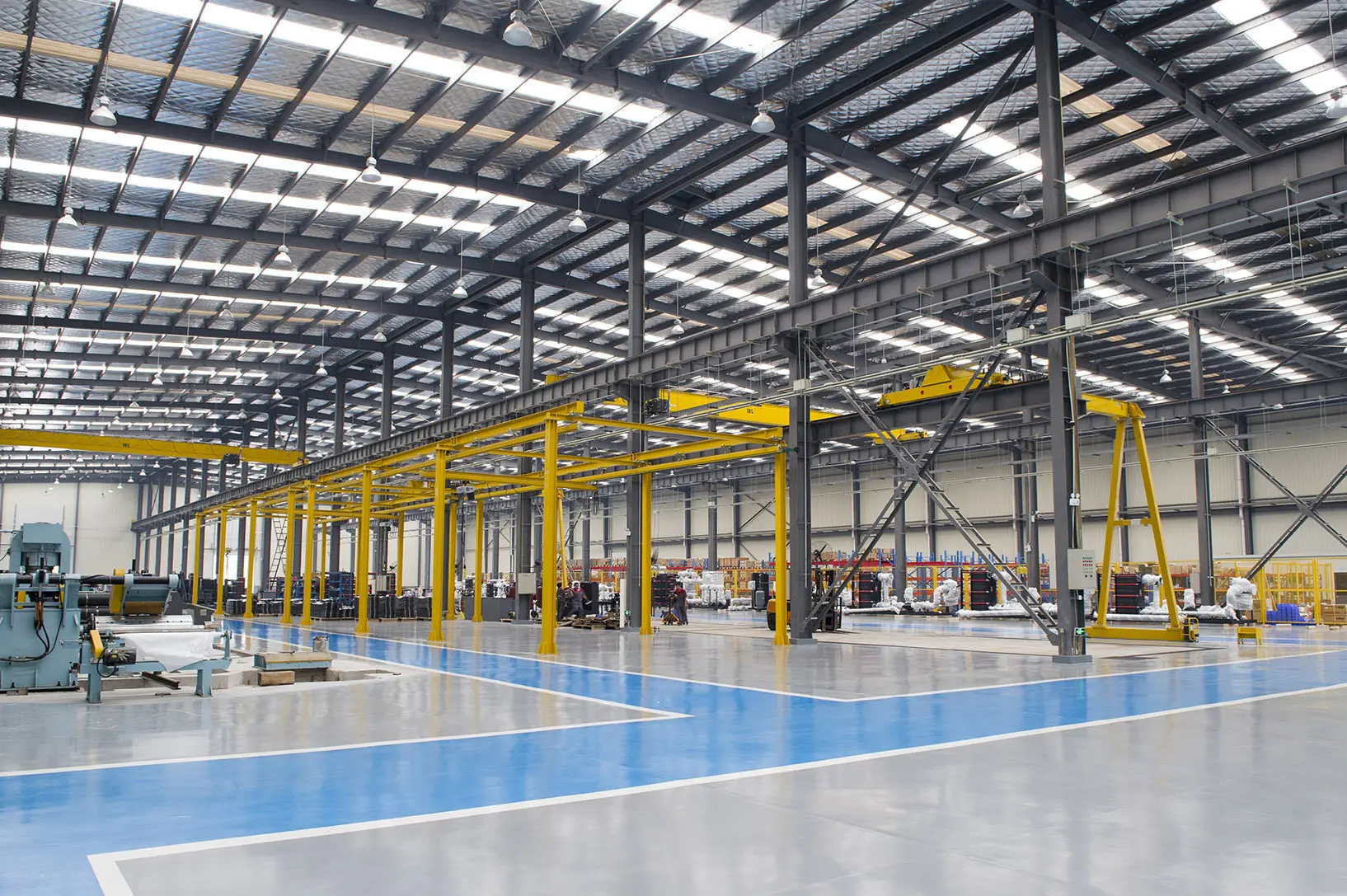
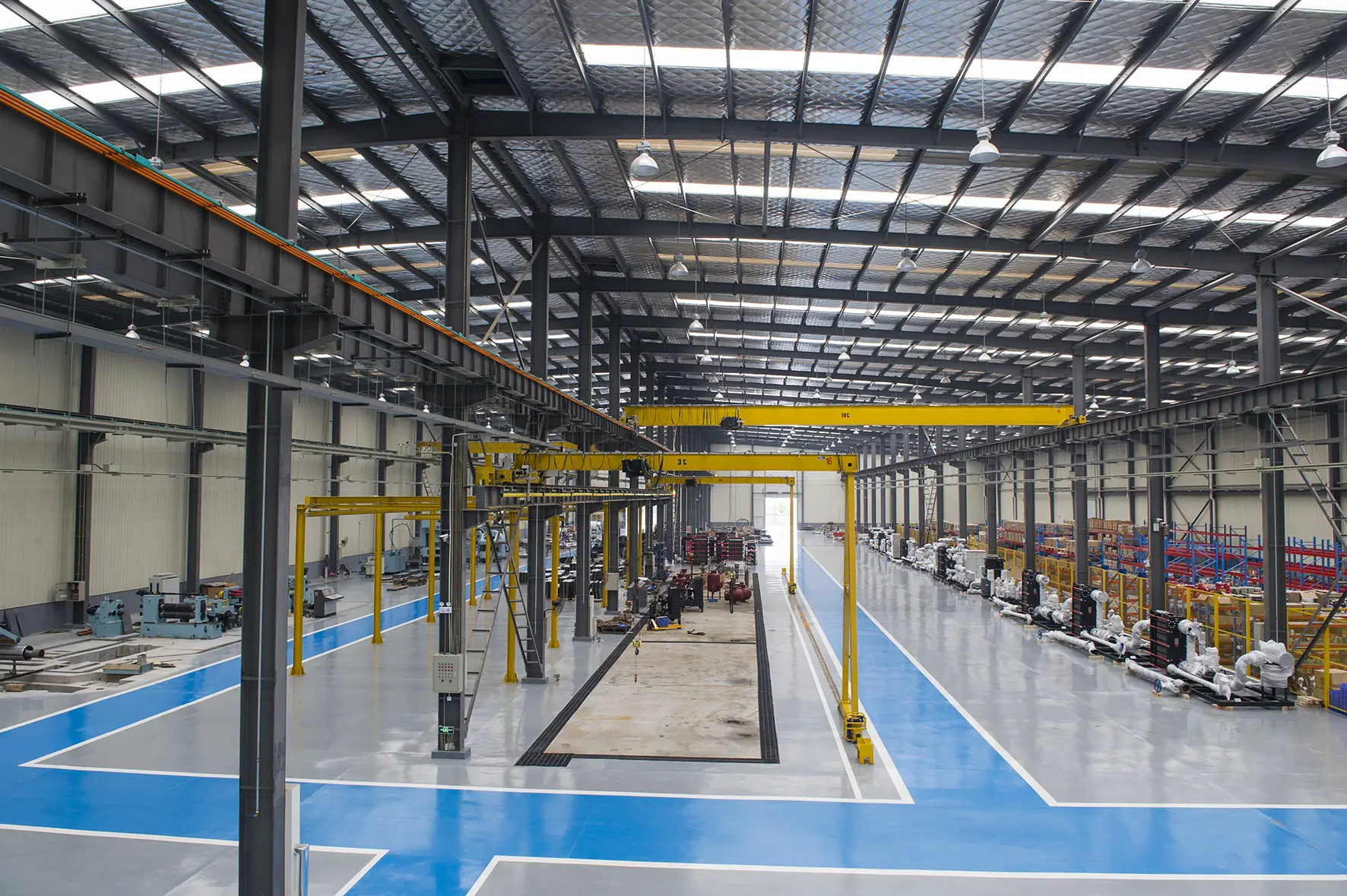
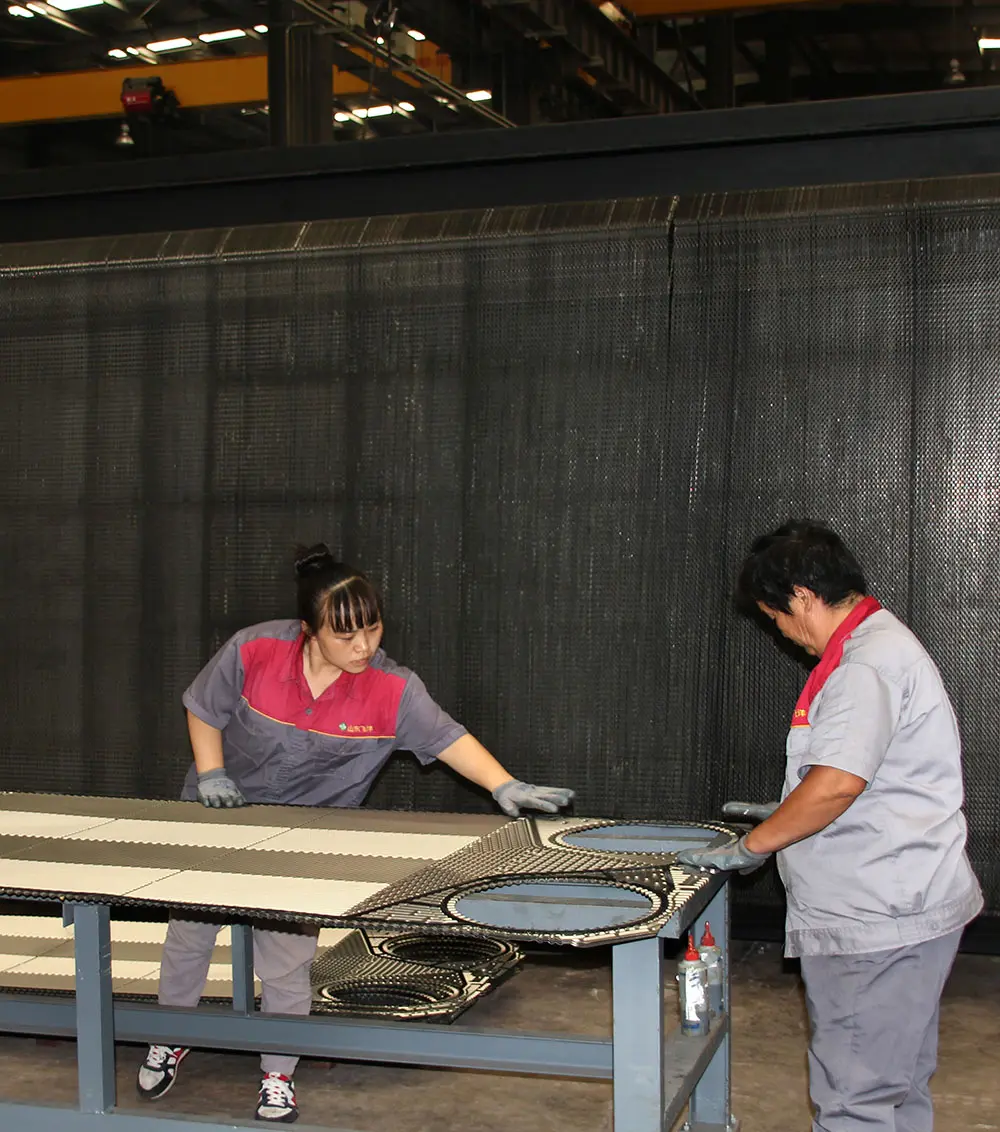
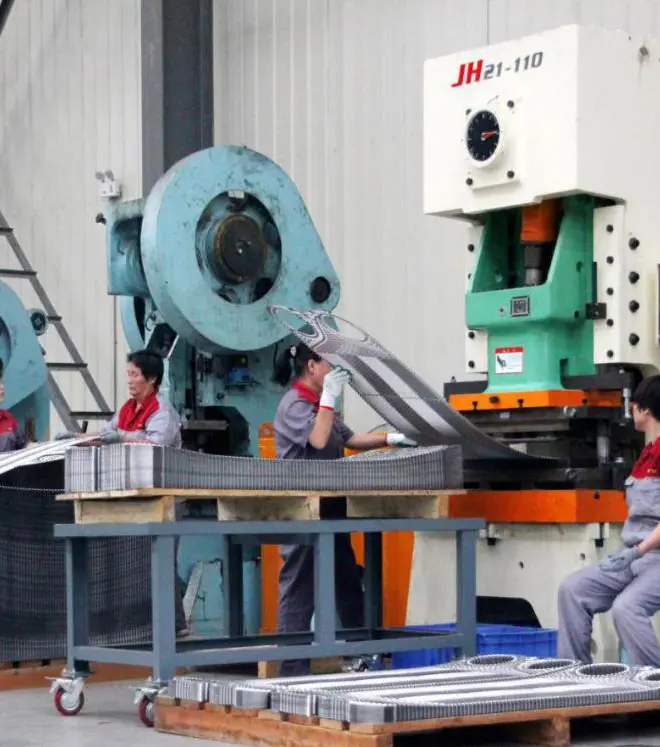
Our modern manufacturing base employs over 300 professionals, generating an annual sales revenue of 500 million yuan and contributing 15 million yuan in taxes and profits. All frontline production staff are certified technicians who have undergone rigorous formal training, ensuring all systems meet global engineering standards.
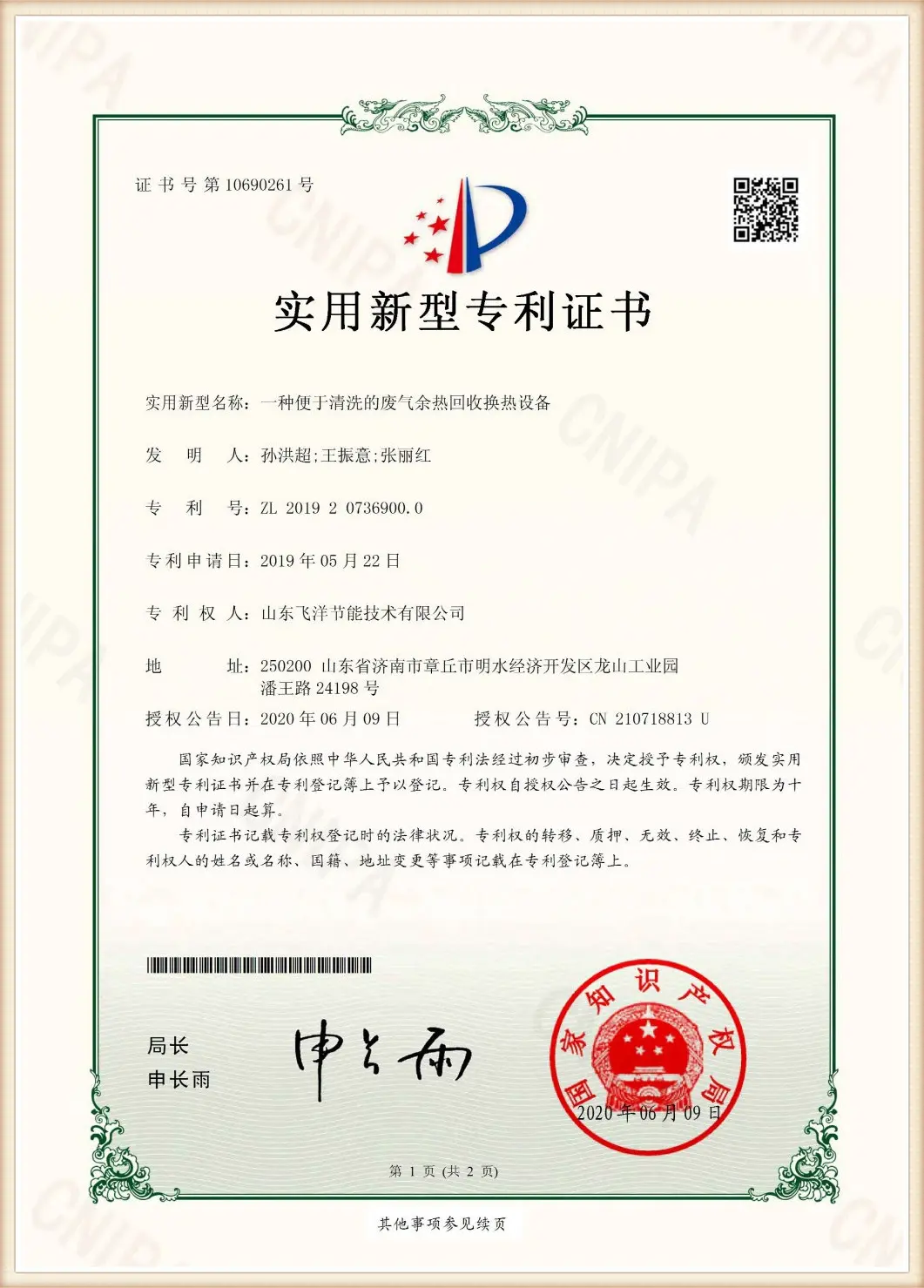
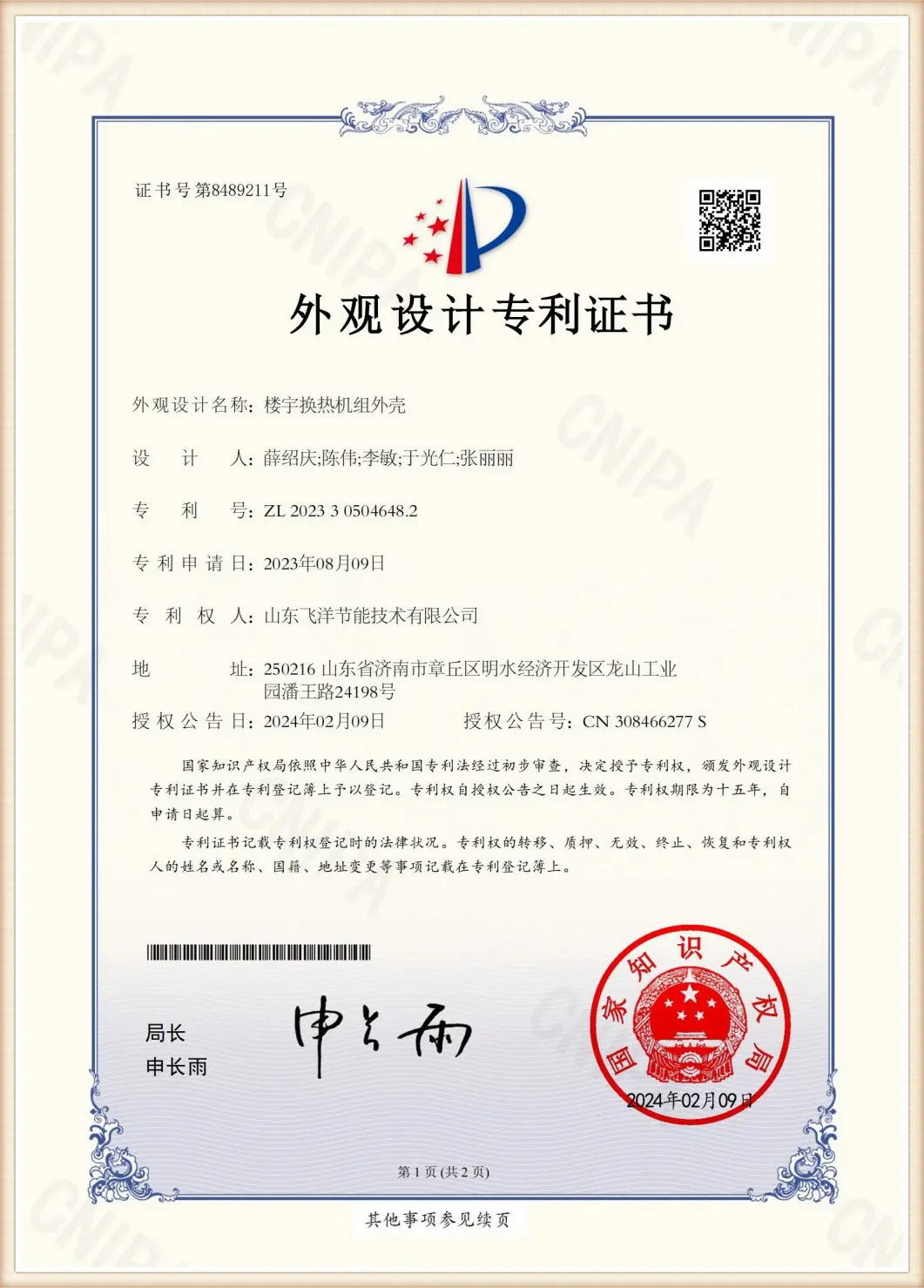
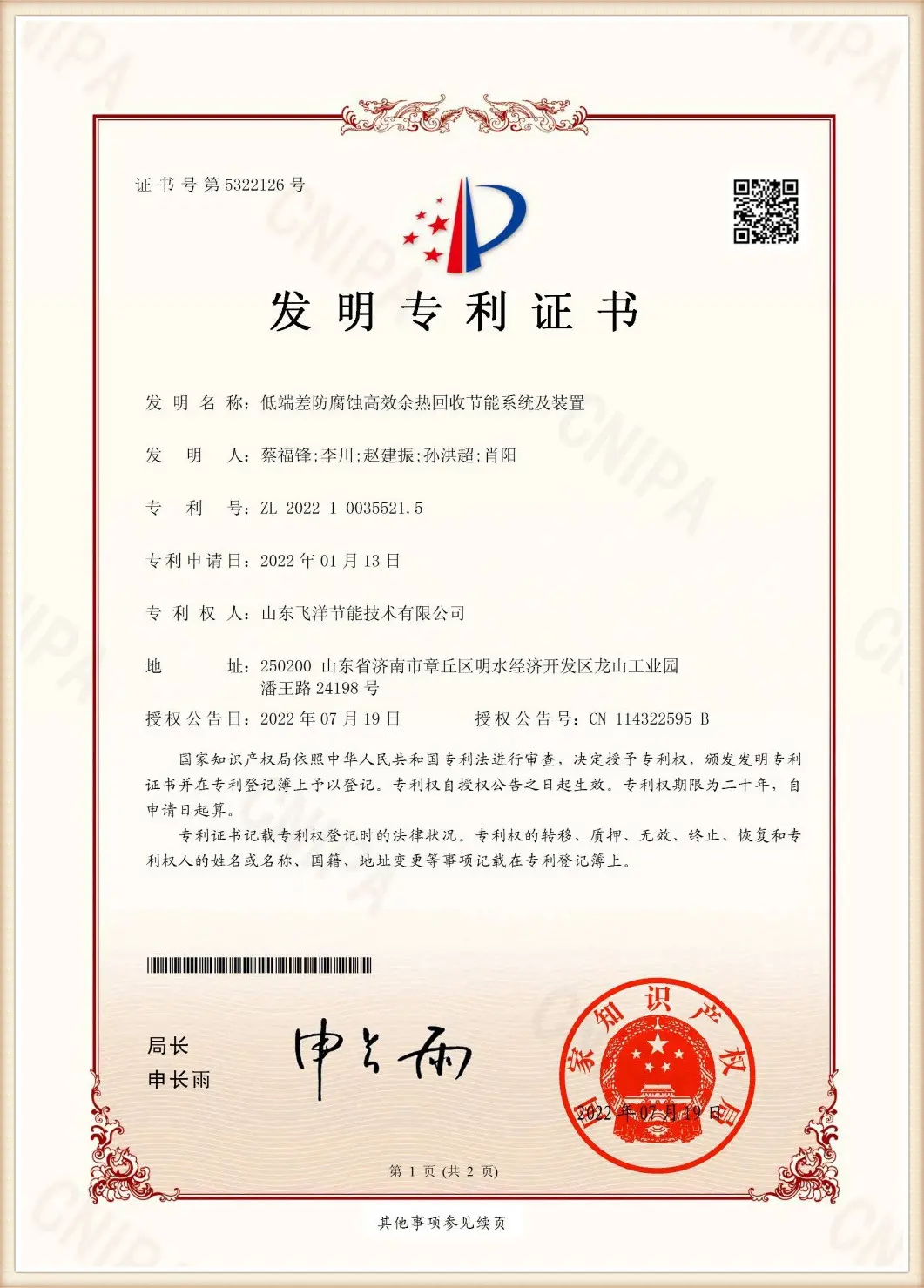
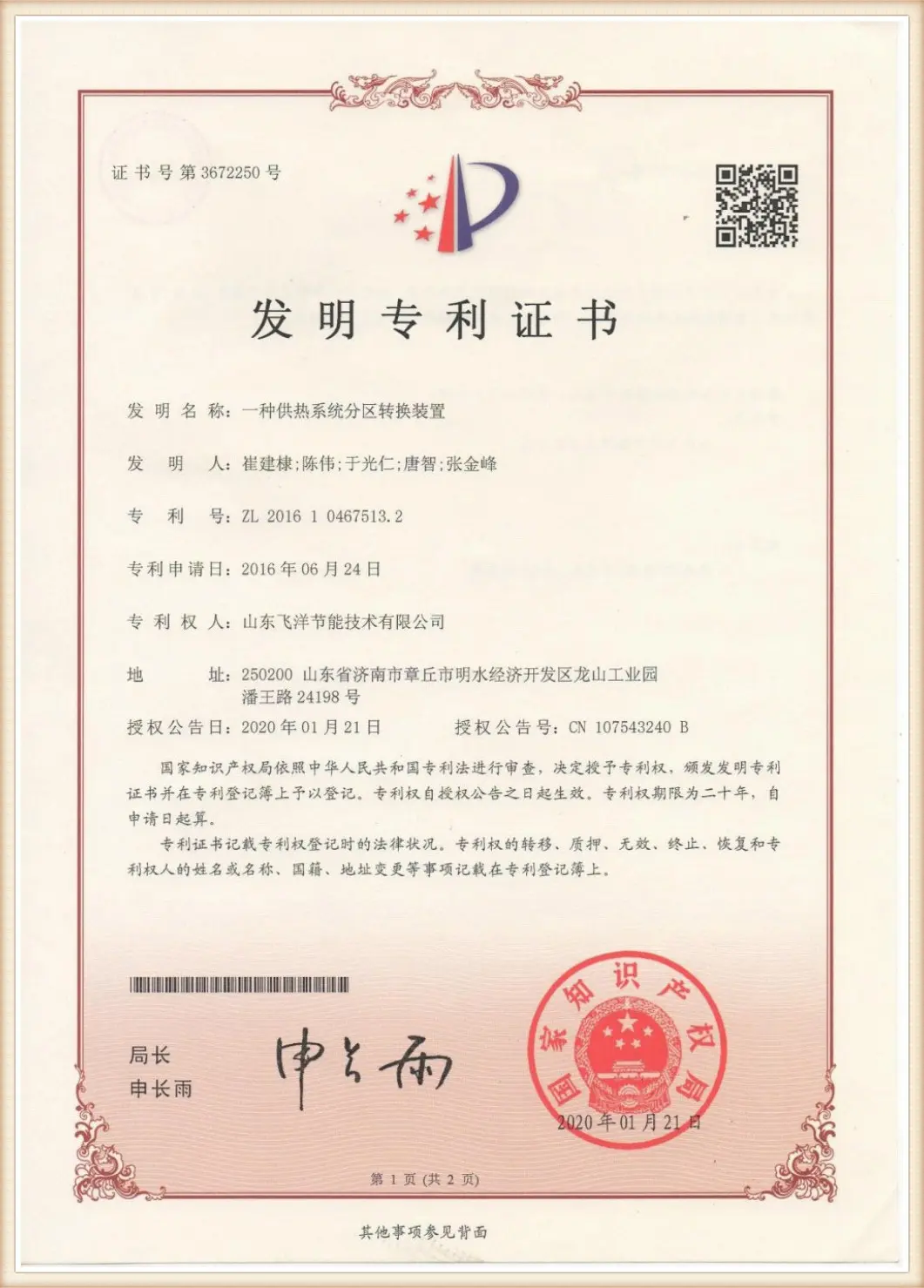
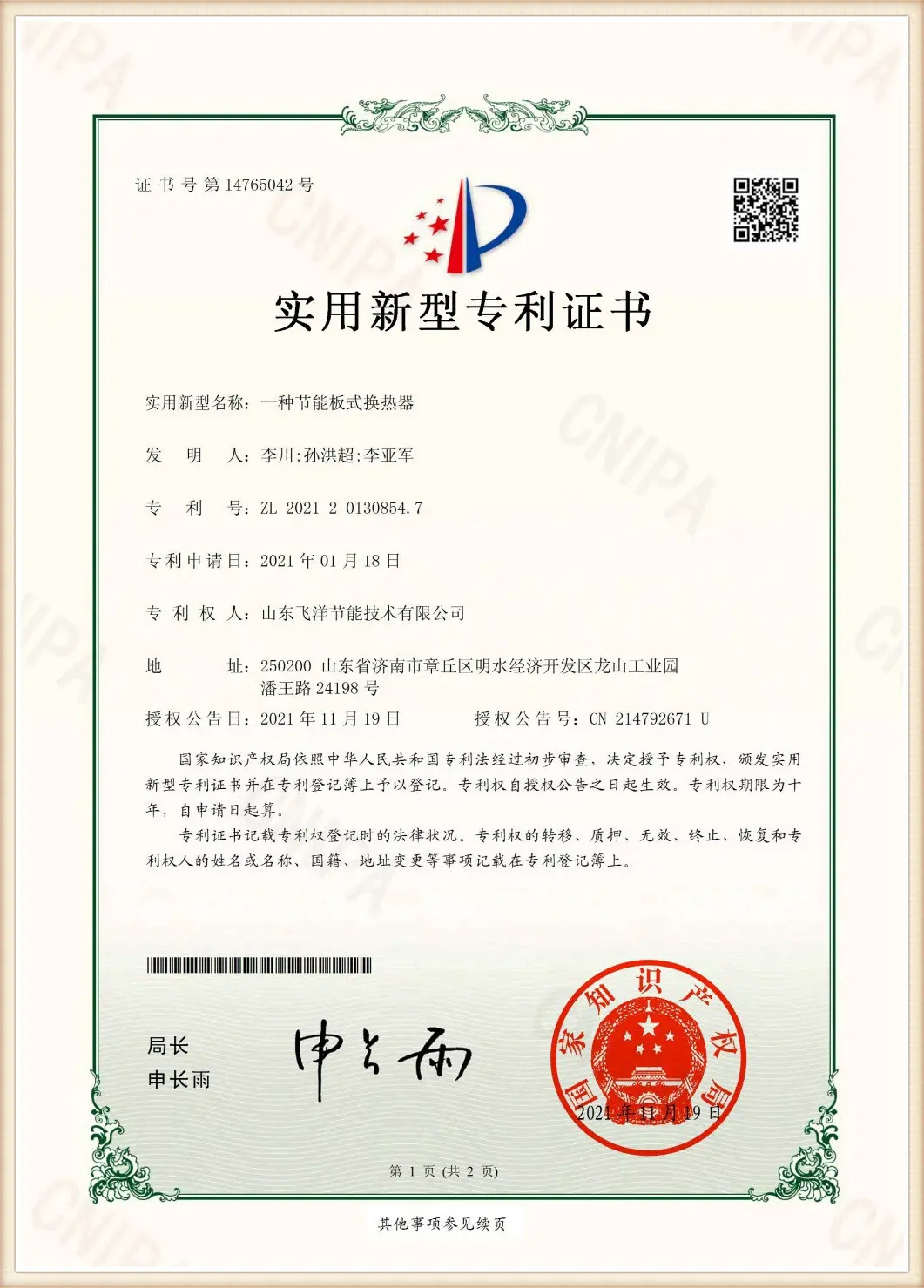
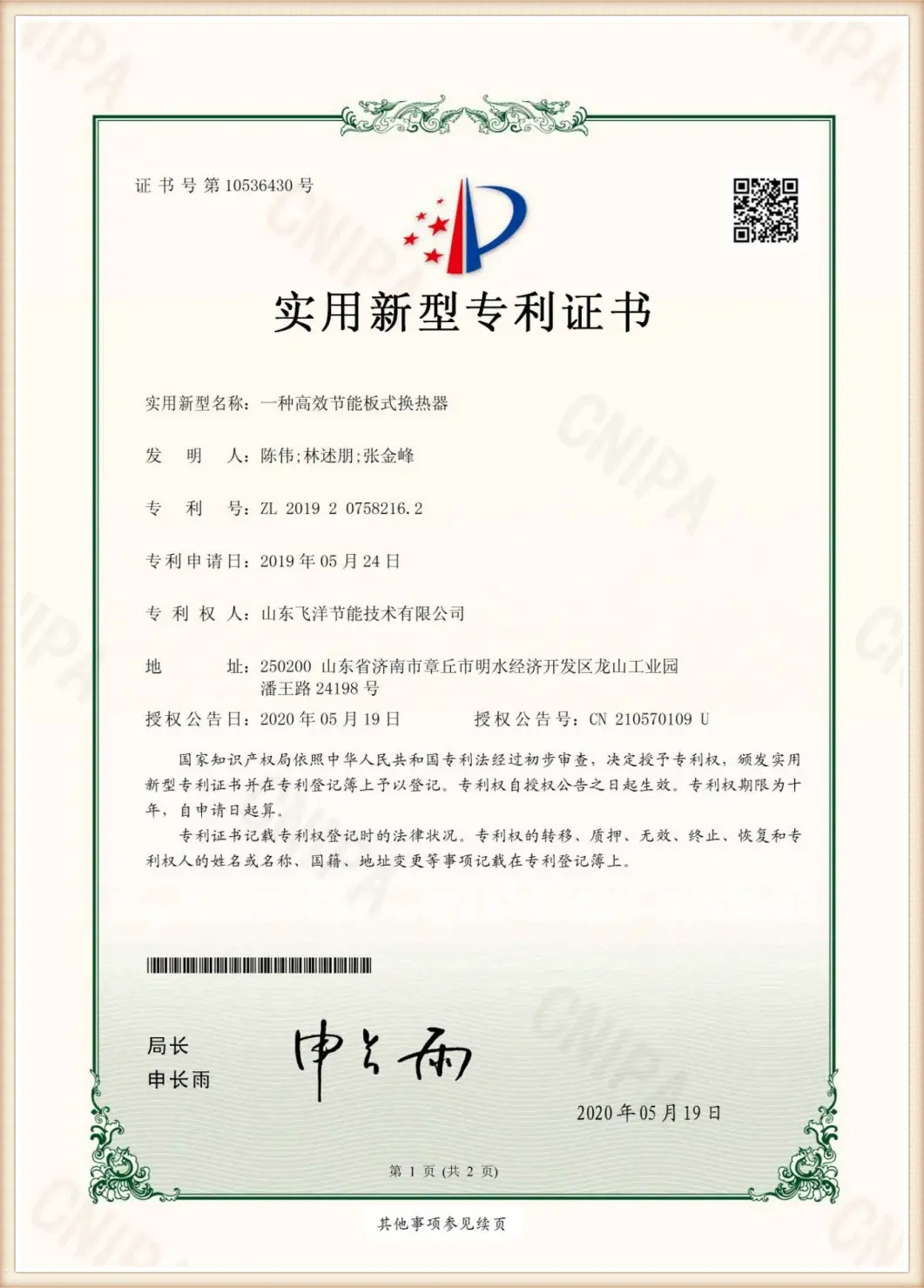
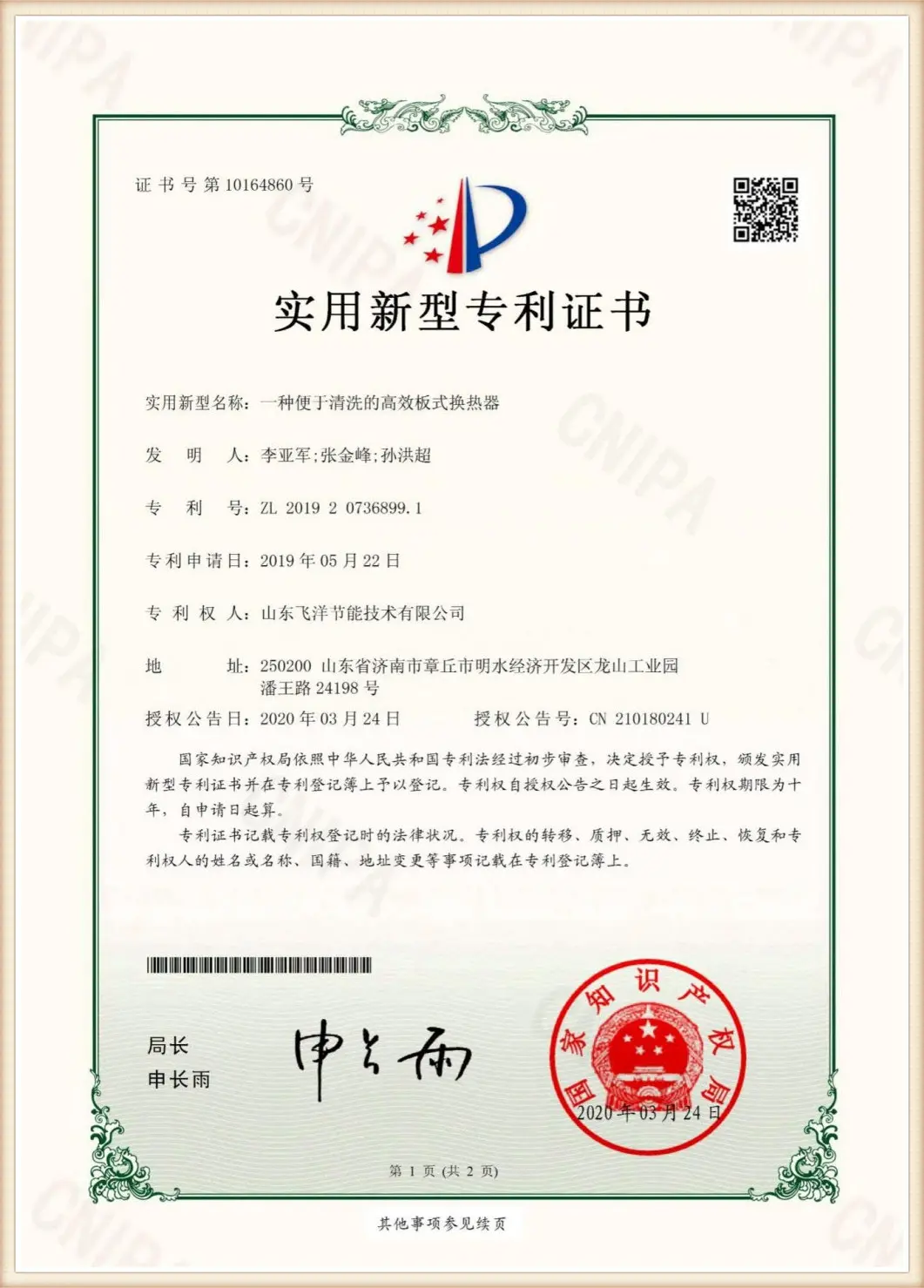
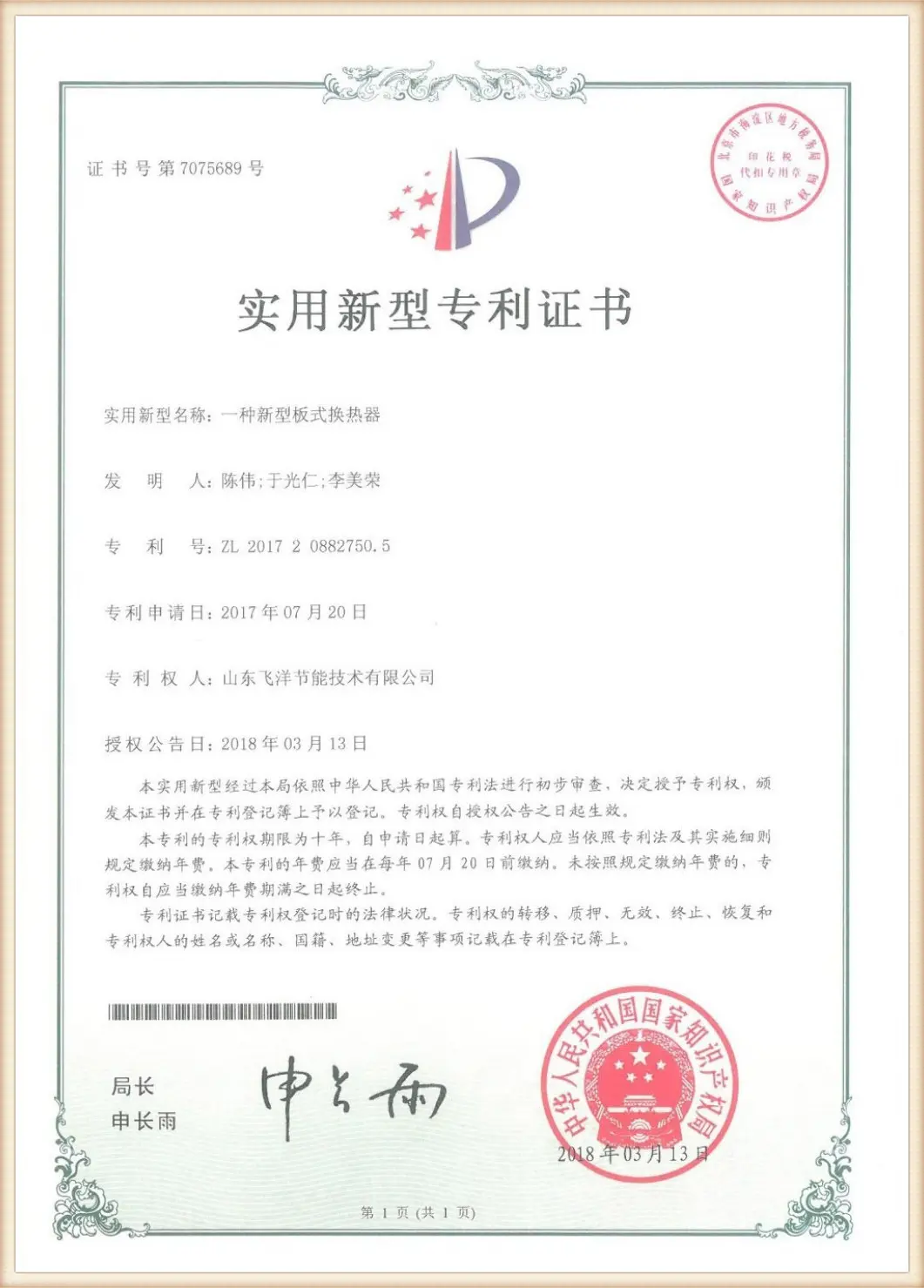
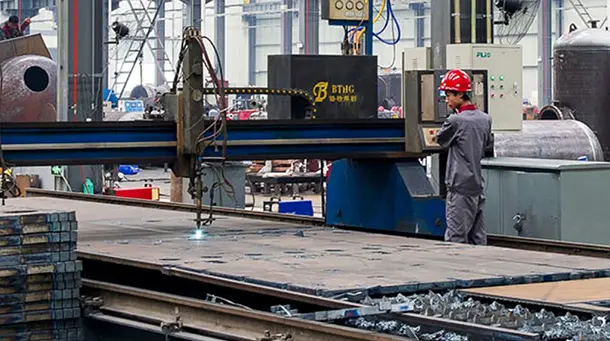
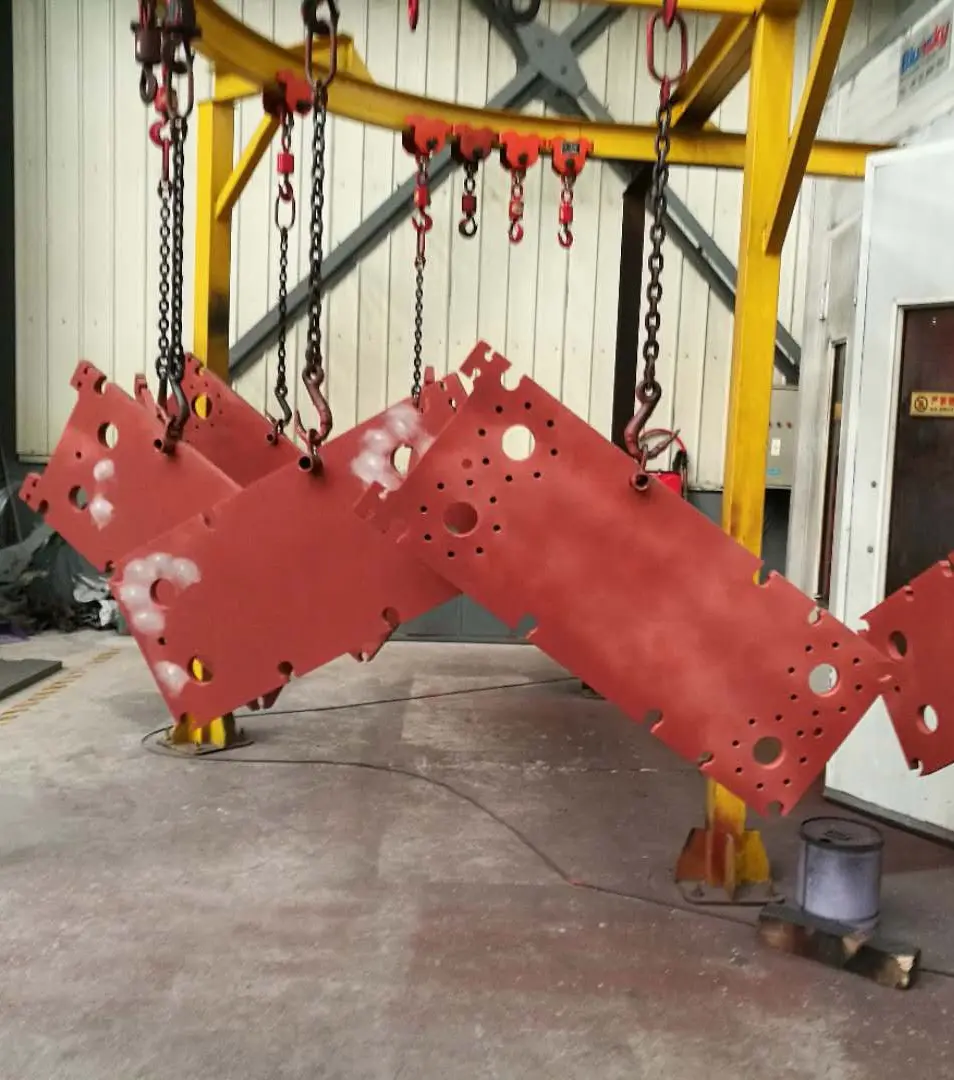
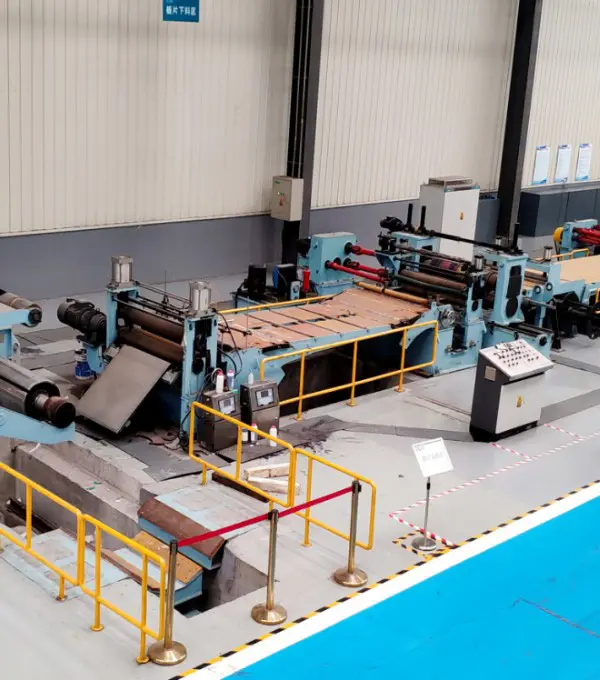
Adhering to the concepts of "quality first" and "winning by quality", we enforce rigorous quality management across all stages of fabrication, stamping, assembly, and pressure testing.
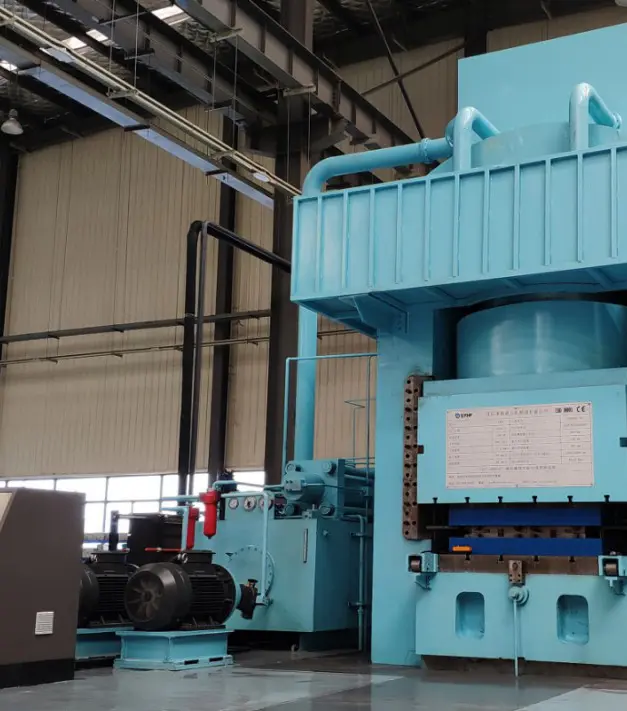
Centrifugal separation systems are deployed across various industries to manage process fluids, clean wastewater, recover valuable materials, and optimize thermal networks.
In municipal heating grids, plate heat exchangers isolate secondary building circuits from high-pressure primary networks. Incorporating centrifugal separators in these systems keeps the water circuit clear of suspended solids, pipe rust, and calcium carbonate scale. This prevents fouling on PHE surfaces, maintaining heat transfer efficiency and lowering pumping costs.
Clarification of fermentation broths and extraction of active substances require gentle handling and high G-forces. Sanitary-grade disc stack separators isolate biomass, bacterial cells, and proteins under airtight, sterilized conditions. Keeping temperatures stable during processing protects sensitive biological agents from denaturing.
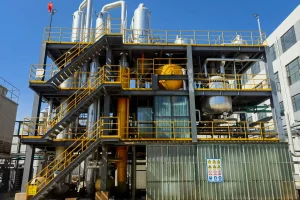
Processing aggressive chemical streams requires corrosion-resistant equipment. Modern separators utilize duplex stainless steel or titanium components. By pairing centrifugal separators with membrane concentration lines, industrial plants can reclaim process water, separate oily contaminants, and concentrate hazardous sludge, working toward zero liquid discharge (ZLD).
Driven by stricter environmental regulations and energy-saving mandates, separation technology is evolving toward automation, smart diagnostic systems, and integrated thermal processing.
The global demand for high-efficiency centrifugal separators is rising due to strict environmental laws, water conservation efforts, and the expansion of biochemical processing. Key target sectors include Europe, North America, Southeast Asia, and the Middle East, with applications spanning mining tailing recovery, municipal wastewater management, and large district energy systems.
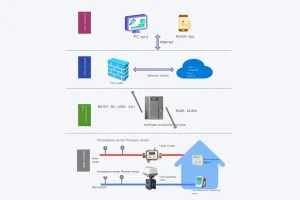
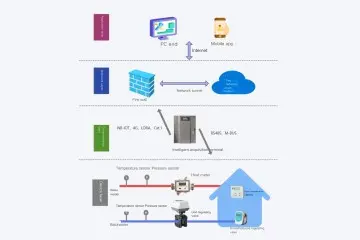
In modern industrial facilities, separators are rarely treated as standalone components. Instead, they are integrated into complex systems alongside primary heat exchangers, membrane filters, and intelligent balancing valves. Our technical roadmap focuses on three main developments:
By investing in these manufacturing practices and high-end materials, Flotte helps global processors improve separation efficiency, lower power requirements, and reduce operational overhead.
Technical answers to common questions about industrial centrifugal separation, pre-conditioning heat exchangers, and process optimization.
Temperature affects fluid separation by altering the fluid's dynamic viscosity. According to Stokes' Law, the settling velocity of particles in a centrifugal field is inversely proportional to the viscosity of the liquid. Raising the fluid's temperature lowers its viscosity, allowing solid particles or immiscible liquid droplets to travel through the continuous phase with less resistance. This increases separator throughput, yields drier cake output, and reduces energy consumption by the rotor drive.
The choice between these systems depends on the feed's solids volume fraction and the size of the particles. Disc stack separators are best for liquid-liquid-solid separation of feeds with low solids content (typically under 10% by volume) and fine particles. They use nested conical discs to maximize settling area in a compact footprint. Decanter centrifuges are horizontal machines designed for continuous, high-solids feeds (up to 50% by volume). They use an internal conveyor screw to continuously discharge separated solids, making them ideal for dewatering sludges and thick slurries.
In many processing lines, plate heat exchangers are installed upstream of the centrifugal separator to preheat the incoming feed. They can also be configured to recover heat from the clean effluent stream, transferring that energy back to the incoming feed. This setup reduces the thermal energy required for the preheating stage, helping lower the facility's overall carbon footprint and operating costs.
Centrifuge bowls are subjected to high rotational stresses and potential chemical attack. For corrosive or abrasive environments, components are typically constructed from high-tensile stainless steel alloys, such as duplex stainless steel (e.g., 1.4462 / SAF 2205) or super duplex alloys. For highly acidic or chloride-rich applications, titanium components or specialized tungsten carbide coatings are applied to areas prone to high wear, helping prevent stress corrosion cracking and mechanical failure.
Industrial buyers should look for manufacturers with ISO9001 (Quality Management), ISO14001 (Environmental Management), and ISO45001 (Occupational Health & Safety) certifications. For pressure-retaining components and high-speed rotors, verify that the supplier holds registrations from organizations like the National Boiler and Pressure Vessel Standardization Technical Committee, and complies with international standards such as ASME Section VIII or the EU Pressure Equipment Directive (PED).
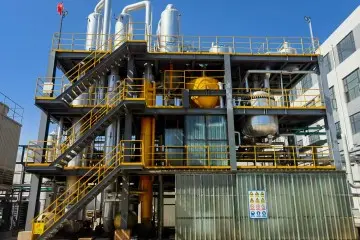
Complete your plant configuration with our hydraulic balancing valves, custom thermal packages, membrane concentration loops, and evaporation systems.
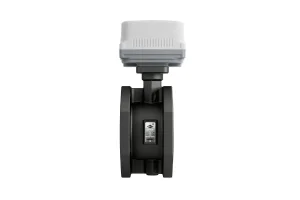
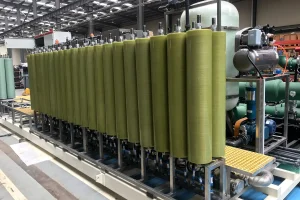
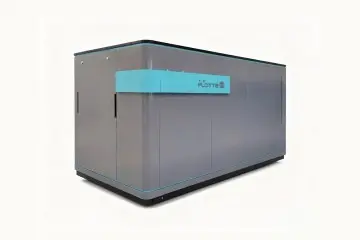
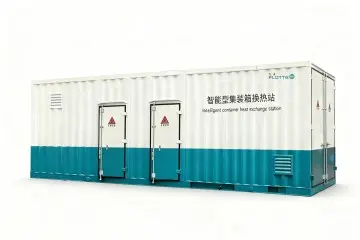
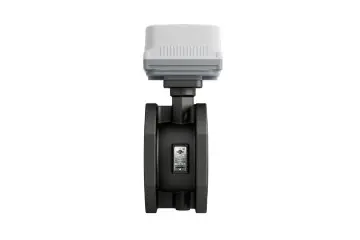
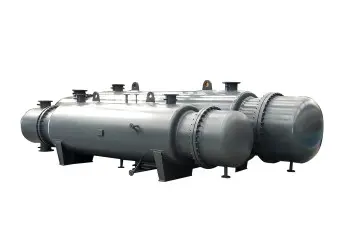
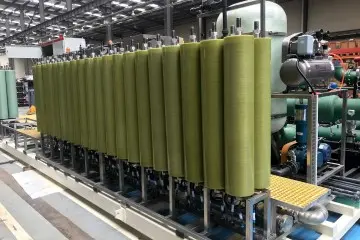
Referenced original equipment models and structural variants manufactured under Flotte quality assurance controls.
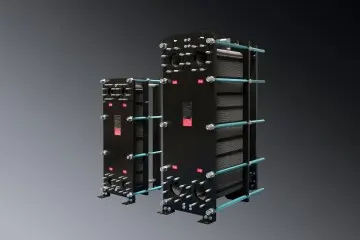

 Flotte Energy