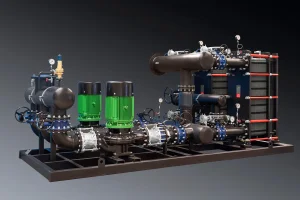
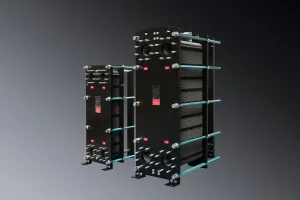
High-efficiency heat exchangers and precision control valves engineered for industrial and data center applications.
As deep learning, high-performance computing (HPC), and artificial intelligence models scale exponentially, the thermal footprint of modern data centers has emerged as the defining barrier to operational scalability. Globally, data centers account for roughly 1% to 1.5% of worldwide electricity consumption, with cooling infrastructure consuming up to 35-40% of that total energy budget.
Traditional air-cooling methodologies are hitting physical boundaries. Modern servers operating with chipsets exceeding 350W Thermal Design Power (TDP) (and upcoming units approaching 1000W) cannot be effectively cooled using air flow alone without running into catastrophic fan-power overheads and excessive cabinet volume constraints. This physical limitation has propelled a swift global migration toward liquid cooling topologies, including Direct-to-Chip (DLC) cold plate systems and Single/Two-Phase Immersion cooling. Engineers around the world rely on standardized technical data center cooling system design PDFs to map out heat load calculations, flow rates, pressure drops, and system loop separation topologies.
Governments across North America, Europe, and the Asia-Pacific region are implementing aggressive Power Usage Effectiveness (PUE) caps. In China, under the national "East-to-West Computing" (Dongshu Xisu) project, new regional mega-data centers are strictly mandated to achieve PUE values below 1.25, and in some areas, below 1.15. This leaves cooling system designers with virtually no safety margin, necessitating advanced heat exchanger selections, high-precision hydraulic balance valves, and direct thermodynamic isolation strategies.
A comprehensive overview of typical system layouts, thermodynamics calculations, and primary-secondary loop designs featured in top-tier engineering PDFs.
Modern layouts isolate the external cooling tower loop from the internal clean loop using ultra-high efficiency detachable plate heat exchangers. High plate corrugation density ensures maximum heat transfer coefficient ($U$) with minimal approach temperature ($\Delta T \le 1.0^{\circ}\text{C}$).
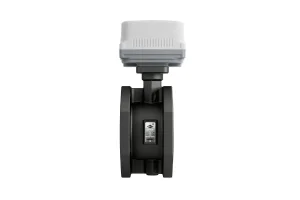
Proper hydraulic distribution across thousands of server racks is vital. By leveraging intelligent balance valves with high-precision pressure sensors, dynamic balancing systems prevent localized hot spots, stabilizing fluid velocity and mitigating dry-run risks.
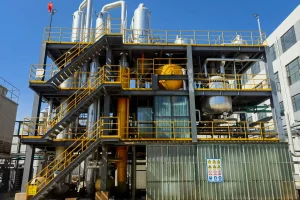
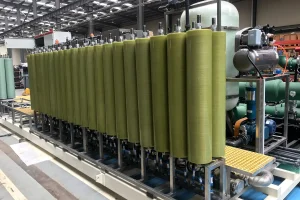
Evaporative cooling towers demand vast quantities of makeup water. Integrating reverse osmosis and membrane concentration systems allows operators to recycle blowdown water, decreasing wastewater volume and complying with strict environmental thresholds.
Decades of experience backing international critical cooling infrastructure
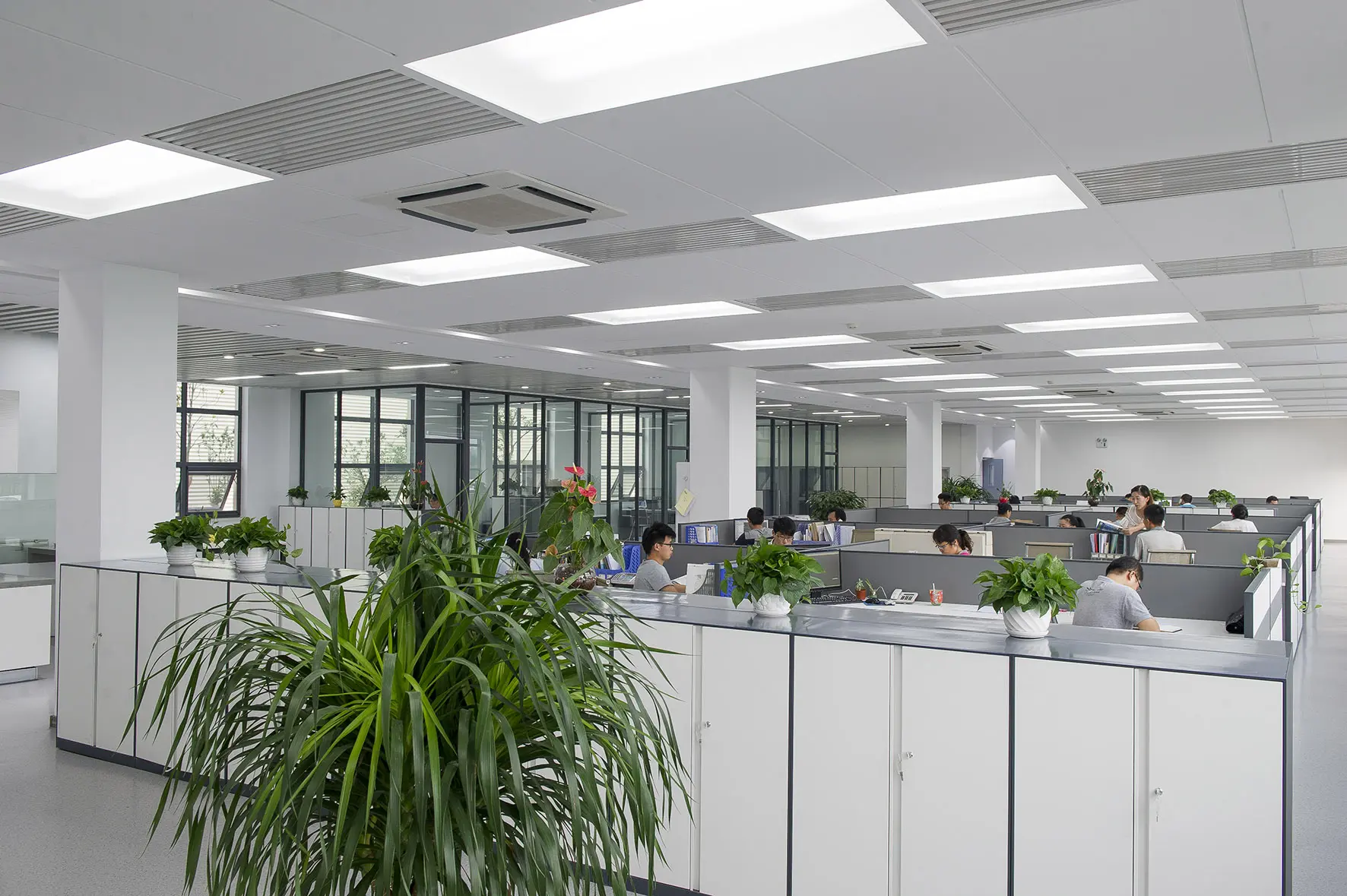
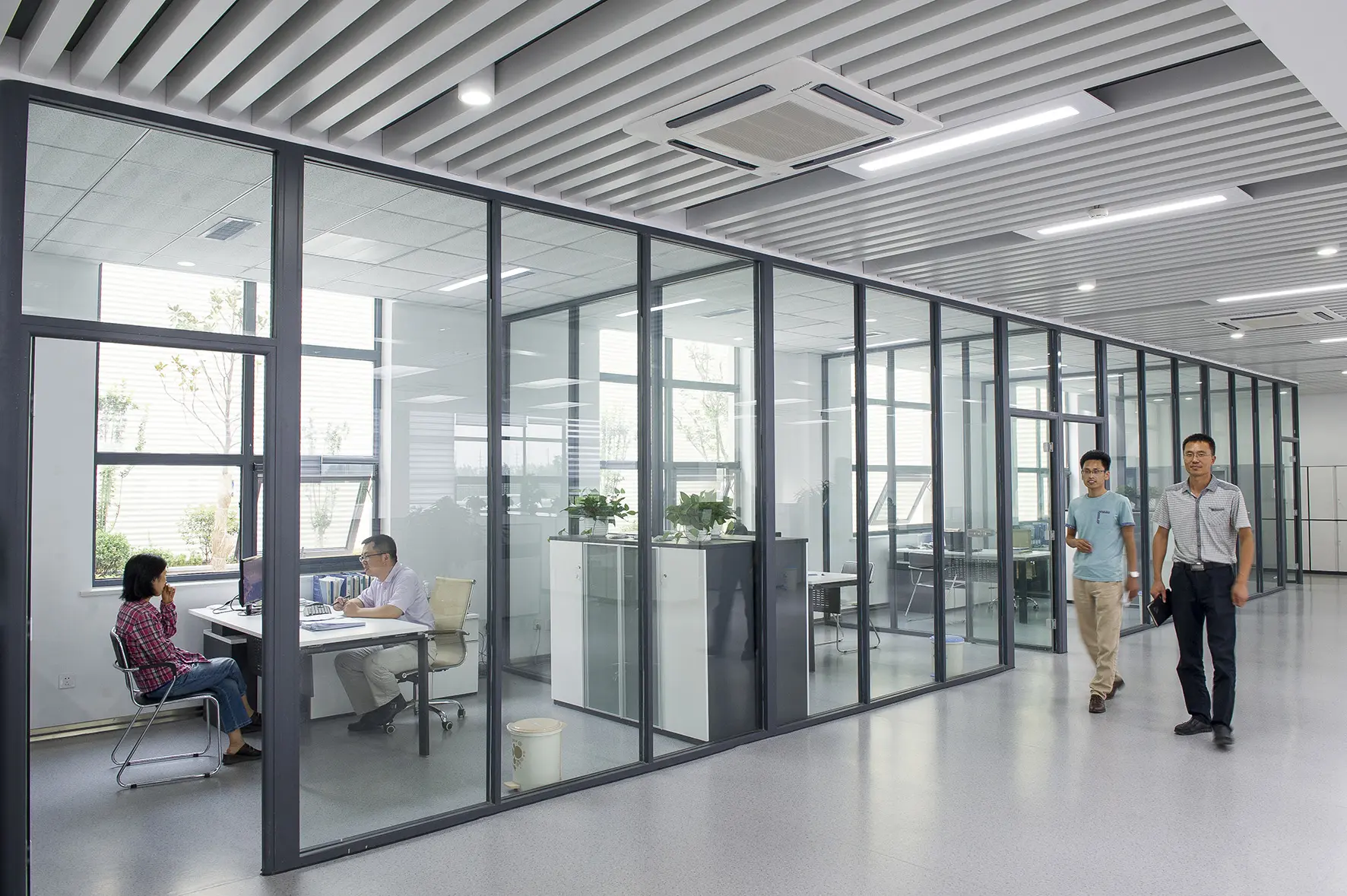
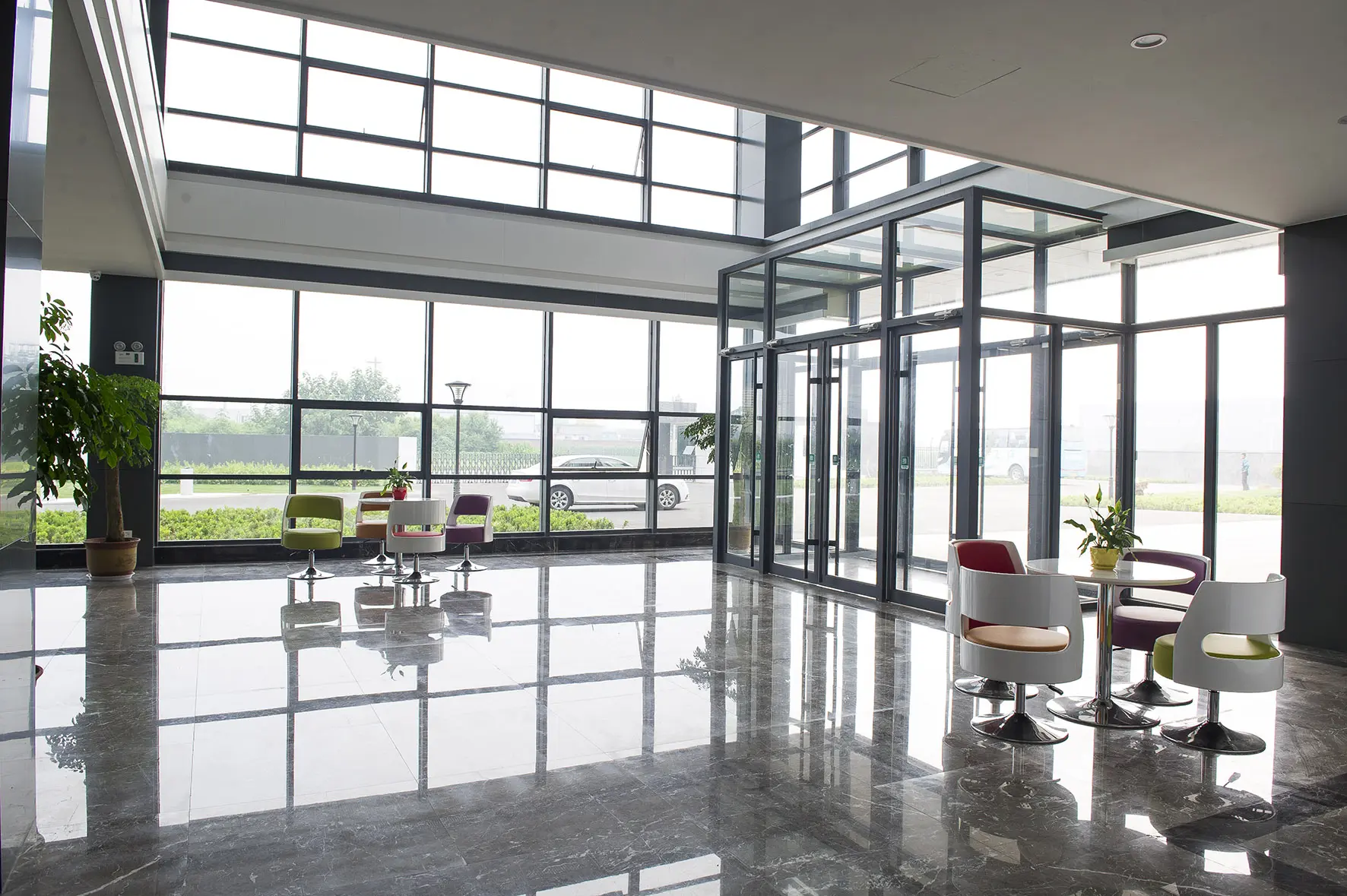
Flotte Energy Saving Company, established in 2013 with a registered capital of 101 million yuan, originated from Flotte Thermal Engineering founded in 1995. With three decades of technical expertise, the company specializes in water equipment, HVAC systems, and water treatment industries. It consistently leads industry peers in adopting cutting-edge technologies, developing innovative products, and delivering comprehensive production and sales services.
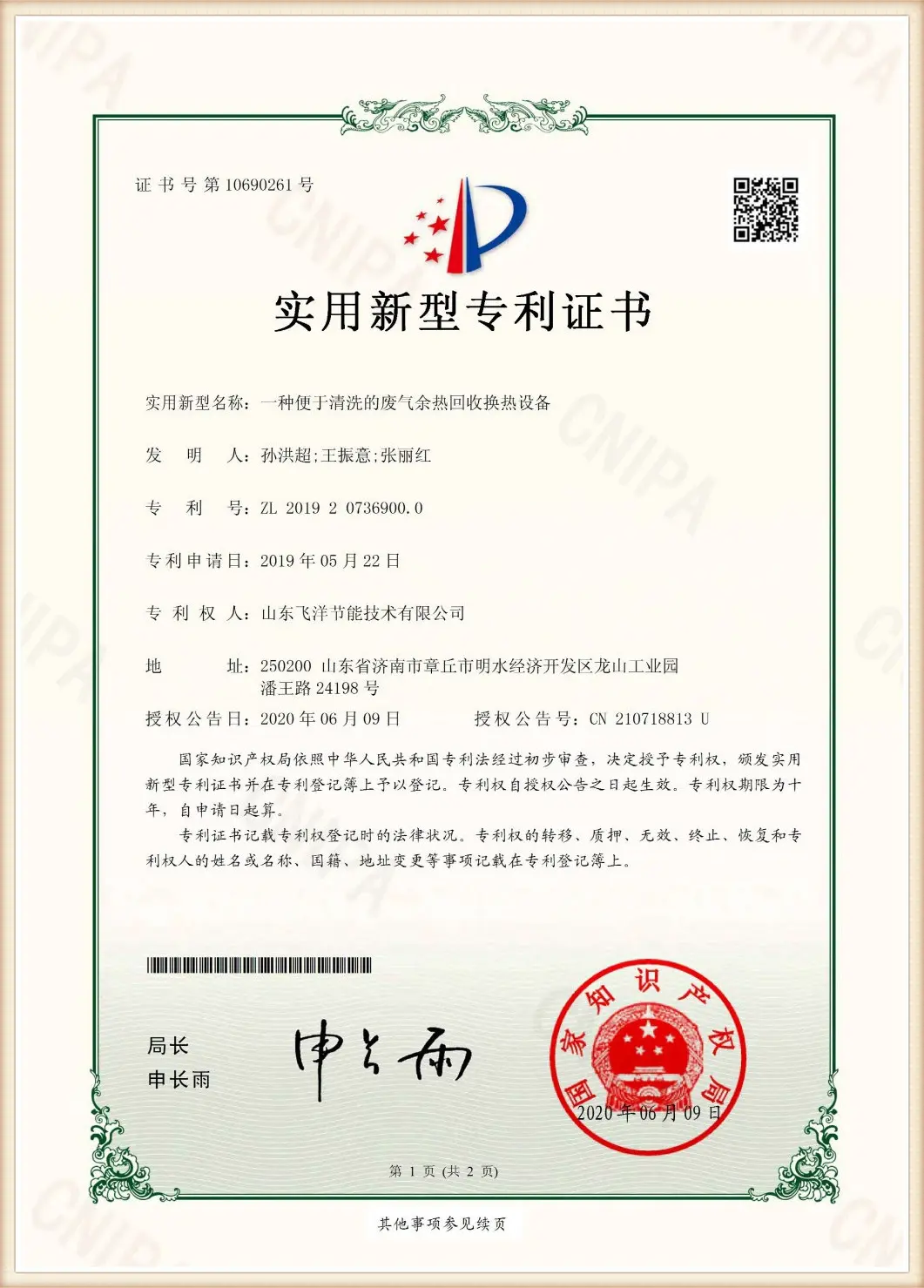
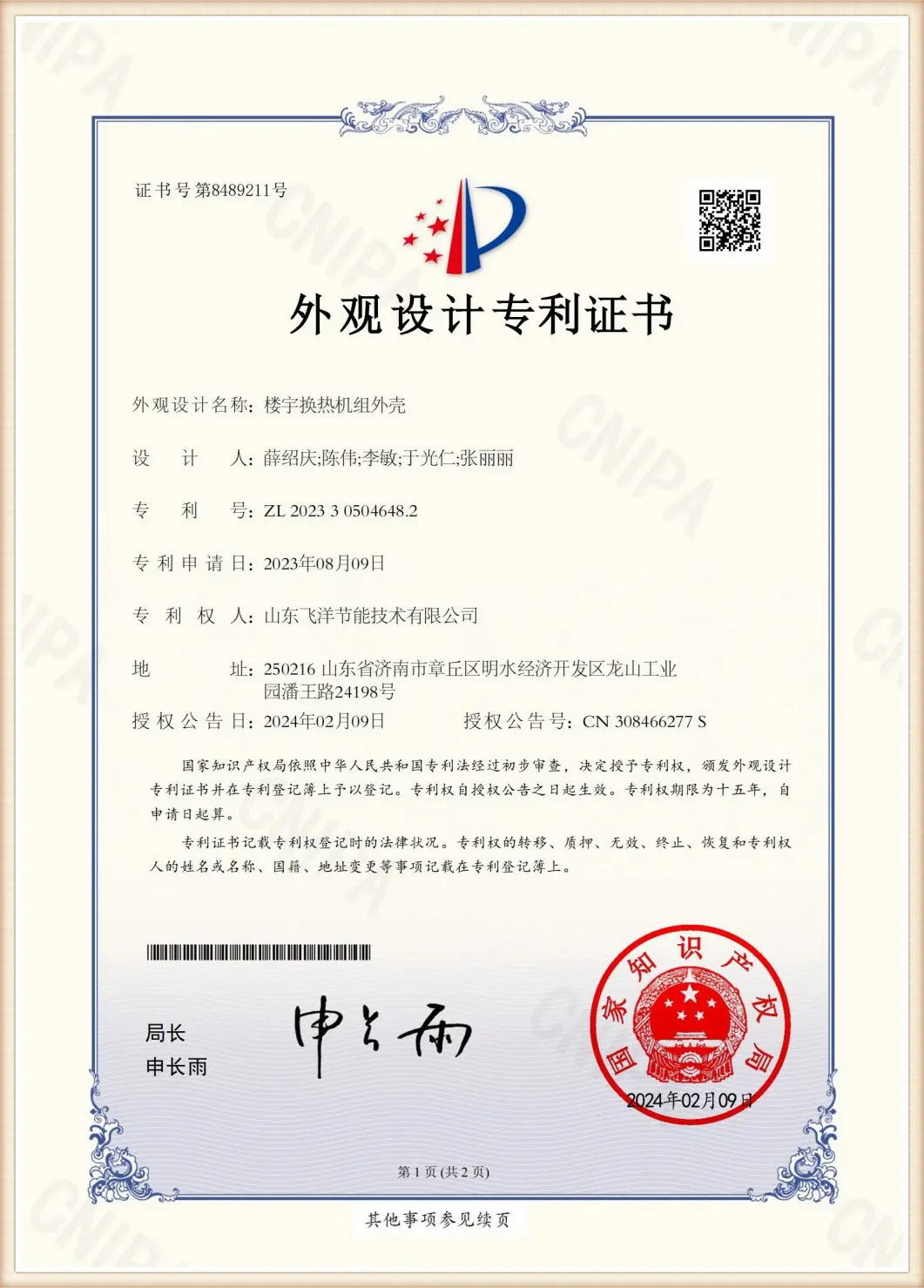
The company has been continuously advancing in production technology innovation, holding multiple patent certifications including "High-Efficiency Plate Heat Exchanger", "Intelligent Plate Heat Exchanger System", and "Plate Heat Exchanger Scale Removal Device". Its products have obtained mandatory national product certification and safety registration from the National Standardization Committee, along with the safety registration for plate heat exchangers issued by the National Boiler and Pressure Vessel Standardization Technical Committee. The company has also achieved ISO9001 Quality Management System certification, ISO14001 Environmental Management System certification, and ISO45001 Occupational Health and Safety Management System certification.
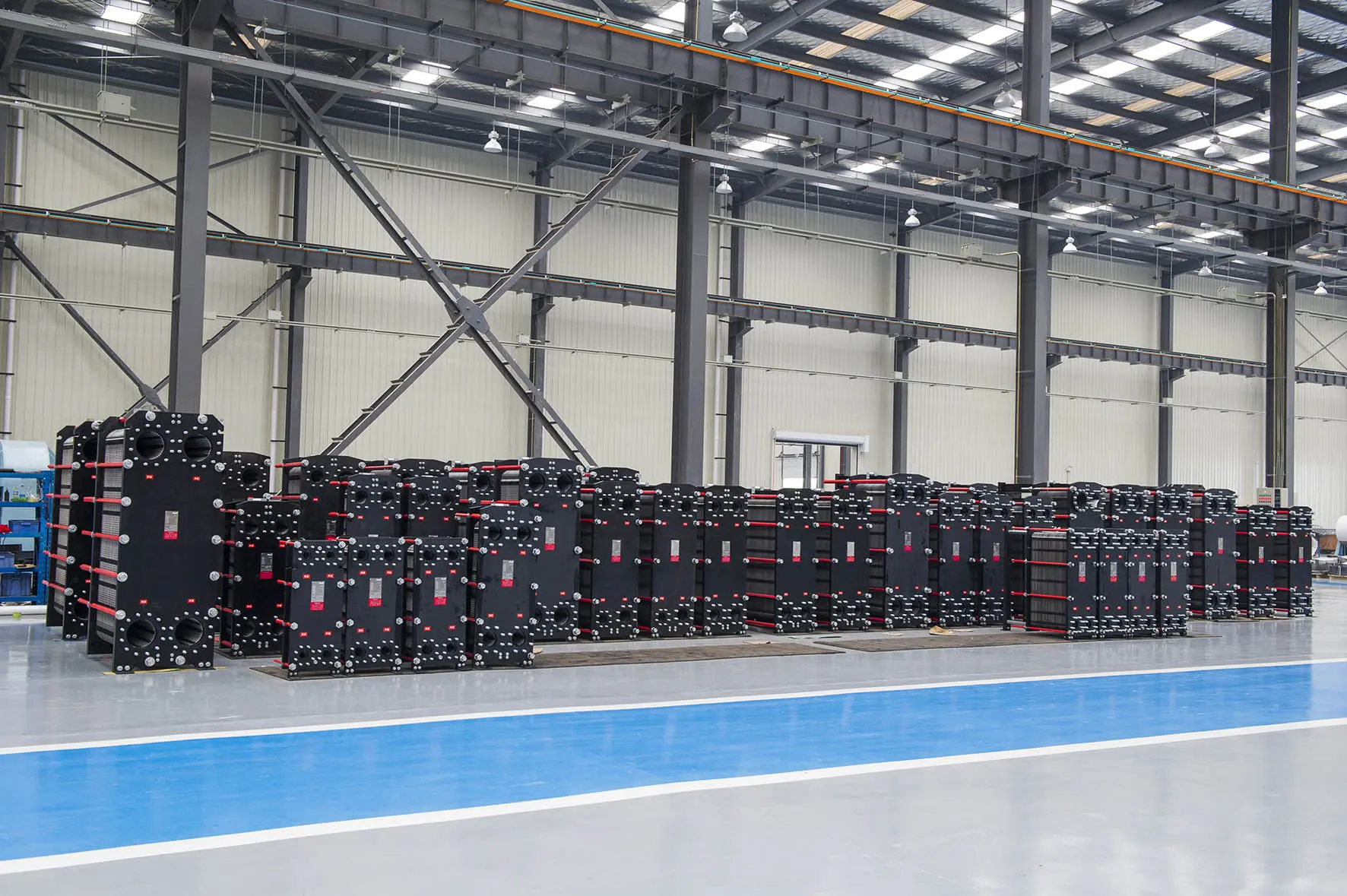
Understanding the physics behind heat exchanger selection is vital for writing any reliable data center cooling system design PDF. The thermal balance of a dry cooler or cooling tower loop mated to a water-chilled plate heat exchanger relies on the fundamental heat transfer equation:
Where:
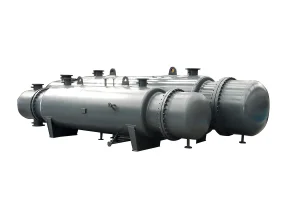
In high-density GPU cooling loops, designers aim for a very small "Approach Temperature" (the temperature difference between the cold-side inlet and the hot-side outlet). Maintaining this approach temperature below 1.5°C requires plate heat exchangers with high turbulence plates (chevron angles optimized for turbulence without creating excessive pressure drops). Traditional shell and tube designs, while robust for high-pressure industrial wastewater applications, are often space-constrained and thermodynamically inefficient for low-approach-temperature data center cooling, leading to the dominance of detachable plate heat exchangers in modern design PDFs.
From initial design to final pressure validation, Flotte maintains strict manufacturing protocols to ensure absolute reliability in industrial settings.
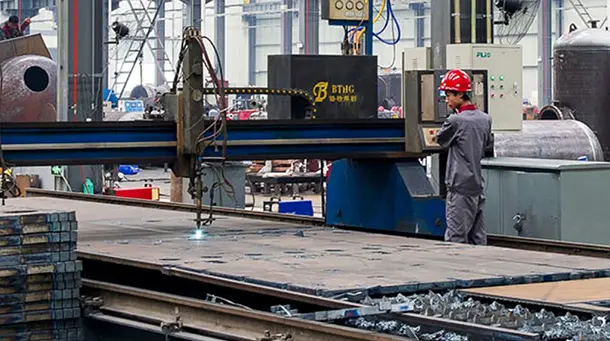
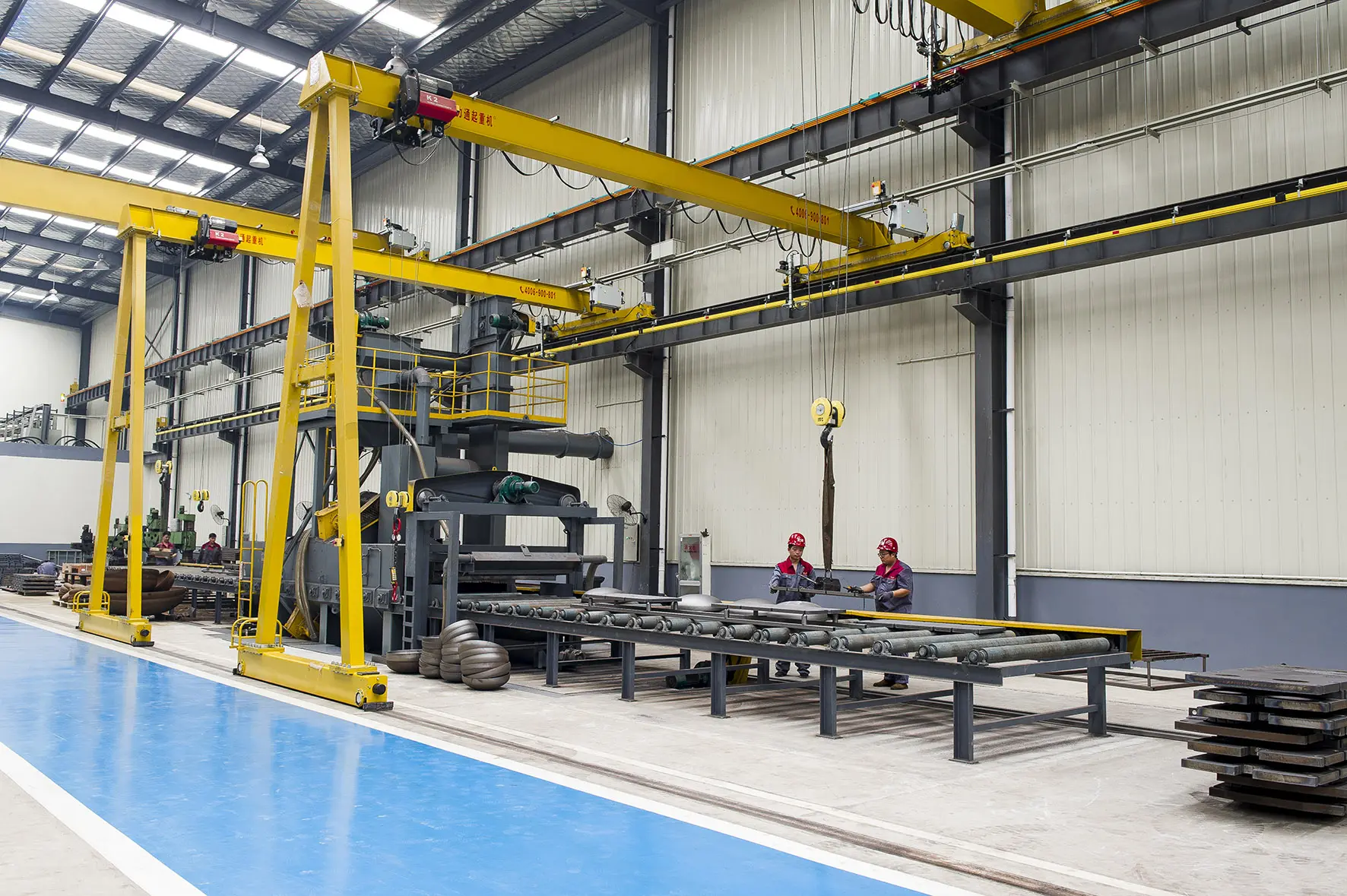
Heavy-duty steel plates are precisely cut using automated machinery to form the structural endplates of the heat exchangers.
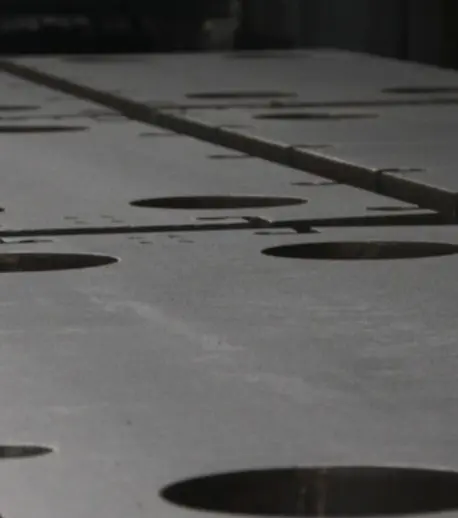
Applying localized thermal treatment and forging to establish high mechanical integrity at critical stress points.
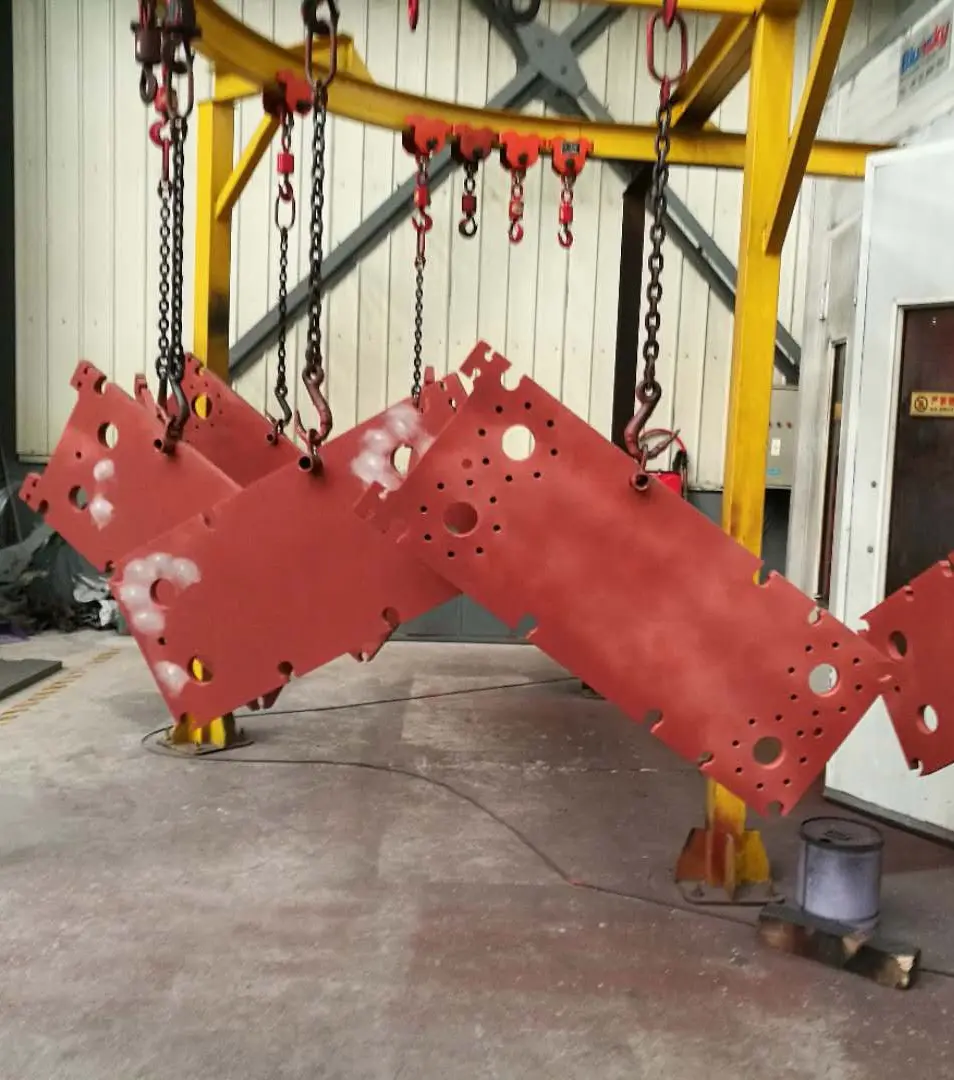
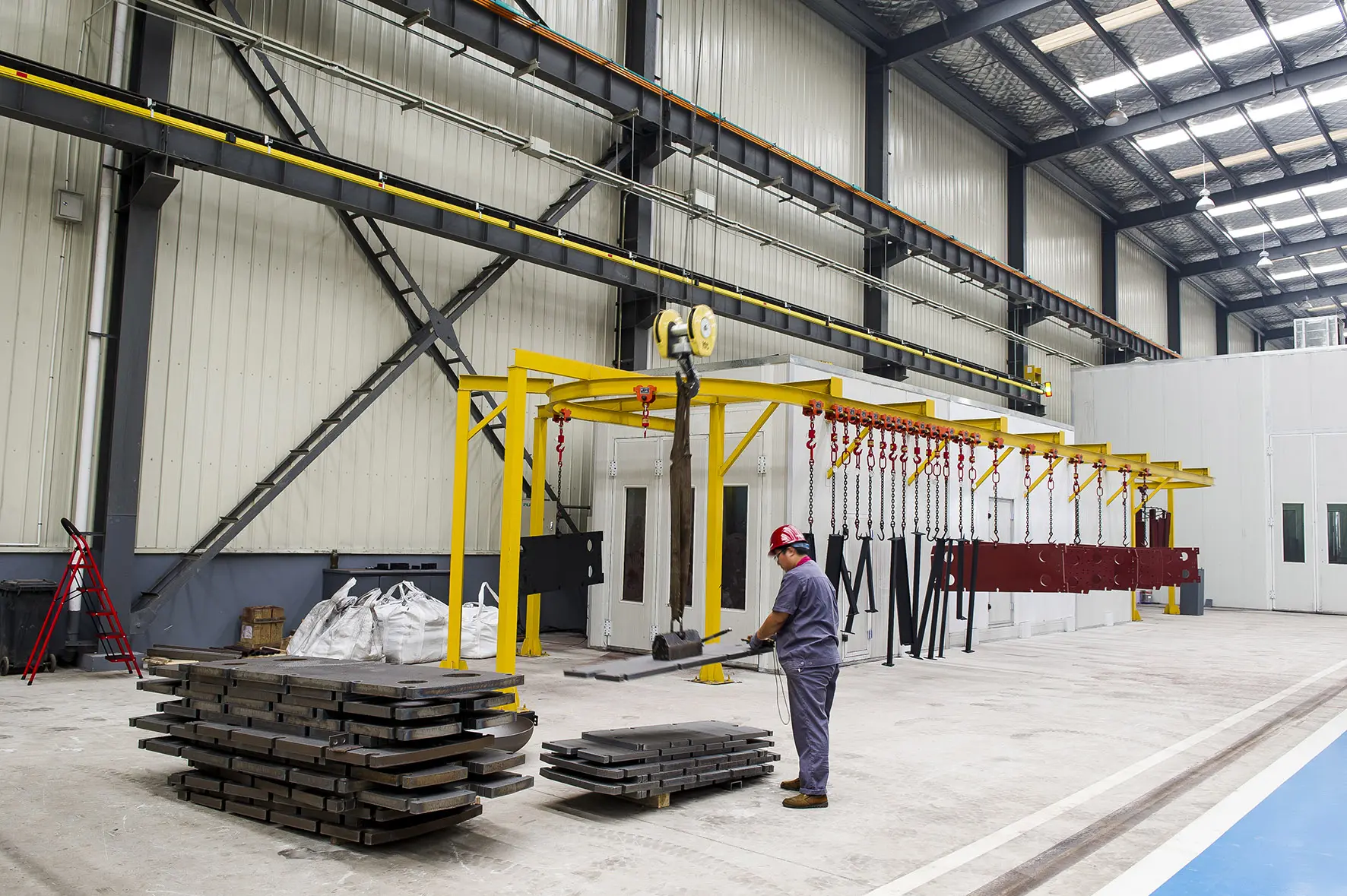
Multi-layer anti-corrosion protective coatings are applied to ensure longevity in humid or coastal operating environments.
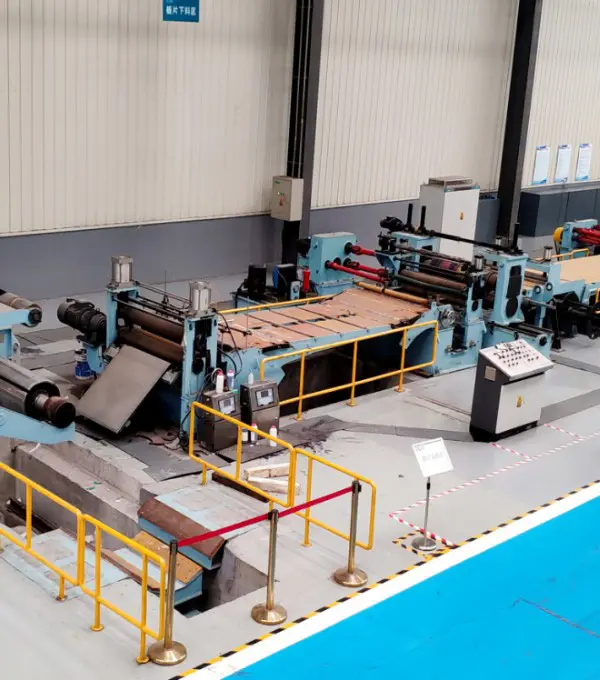
Corrugated plates are cut from raw coils and laser-coded for material trace-ability across the supply chain.
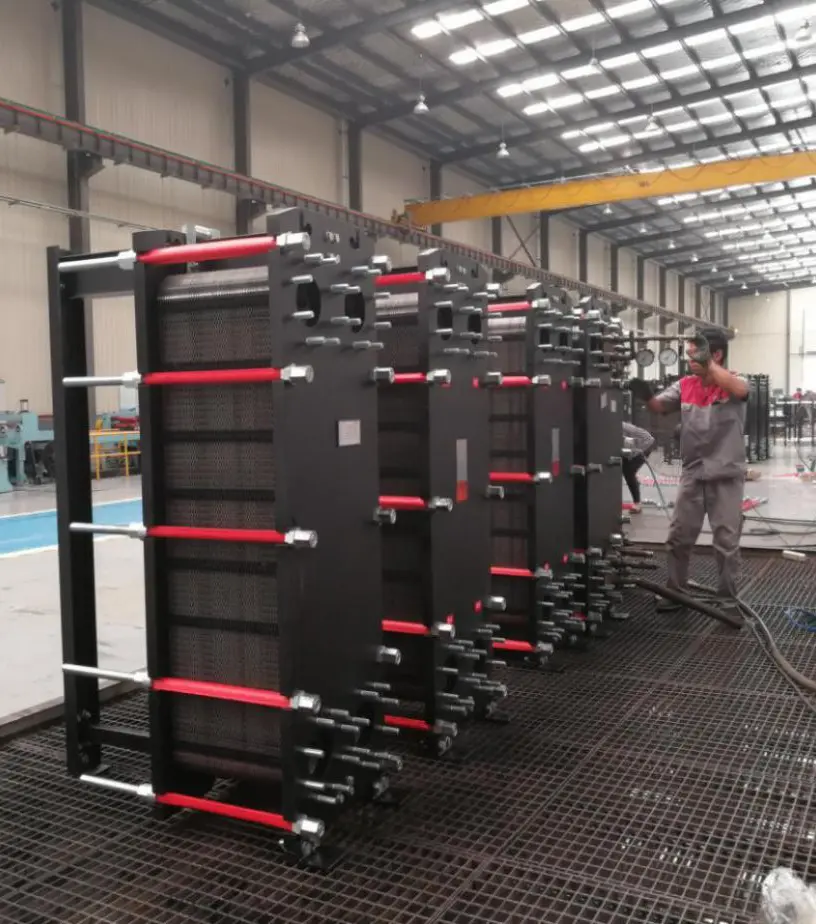
Every assembled heat exchanger undergoes rigorous pressure holding tests (up to 1.5x design pressure) to prevent leakages.
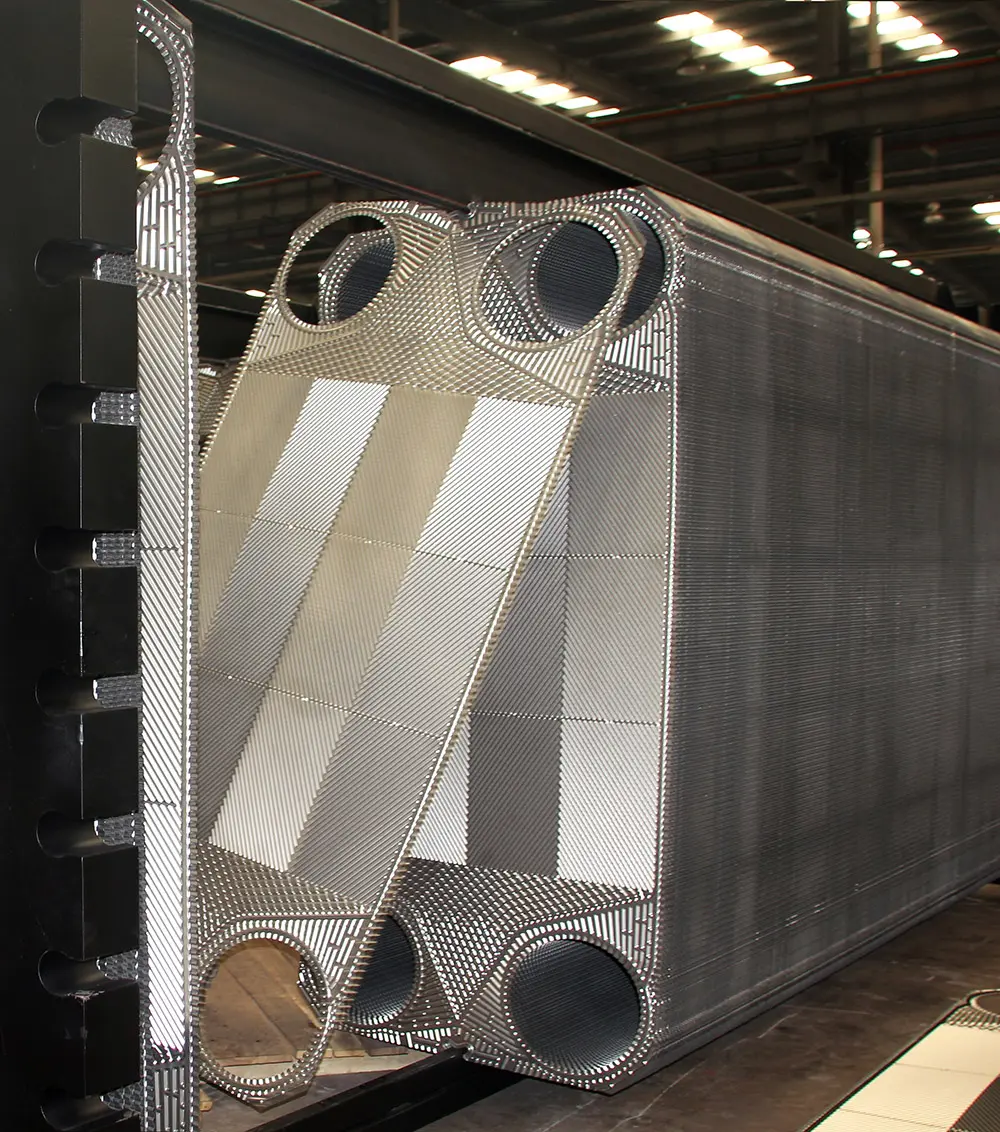
Skilled technicians mount the plate pack, alignment bars, and compression bolts to tight engineering clearances.
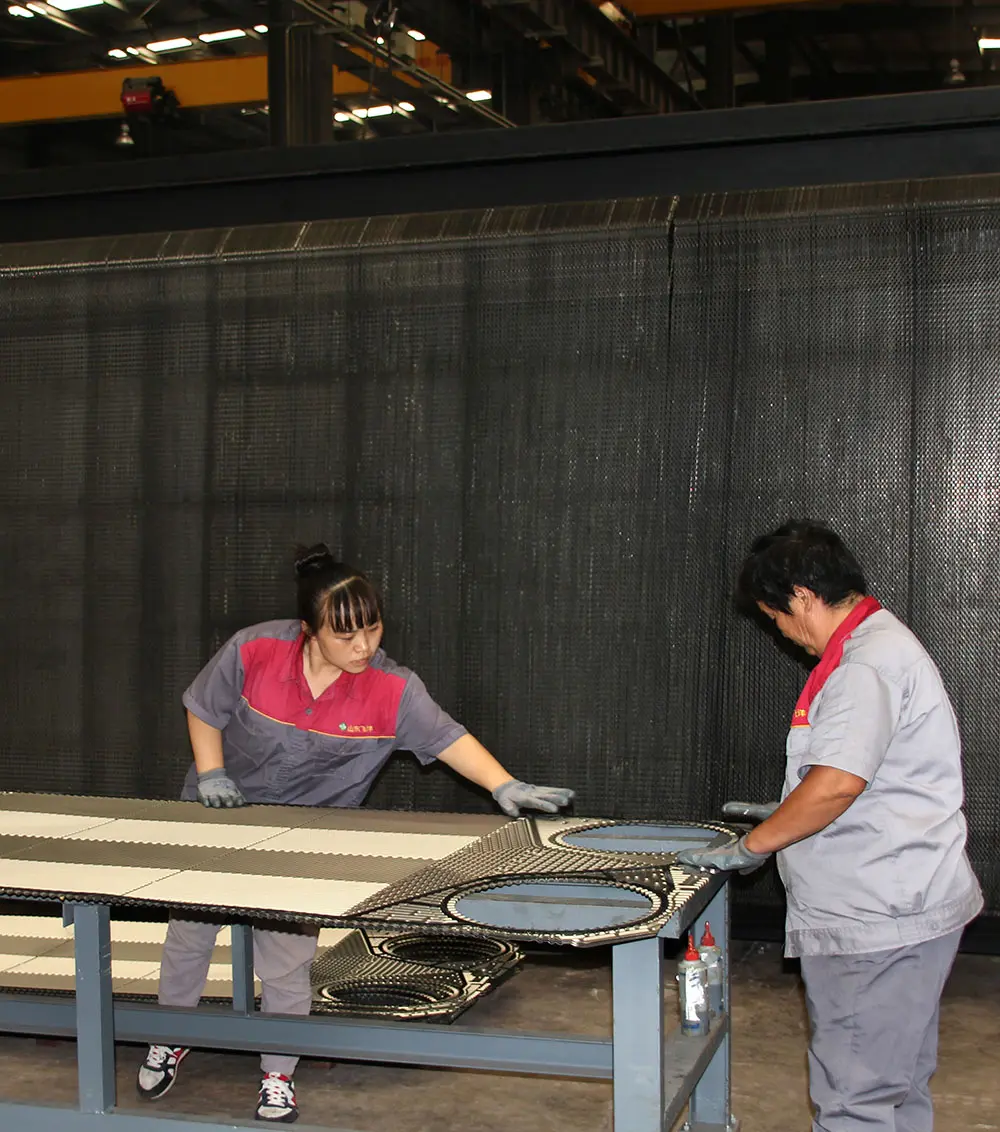
EPDM or NBR rubber gaskets are fitted to direct the fluid paths and guarantee isolation between cold and hot media.
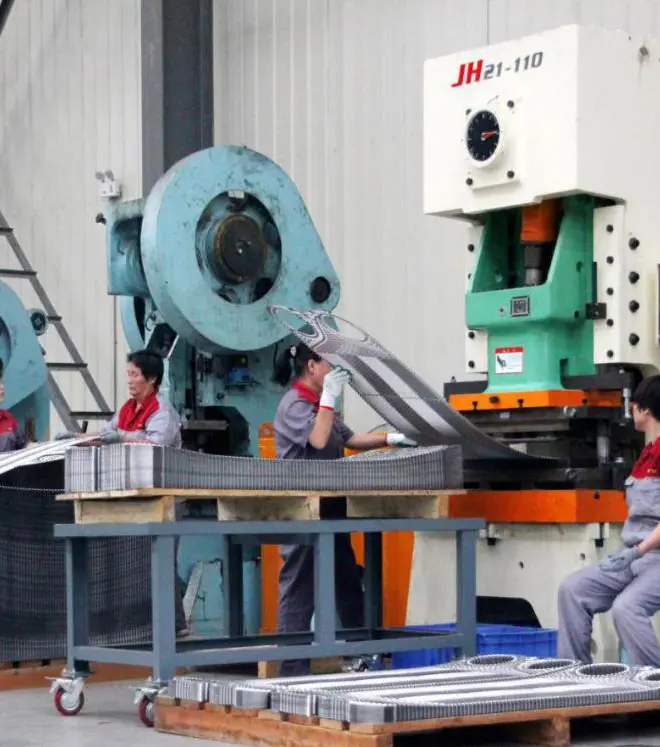
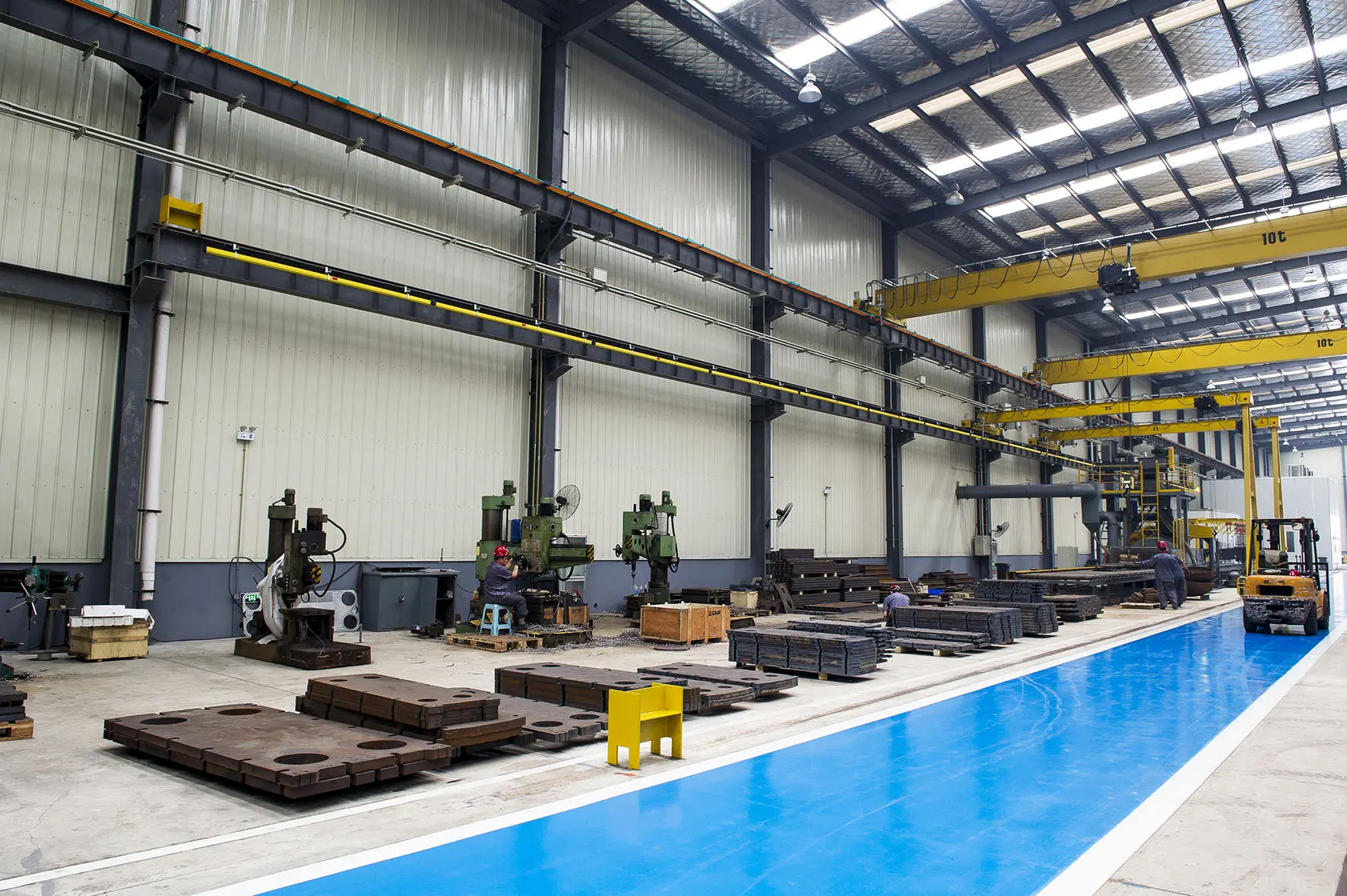
Holes for fluid inlets and outlets are stamped out using precision high-tonnage hydraulic presses.
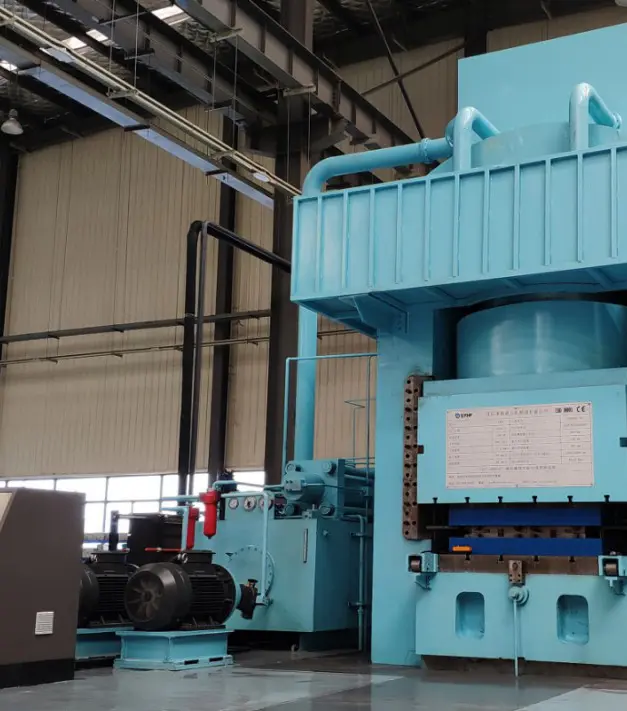
The core chevron patterns are cold-stamped onto thin stainless steel or titanium sheets to maximize turbulence.
A primary goal of modern data center thermal management is waste heat recovery. Rather than dumping megawatts of thermal energy into the atmosphere via evaporative coolers, data centers located near residential municipalities or industrial chemical complexes leverage plate heat exchangers to transfer low-grade waste heat (typically 35°C to 50°C) into municipal district heating systems.
In centralized heating systems, plate heat exchangers act as the critical thermodynamic bridge. They allow municipal heat sources and localized loop return lines to exchange heat safely without physical cross-contamination of working fluids. This integration improves localized resource efficiency, lowers carbon taxes, and offsets seasonal energy expenditures. Flotte's plate heat exchangers are built from selected stainless steels and titanium, ensuring durability in complex urban piping networks.
Tested and certified to comply with national and international quality management and pressure vessel safety norms.

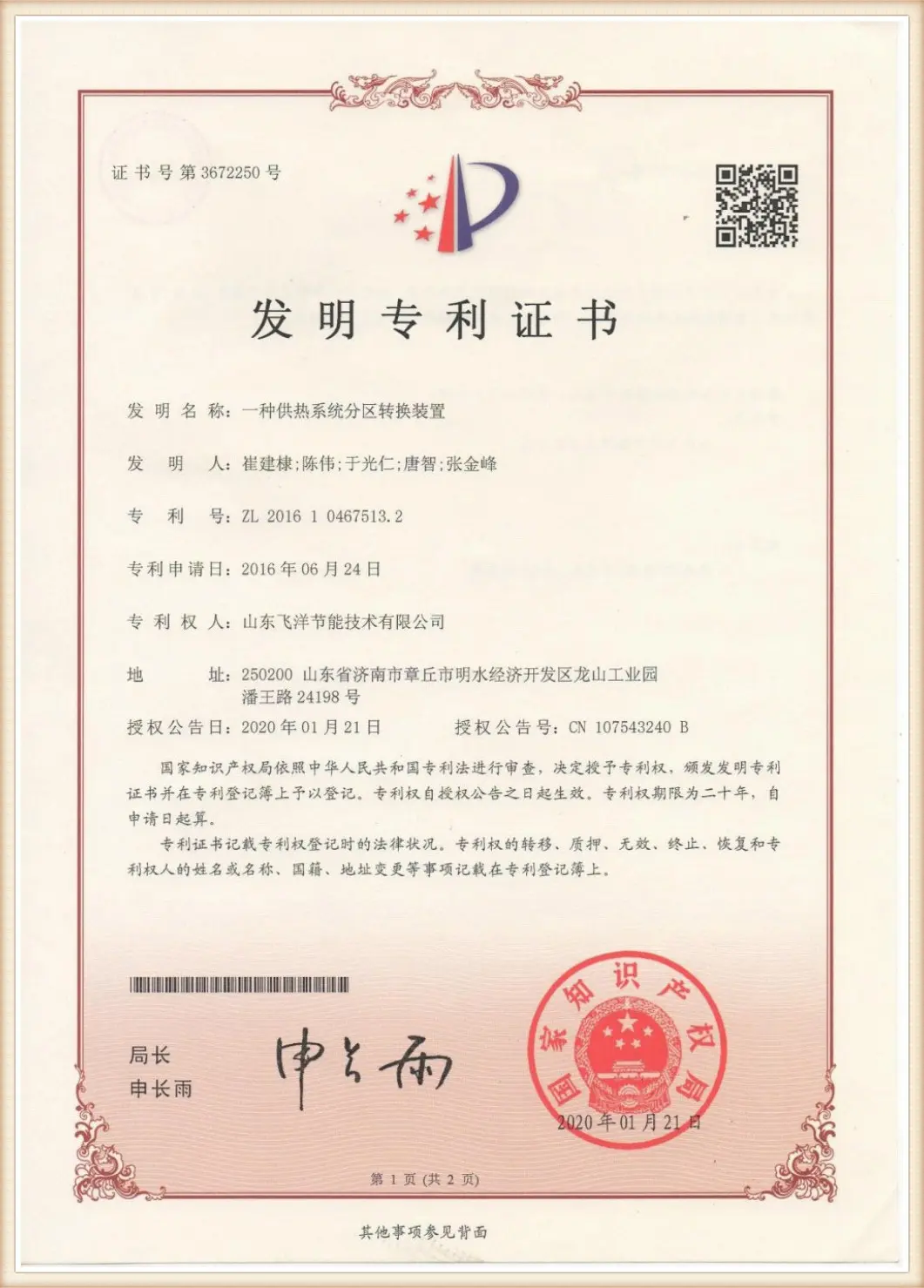
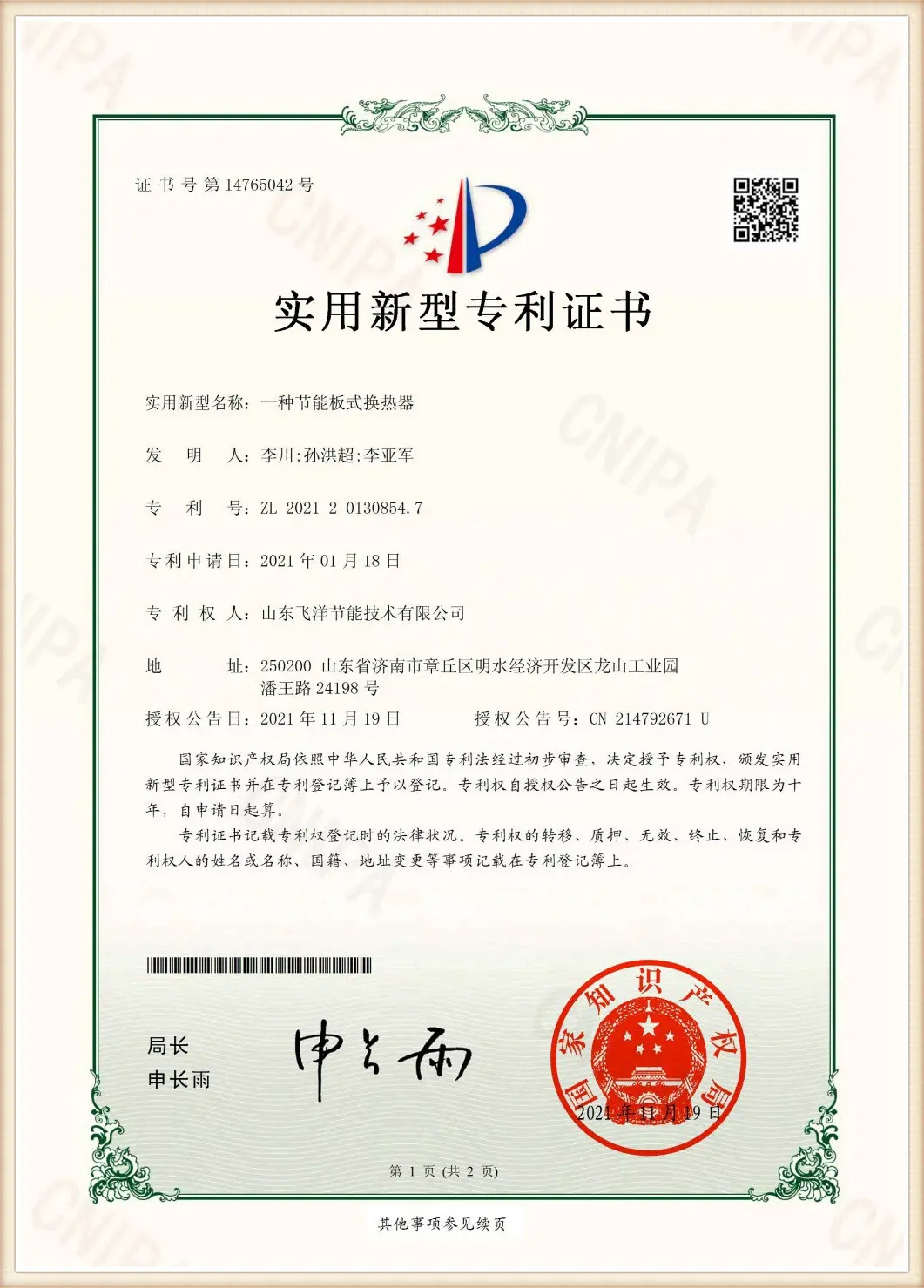

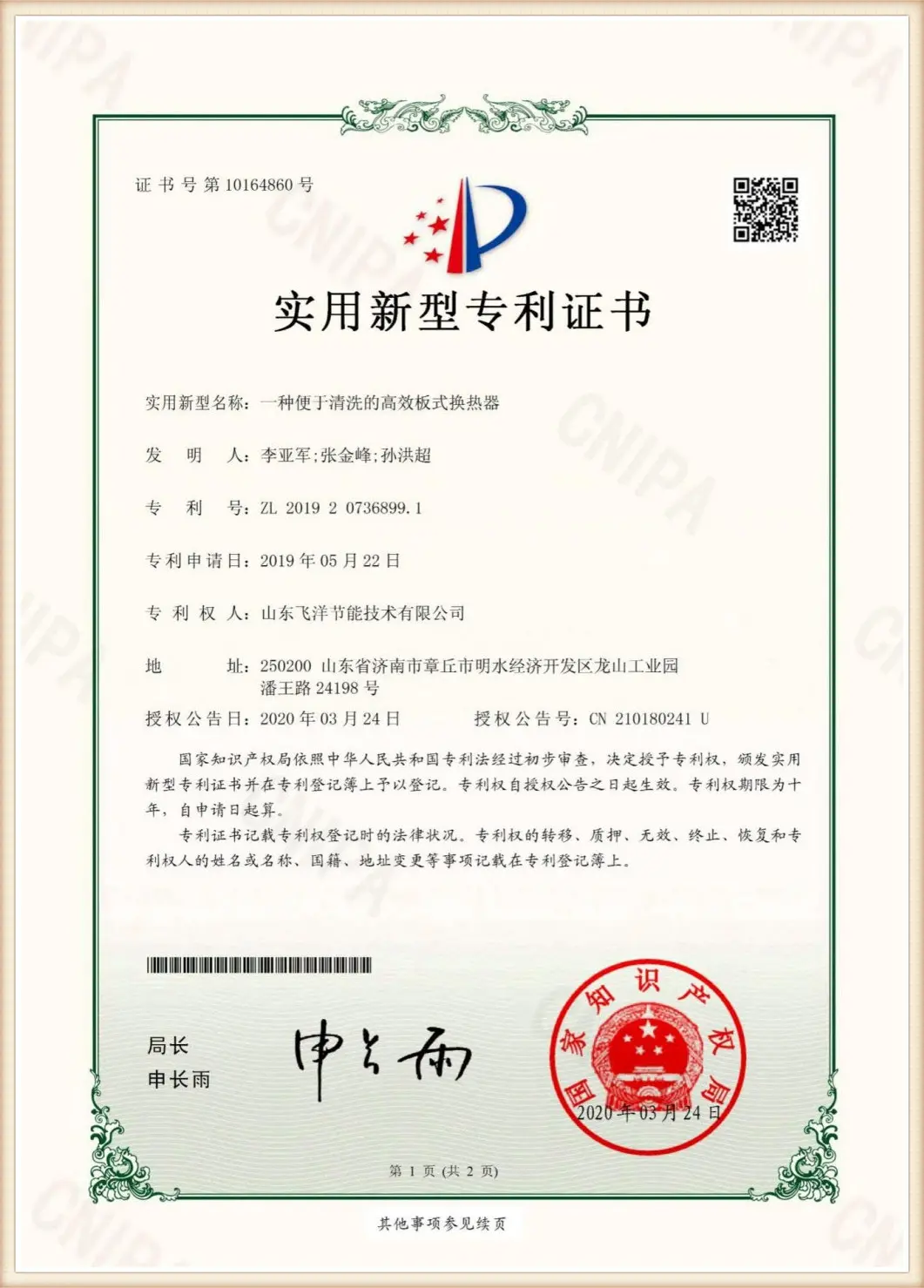
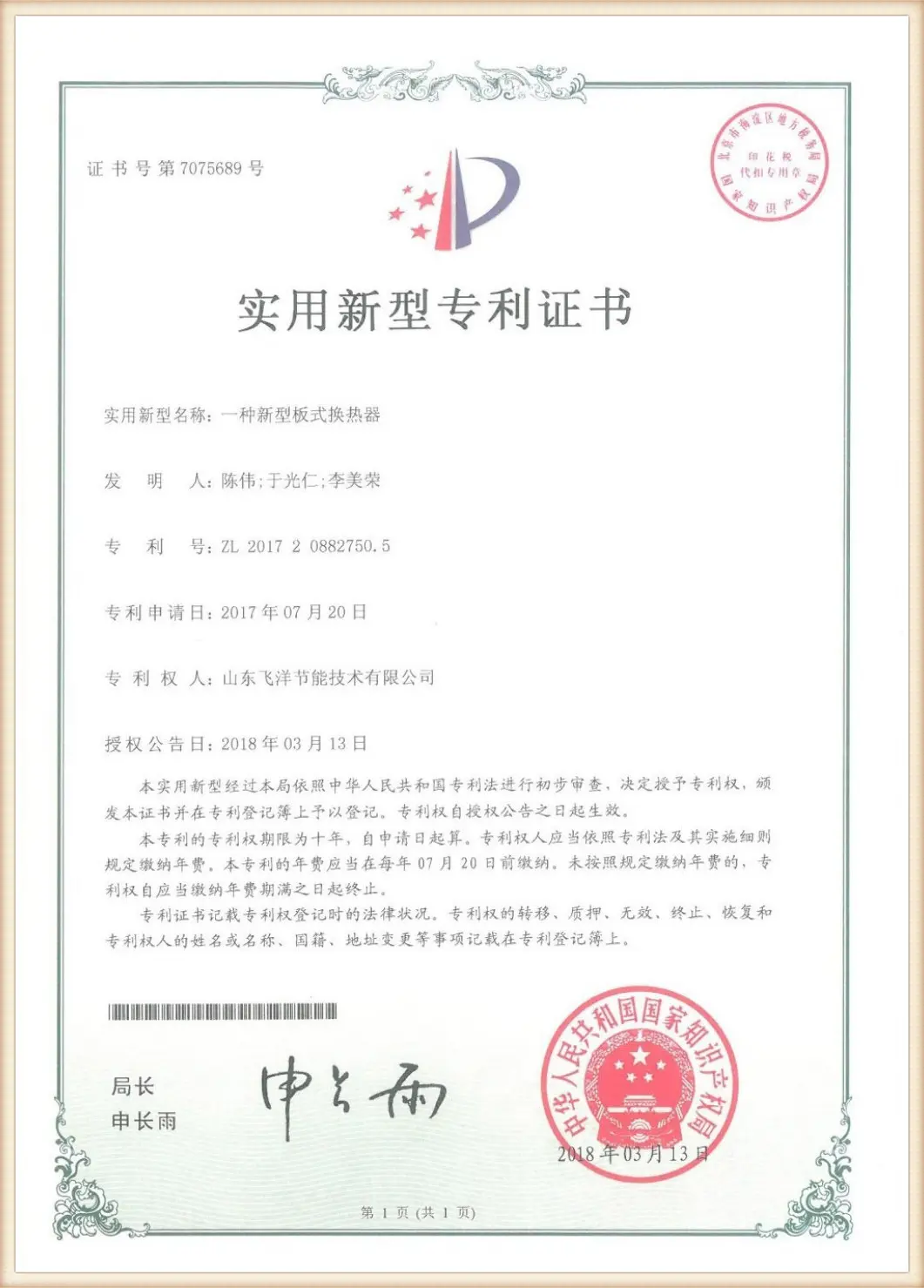
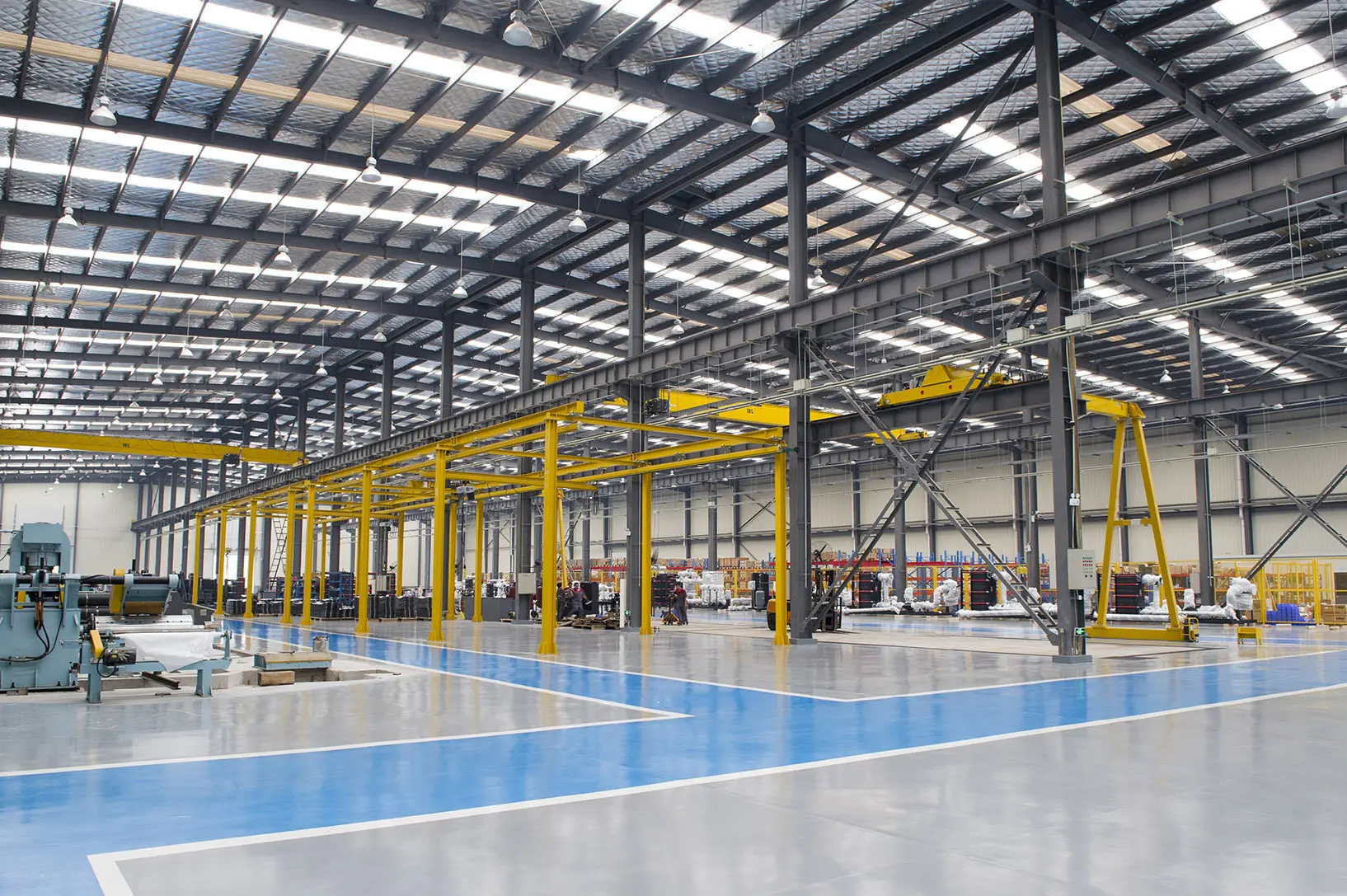
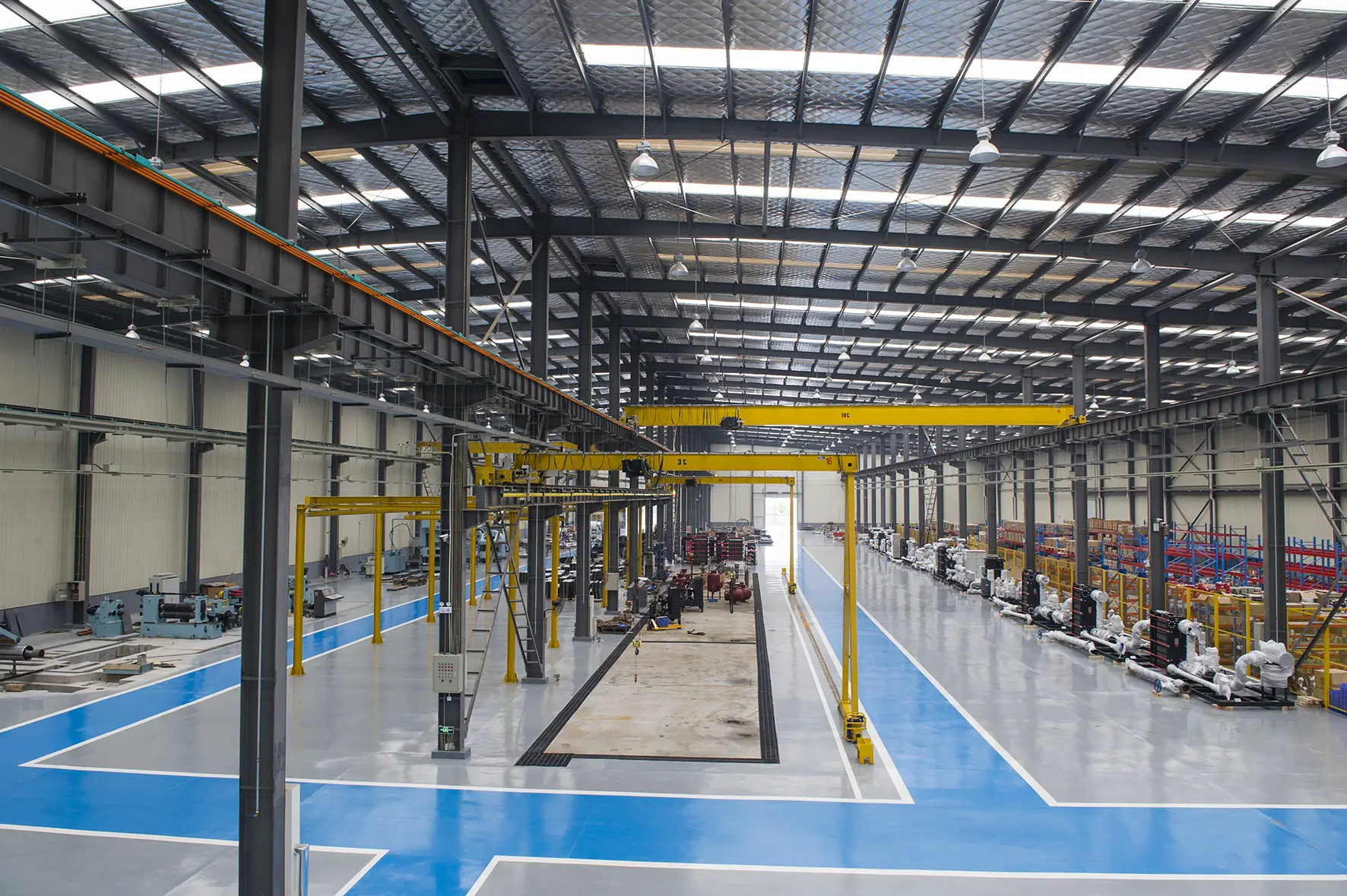
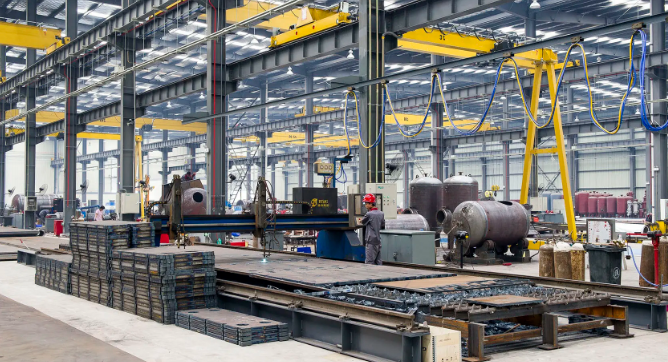
A peek inside our advanced stamping, welding, assembly, and quality assurance divisions.
Why Tier-1 data center builders and HVAC contractors partner with Flotte for critical cooling infrastructure.
Specializing in plate heat exchangers, it features patented corrugated plate design, achieving 2-3 times higher heat exchange efficiency than conventional equipment.
Our products cover 8 core areas such as air conditioning, heating, ventilation, and central district heating. The solutions have been verified globally across distinct regional conditions and compliance codes.
Quality control runs through all stages of production. Products have obtained a variety of certifications. High-end materials such as titanium and SS316L ensure stable performance in harsh environments.
We provide customized design, after-sales maintenance, and one-stop service with our multilingual team and efficient supply chain to ensure that global customers can get timely technical and logistical support.
Expert answers addressing the design, maintenance, and optimization of critical data center fluid systems.
Browse our integrated heat transfer assemblies, detachable units, and secondary balancing systems.
 Flotte Energy