Explore our core engineering catalog, designed for maximum efficiency and optimized industrial environments.
In high-integrity production environments, process isolation remains a top operational challenge. Traditional single-seat valves present a risk of cross-contamination when switching lines or during Clean-in-Place (CIP) regimes. China double seat valves, widely designed as mixproof valves, have emerged as the standard for process segregation. These engineering systems feature two independent valve seats that act as a dual barrier. They seal off opposing process lines, venting any gasket leak to the atmosphere via a central leakage chamber.
This design allows incompatible media—such as sanitizers, food bases, active pharmaceutical ingredients (APIs), or raw thermal fluids—to flow through adjacent ports in the same valve body simultaneously without contact. For global procurement specialists, engineering leads, and plant managers, choosing the right double seat valves manufacturer is not just about price. It is about understanding how structural tolerances, mechanical design, seat lift options, and material sourcing interact to provide operational safety.
"For modern process architectures in food processing, brewery systems, dairy lines, and high-efficiency HVAC networks, the installation of double seat mixproof valves reduces piping footprints by up to 35% and saves up to 40% in clean-in-place chemical waste."
To understand the quality profile of China double seat valve manufacturers, you must look closely at their design details:
Flotte Energy Saving Company was established in 2013 with a registered capital of 101 million yuan. Its roots lie in Flotte Thermal Engineering, founded in 1995. With three decades of technical expertise, Flotte specializes in water equipment, HVAC systems, and water treatment industries.
The company leads industry peers in adopting cutting-edge technologies, developing innovative products, and delivering comprehensive production and sales services. This long-standing experience in fluid controls provides the foundation for our double seat valve and heat exchanger manufacturing practices, ensuring high performance, stability, and reliability in every system we build.
How double seat valves and integrated thermal systems operate across key industrial sectors.
In breweries, dairy plants, and soft drink production, double seat mixproof valves allow raw milk, wort, or concentrated syrups to flow along one channel while CIP chemicals sanitize the adjacent line, preventing cross-contamination.
Our valve designs use high-grade alloys and polished finishes (Ra < 0.4μm) to prevent bacterial growth, meeting the requirements of USP Class VI, FDA, and international pharmaceutical standards for pure water and API loops.
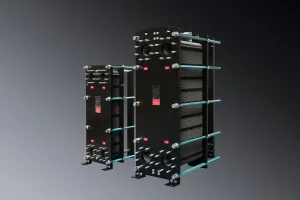
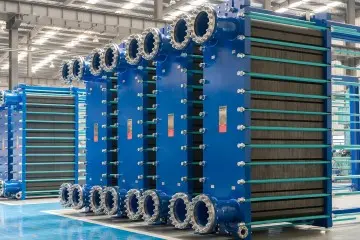
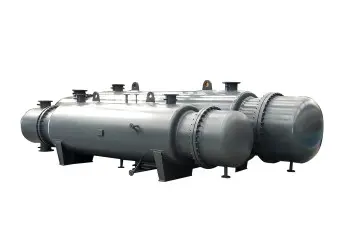
In centralized heating systems, plate heat exchangers act as the core heat transfer equipment. Our double seat valves help balance municipal heat sources and secondary loops, ensuring precise temperature regulation and energy efficiency.
The global fluid equipment sector has seen significant shifts. Procurement managers no longer focus solely on the initial valve cost. They also look at supply chain resilience, delivery times, and engineering flexibility. This is where Chinese factories, such as Flotte, offer a distinct advantage. We combine high-quality manufacturing with local supply chain integration.
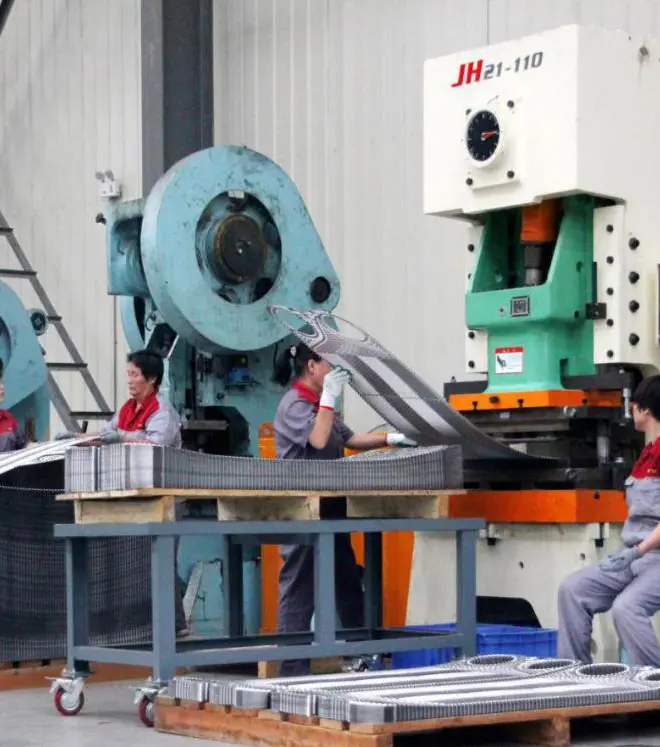
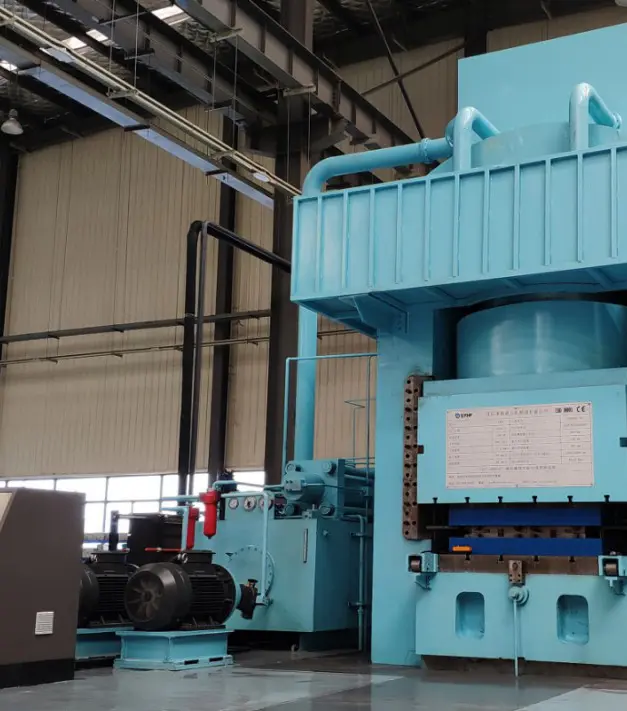
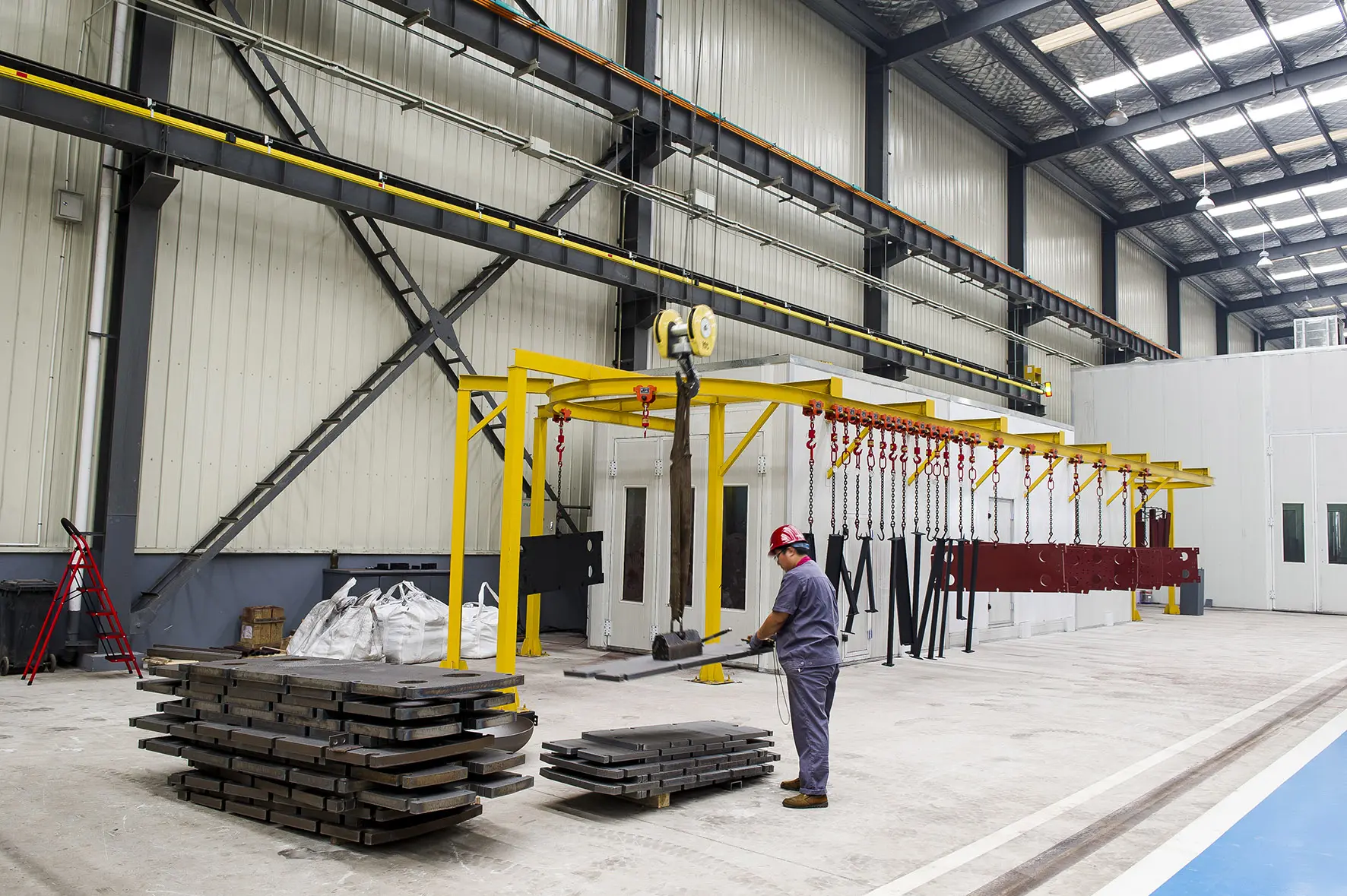
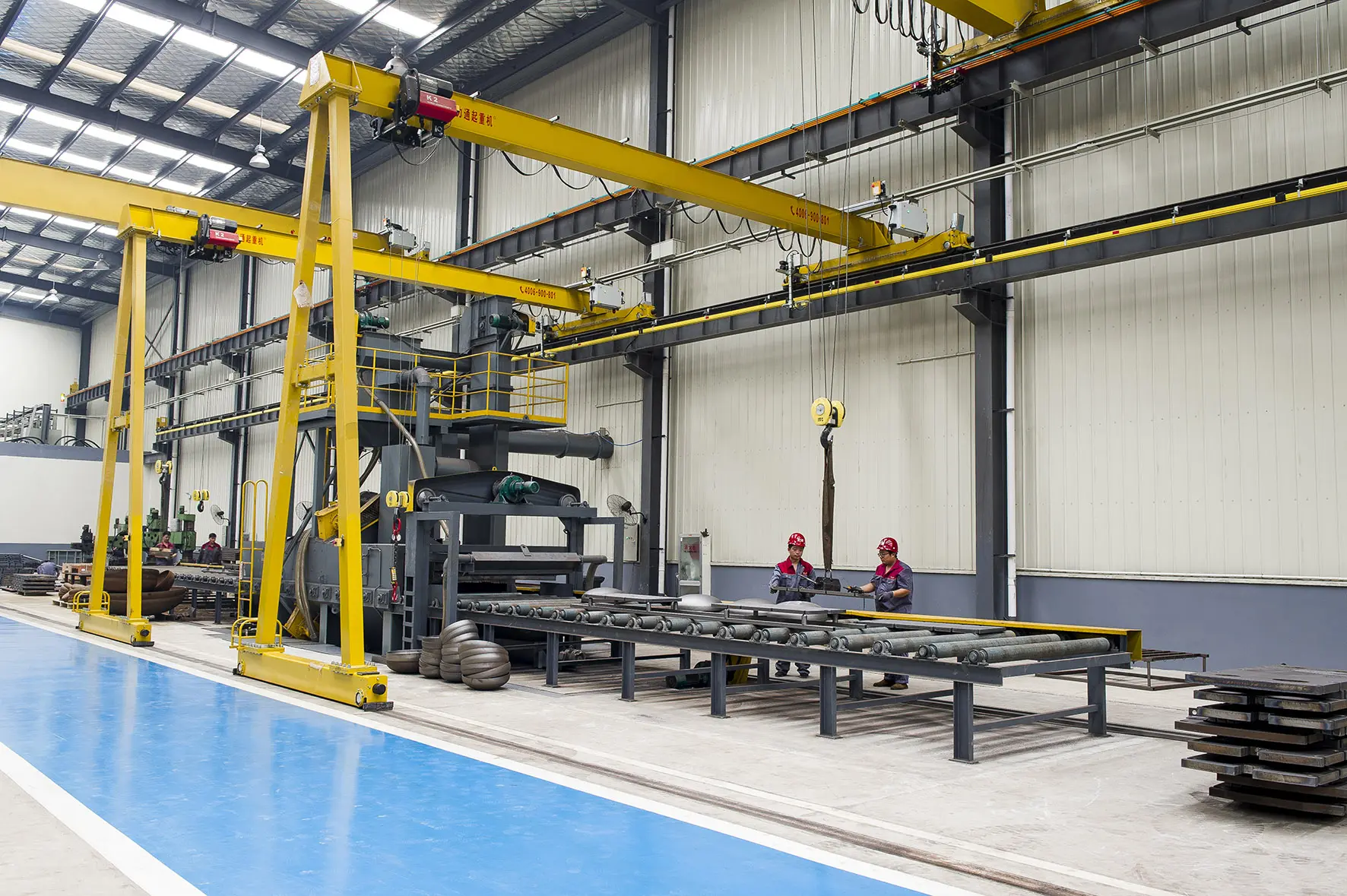
Our factory operates with complete vertical integration, from raw steel selection to hot forging, machining, assembly, and testing. This close control allows us to manage lead times, customize designs for specific applications, and maintain strict quality standards.
Looking ahead, the fluid control industry is moving toward greater digitalization and environmental sustainability. China's top valve manufacturers are investing in development across three key areas:
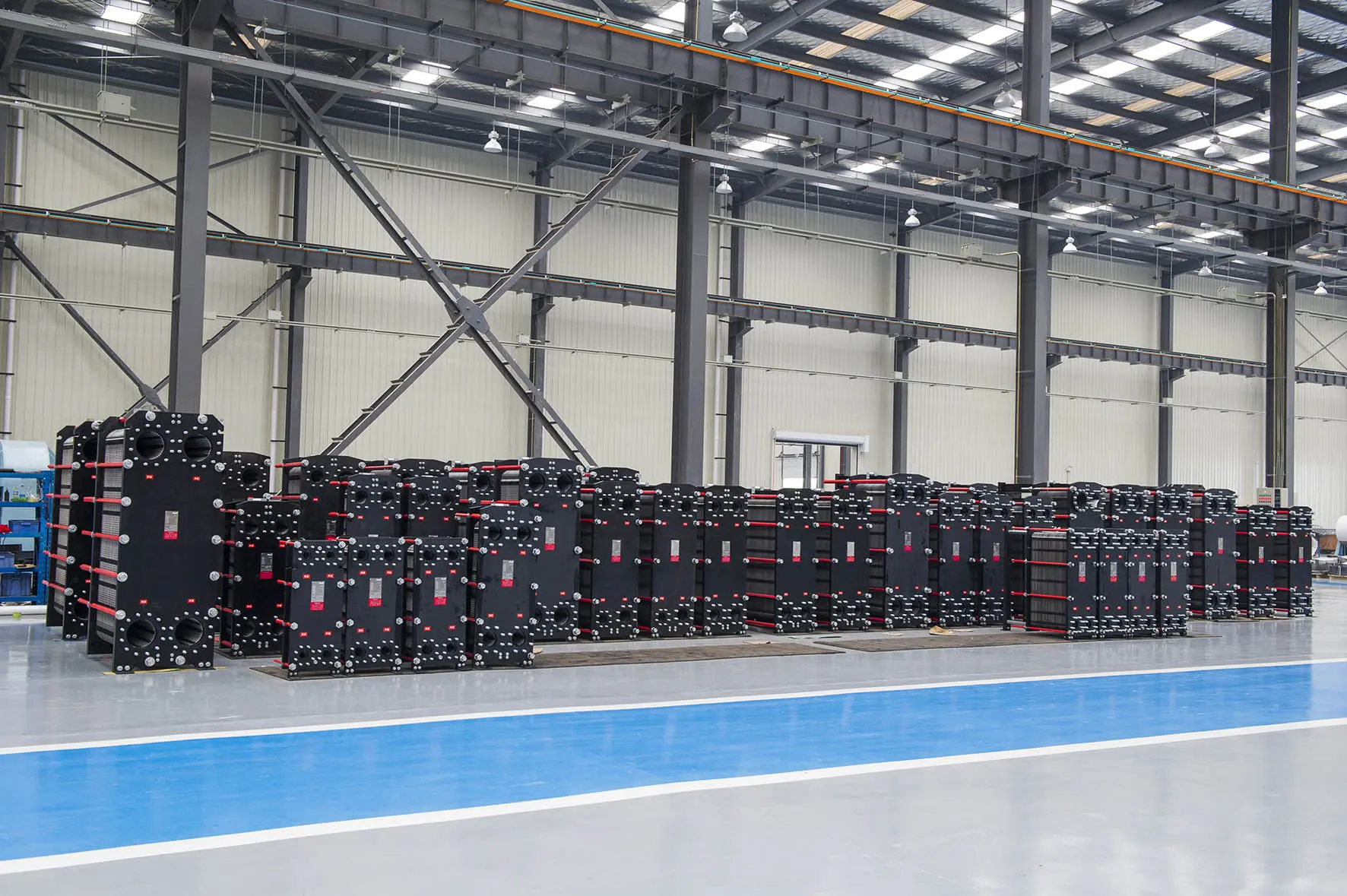
Our modern production facility integrates advanced manufacturing machinery with systematic management processes to produce high-tech fluid components. We hold a leading position in the Chinese market, producing approximately 4,500 heat exchange units and fluid control systems annually. With more than 300 employees, our operations generate 500 million yuan in annual sales revenue, contributing 15 million yuan in taxes and profits.
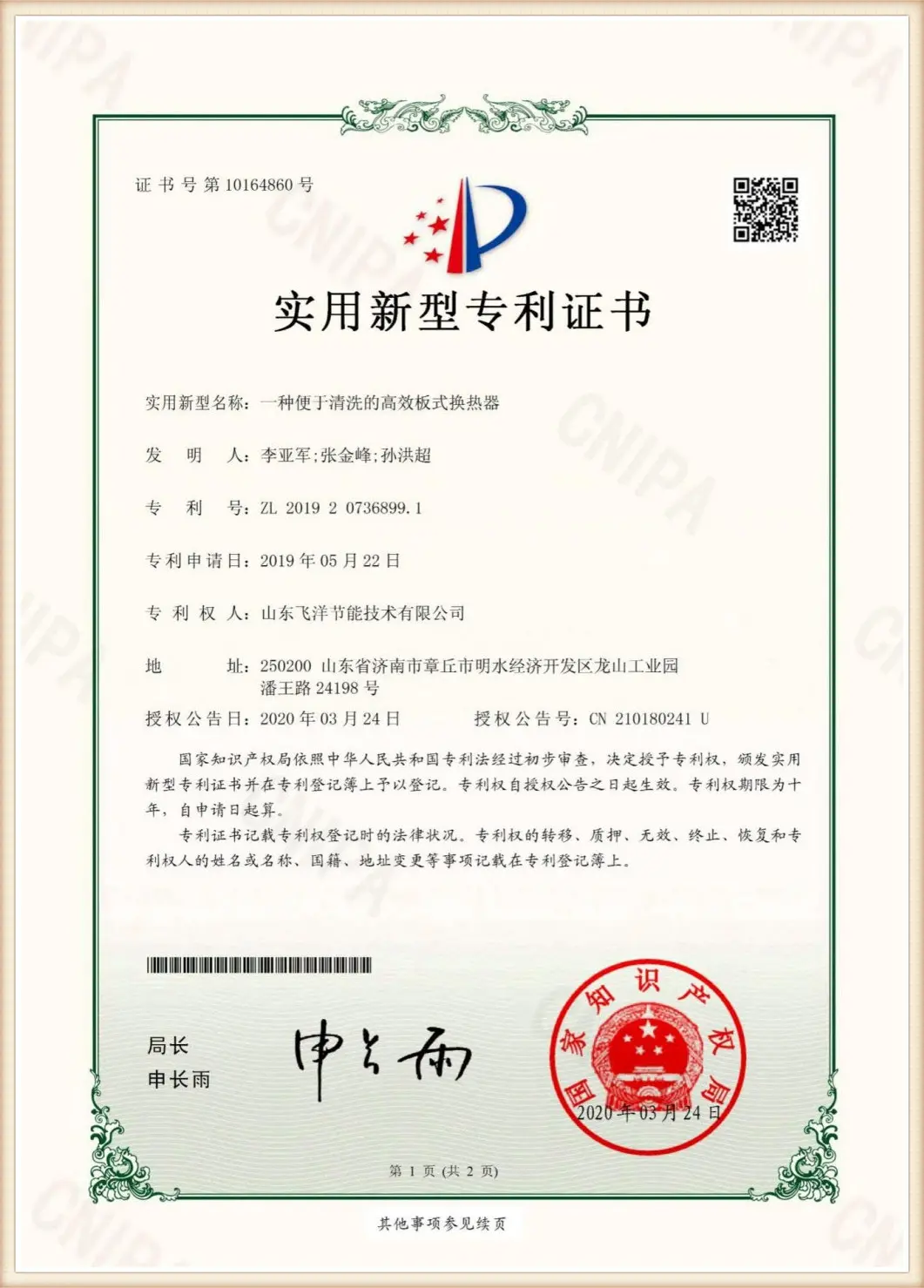
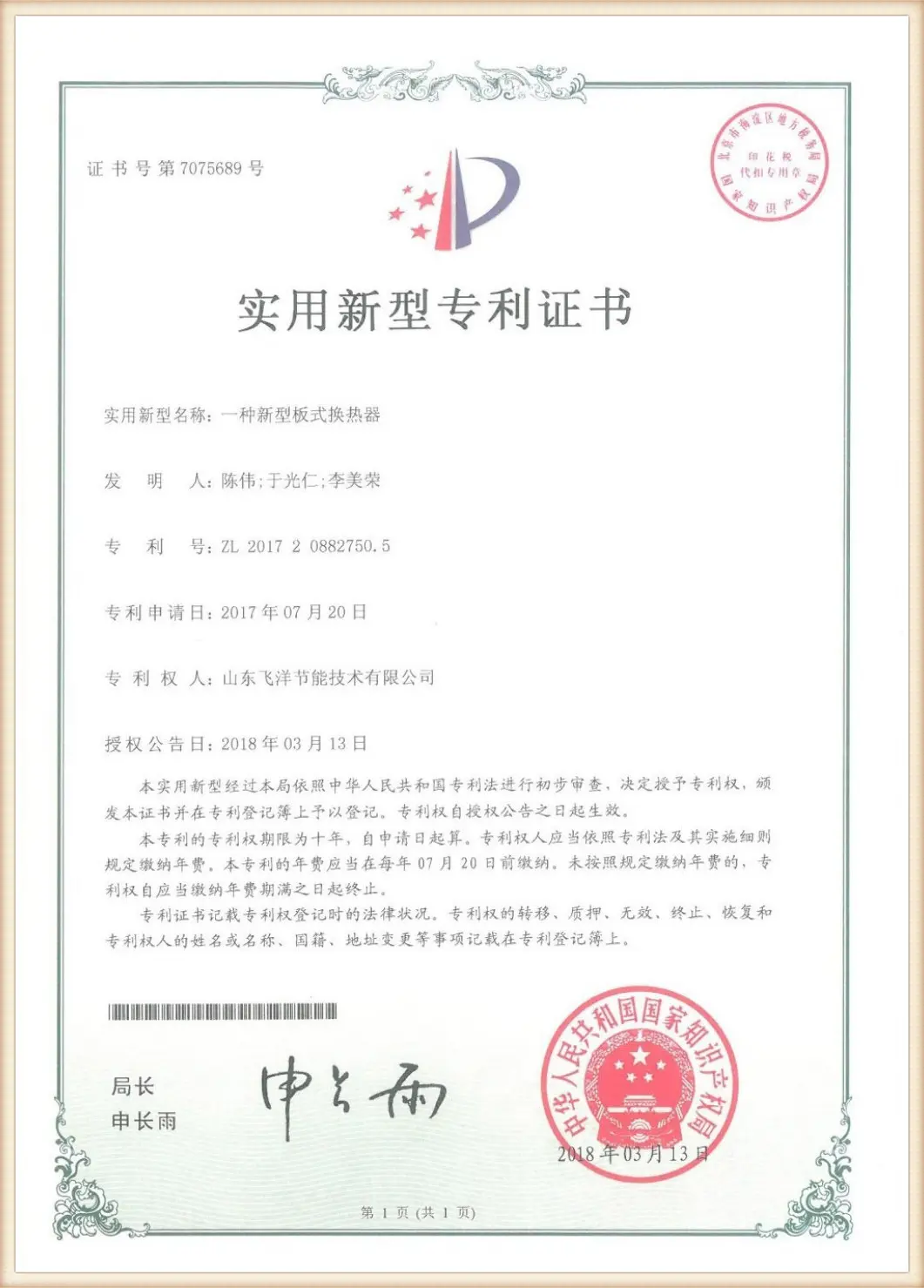
Production processes, quality control, and services follow the ISO 9001:2015 international quality management system and the pressure vessel quality assurance framework. Our products undergo mandatory inspections by national quality authorities, ensuring they meet performance and safety standards.
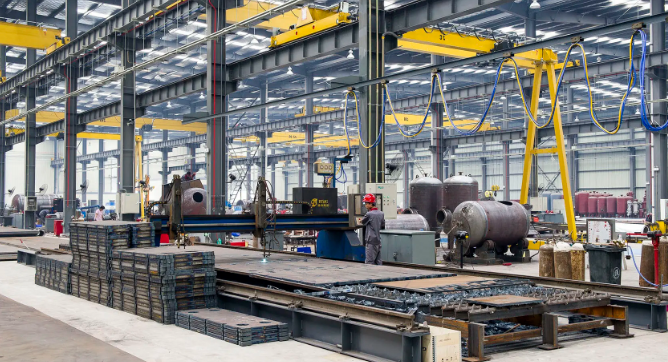
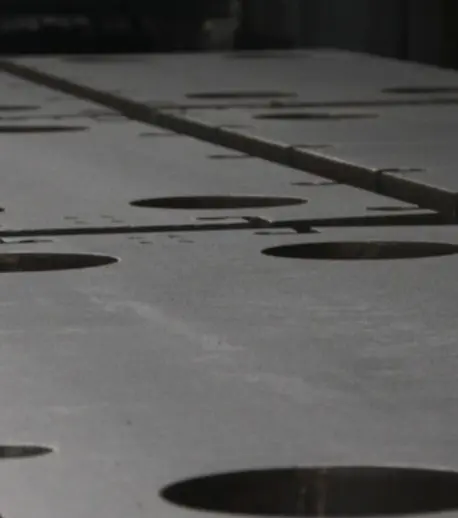
We trace every stage of production—from the raw steel plate to pressure testing and final packing—to ensure quality and E-E-A-T compliance.
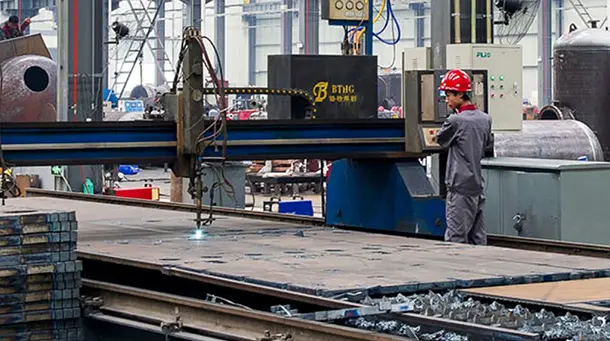
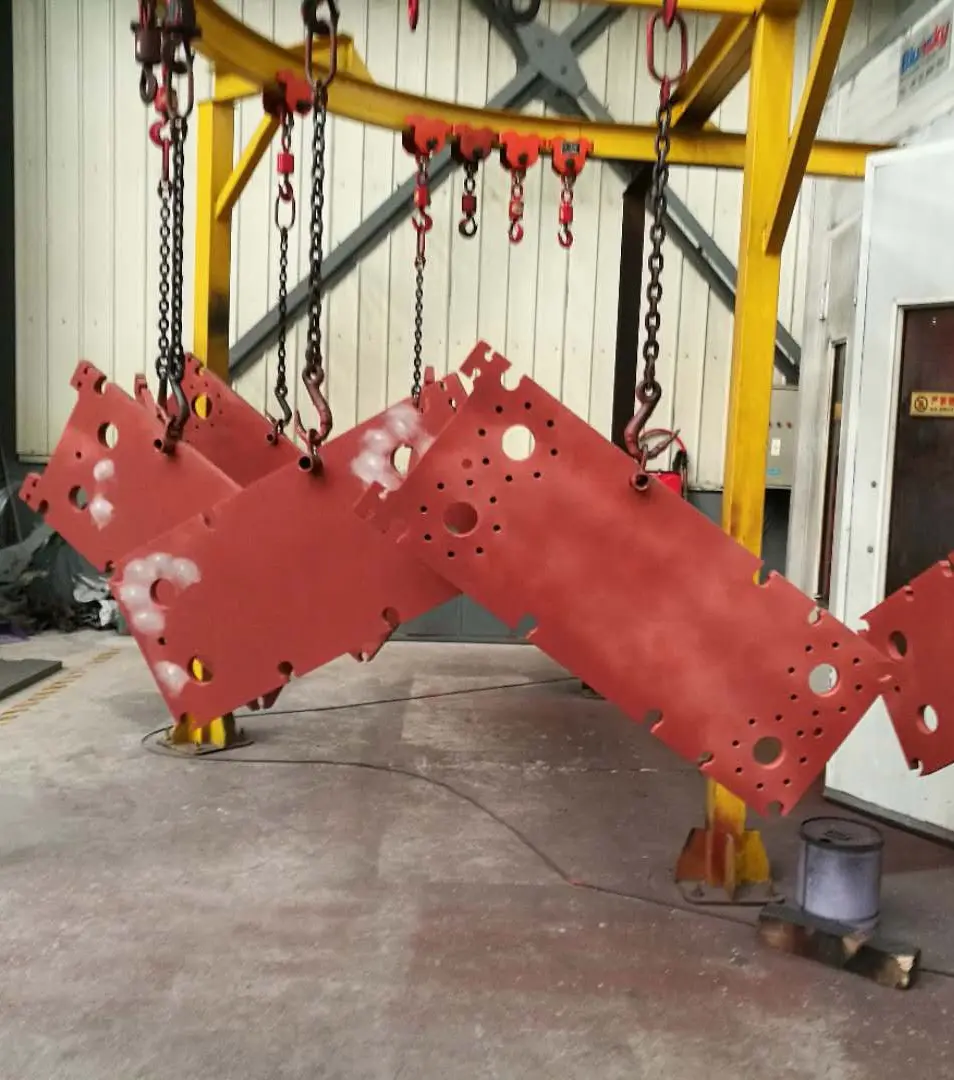
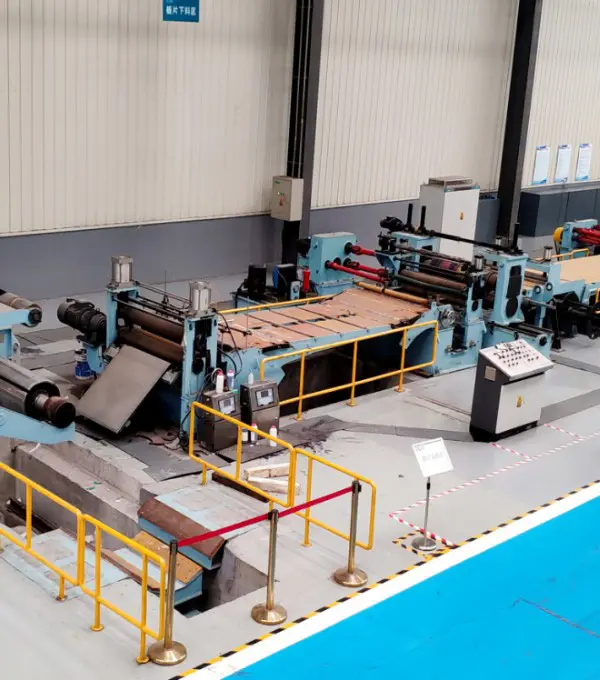
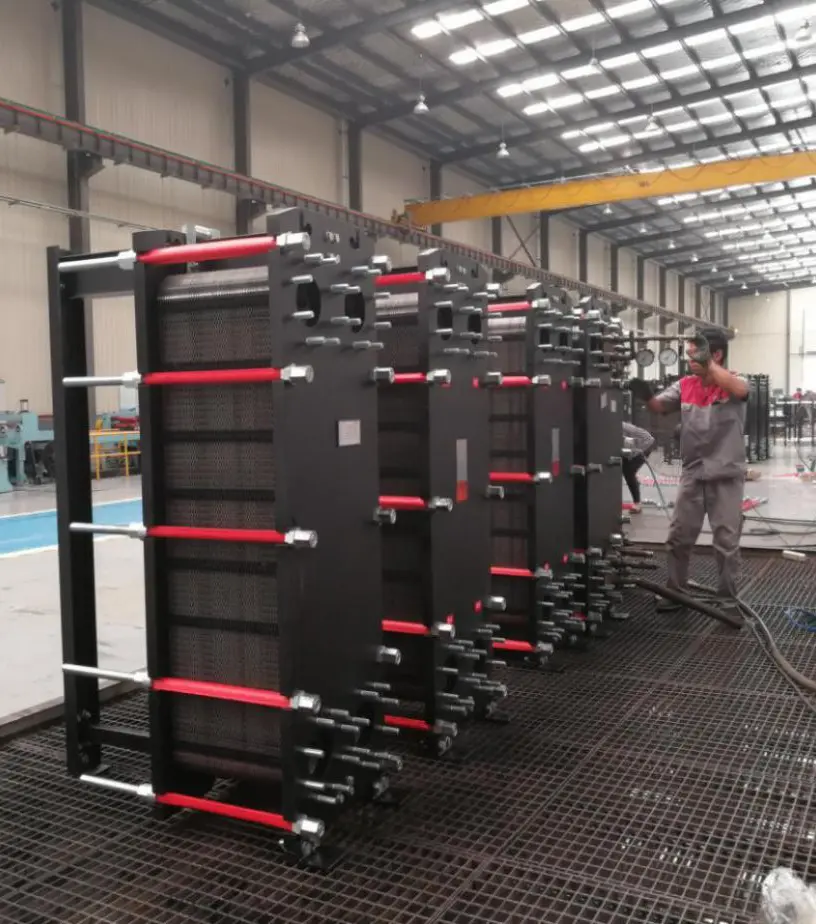
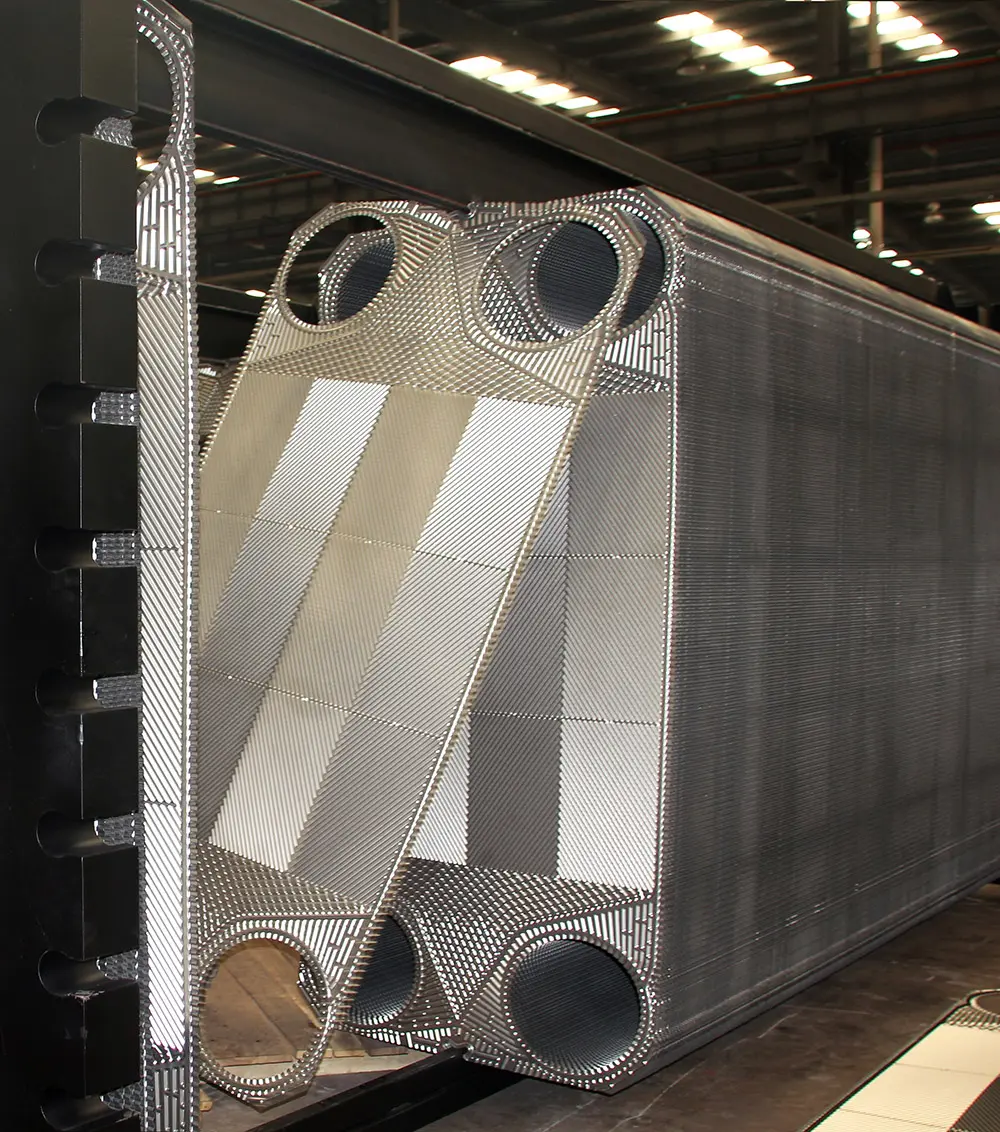
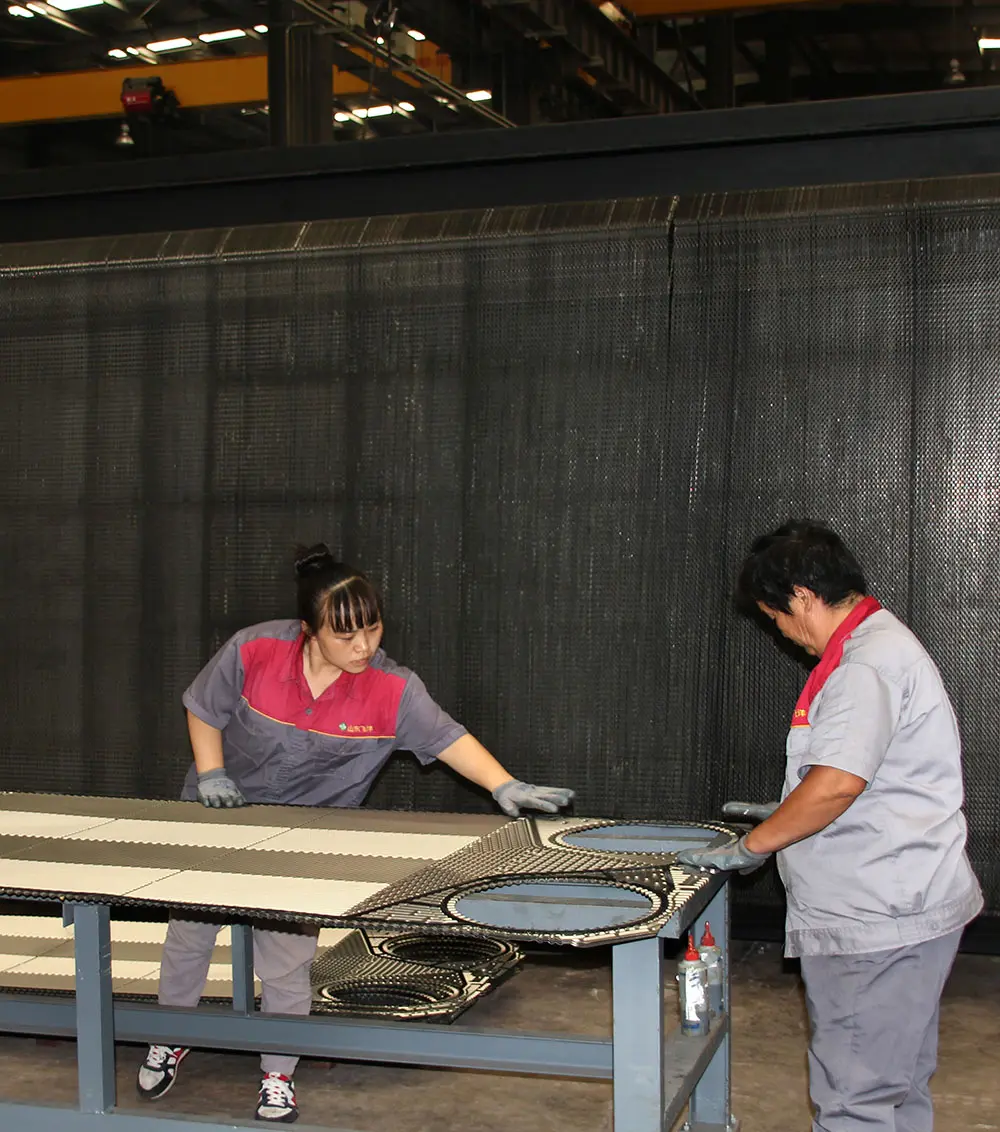
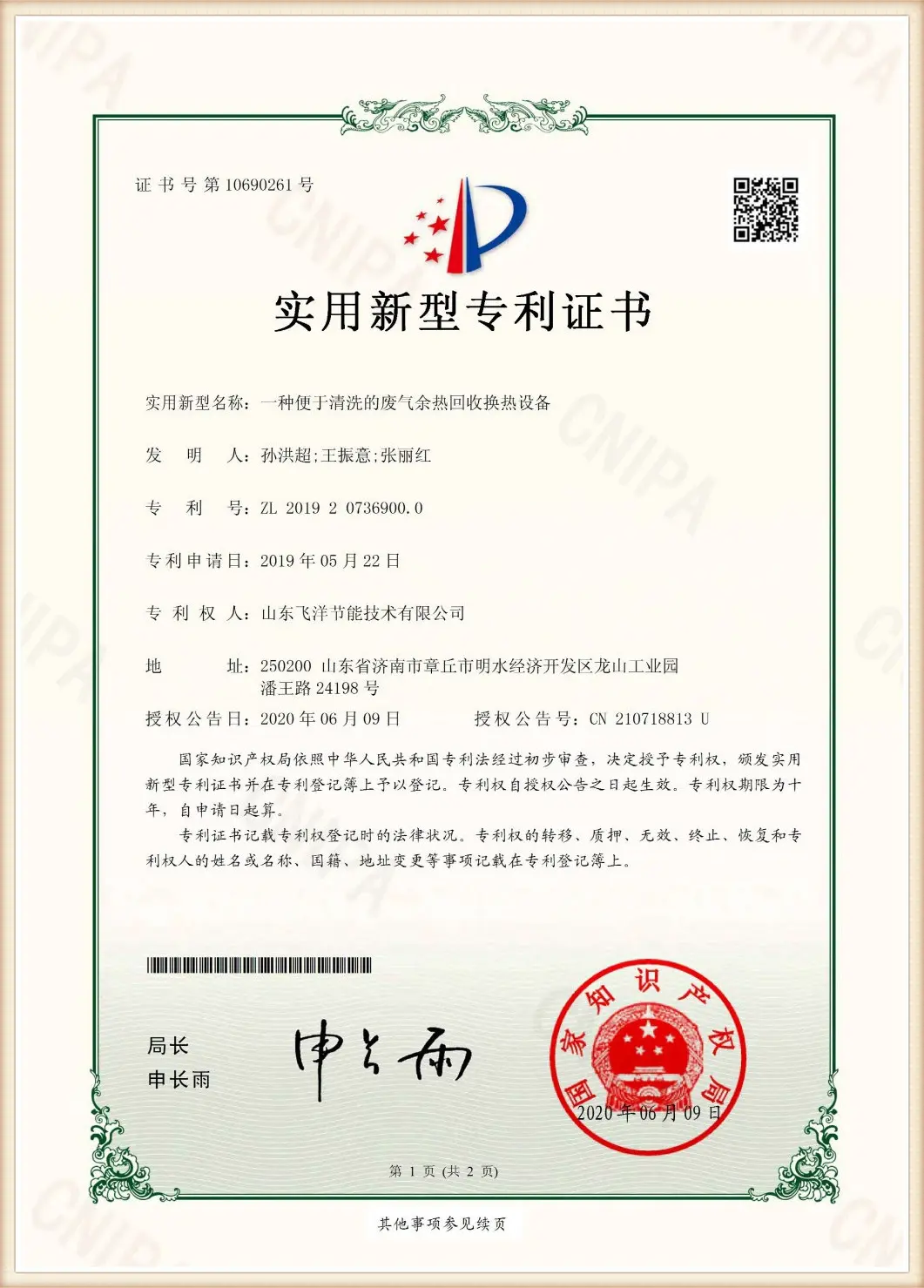
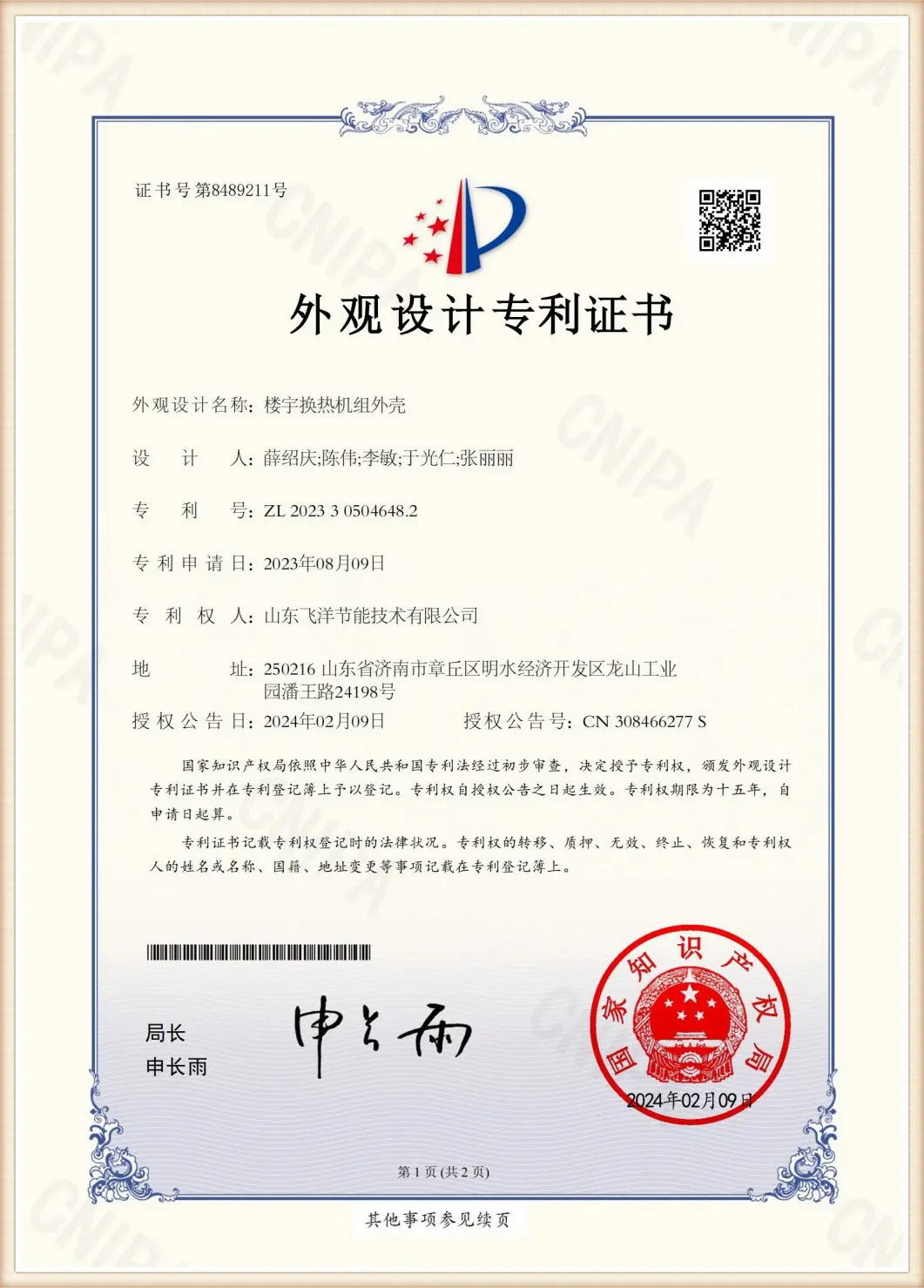
Our manufacturing and testing processes comply with major quality frameworks and safety standards.
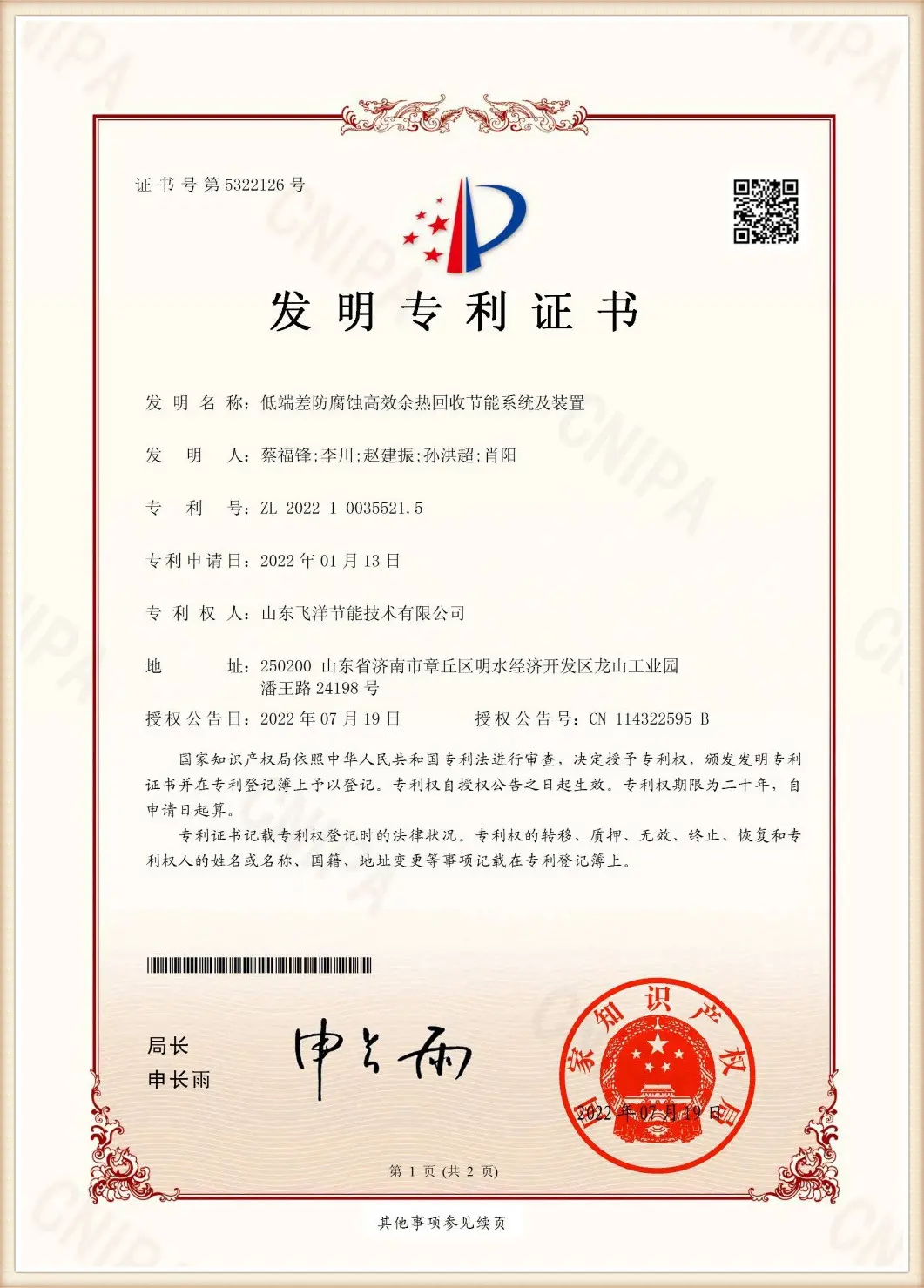
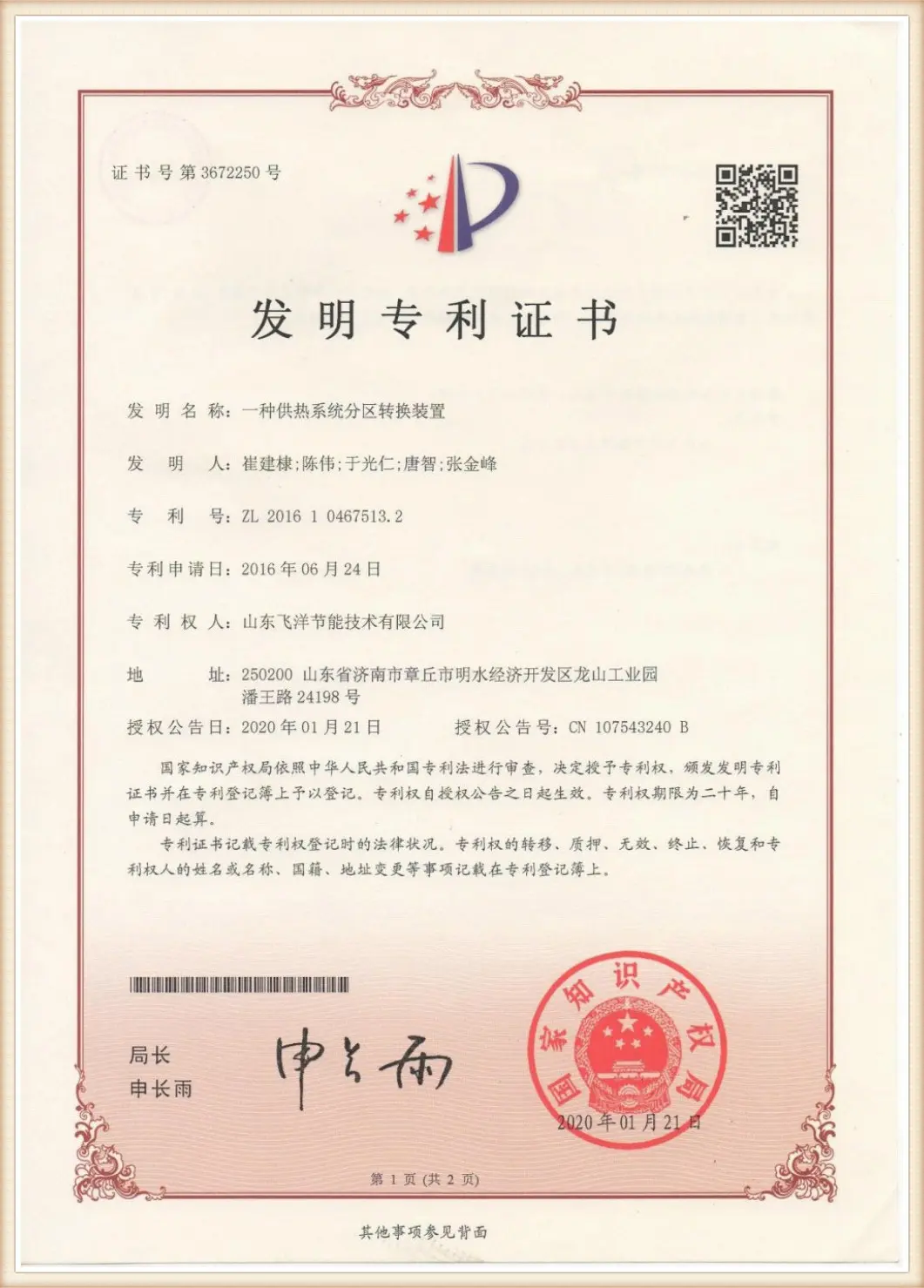
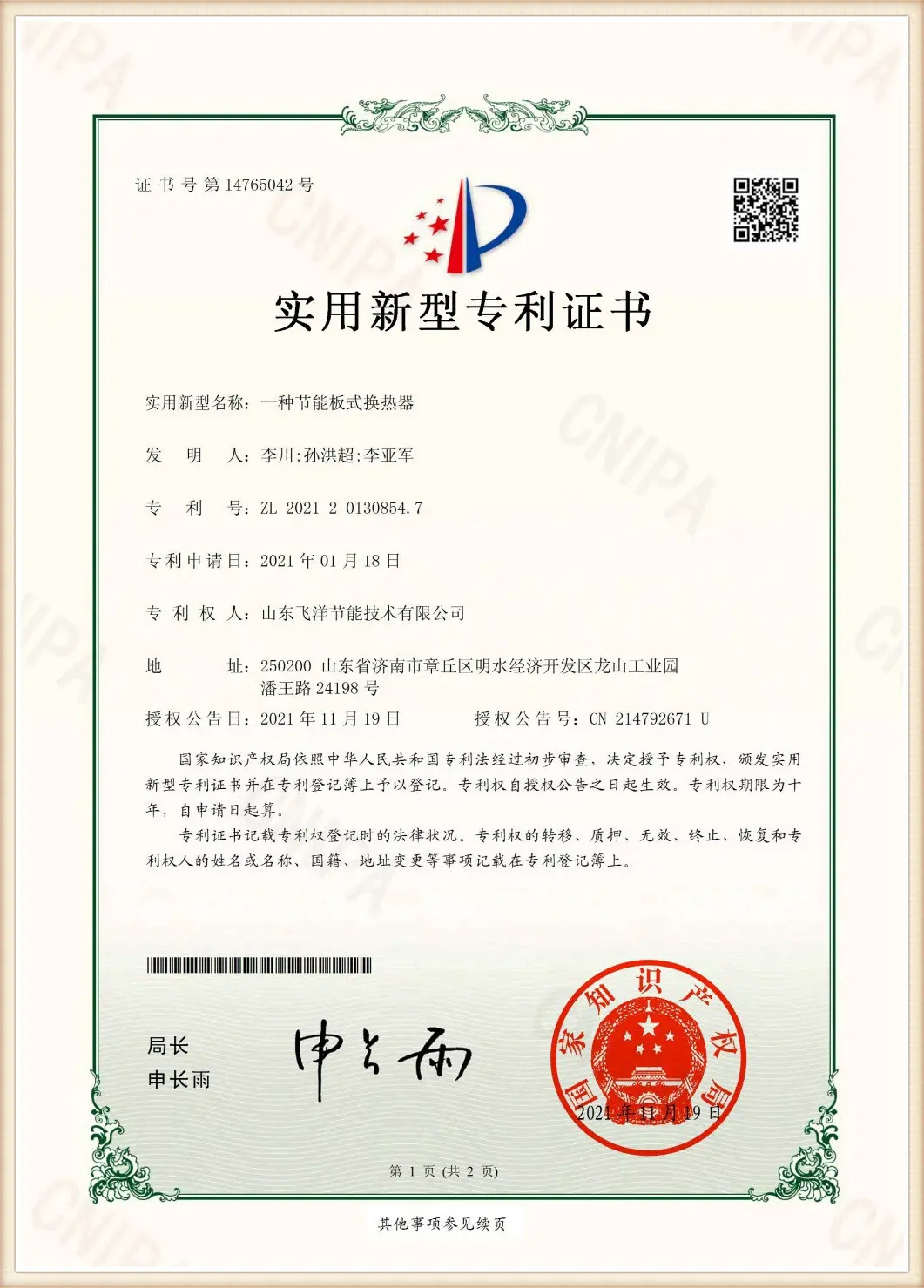
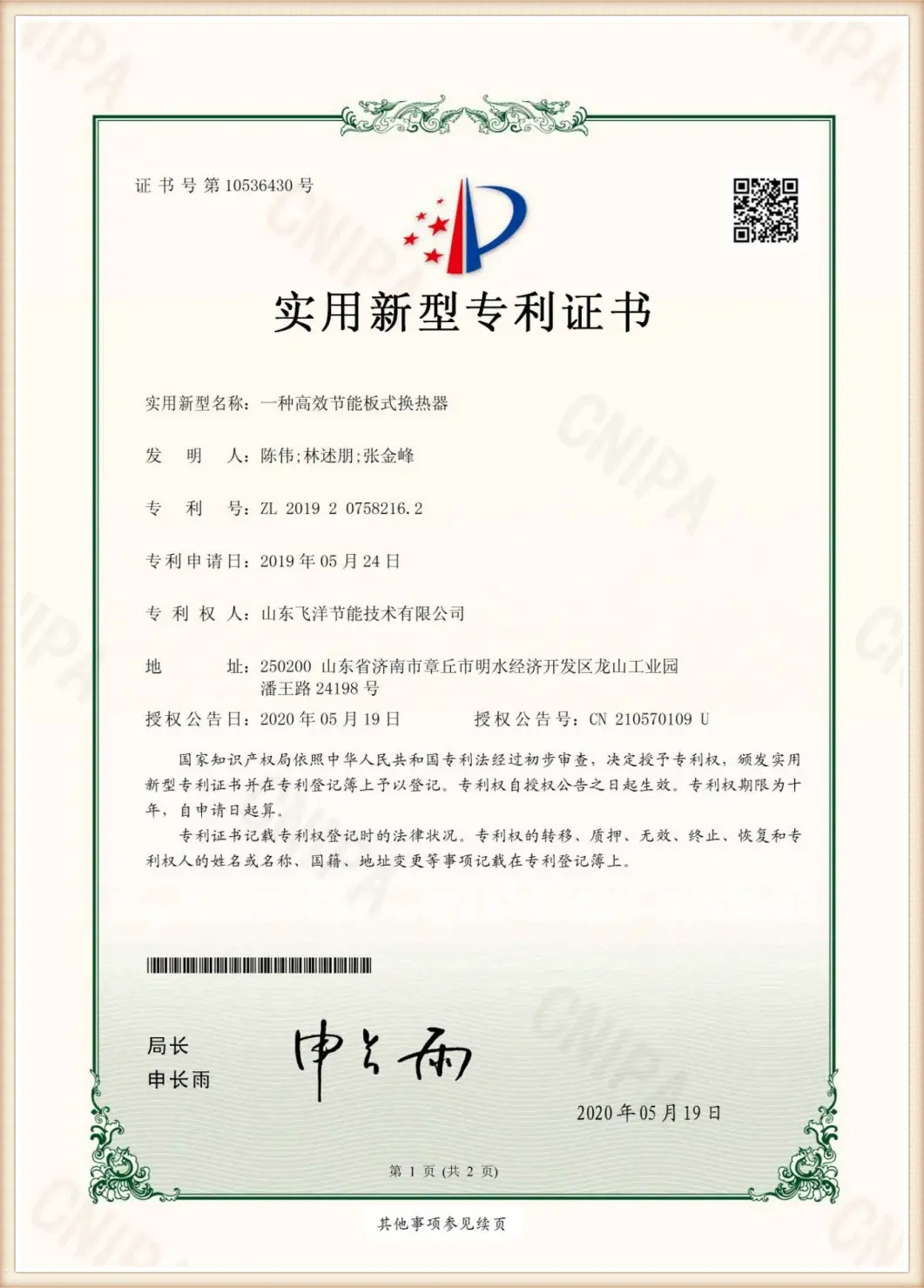
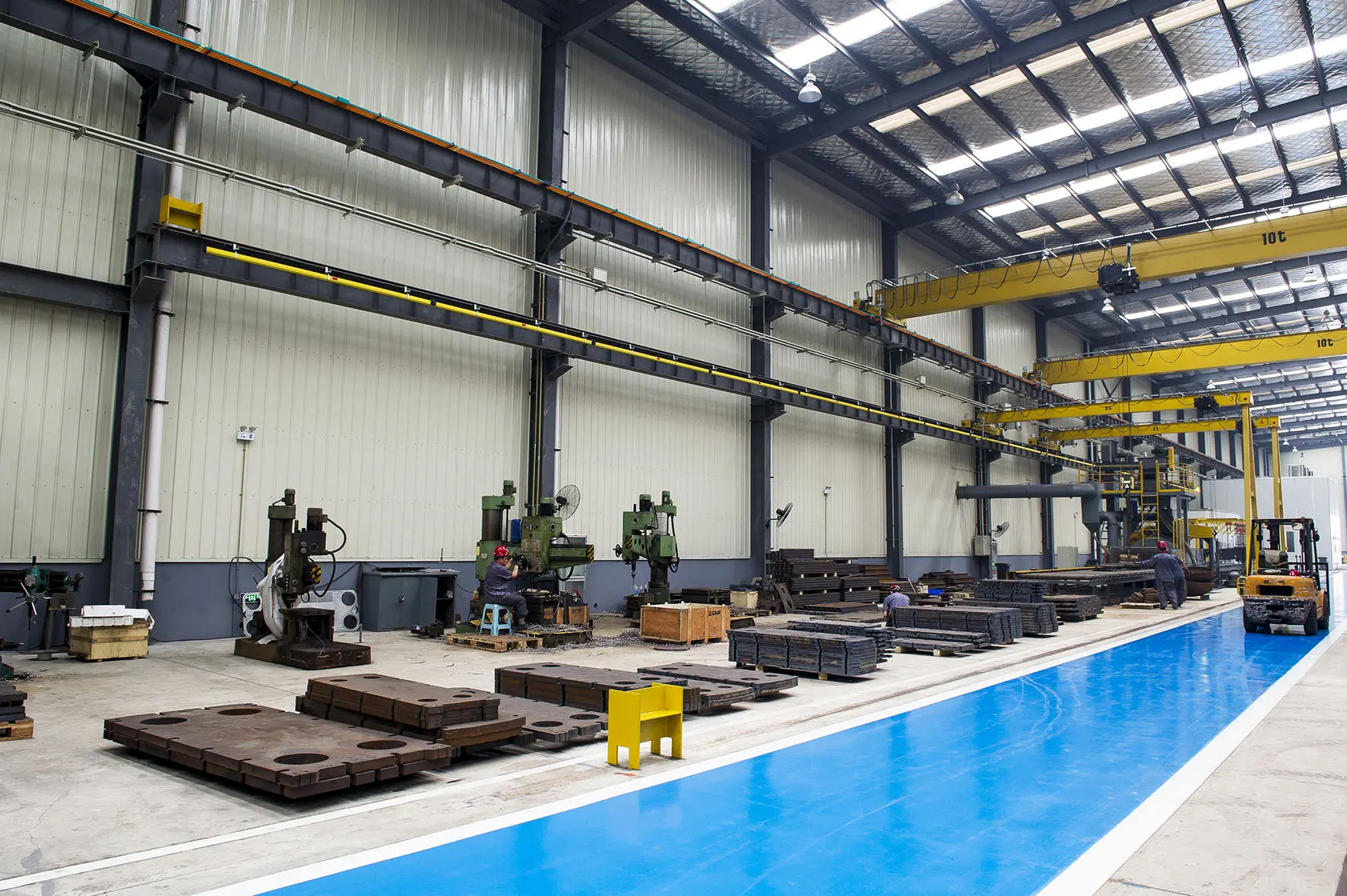
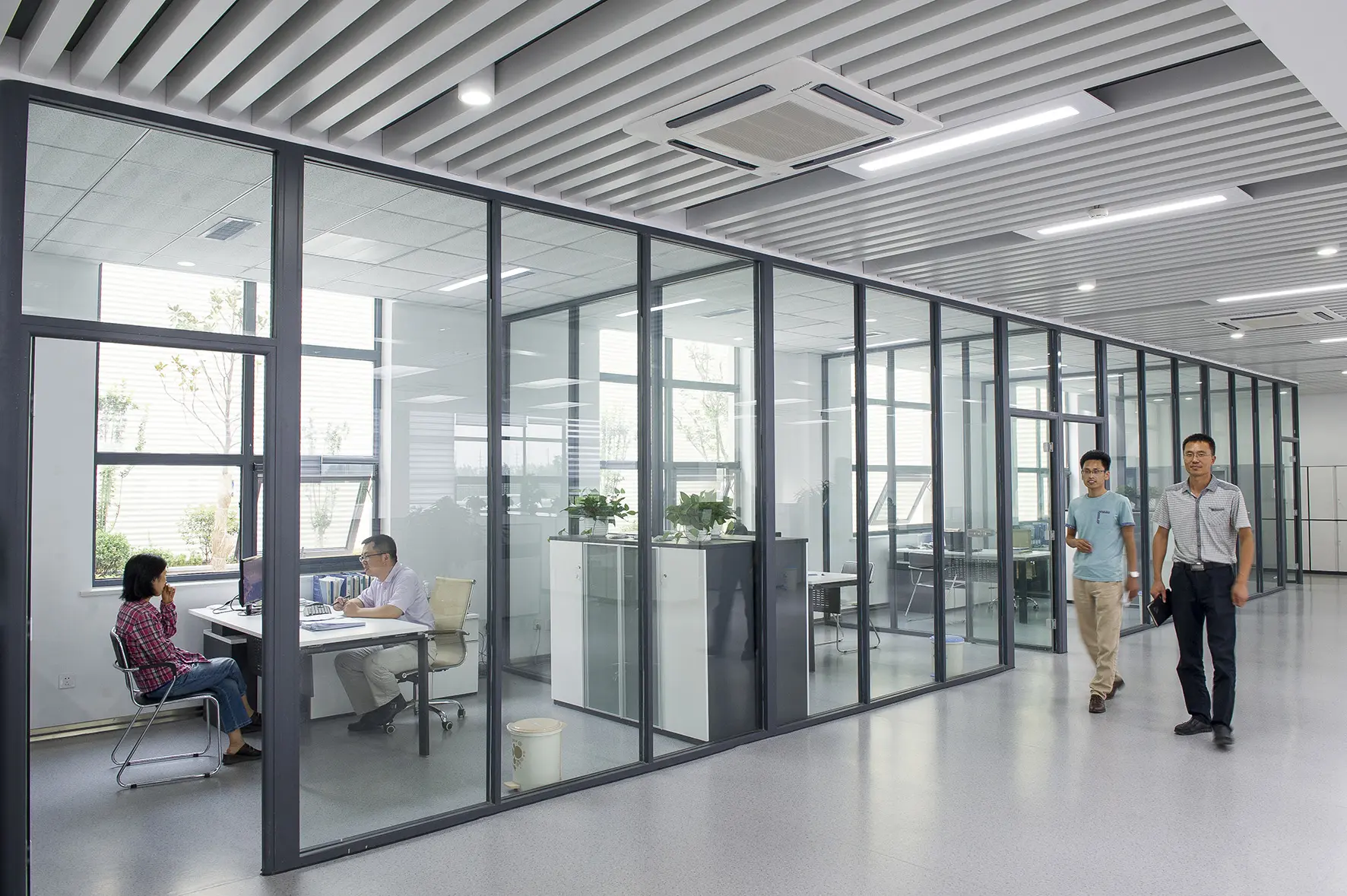
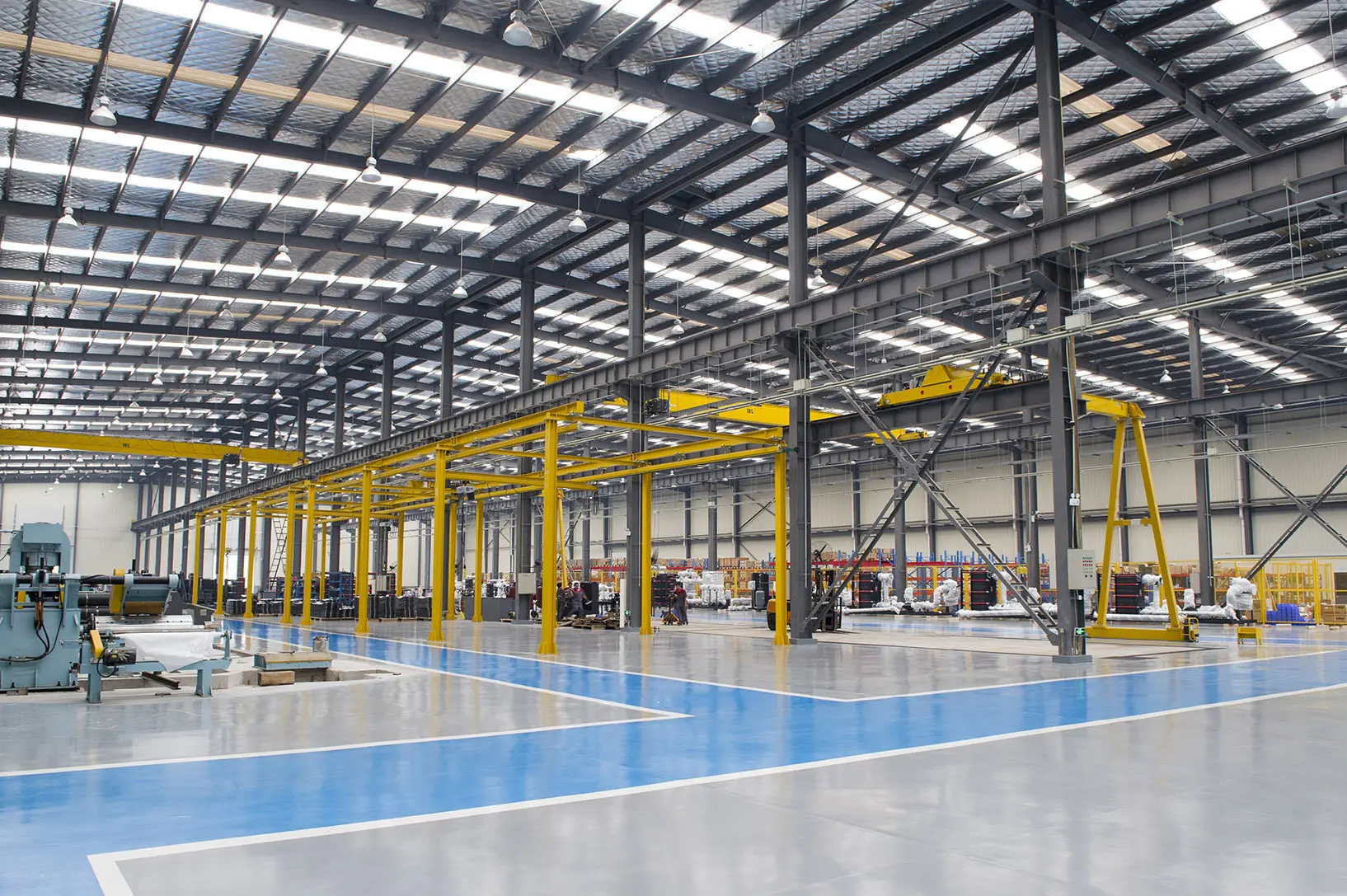
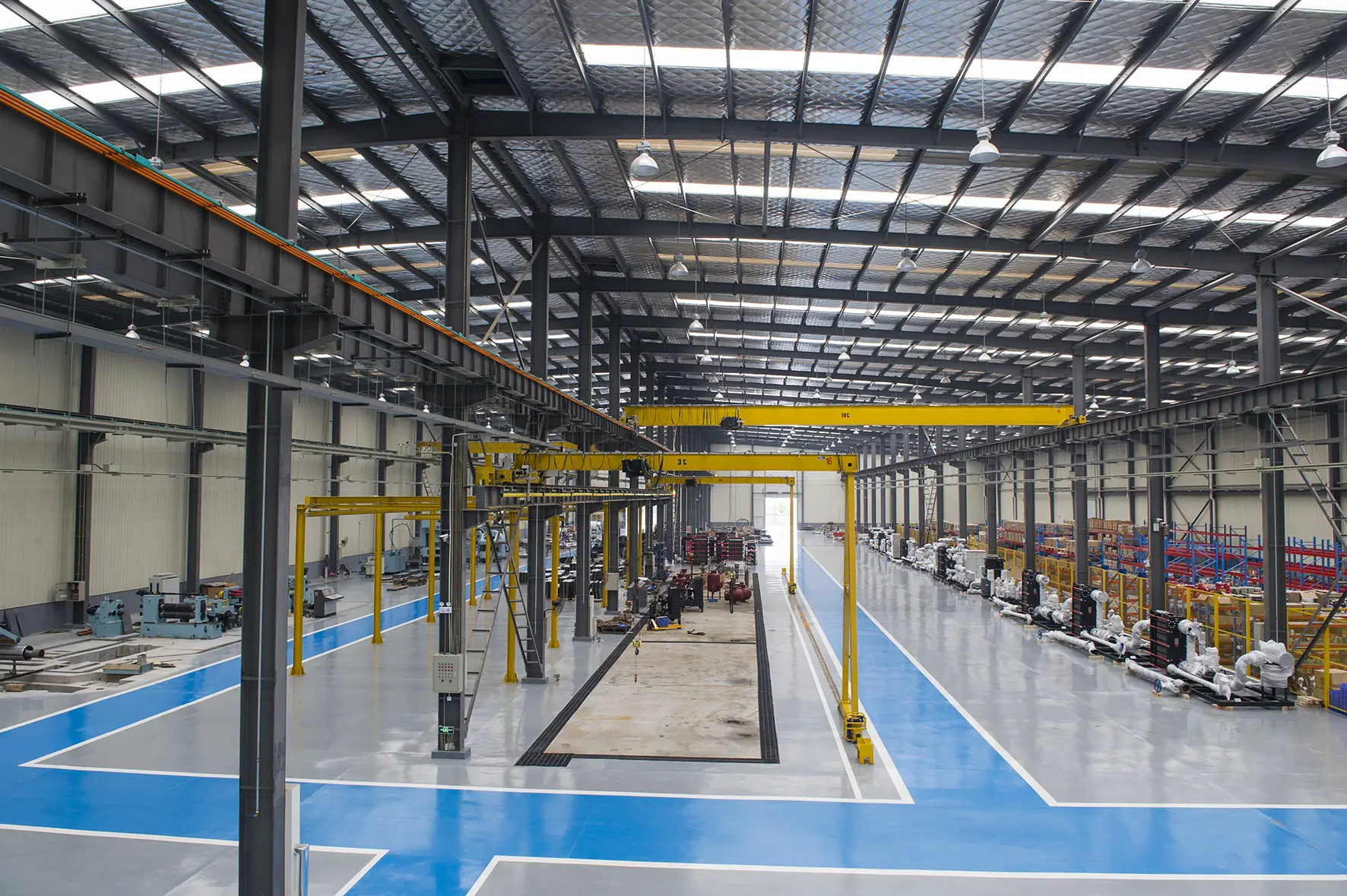
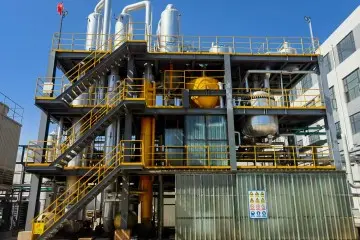
A look inside our 70,000 sqm manufacturing base, housing our production lines, testing centers, and warehouses.


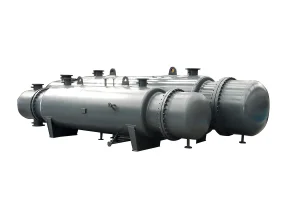
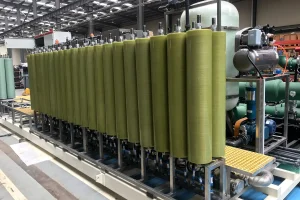
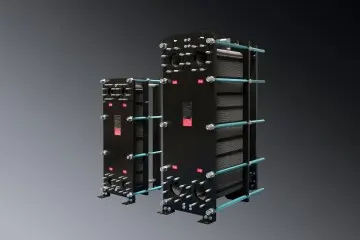
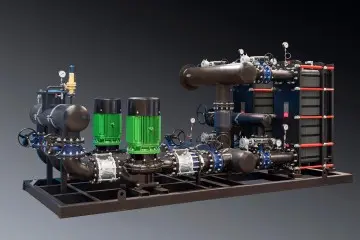
Explore our industrial heating and liquid treatment equipment, built to integrate with modern process systems.


Get answers to common technical and regulatory questions about selecting, installing, and maintaining double seat mixproof valves.
A single-seat valve uses a single plug and gasket to close a port. If that seal fails, fluids mix. A double-seat (mixproof) valve uses two independent plugs, forming a leakage chamber in between. If one seal fails, the fluid drains safely out of the chamber, preventing cross-contamination.
The seat lift mechanism uses pneumatic control to lift either the upper or lower plug slightly (typically 1–2 mm) during CIP. This allows cleaning fluid to rinse the seal area without opening the entire valve, ensuring thorough sanitation.
Balanced designs include a pressure balancer on the lower plug stem. This counteracts hydraulic forces from process line pressure surges. Without balancing, high-pressure spikes can cause the plug to lift, leading to leakage or contamination.
Pharmaceutical processes require FDA-compliant, USP Class VI seals. Common materials include EPDM for standard applications, and Fluorocarbon (FKM) or PTFE-encapsulated compounds for high temperatures or aggressive solvents.
Yes, but they require radial-seal designs instead of axial-seal ones. Radial seals resist trapping particles, which can cause scratches or prevent the valve from closing completely.
They allow cleaning and production to happen in adjacent lines simultaneously. This reduces downtime, optimizes equipment use, and cuts down on the chemical and water volume needed for CIP cycles.
Exporters must meet relevant local standards. For food processing, this includes 3-A Sanitary Standards and EHEDG design guidelines. For pressure systems, compliance with Europe's PED (Pressure Equipment Directive) and ASME boiler codes is necessary.
We test every double seat valve assembly on our testing rigs. This includes pressure tests, leakage evaluations, and functional cycle checks to ensure performance under real-world operating conditions.
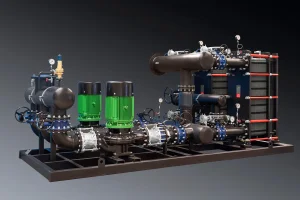
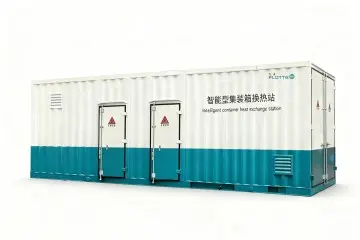
Complete your layout integration with our high-capacity heat exchange and intelligent monitoring systems.
 Flotte Energy