Explore our engineering excellence. High-efficiency detachable plate exchangers, smart heating network monitoring components, and specialized industrial desalination equipment designed for performance longevity.
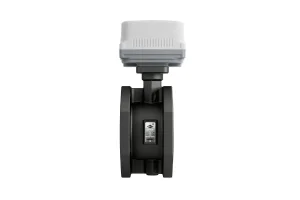
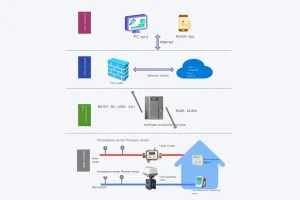
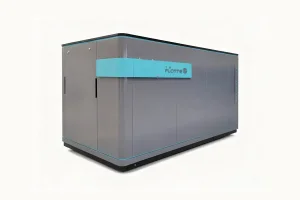
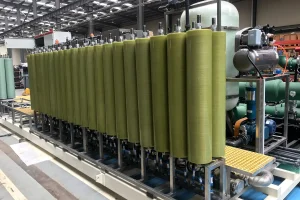
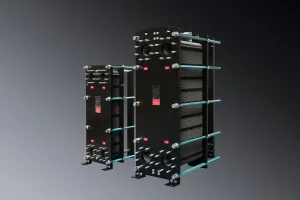
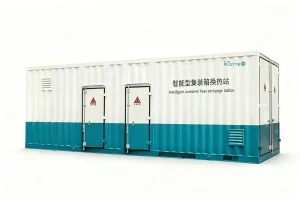
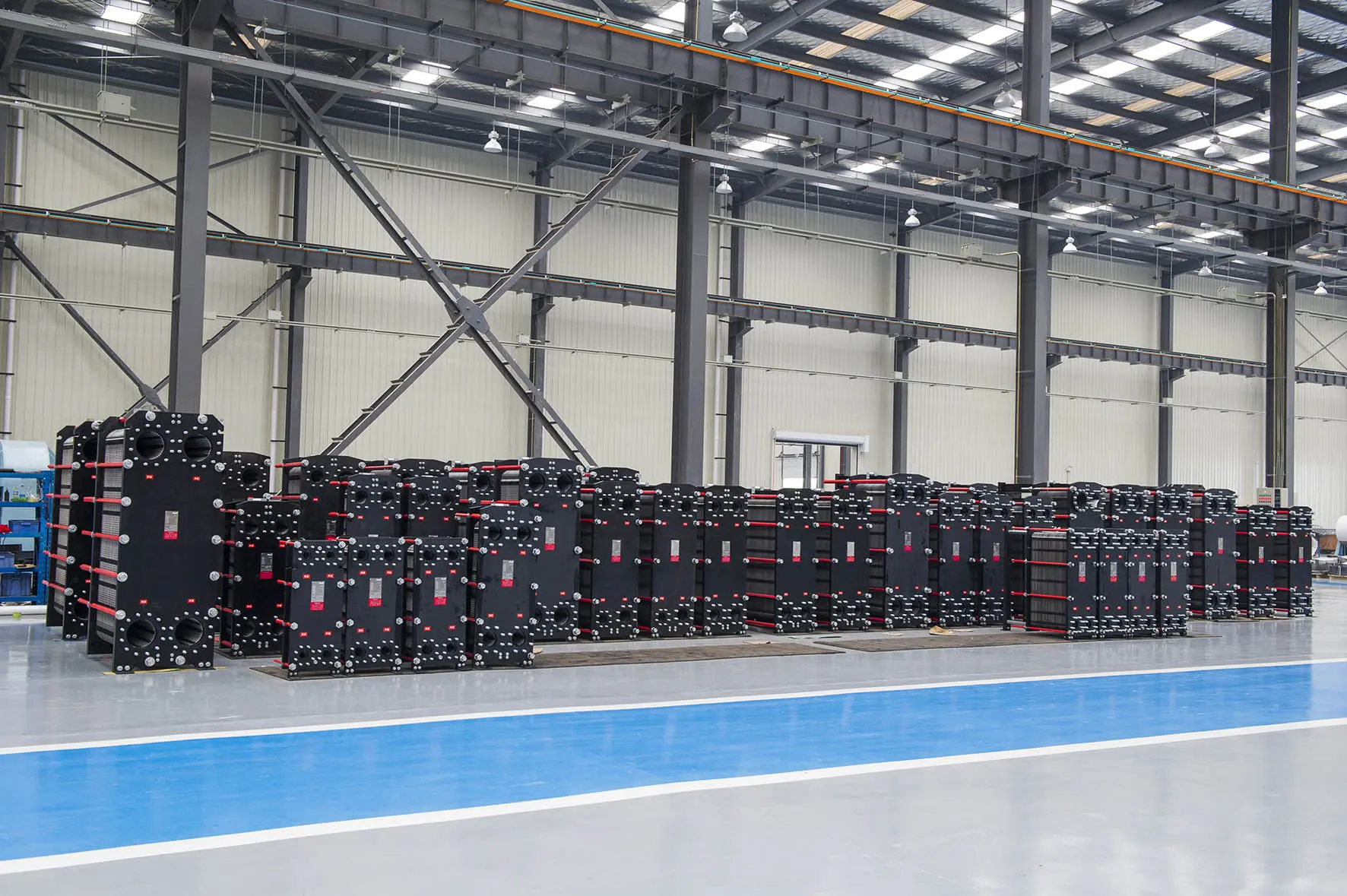
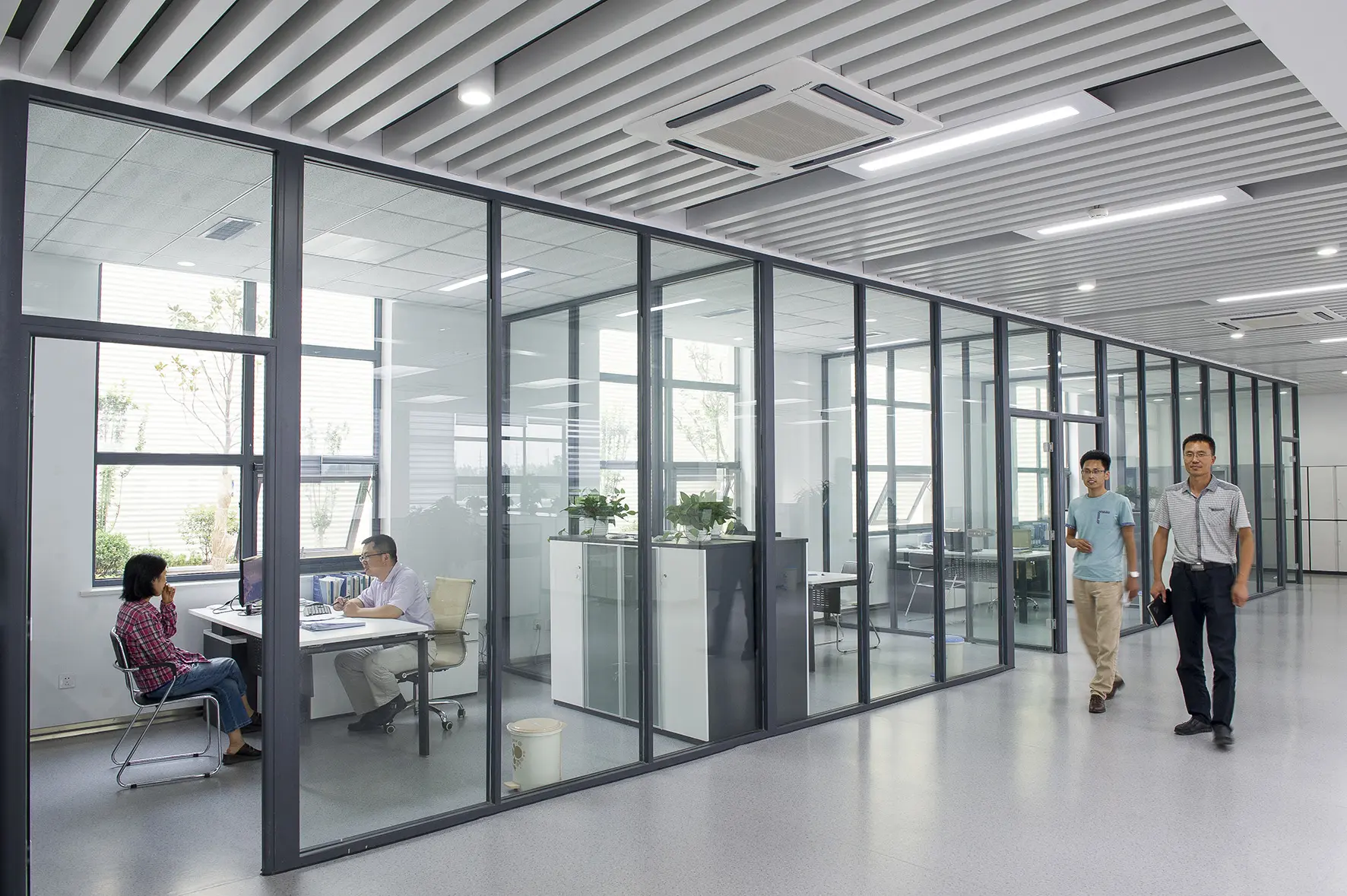
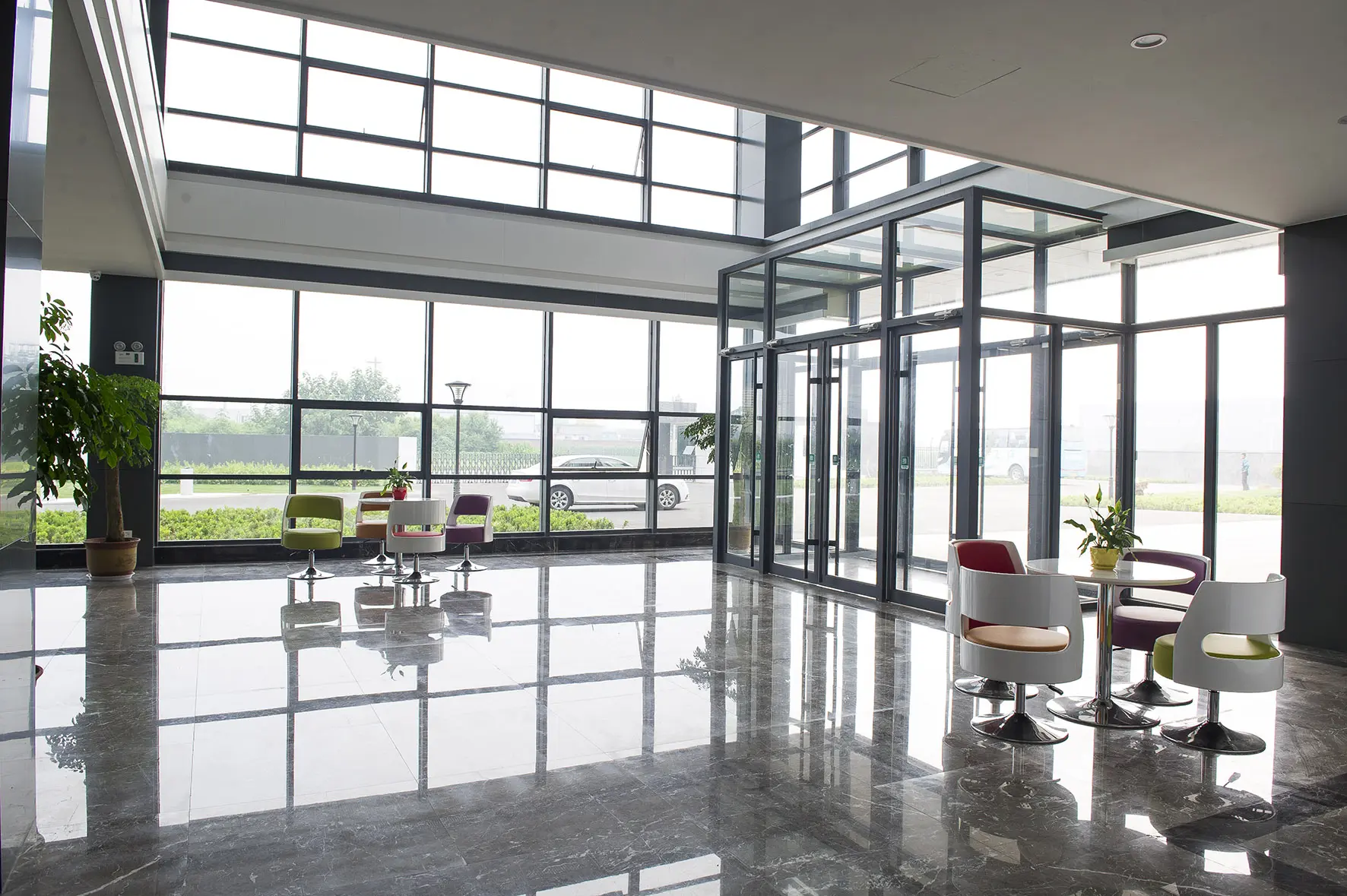
Flotte Energy Saving Company, established in 2013 with a registered capital of 101 million yuan, originated from Flotte Thermal Engineering founded in 1995. With three decades of rigorous technical expertise, the company specializes in fluid management, water equipment, HVAC systems, and high-precision water treatment industries.
By operating at the intersection of thermal thermodynamics and sustainable automation, we consistently lead industry peers in adopting cutting-edge technologies, developing innovative thermal exchange products, and delivering comprehensive, project-specific fabrication and export services. Our design methodologies emphasize the minimization of entropy generation, maximizing thermal effectiveness, and guaranteeing structural longevity under high-fatigue cyclic operation.
How Flotte implements advanced physical design, strict quality management systems, and specialized compliance protocols to deliver superior thermodynamic performance globally.
Featuring patented, optimized corrugated plate architectures that induce micro-turbulence at low Reynolds numbers. This design maximizes boundary layer disruption, resulting in thermal heat transfer coefficients 2 to 3 times higher than standard configurations.
We source premium structural materials, including AISI 304, AISI 316L, Titanium (Ti-Gr1), Hastelloy C-276, and Nickel alloys. Coupled with advanced NBR, EPDM, and Viton gasket designs, our systems ensure secure operational containment across complex processes.
Our operational management complies with ISO 9001:2015, ISO 14001:2015, and ISO 45001:2018. The safety of our pressure vessel designs is verified by national and international regulatory bodies, meeting pressure equipment directives and ASME-aligned quality frameworks.
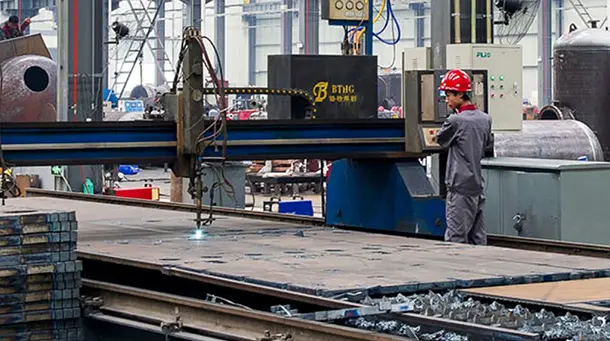
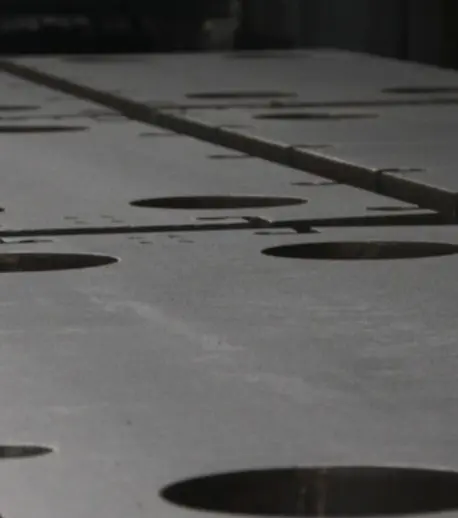
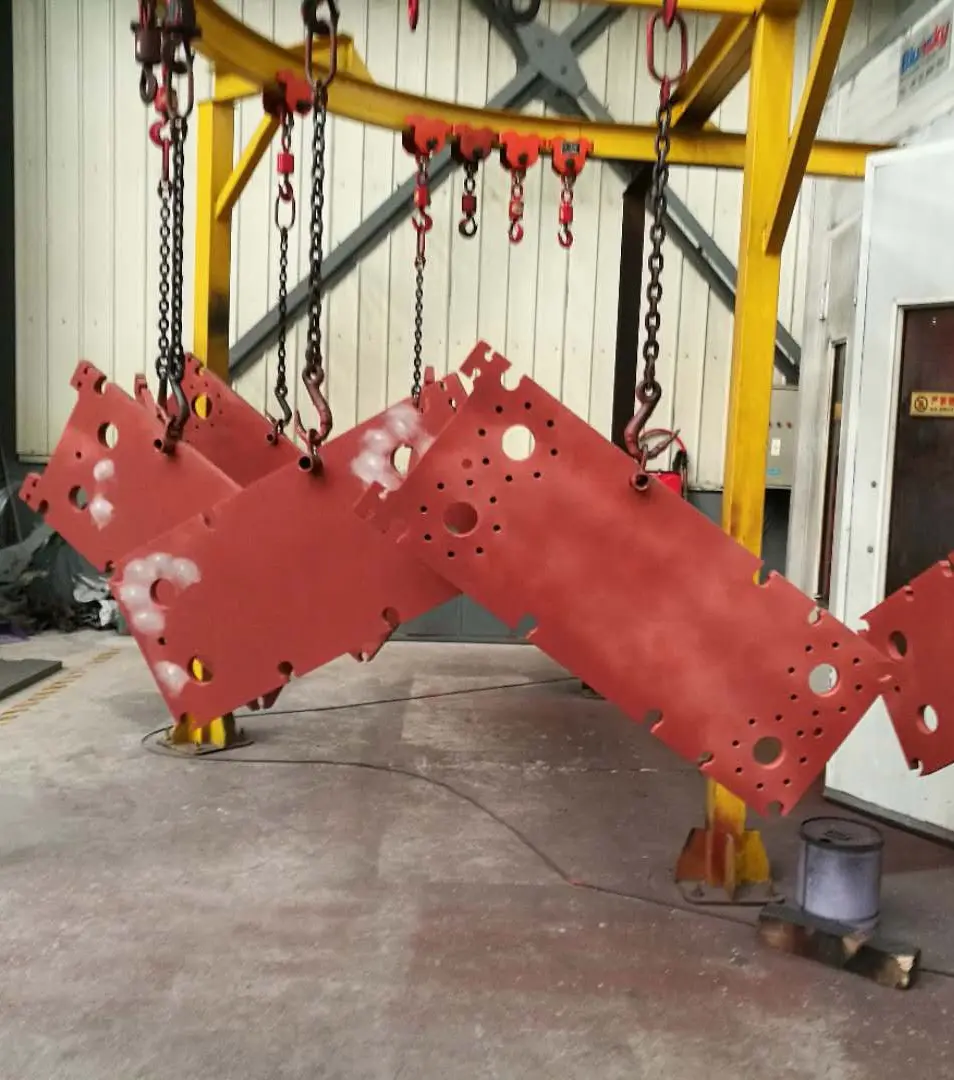
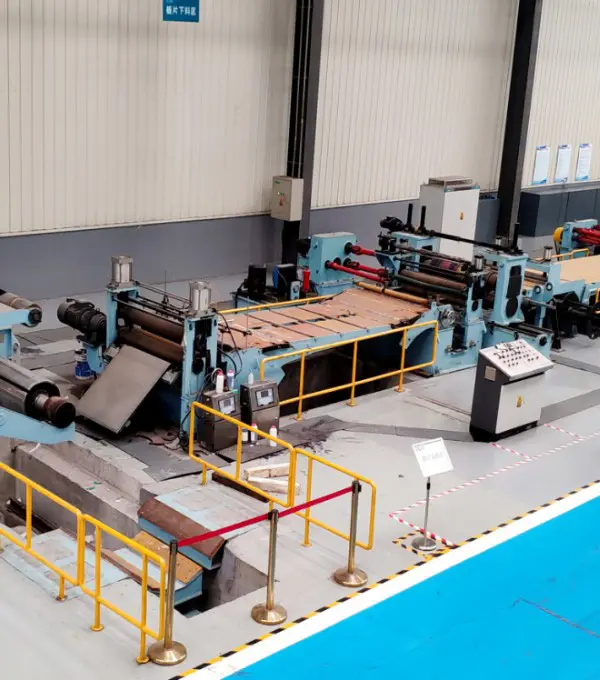
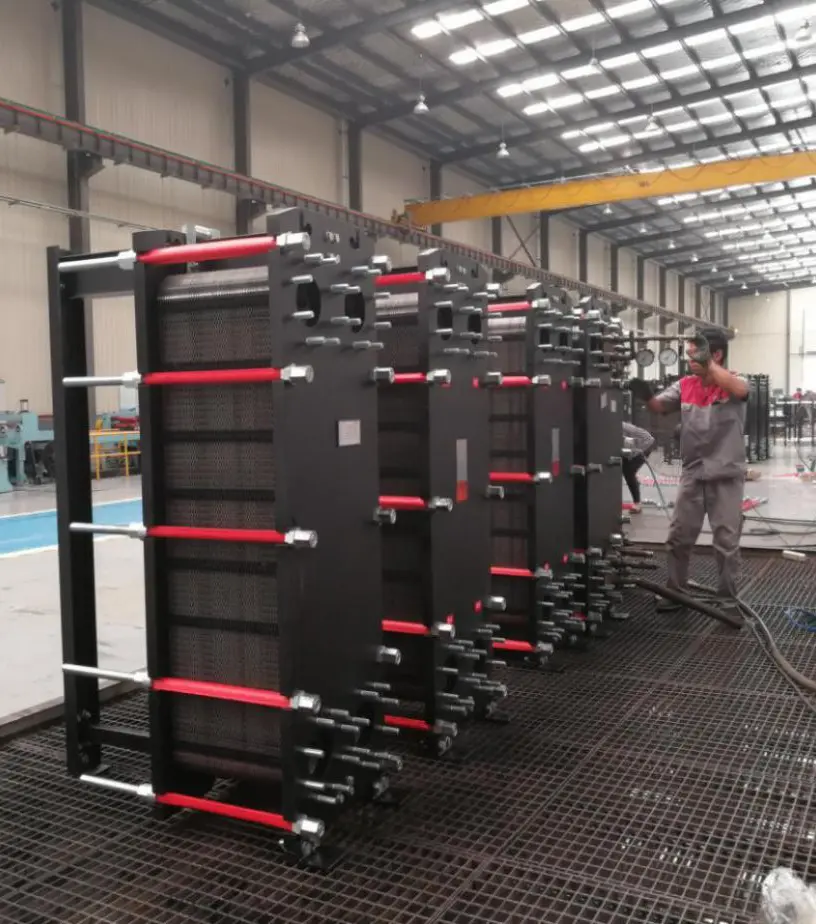
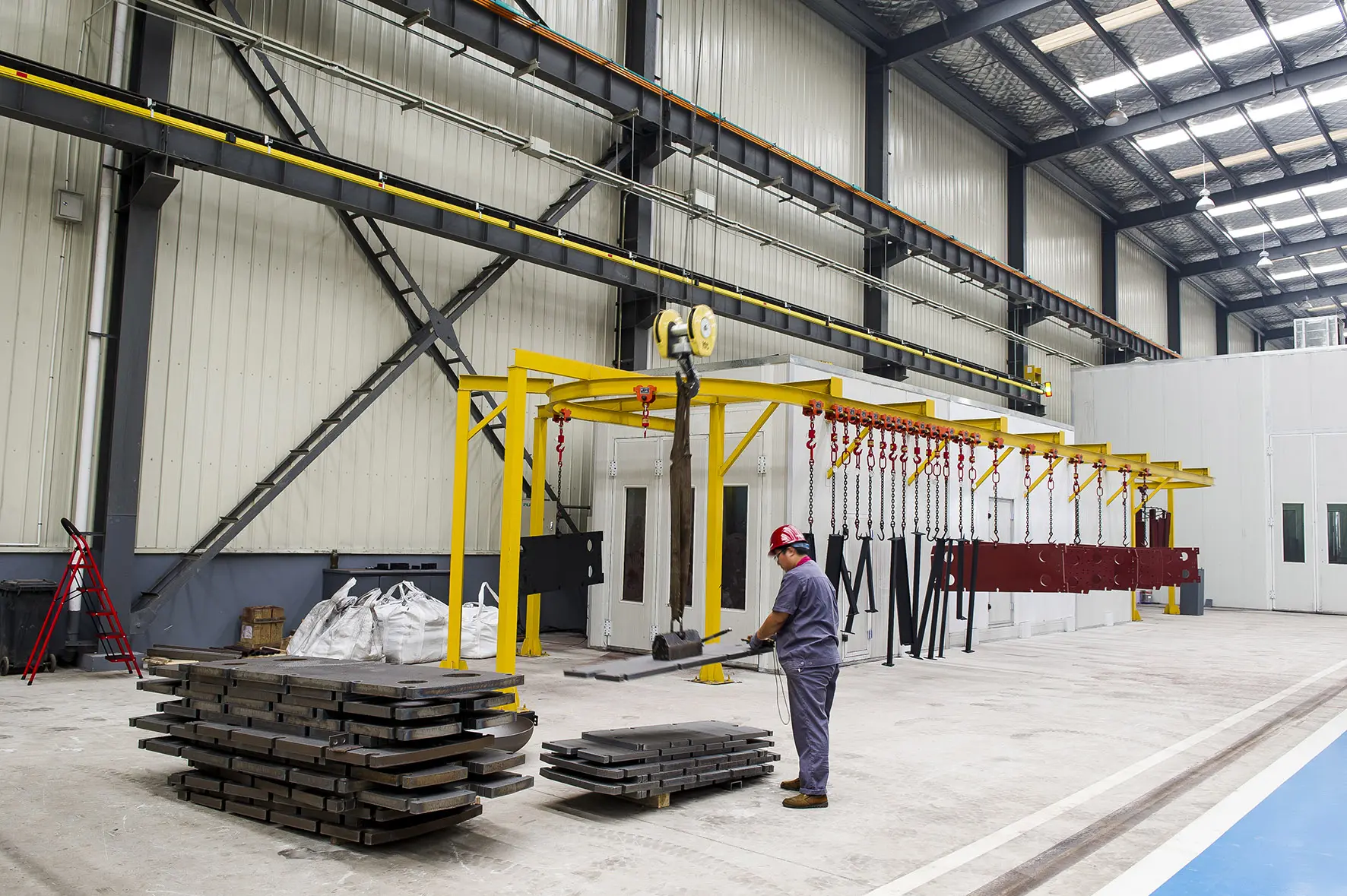
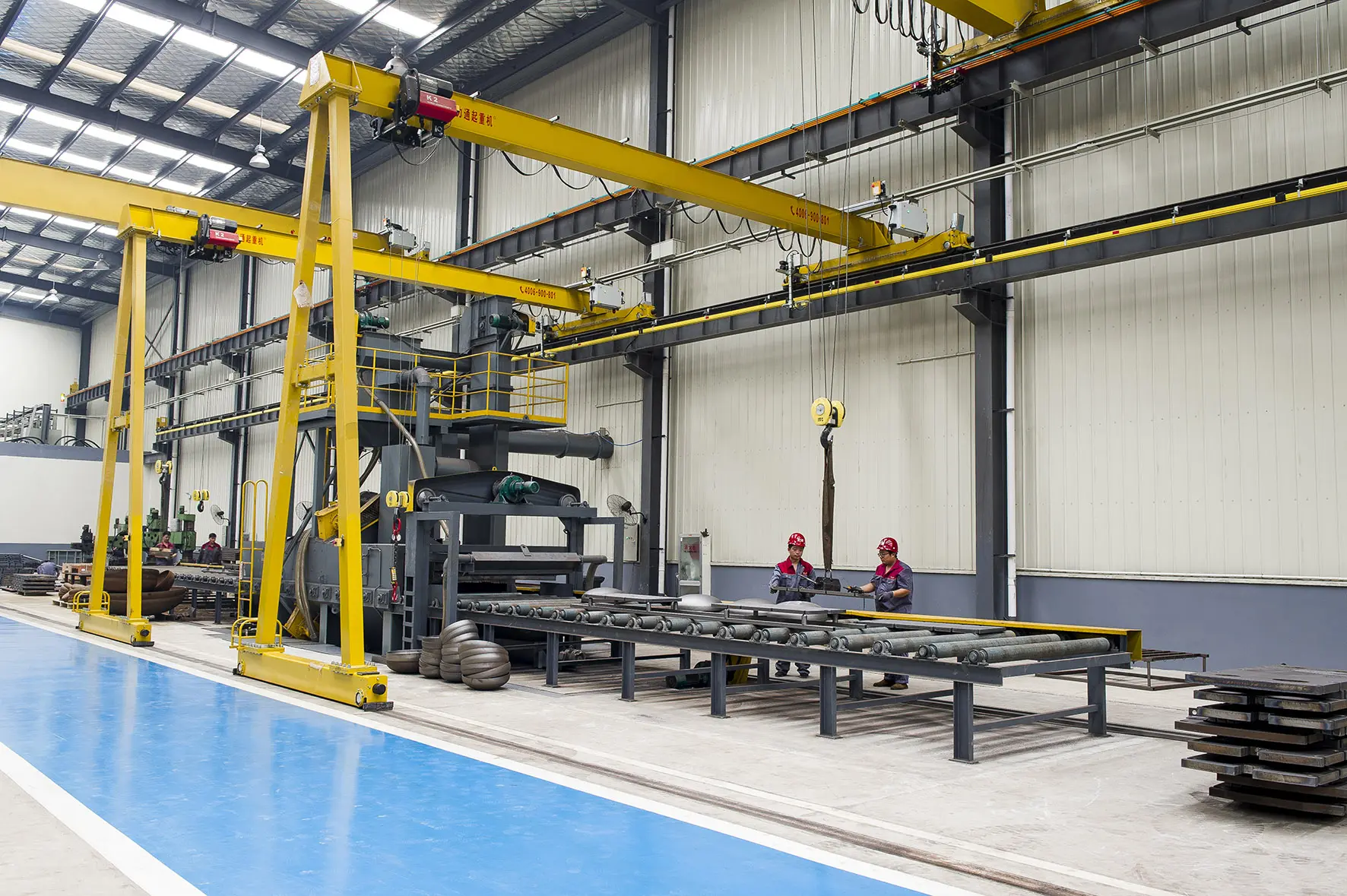
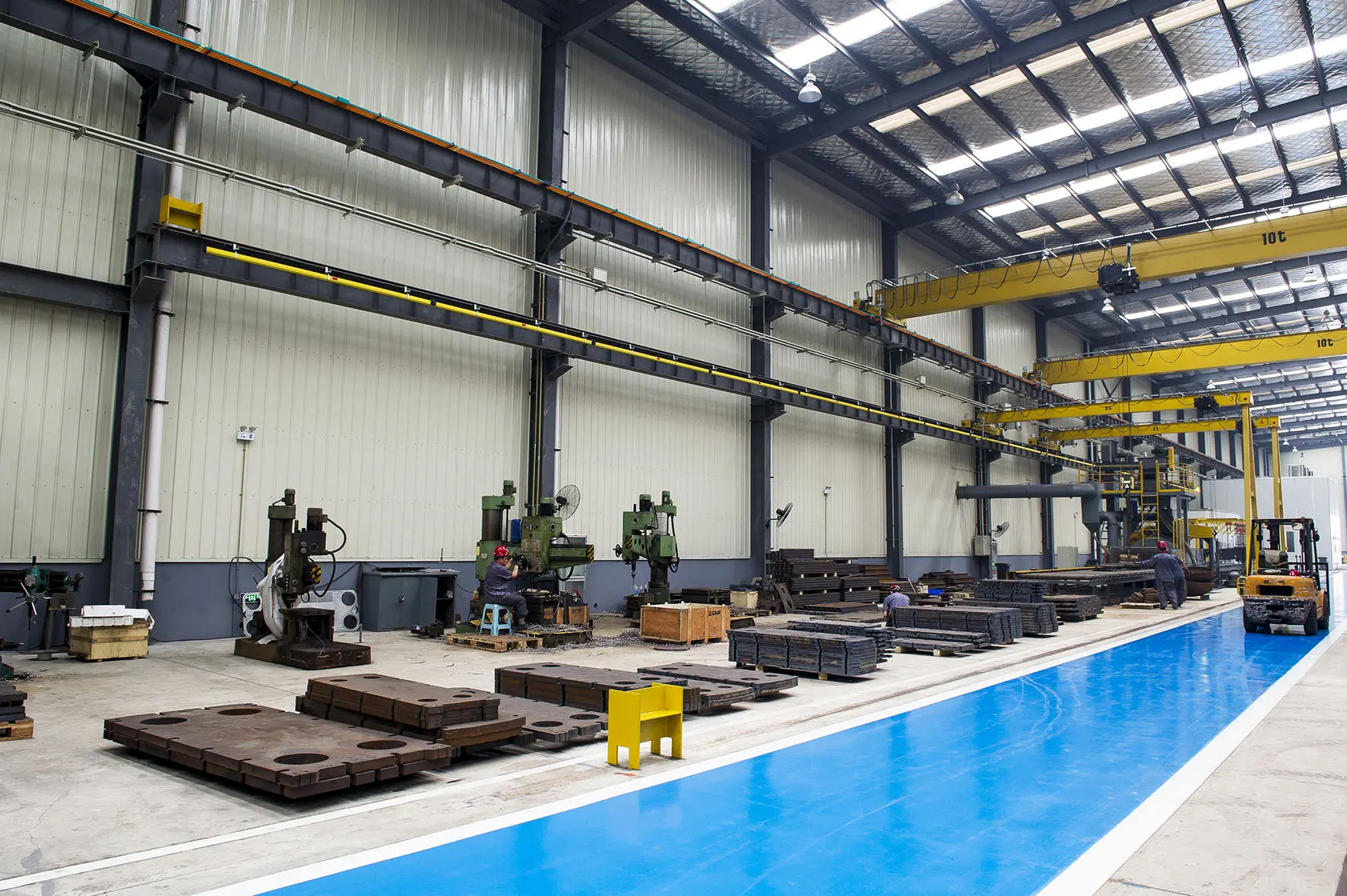
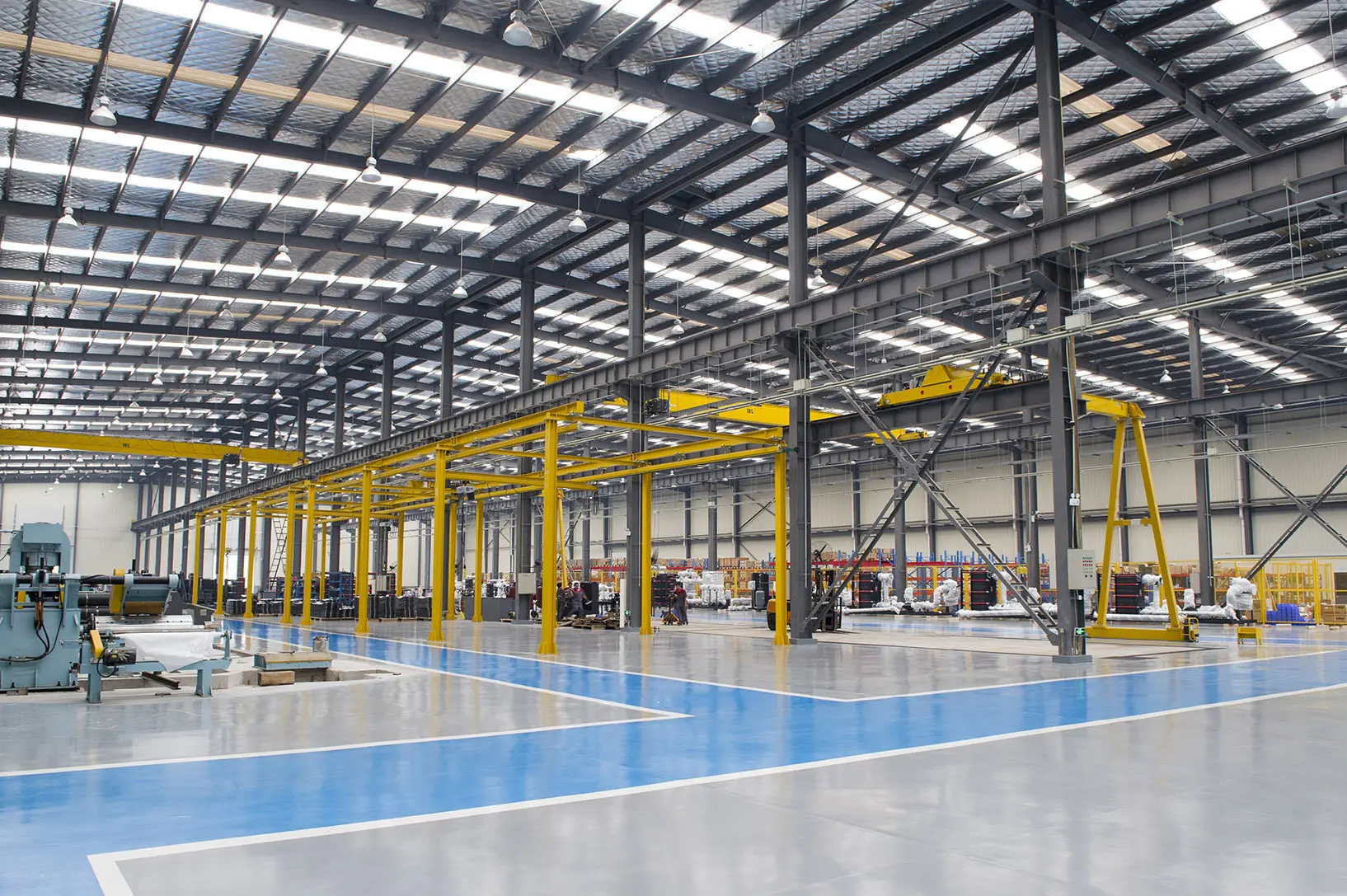
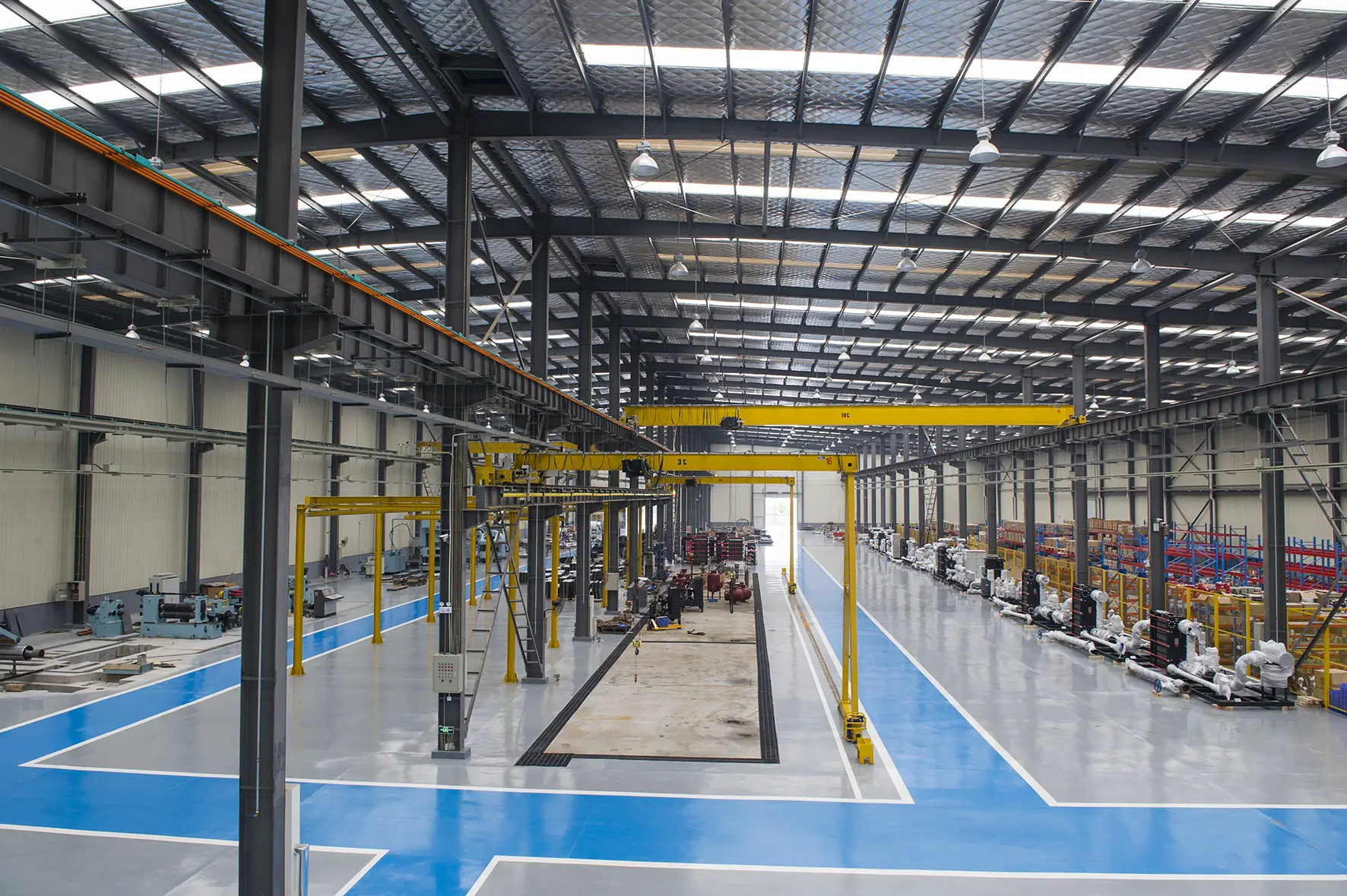
From initial raw plate selection to ultimate hydrostatic pressure verification, our manufacturing workflow guarantees dimensional tolerance, weld integrity, and leak-proof sealing.
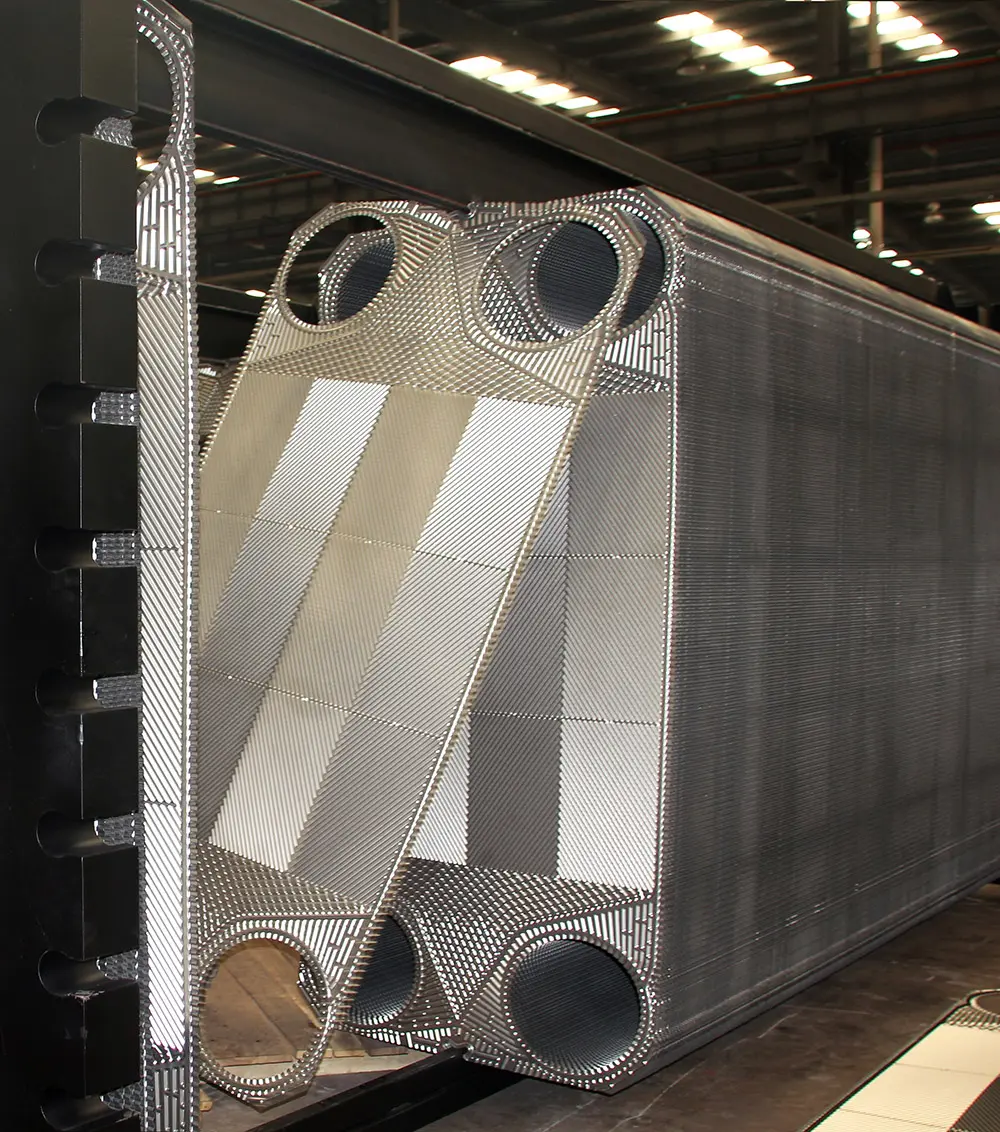
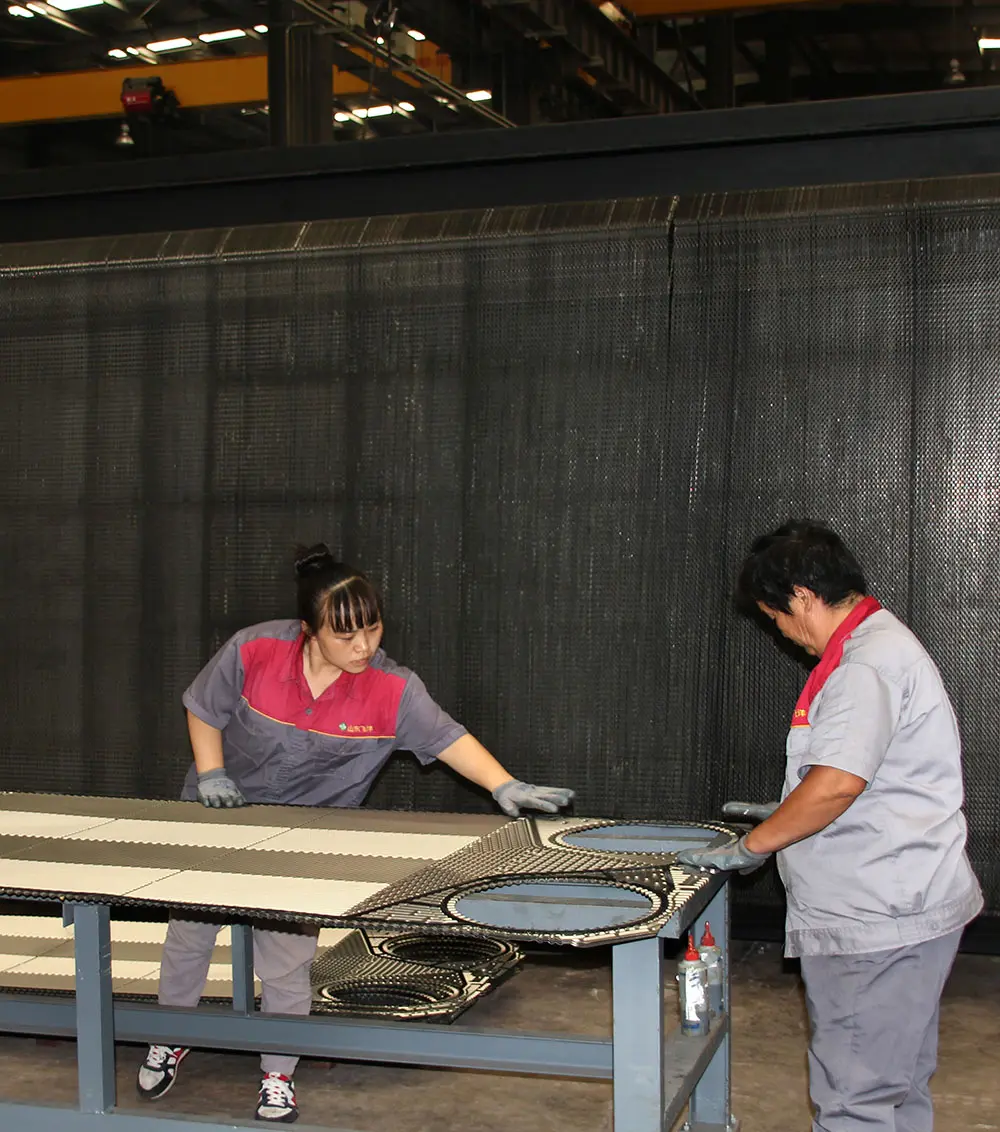
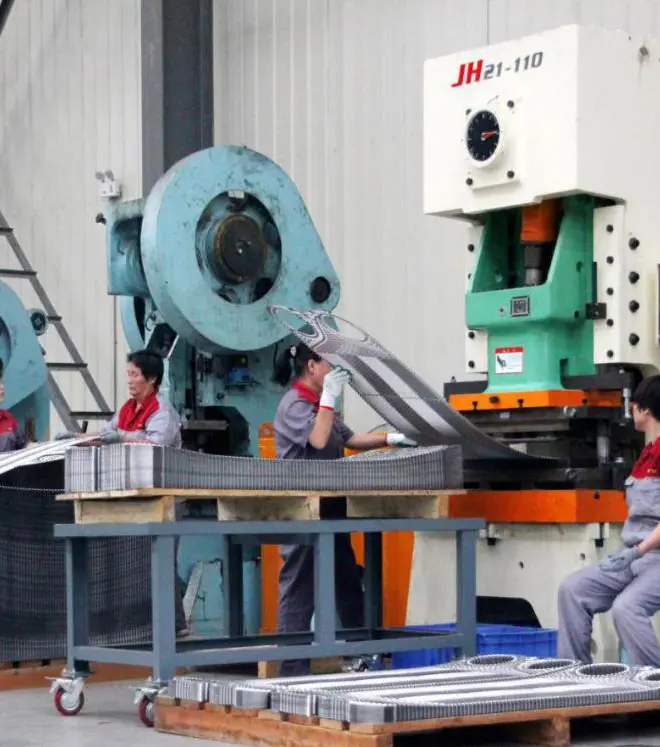
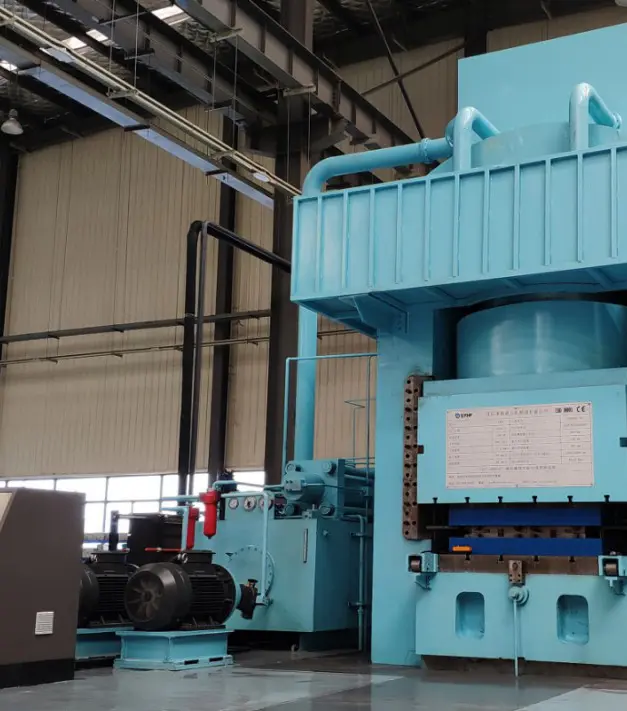
As the international community converges on ambitious carbon reduction milestones under the Paris Agreement and corresponding local mandates (such as the EU's Energy Efficiency Directive and China's Dual Carbon target), industrial thermal efficiency has evolved from a secondary cost factor to a primary environmental benchmark. In conventional manufacturing, chemical refinement, and urban HVAC operations, thermal energy dissipation constitutes a significant source of operational waste. Effective exchanger design sits at the absolute center of recovery strategies, reclaiming thermal energy from low-grade exhaust streams, process run-offs, and multi-stage evaporative processes.
At Flotte, our engineering principles align with this shift towards energy conservation. Our systems are engineered to facilitate the thermal step-down and step-up dynamics required in modern heat-recovery networks. For instance, in complex organic chemistry synthesis and municipal waste-water recovery, the ability of a plate heat exchanger to operate efficiently at extremely narrow temperature approaches (often as small as 1°C to 2°C) dictates the viability of the entire system. Our engineering teams leverage advanced numeric simulation and computational fluid dynamics (CFD) to design channels that limit local pressure drops while maintaining high shear stress along the plate walls. This design delays the onset of fouling, extends service life, and reduces energy consumption across circulating pumps.
Exporting custom thermal systems globally requires navigating complex technical regulations. Designers must account for varying material requirements, local pressure limits, and unique climate conditions. Whether installing compact box-type heat exchangers in high-density urban areas like London or deploying heavy-duty shell-and-tube systems in chemical hubs in Houston, compliance is critical. Flotte ensures compliance by designing to regional regulatory standards including EU Pressure Equipment Directive (PED), ASME Boiler & Pressure Vessel codes, and local environmental standards.
Our localized support structure extends beyond paperwork. We analyze unique regional water chemistries—such as high carbonate levels in specific municipal networks or high salinity in desalination loops. High mineral content accelerates scale formation, reducing heat transfer efficiency. To mitigate this, we customize plate textures and select materials like Hastelloy or titanium to resist scaling and corrosion. This tailored engineering guarantees long-term reliability and efficient operation in challenging environments.
Our engineered solutions are deployed across diverse sectors, including:
Developing asymmetric plate patterns designed to optimize flow profiles for asymmetric fluid conditions, minimizing pressure drop.
Integrating real-time ultrasonic scaling detection directly into intelligent heat exchange units, enabling predictive maintenance.
Applying hydrophobic and anti-microbial coatings to plate surfaces to resist bio-fouling and mineral scale buildup in marine applications.
Optimizing thermodynamic systems to recover energy from low-grade waste heat, supporting industrial decarbonization.
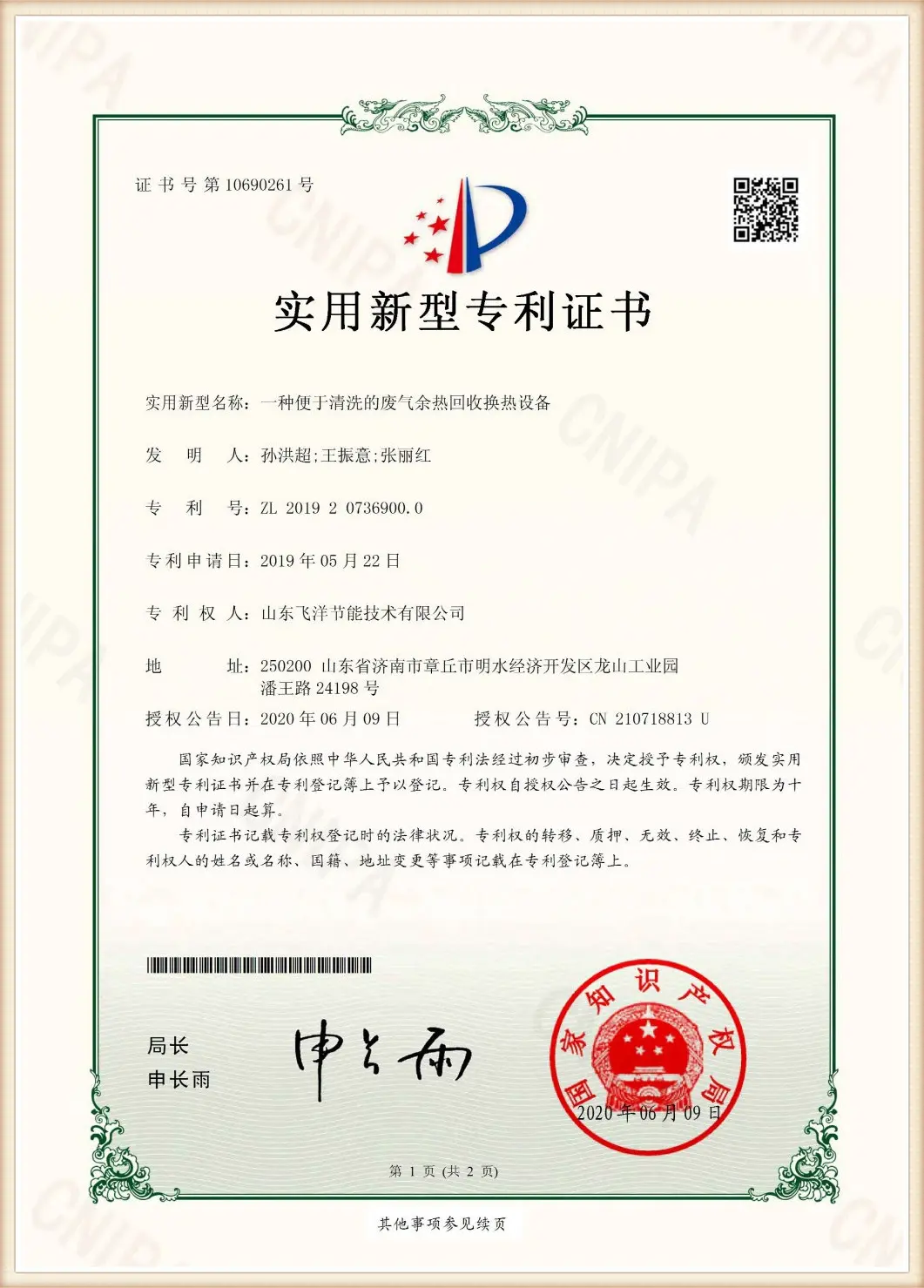
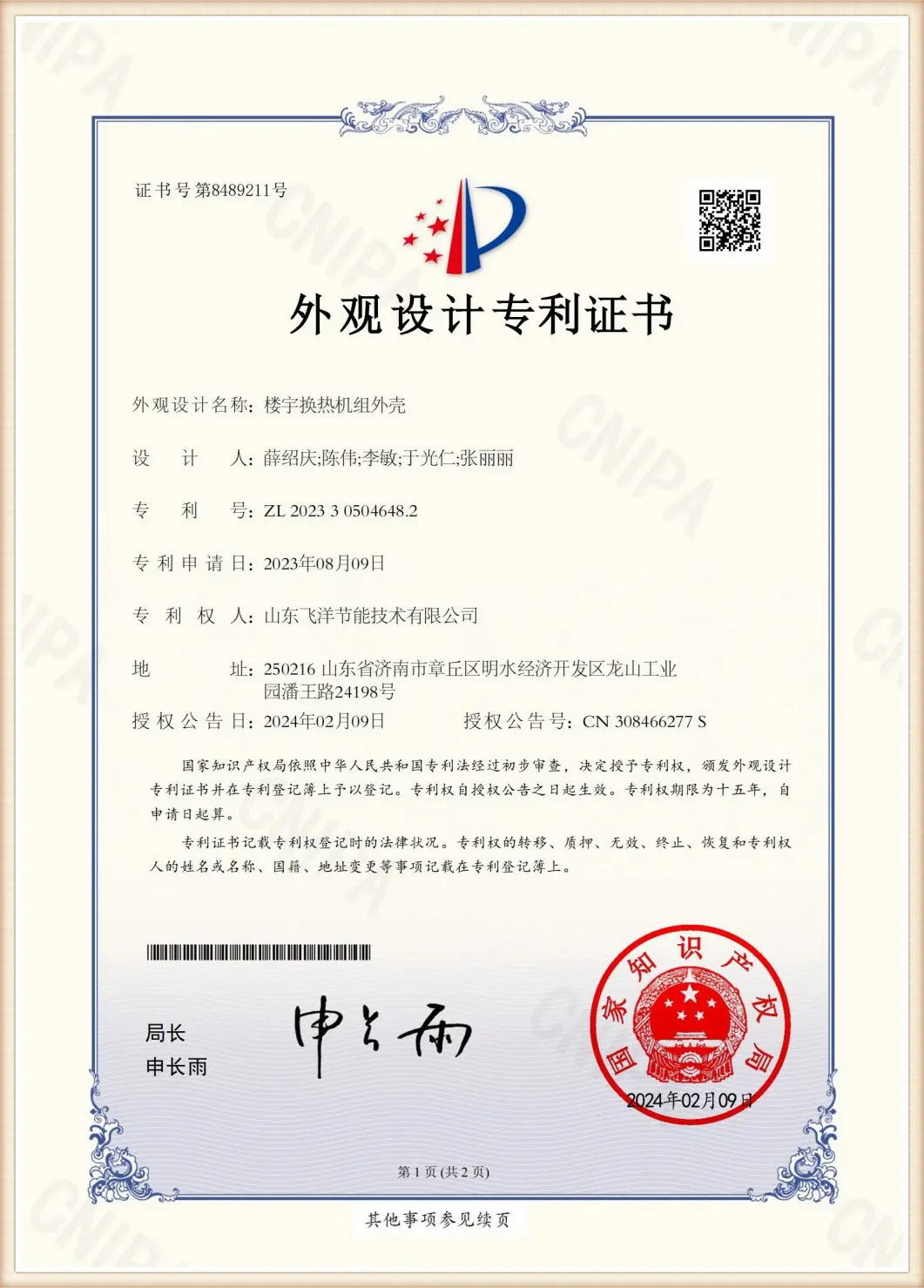
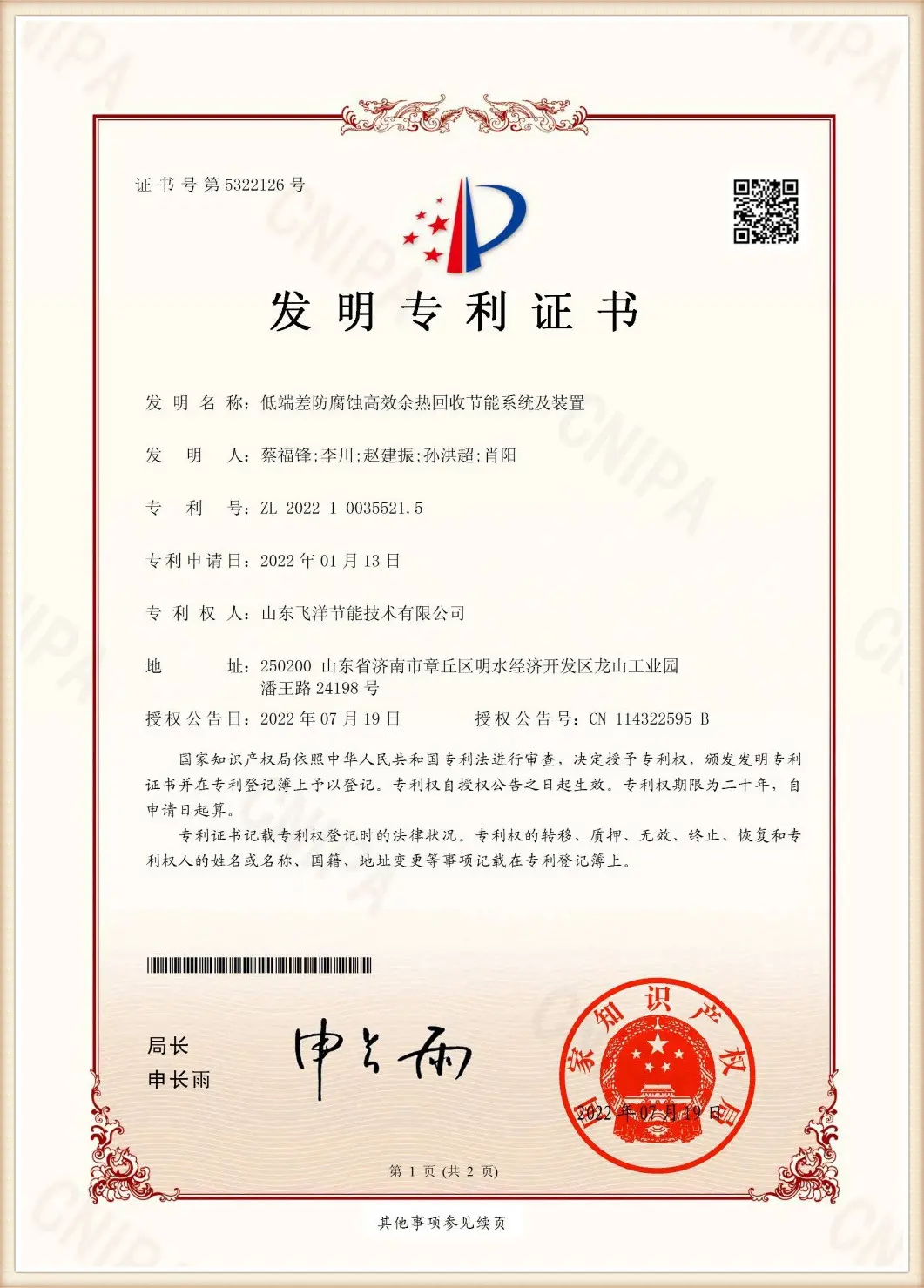
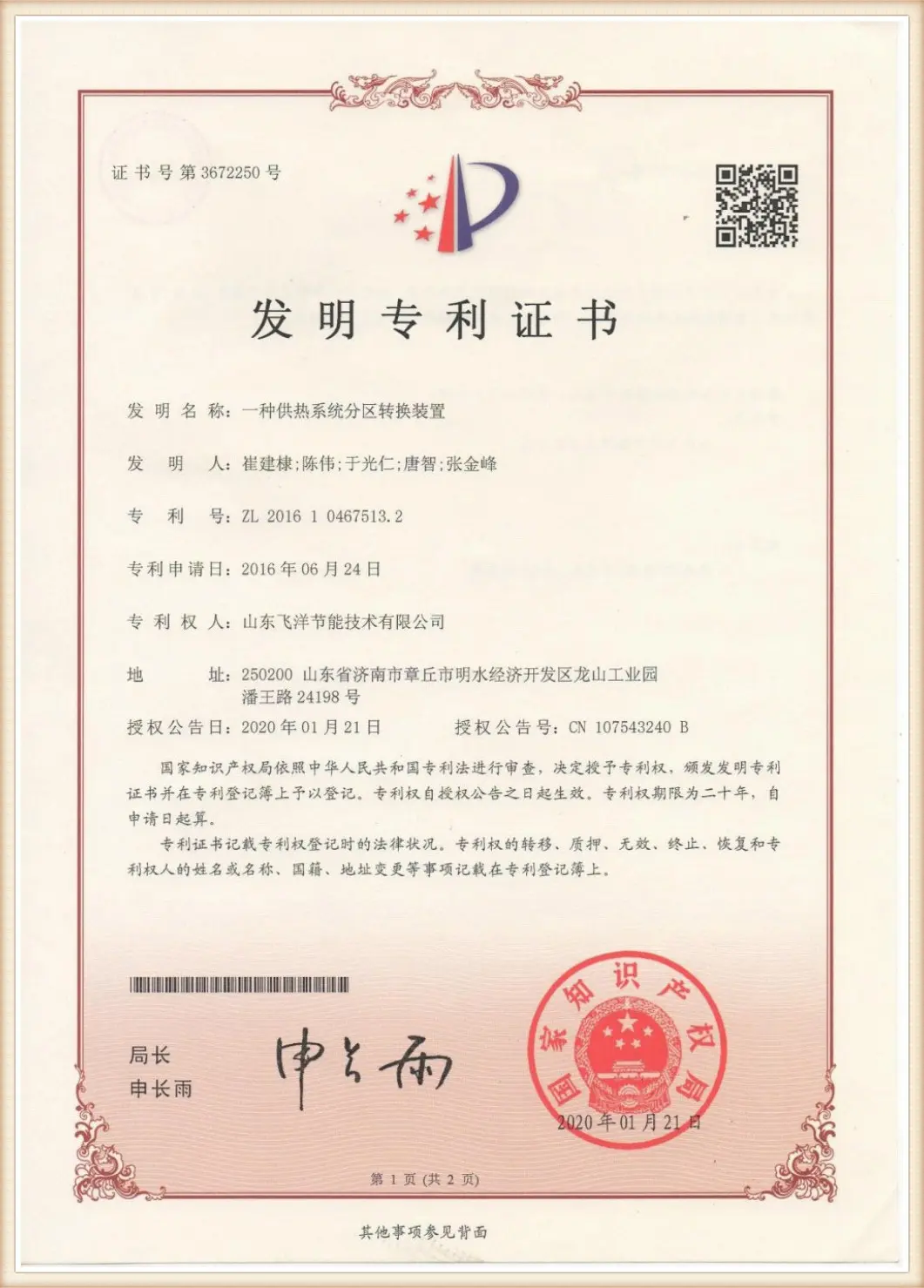
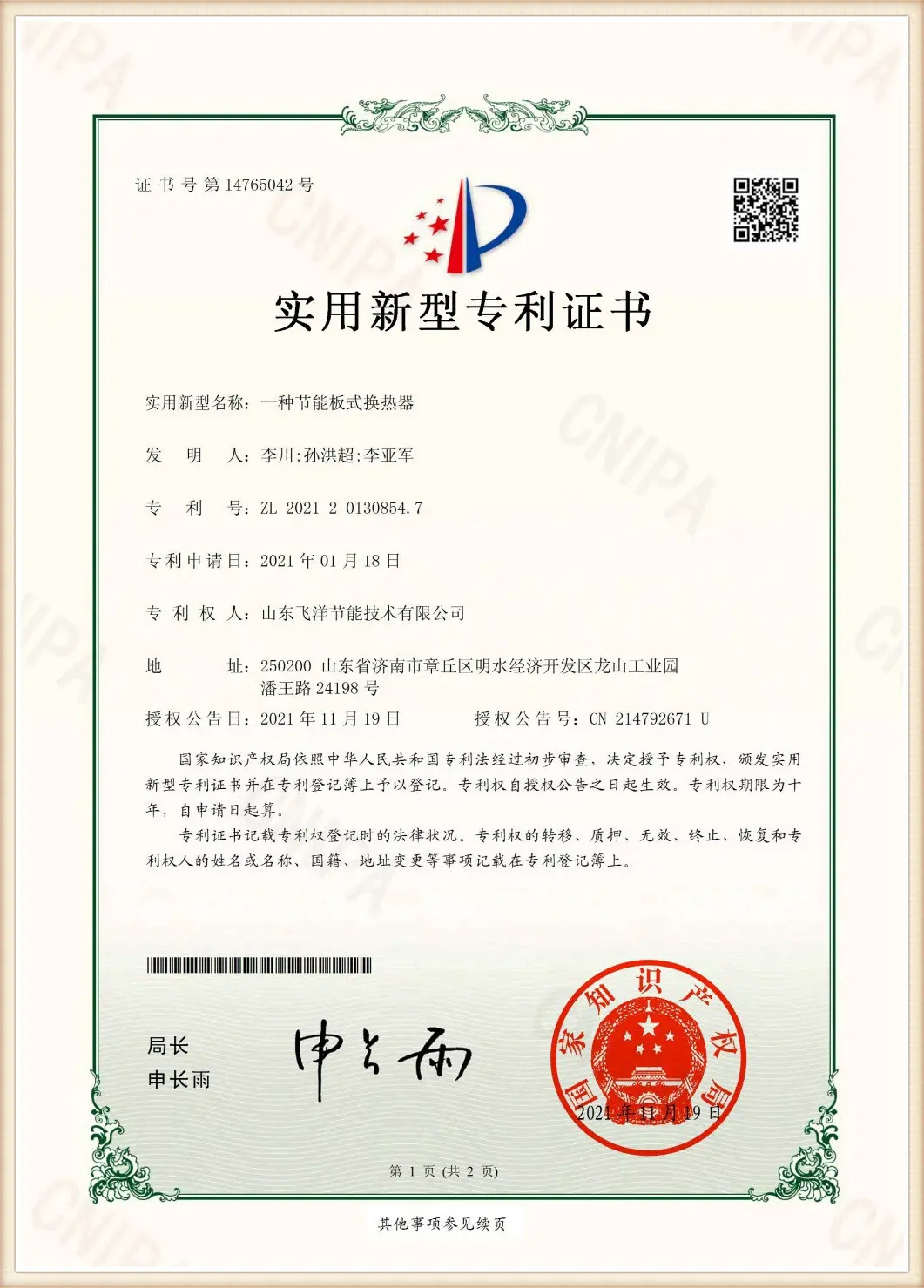
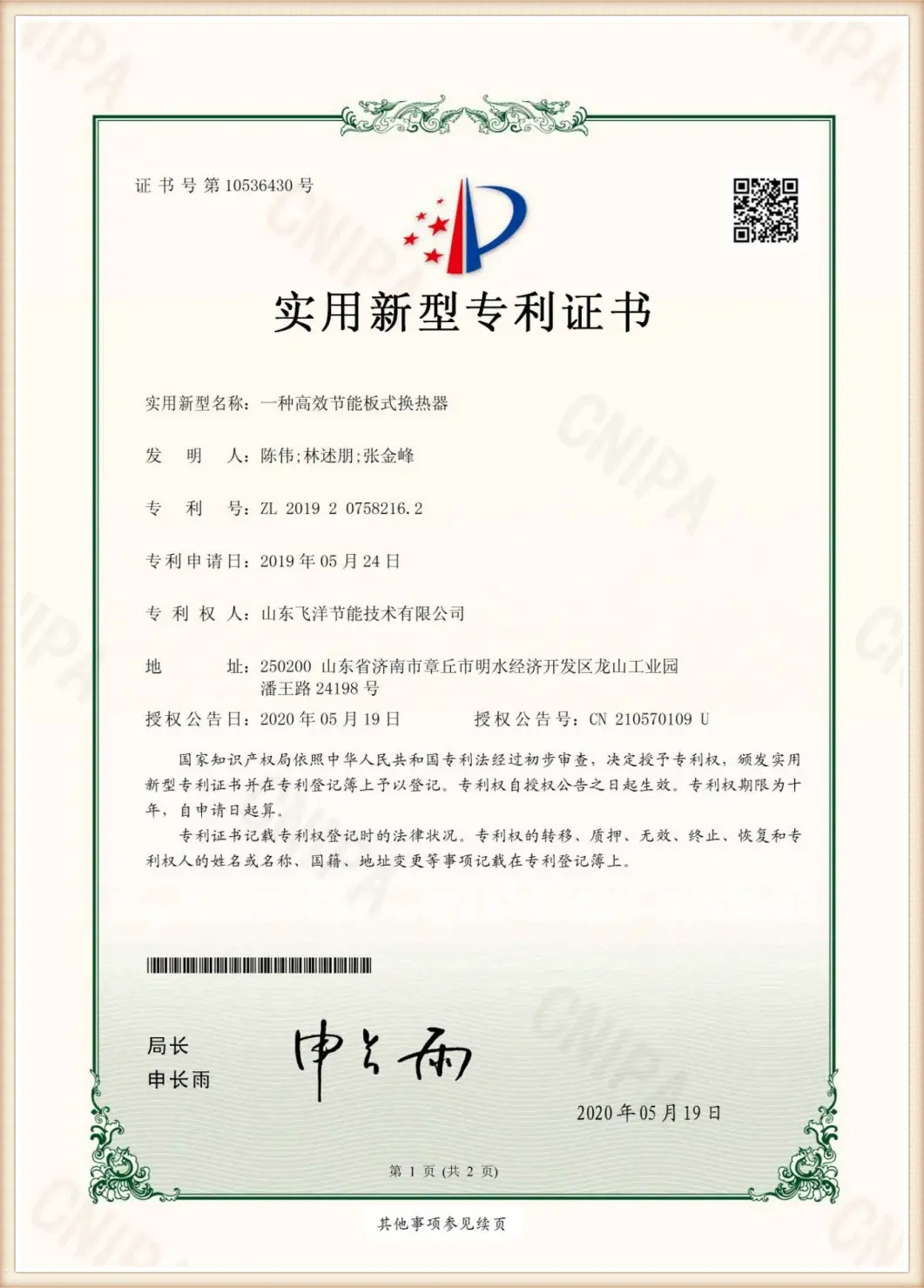
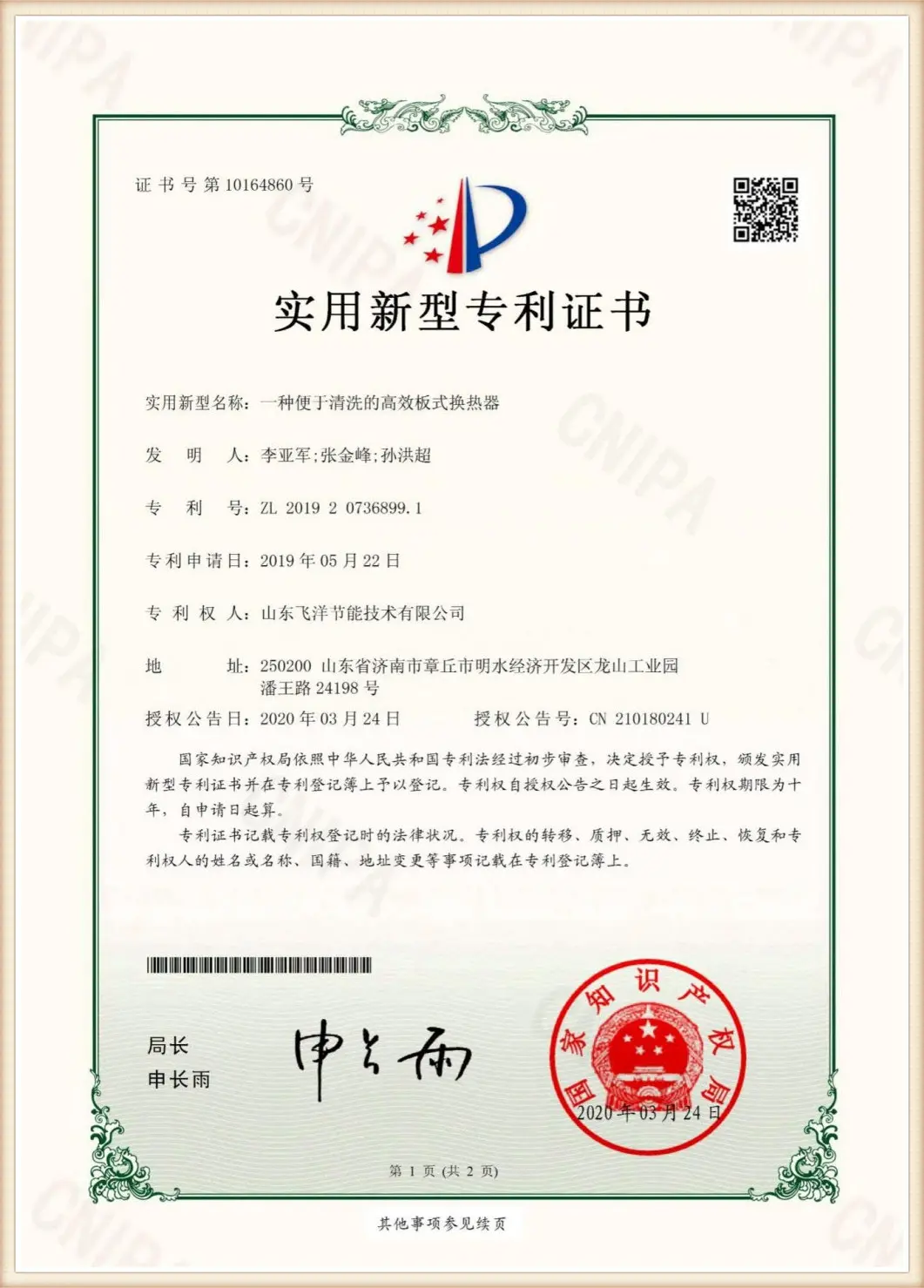
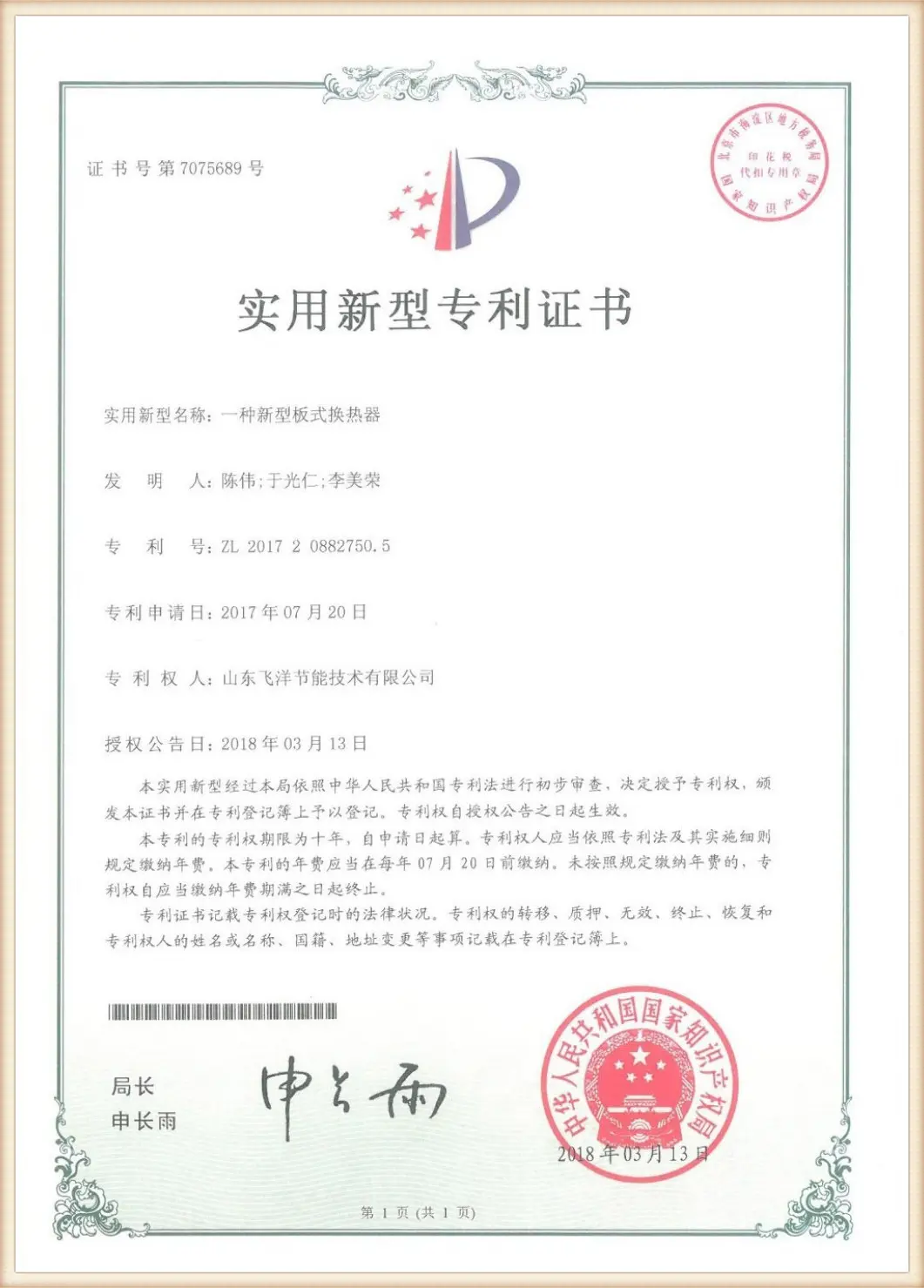
Proof of our rigorous manufacturing workflows, continuous material testing, and verified compliance with national and international quality and safety standards.
Find technical answers on thermodynamic efficiency, pressure drop limits, material selections, and maintenance protocols for our industrial-grade solutions.
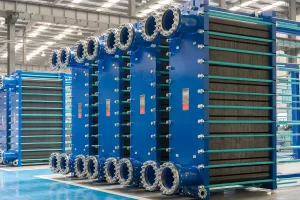
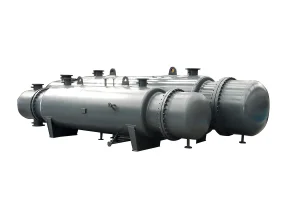
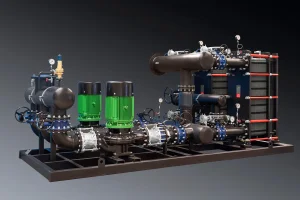
Explore our advanced product line. These systems are designed to manage demanding pressure ratings, high temperatures, and corrosive fluids in industrial environments.
 Flotte Energy