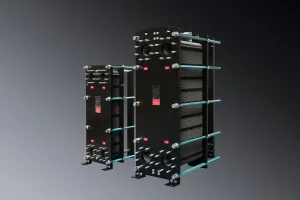
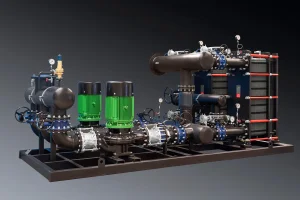
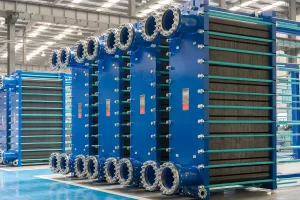
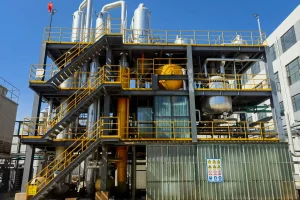
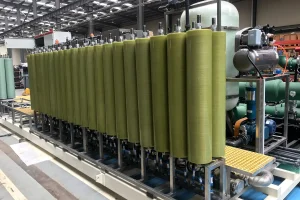
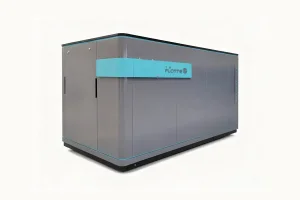
Below is our curated selection of high-efficiency thermal, filtration, and fluid control equipment widely utilized alongside our premium butterfly valve systems in high-demand municipal and industrial networks.
In modern process engineering, the selection of premium control components is paramount to maintaining system pressure, thermal efficiency, and operation safety. Flotte Energy Saving Company, established in 2013 with a registered capital of 101 million yuan, trace our lineage back to Flotte Thermal Engineering founded in 1995. Armed with three decades of rigorous research and technological development, we have secured a leading position in water equipment, HVAC systems, and high-performance fluid handling industries.
Through our intensive R&D efforts and proprietary laboratory validation, we manufacture advanced Hand Operated Butterfly Valves that serve as the critical manual isolation and throttling backbone for heavy-duty process circuits worldwide. When engineering high-capacity municipal thermal systems or complex chemical plants, choosing a trusted exporter with direct ownership of ISO-compliant production lines represents the single greatest risk mitigation strategy for international buyers.
Selecting a hand-operated butterfly valve requires a comprehensive understanding of mechanical eccentricities, seating material limitations, and torque curves. Our technology roadmap ensures our valves deliver bubble-tight isolation and exceptional lifetime performance under dynamic pressures.
While concentric designs are suitable for low-pressure utilities, our double and triple eccentric manual valves shift the stem centerline off-center from both the disc seal and the body. This reduces seal wear, minimizes friction-induced operating torque, and guarantees a tight mechanical closure over thousands of cycles.
We offer elastomeric seats (EPDM, NBR, Viton) for precise water and ambient air isolation, and PTFE lining for highly corrosive chemical media. For thermal energy circuits, our metal-to-metal seating featuring Stellite hardfacing handles temperatures up to 450°C and avoids scale accretion.
Manual operators must balance safety with ease of use. Our lever handles utilize a 10-position locking plate for immediate valve position visibility and control (up to DN200). For larger diameters (DN250 to DN1200), we integrate self-locking worm-gear gearboxes with an ISO 5211 direct mounting pad.
| Parameter / Specification | Wafer Type (Manual Lever) | Lug Type (Manual Gear) | Double Flanged (Heavy Duty Gear) |
|---|---|---|---|
| Size Range | DN50 - DN300 (2" - 12") | DN50 - DN600 (2" - 24") | DN150 - DN2000 (6" - 80") |
| Pressure Ratings | PN10 / PN16 / Class 150 | PN10 / PN16 / Class 150 | PN10 / PN16 / PN25 / Class 150 / Class 300 |
| Design Standard | API 609 / EN 593 | API 609 / MSS SP-67 | API 609 / EN 593 / AWWA C504 |
| Face-to-Face Dimensions | ISO 5752 / API 609 Table 1 | API 609 Table 2 | ISO 5752 Short / Long Series |
| Body Materials | Ductile Iron (GGG40/50), WCB, CF8 | Ductile Iron, CF8M, Al-Bronze | Ductile Iron, Cast Steel, Stainless Steel |
| Application Scenarios | Water Treatment, HVAC distribution | Industrial chemical lines, vacuum applications | District Heating networks, marine cooling circuits |
Manual butterfly valves represent the core muscle of flow regulation. Our custom designs accommodate heavy thermal loads, chemical corrosion, and high velocity flows across multiple industry sectors.
Within municipal district heating systems, hand operated butterfly valves regulate return lines and bypass flows. Their high Cv values ensure minimum pressure drop, reducing overall circulating pump power demand. They operate alongside our Intelligent Heat Exchange Units to isolate segments during maintenance cycles.
Handling corrosive brackish water requires robust polymeric seating and chemical-resistant discs. Our duplex stainless steel and Rilsan-coated discs offer excellent corrosion protection, making them ideal isolation points for raw water pre-filtration, reverse osmosis racks, and high-performance Membrane Concentration Systems.
Power generation steam networks generate thermal stress and high vibration levels. Our high-performance double offset butterfly valves, configured with a manual worm-gear, operate stably during boiler feed water treatment and multi-effect evaporation condensation, preventing cavitation and seat wear.
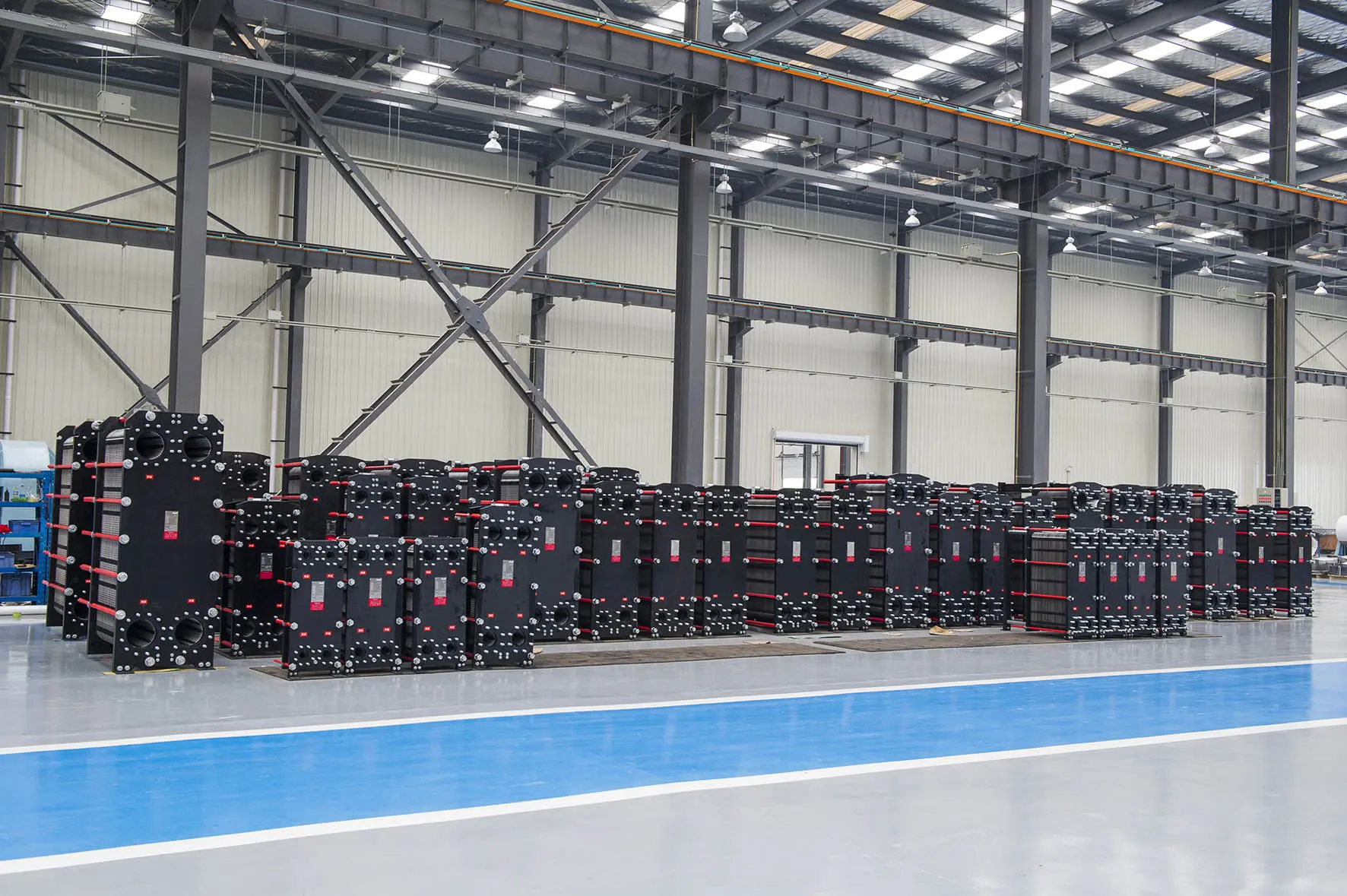
Our production capacity represents a robust safeguard against supply delays. Within our 70,000 square meter facility, advanced CNC machining centers, automatic test rigs, and professional metallurgical laboratories operate in tandem to ensure absolute consistency.
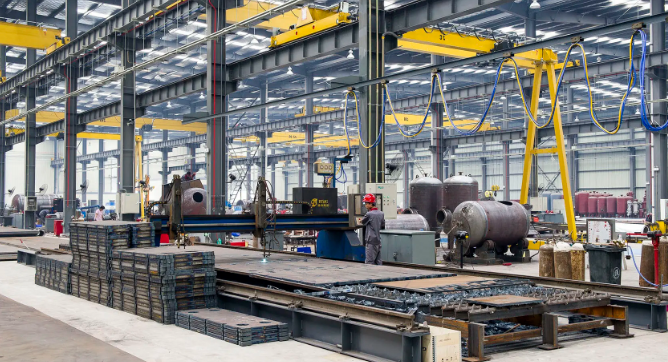
By integrating raw material sourcing, automated machining, and dynamic pressure testing under a unified quality management framework, we guarantee reliable shipping times for overseas buyers. Our annual output of over 4,500 integrated system sets, paired with thousands of individual flow control valves, ensures volume elasticity for large infrastructure projects.
To ensure maximum structural integrity, every component goes through our strict processing flow, ensuring compliance with global pressure vessel safety standards:
Precision sizing of backing plates and raw bar stock via CNC band saws.
Enhancing grain boundaries of structural items to resist thermal stresses.
Press forming of highly accurate internal parts and indicator plates.
High-speed mechanical pressing ensuring bolt pattern precision.
Clean room integration of seats, stems, discs, and manual operators.
Hydrostatic and pneumatic testing to API 598 zero-leakage standards.
Dual-coat epoxy coating for superior atmospheric protection.
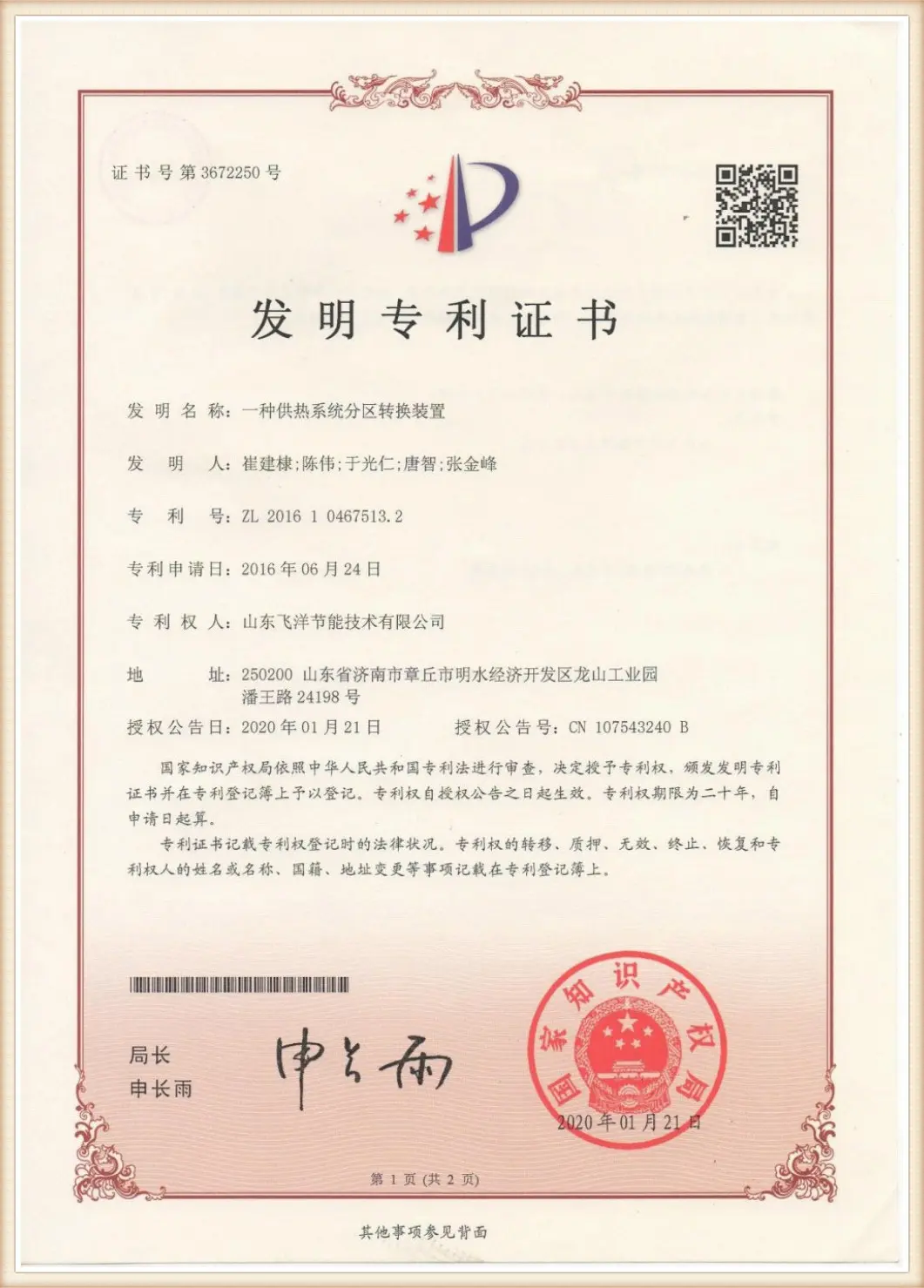
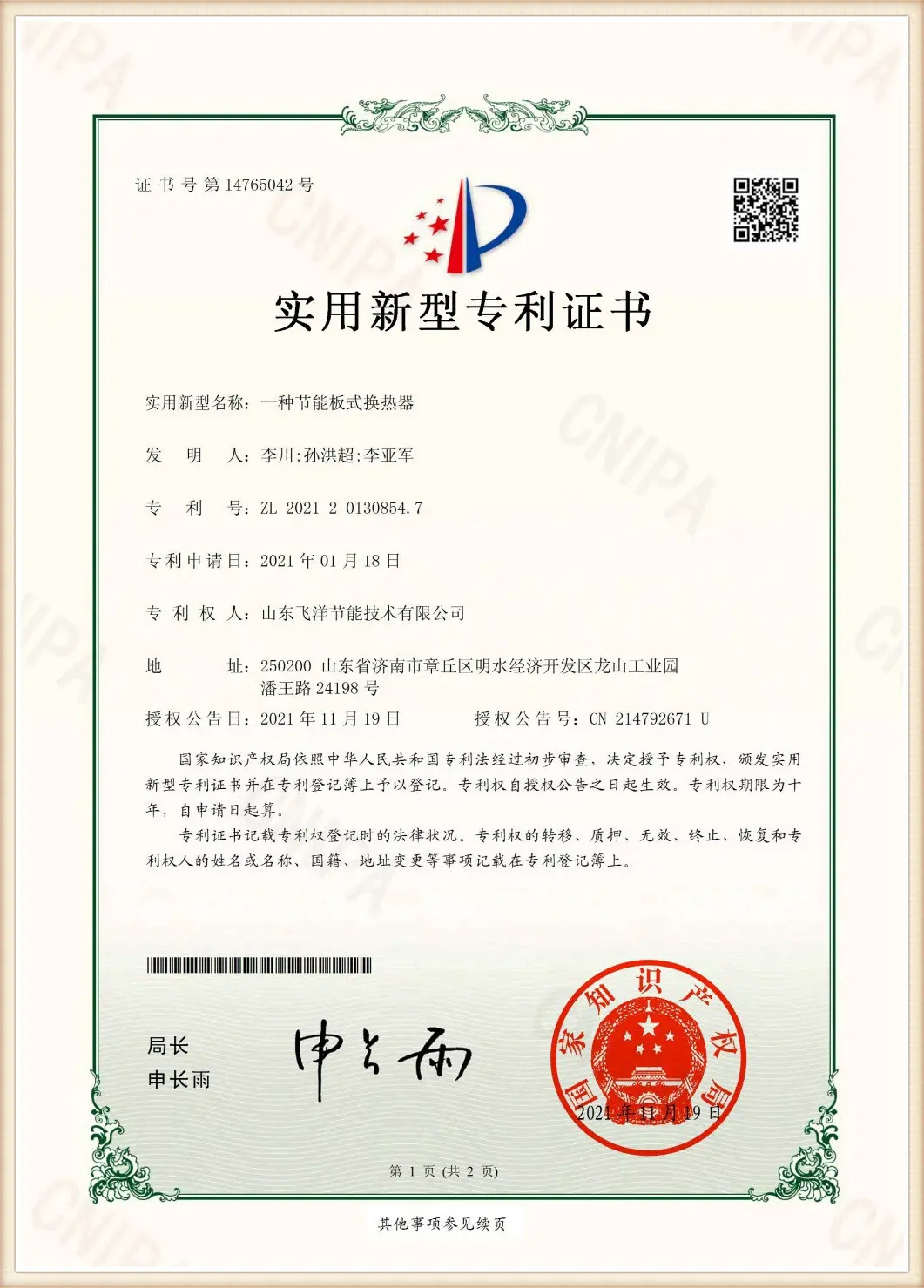
To serve as a reliable partner for global engineering firms, our quality assurance systems comply with the strictest international safety frameworks. Our production line strictly operates under ISO 9001:2015 (Quality Management), ISO 14001:2015 (Environmental Management), and ISO 45001:2018 (Occupational Health and Safety) certifications.
Additionally, our pressure vessels and flow equipment carry mandatory registration certificates from national boiler and pressure vessel standardization technical committees. During our testing sequence, every hand operated valve is subjected to hydrostatic shell tests at 1.5 times the pressure rating and seat leakage tests at 1.1 times the pressure rating. This guarantees zero-leakage performance under normal operating conditions.
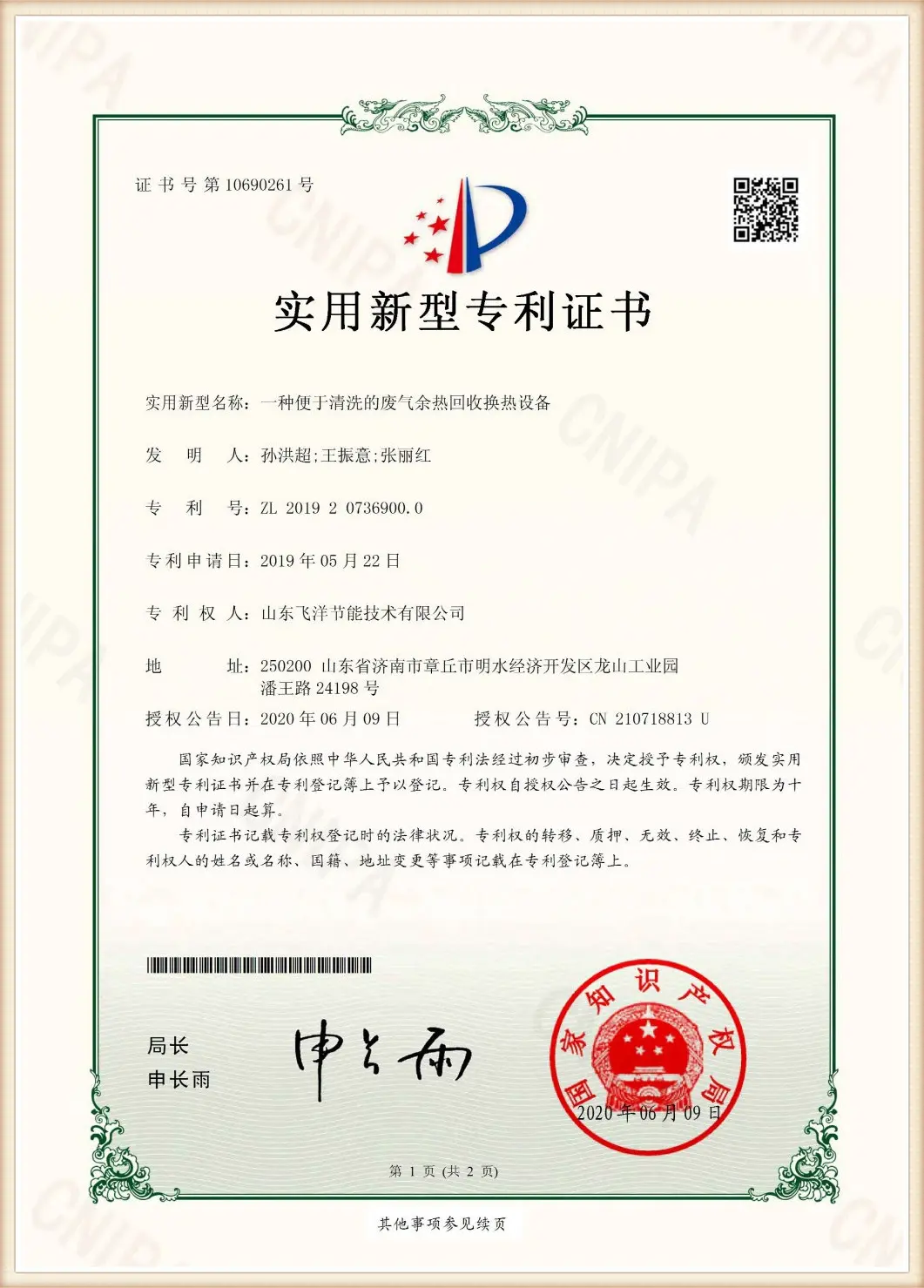
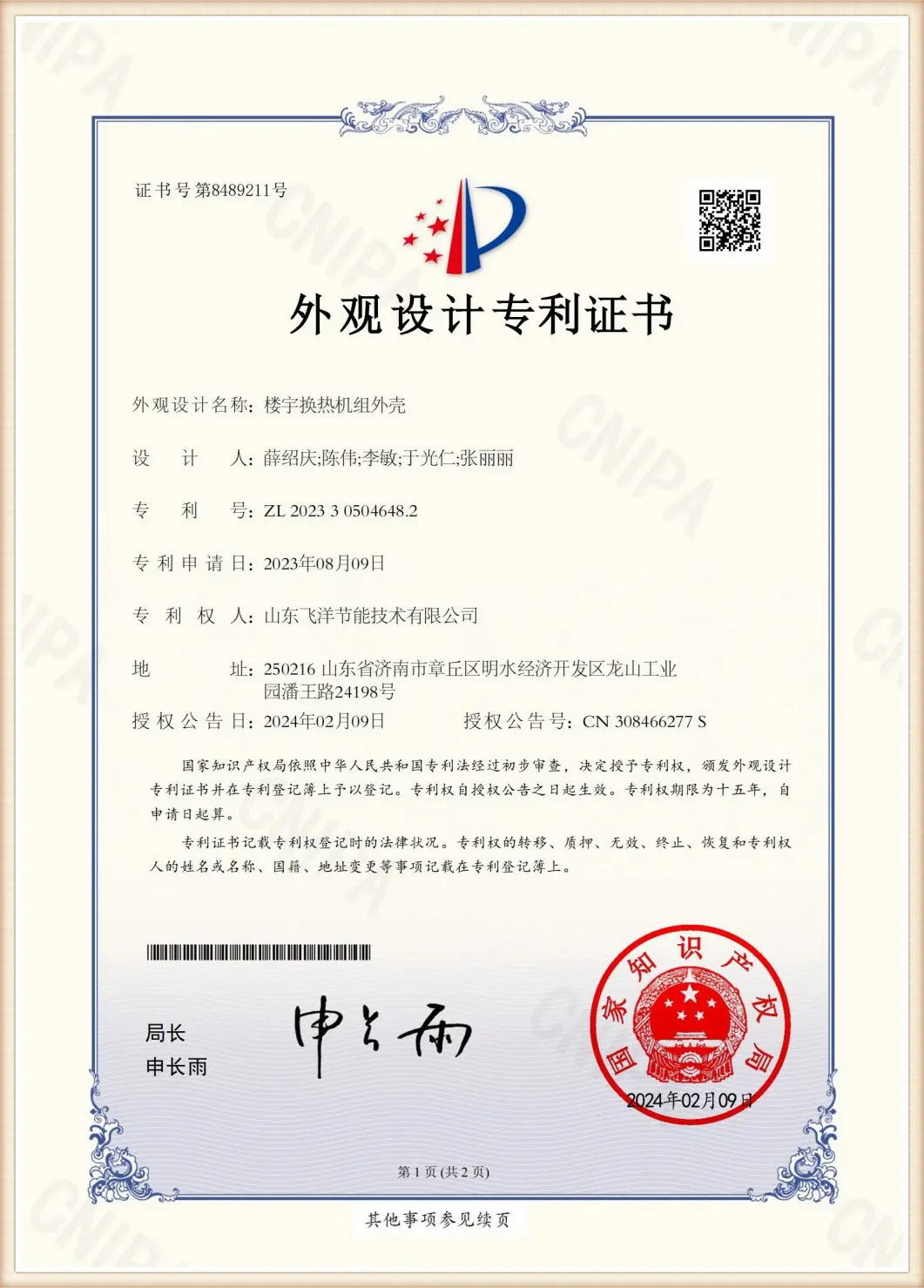
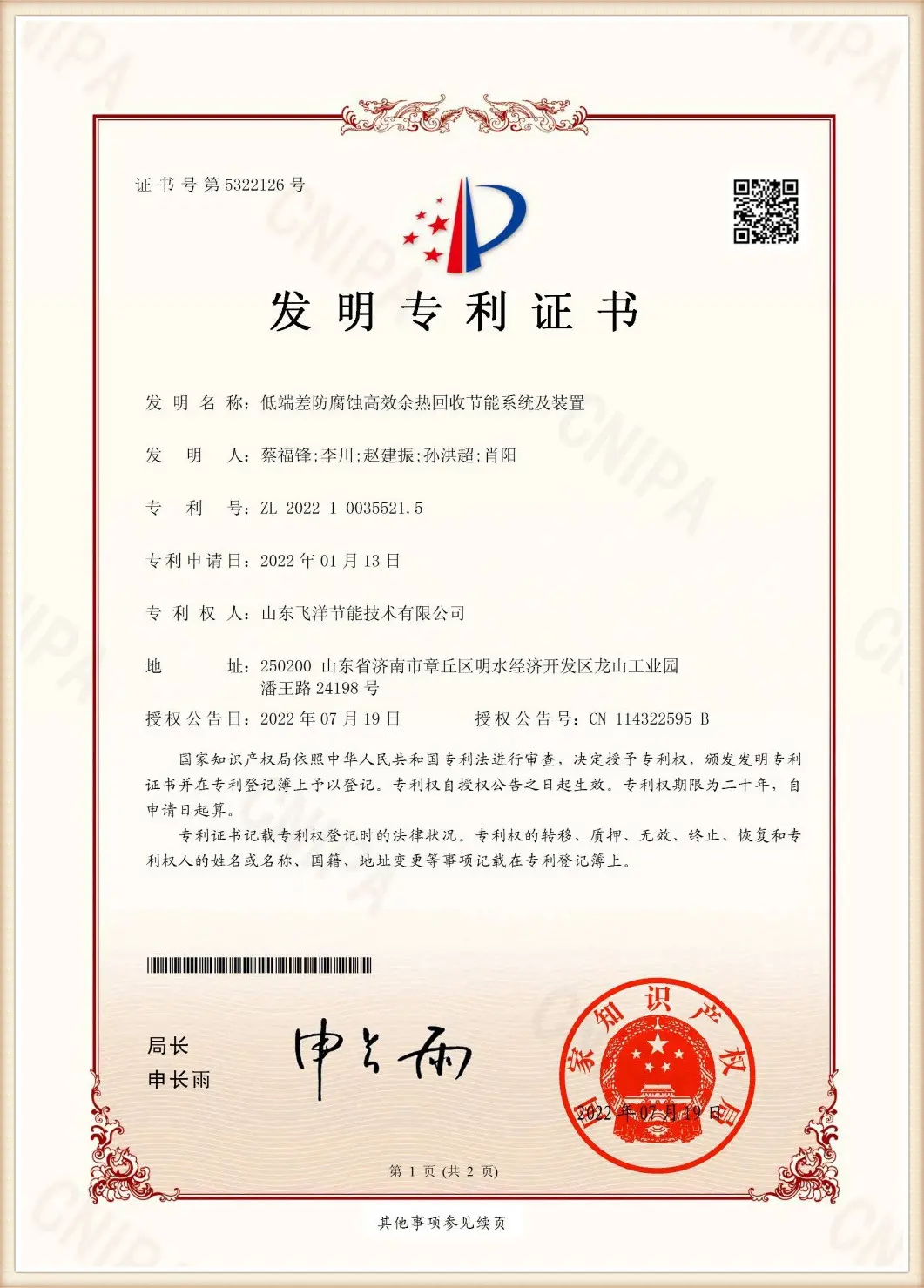
Overseas buyers must analyze more than just the initial unit cost. Our global support team streamlines compliance by offering:
Below are the most common technical questions our engineering division answers for global project specifiers, procurement officers, and piping design teams.
Manual sizing depends on dynamic torque, hydrostatic seating torque, and bearing friction. Lever operators are limited by human ergonomic constraints (typically < 350 N of manual rim pull) and are restricted to sizes DN200 or below at standard working pressures (PN16). For diameters above DN200 or differential pressures exceeding 10 bar, worm-gear boxes with gear ratios between 10:1 and 80:1 are required to ensure safe, low-force manual operation.
Wafer-style butterfly valves are clamped between pipe flanges using long stud bolts that span the entire length of the valve body. This design is cost-effective and light, but cannot be used for end-of-line service. Lug-style valves feature threaded lug inserts around the body, allowing them to be bolted directly to each flange. This design enables downstream piping disassembly while keeping the upstream system under pressure.
Our EPDM compounds undergo rigorous vulcanization and are chemically bonded or mechanically anchored to the valve body. In municipal district heating and HVAC networks, standard EPDM degrades when exposed to heat and oxygen. We use peroxide-cured EPDM, which extends continuous operating temperatures up to 130°C and prevents elastomer degradation and swelling.
Concentric and double-offset valves rely on sliding contact between the disc and the seat, causing rapid wear at high temperatures. The triple-offset design introduces an angular offset on the seat cone axis, creating a cam-action sealing mechanism. The disc contacts the seat only at the final point of closure, eliminating sliding friction and enabling metal-to-metal seating for bubble-tight isolation in high-temperature steam applications.
Explore more of our highly certified heating network and process components, engineered to ensure operational safety and system optimization across global industrial sites.
 Flotte Energy