In high-pressure and high-temperature thermal transfer assemblies, the selection of the correct gasket glue is the single most critical factor preventing catastrophic leakages and maximizing thermal efficiency.
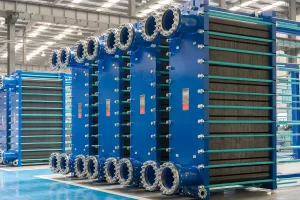
Plate Heat Exchangers (PHEs) operate under relentless thermal expansion and contraction cycles. Gaskets made of Ethylene Propylene Diene Monomer (EPDM), Nitrile Rubber (NBR), or Fluorocarbon Elastomers (FKM) must be adhered securely to the metal plate channels to withstand high-velocity fluid flow, severe pressure changes, and aggressive chemical clean-in-place (CIP) agents.
As leading China Heat Exchanger Gasket Glue Exporters, we address these challenges through formulated adhesives that resist temperatures exceeding 180°C and maintain mechanical shear strength across long operational intervals. The chemical interface between the metal plate (typically Titanium, SS316, or SS304) and the elastomer requires a curing matrix that avoids cracking, stress corrosion, or chemical dissolution.
Our specialized adhesives are optimized to prevent channel bypass leaks, reduce maintenance downtime, and facilitate fast, clean gasket replacements during scheduled overhauls.
Different operating mediums and gasket elastomer materials require different chemical formulations of adhesives. Using the wrong adhesive can cause rubber swelling, debonding, or plate pitting. Below is an engineering overview of the primary industrial formulations deployed by global exporters.
Two-component, high-temperature curing resins designed for extreme industrial applications. Excellent resistance to organic solvents, high pressures, and acidic media. Demands precise thermal curing profiles (typically 120°C to 150°C for 2-4 hours).
Commonly referred to as neoprene adhesives, these are single-component, air-drying adhesives ideal for fast field installations. Best suited for general heating, ventilation, and air conditioning (HVAC) systems operating under 120°C.
Optimized for NBR and EPDM gaskets, offering high shear strength and flexibility. They withstand moderate thermal cycling and display exceptional resilience against water-glycol mixtures and general utility steam loops.
Flotte Energy Saving Company, established in 2013 with a registered capital of 101 million yuan, originated from Flotte Thermal Engineering founded in 1995. With three decades of technical expertise, the company specializes in water equipment, HVAC systems, and water treatment industries.
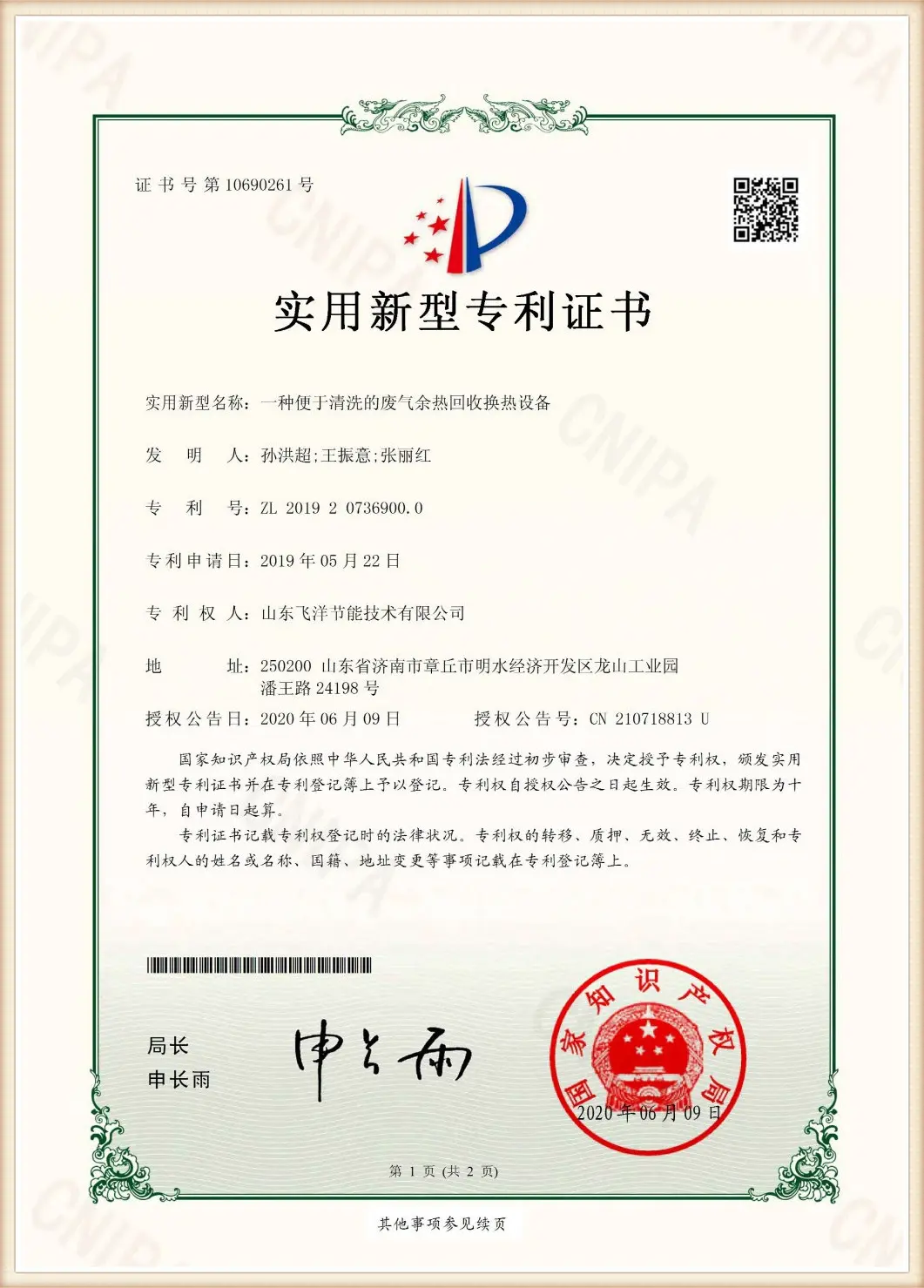
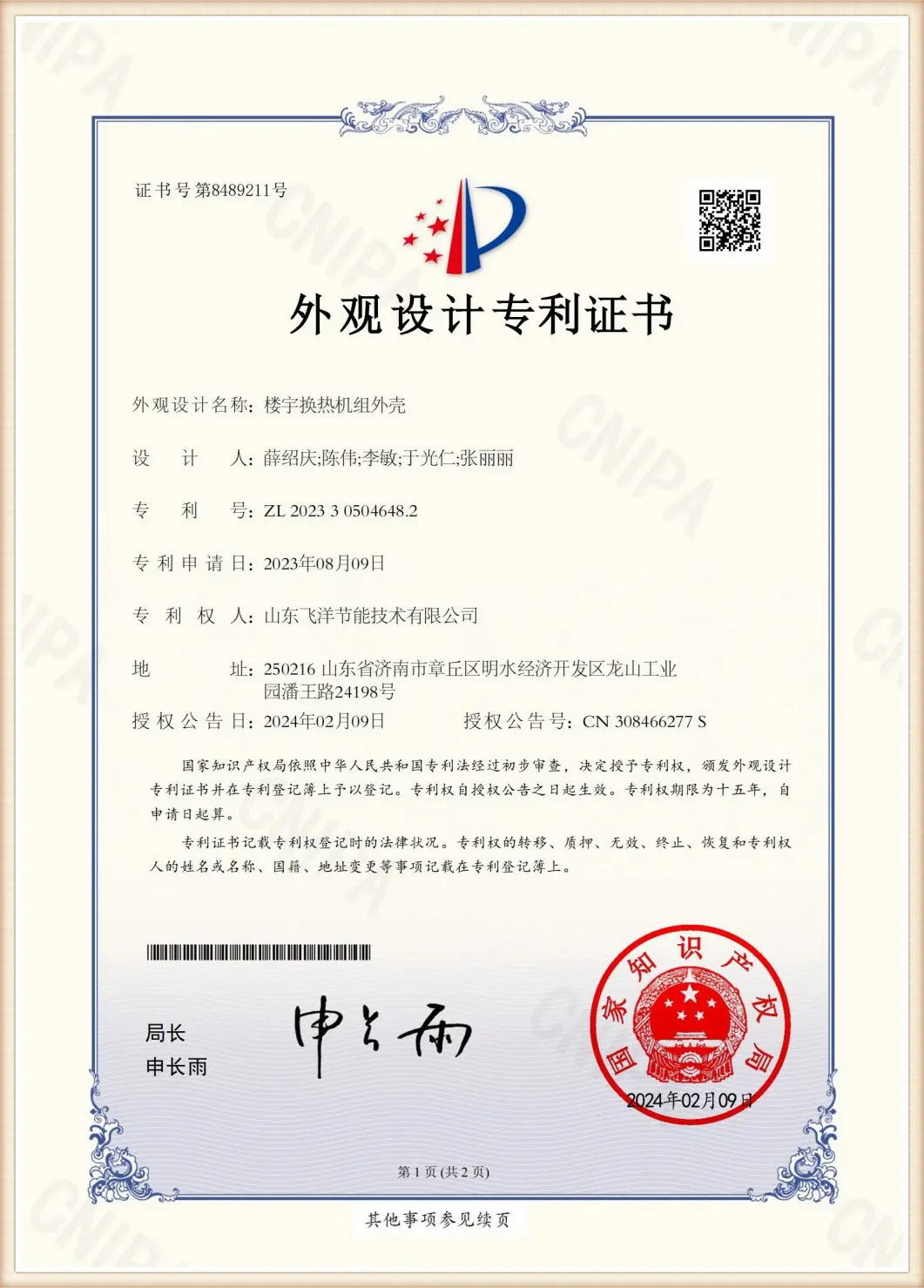
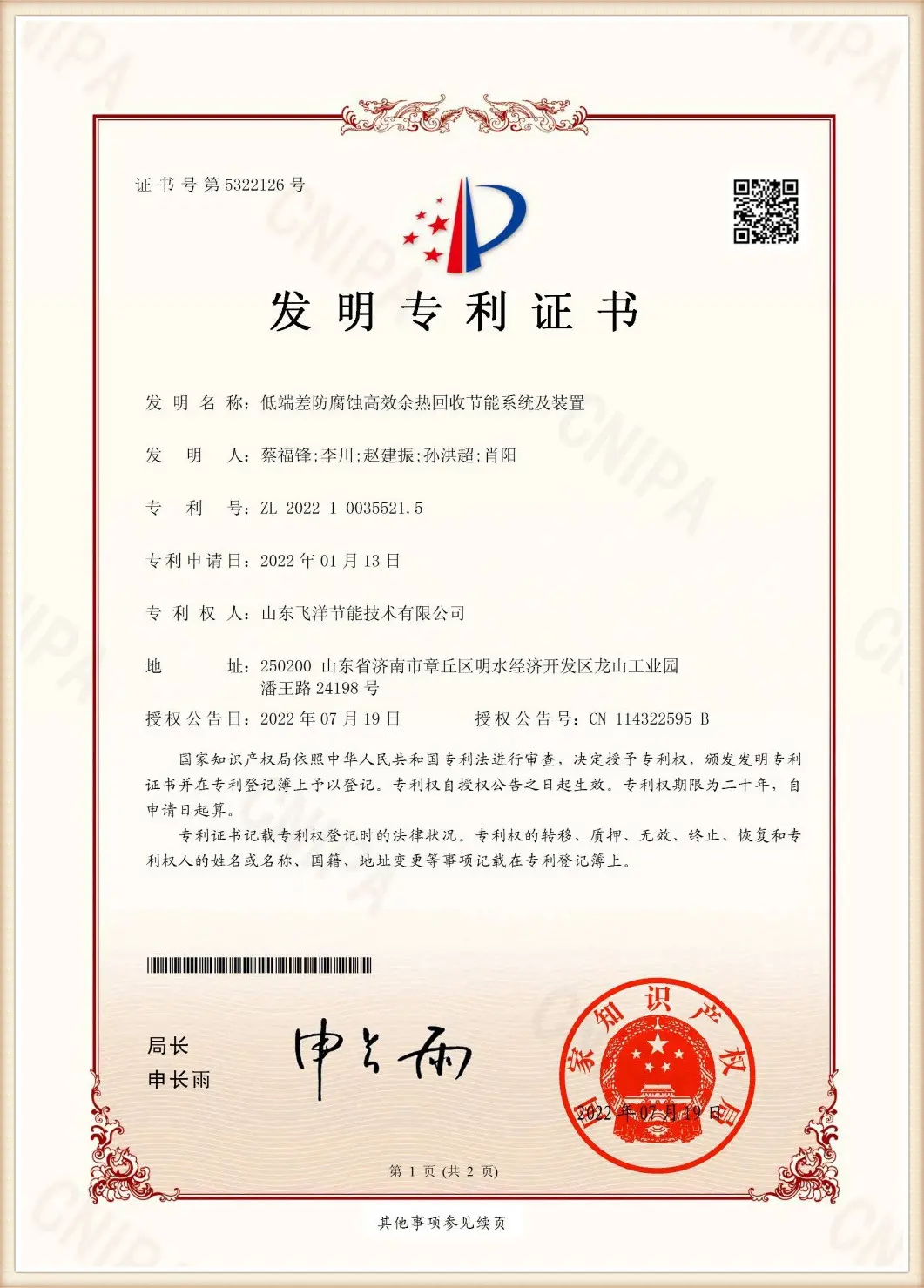
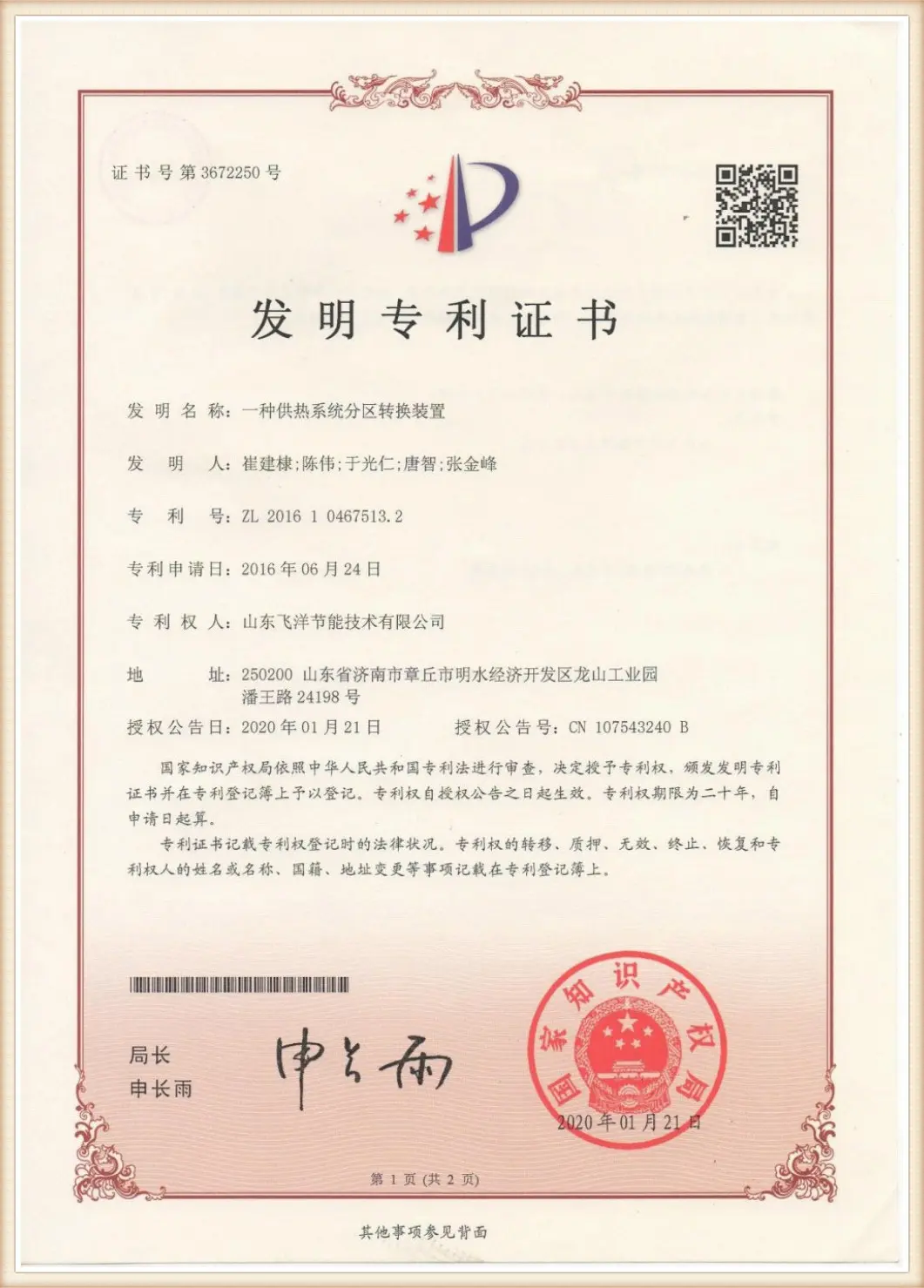
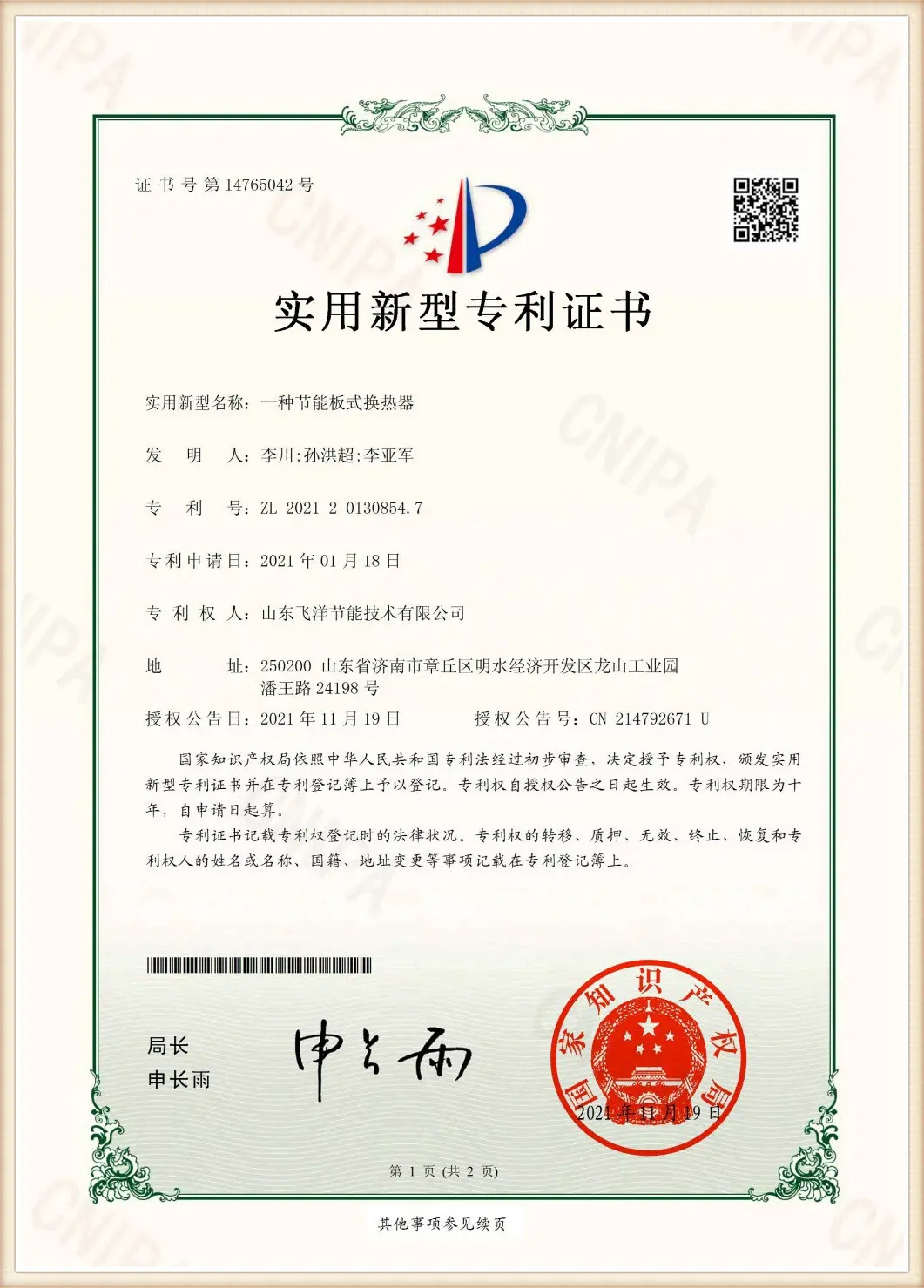
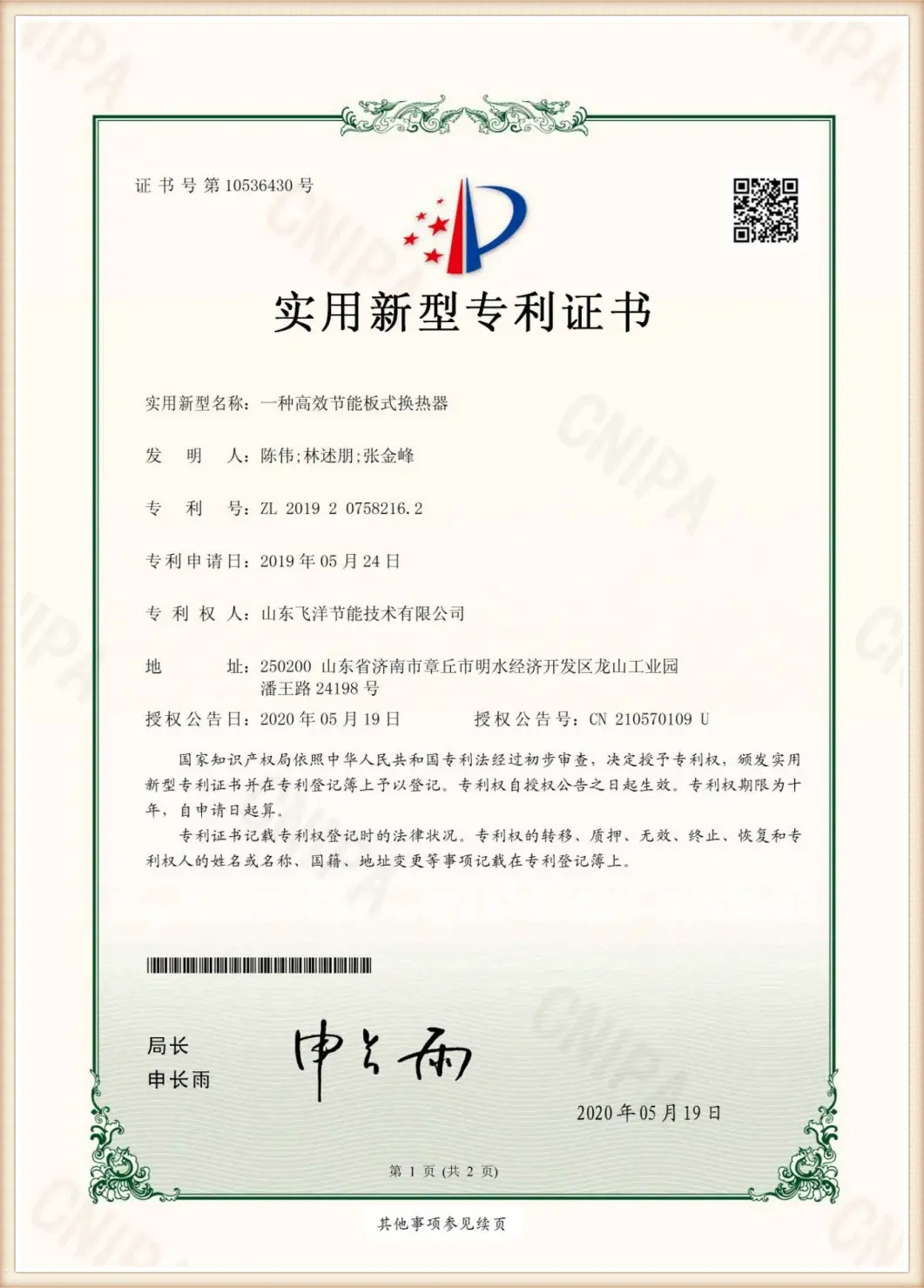
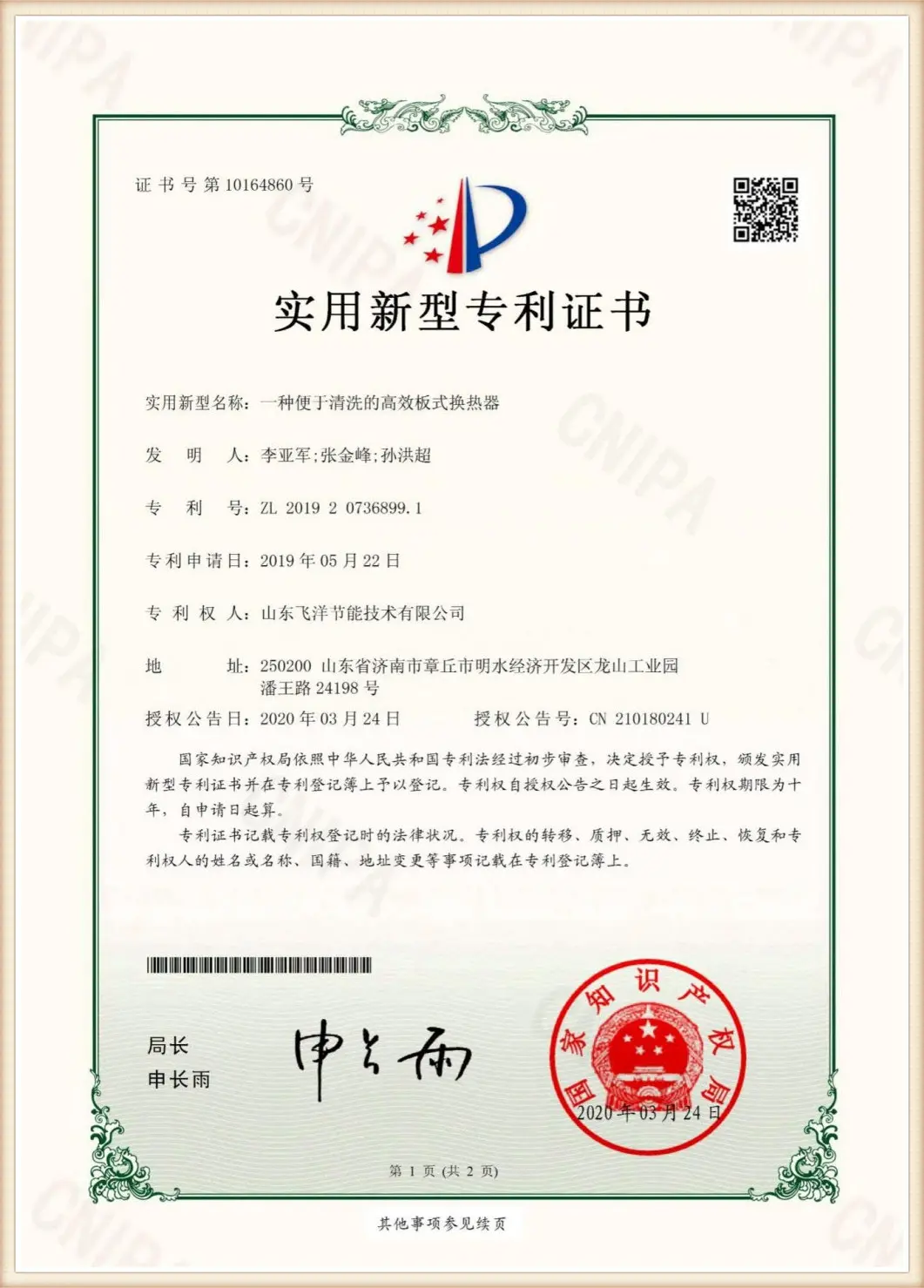
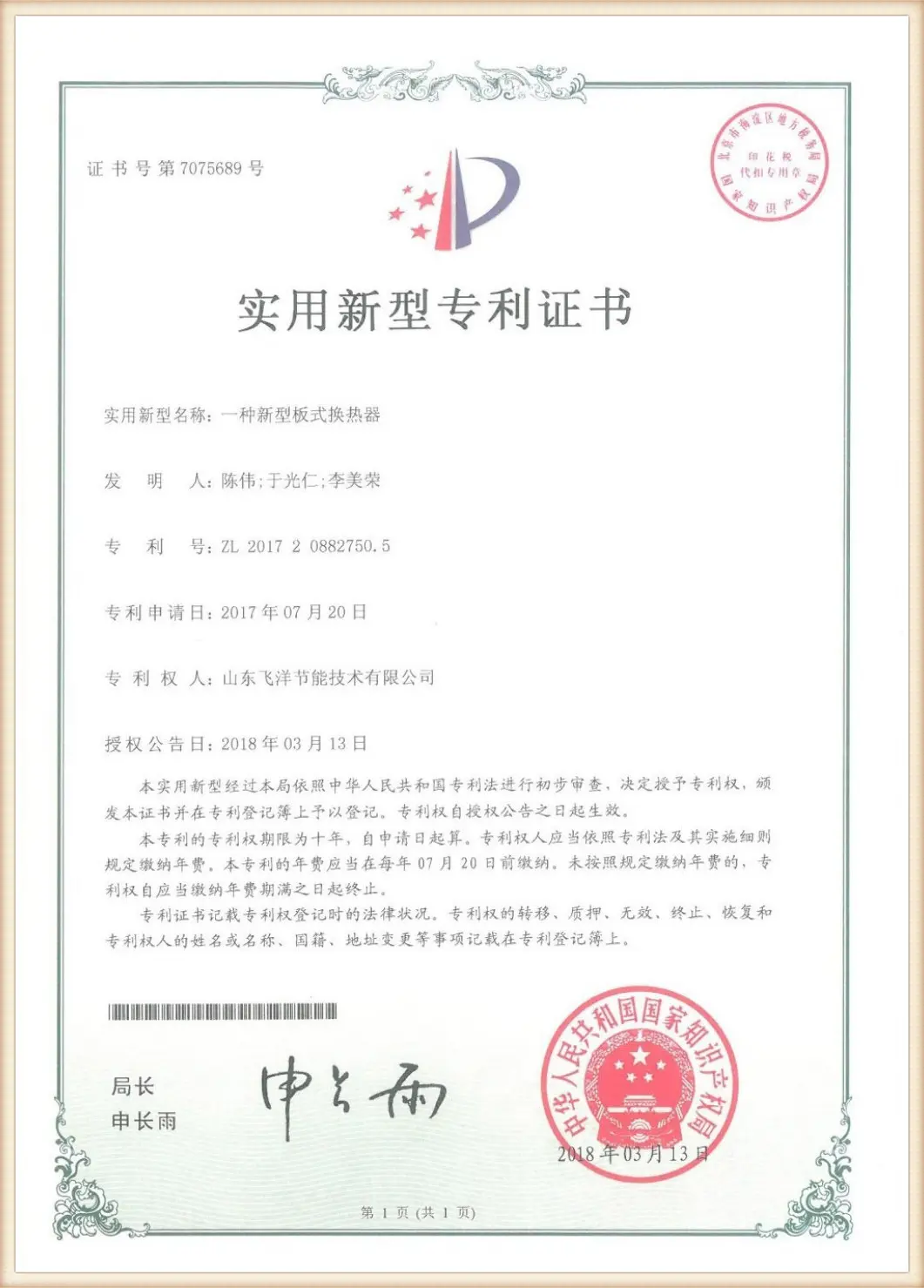
The company has been continuously advancing in production technology innovation, holding multiple patent certifications including "High-Efficiency Plate Heat Exchanger", "Intelligent Plate Heat Exchanger System", and "Plate Heat Exchanger Scale Removal Device".
Our products have obtained mandatory national product certification and safety registration from the National Standardization Committee, along with the safety registration for plate heat exchangers issued by the National Boiler and Pressure Vessel Standardization Technical Committee. The company has also achieved ISO9001 Quality Management System certification, ISO14001 Environmental Management System certification, and ISO45001 Occupational Health and Safety Management System certification.
Sourcing industrial adhesives globally involves strict quality benchmarks, hazardous cargo logistics, and storage considerations. As experienced China Heat Exchanger Gasket Glue Exporters, we assist procurement divisions in navigating international compliance standards to optimize their Total Cost of Ownership (TCO).
Industrial adhesives are active polymer formulations. Maintaining temperature-controlled warehouses (ideal range: 5°C to 20°C) is mandatory. We employ custom sealed aluminum barrier packaging to extend storage life up to 12 months for global shipments.
Many high-performance solvent-based adhesives are categorized under UN Class 3 (Flammable Liquids). Flotte handles complete IMDG shipping documentation, MSDS filings, and customs declarations to ensure seamless maritime and air transport.
We provide compatibility certificates proving our adhesives do not compromise gasket integrity. This validation is critical for food-grade systems (FDA regulations) and pharmaceutical vapor condensation units.
Under our ISO 9001:2015 QC system, every batch of adhesive exported is tested for viscosity, solid content, and lap shear strength. Samples are kept for 24 months to ensure full traceability in case of field inquiries.
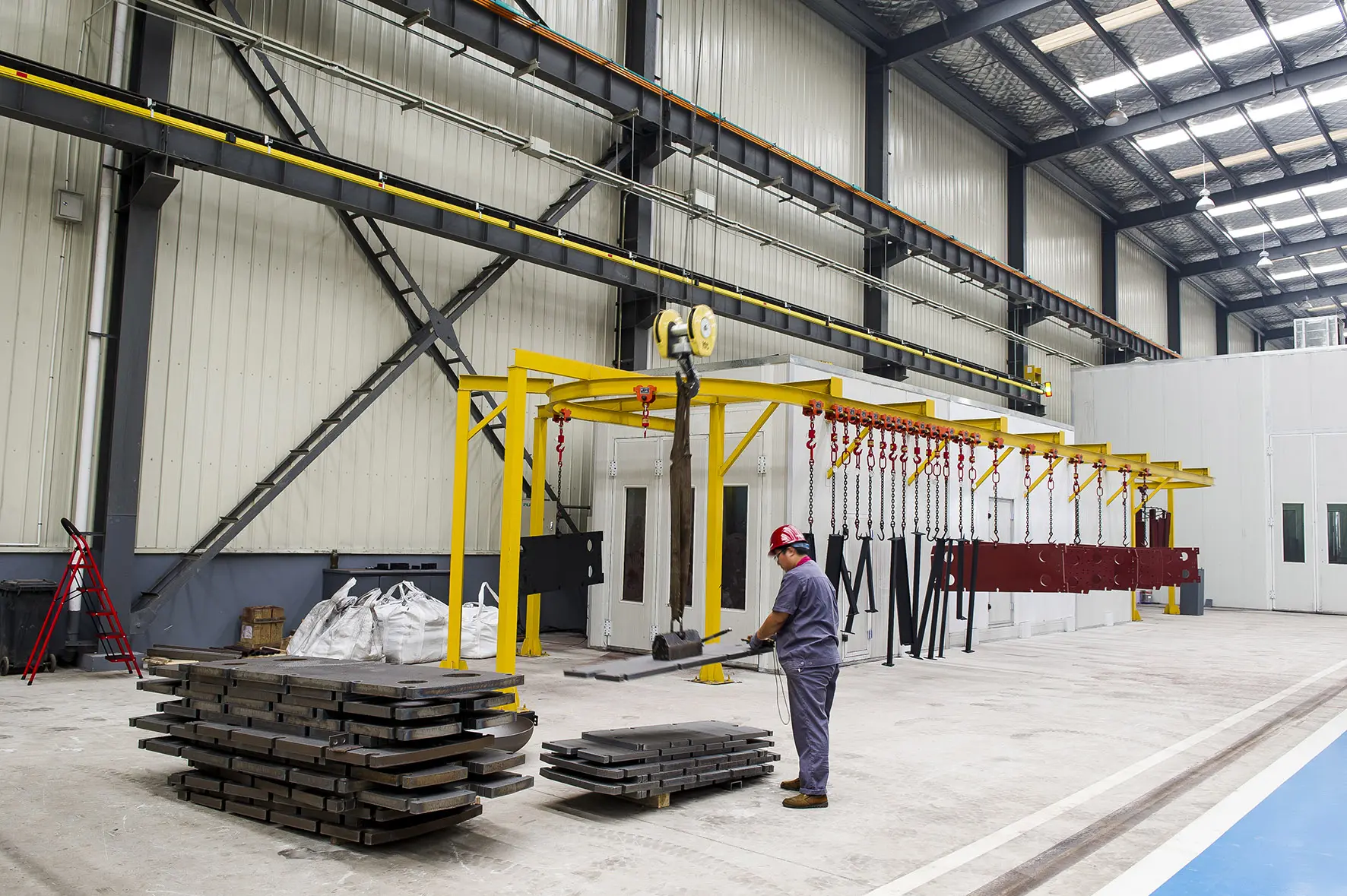
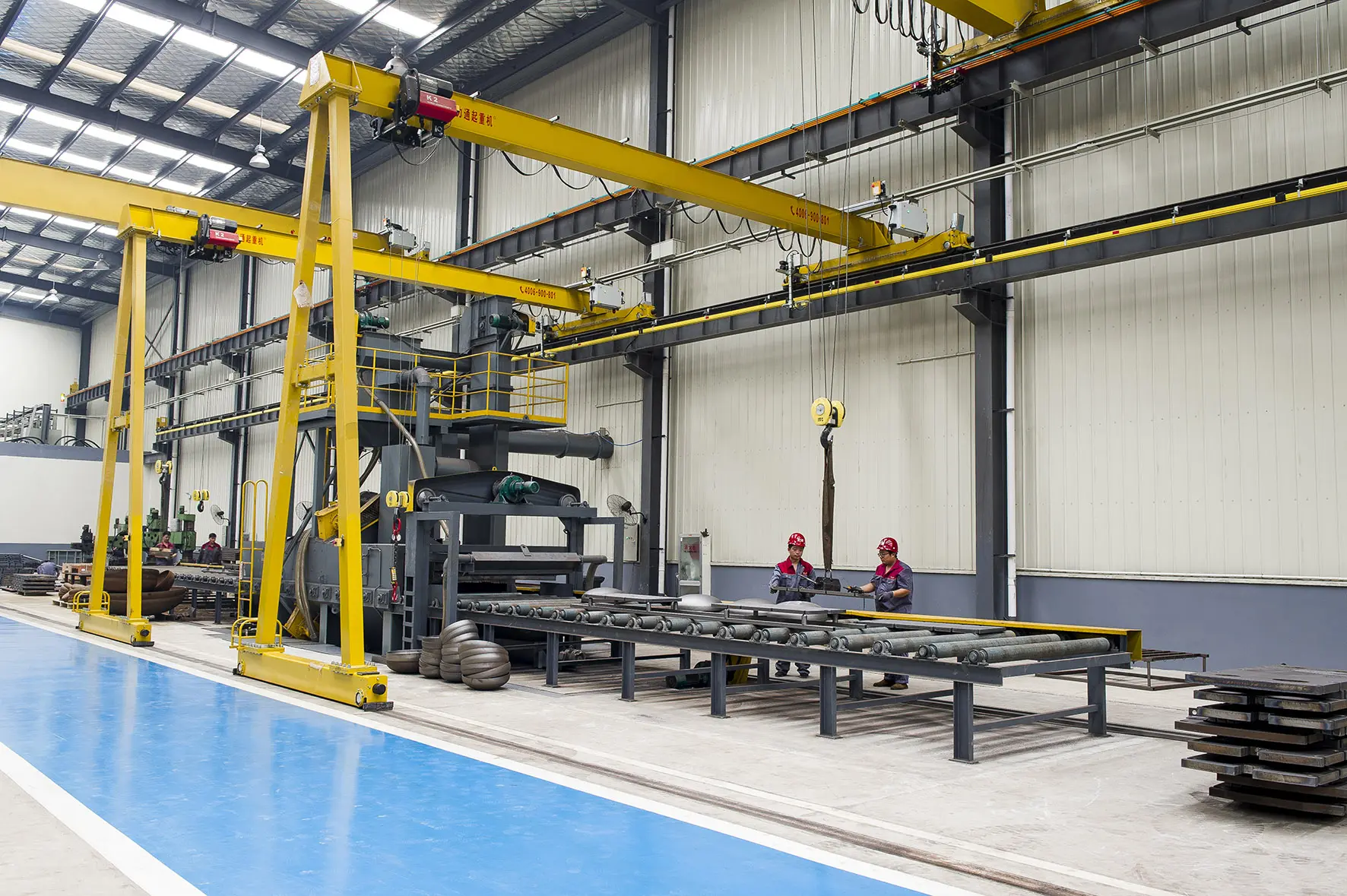
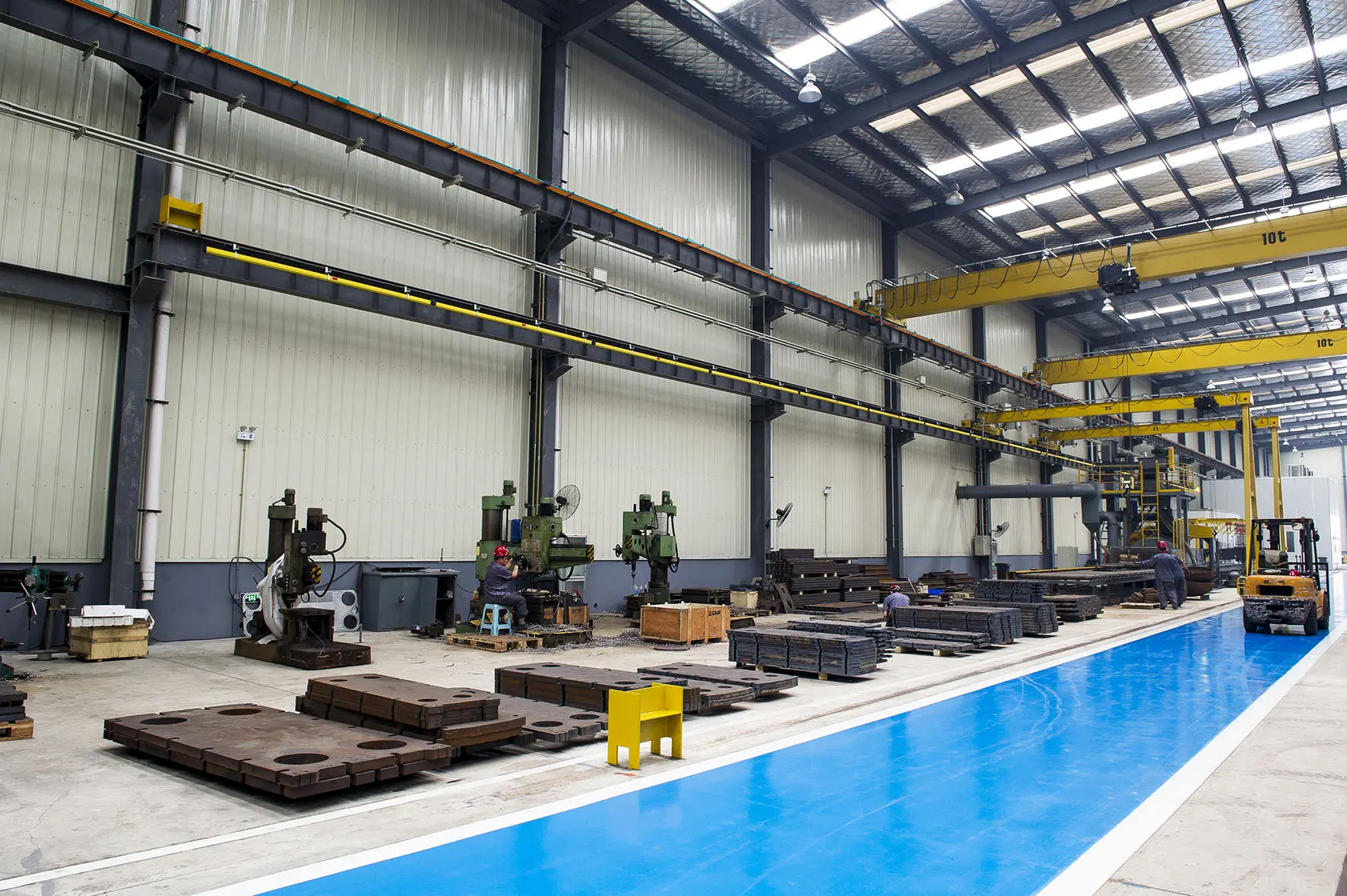
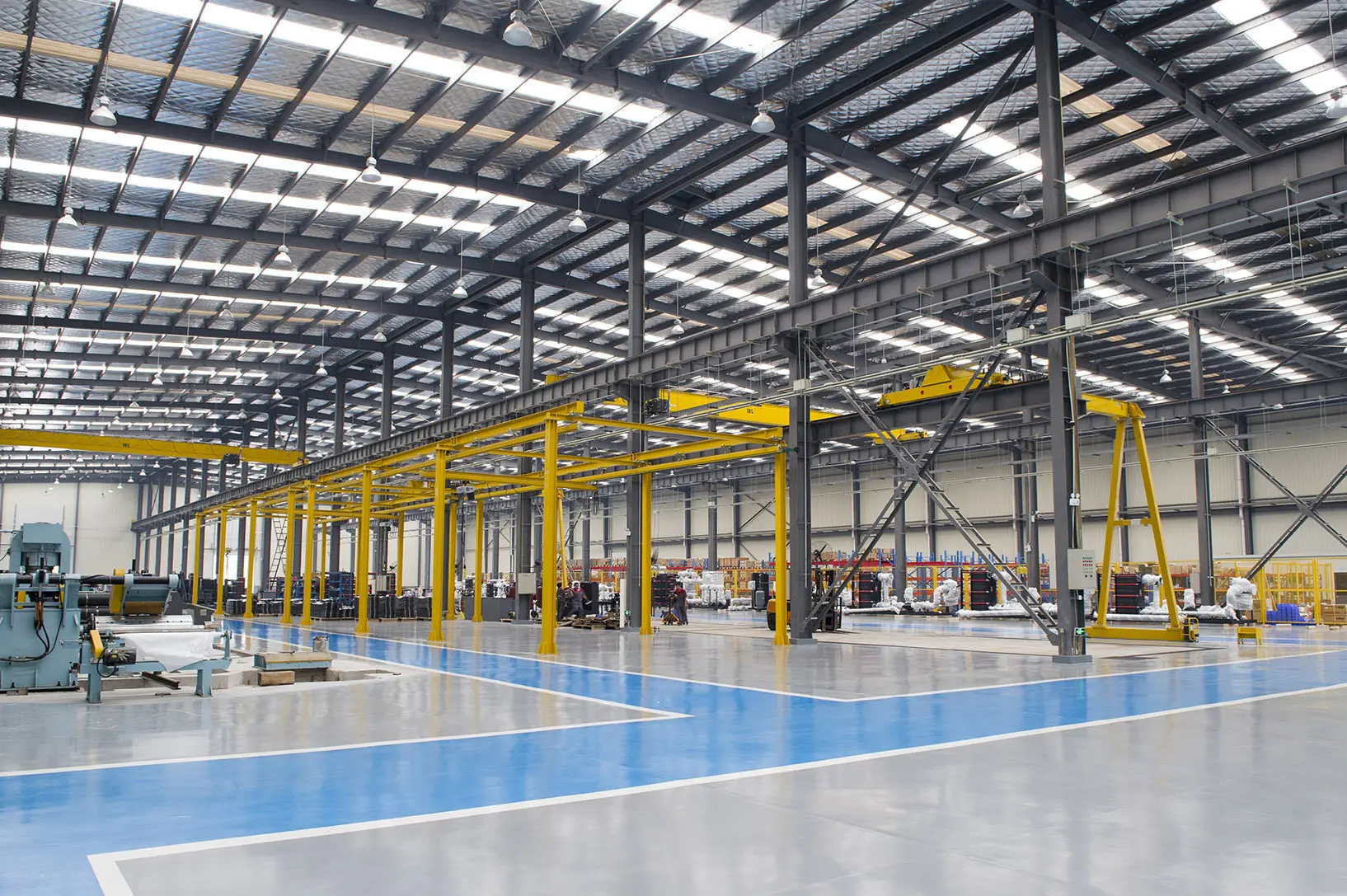
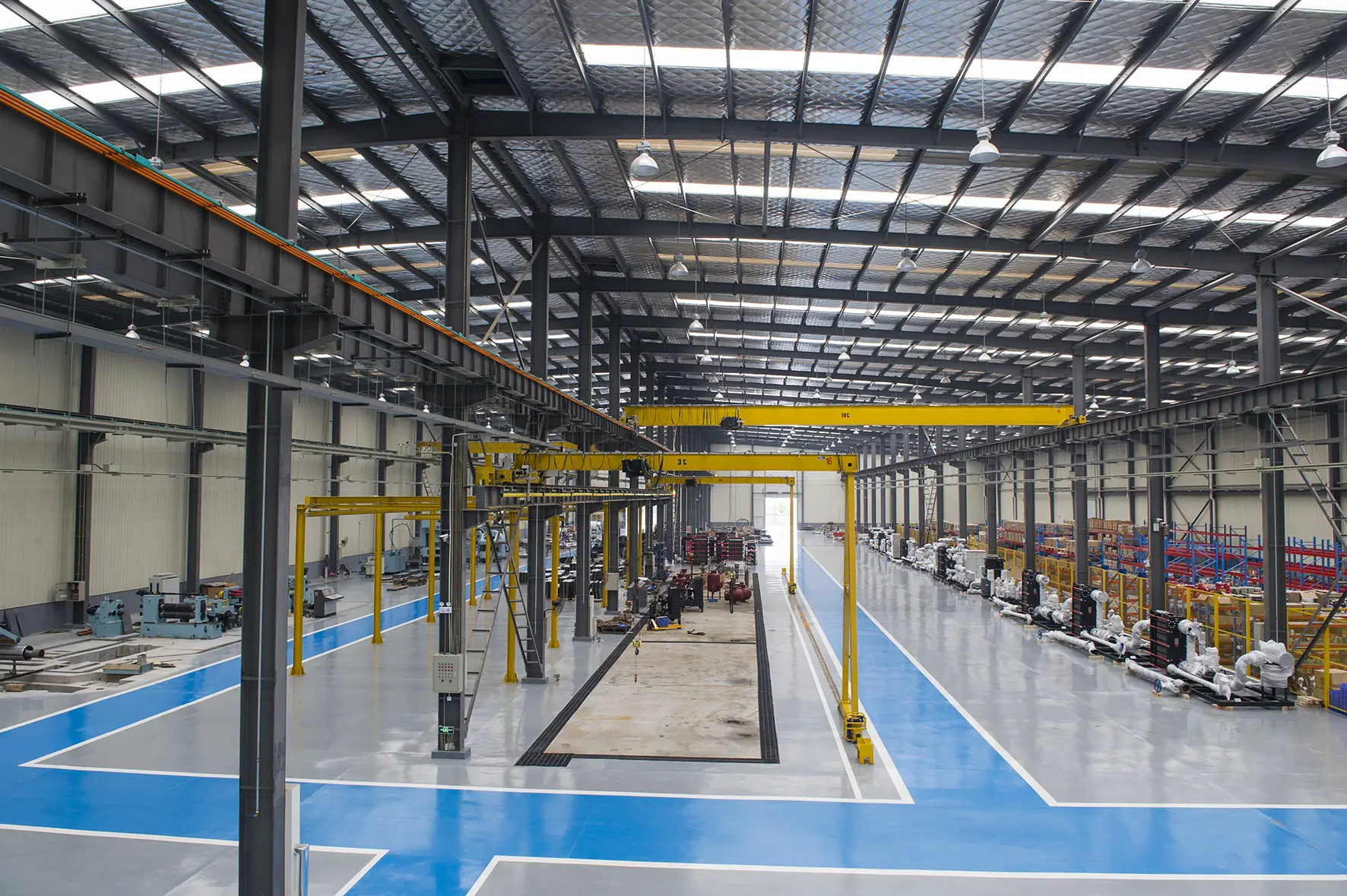
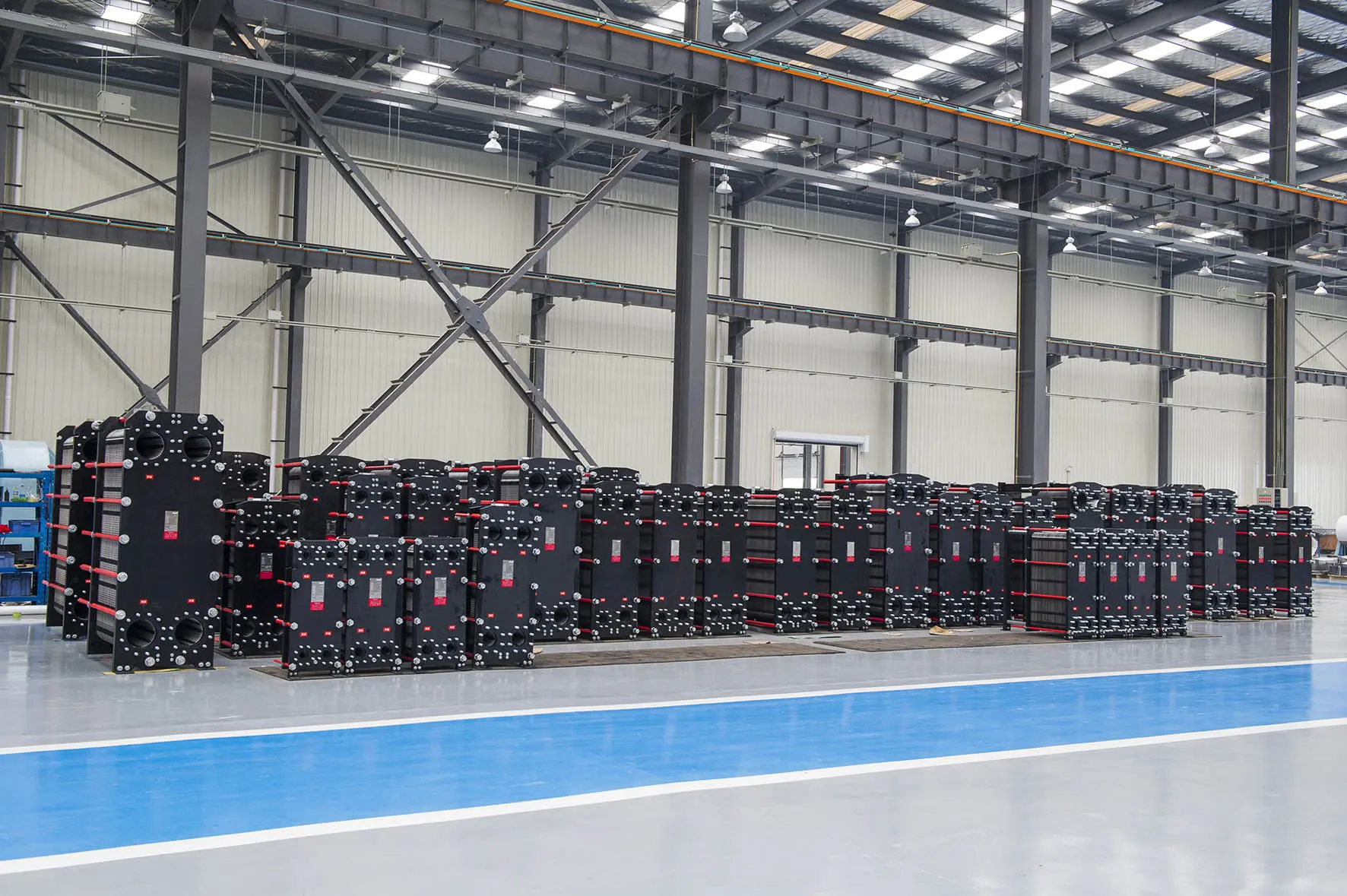
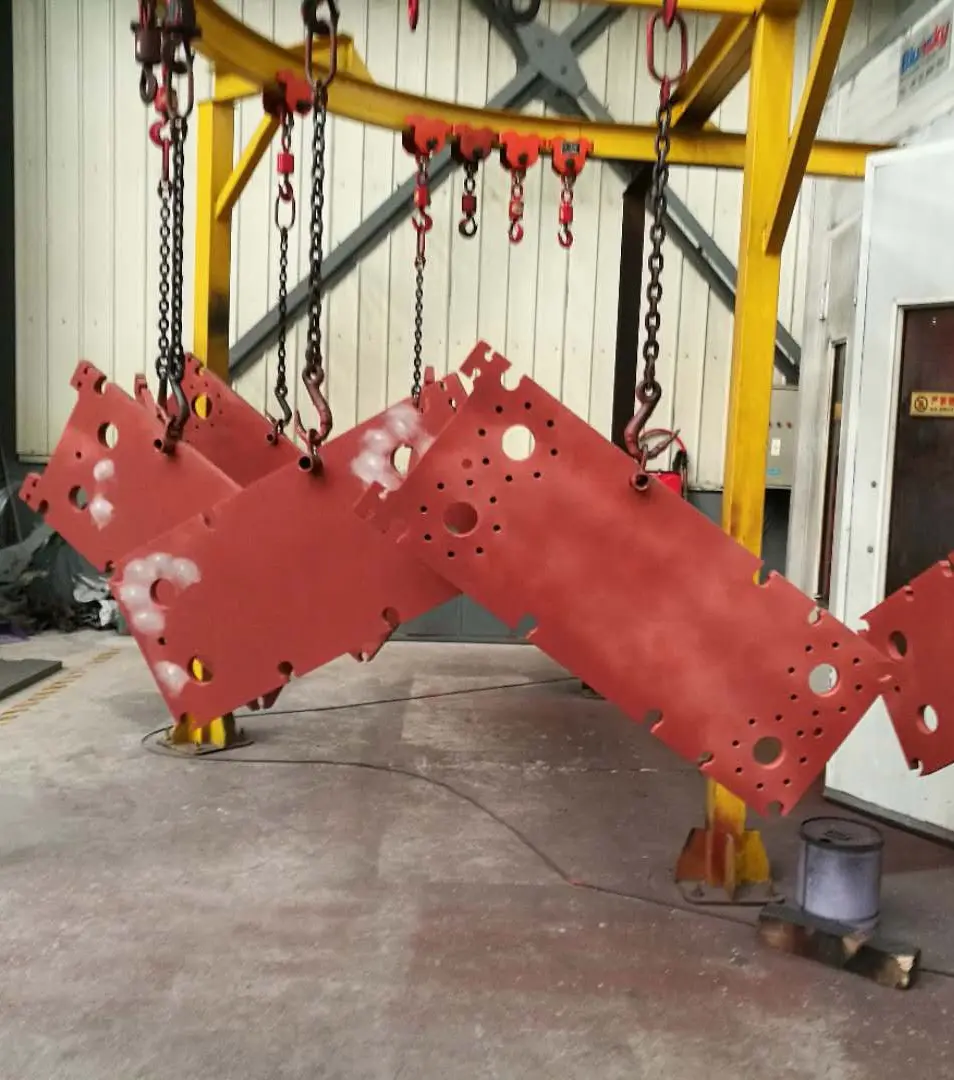
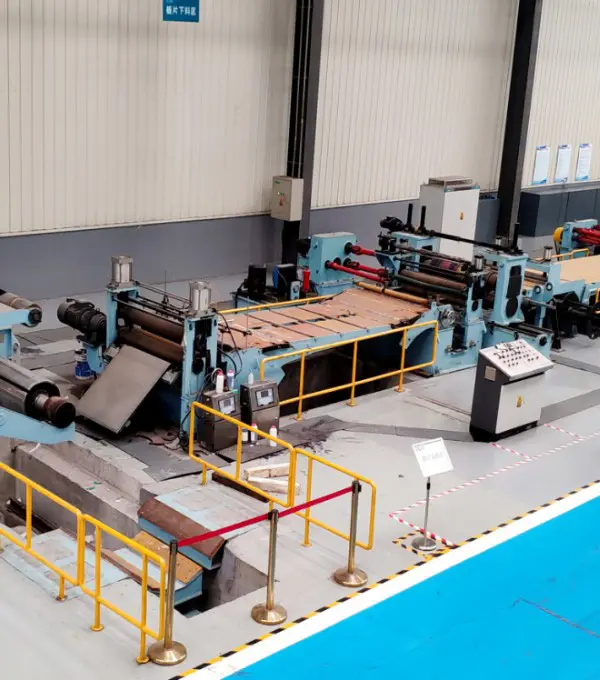
Our vertically integrated production facility ensures every stage—from sheet cutting to final testing—is engineered for maximum system longevity.
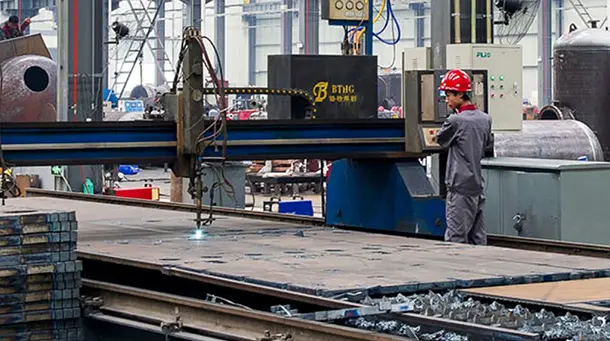
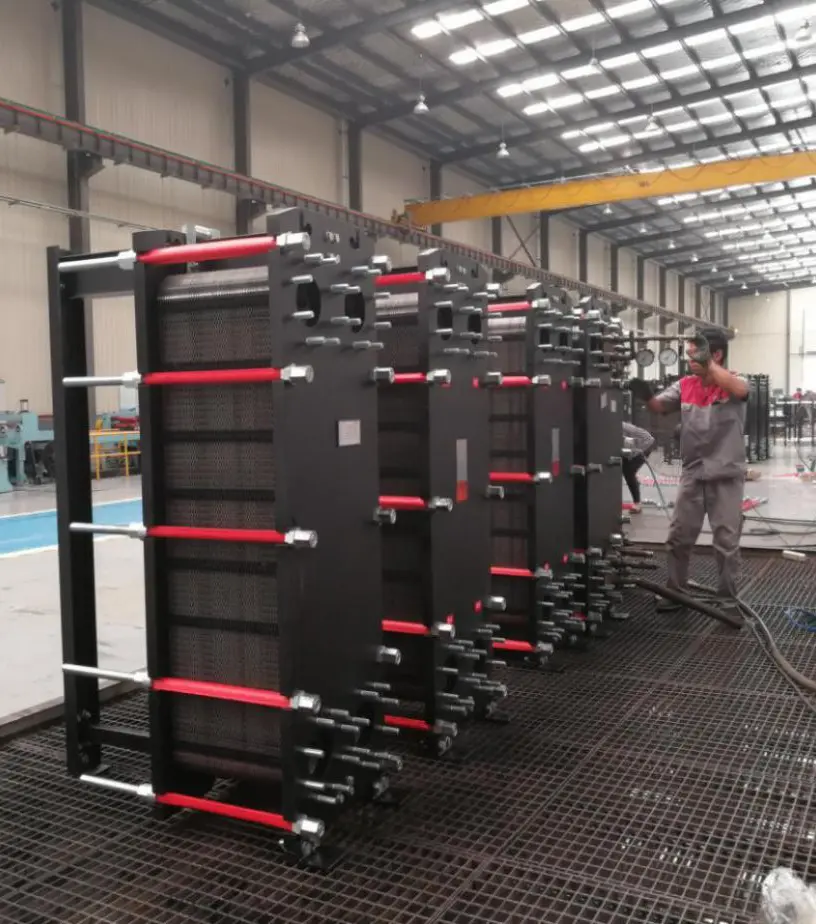
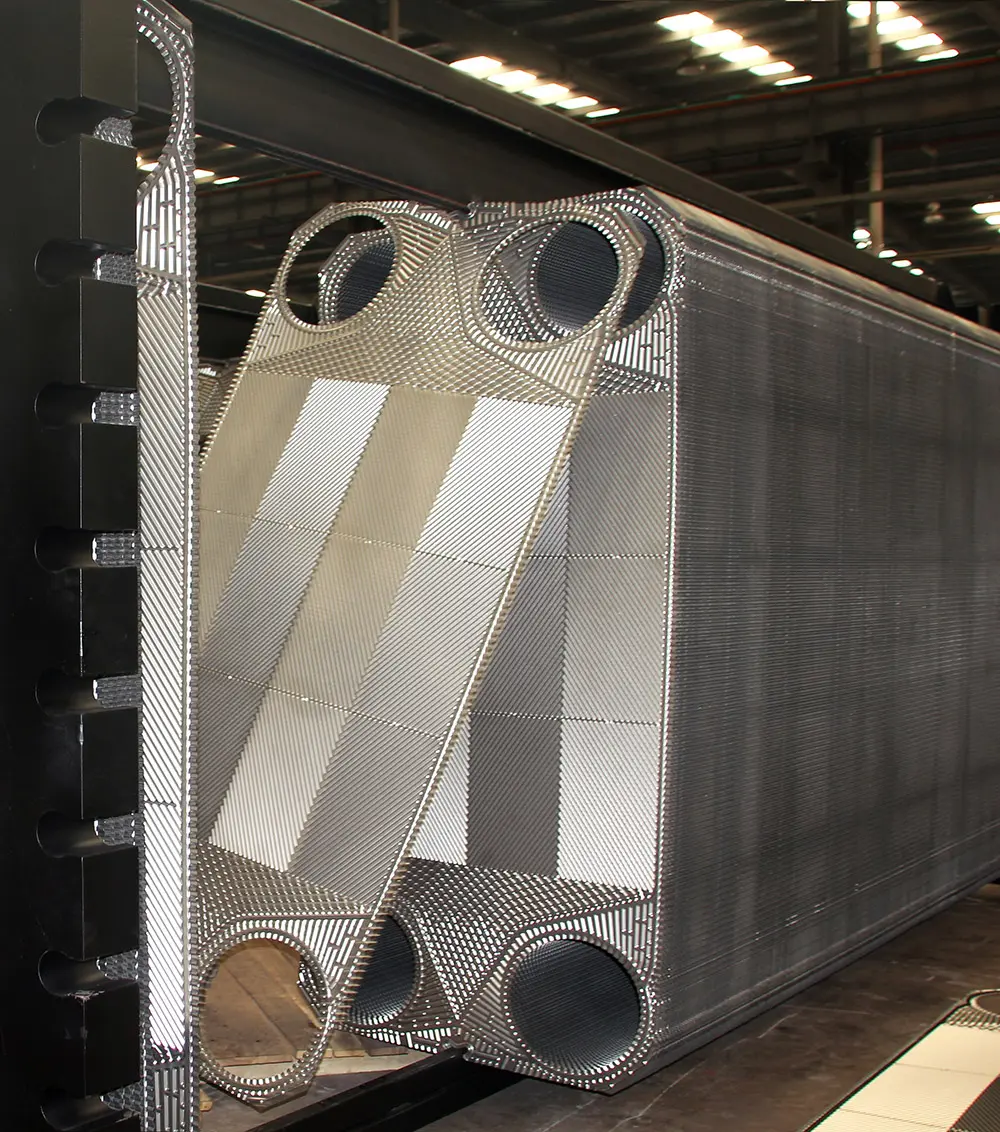
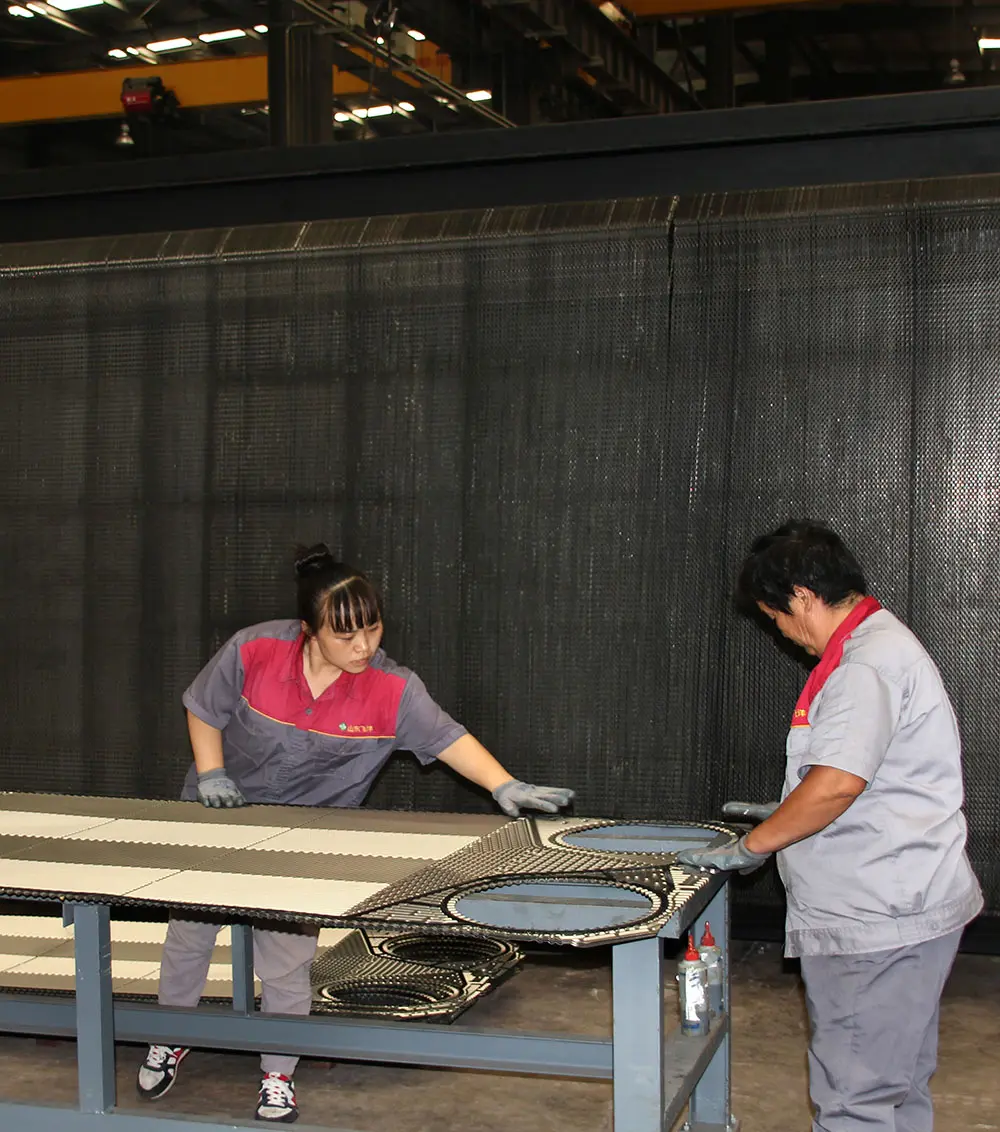
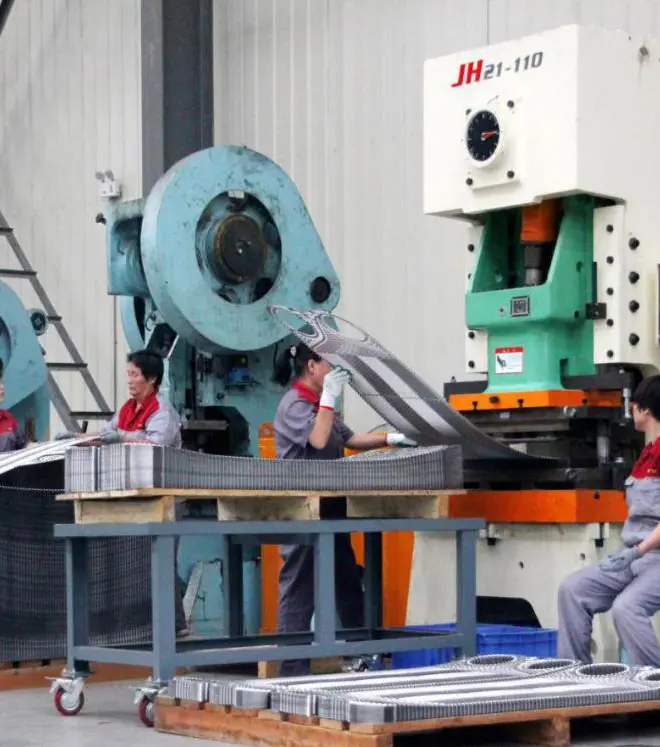
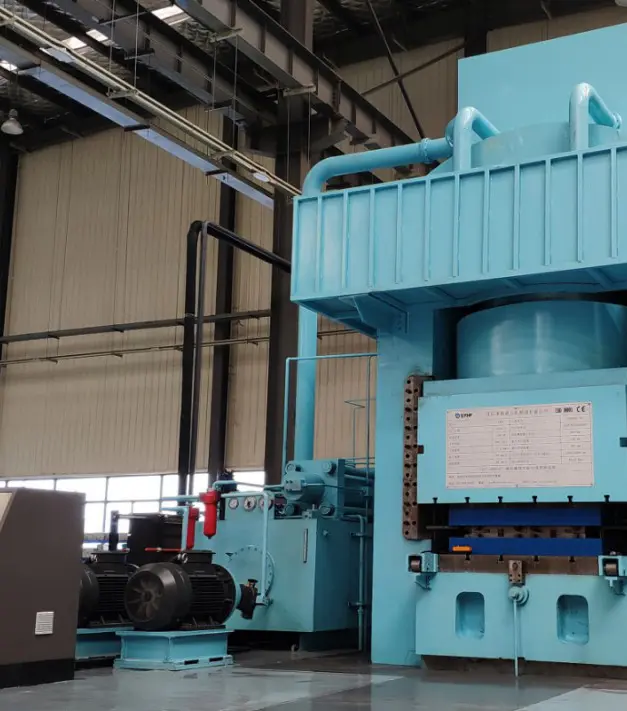
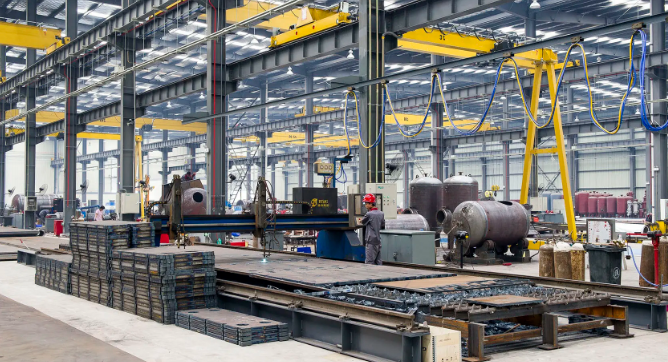
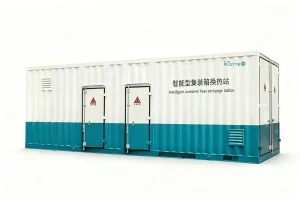
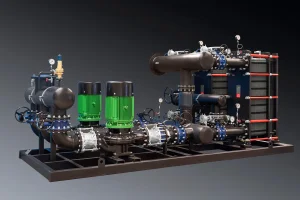
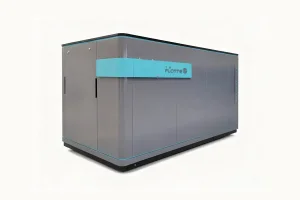
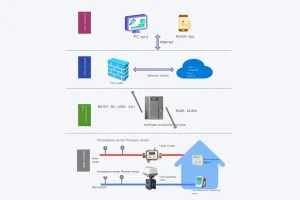
An adhesive is only as good as the system it seals. Flotte designs turnkey municipal and industrial thermal stations that deploy our proprietary sealing techniques. Whether sealing Gasketed Plate Heat Exchangers in regional central heating or balancing secondary networks with advanced control systems, we verify the chemistry under load.
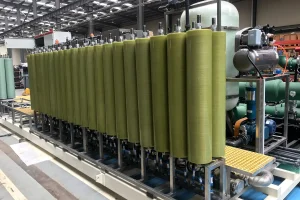
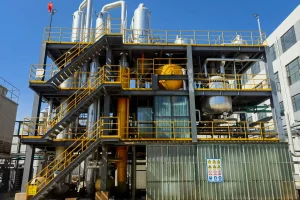
Our core industrial expertise extends to water treatment systems, including Membrane Concentration Systems and Multi-Effect Evaporators. These systems operate with complex brines, organic acids, and variable pressures that place extreme stress on elastomeric seals. By control-testing our own gasket glues, we provide clients with guaranteed seal life, significantly lowering their maintenance expenditure.
From high-rise building HVAC networks to high-stress industrial desalination setups, our thermal transfer units operate at peak efficiency thanks to our holistic approach to plate metallurgy, elastomer chemistry, and adhesive bonding.
Operating across different global jurisdictions requires strict adherence to environmental directives, industrial vessel manufacturing codes, and localized technical support systems.
Our heat exchanger gasket glues undergo independent testing to confirm they are free from restricted heavy metals and volatile compounds, complying fully with EU Regulation (EC) No 1907/2006 (REACH) and RoHS directives.
For dairy, food, and beverage process loops, our NBR/EPDM compatible adhesives meet FDA Title 21 CFR 177.2600 parameters, ensuring no trace chemical migration occurs under high-temperature sanitation cycles.
Through our network of global partners, we provide on-site technical training for correct gasket prep, adhesive layer thickness application, clamping force calibration, and specific thermal curing cycles.
Our quality management systems are audited and certified to ensure absolute reliability across all critical parameters.
The next decade of heat exchange engineering focuses on reducing maintenance intervals, increasing energy recovery, and lowering carbon footprints. Our R&D department is driving developments in three main areas.
Integrating carbon nanotubes and graphene particulates into epoxy binders. This modification doubles the heat conductivity of the adhesive line and enhances peel strength, reducing localized thermal stress concentrations along plate grooves.
Developing reversible cross-linking agents that maintain structural integrity during operations but release clean under specific enzymatic or chemical washing, allowing quick gasket removal without scraping damage.
Refining automated multi-axis robot nozzle controls to apply highly uniform adhesive ribbons. This eliminates human error, reduces adhesive waste by 30%, and ensures absolute seal symmetry across massive plates.
A tour of our manufacturing workshops reveals the systematic, high-tech workflows behind every piece of equipment we export.
In-depth insights addressing typical challenges faced by global engineering and procurement divisions.
 Flotte Energy