Explore our flagship heat exchange equipment, custom-manufactured in China to meet the rigorous thermal demands of global industrial and commercial infrastructure.

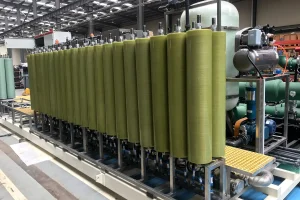
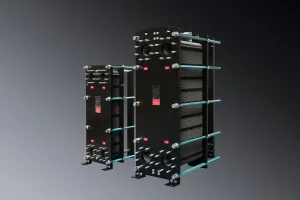
Flotte Energy Saving Company, formally incorporated in 2013 with a registered capital of 101 million Yuan, trace its robust engineering lineage back to the founding of Flotte Thermal Engineering in 1995. Armed with three decades of specialized technical expertise, we have consistently served the global market as an industry-leading manufacturer of water supply equipment, modern HVAC systems, and high-performance industrial water treatment solutions.
We believe in combining physical durability with digital intelligence. By consistently adopting cutting-edge thermal transfer technologies, we design, develop, and supply products that reduce global energy footprints. Our manufacturing pipelines are built on lean manufacturing principles, ensuring that each plate heat exchanger, smart collector, and modular unit leaving our facilities is optimized for long-term operational reliability.
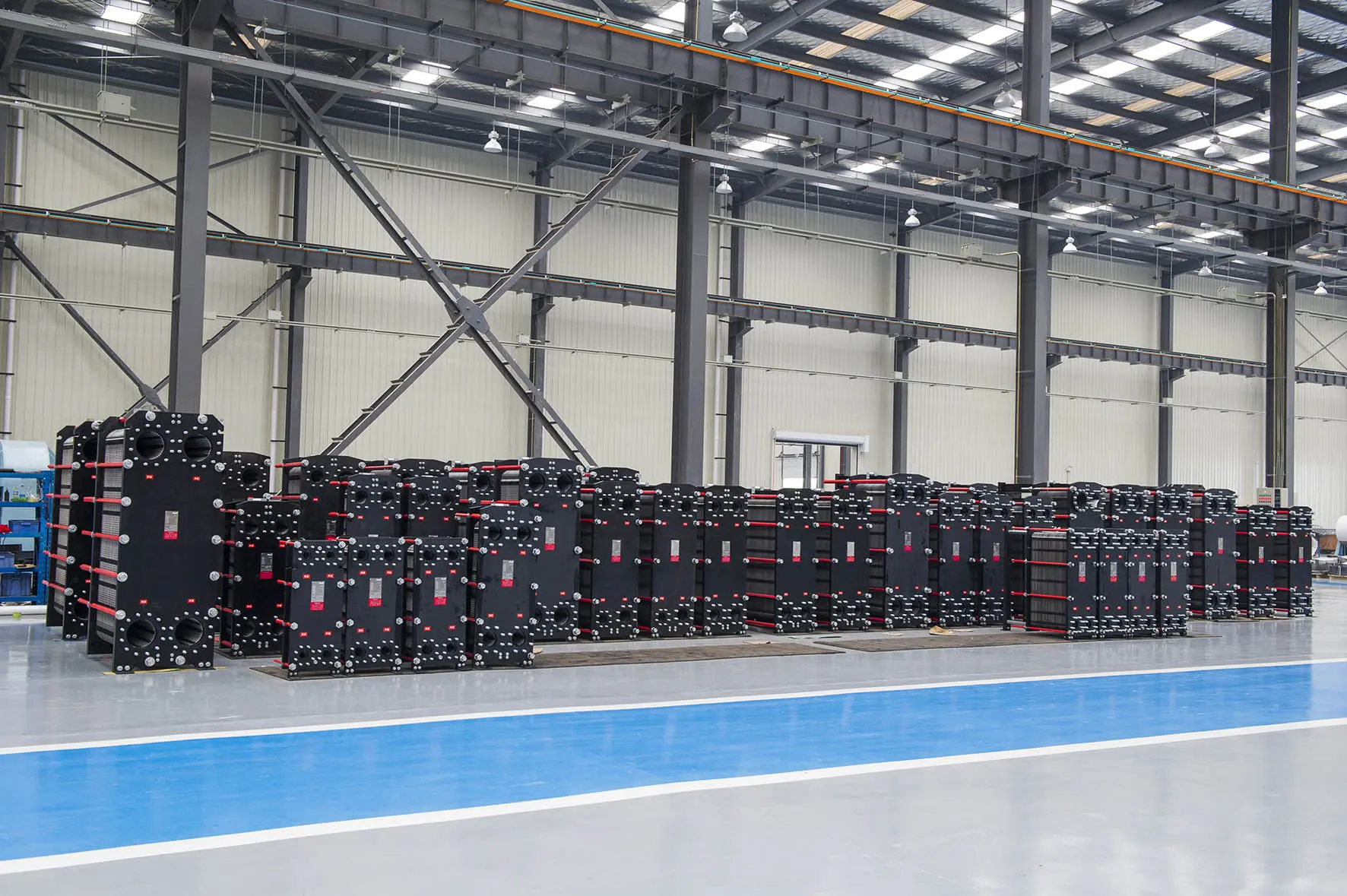
Our operational metrics demonstrate our capacity to fulfill massive bulk orders with consistency and engineering precision.
Our corrugated plate structures achieve heat transfer coefficients 2-3 times higher than traditional shell and tube designs under identical pressure drops.
From high-temperature municipal district heating networks to delicate pharmaceutical concentrations, we engineer custom alloy selections (304, 316L, Titanium, Hastelloy).
Committed to global compliance, we are fully certified under ISO9001:2015, ISO14001:2015, and ISO45001:2018, conforming to strict pressure vessel guidelines.
We provide comprehensive engineering support, from initial fluid dynamic modeling (thermal flow calculations) through to site installation and maintenance training.
A comprehensive analysis of contemporary industrial heat exchange systems, smart regulation technologies, and the macroeconomic transition toward decarbonized heating systems.
In modern industrial manufacturing and metropolitan systems, thermal management stands as one of the most critical levers for reducing energy waste and cutting greenhouse gas emissions. A significant portion of primary energy use is rejected as waste heat. Efficient liquid-to-liquid and steam-to-liquid heat exchangers allow modern infrastructure to capture this thermal energy and repurpose it, facilitating the realization of circular thermodynamic loops. Consequently, industrial heat transfer equipment has shifted from basic utilities to highly optimized, custom-engineered systems designed to maximize energy yield and maintain low operating expenses (OPEX).
Globally, procurement decisions are guided by three fundamental parameters: **high heat transfer coefficients**, **fouling resistance**, and **operational flexibility**. As factories aim to lower their carbon footprints, minimizing pressure drops while maximizing thermal exchange is a priority. Flotte has positioned its R&D efforts directly at this intersection, developing plate patterns that maximize turbulence at low fluid velocities, which subsequently reduces scale buildup and extends equipment lifespan.
The choice of materials in plate heat exchanger construction determines its structural integrity under extreme environments. For instance, in chemical and marine applications, traditional AISI 304 stainless steel may yield to pitting corrosion caused by chlorides. In such scenarios, Flotte integrates AISI 316L, Titanium, or specialized nickel alloys like Hastelloy.
Our corrugated plates feature patented chevron patterns. These patterns alter the fluid flow direction, inducing high shear stress and turbulence. This turbulence breaks down the boundary layer of fluid along the plate walls, significantly boosting heat transfer efficiency. Simultaneously, this continuous agitation prevents particulates from adhering to the surface, mitigating scale formation—a primary cause of operational degradation in field-deployed heat exchangers.
Historically, centralized heating systems suffered from hydraulic imbalance, resulting in uneven heat distribution across residential and commercial buildings. Overheating at nodes close to the primary pump and under-heating at terminal lines led to substantial energy waste.
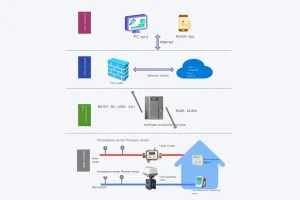
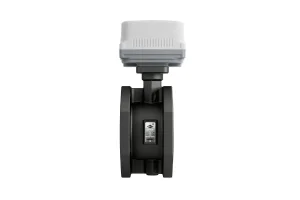
Flotte has solved this issue by developing a smart regulator network that incorporates our **Intelligent Balancing Valves**, **Room Temperature Collectors**, and **Intelligent Heating Network Monitoring Systems**. By utilizing real-time sensor feedback, the system monitors pressure drops, temperature differentials, and ambient conditions to dynamically modulate flow rates. This smart balancing ensures that municipal thermal energy is distributed evenly, reducing pump workloads and optimizing boiler fuel consumption.
Our engineering vision focuses on automated maintenance and compact footprints. Traditional maintenance cycles require manual disassembly, which increases operational downtime. Flotte's R&D center is currently refining next-generation scale-mitigation devices that use electromagnetic wave frequencies to alter the crystallization patterns of calcium and magnesium ions. This prevents them from forming hard scale deposits inside the heat exchanger channels.
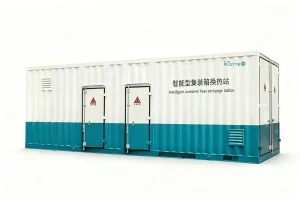
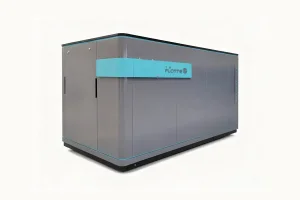
Additionally, our **Modular Box-Type Heat Exchanger Units** are designed to be plug-and-play. In dense urban landscapes where physical space is premium, these units pack high thermal capacities into compact footprints, reducing installation complexity and minimizing labor costs on-site.
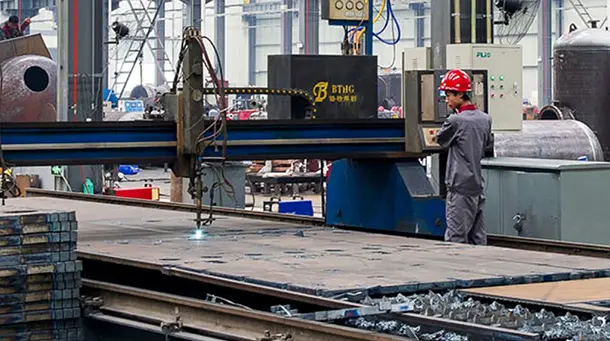
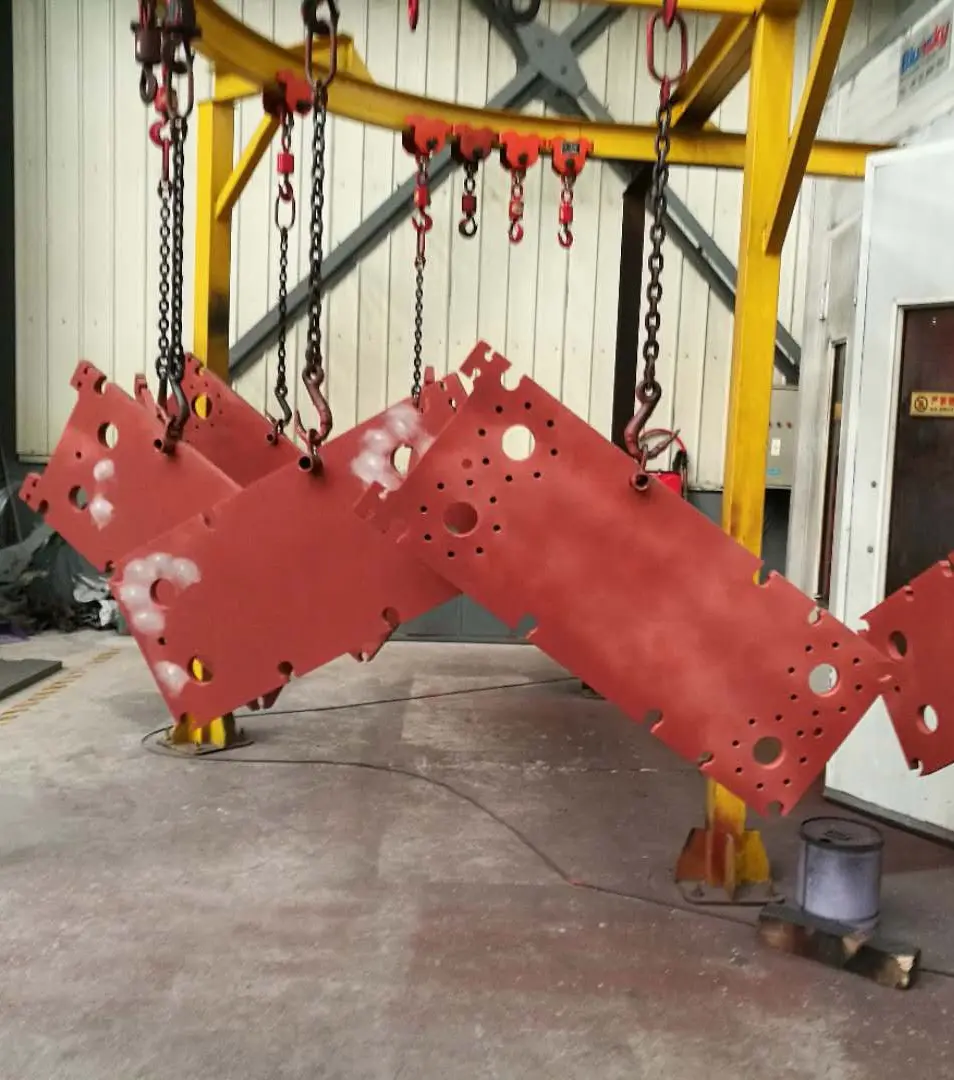
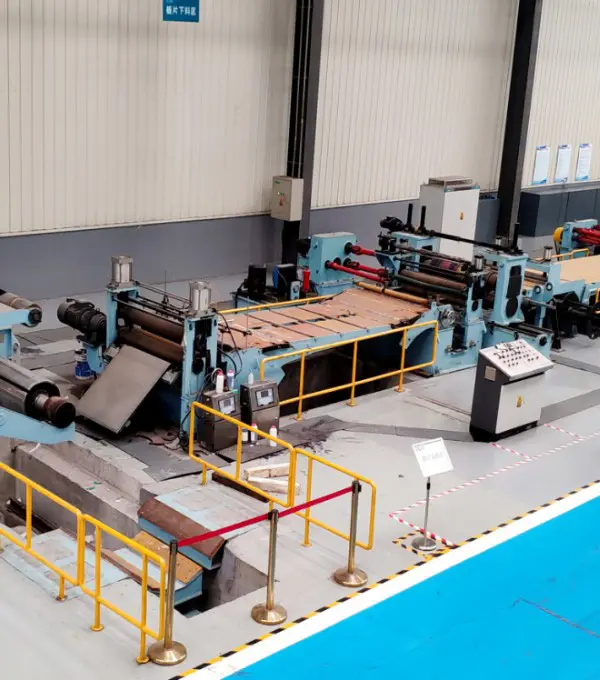
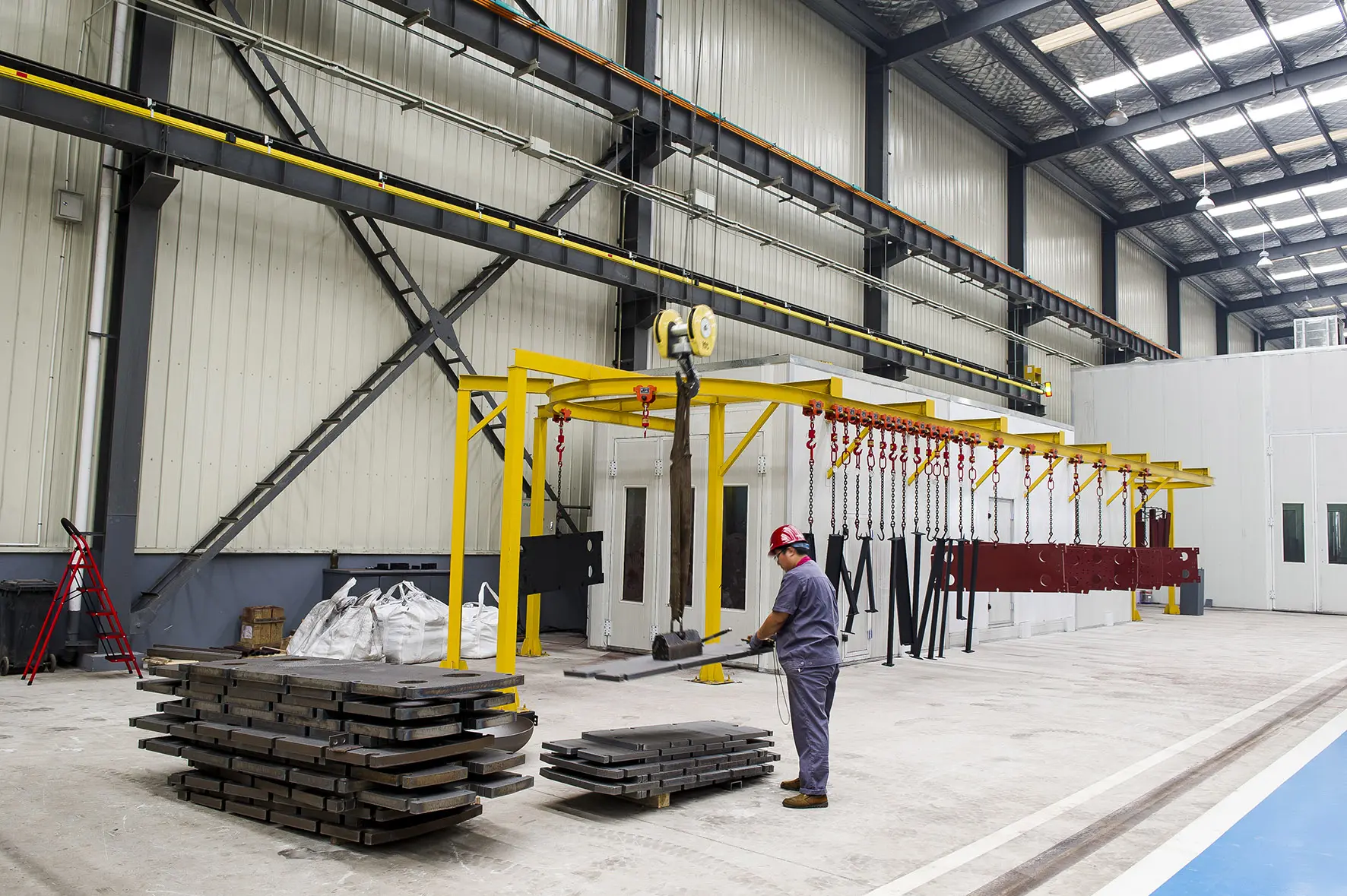
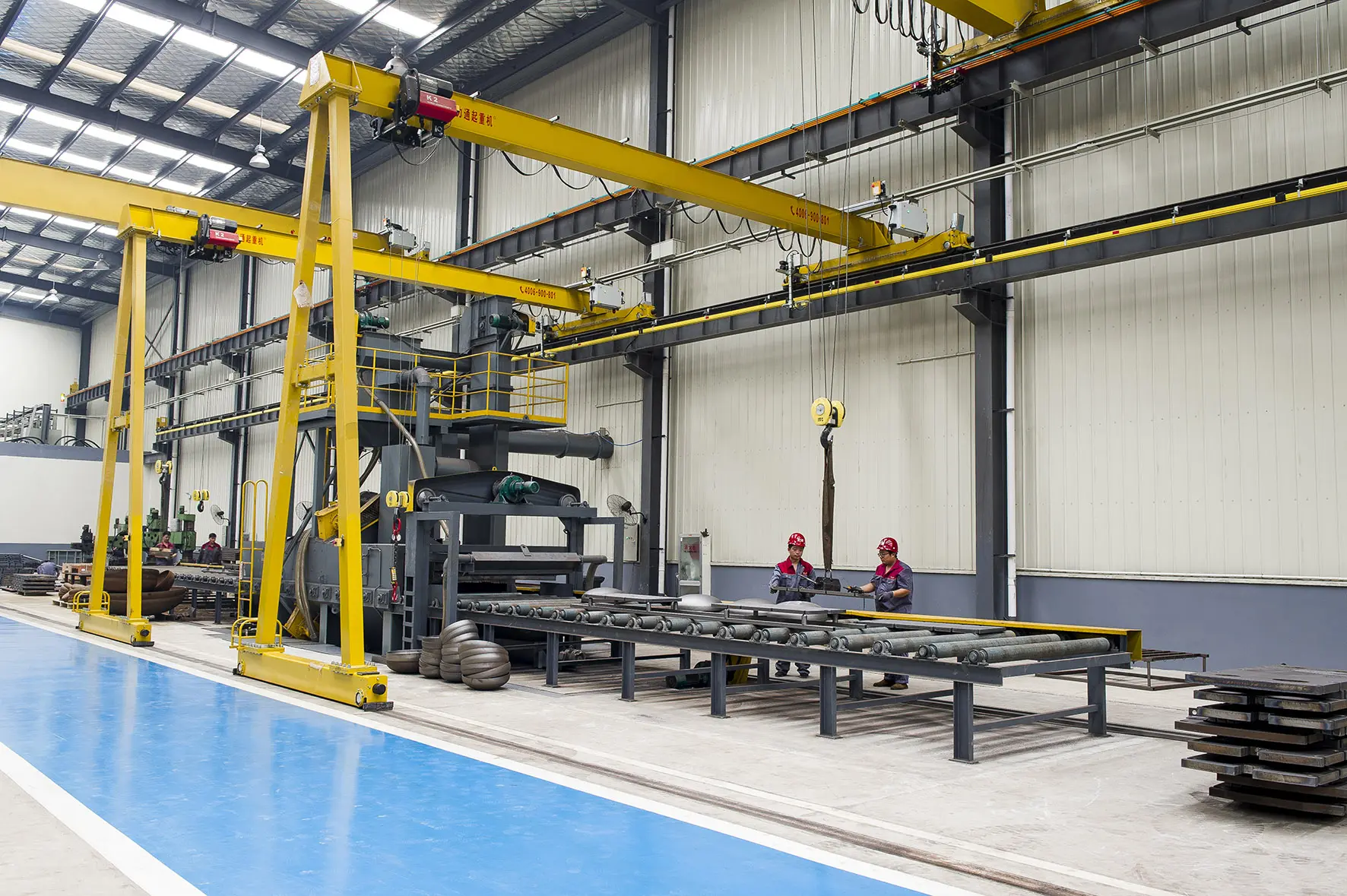
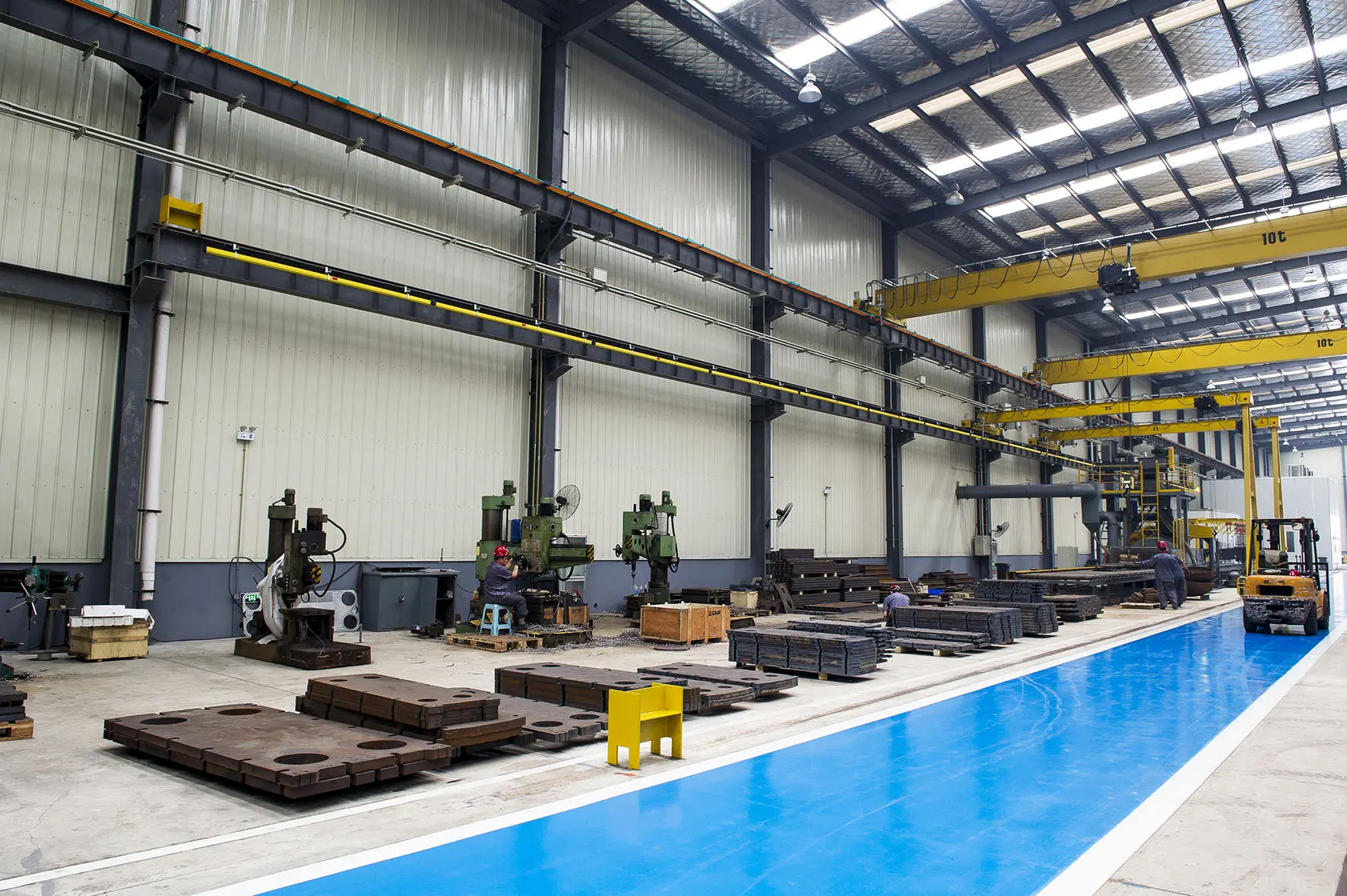
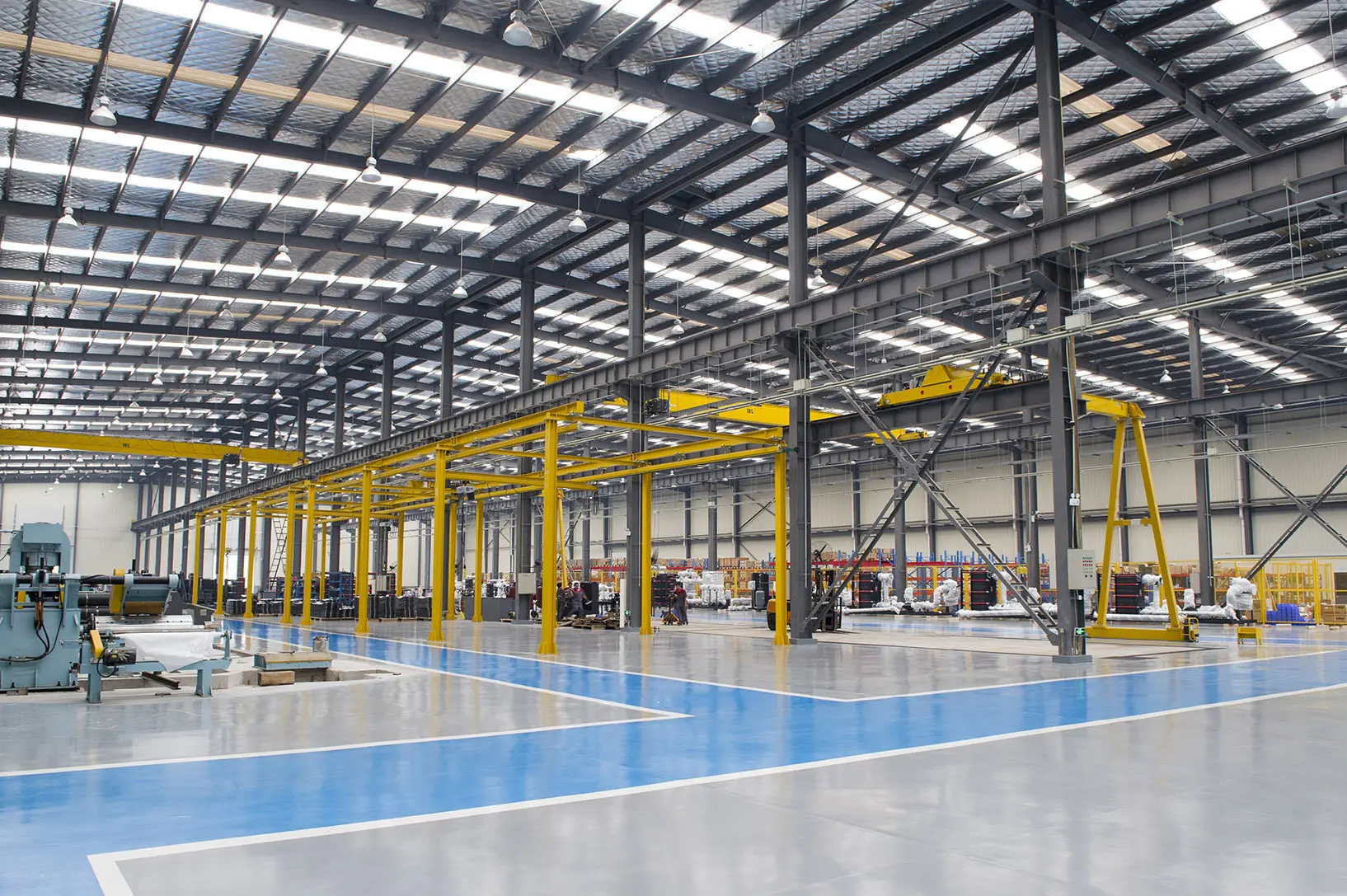
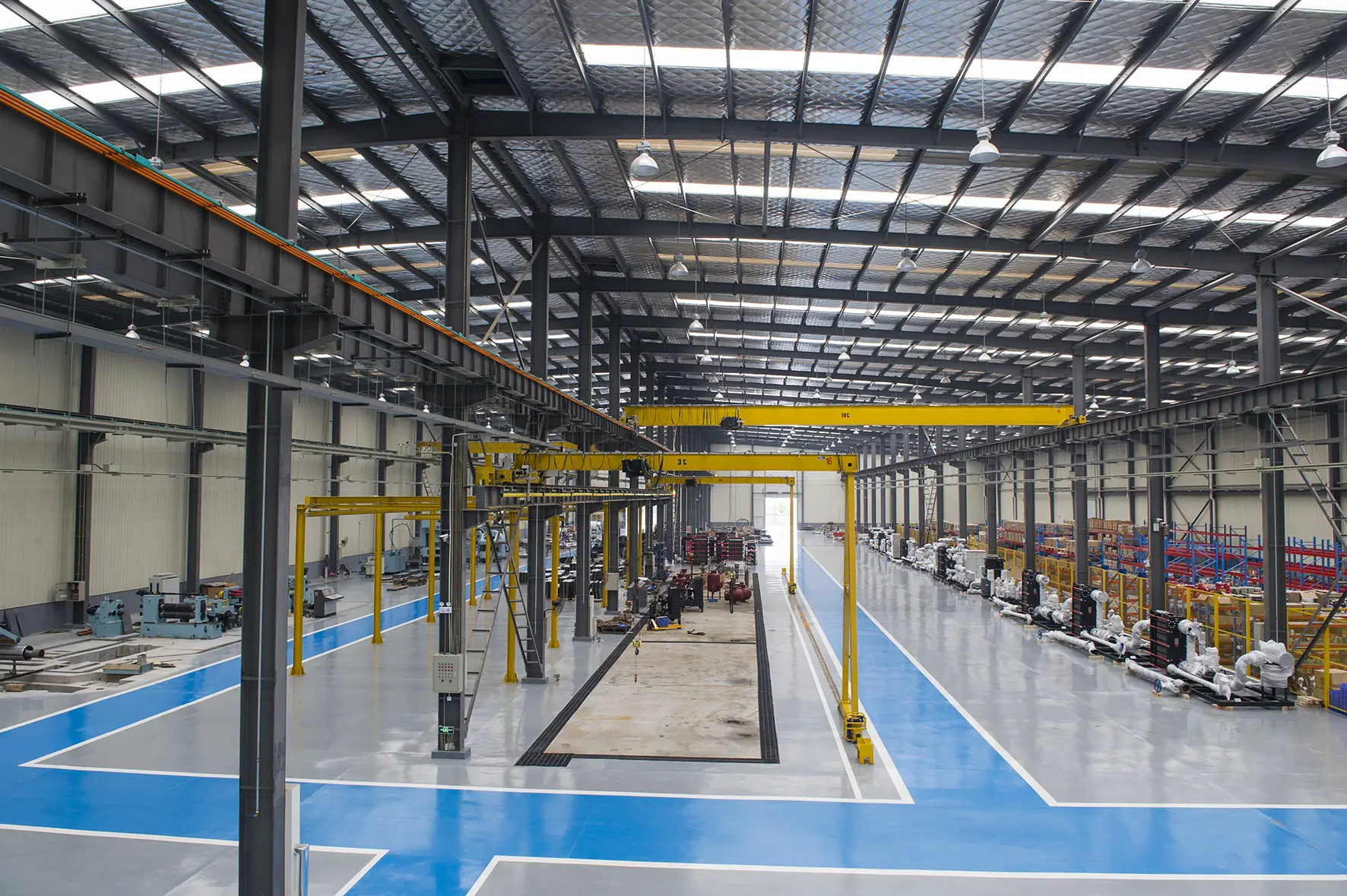
Every piece of heat exchange equipment undergoes a meticulously monitored manufacturing pipeline to guarantee absolute structural safety and thermal precision.
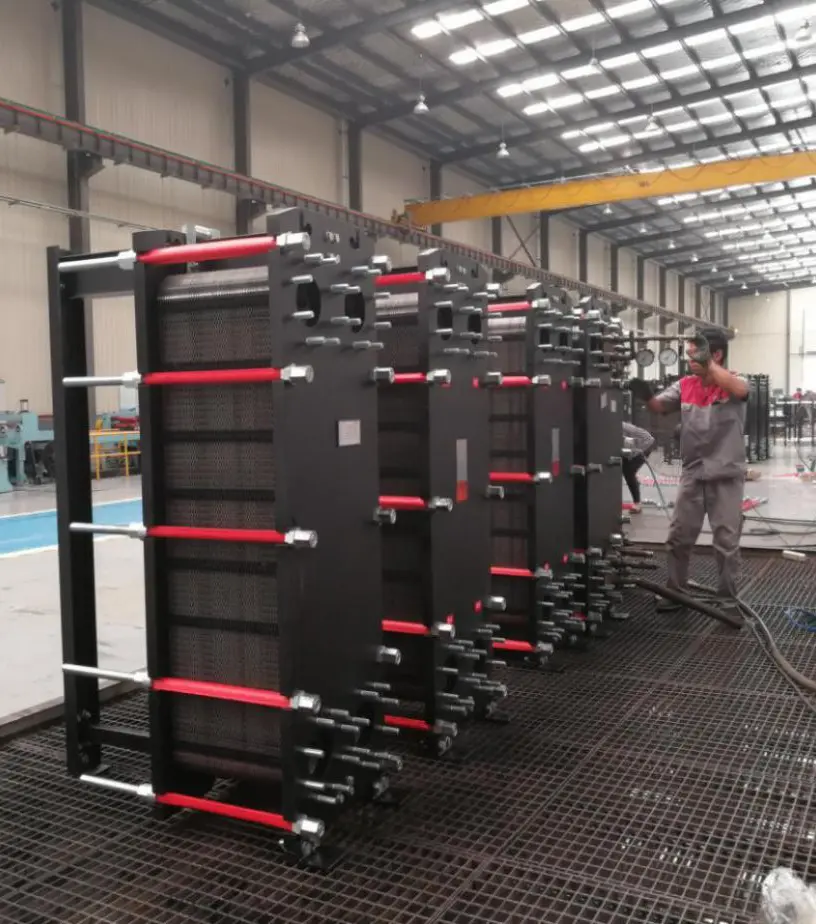
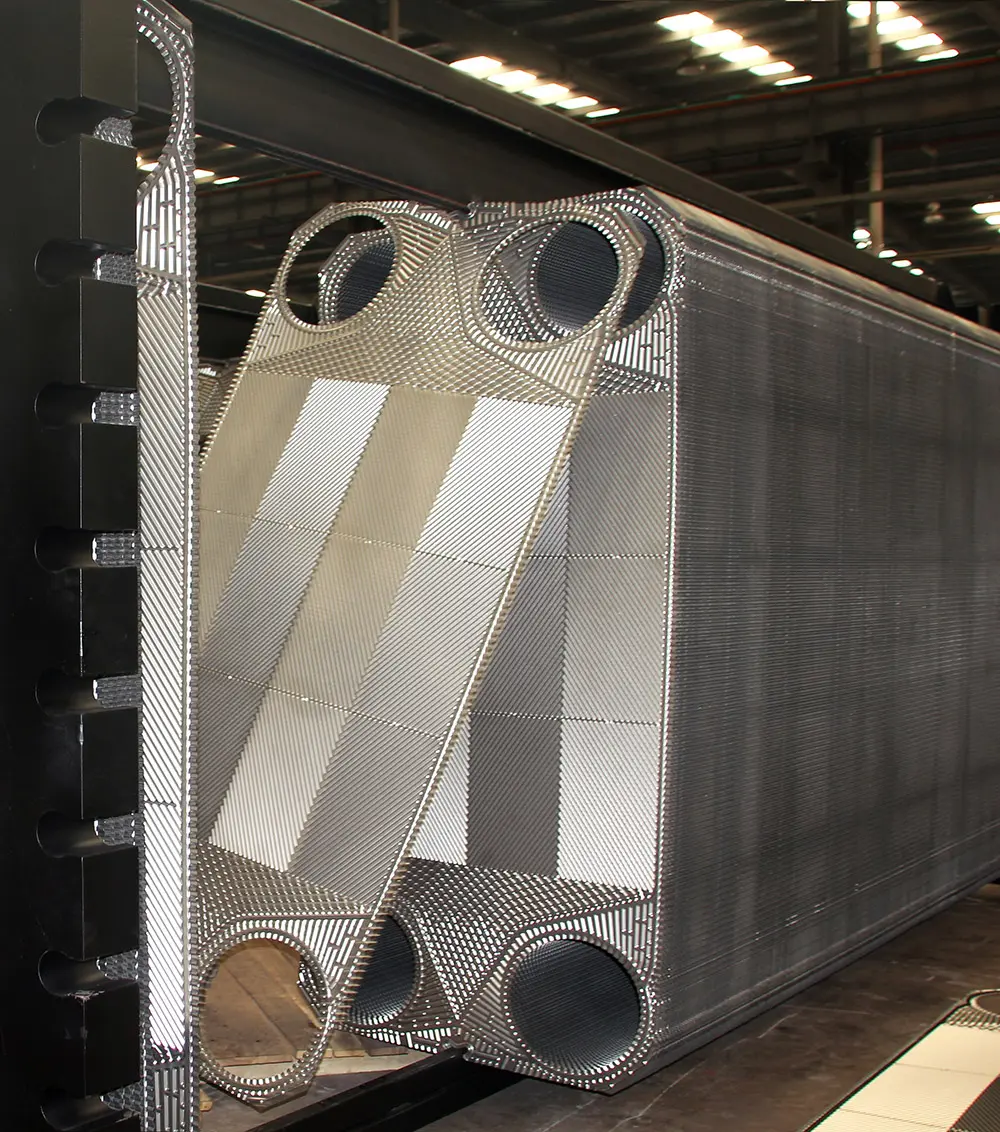
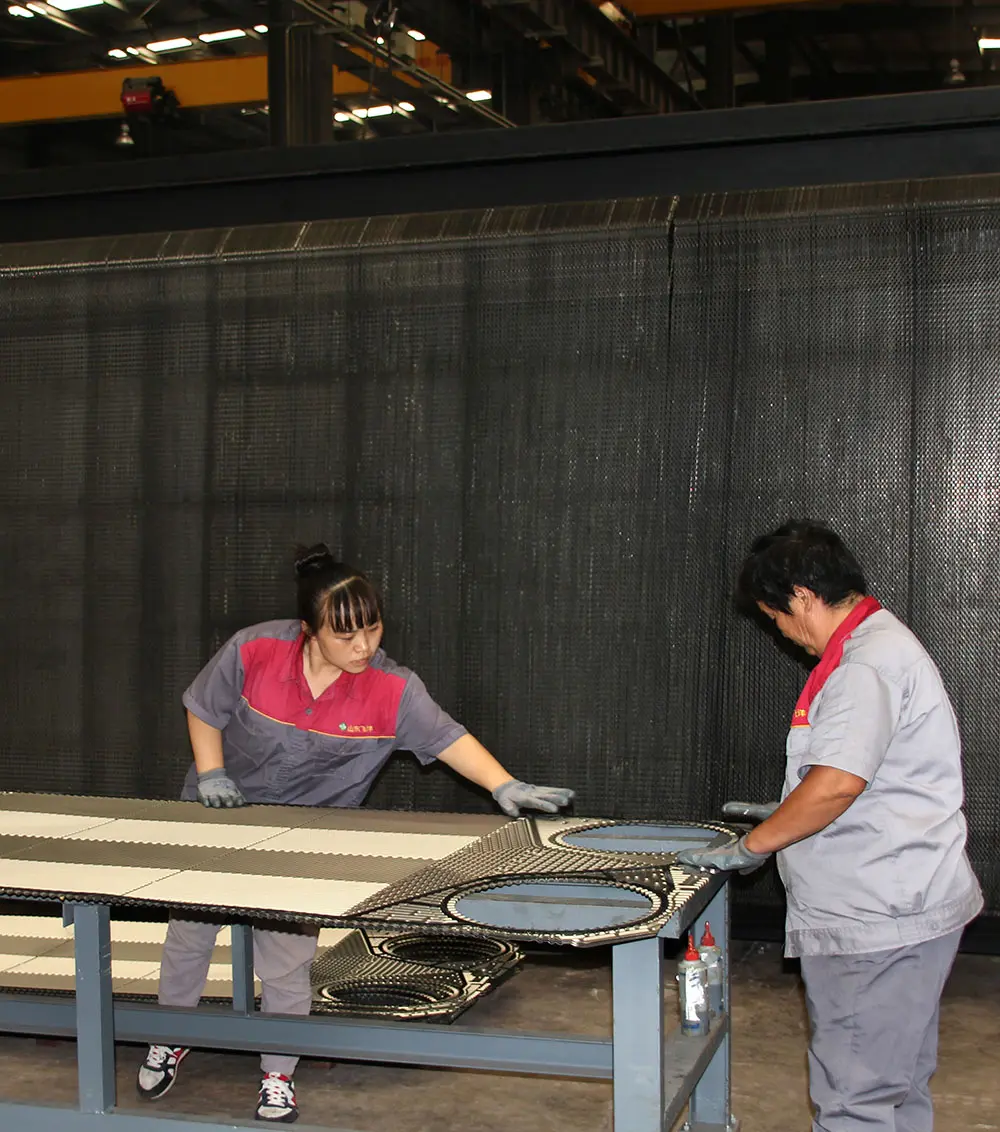
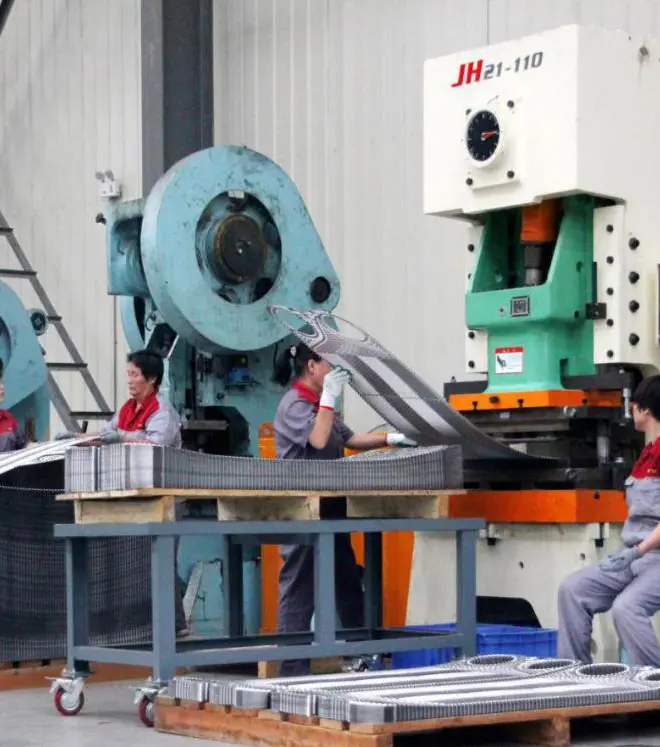
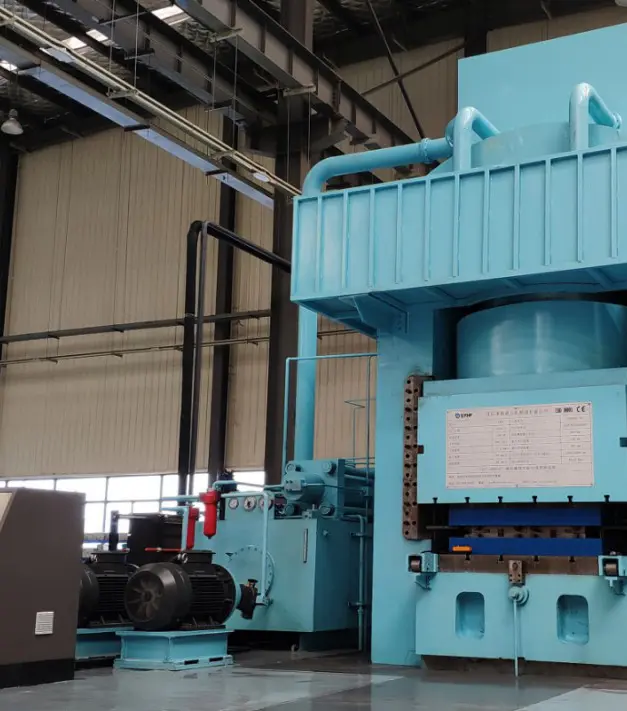
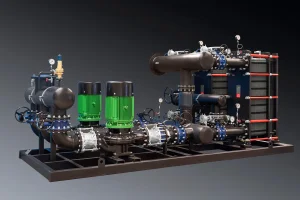
Designed for industrial plants, municipal heating, desalination networks, and HVAC integration.
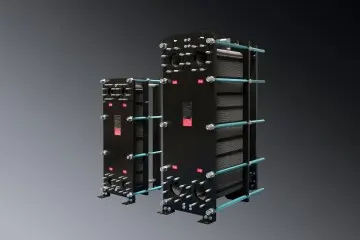
Easy-to-clean gasketed designs for flexible heating capacity expansion.
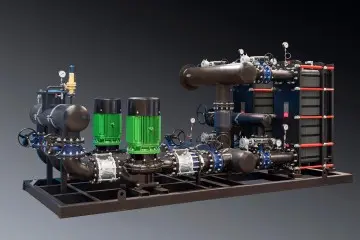
Smart temperature control units pre-assembled for municipal utility connections.
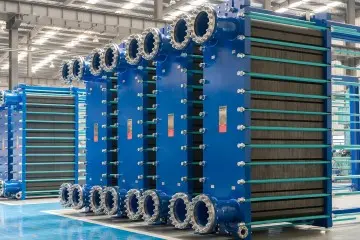
Integrated pressure control and high-performance fluid heat transfer stations.
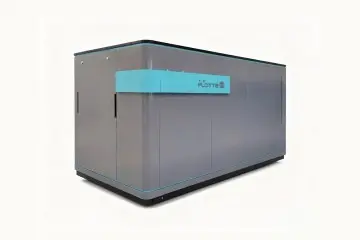
Highly compact designs engineered specifically for modern vertical architecture.
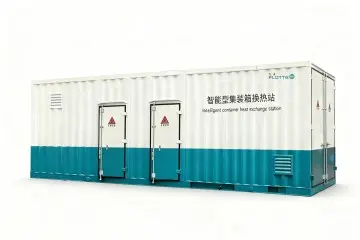
Fully enclosed, weatherproof units optimized for space-limited outdoor installations.
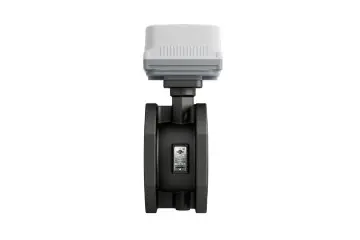
Microprocessor-controlled valves for real-time dynamic hydraulic balancing.

Precision ambient tracking sensors for real-time terminal heating adjustments.
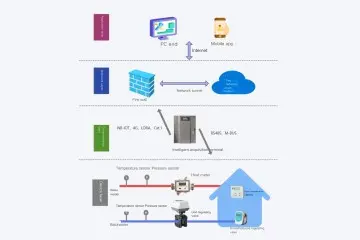
Advanced algorithms designed to prevent network overheating and under-heating.
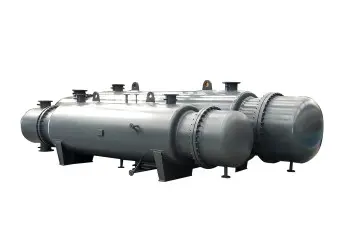
Heavy-duty shell-and-tube designs for high-pressure and high-temperature processing.
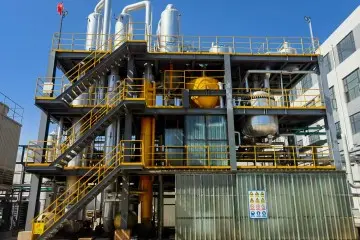
Energy-saving concentration solutions designed for chemical waste management.
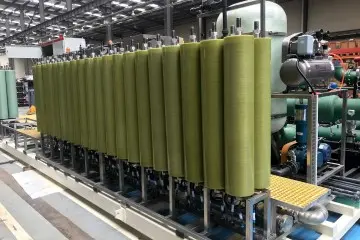
Advanced liquid desalination and concentration systems for high-purity water requirements.
Our quality control is verified by globally recognized inspection authorities and standardizations.
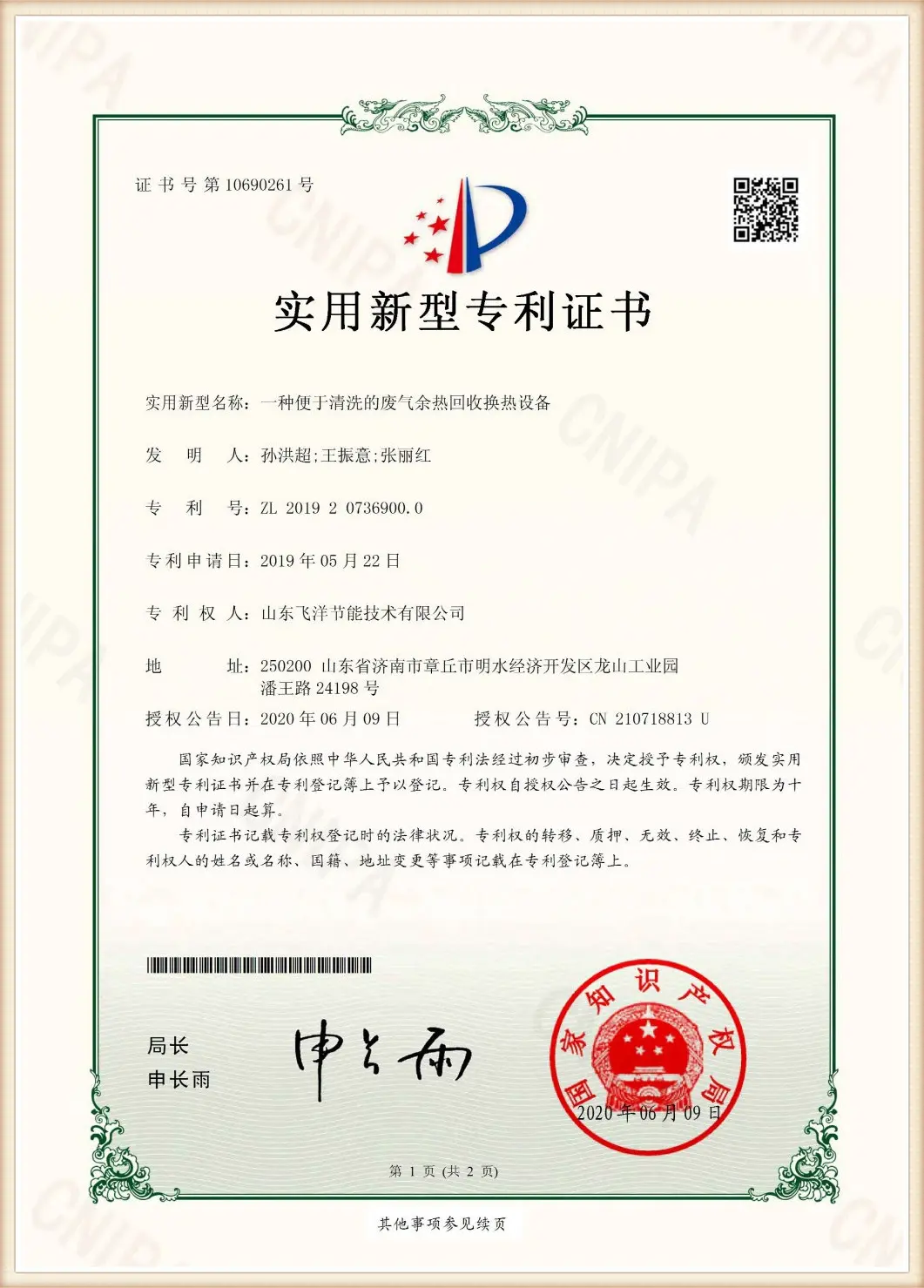
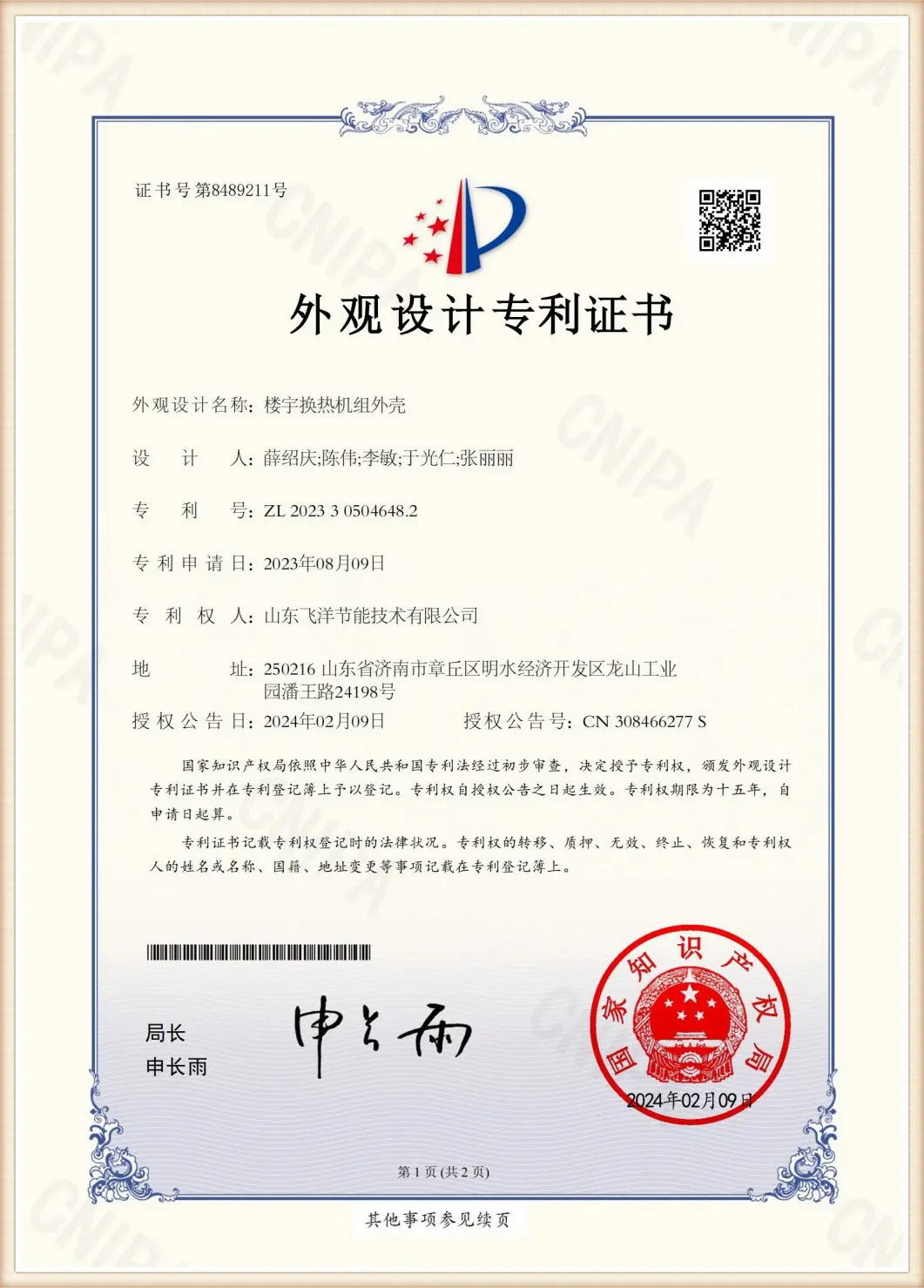
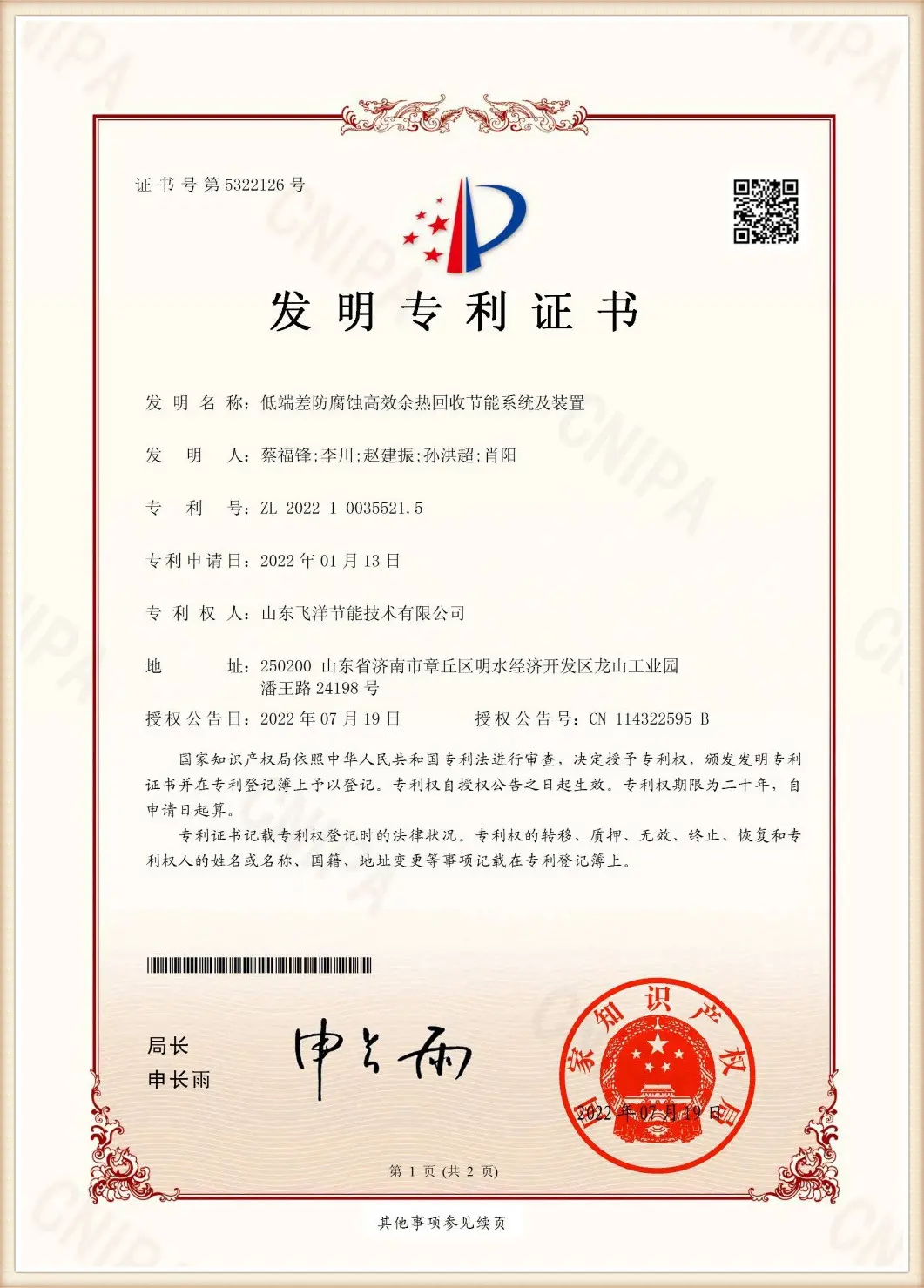
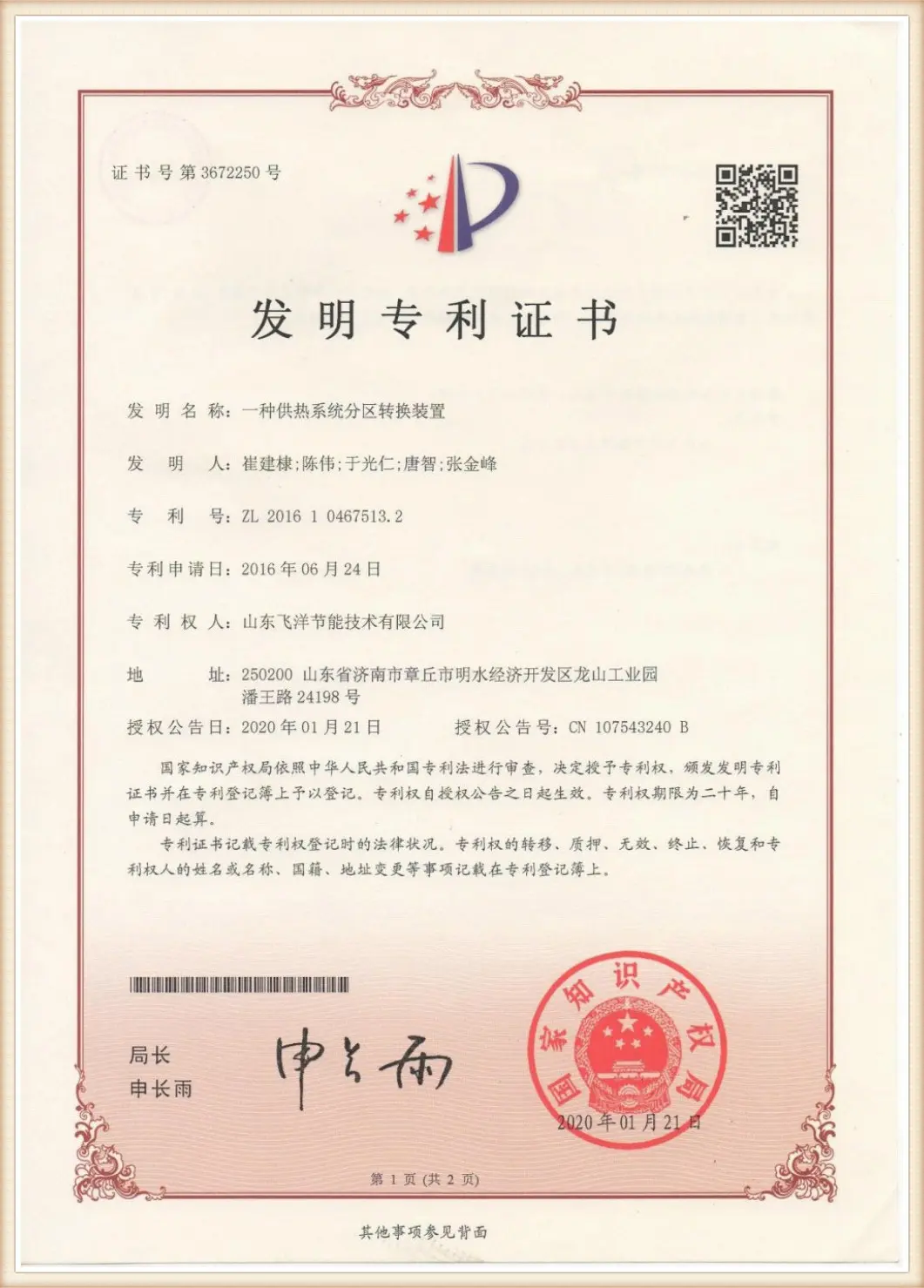
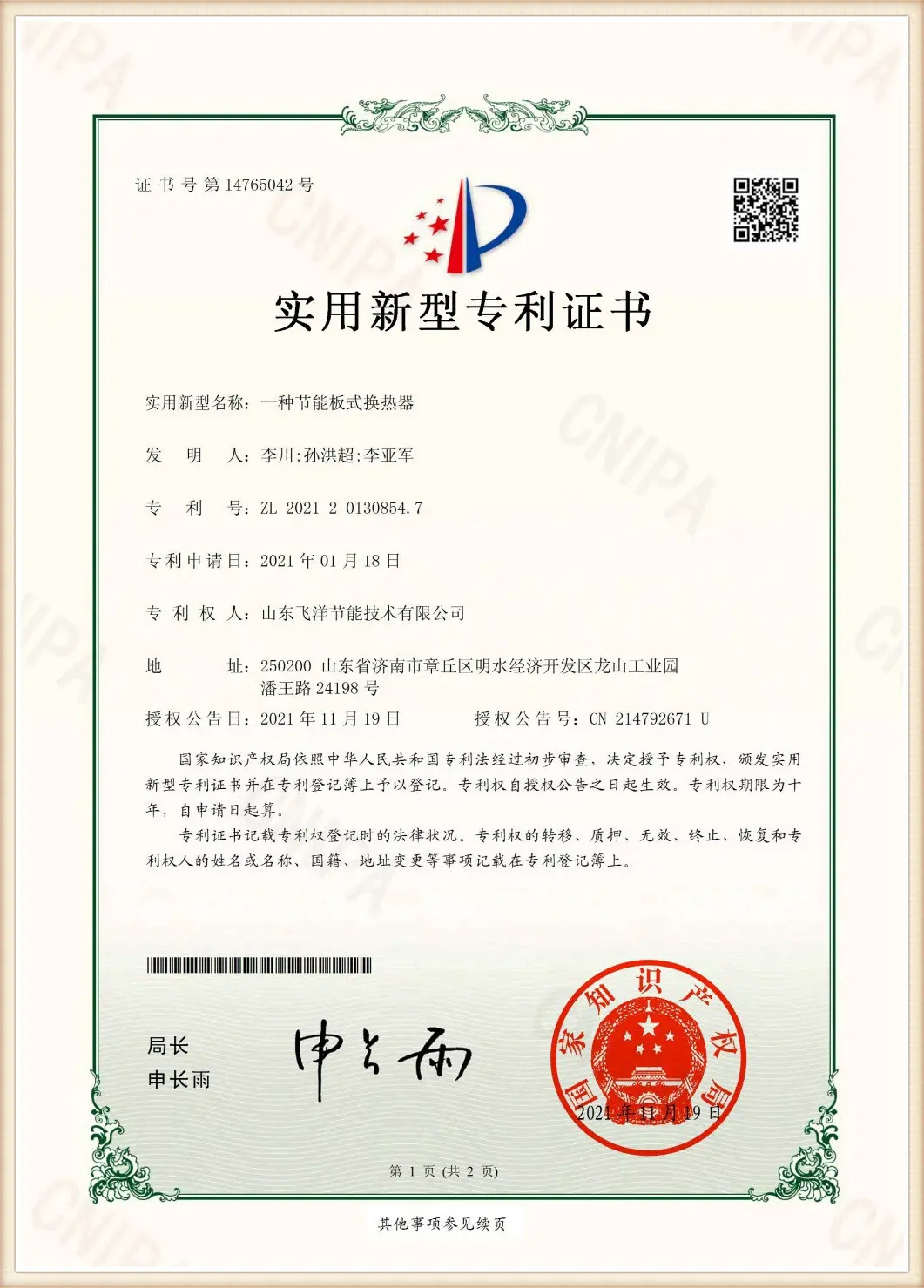
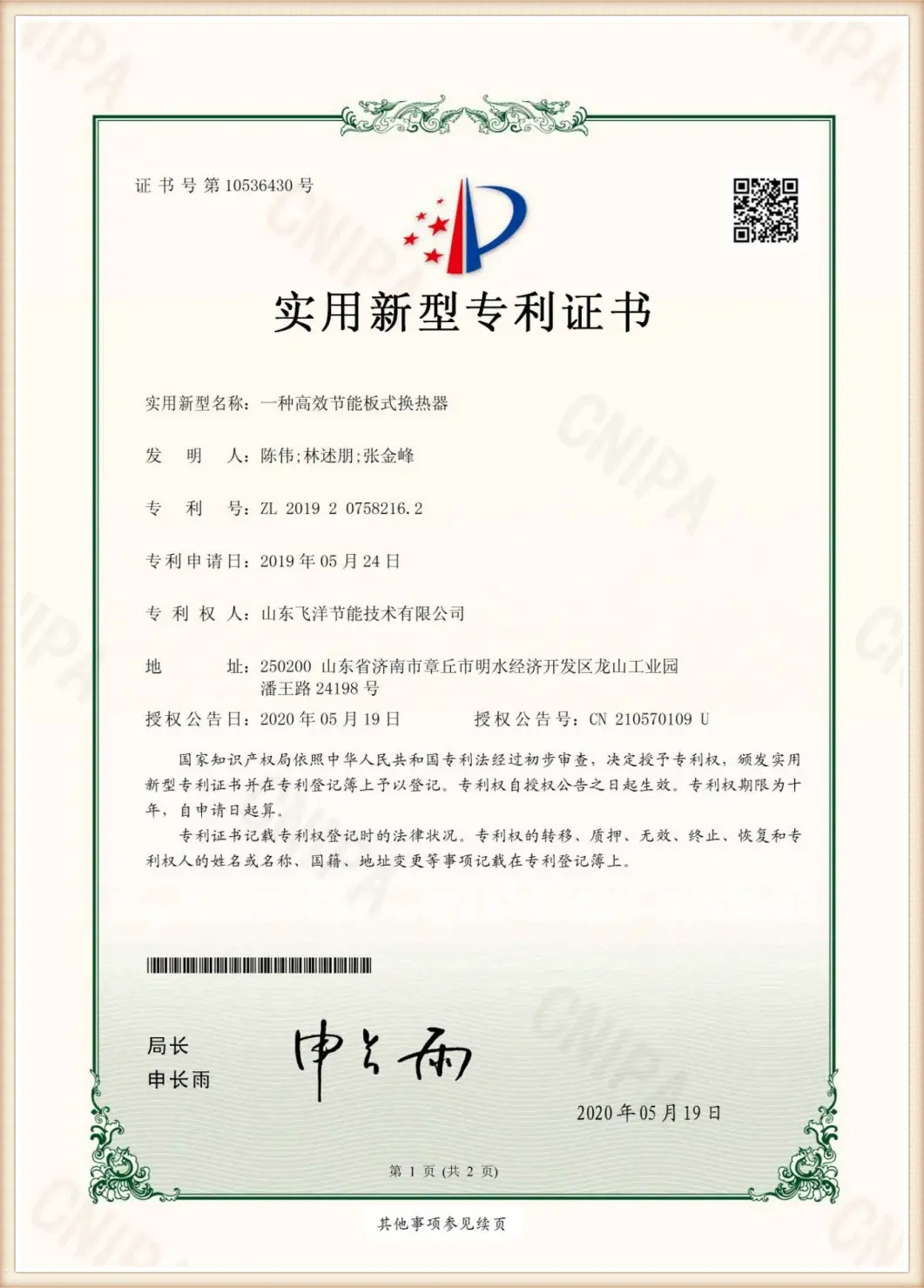
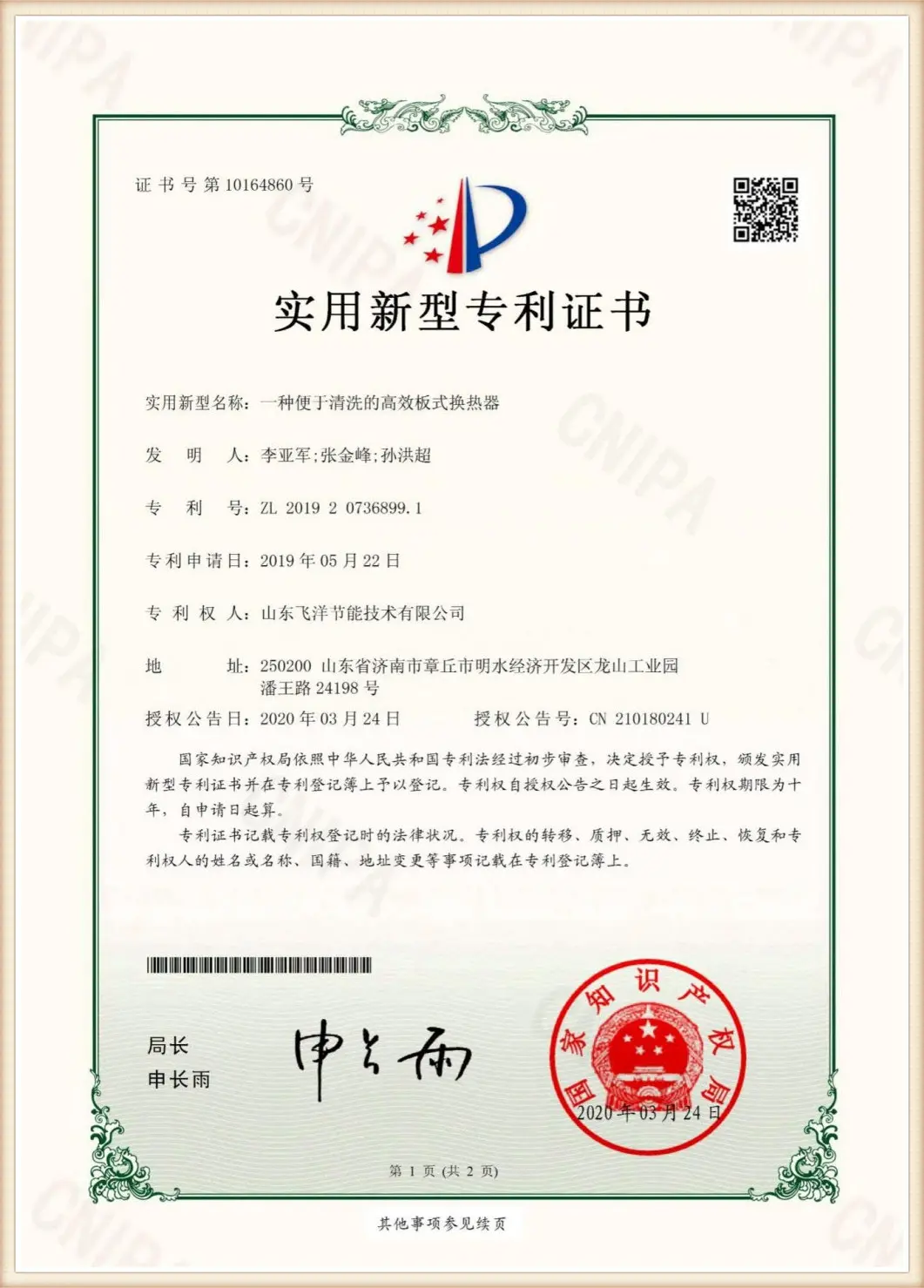
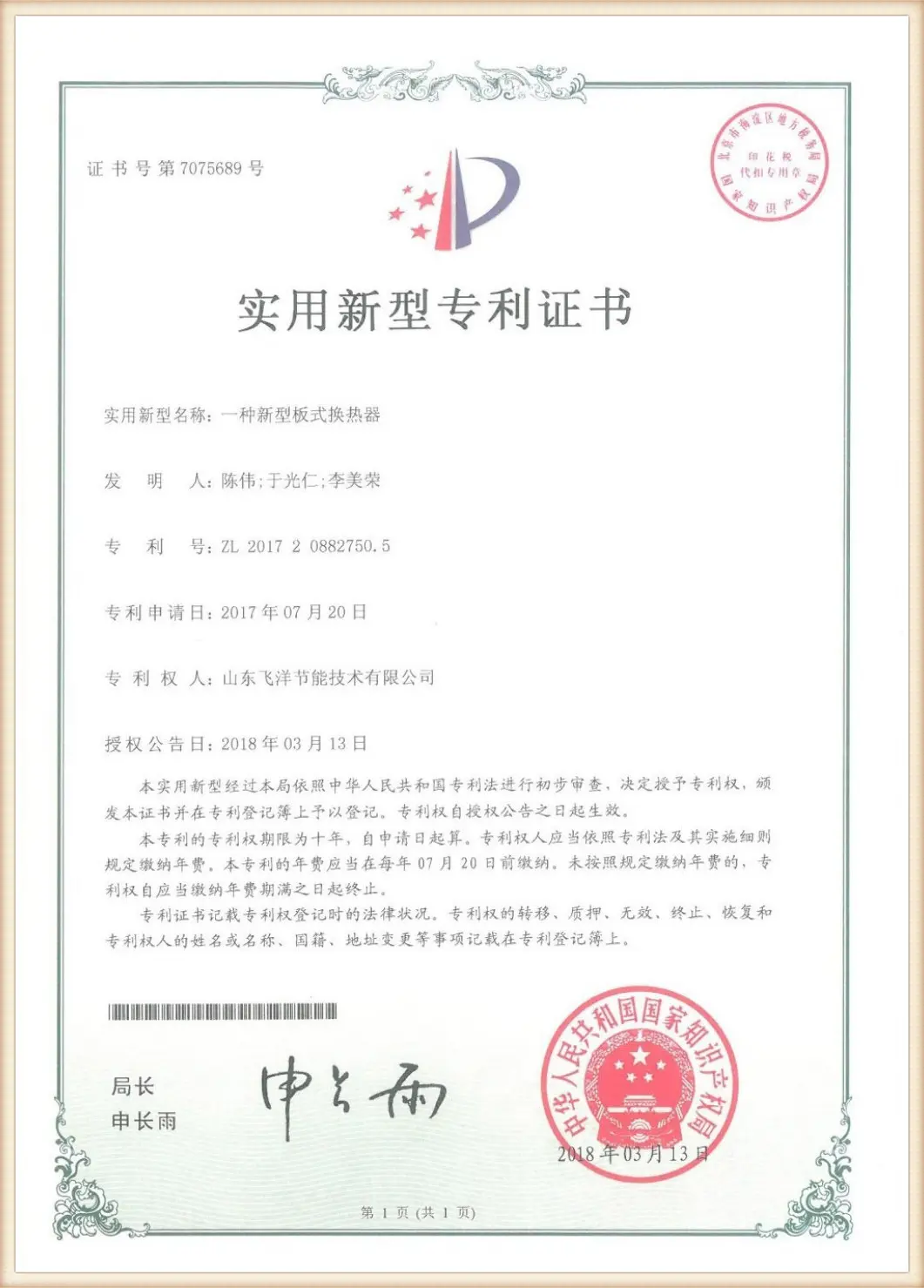


Key information regarding fluid properties, structural testing, certifications, and heat transfer efficiency.
The angle of the plate corrugation determines the levels of turbulence and resistance inside the channels. High theta angles (obtuse relative to fluid flow) create high shear rates, maximizing the Heat Transfer Coefficient (U-value) at the expense of a higher pressure drop. Low theta angles (acute angles) minimize pressure drops but yield lower thermal efficiency. Flotte designs customized mixed-plate configurations, positioning high-theta and low-theta plates in optimal sequences to meet targeted heat duty requirements within specified pressure boundaries.
Titanium exhibits remarkable resistance to chloride corrosion, which makes it ideal for handling seawater, brackish water, and high-salinity industrial process streams. Stainless steel 316L is suitable for freshwater HVAC and clean utility settings but can fail due to stress corrosion cracking or localized pitting when exposed to chlorides exceeding 300 mg/L at elevated operating temperatures.
We source raw rubber materials from verified global suppliers. Our gaskets—available in NBR (Nitrile Butadiene Rubber) for standard water applications, EPDM (Ethylene Propylene Diene Monomer) for high-temperature HVAC/steam systems, and Viton (FKM) for corrosive chemicals—are cured using specialized vulcanization processes to maintain long-term elasticity and prevent micro-leakage during thermal cycle expansion.
Our products undergo mandatory safety registration under the National Standardization Committee. We hold safety registrations for plate heat exchangers issued by the National Boiler and Pressure Vessel Standardization Technical Committee. Furthermore, all our production stages strictly adhere to ISO 9001:2015 Quality Management Systems, ISO 14001:2015 Environmental Management Systems, and ISO 45001:2018 Occupational Health and Safety frameworks.
By deploying Intelligent Balancing Valves paired with Room Temperature Collectors at residential thermal entry points, our Intelligent Monitoring System continuously tracks temperature differentials (ΔT) and pressure balances. This data prevents hydraulic short circuits, redirecting excess fluid from overheated zones to terminal lines, reducing the power load on secondary circulating pumps by up to 20-30%.
Each unit undergoes hydraulic pressure tests at 1.25 to 1.5 times the design working pressure. We conduct dye penetrant testing on sample plates to detect micro-fissures or stamping defects, ensuring that no cross-contamination between hot and cold channels occurs during long-term field operation.
Explore more of our highly engineered thermal systems available for direct export, featuring international logistics support and installation guarantees.
 Flotte Energy