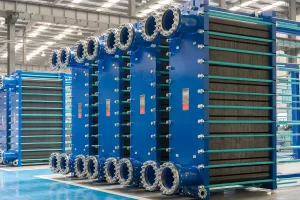
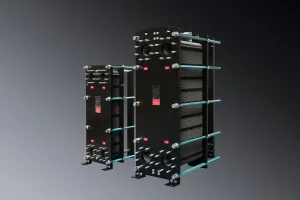
High-efficiency, custom-engineered heating and cooling solutions manufactured to global standards
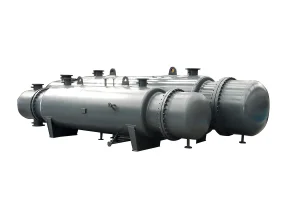
In the modern industrial arena, thermal management efficiency is directly linked to operational cost, sustainability, and process safety. At the heart of these thermal systems are heat exchangers and their structural backbones—the heat exchanger supports. As heavy-duty pressure vessels cycle through rapid temperature fluctuations, high fluid velocities, and extreme mechanical pressures, their supporting structures undergo severe thermal expansion stress, structural loading, and environmental vibration.
Globally, the demand for high-performance heat exchanger supports has intensified. From petrochemical refineries in North America requiring compliance with rigorous ASME codes, to district heating networks in Eastern Europe adhering to strict EN standards, industrial operators recognize that structural failure at the support base can lead to catastrophic nozzle alignment failures, shell buckling, or tube sheet fractures. A robustly designed support system accommodates multi-axial thermal expansions, mitigates seismic movements, and dampens resonance-frequency vibrations generated by interior fluid dynamics.
Choosing the right manufacturing partner for heat exchanger supports involves assessing metallurgical competence, precision engineering capabilities, and international standard certification. Today, modern industrial complexes require more than static steel weldments; they demand dynamic, modular, and optimized structural supports engineered alongside the thermal units themselves.
Established in 2013 with a registered capital of 101 million yuan, Flotte Energy Saving Company traces its roots back to Flotte Thermal Engineering, founded in 1995. With nearly three decades of dedicated technical expertise, Flotte has pioneered state-of-the-art designs in industrial water equipment, HVAC systems, and water treatment operations.
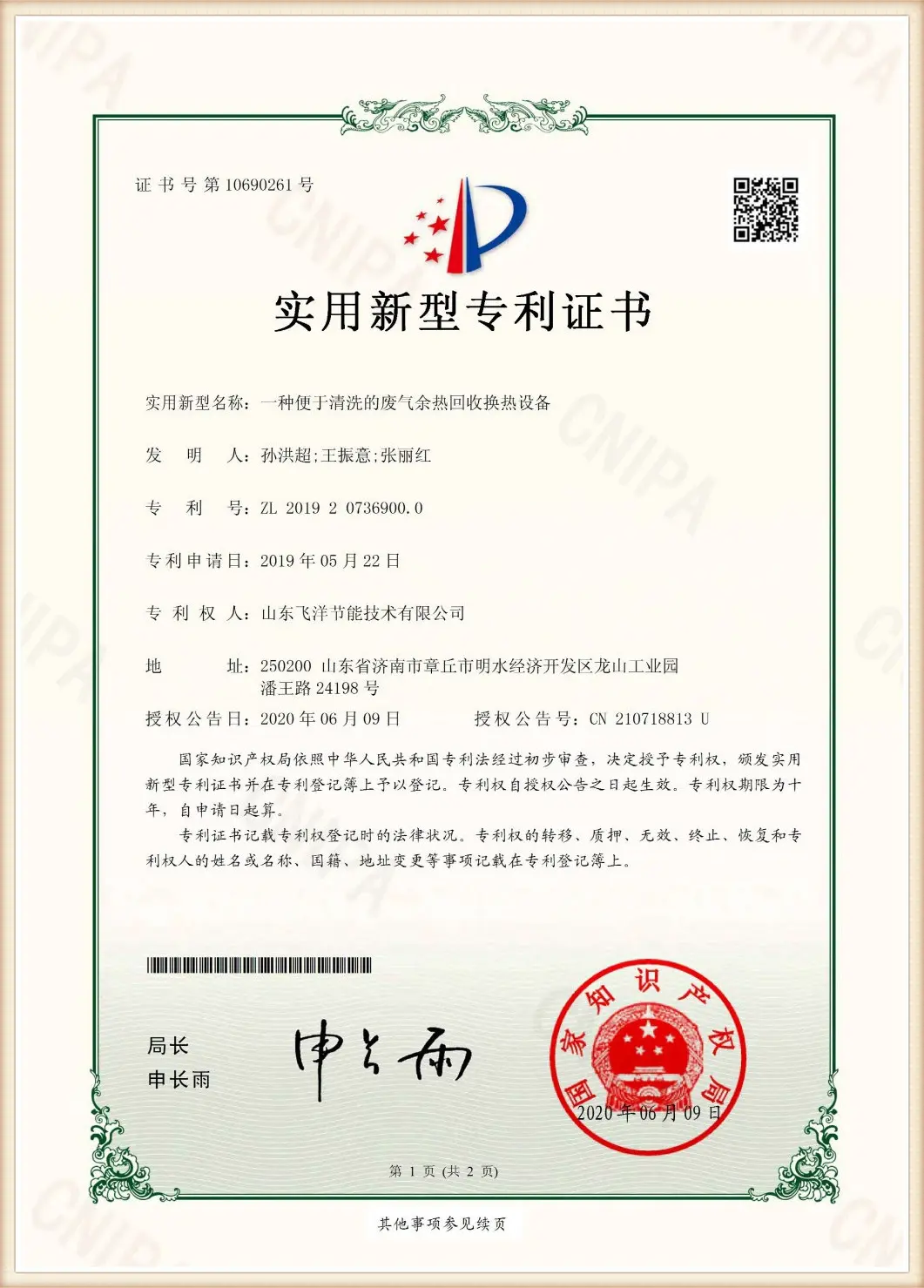
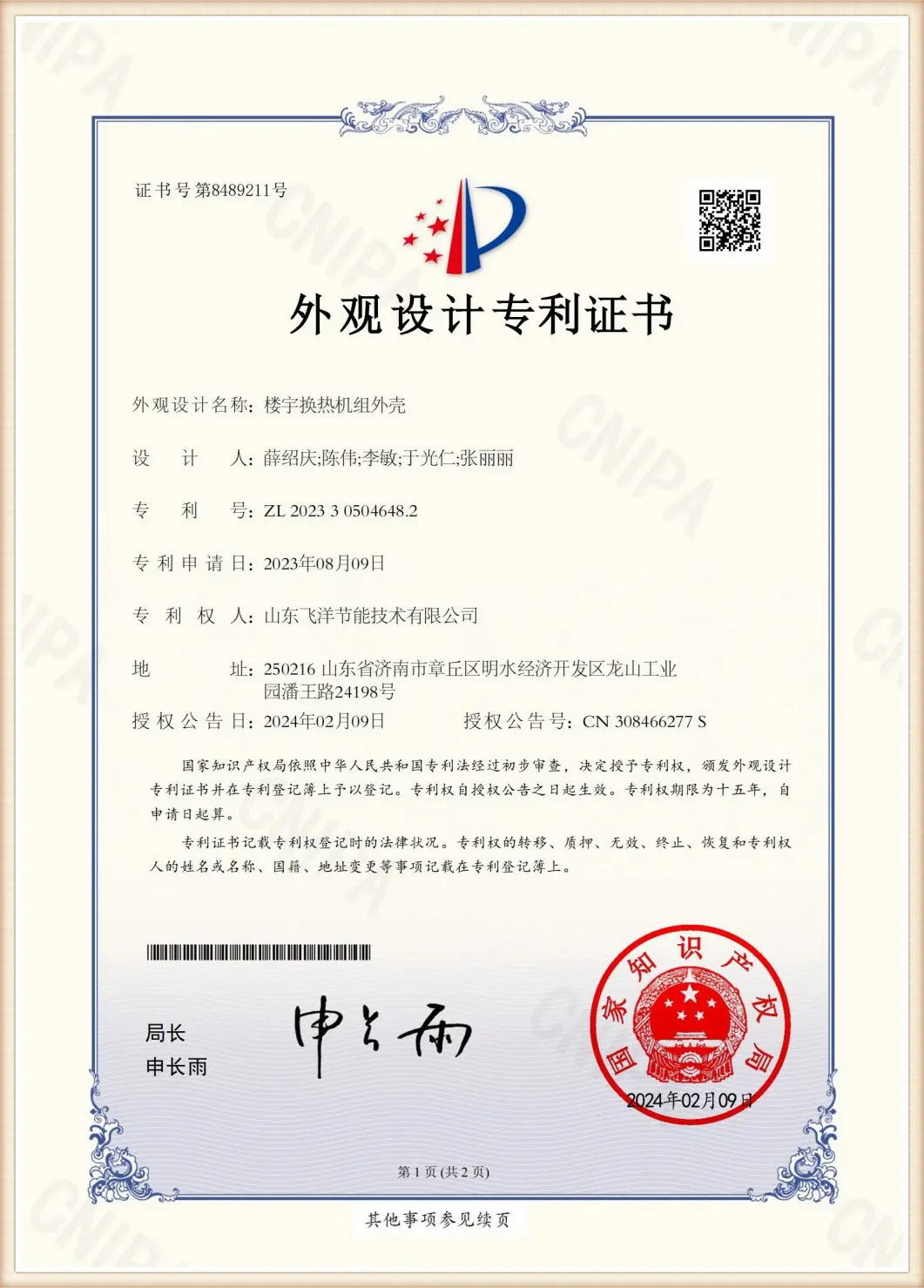
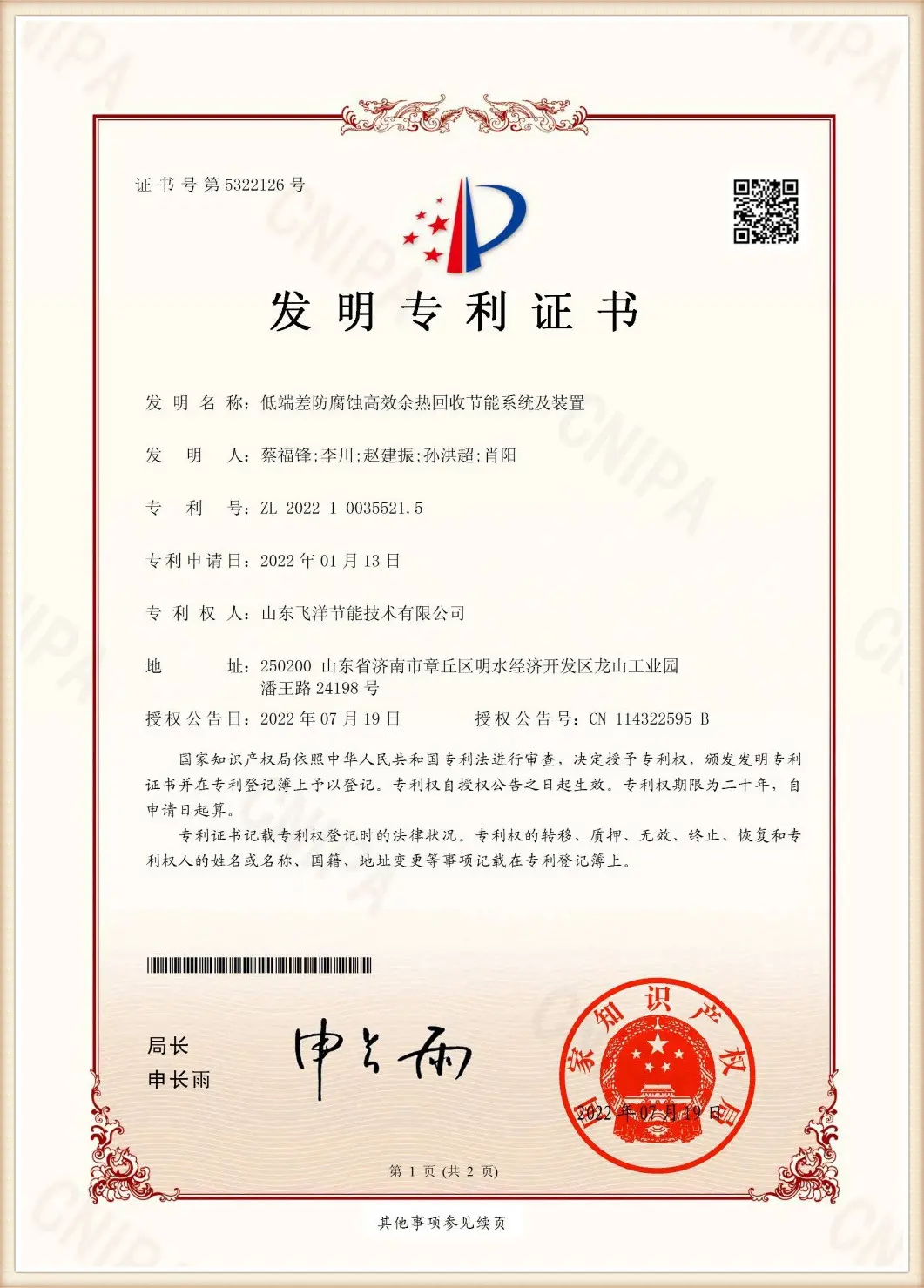
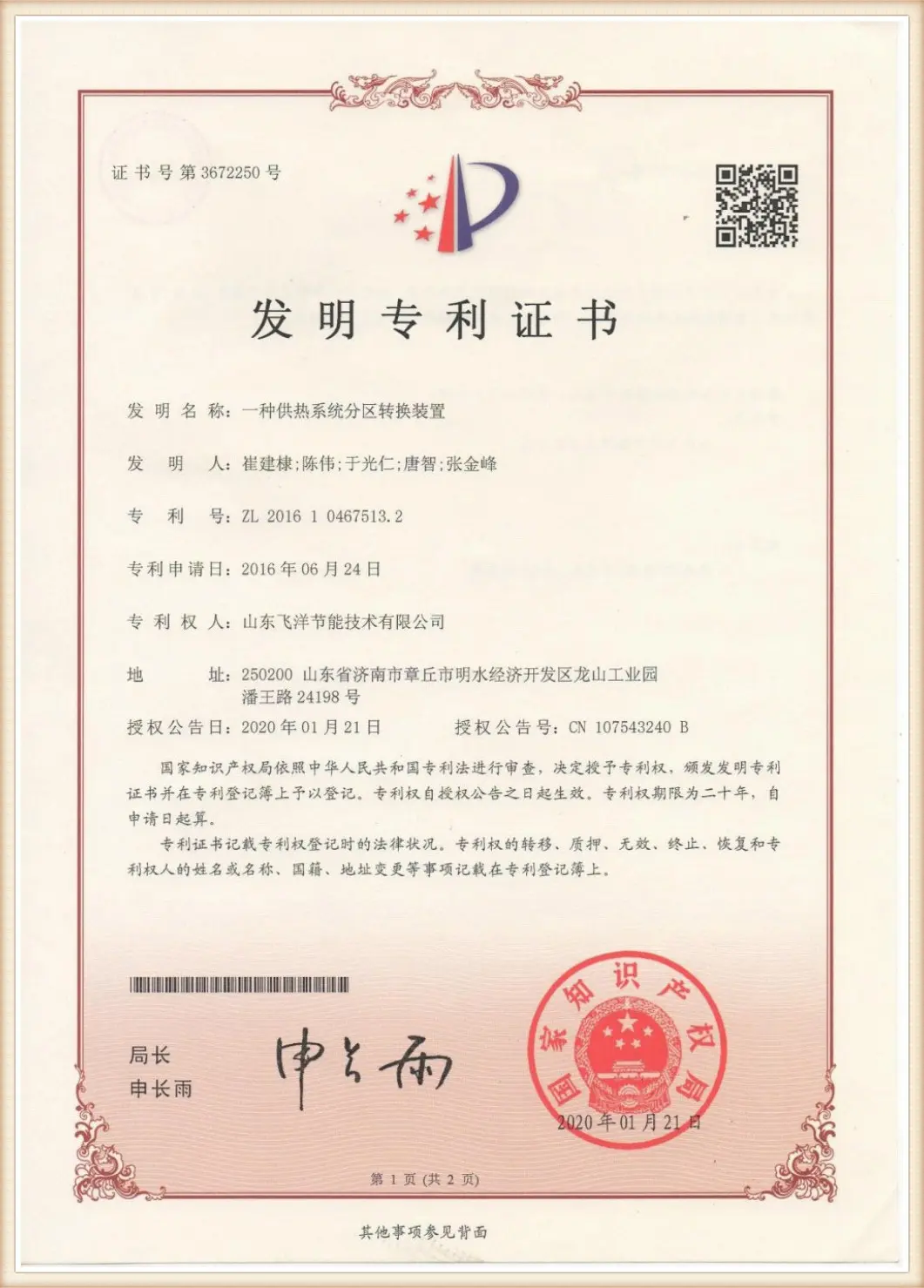
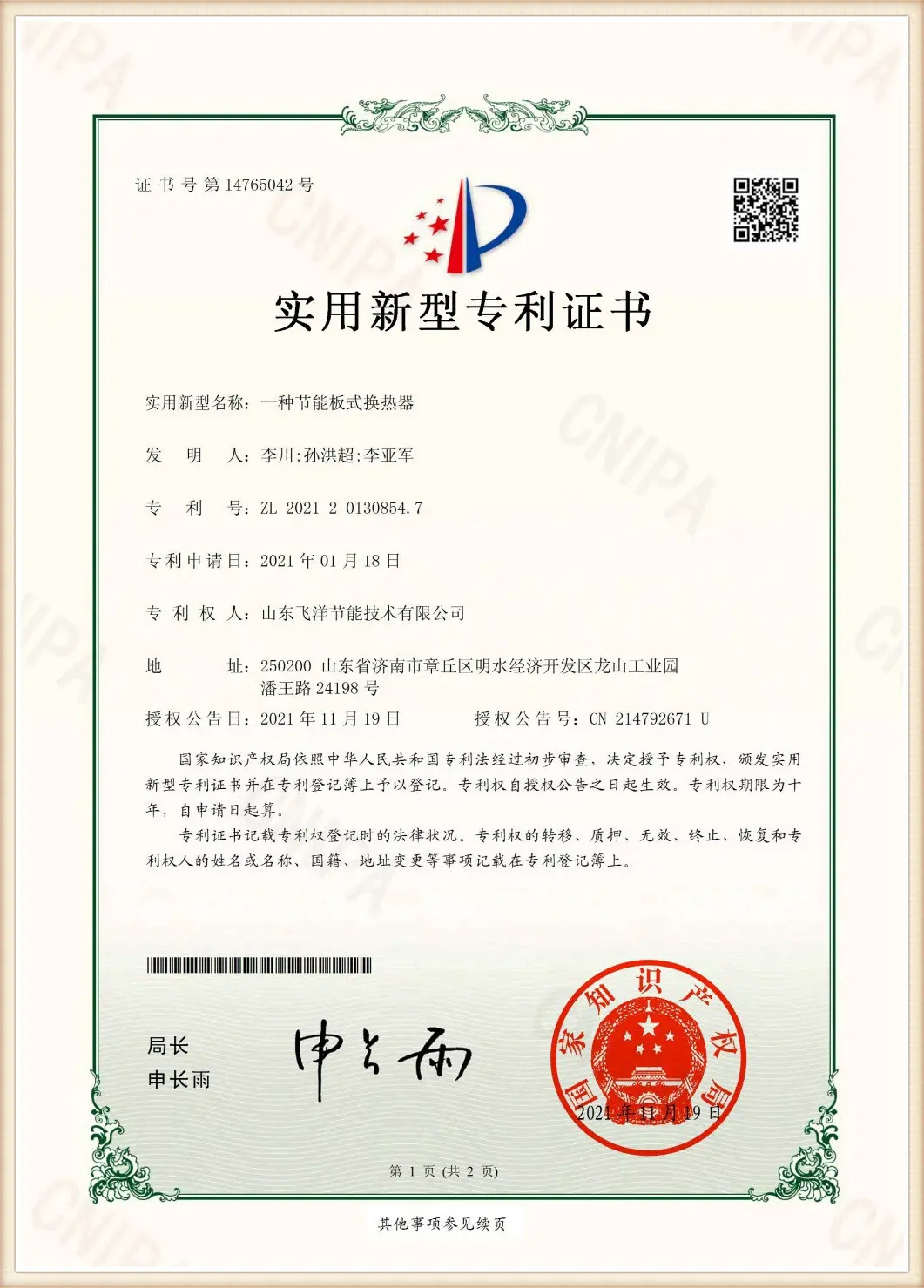
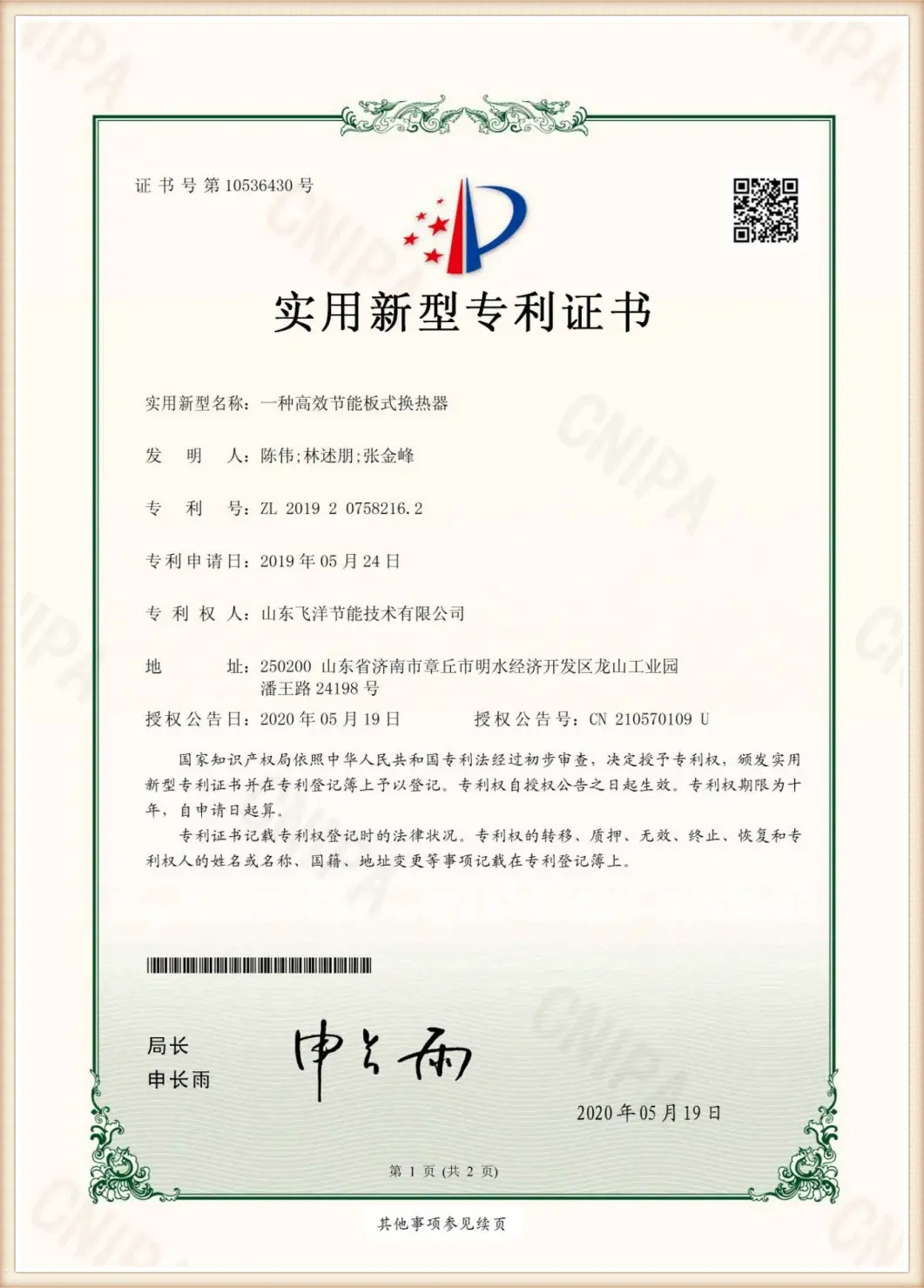
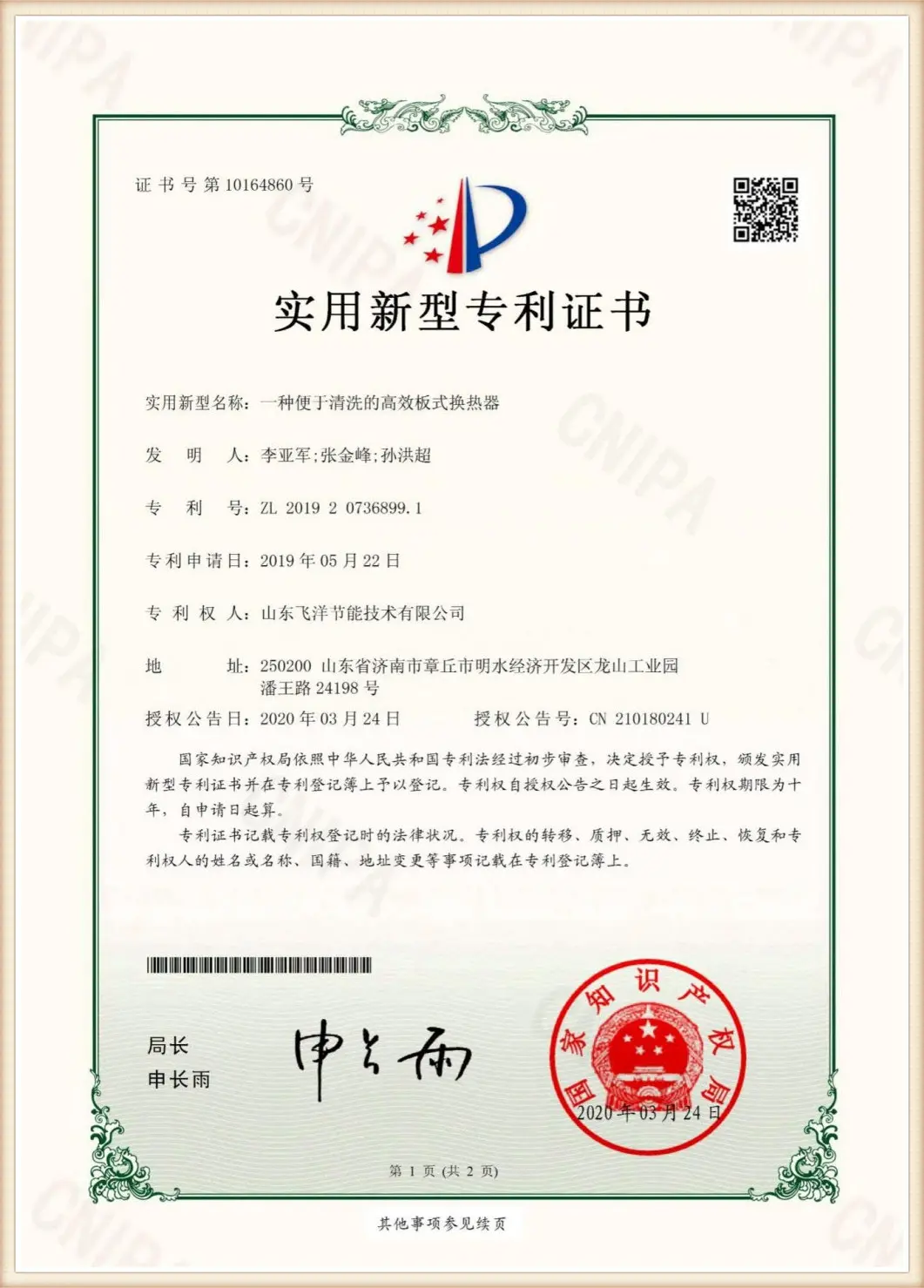
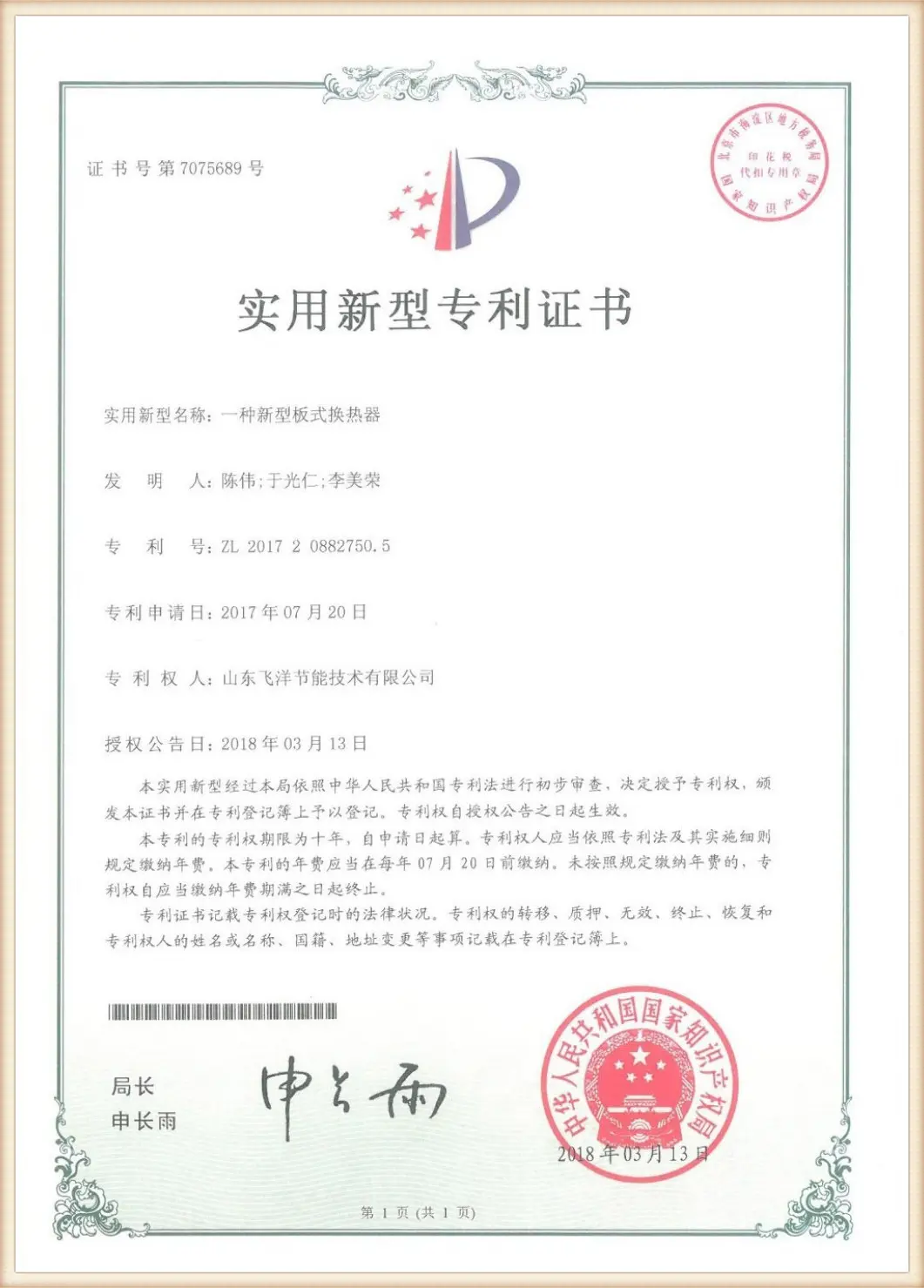
Our continuous research and development have resulted in a suite of national patent certifications, including our renowned "High-Efficiency Plate Heat Exchanger", "Intelligent Plate Heat Exchanger System", and "Plate Heat Exchanger Scale Removal Device". Our structural frameworks are certified under national pressure vessel safety regulations and mandatory standardization benchmarks, offering absolute reliability to global contractors.
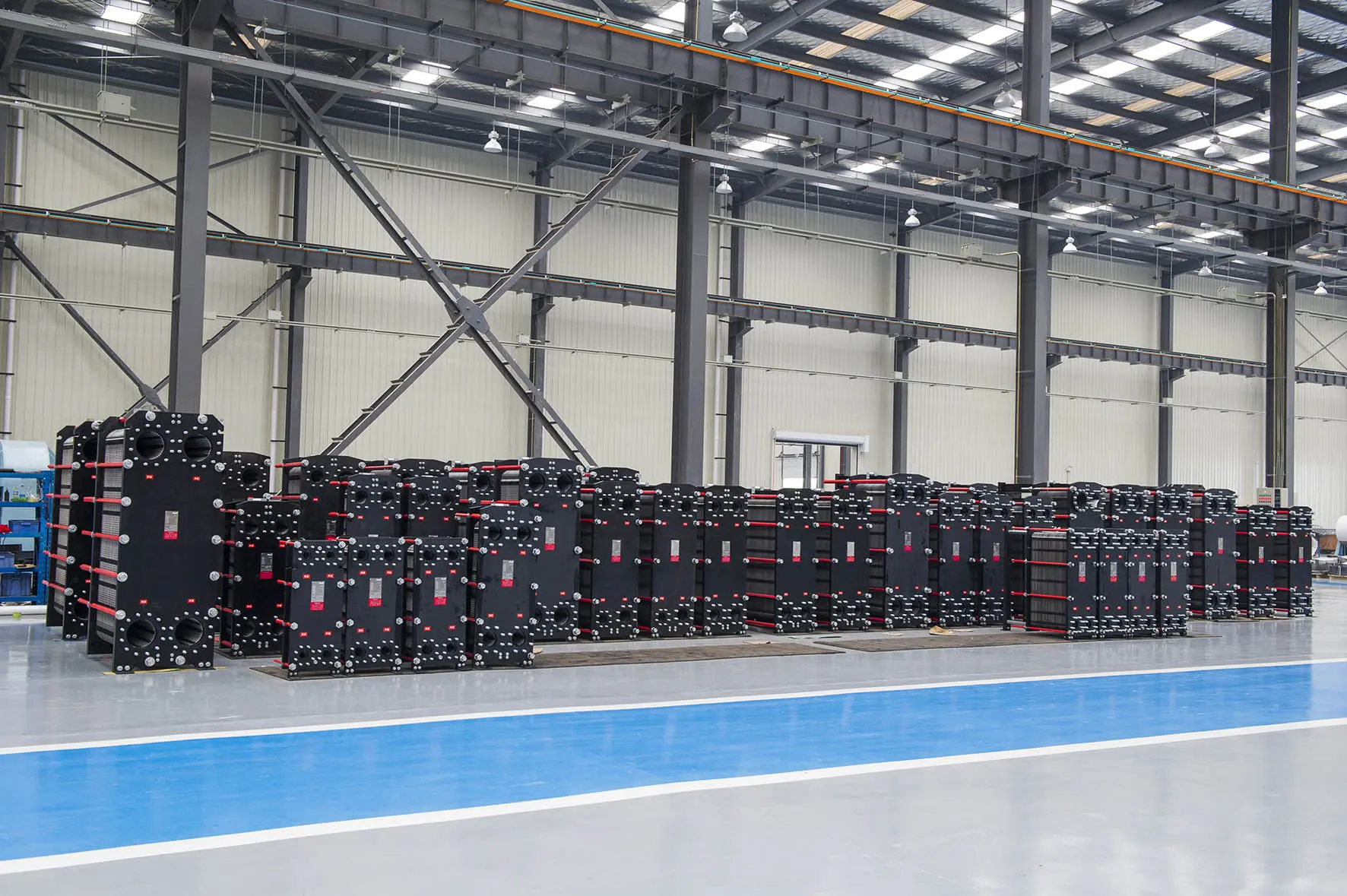
When sourcing industrial pressure vessel supports globally, China’s industrial ecosystem presents unmatched supply chain advantages. Chinese heat exchanger factories offer an integrated value chain that combines raw material sourcing (premium stainless steel and alloy plates), automated heavy-press stamping, specialized welding, and state-of-the-art laboratory validation in one centralized location.
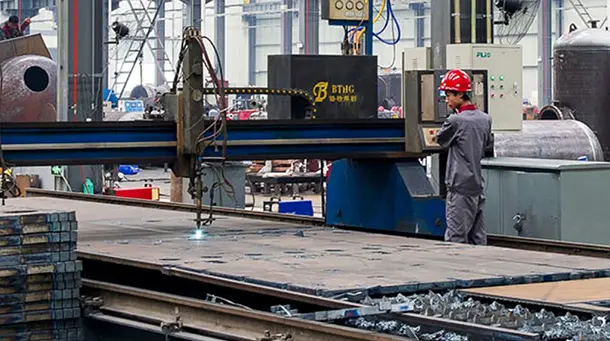
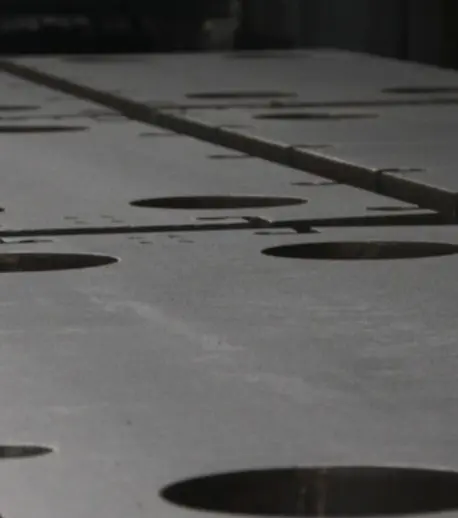
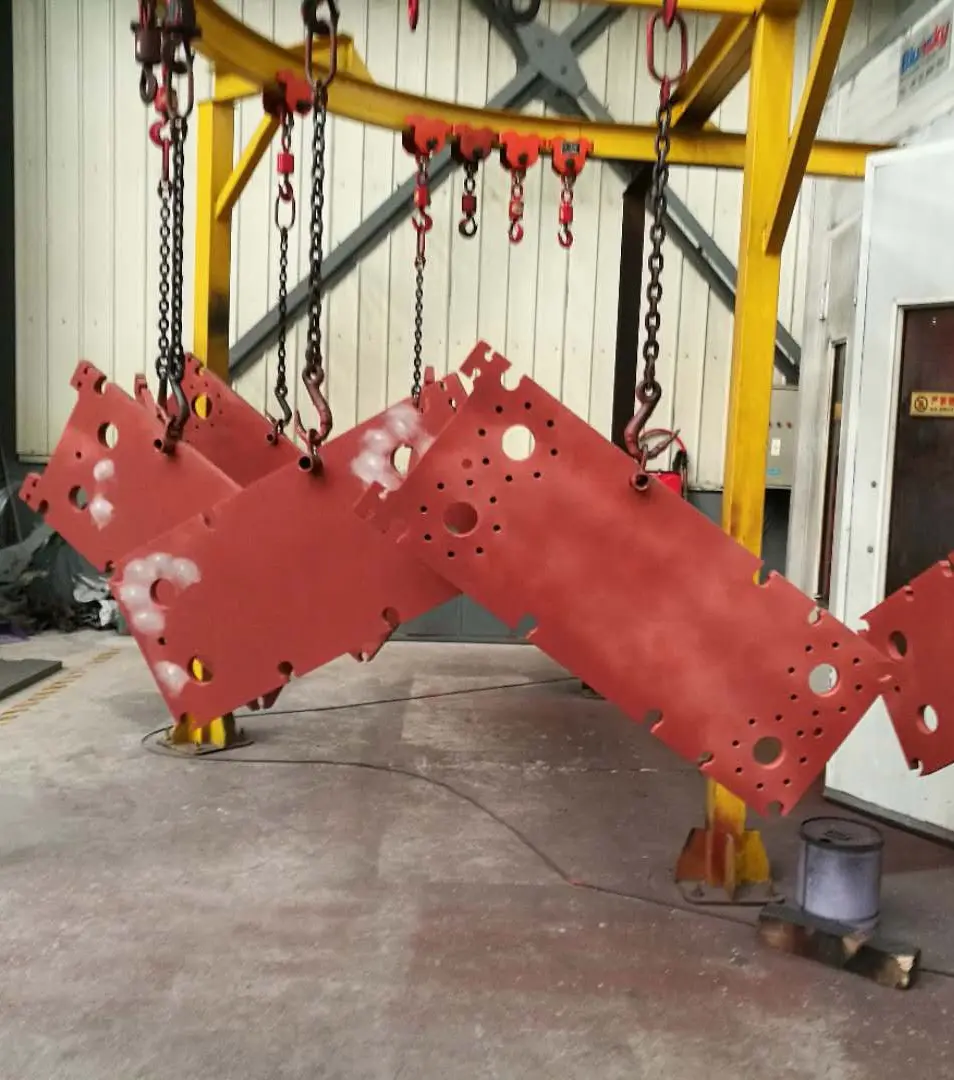
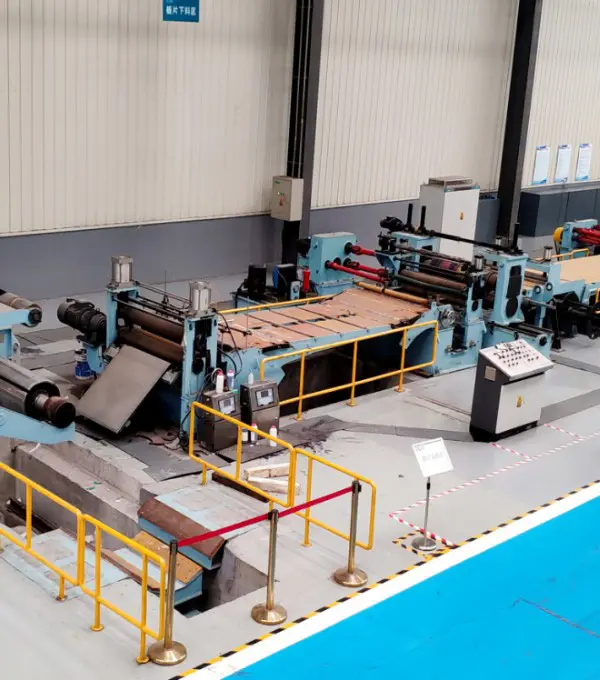
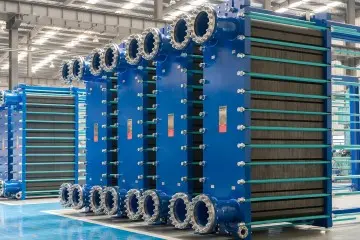
At Flotte, this localization of raw materials and advanced automation translates directly into short lead times, precise dimensional tolerances, and high cost-effectiveness. Our production processes utilize automated fiber lasers for splint cutting, large-tonnage micro-forging presses, and robotic welding stations to construct supports that hold heavy exchangers securely under severe pressure. With an annual output of 4,500 heat exchange units and water treatment equipment sets, Flotte achieves scale efficiencies that few global competitors can replicate.
Additionally, our manufacturing facility operates under strict adherence to ISO 9001:2015 for quality management, ISO 14001:2015 for environmental standards, and ISO 45001:2018 for occupational health. This structural integrity guarantees that every bracket, saddle, skirt, and anchor plate we ship conforms perfectly to standard engineering specifications.
Heat exchange installations vary greatly by environment. The engineering of the supporting framework must adapt to these specific field conditions. Below are the primary application sectors where Flotte's heat exchanger supports and units have been deployed:
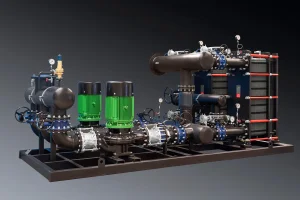
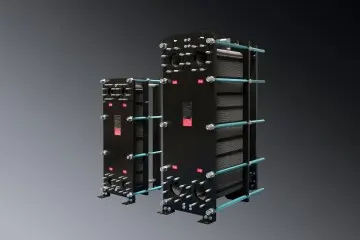
In urban district heating schemes, municipal water flows at high pressure and volumes. Our heavy-duty detachable plate heat exchangers are mounted on rigid carbon steel support bases to withstand continuous hydraulic pulsing. Integrated pressure regulating systems ensure reliable thermal transfer and prevent pipeline misalignment in winter.
Corrosive chemical reactors require heat exchange units designed with anti-corrosive materials like titanium or SS316L. The supports in these facilities are hot-dip galvanized or epoxy-coated to survive acidic atmospheres. They isolate stress-corrosion cracking from spreading to the primary pressure boundaries.
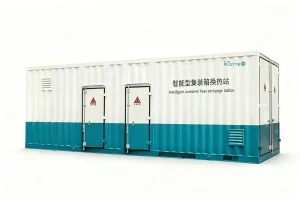
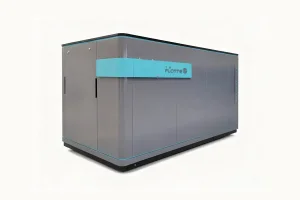
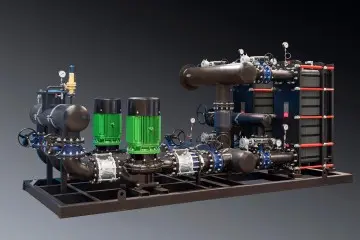
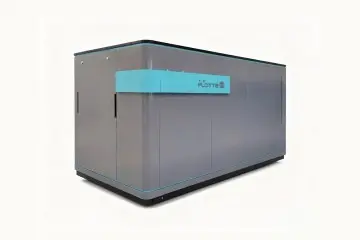
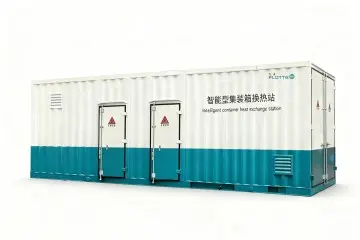
High-rise buildings demand low-vibration, space-saving footprints. Flotte’s modular box-type heat exchange units integrate balancing valves, monitoring systems, and pumps on a single space-saving support frame. This structure dampens vibration, preventing structural noise transmission through the building.
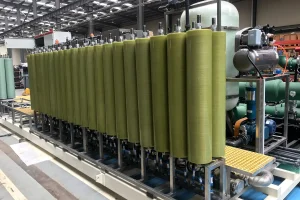
Witness the rigorous manufacturing flow that guarantees zero defects and high durability
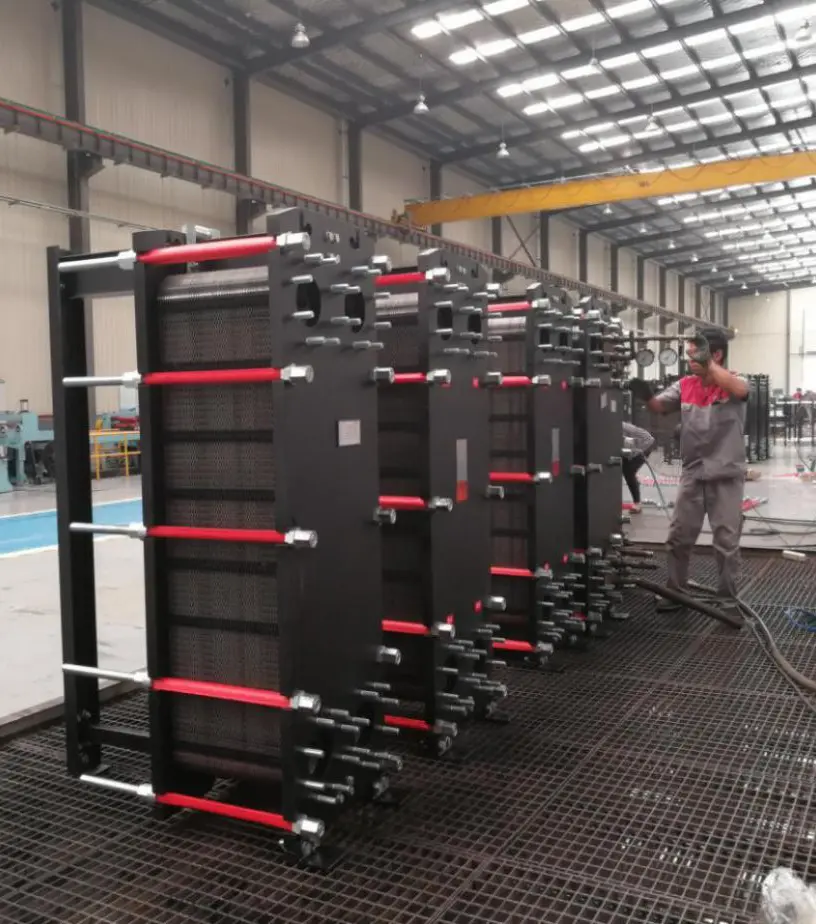
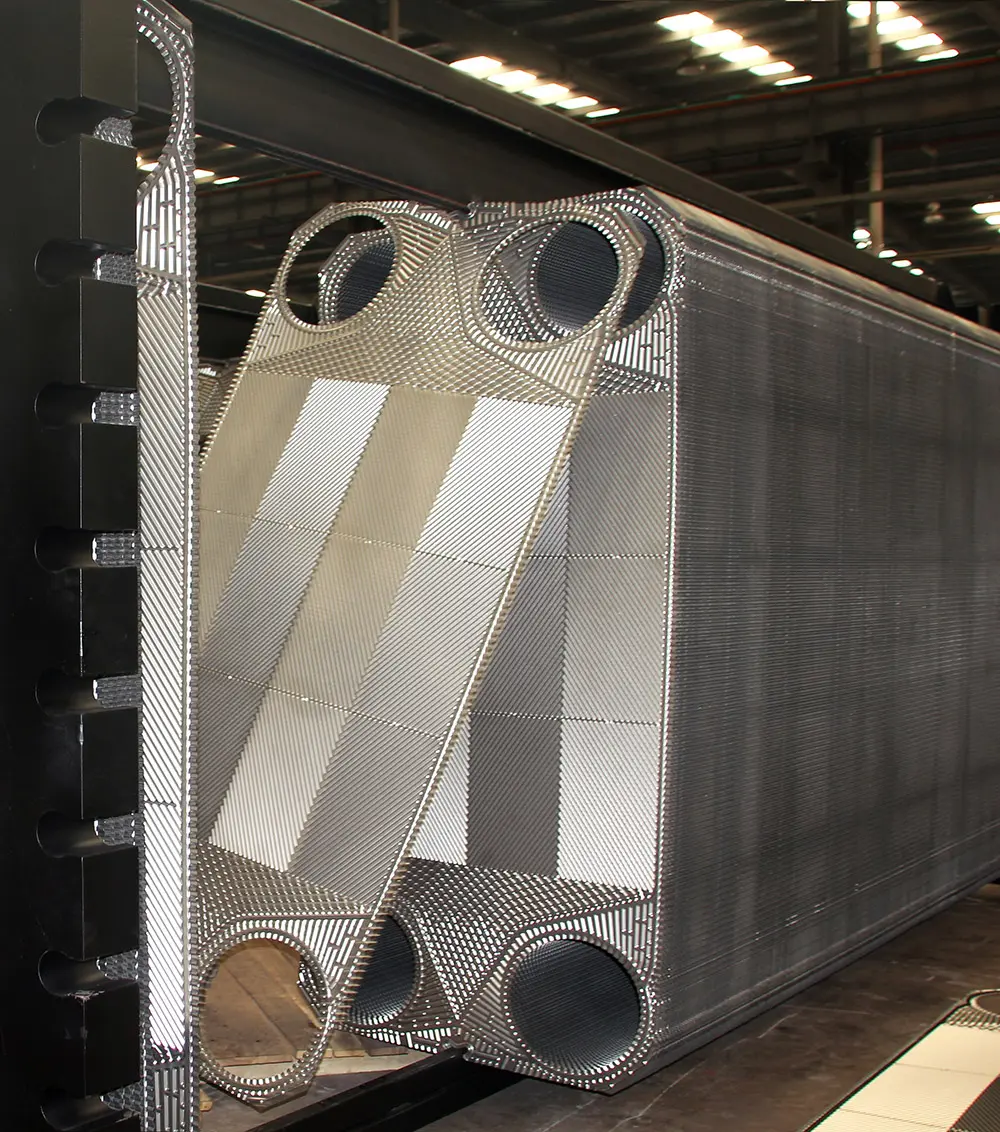
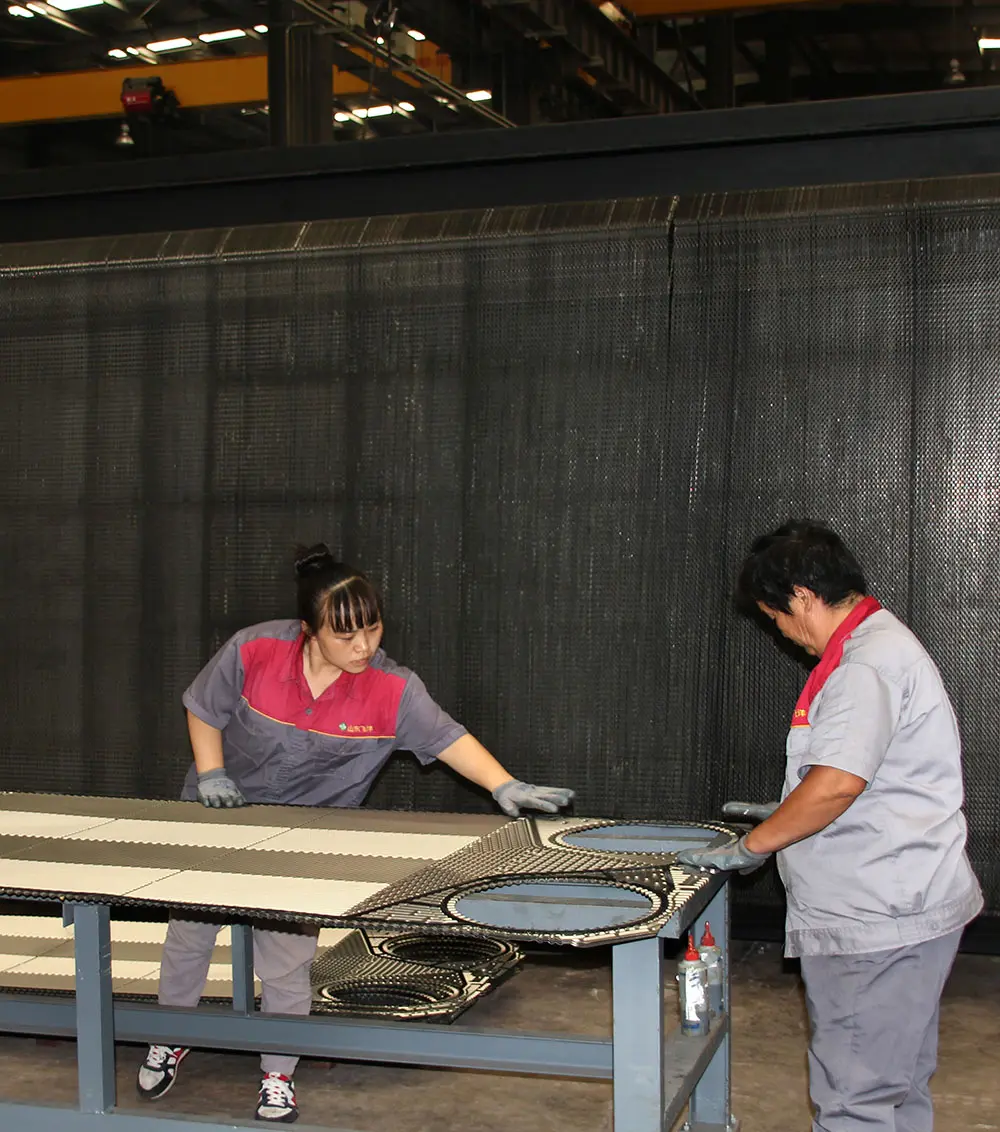
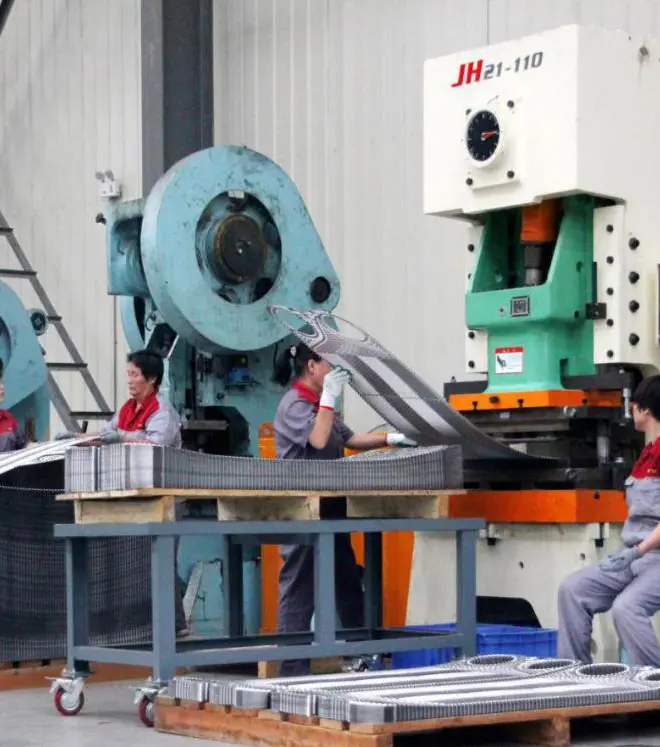
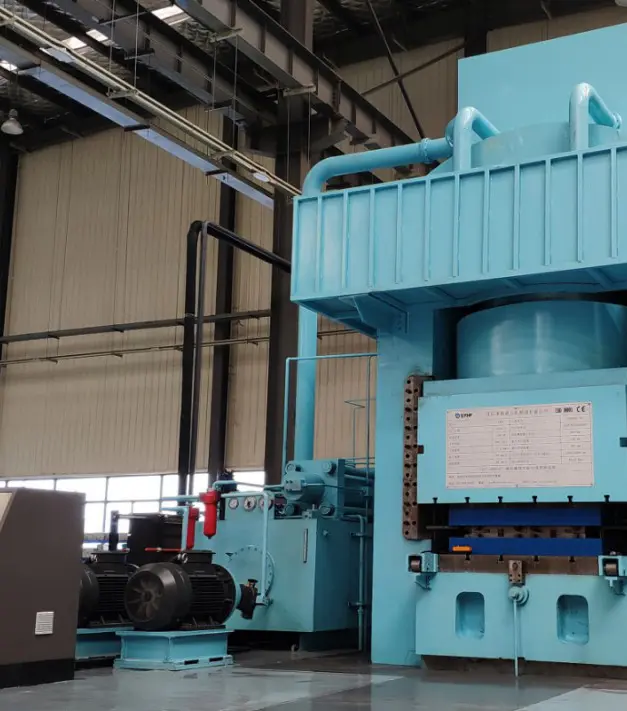
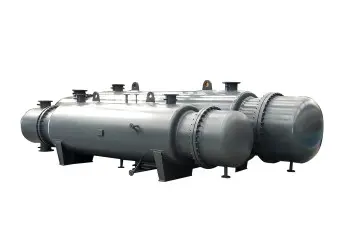
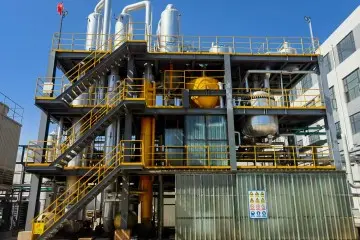
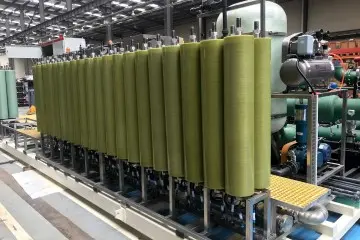
Tailored industrial heat exchangers designed for diverse application fields

Fully verified compliance documents guaranteeing performance under strict operational limits
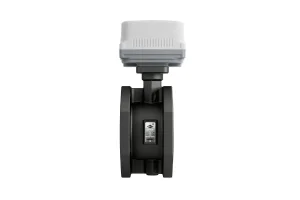
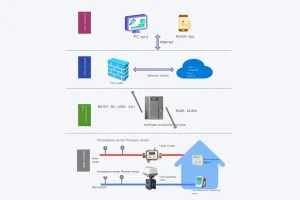
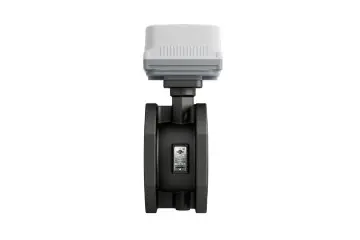
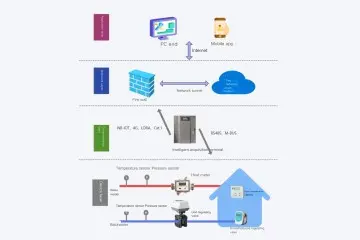
Traditional passive heat exchange stations are being replaced by active, software-driven intelligent thermal networks. Utilizing electronic balance valves and room temperature collectors, modern systems monitor downstream consumption in real-time. The support skids of today integrate flow meters, temperature gauges, and automated valves that feed performance telemetry back to central supervisory controls, reducing energy wastage by up to 25%.
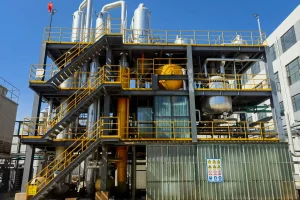
As carbon taxation strengthens globally, chemical and manufacturing plants are focusing heavily on industrial waste heat recovery. Systems such as Multi-Effect Evaporators and Membrane Concentration systems capture low-grade heat that would otherwise be vented. Supporting these complex recovery grids requires custom steel frames that handle thermal fatigue without transferring vibrational loads to the structural boundaries of the building.
Onsite labor costs and construction delays represent significant project risks for global EPC contractors. The industry is moving rapidly toward factory-assembled, box-type heat exchange skids. These units are completely assembled, plumbed, wired, and pressure-tested in the factory before shipping, allowing contractors to simply anchor the frame and hook up main supply piping, saving weeks of field installation time.
Deep engineering answers to common structural questions regarding heat exchanger foundations
Engineered for extreme performance and maximum thermal recovery
 Flotte Energy