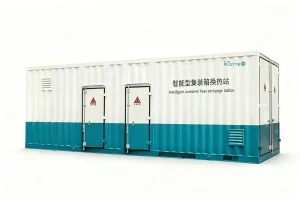
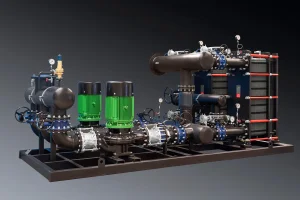
Engineered to deliver high thermal transfer rates, systematic pressure regulation, and precision separation across heavy industrial sectors.
Established in 2013 with a registered capital of 101 million yuan, Flotte Energy Saving Company originated from Flotte Thermal Engineering founded in 1995. With three decades of profound technical expertise, the company specializes in water equipment, HVAC systems, and water treatment industries. It consistently leads industry peers in adopting cutting-edge thermal transfer technologies, developing innovative products, and delivering comprehensive production and sales services.
By integrating advanced manufacturing processes, high-end materials, and stringent quality protocols, Flotte design systems achieve 2-3 times higher heat exchange efficiency than conventional equipment. Over the decades, the company has successfully expanded its footprint, serving critical global industries including thermal power generation, pharmaceuticals, petrochemicals, metallurgy, and district energy networks.
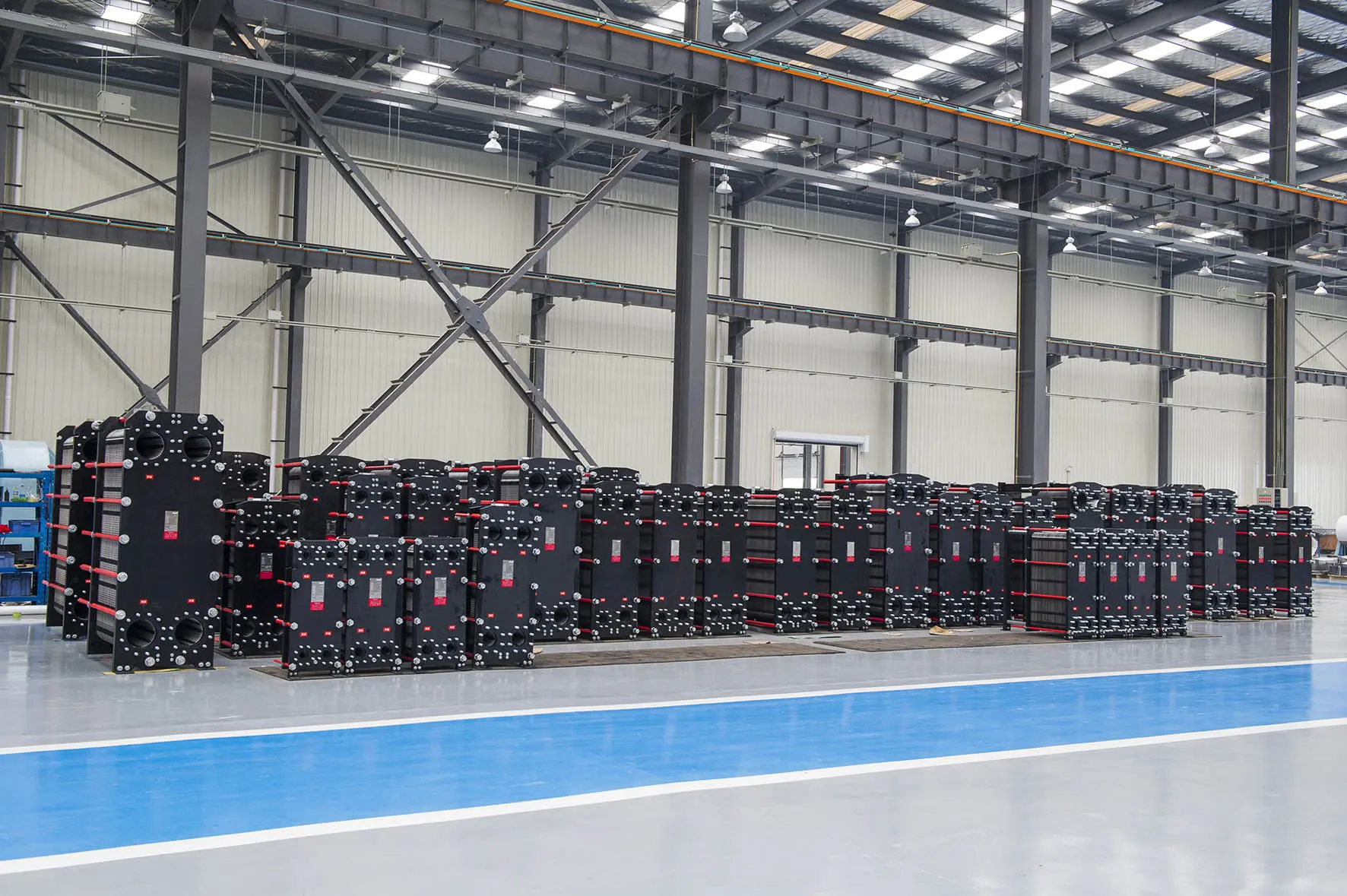
Understanding the vital role of mechanical purity, moisture removal, and fluid management in global heavy machinery operations.
Modern heavy machinery—ranging from steam turbines in thermal power stations to massive hydraulic presses in manufacturing plants—relies on high-performance lubricants. Contaminants such as emulsified water, dissolved gases, and particulate matter significantly accelerate fluid degradation, resulting in component wear, hydraulic failure, and costly downtime. As a leading China lubricating oil purifier factories & factory provider, Flotte has integrated its proprietary thermal transfer, vacuum dehydration, and membrane concentration technologies to manufacture heavy-duty lubricating oil purification systems that restore oil quality to NAS 6 class cleanliness or better.
Without continuous oil purification, high temperatures within machines accelerate oxidation, producing sludge and acids. By implementing advanced oil purification processes alongside plate heat exchangers, global industrial operators can extend the lifespan of their lubrication fluids by up to 300%, cutting procurement overhead and supporting global carbon reduction objectives.
To achieve complete fluid purification, Flotte utilizes a multifaceted technical approach that blends physical filtration with advanced thermodynamic separation:
Utilizing high-vacuum chambers to lower the boiling point of water, enabling rapid evaporation of free, emulsified, and dissolved moisture at low temperatures without thermal cracking of the lubricating oil molecules.
Graduated micro-fiberglass filter elements capture suspended metallic wear particles, carbon deposits, and external dust down to 1 micron, preventing abrasive wear in high-tolerance bearings.
Specially formulated hydrophilic coalescer media forces microscopic water droplets to bind and form larger water droplets, which sink to the bottom of the separator for automatic drainage.
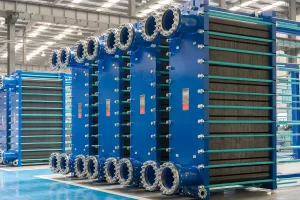
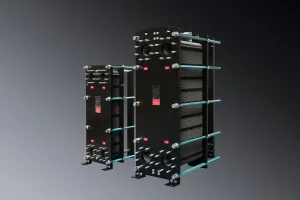
An efficient lubricating oil purifier relies on precise temperature management. If the oil is too cold, its viscosity is high, making filtration and moisture separation inefficient. If it is overheated, the oil's chemical structure breaks down. Flotte leverages its legendary detachable plate heat exchangers and intelligent temperature regulation systems to pre-heat incoming fluid to optimal processing temperatures (typically 55°C–65°C) using recycled energy, minimizing total power draw and maximizing system throughput.
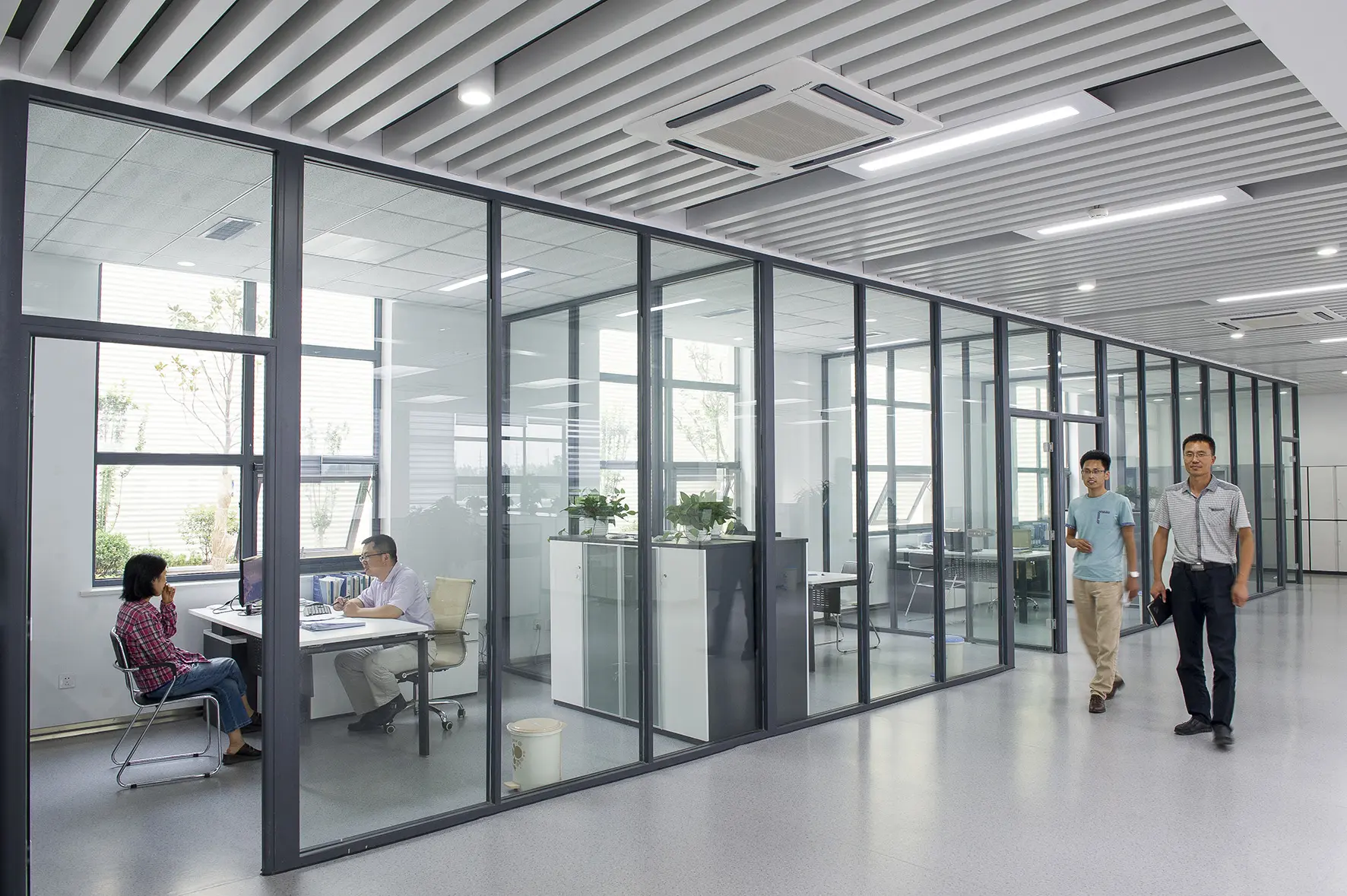
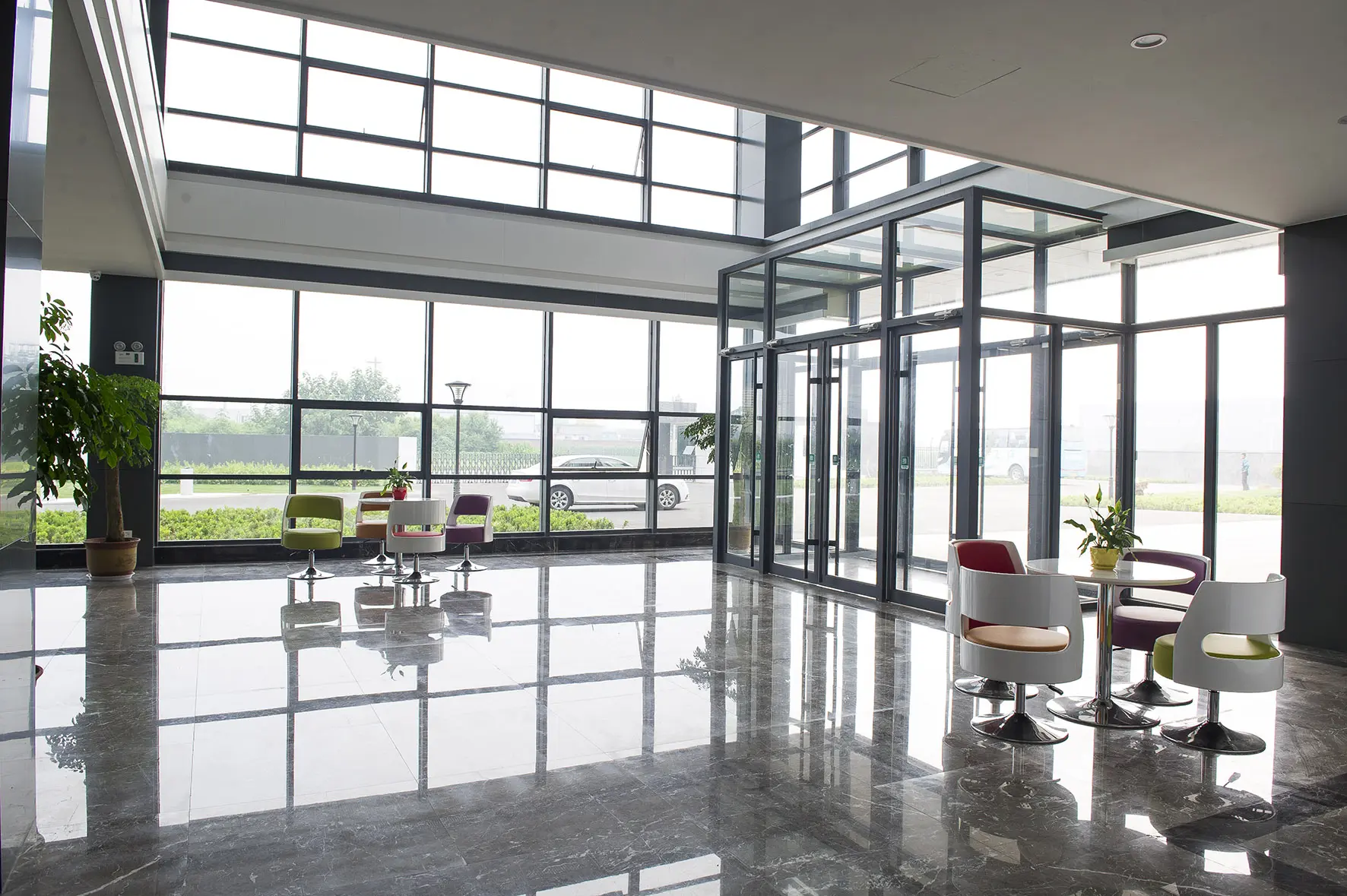
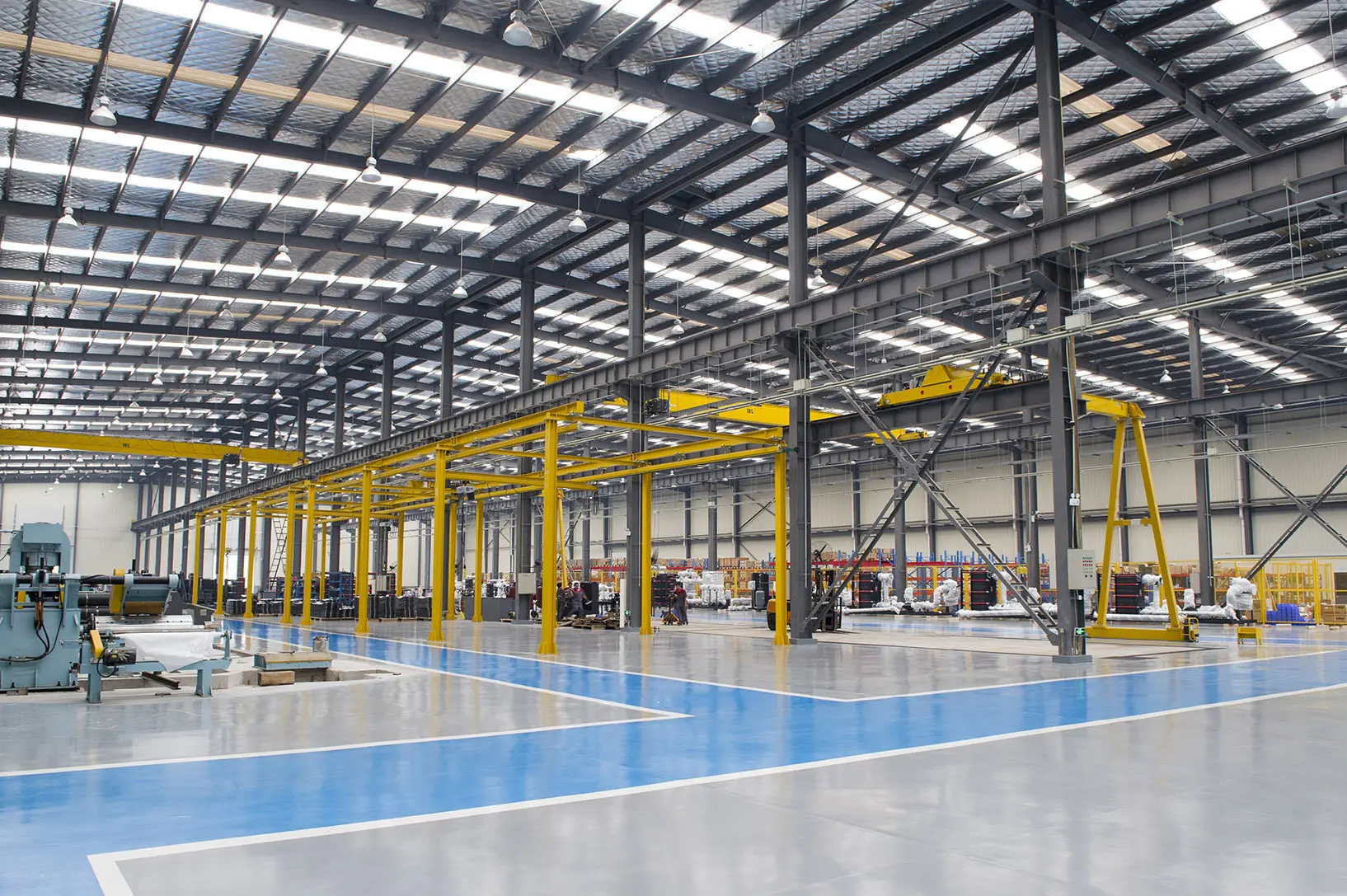
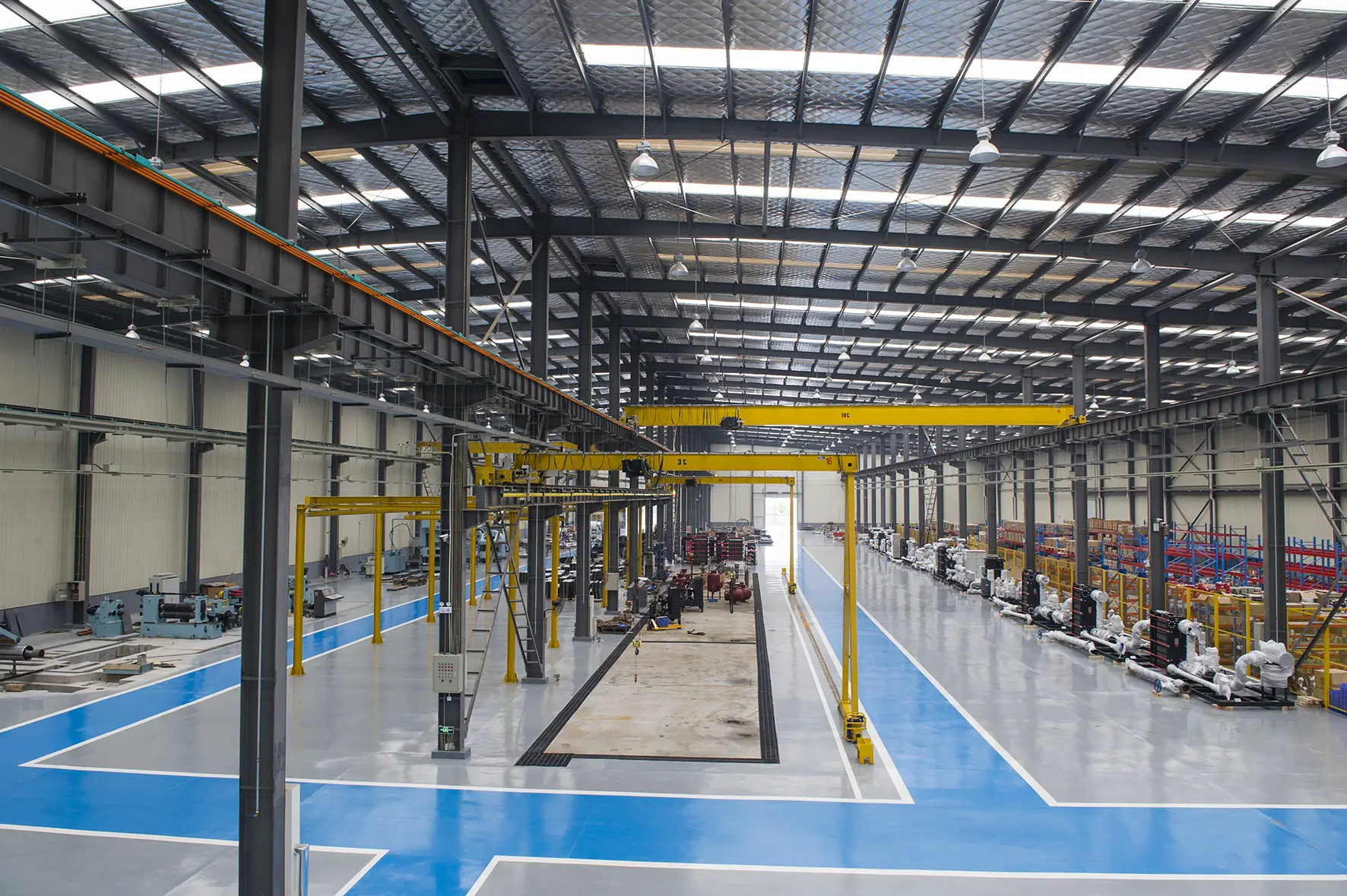
A transparent look inside our production facilities, showing the systematic manufacturing of industrial thermal and separation systems.
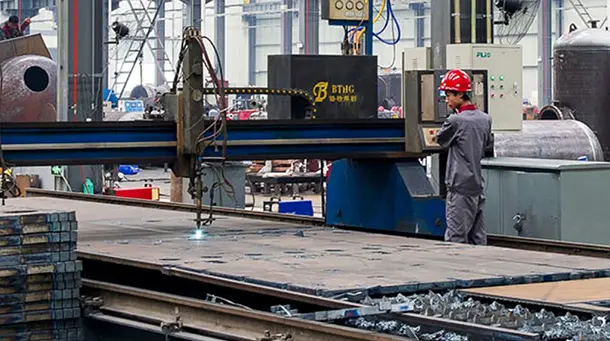
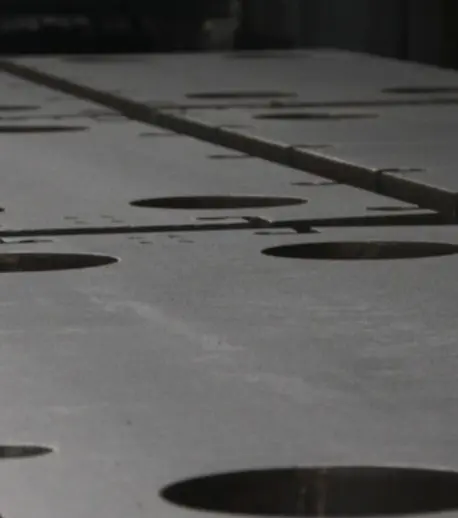
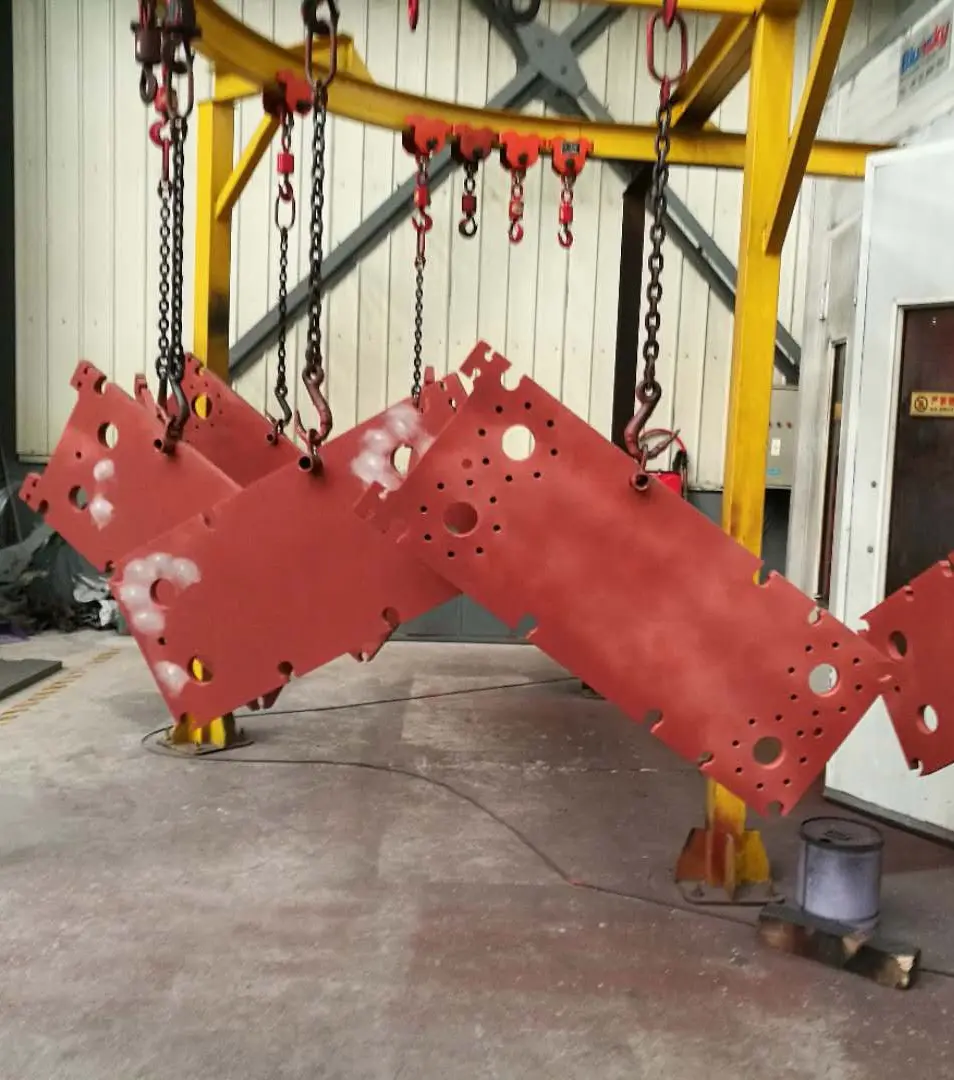
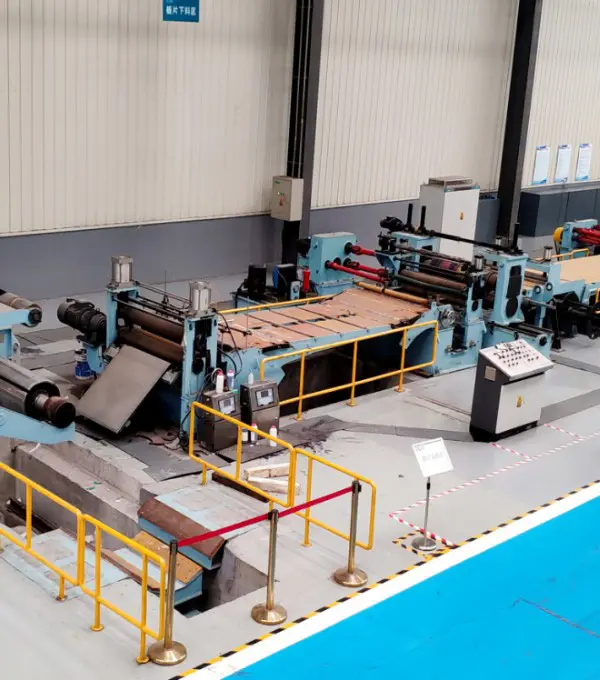
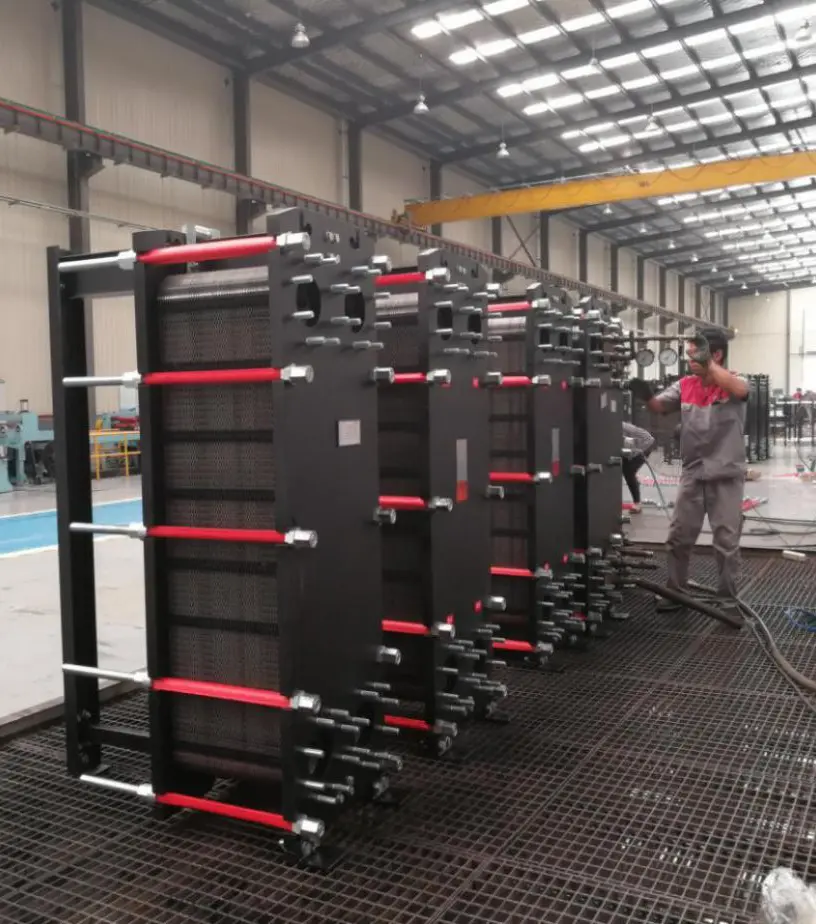
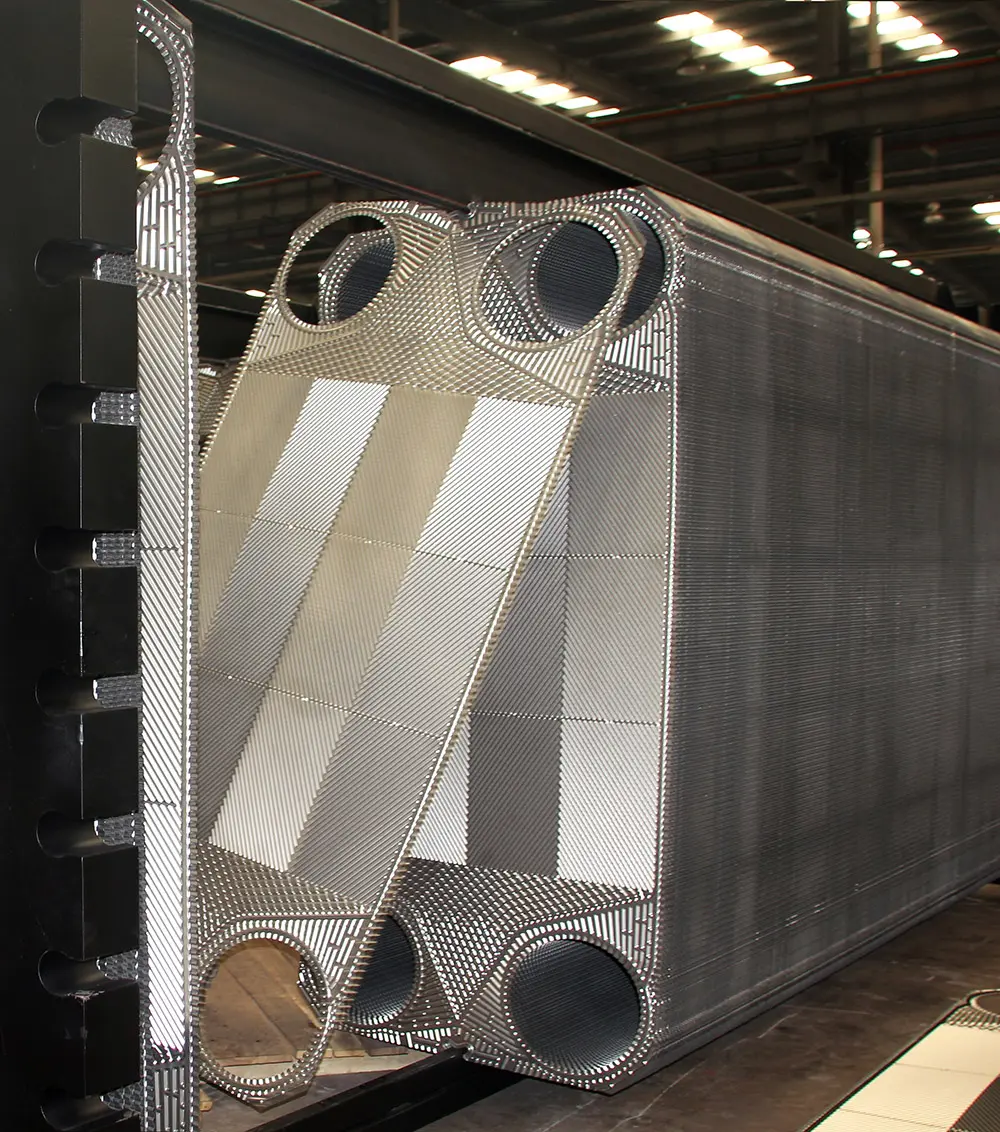
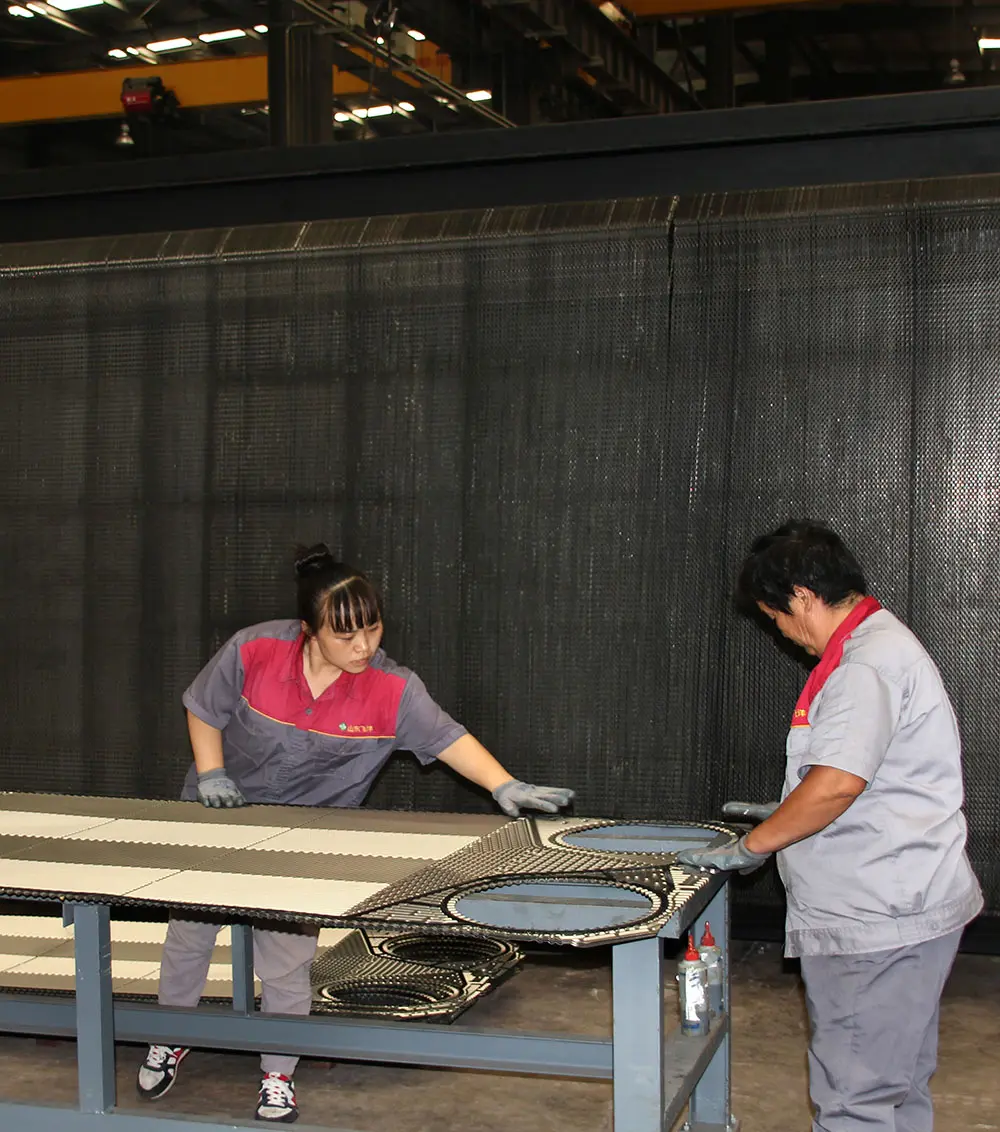
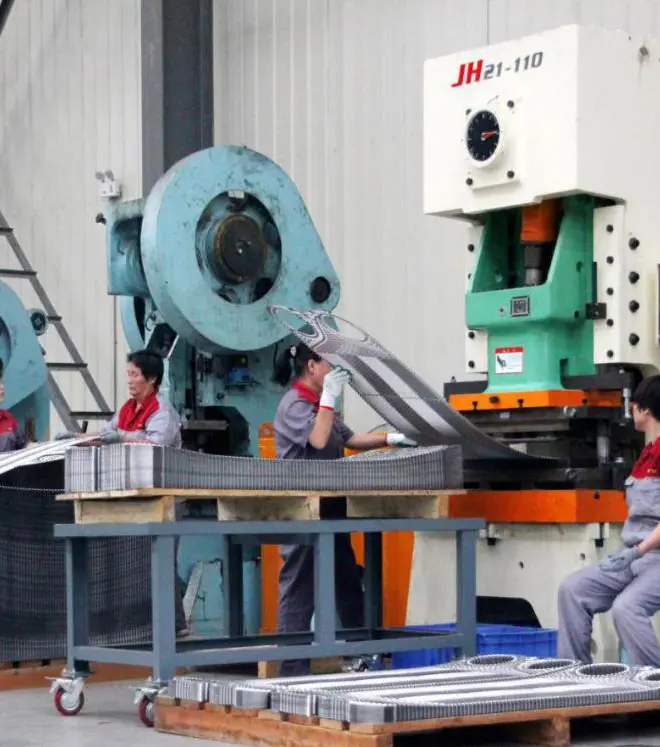
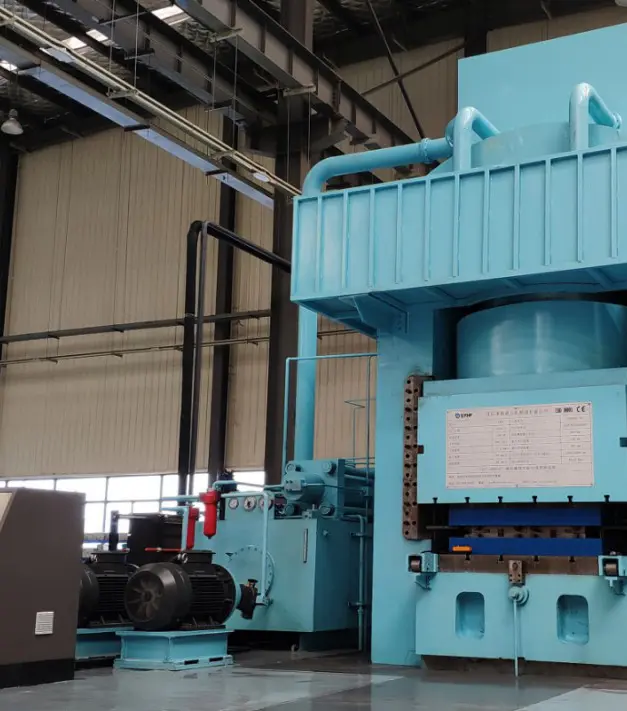
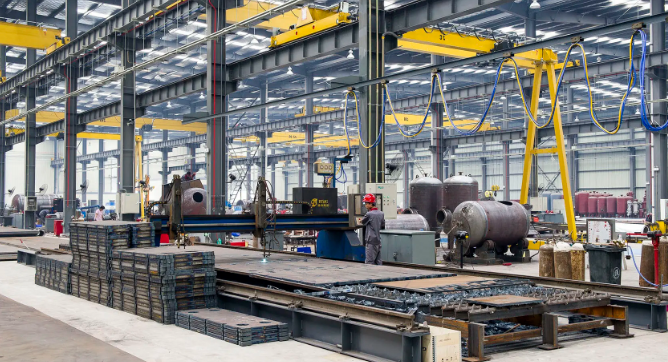
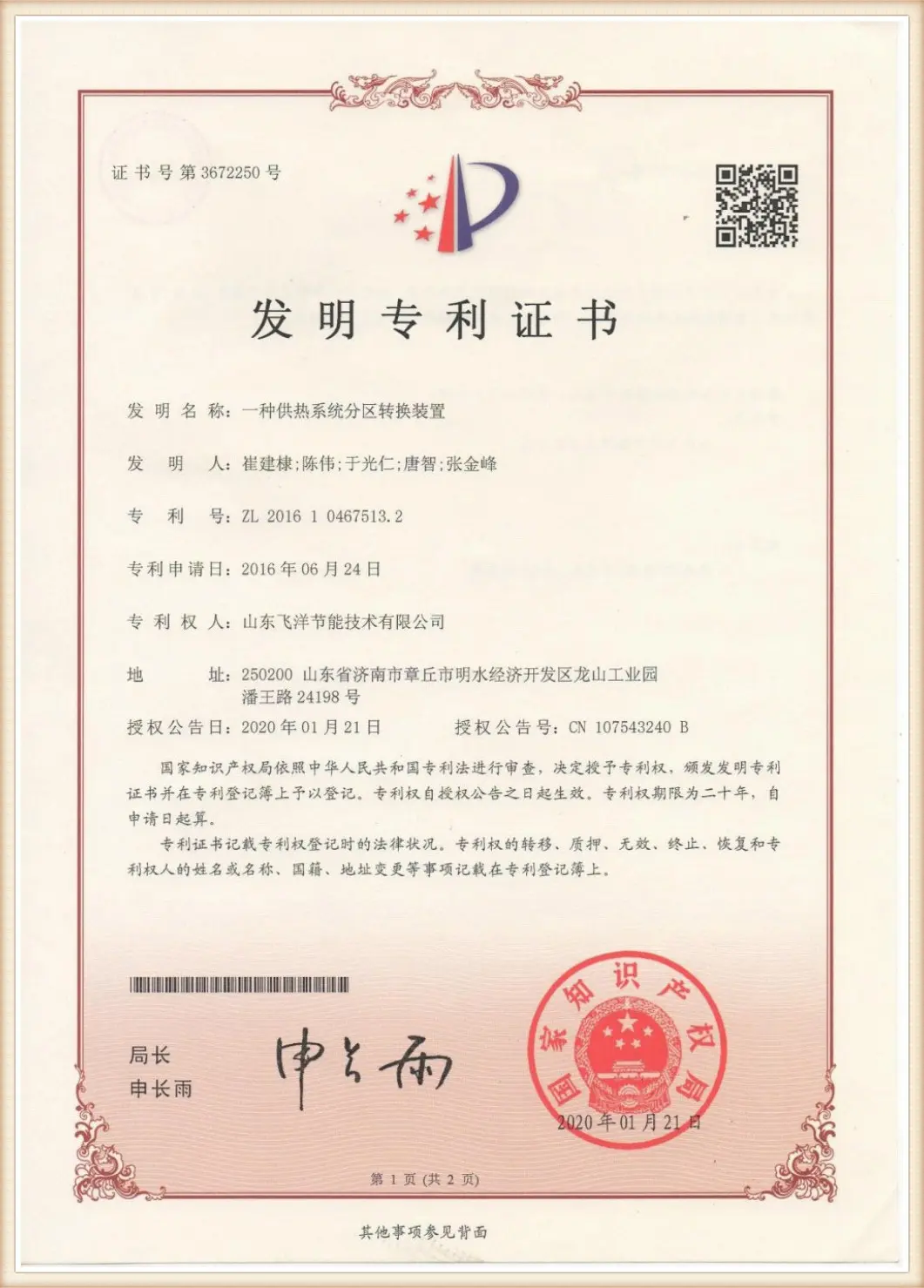
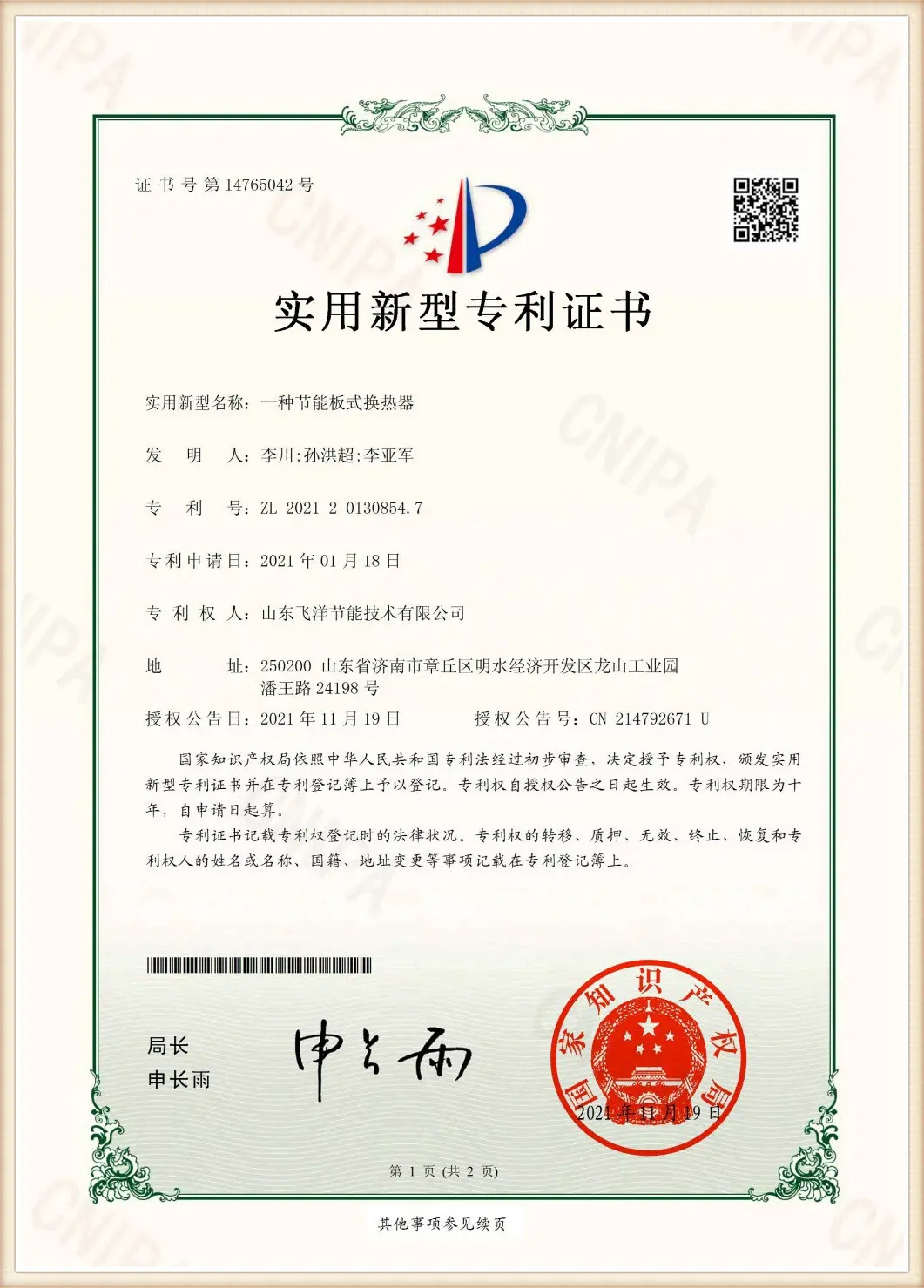
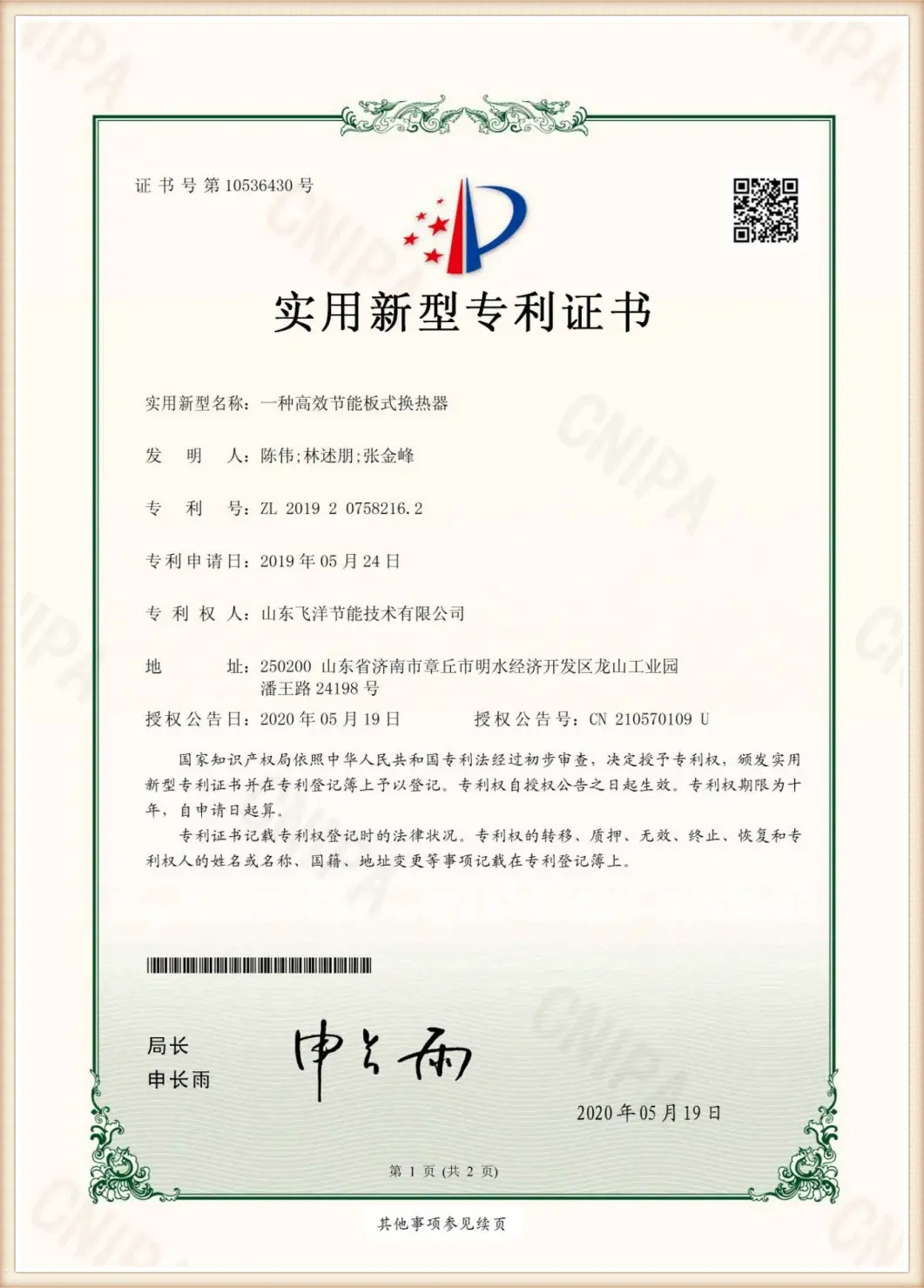
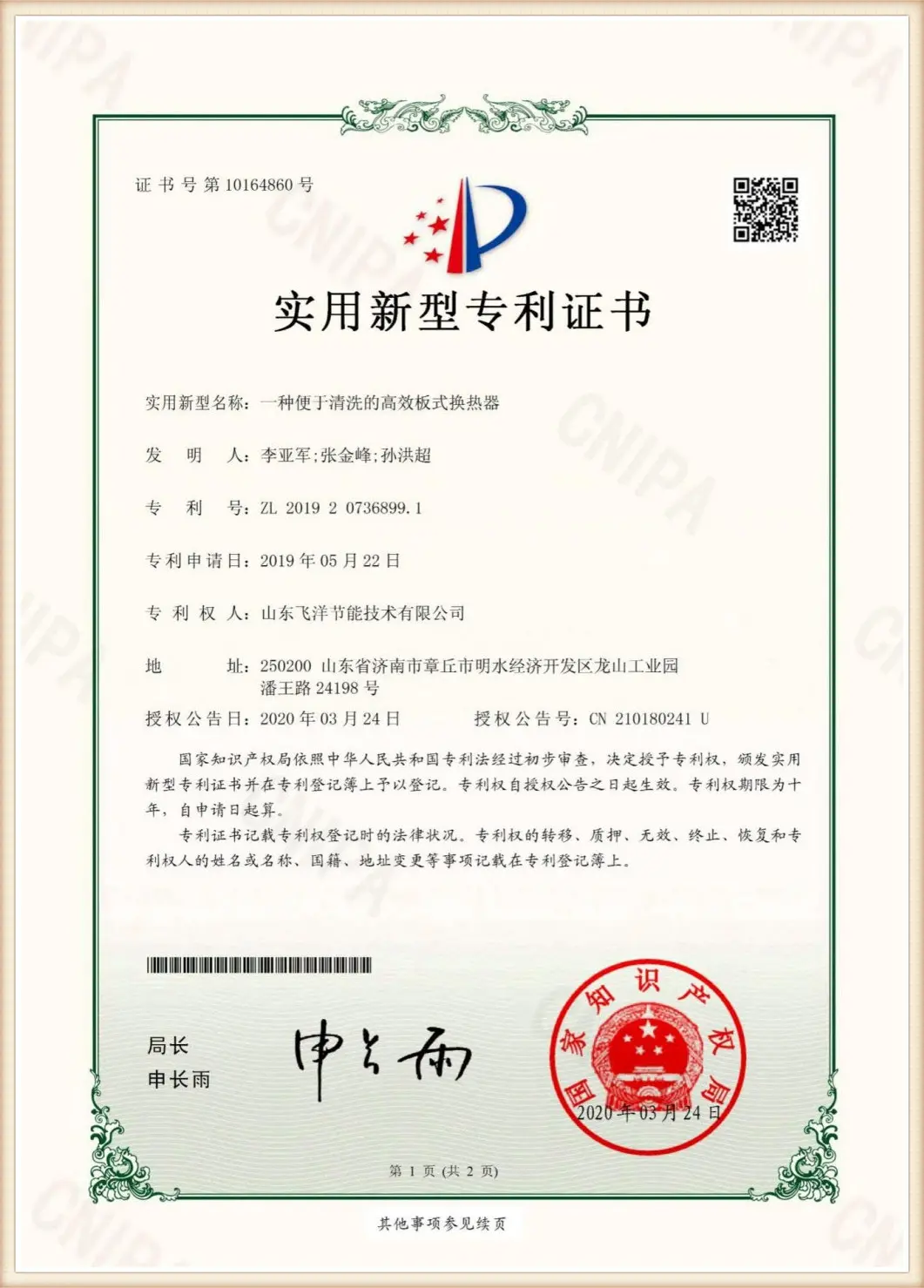
Quality is the lifeblood of industrial pressure vessels and machinery. Flotte operates a modern production workshop equipped with advanced quality inspection facilities, including digital ultrasonic thickness testers, non-destructive radiographic testing booths, and high-pressure hydraulic test benches.
All frontline production staff are certified technicians who have undergone formal training. Our production workflows strictly adhere to the ISO 9001:2015 International Quality Management System, ISO 14001:2015 Environmental Management System, and ISO 45001:2018 Occupational Health and Safety Management System. Additionally, we comply with national pressure vessel quality assurance frameworks and hold security clearances from the National Boiler and Pressure Vessel Standardization Committee.
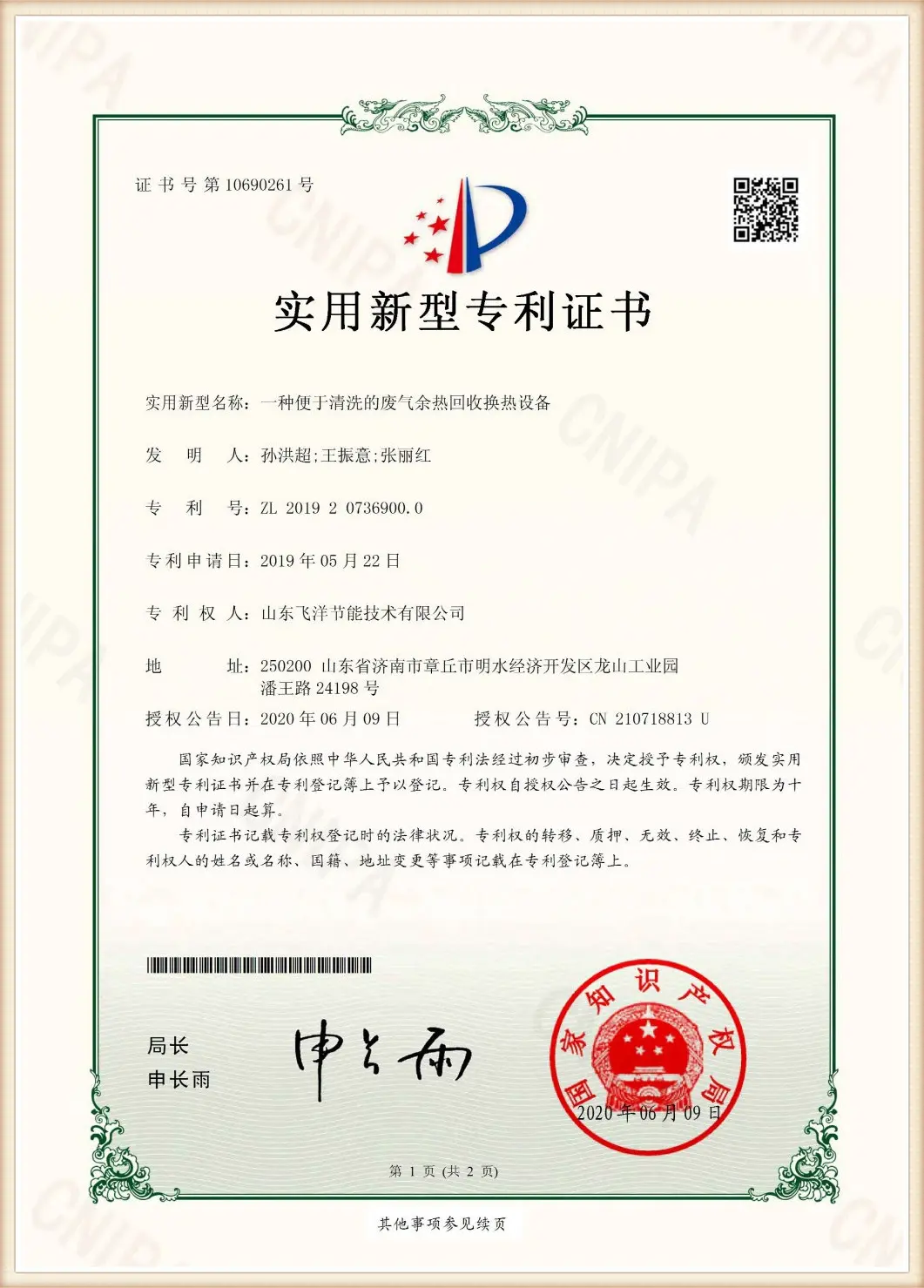
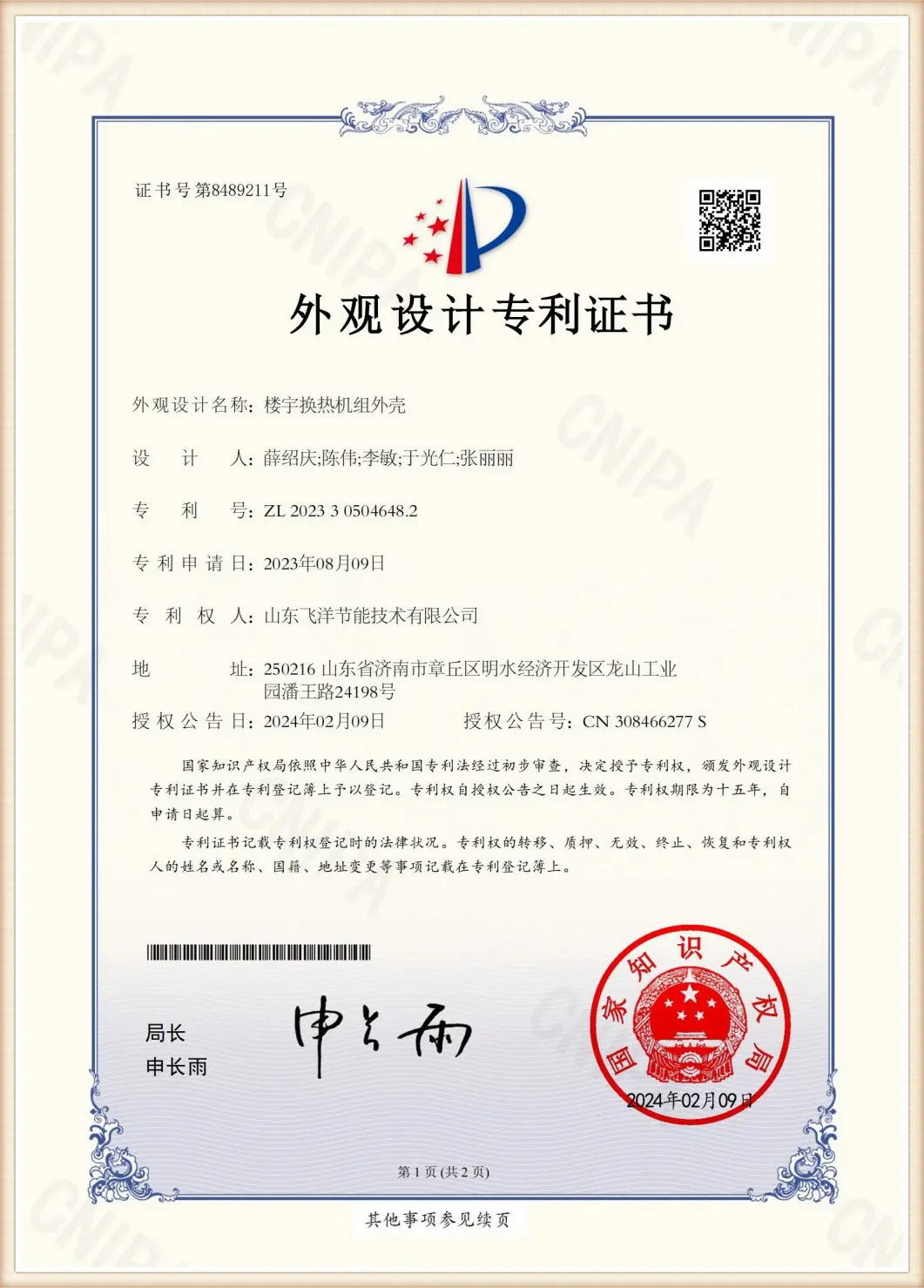
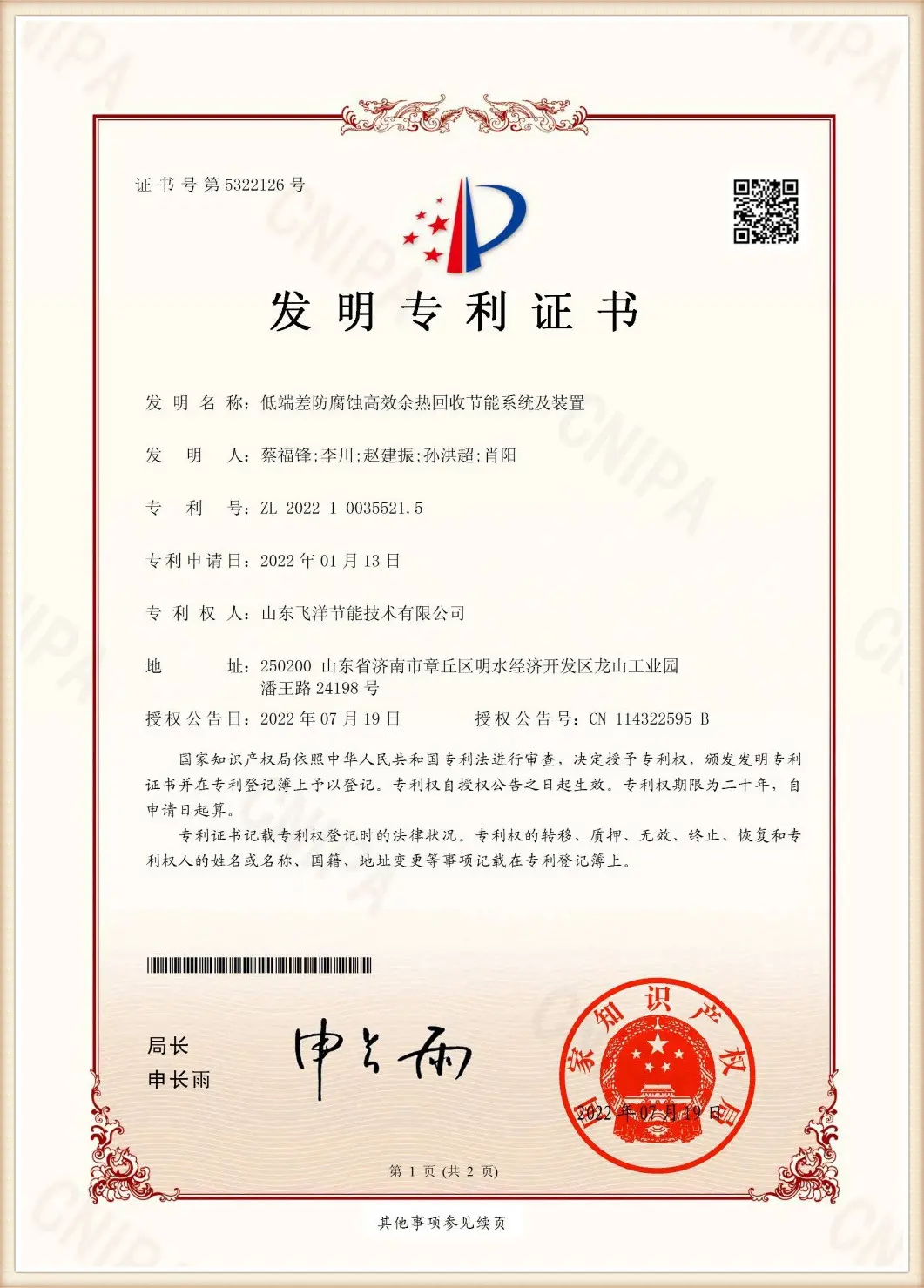
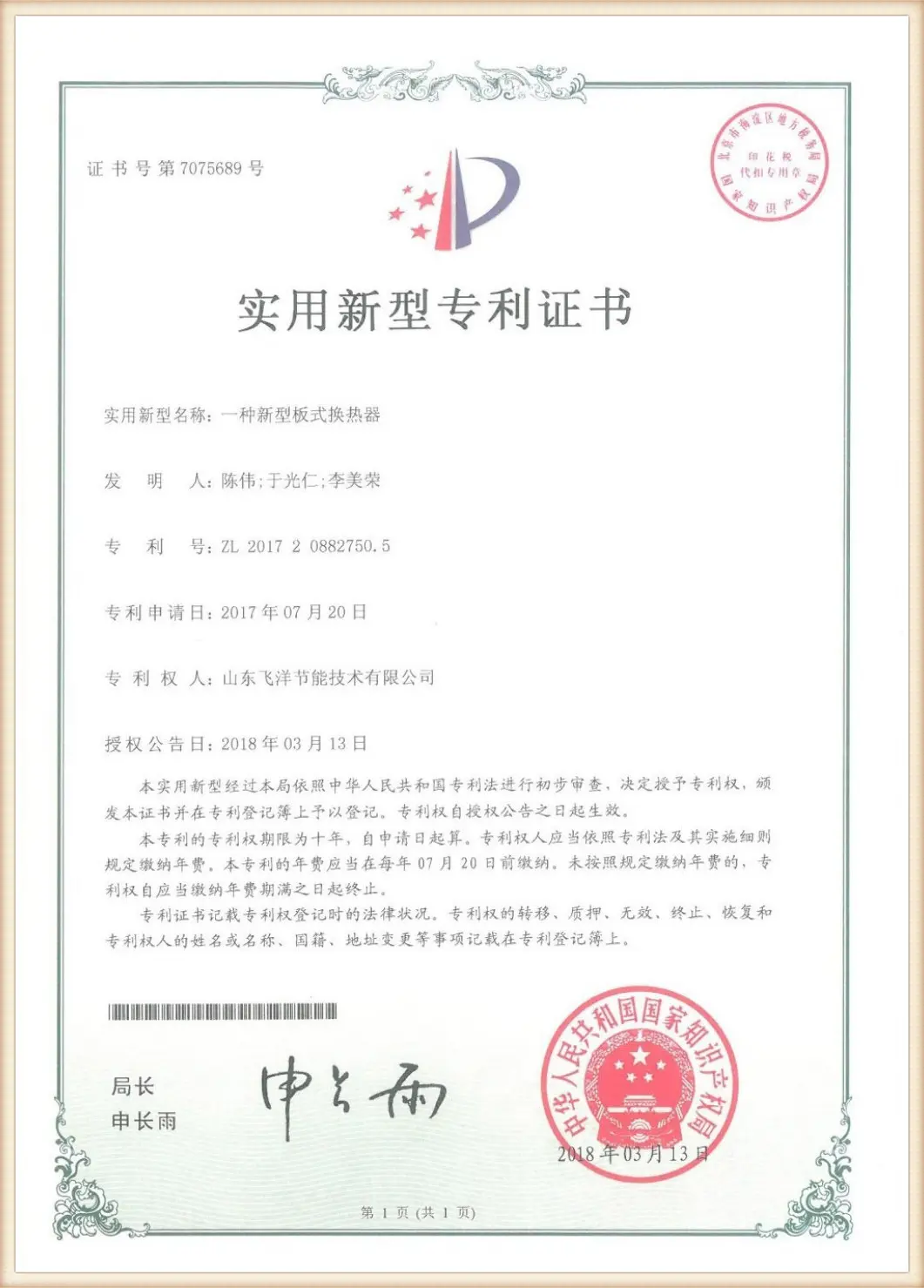
Deploying reliable fluid systems across critical infrastructure and processing industries worldwide.
In power generation, turbines operate continuously under high stress. A minor hydraulic failure or lubrication contamination can shut down an entire grid. Flotte heat exchanger systems and oil purification solutions ensure that turbine oil stays free of turbine steam condensate. In centralized heating systems, plate heat exchangers act as the vital bridge, transferring energy from primary municipal thermal networks to the secondary user networks with zero inter-fluid leakage, precisely regulating building comfort.
Steel factories and petrochemical plants deal with harsh, dust-heavy environments where atmospheric contamination of oil is high. Our multi-stage oil filtration plants and chemical-resistant shell-and-tube heat exchangers are designed to survive acidic, abrasive environments. Plates made of specialized stainless steel, titanium, and nickel alloys ensure long life and continuous operations.
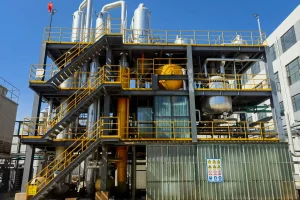
For zero-liquid discharge (ZLD) mandates and high-efficiency water treatment, Flotte supplies advanced multi-effect evaporation plants. These systems reuse secondary steam energy to concentrate process fluids, significantly cutting utility bills. Similarly, membrane concentration setups achieve high concentration indexes without thermal damage to sensitive chemical compounds.
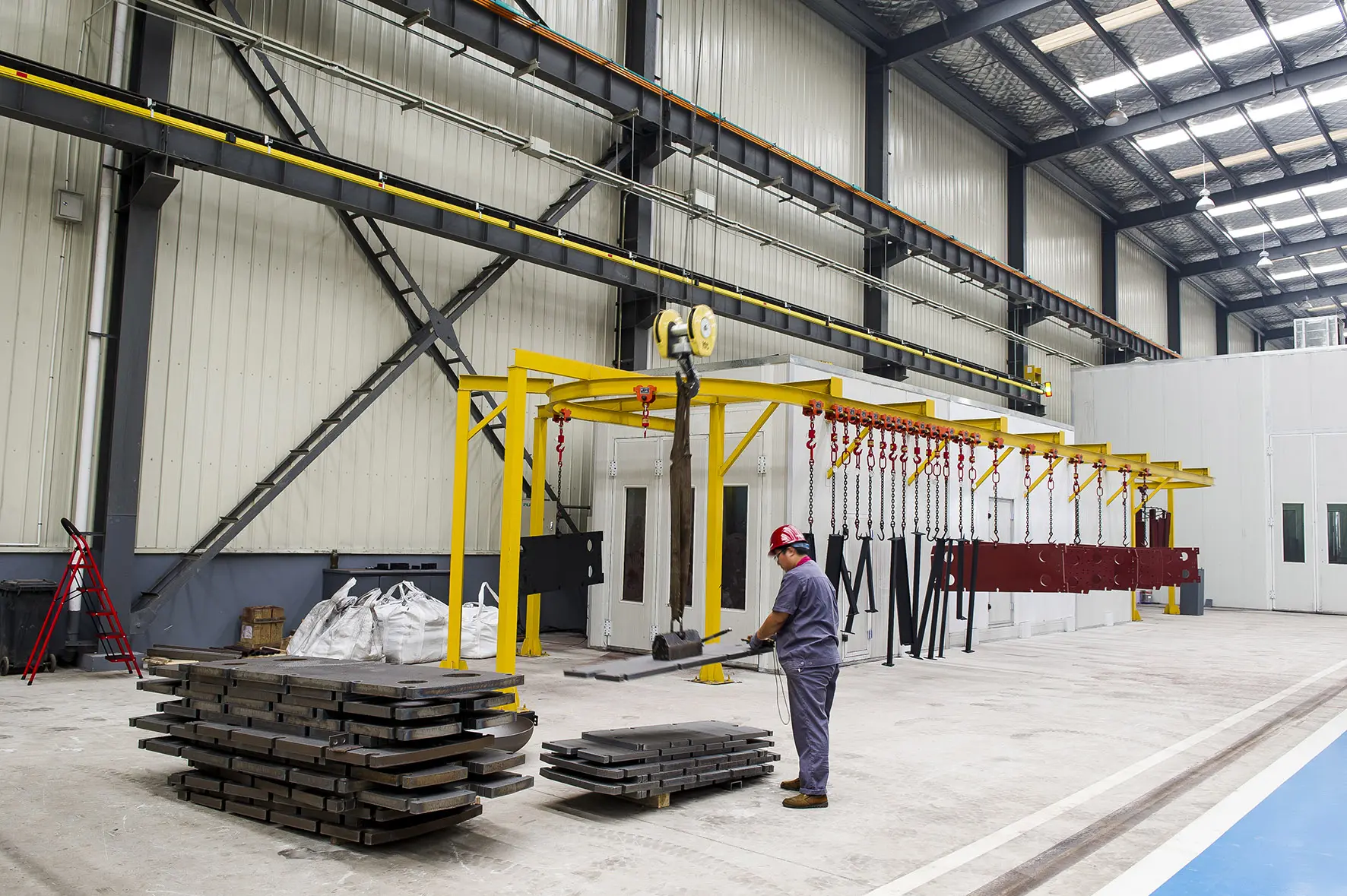
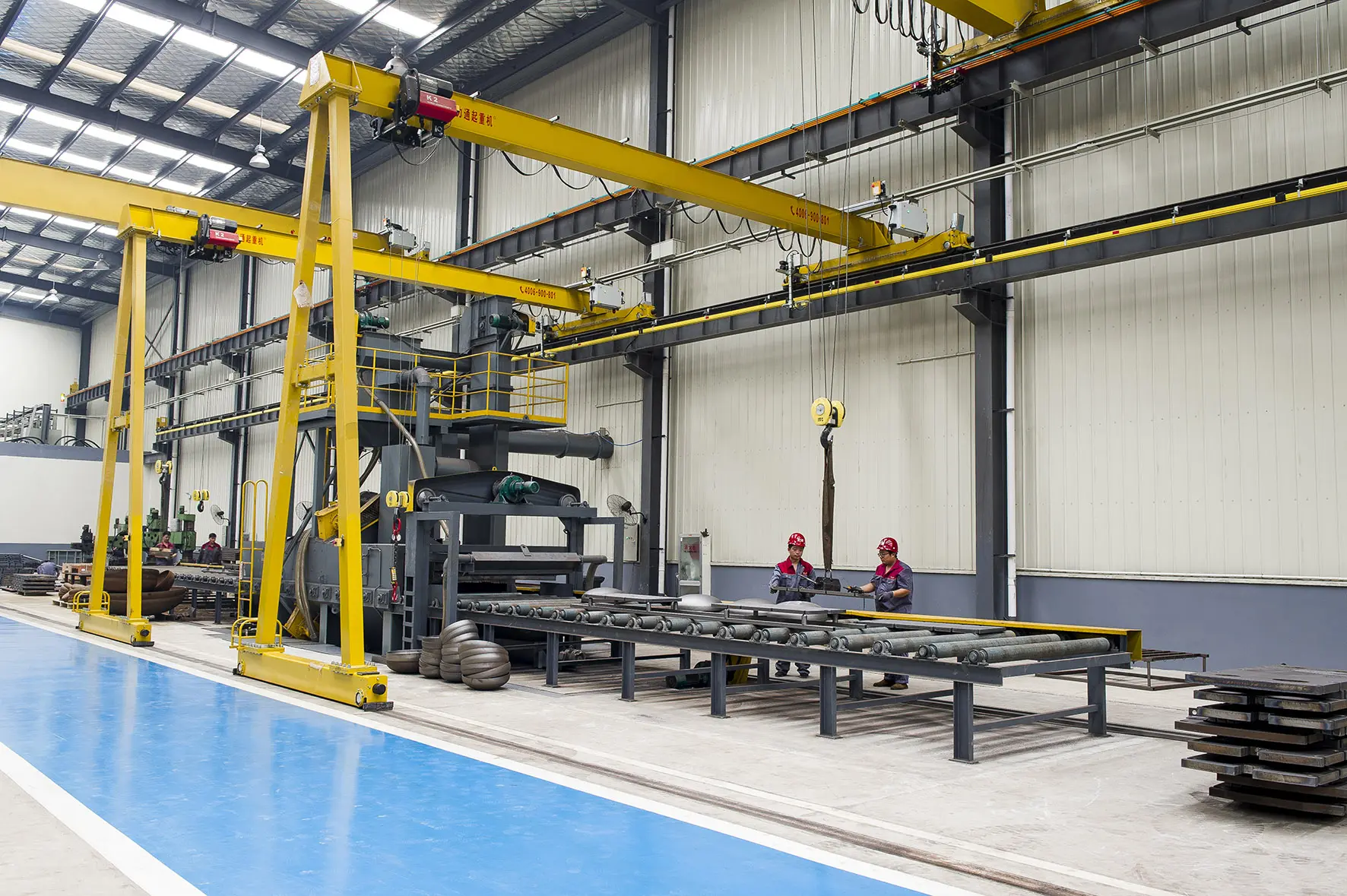
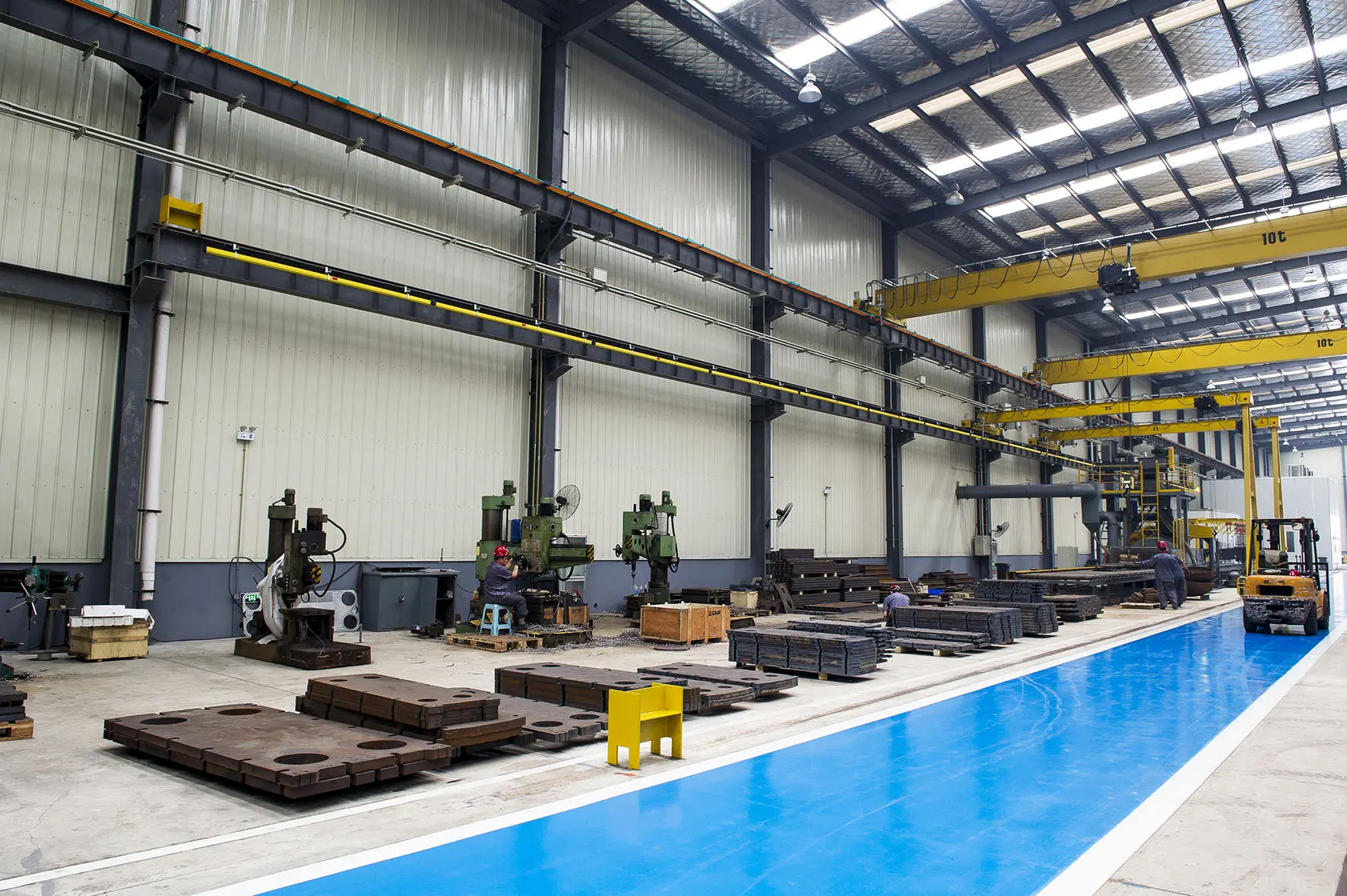

Ensuring standard-compliant delivery and localized commissioning services for international industrial buyers.
Procuring industrial machinery from a China lubricating oil purifier factory requires adherence to precise regional safety codes. Flotte works alongside global inspection agencies (SGS, TÜV, BV) to certify equipment to target-market standards, including:
We provide full door-to-door ocean freight and air containerization, custom timber framing to prevent maritime corrosion, and complete technical manuals in multiple languages. In addition, our field engineers provide remote or on-site commissioning to guarantee smooth system integration.
Providing direct, authoritative answers to key operational questions regarding industrial oil filtration and thermal control.
Explore our secondary lineup of water valves, integrated systems, and multi-effect separation configurations.
 Flotte Energy