Explore our high-performance thermal evaporation units, pressure vessels, and intelligent monitoring systems customized for refinery, petrochemical, and zero-liquid-discharge (ZLD) wastewater management.
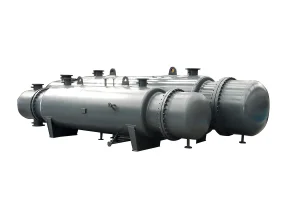
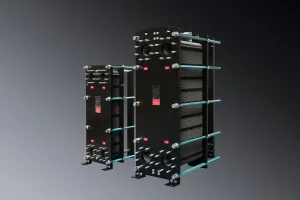
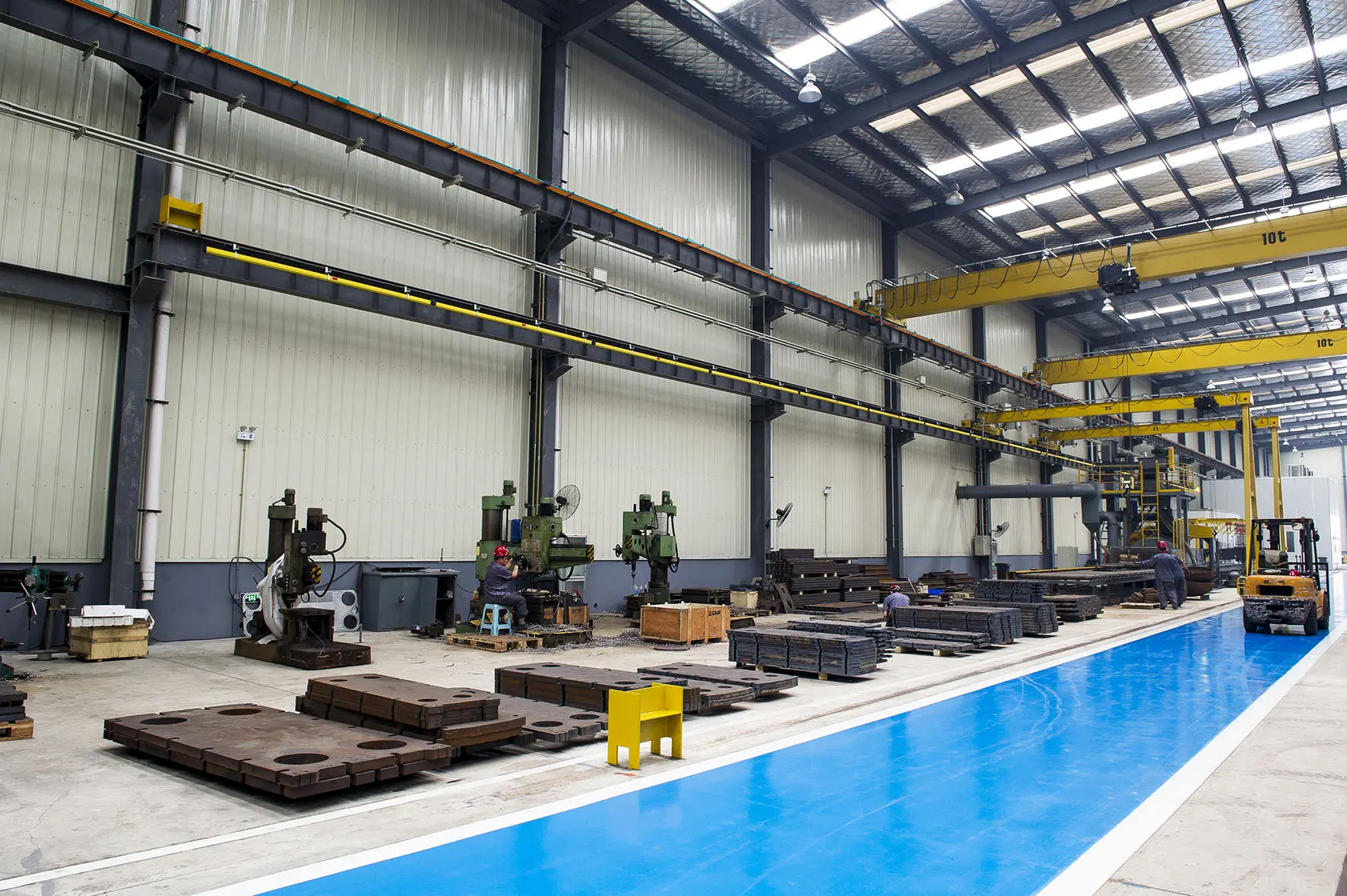
Established in 2013 with a robust registered capital of 101 million yuan, Flotte Energy Saving Company trace its technical pedigree back to the founding of Flotte Thermal Engineering in 1995. For nearly three decades, we have continuously spearheaded high-efficiency heat integration, industrial evaporation, and membrane-based wastewater concentration systems.
By designing engineered environments that bridge optimal heat transfer and intensive fluid purification, we support the world's most resource-heavy industries—including petrochemical refining, oilfield production, pharmaceuticals, and thermal power. We help operators meet stringent Zero Liquid Discharge (ZLD) requirements while significantly driving down lifetime operational expenses (OPEX).
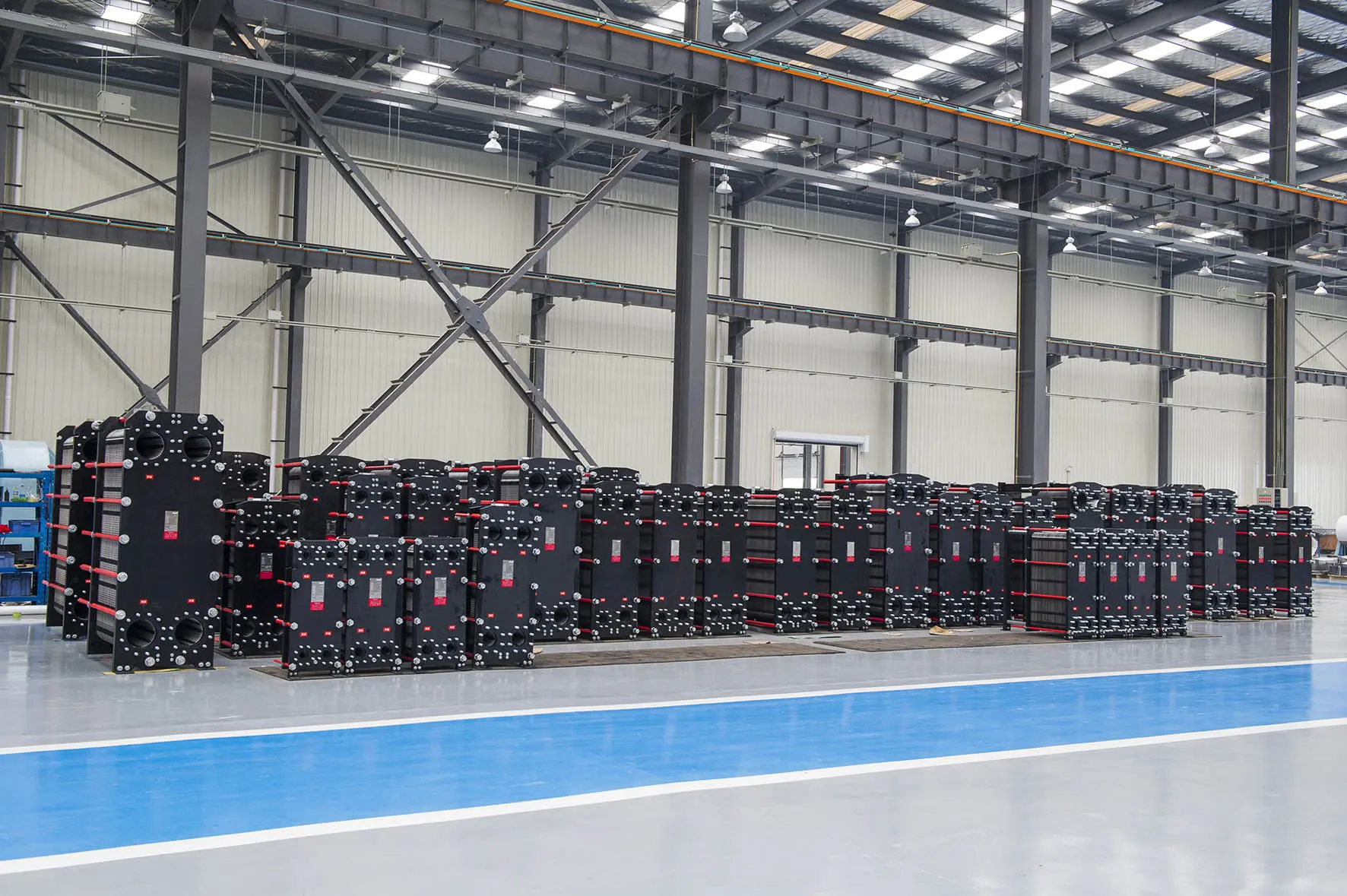
As environmental regulations tighten and clean water becomes scarce, the global oil and gas sector is undergoing a massive shift towards circular economy models and high-efficiency thermal recovery.
Regulatory bodies worldwide are enforcing strict discharge bans. Direct disposal of high-salinity produced water is no longer permitted. Refineries must implement thermal crystallization and membrane concentration to recycle up to 98% of process wastewater.
Thermal separation is energy-intensive. Modern facilities are rapidly replacing traditional evaporators with Mechanical Vapor Recompression (MVR) and Multi-Effect Evaporation (MEE) to capture and recycle low-grade waste steam.
Operational scaling, membrane fouling, and localized pressure drops present constant maintenance risks. Integrating smart sensor arrays and decentralized automation allows operators to dynamically adjust steam and flow rates in real time.
Flotte designs and integrates multi-stage treatment blocks that take complex, high-turbidity oily wastewater and refine it into reusable boiler feed water and solid waste.
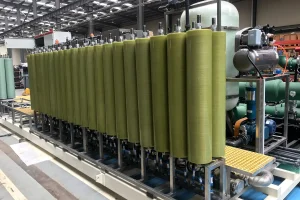
Before thermal evaporation, raw wastewater undergoes filtration and membrane pre-concentration. Utilizing high-pressure spiral-wound RO or FO modules, our Membrane Concentration Systems significantly minimize the volume of liquid going to the evaporator. This reduces the total capital investment (CAPEX) of the thermal section by up to 50%.
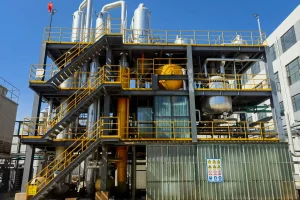
For high-TDS concentrates, our MEE systems route effluent through consecutive boiling chambers (effects) operating under progressive vacuum levels. By utilizing the generated vapor of one effect to heat the subsequent chamber, steam economy is dramatically optimized.
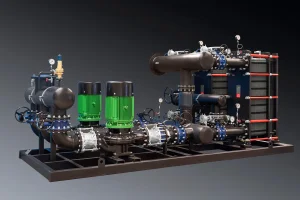
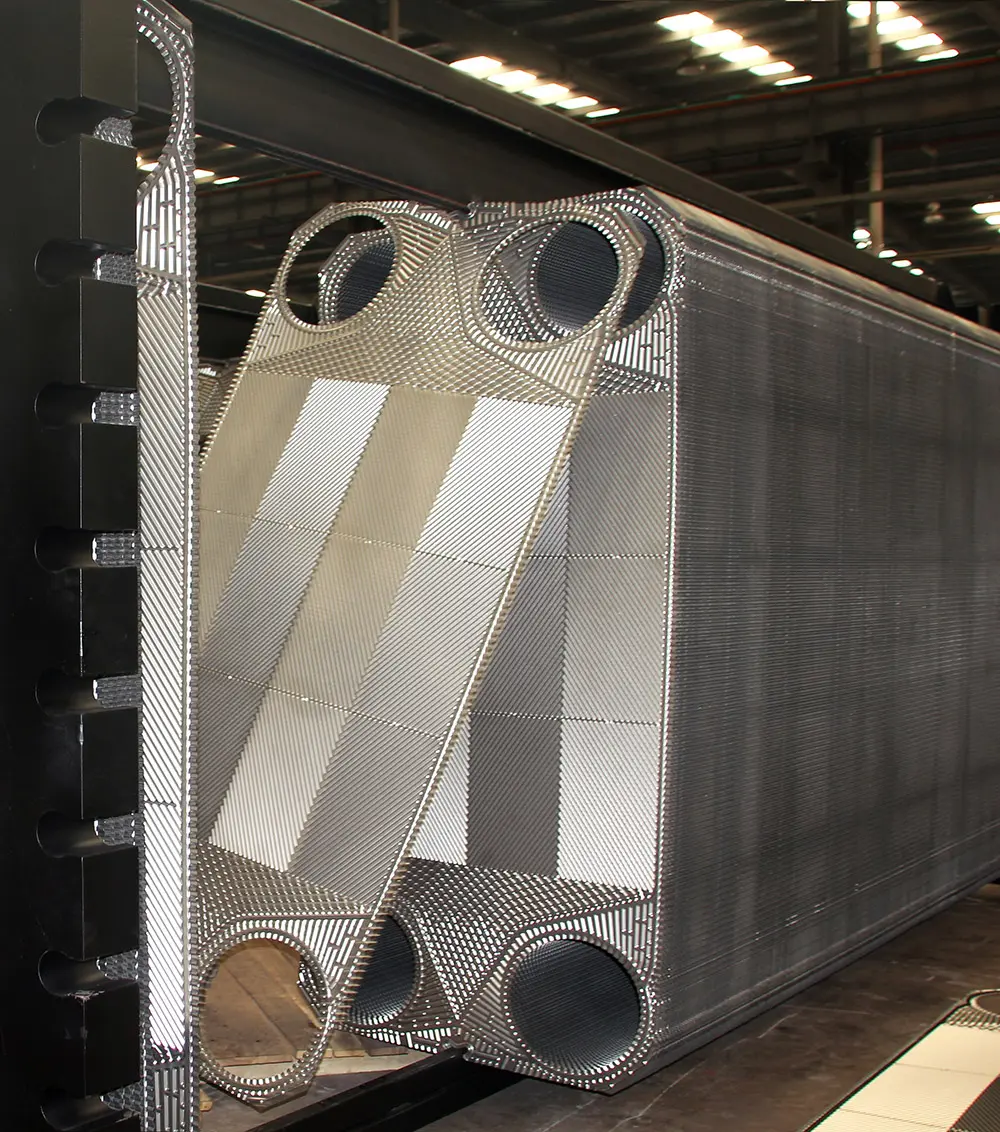
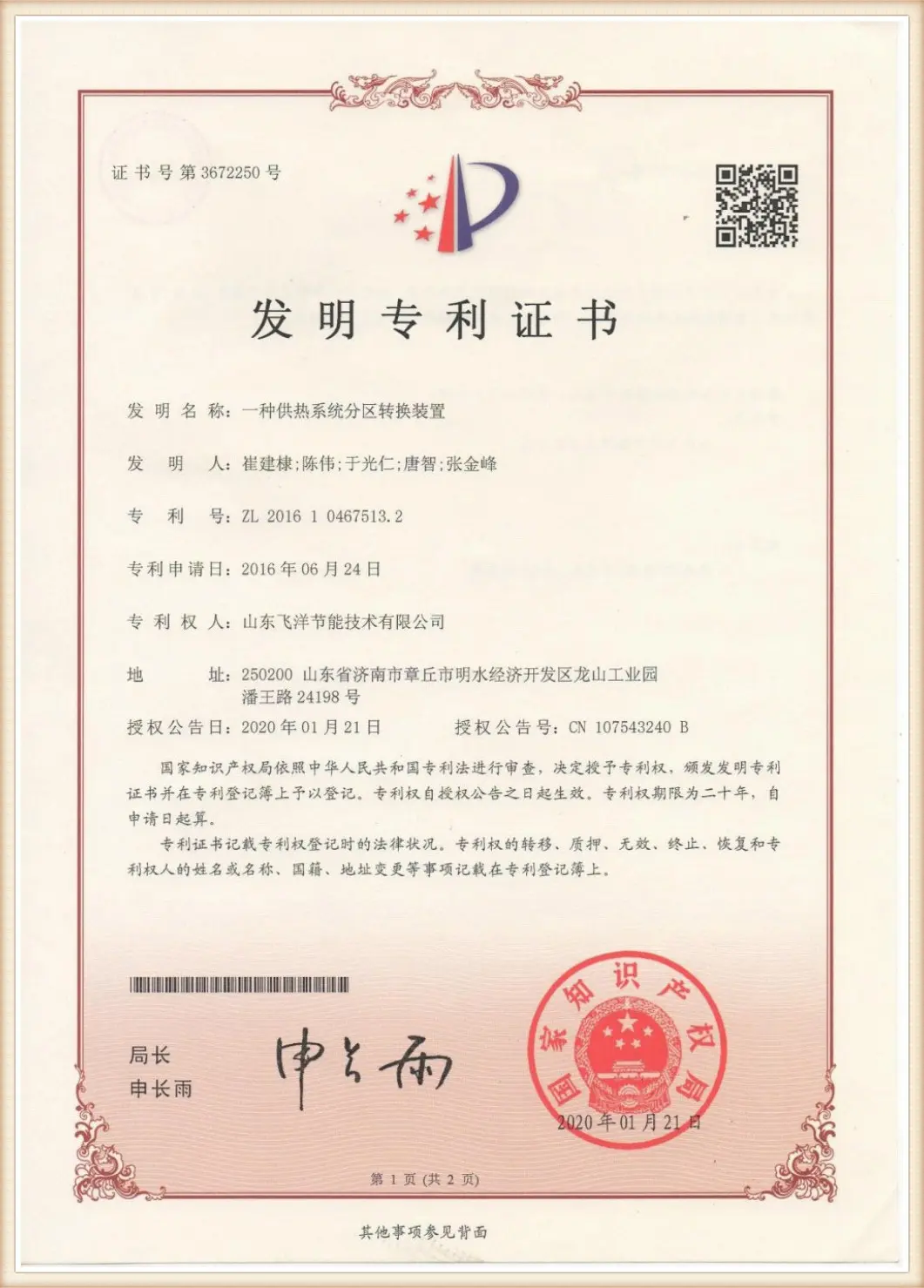
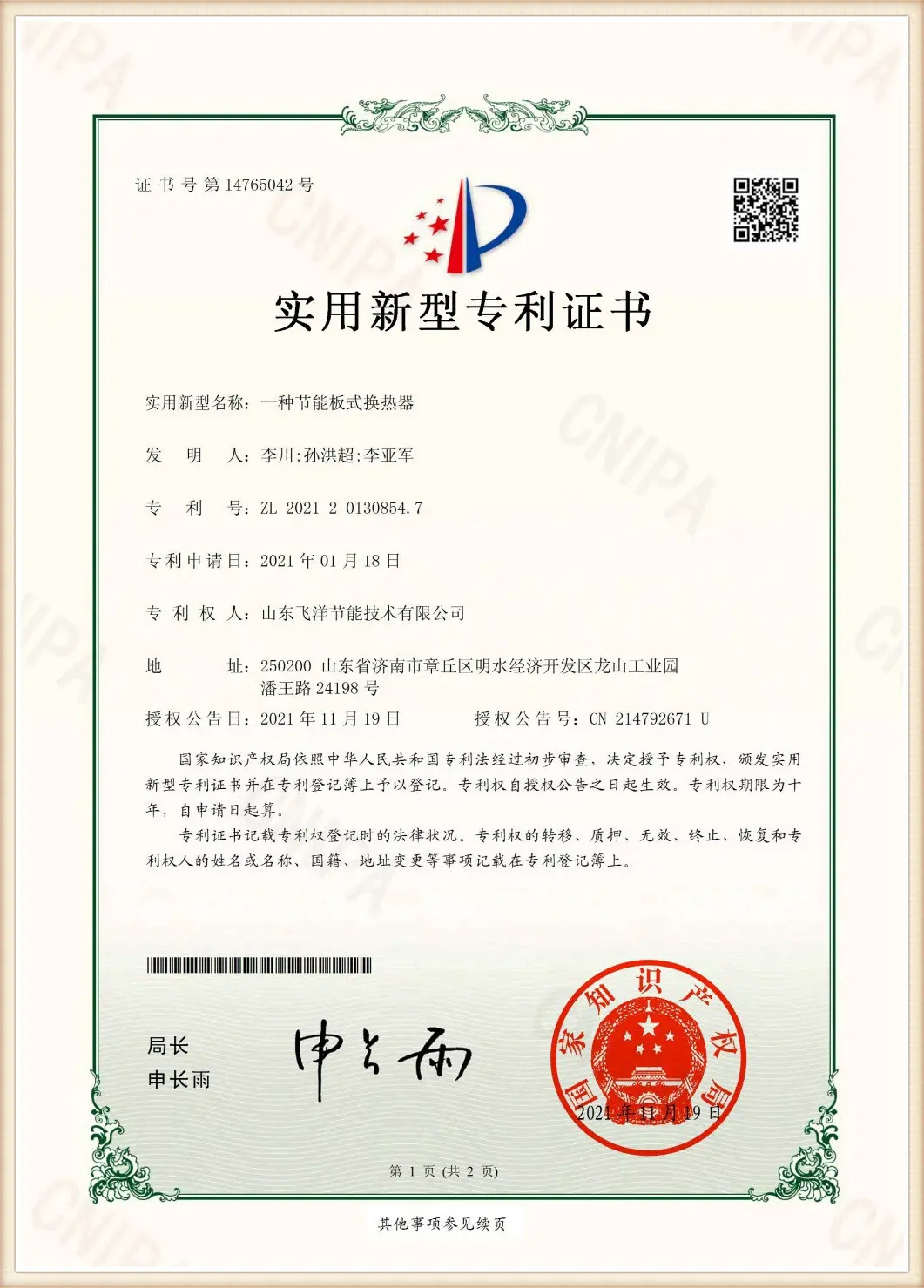
At the heart of our evaporative systems lie Flotte's patented Plate Heat Exchangers. Featuring custom corrugation geometries, these units provide 2 to 3 times higher heat transfer coefficients compared to traditional shell-and-tube designs, allowing for extremely close approach temperatures.
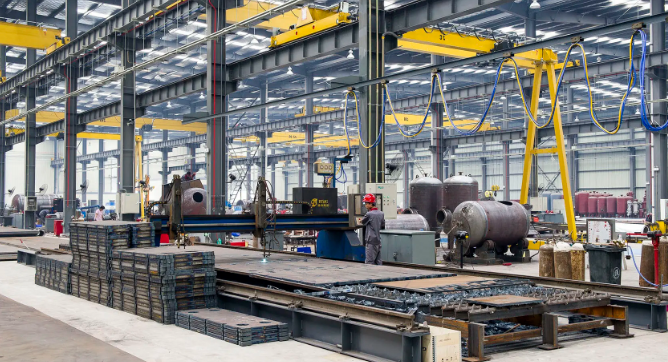
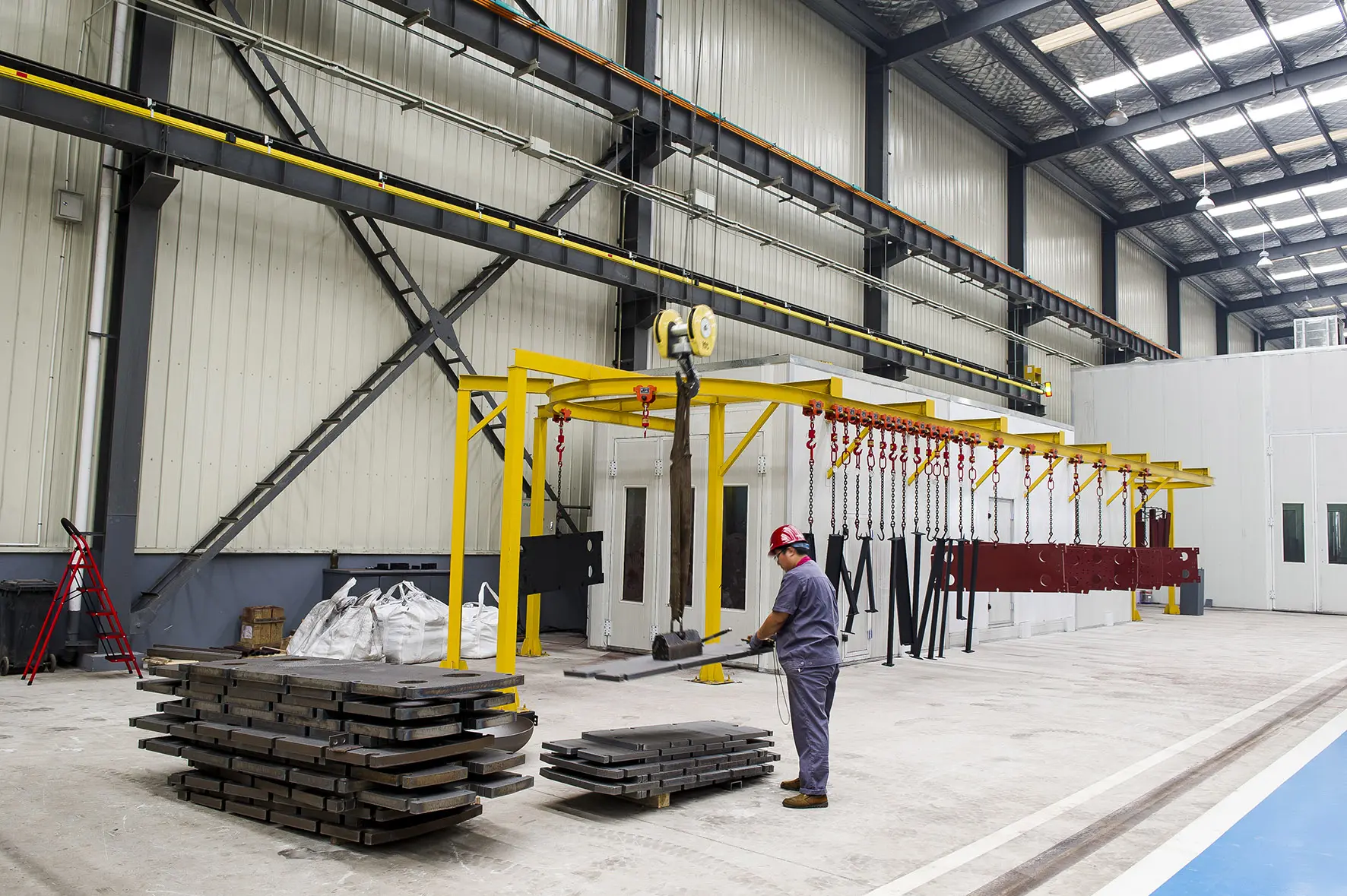
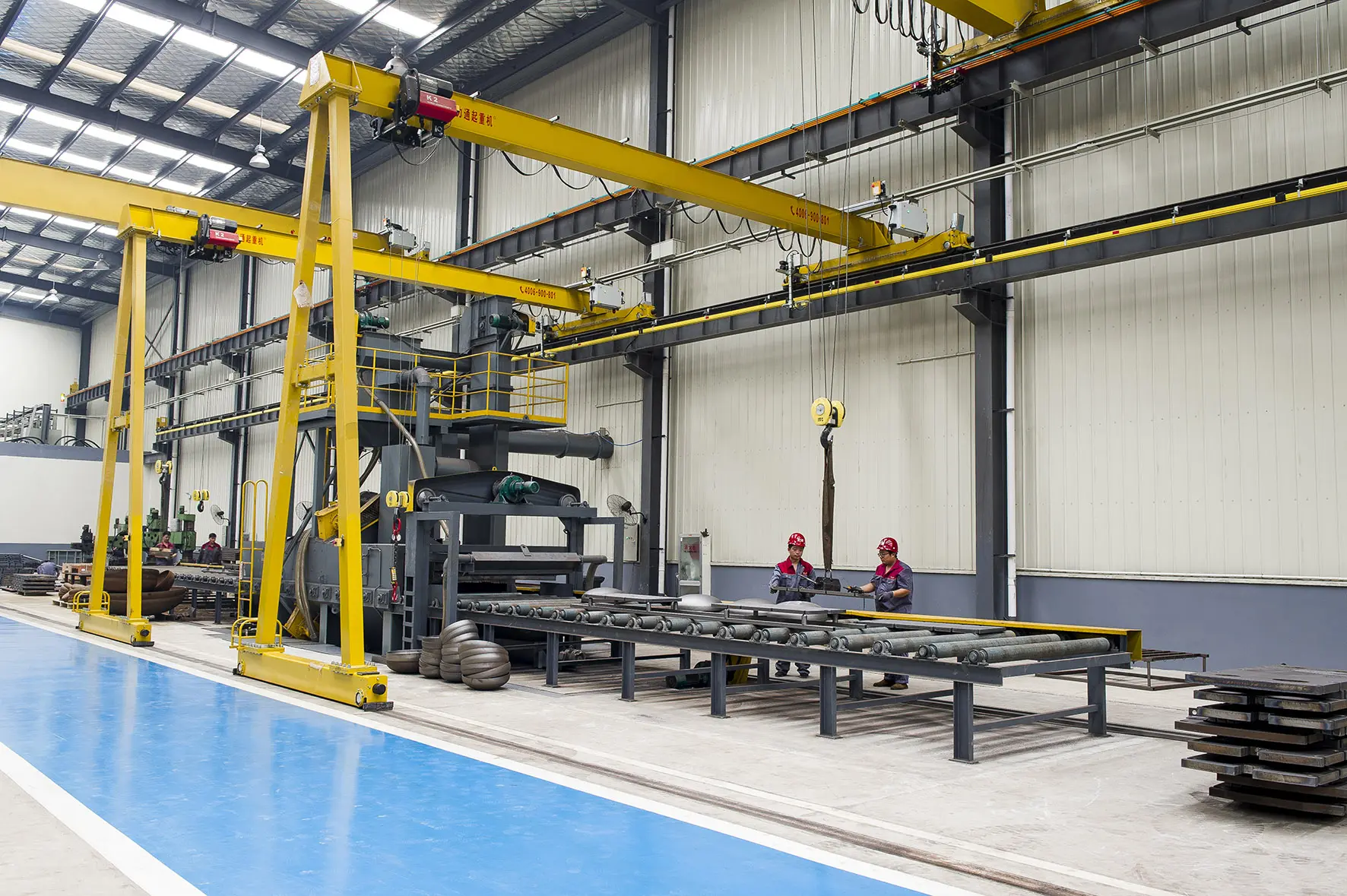
To ensure total reliability in highly corrosive, high-temperature petrochemical environments, every component of our heat exchangers and pressure vessels is fabricated, tested, and certified under strict ISO 9001:2015 frameworks.
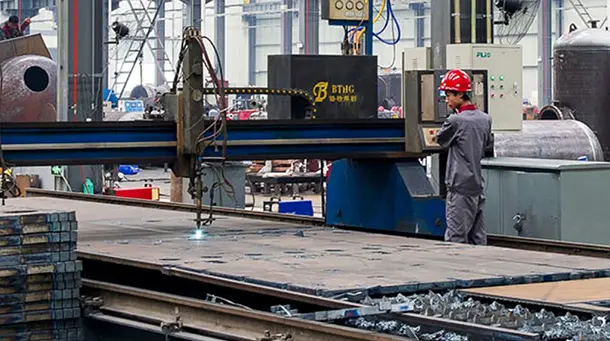
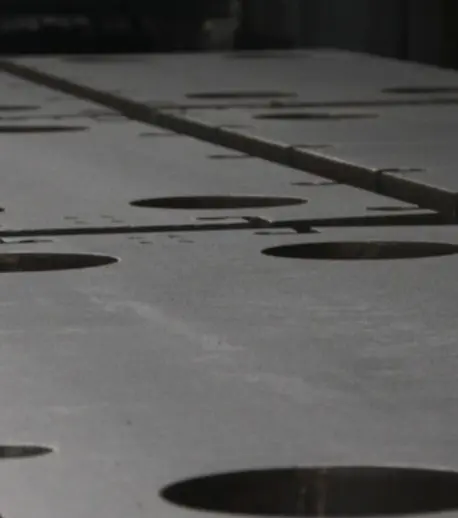
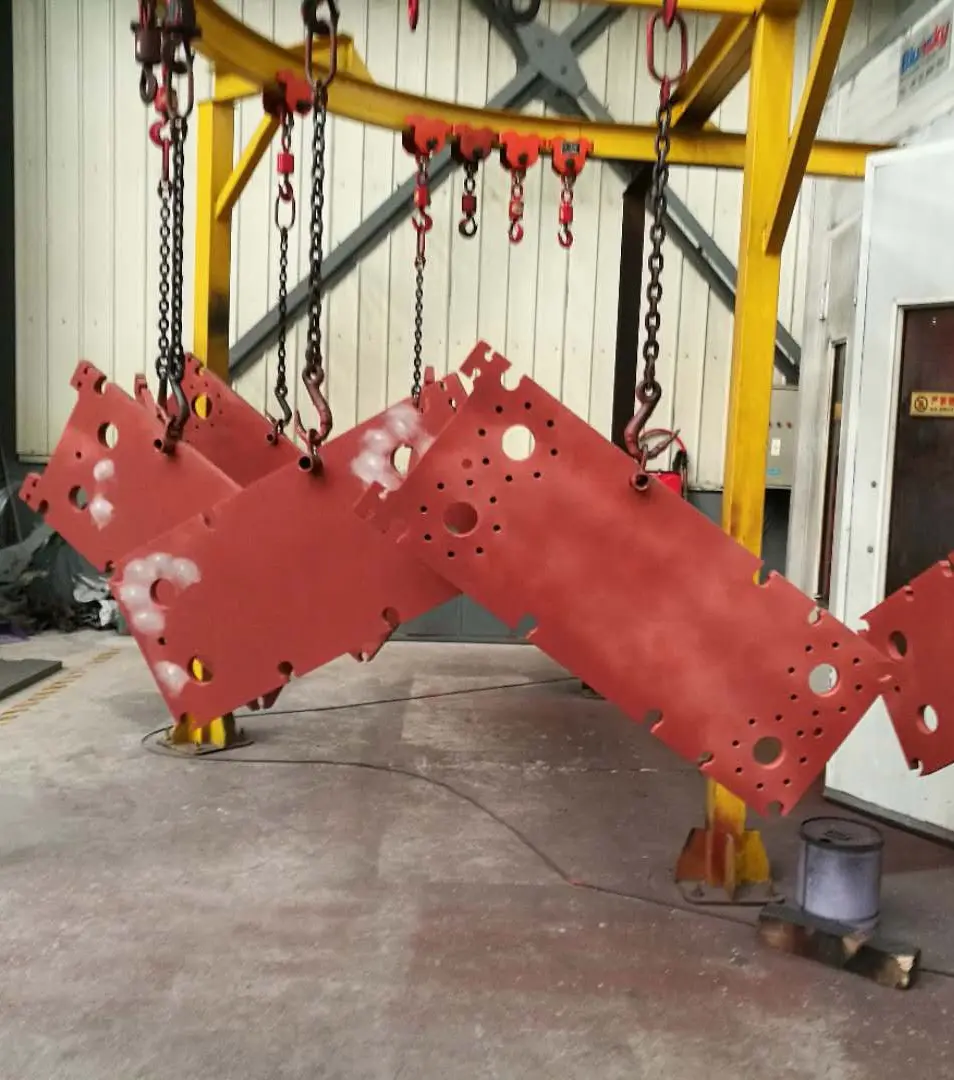
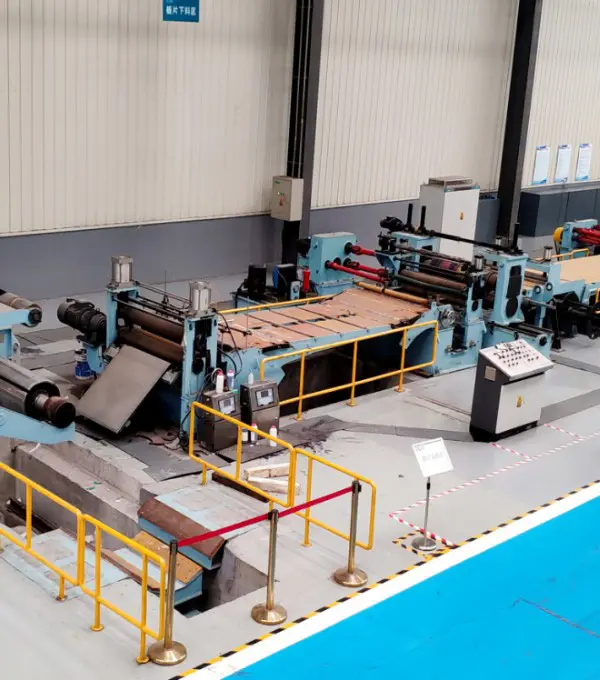
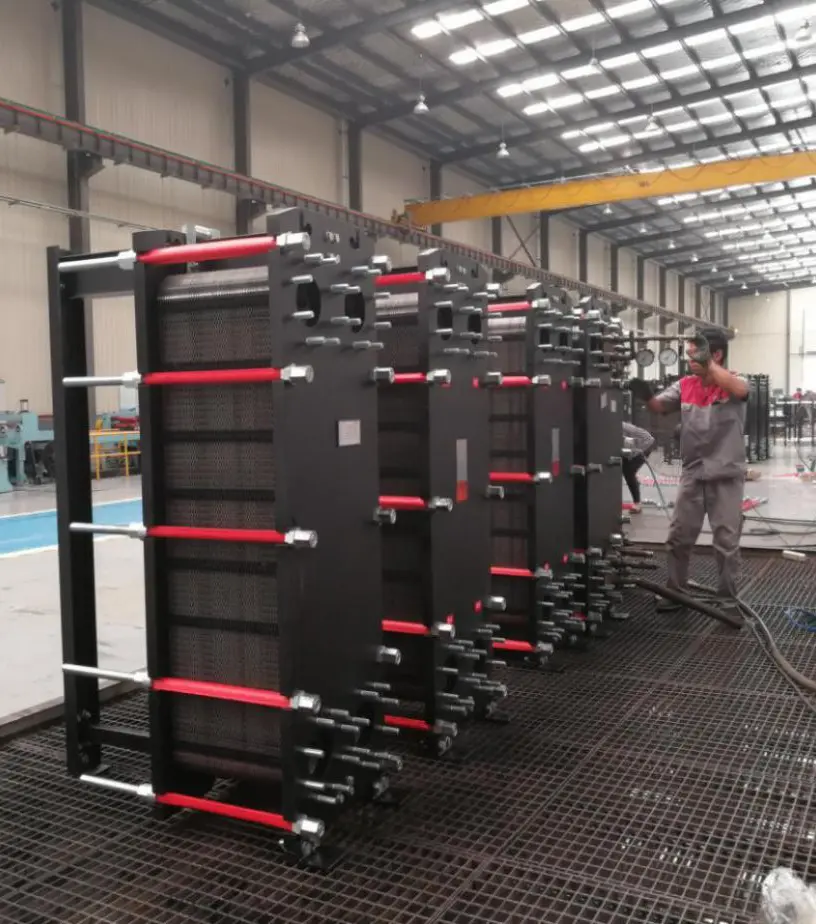
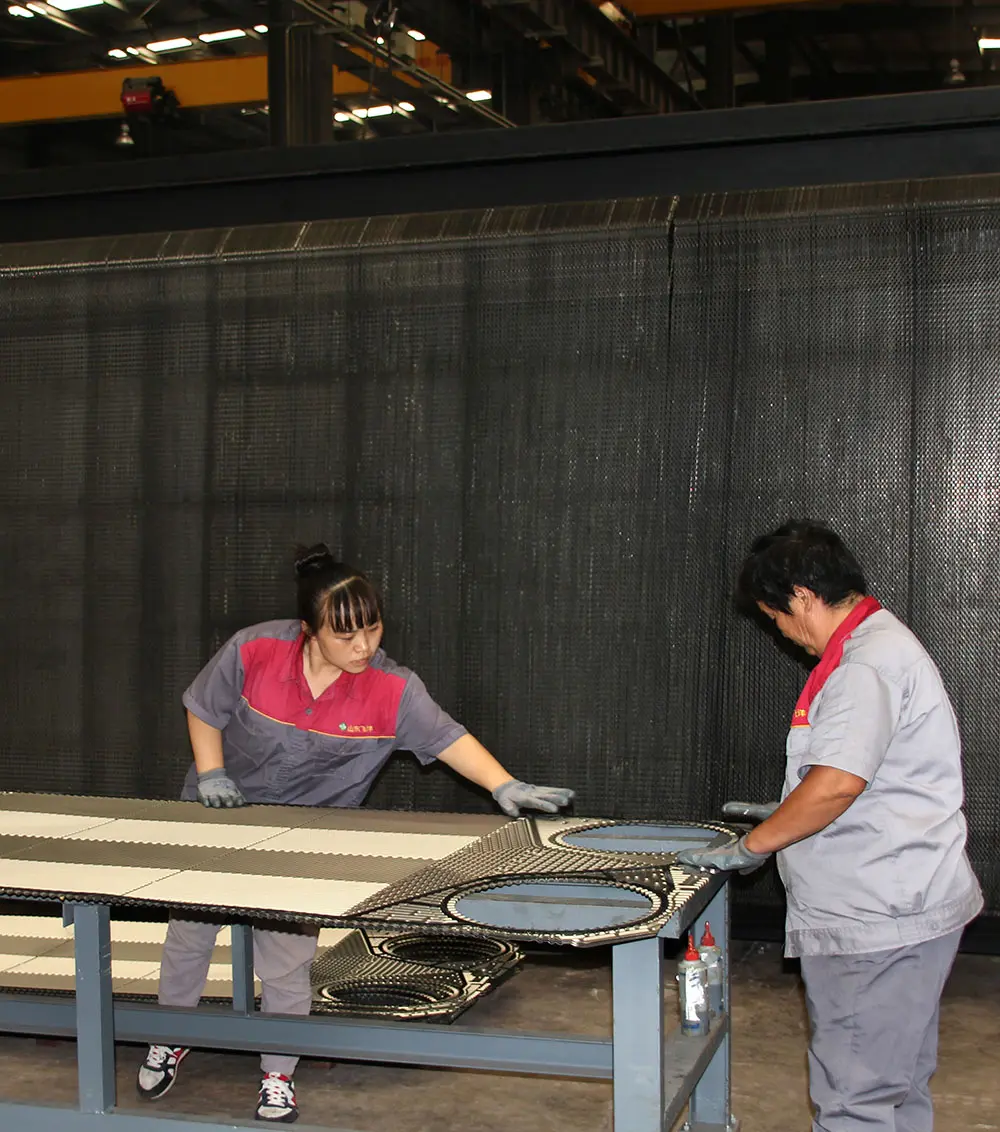
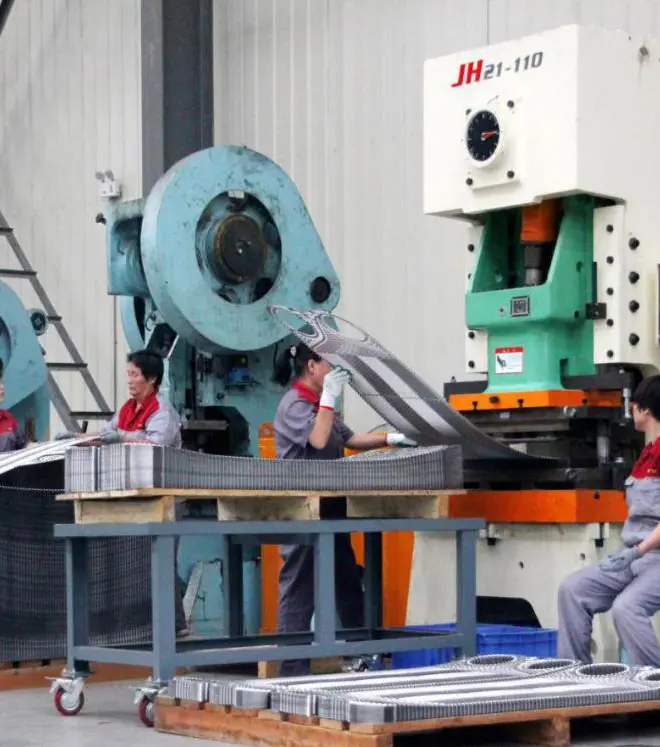
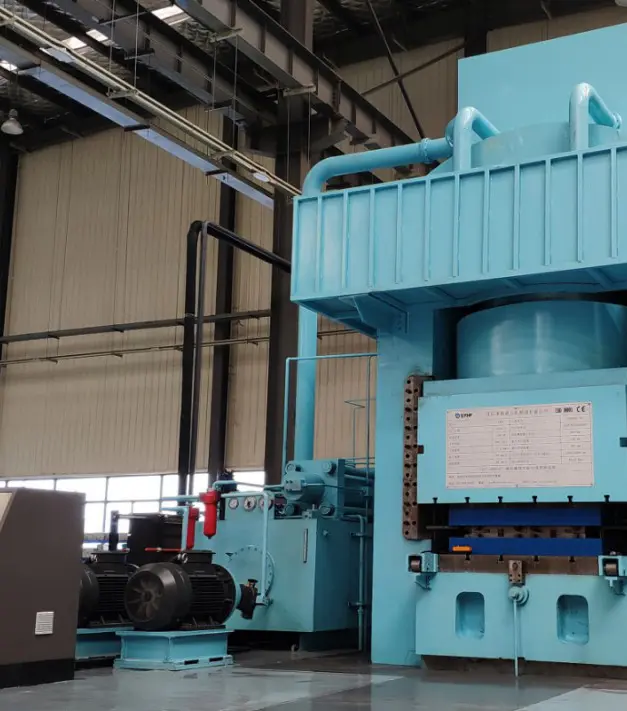
EPC contractors and plant operators require systems that mitigate risk, withstand extreme chemical exposure, and deliver predictable thermal efficiency over decades of operation.
Produced water and oil refinery bottoms are highly rich in chlorides and organic acids. We offer specialized plate and tube fabrications using Titanium Gr. 1, Hastelloy C-276, Nickel 200/201, and Stainless Steel 316L.
By designing high-performance configurations that limit chemical cleaning intervals, we help operations lower lifetime energy footprints, prevent unplanned shut-downs, and reduce carbon taxes.
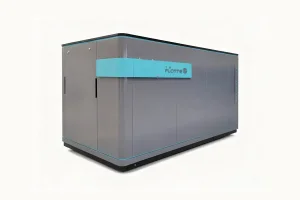
All Flotte industrial evaporation and membrane systems are supplied pre-piped, pre-wired, and fully tested on heavy-duty structural steel skids, ensuring fast field installation with minimal disruption.
For global EPC buyers, equipment must align with complex national standards. Flotte provides a comprehensive compliance path for all mechanical, electrical, and pressure structures. Our design engineers translate technical specifications to ensure alignment with local environmental permits.
Whether operating under ASME Boiler & Pressure Vessel codes in the Americas, CE directives in Europe, or local national certifications, Flotte executes full fabrication traceability. This includes comprehensive raw material mill test certificates (MTCs), non-destructive testing (NDT) logs, and physical hydrostatic test verification.
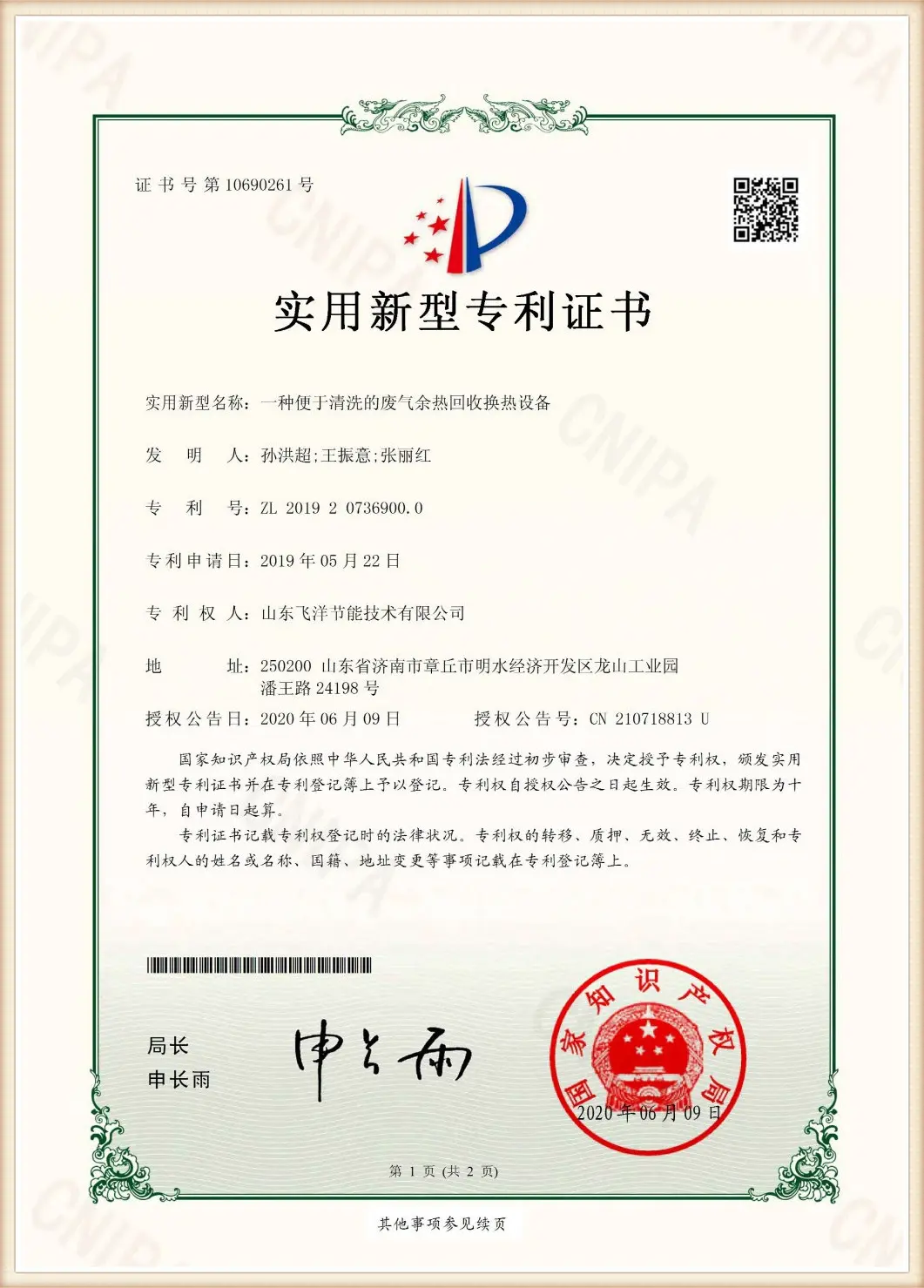
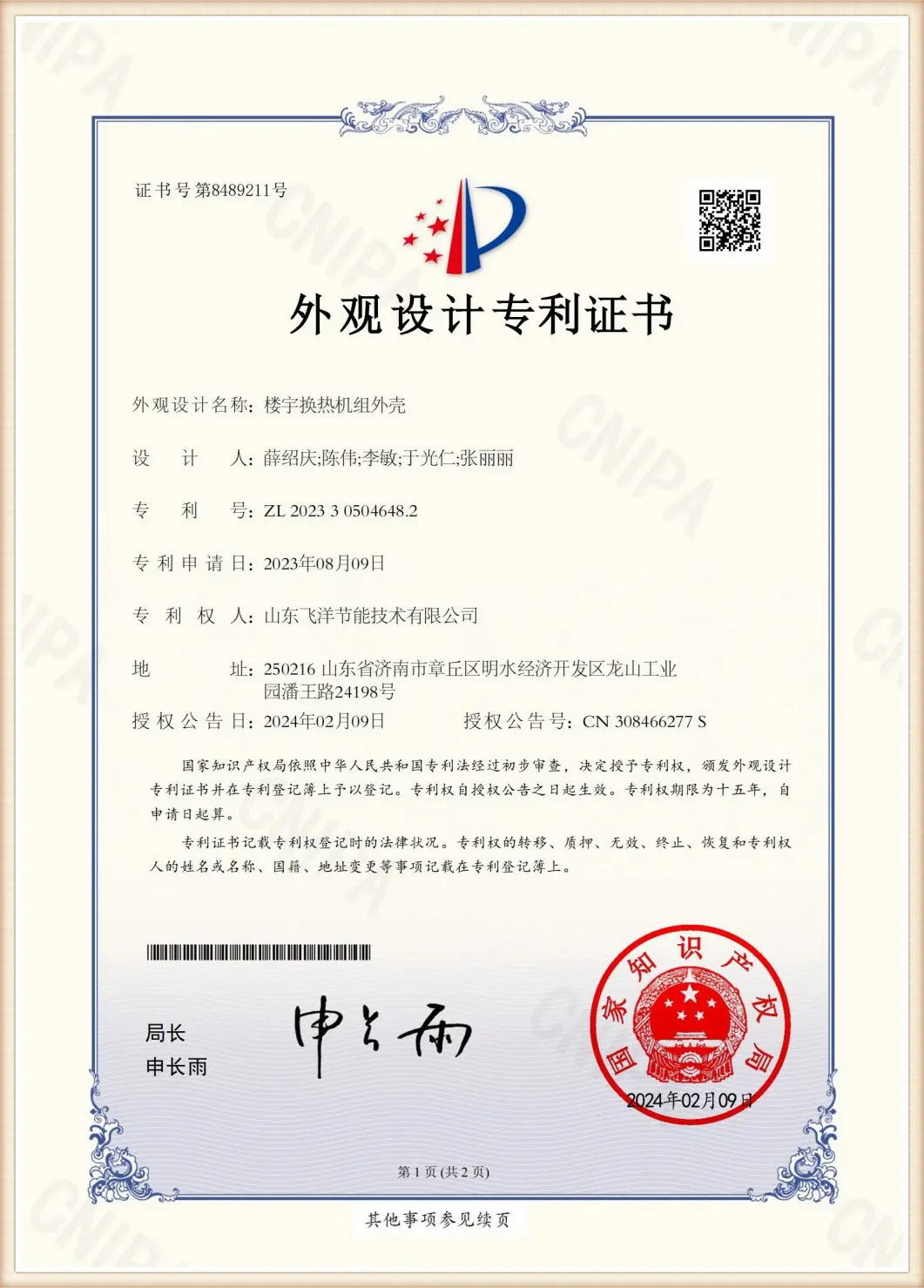
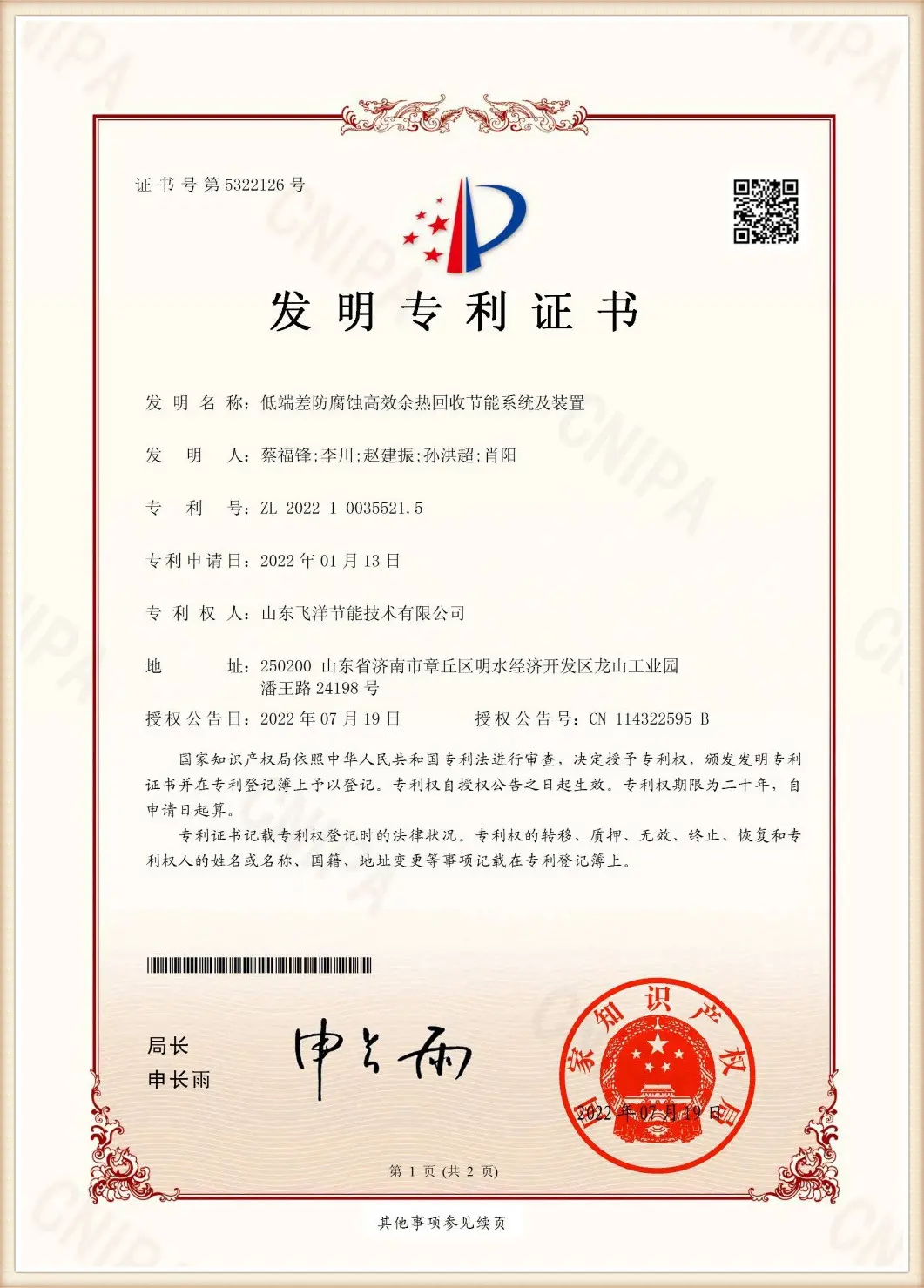
At the intersection of artificial intelligence and thermal kinetics, Flotte is actively engineering next-generation monitoring platforms to maximize operational lifespans.
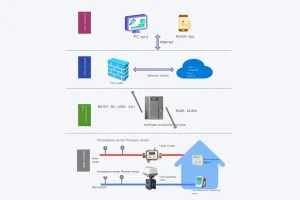
Traditional wastewater treatment systems suffer from unexpected fouling that slows heat transfer and increases utility loads. Our next-generation Intelligent Heating and Fluid Monitoring Systems utilize advanced sensor arrays and cloud calculations to model and predict scale accumulation.
By evaluating slight pressure differentials, temperature variances, and flow curves, our system alerts maintenance teams before scaling reduces efficiency, optimizing cleaning cycles and protecting valuable production assets.
Free oil, suspended solids, and highly hydrophobic organic molecules are the leading causes of irreversible membrane fouling. In Flotte's designs, we implement intensive pre-treatment stages—including induced gas flotation (IGF), coalescing filters, and organo-clay adsorption units—before the waste stream contacts our high-pressure membrane concentration modules. This maintains membrane flux and extends element lifetimes to 3-5 years.
Material selection depends directly on chloride concentration, operating temperature, and pH. For lower chloride levels (<10,000 mg/L) at moderate temperatures, Stainless Steel 316L may suffice. For extreme oilfield produced water or high-TDS evaporative concentrate where chloride levels exceed 50,000 mg/L, we build using Titanium Gr. 1 or Hastelloy C-276 to prevent pitting and stress corrosion cracking.
Multi-Effect Evaporation (MEE) relies on thermal steam energy, utilizing consecutive chambers under varying pressures to reuse steam. Mechanical Vapor Recompression (MVR) utilizes a mechanical compressor driven by electricity to compress and heat the evaporated vapor, returning it to the heating chest. MVR systems generally have much lower operating costs (OPEX) in facilities with low electrical costs, while MEE systems are ideal when low-cost excess plant steam is readily available.
Our patented plate corrugation patterns force the fluid into a highly turbulent flow state even at low velocities. This turbulence maximizes heat transfer efficiency and constantly scrubs the plate surfaces, which drastically reduces scale buildup compared to static flow inside shell-and-tube configurations.
Review our detailed production units designed to maximize energy recovery, balance secondary heating networks, and manage intensive evaporation needs.
 Flotte Energy