Explore our core engineering catalog, designed for high-efficiency district heating, heavy manufacturing, and thermal networks.
A technical overview of macro-industrial heating developments, decarbonization pathways, and plate technology integration.
Modern petrochemical processing requires reliable, high-pressure thermal solutions to manage volatile hydrocarbon fractions. Industrial systems like Packinox-style heat exchangers and large-scale welded plate units manage heat transfer across vast temperature ranges. These technologies minimize energy loss in high-temperature hydrotreating, catalytic reforming, and hydrocracking circuits globally.
Industrial companies prioritize energy conservation to meet carbon-reduction regulations. Deploying high-efficiency plate and welded heat exchange units helps factories capture and reuse low-grade waste heat. Transitioning from traditional shell-and-tube systems to high-performance corrugated plate designs saves energy, lowers water consumption, and reduces greenhouse gas emissions.
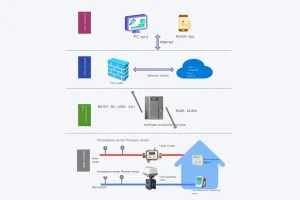
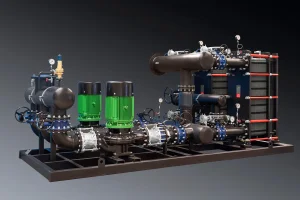
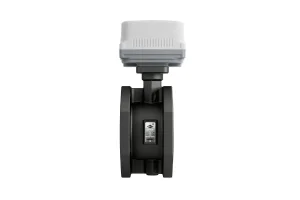
Decentralized energy networks and smart urban heating grids rely on integrated heat exchange units to control pressure and optimize flow. Using smart valves, balance control systems, and high-precision temperature collectors allows municipal utilities to balance building networks dynamically. This reduces fuel consumption at the central generation plant and ensures reliable heating for residents.
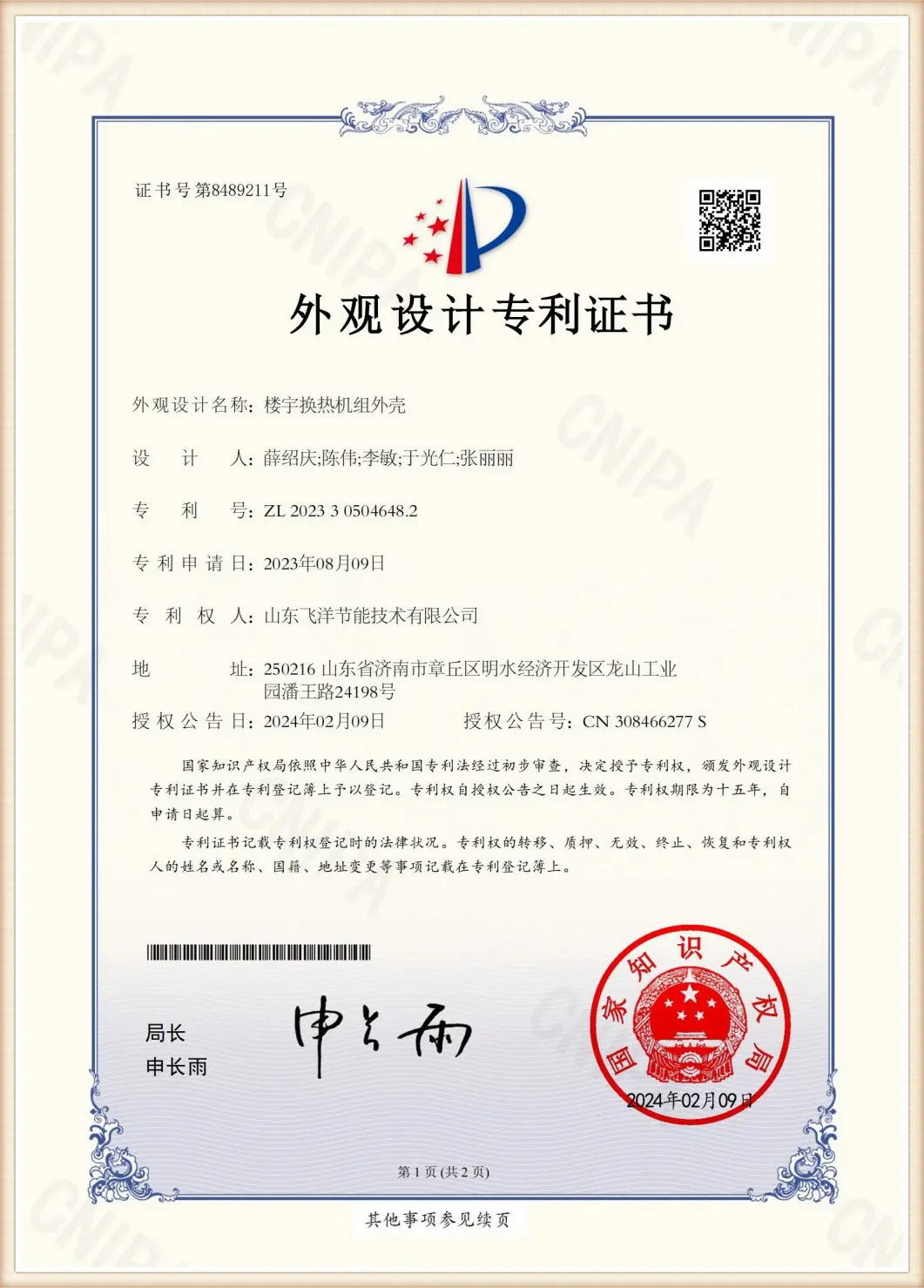
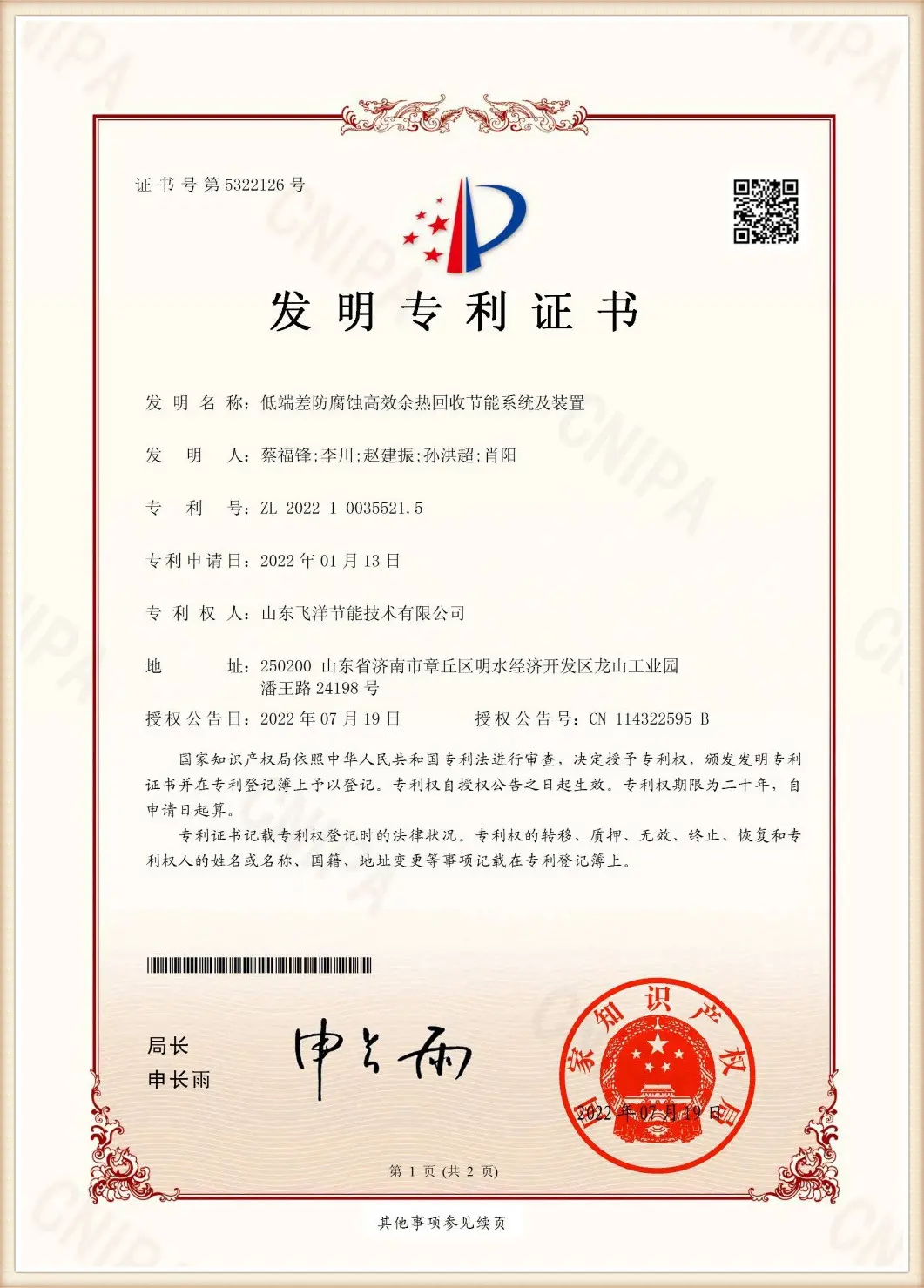
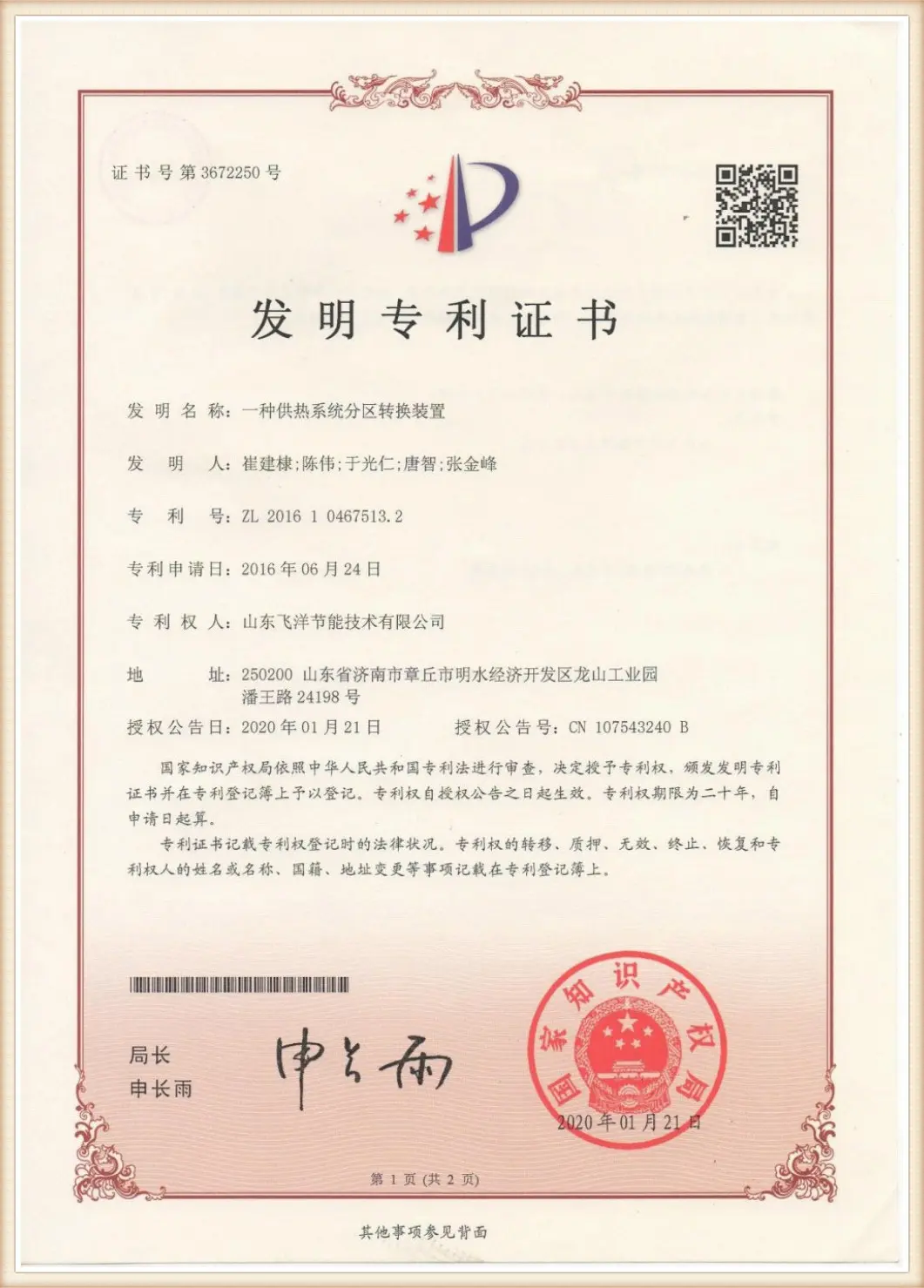
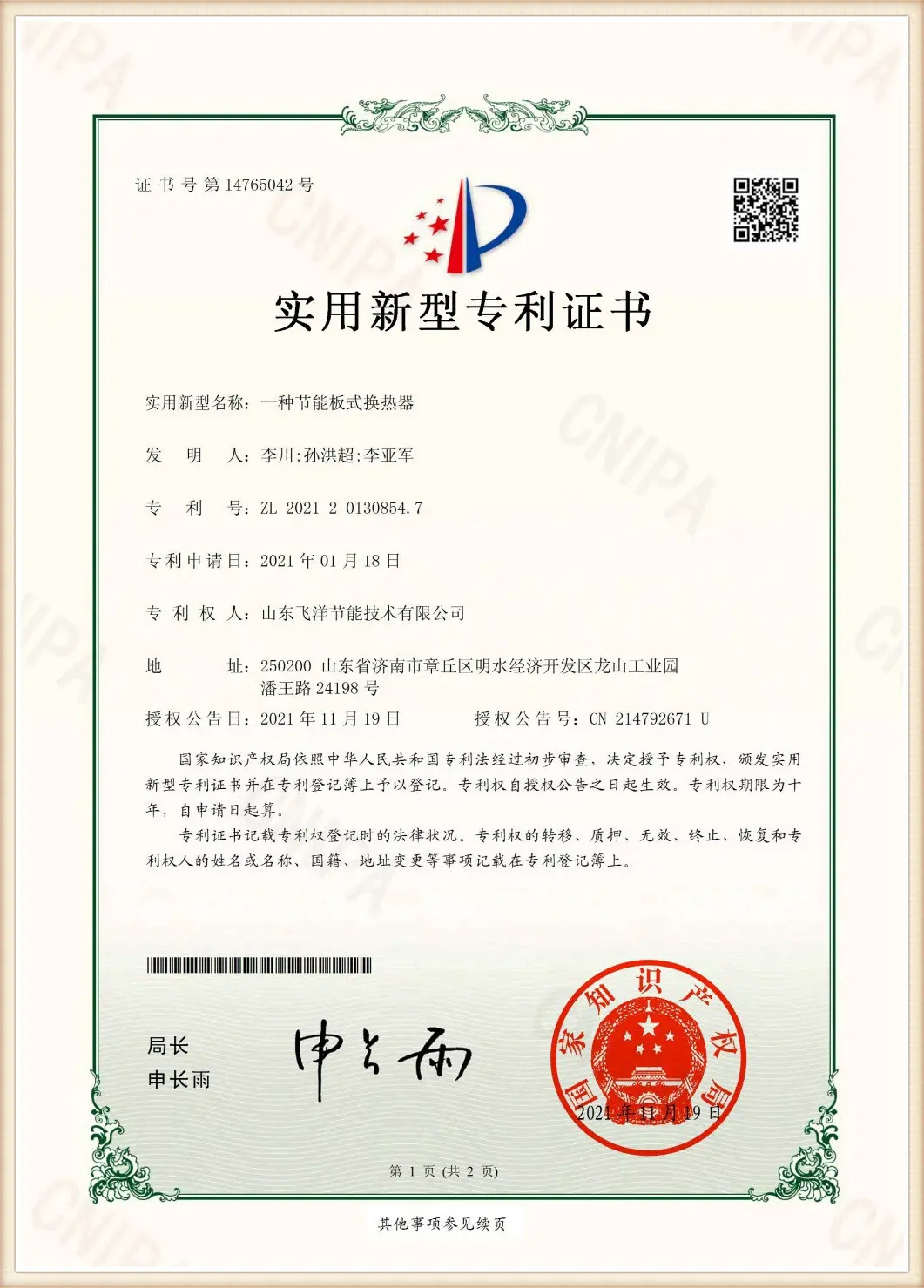
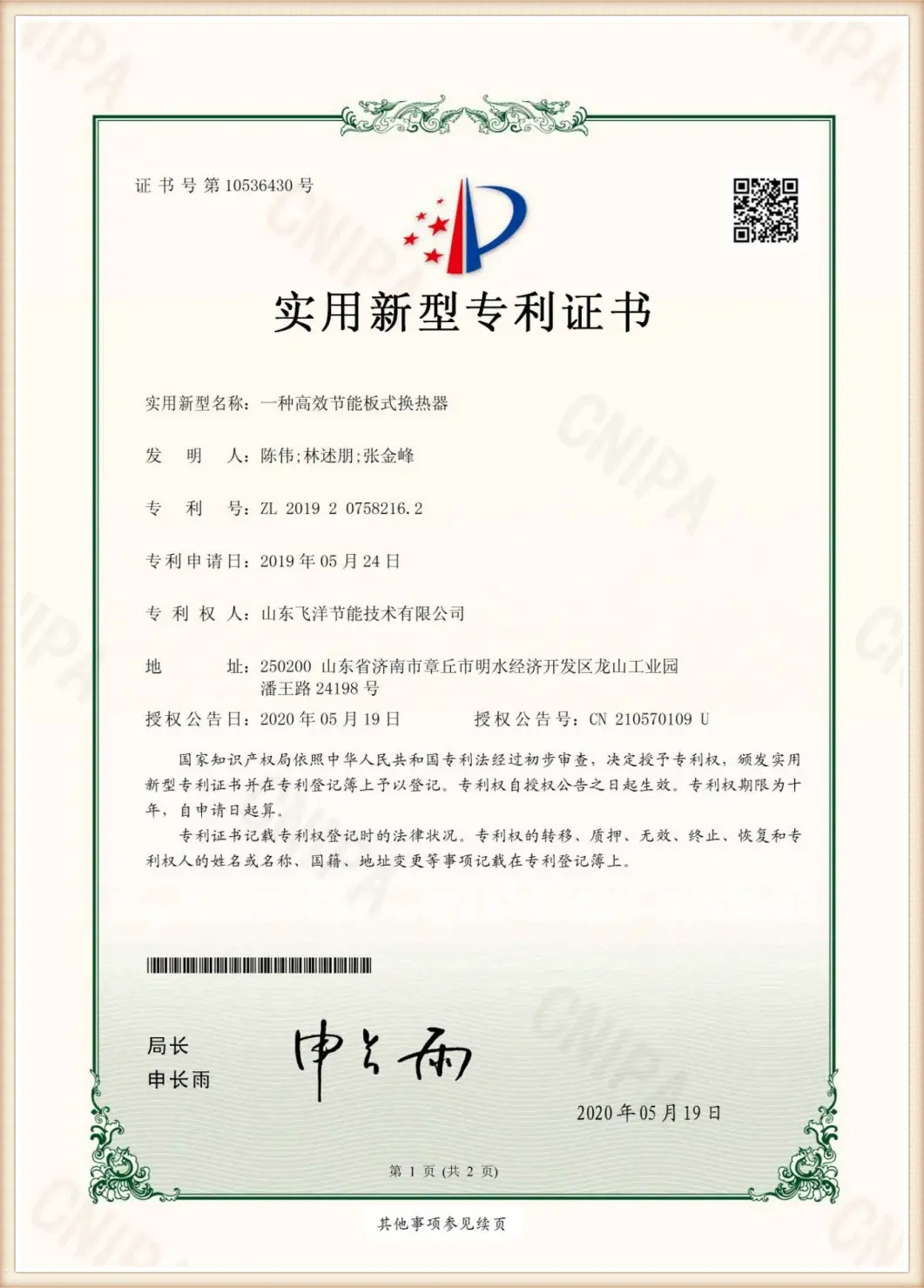
Three decades of manufacturing innovation, specialized industrial patents, and global logistics capability.
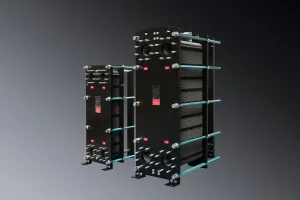
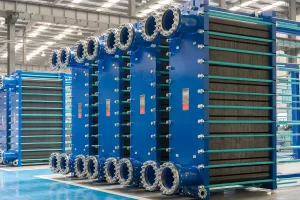
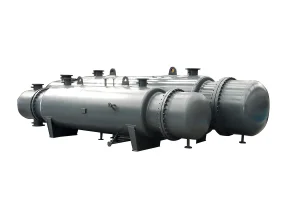
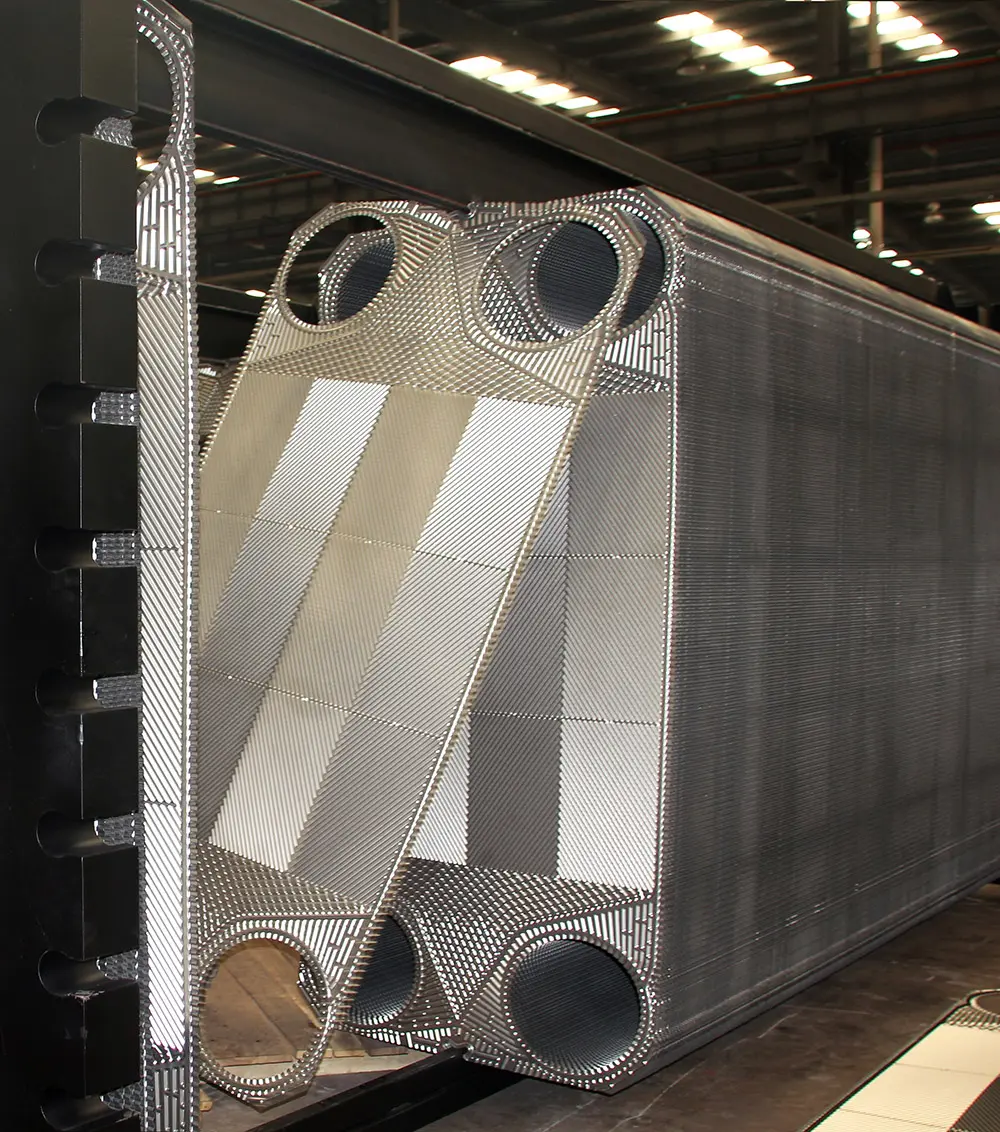
Welded plate heat exchangers and Packinox-type systems represent a major development in high-pressure thermal transfer. Unlike traditional plate-and-frame models that rely on rubber gaskets, or shell-and-tube models with lower heat transfer coefficients, these advanced systems utilize fully welded metal plate packs enclosed in a high-pressure shell. This design manages high pressures (up to 100+ bar) and high operating temperatures (up to 500°C) while maintaining a compact physical footprint.
By forcing fluids through narrow, corrugated channels, these systems generate high turbulence. This turbulence increases the overall heat transfer coefficient by 2 to 3 times compared to shell-and-tube heat exchangers of a similar thermal load. It also minimizes surface fouling, extending the service life of equipment in challenging chemical, pharmaceutical, and wastewater processing applications.
At Flotte Energy Saving Company, we apply these advanced principles to our complete line of heat exchange units. By combining micro-forged plate designs, precise hydraulic control systems, and corrosion-resistant alloys, we manufacture thermal systems that perform reliably in demanding modern industrial environments.
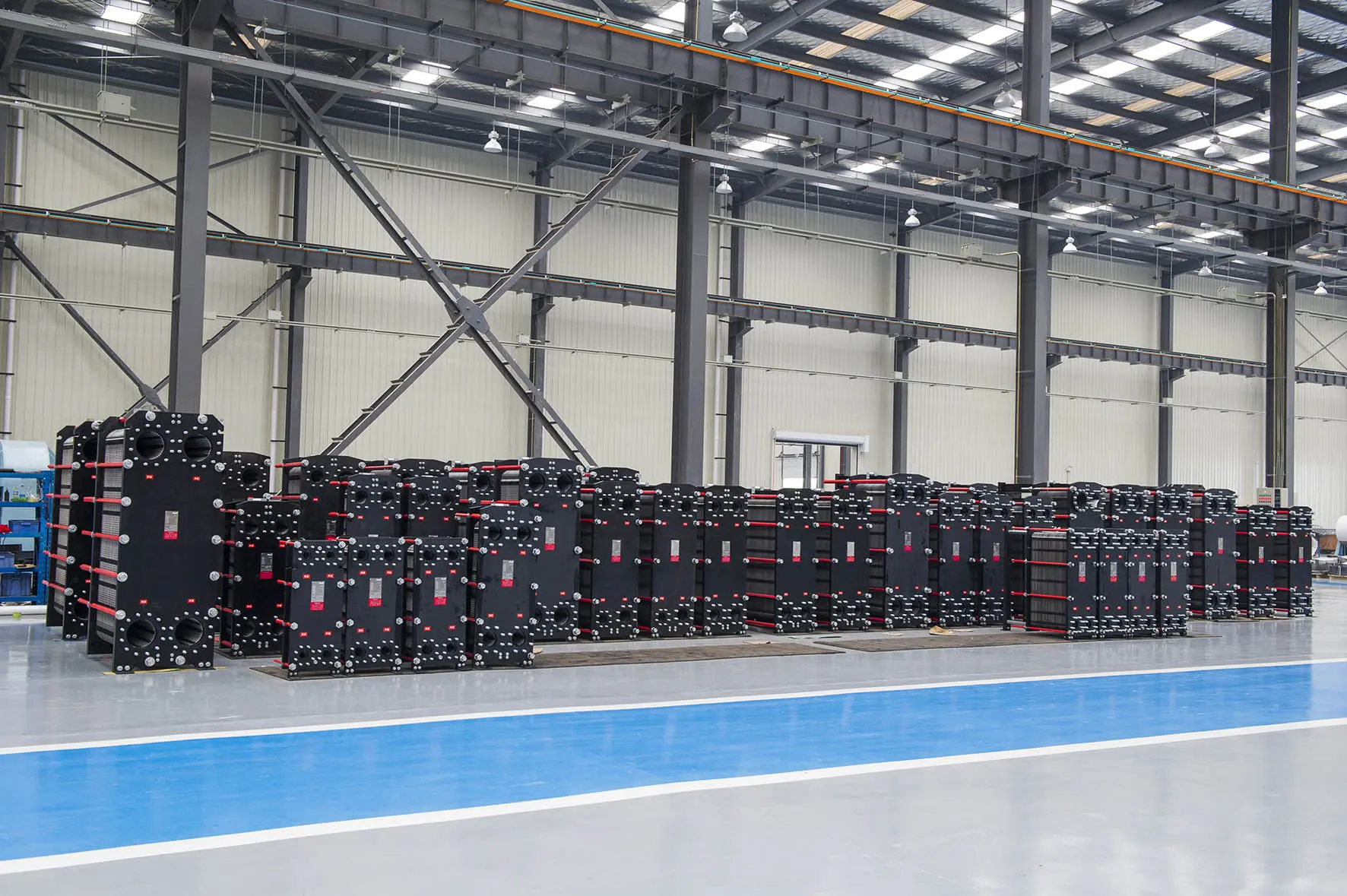
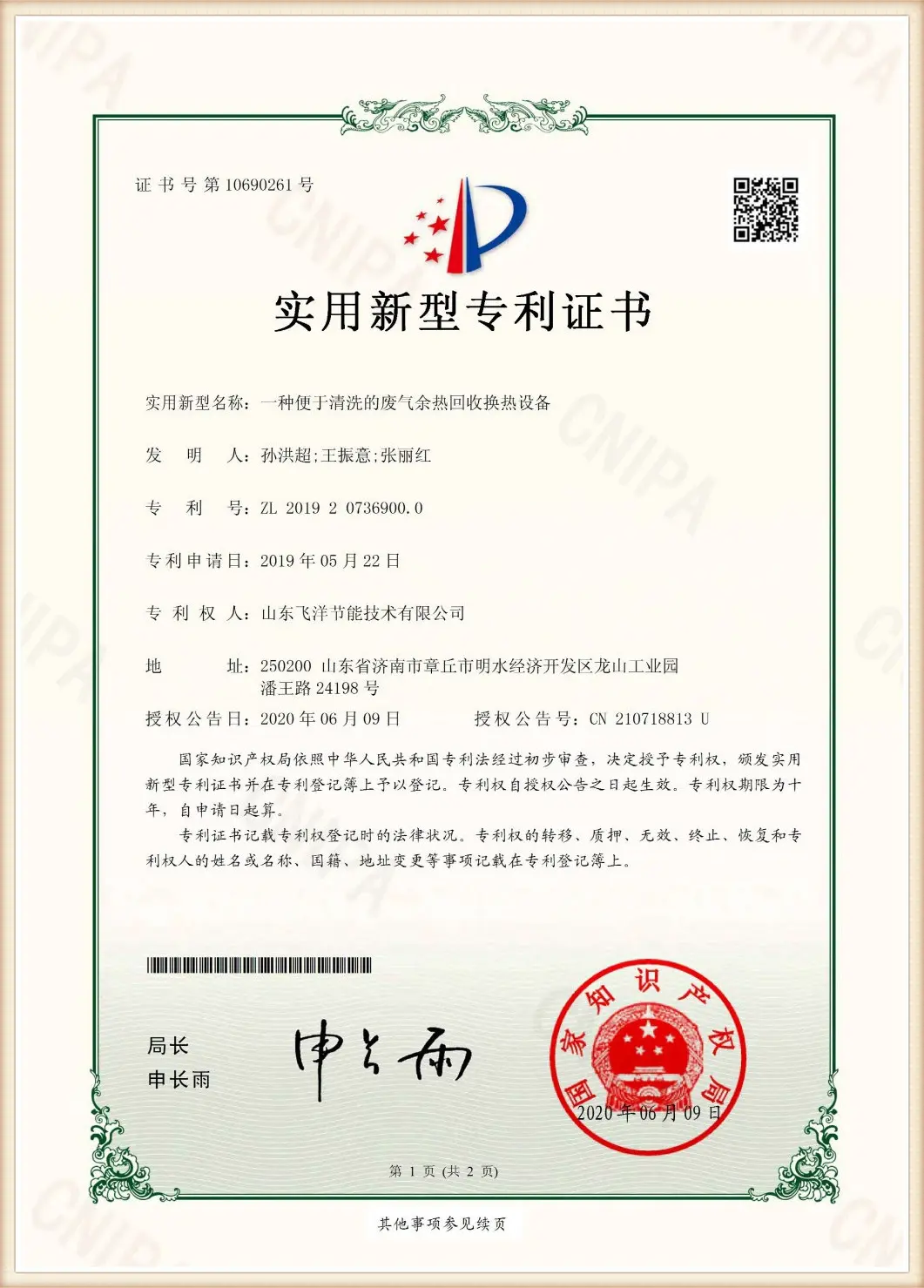
Our ISO 9001:2015 and ISO 14001 certified manufacturing process ensures reliable performance for every heat exchange component.
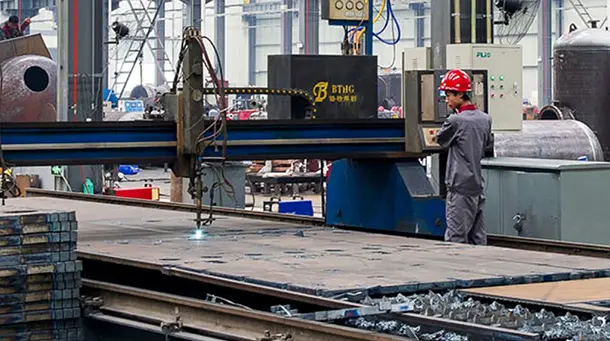
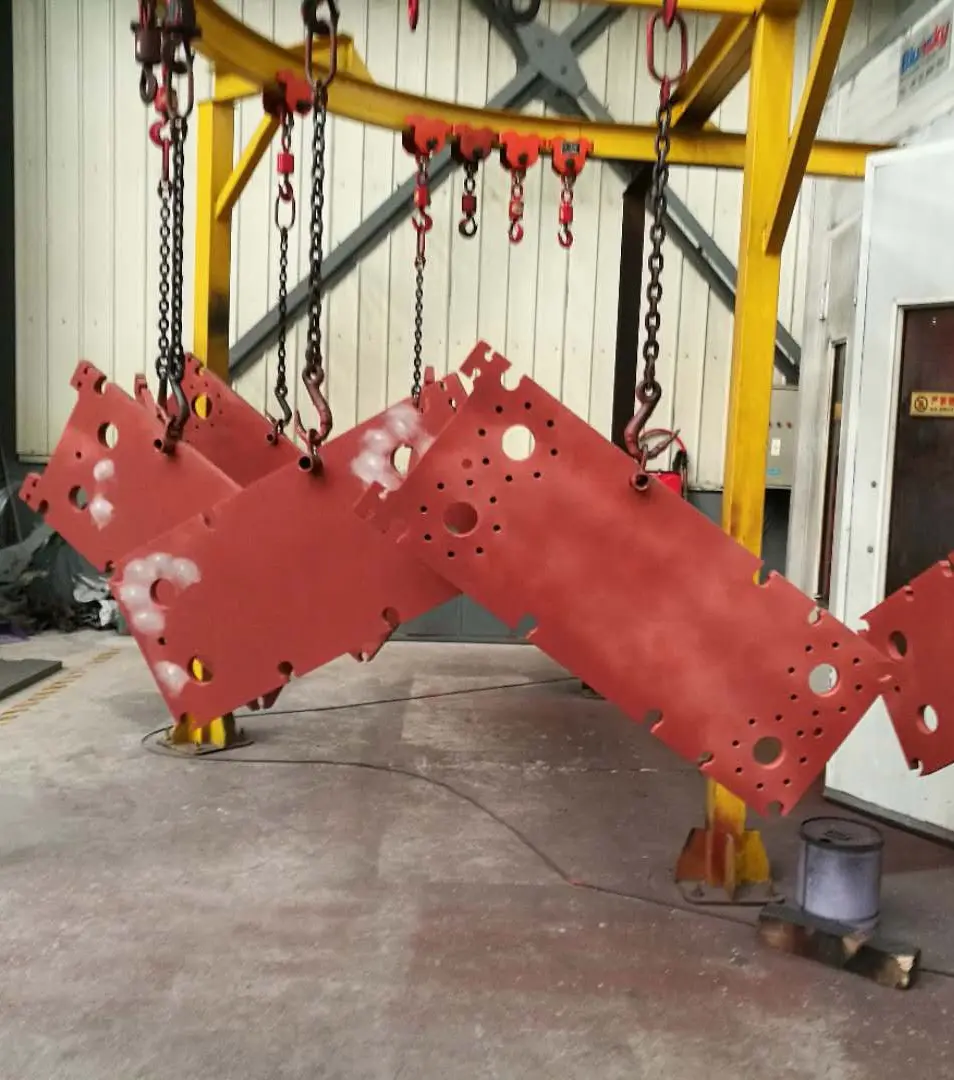
As heavy industries target net-zero emissions, integrating high-performance heat exchange units becomes essential for process optimization. Traditional single-loop systems are being replaced by multi-stage integrated heat recovery networks that manage complex thermal balances across multiple plant operations. These networks capture high-temperature waste heat from stack gases, process streams, and cooling circuits, converting it into useful energy for utility heating or preheating boiler feedwater.
These advanced systems are designed with smart automation controls. Incorporating intelligent valves and real-time monitoring technology allows the thermal network to adapt automatically to fluctuating process flows. This helps maintain stable operating temperatures, protects downstream processes from sudden thermal changes, and lowers fuel consumption in primary boilers and utility furnaces.
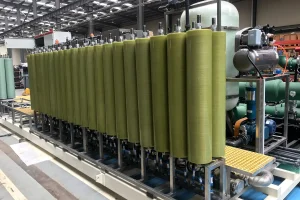
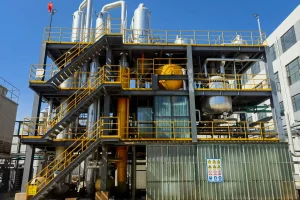
Our technical team partners with engineering firms globally to design customized heat exchange systems. Whether upgrading a district heating network, optimizing a refinery heat path, or integrating multi-effect evaporation and membrane concentration processes, our solutions are engineered to meet specific project demands for reliable long-term performance.
Our quality management systems meet international industrial manufacturing standards, ensuring safety and compliance across global markets.
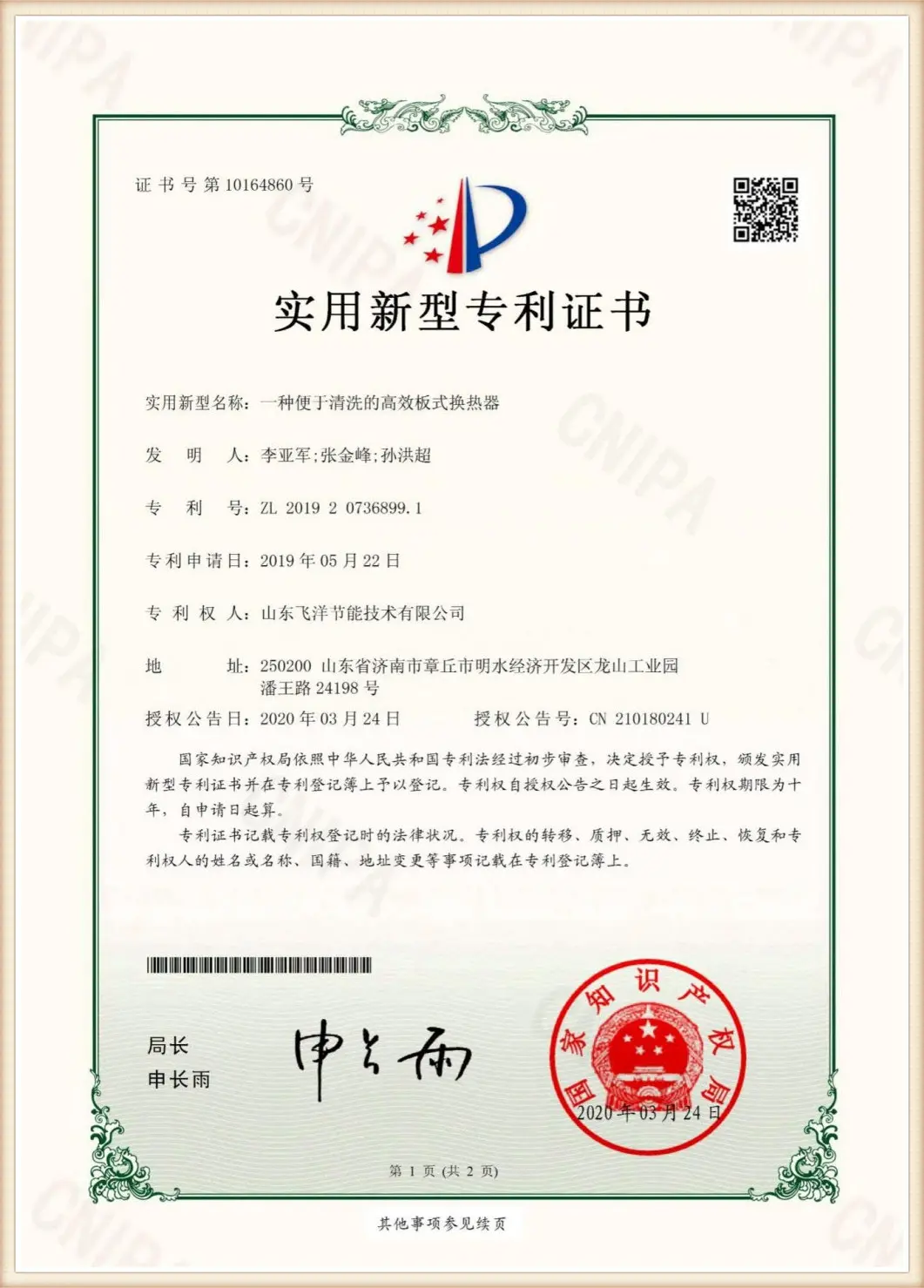
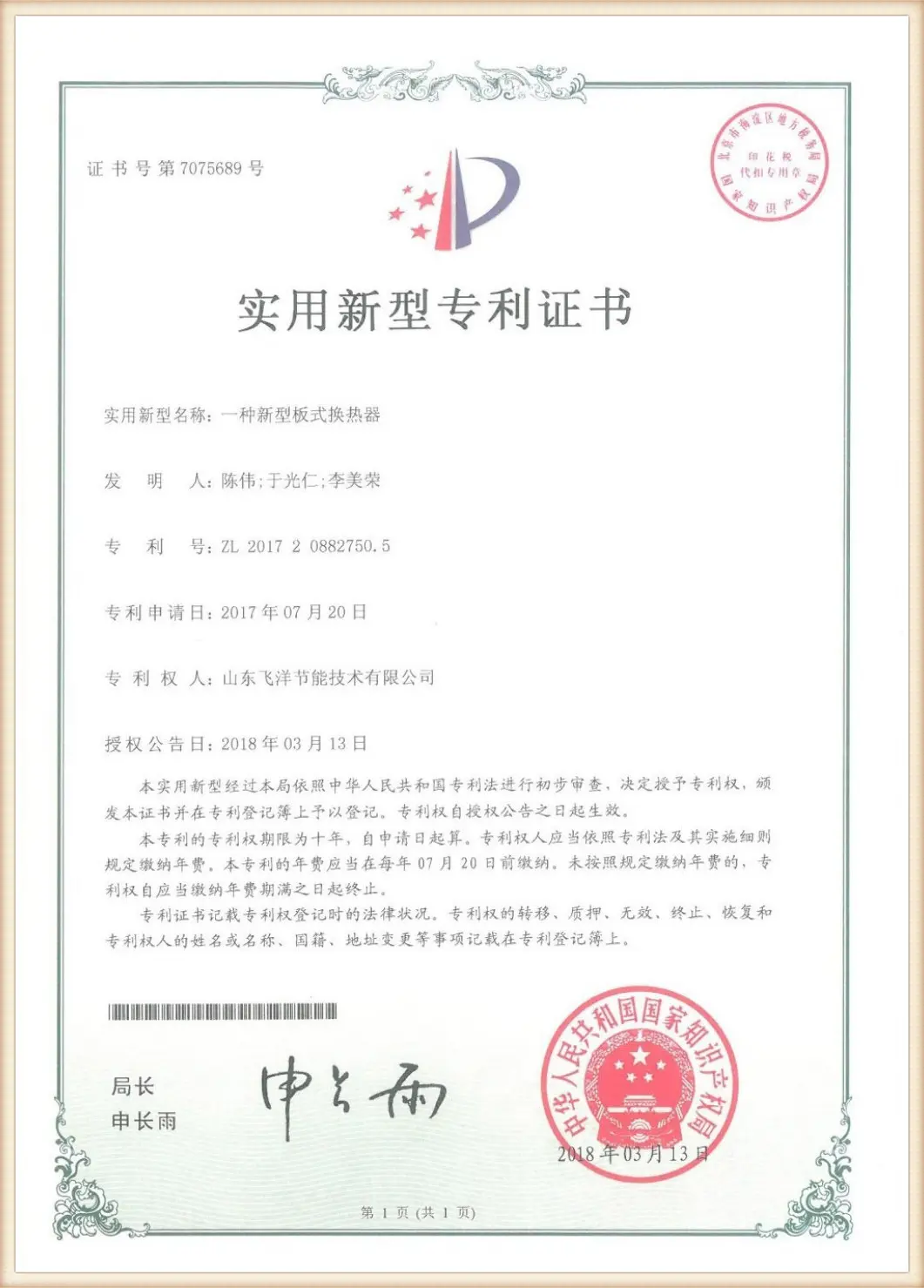
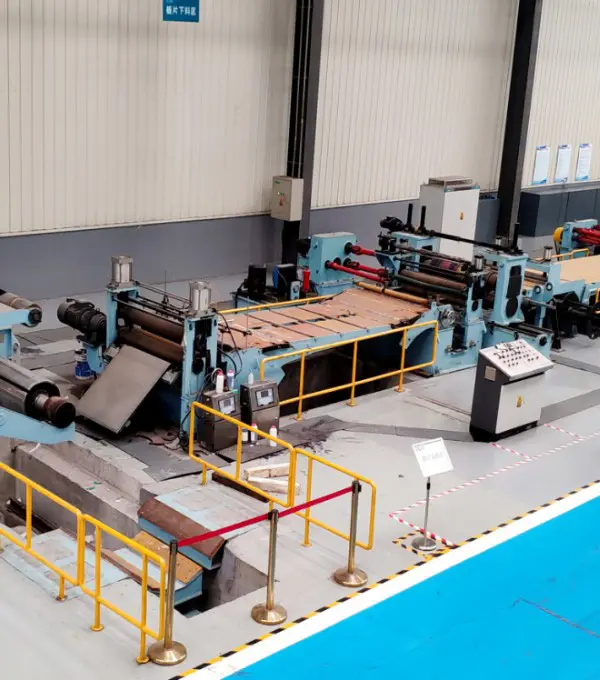
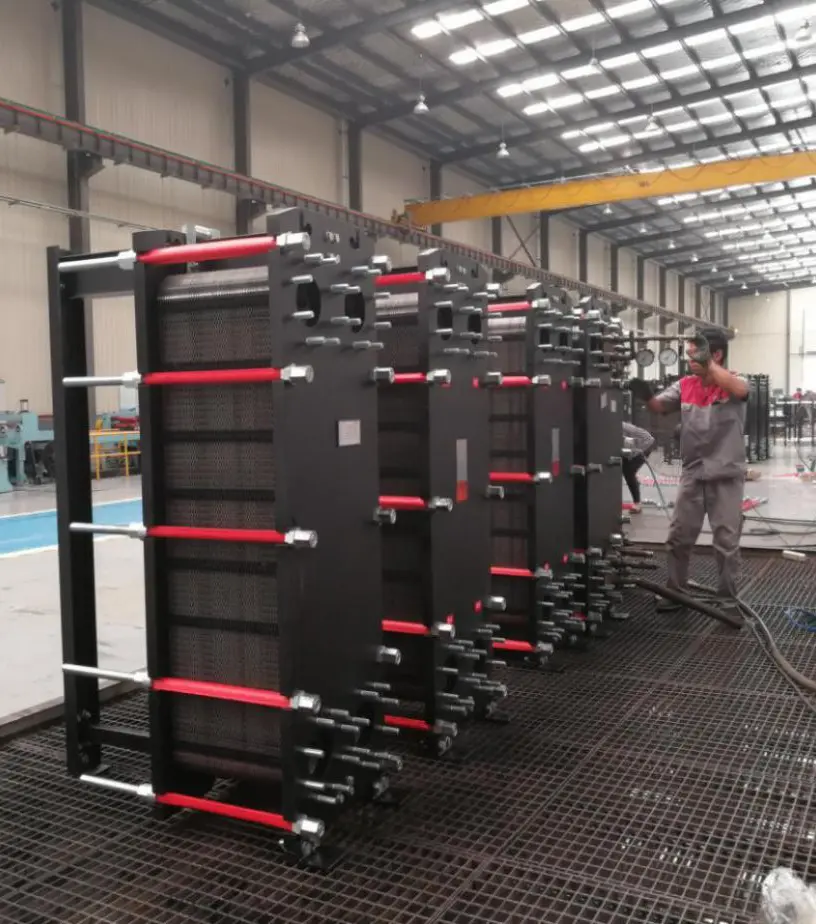
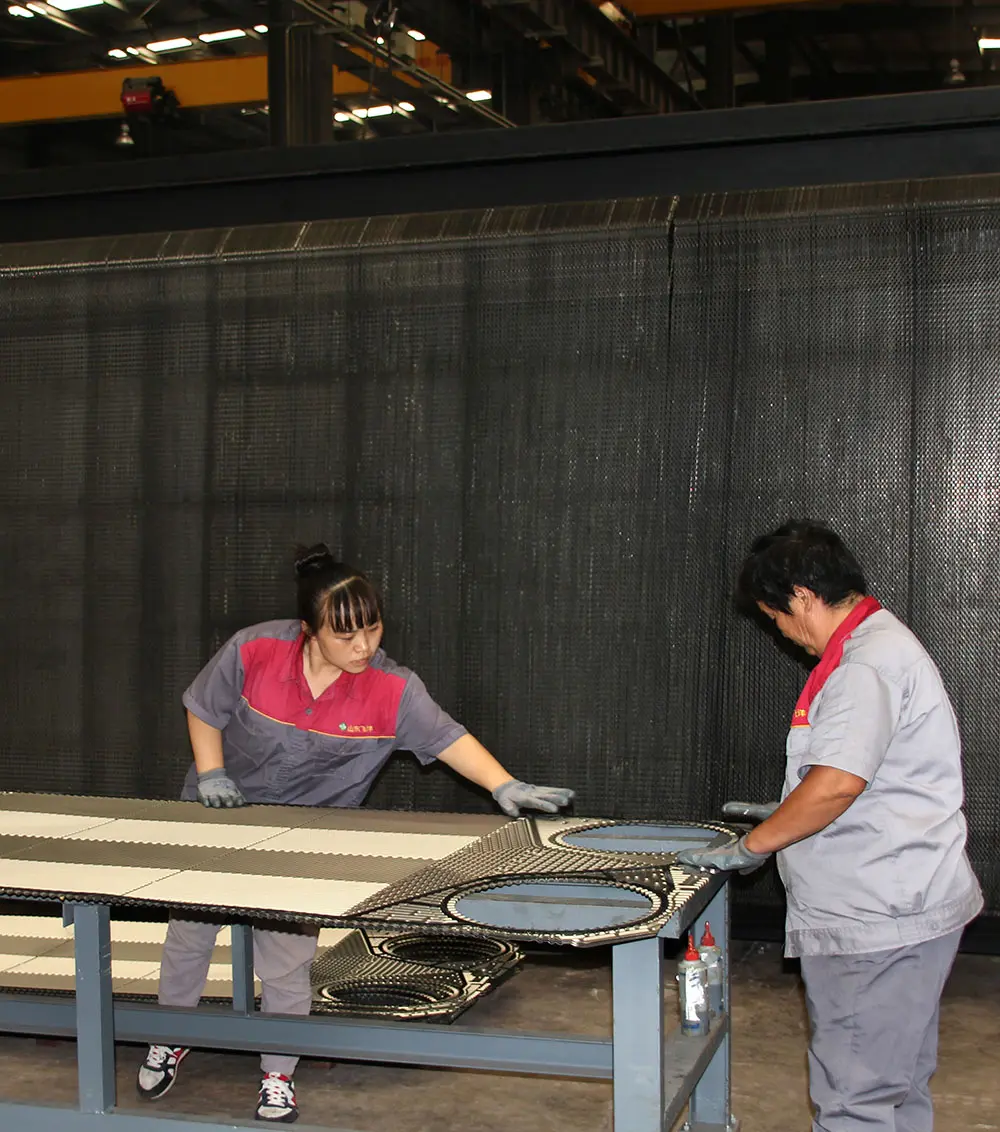
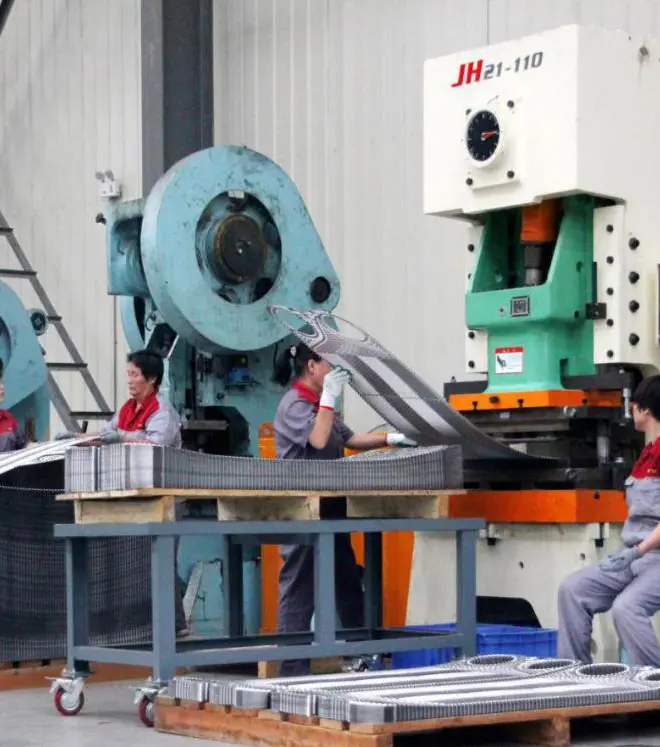
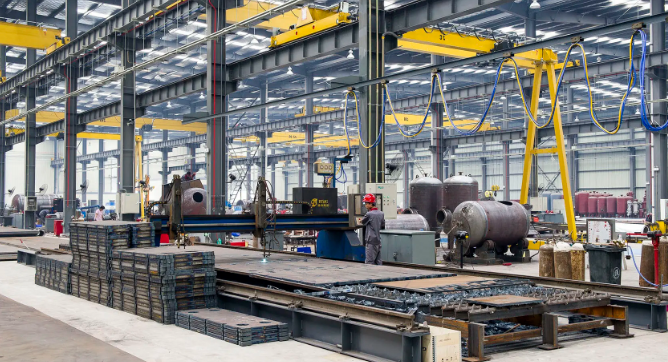
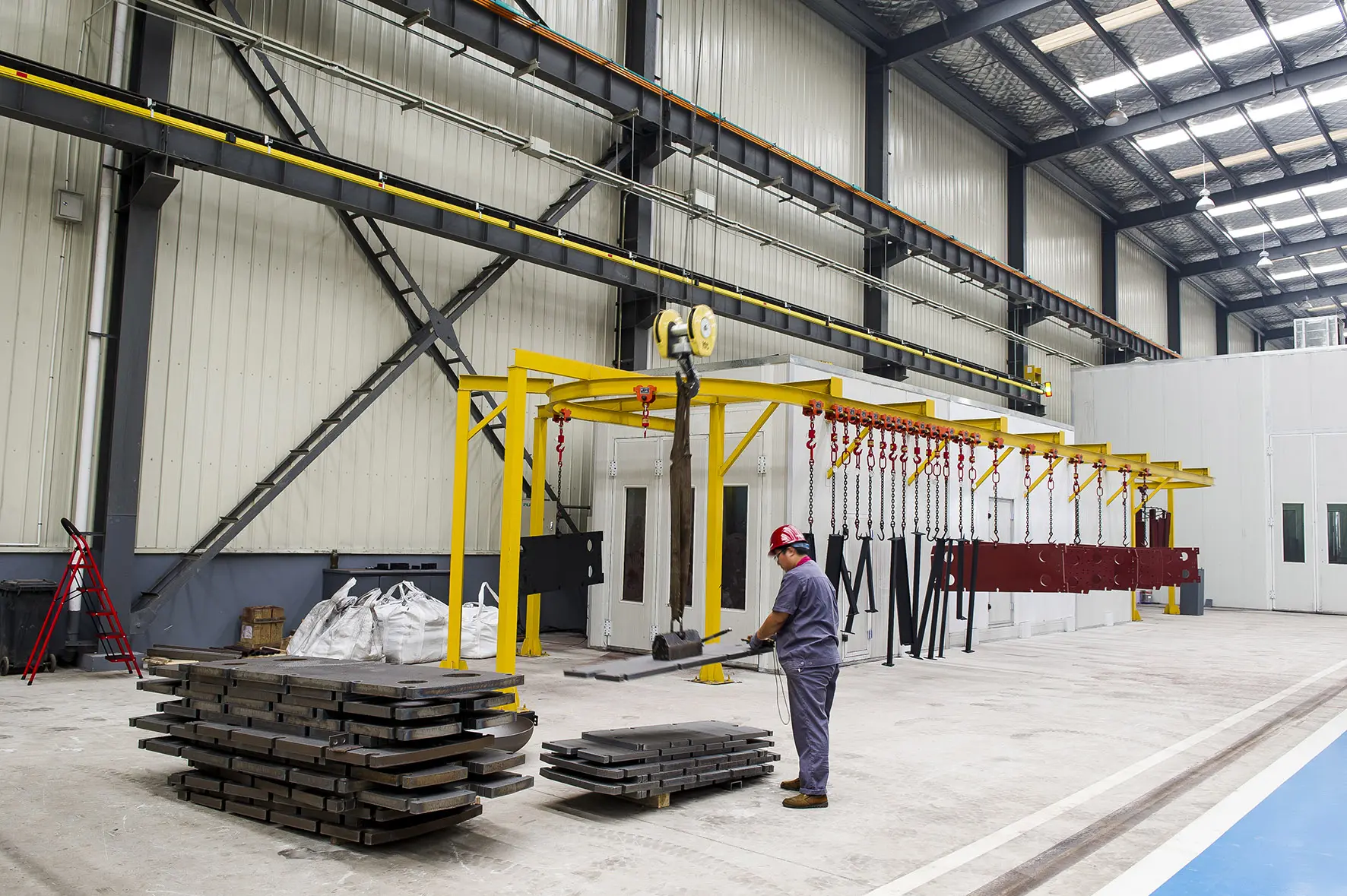
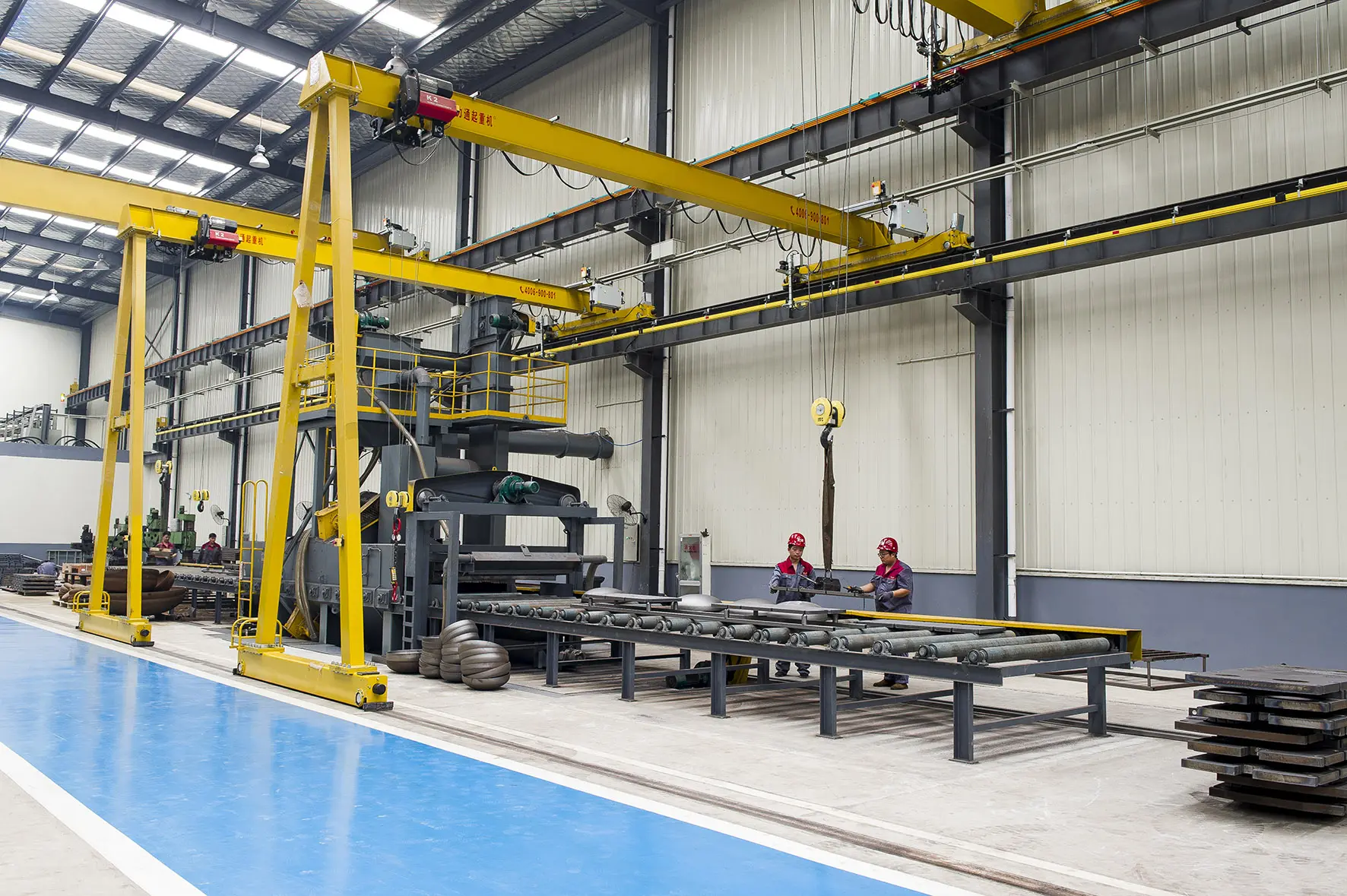
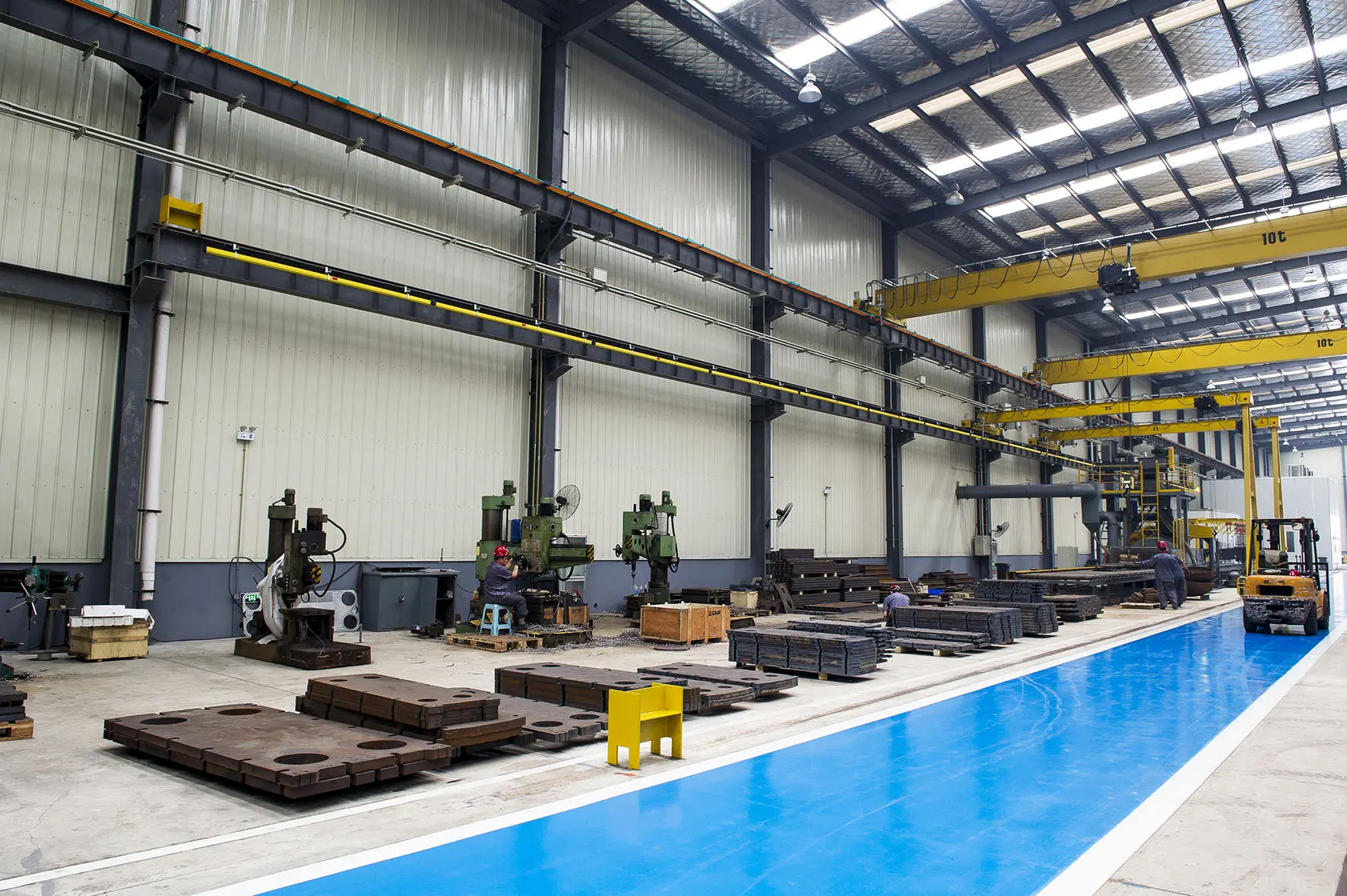
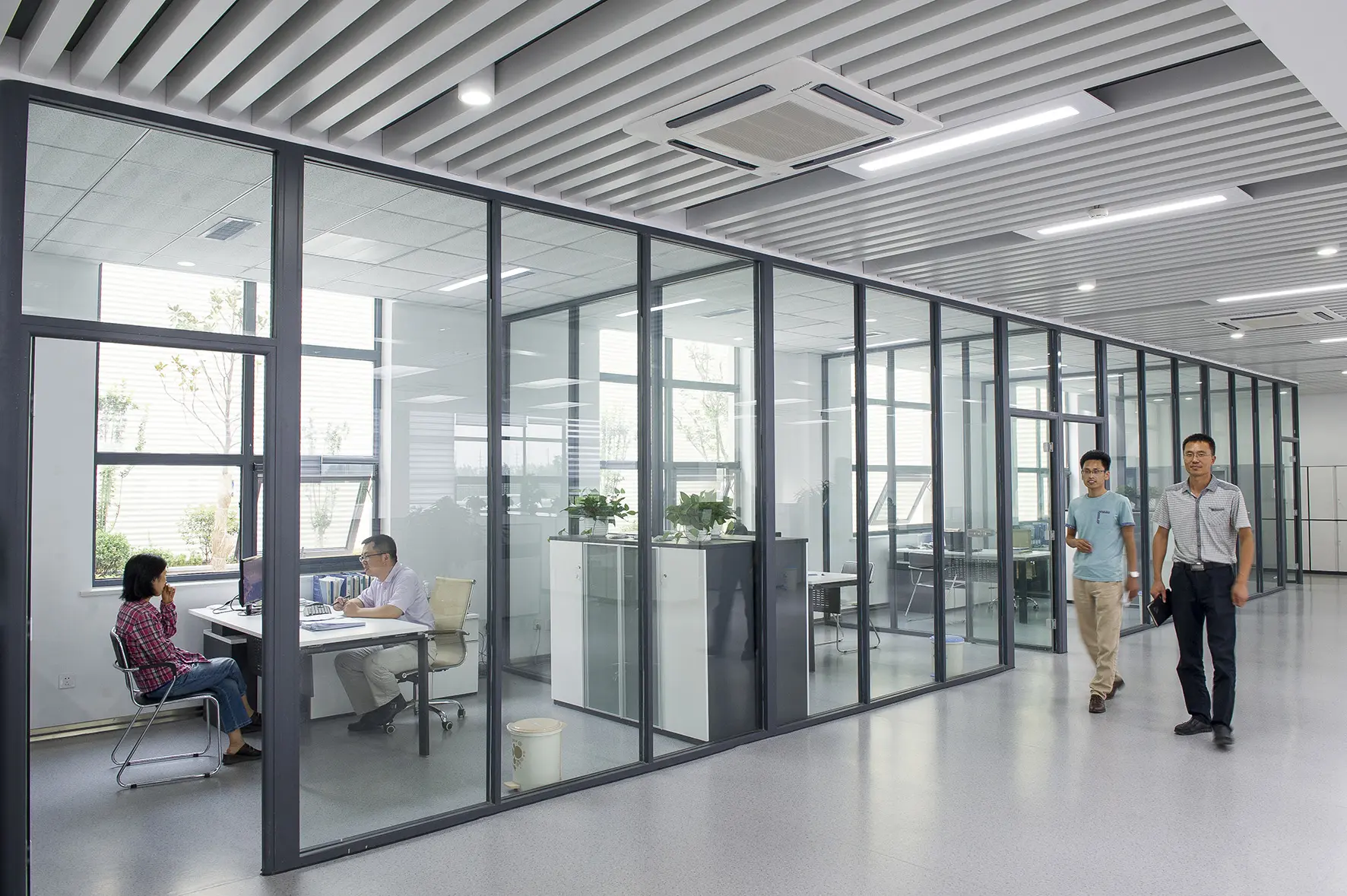
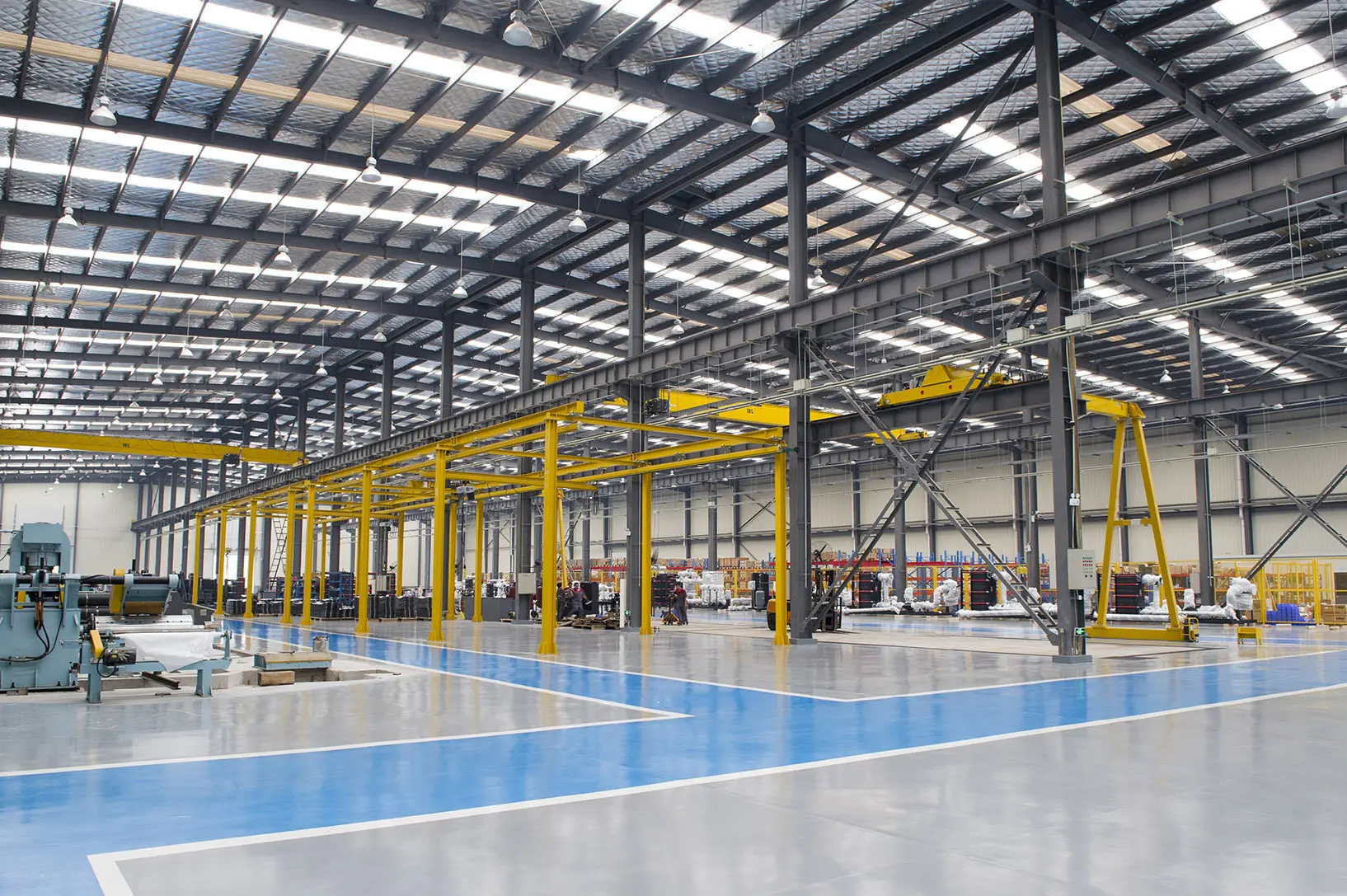
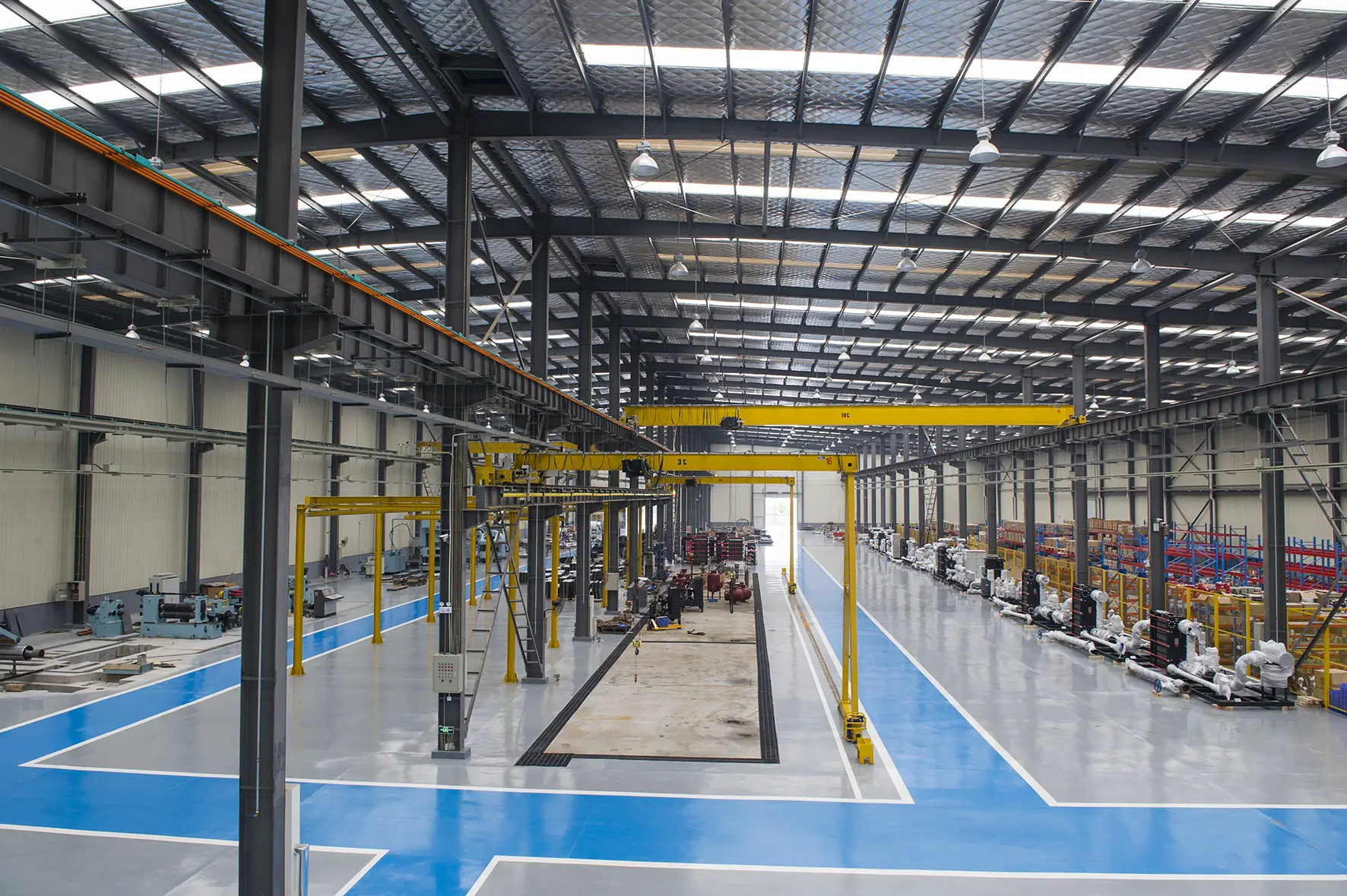
A look inside our manufacturing workshops, equipped with advanced machining and assembly tools for large-scale heat exchangers.


Technical answers to common questions about thermal efficiency, material choices, and system design.
Explore our integrated heat exchange systems, smart balance valves, and membrane concentration solutions.
 Flotte Energy