Explore our precision-engineered heat exchangers, intelligent balance systems, and industrial evaporation solutions designed to work seamlessly with high-performance butterfly valves.
In modern industrial environments, the transport, regulation, and isolation of fluids demand robust mechanical components that minimize energy losses while preventing catastrophic line failures. Pipe butterfly valves have transitioned from simple low-pressure shut-off components to sophisticated, precision-engineered flow control devices. Characterized by their quarter-turn operation and disk-type closure mechanism, these valves are now the preferred choice in municipal water works, district heating networks, chemical processing operations, and heavy marine engineering.
The global trend toward industrial automation and decarbonization has put additional pressure on butterfly valve manufacturers. Valves are no longer static elements; they must integrate cleanly with intelligent actuators, sensors, and balancing nodes to support automated industrial processes. This is especially true for large-bore systems where traditional gate or globe valves would be prohibitively heavy and expensive. The compact face-to-face dimensions of butterfly valves significantly reduce structural loads on piping systems, lowering installation costs and streamlining maintenance cycles.
Industrial applications dictate specific valve architectures. Concentric (resilient-seated) butterfly valves feature a centered shaft and are highly effective for low-temperature water lines, HVAC installations, and non-corrosive liquids. For demanding operations characterized by extreme temperatures, high pressure differentials, and abrasive mediums, high-performance double-offset and triple-offset (TOV) designs are mandatory. The triple-offset geometry utilizes a cam-like action that eliminates friction between the seal and seat during rotation, providing bubble-tight, metal-to-metal sealing capable of executing millions of cycles without degradation.
Procuring heavy industrial valves involves navigating international compliance standards. Global engineering, procurement, and construction (EPC) contractors require strict alignment with international quality norms to manage technical risk and project execution timelines. As a baseline, high-performance pipe butterfly valves must comply with global regulatory bodies:
Global buyers frequently face challenges with material traceability and quality consistency when purchasing from overseas manufacturers. Sourcing from a reliable, certified supplier addresses these risks through strict adherence to raw material tracking, comprehensive non-destructive testing (NDT), and documented hydro-testing. Integrating certified butterfly valves with system components like plate heat exchangers and balancing valves simplifies the supply chain, ensuring unified performance ratings and faster project commissioning.
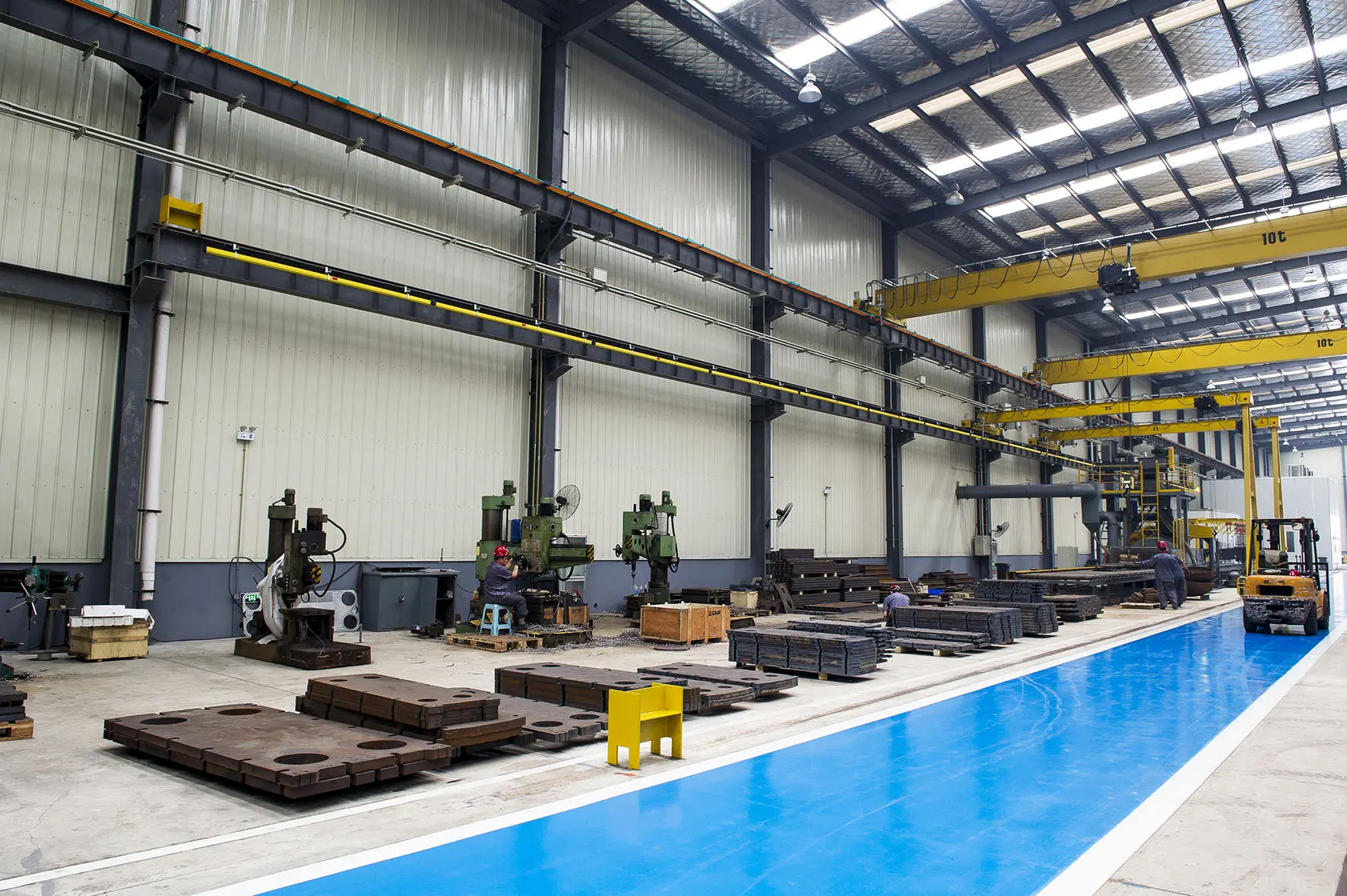
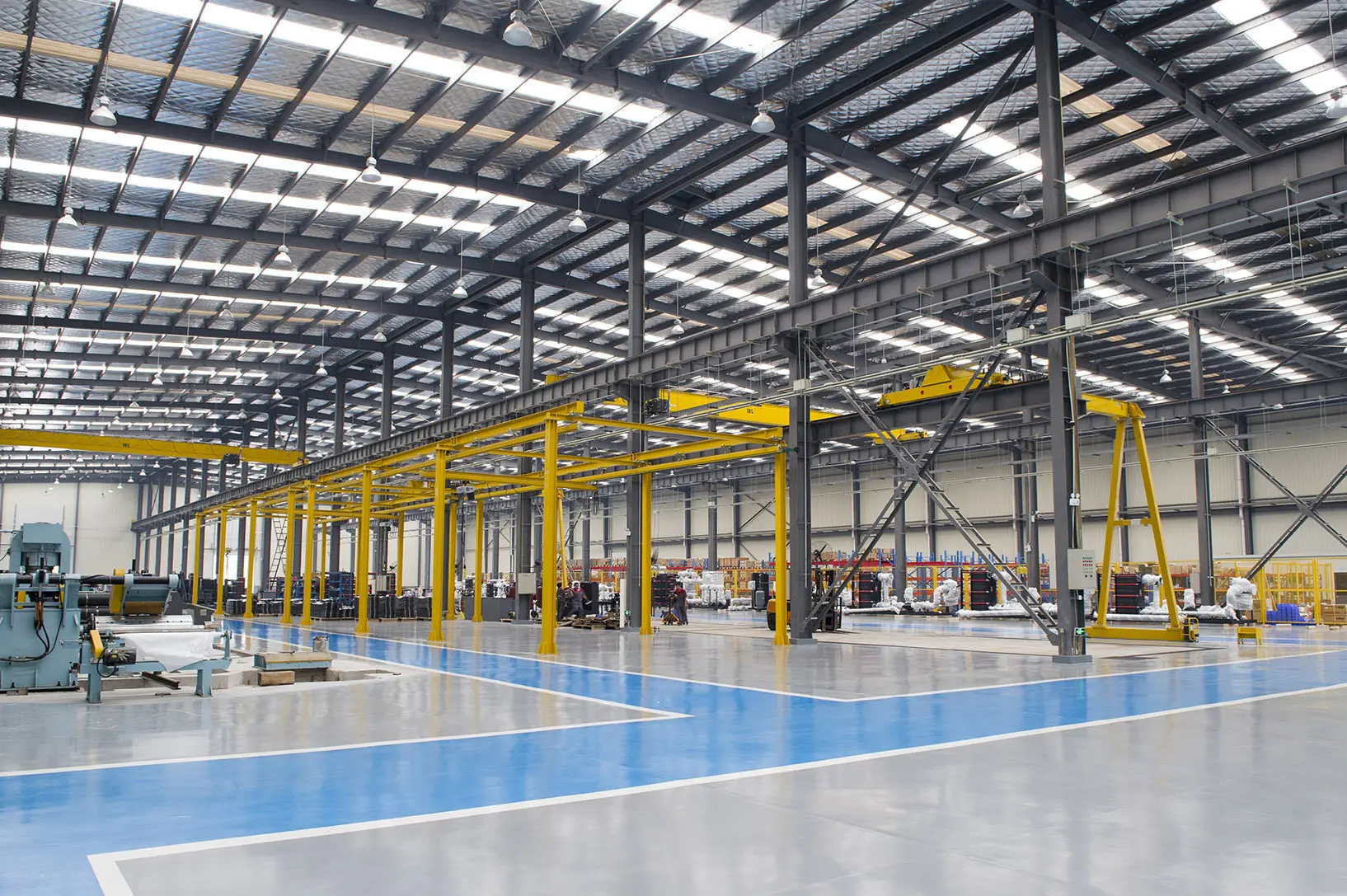
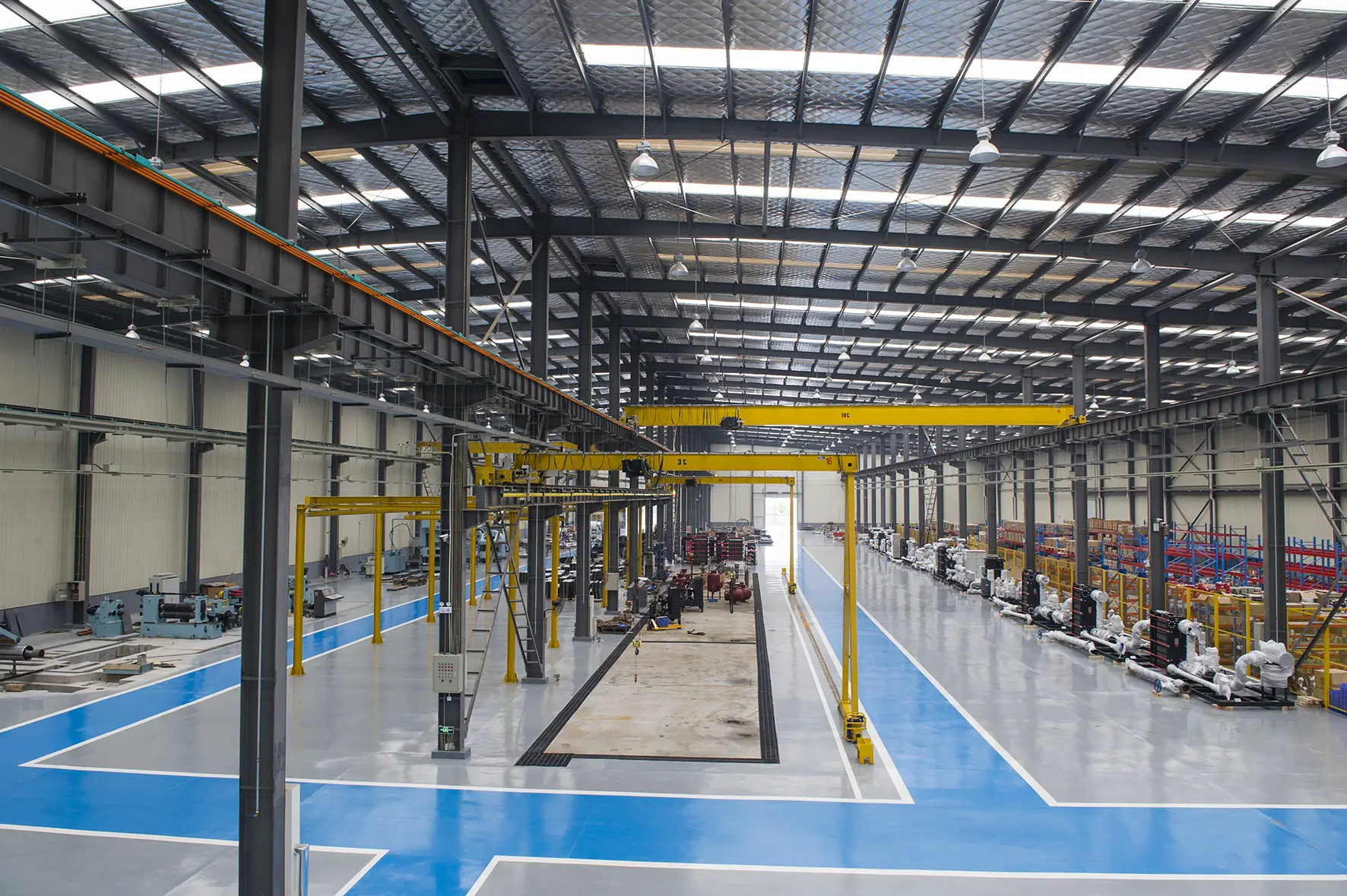
The modern Chinese industrial sector has transitioned from low-cost assembly lines to high-tech, automated factories that prioritize quality and precision. Operating under the Factory 4.0 framework, these facilities utilize CNC machining centers, automated robotic welding, and digital testing rigs to produce high-precision fluid control equipment with minimal deviation.
Flotte Energy Saving Company, established in 2013 with a registered capital of 101 million yuan, originated from Flotte Thermal Engineering founded in 1995. With three decades of technical expertise, the company specializes in water equipment, HVAC systems, and water treatment industries. It consistently leads industry peers in adopting cutting-edge technologies, developing innovative products, and delivering comprehensive production and sales services.
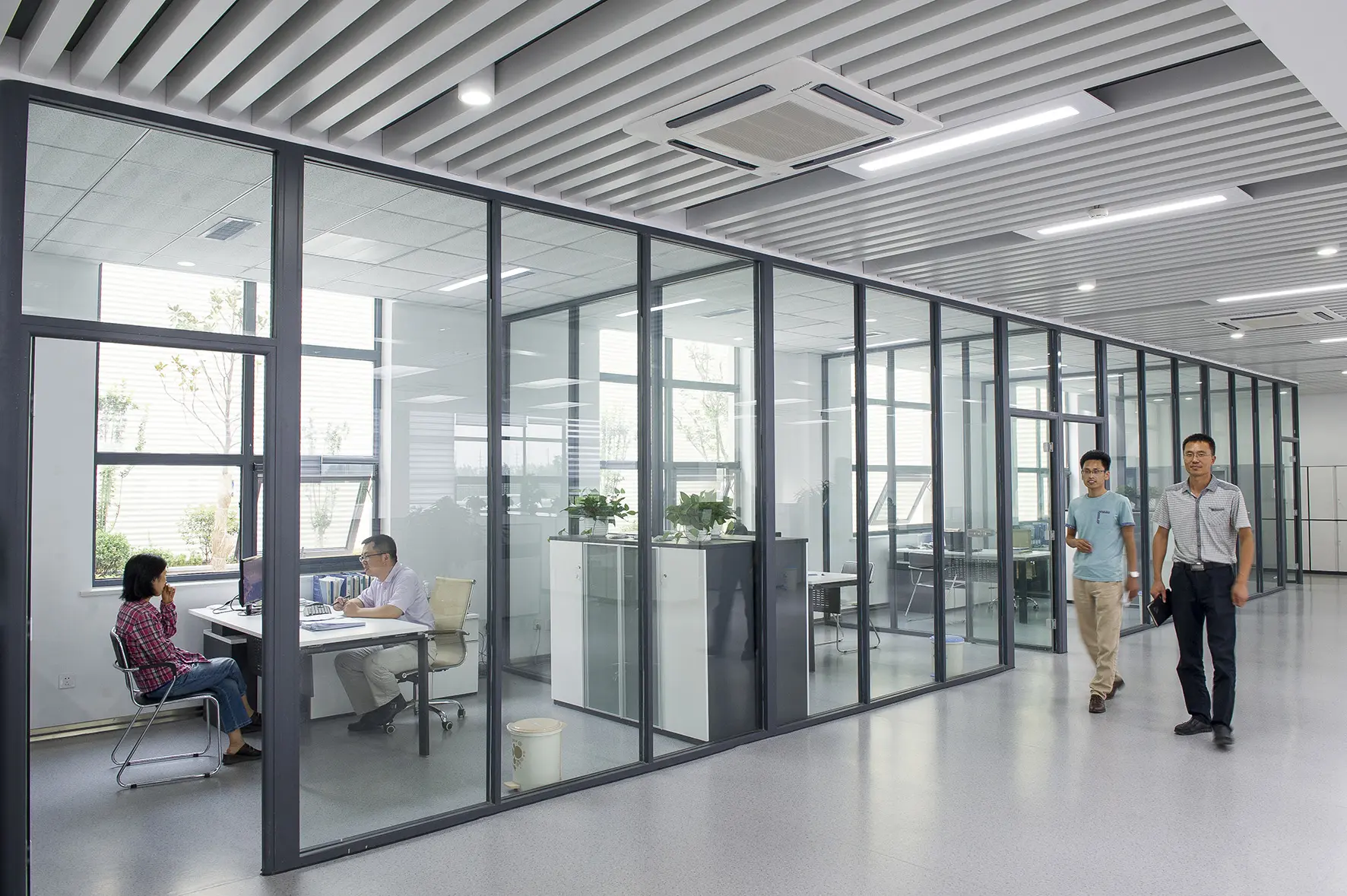
Supported by a workforce of over 260 certified employees (scaling to 300 during peak operational periods), Flotte operates a modern 70,000 m² manufacturing campus. The facility yields an annual capacity of approximately 4,500 heat exchange units and water supply/drainage systems, generating 500 million yuan in sales and contributing 15 million yuan in local taxes and profits.
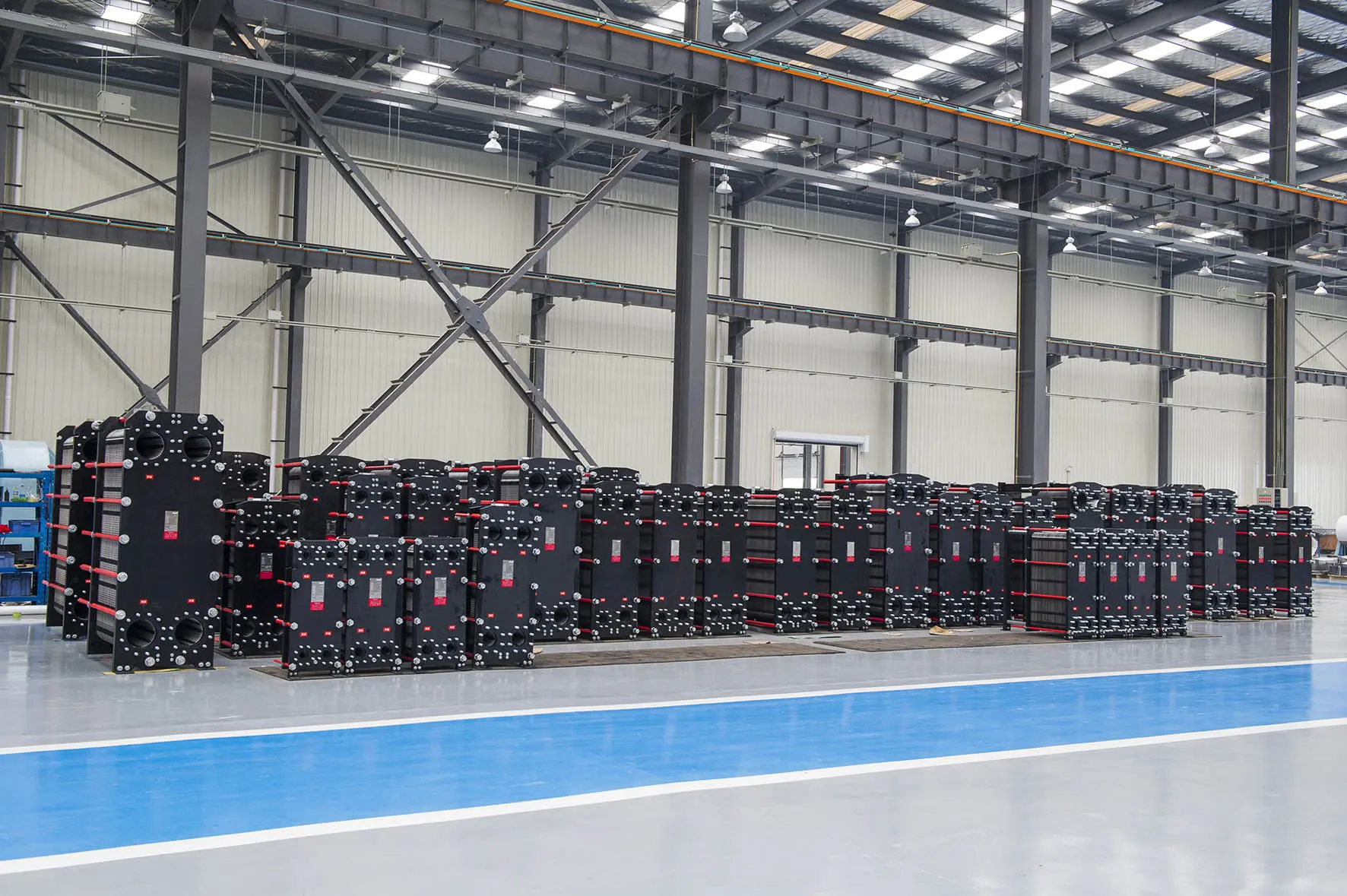
Our core competencies combine material science, precision assembly, and rigorous testing protocols.
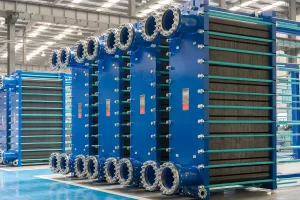
Specializing in plate heat exchangers, it features patented corrugated plate design, achieving 2-3 times higher heat exchange efficiency than conventional equipment. Our design methodology ensures minimal fluid friction and optimized pressure drop.
The products cover 8 core areas such as air conditioning, heating and ventilation, and central heating. The solutions have been verified by projects in many places around the world, and can accurately match different regional conditions and compliance requirements.
The whole process quality control system runs through the production, the products have obtained a variety of certifications, and the preferred stainless steel, titanium and other high-end materials ensure stable and durable performance in harsh environments.
We provide customized design, after-sales maintenance and one-stop service, a multilingual team, and an efficient supply chain to ensure that global customers receive timely technical and logistical support.
Explore the systematic processing and assembly stages that ensure every valve, plate, and system component meets strict performance standards.
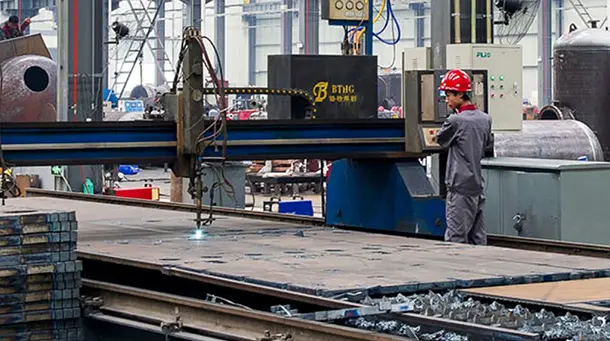
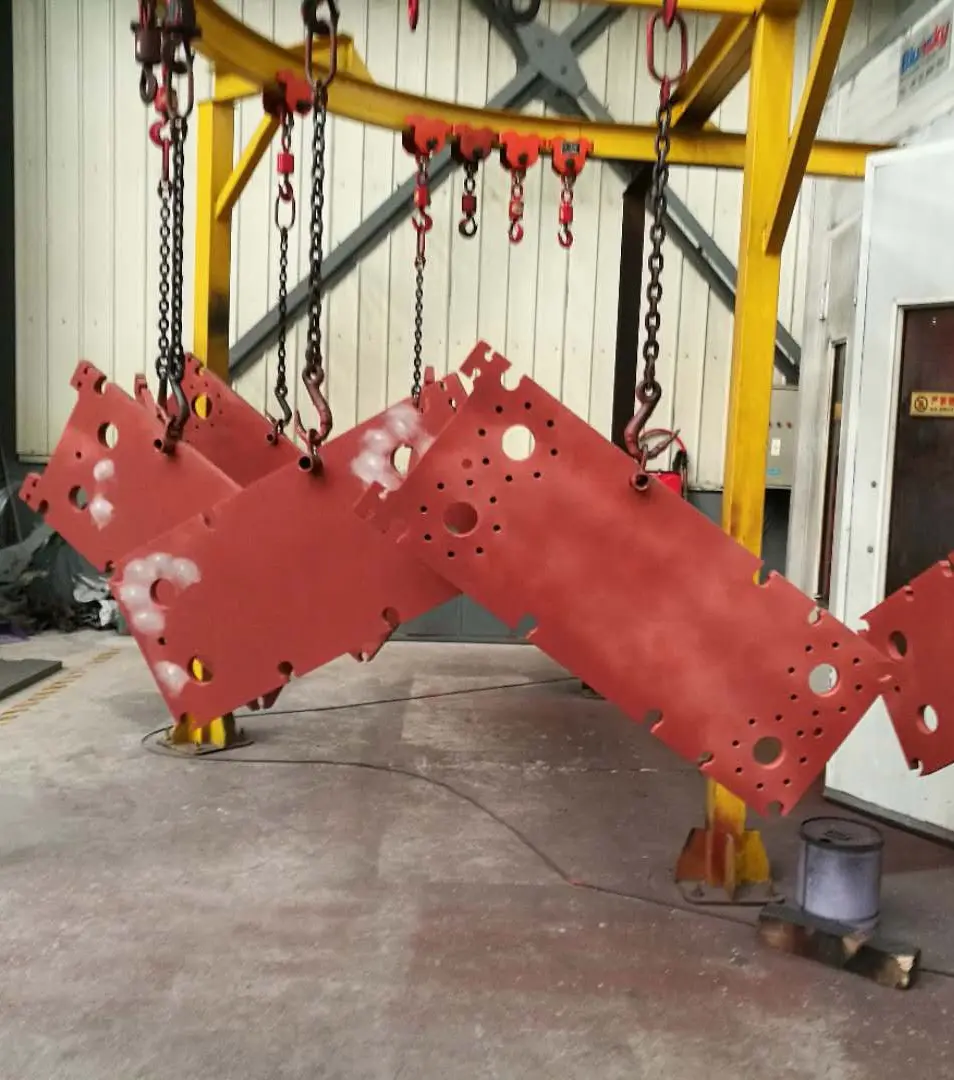
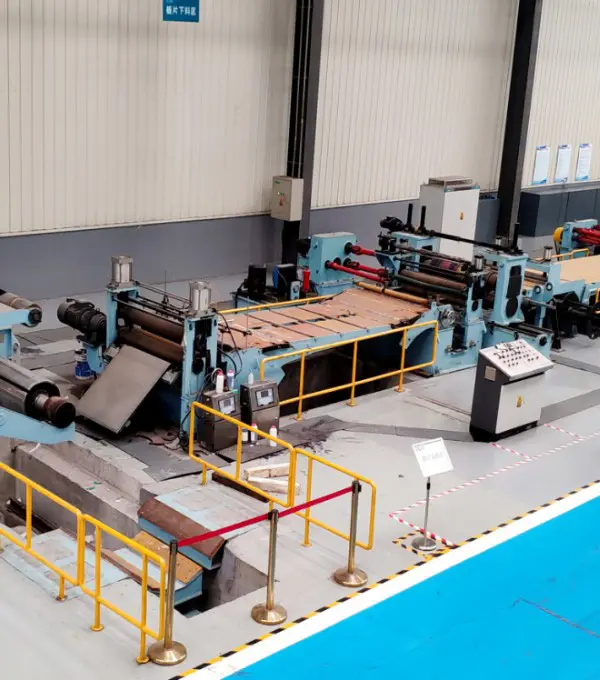
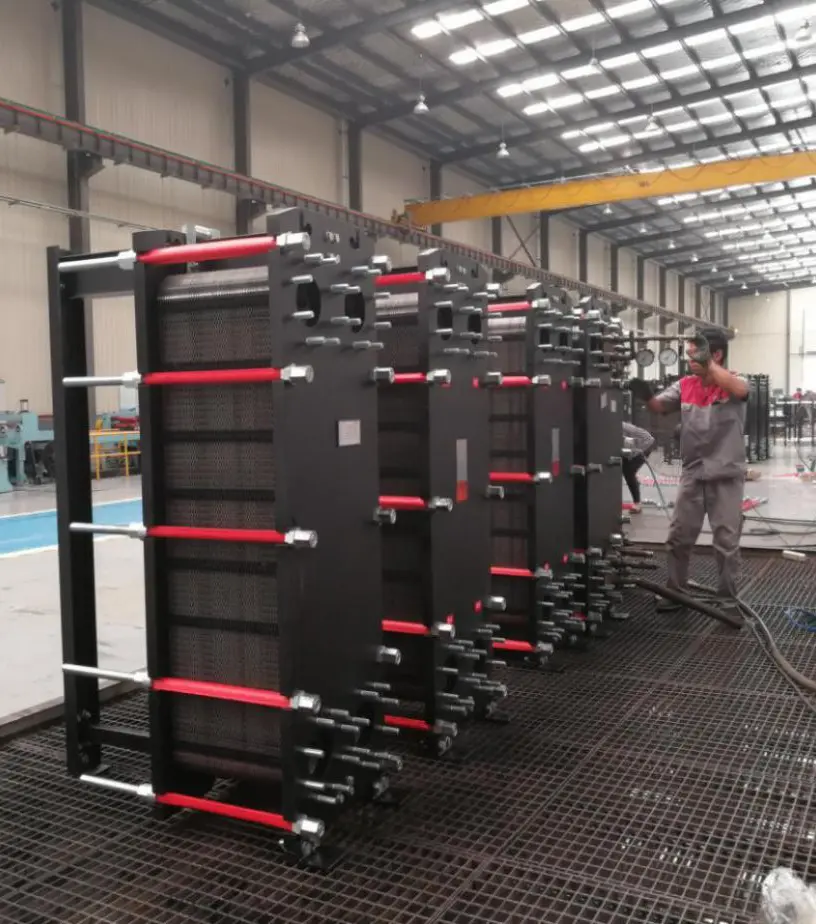
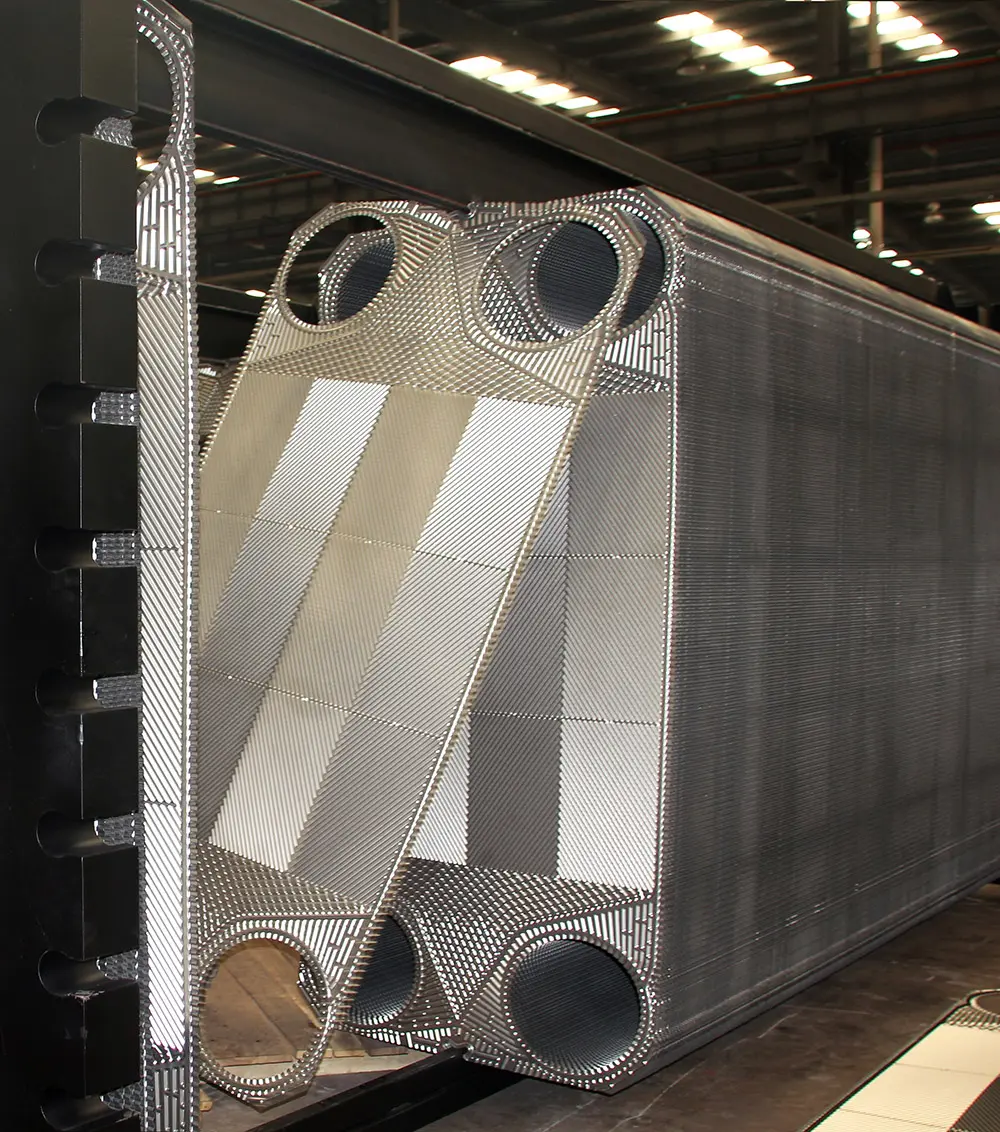
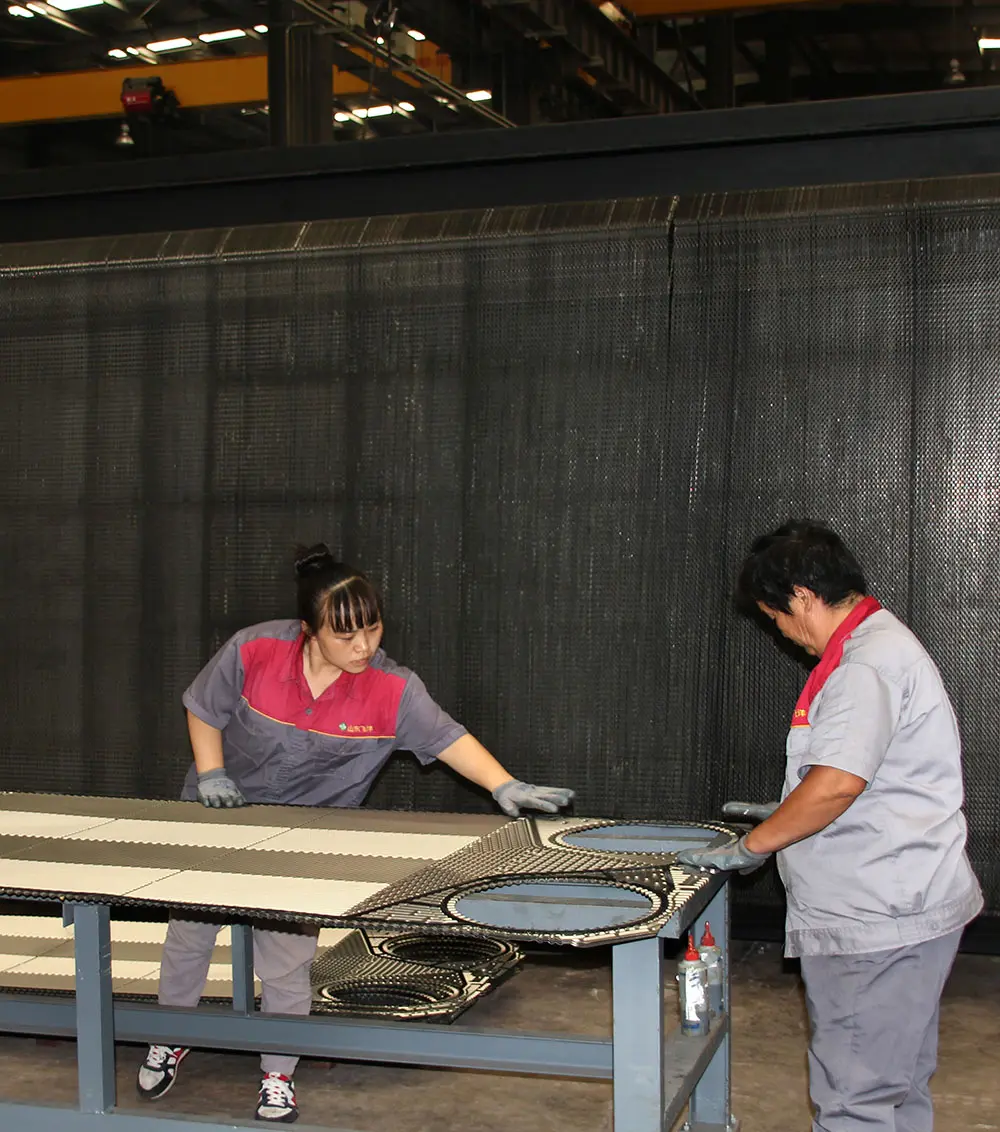
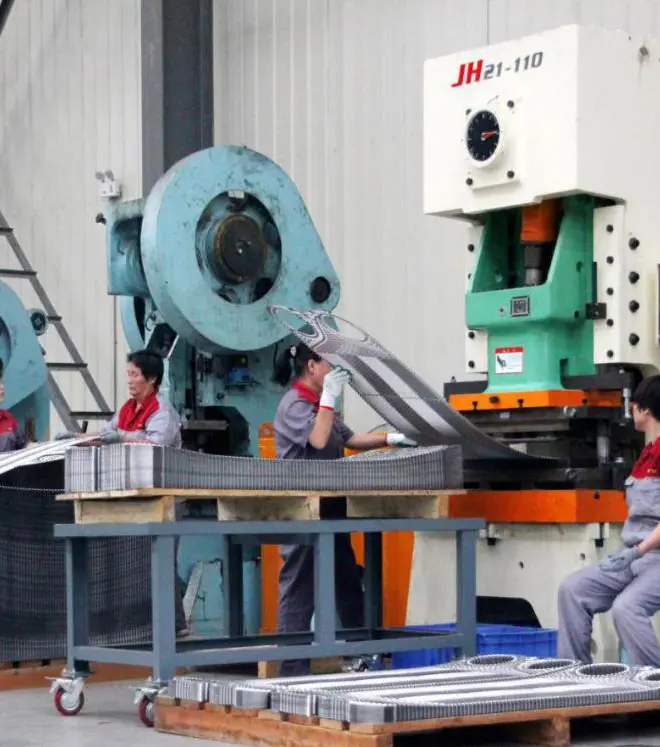
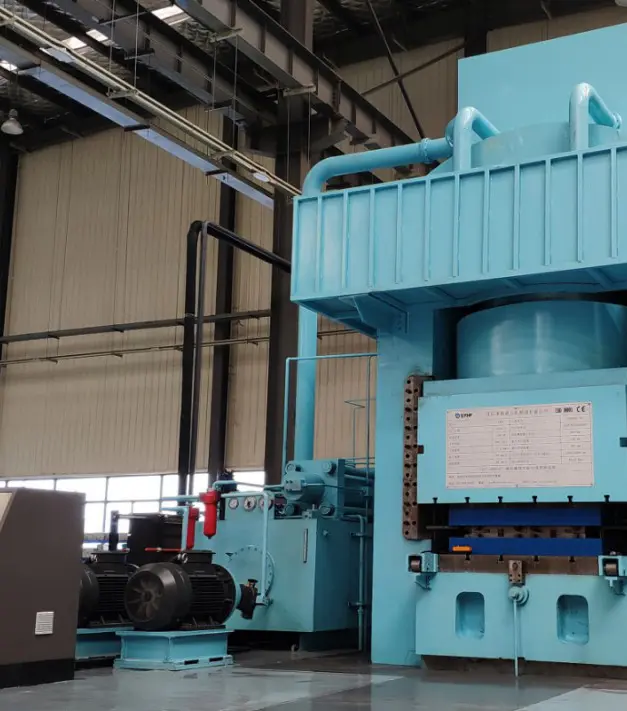
Flotte operates modern production workshops equipped with advanced manufacturing and quality inspection facilities. All frontline production staff are certified technicians who have undergone rigorous formal training. Production processes, quality control, and service operations strictly adhere to the ISO 9001:2015 international quality management system, while also complying with the pressure vessel quality assurance framework. Our products undergo mandatory inspections by national quality supervision authorities, ensuring full compliance with performance standards.
Adhering to the concept of "quality first" and "winning by quality", the company has established a sound quality assurance system, improved the quality supervision and management of all staff, whole process and all aspects, and made great efforts in product technology, quality and service. The company conscientiously carries out on-site management and rectification work, and establishes a safe and civilized production environment.
Product quality and the quality of purchased materials are inseparable. Therefore, the company asks the purchasing department to determine the list of qualified suppliers and strengthen the contact with each supplier to ensure product quality.
High-performance pipe butterfly valves and thermal management systems are core assets in heavy industrial infrastructures. Here is how these components operate synergistically across different sectors:
In centralized heating systems, plate heat exchangers are the core heat exchange equipment, used for heat transfer between municipal heat sources and user ends, precisely regulating the supply water temperature to meet the heating demands of different regions, enhancing heat utilization, reducing pipeline losses, facilitating the efficient and stable operation of urban centralized heating systems, and ensuring the comfort of residents during winter heating. High-performance concentric and triple-offset butterfly valves act as flow regulators and isolating barriers in these setups. Their compact footprint enables installation in confined municipal utility vaults, where they withstand continuous thermal cycling, pressure drops, and mild particulates without failing.
Building HVAC systems require dynamic hydraulic balancing to maintain temperature control and energy efficiency. Using butterfly valves integrated with electric actuators allows building management software to dynamically modulate fluid flow rates. This balancing prevents thermal energy loss in secondary heat networks and maintains structural heating and cooling levels across high-rise facilities.
Corrosive chemicals and high-purity pharmaceutical compounds require zero-leakage isolation. Teflon-lined (PTFE/PFA) butterfly valves provide chemical resistance, ensuring no metallic contamination enters clean chemical loops. These valves are often paired with high-efficiency titanium plate heat exchangers or evaporation lines to maintain temperature regulation during exothermic reactions.
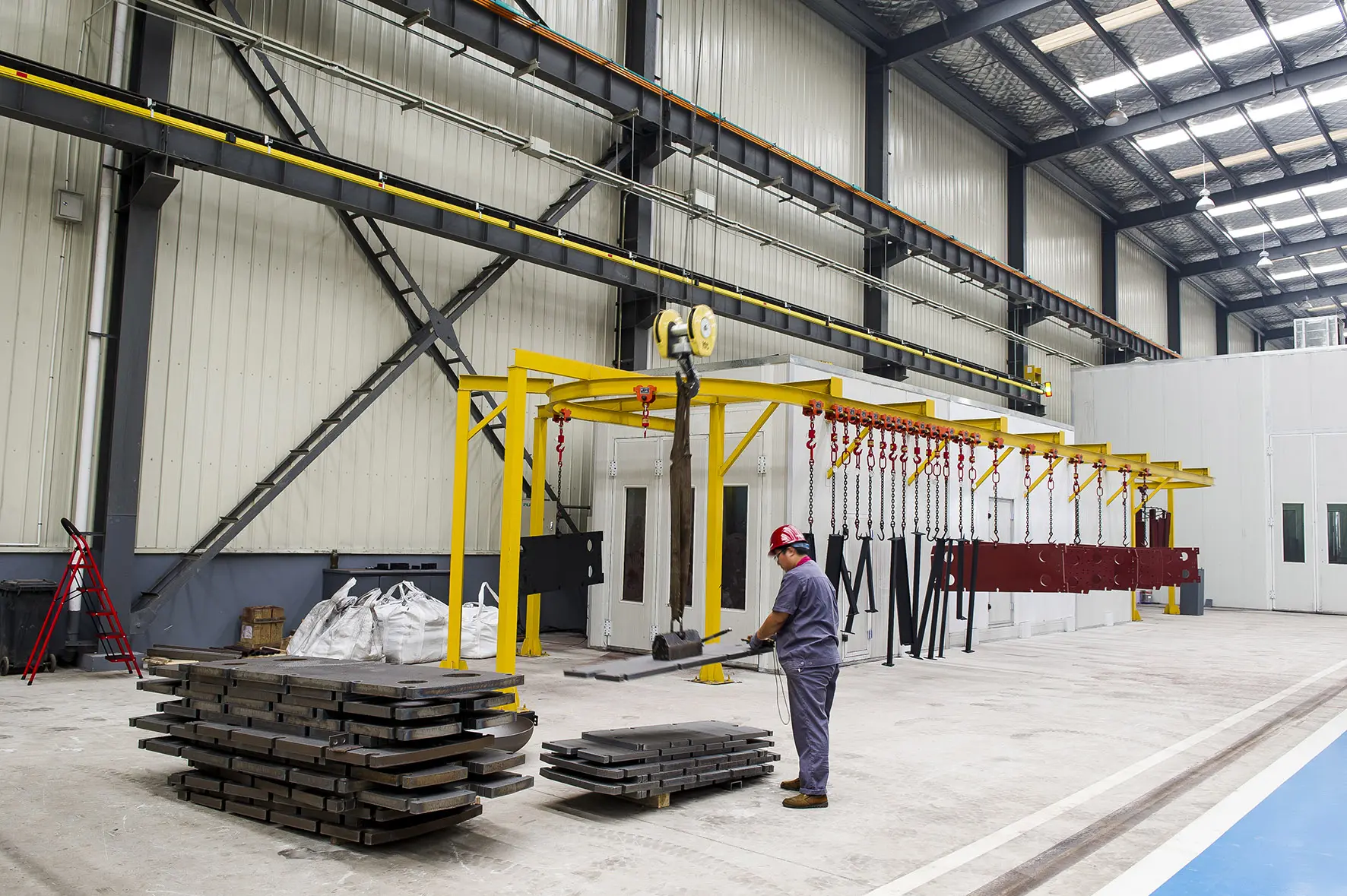
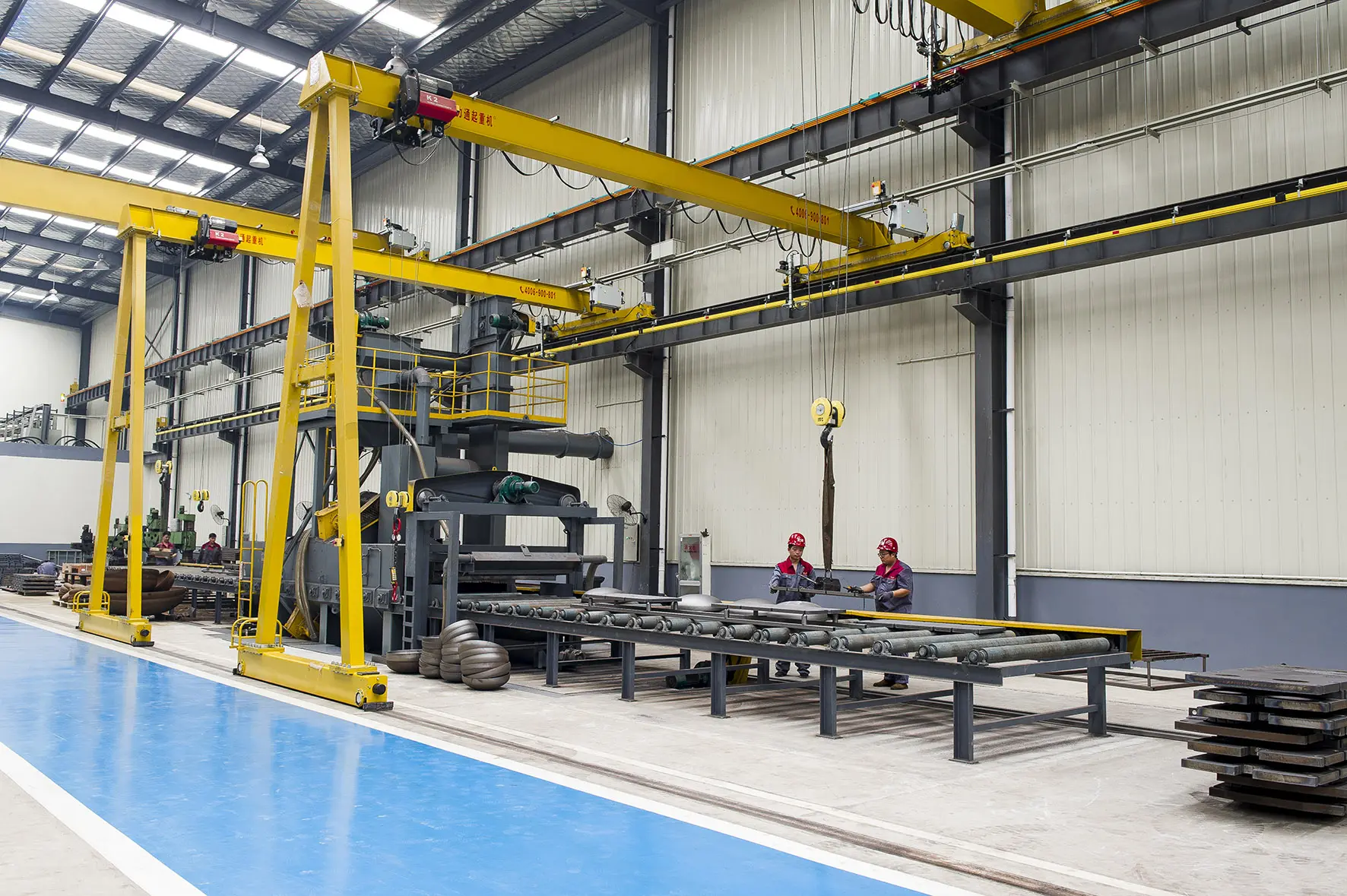


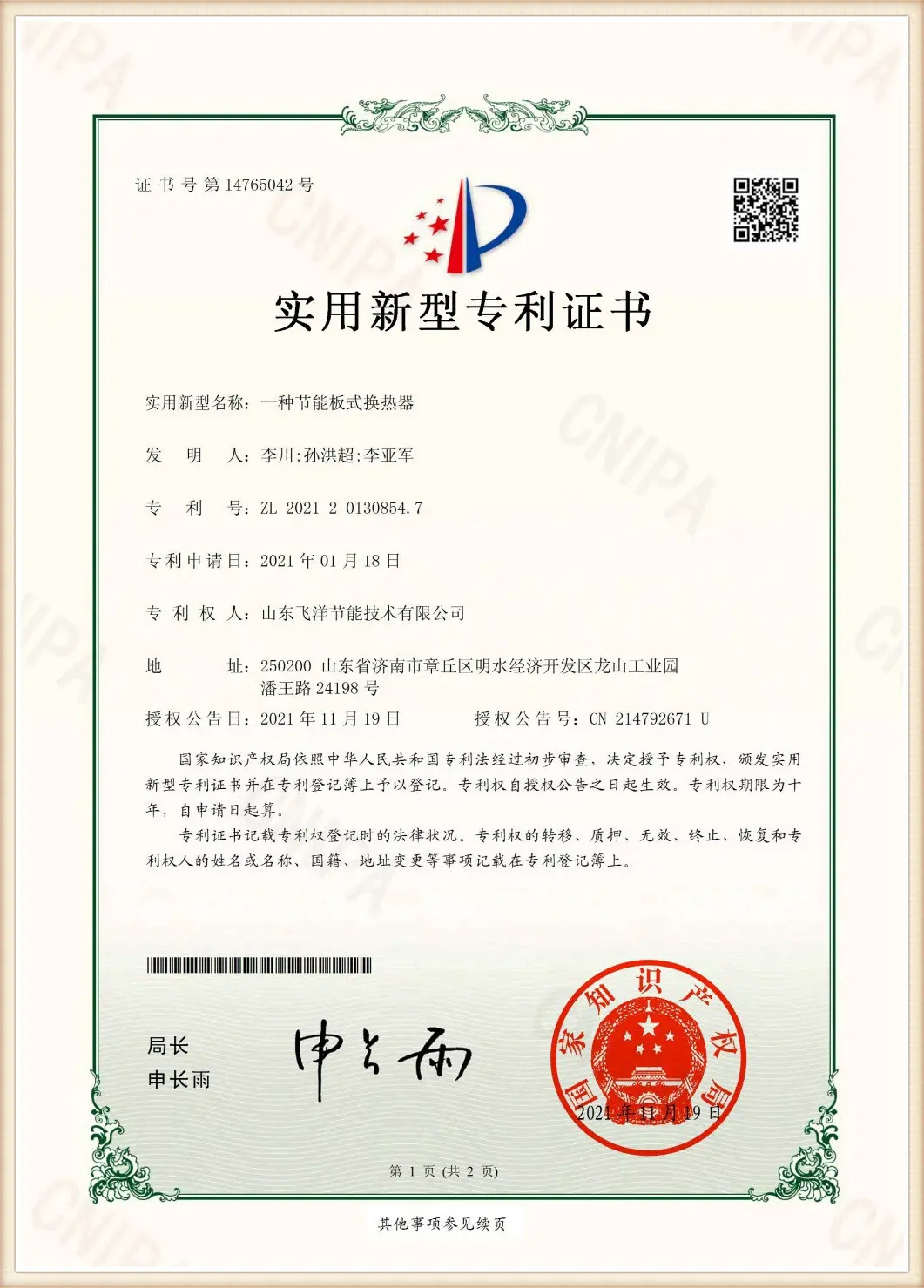
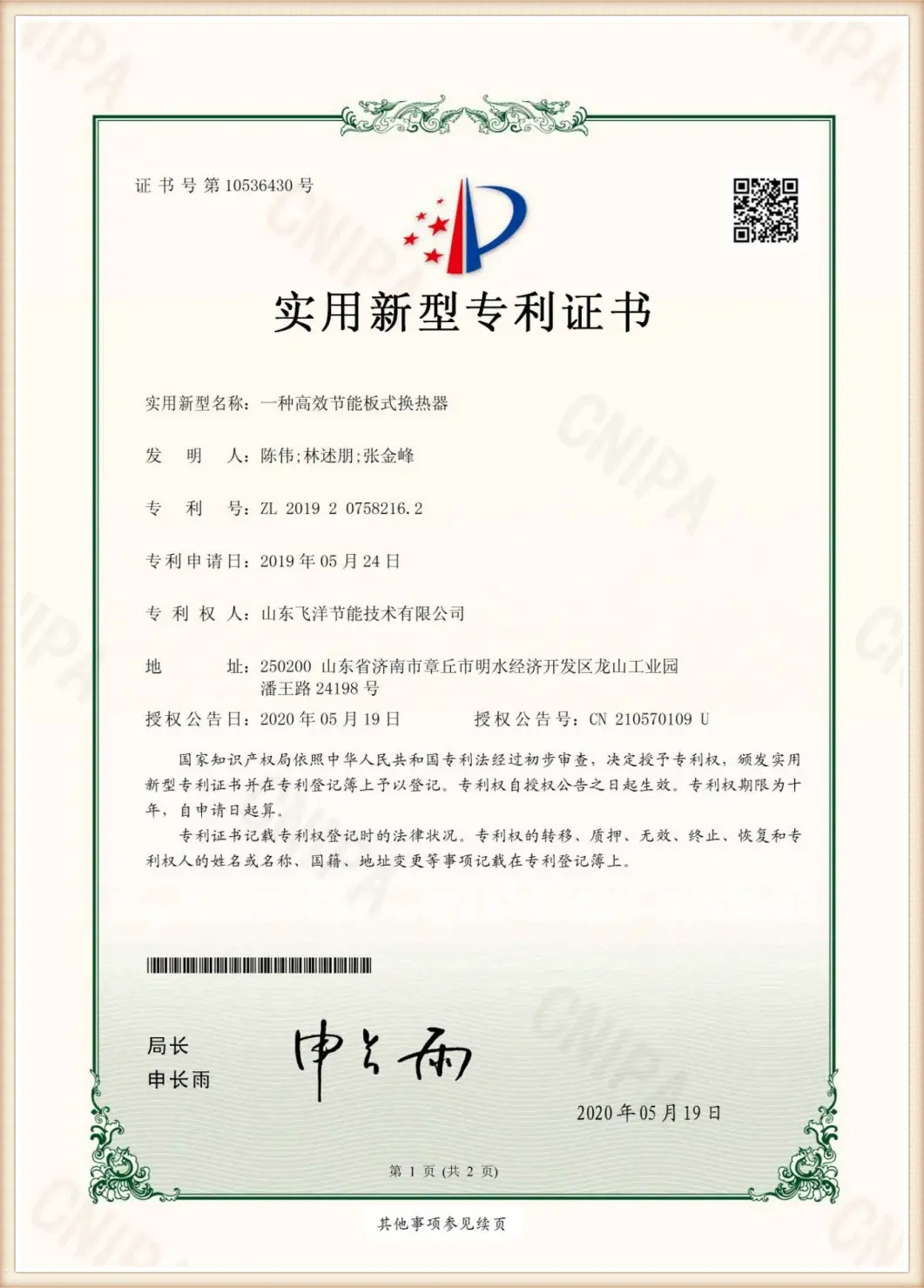
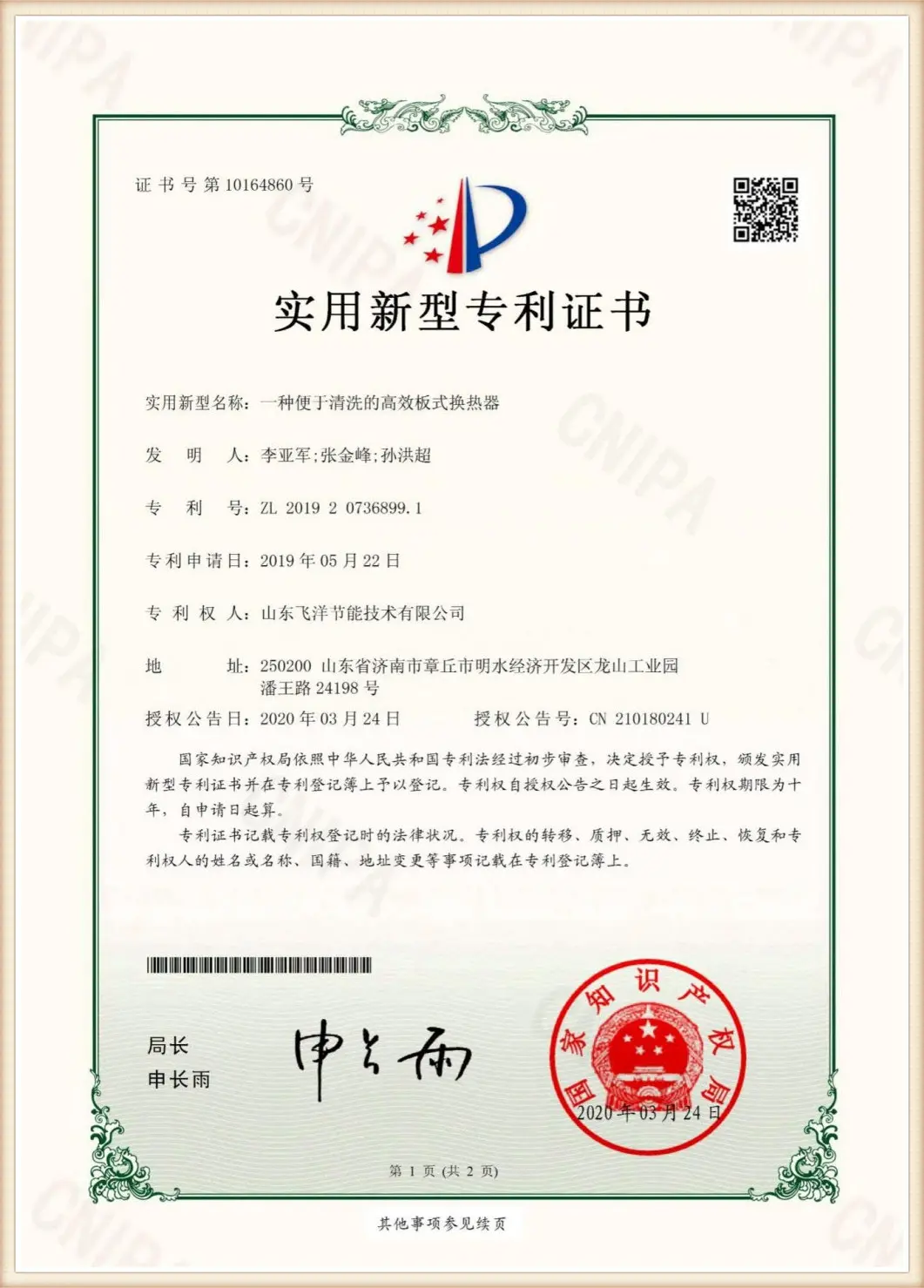
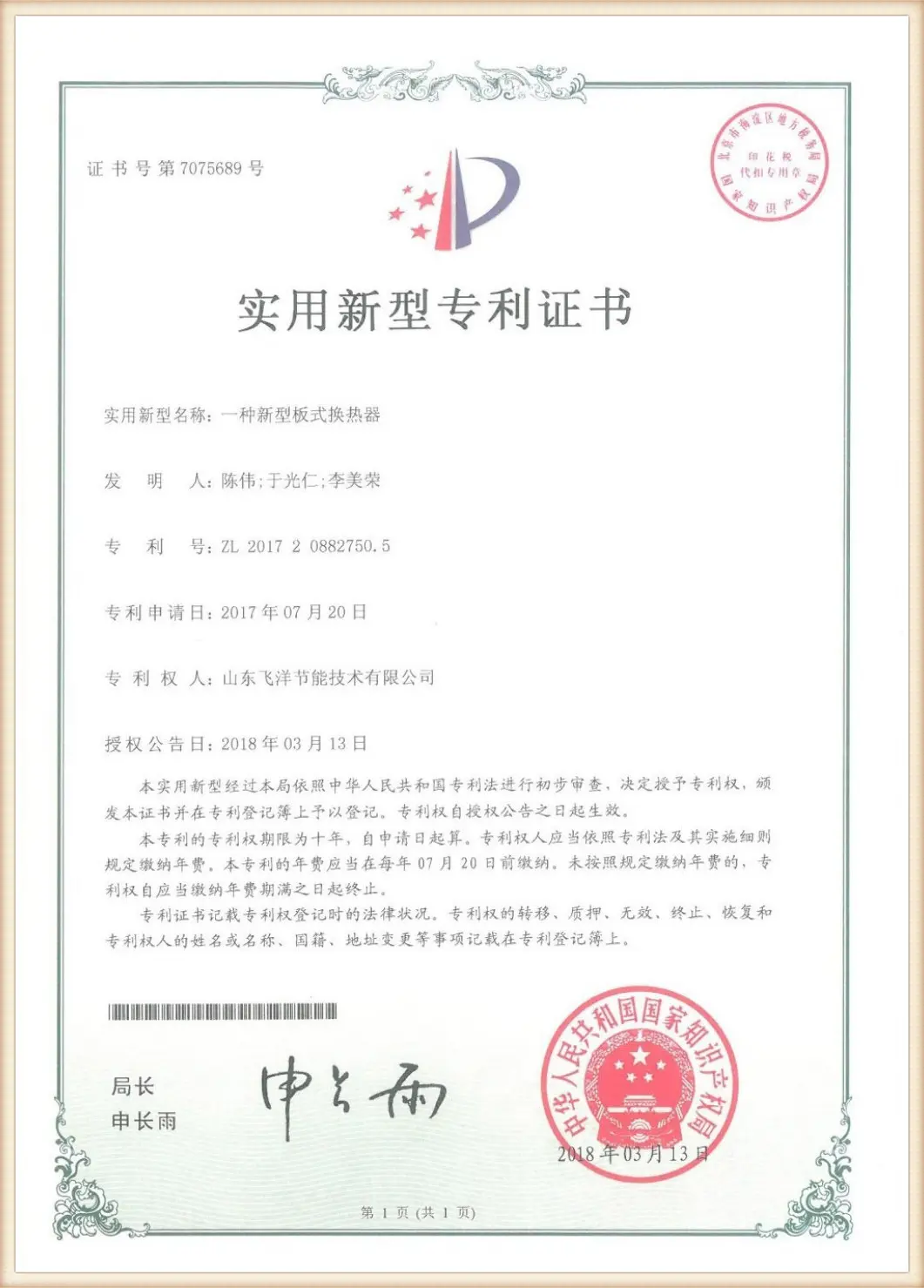
Our design and manufacturing processes are certified by international organizations, ensuring safety, reliability, and traceabilty.
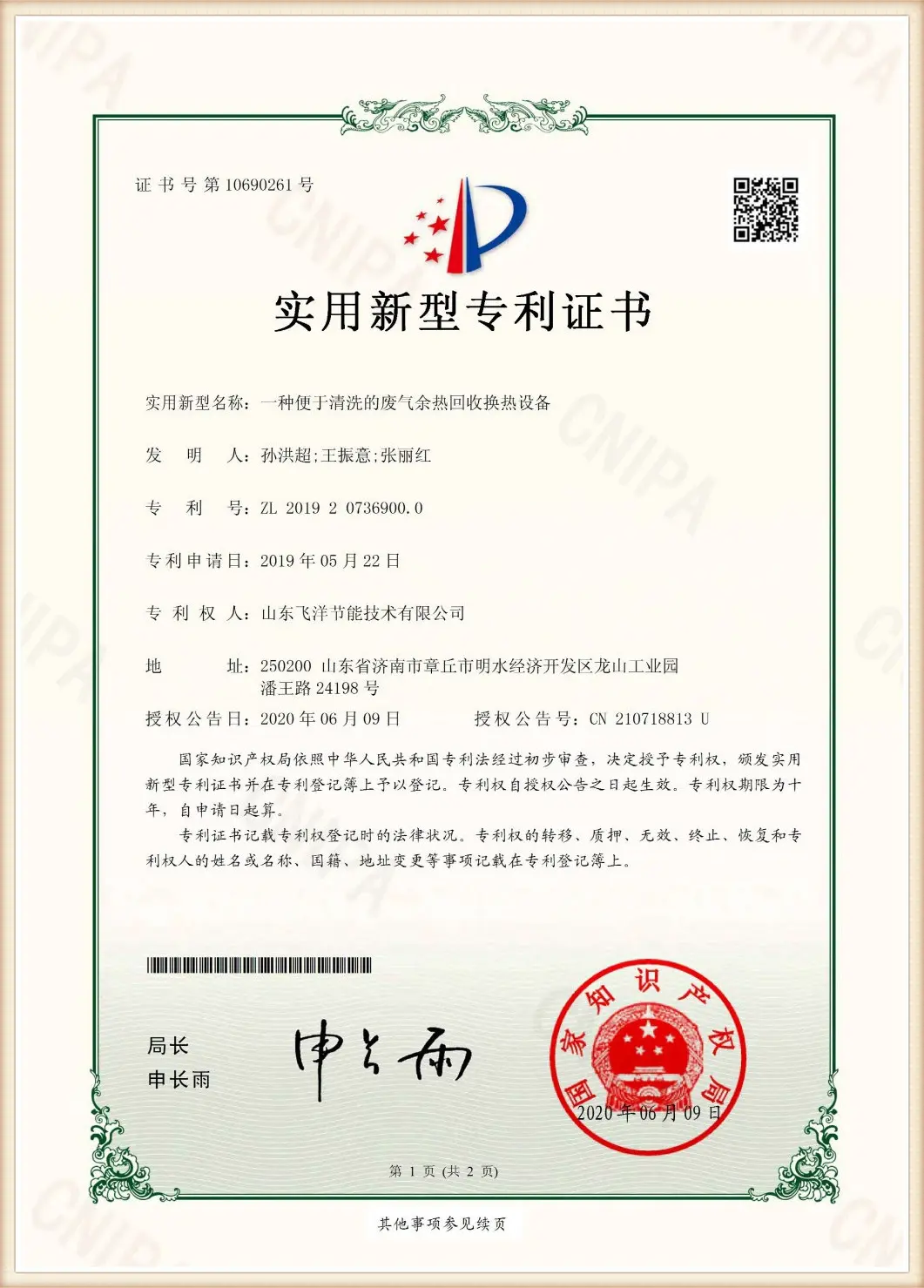
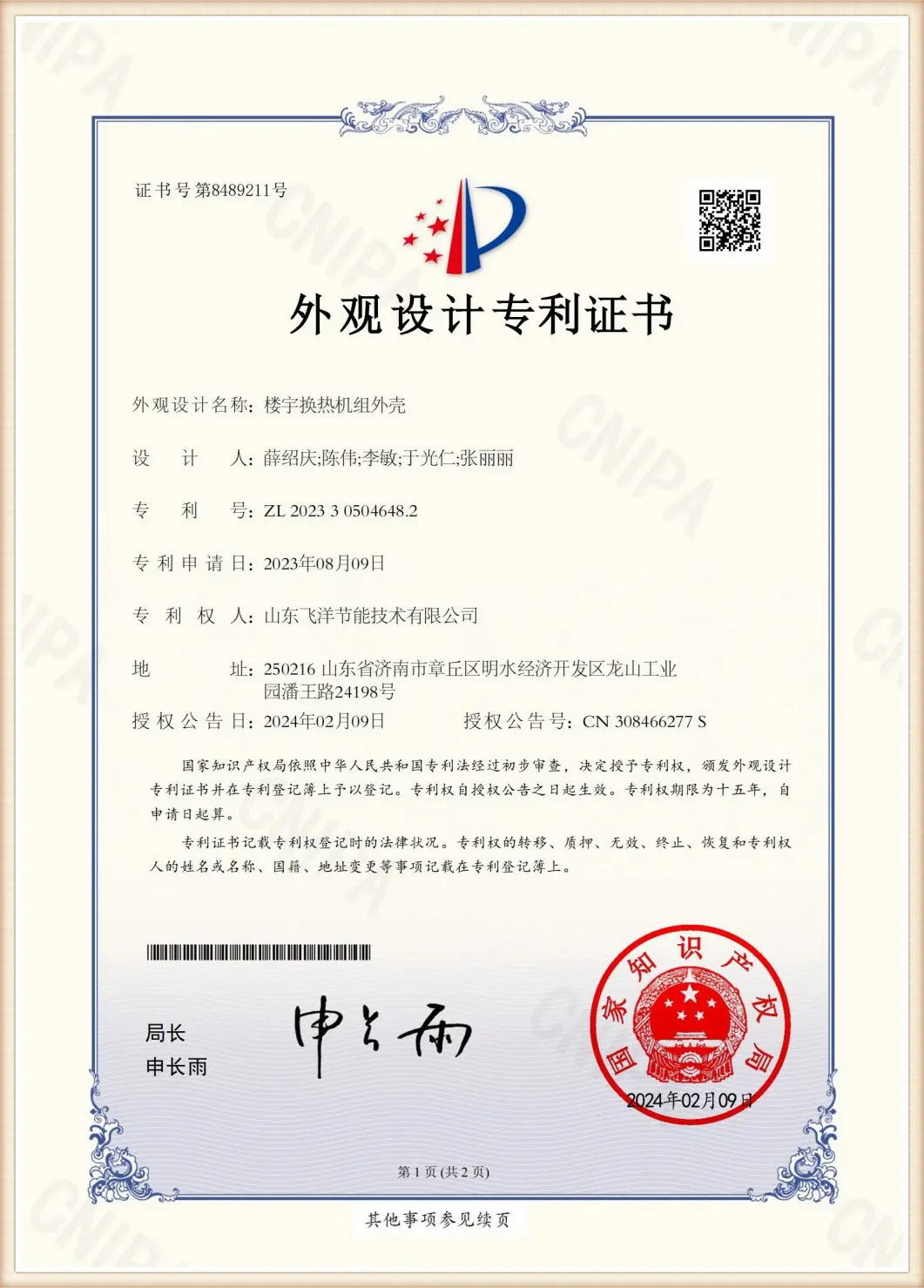
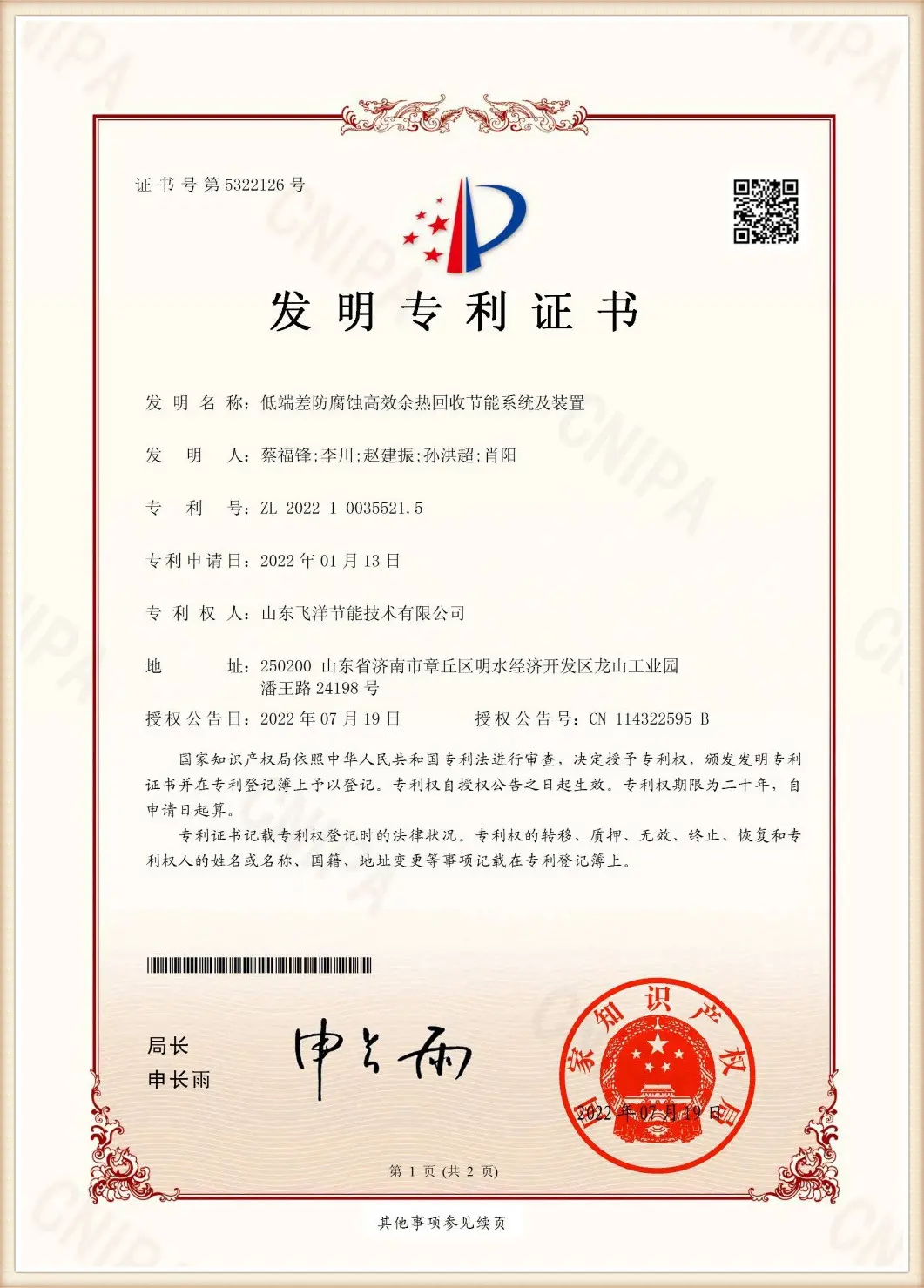
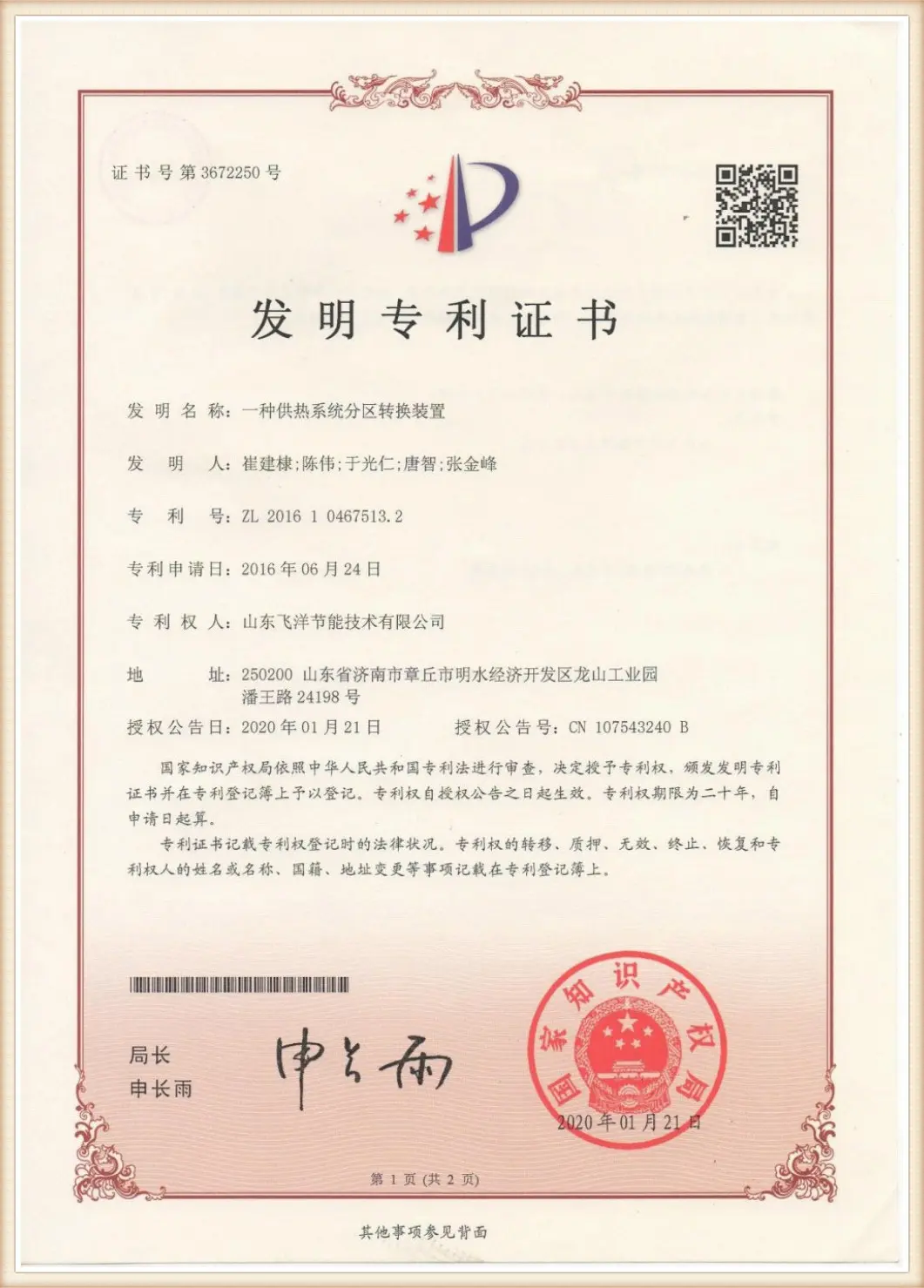
Our commitment to precision engineering is backed by certifications. Our products hold certifications including "High-Efficiency Plate Heat Exchanger", "Intelligent Plate Heat Exchanger System", and "Plate Heat Exchanger Scale Removal Device". Furthermore, our products have obtained mandatory national product certification and safety registration from the National Standardization Committee, along with the safety registration for plate heat exchangers issued by the National Boiler and Pressure Vessel Standardization Technical Committee. Flotte maintains standard operational frameworks: ISO9001 Quality Management System, ISO14001 Environmental Management System, and ISO45001 Occupational Health and Safety Management System.
Fluid systems require matching valves and exchangers. Discover how our products link together to build end-to-end fluid systems.
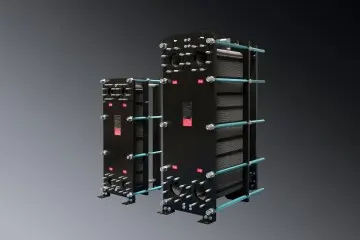
Engineered with advanced corrugated plates, offering high thermal efficiency. It is often paired with automated butterfly valves at the primary inlet to maintain accurate temperature balancing.
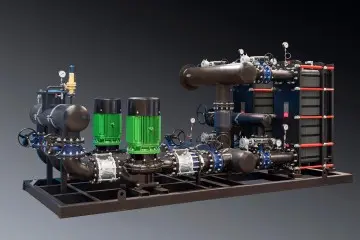
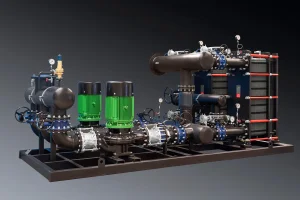
A pre-assembled skid system combining heat exchangers, smart balancing valves, and variable frequency pumps to optimize building HVAC operations.
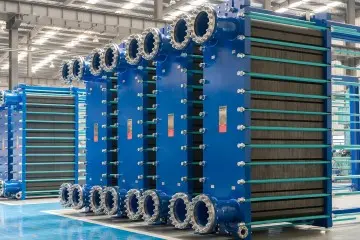
Manages high network distribution pressures down to residential limits, utilizing triple-offset valves for isolation safety and quick shutoff protection.
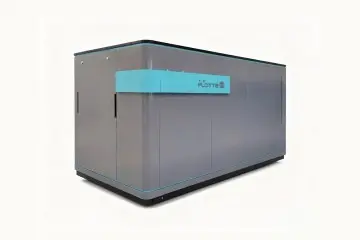
Optimizes energy distribution across large commercial and residential high-rises by managing HVAC cycles dynamically.
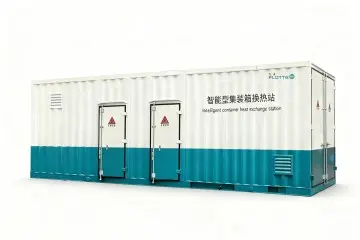
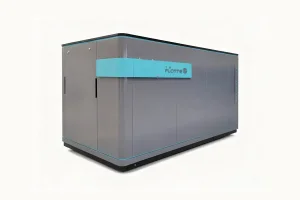
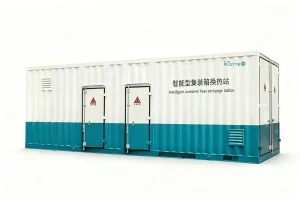
Enclosed outdoor design featuring weather protection and smart telemetry systems for decentralized municipal networks.
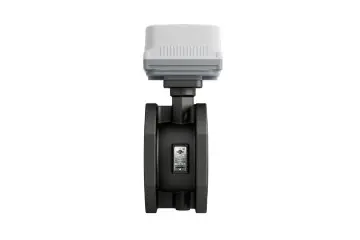
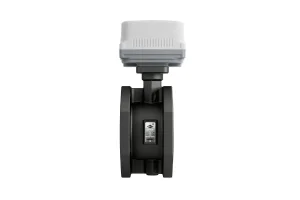
Precision modulating valves designed to run dynamic flow configurations across secondary building heating lines.

Gathers real-time customer environment metrics to dynamically adjust system-wide thermal outputs.
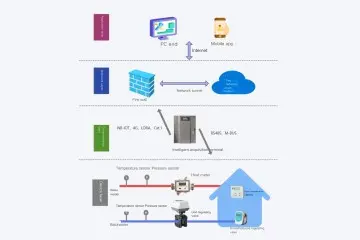
Software and hardware integration platform for automated secondary heating networks.
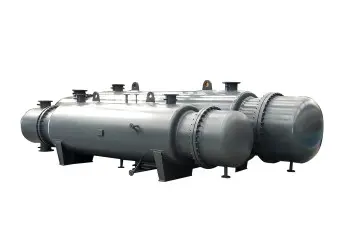
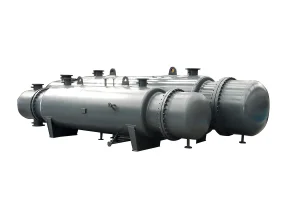
Heavy-duty configuration for thermal power, chemical, and petrochemical plants where high pressures are standard.
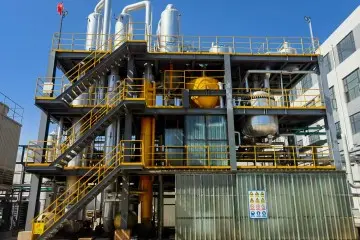
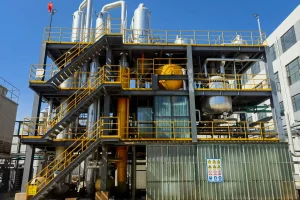
Energy-saving distillation and concentration setups designed to reduce steam consumption.
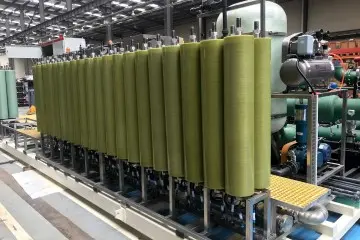
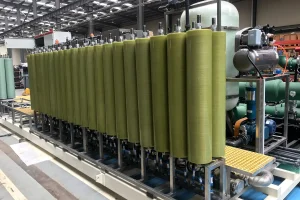
Advanced filtration separation system designed to concentrate liquids in water purification, desalination, and industrial wastewater recovery.
Practical engineering answers to help you navigate quality control, technical specifications, and project logistics.
Select from our highly rated intelligent balance systems, concentration loops, and robust heating skids.
 Flotte Energy