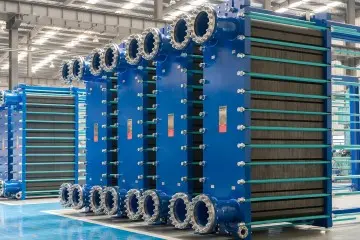
Explore our core high-efficiency products optimized with precise thermodynamic plate formulas.

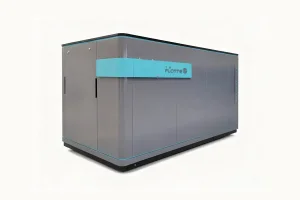
Three Decades of Pioneering Industrial Thermal Engineering (Est. 1995)
Flotte Energy Saving Company, established in 2013 with a registered capital of 101 million yuan, originated from Flotte Thermal Engineering founded in 1995. With three decades of technical expertise, the company specializes in water equipment, HVAC systems, and water treatment industries. It consistently leads industry peers in adopting cutting-edge technologies, developing innovative products, and delivering comprehensive production and sales services.
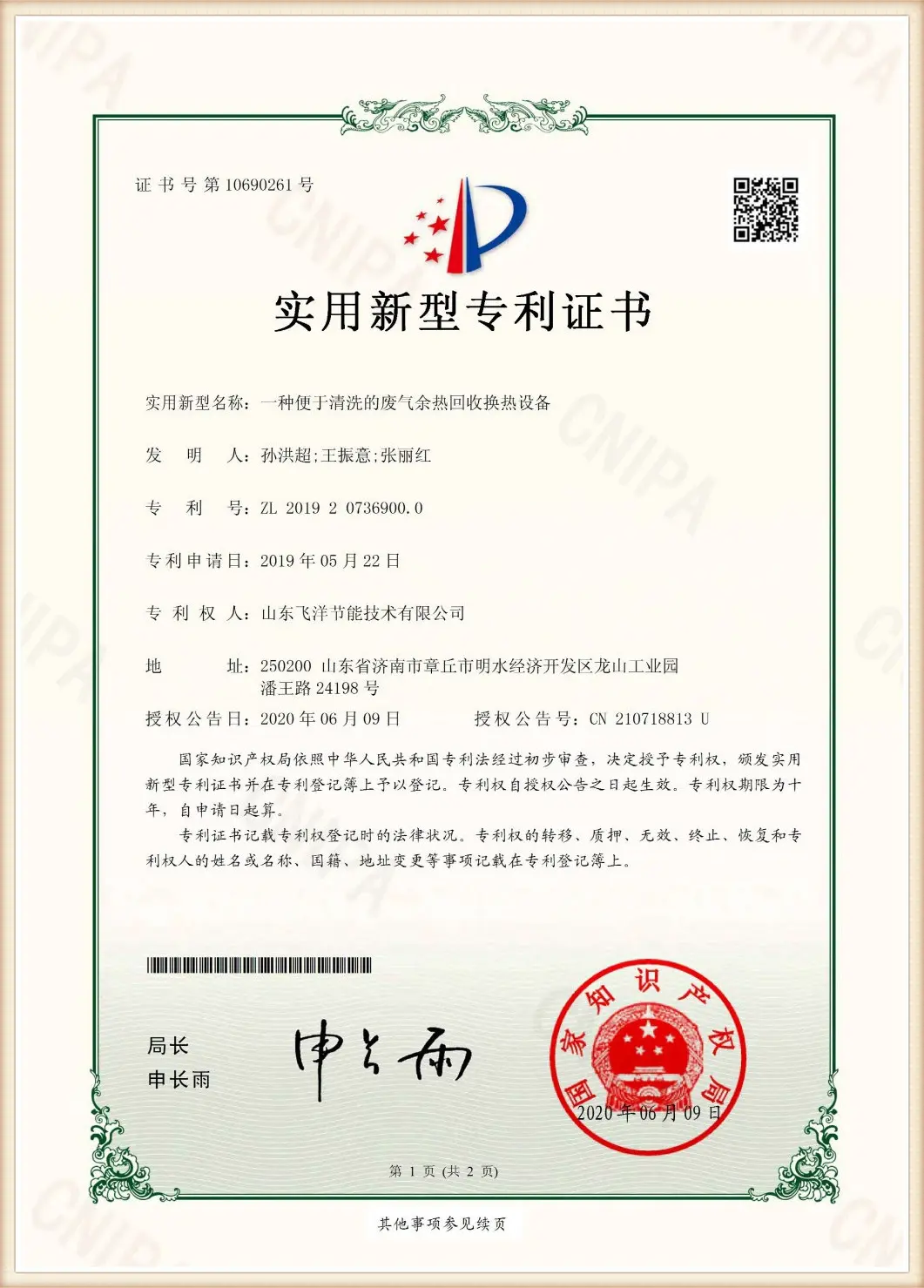
The company has been continuously advancing in production technology innovation, holding multiple patent certifications including "High-Efficiency Plate Heat Exchanger", "Intelligent Plate Heat Exchanger System", and "Plate Heat Exchanger Scale Removal Device" (see qualification documentation). Its products have obtained mandatory national product certification and safety registration from the National Standardization Committee, along with the safety registration for plate heat exchangers issued by the National Boiler and Pressure Vessel Standardization Technical Committee. The company has also achieved ISO9001 Quality Management System certification, ISO14001 Environmental Management System certification, and ISO45001 Occupational Health and Safety Management System certification.
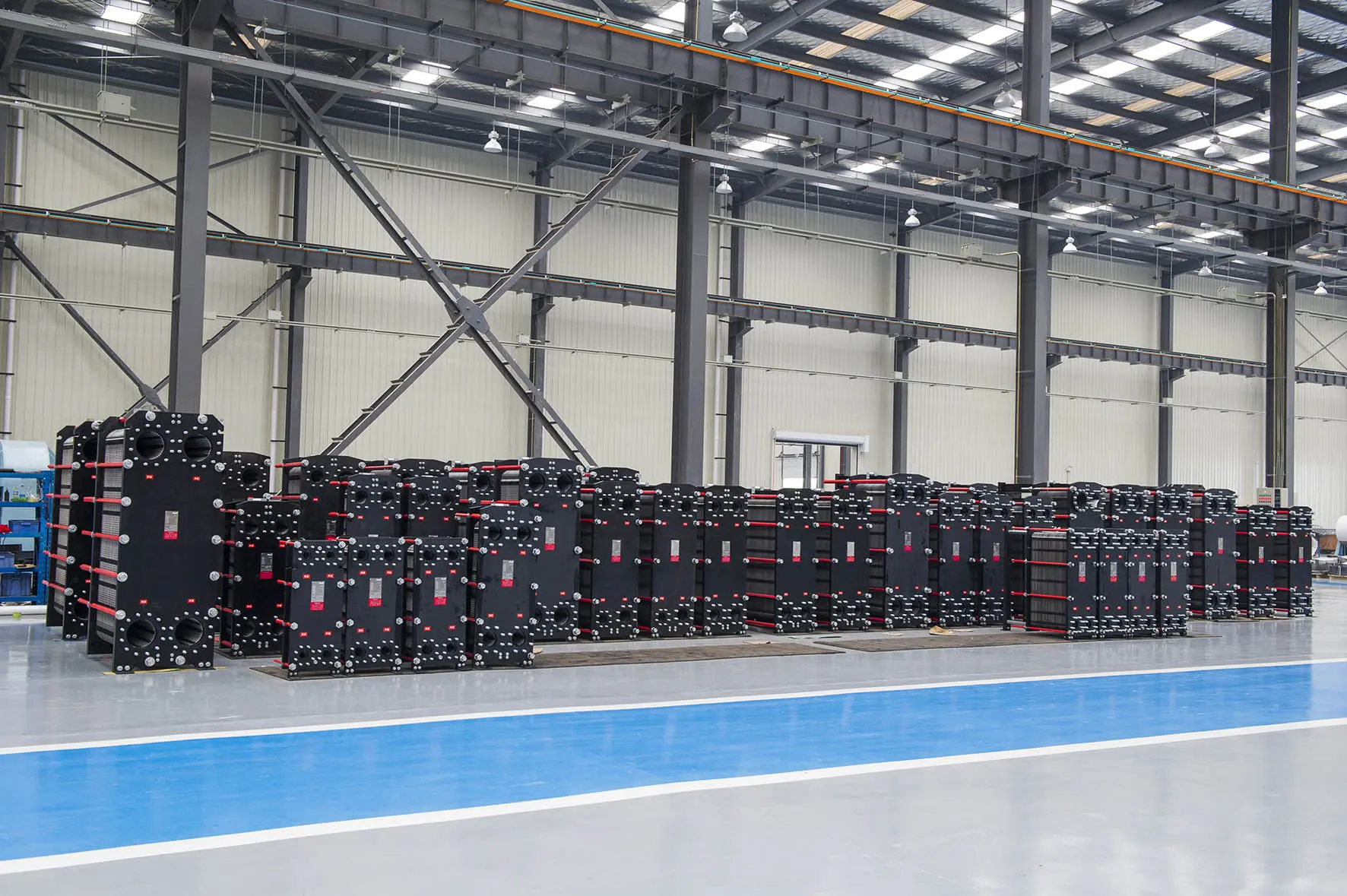
Why global industrial leaders rely on Flotte's plate heat exchanger systems and calculation models.
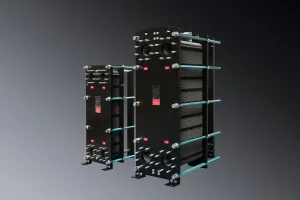
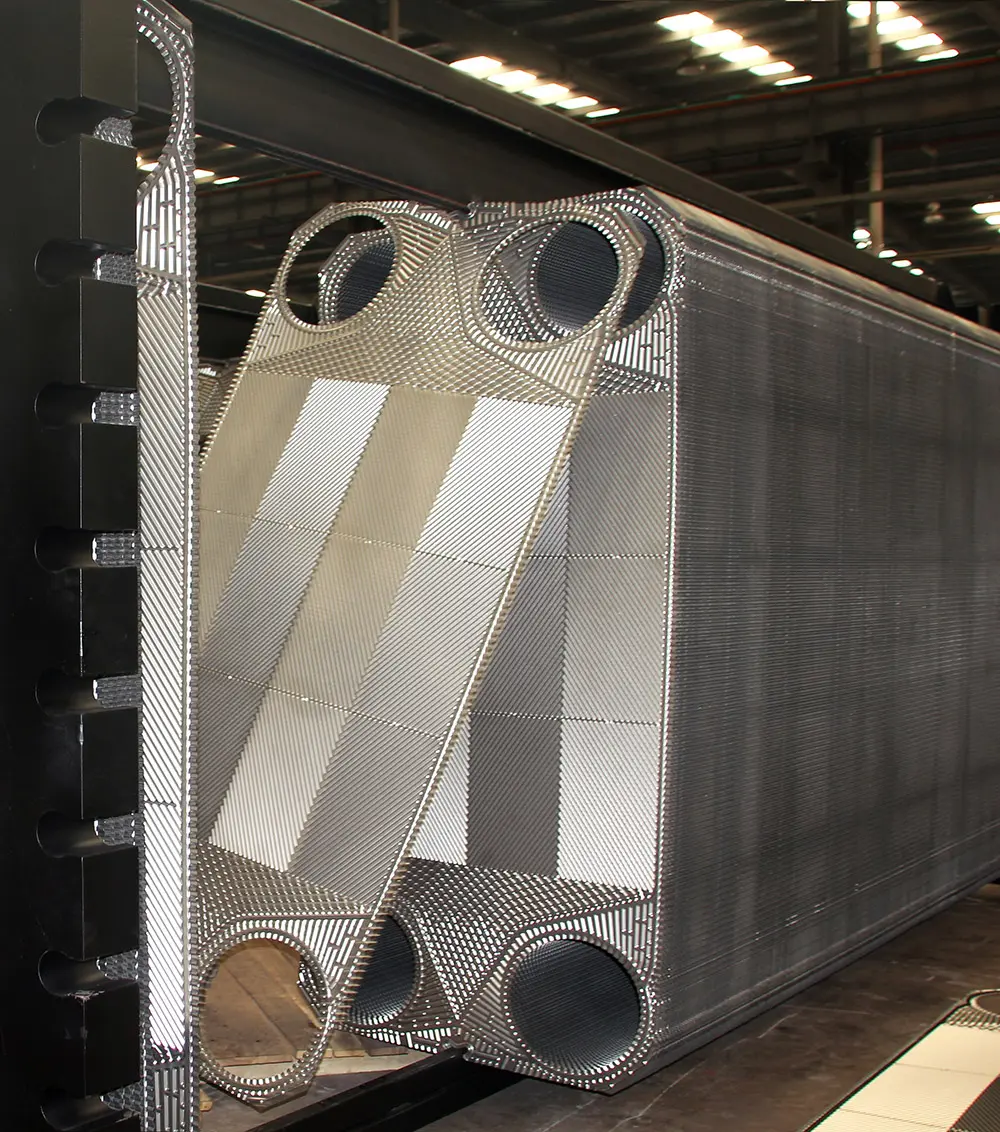
Specializing in plate heat exchangers, it features patented corrugated plate design, achieving 2-3 times higher heat exchange efficiency than conventional equipment.
The products cover 8 core areas such as air conditioning, heating and ventilation, and central heating. The solutions have been verified globally to match local environmental and compliance laws.
Quality control system complies with pressure vessel standards. Stainless steel (AISI 304, 316L) and titanium plates guarantee longevity in harsh environments.
A Comprehensive Technical Study of Calculation Formulas, Scaling Mechanics, and Optimization Models
To properly size a Plate Heat Exchanger (PHE), thermal engineers must evaluate the thermal and hydraulic performance using rigorous mathematical formulations. The foundational equation that dictates the rate of heat transfer within a plate pack is expressed as:
Determining the heat load (Q) is also calculated based on the fluid characteristics and mass flow rates:
Here, m_h and m_c represent the mass flow rates of the hot and cold streams, respectively; C_ph and C_pc are the specific heat capacities; and the subscripts i and o define inlet and outlet stream conditions.
Unlike shell and tube configurations, the overall heat transfer coefficient (U) in a plate system is exceptionally high due to intense turbulence. It is calculated by summing the thermal resistances in series:
Where h_h and h_c are the convective heat transfer coefficients of the hot and cold fluids, δ represents the thickness of the metal plate (typically ranging from 0.4mm to 0.6mm for maximum efficiency), and λ is the thermal conductivity of the plate material (e.g., Stainless Steel AISI 316, Titanium, or Nickel). The variables R_fh and R_fc represent the fouling factors. At Flotte, our calculations utilize dynamic, proprietary fouling data developed over 30 years of field trials to prevent over-sizing and reduce upfront capital expenditure (CAPEX) for procurement departments.
A critical compromise in PHE design is balancing the thermal heat transfer against the hydraulic pressure drop (ΔP). Increasing the corrugation angles (chevron patterns) increases turbulence and the heat transfer coefficient (h), but significantly elevates pressure drop. The pressure drop is formulated as:
Where f is the friction factor (dependent on the chevron angle and Reynolds number), L_p is the flow path length, d_e is the equivalent channel diameter, ρ is the fluid density, and v is the velocity inside the channels.
International engineering contractors and EPC buyers face challenging requirements when selecting Plate Heat Exchanger suppliers. Modern industrial operations demand equipment that guarantees thermal performance, minimizes energy loss, and complies with safety regulations.
By implementing optimal plate geometries and calculating precise heat balance equations, Flotte provides custom solutions for diverse industrial sectors:
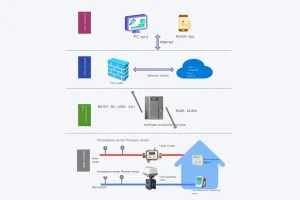
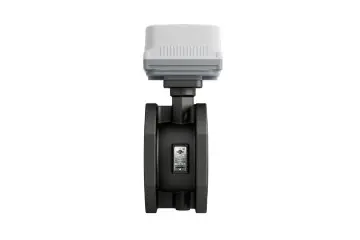
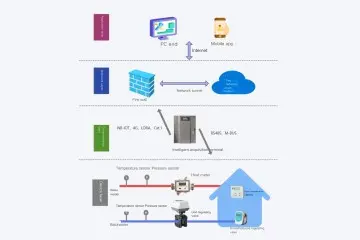
As we transition to Industry 4.0, Flotte is actively investing in smart thermal monitoring systems. Integrating real-time sensor arrays like the Room Temperature Collector and Intelligent Regulating Balance Valves allows operations teams to analyze live heat transfer rates and monitor fouling resistance developments. By calculating the real-time deviation from the initial design formula (Q = U·A·ΔT_lm), our systems alert maintenance crews before performance declines, introducing predictive maintenance modeling to thermal energy management.
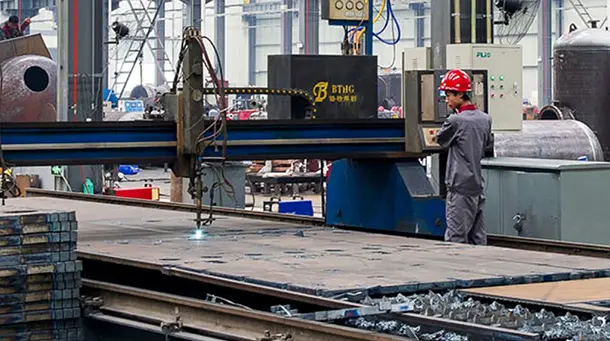
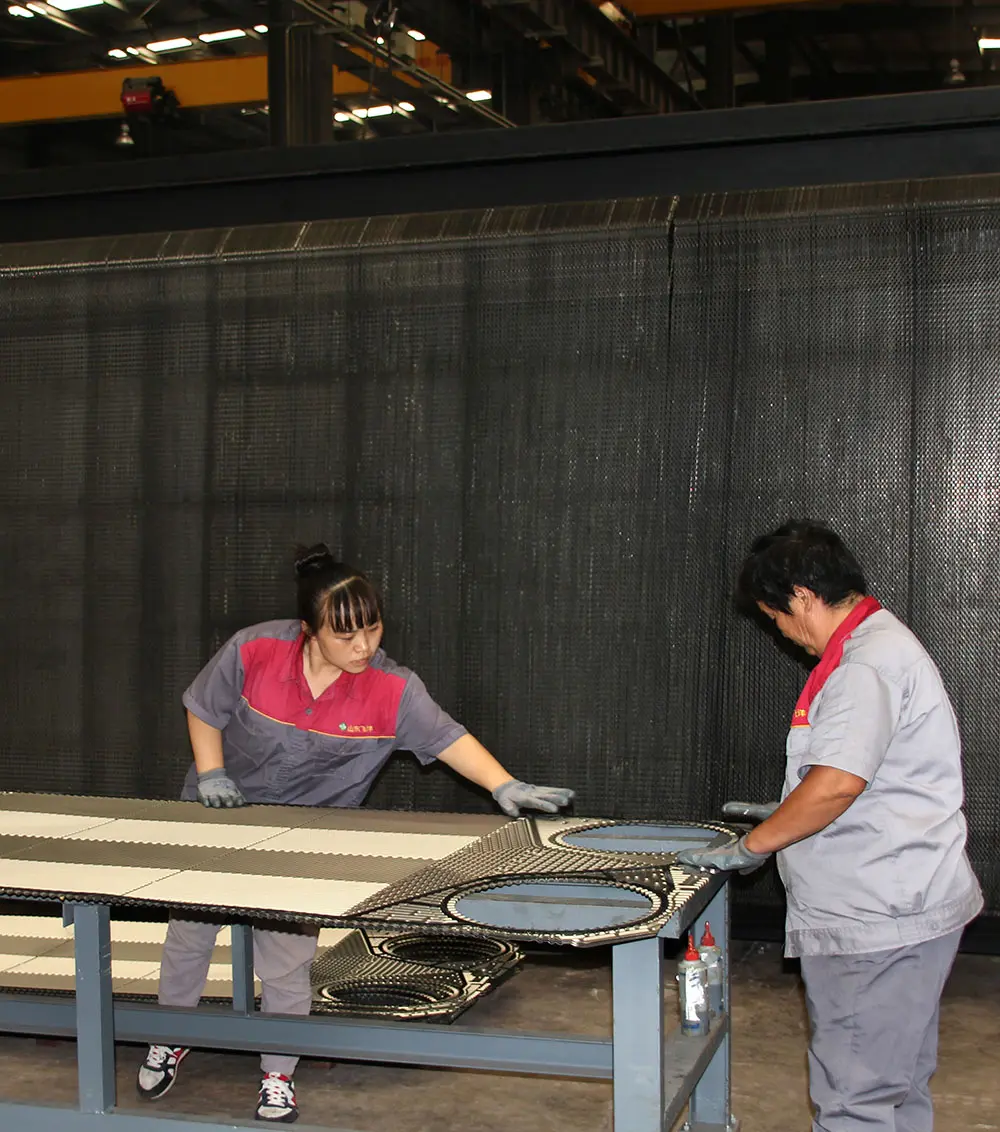
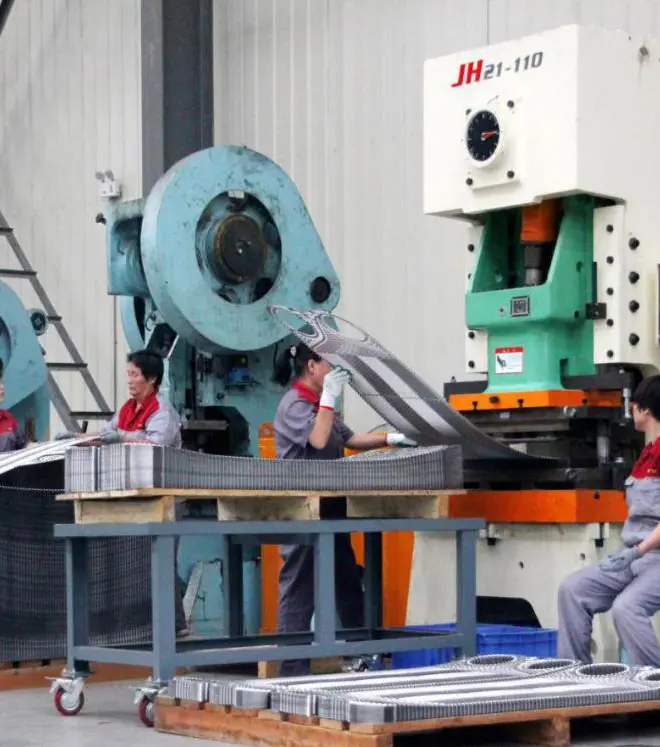
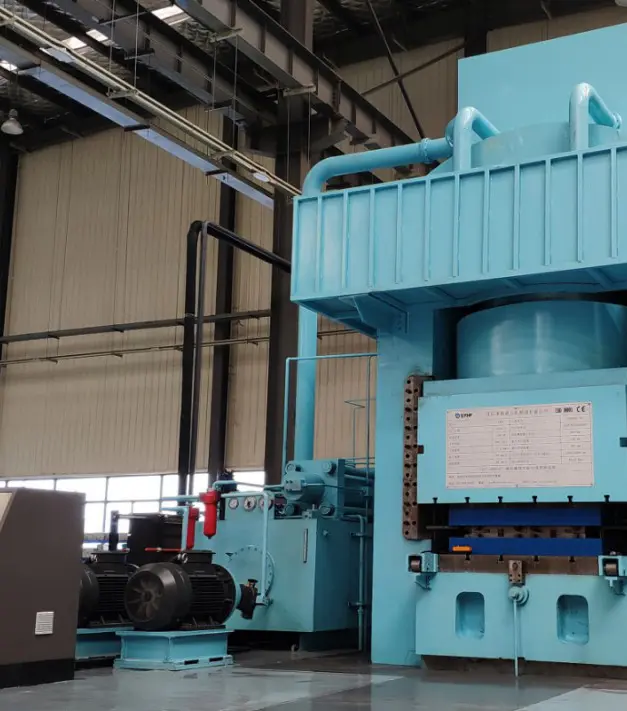
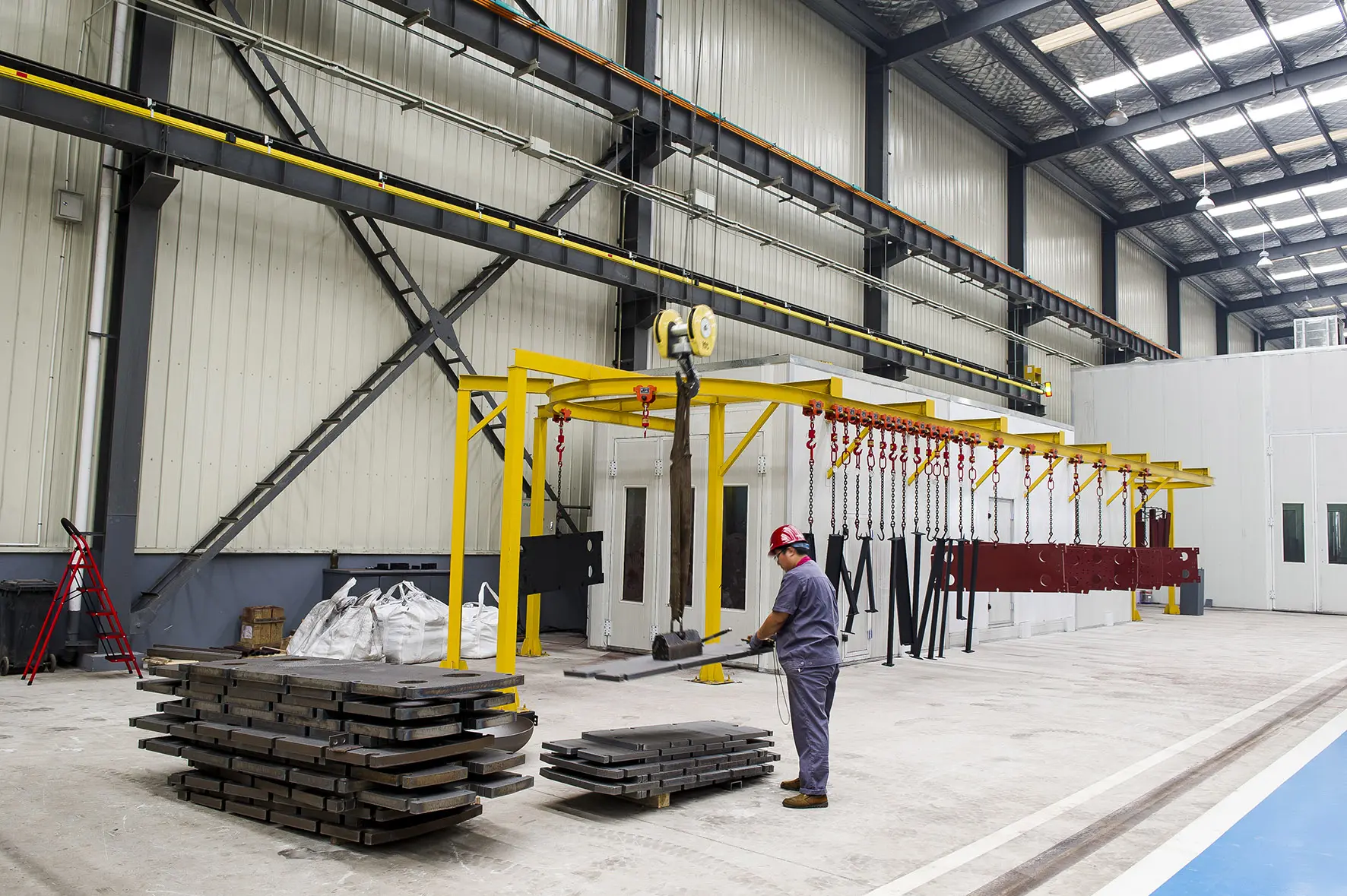
Undergoing rigorous processing steps to ensure zero-defect output and verified thermal performance.
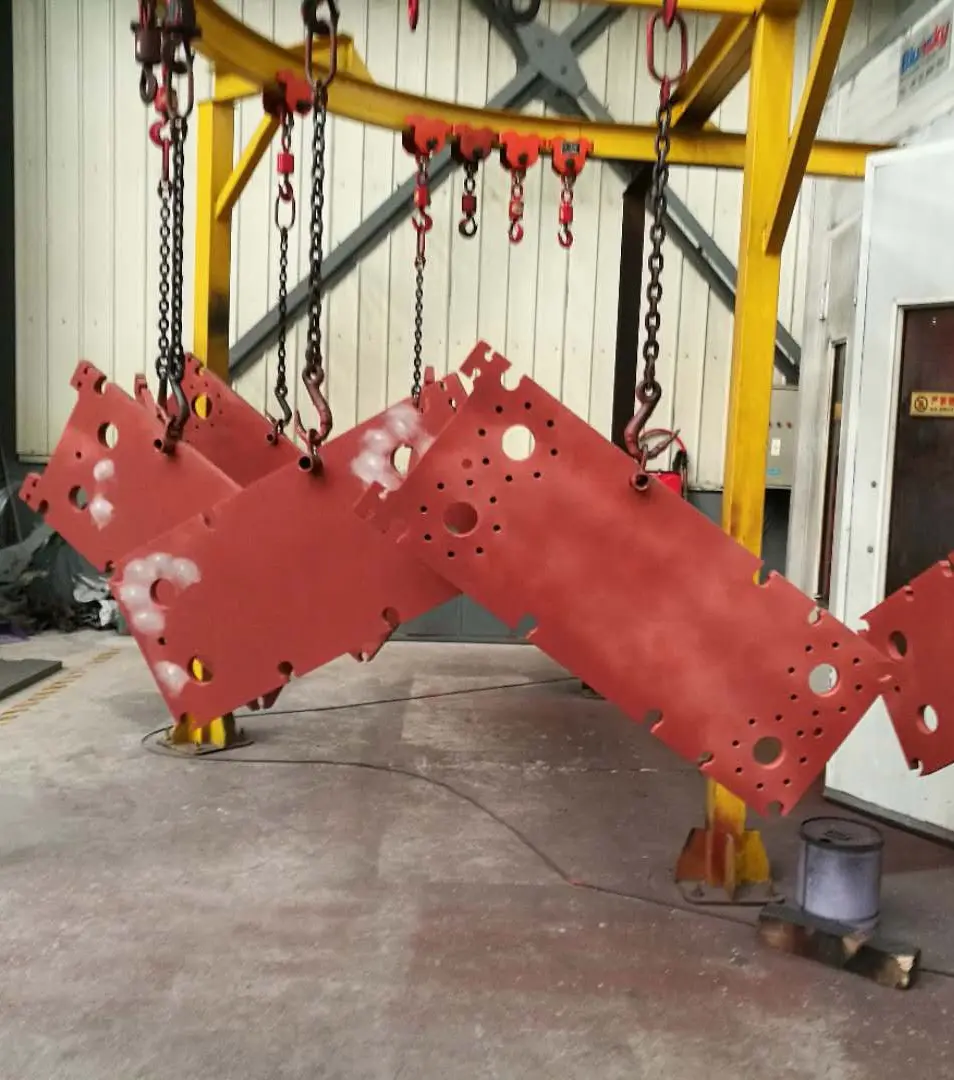
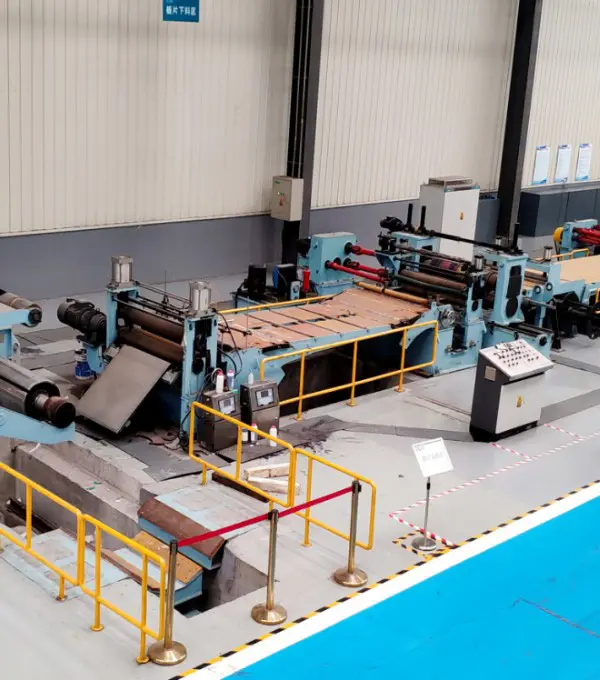
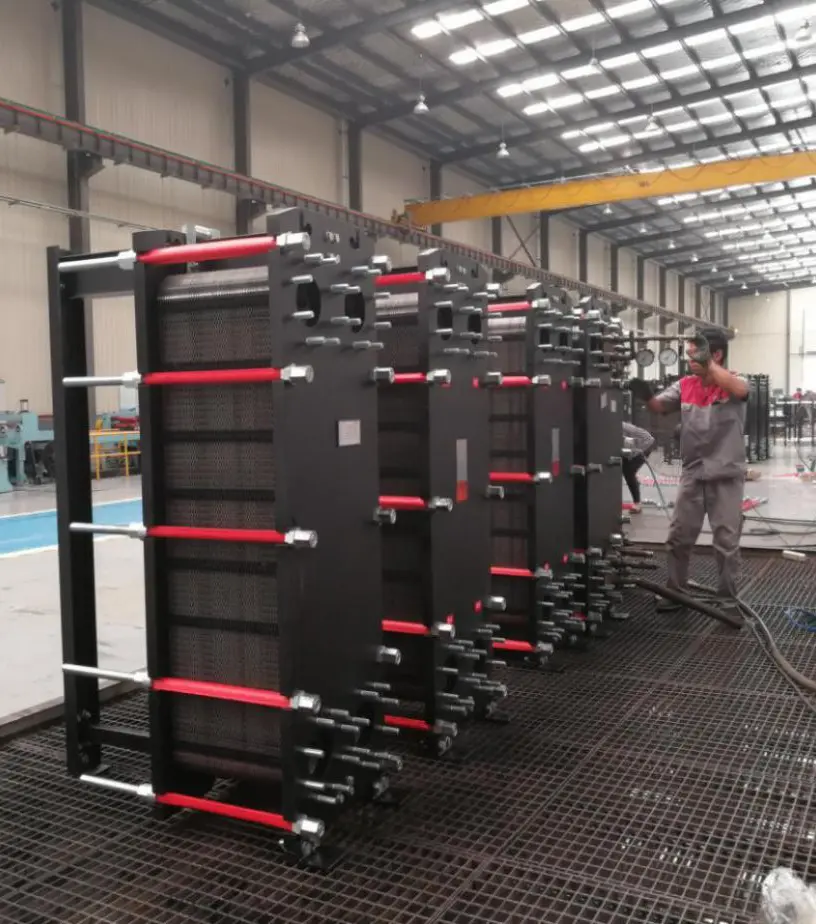
Our compliance certificates demonstrate our adherence to strict manufacturing practices.
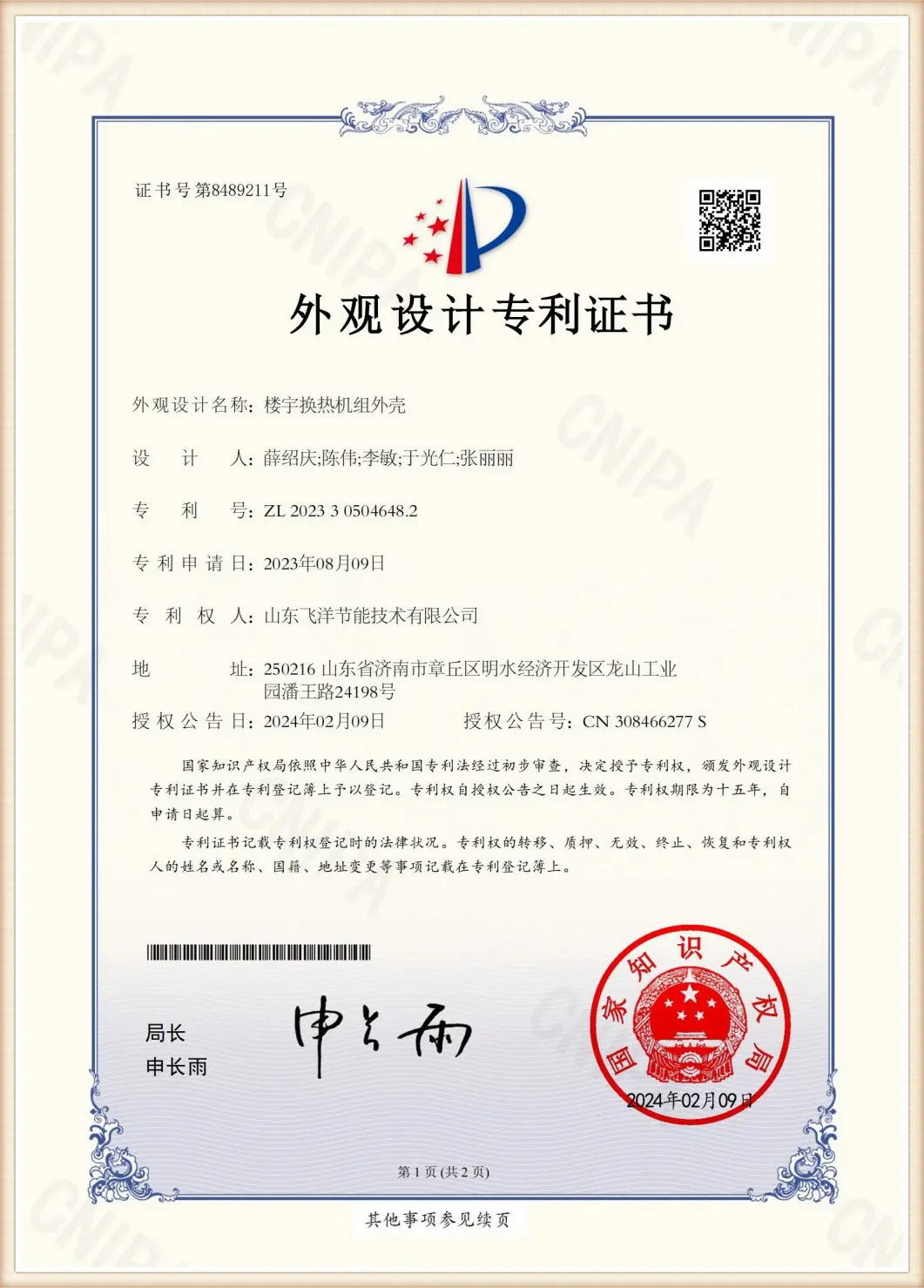
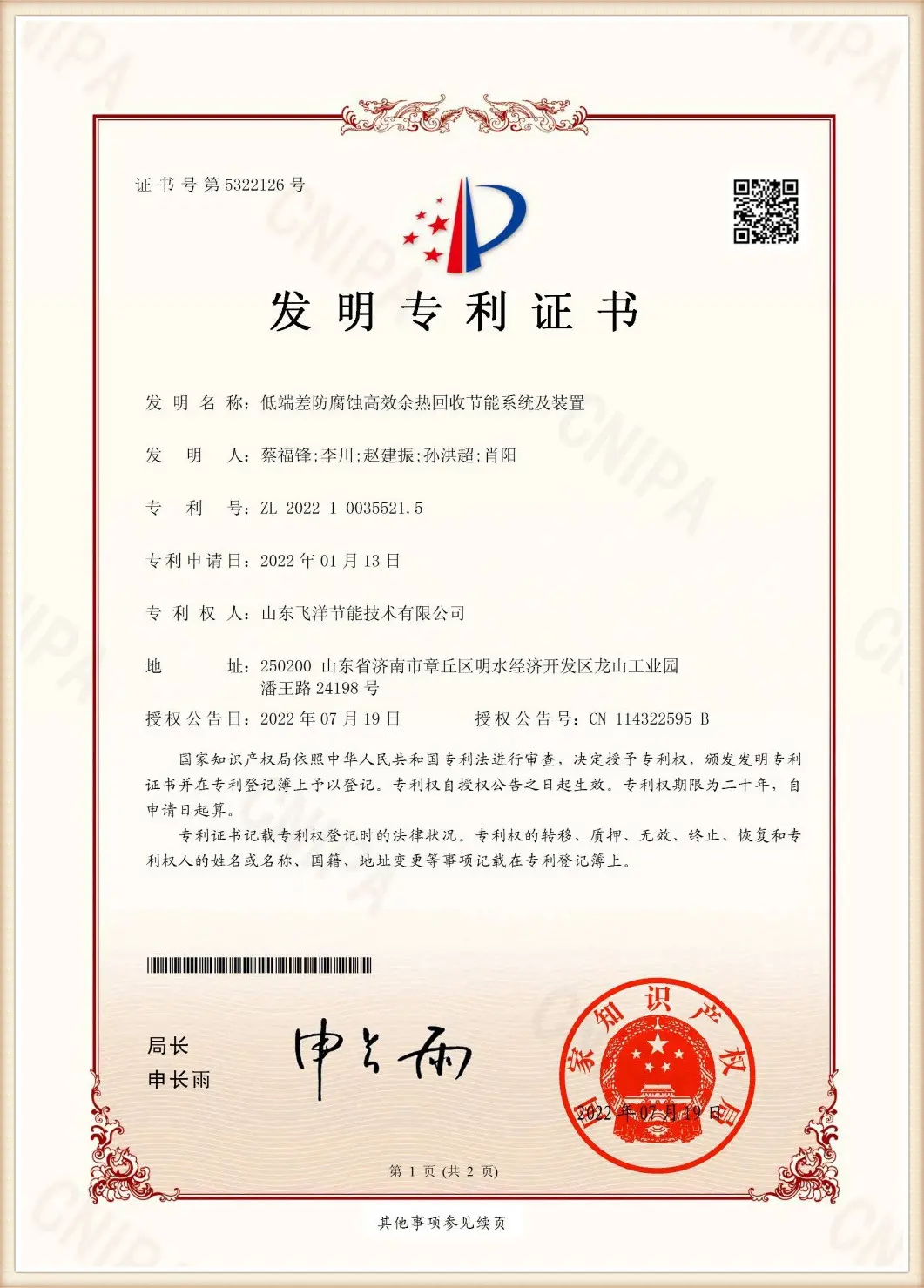
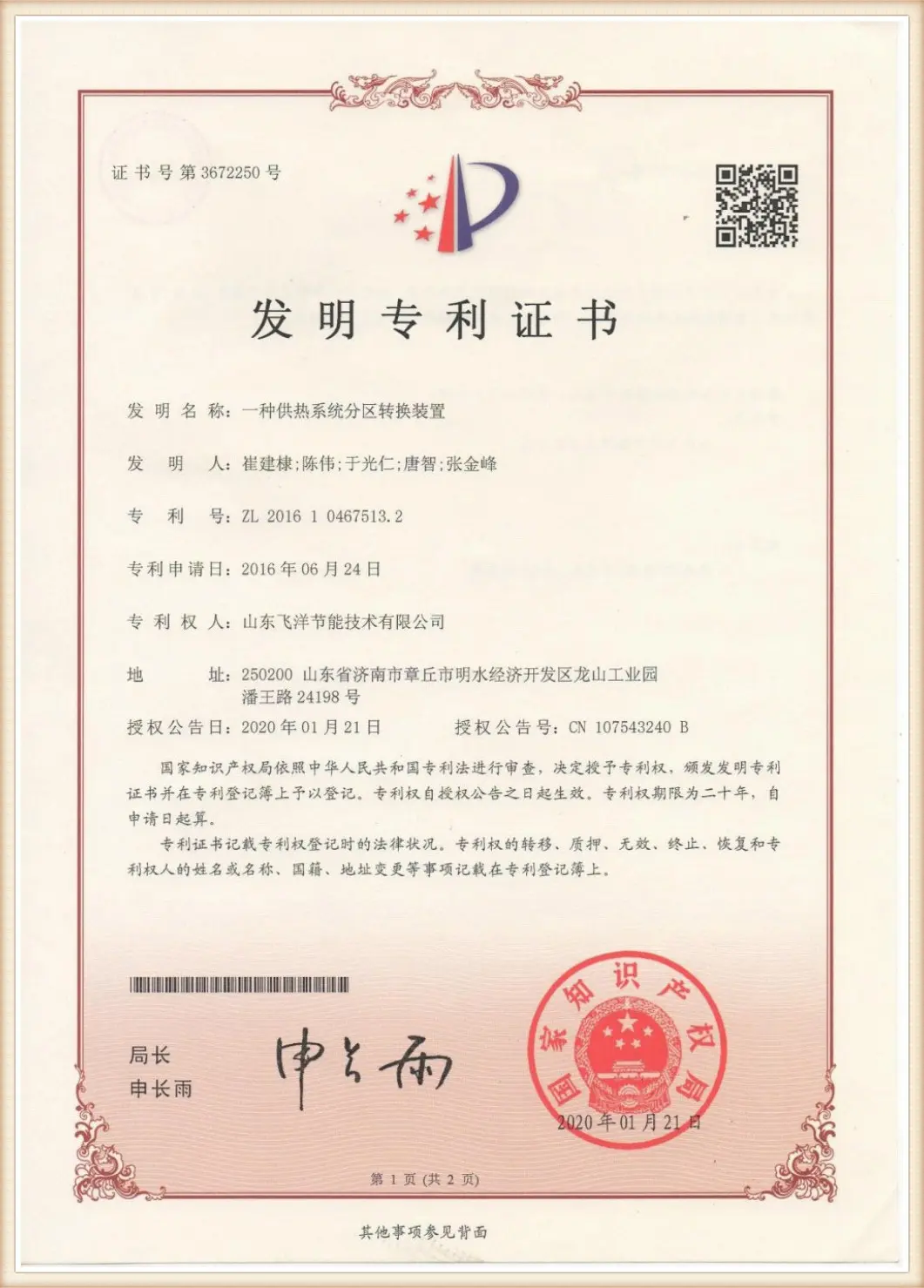
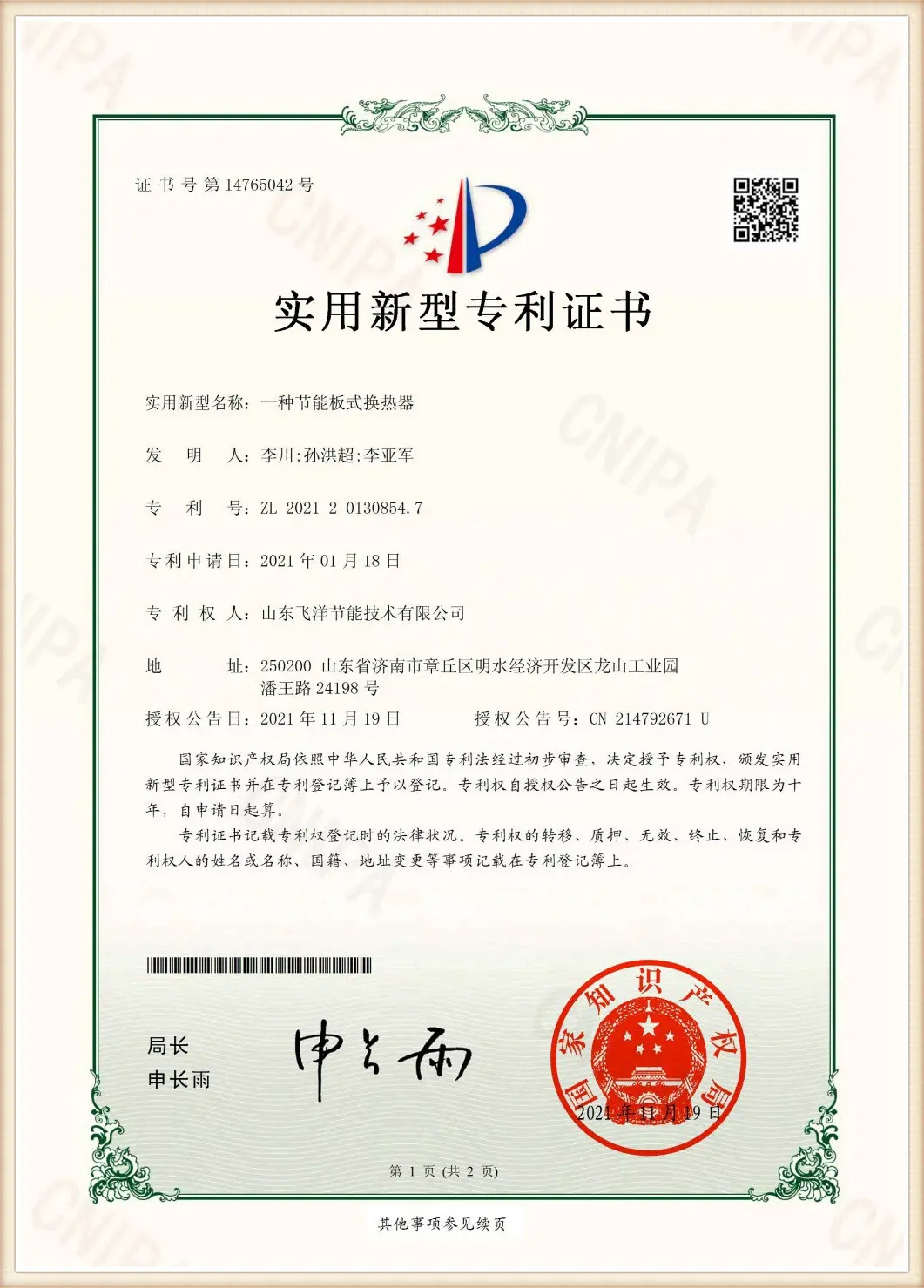
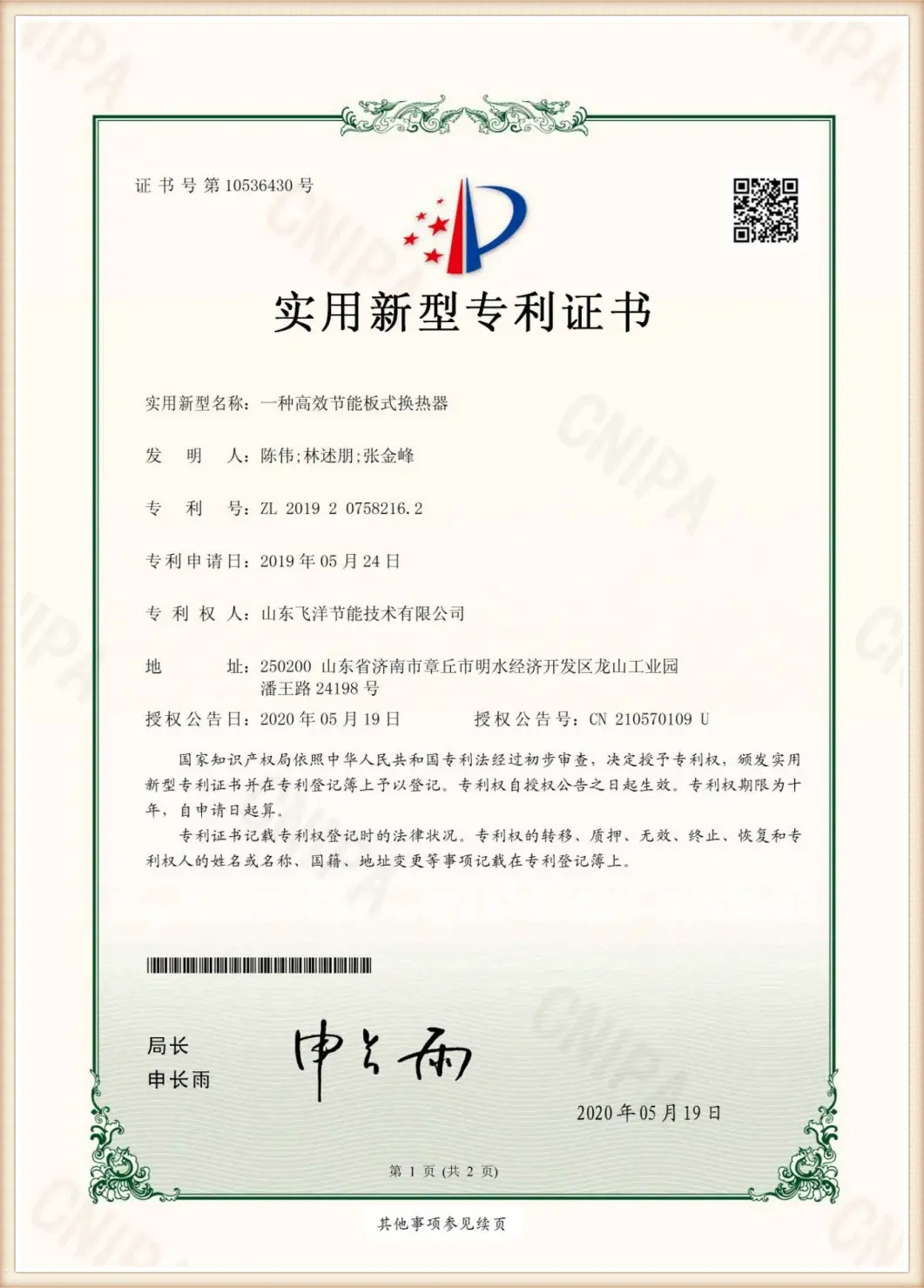
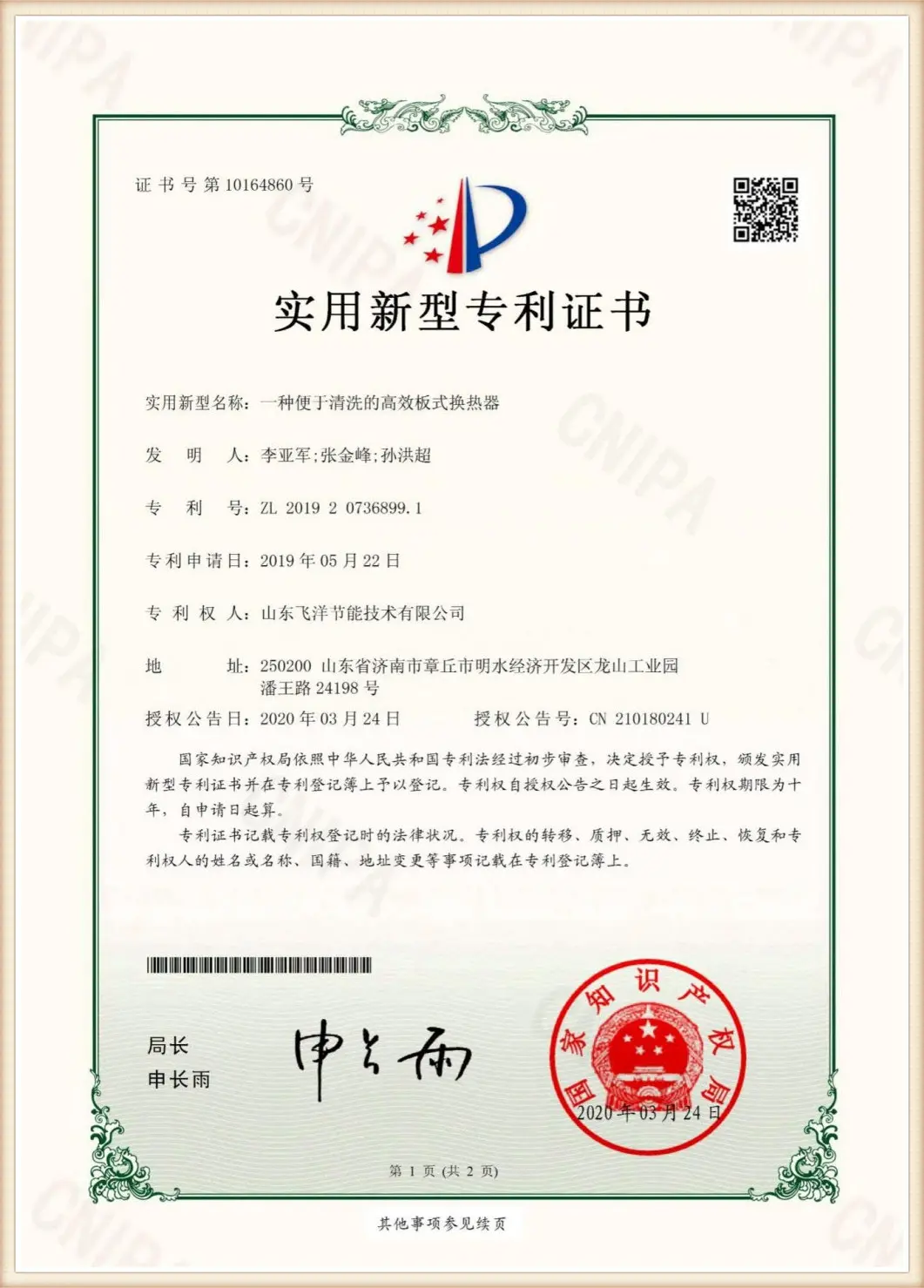
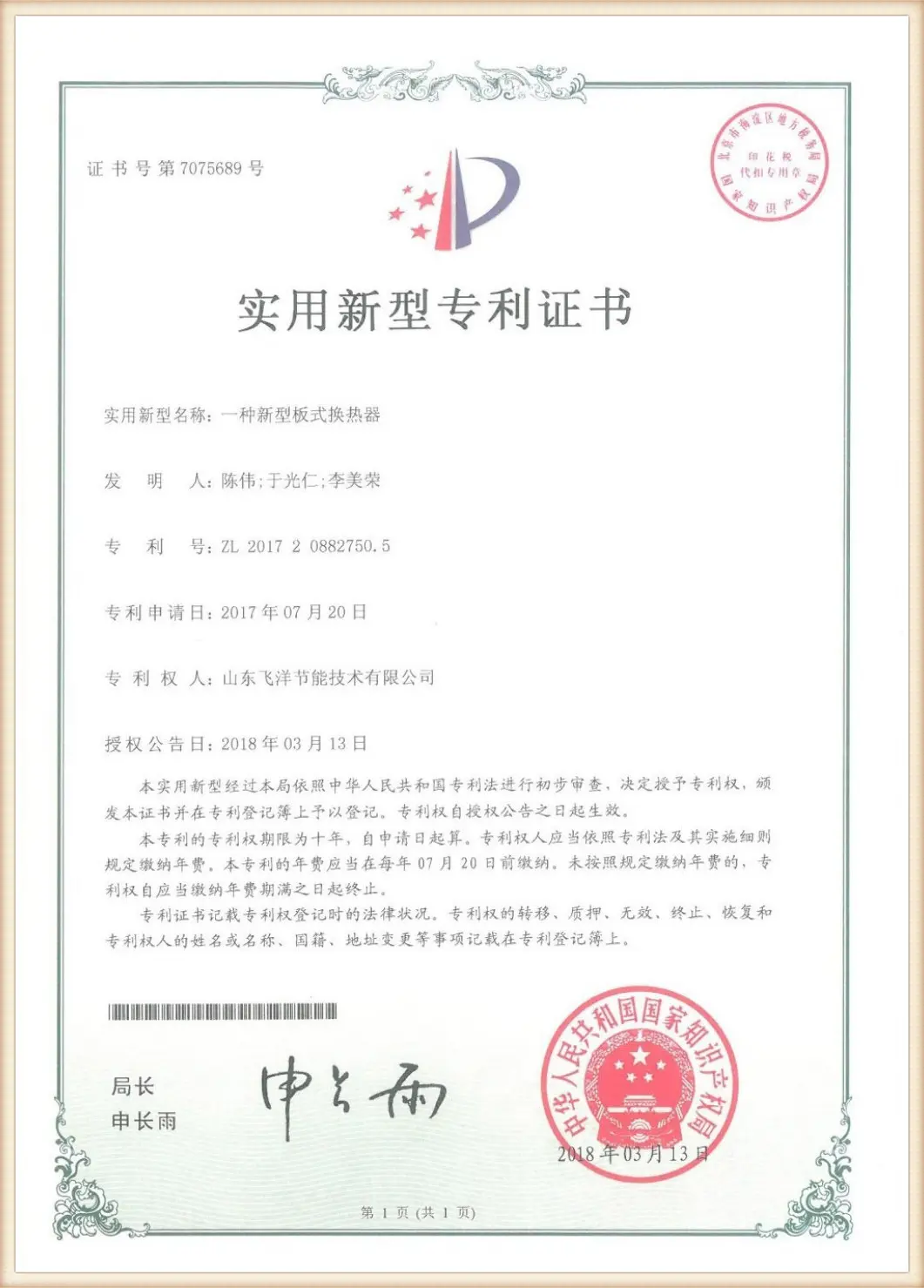
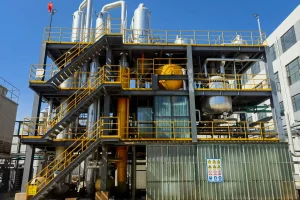
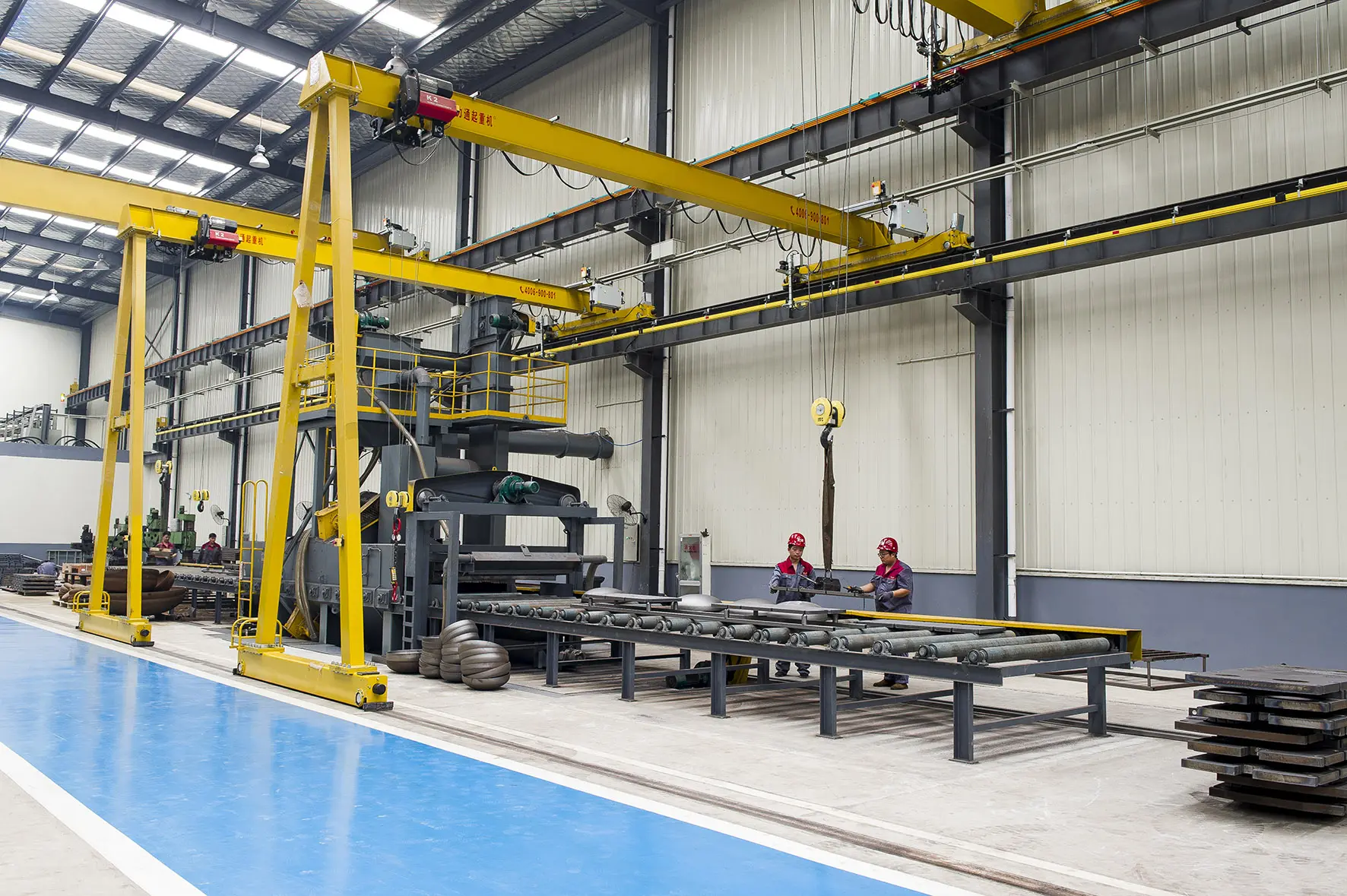
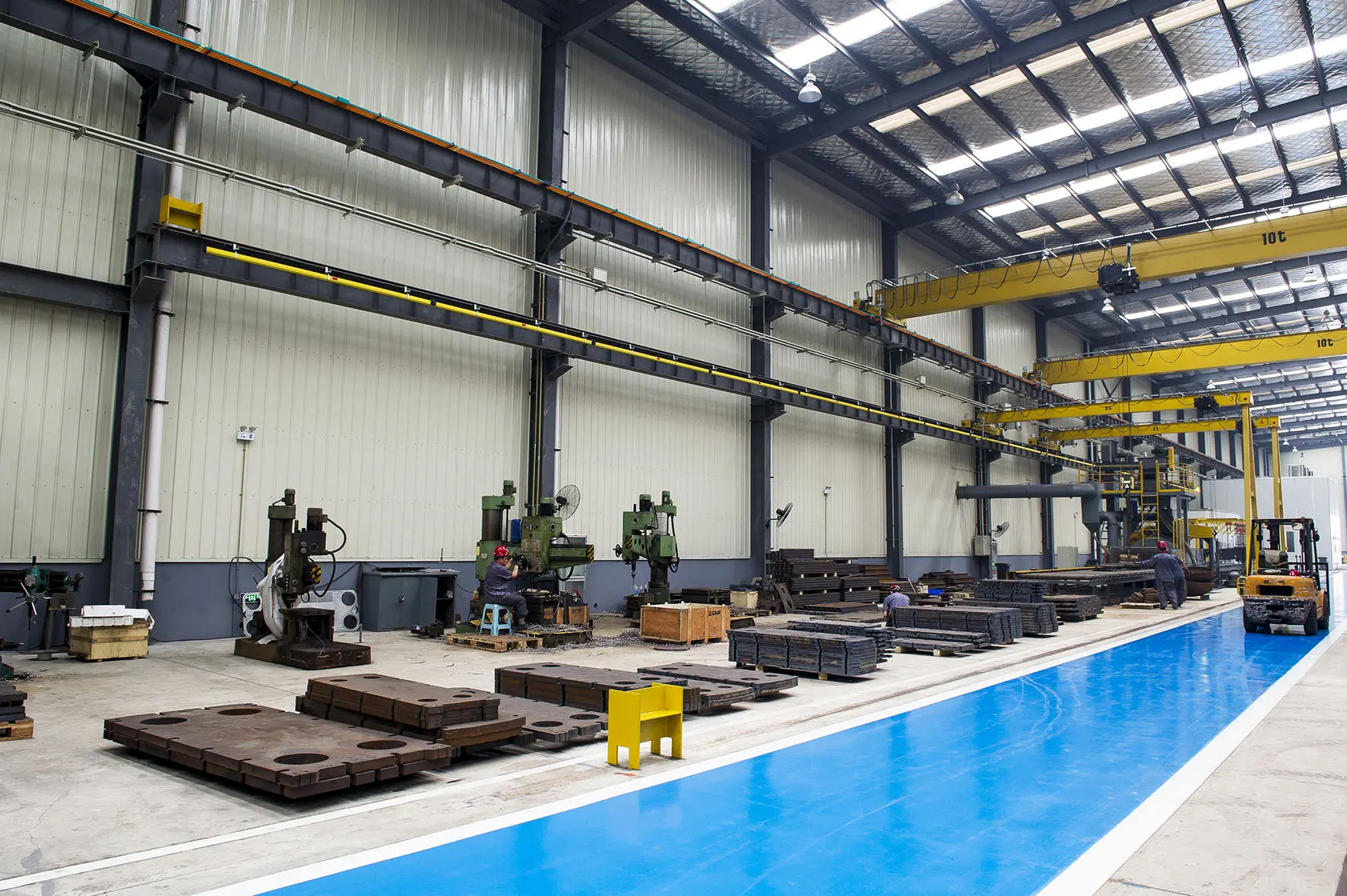
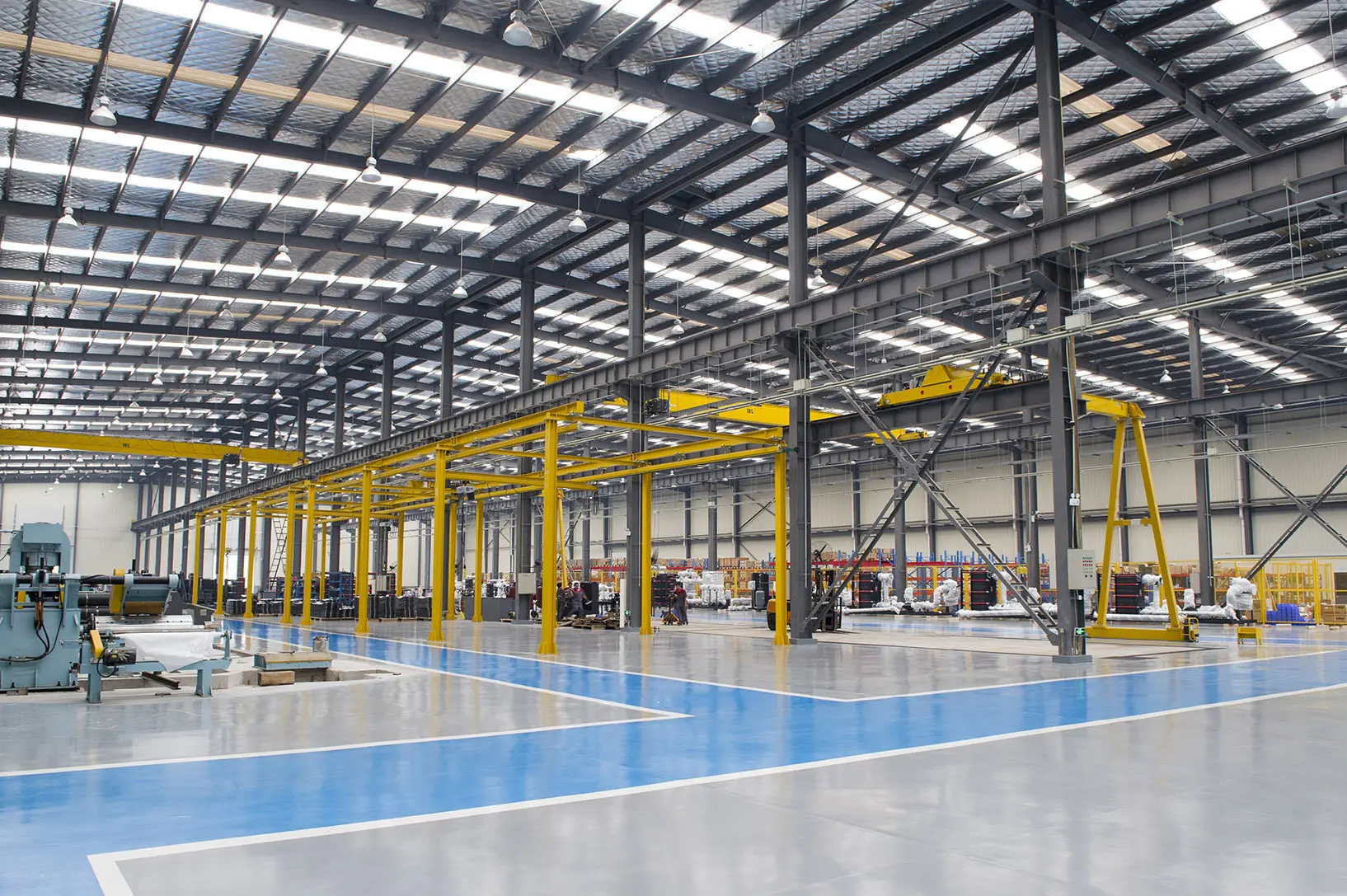
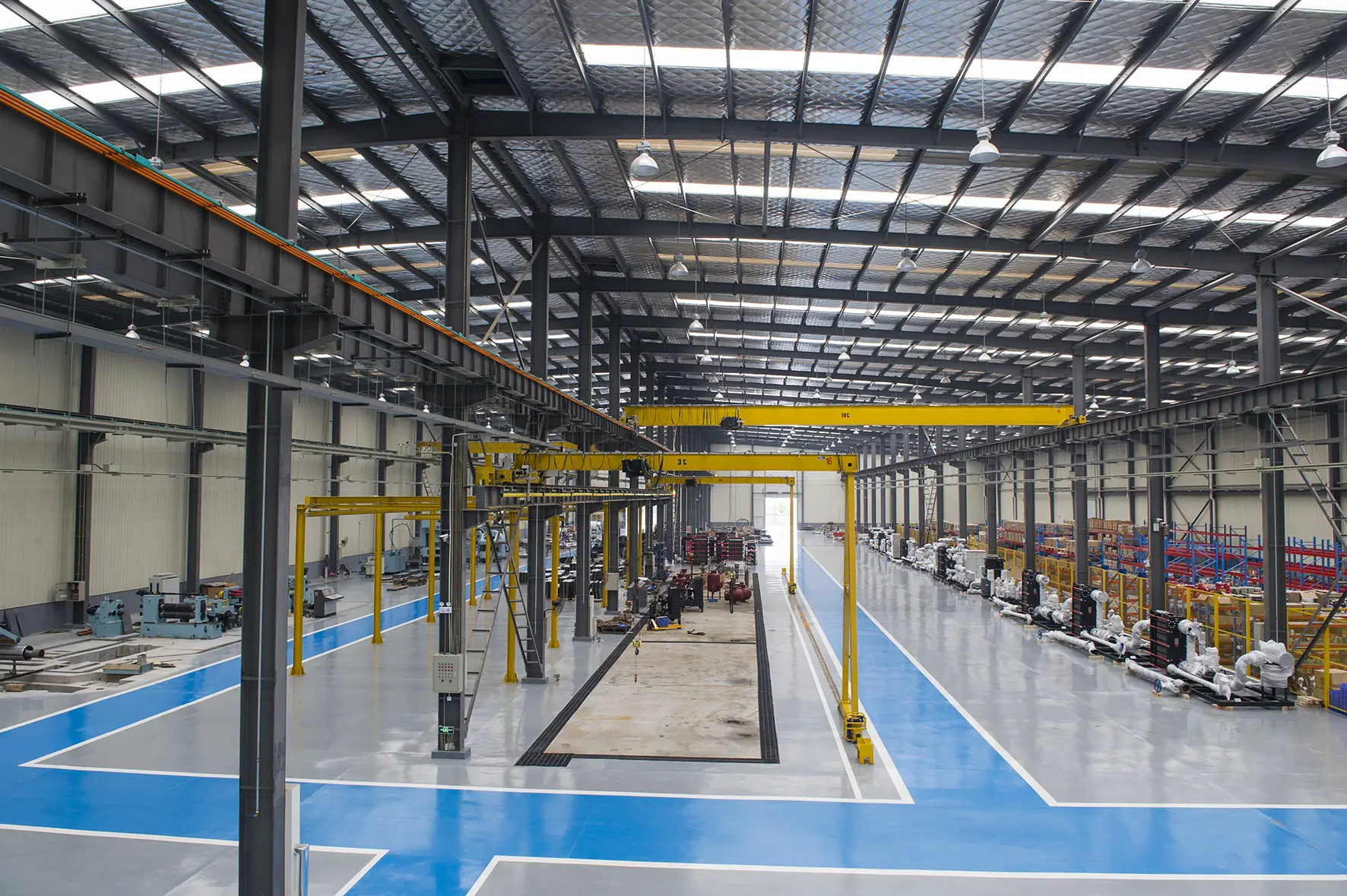
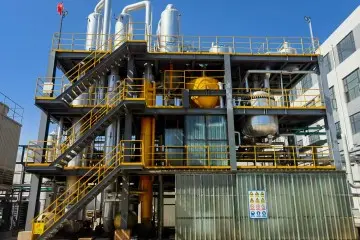
Inside our 70,000 square meter modern processing facility in China.



Answers to complex calculation questions commonly asked by thermal designers and procurement experts.
ΔT_lm = (ΔT1 - ΔT2) / ln(ΔT1 / ΔT2), where ΔT1 = T_inlet_hot - T_outlet_cold and ΔT2 = T_outlet_hot - T_inlet_cold. Because plate heat exchangers operate close to ideal counter-current configurations, the correction factor (F) is typically near 1.0, unlike shell-and-tube exchangers where cross-flow adjustments reduce efficiency.
δ/λ. Stainless Steel has a lower thermal conductivity (λ ≈ 15 W/m·K) compared to copper, but high tensile strength allows plates to be manufactured extremely thin (0.4 to 0.5 mm). This minimal thickness keeps conductive resistance low, making overall heat transfer dependent on fluid film coefficients rather than metal thickness.
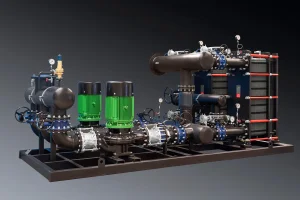
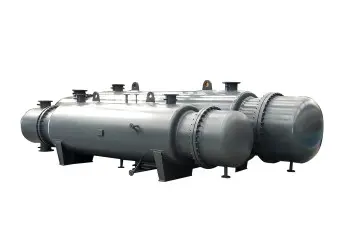
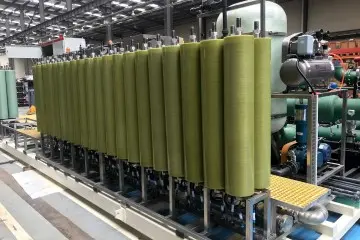
Advanced engineering assemblies designed for scale operations, utilizing high-end plate systems.
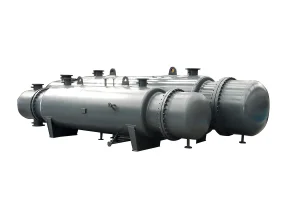
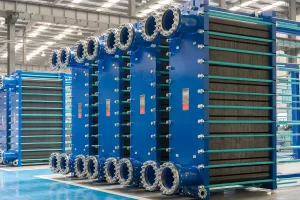
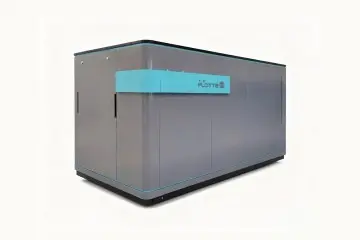
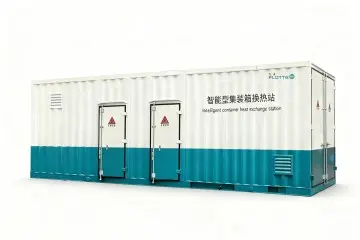
Review our structural solutions and individual units built for municipal, marine, and process engineering.
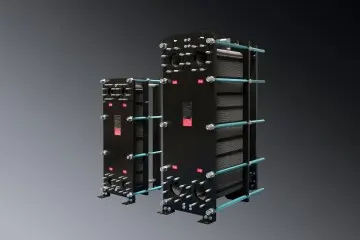
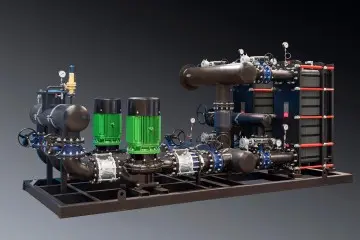

 Flotte Energy