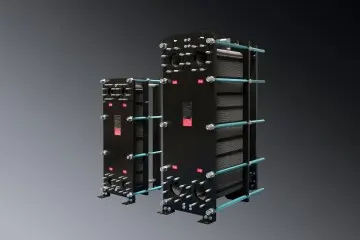
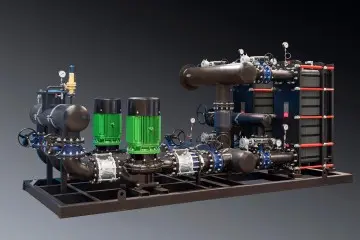
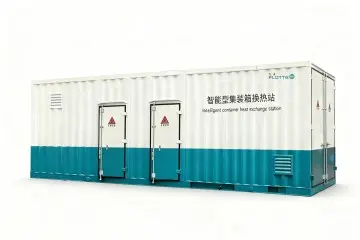
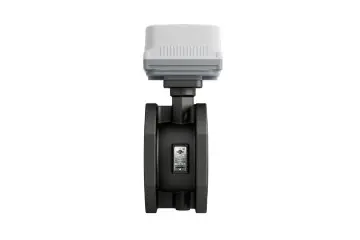
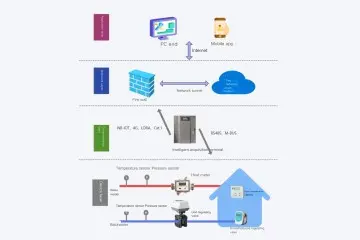
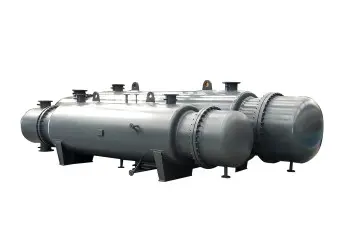
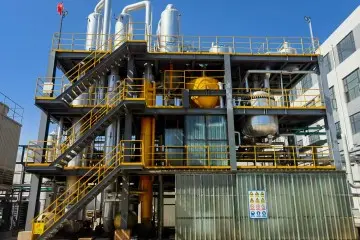
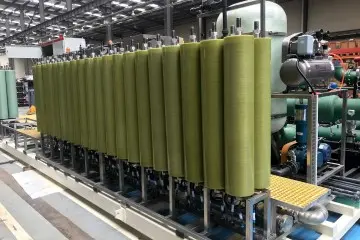
Discover our advanced multi-effect evaporation loops, intelligent valve manifolds, and high-efficiency plate heat exchange stations.
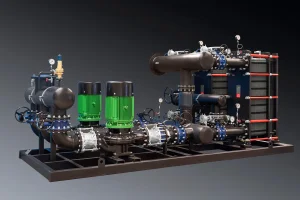
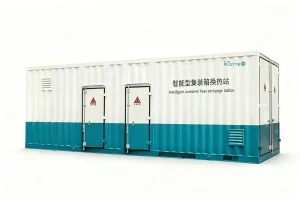
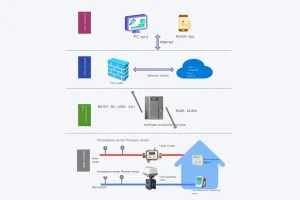
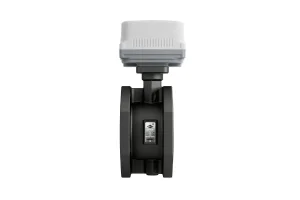
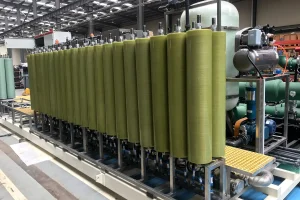
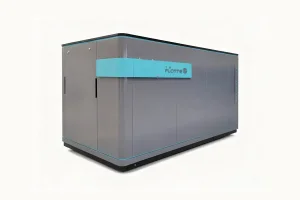
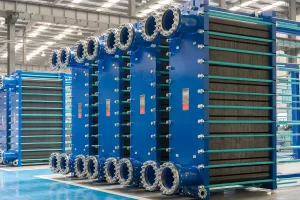
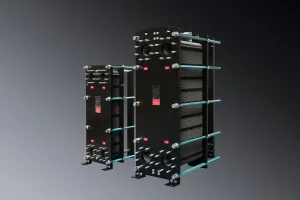
Plate Heat Exchangers (PHEs) represent the absolute pinnacle of thermal transfer density in modern industrial engineering. Characterized by their compact footprint, high heat transfer coefficient, and adaptability to varying thermal loads, these units are critical elements within municipal district heating, petrochemical processing, marine energy reclamation, and pharmaceutical production lines. However, the operational efficiency of a plate heat exchanger is intrinsically linked to the physical state of its individual components—mainly the embossed corrugated plates and the elastomeric sealing gaskets.
When operating parameters diverge from initial design targets, performance bottlenecks quickly escalate into systemic risks. An unplanned thermal shutdown due to cross-fluid contamination or high pressure drop spikes can stall factory production lines, resulting in massive operational deficits. Understanding the root mechanics of plate heat exchanger failure modes, optimizing flow metrics, and adopting a proactive troubleshooting framework is paramount for maintenance engineers and global procurement directors who demand zero-downtime operations.
As a leading Chinese designer, manufacturer, and global exporter of high-grade thermal systems, Flotte is committed to delivering both elite hardware and the technical intelligence needed to keep your operations running continuously. This whitepaper systematically breaks down the engineering variables of PHE failure, explores localized operating challenges, and addresses how modern China Industry 4.0 production strategies mitigate these risks from the design phase onwards.
A reference blueprint for mechanical engineers handling thermal deviations, fluid intermixing, and mechanical seals.
Root Cause: Usually caused by plate puncture due to localized chemical corrosion (pitting/crevice corrosion) or mechanical erosion from high velocity particulates. Frequently happens when treating highly chlorinated water or acidic mixtures using standard grade stainless steels.
Diagnostic Method: Run differential pressure testing. A drop in pressure on the higher-pressure loop when the lower-pressure loop is shut down points to an internal cross-leak. Perform dye penetrant testing on disassembled plates.
Remedy: Replace the damaged plates immediately. Upgrade material metallurgy to Titanium (Ti-Gr1), Hastelloy C-276, or Nickel alloys if treating highly aggressive media.
Root Cause: Gasket degradation from thermal cycling (excessive thermal shocks exceeding gasket elastomer ratings), overpressure surges, chemical incompatibility, or simple rubber aging/hardening. Misalignment during reassembly can also crush seals.
Diagnostic Method: Visual inspection of the plate pack perimeter. Measure the tight clamp dimension (A-dimension) of the plate frame assembly to verify it meets specification tolerances.
Remedy: Tighten plate pack to the designated minimum 'A' dimension. If leakage continues, replace gaskets. Choose proper elastomer material: EPDM for heating/water applications, NBR for oily substances, or Viton/FKM for high-temp corrosive chemicals.
Root Cause: Accumulation of particulate deposits, organic biological scaling, or mineral precipitation (calcium carbonate) inside the narrow plate flow channels. This restricts flow pathways and drives up pumping power requirements.
Diagnostic Method: Continuous monitoring of differential pressure sensors. A notable increase in pressure drop matched by a steady decline in thermal efficiency (U-coefficient drop) confirms fouling.
Remedy: Initiate Clean-in-Place (CIP) flushing using mild acids or chemical descalers. For severe scaling, disassemble the plate pack and manually wash plates with soft brushes. Install upstream basket strainers.
| Troubleshooting Metric | Typical Industrial Threshold | Critical Alert Limit | Corrective Action Method |
|---|---|---|---|
| Plate Pack Tightening Tolerance | Nominal A-dimension ± 1% | Deviation > 3% | Re-torque bolts diagonally in steps |
| Differential Pressure Drop (ΔP) | 0.2 - 0.5 bar (design limit) | > 1.0 bar (or 2x baseline) | Execute CIP flushing or mechanical descaling |
| Thermal Output Deficit (Heat Load) | ± 2.5% of design spec | Deficit > 10% | Check for channel blocking or air pocket locking |
| Gasket Hardness (Durometer Shore A) | 70 - 80 Shore A | < 60 or > 90 Shore A | Replace complete gasket set with certified OEM parts |
As energy costs rise and global standards tighten, procurement managers in the EU, Americas, and Middle East look beyond initial cost when purchasing plate heat exchangers. They demand units with proven thermal performance, traceable material certificates, and design features that simplify servicing and repair. The rise of complex HVAC layouts and decentralized district energy networks demands heat exchange equipment that adapts quickly to dynamic load shifts without sealing failures.
Consider the requirements of different geographic and industrial applications:
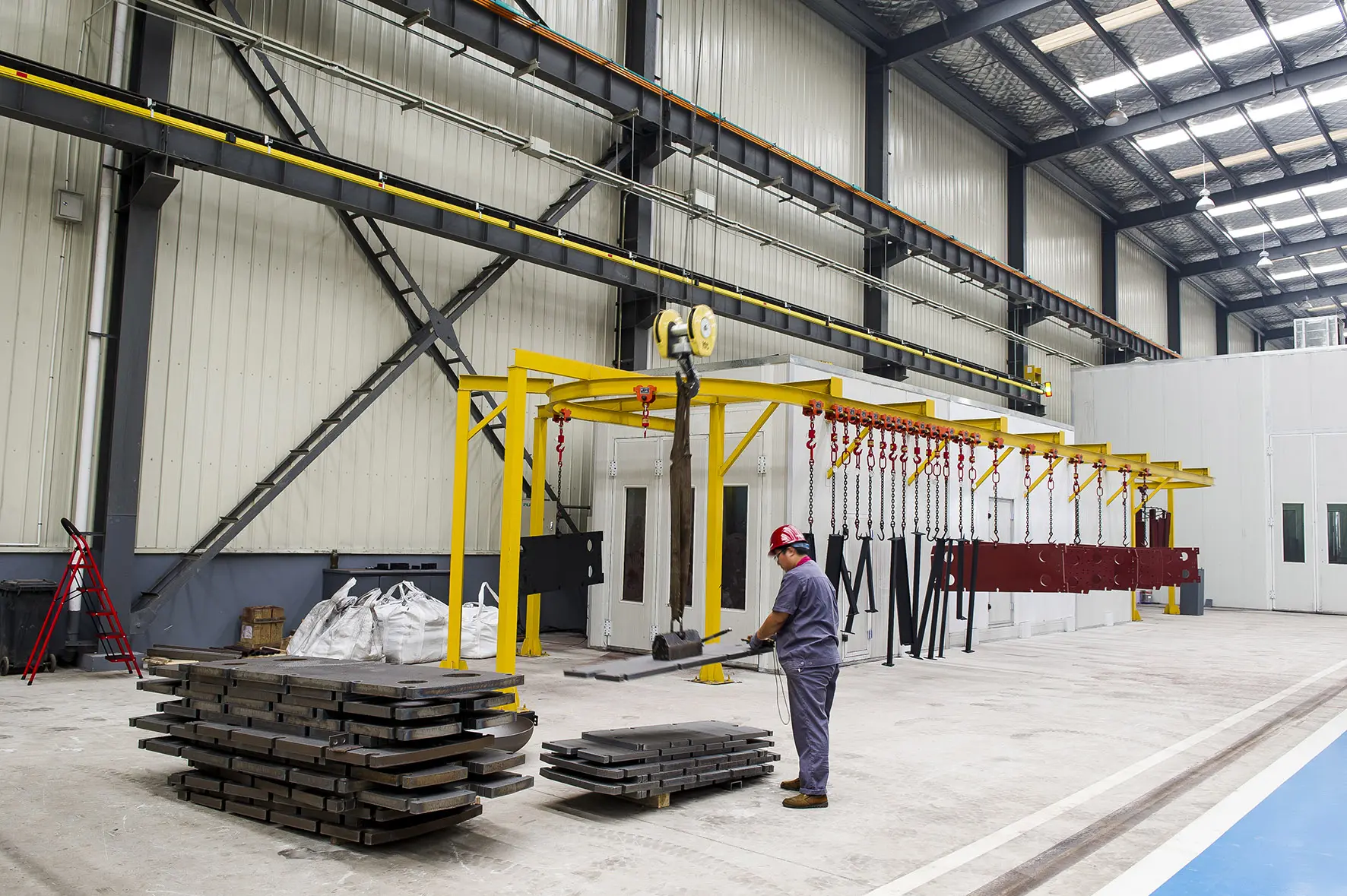
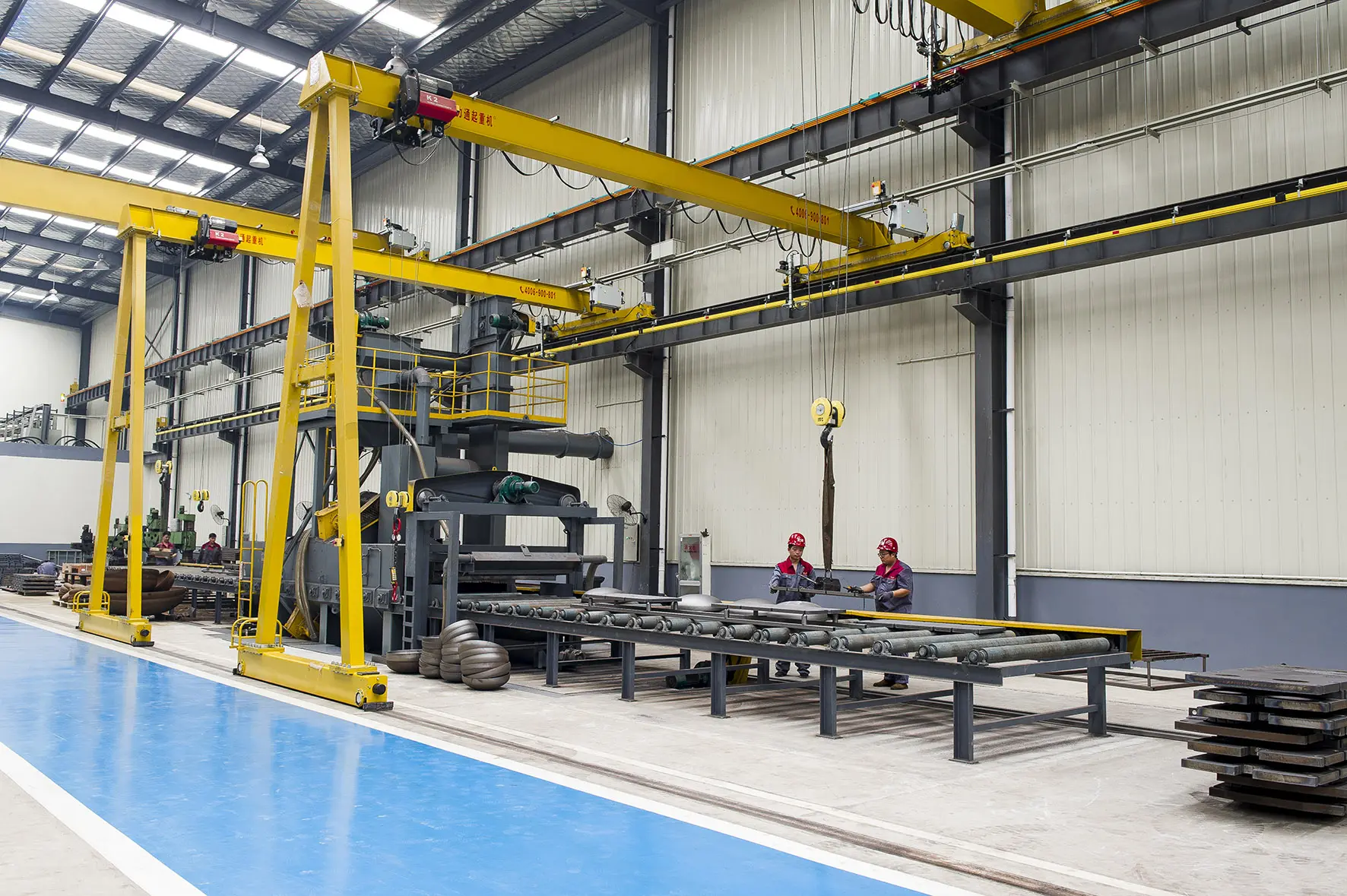
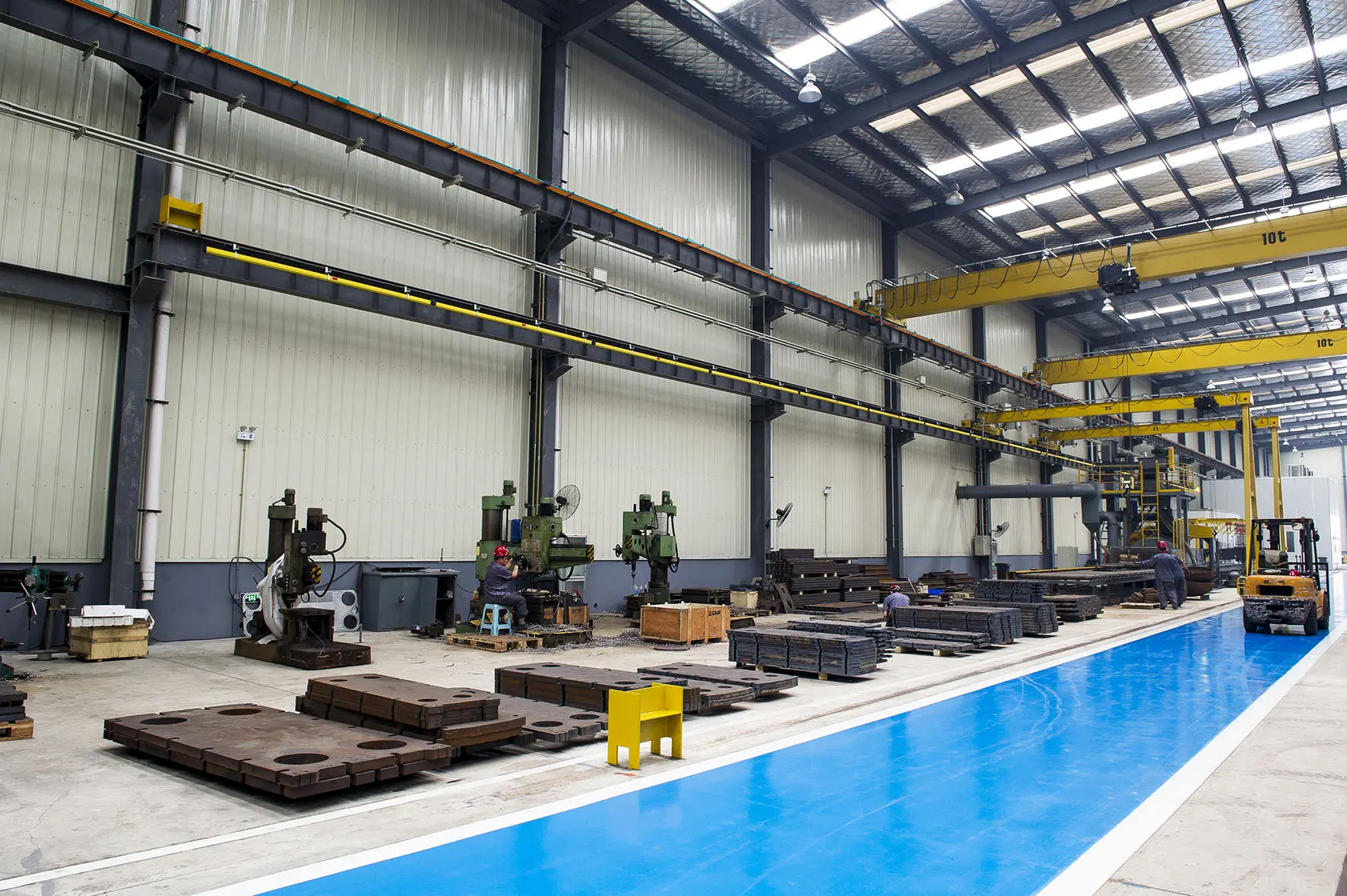
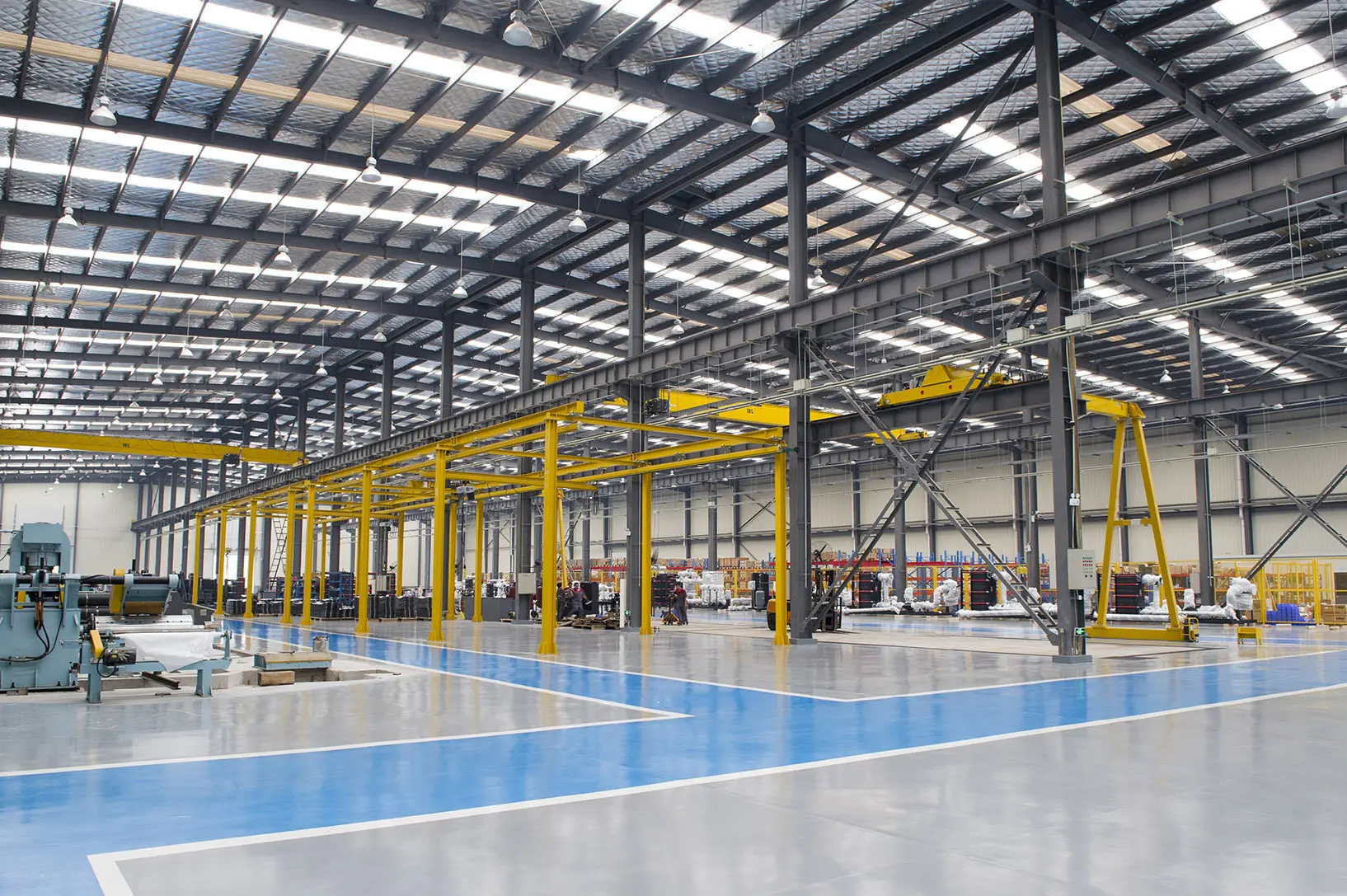
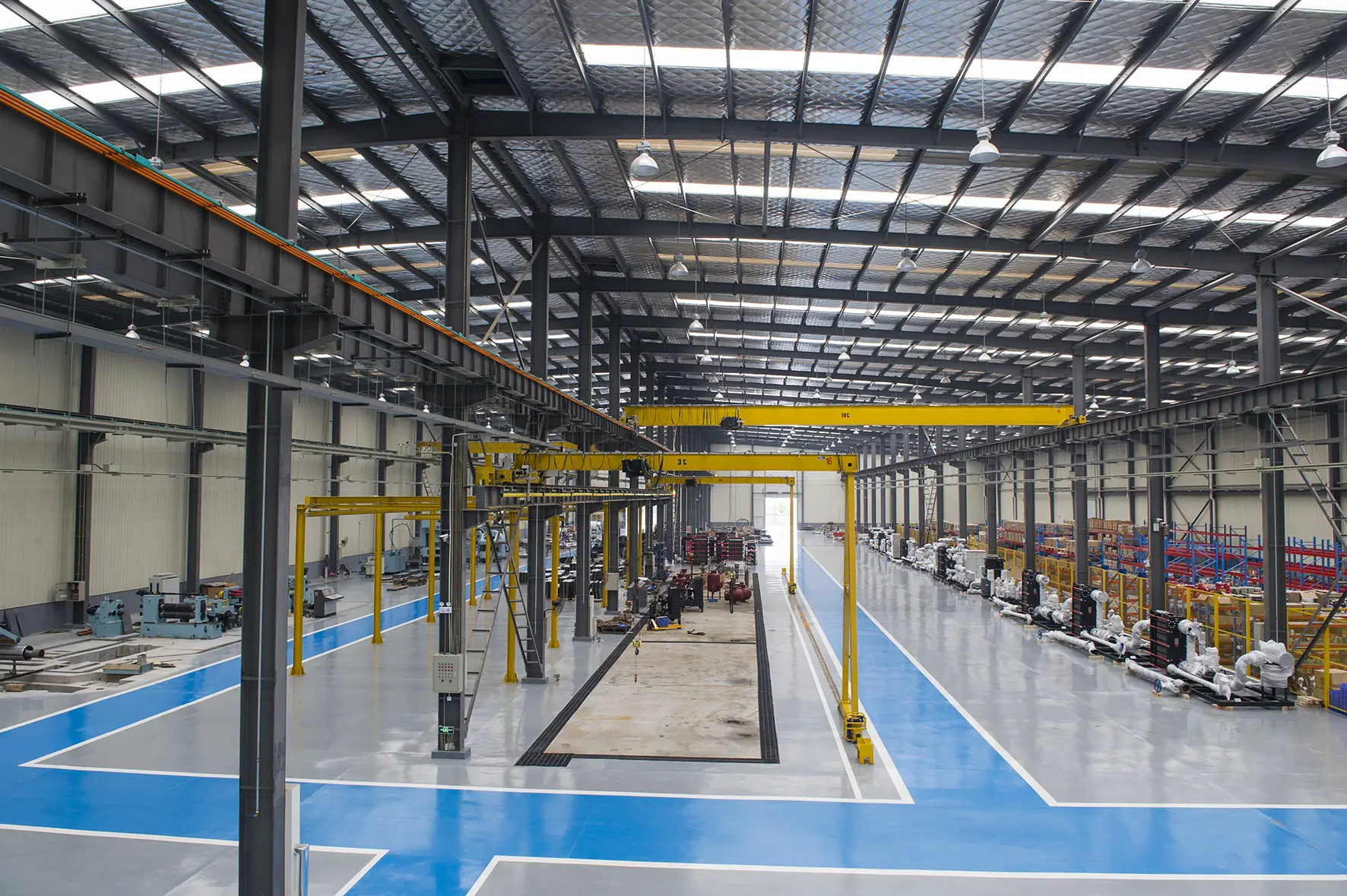
Manufacturing high-precision plate heat exchangers requires strict quality control at every stage. Flotte operates a modern production facility in China built on smart manufacturing and lean workflows. With a registered capital of 101 million yuan and three decades of technical expertise dating back to 1995, our factory is engineered to meet global compliance demands.
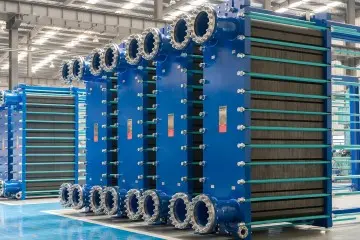
From raw plate coils to final hydraulic pressure testing, we handle all key processes in-house. Our automated 10,000-ton stamping presses produce high-precision corrugation patterns that distribute fluids evenly and minimize fouling. Every plate pack undergoes strict water pressure checks before packaging and export, ensuring plug-and-play installation for global projects.
By keeping large inventories of raw materials (Stainless steel 304, 316L, Titanium, Hastelloy) and standard gasket compounds, Flotte maintains a resilient supply chain. We deliver shorter lead times than Western peers, keeping your replacement parts or new installation projects on schedule.
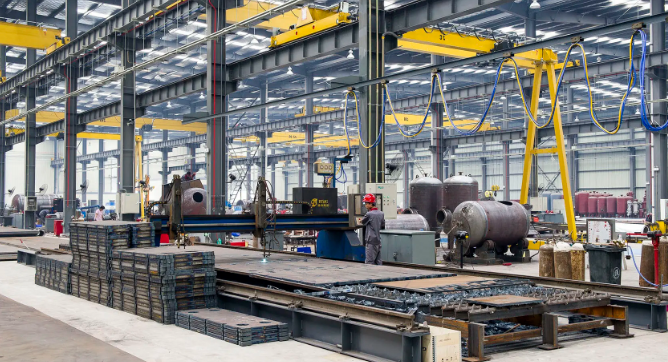
Trusted across municipal thermal grids, chemical processing plants, and HVAC networks worldwide.
Flotte Energy Saving Company, established in 2013 with a registered capital of 101 million yuan, originated from Flotte Thermal Engineering founded in 1995. With three decades of technical expertise, the company specializes in water equipment, HVAC systems, and water treatment industries. It consistently leads industry peers in adopting cutting-edge technologies, developing innovative products, and delivering comprehensive production and sales services.
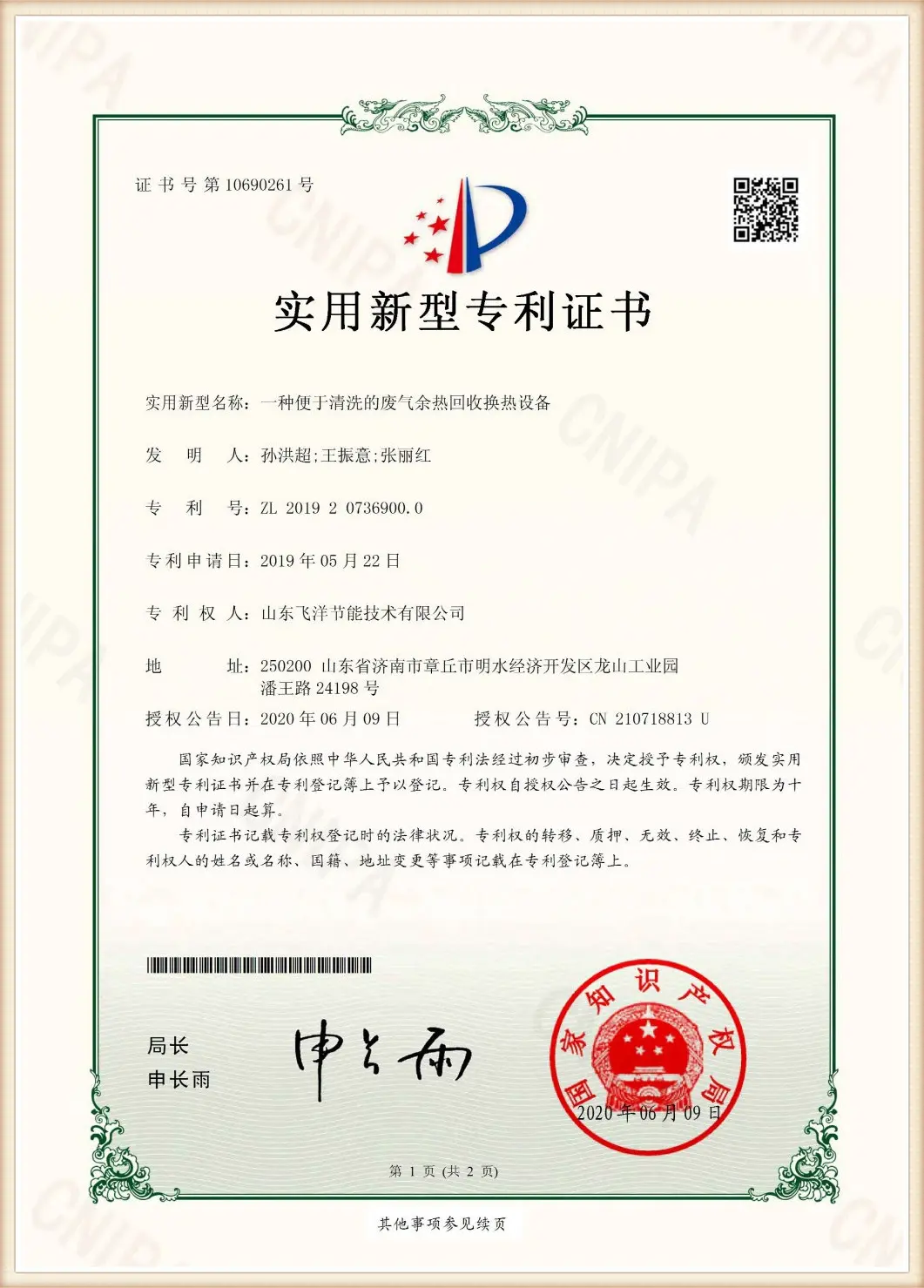
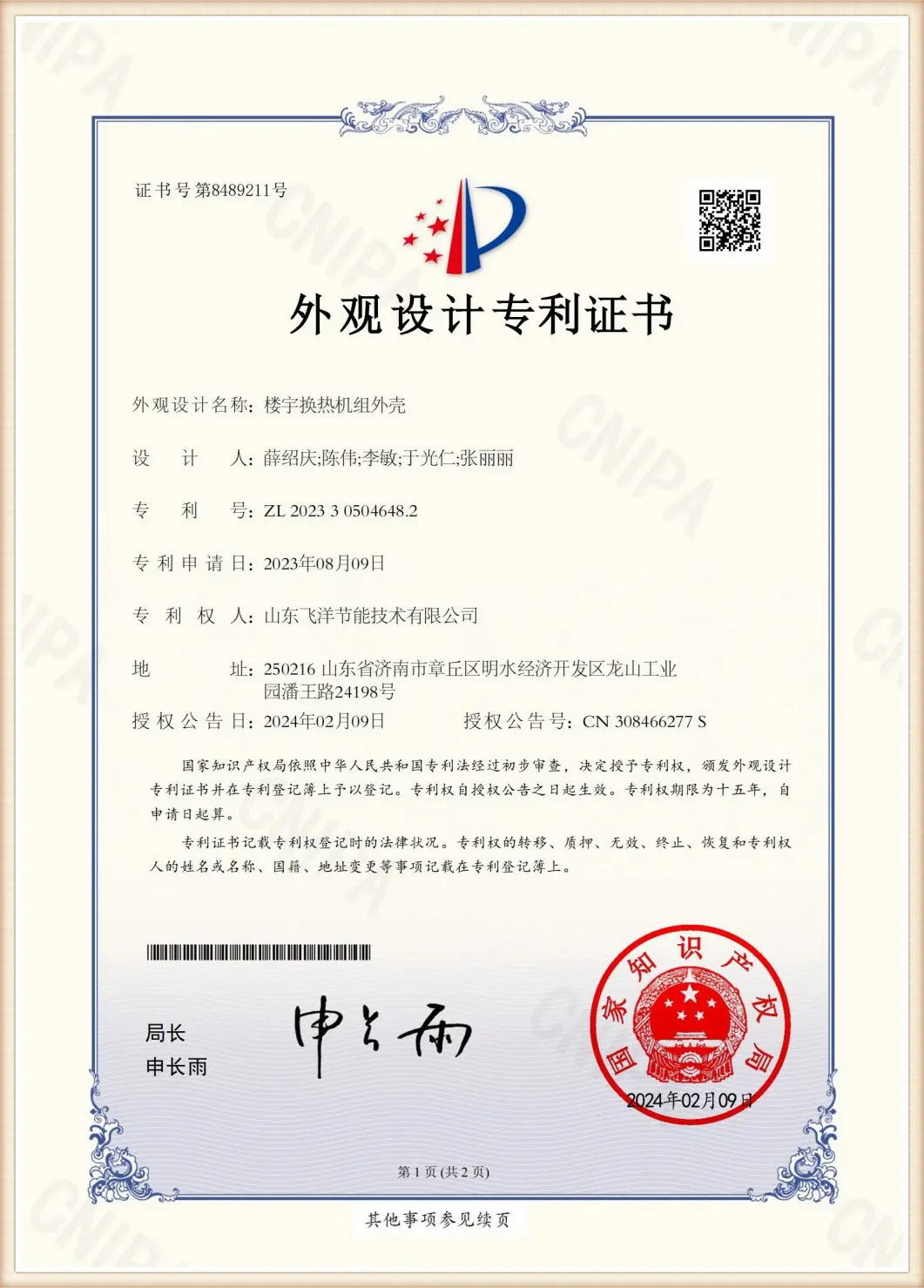
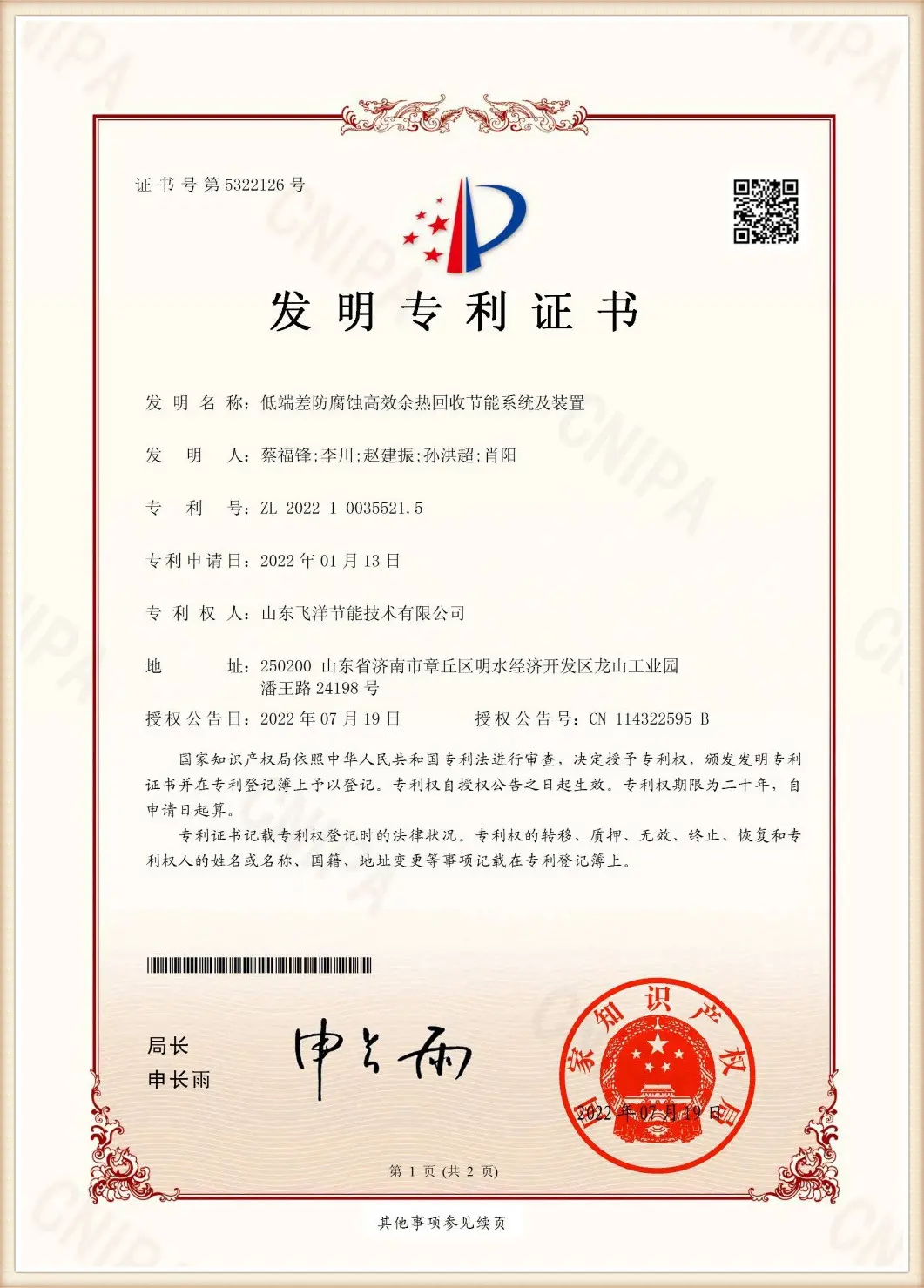
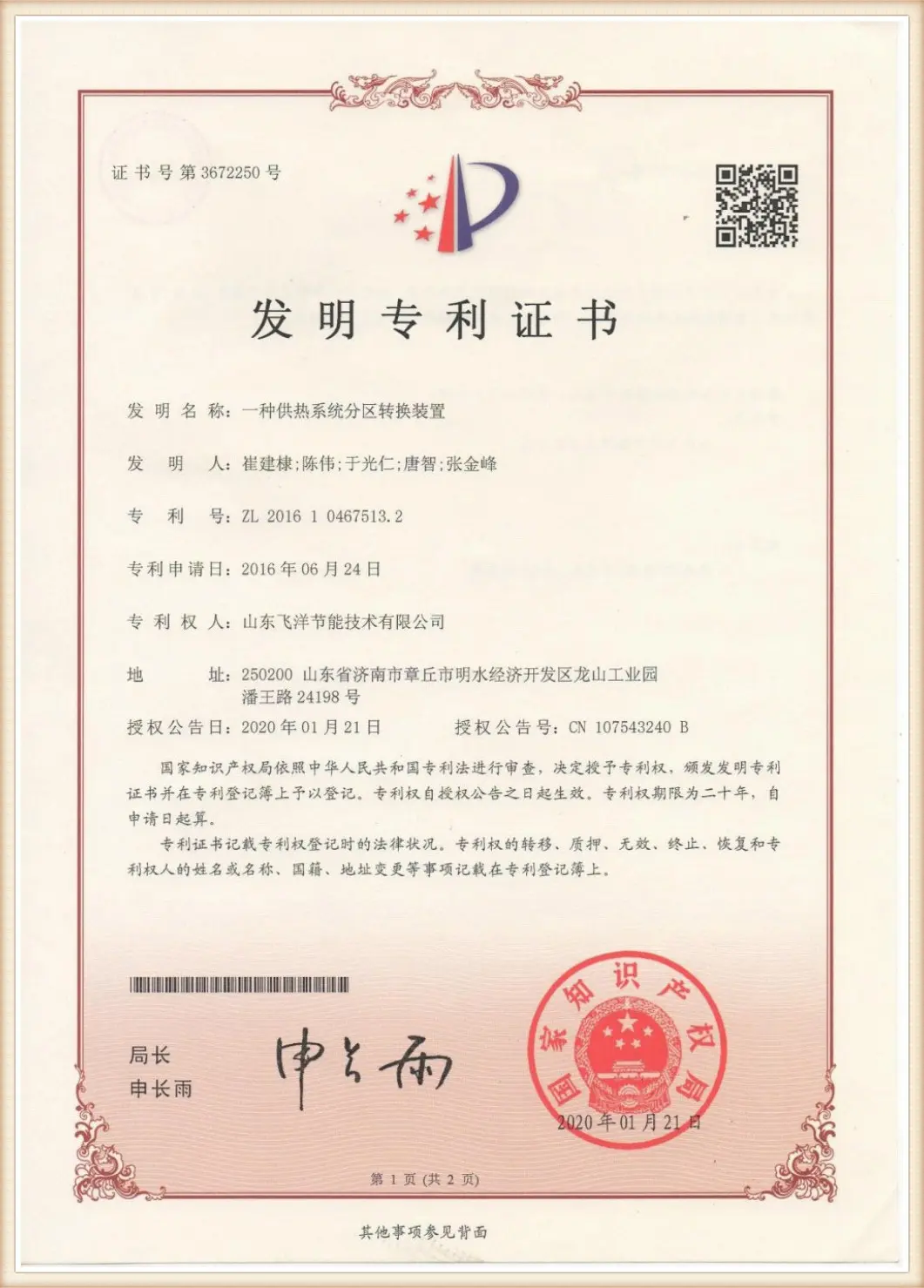
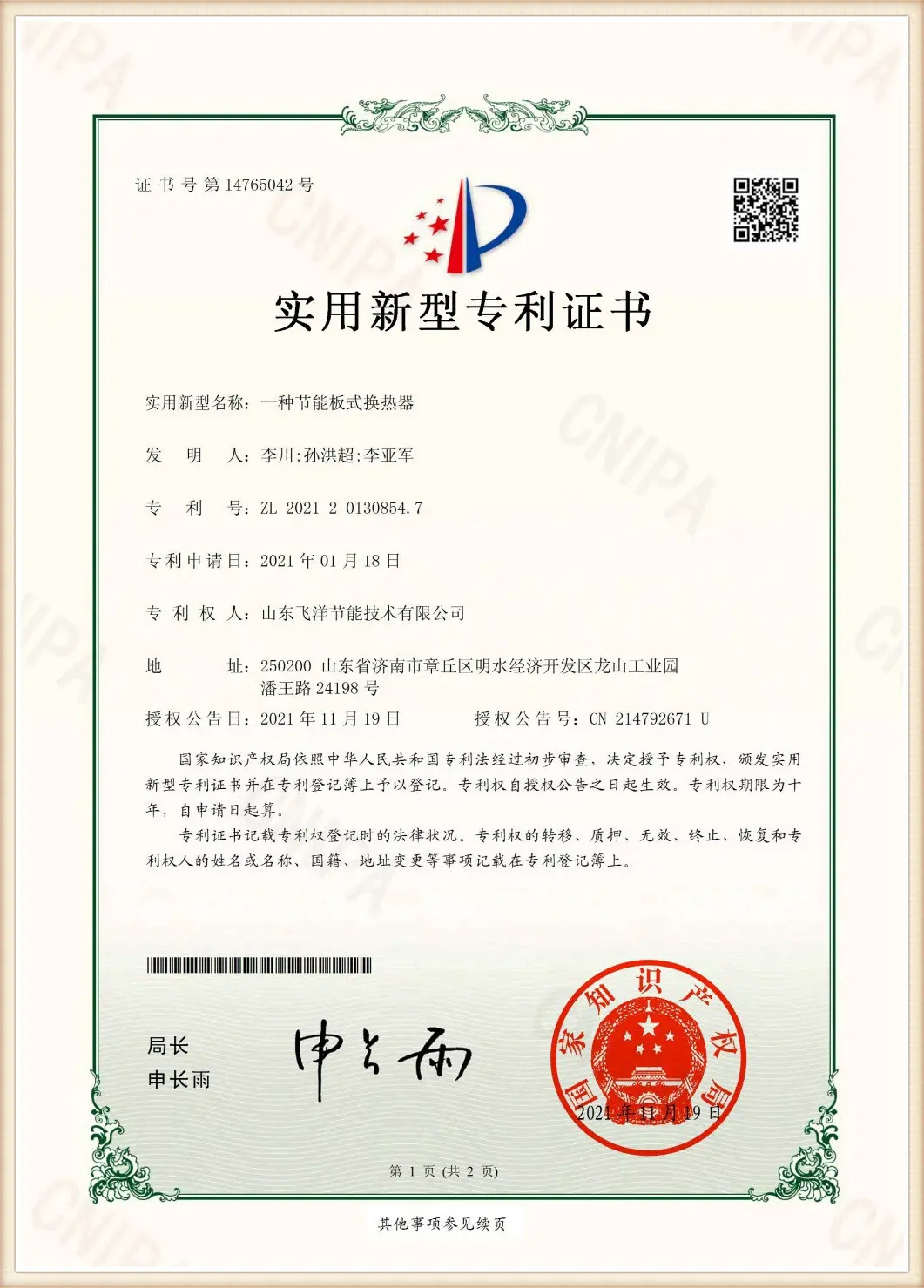
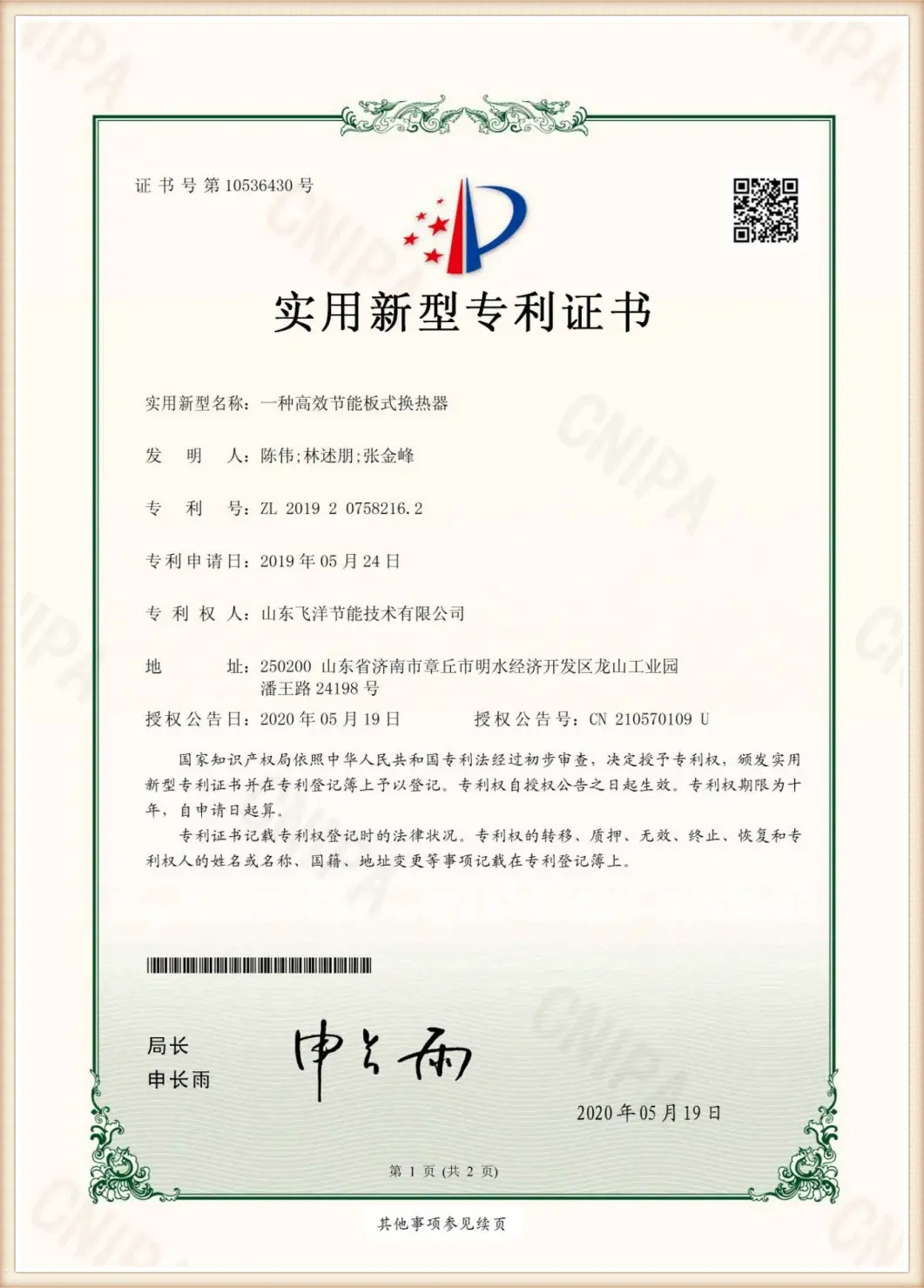
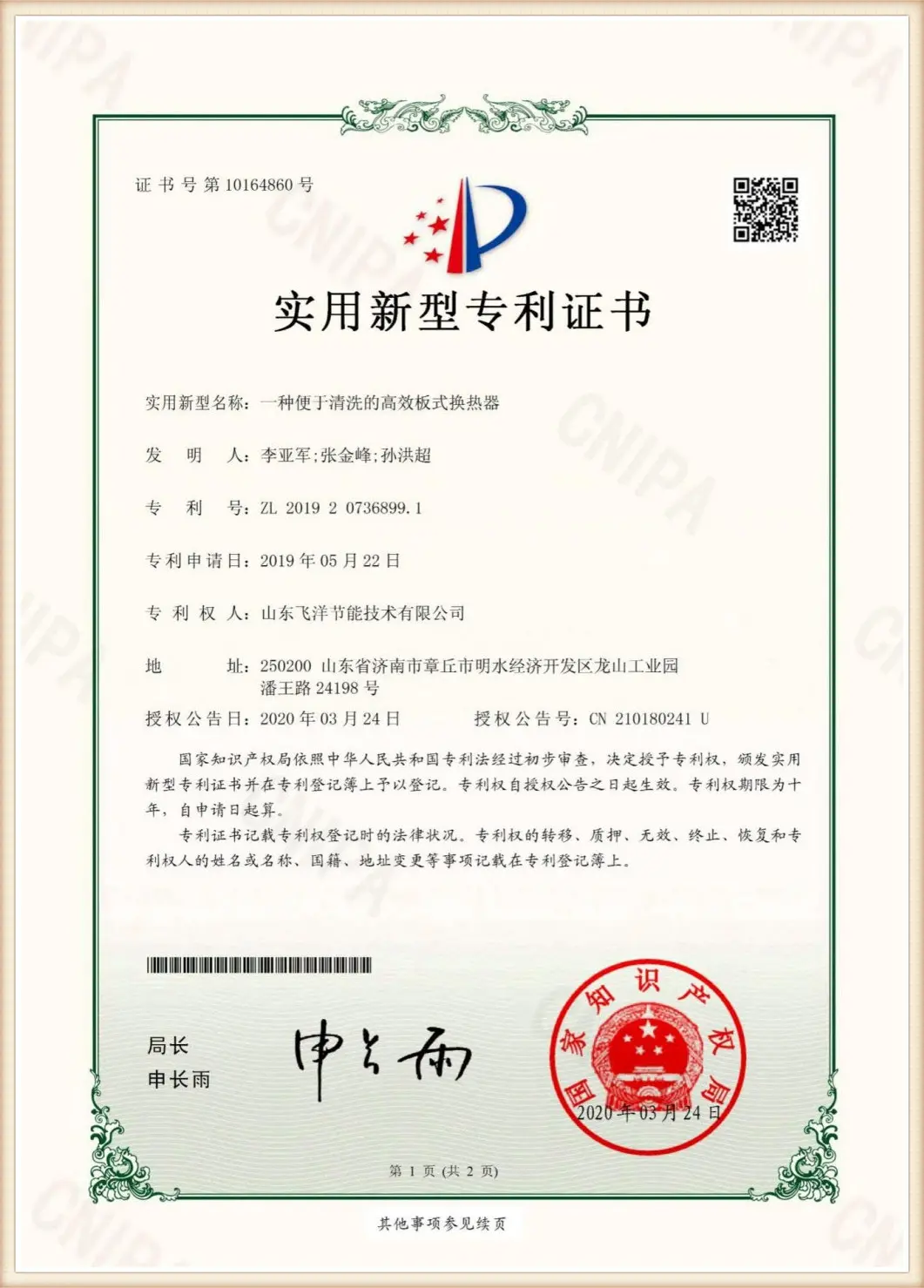
The company has been continuously advancing in production technology innovation, holding multiple patent certifications including "High-Efficiency Plate Heat Exchanger", "Intelligent Plate Heat Exchanger System", and "Plate Heat Exchanger Scale Removal Device" (see qualification documentation). Its products have obtained mandatory national product certification and safety registration from the National Standardization Committee, along with the safety registration for plate heat exchangers issued by the National Boiler and Pressure Vessel Standardization Technical Committee. The company has also achieved ISO9001 Quality Management System certification, ISO14001 Environmental Management System certification, and ISO45001 Occupational Health and Safety Management System certification.
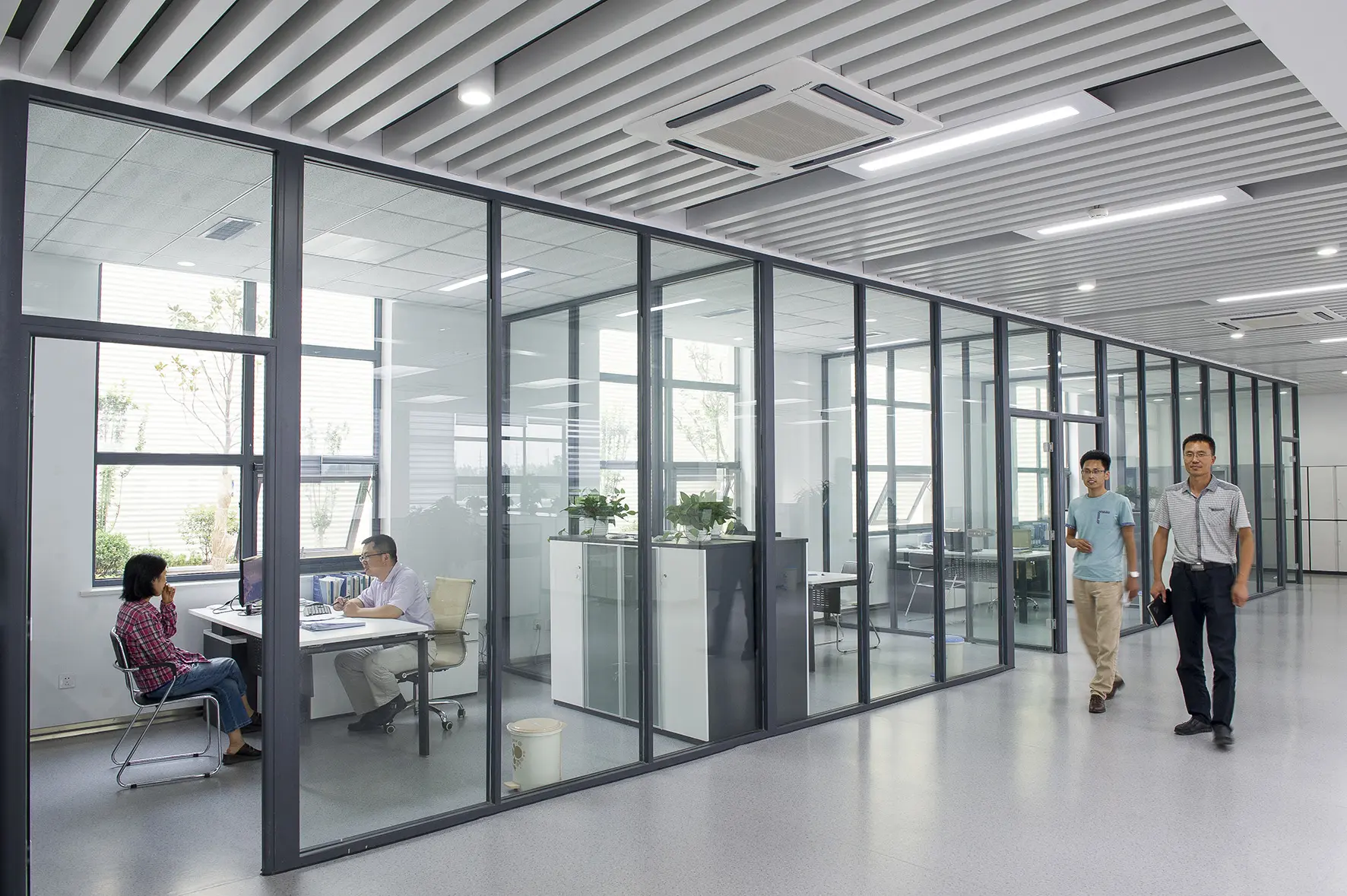
The company has professional designers and skilled technical workers; the designers have been engaged in design work for many years, with good professional knowledge and rich practical experience to ensure the reliability of the technical products designed; has a special R & D center and advanced laboratory, to ensure the technical advancement of products developed and produced.
The company has accumulated valuable expertise in technology development, production, application, and installation services. Having delivered equipment and technical support for multiple key projects, it has cultivated a team of highly skilled technicians and installation specialists. Moving forward, the company will continue to thrive in the industry by maintaining cutting-edge technologies, providing premium products and professional services, while ensuring that past, present, and future users can rest assured about after-sales support.
The company has established modern production facilities that combine advanced manufacturing with systematic management, producing high-tech integrated products. It holds a leading position in the industry nationwide and commands a substantial market share. Annually, it manufactures approximately 4,500 heat exchange units and water supply/drainage equipment sets. With over 300 employees, the company generates annual sales revenue of 500 million yuan and contributes 15 million yuan in taxes and profits.
Every step in our production is carefully controlled to ensure reliable thermal performance and durable seals.
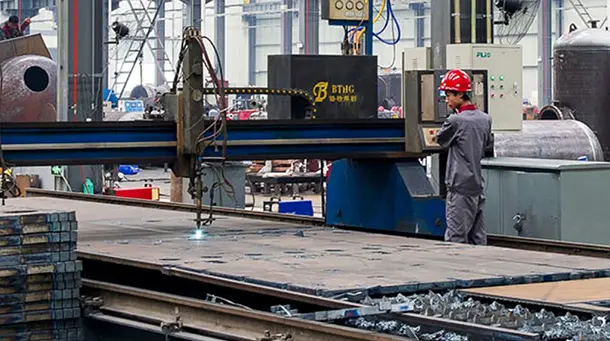
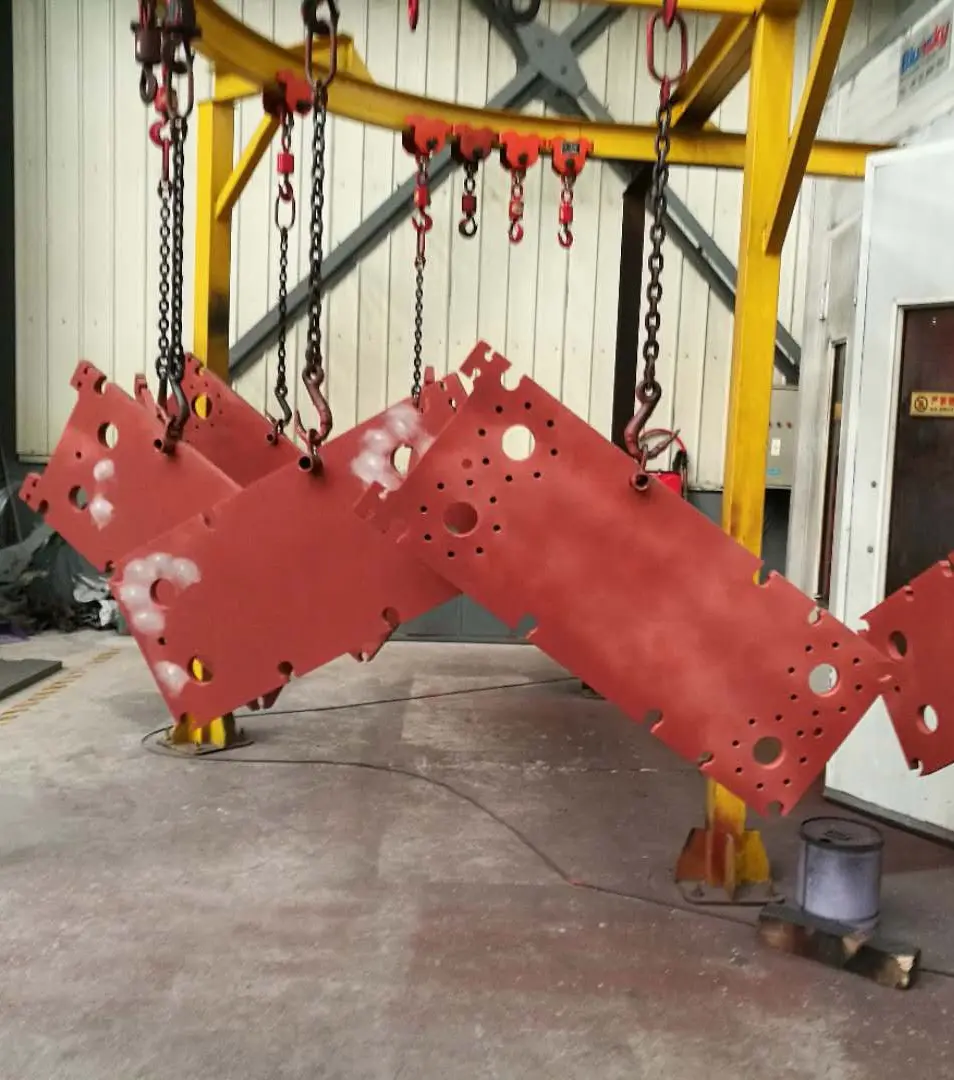
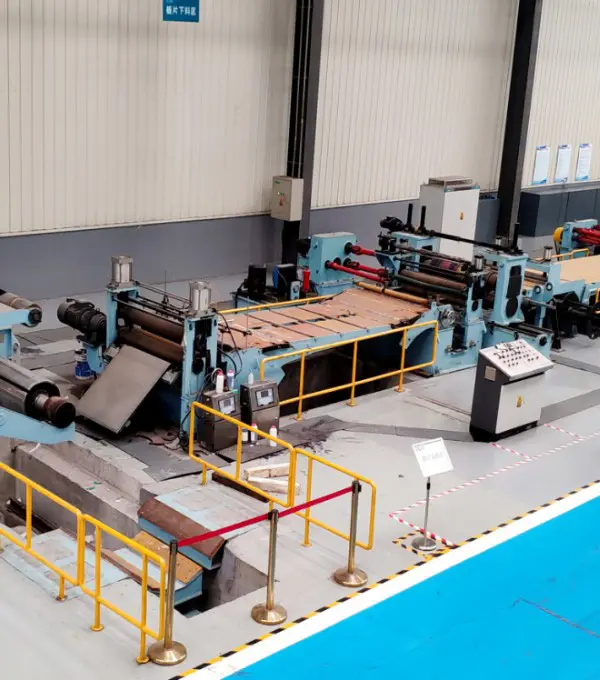
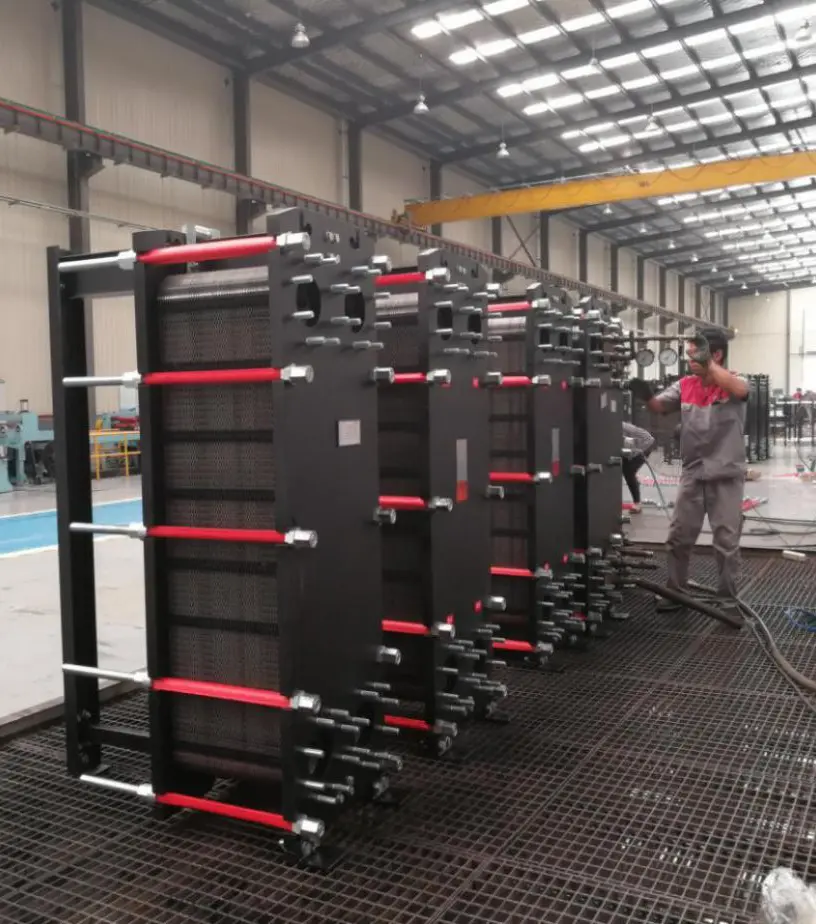
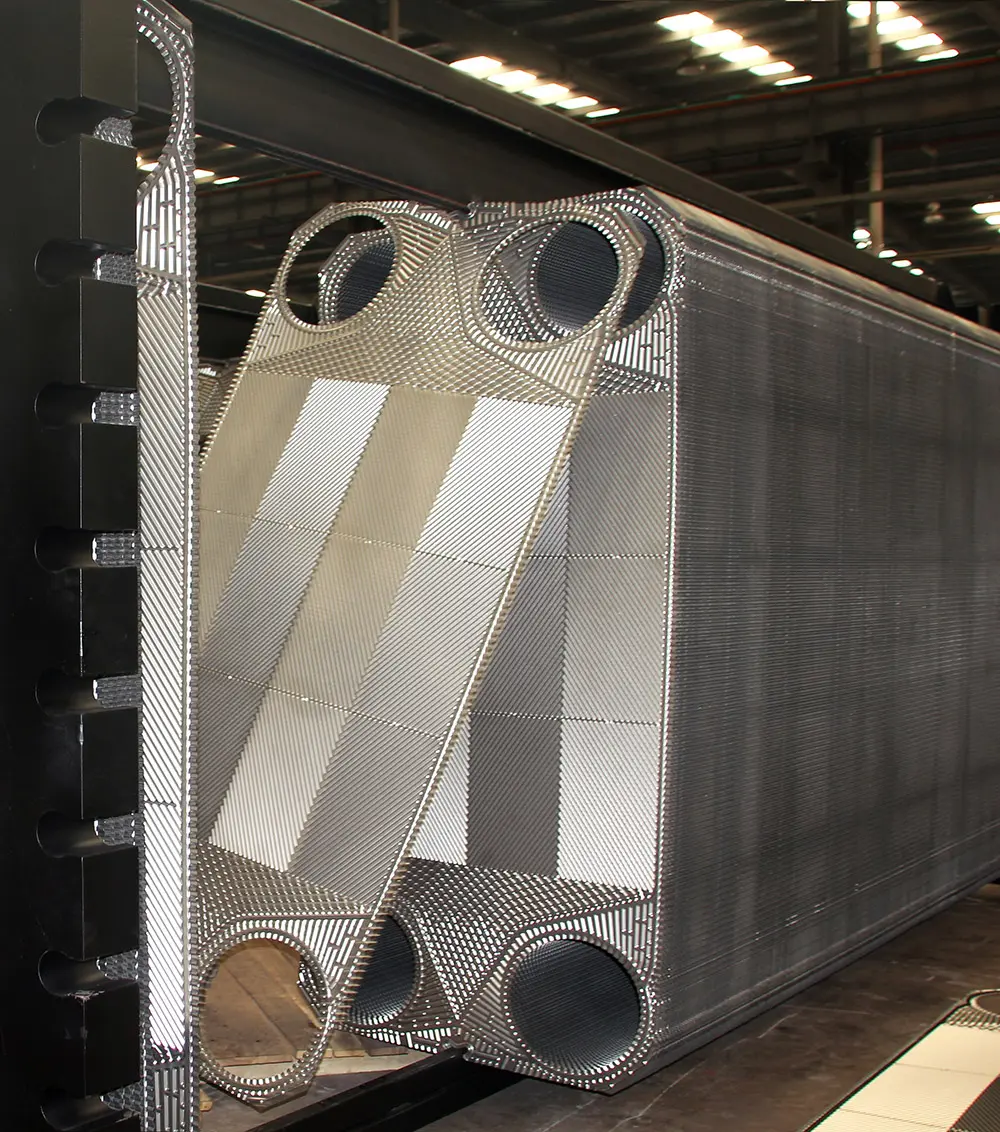
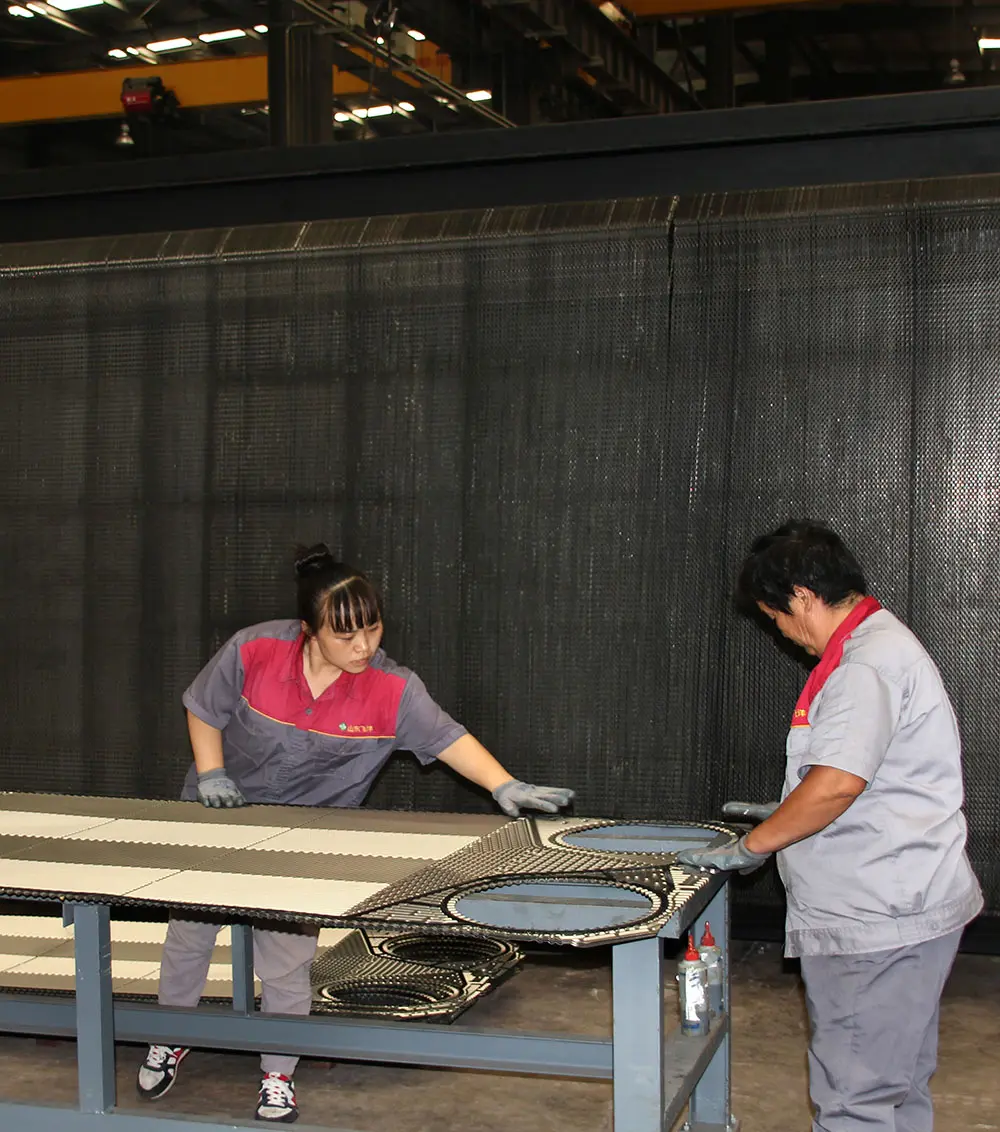
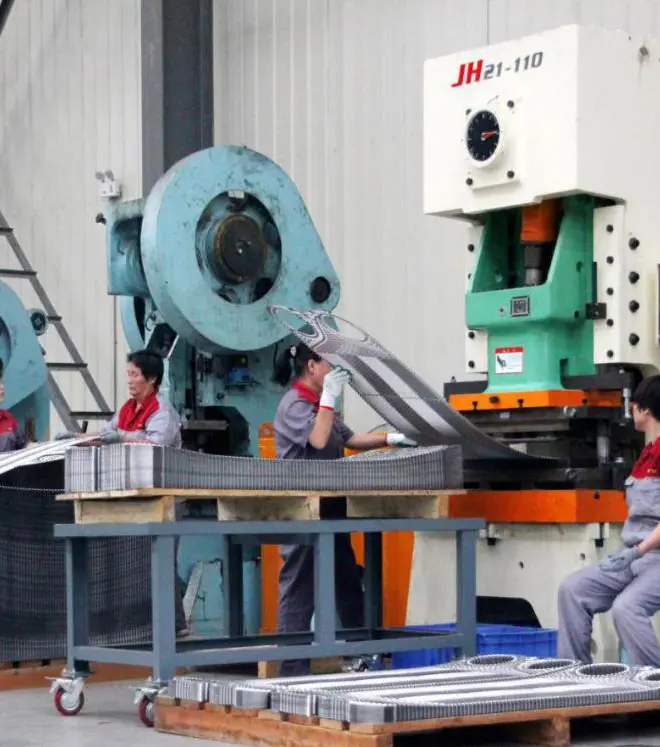
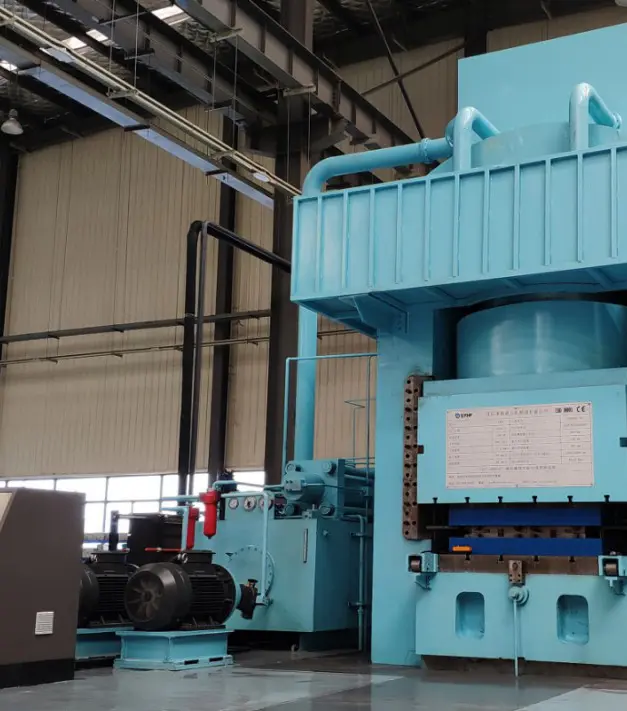
How we ensure thermal reliability and process quality across all systems.
Specializing in plate heat exchangers, it features patented corrugated plate design, achieving 2-3 times higher heat exchange efficiency than conventional equipment.
The products cover 8 core areas such as air conditioning, heating and ventilation, and central heating. The solutions have been verified by projects in many places around the world, and can accurately match different regional conditions and compliance requirements.
The whole process quality control system runs through the production, the products have obtained a variety of certifications, and the preferred stainless steel, titanium and other high-end materials ensure stable and durable in harsh environments.
We provide customized design, after-sales maintenance and one-stop service, multilingual team + efficient supply chain, to ensure that global customers can get timely technical and logistical support.
Take a virtual tour through our manufacturing halls, stamping areas, and product inventory bays.


Expert answers to common design, operational, and maintenance issues.
The main signs of internal fouling include a steady drop in thermal efficiency (the secondary loop fails to reach its target temperature) and a noticeable increase in pressure drop across the ports. If your inlet-to-outlet pressure differential rises 1.5 to 2 times above the design values, the plate channels likely have scaling or biological buildup that needs cleaning.
Our gaskets are made from high-grade elastomeric compounds that undergo strict curing processes. We match the gasket compound to the specific application—using EPDM for high-temperature steam and water networks, NBR for hydrocarbon streams, and Viton/FKM for corrosive chemicals. This tailored selection helps prevent hardening and compression set under high thermal loads.
Gasketed PHEs are sensitive to sudden pressure spikes. A water hammer event can easily slip gaskets out of their tracks or deform the plates. We recommend installing soft-start valves, expansion tanks, and bypass loops to protect the PHE from pressure surges. For systems prone to pressure spikes, our heavy-duty frame designs are built to distribute clamping forces evenly.
Our modular designs package the heat exchanger, balance valves, piping, and controls onto a single frame. This simplifies installation, makes maintenance points easier to access, and allows you to expand capacity by adding plates to the frame as your thermal load demands grow.
We source our metals directly from leading mills and issue full material test reports (MTRs) for every batch. Each plate is stamped with a batch number code, allowing us to track the plate from the raw metal coil through pressing, testing, and delivery.
Explore our complete range of pressure stations, balancing systems, and robust heat exchanger units.

 Flotte Energy