Discover our highly efficient thermal management systems engineered for heavy industries and smart heating networks
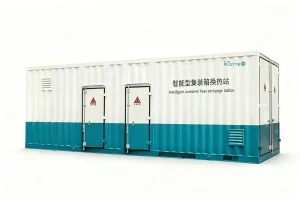
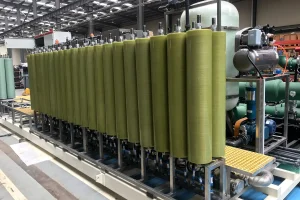
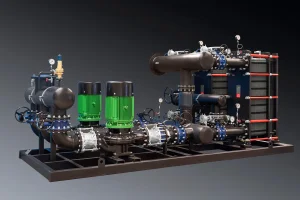
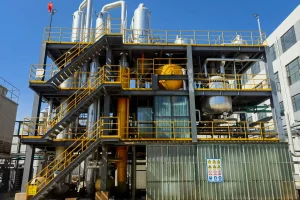
Flotte Energy Saving Company, formally incorporated with a registered capital of 101 million yuan in 2013, represents the evolution of Flotte Thermal Engineering, which was established in 1995. Drawing upon three decades of focused technical expertise, we specialize in high-performance water equipment, HVAC systems, and state-of-the-art water treatment industries. Flotte has consistently led the manufacturing field in introducing cutting-edge thermal transfer technologies, delivering comprehensive, field-verified products, and providing exceptional engineering services across the globe.
Our commitment to thermodynamic performance has enabled us to achieve major certifications and build proprietary industrial systems. We hold multiple patents, including the "High-Efficiency Plate Heat Exchanger", "Intelligent Plate Heat Exchanger System", and the specialized "Plate Heat Exchanger Scale Removal Device". Our production processes conform to international benchmarks, validated by our ISO9001 Quality Management System, ISO14001 Environmental Management System, and ISO45001 Occupational Health and Safety Management System certifications. Furthermore, our heat exchanger designs comply with the strict national boiler and pressure vessel safety requirements, ensuring that every unit manufactured satisfies structural integrity standards under high temperature and stress parameters.
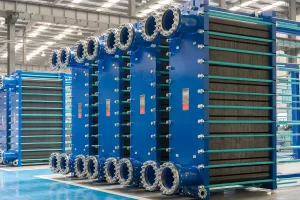
Unlike conventional linear plate heat exchangers, the spiral configurations offered by Flotte introduce a single-channel, concentric spiral flow path. This circular design creates a continuous centrifugal force (Dean vortices) that disrupts the boundary layer of fluid flow. The result is a dramatic increase in the Nusselt number at lower Reynolds numbers, facilitating high heat transfer rates with a minimal spatial footprint.
Industrial thermal processes are shifting toward decarbonization and optimal energy conservation. The structural evolution of spiral heat exchangers is critical to this transition. Traditionally, spiral heat exchangers were utilized primarily for high-fouling fluids. However, Flotte’s current engineering roadmap extends this capability to multi-phase mixtures and high-pressure chemical synthesis systems.
While standard stainless steel (SUS304 and SUS316L) remains the benchmark for conventional applications, our R&D center has optimized the stamping and welding protocols for specialized alloys. We are utilizing Titanium-Grades 1 & 2, Hastelloy C276, and Nickel 200/201 to withstand corrosive fluid paths in petrochemical processing and waste-to-energy plants. This metallurgical versatility prevents stress corrosion cracking (SCC) and extends the functional life cycle of the units to over 25 years.
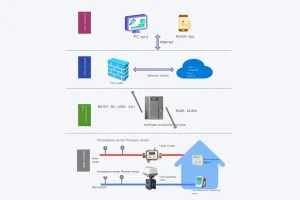
The future of thermal utility networks lies in dynamic optimization. Our Intelligent Heating Network Monitoring System works in tandem with our spiral installations. By incorporating fiber-optic temperature sensors along the spiral curvature, the heat transfer coefficients can be calculated in real-time. If anomalous pressure changes are detected, control algorithms modify secondary circulation pump speeds to mitigate scale accumulation, stabilizing the system automatically.
As green hydrogen production scales, thermal management of electrolyzer loops requires compact, non-clogging configurations. Our upcoming generation of high-pressure spiral exchangers is engineered to operate under design pressures exceeding 4.0 MPa, facilitating efficient heat recovery from high-temperature electrolyzers while maintaining low pressure drops.
Flotte’s customized heat transfer installations are designed for high-demand processing sectors where thermal fluctuations directly affect output quality and energy expenditures:
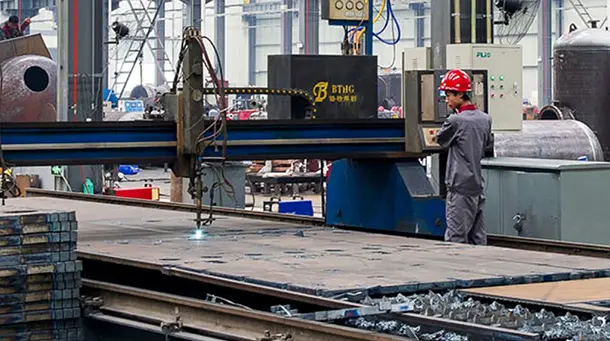
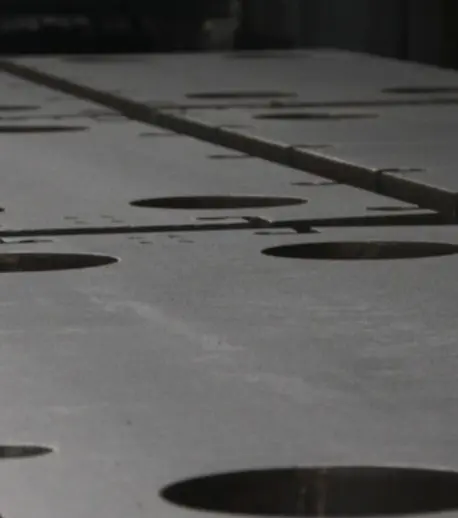
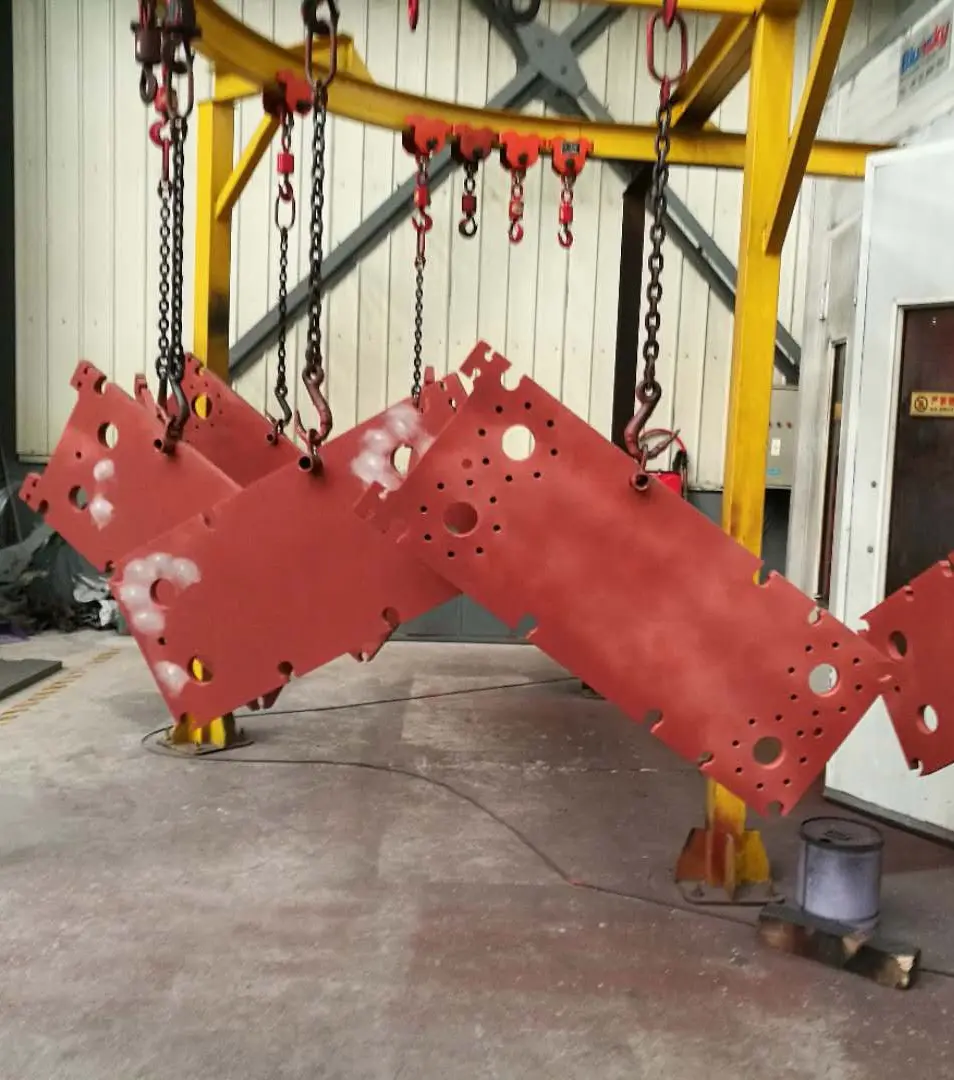
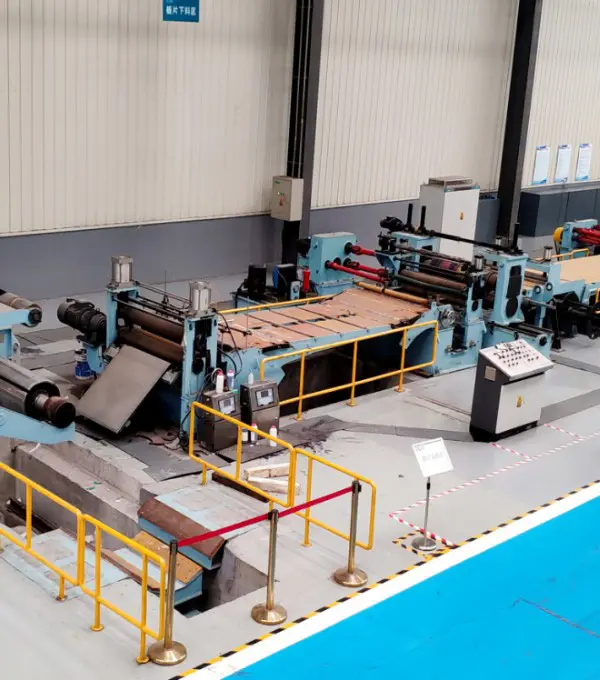
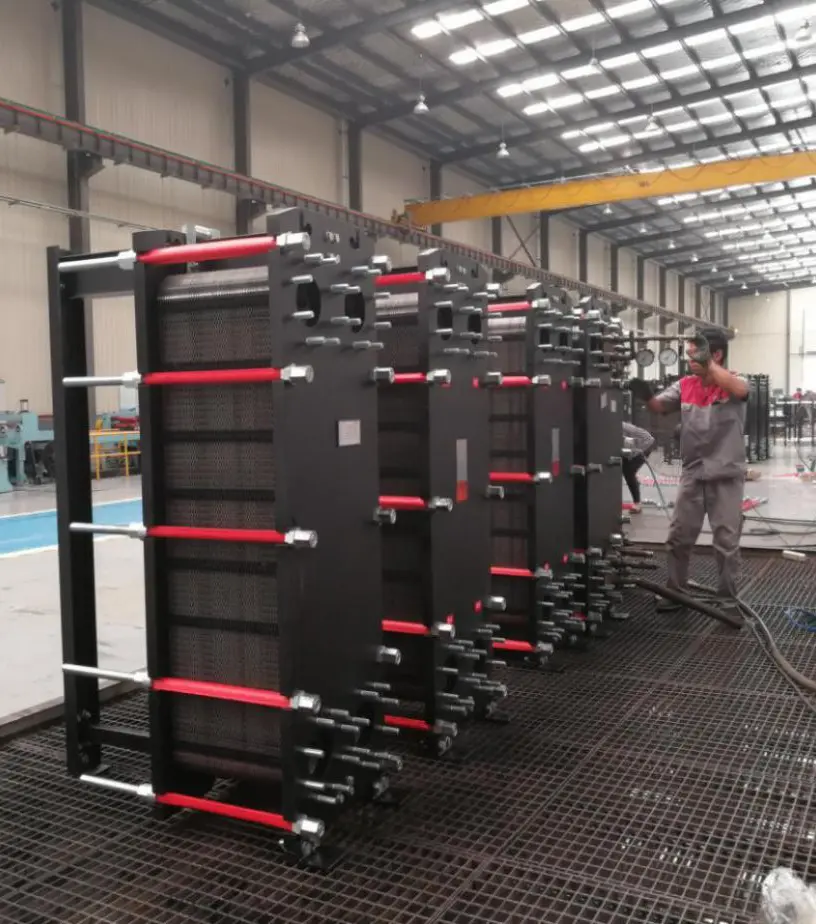
Step-by-step engineering precision within Flotte's advanced manufacturing center
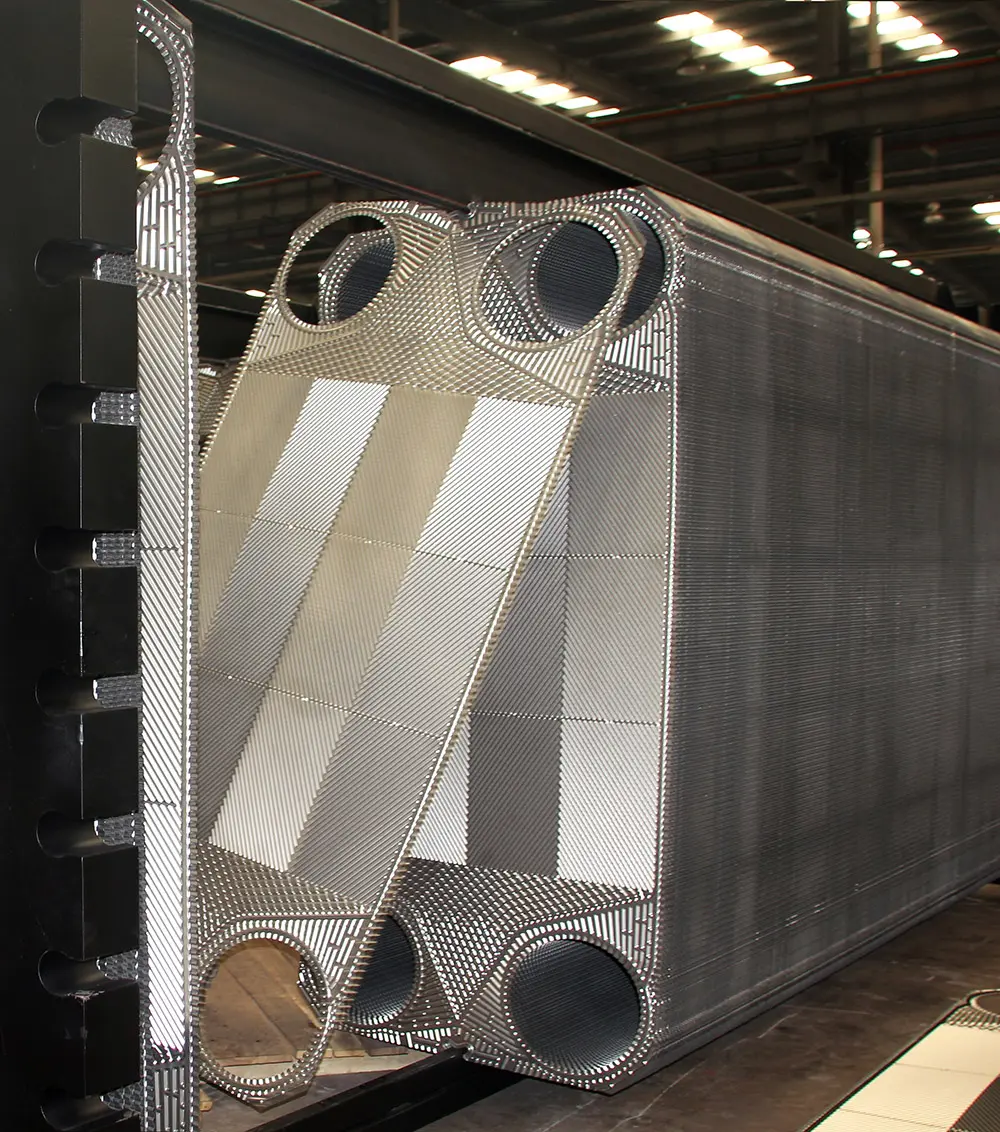
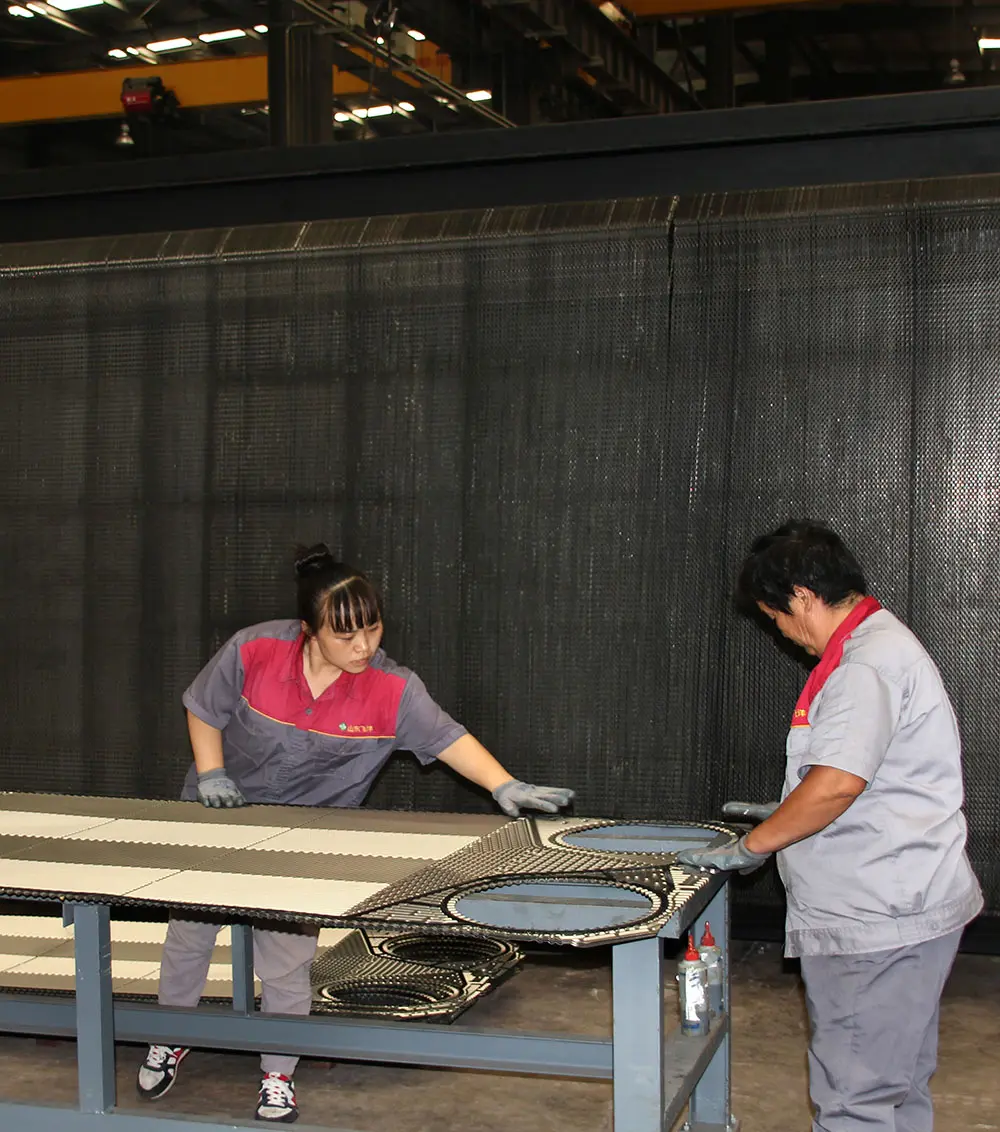
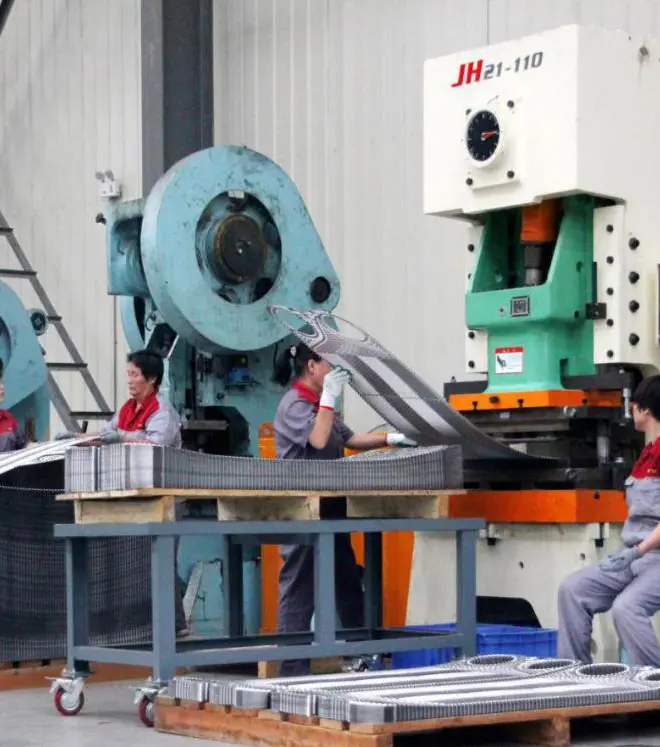
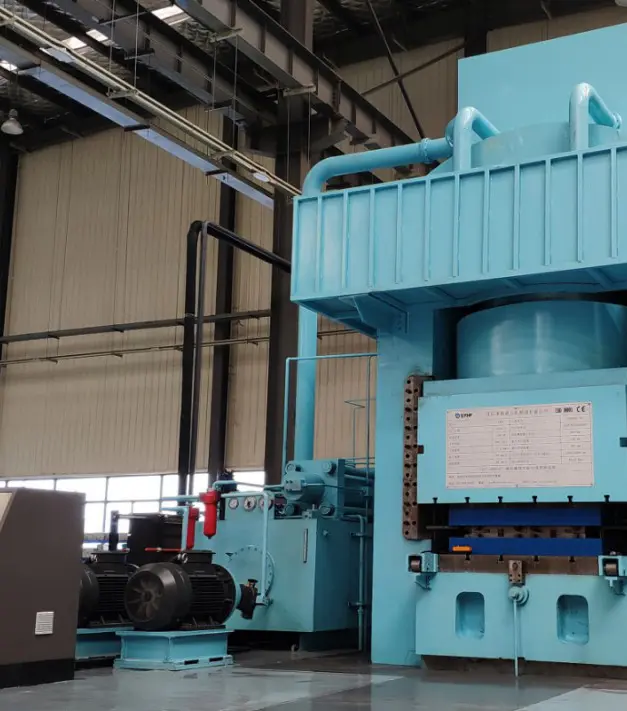
Global procurement teams evaluate thermal solutions on a Total Cost of Ownership (TCO) basis. Industrial equipment must balance initial capital expenditure with long-term operating costs, maintenance intervals, and efficiency.
Standard heat exchangers are often cheaper to procure but demand frequent cleanings, resulting in high maintenance downtime. Flotte's spiral systems utilize single-channel paths that generate turbulence to clean fluid deposits. If fouling occurs, the velocity increase at the restricted flow point scours the deposits away. This self-cleaning characteristic reduces cleanings and downtime, lowering TCO.
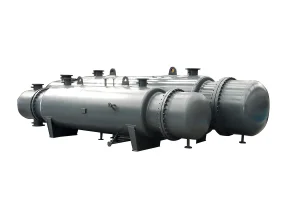
Modern production facilities demand high efficiency within tight space configurations. Our spiral designs present a circular heat exchange surface area that requires only 20% to 30% of the footprint of a comparable shell-and-tube unit, reducing structural fabrication, support steelwork, and floor space costs.
Our raw material procurement involves strict inspection protocols. We source raw plates from Tier-1 global mills, ensuring fully traceable mill test reports (MTR). Every plate batch undergoes chemical composition analysis and mechanical testing prior to entering our stamping presses.
Engineered to comply with ASME, CE-PED, and ISO international safety codes
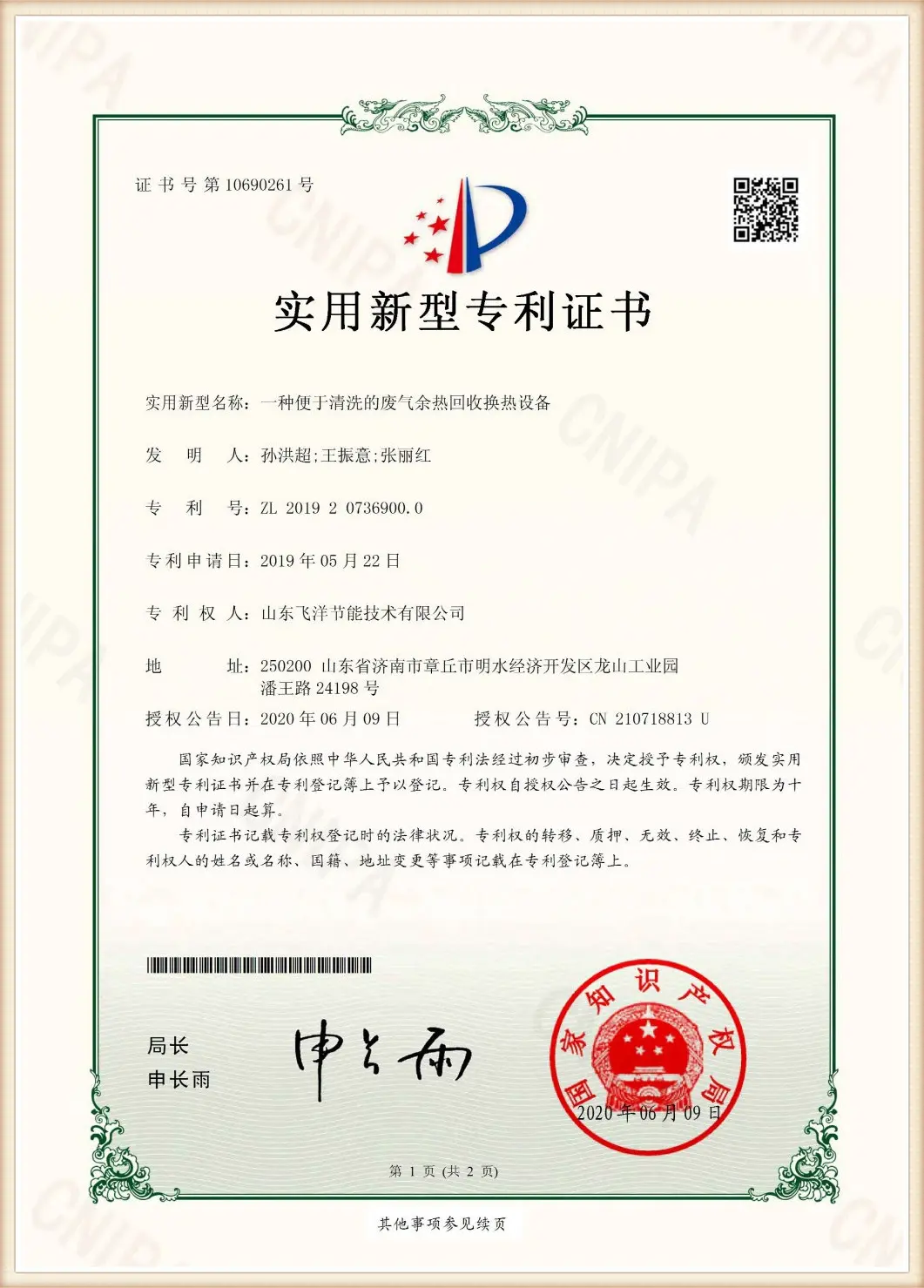
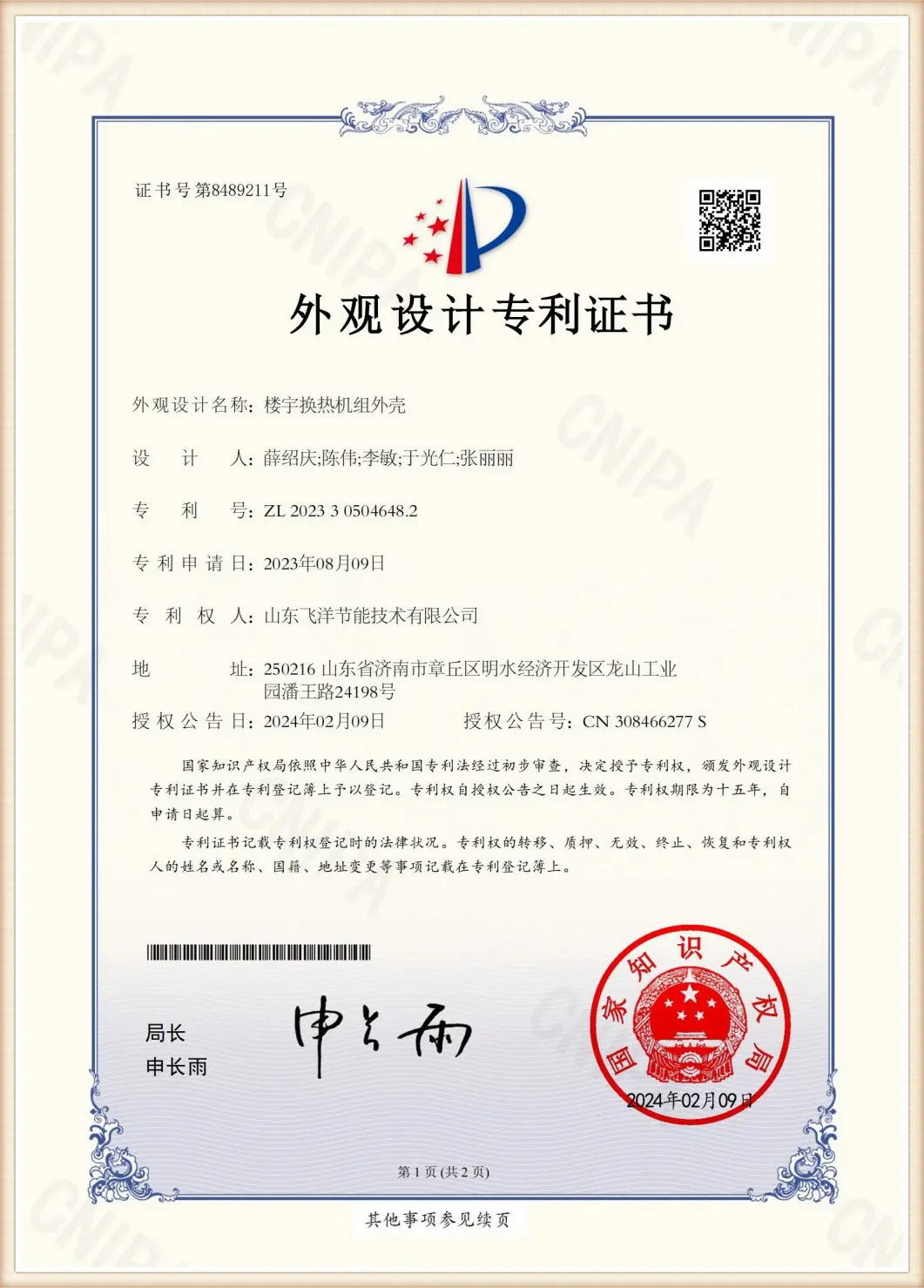
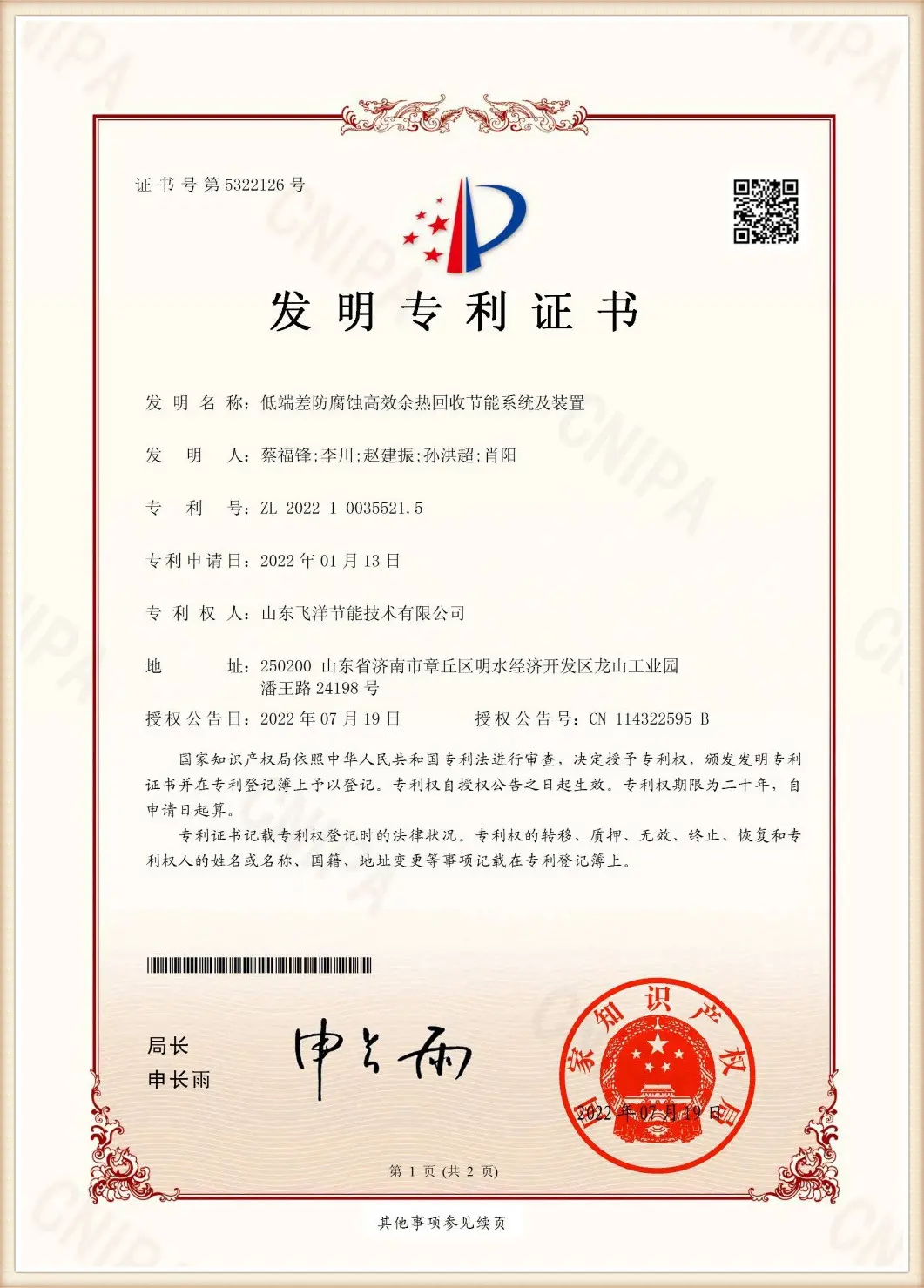
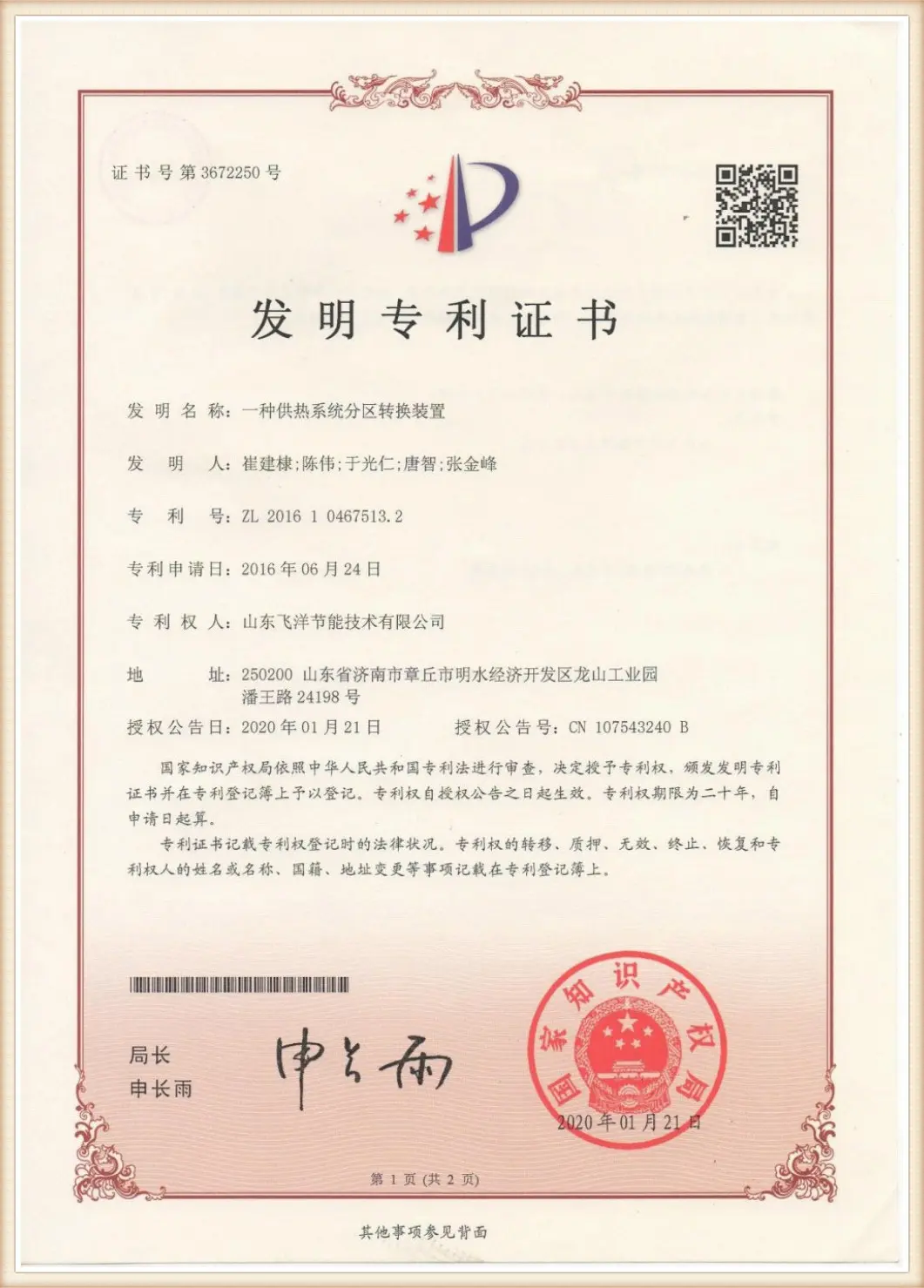
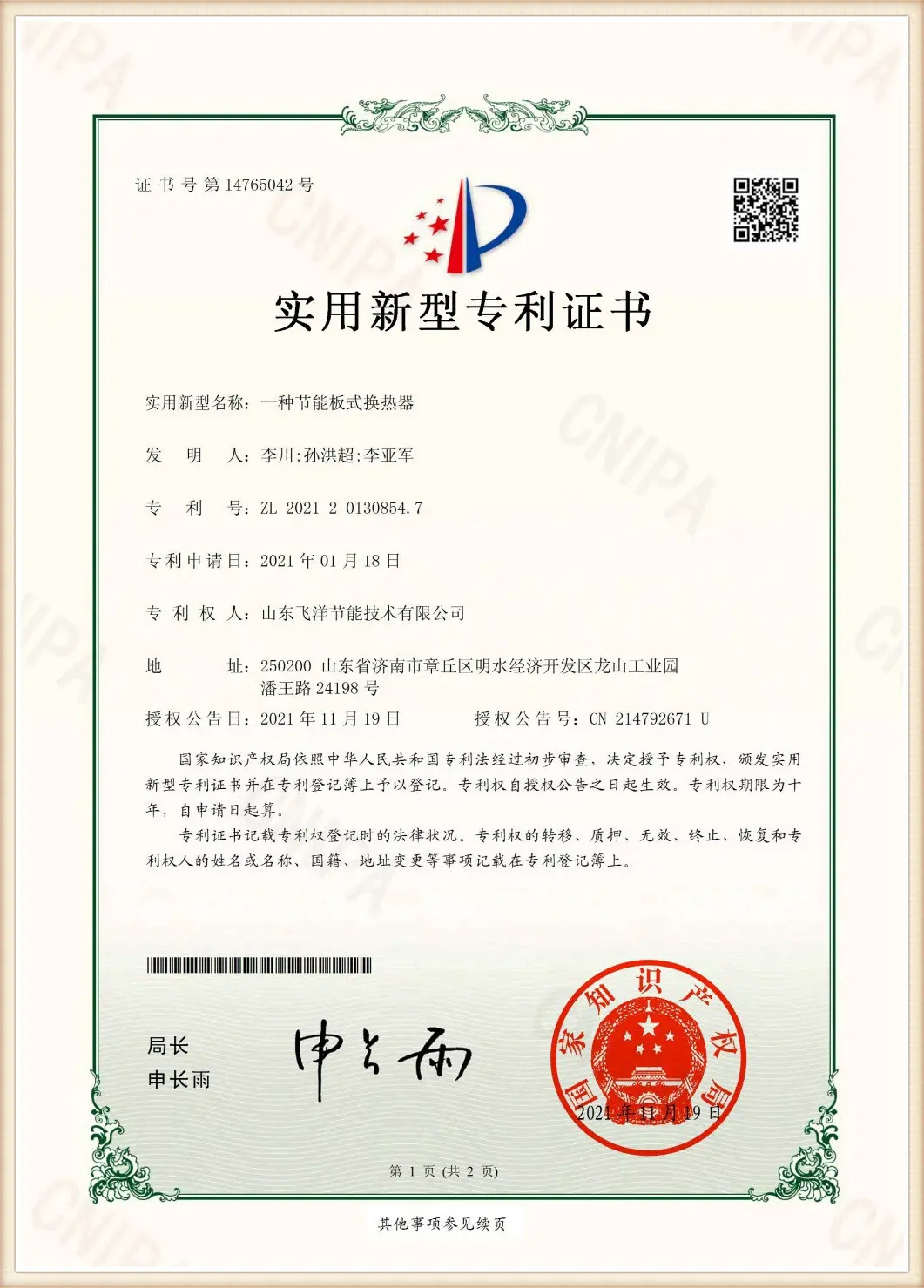
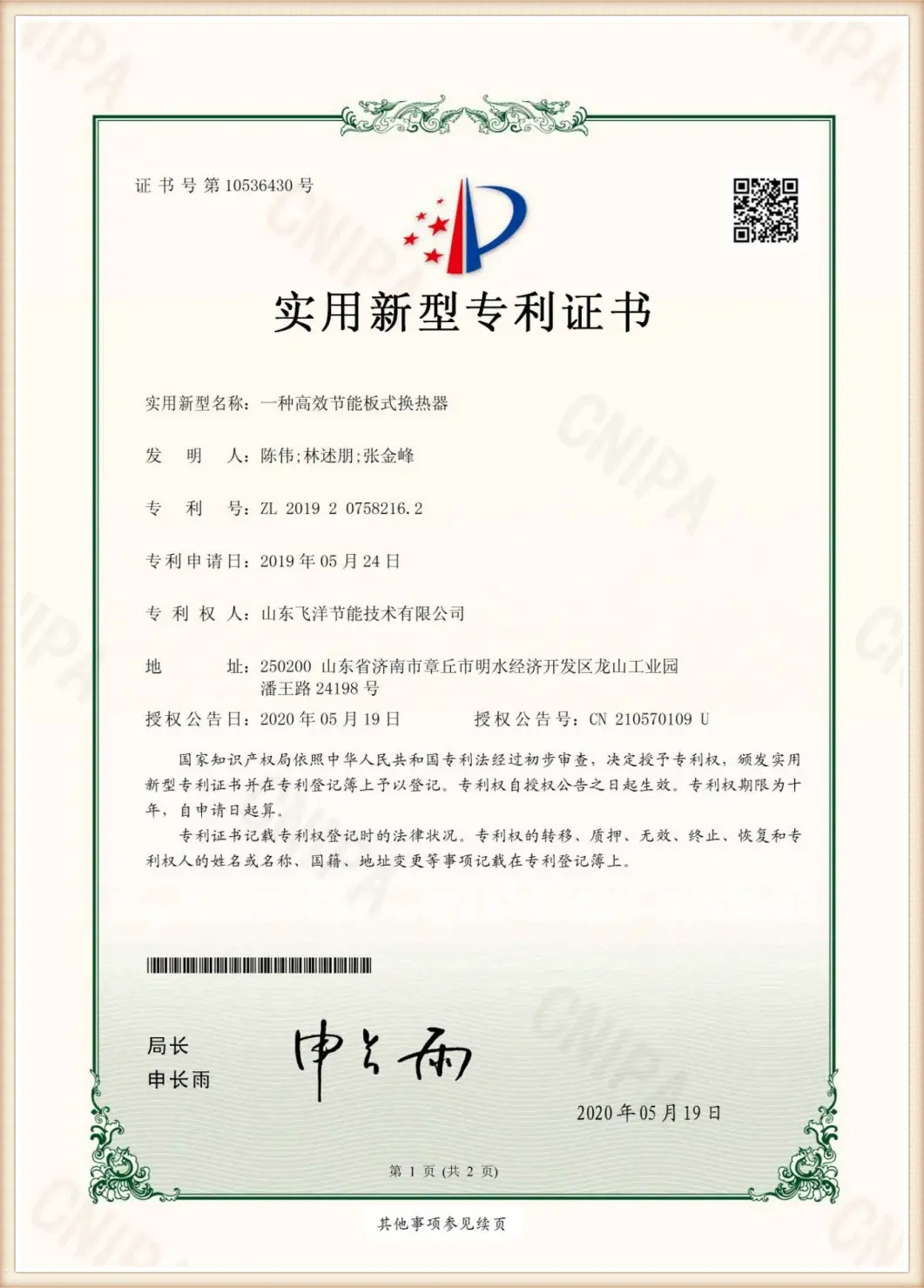
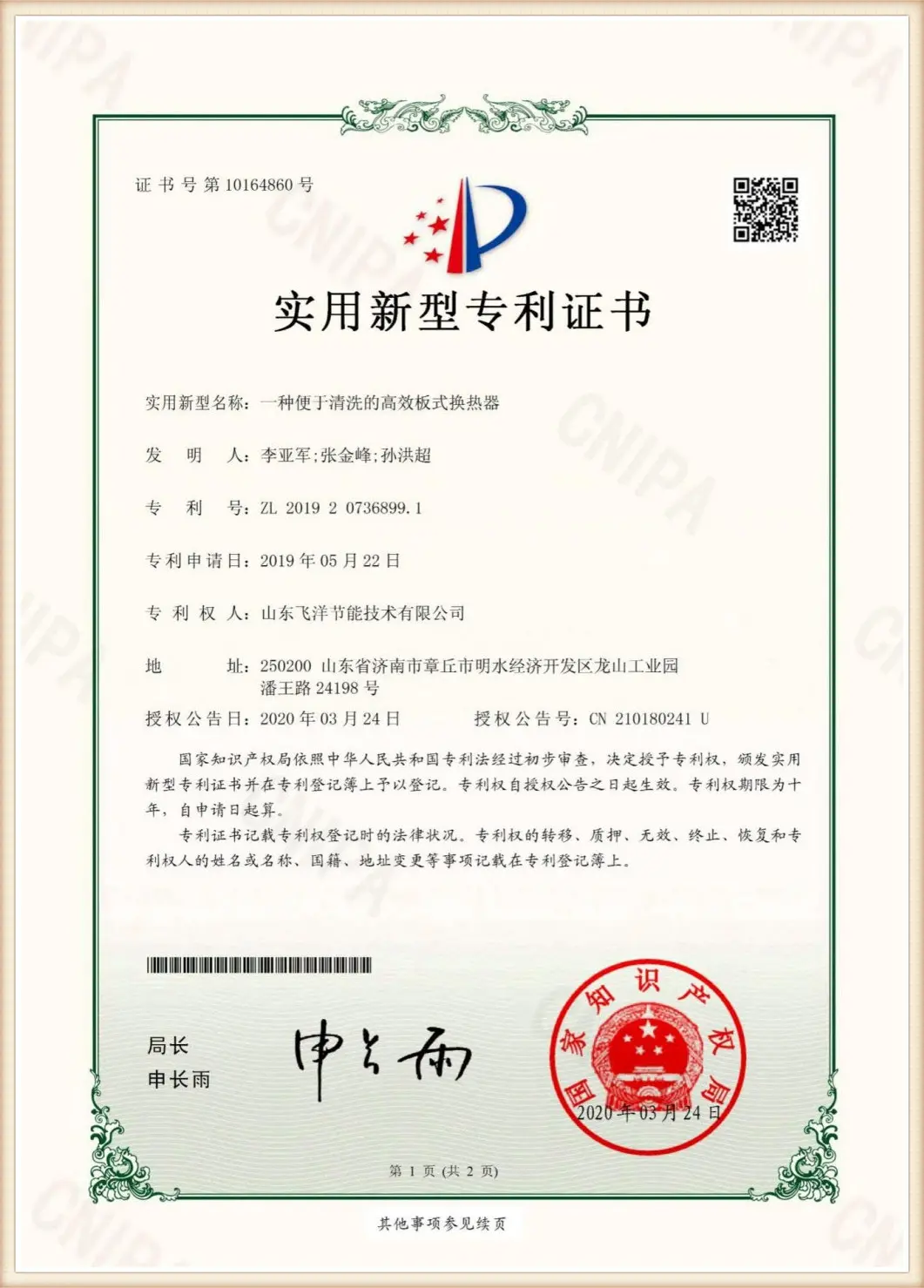
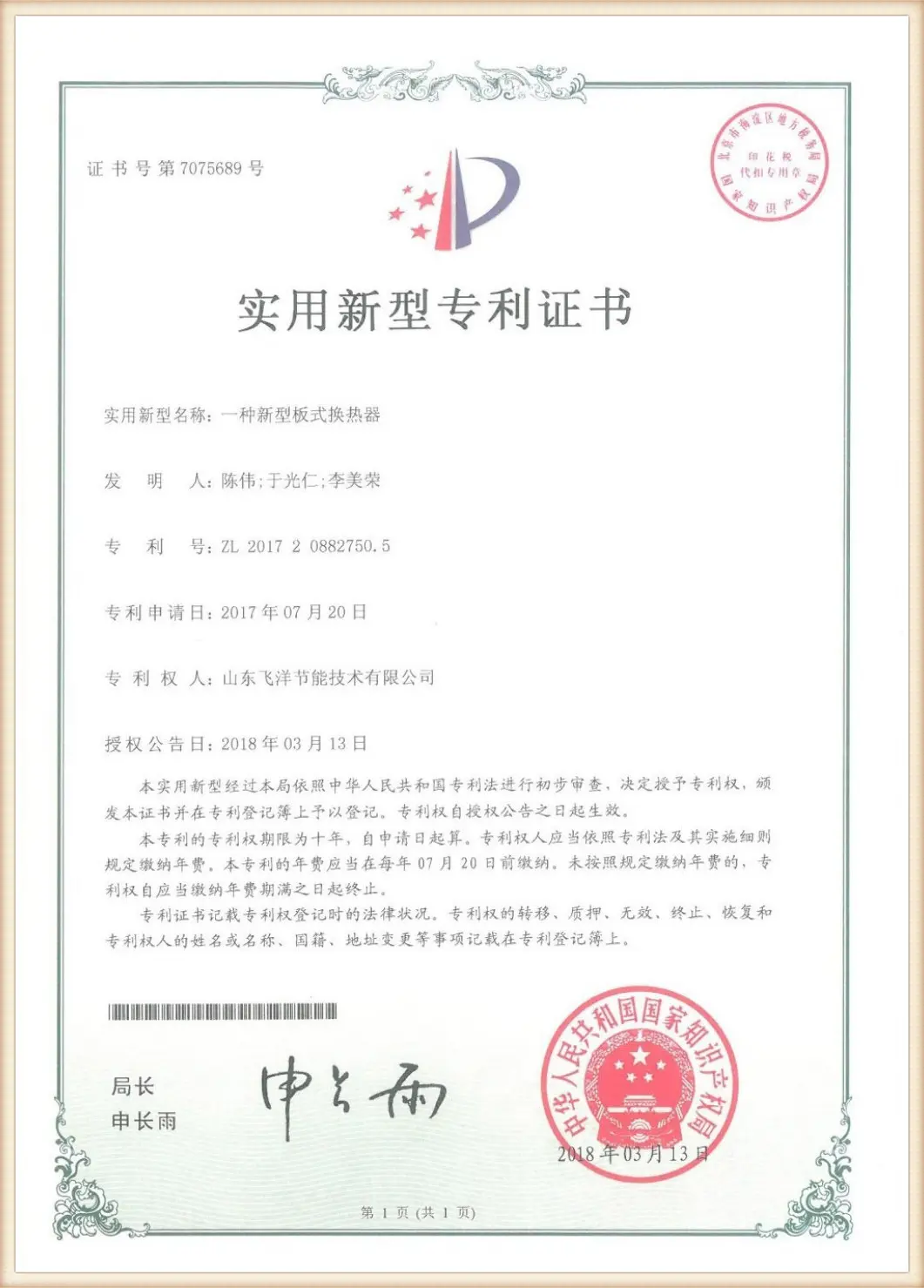
Operating as a global exporter requires alignment with regional regulatory frameworks. Flotte supports international engineering groups with certified products and localized technical support:
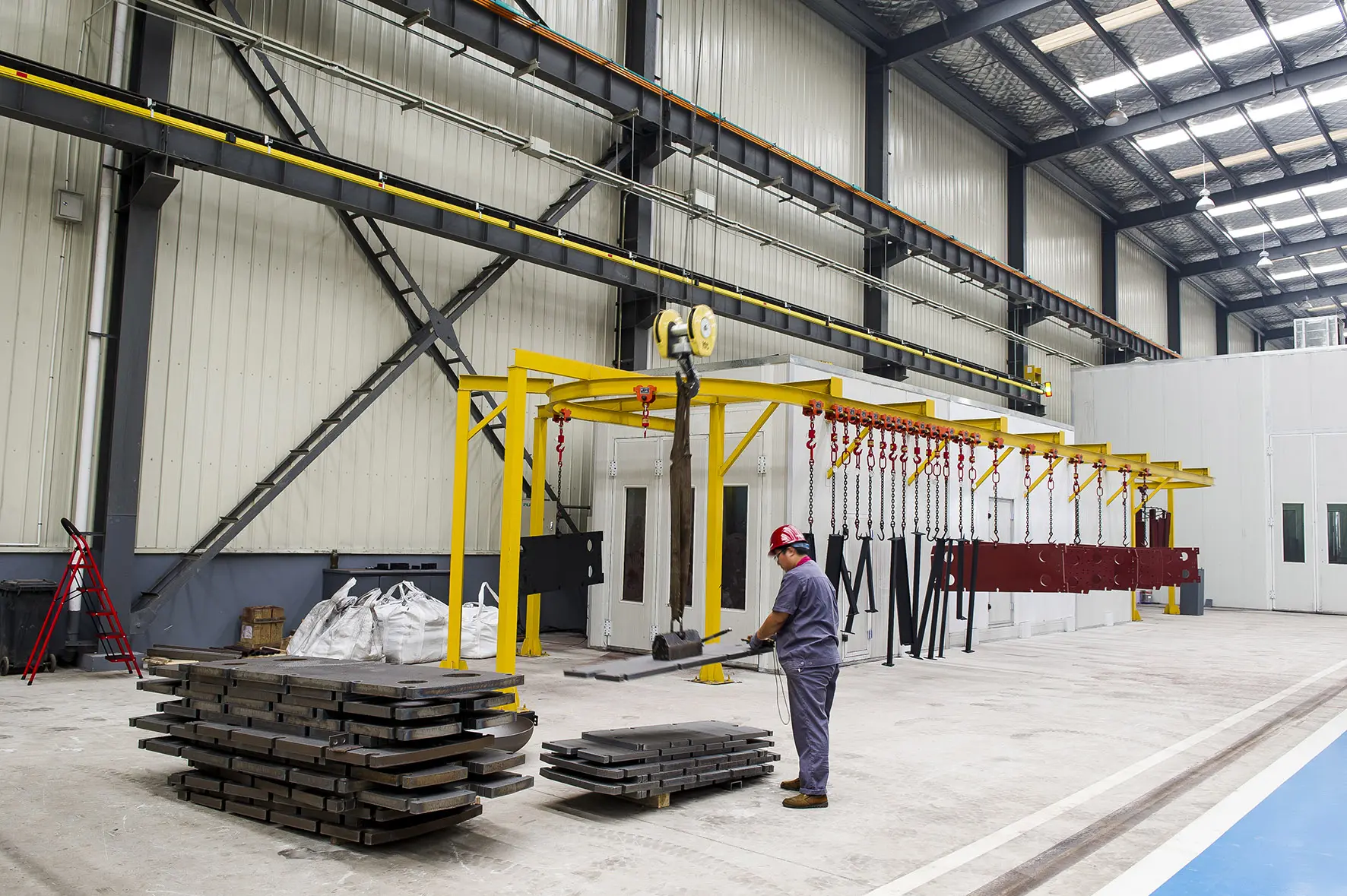
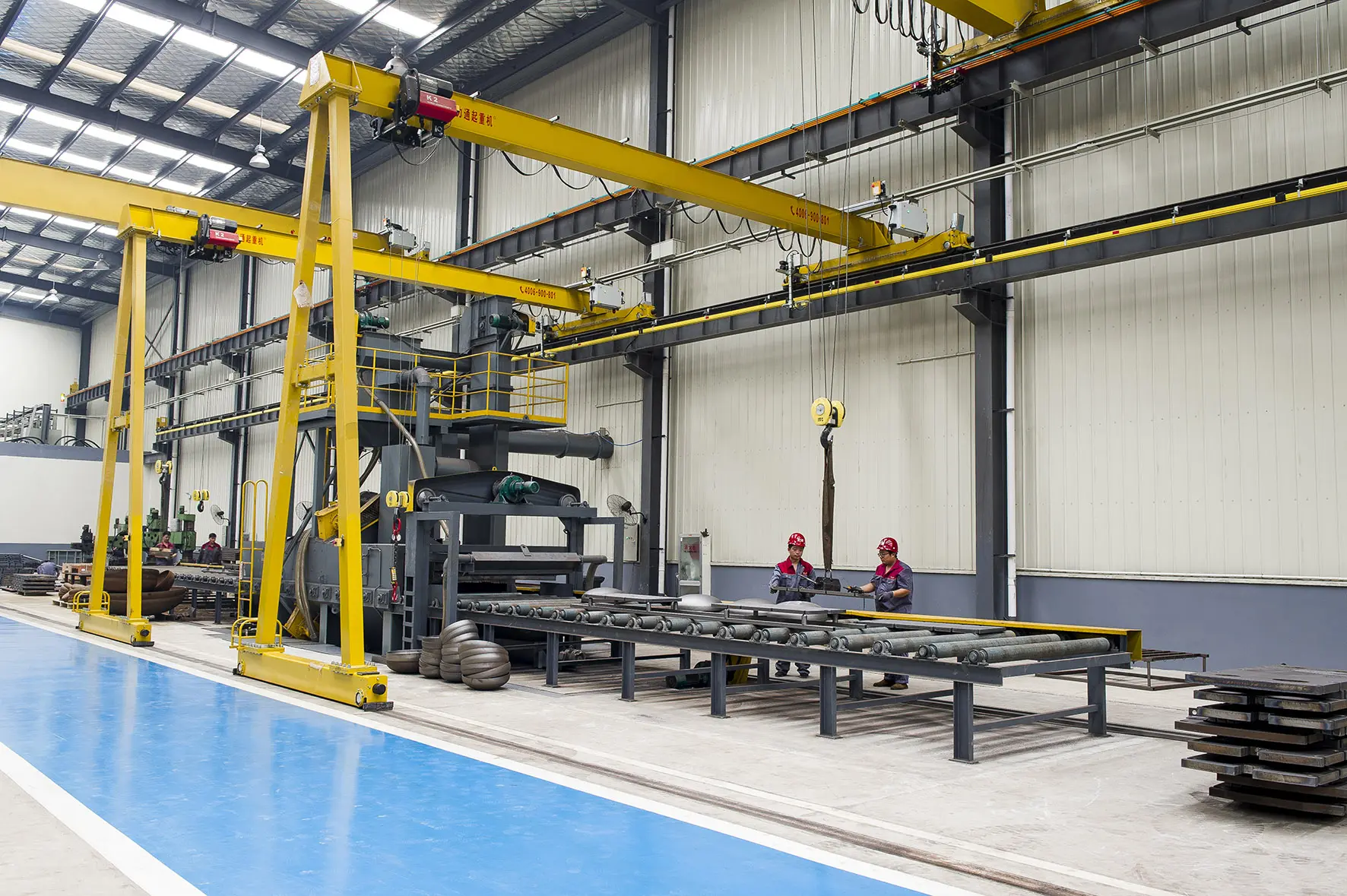
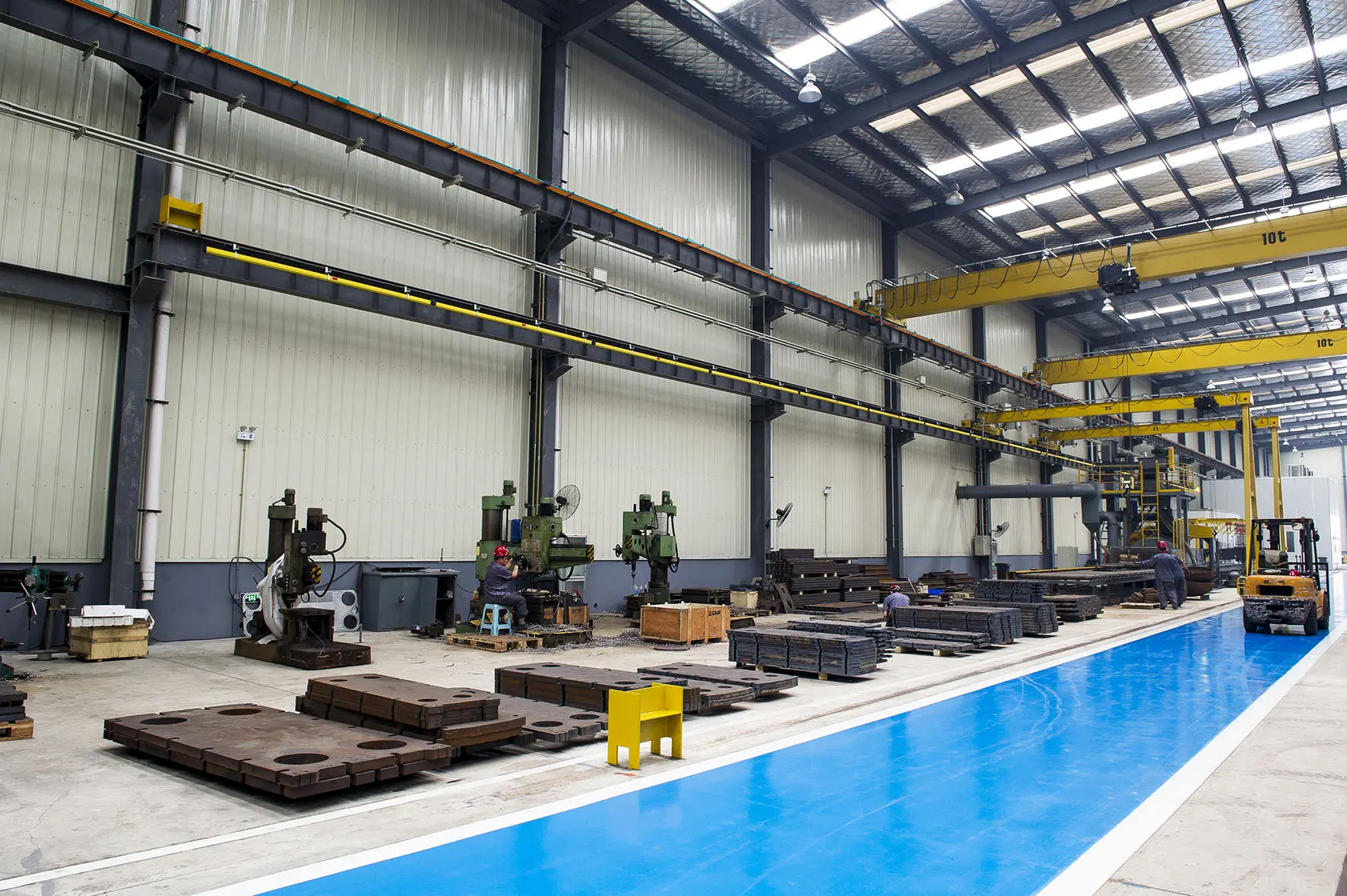
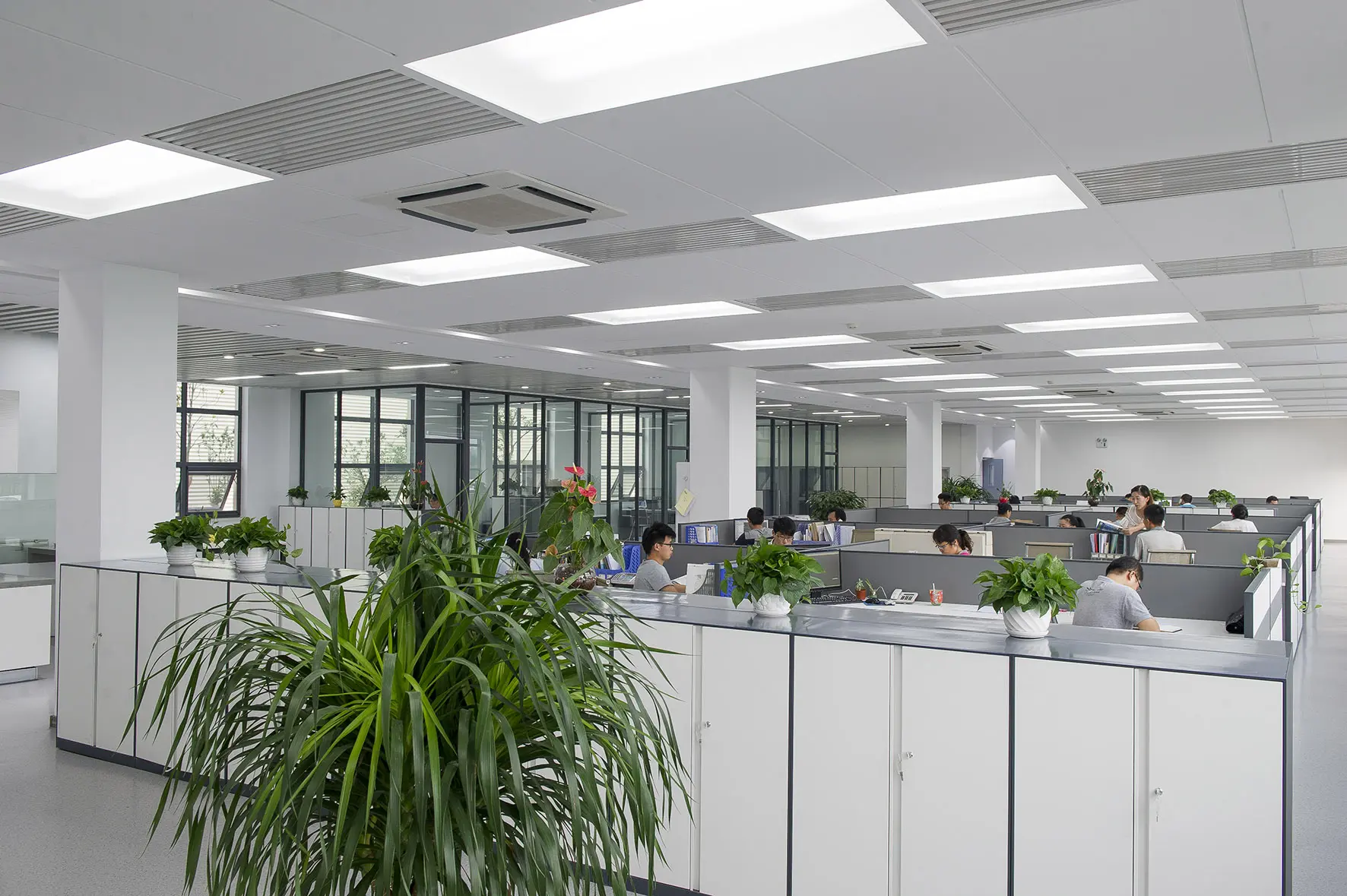
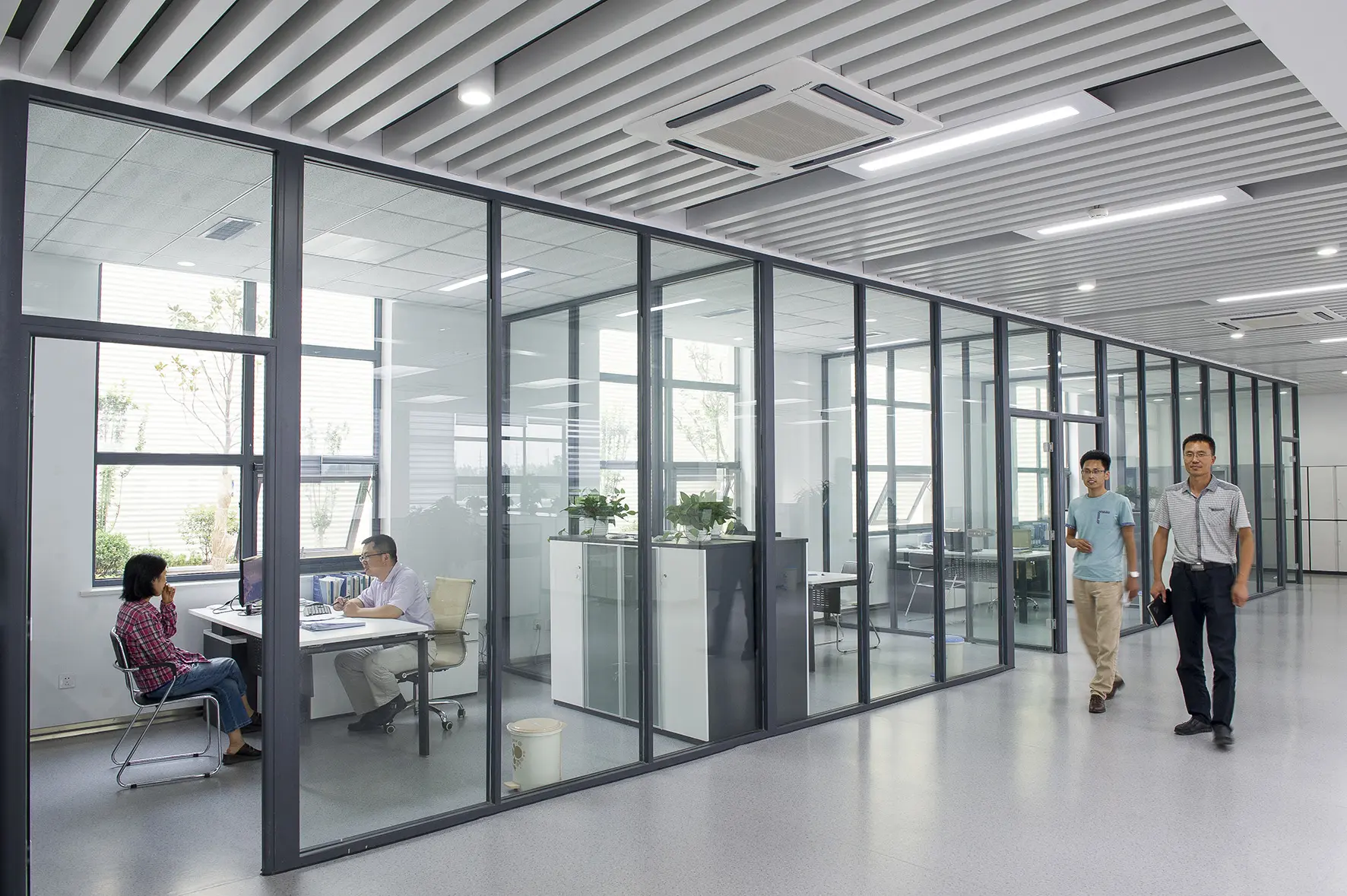
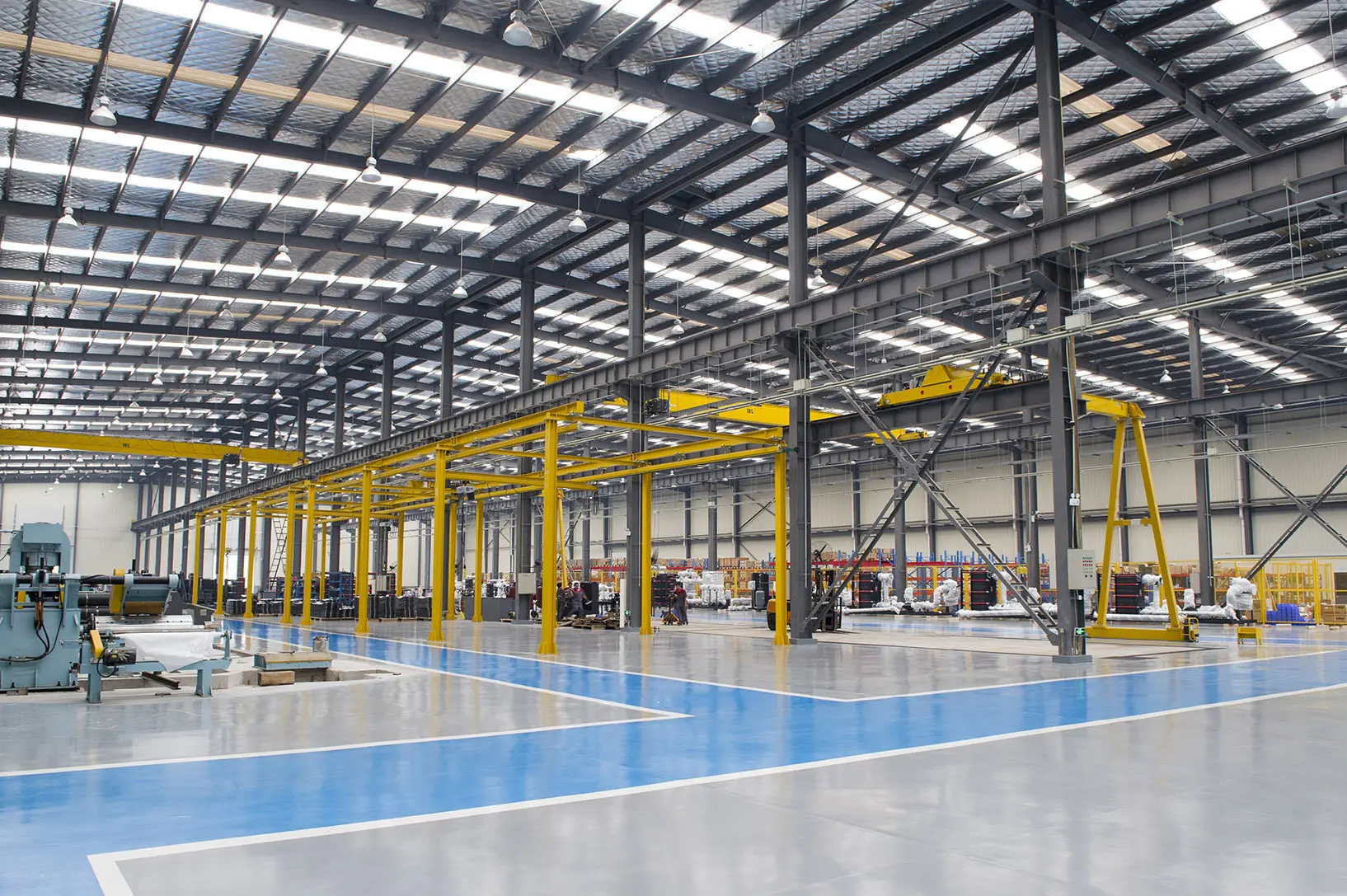
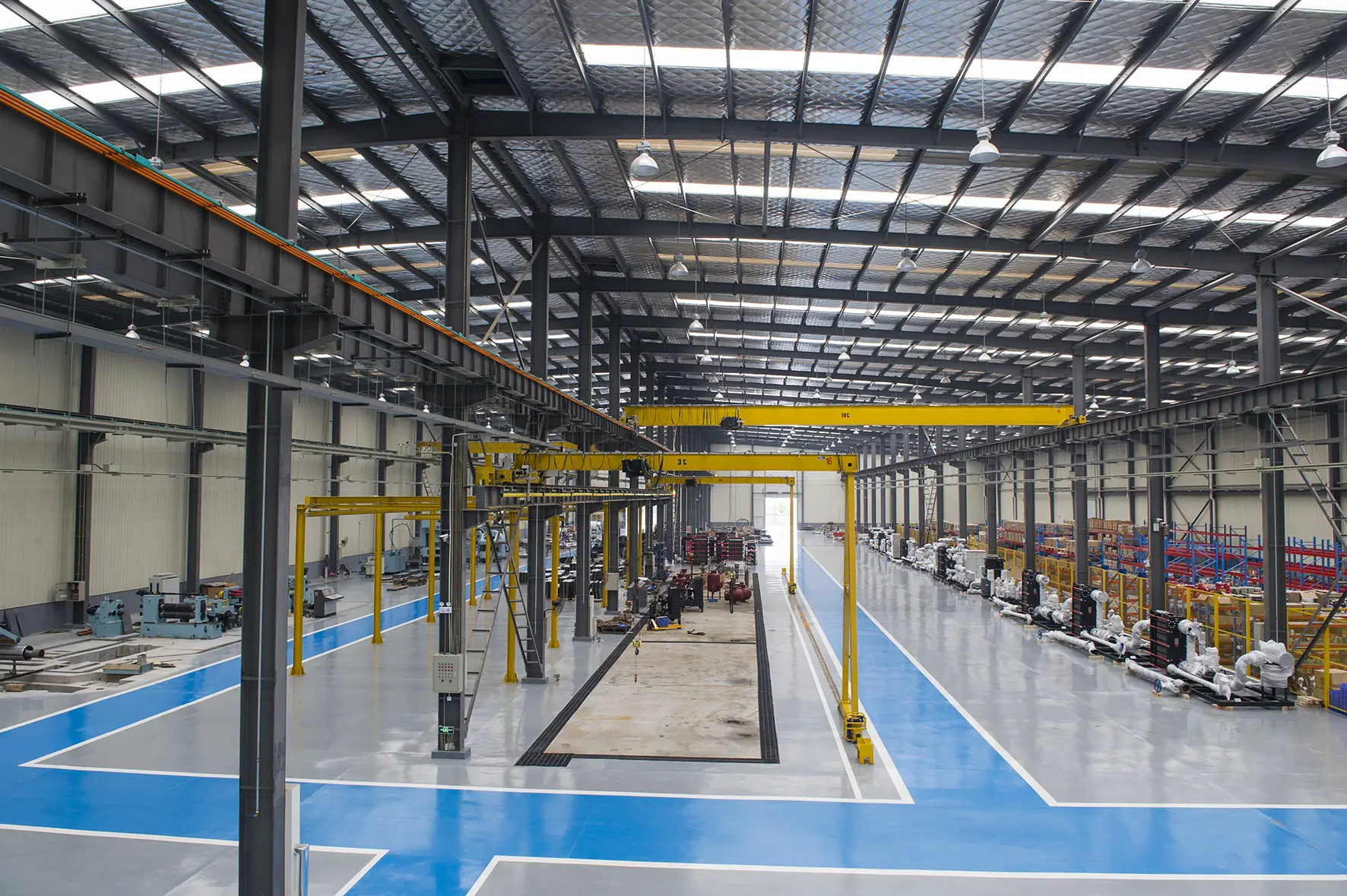
Take a virtual tour of our 70,000㎡ modern manufacturing workshop

Technical insights on spiral heat exchanger operation and specifications
Engineered components and instrumentation for fluid networks and evaporation loops

 Flotte Energy