Explore our top-tier industrial heating and fluid control equipment engineered for manufacturing facilities worldwide.
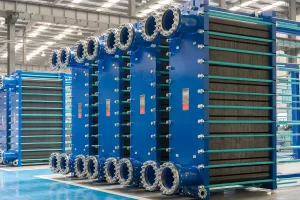
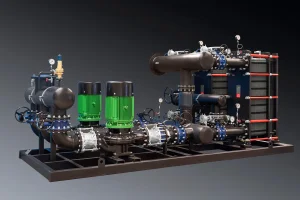
In the modern manufacturing landscape, energy efficiency is no longer merely a cost-saving measure; it is a critical regulatory and operational imperative. Broadly defined, a heat exchanger is a device that transfers thermal energy between two or more fluids of varying temperatures without mixing them. By conserving heat energy that would otherwise be discarded, heat exchangers play a pivotal role in chemical manufacturing, pharmaceutical production, centralized district heating, food processing, and heavy metallurgical plants.
At the core of Flotte Energy Saving Company's research lies the continuous refinement of these thermal interfaces. Established in 2013 with a registered capital of 101 million yuan—and building on the profound foundations of Flotte Thermal Engineering founded in 1995—our team has spent three decades refining the fluid dynamics and thermodynamic performance of plate, shell-and-tube, and integrated modular heat exchangers.
Industrial heat exchangers utilize advanced engineering mechanics to maximize the overall heat transfer coefficient (U-value). By employing optimized plate corrugation configurations, we generate high turbulence at relatively low flow velocities. This structural arrangement minimizes boundary layer resistance, resulting in heat transfer rates that are 2 to 3 times greater than traditional configurations, thereby reducing footprint requirements and carbon emissions across diverse application scenarios.
Our engineering paradigms prioritize high-yield thermodynamic structures, smart flow management, and robust material selections.
Specializing in customized plate heat exchangers with patented corrugation profiles that maximize fluid turbulence while lowering pressure drops.
Extensive application configurations for HVAC, centralized district heating, multi-effect evaporation systems, and high-purity water treatment plants.
Compliant with ISO9001:2015, ISO14001, and ISO45001. Registered with the National Boiler and Pressure Vessel Standardization Technical Committee.
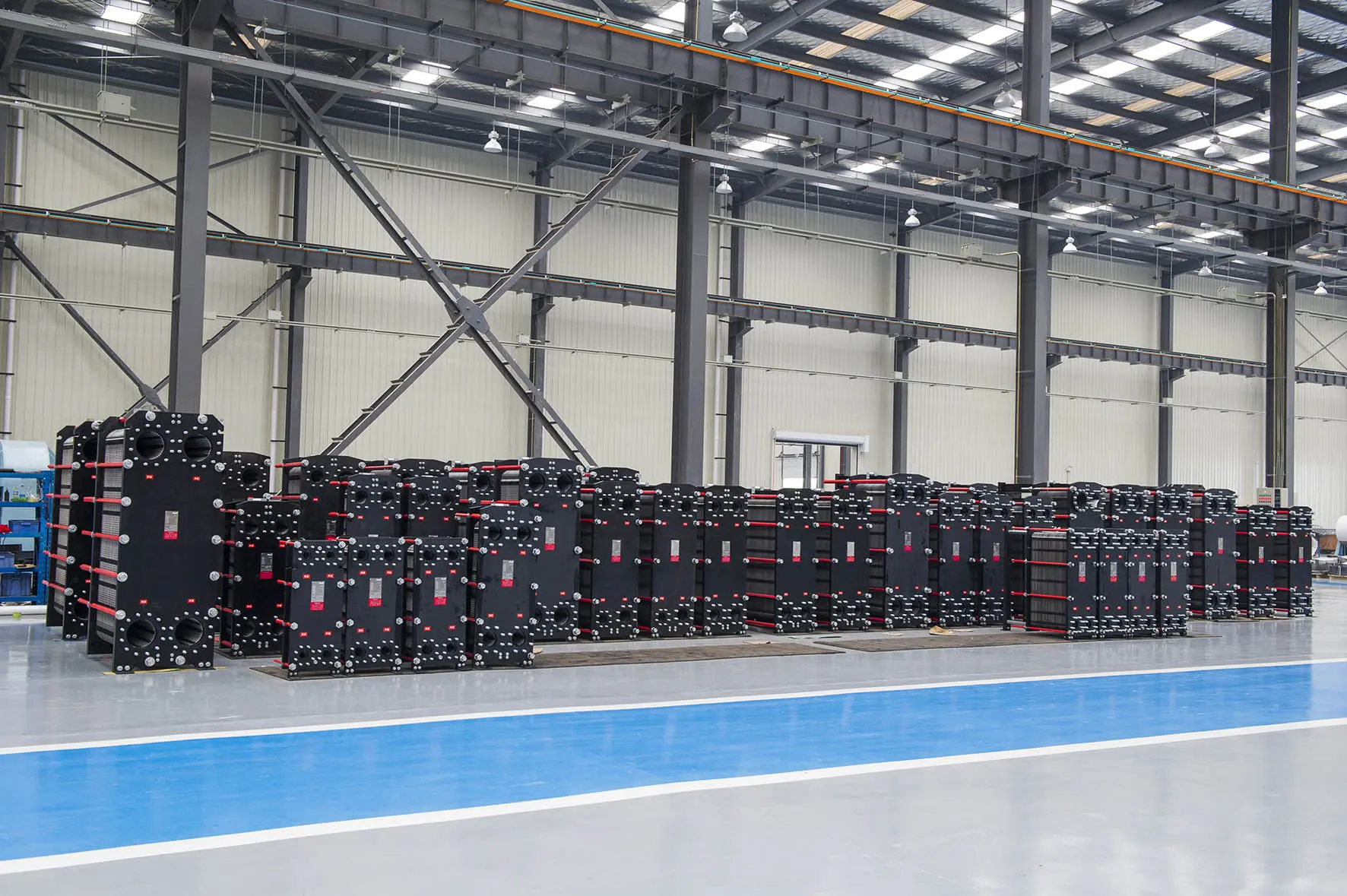
Operates a 70,000 m² manufacturing plant with over 300 professionals to ensure stable, volume-scaled production of heat exchanger packages.
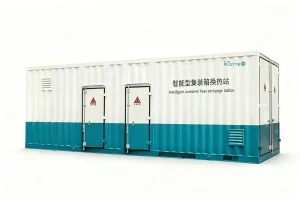
Depending on regional climates, local water conditions, and domestic energy regulations, industrial heat exchangers must be configured dynamically. For instance, in Northern European and North American district heating grids, municipal systems utilize our Intelligent Box-Type Heat Exchanger Units to isolate secondary networks from primary city-wide pipe loops. This protects residential pipelines from high primary pressures while ensuring consistent, balanced heating supply across entire neighborhoods.
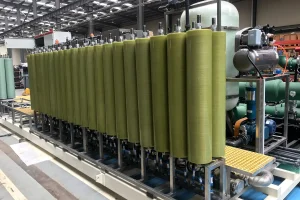
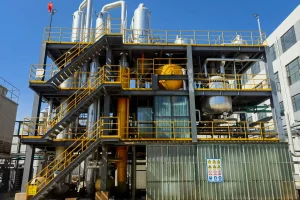
In water-stressed regions of Latin America and the Middle East, water reclamation is vital. Here, a heat exchanger is integrated within our specialized Membrane Concentration Systems. By using waste heat from adjacent operations to preheat feed solutions, these configurations improve desalination and evaporation efficiency, achieving zero liquid discharge (ZLD) for chemical and pharmaceutical facilities.
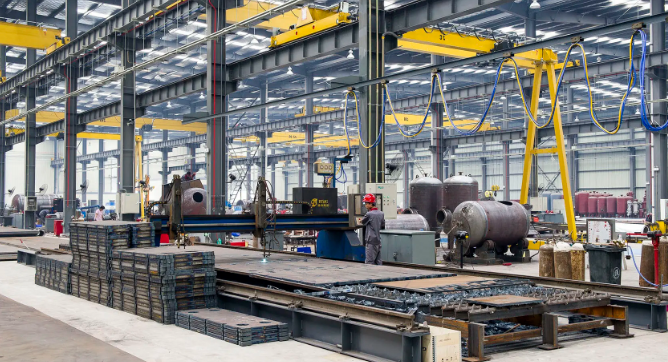
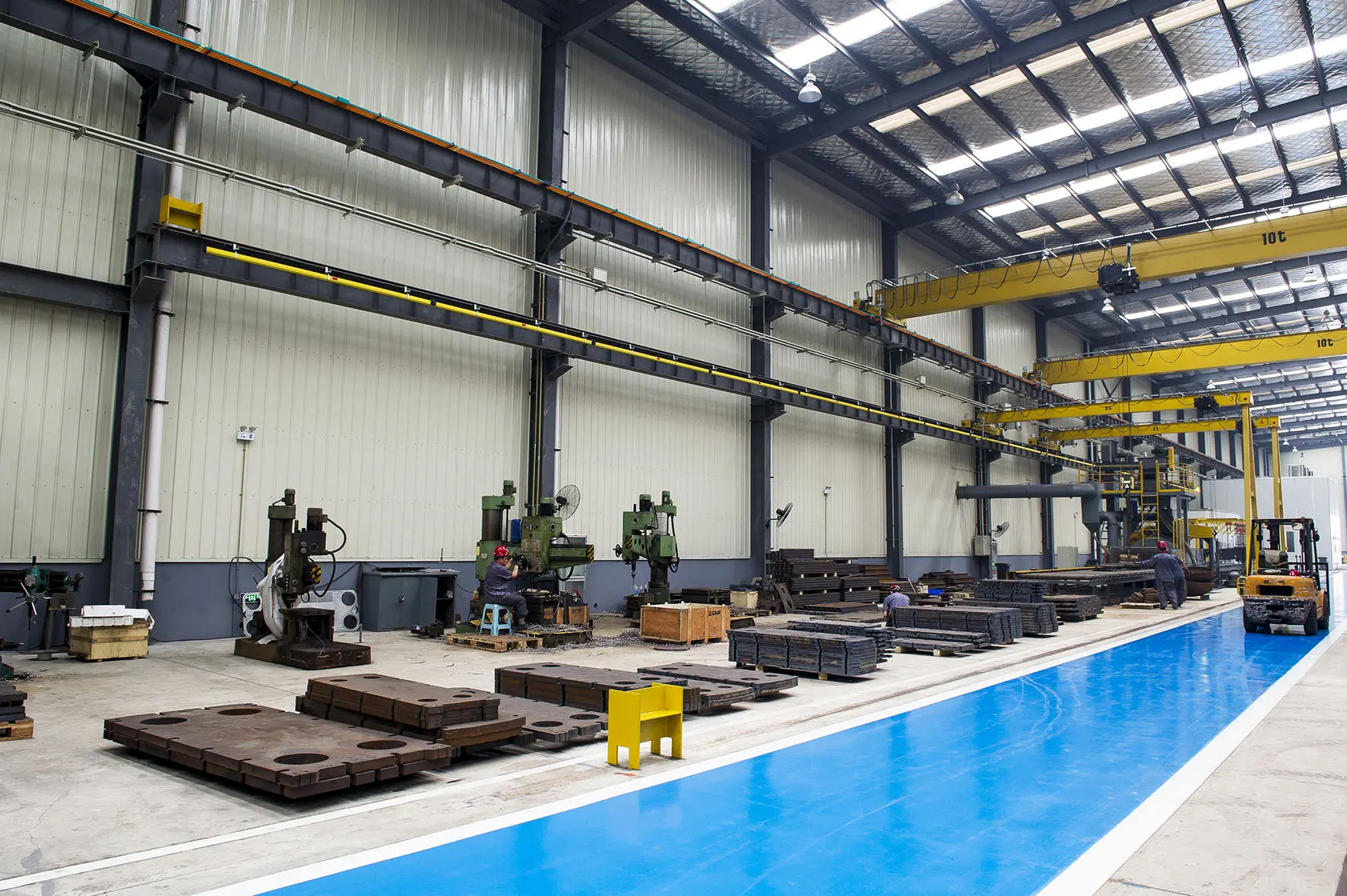
Chinese manufacturing has evolved beyond mere cost efficiency, leading the global market in supply chain integration and raw material access. At Flotte’s 70,000 square meter factory, we maintain a complete cycle of manufacturing, including plate forming, high-tonnage stamping, precision machining of frames, and custom robotic welding. This integration protects our international clients from supply chain disruptions.
We source raw stainless steel (SUS304, SUS316L) and titanium sheets from reliable partners with strict quality verification processes. By securing high-volume supply contracts and conducting real-time water pressure inspections and micro-forging internally, Flotte guarantees production consistency. Consequently, our factory outputs over 2,000 modular heat exchanger units and 4,500 system packages annually, serving global municipal projects, thermal power stations, and petrochemical installations.
The next decade of thermal engineering centers on digitalization and intelligent control systems. Future heat exchange setups will not act as static hardware components. Instead, they will operate as connected components that communicate in real-time with centralized energy management frameworks.
Decades of manufacturing progress and expansion in the thermal control sector.
Years of Thermal Engineering Roots
Registered Capital (RMB)
Modern Production Facility
Annual Equipment Units Manufactured
From raw alloy plates to certified, pressure-tested thermal recovery units.
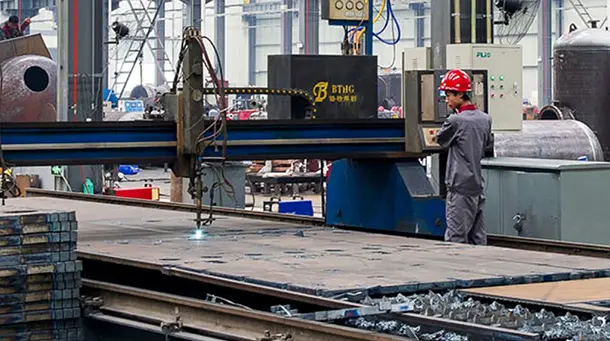
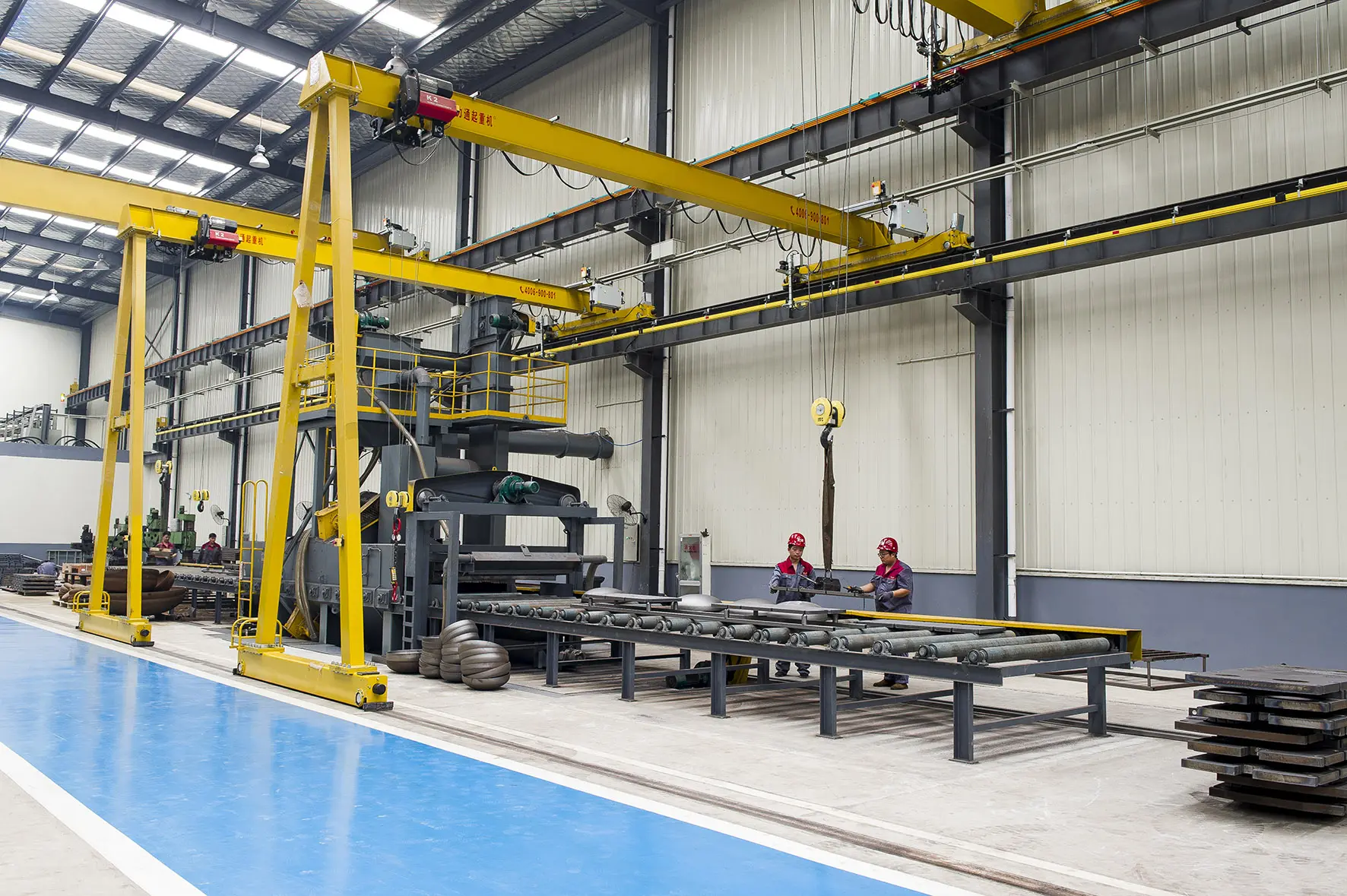
Utilizing high-power laser and plasma cutters to form frame plates with precise dimensions.
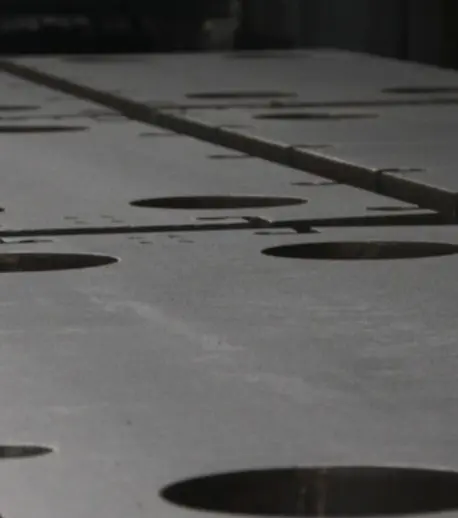
High-capacity hydraulic presses form corrugated patterns in stainless steel and titanium plates.
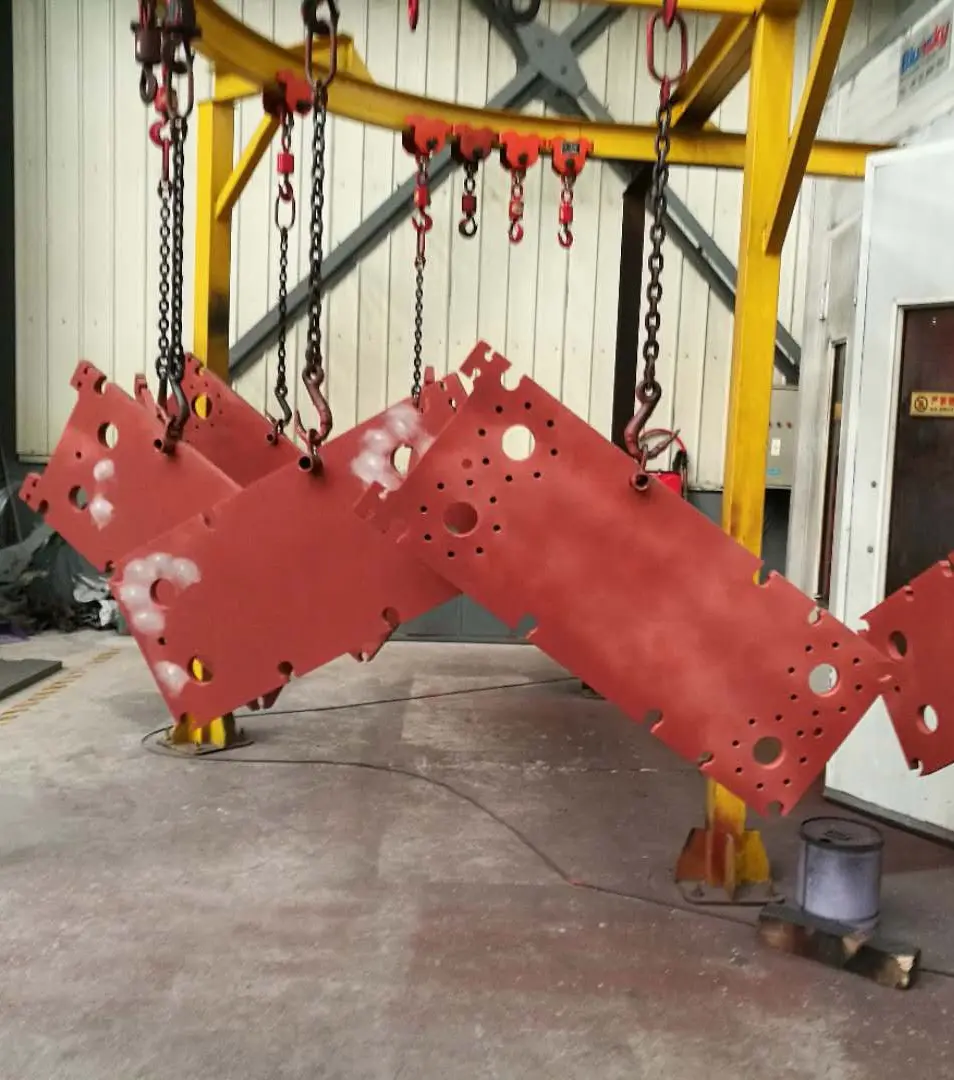
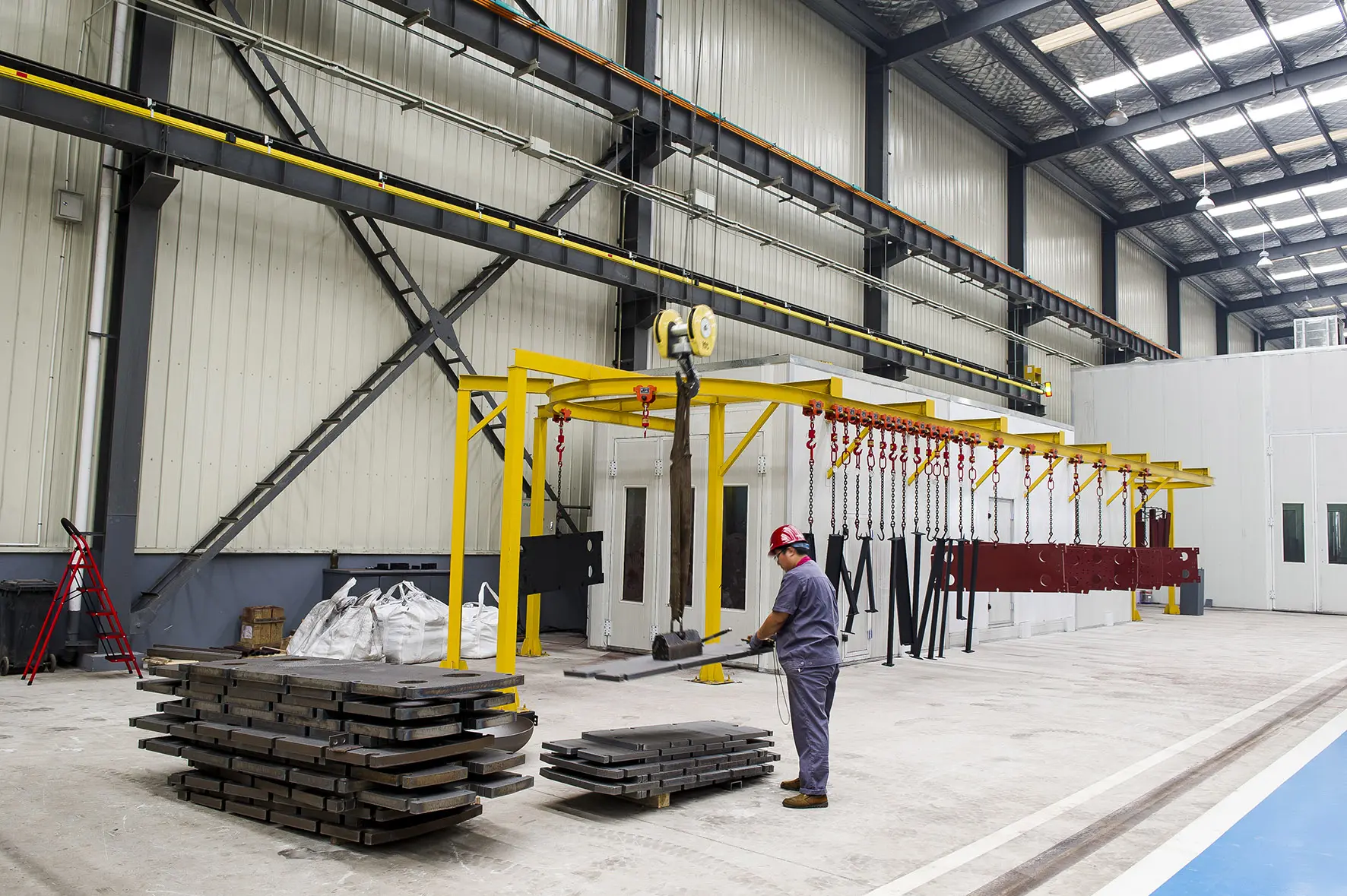
Application of multi-layer corrosion-resistant paint to protect unit frames in harsh conditions.
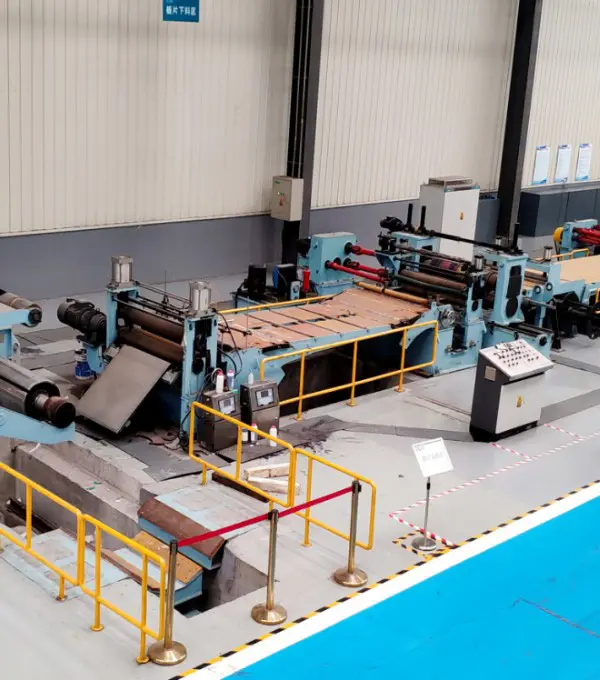
Traceable batch coding of individual plates to ensure clear material accountability.
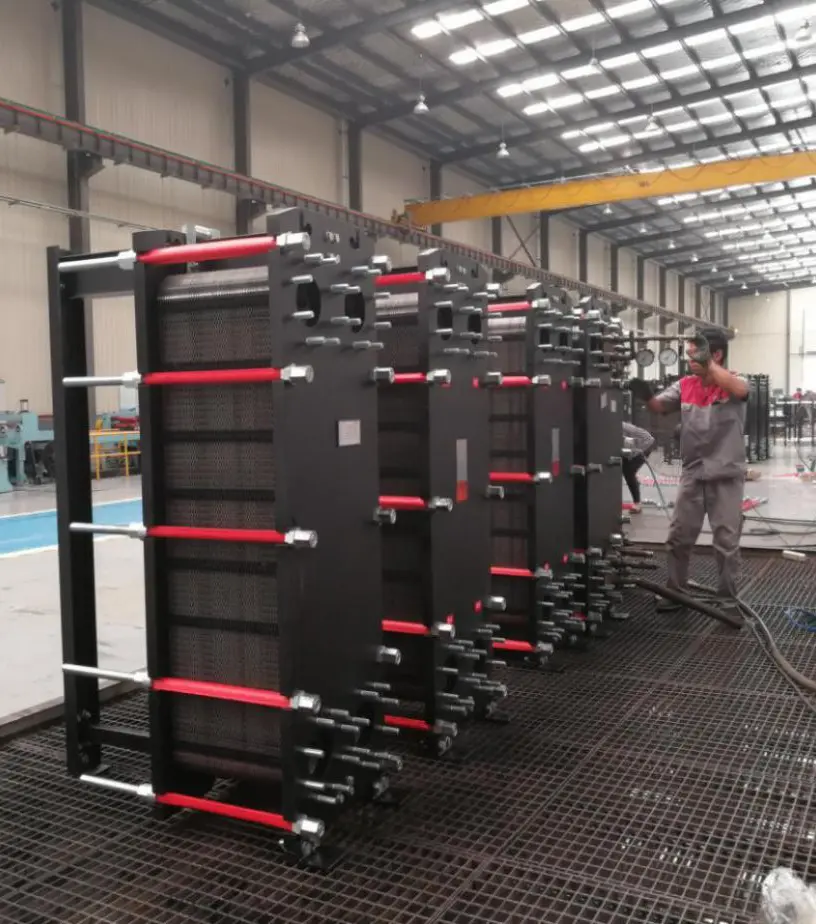
Rigorous hydrostatic testing to verify seals and validate zero cross-contamination design.
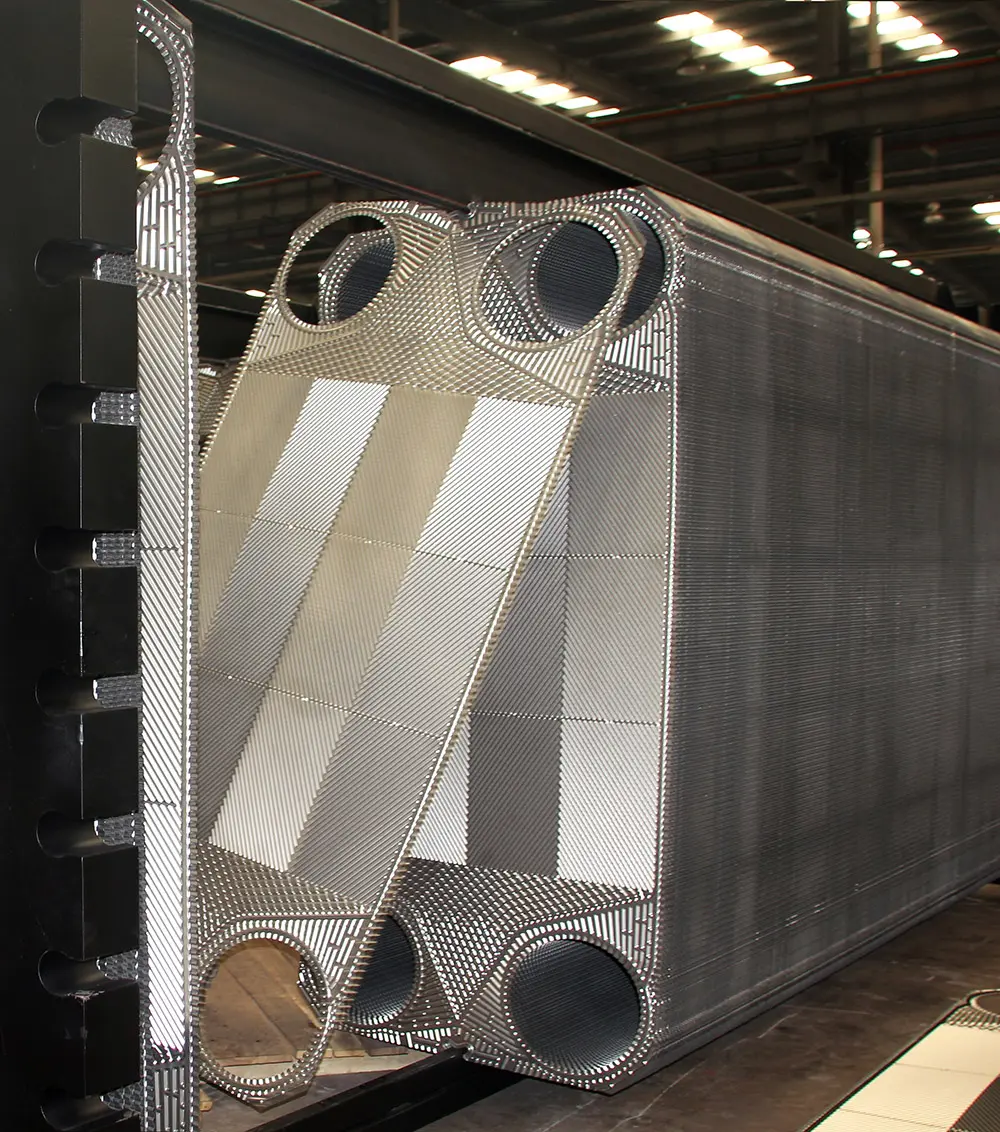
Precise mounting of plate packs, compression bolts, and support bars by trained technicians.
Quality is the foundation of our operations. Flotte has established a comprehensive quality management system that ensures traceability across all stages of production. Our components comply with the pressure vessel quality assurance framework, verified by national quality supervision authorities.
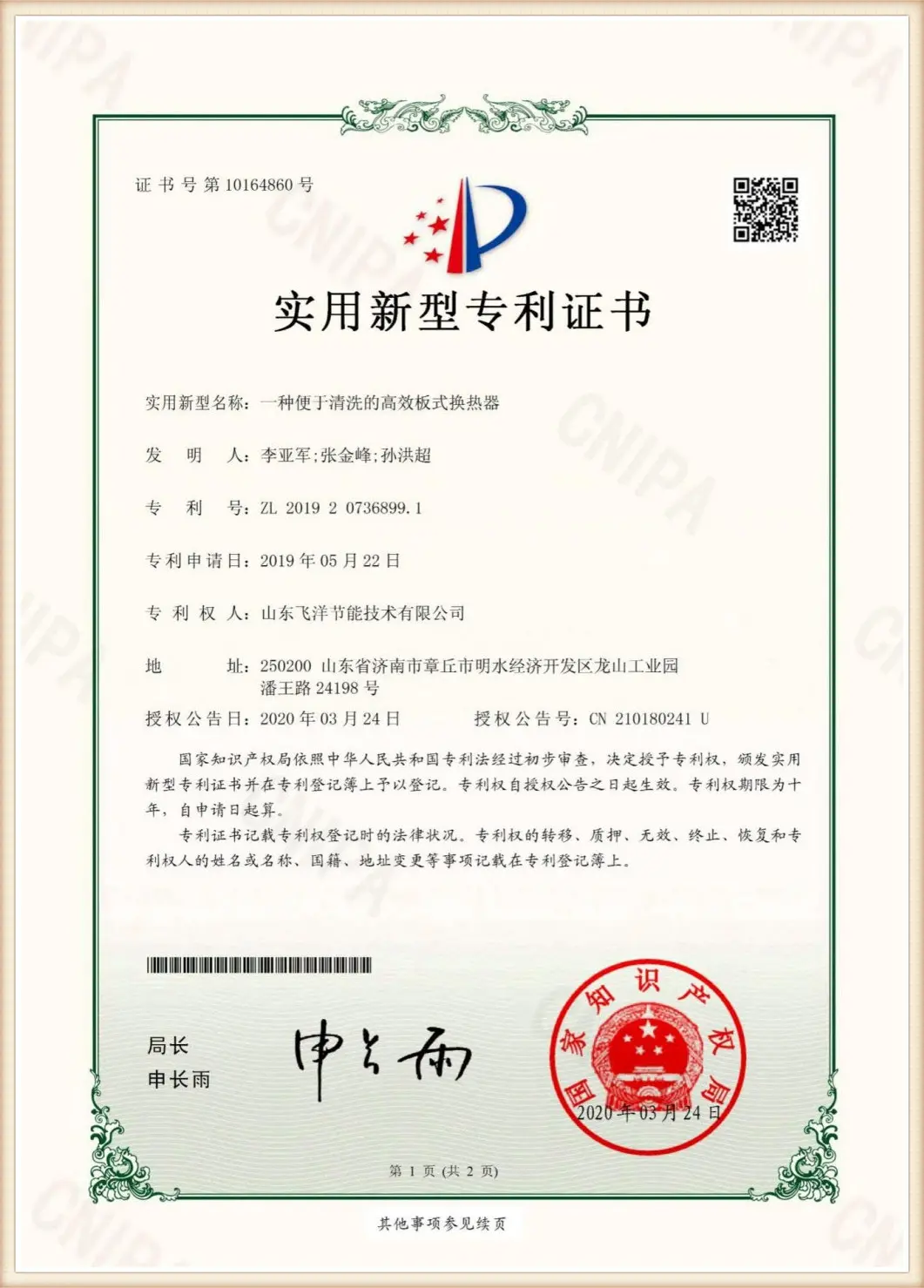
We hold certifications including "High-Efficiency Plate Heat Exchanger", "Intelligent Plate Heat Exchanger System", and "Plate Heat Exchanger Scale Removal Device" patents. Our products have received safety registrations for plate heat exchangers from the National Boiler and Pressure Vessel Standardization Technical Committee.
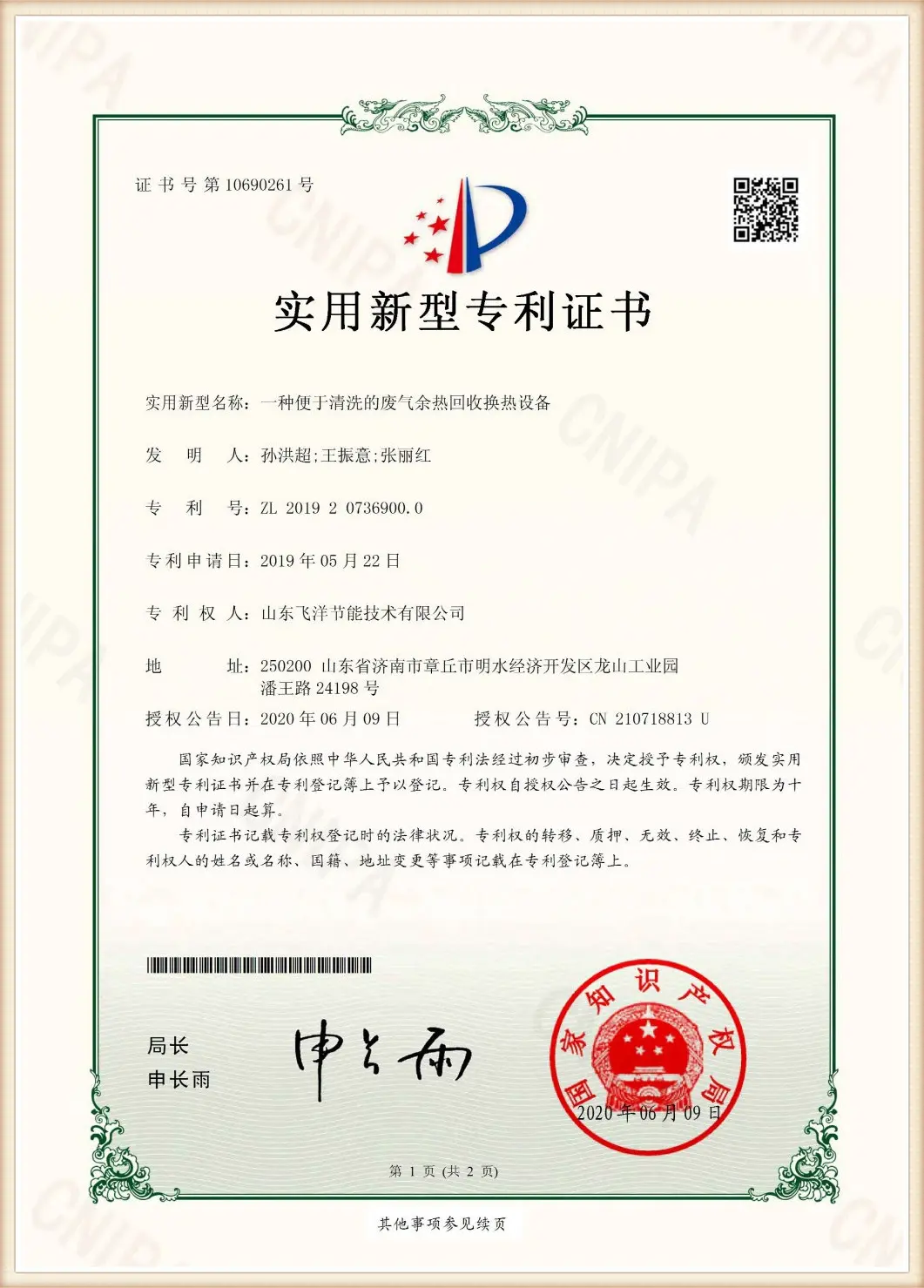
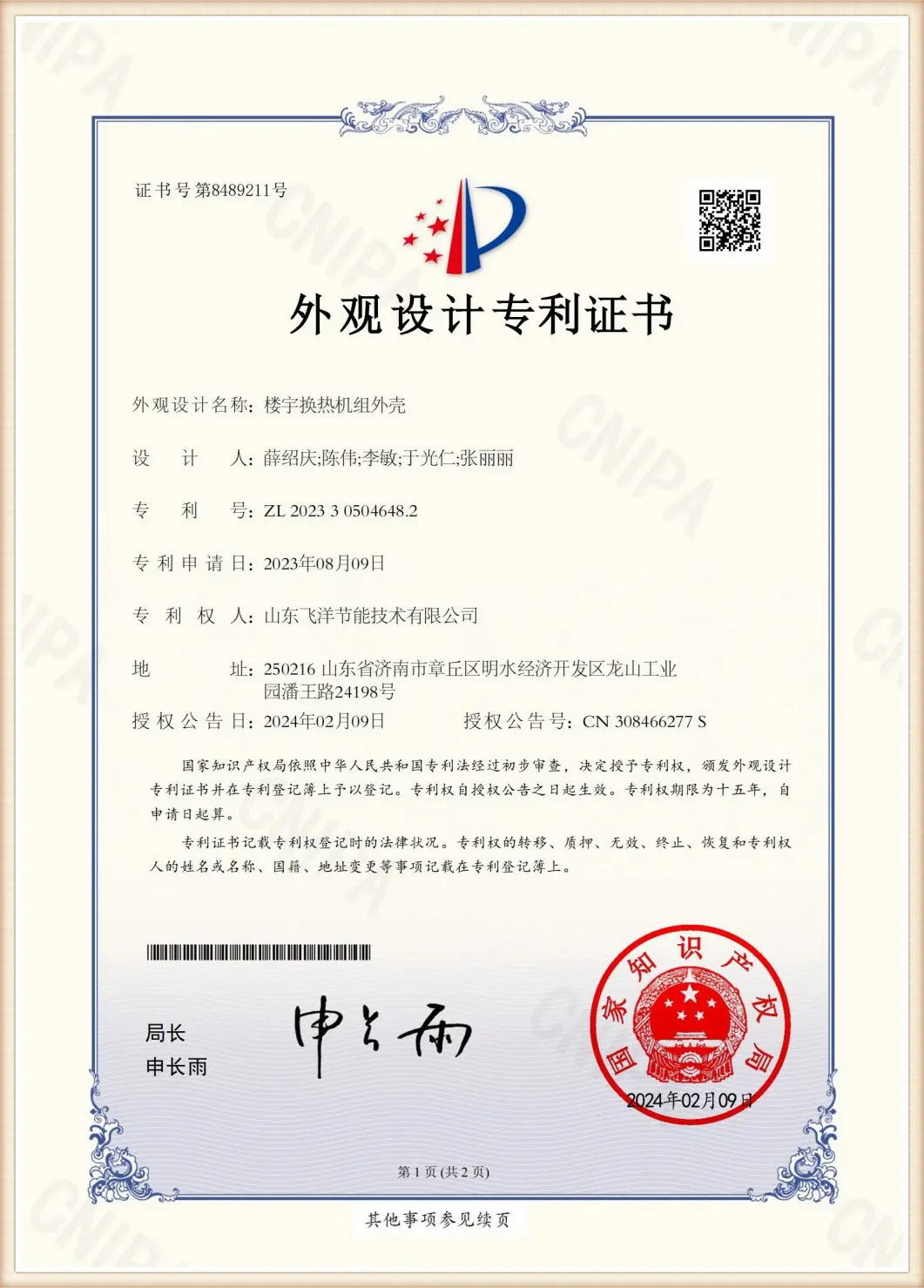
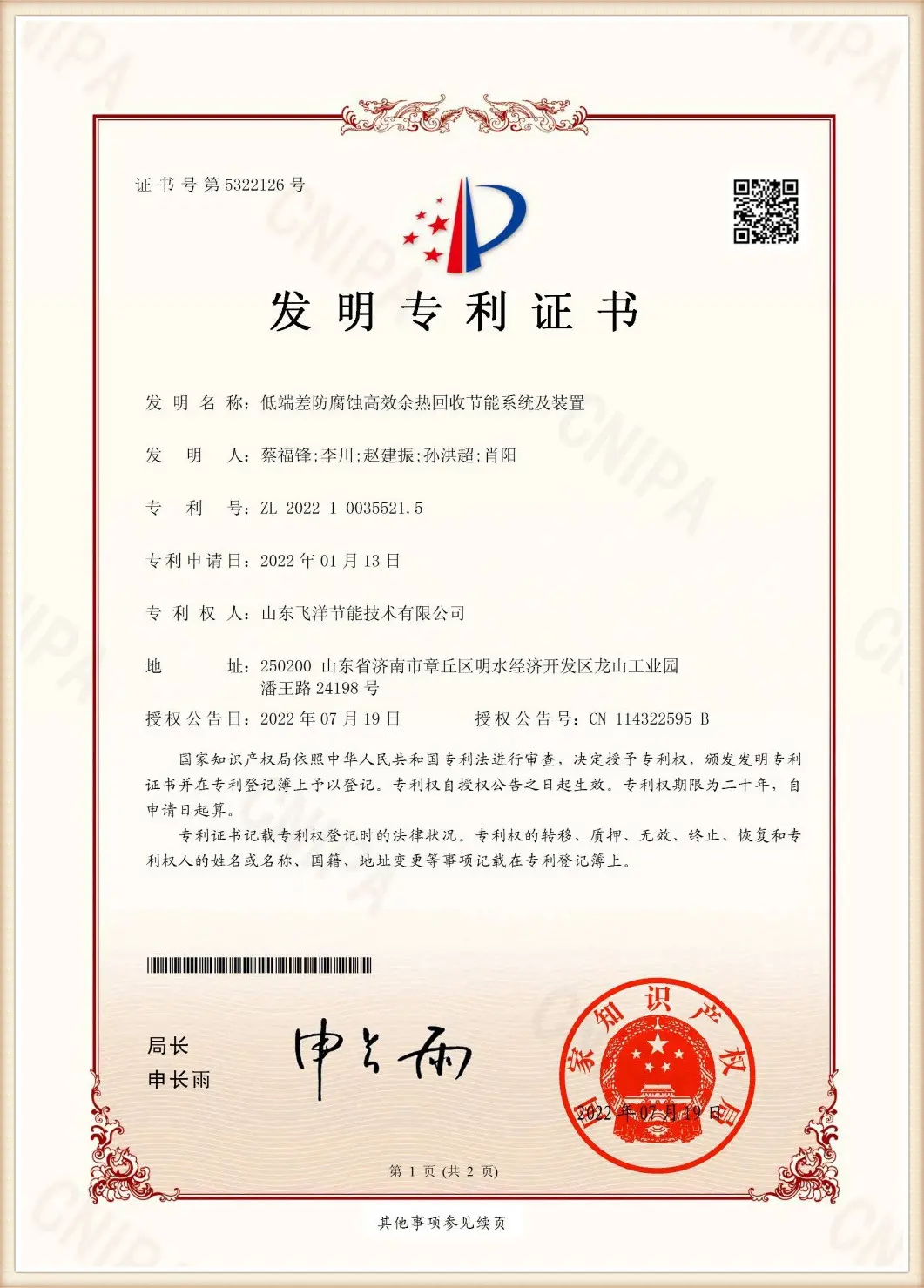
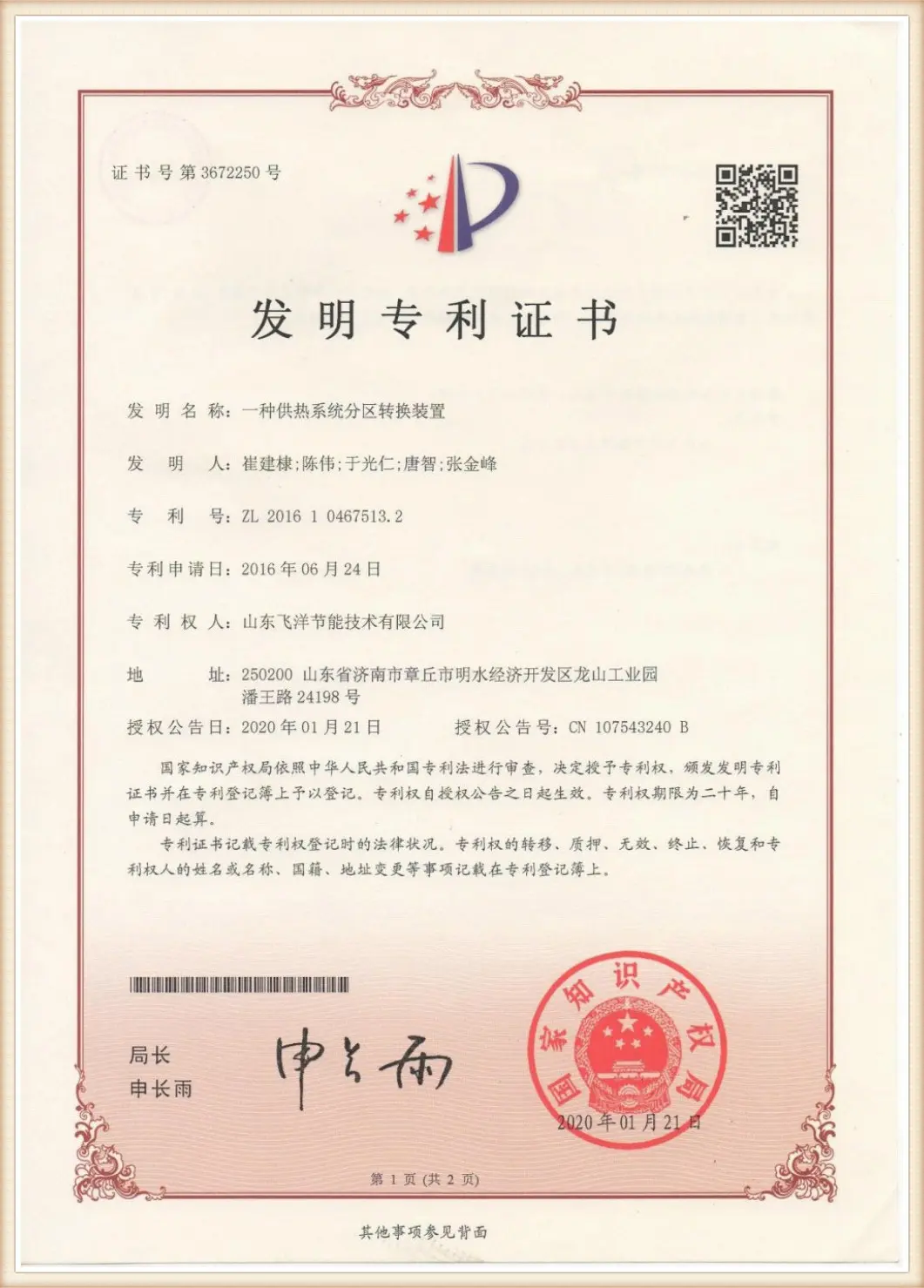
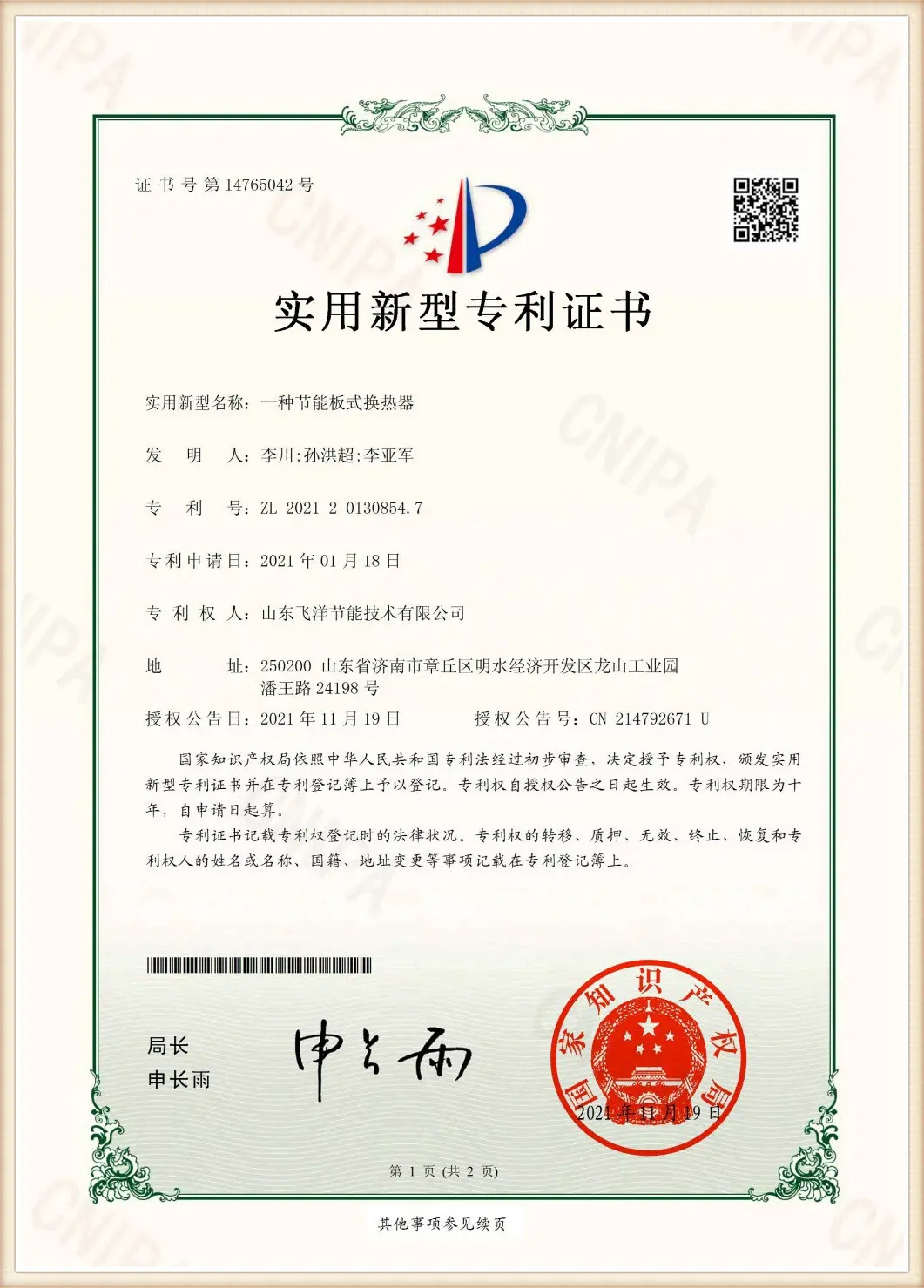
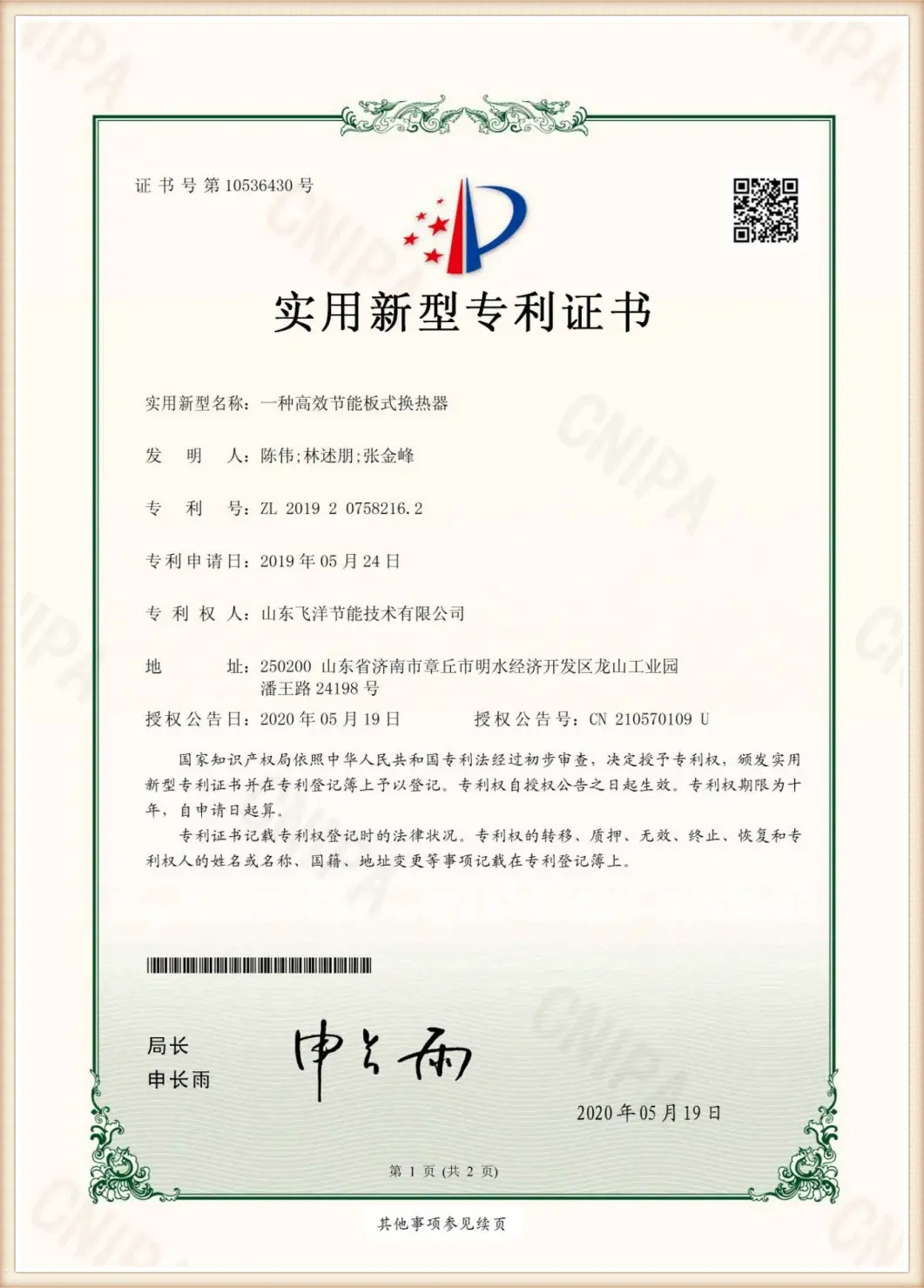
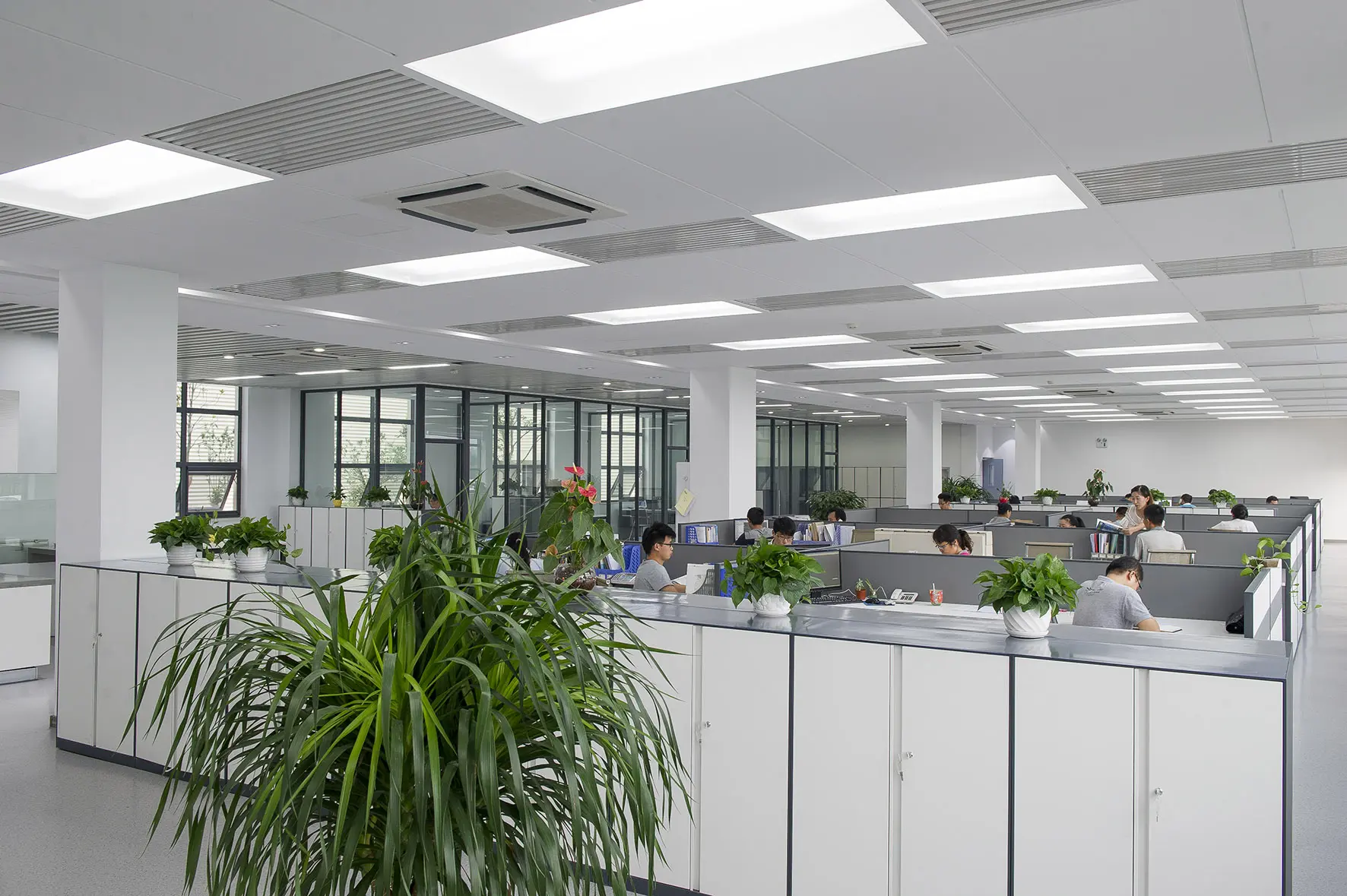
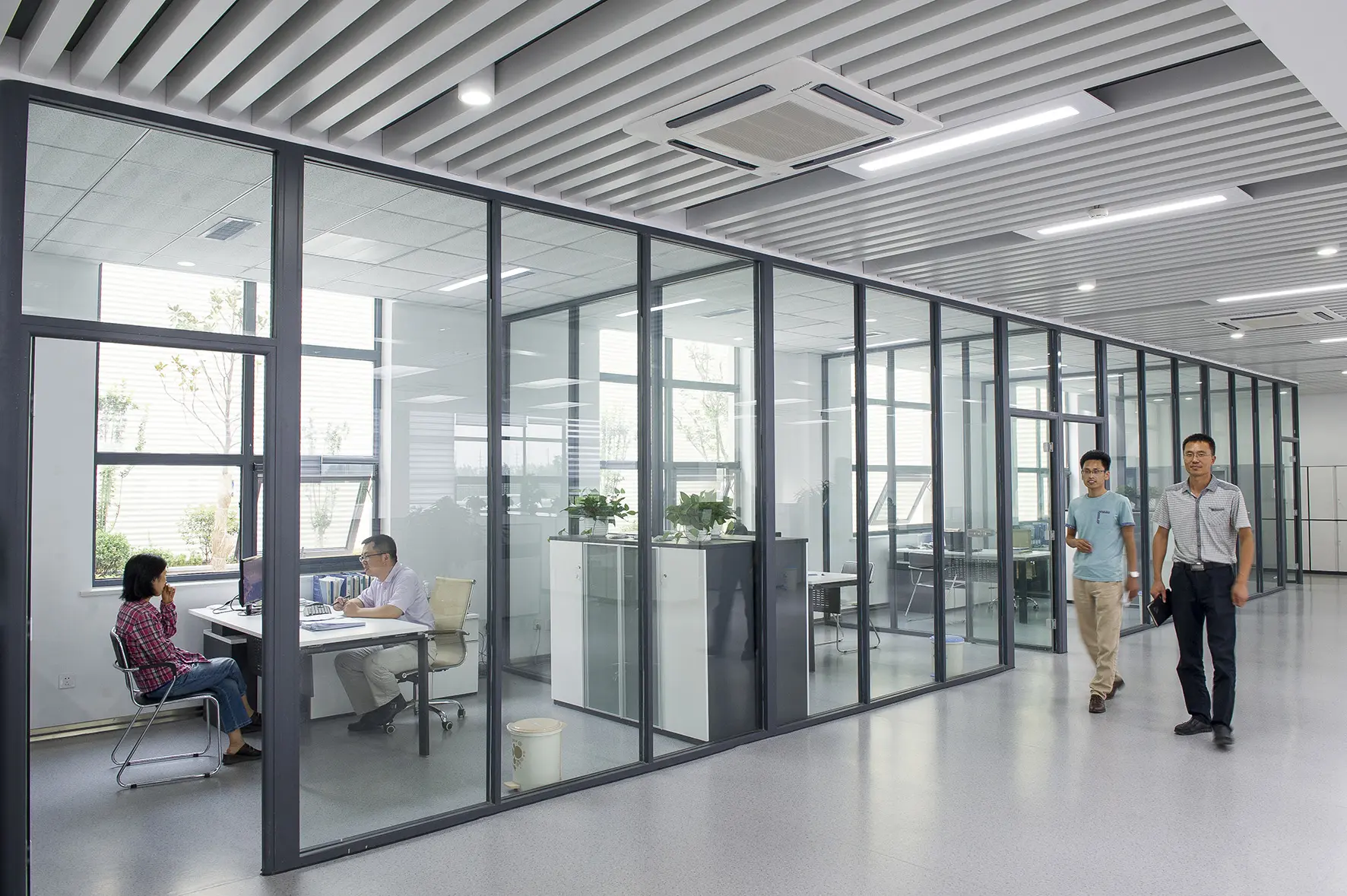
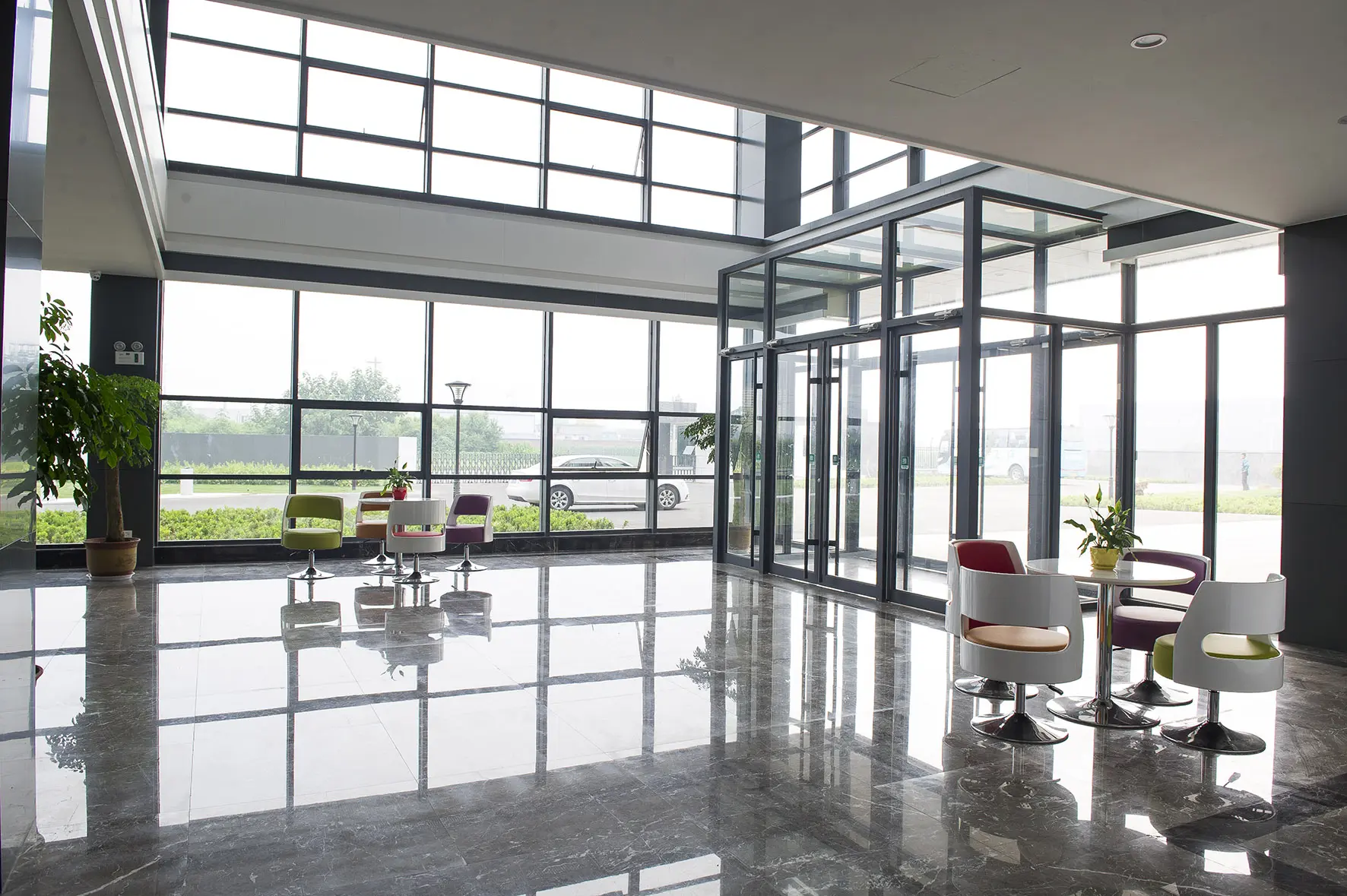
Take a virtual look inside our ISO-certified production floor where custom-configured district heat exchangers and smart valves are produced daily.
Expert technical insights regarding wholesale heat exchanger procurement, operations, and installations.
A heat exchanger functions by transferring thermal energy from a high-temperature waste stream to a cold input fluid stream. By capturing heat energy that would otherwise be lost to the atmosphere or sewer lines, factories reduce the primary fuel consumption of boilers or electrical consumption of heating circuits, lowering utility costs and minimizing environmental impact.
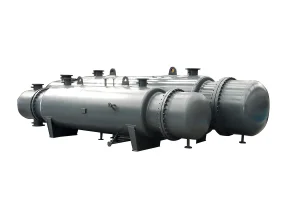
The decision is based on working pressures, temperature limits, and fluid characteristics. Plate heat exchangers are suited for low-to-medium pressure liquids, offering high heat transfer coefficients and a compact footprint. Shell-and-tube heat exchangers are designed for higher temperatures, extreme pressures, or highly viscous fluids containing suspended particulates.
We use high-quality alloys including SUS304, SUS316L, Titanium, and Hastelloy. Our manufacturing processes include precise micro-forging and stamping to ensure uniform thickness across the plate profiles. We also run comprehensive hydrostatic and non-destructive leakage tests on assembled plate packs.
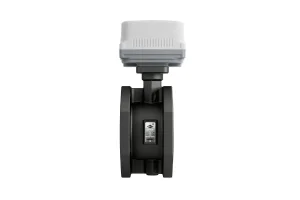
Intelligent Balance Valves regulate flow rates dynamically to prevent thermal imbalances across building zones. These units adjust flow pathways automatically based on real-time feedback, ensuring consistent heating throughout the system.
Browse our extended product catalog for industrial evaporator units, membrane concentration systems, and remote network controls.
 Flotte Energy