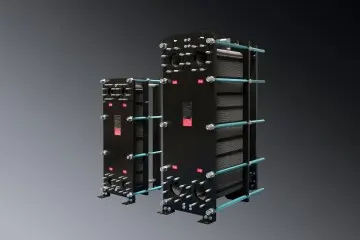
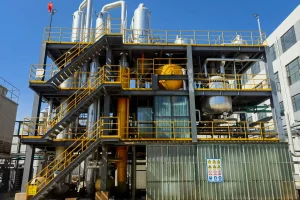
Premium OEM-equivalent designs, engineered for optimal thermodynamic efficiency and long-term durability
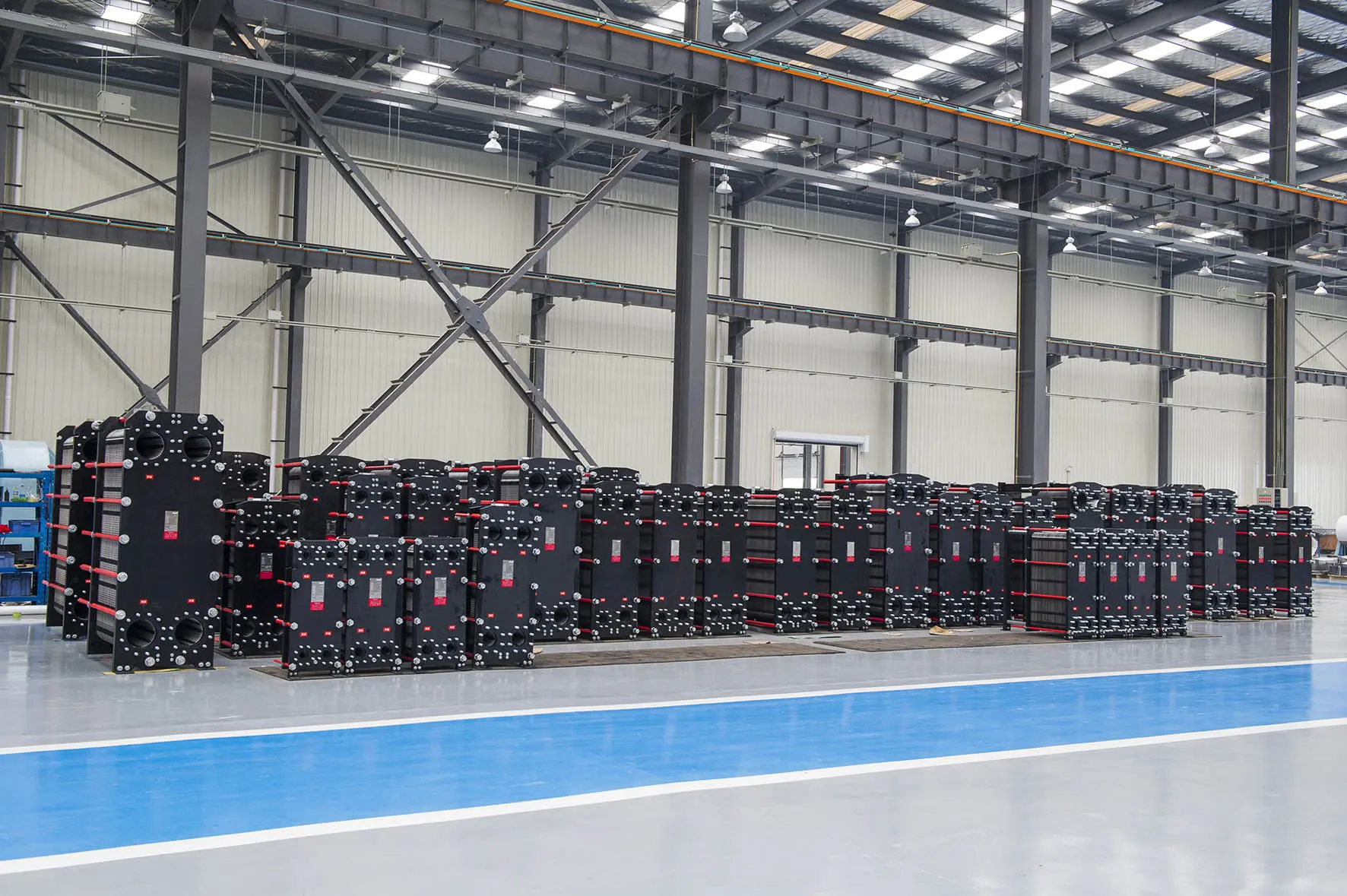
Flotte Energy Saving Company, established in 2013 with a registered capital of 101 million yuan, originated from Flotte Thermal Engineering founded in 1995. With three decades of rigorous technical expertise, the company specializes in water equipment, HVAC systems, and water treatment industries. We consistently lead industry peers in adopting cutting-edge thermal transfer technologies, developing innovative heat exchangers, and delivering comprehensive production and global sales services.
Our systems have obtained mandatory national product certification and safety registration from the National Standardization Committee, alongside the safety registration for plate heat exchangers issued by the National Boiler and Pressure Vessel Standardization Technical Committee. Our operations strictly align with ISO9001 Quality Management, ISO14001 Environmental Management, and ISO45001 Occupational Health and Safety systems.
An in-depth analysis of global energy markets, sourcing methodologies, and Chinese manufacturing advantages
In modern industrial processes, the demand for highly efficient heat transfer solutions is escalating at an unprecedented pace. The global push towards carbon neutrality, coupled with stringent environmental mandates, has placed heat exchangers at the epicenter of industrial energy conservation. Within this context, the Alfa Laval Heat Exchanger Catalogue serves as the global standard for engineering excellence. As leading suppliers and exporters, understanding the intricate thermal mechanics and localized applications of these heat exchangers is essential to meeting the technical expectations of global procurement managers.
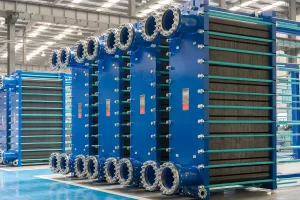
From chemical processing plants in Germany to offshore oil platforms in the North Sea, and district heating grids in Northern Europe, plate heat exchangers (PHEs) are crucial. The technology’s primary advantage lies in its ability to facilitate heat transfer between two fluids with extremely close temperature approaches (often as low as 1°C). Alfa Laval's catalogue defines the benchmarks for design parameters, plate geometries, and gasket elastomer profiles.
Global engineering teams are increasingly turning to reliable alternative manufacturers who can supply OEM-compatible plates and gaskets that match the precise thermal specifications of the original Alfa Laval catalogue. This demand is driven by the need to minimize operational downtime, mitigate supply chain bottlenecks, and optimize lifecycle costs without compromising on E-E-A-T (Experience, Expertise, Authoritativeness, and Trustworthiness) standards of performance.
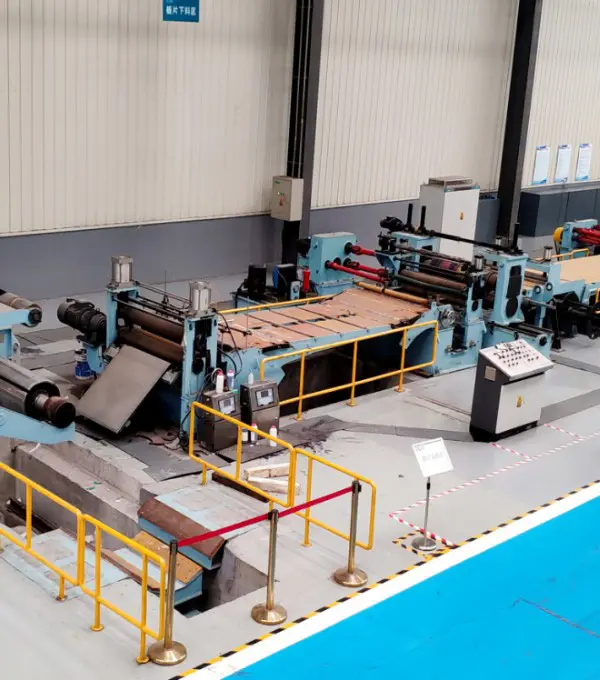
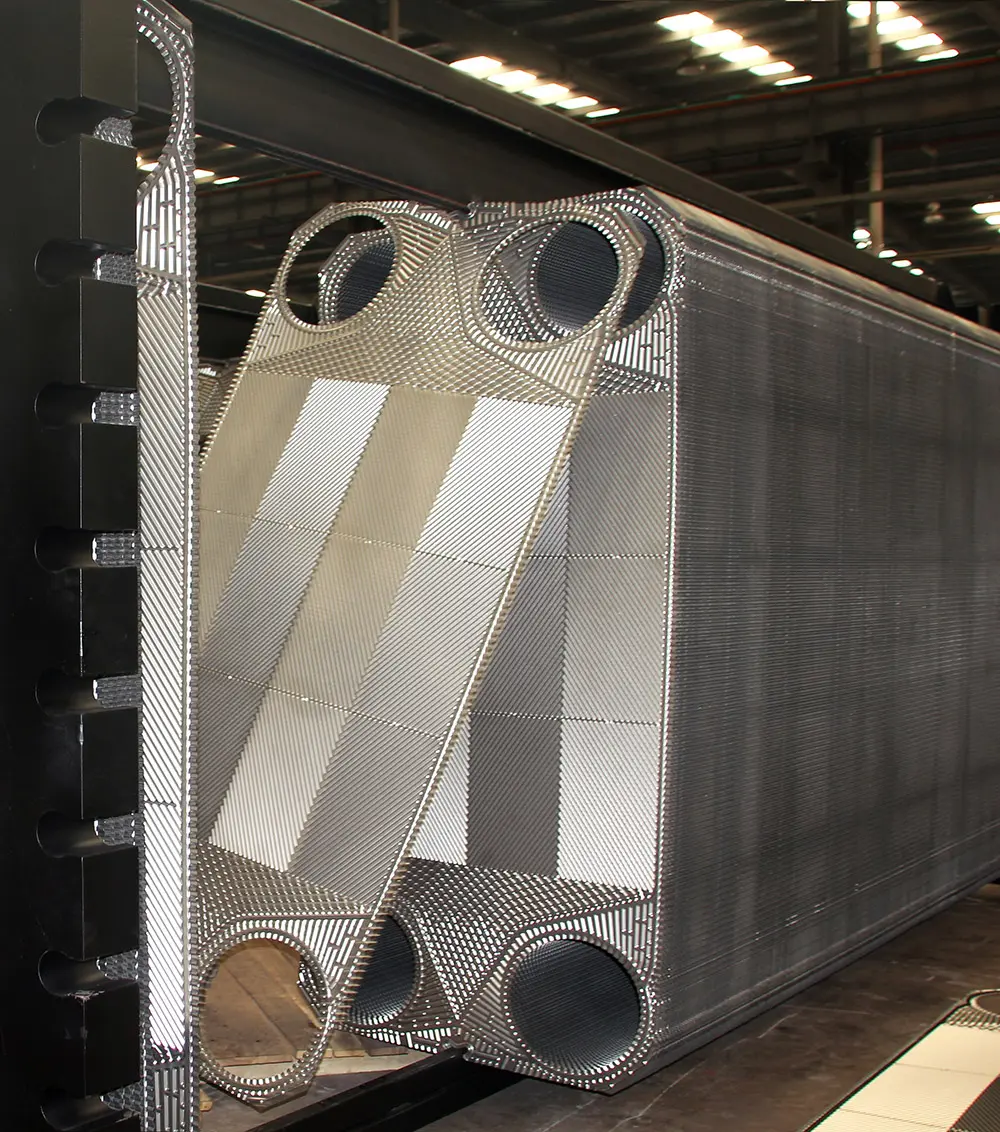
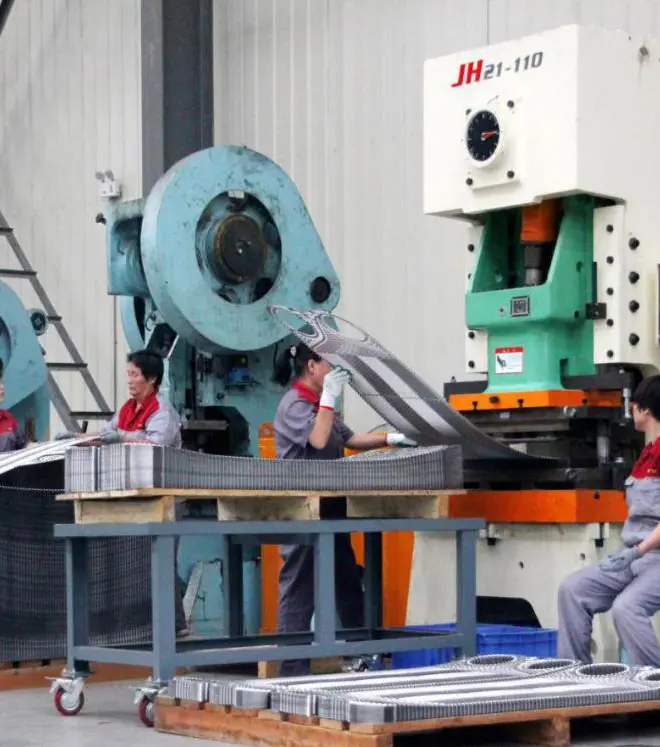
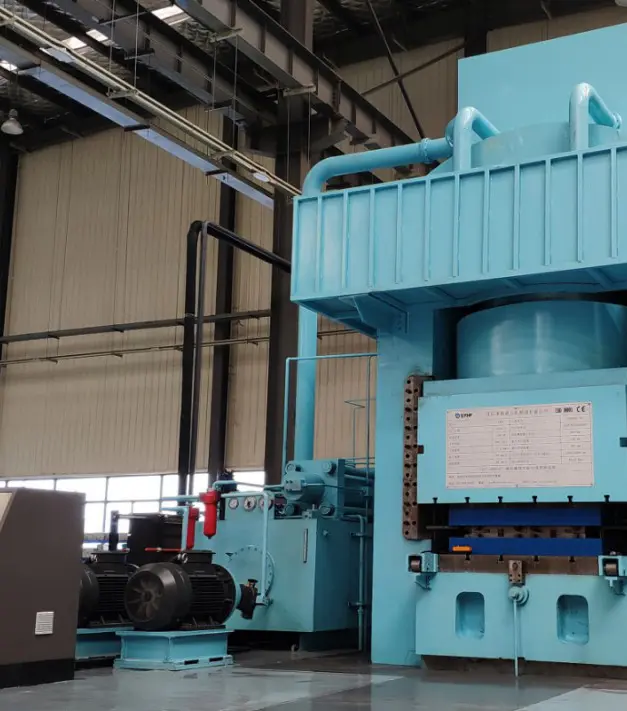
China has transitioned from a high-volume manufacturer to a high-precision engineering hub. At Flotte, our manufacturing capabilities are founded on three decades of technical evolution. With a registered capital of 101 million yuan, our facilities are equipped with heavy-duty hydraulic presses capable of molding exotic metals with tolerances measured in microns.
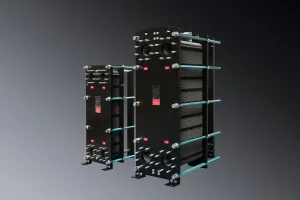
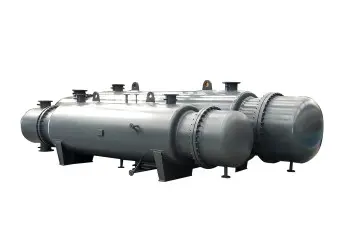
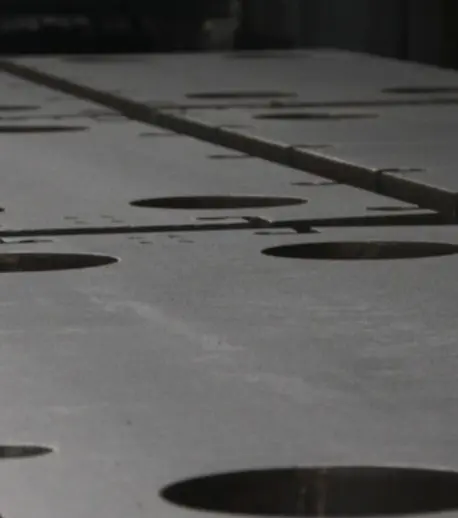
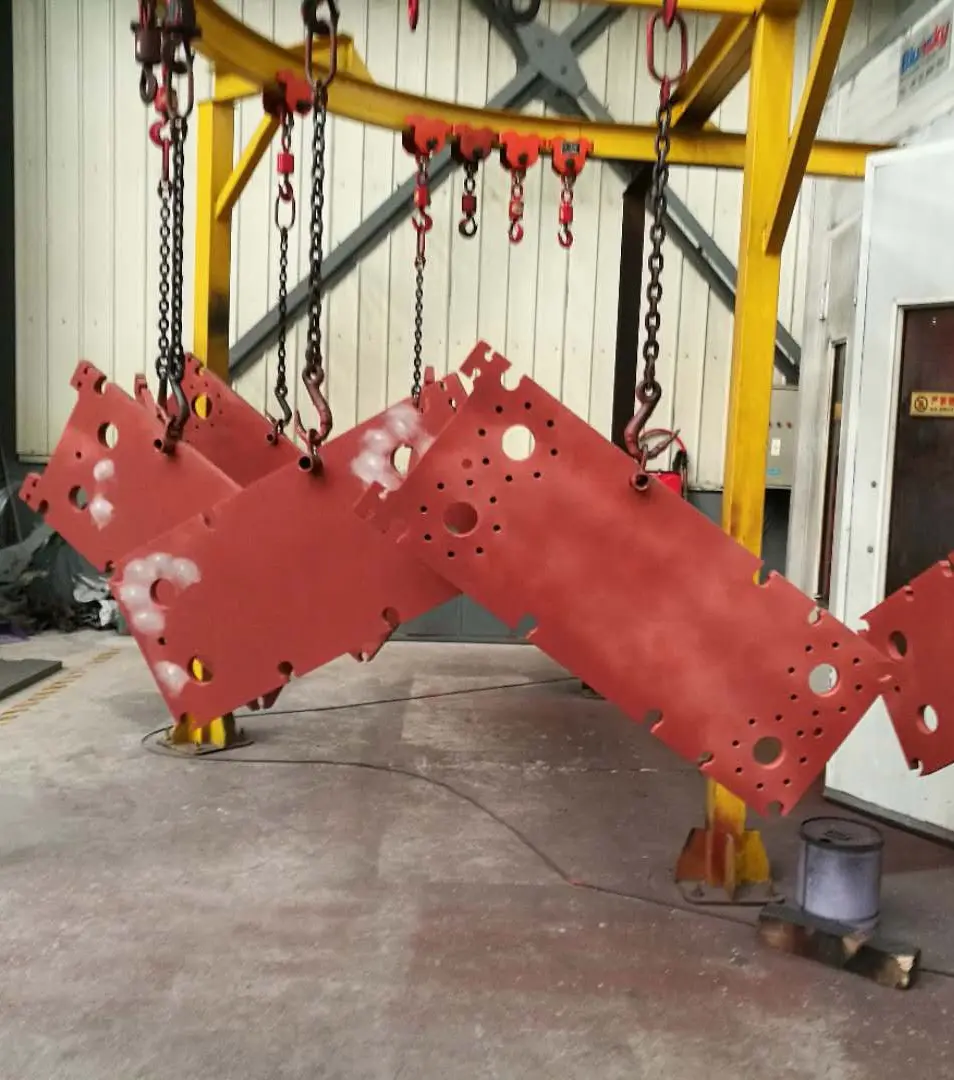
Our plate stamping and pressing processes utilize advanced die configurations to ensure uniform thickness across the entire chevron pattern. This precision prevents local stress concentrations, reduces fouling tendencies, and optimizes turbulence—ultimately achieving heat transfer coefficients that are 2 to 3 times higher than conventional shell-and-tube configurations. Furthermore, by integrating advanced automated quality control procedures, we ensure that every replacement plate or fully assembled heat exchange unit meets the exact dimensional requirements of global catalogues.
Thermal requirements vary significantly by application. Here is how Flotte tailors solutions for critical industries:
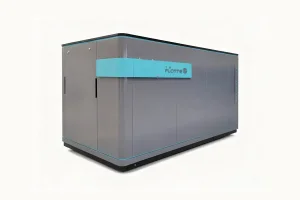
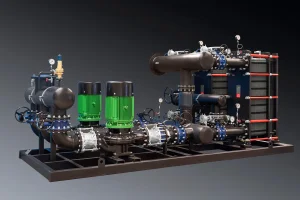
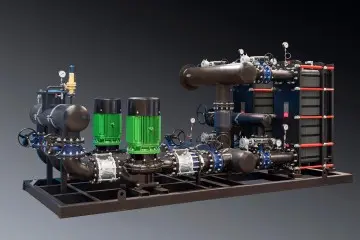
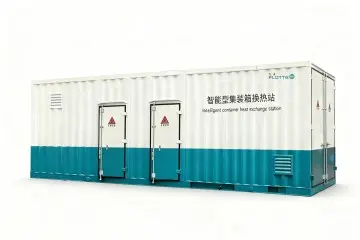
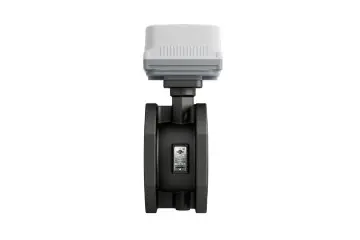
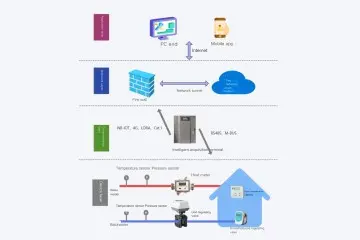
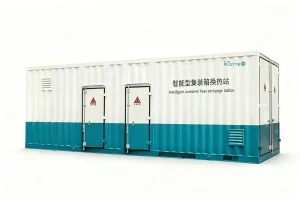
The next decade of heat exchanger development will be defined by smart integration. Modern heating systems do not operate in isolation; they are linked to smart grids. Flotte’s Intelligent Heat Exchange Units integrate sensors, variable frequency pumps, and dynamic control valves to adjust heat transfer rates in real-time based on ambient conditions. This smart management prevents overheating, reduces auxiliary pumping energy, and contributes directly to corporate carbon reduction goals.
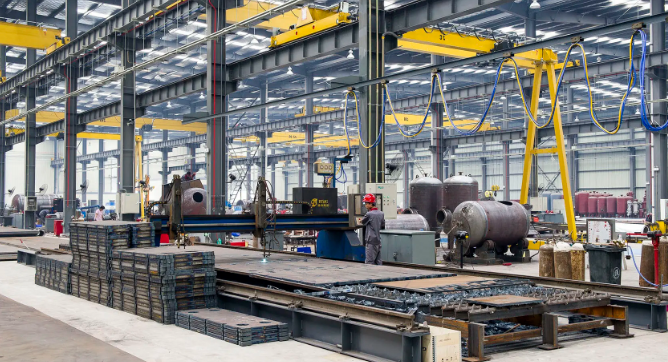
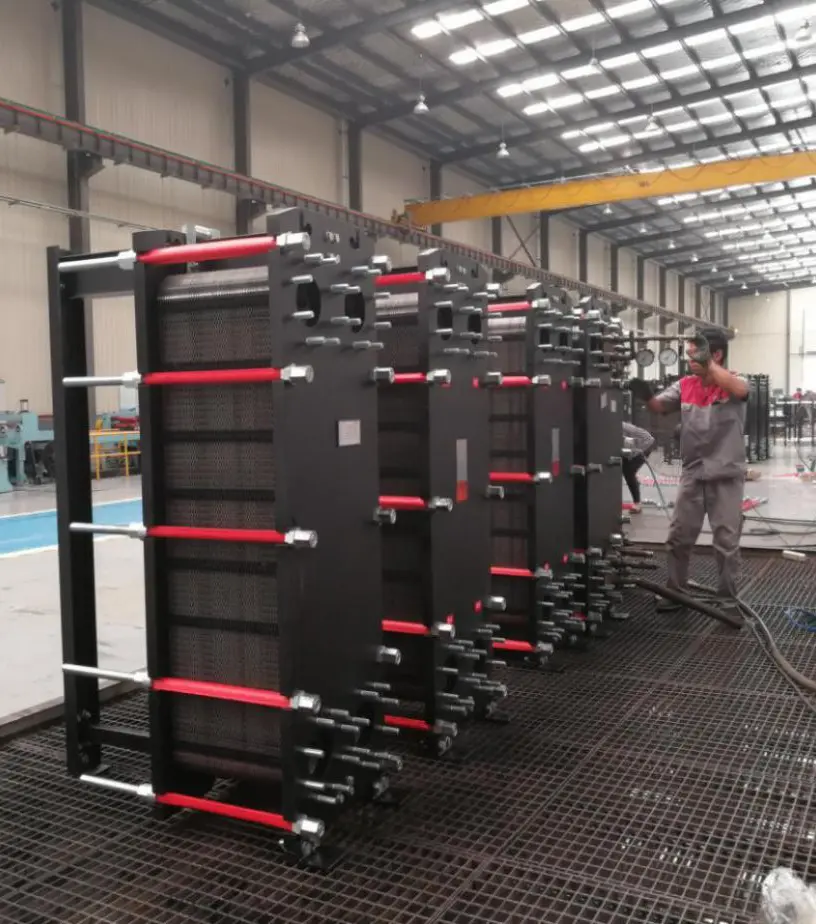
Quality is the foundation of E-E-A-T. Flotte operates under a comprehensive quality assurance framework. All incoming raw materials, including coils from certified steel mills, undergo spectral analysis and mechanical testing before entering the press. Completed plate bundles undergo hydraulic pressure testing at 1.25 to 1.5 times the design pressure, and dye penetrant tests are conducted to identify micro-fractures. We ensure that our products comply with national pressure vessel regulations and international certifications, making Flotte a reliable long-term partner for global engineering firms, procurement departments, and distributors.
Why global engineers specify our heat exchange technologies
Specializing in plate heat exchangers, featuring patented corrugated plate designs that achieve 2-3 times higher heat exchange efficiency than conventional equipment.
Covers 8 core sectors, including HVAC, power plants, and chemical processing, with solutions verified across diverse geographic regions.
Full-process quality control under ISO 9001, utilizing premium stainless steel and titanium alloys to ensure durability under harsh conditions.
Providing customized thermal calculations, engineering drawings, and rapid international logistical support to keep your operations running smoothly.
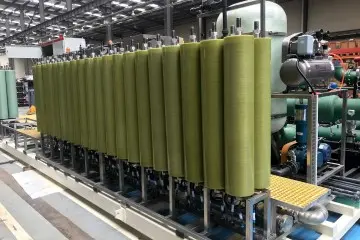
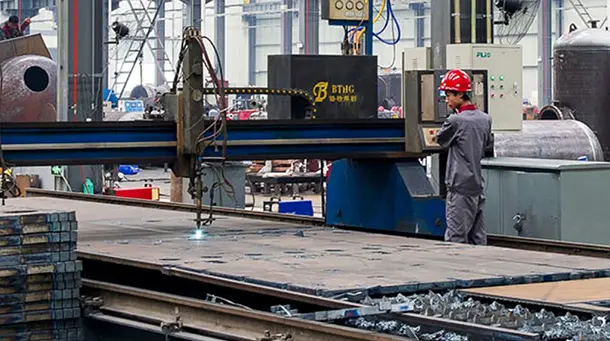
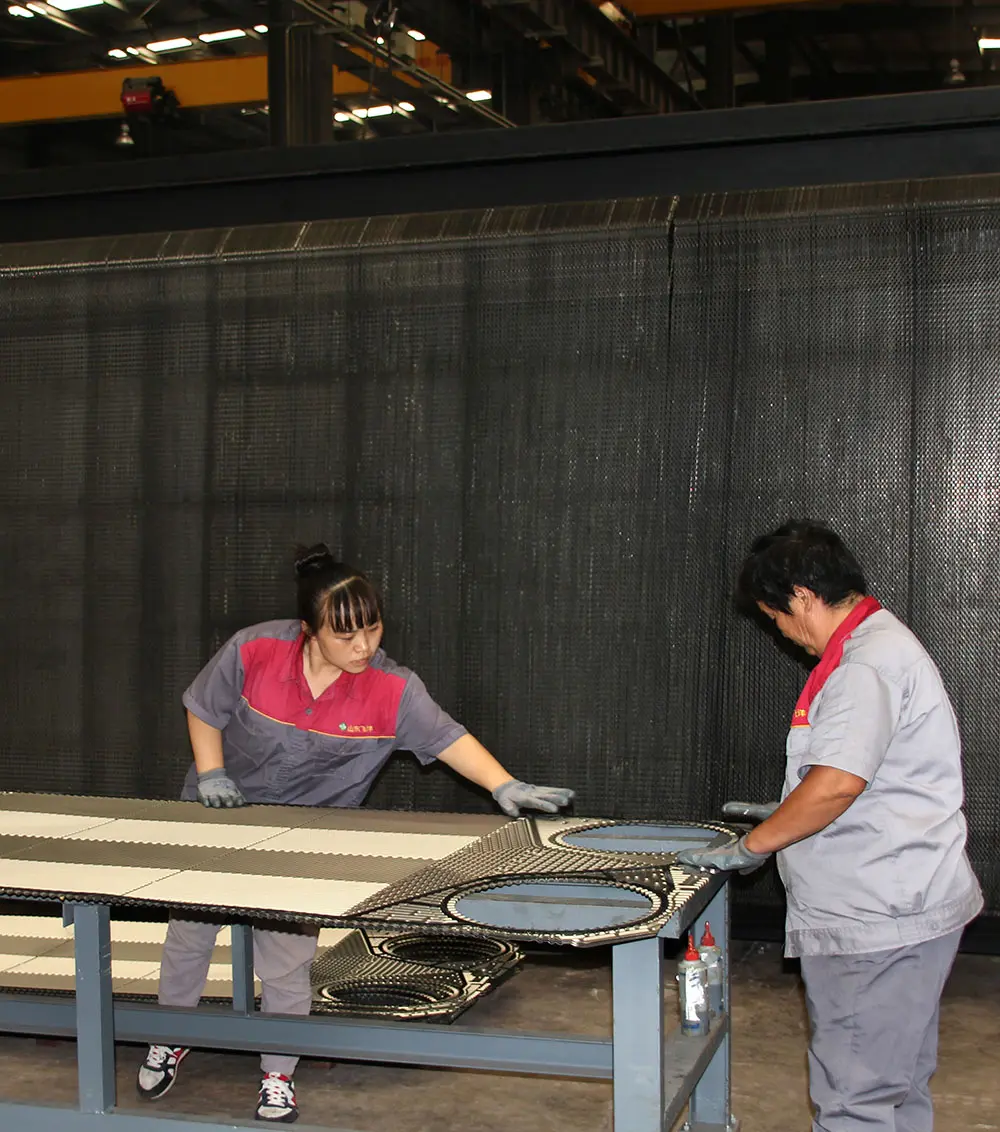
A look inside our state-of-the-art production pipeline, ensuring mechanical integrity and precision fitment
Comprehensive system solutions mapped to core municipal and industrial applications
Compliance and credentials verified by international standards bodies
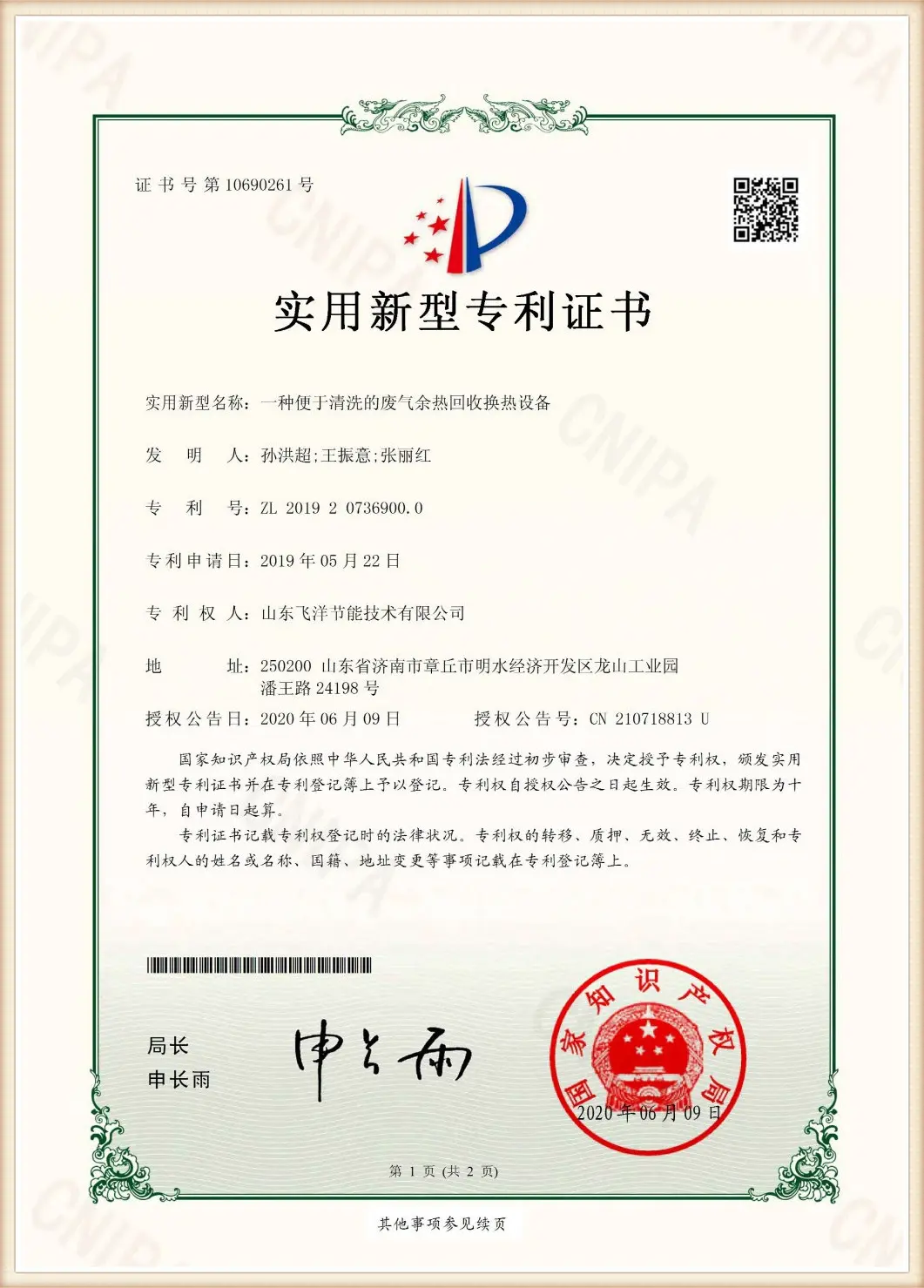
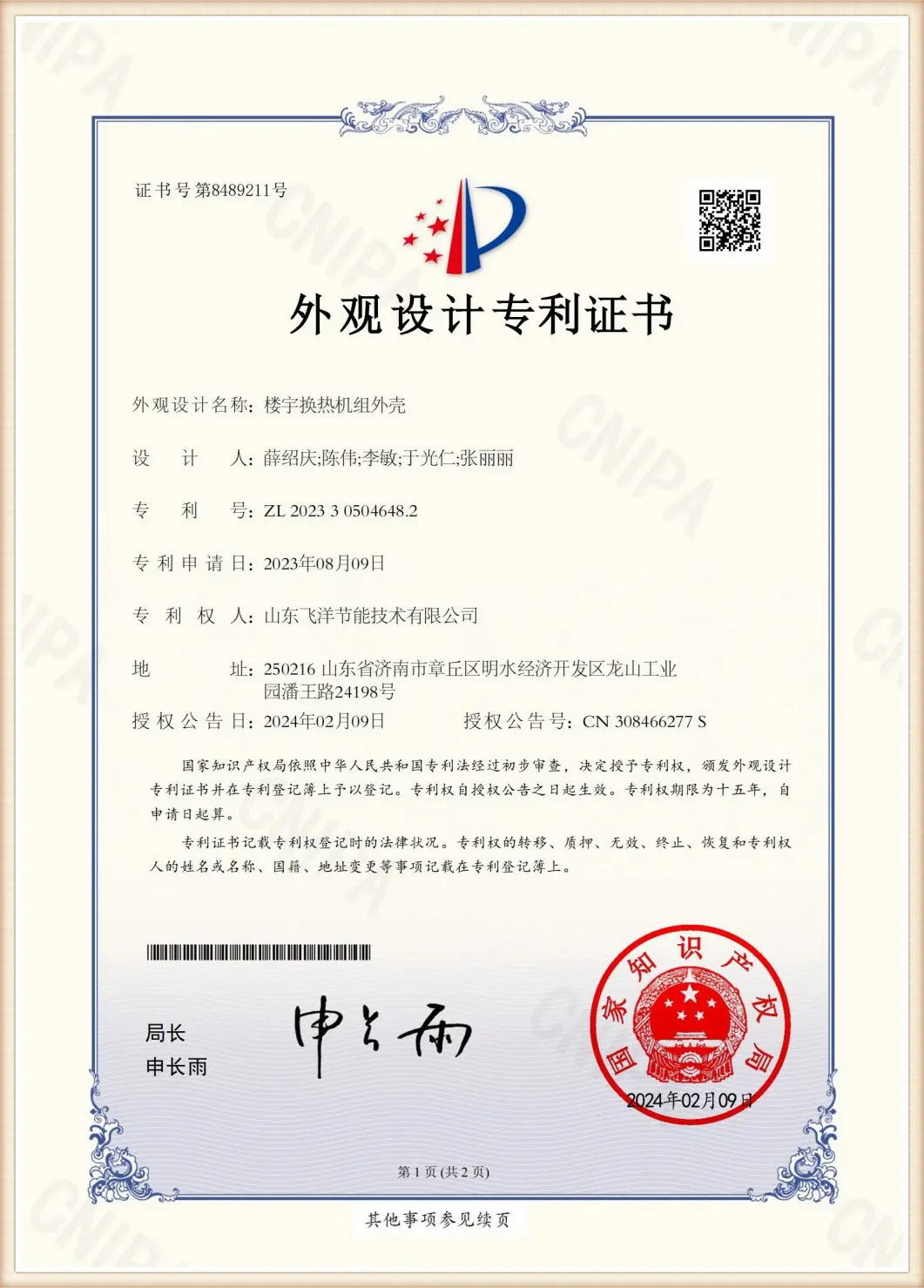
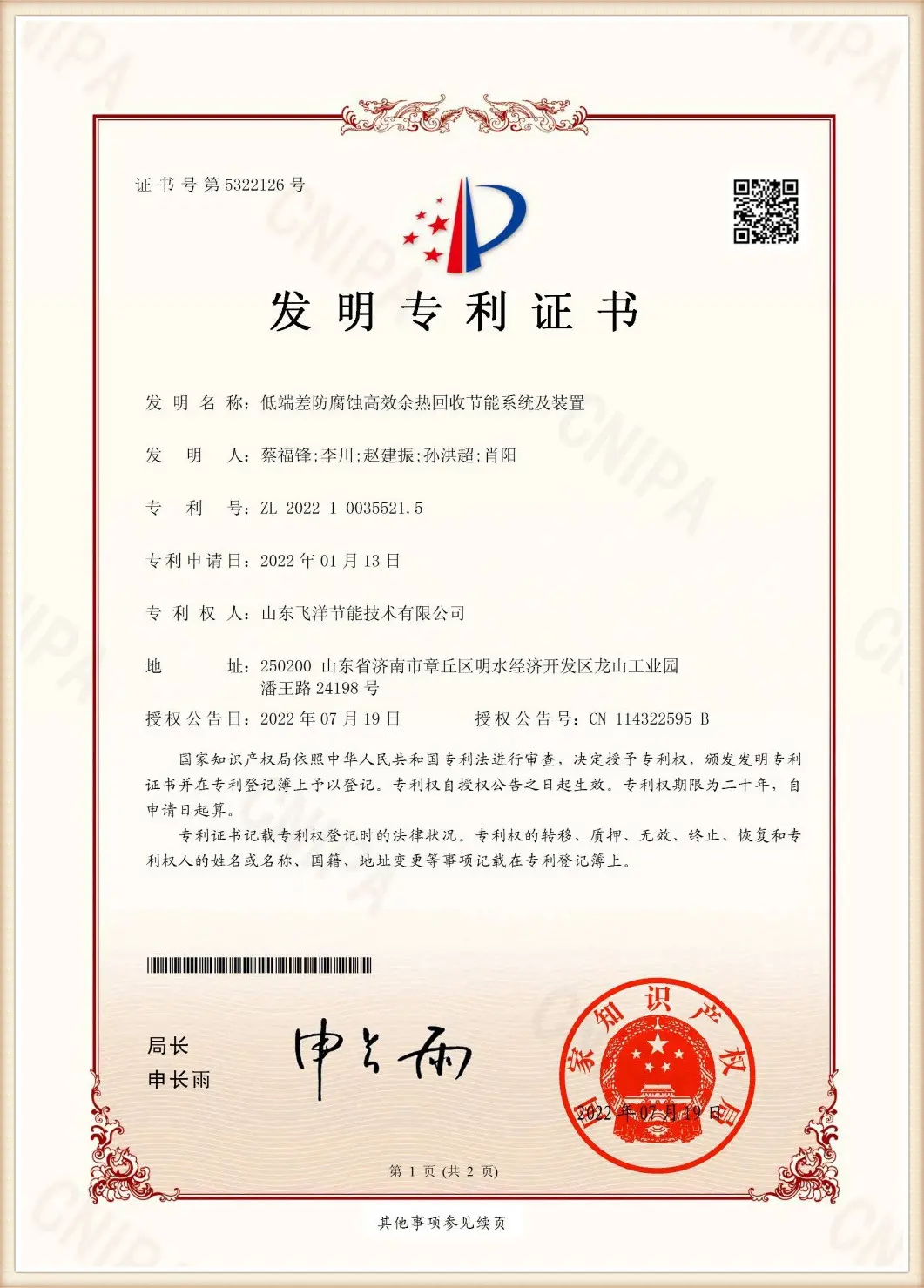
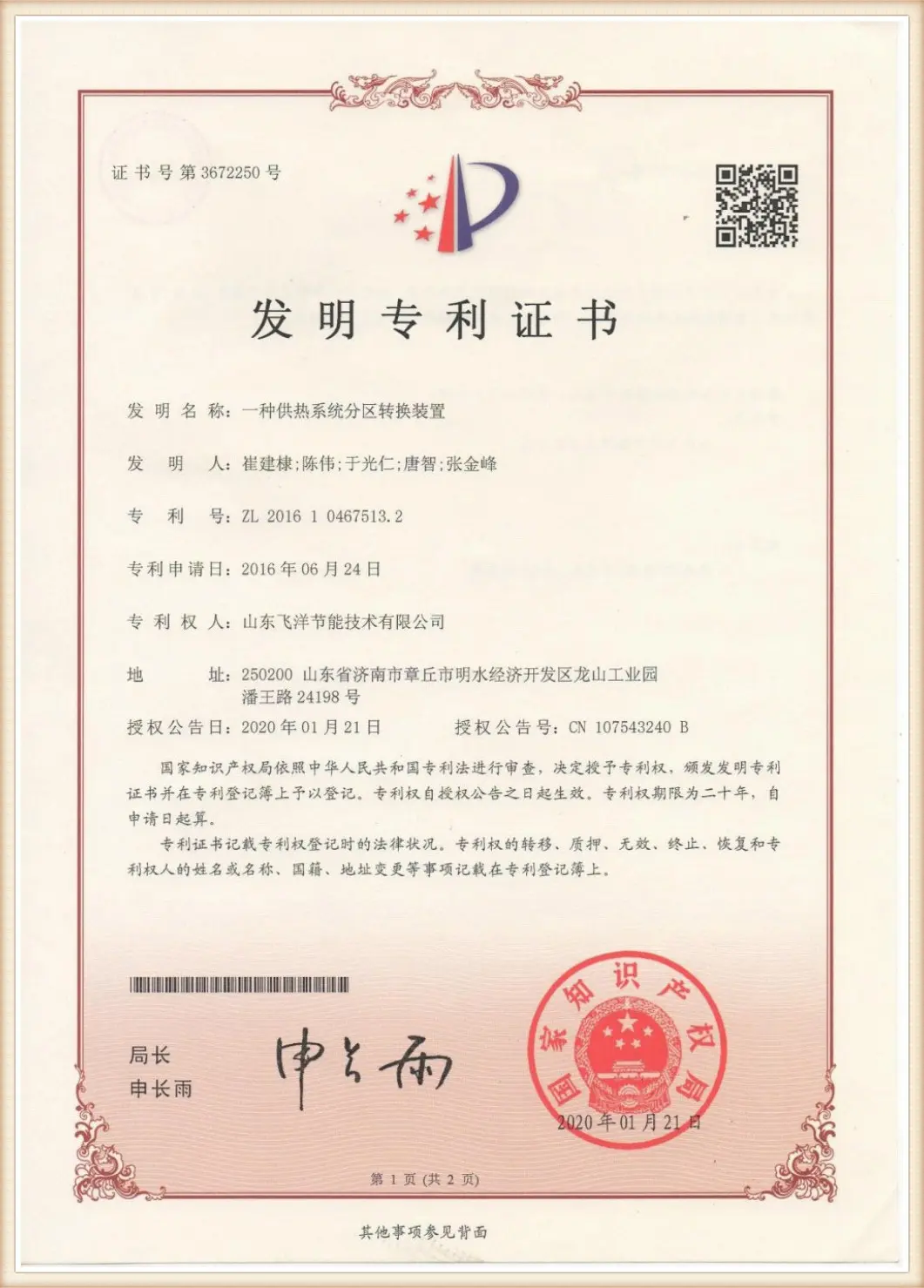
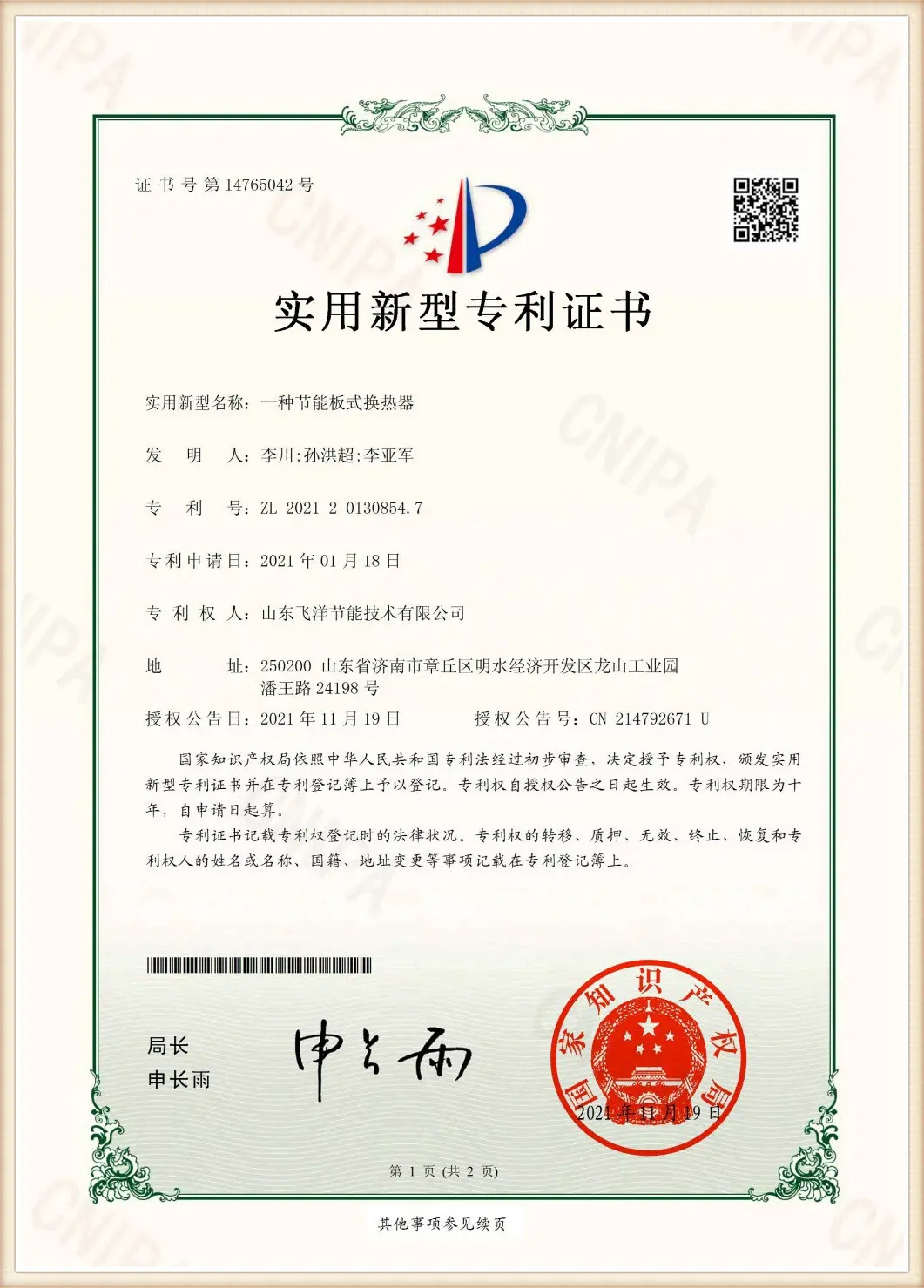
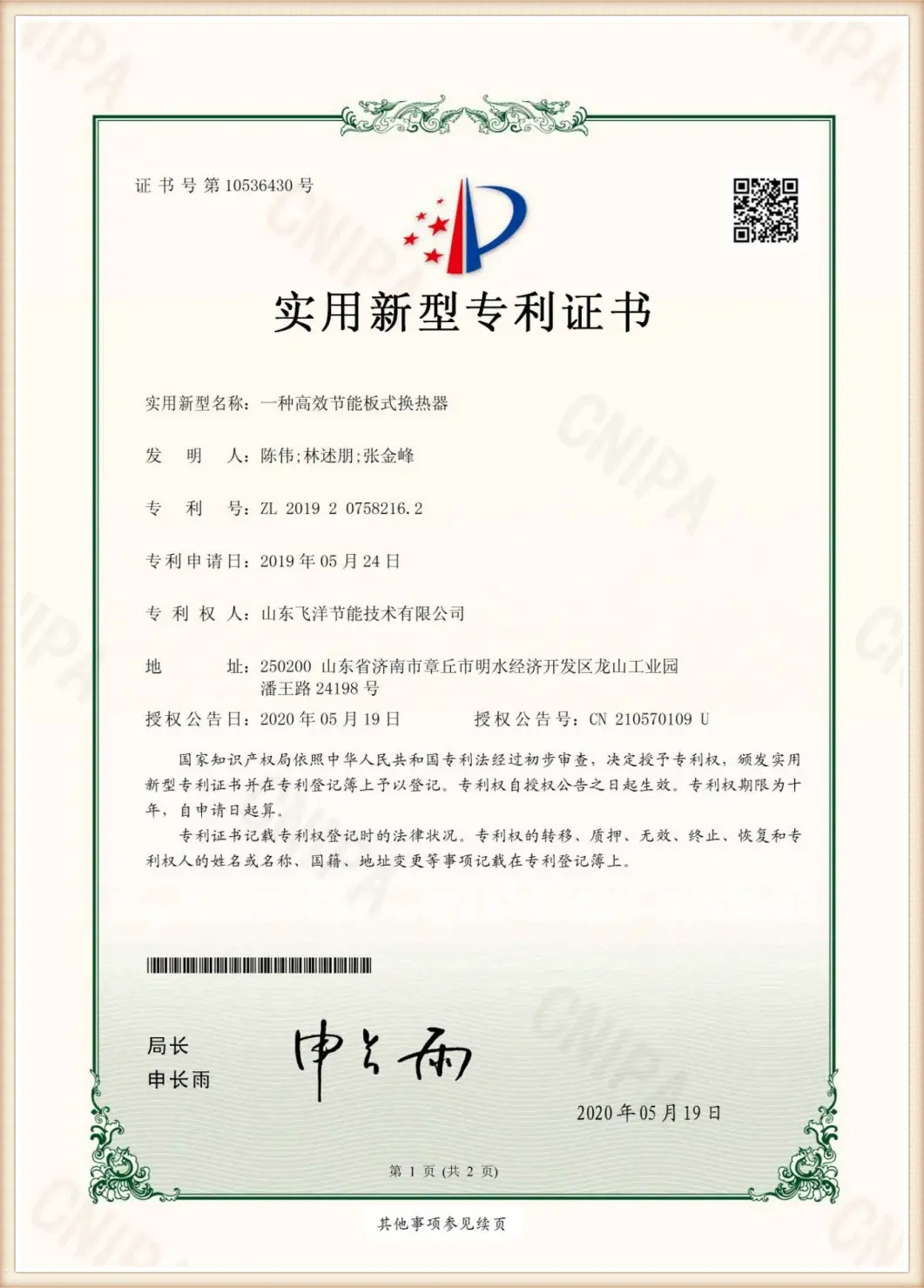
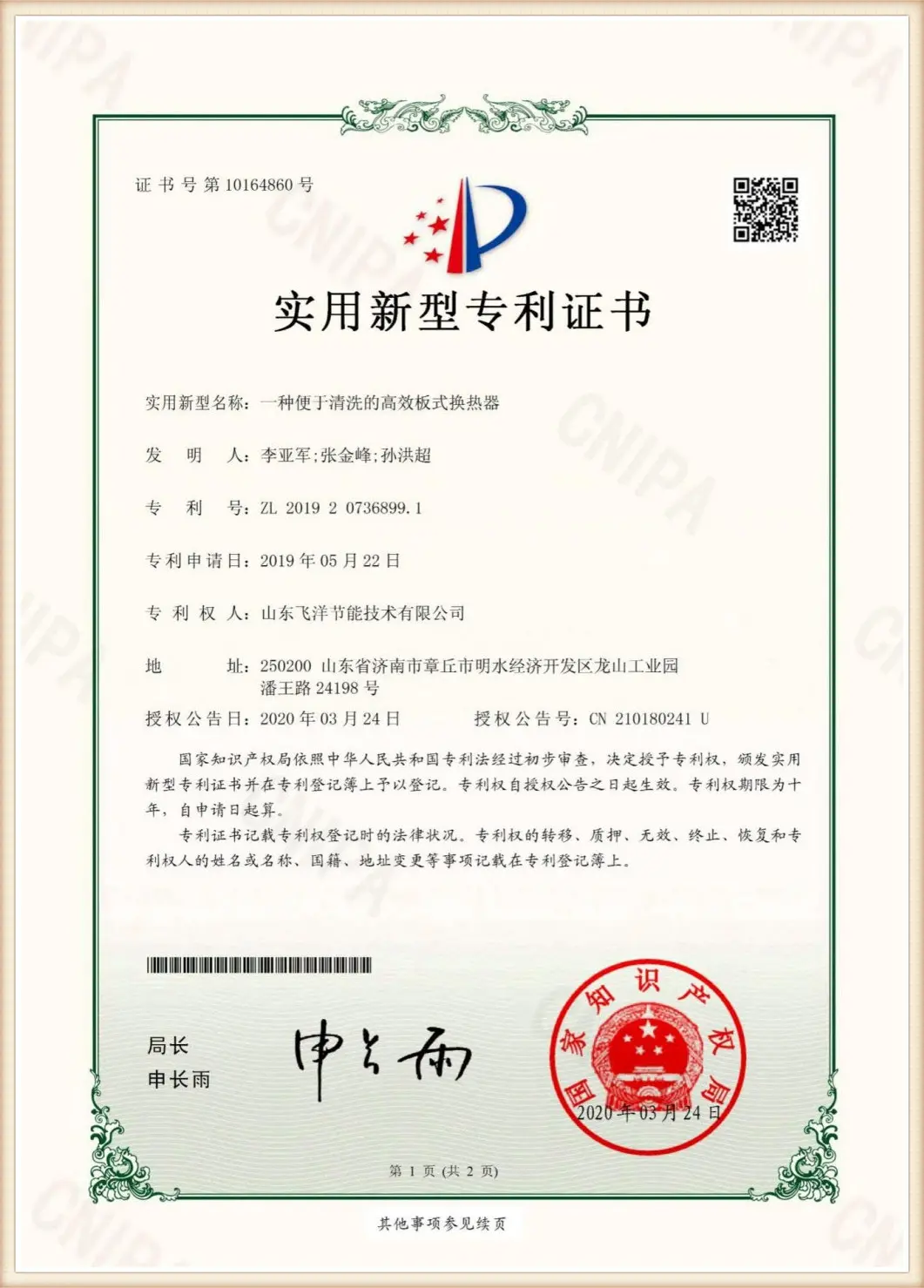
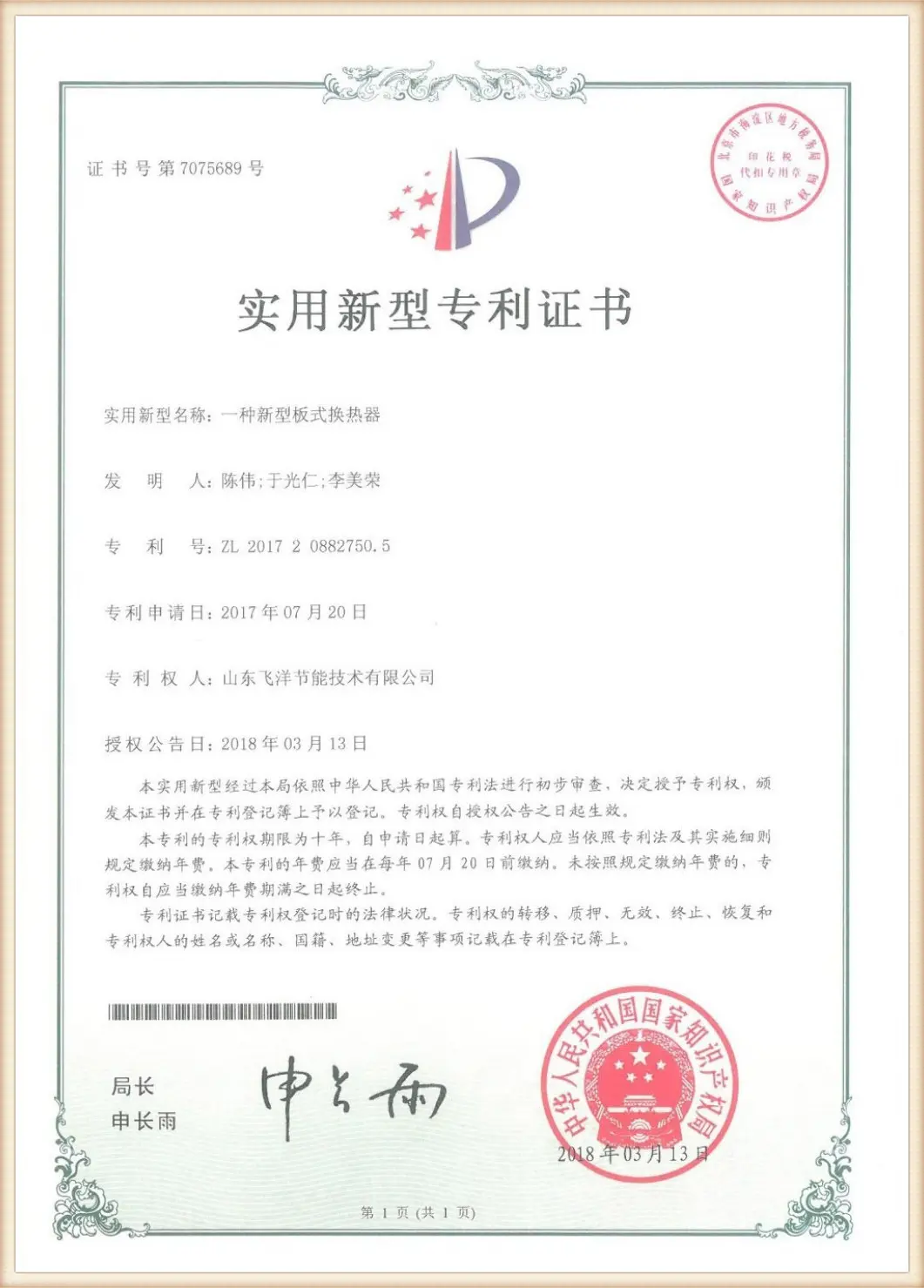
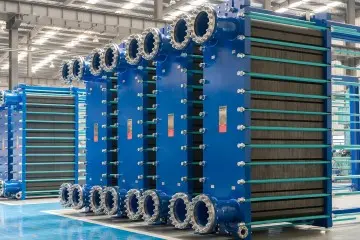
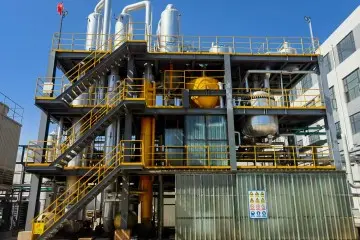
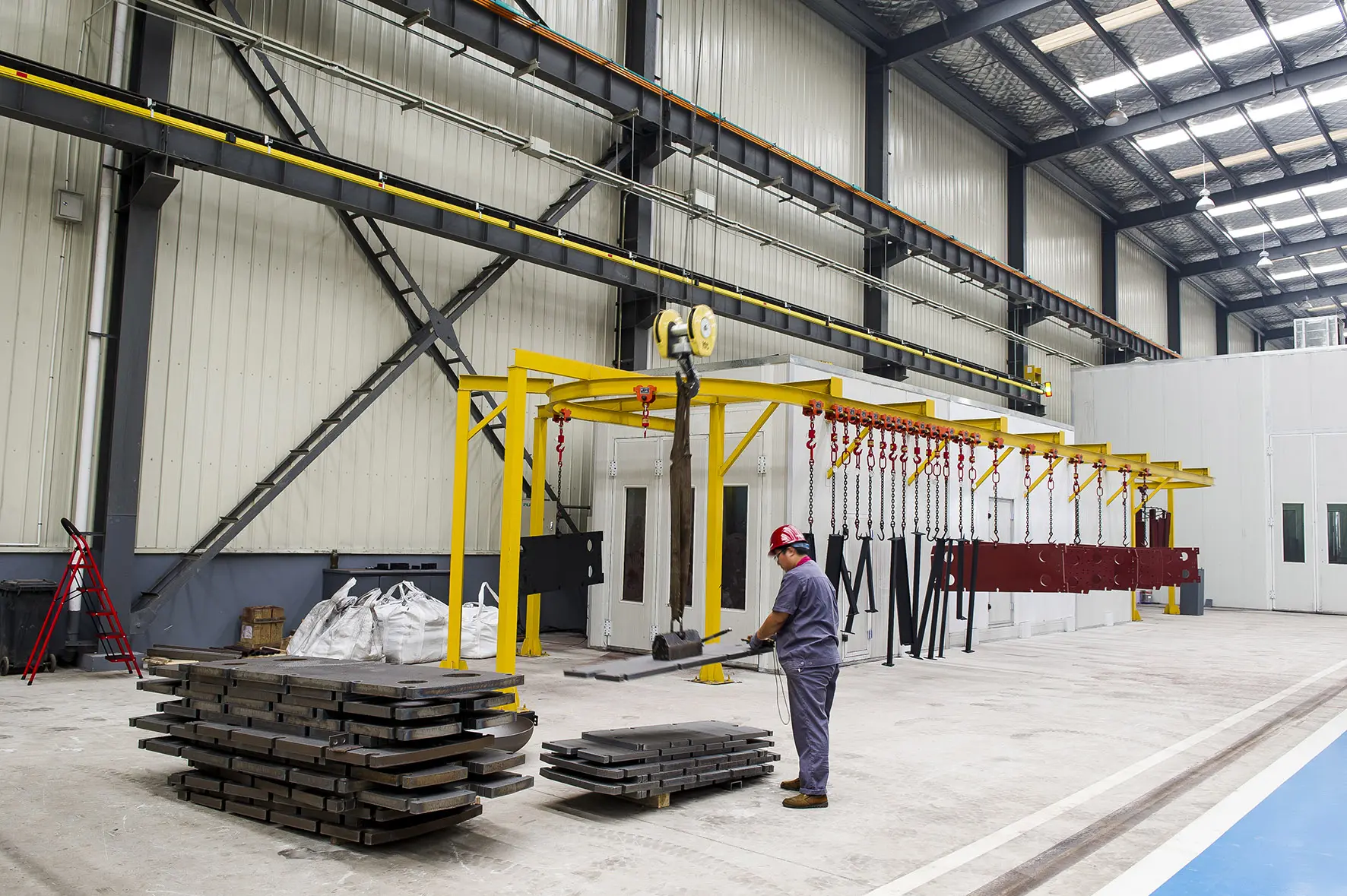
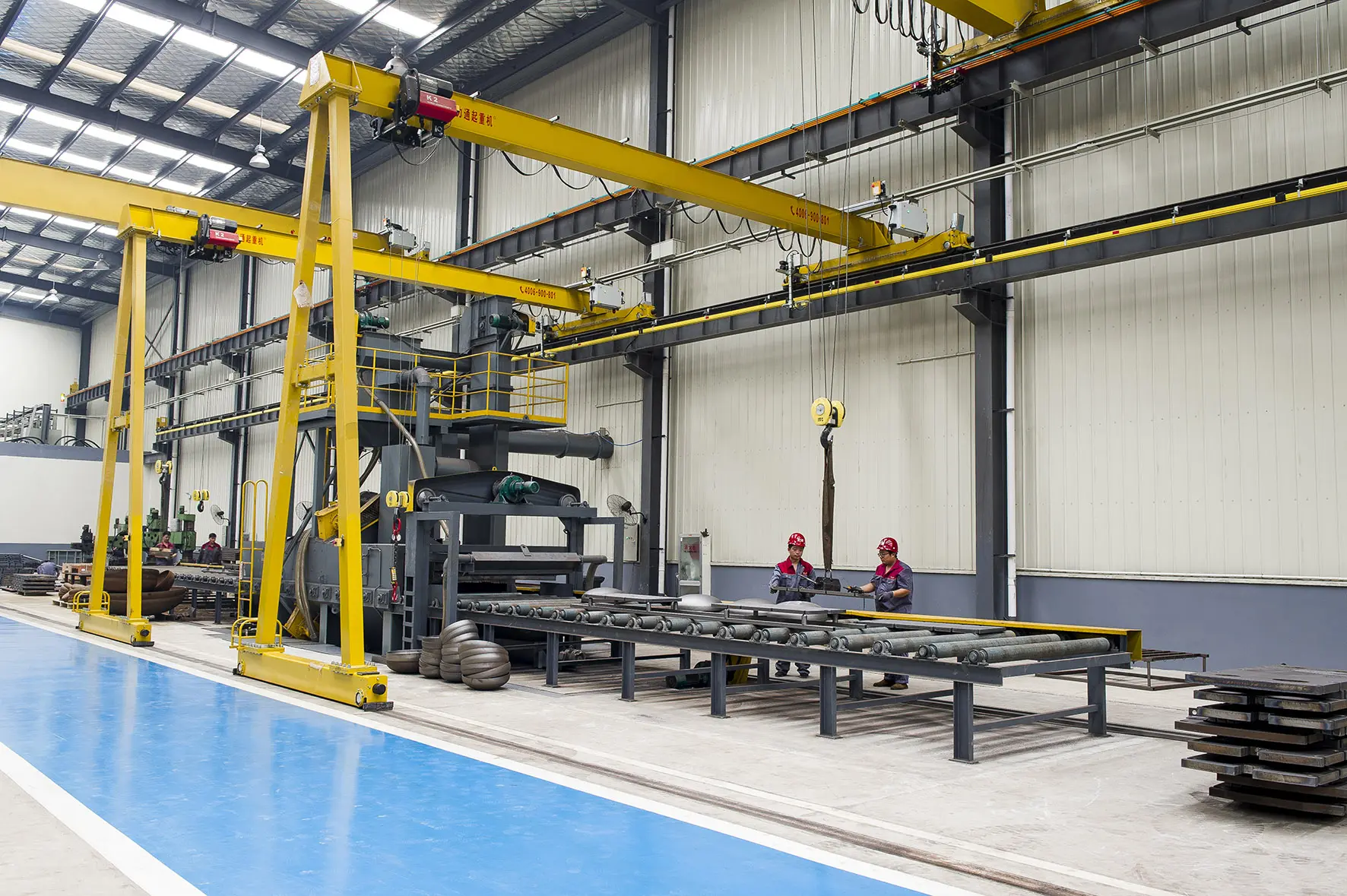
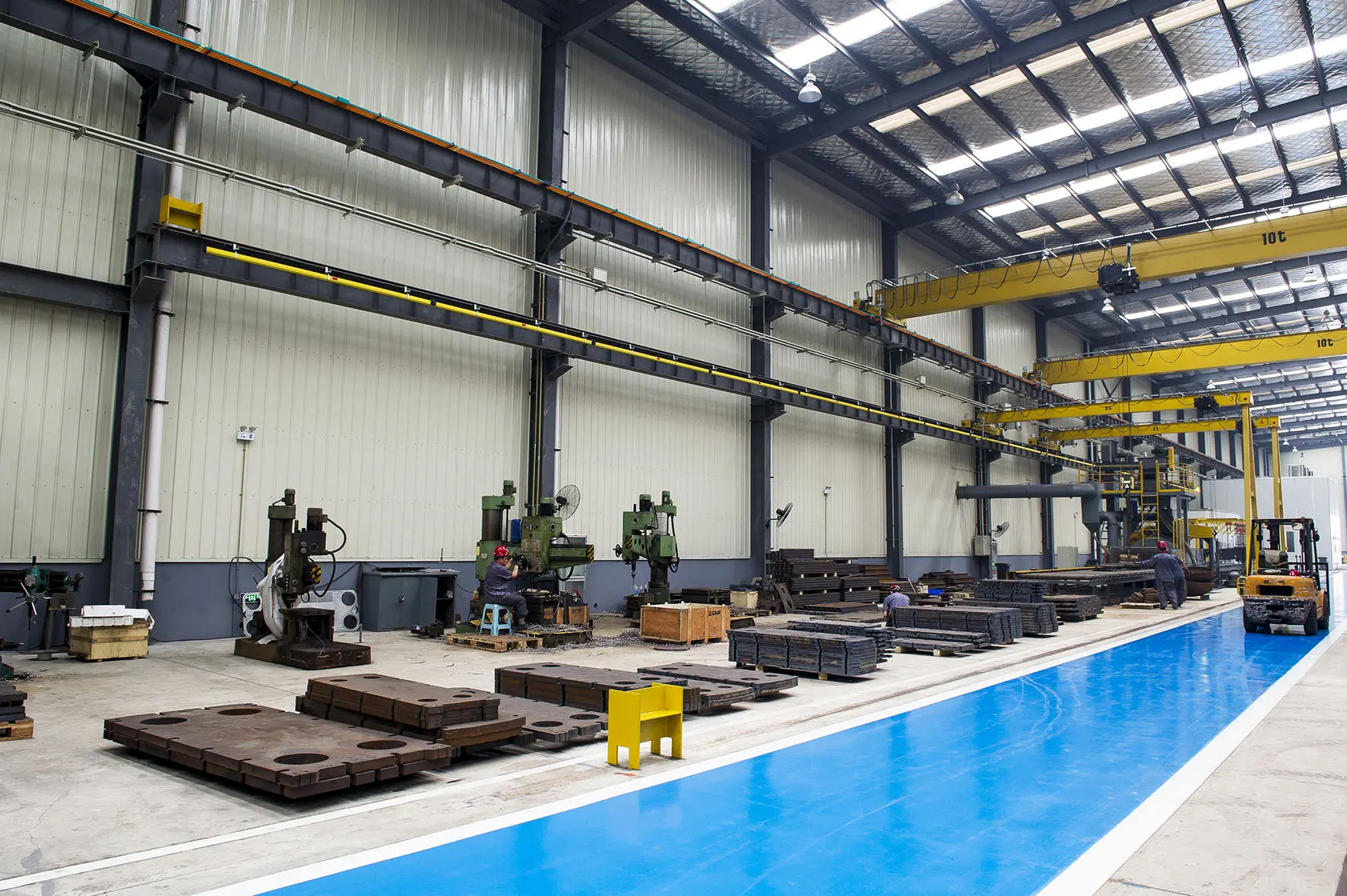
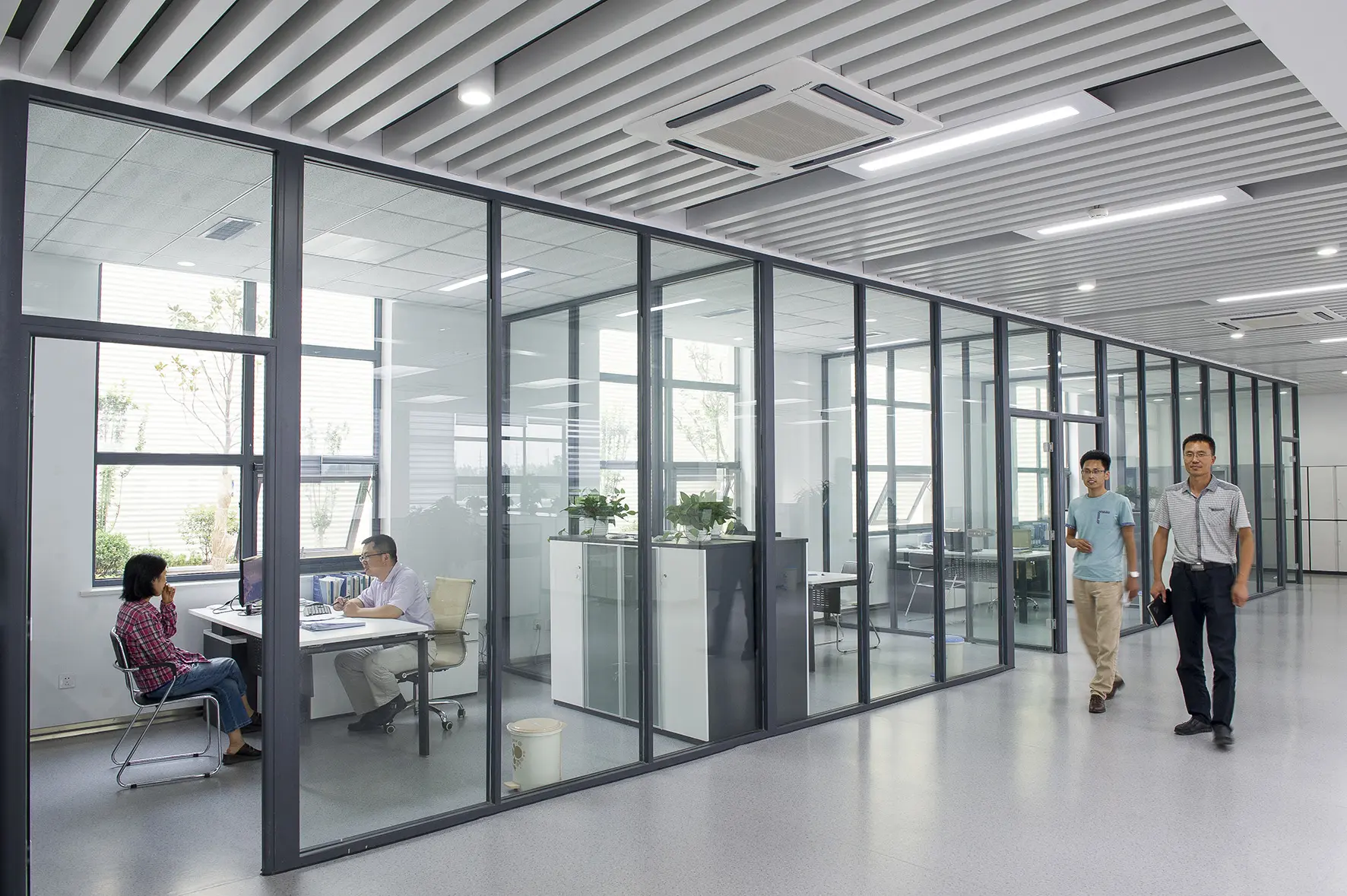
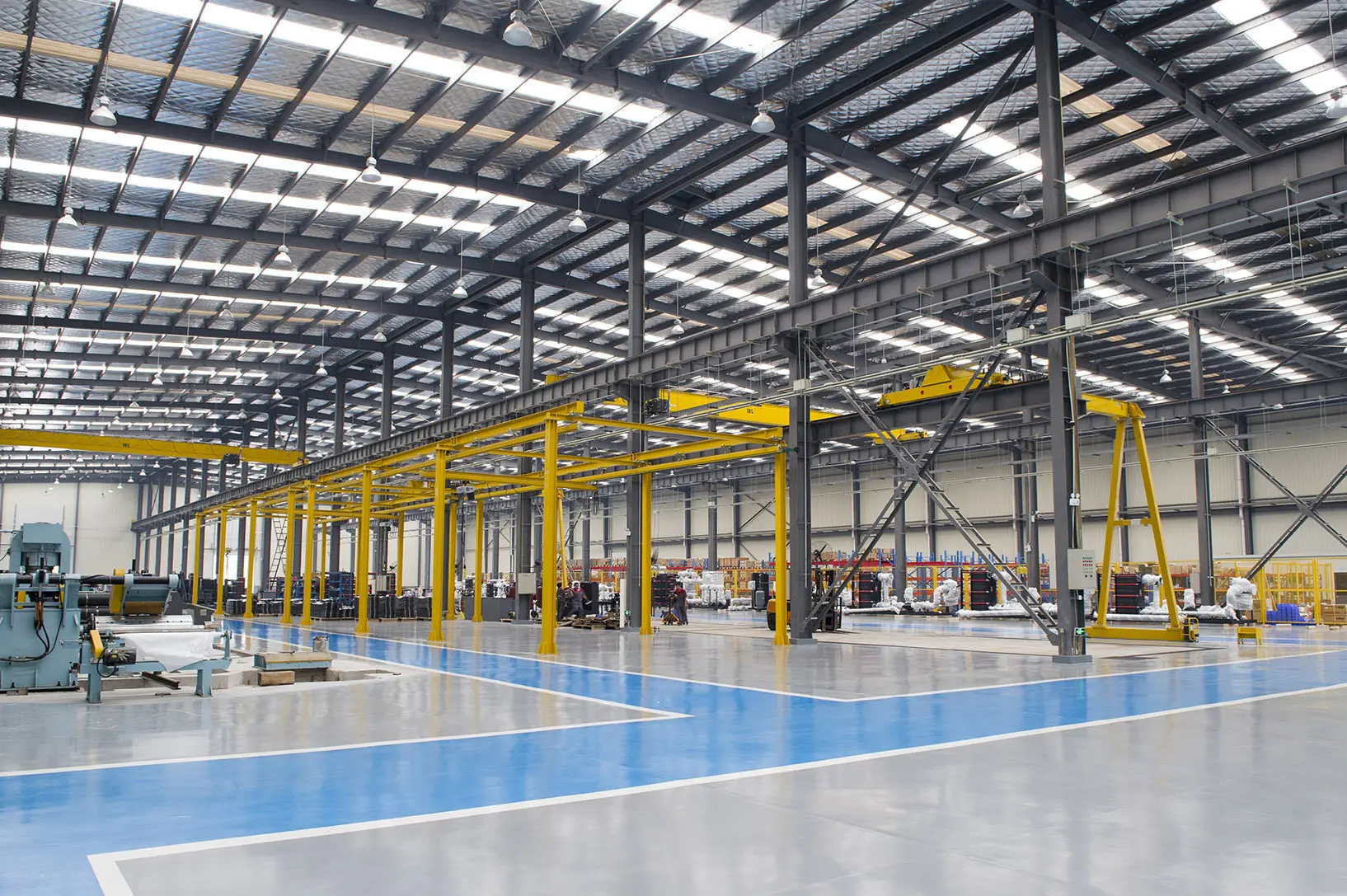
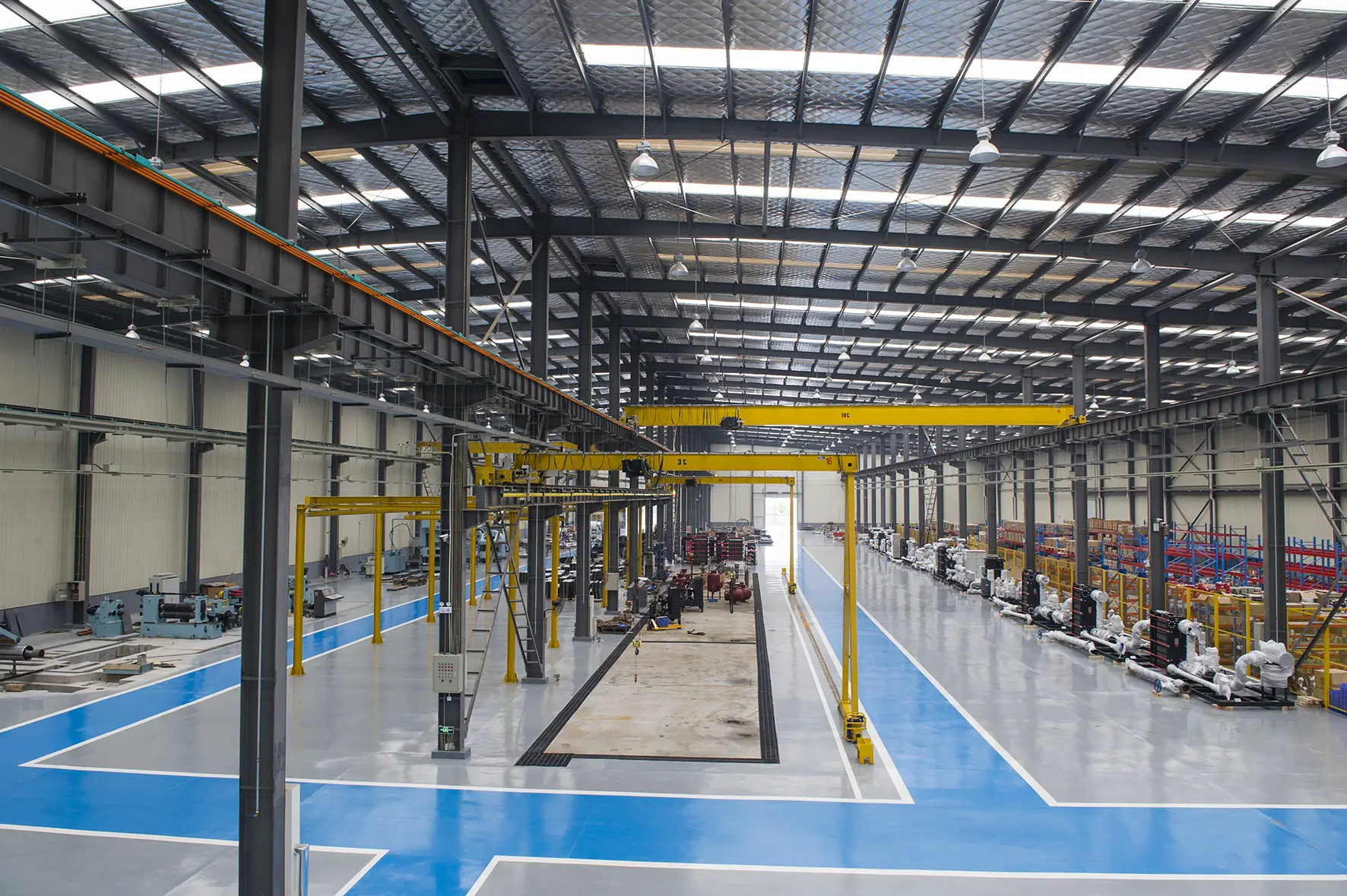
Inside our high-capacity production center spanning 70,000 square meters


Expert insights on sizing, configuration, compatibility, and maintenance protocols
Flotte’s engineering division designs and manufactures replacement plates and gaskets using the precise dimensional specifications of the original catalogues. This includes matching channel depths, chevron angles, connection ports, and elastomer gaskets (EPDM, NBR, Viton). This allows global operators to seamlessly replace components without modifying existing piping configurations.
Material selection depends on the chemical composition of the fluid and the operating temperature. Stainless Steel 304 is suitable for clean water applications, while SS316L is standard for industrial water and mild organic acids. Titanium is recommended for seawater, high-chloride concentrations, or corrosive chemical processes due to its superior resistance to pitting and crevice corrosion.
Theta rating refers to the pressure drop characteristics and thermal length of the plate. High-theta plates feature obtuse-angle corrugations, generating high turbulence and high heat transfer rates, but with a higher pressure drop. Low-theta plates have acute-angle corrugations, resulting in lower pressure drops and lower heat transfer rates. Sizing programs balance these parameters to optimize performance for specific pump limitations.
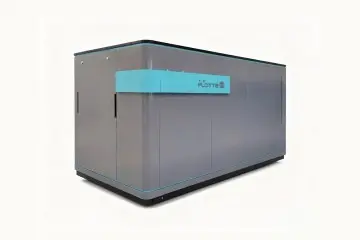
By integrating variable frequency drives (VFDs), smart balance valves, and real-time temperature sensors, the unit dynamically adjusts the flow rate of the heating medium based on actual thermal demand. This prevents thermal overshoot, minimizes auxiliary pumping power, and reduces overall energy consumption by up to 30% compared to static installations.
Premium OEM-compatible designs, ready for global delivery
 Flotte Energy