Explore our leading industrial heat exchange units, plate systems, and high-efficiency fluid control valves tailored for critical operating environments.
An in-depth analysis of plate-type thermal systems, carbon neutrality mandates, and heat exchange dynamics.
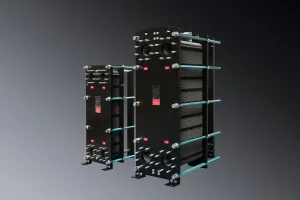
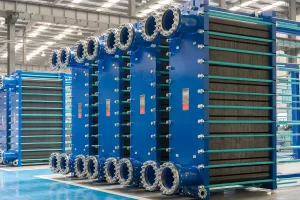
Modern process engineering requires high heat-transfer coefficients with minimized pressure drops. The traditional global market for thermal solutions, long led by pioneering firms like Alfa Laval, has transitioned from general-purpose configurations to highly customized thermal profiles. The plate pattern geometry—specifically the chevron angle—controls the flow profile and turbulent shear rates.
By designing plates with alternating chevron angles (low theta for minimal pressure drops, and high theta for high heat transfer rates), contemporary heat exchangers achieve high Reynolds numbers even at low velocity regimes. This specialized design minimizes the necessary heat transfer surface area, leading to significant material savings in alloys such as SS316L, Titanium, SMO254, and Hastelloy.
As decarbonization standards tighten worldwide under Scope 1 and Scope 2 emission reduction goals, industrial facilities are upgrading their thermal loops. Implementing reliable gasketed and detachable heat exchangers minimizes thermal degradation and maximizes heat recovery, helping plants reduce energy losses and optimize operational costs.
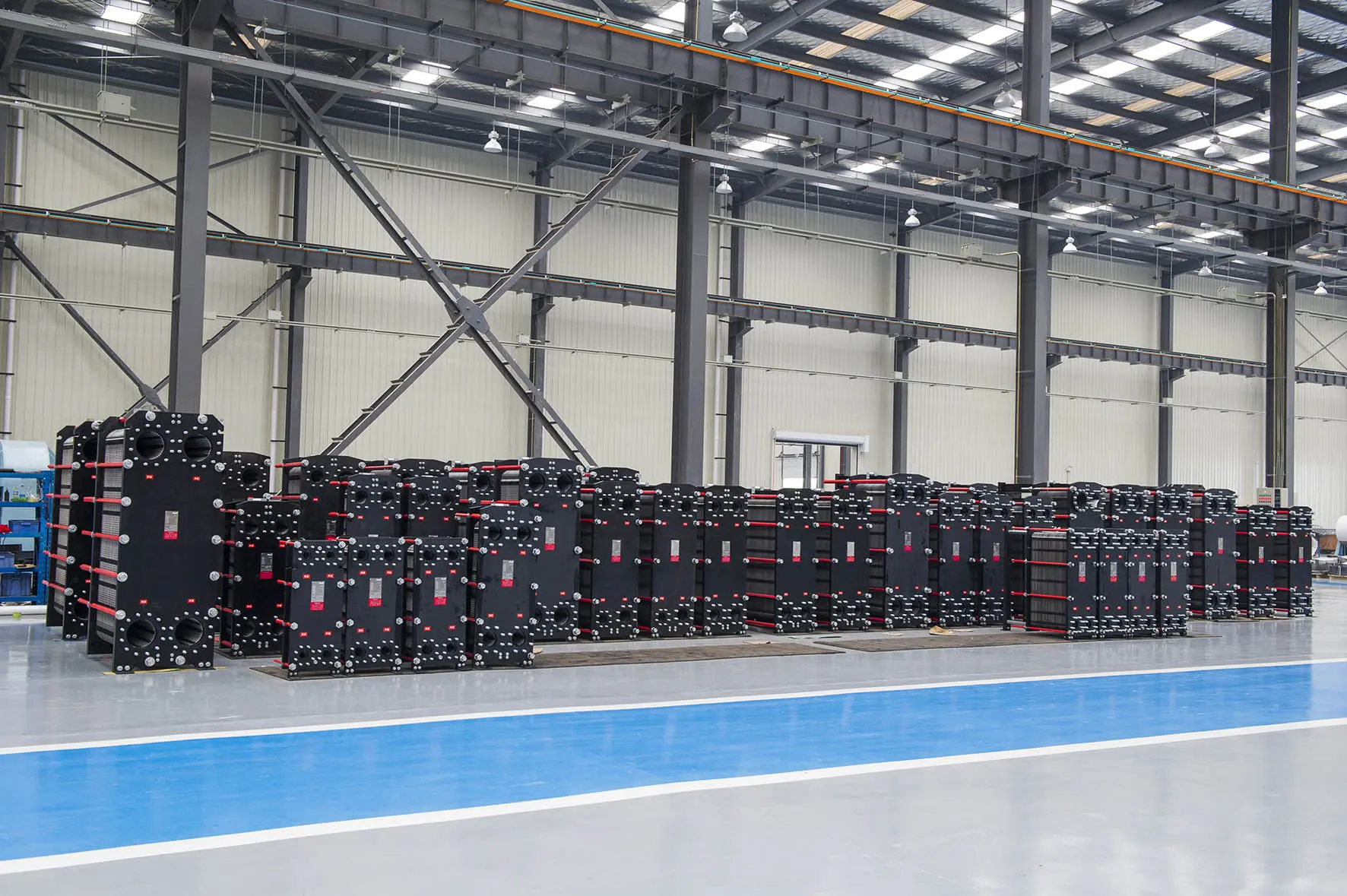
Unlocking massive cost efficiencies and premium engineering reliability through systematic production management.
China's thermal engineering sector has grown through massive investments in heavy manufacturing infrastructure. At the core of plate heat exchanger manufacturing is the hydraulic press, where plate thickness tolerances must be kept within microns to prevent stress points or bypass leakage. Flotte's advanced processing utilizes high-capacity presses to stamp complex chevron channels into stainless steel and titanium plates in a single operation.
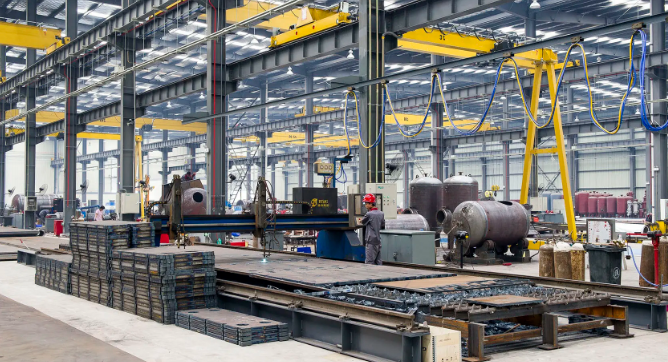
This automated single-stroke stamping prevents micro-fracturing and maintains uniform wall thicknesses across the entire plate. Combined with advanced laser cutting and automated welding processes, these techniques minimize localized stress-corrosion cracking hazards under high-pressure conditions.
With three decades of manufacturing experience, our team blends advanced manufacturing technology with systematic management to produce high-tech integrated systems. Annually, our facilities produce over 4,500 heat exchange units and water supply sets, generating an annual sales volume of 500 million yuan.
Selecting the correct alloys and elastomeric gaskets is crucial for durability in corrosive environments.
| Plate Material | Composition Characteristics | Optimal Medium / Working Fluids | Maximum Temp Limit |
|---|---|---|---|
| AISI 304 Stainless Steel | 18% Cr / 8% Ni | Demineralized Water, Clean HVAC Loops, Light Industrial Oils | Up to 150°C |
| AISI 316L Stainless Steel | 17% Cr / 12% Ni / 2% Mo | Organic Solvents, Weak Acids, Demineralized Water, Cooling Towers | Up to 160°C |
| 254 SMO Super Austenitic | High Cr / Ni / Mo / N content | High Chlorinated Brines, Sea Water Cooling, Dilute Mineral Acids | Up to 180°C |
| Titanium Grade 1 & 2 | Pure Titanium, high corrosion resistance | Marine Seawater cooling, Acidic Chlorides, Sodium Hydroxide solutions | Up to 200°C |
| Hastelloy C-276 | Nickel-Molybdenum-Chromium Alloy | Highly Concentrated Chlorides, Hot Sulfuric/Hydrochloric Acid | Up to 250°C |
Engineered for non-polar media, oils, and general water-to-water applications. Excellent mechanical strength and deformation resistance under moderate thermal levels up to 110°C.
Ideal for steam applications, district heating loops, weak acids, and glycols. Resistant to ozone weathering and aging, suitable for operational temperatures up to 150°C.
Maximum resistance against aggressive chemical substances, hydrocarbons, mineral acids, and synthetic fluids. Maintains elasticity and sealing force at high temperatures up to 180°C.
A step-by-step breakdown of how high-precision thermal equipment is produced and tested in our facility.
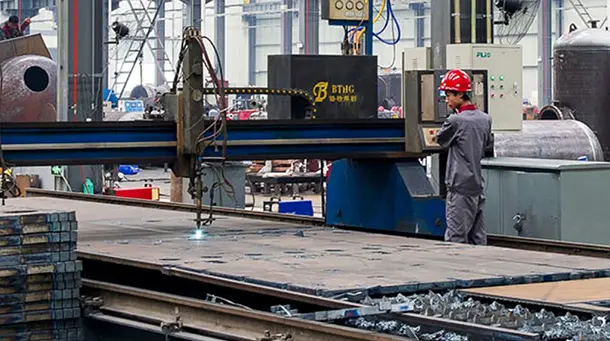
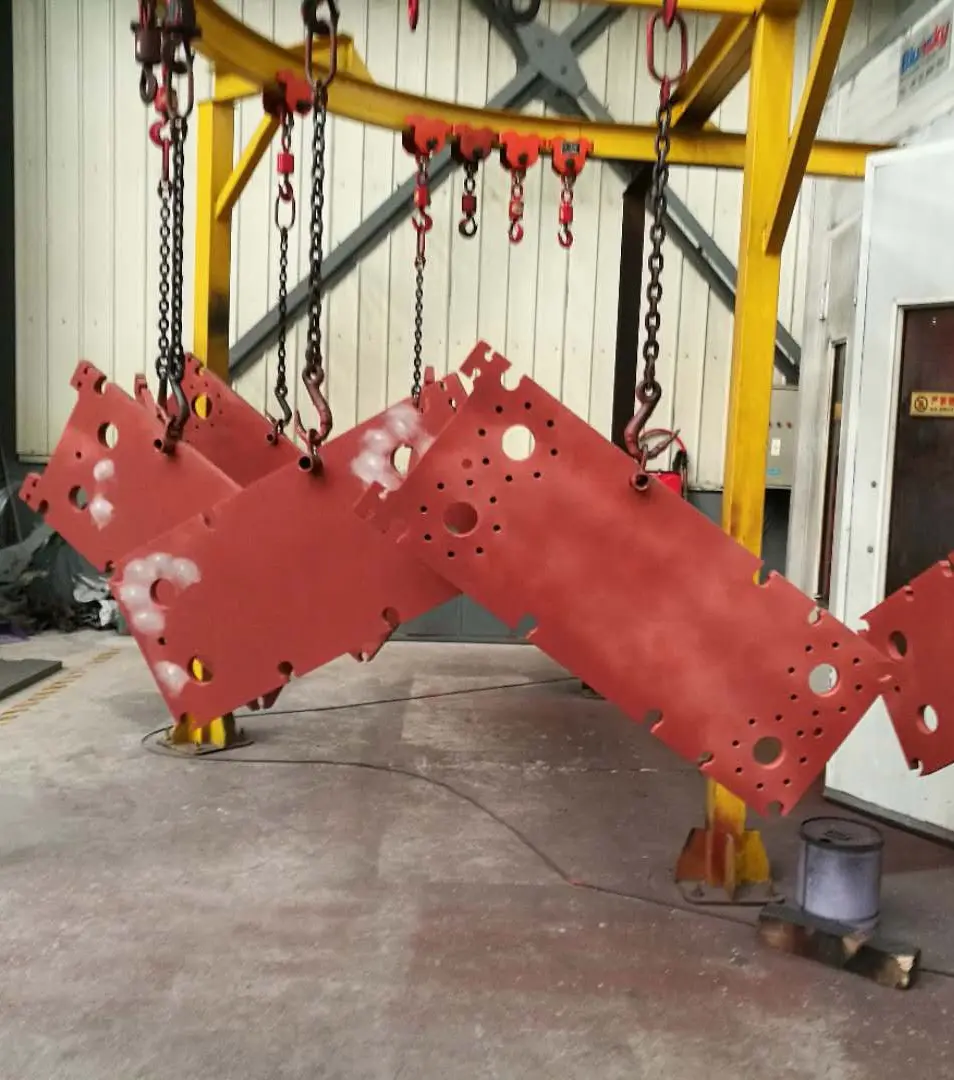
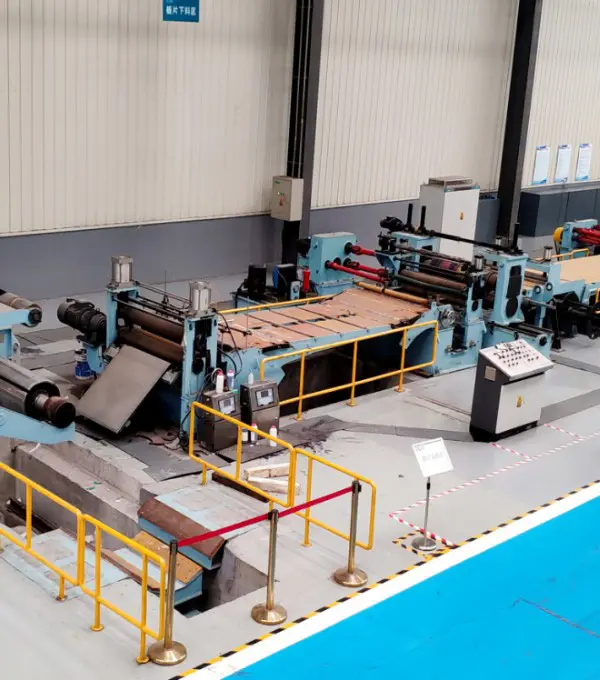
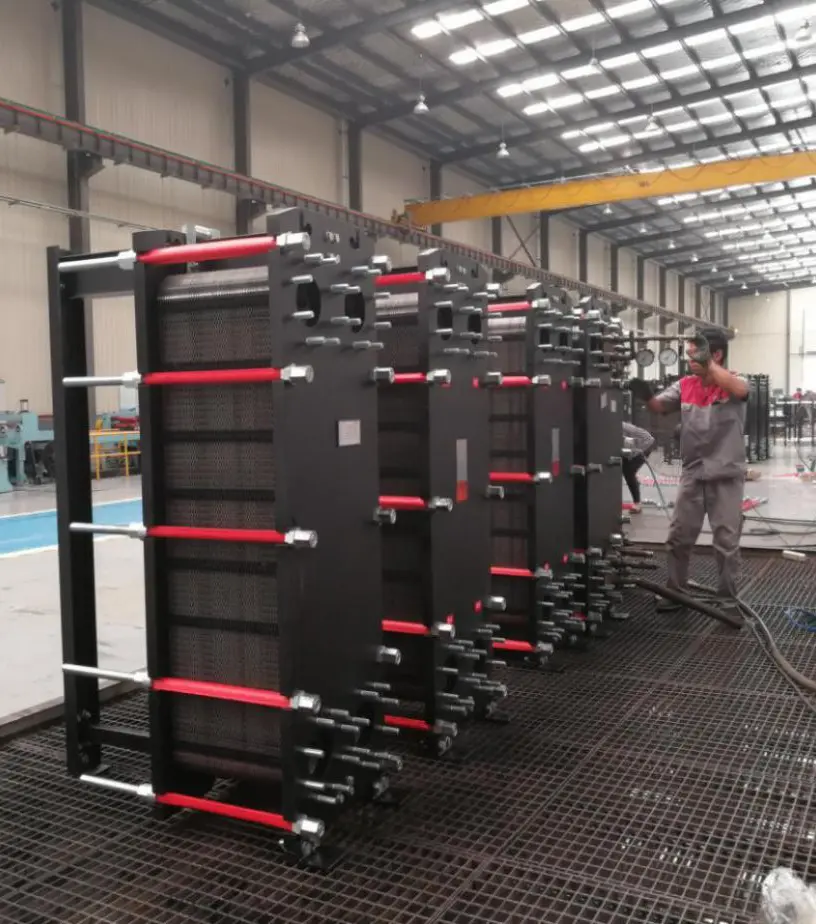
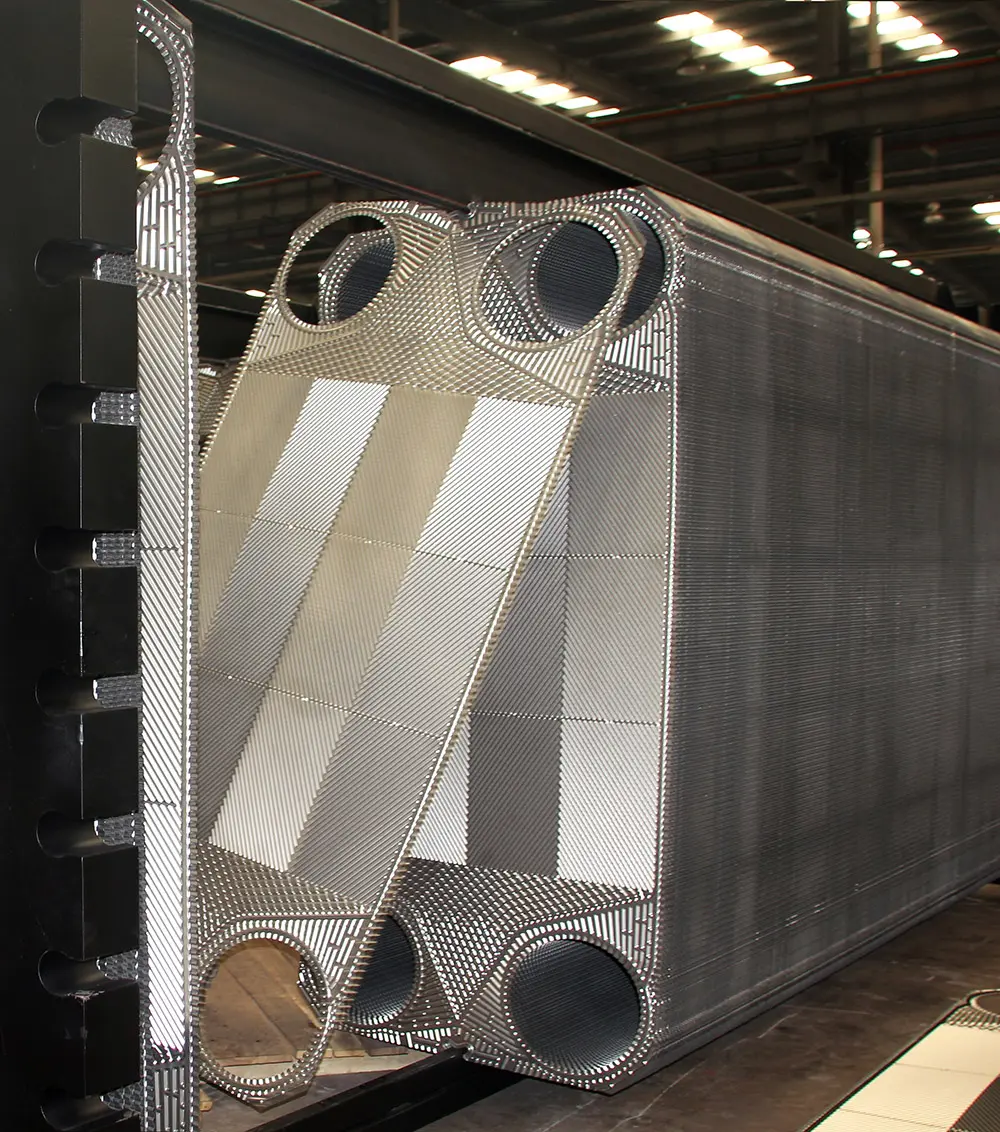
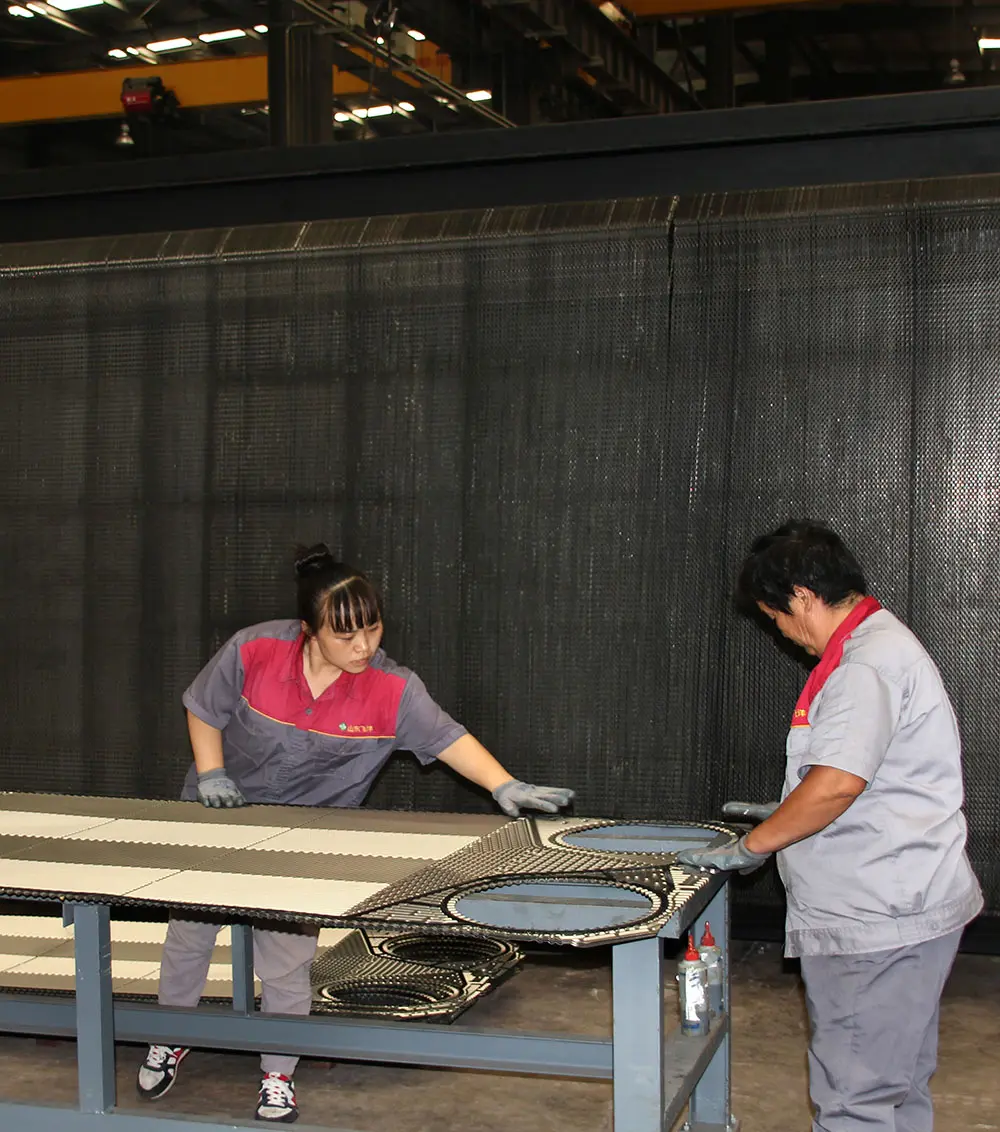
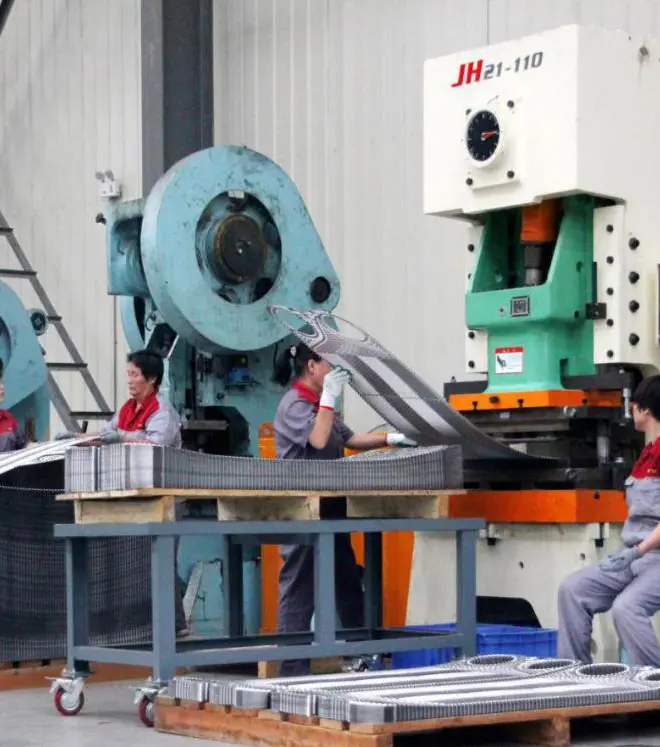
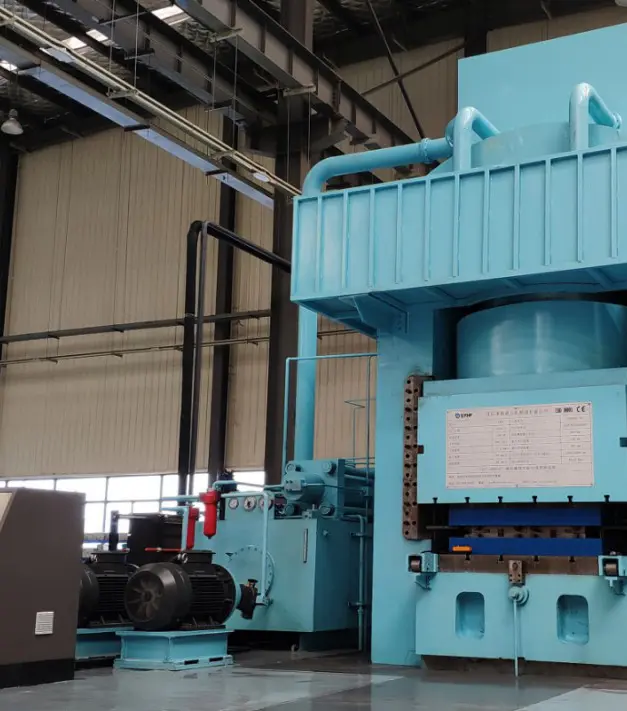
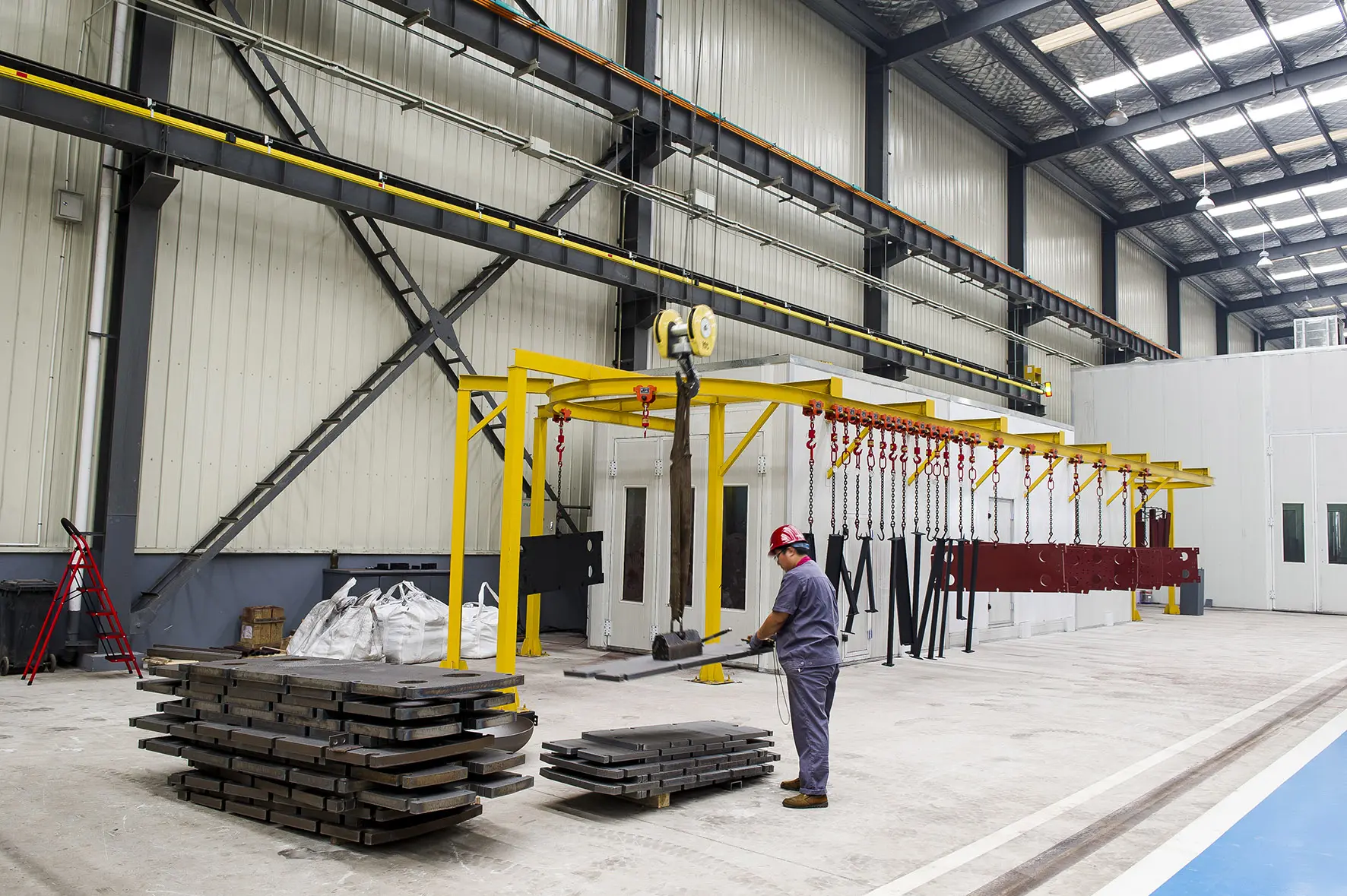
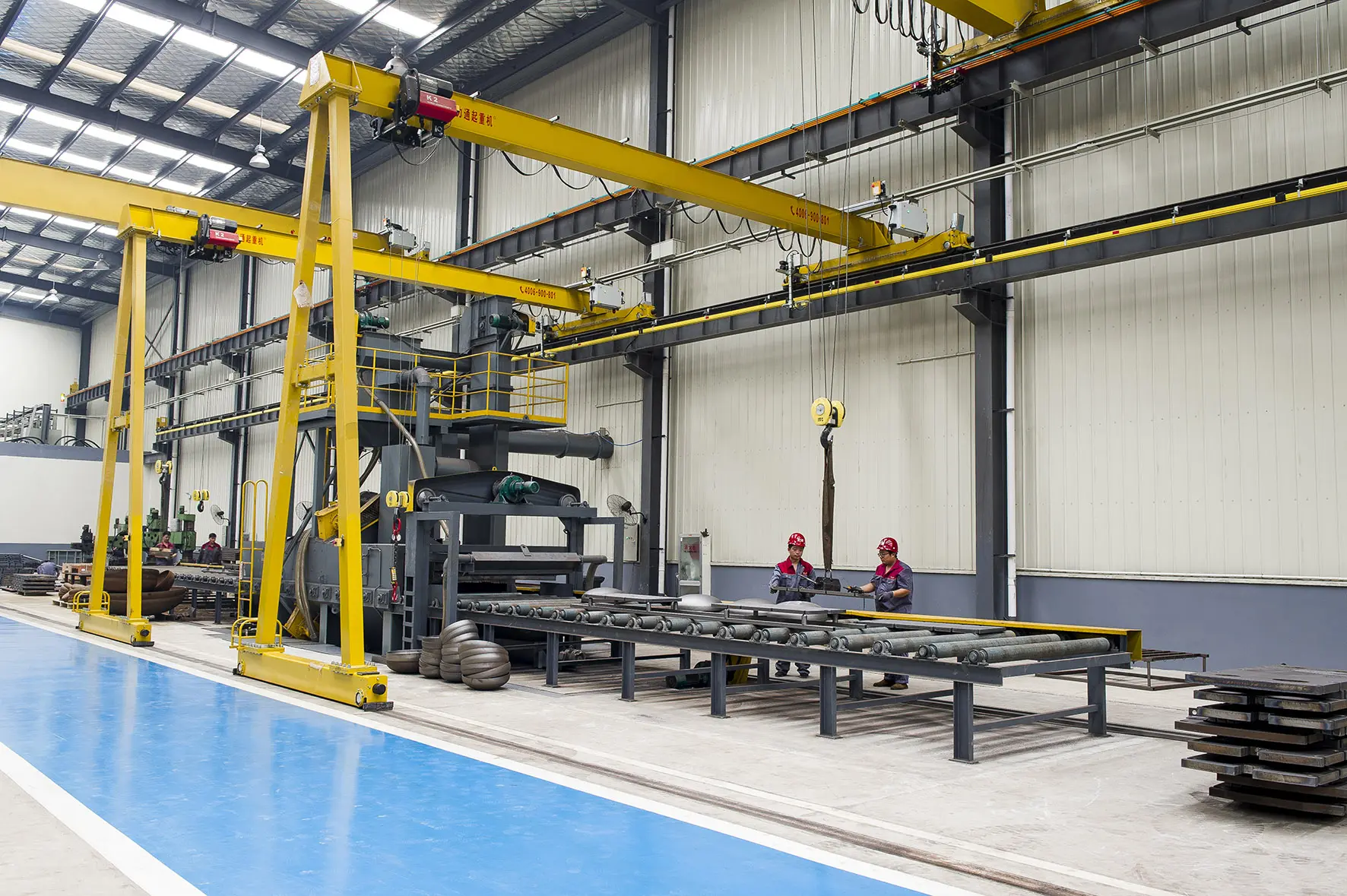
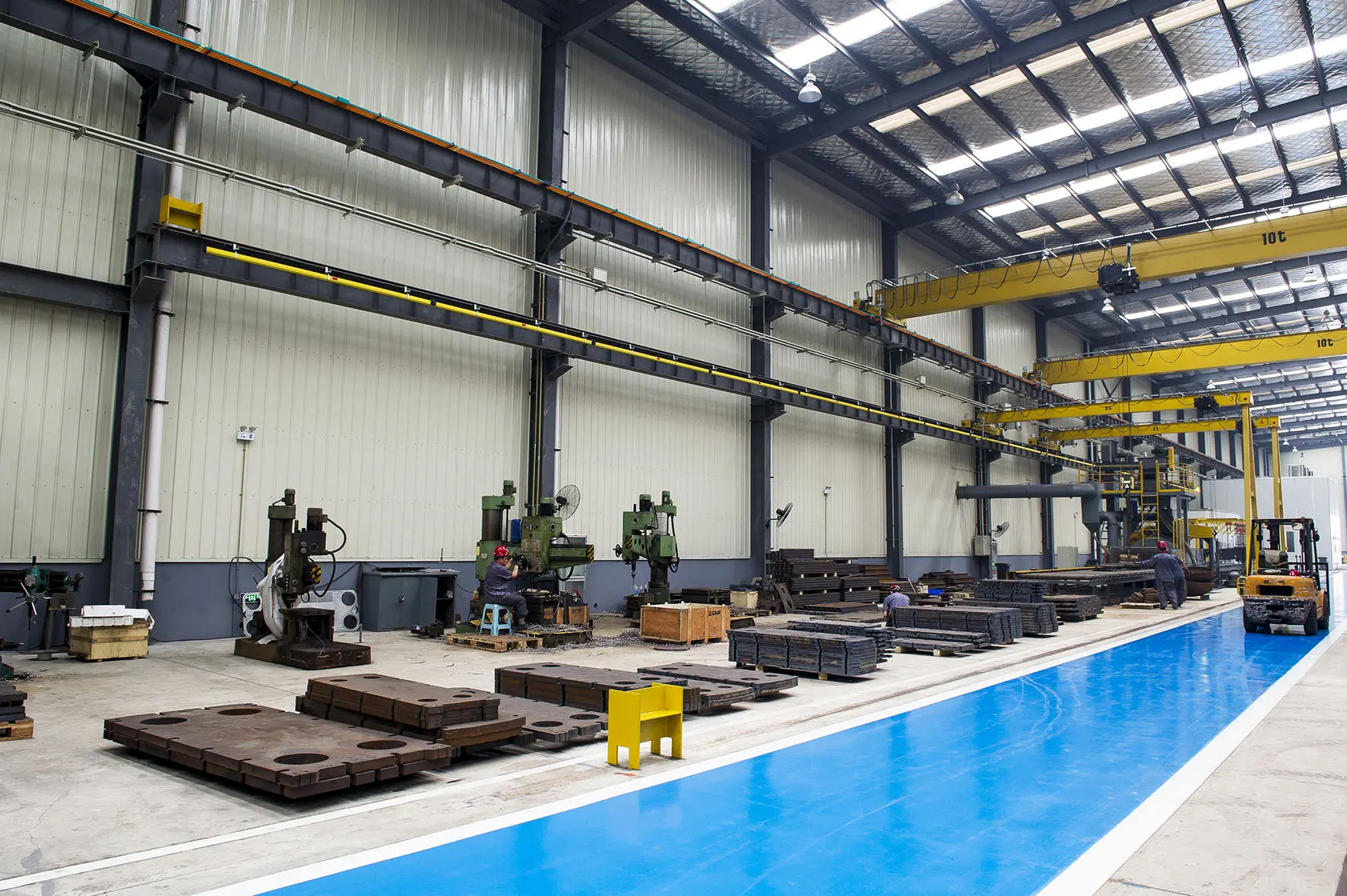
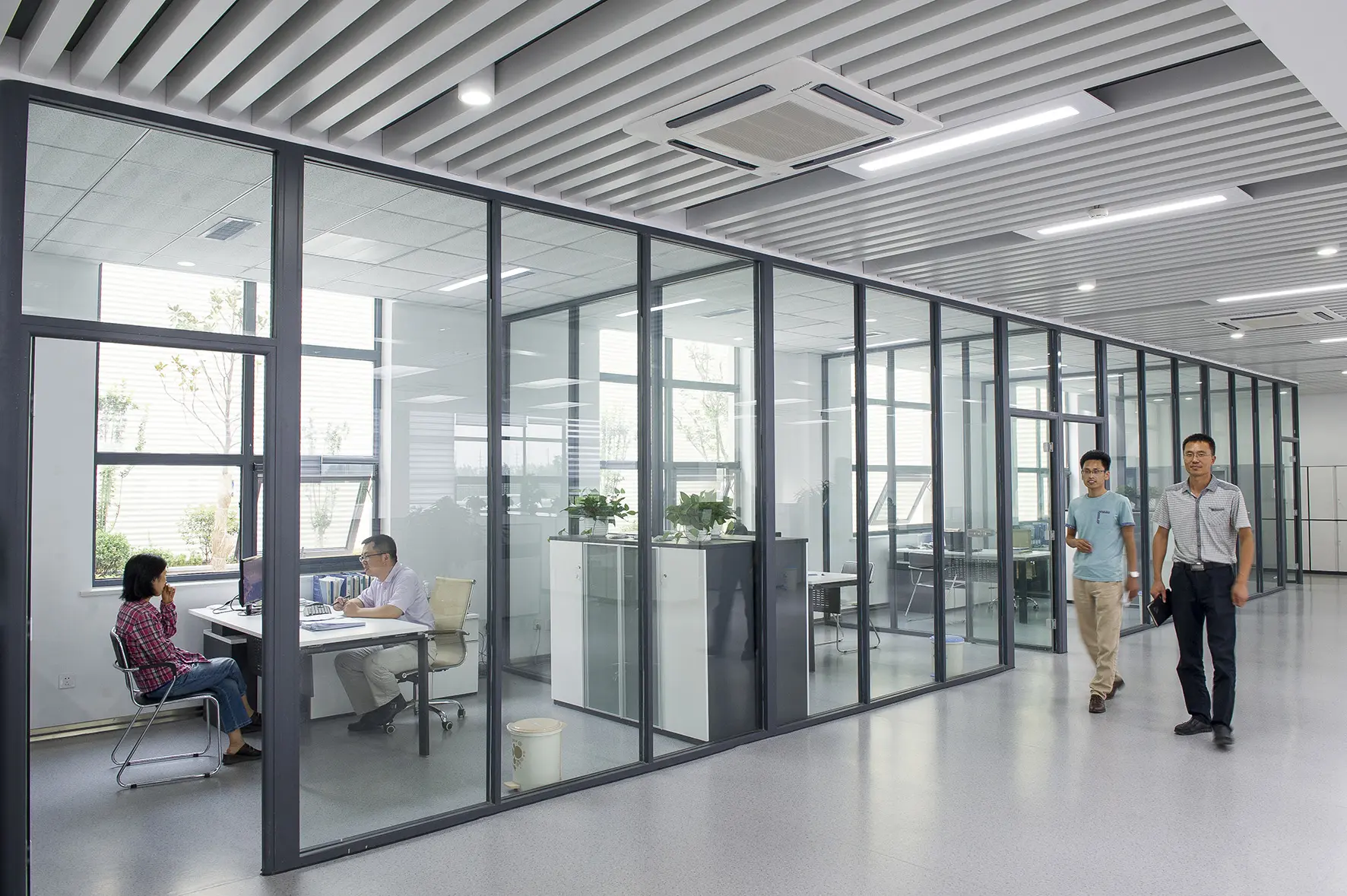
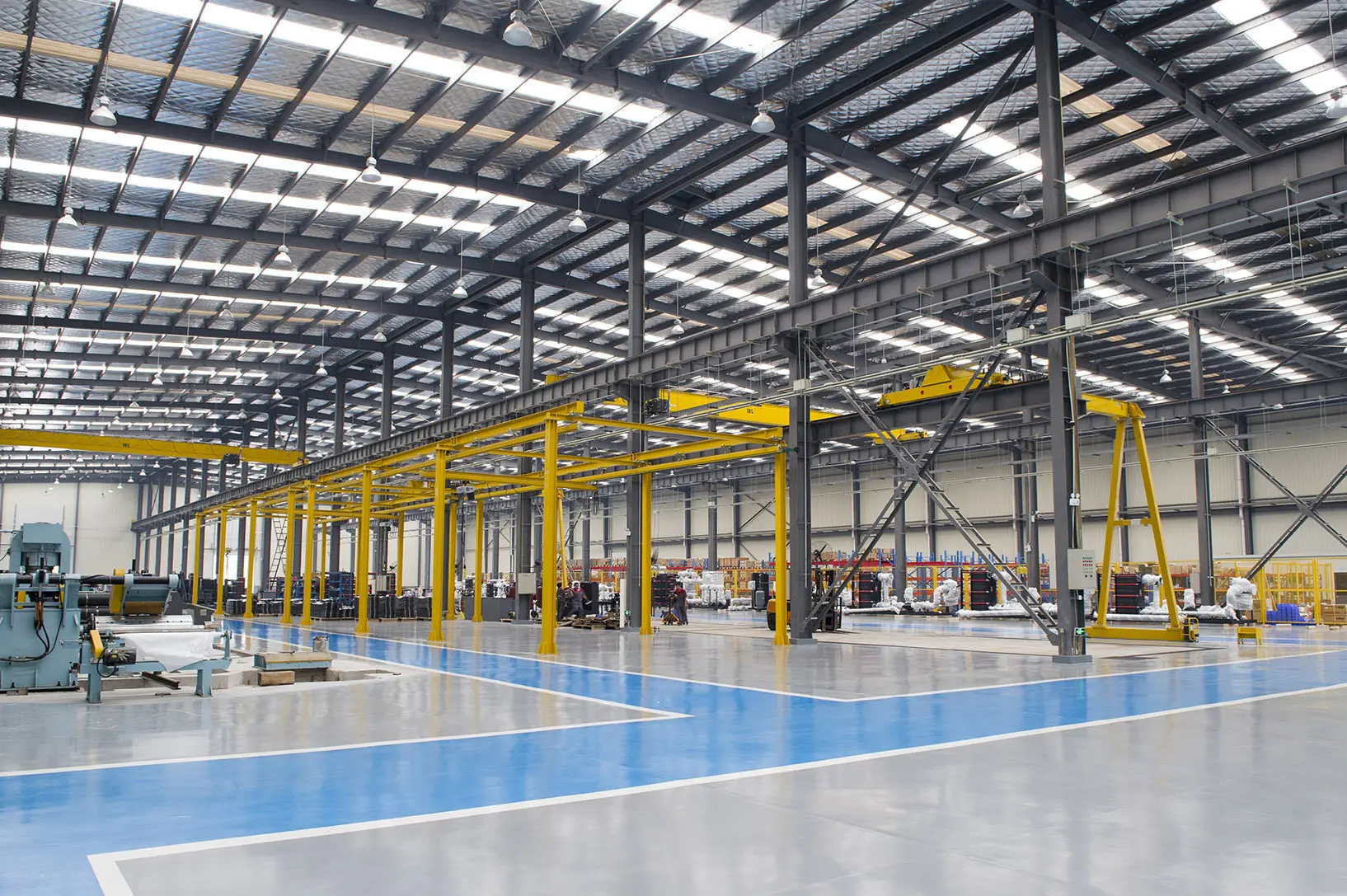
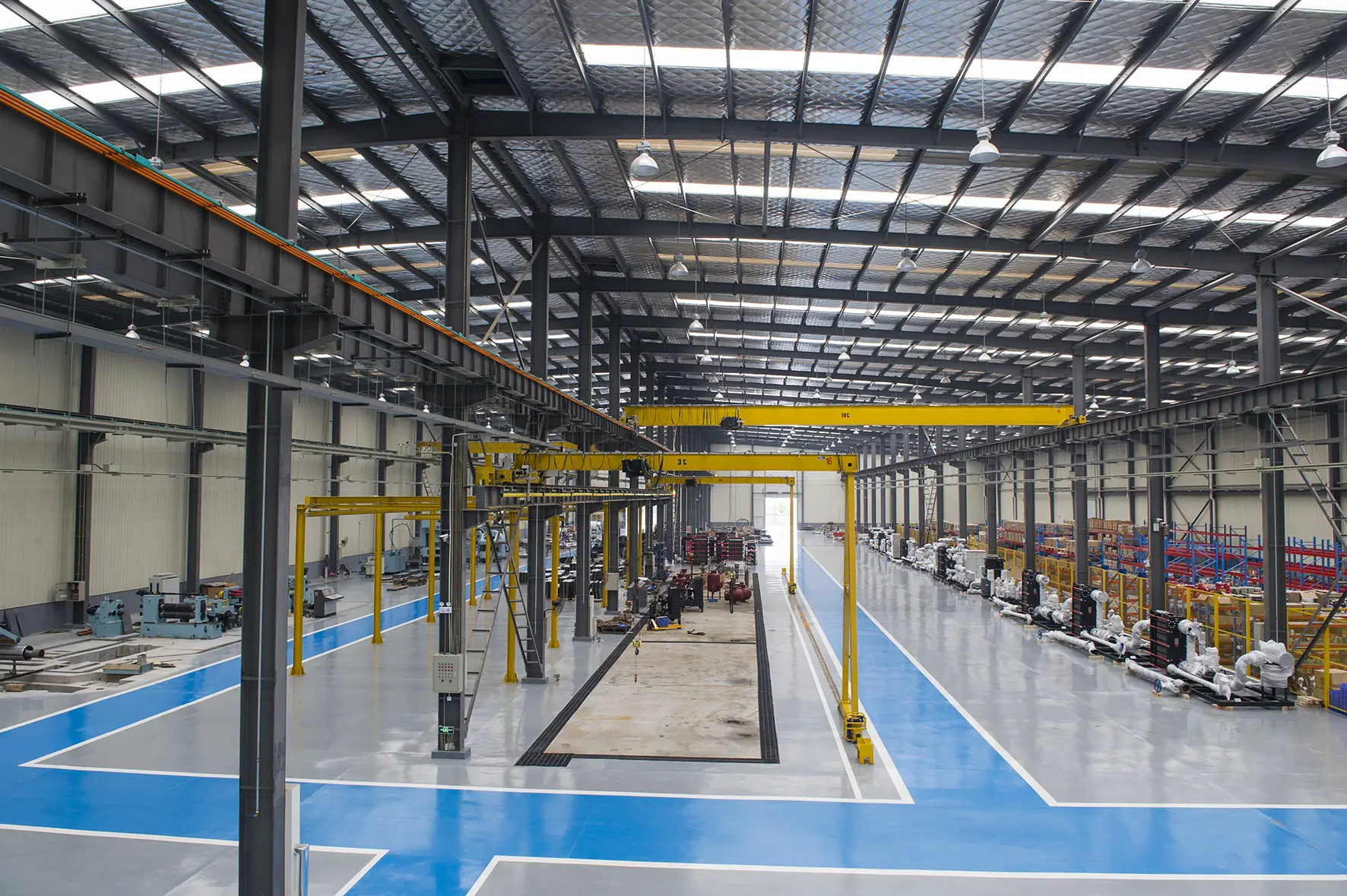
A look inside our 70,000 m² factory floor, equipped with high-capacity pressing and machining lines.


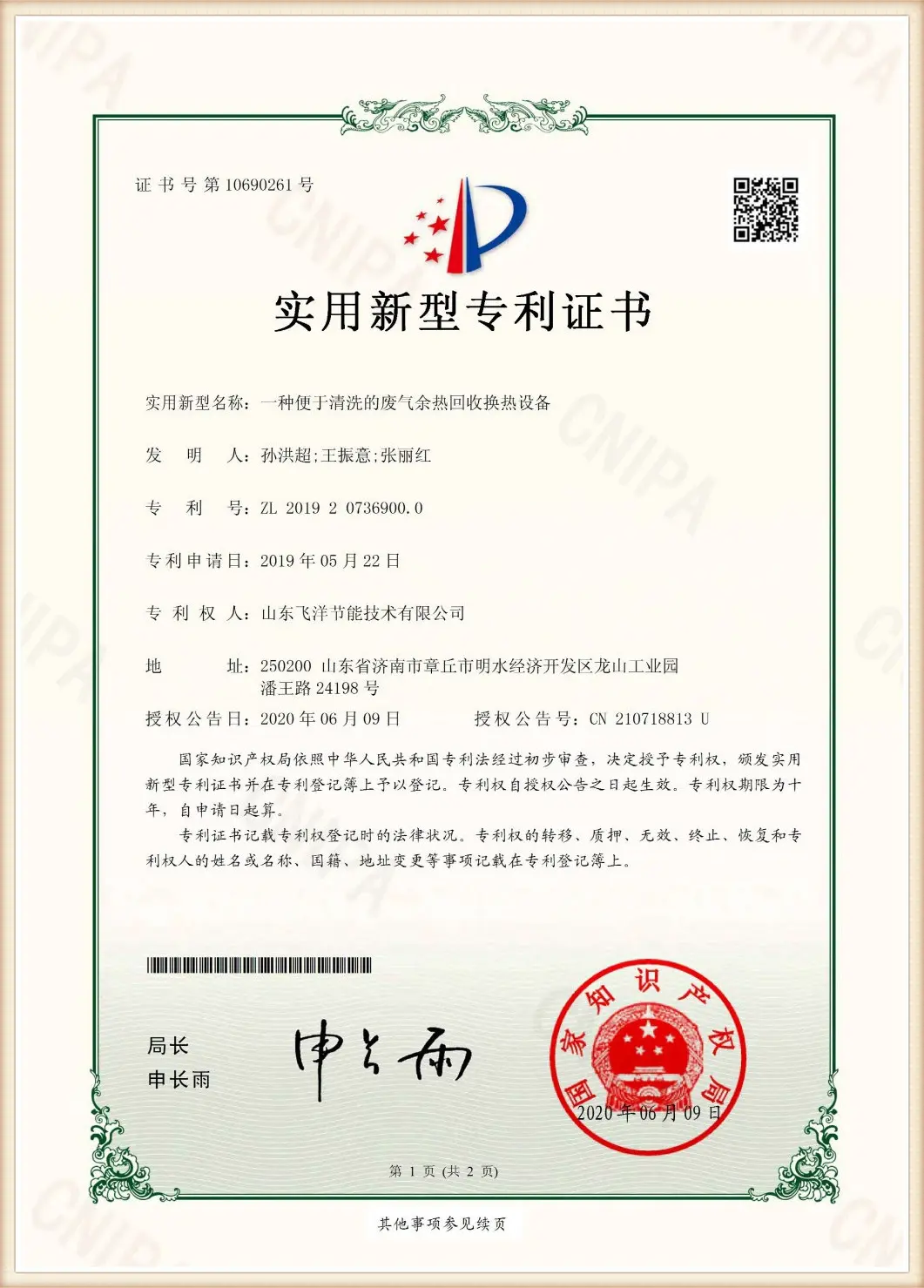
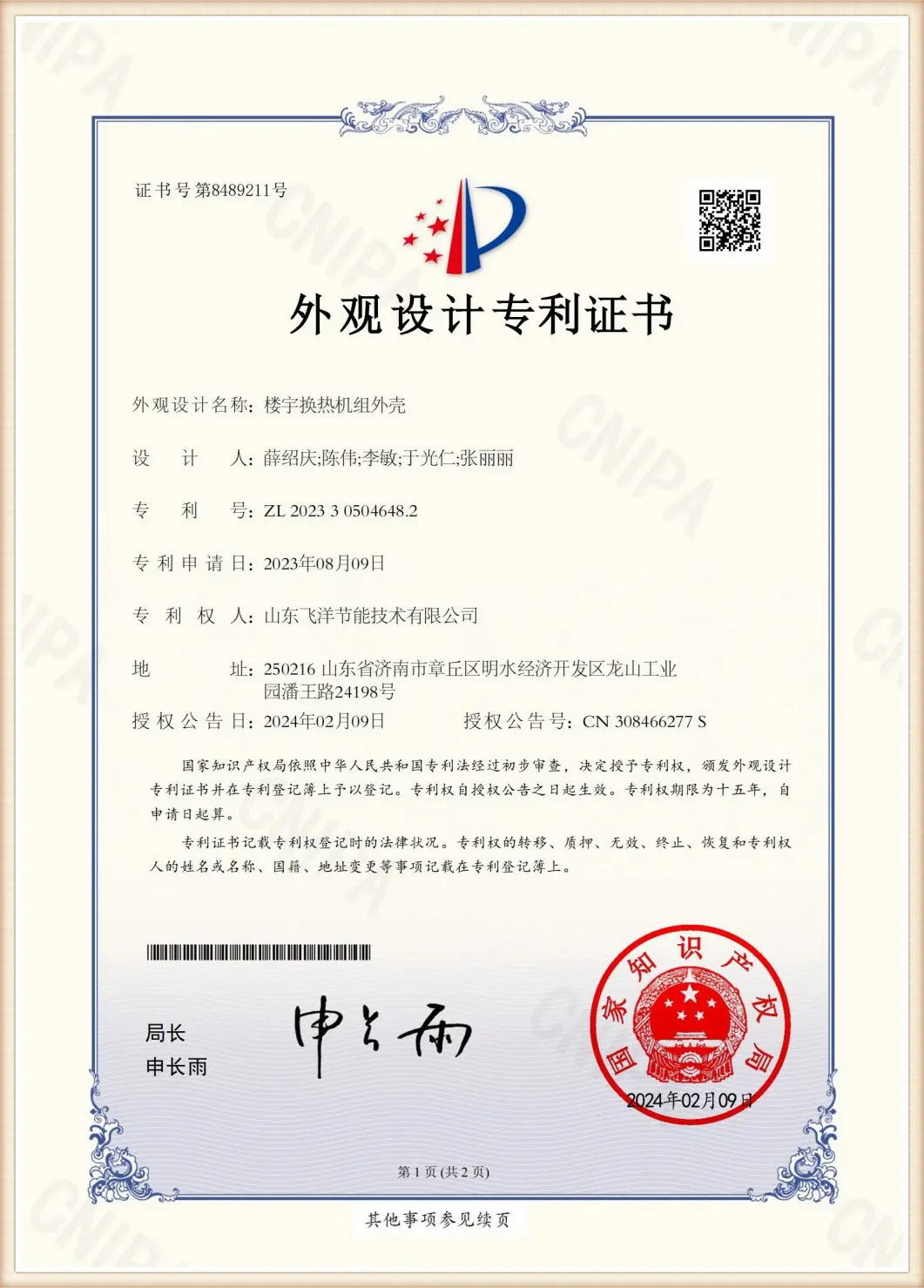
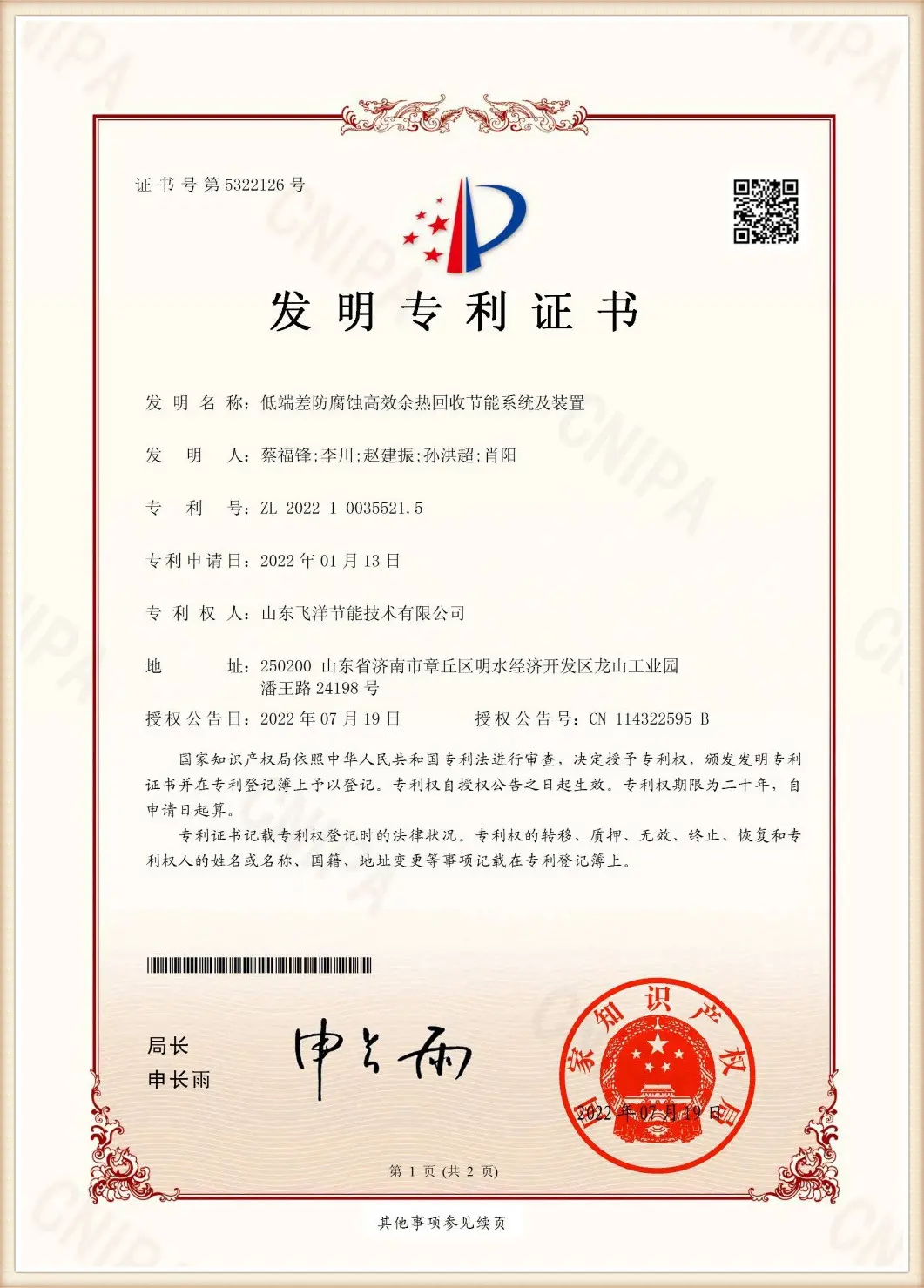
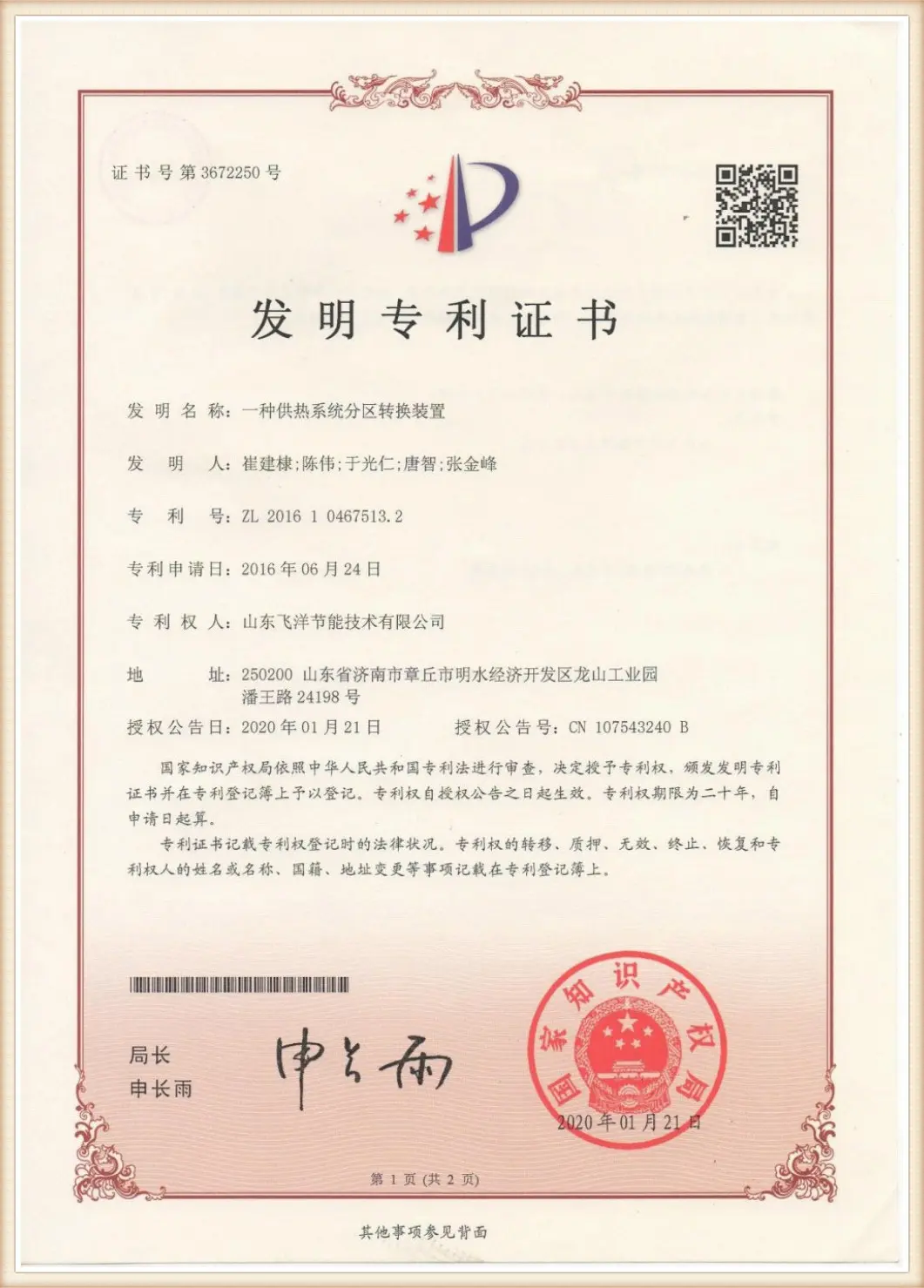
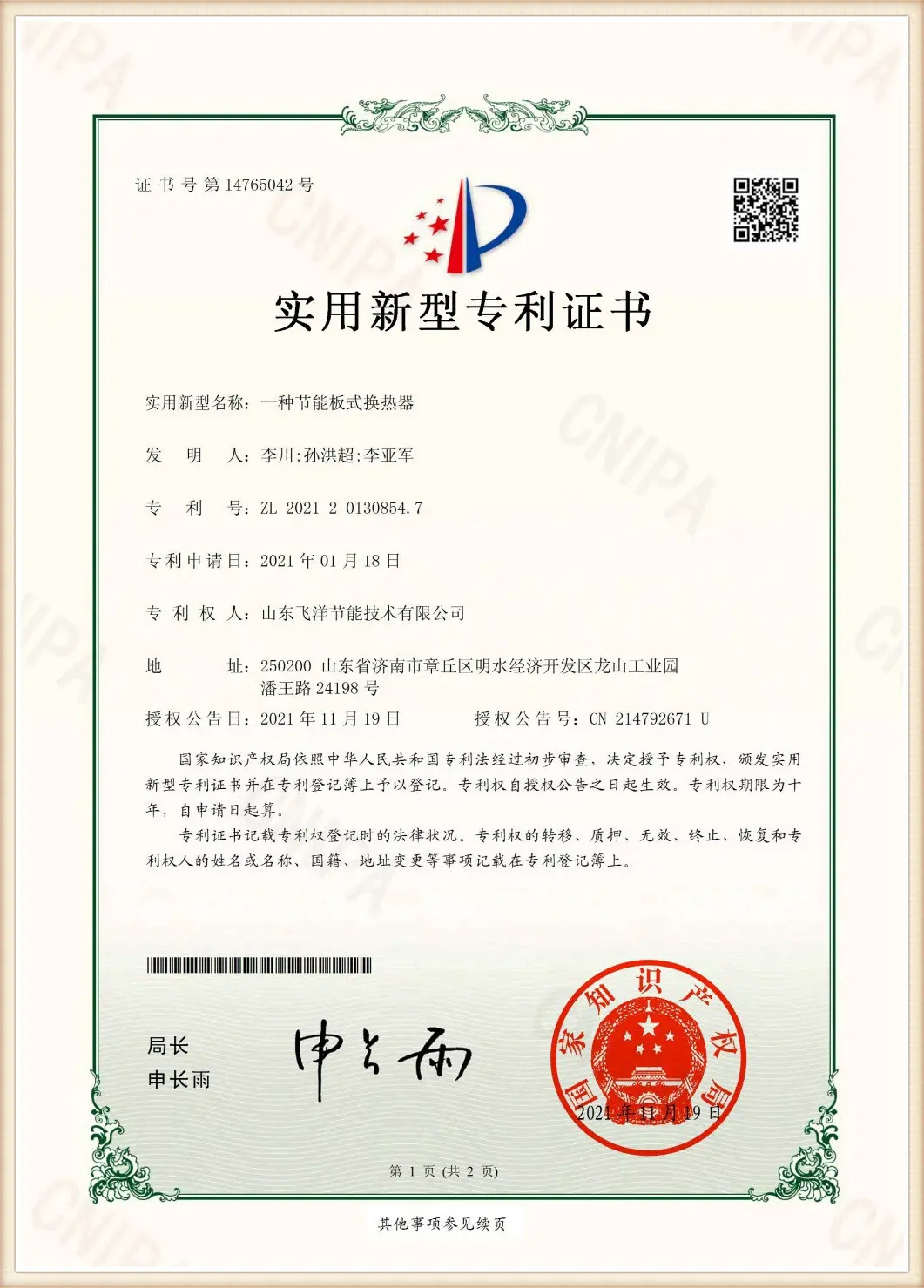
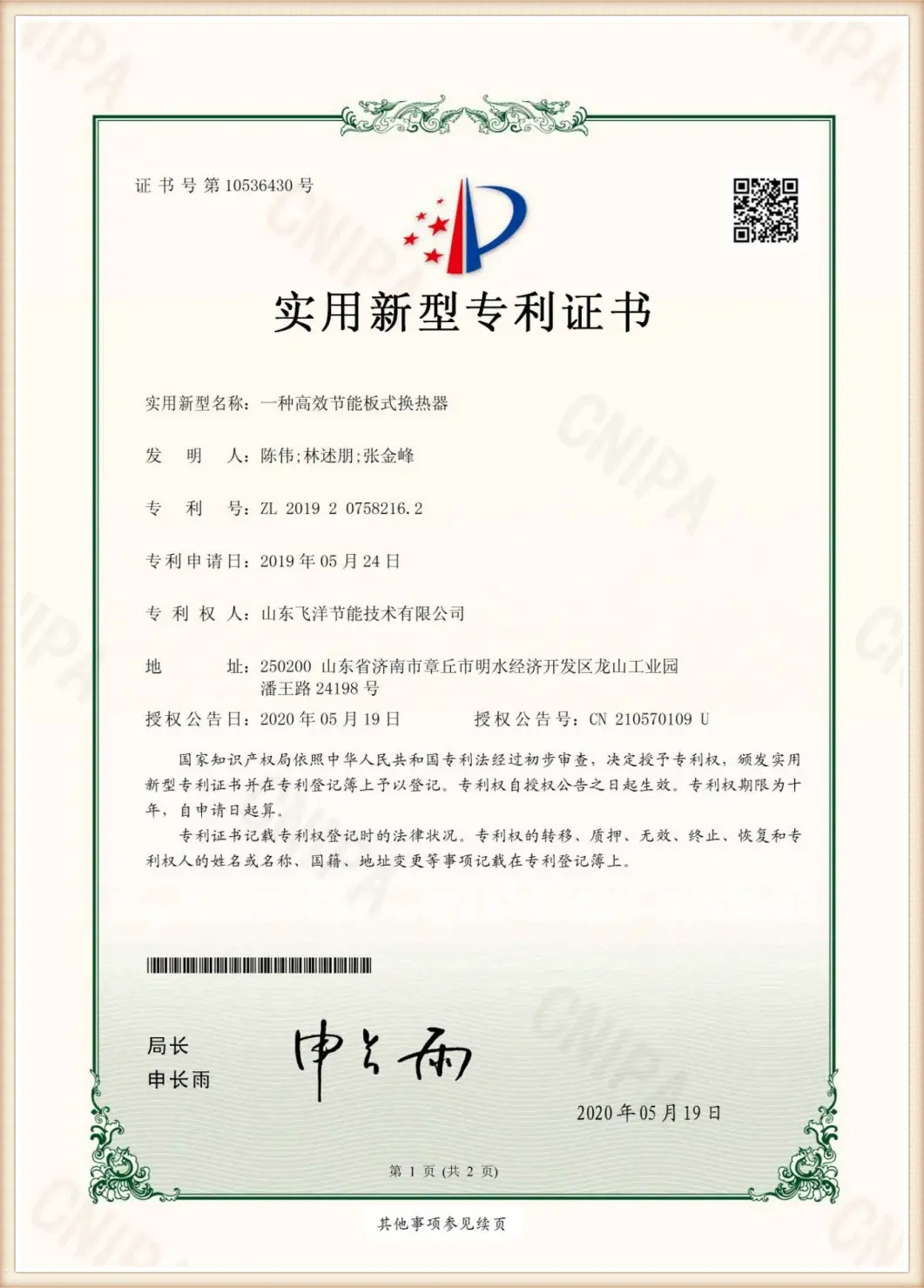
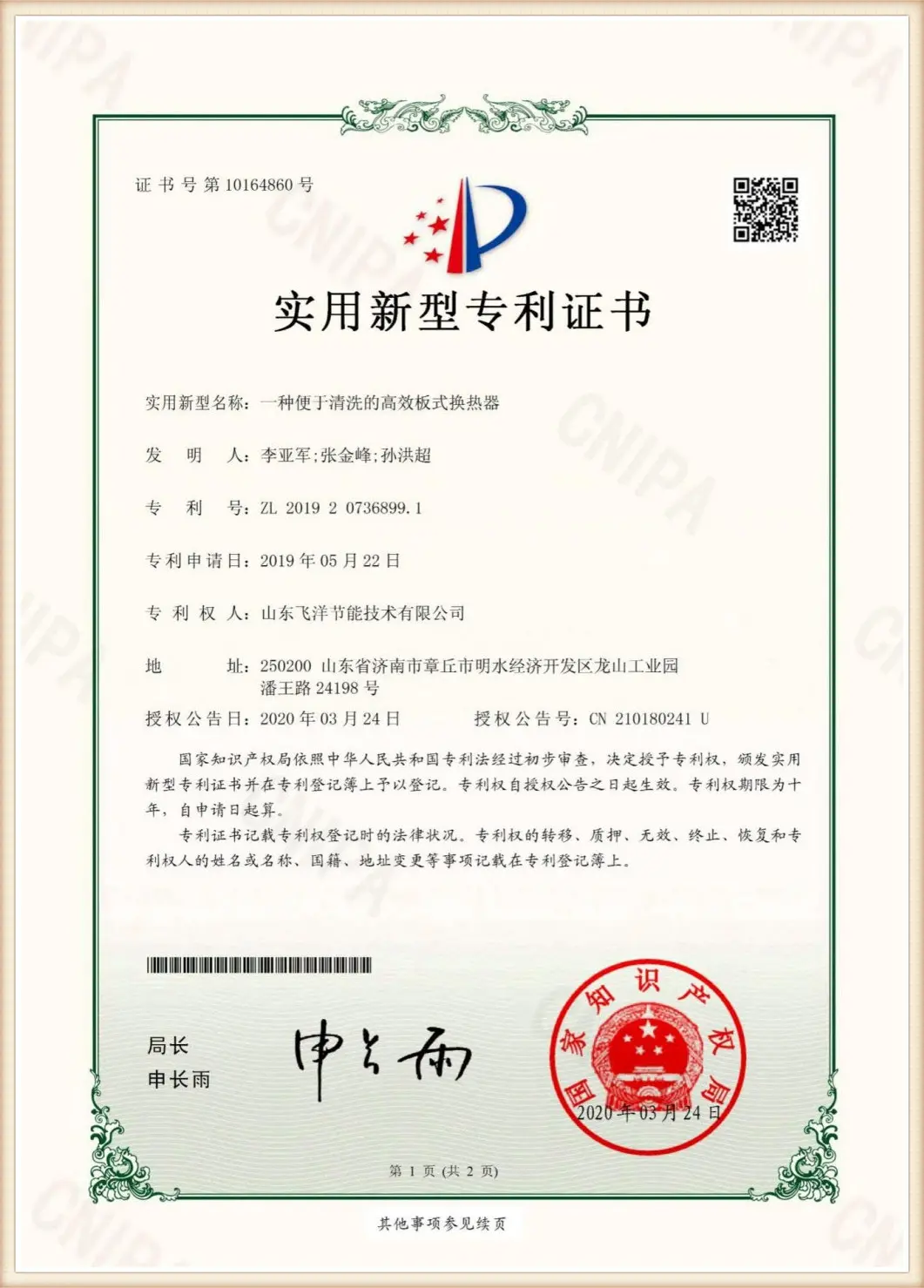
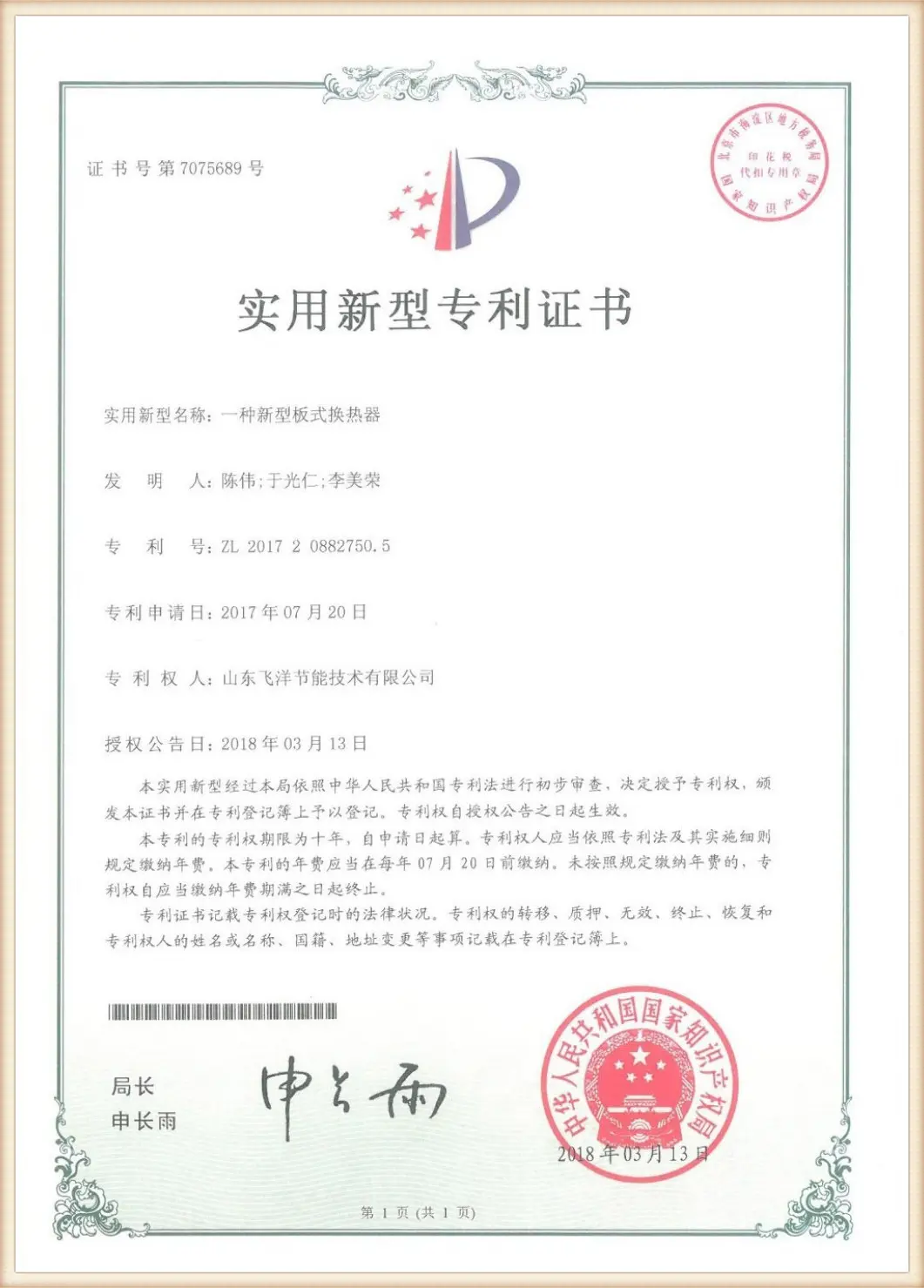
Our products are certified to international standards for pressure containment and thermal performance.
How Flotte plate heat exchangers solve specific thermal challenges across major industrial sectors.
In centralized district heating, plate heat exchangers act as isolation boundaries between high-pressure municipal heat sources and secondary building networks. This isolation regulates local loop water temperatures and protects indoor piping from excessive system pressures.
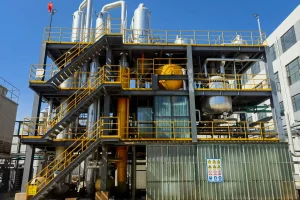
Corrosive chemical reactions require precise, reliable temperature control. By using corrosion-resistant alloys like Hastelloy and Titanium, our heat exchangers manage aggressive media cooling loops, ensuring safe thermal transfer in demanding chemical processes.
Marine engines rely on heat exchangers to transfer heat from fresh jacket water to salt water. Utilizing pure Titanium plates resists pitting and crevice corrosion from sea salt, extending unit service life in demanding offshore environments.
Key indicators, compliance mandates, and criteria that global engineering procurement managers prioritize.
Engineering procurement managers evaluate equipment based on structural and safety certifications. Operating high-pressure steam or water loops requires compliance with ASME Section VIII, European PED (Pressure Equipment Directive), and Chinese GB/T 125 thermal guidelines. Flotte's plate heat exchangers undergo third-party inspections and quality checks, ensuring they safely withstand high pressures and thermal stresses.
While upfront costs are important, maintenance and operational expenses drive the total cost of ownership. Heat exchangers that foul quickly increase pumping costs and require frequent maintenance shutdown periods. Flotte designs plates to maximize turbulence, which helps reduce fouling and keeps long-term operating costs low.
Delays in project execution can lead to high daily penalties on large-scale infrastructure projects. Working with Chinese manufacturers like Flotte, who control the complete process from plate stamping to assembly, helps ensure stable lead times and fast delivery of critical equipment.
Reliable engineering requires full material traceability. Every batch of stainless steel or titanium used in our plates is accompanied by mill test certificates (MTCs), verifying the raw material chemistry and ensuring long-term durability in demanding environments.
Get professional answers to common questions about selecting, operating, and maintaining plate heat exchangers.
Explore our secondary-side distribution components, balancing systems, and custom industrial heating units.
 Flotte Energy