Explore our high-performance engineered units, heat network components, and custom heat exchangers.
Why modern industries choose spiral thermal geometries to overcome fouling, reduce footprint, and optimize heat transfer efficiency.
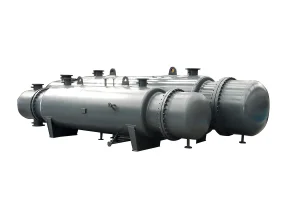
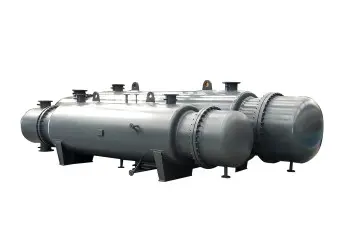
Spiral heat exchangers represent a paradigm shift in thermodynamic engineering. Unlike traditional shell-and-tube configurations, which suffer from bypass currents, dead zones, and persistent tube scaling, the spiral configuration utilizes two concentric channels wound in a circular formation. This structure guarantees a counter-current flow pattern, allowing for extremely close temperature approaches, often down to less than 1°C, maximizing thermal utilization.
A primary benefit of the spiral design is the single-flow channel. Fluid entering the unit follows a continuous, uninterrupted path. If particulates begin to settle and form scaling, the cross-sectional area of that localized zone decreases. According to Bernoulli's principle, this constriction increases velocity and localized shear stress, flushing out the scale. This natural "self-cleaning" dynamic ensures the unit maintains high performance even when processing difficult slurries, municipal sludge, or viscous chemical mediums.
Global industrial operators routinely demand replacements or equivalents for classic designs, such as the *Alfa Laval Spiral Heat Exchanger*. As a premier factory, Flotte offers engineered alternatives designed to withstand high pressure limits, custom dimensional constraints, and specialized metallurgy requirements.
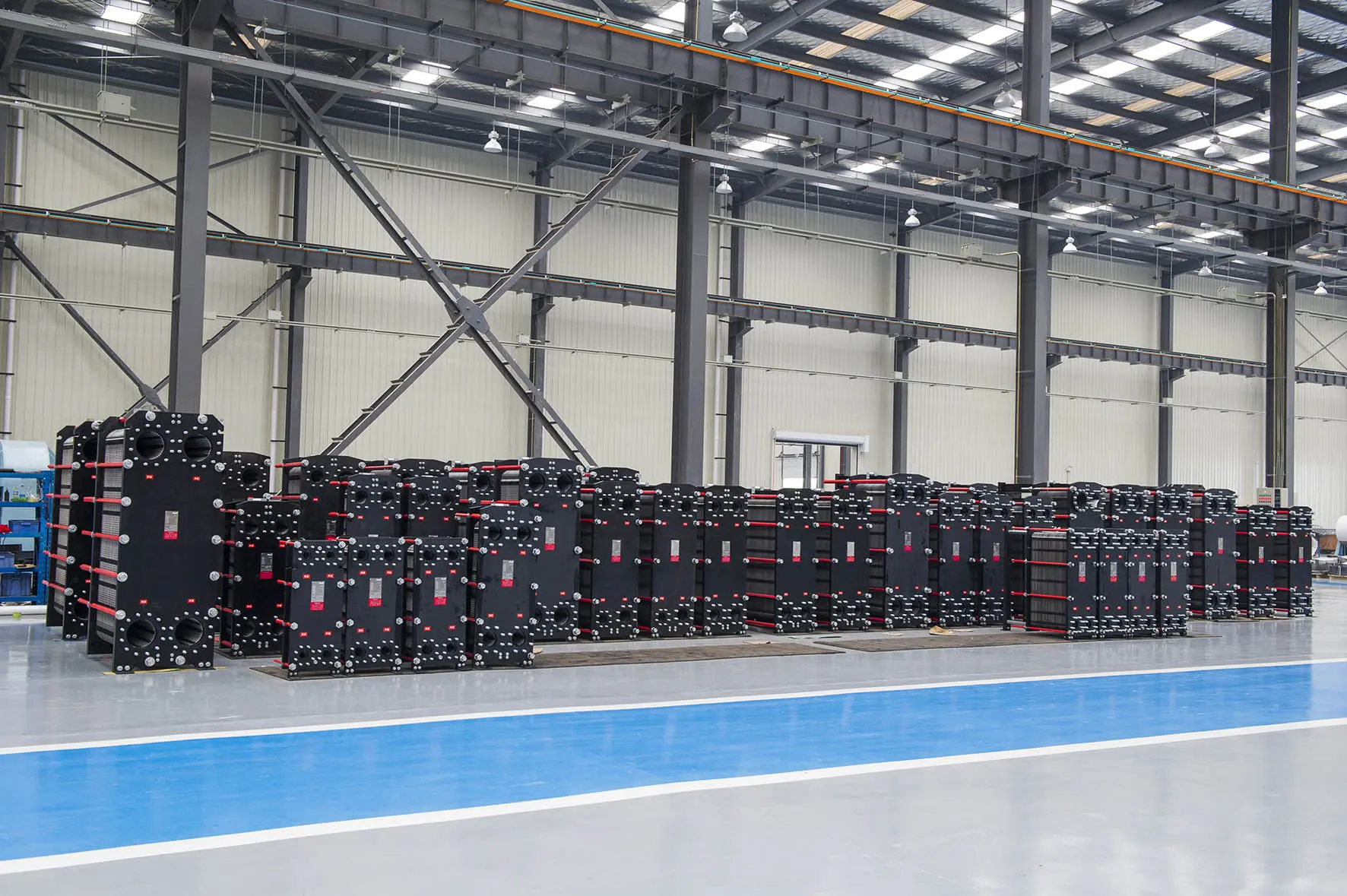
How corporate procurement strategies are changing in response to Scope 1 & 2 decarbonization targets and operational costs.
Procuring heavy thermal equipment is no longer just about initial capital expenditure (CAPEX); modern corporate buyers prioritize the Total Cost of Ownership (TCO). Equipment down-time, chemical cleaning frequencies, and pumping power consumption are now standard metrics in industrial purchasing. In sectors such as petrochemical refining, coal-chemical synthesis, municipal wastewater reclamation, and bioethanol production, spiral heat exchangers have become standard specifications due to their operating reliability.
Specifically engineered single-channel flows prevent the deposition of solids, minimizing cleaning cycles and maximizing plant uptime.
Circular design requires a fraction of the floor space of comparable shell-and-tube units, saving space and structural cost.
Counter-current mechanics allow close temperature approaches, recovering valuable heat that would otherwise be wasted.
Furthermore, global buyers seek out *Wholesale Alfa Laval Spiral Heat Exchanger Suppliers* who can provide flexible manufacturing options, quick lead times, and reliable global compliance. Our factories combine domestic steel sourcing advantages with advanced engineering practices to provide heavy-duty equipment that meets strict European and American quality standards.
A 30-year legacy of thermal engineering excellence, advanced pressure vessel manufacturing, and energy-saving integration.
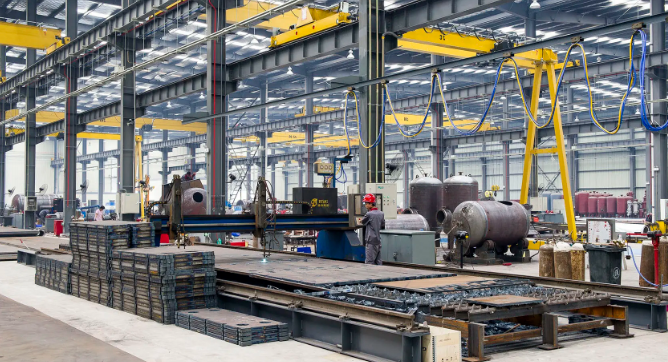
Flotte Energy Saving Company, established in 2013 with a registered capital of 101 million yuan, originated from Flotte Thermal Engineering founded in 1995. With three decades of deep technical expertise, our company specializes in water equipment, HVAC systems, and water treatment technologies. We maintain a industry-leading position by utilizing cutting-edge manufacturing processes, developing innovative patented products, and delivering comprehensive global sales and technical support.
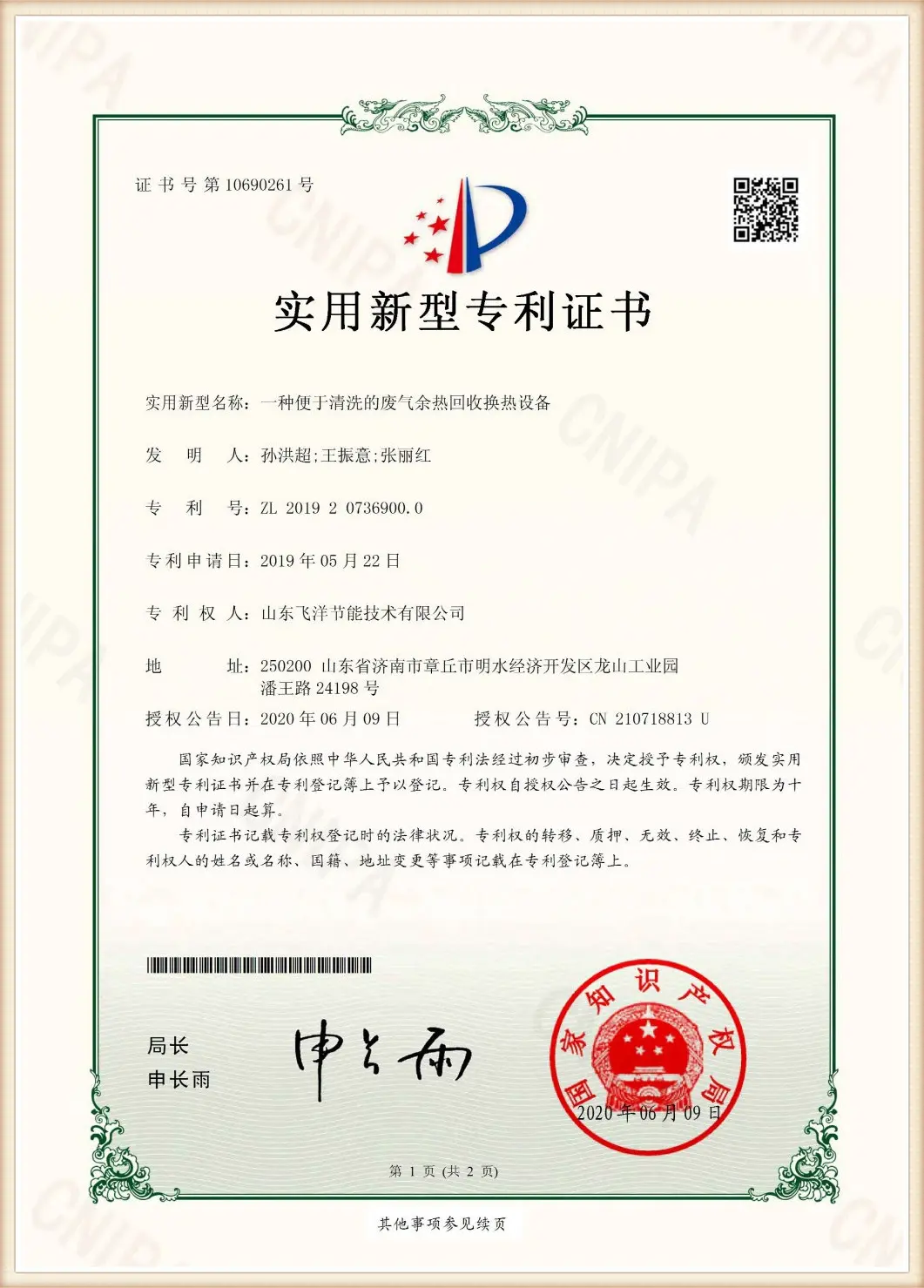
Our engineers have accumulated decades of experience in designing thermal units that comply with international safety and performance standards. Flotte is certified under the ISO9001 Quality Management System, ISO14001 Environmental Management System, and ISO45001 Occupational Health and Safety Management System. Furthermore, our designs have obtained mandatory national certifications and safety registrations issued by the National Boiler and Pressure Vessel Standardization Technical Committee, guaranteeing the reliability of every unit shipped.
Combining advanced robotics, material sciences, and logistics networks to deliver premium industrial exchangers globally.
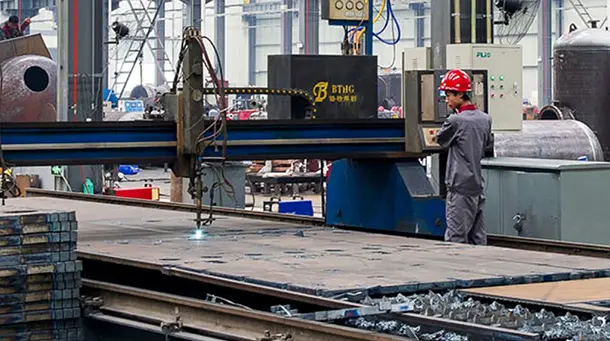
Our production facility operates on a Factory 4.0 model, integrating advanced processing techniques with traditional manufacturing expertise. The manufacturing of spiral heat exchangers demands high welding precision; a single leak in a spiral channel can result in cross-contamination of media. Flotte utilizes automated plasma arc welding and micro-forging to guarantee structural integrity. By using high-precision CNC rolling machines, we ensure consistent spacing of the spiral channels, eliminating hot spots and local velocity drops.
Supply Chain Resilience: China's comprehensive industrial supply chain allows us to source premium materials—including SUS304, SUS316L, Duplex Stainless Steel, Titanium, and Hastelloy—directly from leading mills. This structural advantage reduces material procurement times, allowing us to offer shorter production lead times than Western alternatives. Furthermore, our raw material inspection and finished product testing protocols guarantee that all pressure vessels comply with ASME, PED, and other regional standards before departure.
Direct partnerships with raw steel mills ensure full traceability and high-grade alloys (316L, Titanium, Hastelloy) with material test reports.
CNC-controlled rolling ensures precise channel spacing, eliminating localized stress and preserving uniform flow velocities.
Robotic plasma welding combined with non-destructive testing (NDT), including hydraulic and helium leak tests, guarantees leak-free operation.
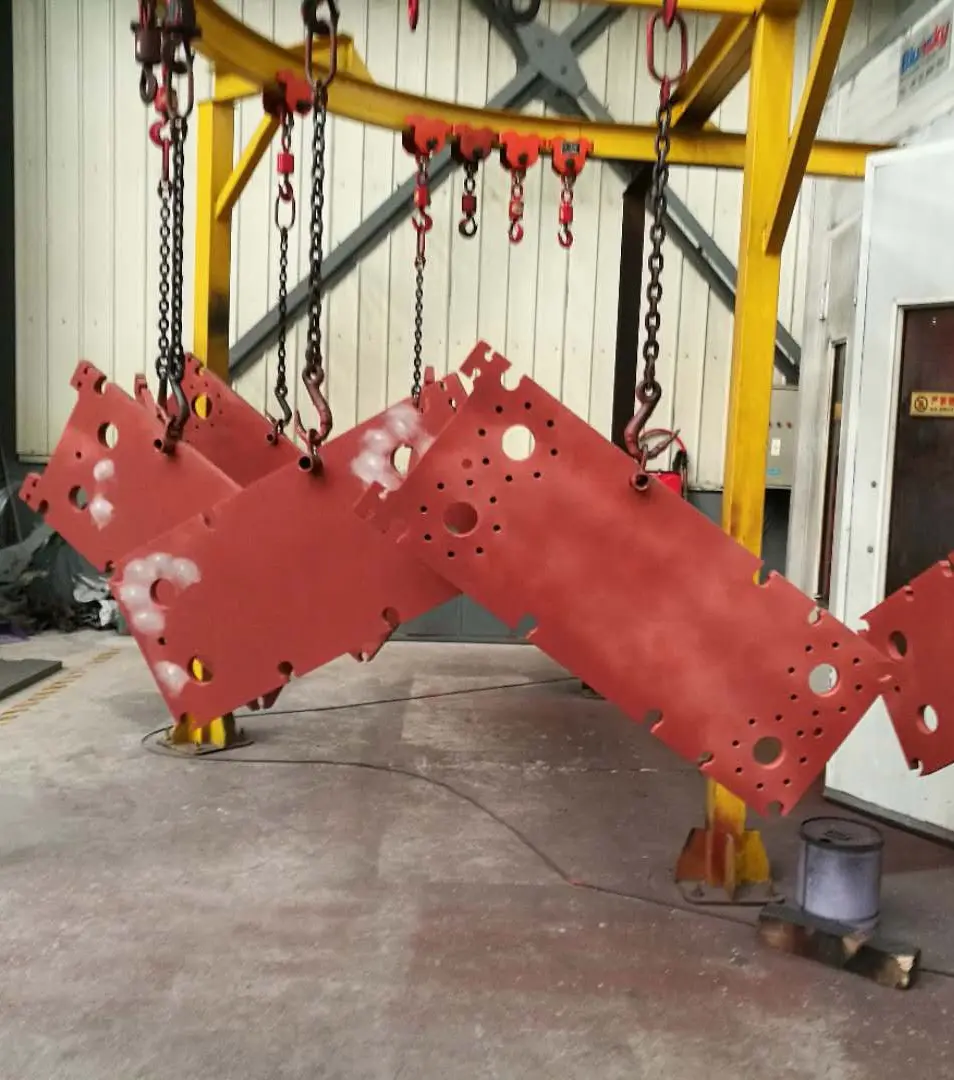
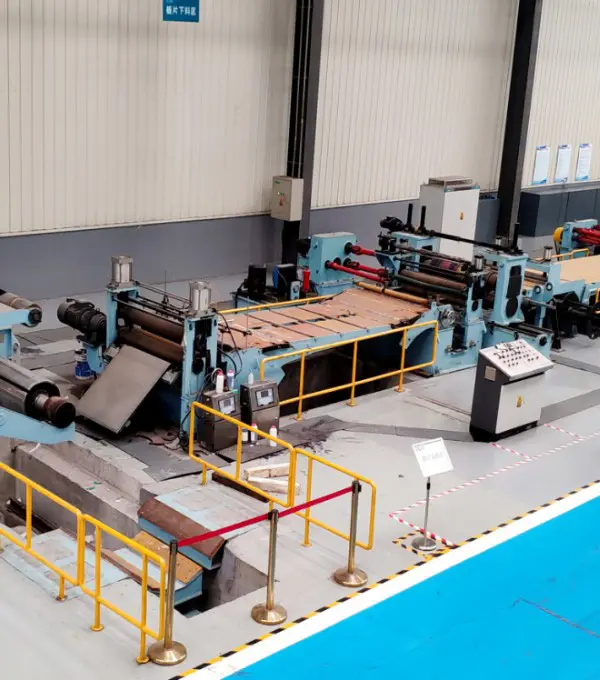
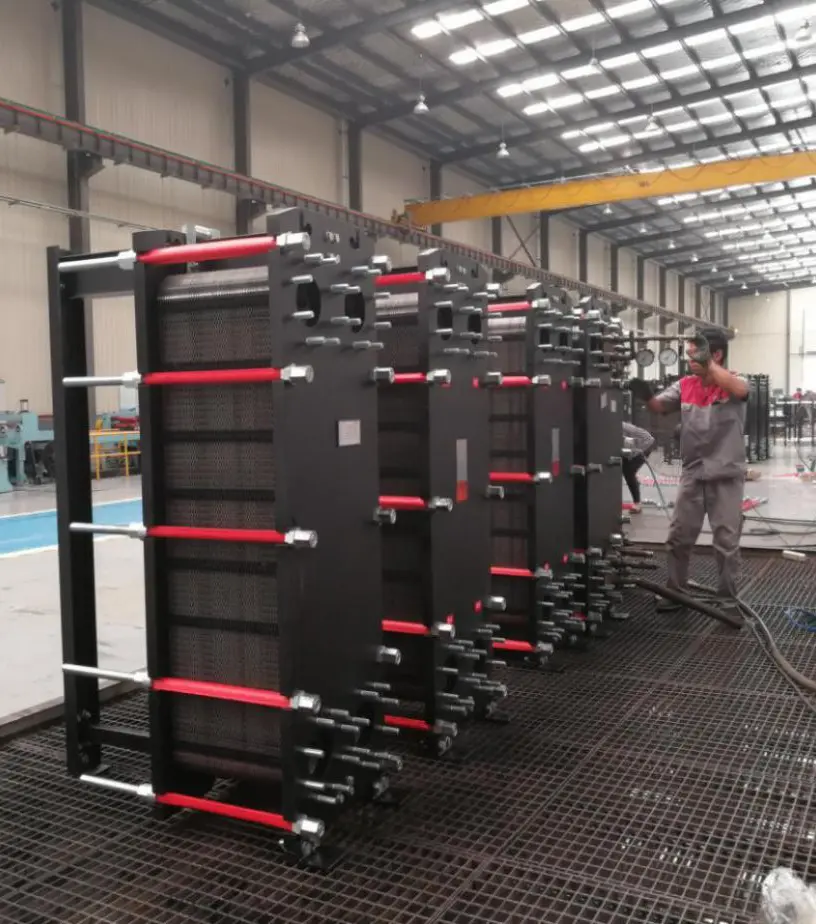
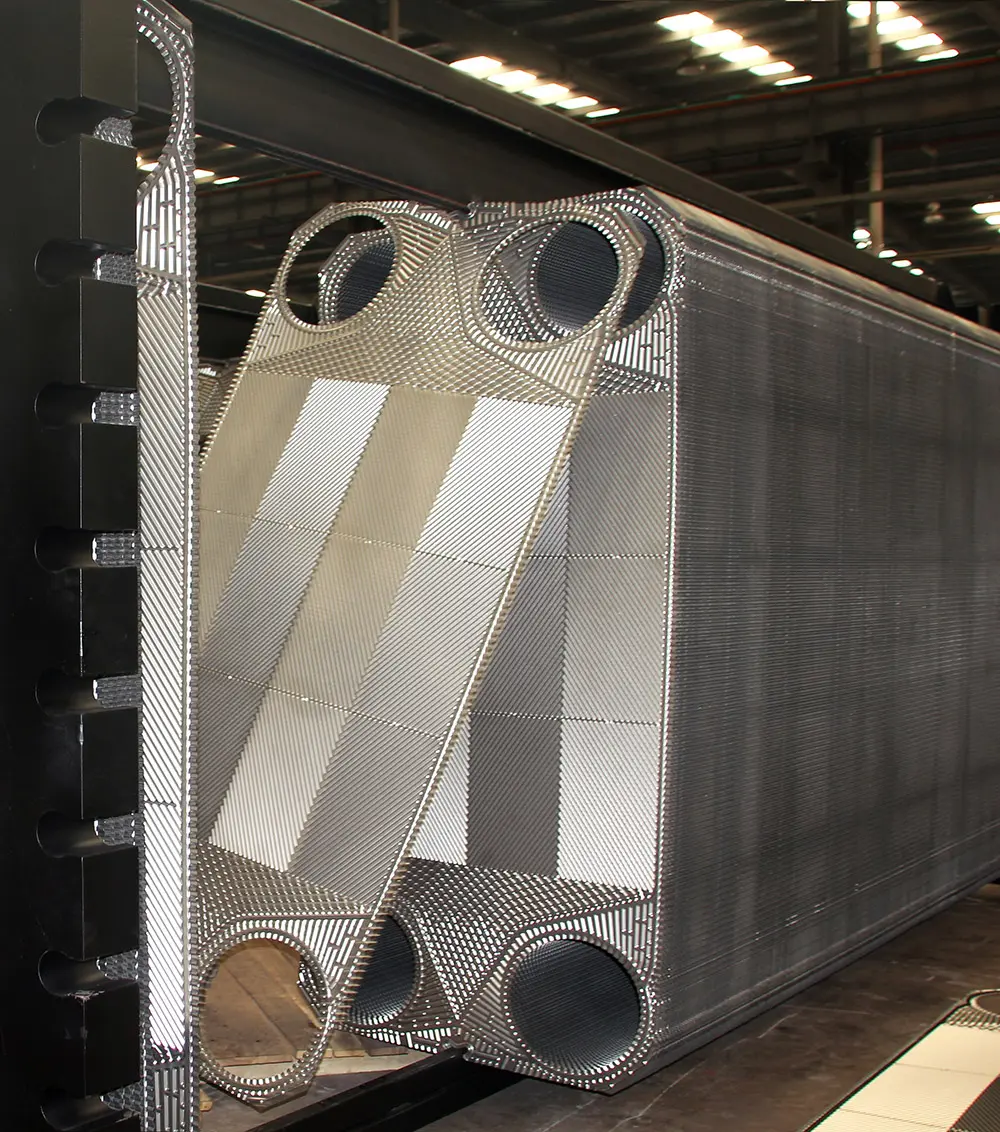
A detailed view of our quality control and manufacturing stages, from initial material preparation to final hydrostatic validation.
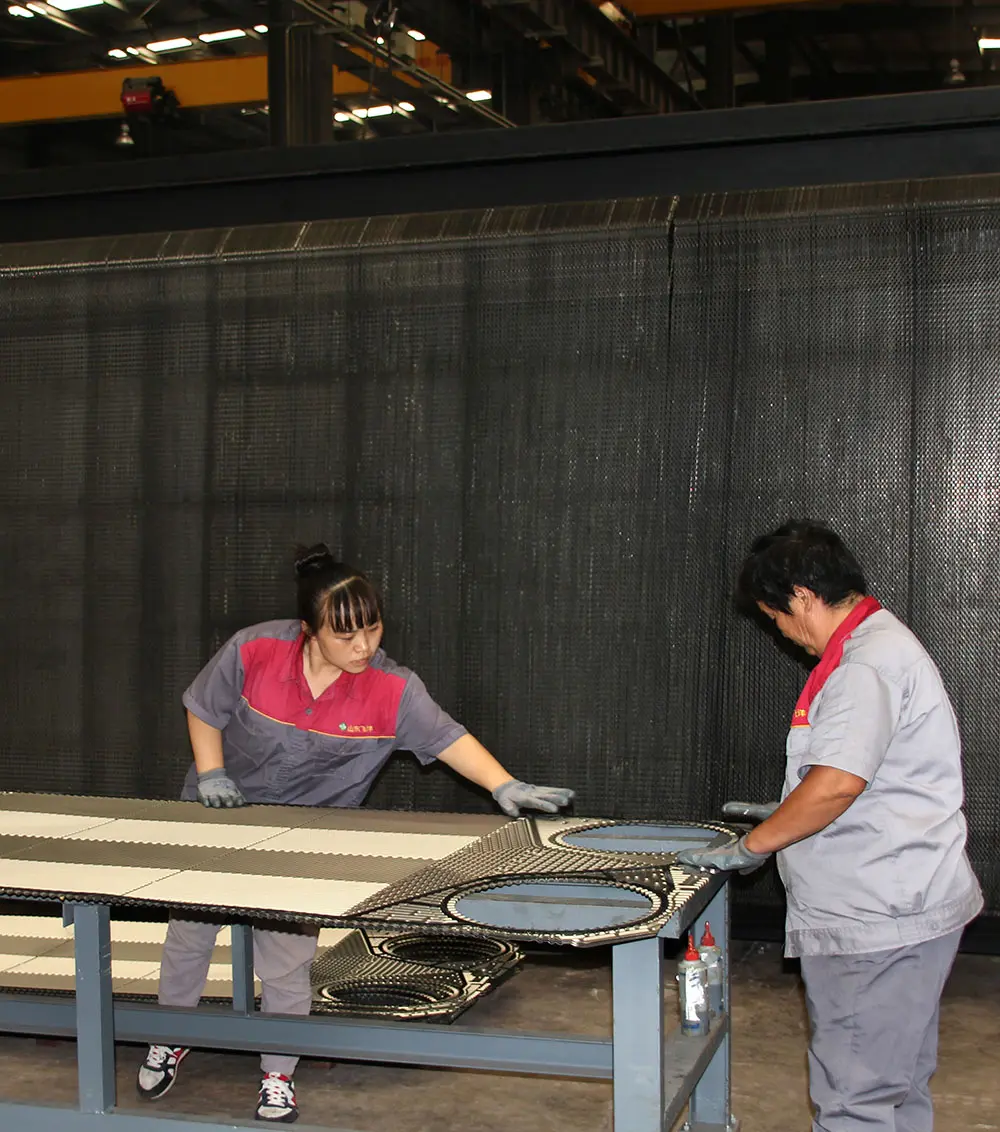
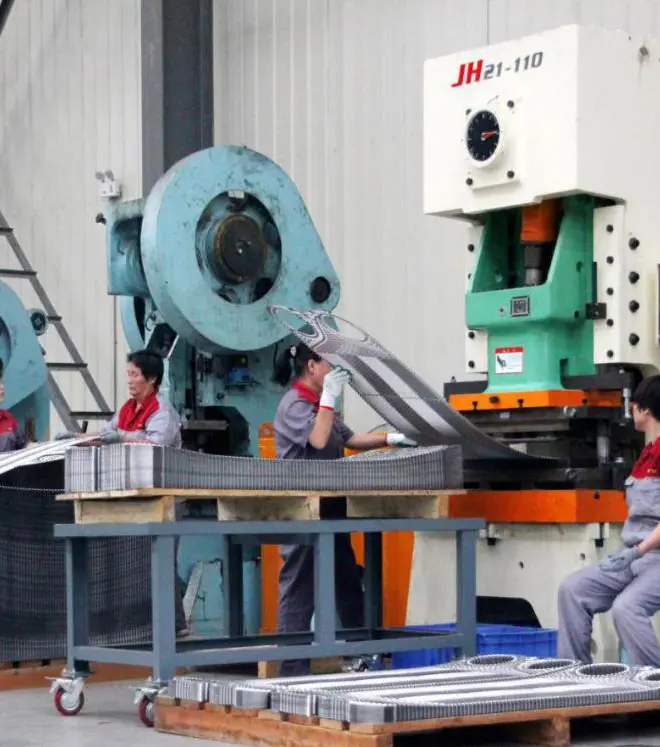
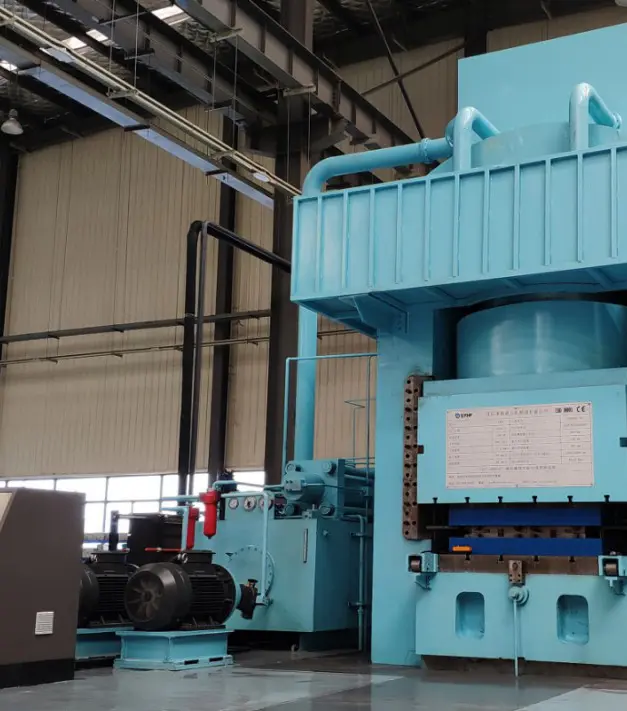
How Flotte systems perform under critical conditions in the chemical, HVAC, municipal, and water treatment sectors.
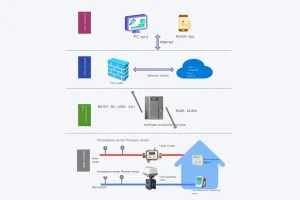
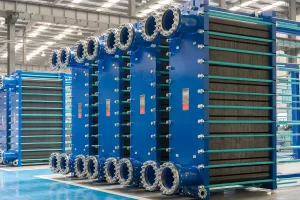
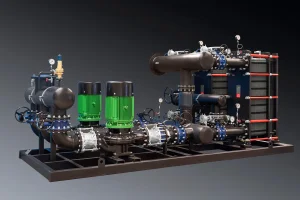
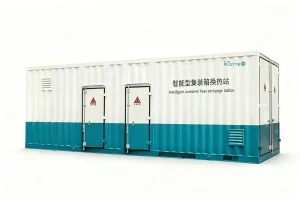
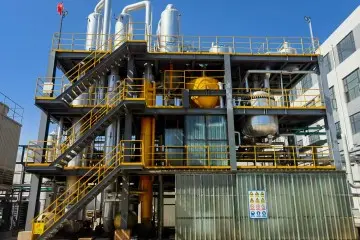
Our products are used in thermal power, pharmaceutical, chemical, and municipal infrastructure projects globally. In centralized heating networks, spiral and plate exchangers serve as key interfaces, separating primary municipal heat networks from secondary building circuits. They maintain high thermal transfer rates while managing pressure drops, protecting system components from mud, rust, and suspended debris.
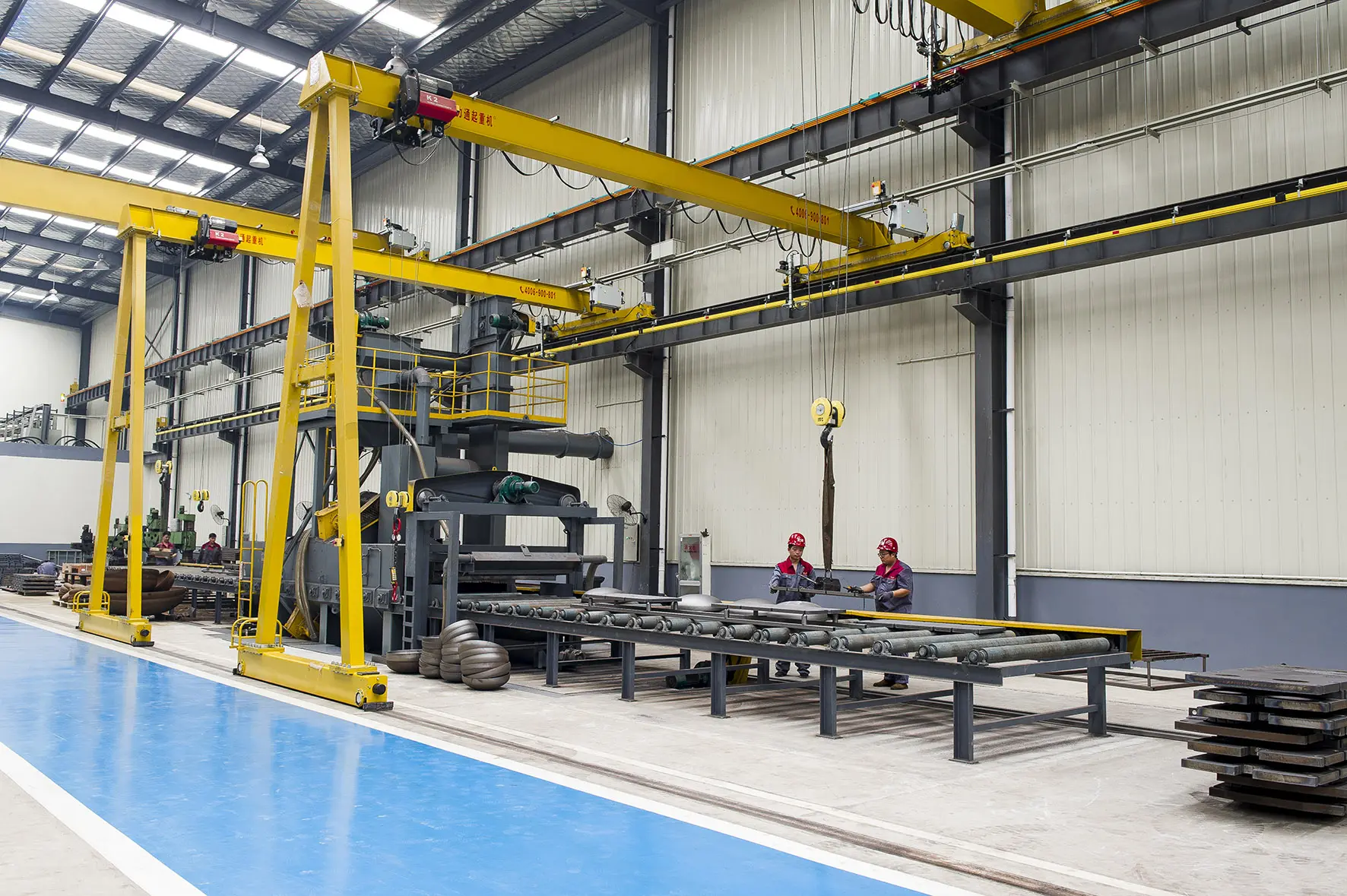
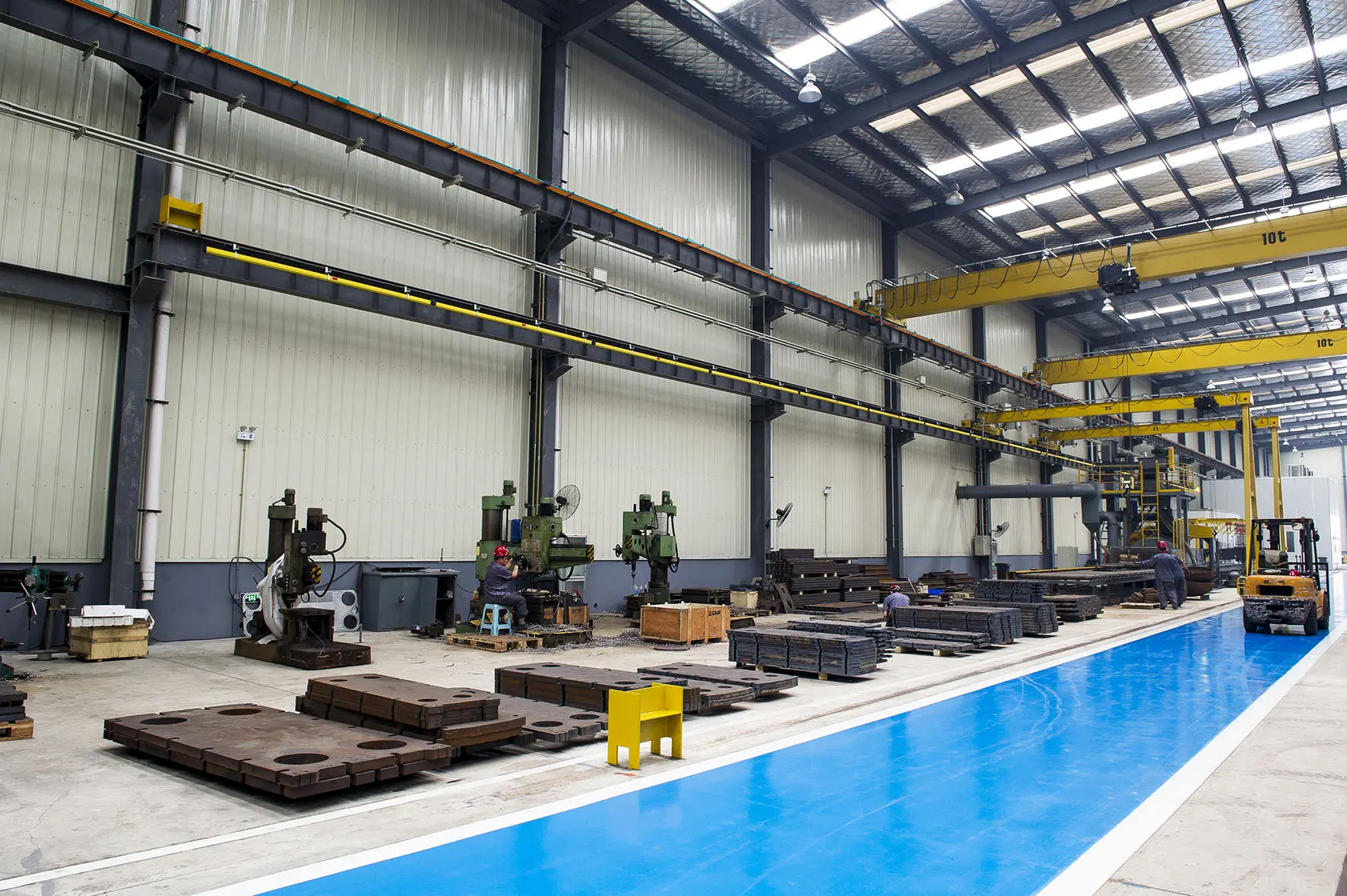
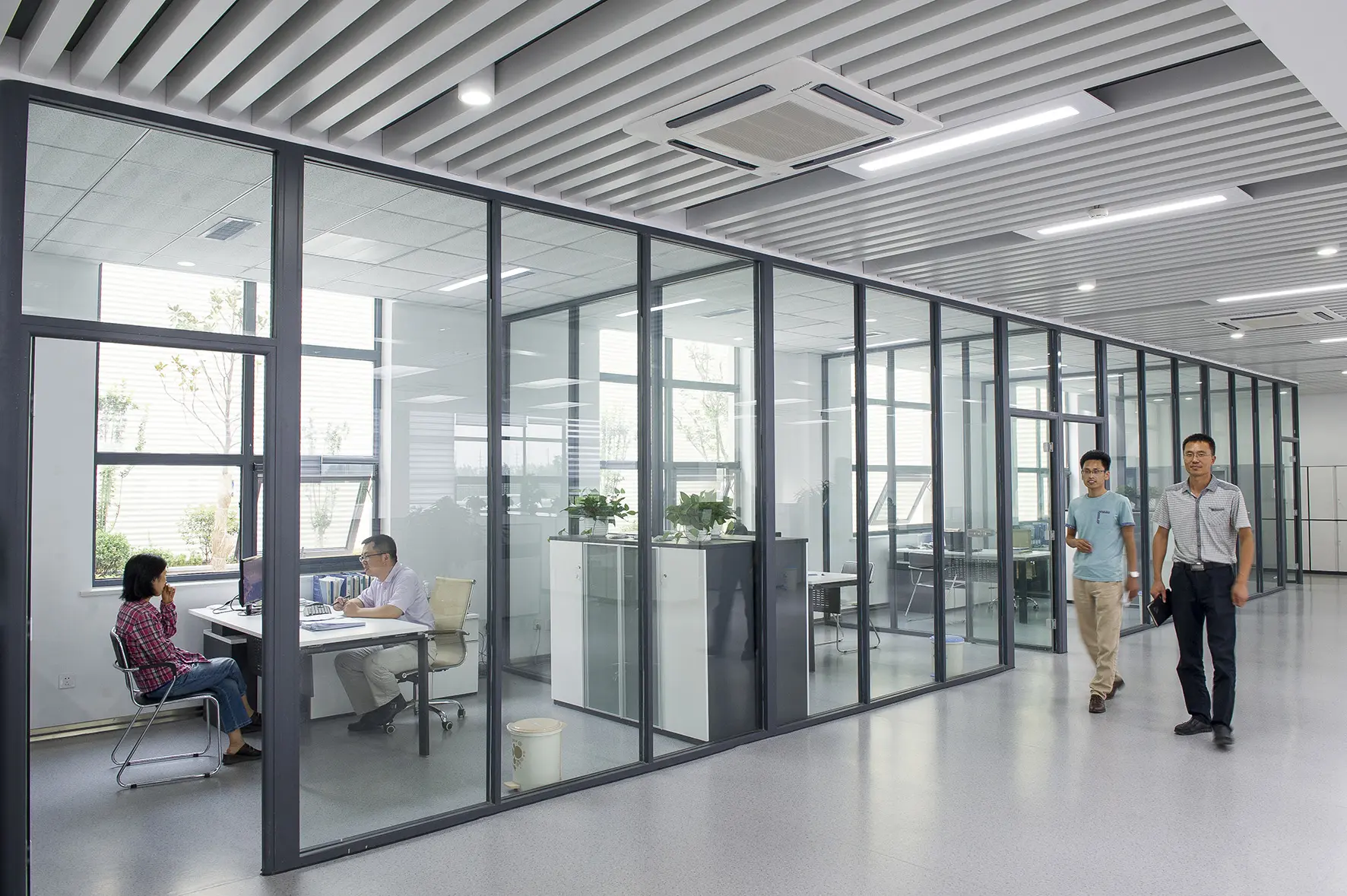
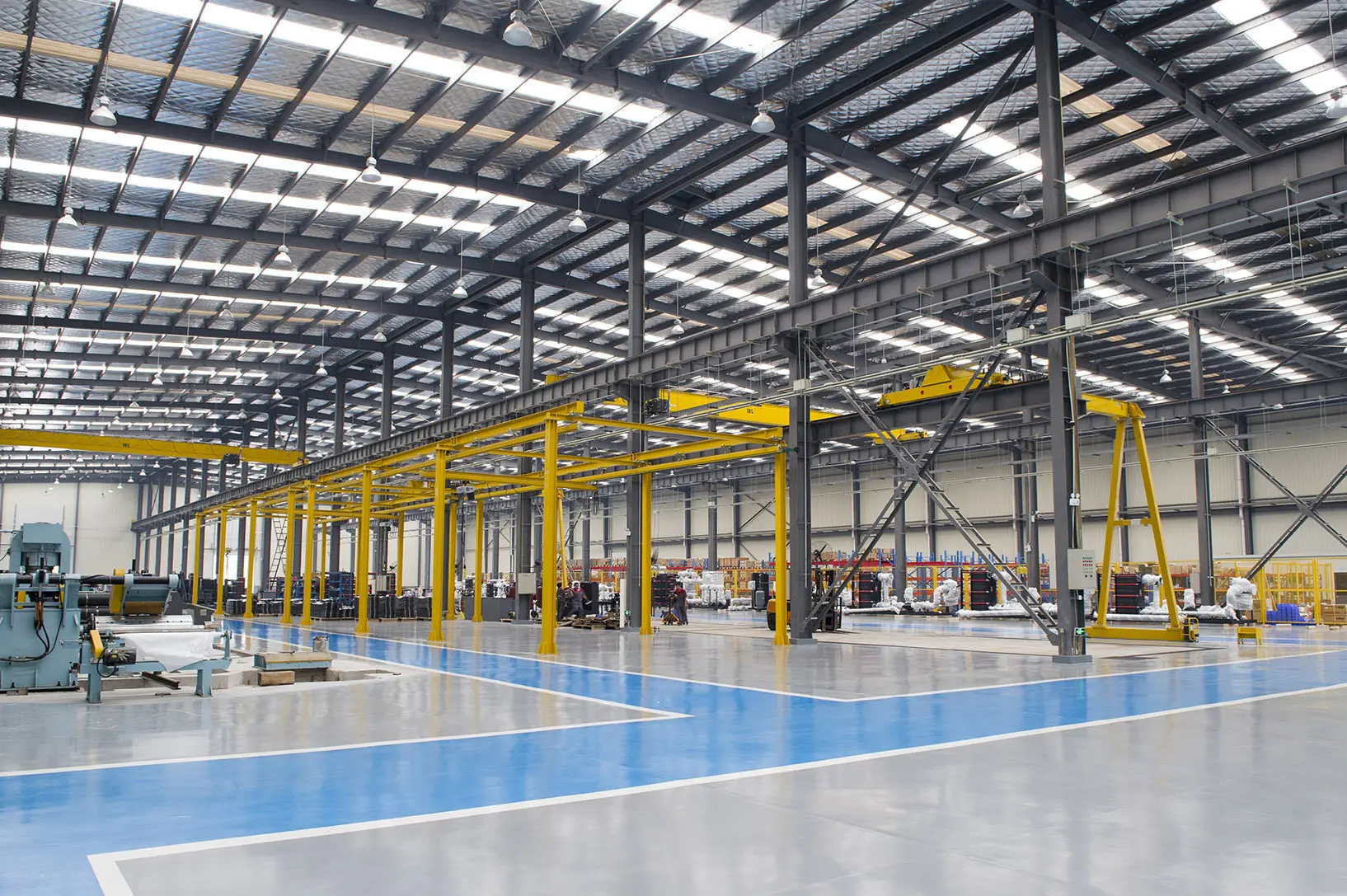
Each unit is manufactured and verified according to international standards. Flotte maintains strict quality records for raw materials, heat treatment processes, and non-destructive welding checks. Below are some of our official certificates and production facility views:
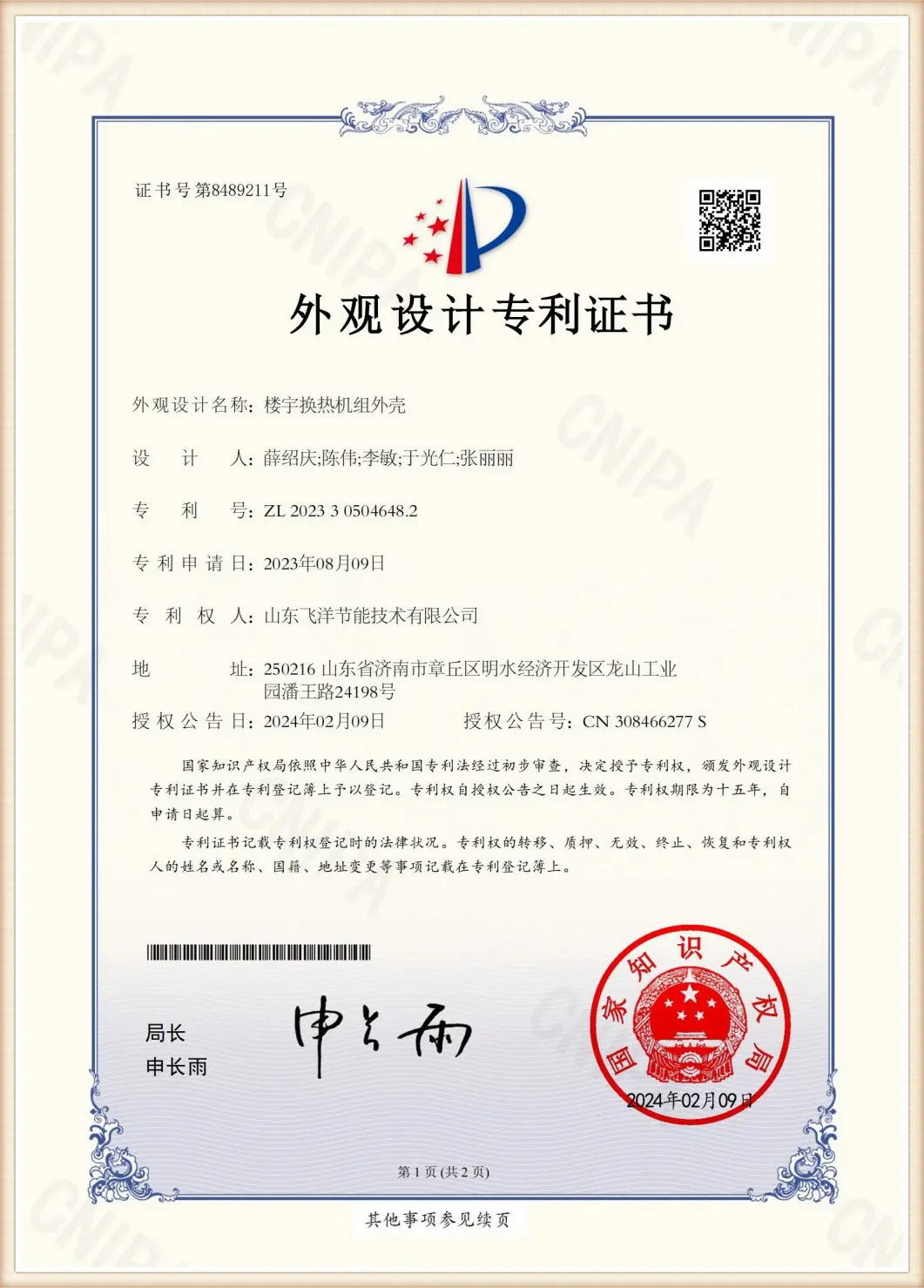
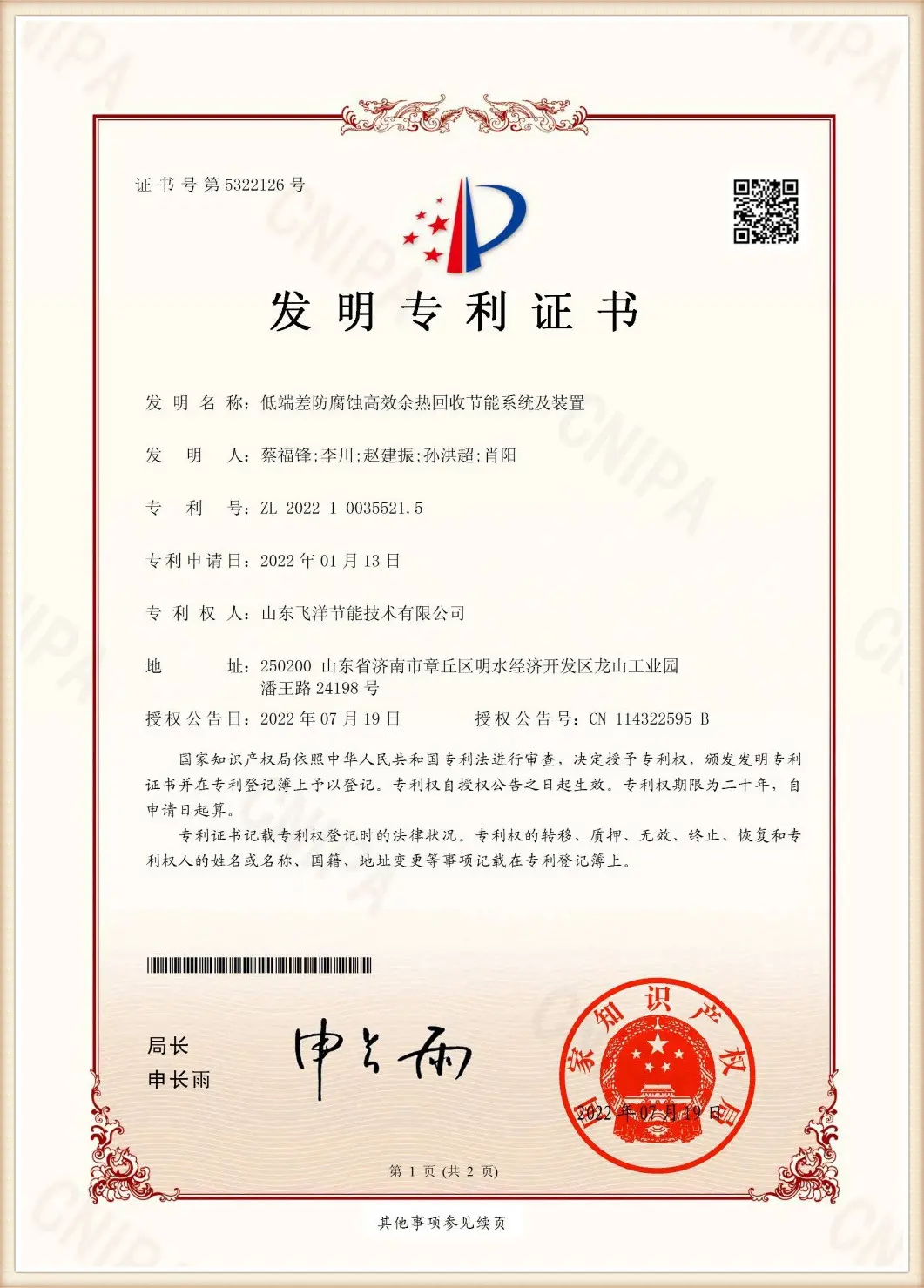
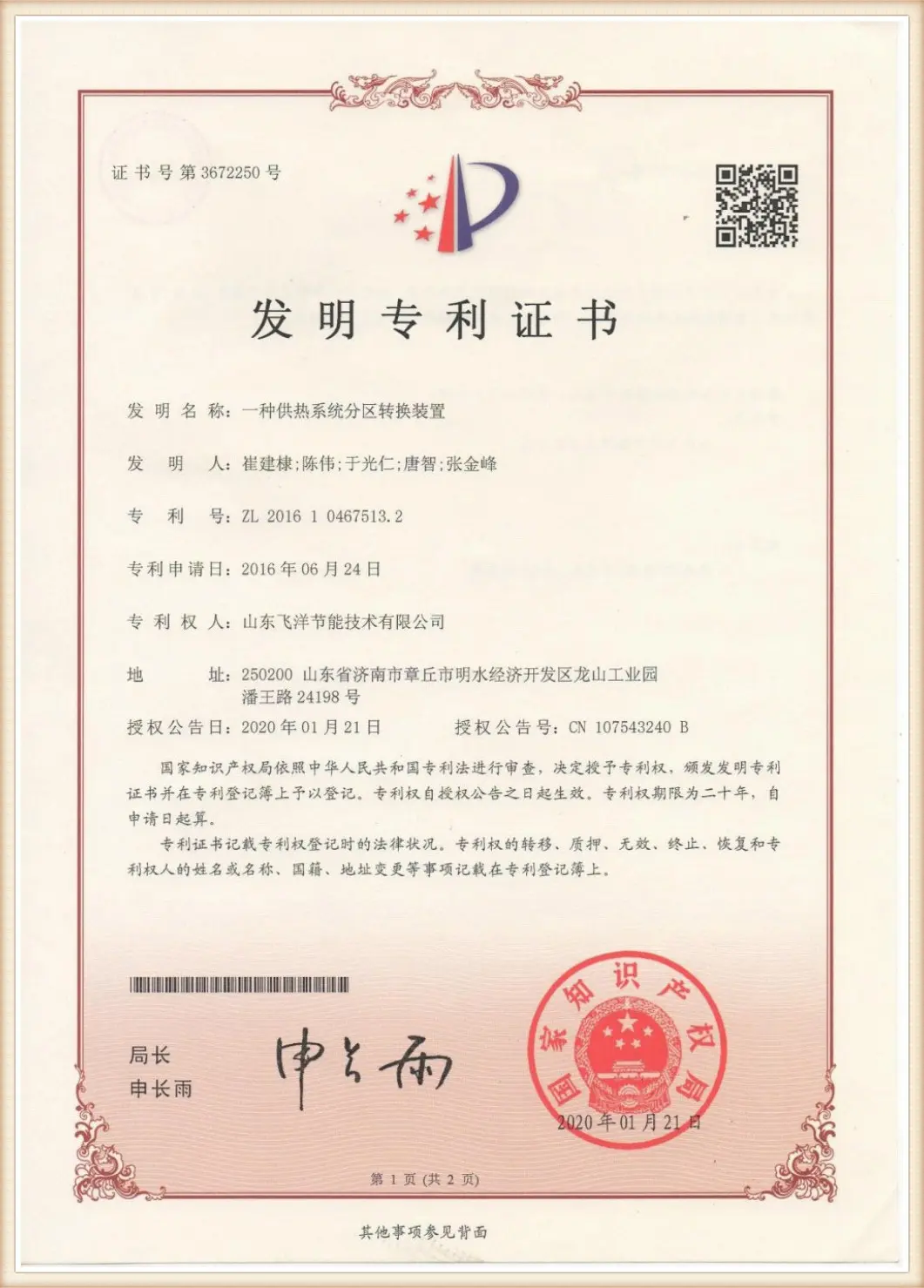
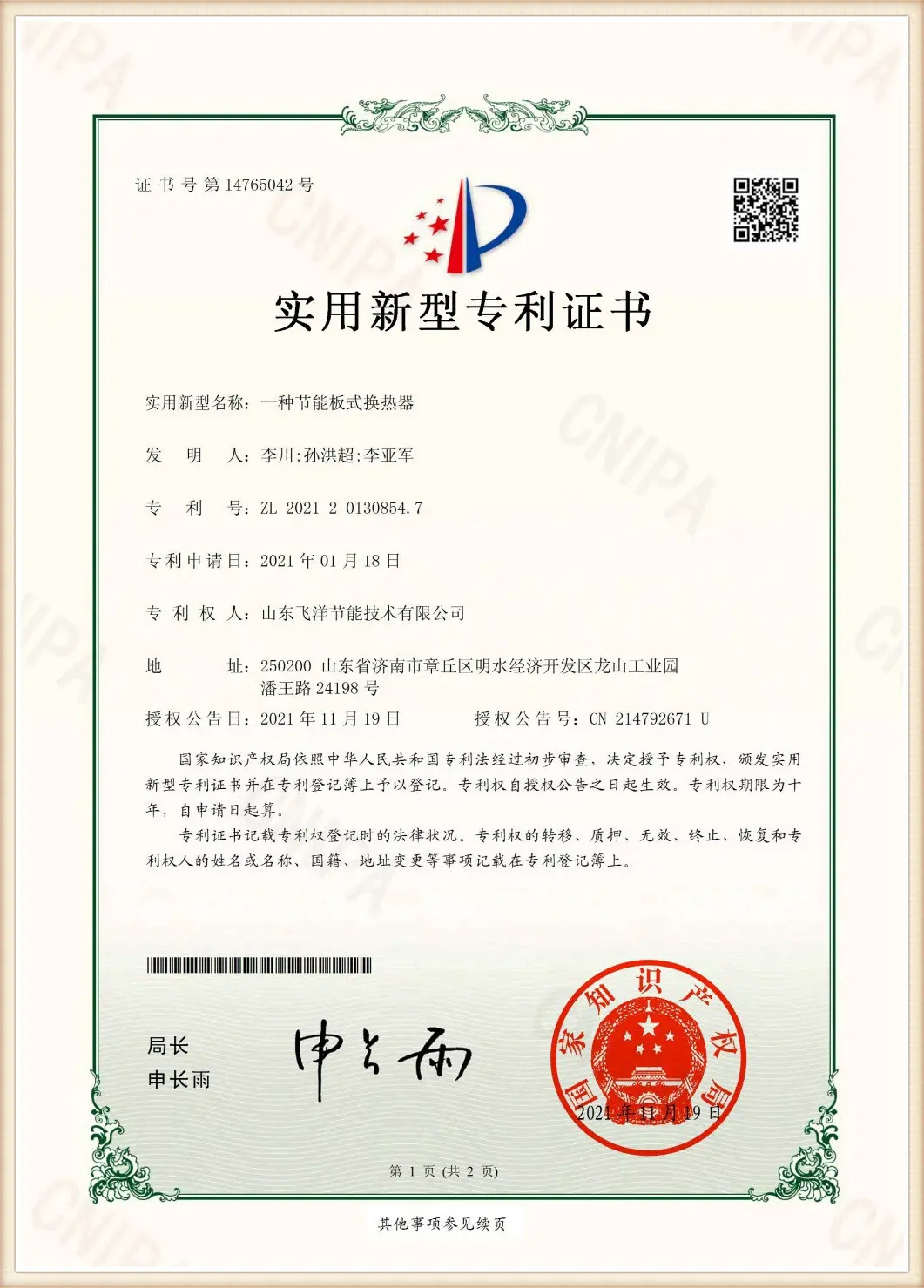
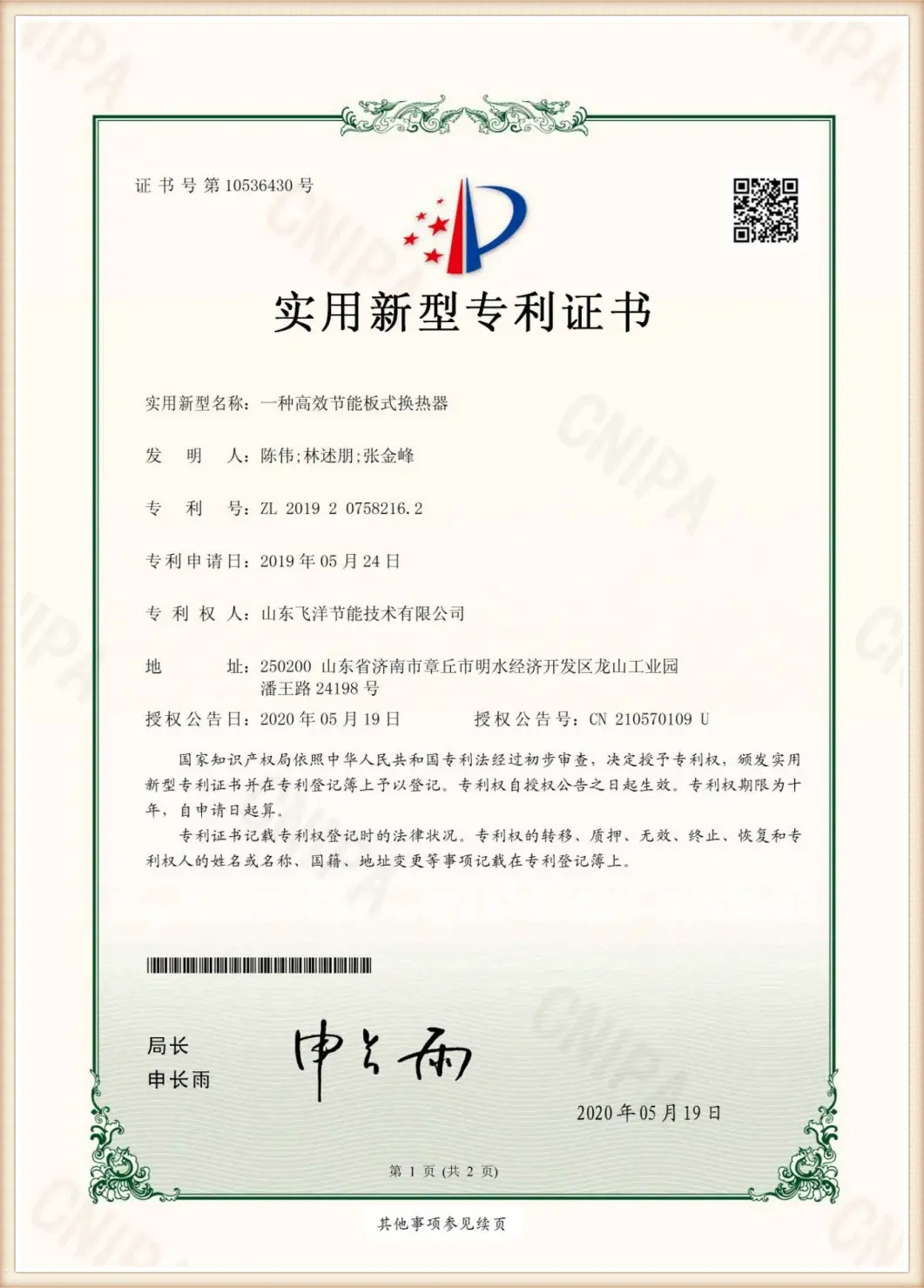
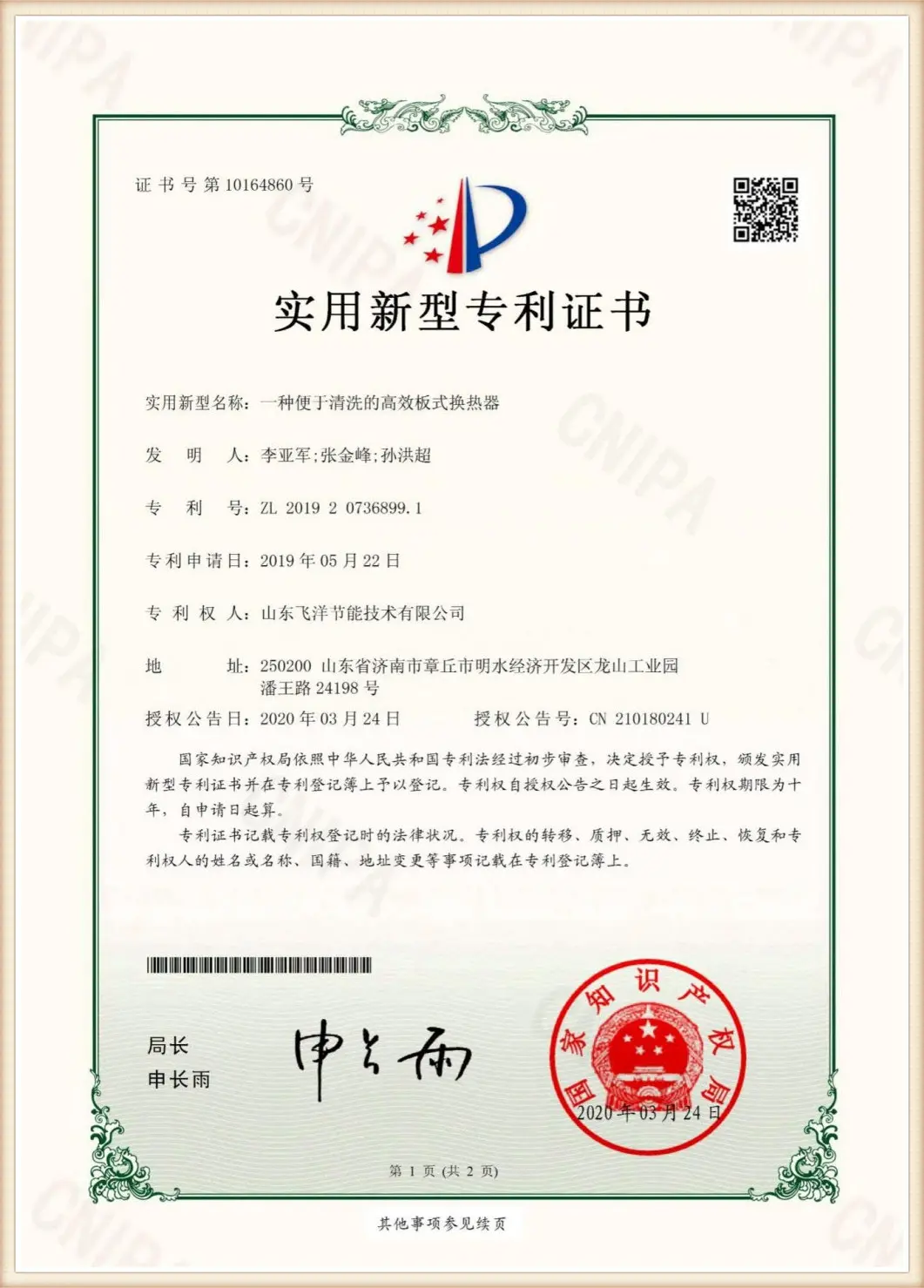
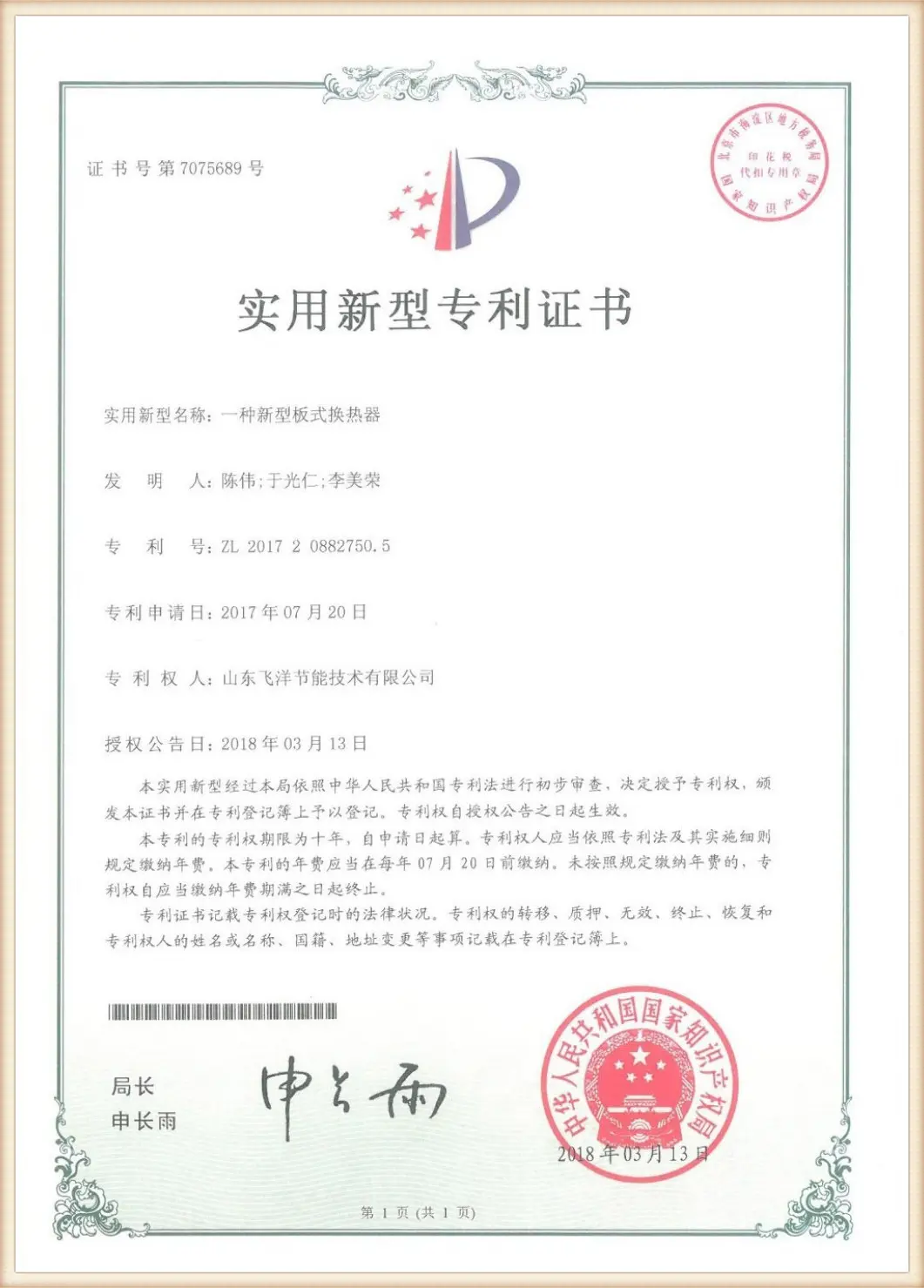
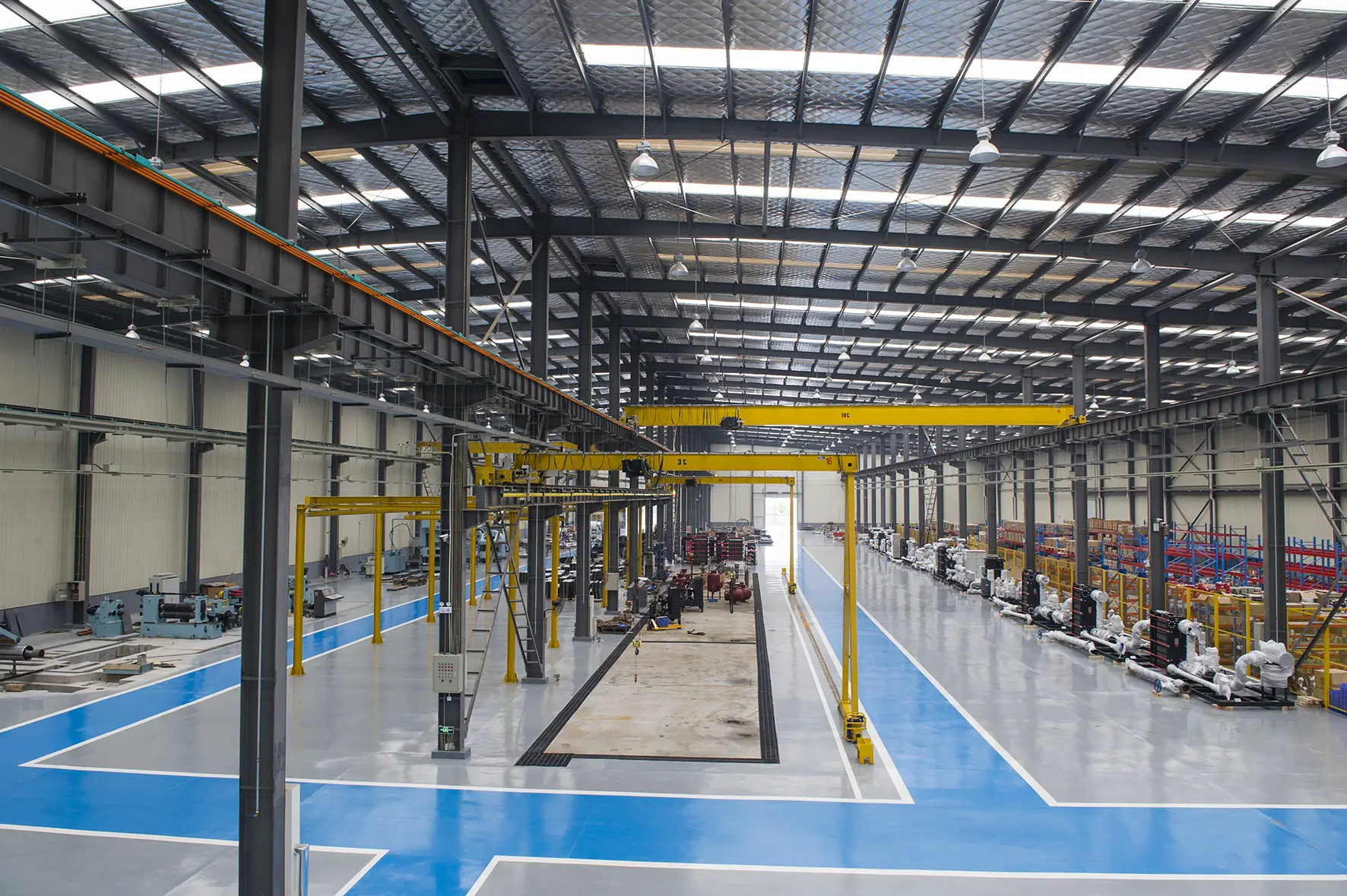
Our 70,000 square meter factory is equipped with advanced hydraulic stamping machinery, heavy-duty rolling stations, and specialized assembly tools. This infrastructure allows us to build complex, large-scale industrial heat exchangers.
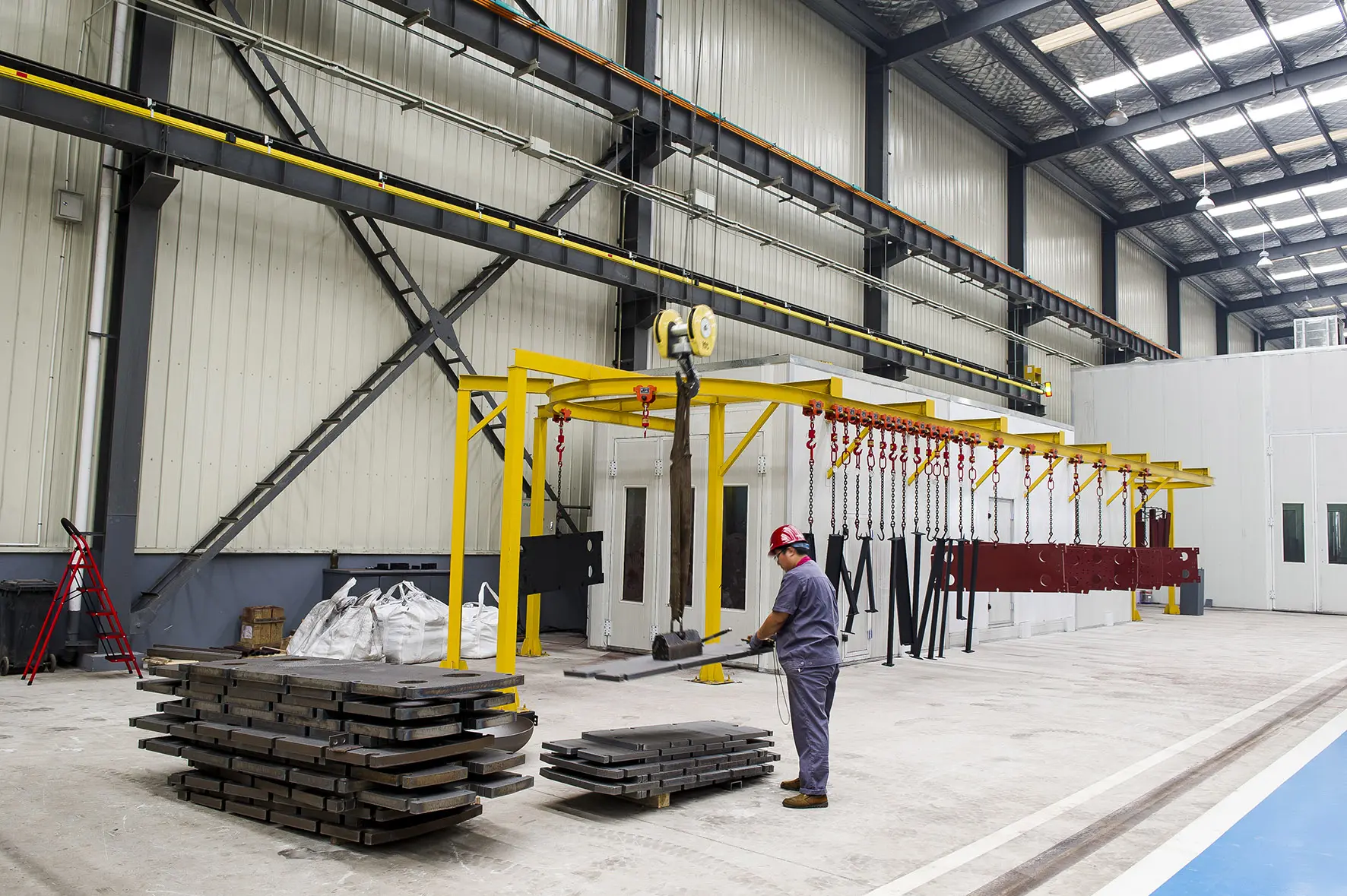


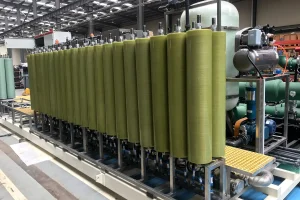
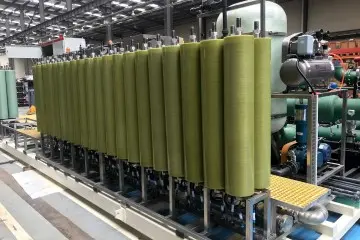
Discover our range of heat exchangers, membrane concentration setups, and intelligent control modules.
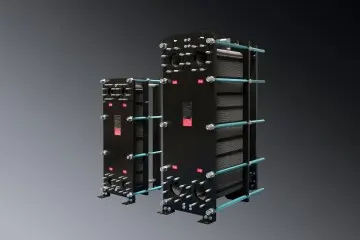
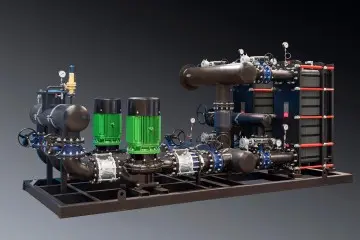
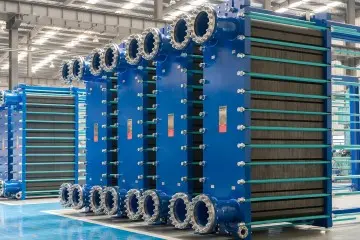
Explore our custom-engineered plate profiles, heat balancing systems, and wastewater concentration components.
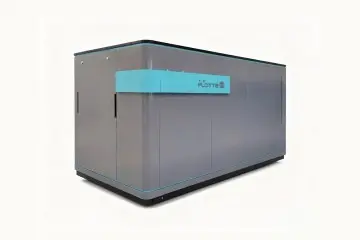
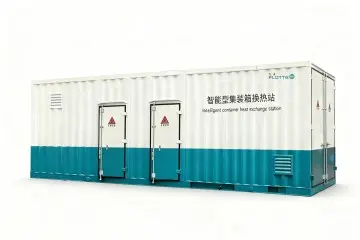
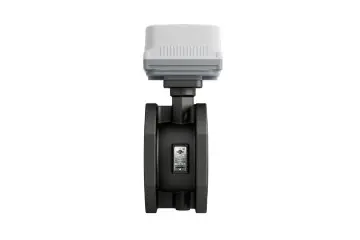

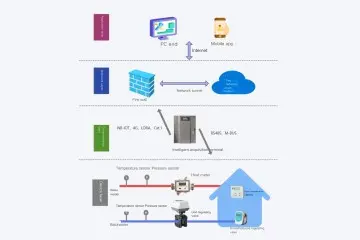
Common inquiries from procurement managers and engineers regarding replacement compatibility, material selection, and maintenance.
 Flotte Energy