Wholesale Box-Type Heat Exchanger Unit Supplier & Exporters

High-Efficiency Industrial Heating, Secondary Network Intelligent Regulation, and Modular Thermodynamic Control Systems Engineered to Global Standards.

1. Introduction to Flotte's Engineering Excellence & Heritage

Established in 2013 with a robust registered capital of 101 million yuan, Flotte Energy Saving Company traces its engineering lineage back to the founding of Flotte Thermal Engineering in 1995. With three decades of deep technical expertise, our company has remained at the vanguard of the water equipment, HVAC systems, and water treatment industries. We consistently lead our peers by integrating cutting-edge thermodynamic technologies, researching state-of-the-art heat exchange plates, and providing world-class turnkey engineering solutions.

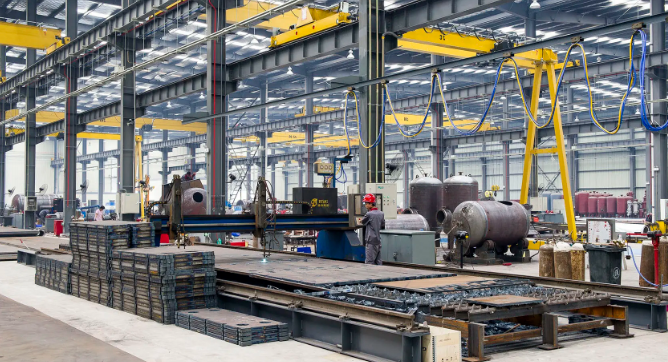
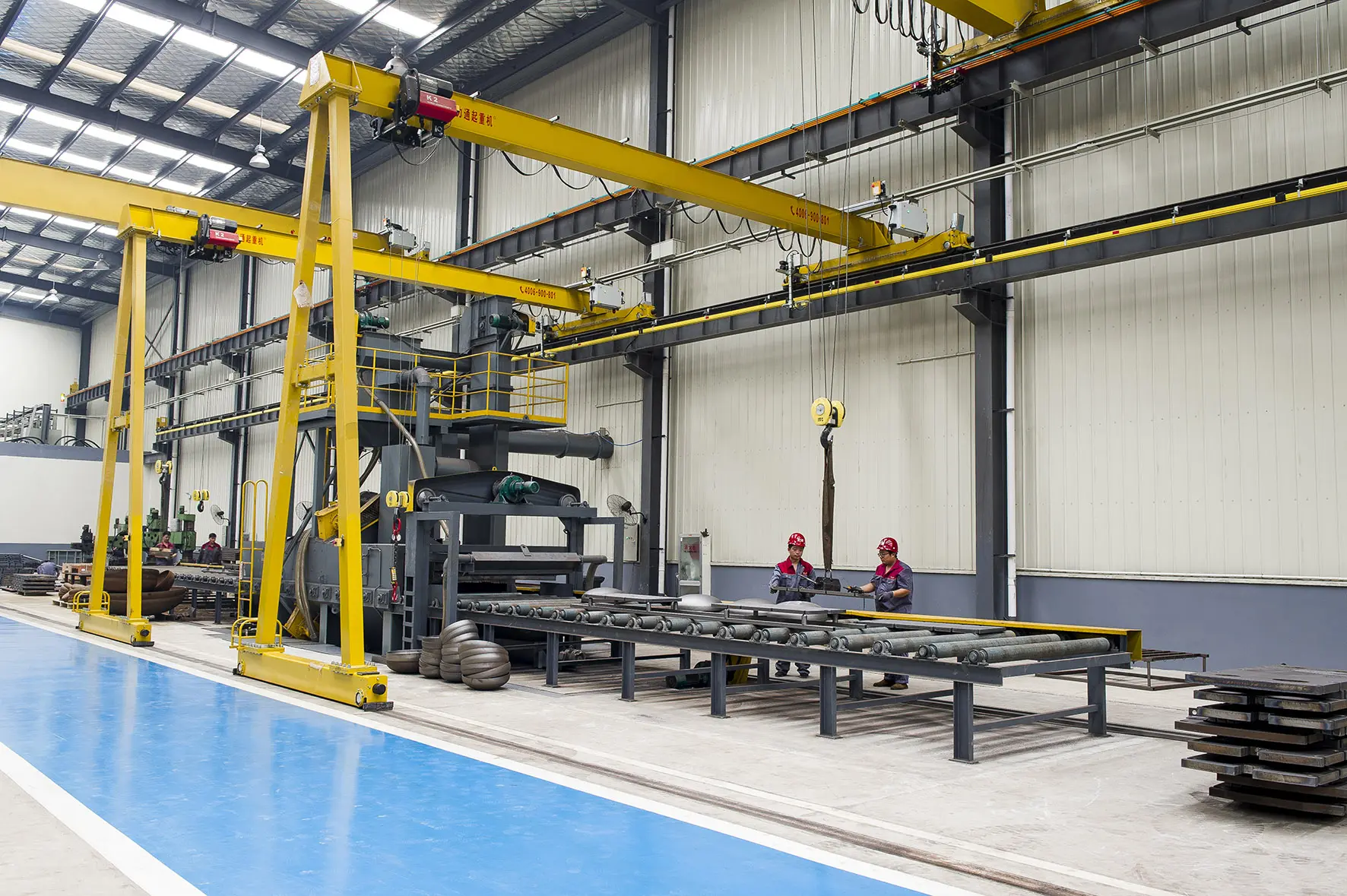
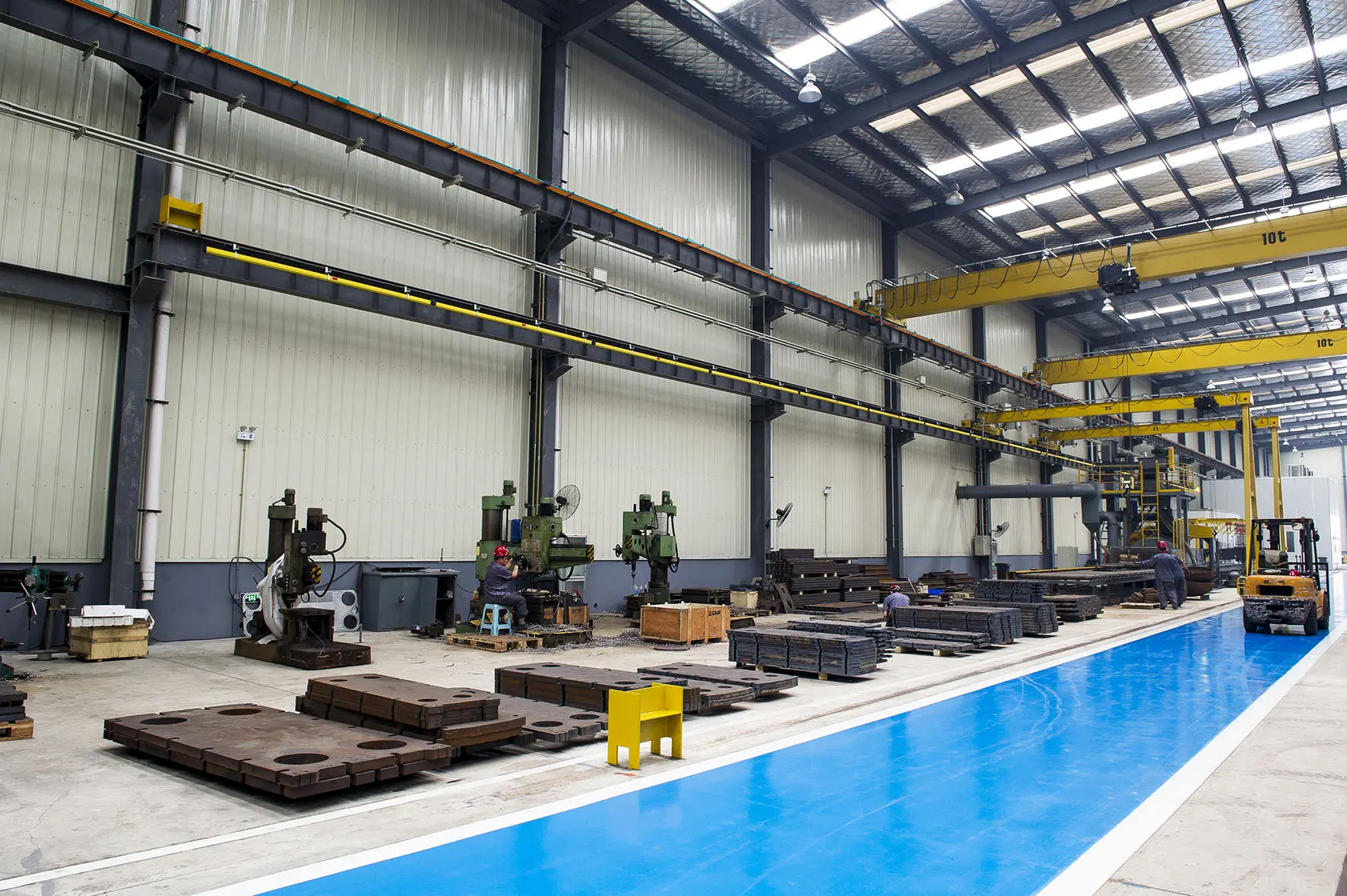
Our core mission revolves around thermal optimization and clean energy application. Our state-of-the-art 70,000 square meter manufacturing campus operates with an annual production volume exceeding 2,000 sets of customized thermodynamic machinery. Driven by a dedicated workforce of over 300 experienced professionals, including lead thermal engineers and highly certified pressure vessel technicians, Flotte generates 500 million yuan in annual sales revenue, representing absolute dominance in local and international markets.

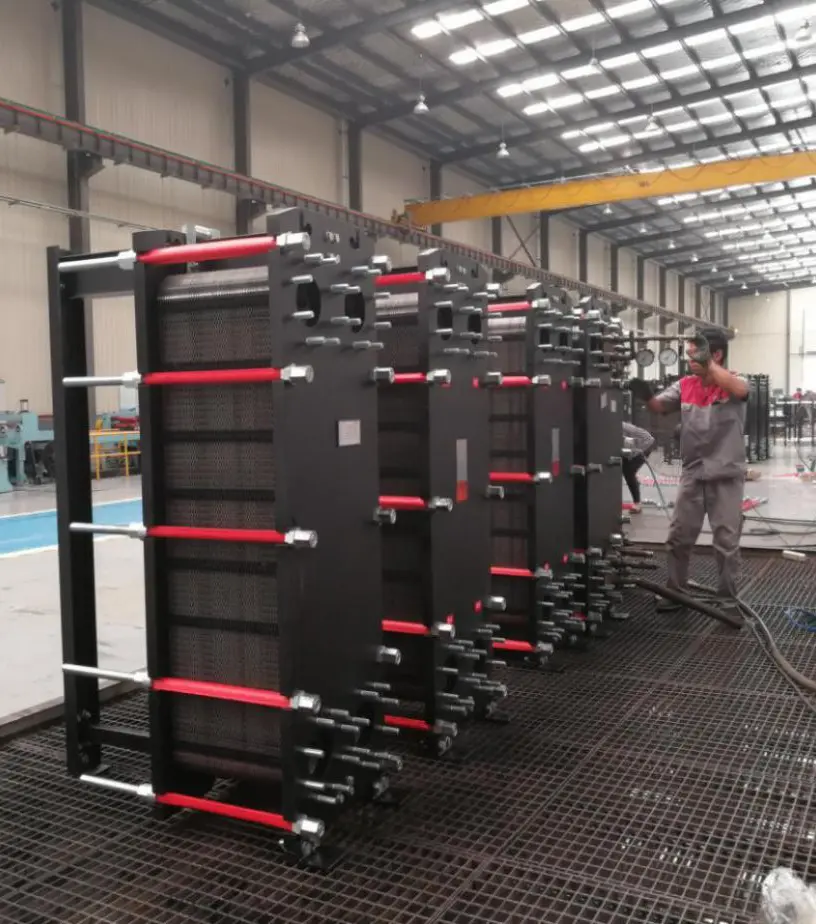
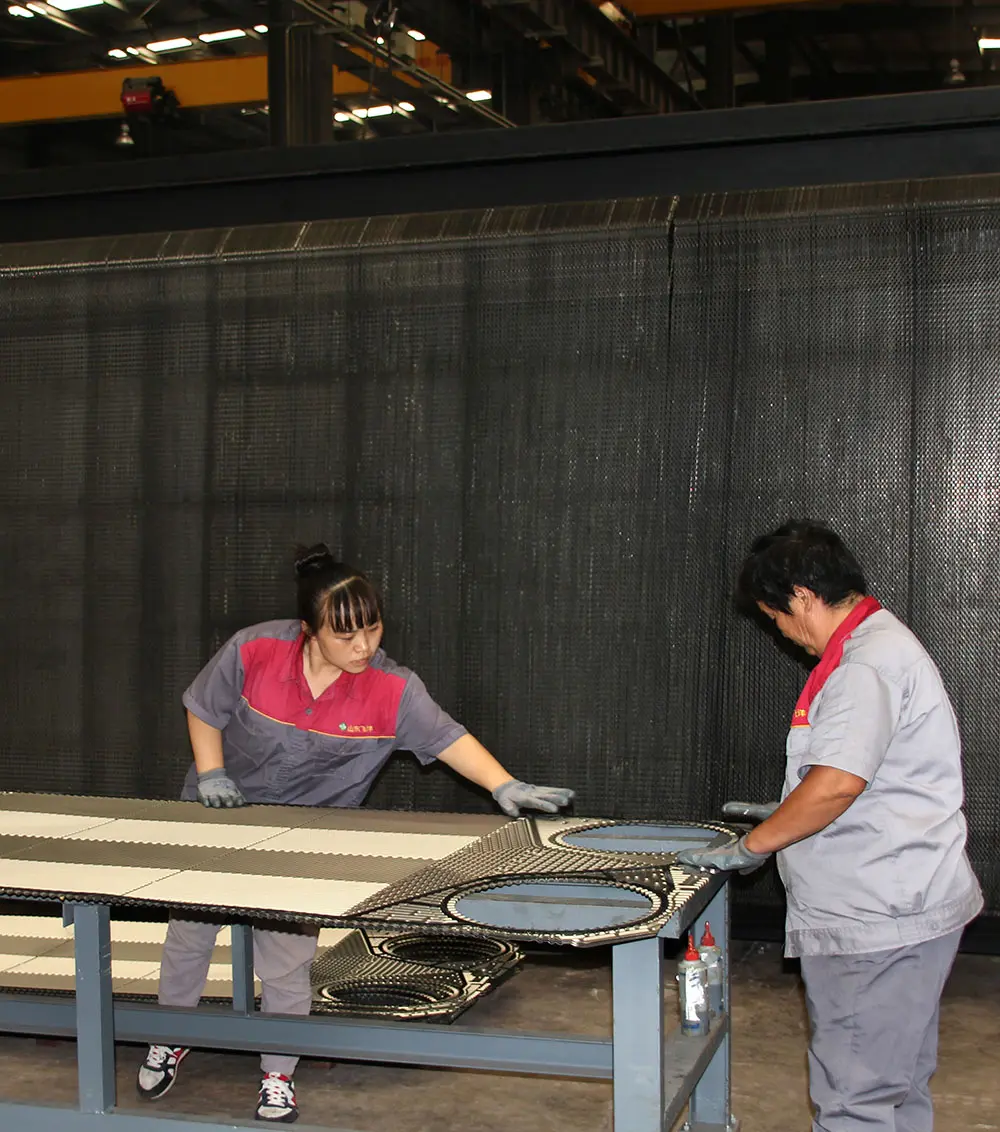
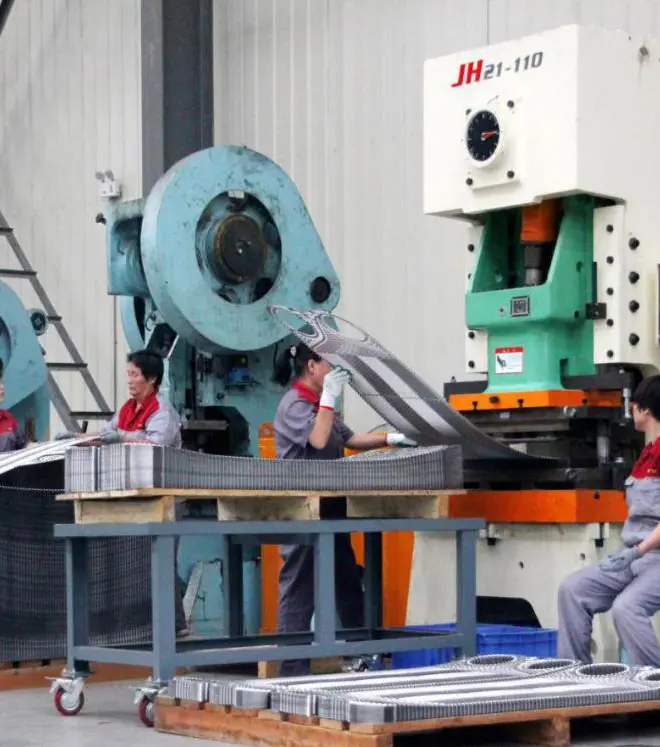
We manage every phase of engineering in-house: from initial conceptual simulation to thermal balancing calculation, precision raw-material procurement, stamping, CNC machining, pressure vessel welding, and strict hydrostatic inspection. This integrated approach ensures that every box-type heat exchanger unit leaving our facility complies with the highest standards of reliability.
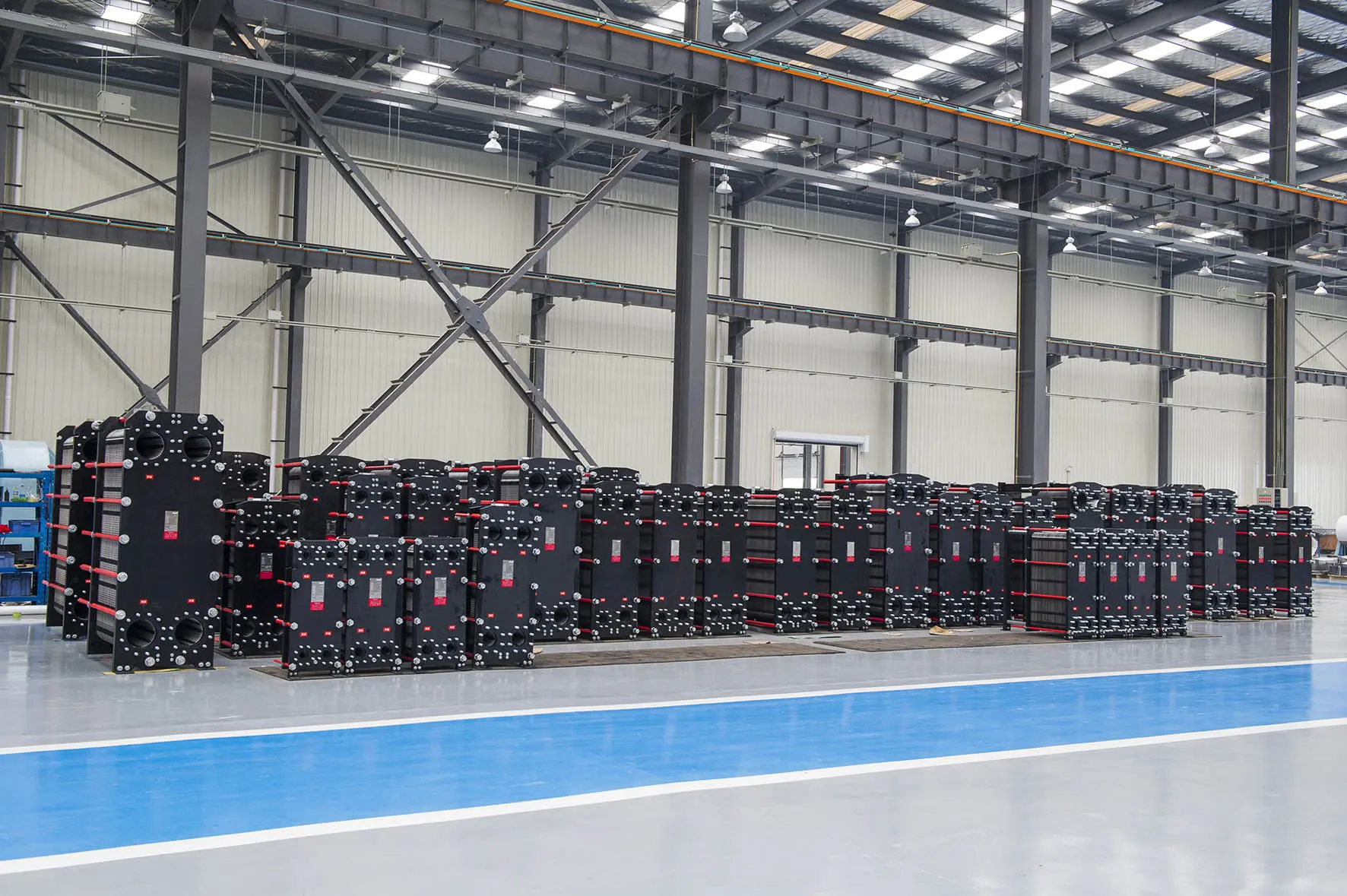
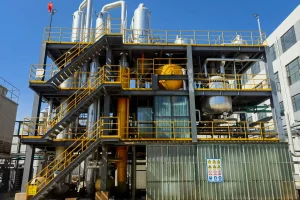
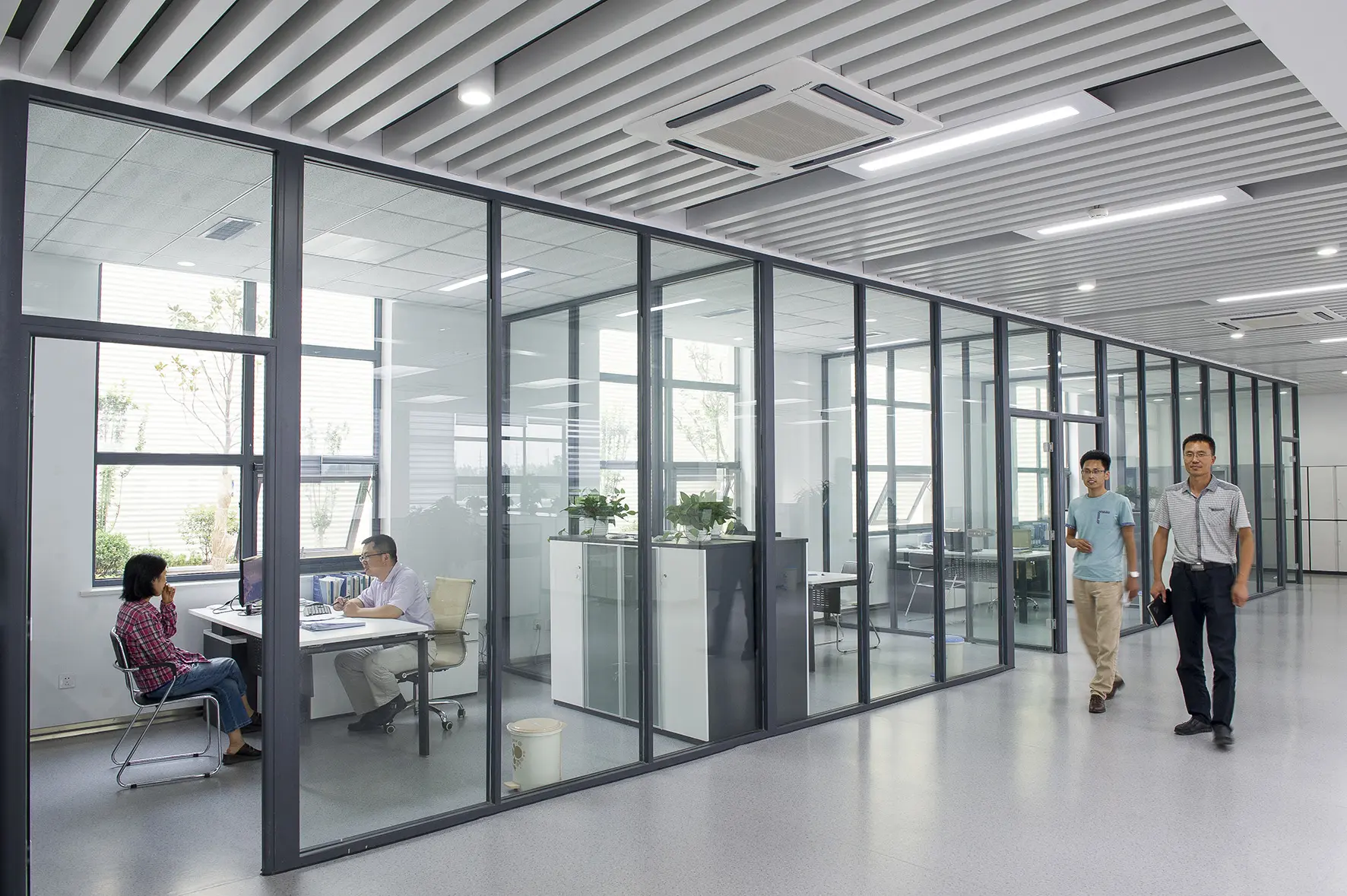
Flotte Corporate Campus
30+
Years Thermal Engineering Legacy
101M
Registered Capital (RMB Yuan)
70,000㎑
Industrial Production Area
4,500+
Annual Integrated Units Output

2. Understanding Box-Type Heat Exchanger Units: Architecture & Optimization

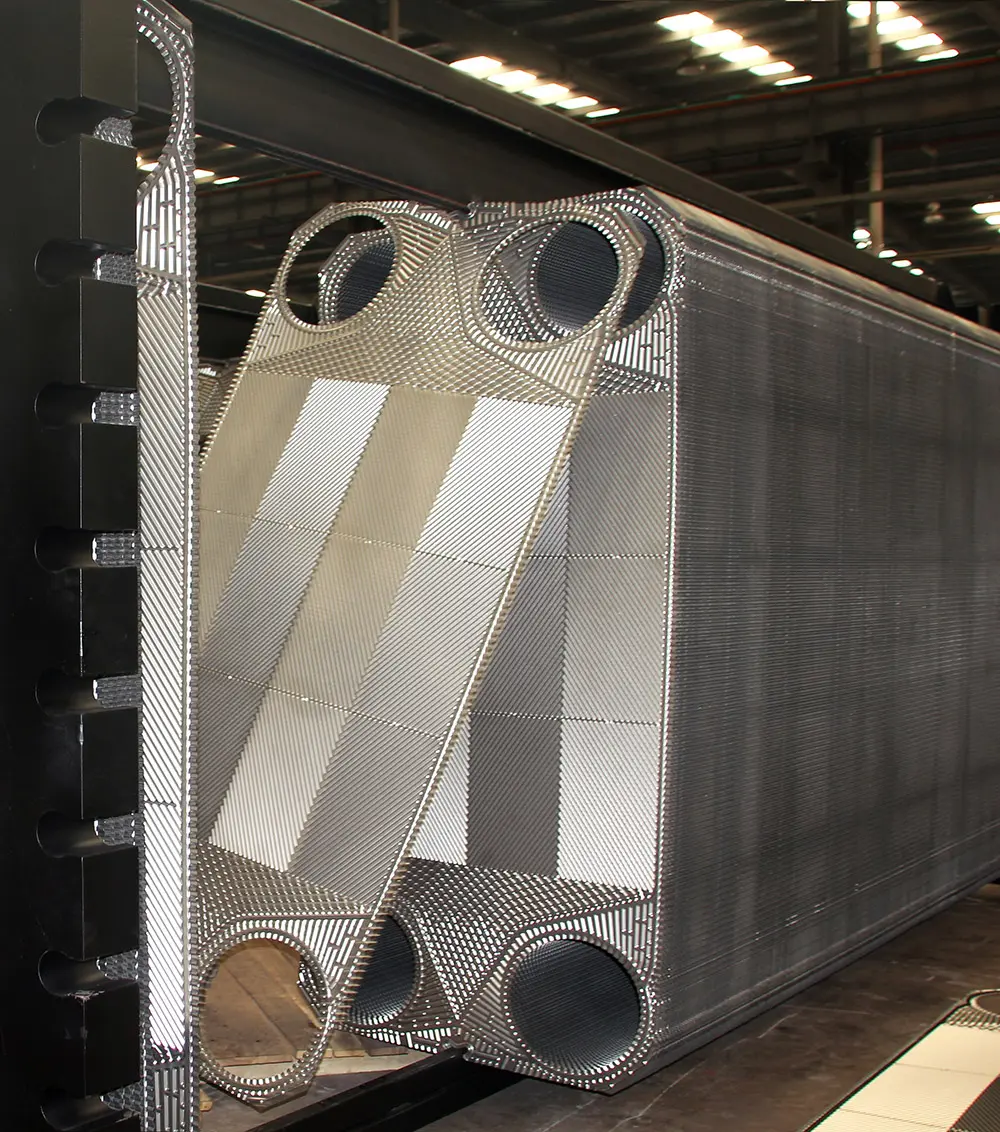
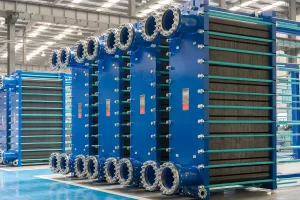
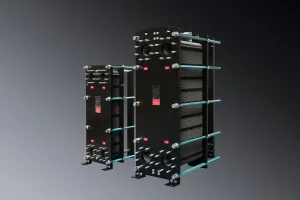
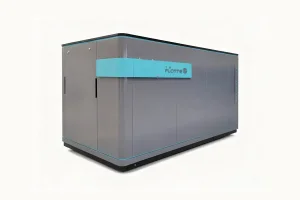
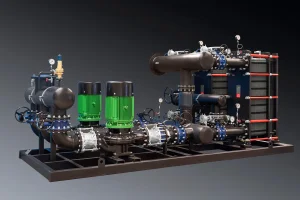
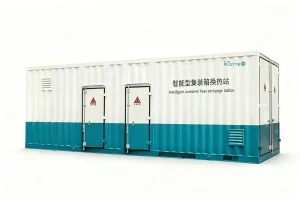
A box-type heat exchanger unit is a highly integrated, skid-mounted thermal transfer platform engineered to manage complex fluid mechanics and thermodynamic profiles. Unlike decentralized heat exchange configurations that require site-built piping, independent controls, and loose wiring, the box-type unit integrates plate heat exchangers, electronic regulating valves, circulating pumps, localized control cabinets, sensors, and structural frames into a cohesive, enclosed, or open enclosure.

Information Gain Insight: Our box-type units utilize a specialized corrugated plate configuration designed with high turbulence flow channels. This patented design ensures that even at low flow velocities, fluid movement is turbulent, reducing the risk of bio-fouling and mineral scaling while boosting the heat transfer coefficient (U-value) by up to 2.5 times compared to shell-and-tube setups.

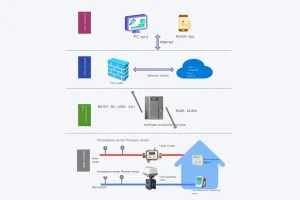
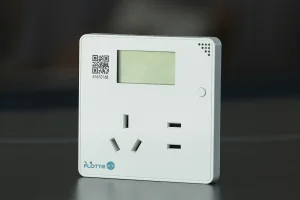
Crucially, these systems employ intelligent automation systems, such as our Intelligent Balance Valves and Room Temperature Collectors, allowing real-time monitoring and adaptive flow rate modulation. The box-type frame acts as both physical protection and thermal containment, safeguarding critical instrumentation, transmitters, and piping insulation from harsh industrial environments while minimizing radiative heat loss.

3. Global Enterprise Procurement Requirements & Key Specifications

International buyers from HVAC, power generation, chemical, and district heating sectors face complex operational requirements when purchasing industrial-grade thermodynamic systems. To ensure long-term reliability and high return on investment (ROI), procurement teams focus on the following core specifications:

πŸŽ›οΈ

Material Selection

Plates are available in SS304, SS316L, Titanium, and Hastelloy to resist corrosive media. Gaskets include high-grade EPDM, NBR, and Viton to handle diverse temperatures and chemical exposures.

πŸ“

Hydraulic Optimization

Units are engineered to minimize pressure drop while maximizing heat exchange. This reduces pump work and lowers total energy consumption across the plant's operational lifecycle.

πŸ”Œ

SCADA & PLC Integration

Equipped with PLC controls compatible with Modbus, Profibus, and BACnet, allowing direct telemetry reporting to centralized SCADA systems for seamless facility automation.

4. China Supply Chain Advantages: Scaling Efficiency and Advanced Quality Control

Sourcing wholesale box-type heat exchanger units from China, particularly from a vertically integrated manufacturer like Flotte, offers distinct advantages. The key to our competitiveness lies in China’s robust industrial ecosystem, combined with our in-house manufacturing capabilities:

  • Direct Access to High-Grade Steel and Alloys: Our proximity to leading metallurgical centers ensures consistent access to raw materials with full traceability certificates, avoiding global supply bottlenecks.
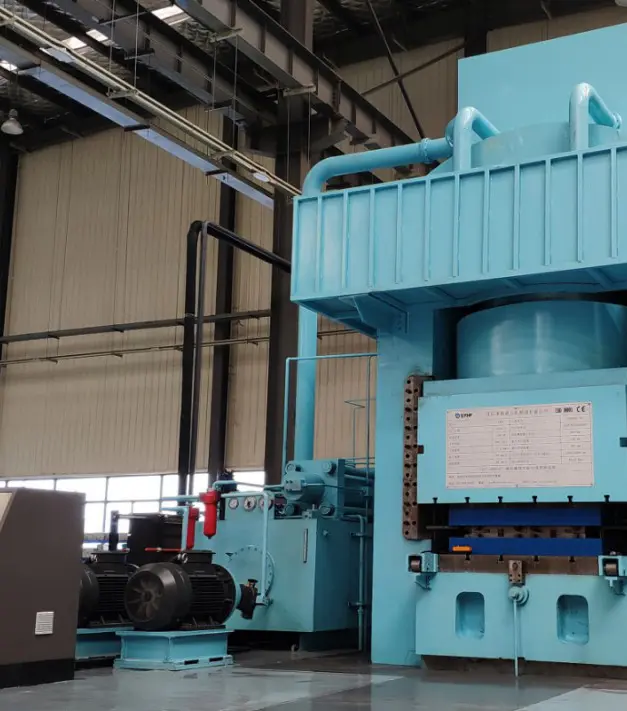
  • Stamping and Micro-Forging Facilities: We utilize advanced hydraulic press lines capable of stamping complex plate patterns with tight tolerances, ensuring uniform plate thickness and mechanical integrity under high working pressures.
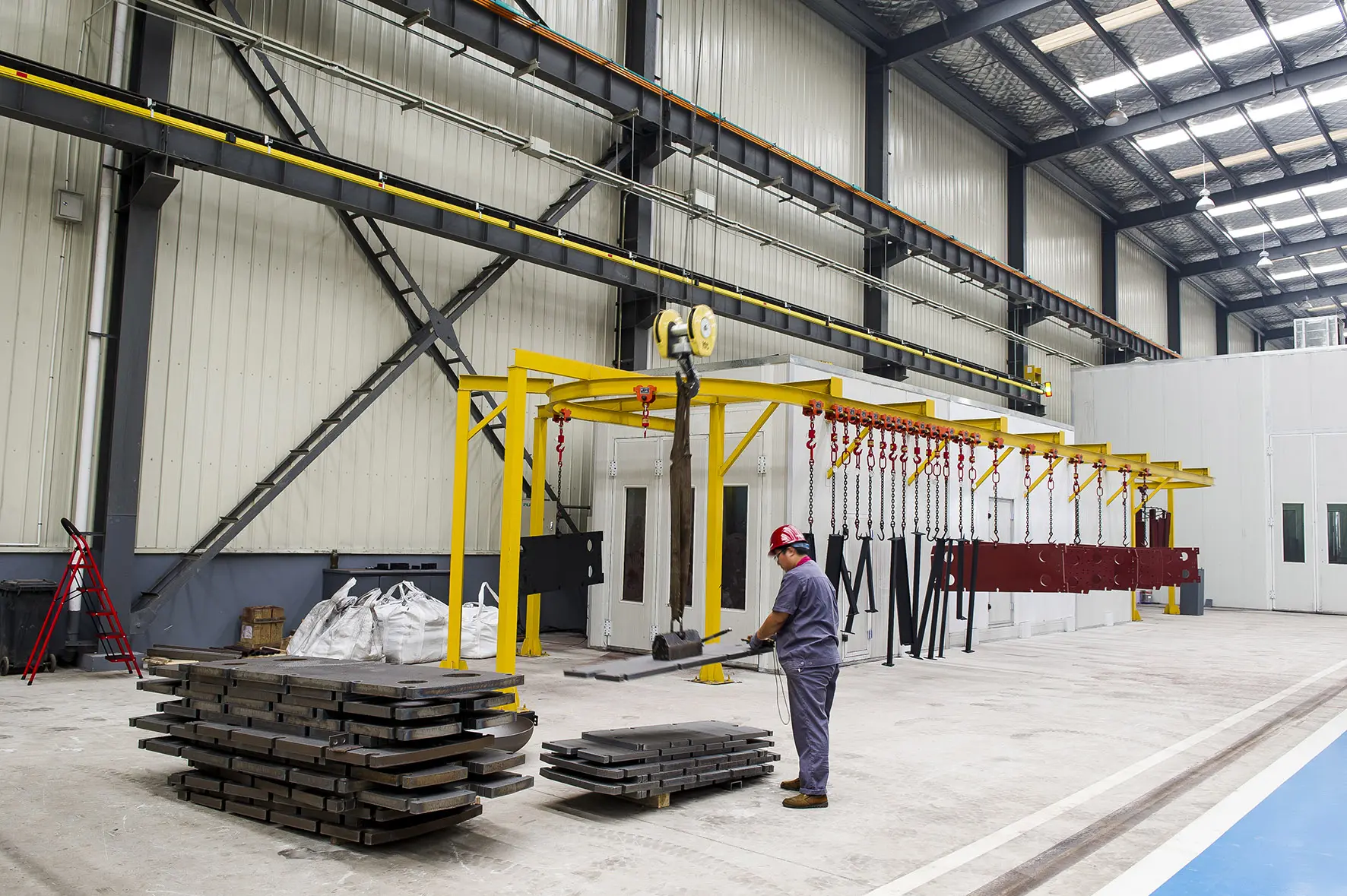
  • End-to-End Manufacturing: From cutting structural steel splints to welding pressure vessels and applying protective coatings, our entire production cycle is managed under one roof to minimize external delays.
  • Strict Compliance to ISO Standards: Our processes strictly adhere to the ISO 9001:2015 Quality Management System, ISO 14001:2015 Environmental Management System, and ISO 45001:2018 Occupational Health and Safety framework.

5. Localized Applications and Industrial Use Cases

Flotte's box-type heat exchanger units are engineered for diverse environments, adapting to local climate parameters, building codes, and municipal flow requirements:

District Heating Networks & Pressure Regulating Stations

In centralized urban district heating systems (DHN), our units serve as the primary bridge between high-pressure municipal heating grids and residential distribution networks. Our integrated design manages severe pressure differentials, ensures steady thermal delivery, and adapts to seasonal temperature fluctuations using automated flow compensation.

High-Rise HVAC and Green Building Systems

For modern high-rise office towers and commercial spaces, space efficiency is critical. The compact footprint of our box-type units makes them ideal for basement utility rooms or penthouse mechanical floors. They provide reliable cooling and heating, maintaining comfortable indoor environments while optimizing energy use to support LEED certification.

Industrial Processing (Chemical, Pharmaceutical, and Thermal Power)

In chemical processing and pharmaceutical synthesis, precise temperature control is vital for safety and product quality. Flotte's detachable plate heat exchanger designs facilitate easy cleaning and maintenance, preventing cross-contamination and withstanding aggressive cleaning agents.

6. Regulatory Compliance, Certifications, and Global Technical Support

To serve international clients, we align our designs with major international certifications and codes:

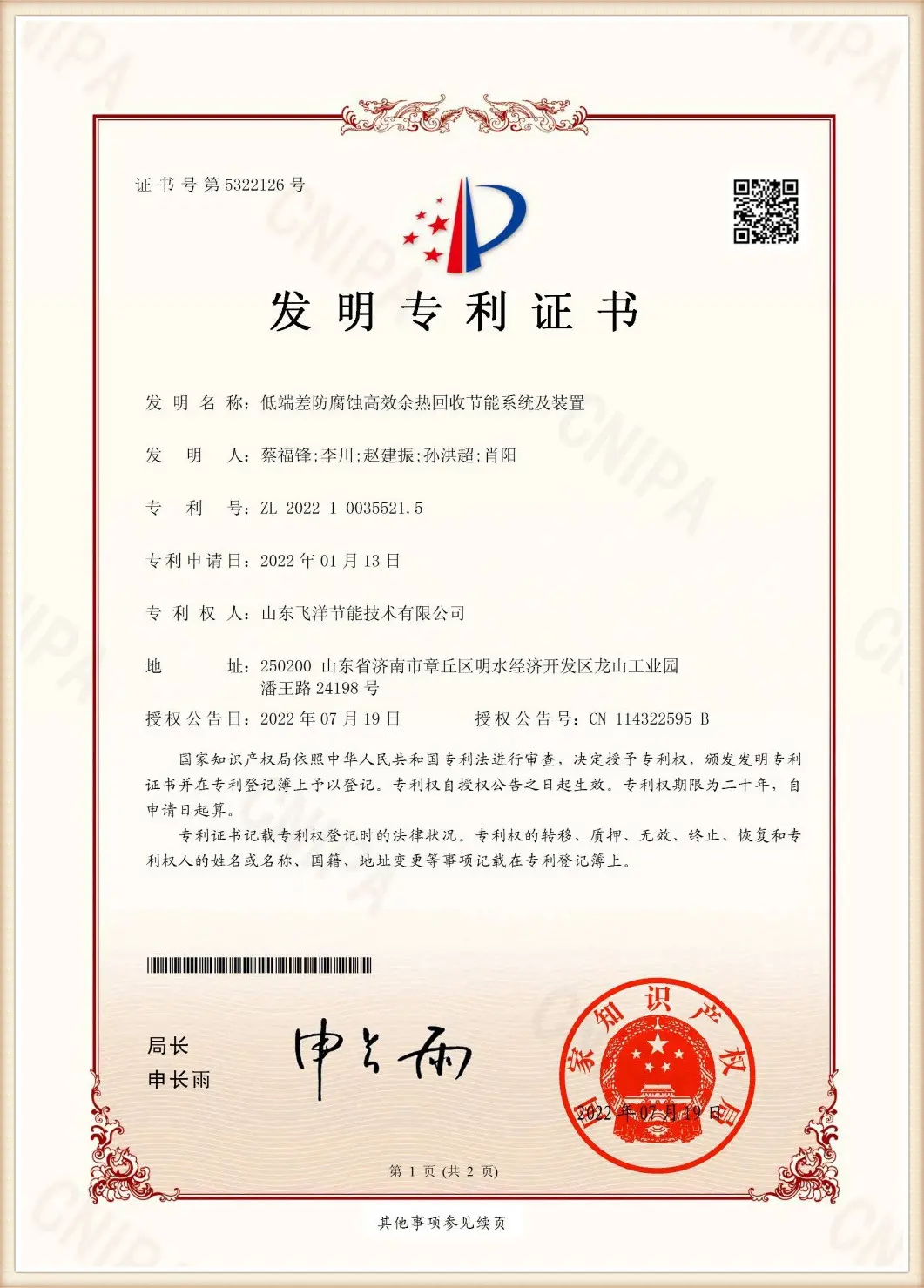
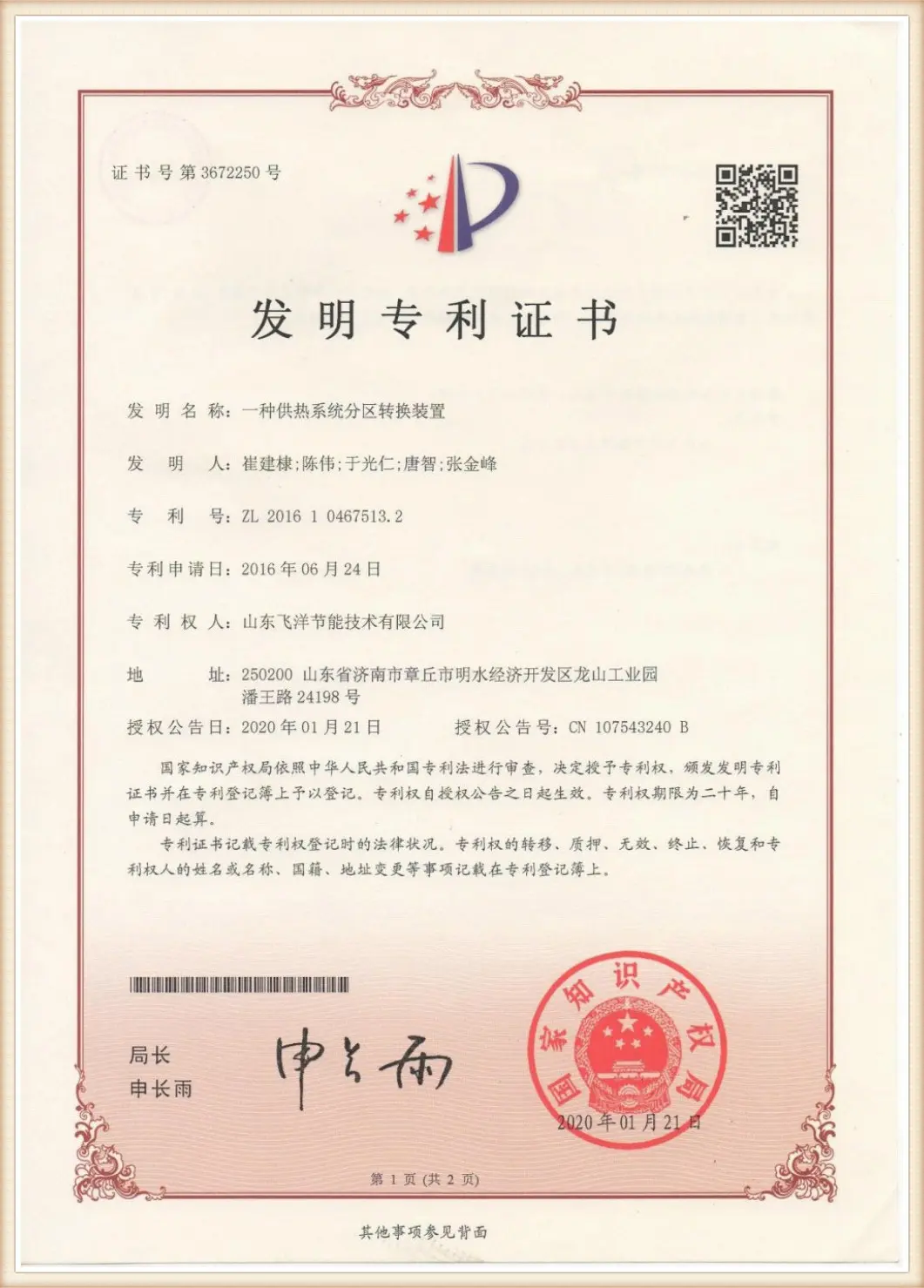
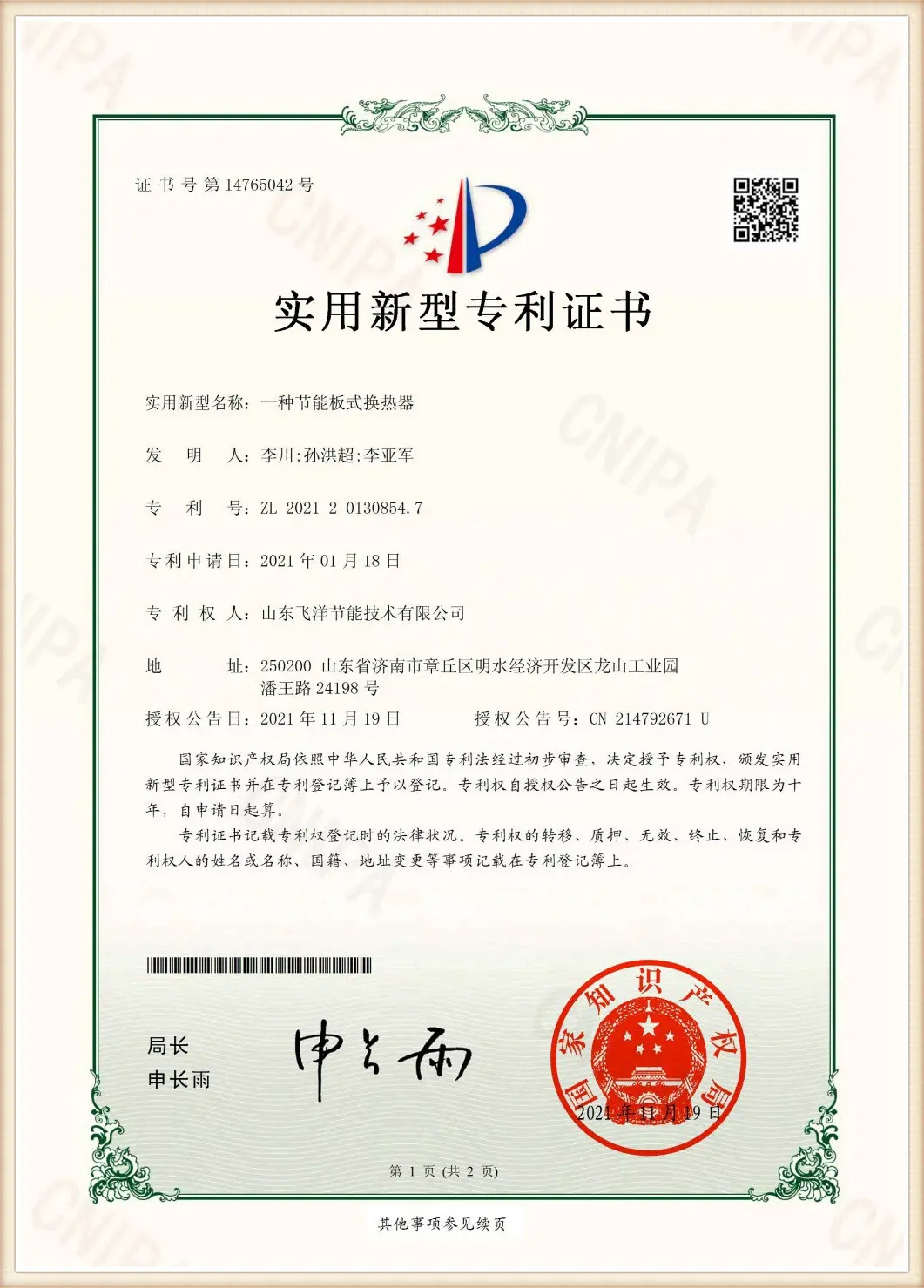
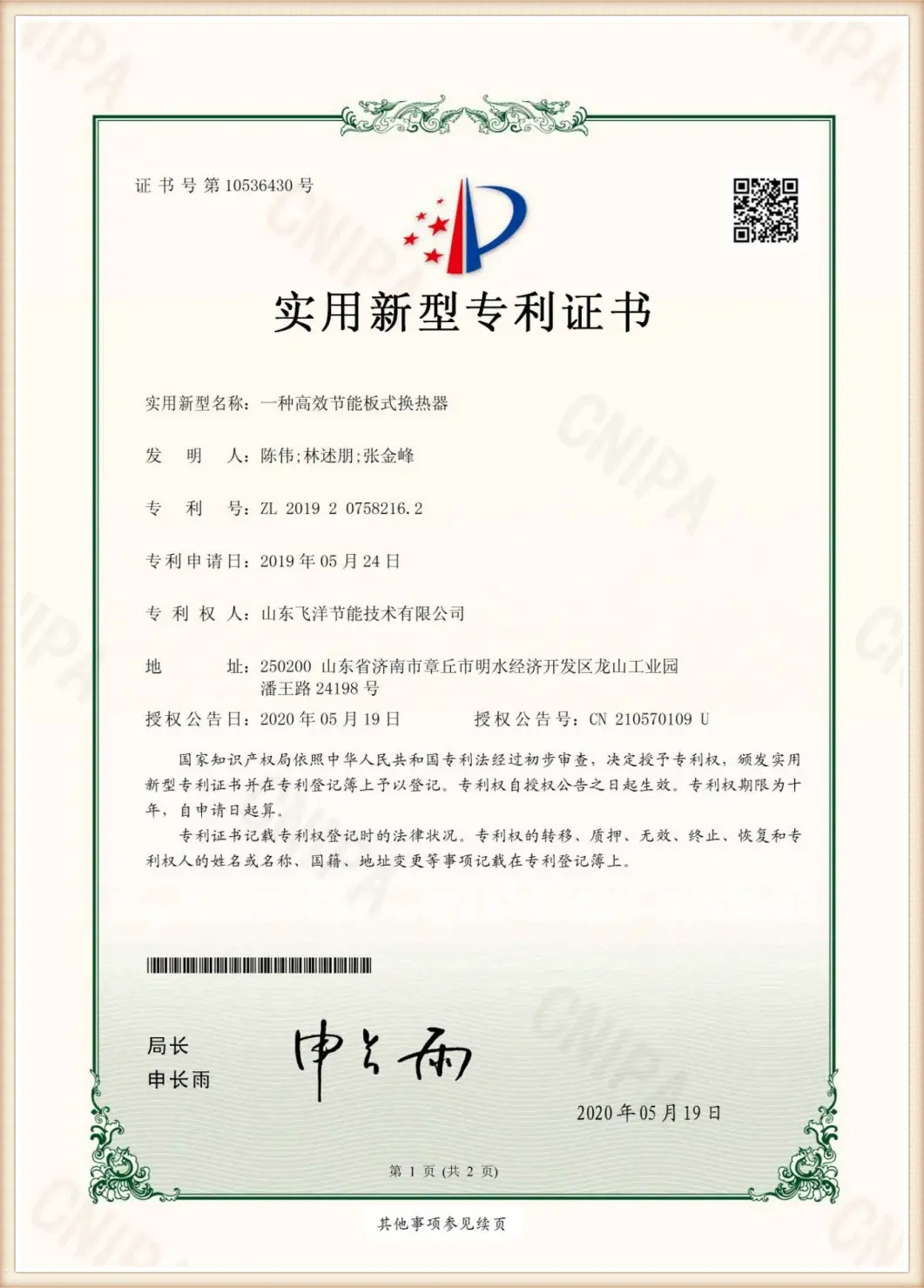
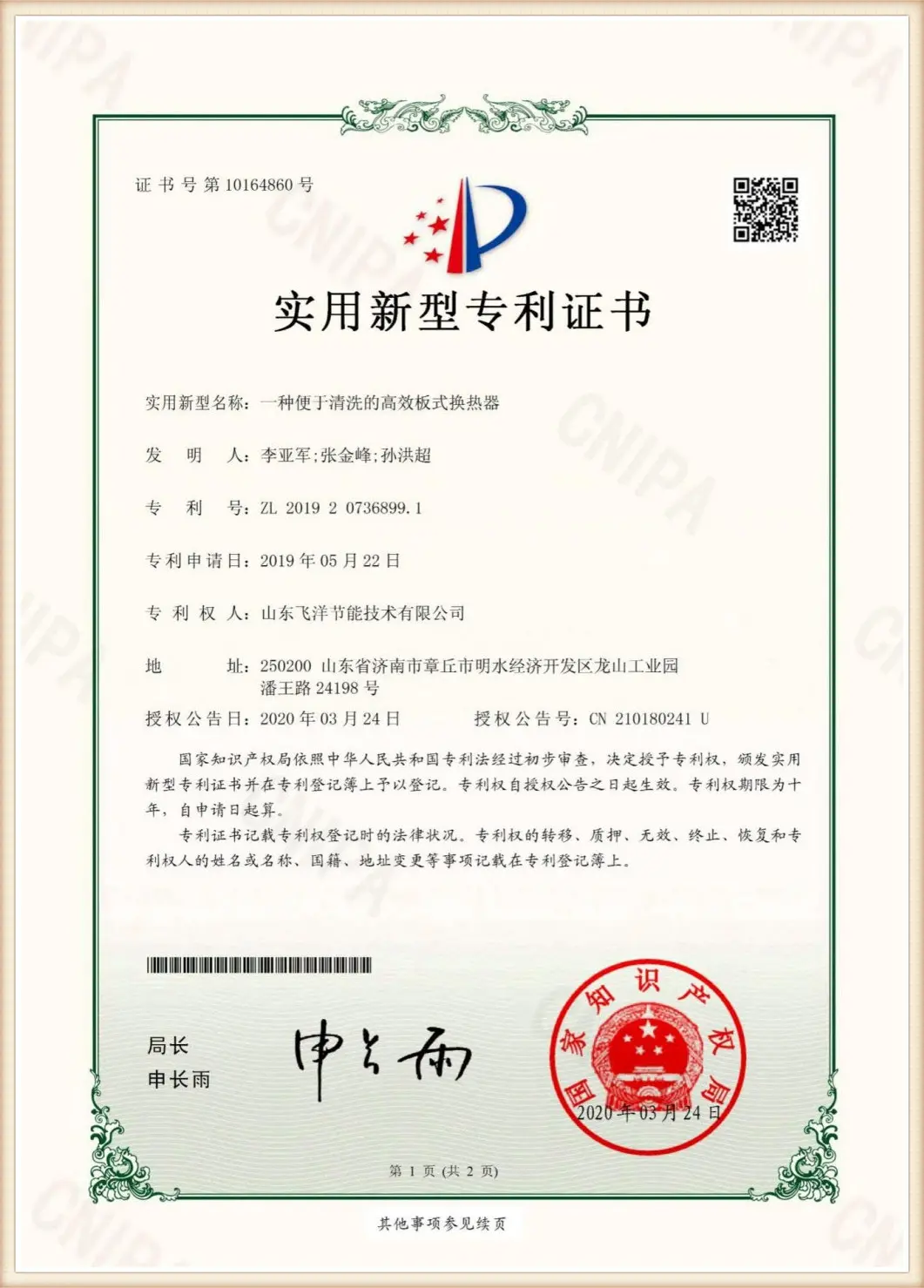
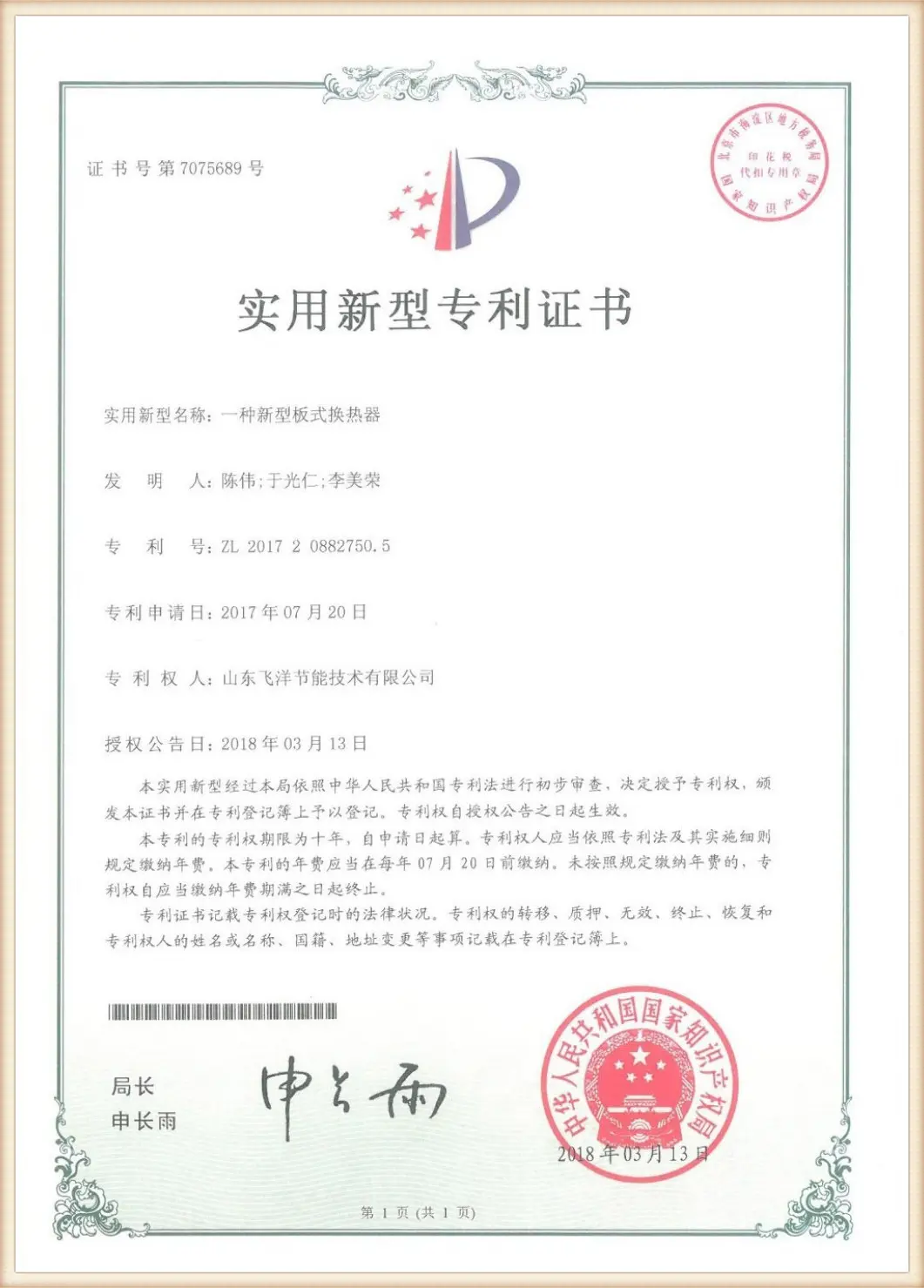
Flotte's plate heat exchangers and integrated pressure units hold mandatory safety registrations issued by the National Boiler and Pressure Vessel Standardization Technical Committee. Additionally, our designs can be configured to meet European Union Pressure Equipment Directive (PED) standards and are fabricated by ASME-certified welding technicians.

To support international clients, Flotte provides comprehensive engineering documentation, including thermal design calculations (using industry-standard HTRI software), general arrangement drawings, electrical schematics, and structural calculations for seismic zones. We also offer remote commissioning support and field services through localized engineering partners.
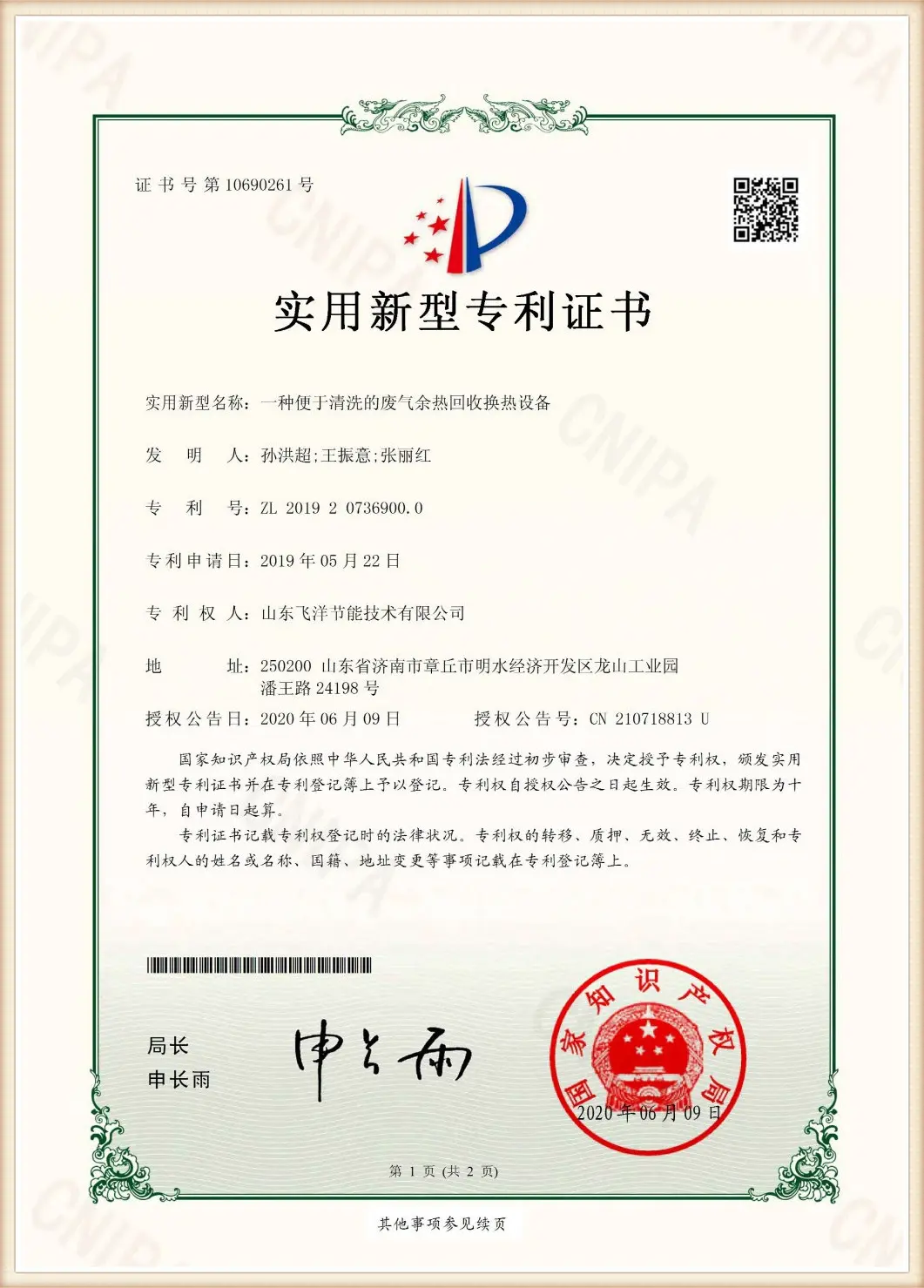
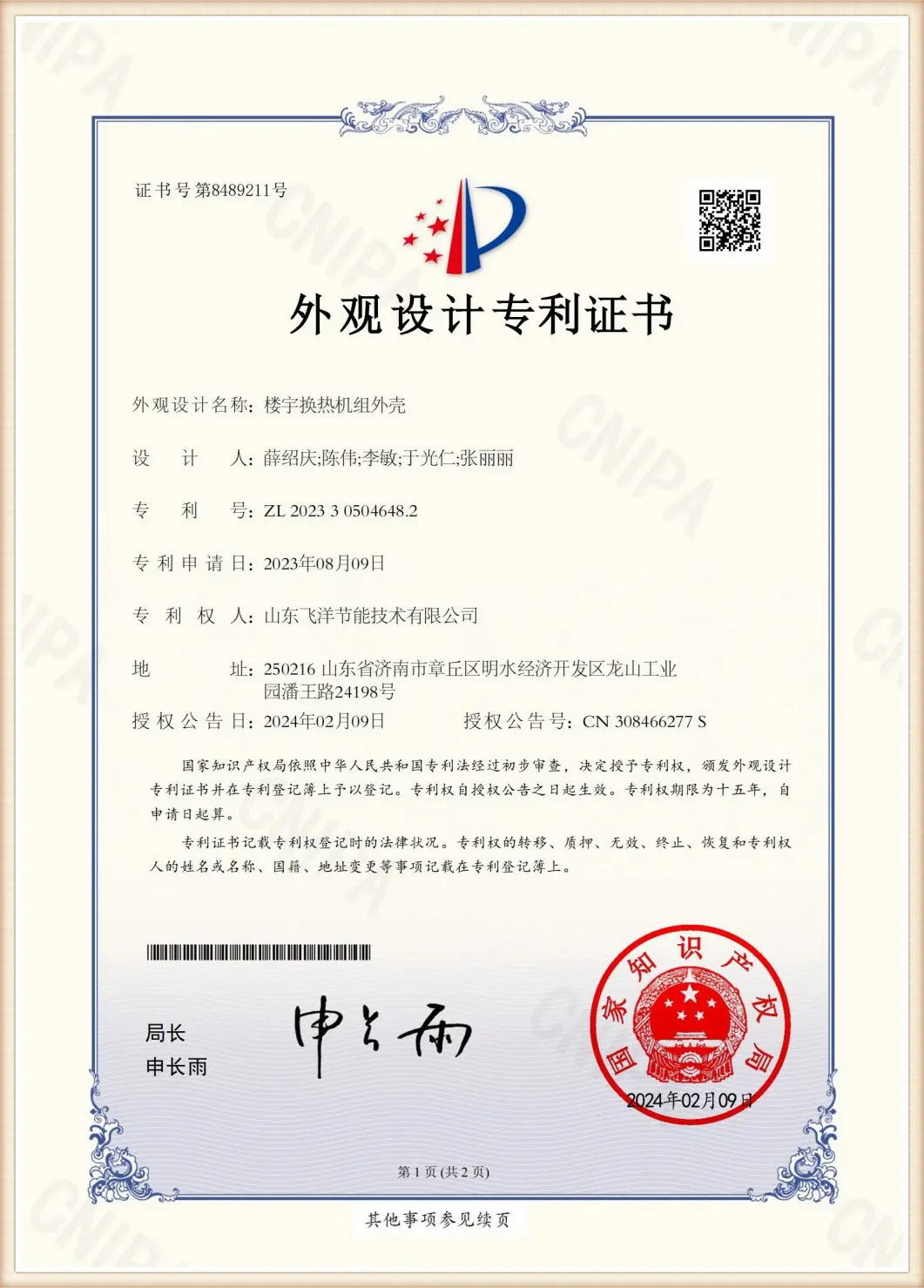
ISO Certification 1
ISO Certification 2
Technical Patent Document
Standard Certificate 1
Standard Certificate 2
Registration Document 1
Registration Document 2
National Standard Registration

7. Our Step-by-Step Production Process & Quality Assurance

Every box-type heat exchanger unit undergoes a rigorous 9-step production and quality assurance flow to ensure long-term mechanical reliability:
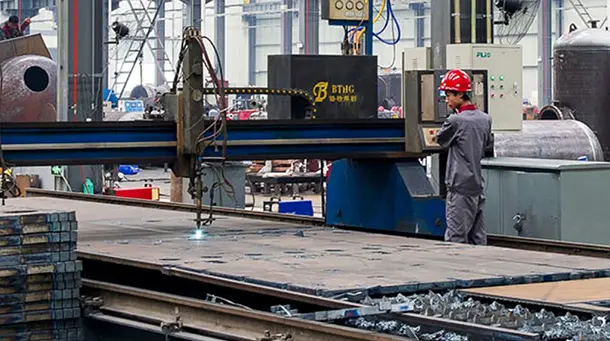
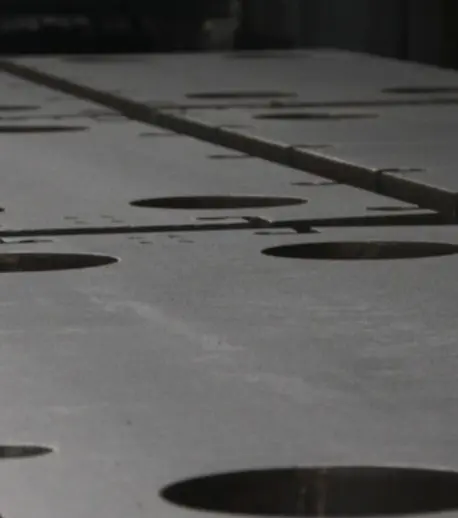
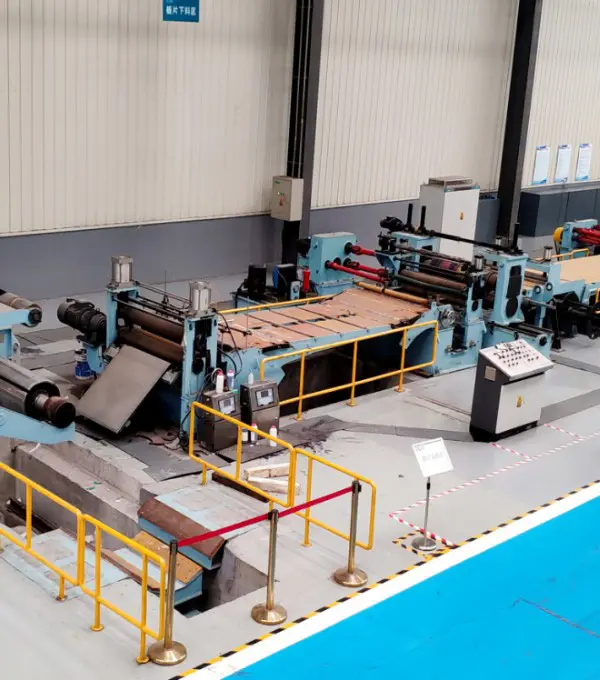
Splint cutting

1. Splint Cutting

Micro-forging

2. Micro-Forging

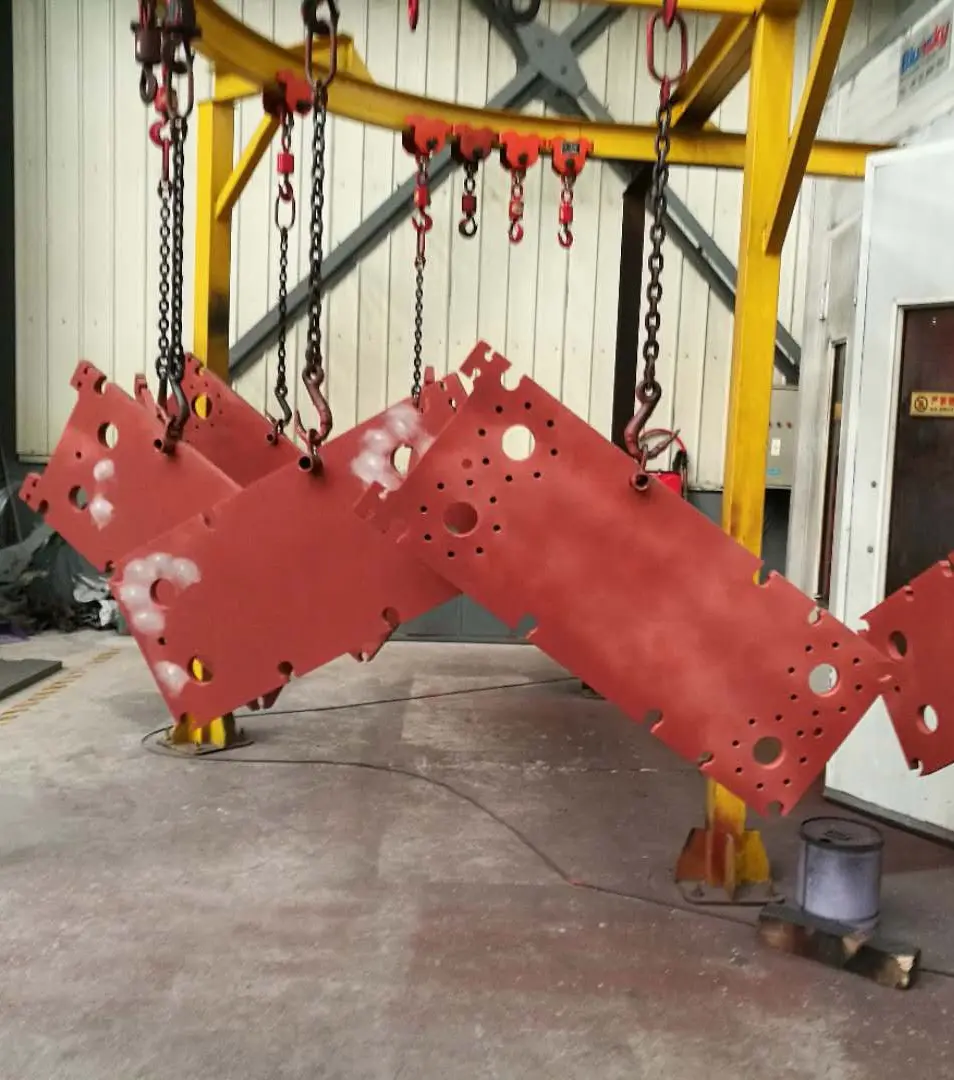
Spray painting

3. Spray Painting

Sheet cutting and coding

4. Sheet Cutting & Coding

Water pressure detection

5. Water Pressure Detection

Equipment assembly

6. Equipment Assembly

Rubber-coated pad

7. Rubber-Coated Pad

Plate punching

8. Plate Punching

Sheet stamping forming

9. Sheet Stamping Forming

8. Industry Development Trends: The Future of Industrial Decarbonization

As global regulatory frameworks align around net-zero carbon targets, thermal energy management is transitioning toward intelligent, hyper-efficient, and low-maintenance solutions. The industry is currently moving in several key directions:

  • IoT-Enabled Predictive Maintenance: Advanced box-type units are integrated with cloud-based SCADA platforms. Using AI algorithms, they analyze flow rate degradation, temperature trends, and pressure differentials to predict scaling or seal failure before it happens.
  • Decentralized Secondary Network Control: The addition of intelligent balancing valves allows networks to optimize thermal distribution based on real-time consumer demand, reducing primary pump loads and cutting heat losses.
  • Modular Skid-Mounted Form Factors: Modular "plug-and-play" units are replacing traditional onsite builds, reducing installation timelines from weeks to days and lowering project overhead costs.

9. Frequently Asked Questions (FAQ) & Technical Insights

πŸ’‘ Q1: What makes a box-type heat exchanger unit better than a traditional shell-and-tube heat exchanger?
Box-type plate heat exchanger units offer significantly higher heat transfer coefficients (U-values) due to plate corrugation patterns that induce turbulent flow even at lower velocities. This high turbulence improves thermal efficiency while reducing the system's overall footprint by up to 60%.
πŸ’‘ Q2: How does the intelligent balancing valve optimize energy use in district heating?
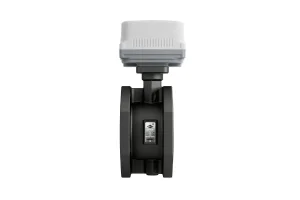
Our intelligent balance valve dynamically adjusts hydraulic flow rates across secondary networks, preventing thermal imbalances between different building zones. This reduces hot water return temperatures and lowers overall boiler fuel and pumping energy consumption.
πŸ’‘ Q3: What plate and gasket materials are best suited for corrosive industrial chemical applications?
For highly corrosive fluids or acidic environments, we utilize titanium or Hastelloy plate elements paired with Viton or specialized synthetic EPDM gaskets. These materials are chosen to withstand high chemical degradation and thermal stress.
πŸ’‘ Q4: Does Flotte provide customized thermal design modeling during the procurement phase?
Yes, our dedicated technical design team utilizes advanced thermodynamic modeling tools to simulate pressure drops, velocity profiles, and thermal transfer efficiencies based on your specific flow rates, target temperatures, and physical footprint.
πŸ’‘ Q5: What safety standards and certifications do Flotte products comply with?
Flotte holds ISO 9001, ISO 14001, and ISO 45001 system certifications. Our pressure vessel designs are registered with the National Boiler and Pressure Vessel Technical Committee, and they can be engineered to comply with EU PED standards for overseas markets.

Advanced Production Capabilities & Plant Visuals

Modern Manufacturing Workshop

Advanced Laser CNC Plate Processing Center

Plate Stamping Press Machine

Hydraulic Press Plate Forming Stamping Line

Skid Assembly Facility

Skid Assembly and Piping Integration Facility

Pressure Testing Equipment

Hydrostatic Leak Detection and Quality Inspection

Testing Laboratory

National Standards Thermodynamic Calibration Lab

Component Warehouse

Modular Component Warehouse and Global Logistics Hub

Original Product Portfolio & Directory Navigation:

Plate Heat Exchanger - Detachable Plate Heat Exchanger Intelligent Heat Exchange Unit - Integrated Heating Solution Pressure regulating station with detachable plate heat exchanger Building Heat Exchanger Unit - Heat Exchanger Unit for Building HVAC Systems Intelligent Integrated Box-Type Heat Exchanger Unit Secondary Network Intelligent Unit Balance Valve Room Temperature Collector Intelligent Regulation And Balance System For Secondary Networks Shell And Tube Heat Exchanger - A Heat Exchanger Of The Shell And Tube Type Multi-Effect Evaporation System Membrane Concentration System