In the critical infrastructure of global fluid management, municipal district heating, HVAC operations, and heavy chemical refining, the butterfly valve stands out as a core modulating and isolation mechanism. At the very center of this component sits the butterfly valve disc, which bears the constant hydrodynamic forces, pressure differentials, and thermal expansions of process fluids.
A butterfly valve disc acts as the essential gatekeeper in high-flow, low-pressure applications. Because it remains in the flow stream, its geometric structure, material density, and hydrodynamic design directly influence system energy consumption, flow resistance, pressure drops, and structural longevity. Finding an authoritative, certified wholesale butterfly valve disc supplier is crucial for pipeline contractors and equipment manufacturers who prioritize long-term system efficiency. High-quality valve discs minimize turbulence, optimize flow velocity, and reduce torque requirements on valve actuators, leading to energy savings across heavy-duty industrial systems.
Standard ductile iron discs are giving way to high-tensile stainless steels (CF8, CF8M), Duplex steels (2205, 2507), and even pure Titanium Grade 2 for corrosive seawater and desalination systems. Specialized anti-wear coatings like Hastelloy, Stellite, and PTFE/PFA encapsulation are now applied to protect discs from cavitation and abrasive particulates.
Modern manufacturers employ Computational Fluid Dynamics (CFD) to design ultra-thin, contoured disc profiles. These streamlined shapes lower the drag coefficient, prevent localized vortex generation, minimize pressure loss, and decrease the dynamic torque required to cycle the valve under high-velocity flow environments.
Industrial networks are shifting from traditional concentric designs to double and triple-offset profiles. The third offset uses an elliptical sealing seat geometry that ensures friction-free contact through its cycle. This design achieves bubble-tight, metal-to-metal sealing suitable for cryogenic and high-temperature services.
Procurement managers in the Americas, EU, and Asia Pacific maintain strict compliance requirements when selecting valve disc suppliers. Component quality directly impacts total cost of ownership (TCO) and operational safety.
Suppliers must match international specifications: API 609 (for butterfly valves), ASME B16.34 (pressure-temperature ratings), EN 593, and ISO 5211 (standardized actuator mounting interfaces). Certification acts as the primary quality filter in high-risk projects.
Procurement requires comprehensive EN 10204 3.1 Material Test Reports (MTRs), detailing chemical compositions and mechanical testing (yield strength, elongation, Charpy V-notch impact testing) to prevent field failures.
Ensuring optimal compatibility between the valve disc edge and the seat material (such as EPDM, NBR, Viton, or PTFE) is key to reducing wear, ensuring tight shutoff, and preventing premature seat deformation in high-cycle pipelines.
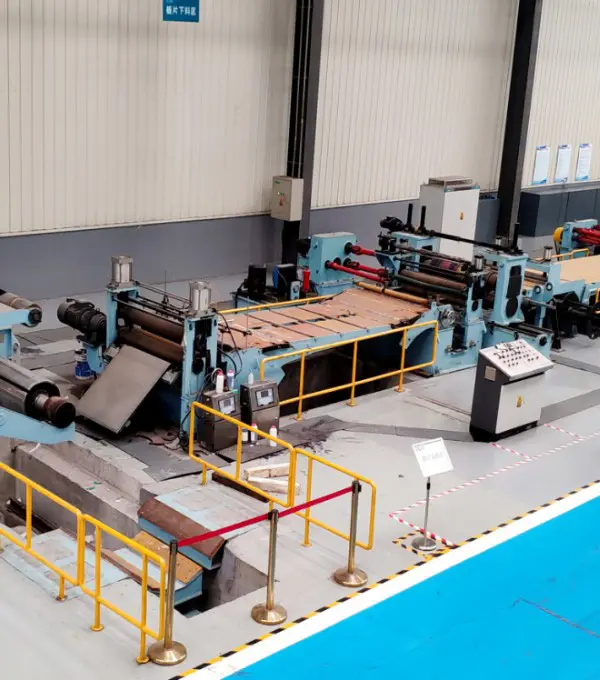
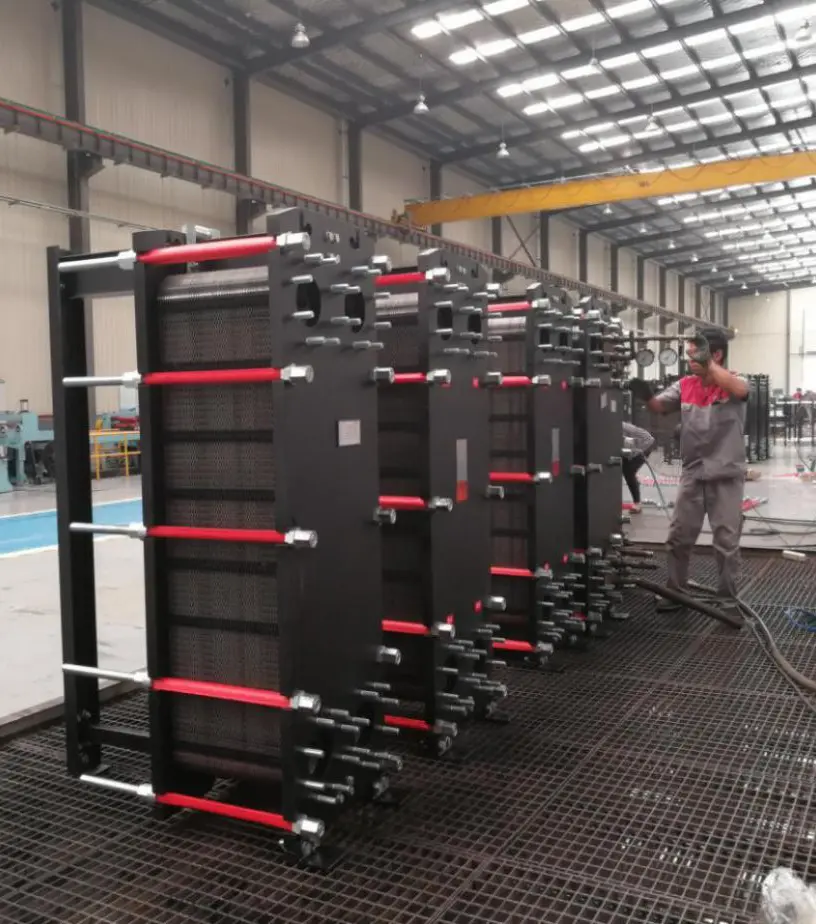
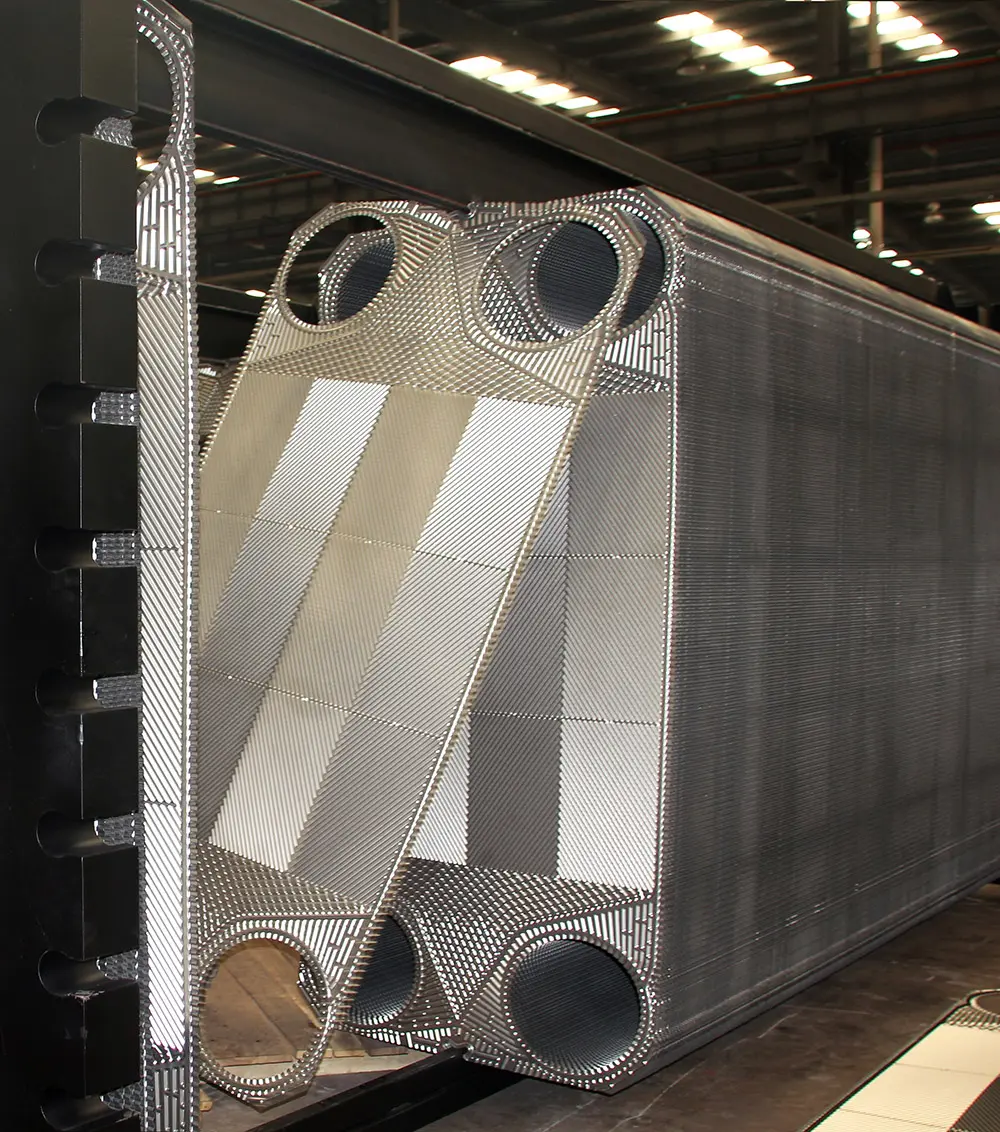
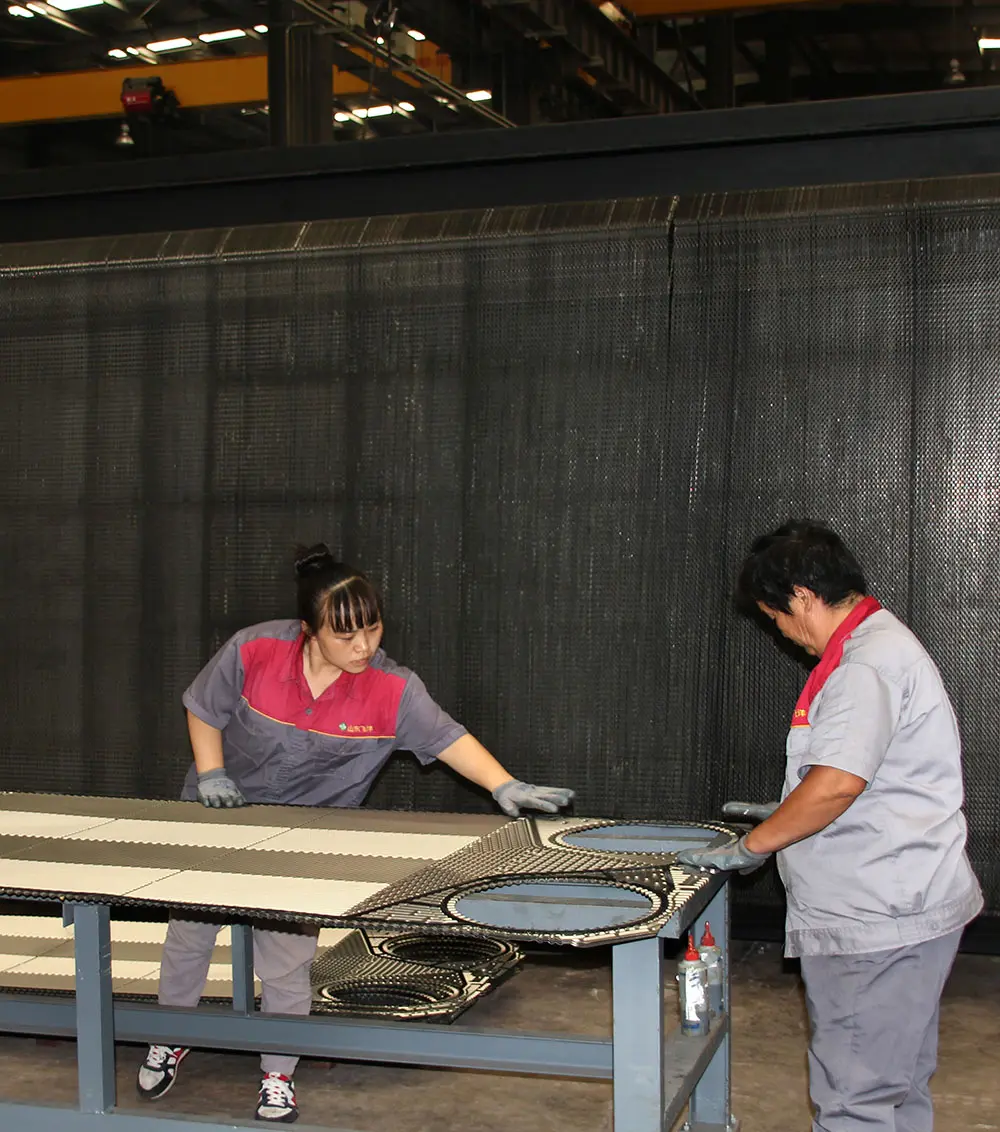
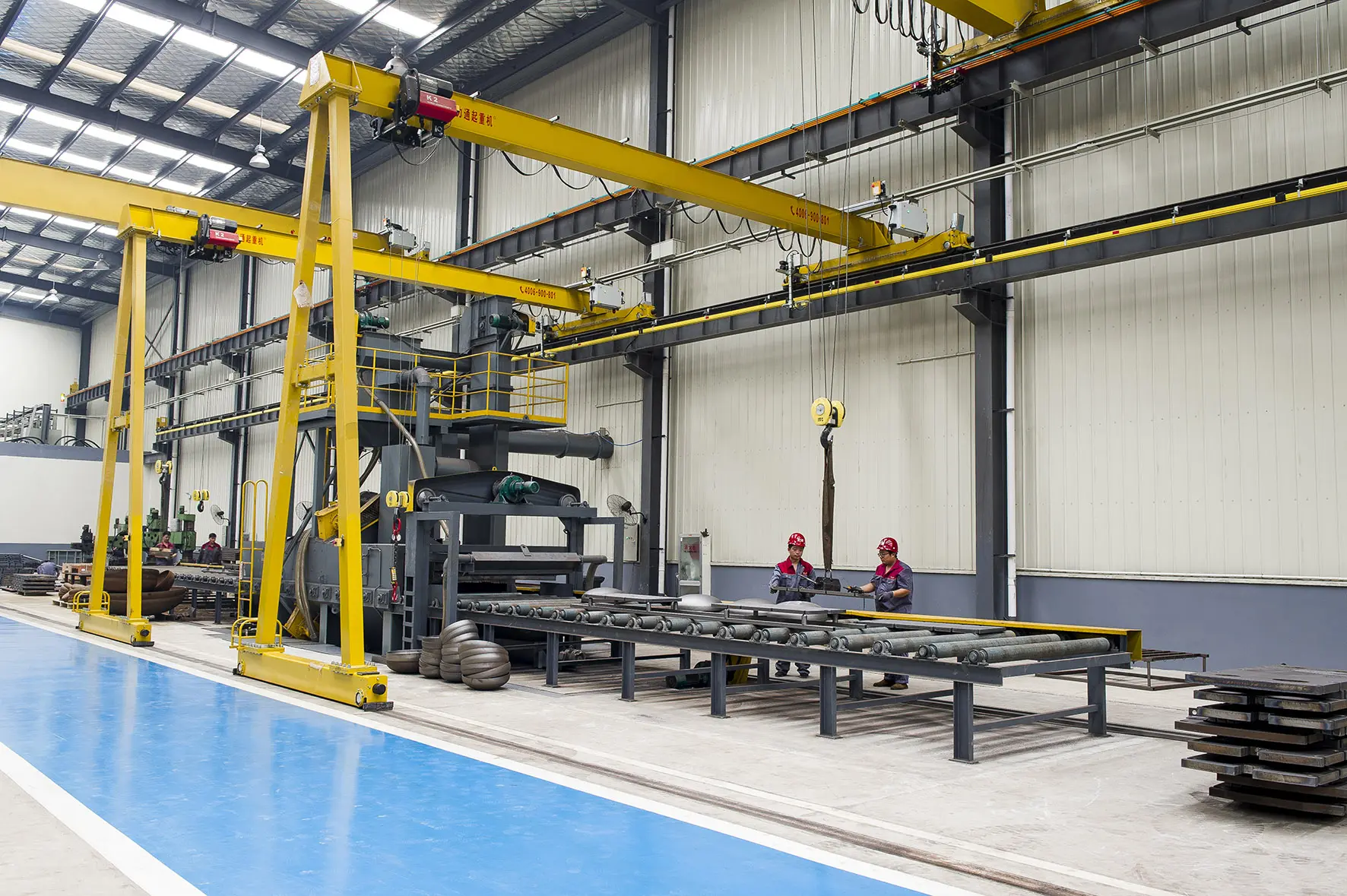
China's modern manufacturing sector is transitioning toward Factory 4.0 principles, blending automated heavy machinery with digital quality management. As a leading manufacturer with deep roots in thermal and fluid equipment, Flotte Energy Saving Company showcases this technological evolution.
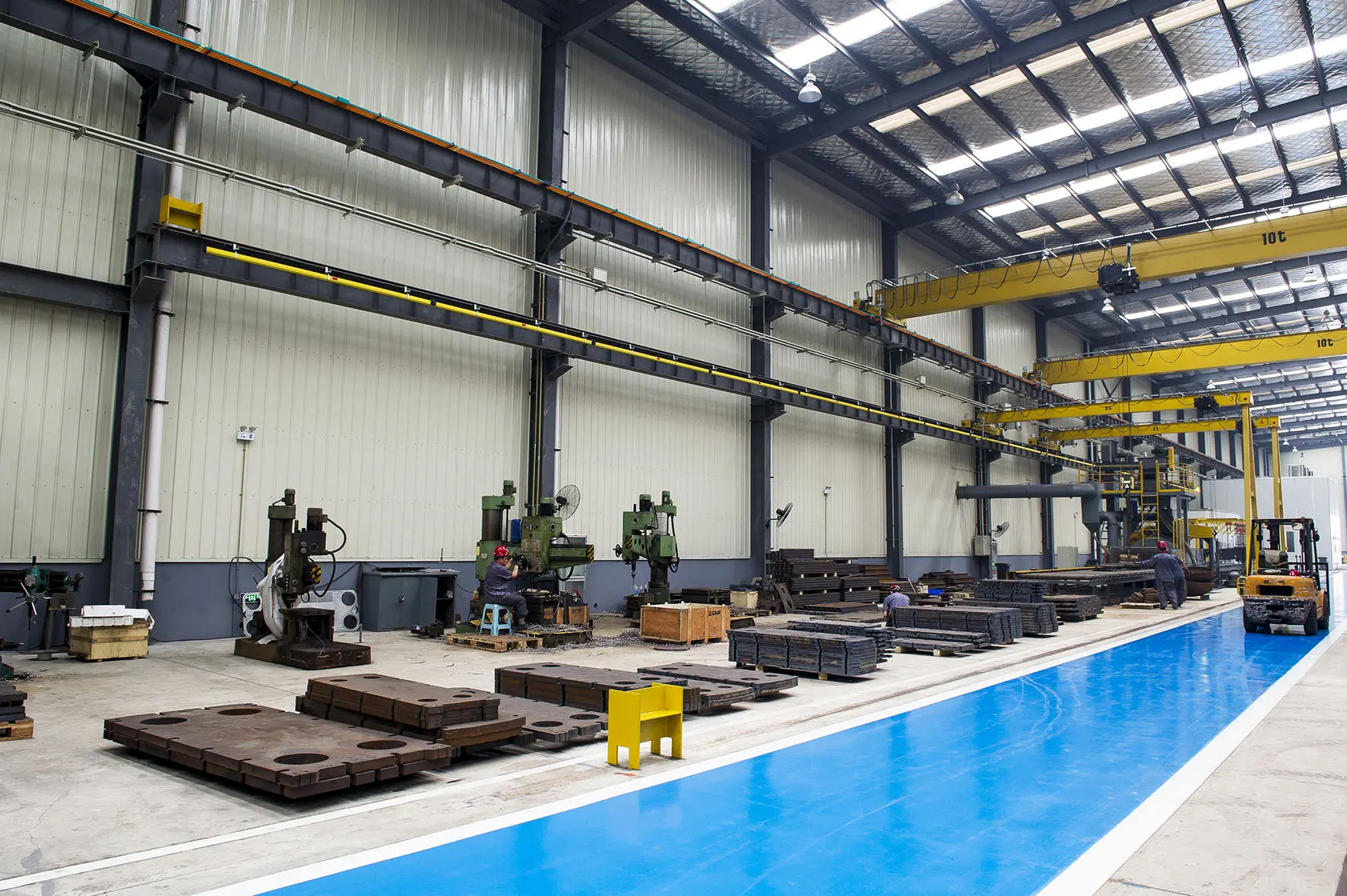
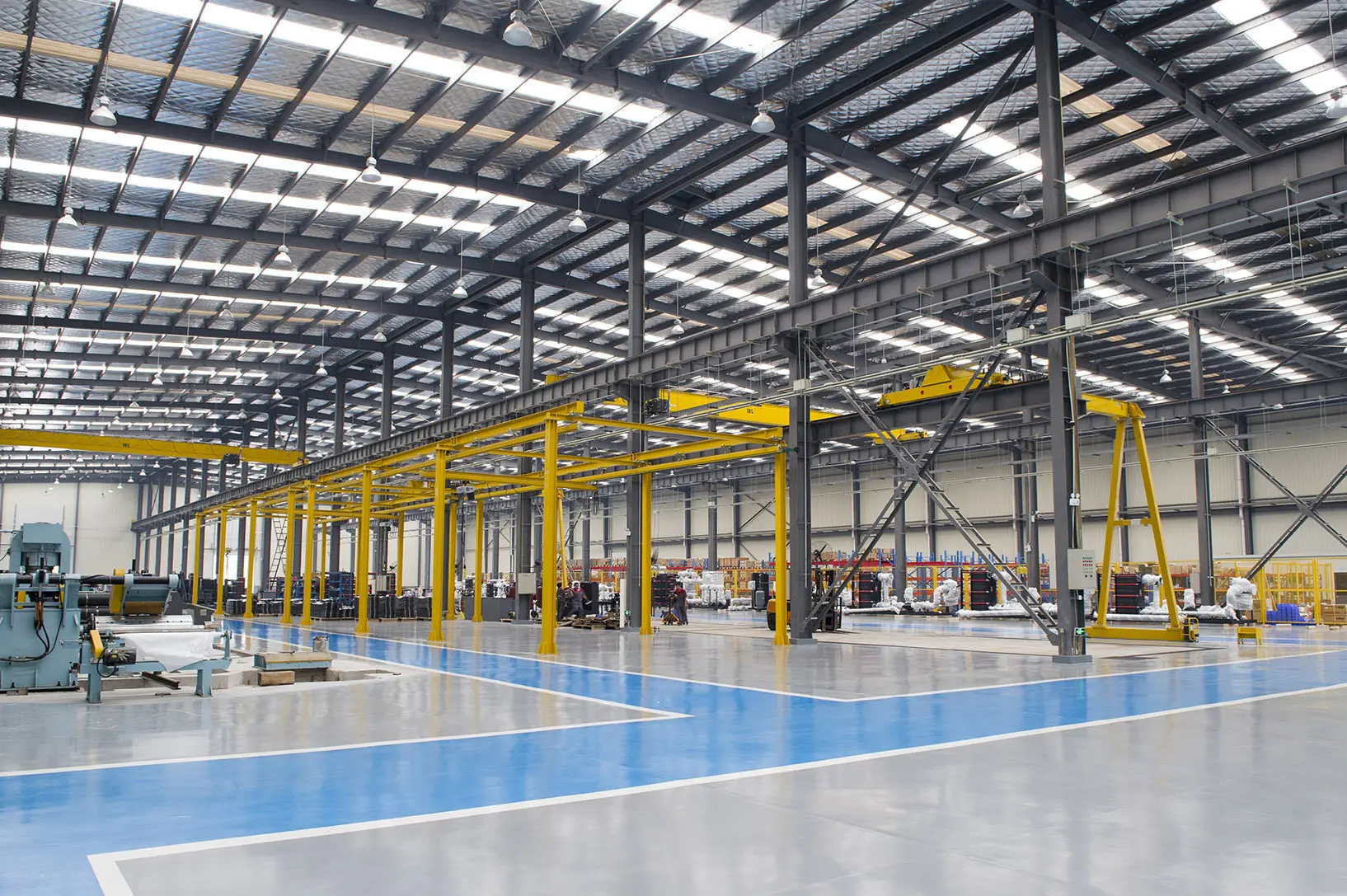
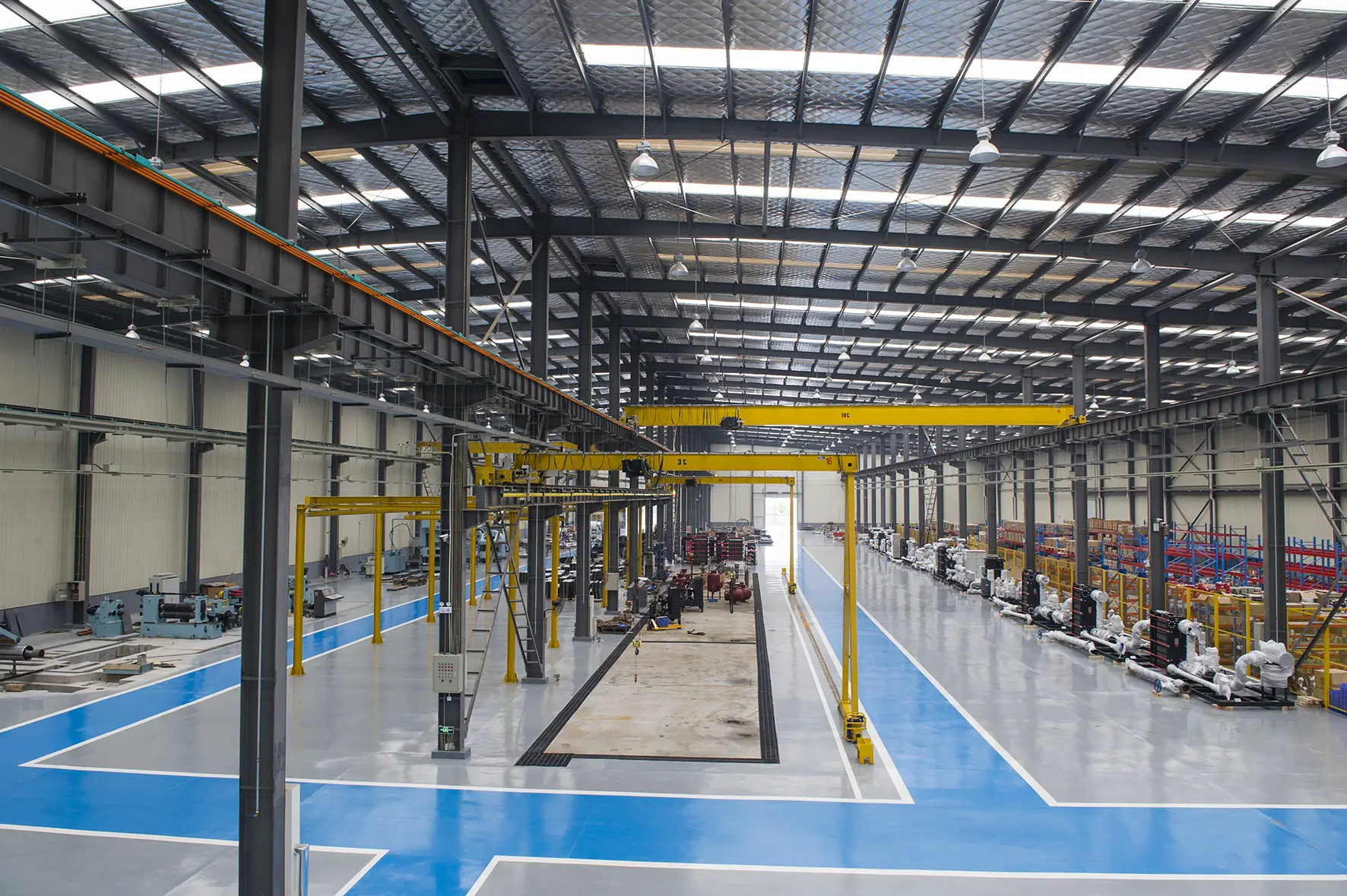
Established with a registered capital of 101 million yuan and drawing on thermal engineering expertise dating back to 1995, Flotte operates 70,000 m² of advanced production facilities. With over 260 skilled employees, the company integrates design, testing, and production in one location. This integration ensures robust quality control, allowing the manufacturing facility to produce up to 4,500 integrated units annually and achieve significant market share.
For the global valve supply chain, this infrastructure delivers reliable logistics, precise material testing, and stable manufacturing capacity, helping international partners mitigate supply chain risks.
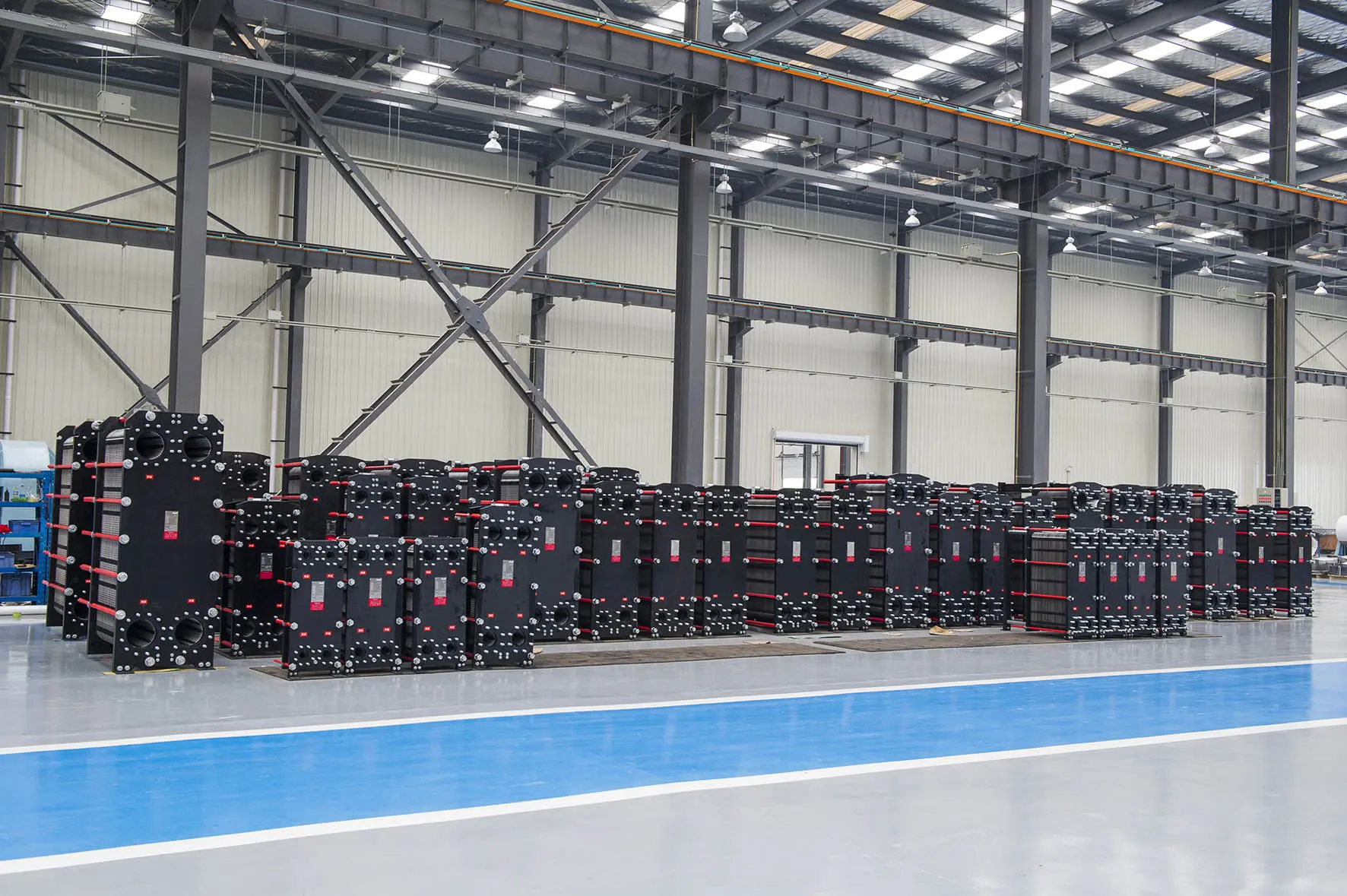
From raw material sourcing to structural fabrication, Flotte's processes follow strict quality standards (ISO 9001:2015). Below is an overview of the manufacturing workflow that ensures dimensional accuracy, mechanical performance, and durability in demanding conditions.
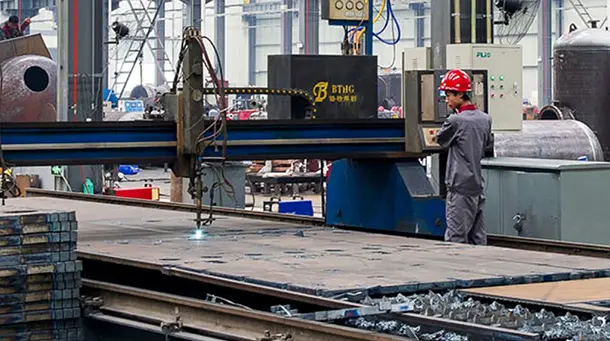
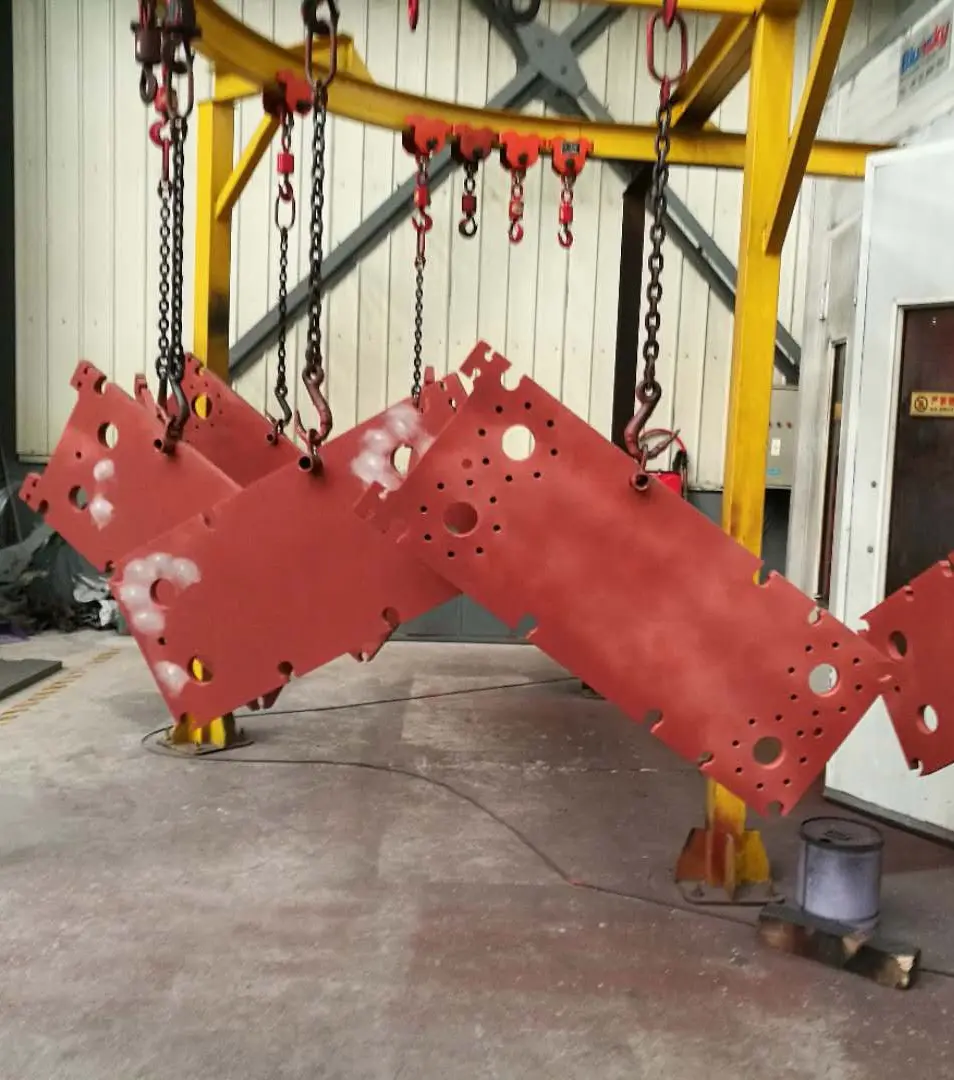
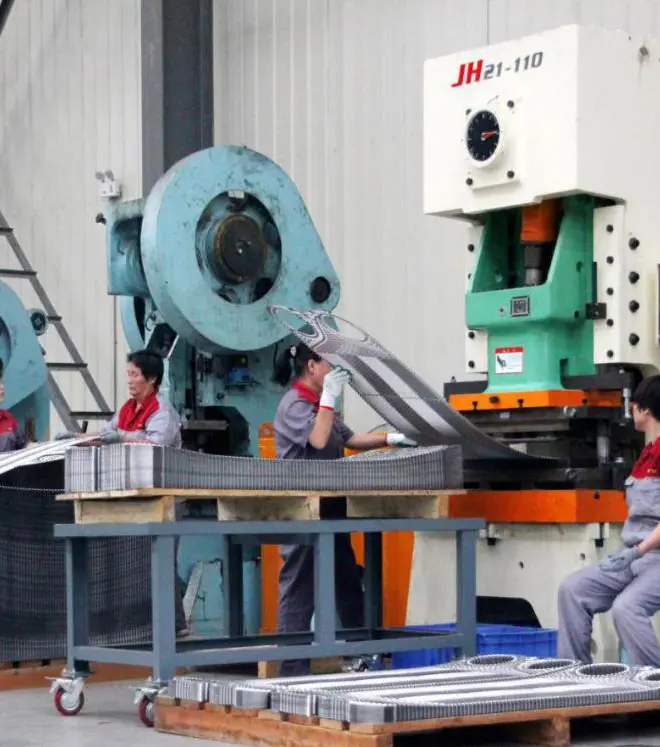
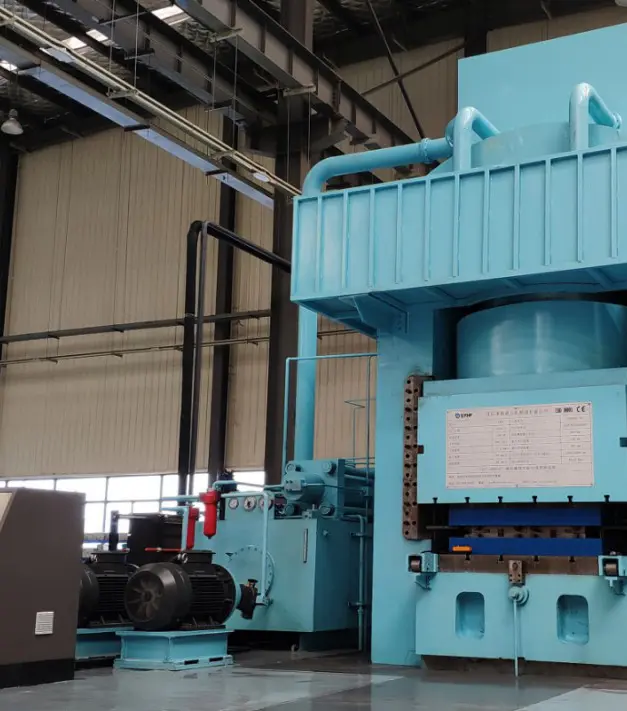
Different environments require specific designs and material selections. Selecting the right valve configuration ensures optimal performance for localized applications:
Central heating systems rely on municipal heat exchange loops. These systems require butterfly valve discs that resist scale buildup and thermal fatigue. Smooth, polished discs minimize pressure loss and help maintain consistent temperature regulation across residential networks.
Corrosive chemical environments demand maximum durability. Disc materials like PTFE coatings or Duplex steel prevent pitting and cracking under exposure to acids and bases, helping avoid unplanned shutdowns and product contamination.
High-salinity marine environments accelerate corrosion. Selecting corrosion-resistant materials, such as Super Duplex steel or Nickel-Aluminum Bronze valve discs, protects against chloride attack and extends the system's service life.
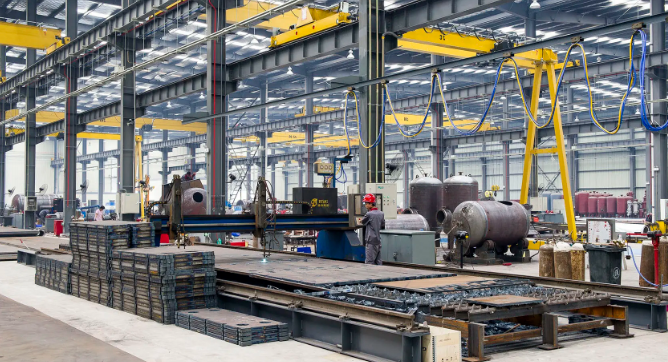
Established in 2013 with a registered capital of 101 million yuan, Flotte Energy Saving Company originated from Flotte Thermal Engineering founded in 1995. With three decades of technical experience, the company specializes in water equipment, HVAC systems, and water treatment industries. It consistently adopts modern technology, designs and develops high-efficiency products, and provides comprehensive production and sales services.
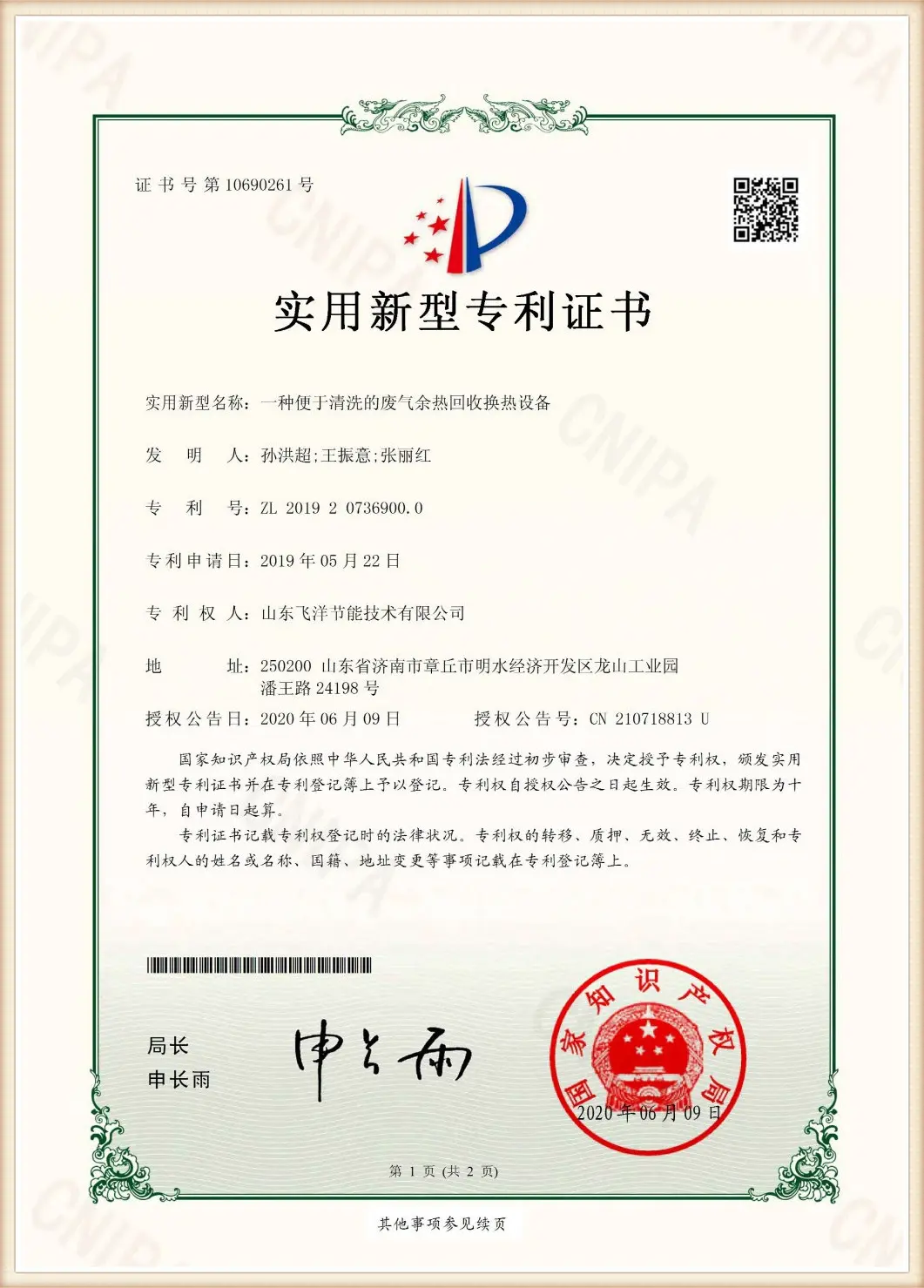
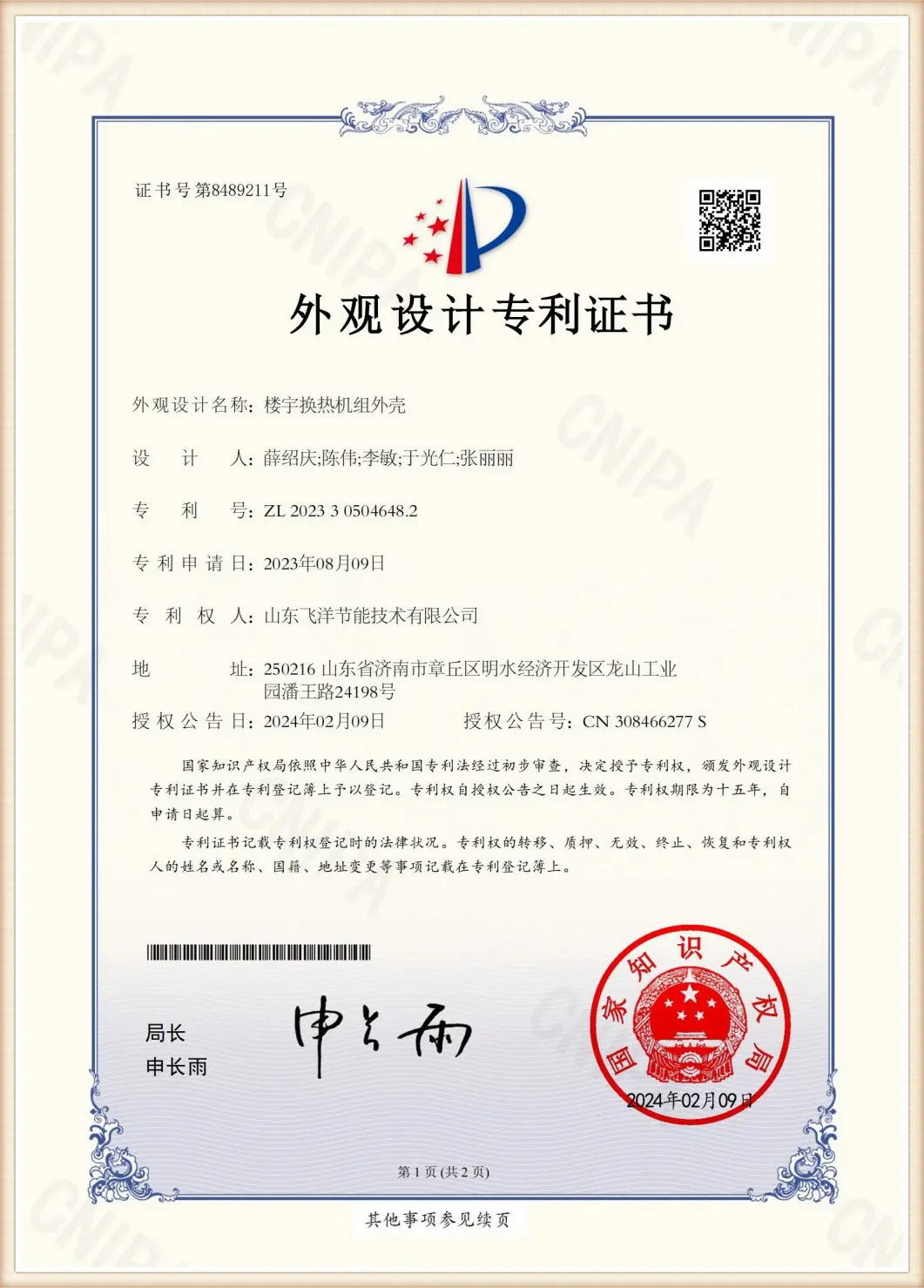
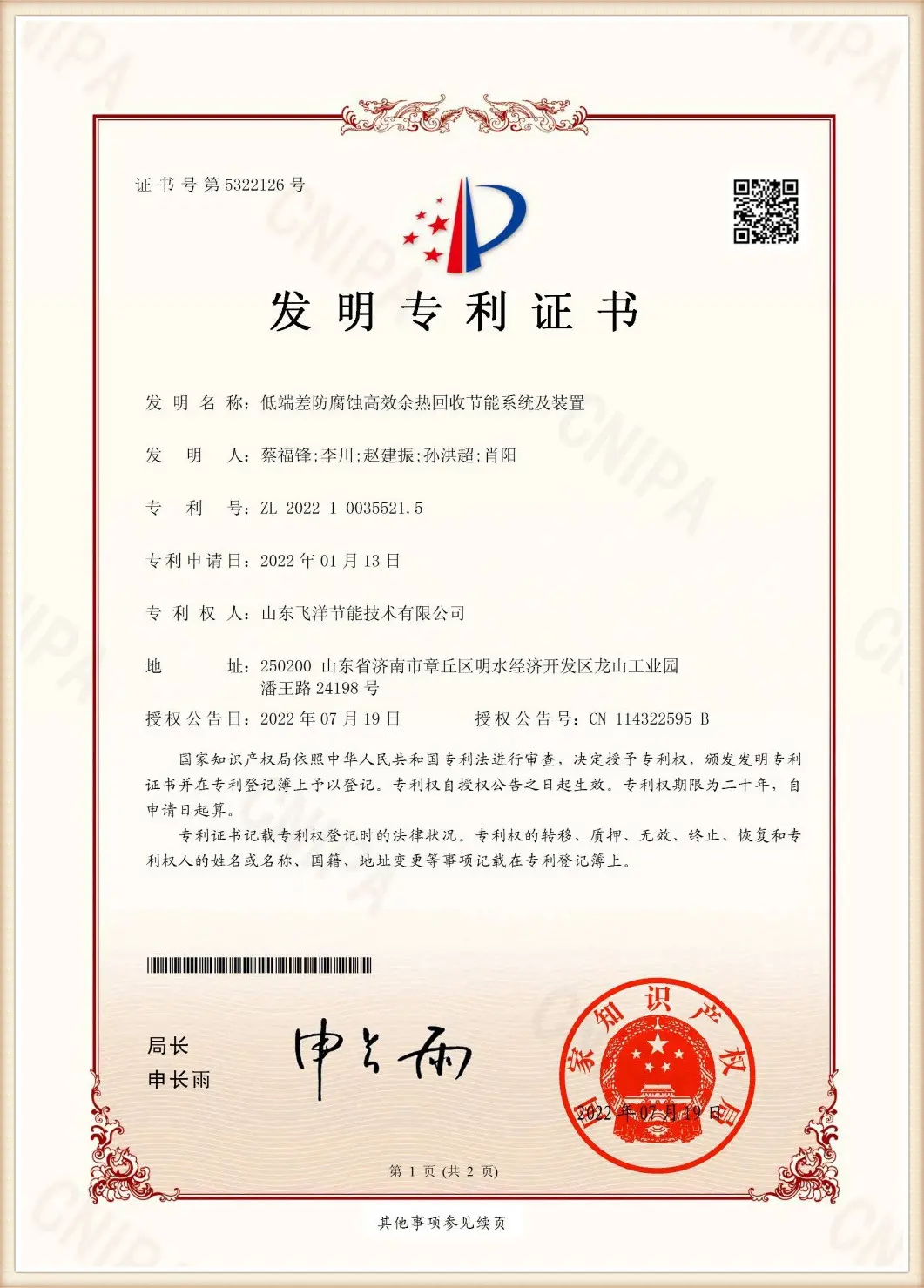
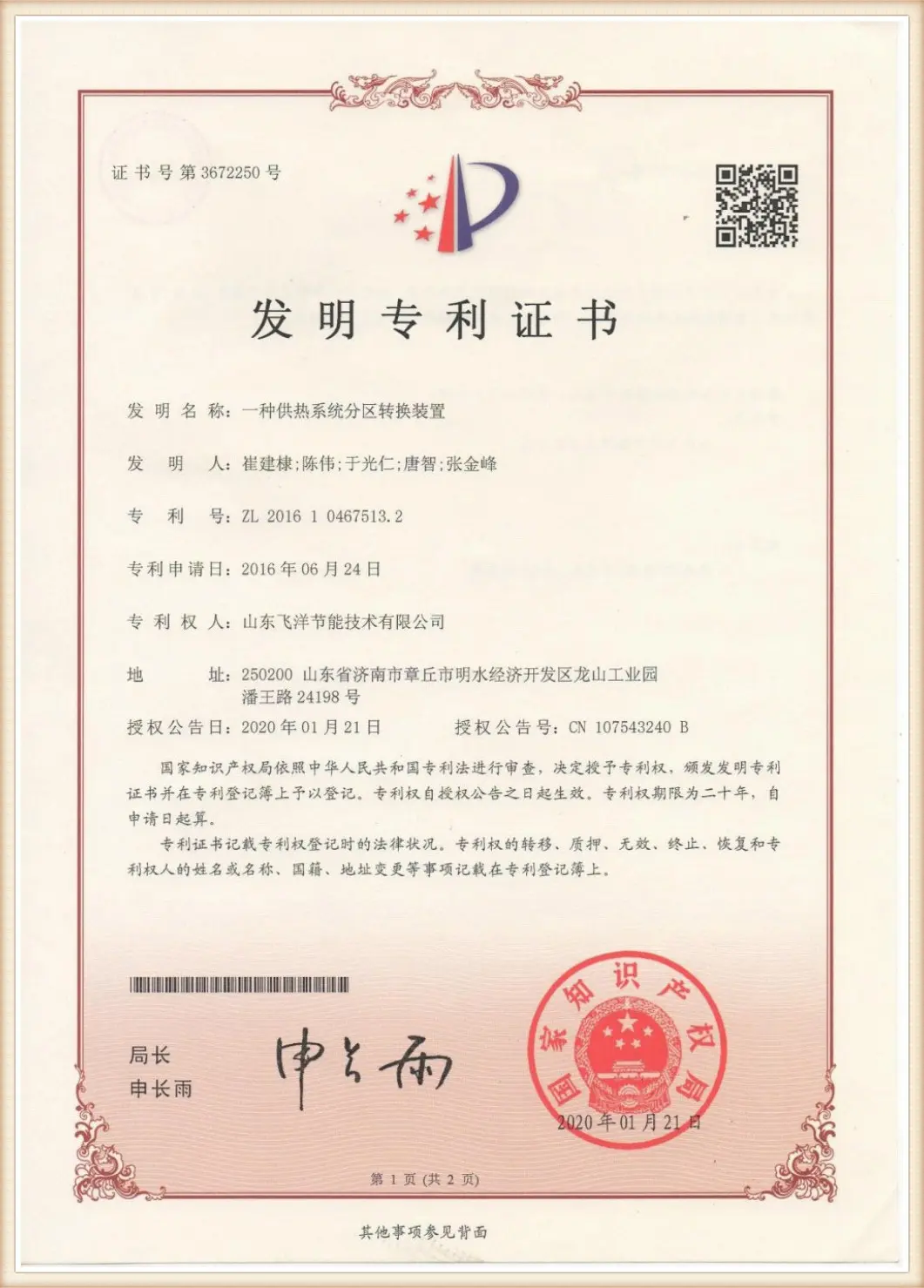
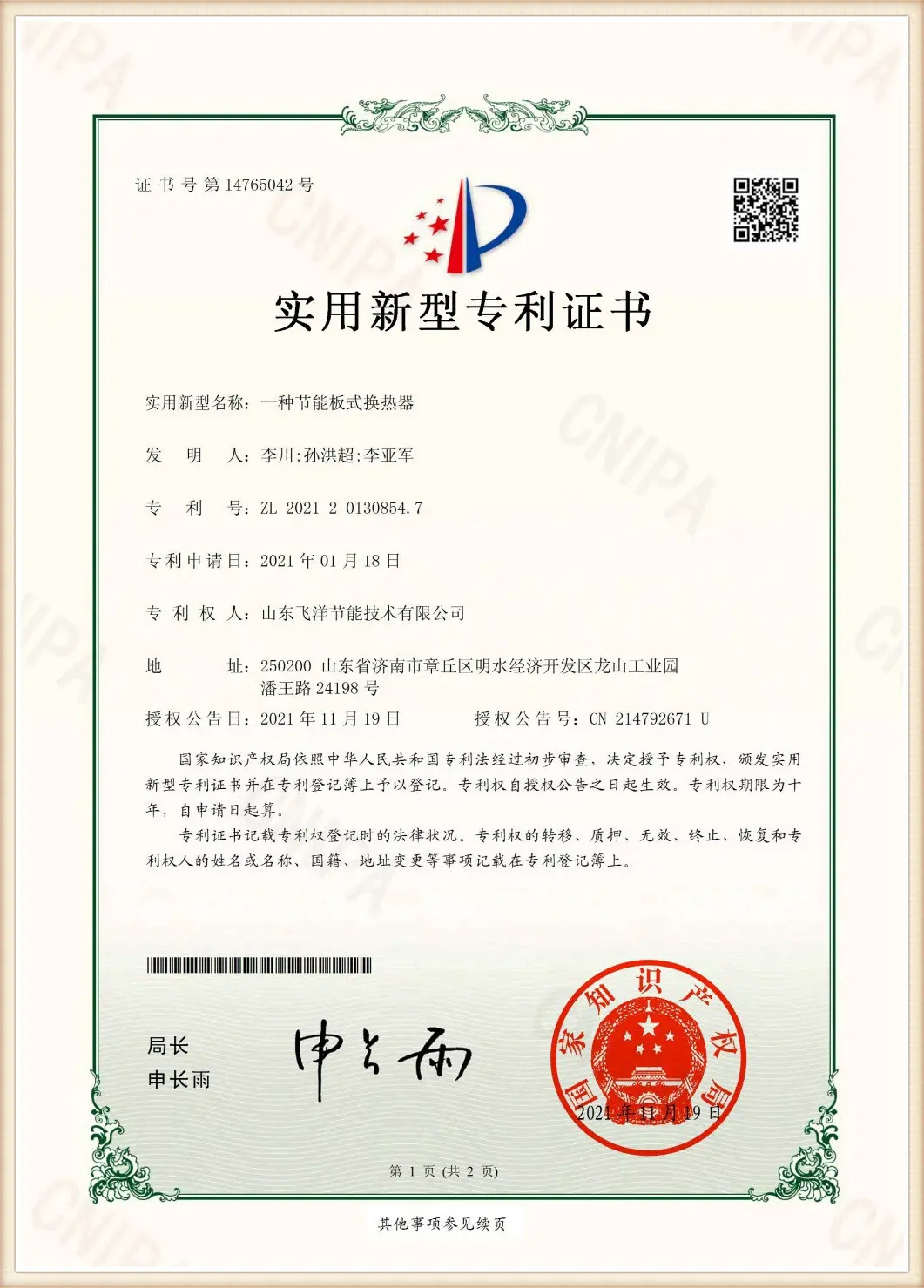
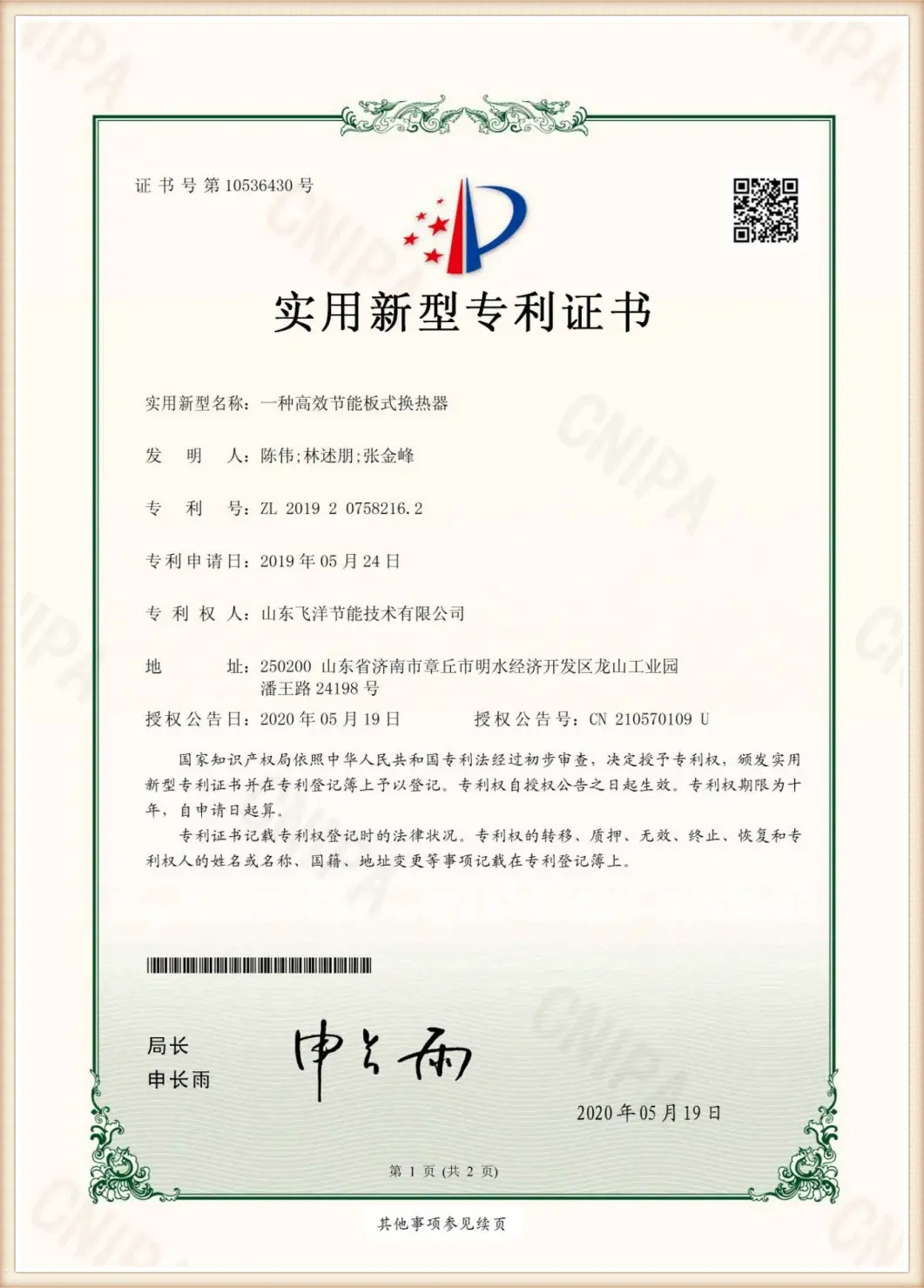
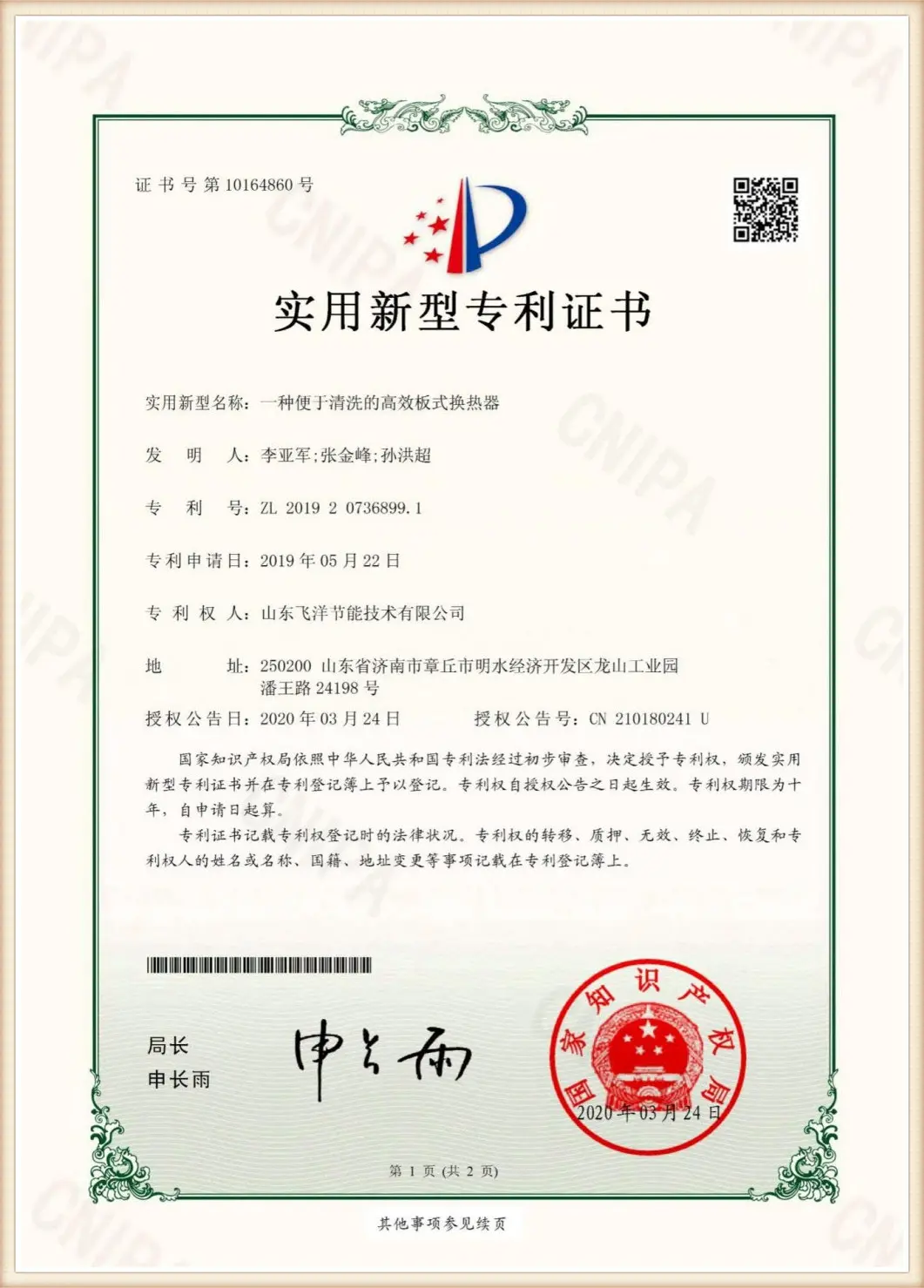
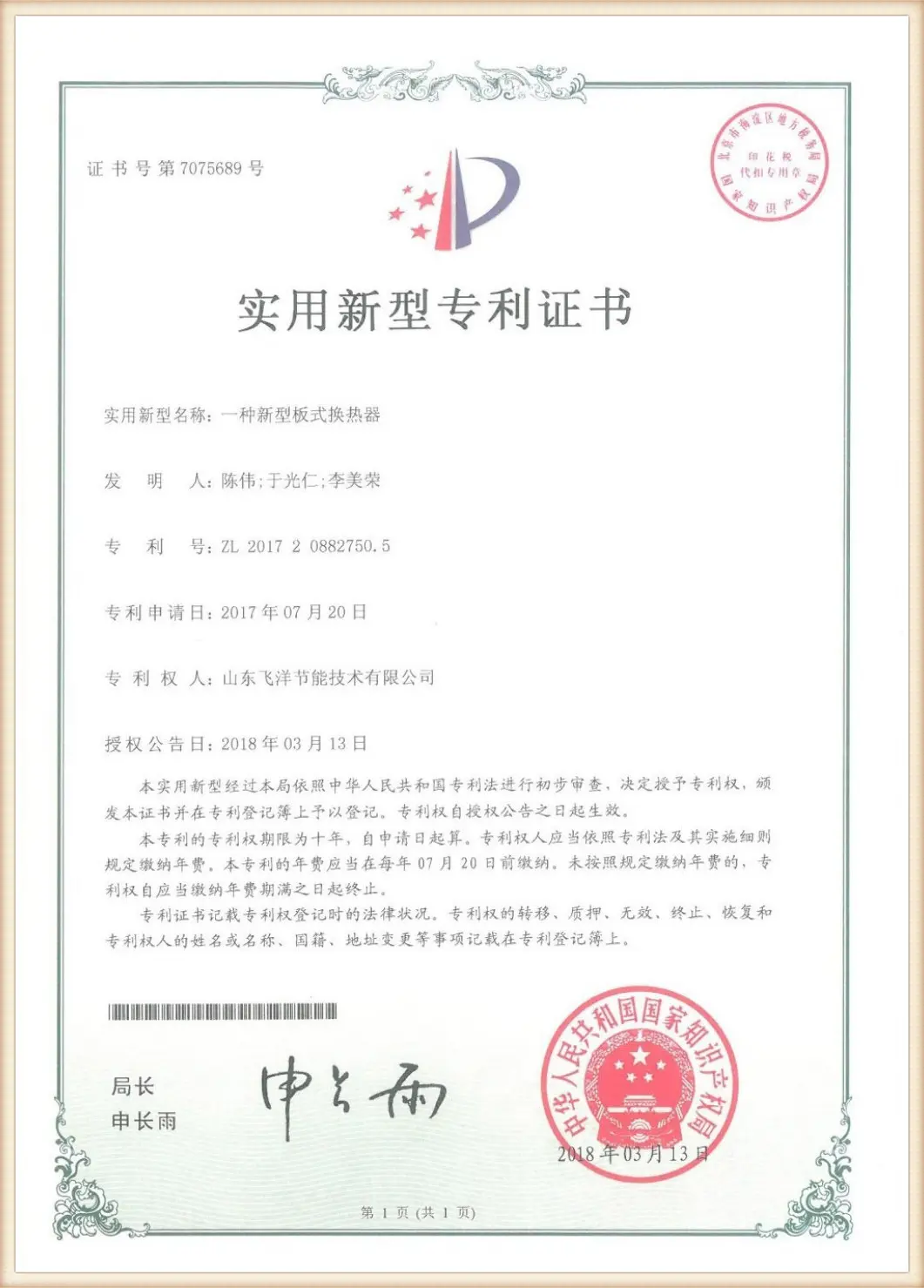
The company focuses on technology innovation, holding multiple patents including "High-Efficiency Plate Heat Exchanger", "Intelligent Plate Heat Exchanger System", and "Plate Heat Exchanger Scale Removal Device". Its products hold mandatory national product certifications and safety registrations from the National Standardization Committee. Flotte also maintains ISO9001 Quality Management System, ISO14001 Environmental Management System, and ISO45001 Occupational Health and Safety Management System certifications.
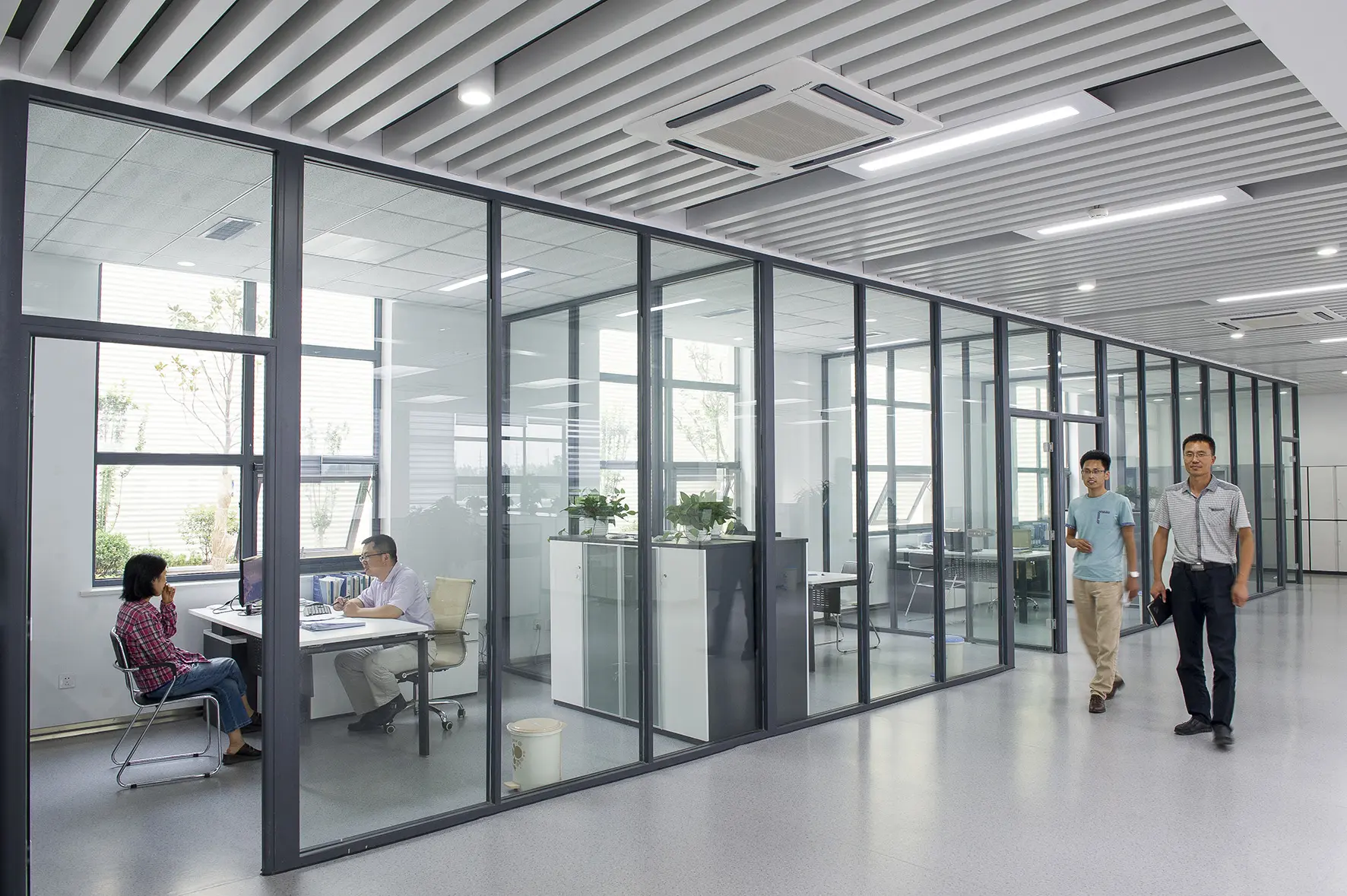
Our designers bring years of industry experience to ensure reliable product designs. Flotte operates a dedicated R&D center and laboratory to support product development and performance validation.
All workshop technicians undergo formal training and certification. Production processes, quality assurance, and customer service adhere to the ISO 9001:2015 framework and pressure vessel quality regulations.
High-quality final products require reliable raw materials. The procurement department maintains a strict list of qualified material suppliers and conducts regular reviews to ensure consistency.
Take a virtual tour of our modern production facility, demonstrating our capacity and production capabilities.
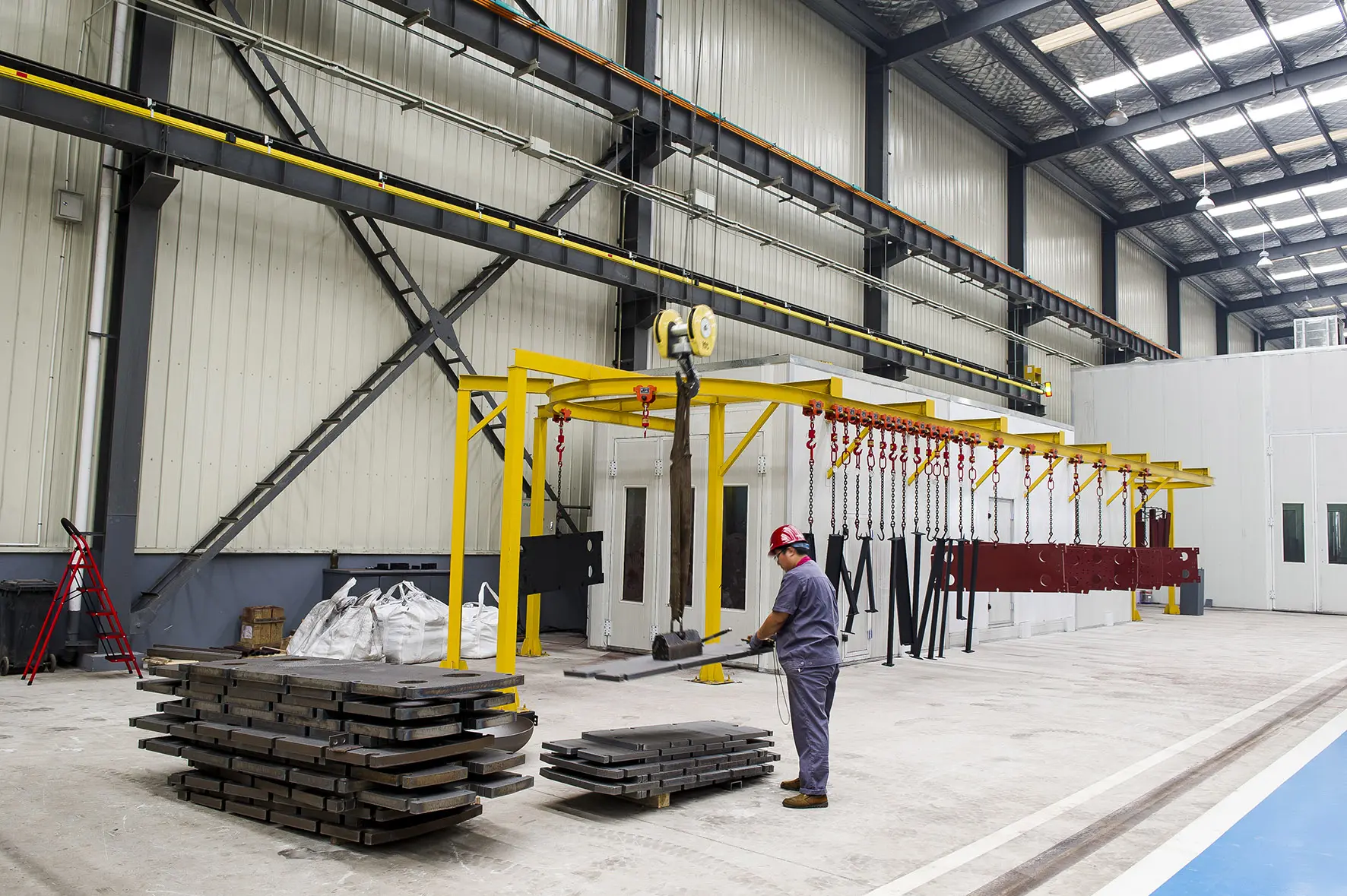


Our compliance documentation supports our quality, environmental, and occupational safety systems.
Material selection depends on the properties of the process medium, temperature limits, and pressure ratings. Common materials include:
• Ductile Iron (with coatings): Suitable for water distribution and general HVAC applications.
• Stainless Steel (CF8/CF8M): Offers good corrosion resistance for chemical lines and steam applications.
• Duplex and Super Duplex Stainless Steel: Designed for high-chloride environments and desalination plants.
• Titanium & Special Alloys: Used for highly corrosive chemicals and marine applications.
Computational Fluid Dynamics (CFD) optimizes the shape of the disc to reduce flow resistance. A streamlined, thin disc profile helps maintain laminar flow, which reduces turbulence, pressure drops, and wear on the downstream piping. This design also lowers the required actuation torque, extending actuator service life.
Double-offset valves feature a disc shifted away from both the shaft and the pipe centerline. This design minimizes seat friction during rotation. Triple-offset valves add a third angular offset to the sealing path, producing a cam-like action. This third offset enables friction-free sealing and allows for metal-to-metal seats suitable for high-temperature and high-pressure systems.
Common coatings include Nickel plating, Nylon-11, Epoxy, PTFE, and PFA. For severe service applications, hard-facing alloys like Stellite or Chromium carbide are applied to weld overlays. These treatments protect the disc edge from cavitation, erosion, and high-velocity abrasive particles.
Buyers should request standard documentation including EN 10204 3.1 Material Test Certificates, Hydrostatic and Pneumatic Testing Reports (complying with API 598 or ISO 5208), NDT (Non-Destructive Testing) reports for cast parts, and proof of management system certifications (ISO 9001, ISO 14001, ISO 45001).
 Flotte Energy